

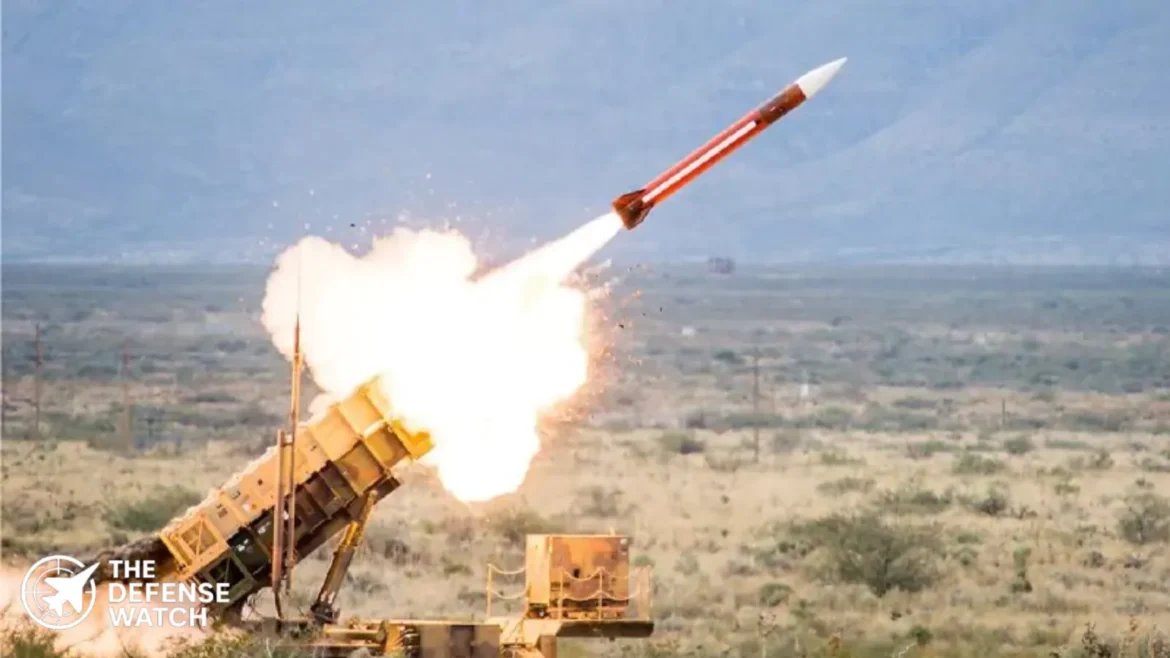
Escalating Military Posture in Strategic Theater
The US Middle East air defenses are undergoing significant reinforcement as the Pentagon positions advanced missile defense systems across the region, according to multiple defense intelligence sources. This strategic deployment comes as American military planners prepare contingency options for potential strikes against Iranian targets in response to recent attacks on US forces and interests.
(adsbygoogle = window.adsbygoogle || []).push({});The Biden administration has authorized the repositioning of Patriot missile batteries, THAAD (Terminal High Altitude Area Defense) systems, and additional air defense assets to protect American personnel and regional allies. Defense officials, speaking on condition of anonymity, confirmed the enhanced defensive posture represents one of the most substantial US military buildups in the Middle East since 2020.
Strategic Deployment of Advanced Defense Systems
The Pentagon Iran strike preparations include a comprehensive layered defense architecture designed to counter potential retaliatory capabilities. According to sources familiar with the deployment, the United States has moved at least three Patriot missile battery systems to undisclosed locations in Iraq and the broader Persian Gulf region.
Additionally, a THAAD battery—capable of intercepting ballistic missiles at high altitudes—has been repositioned to enhance coverage of critical infrastructure and coalition bases. The US Central Command (CENTCOM) has not publicly disclosed specific locations for operational security reasons, but defense analysts indicate the systems are strategically placed to provide overlapping coverage zones.
This is a prudent defensive measure to protect our forces and facilities,” a senior defense official stated, emphasizing that the deployments are designed to deter aggression and defend against potential Iranian missile and drone attacks.
Context: Rising Tensions with Iran
The enhanced military posture follows a series of attacks attributed to Iranian-backed militia groups targeting American forces in Iraq and Syria. Over the past six months, US installations have faced more than 150 rocket and drone attacks, resulting in injuries to American service members.
Intelligence assessments suggest Iran has significantly expanded its ballistic missile arsenal and unmanned aerial vehicle capabilities. The Islamic Revolutionary Guard Corps (IRGC) has demonstrated advanced precision-strike capabilities in recent regional operations, raising concerns among US military planners about potential retaliatory strikes should Washington authorize offensive action.
According to the International Institute for Strategic Studies (IISS), Iran’s missile inventory includes medium-range ballistic missiles capable of reaching targets throughout the Middle East, including all US bases in the region.
Air Defense Network Architecture
The Middle East missile defense systems now form a comprehensive defensive umbrella integrating multiple complementary platforms:
Patriot PAC-3 Systems: Designed to intercept tactical ballistic missiles, cruise missiles, and aircraft at medium to high altitudes. The PAC-3 variant uses hit-to-kill technology for enhanced precision.
THAAD Batteries: Provide upper-tier defense against medium and intermediate-range ballistic missiles during their terminal phase, operating at altitudes up to 150 kilometers.
Aegis-equipped Naval Assets: US Navy destroyers with Aegis Combat Systems provide mobile sea-based missile defense, capable of tracking and intercepting threats across broad areas.
Counter-UAS Platforms: Specialized counter-unmanned aircraft systems have been deployed to address the growing threat from Iranian-made drones and loitering munitions.
This integrated approach creates overlapping defensive layers, increasing the probability of successfully intercepting incoming threats while providing redundancy against saturation attacks.
(adsbygoogle = window.adsbygoogle || []).push({});Regional Allied Coordination
Defense coordination with regional partners has intensified as part of the broader deterrence strategy. The United States has conducted joint air defense exercises with Saudi Arabia, the United Arab Emirates, and Jordan in recent weeks, according to CENTCOM statements.
Israel, which maintains its own sophisticated multi-layered air defense network including Iron Dome, David’s Sling, and Arrow systems, has reportedly increased intelligence sharing with US forces regarding Iranian capabilities and potential threat vectors.
Gulf Cooperation Council (GCC) member states have also enhanced their readiness levels, with several countries activating integrated air defense coordination centers that link national systems with US platforms.
Strategic Implications and Deterrence Calculus
Military analysts emphasize that the US military response to Iran preparations serve dual purposes: protecting American forces while signaling resolve to Tehran. Dr. Michael Knights, a senior fellow at The Washington Institute for Near East Policy, noted that such deployments historically precede either military operations or intensive diplomatic negotiations.
“The United States is demonstrating it can defend its forces while maintaining offensive options,” Knights stated in a recent analysis. “This creates a credible deterrent against Iranian escalation while preserving flexibility for decision-makers.”
The deployment timing coincides with ongoing diplomatic efforts to address Iran’s nuclear program and regional activities. However, defense officials stress that military preparations proceed independently of diplomatic tracks, maintaining readiness for multiple contingencies.
Operational Readiness and Force Protection
The American forces Middle East deployment includes not only defensive systems but also enhanced force protection measures at military installations. CENTCOM has implemented increased security protocols, including expanded perimeter defenses, additional counter-drone capabilities, and hardened shelters for personnel.
Intelligence, surveillance, and reconnaissance (ISR) assets have been augmented to provide early warning of potential attacks. US Air Force RQ-4 Global Hawk high-altitude reconnaissance drones now maintain continuous coverage of critical areas, while space-based surveillance systems track potential launch preparations.
Force protection measures also include dispersing aircraft and critical assets to reduce vulnerability to precision strikes, a tactic employed successfully during previous periods of heightened tension.
Iranian Capabilities and Threat Assessment
Iran’s military posture includes an estimated 3,000 ballistic missiles of various ranges, according to the Defense Intelligence Agency. The Shahab-3 medium-range ballistic missile, with an approximate range of 1,300 kilometers, can reach most US installations in the region.
More concerning to defense planners are Iran’s Fateh-110 and Zolfaghar short-range ballistic missiles, which have demonstrated improved accuracy in recent years. These weapons can be launched from mobile platforms, complicating pre-emptive targeting.
(adsbygoogle = window.adsbygoogle || []).push({});Iran has also proliferated advanced unmanned systems, including the Shahed-136 loitering munition, which has been used extensively in regional conflicts. These relatively low-cost platforms can saturate defenses through swarm tactics, presenting unique challenges for traditional air defense systems.
Historical Precedent and Strategic Patterns
The current buildup mirrors previous US military postures before operations in the region. In January 2020, following the US strike that killed IRGC Quds Force commander Qasem Soleimani, the Pentagon deployed additional Patriot batteries and augmented naval assets to defend against anticipated Iranian retaliation.
Iran responded with ballistic missile strikes against Al-Asad Air Base in Iraq, causing traumatic brain injuries to more than 100 American service members despite no fatalities. The attack demonstrated Iranian precision capabilities and willingness to directly target US forces.
Defense analysts note that current preparations suggest decision-makers are anticipating similar or potentially more severe retaliatory scenarios.
Diplomatic Dimensions and Congressional Oversight
The military buildup has drawn attention from congressional oversight committees. Several members of the Senate Armed Services Committee have requested classified briefings on the scope and objectives of the deployments.
Some lawmakers have expressed concern about potential military escalation absent clear congressional authorization, while others support robust force protection measures for deployed personnel.
The administration has maintained that current deployments fall within existing authorities for force protection and do not necessarily indicate imminent offensive operations. However, defense officials acknowledge that contingency planning includes multiple options across the escalation spectrum.
Impact on Regional Stability
The enhanced US military presence contributes to a complex regional security environment. While intended to deter Iranian aggression, the deployments may also influence calculations by other regional actors, including Israel and Gulf states, regarding their own security postures.
Regional security experts warn that the current trajectory could lead to miscalculation or unintended escalation if not carefully managed through diplomatic channels alongside military preparations.

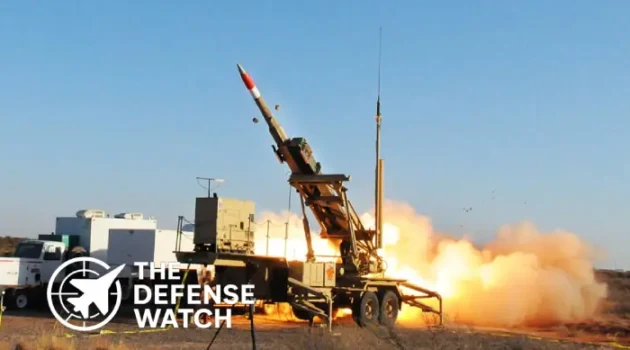
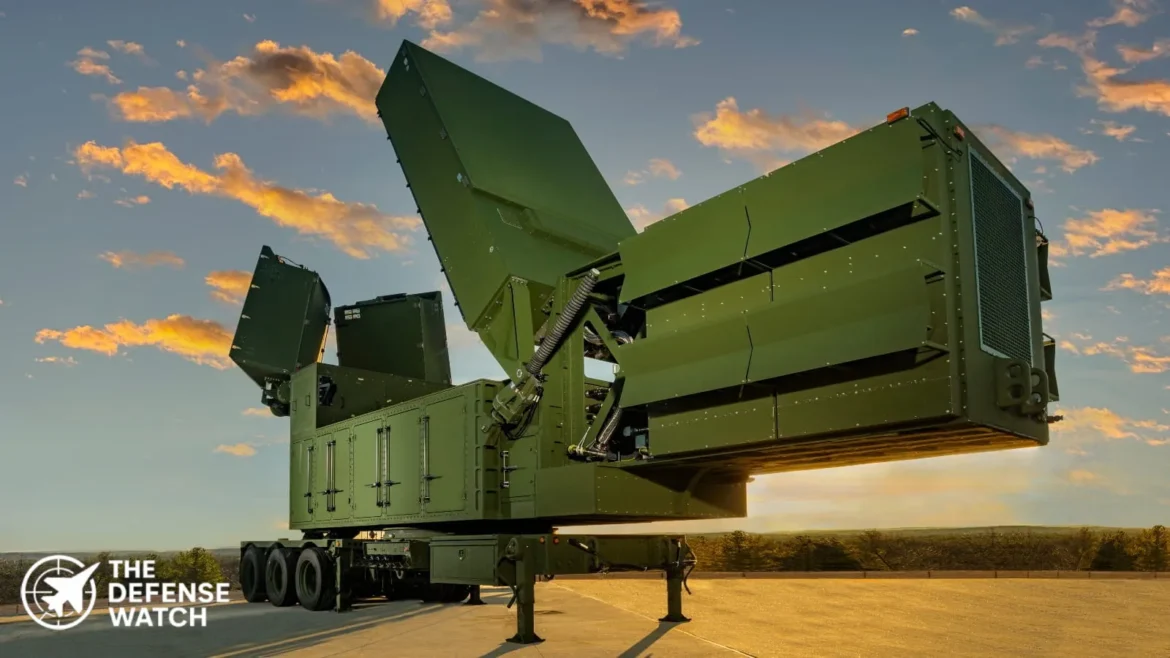
Raytheon awarded $1.025 billion LTAMDS contract modification
Lower Tier Air and Missile Defense Sensor production took a major step forward as Raytheon, based in Andover, Massachusetts, received a $1.025 billion contract modification from the U.S. Army to support Year Two production requirements.
The modification, identified as P00013 to contract W31P4Q-24-C-0024, brings the total cumulative value of the LTAMDS contract to $1.025 billion. The award reflects continued Army investment in next generation air and missile defense sensors designed to counter advanced ballistic and cruise missile threats.
According to official U.S. Department of Defense contracting announcements, work under the contract will be performed in Andover, Massachusetts, with an estimated completion date of March 31, 2030. Fiscal year 2026 other procurement, Army funds totaling $254,571,432 were obligated at the time of award. The Army Contracting Command at Redstone Arsenal, Alabama, is the contracting activity.
Strengthening the Armys next generation missile defense architecture
The Lower Tier Air and Missile Defense Sensor is a core element of the U.S. Army’s Integrated Air and Missile Defense architecture. LTAMDS is designed to replace and complement the legacy Patriot radar by providing 360 degree coverage, improved target discrimination, and greater resistance to electronic attack.
Raytheon’s LTAMDS radar uses active electronically scanned array technology built with gallium nitride components. This design allows higher power output, improved reliability, and the ability to track multiple threats at extended ranges. The system is intended to support current and future interceptors, including Patriot Advanced Capability interceptors and emerging missile defense weapons.
Army officials have repeatedly stated that LTAMDS is critical to countering evolving threats from peer and near peer adversaries, including maneuvering ballistic missiles, low flying cruise missiles, and unmanned aerial systems. The Year Two production award signals the program’s transition from development and testing into sustained production.
Contract details and funding profile
The $1.025 billion modification covers Year Two production requirements for the LTAMDS program. While the Department of Defense did not disclose the exact number of radar sets included, previous budget documents indicate the Army plans to procure LTAMDS units in phases, supporting fielding to multiple air defense battalions.
Of the total contract value, more than $254 million in fiscal 2026 Army procurement funding was obligated immediately. Additional funding is expected to be applied through future budget cycles as production continues through the end of the decade.
All contract work will take place in Andover, Massachusetts, reinforcing Raytheon’s long standing role as a key supplier of U.S. missile defense radar systems. The scheduled completion date of March 31, 2030 aligns with Army plans to field LTAMDS across operational units over several years.
Role of Raytheon in U.S. missile defense modernization
Raytheon has been a central player in U.S. air and missile defense for decades, with major programs including Patriot, AN TPY-2, and early warning radar systems. The Lower Tier Air and Missile Defense Sensor builds on this experience while introducing a new architecture tailored for modern threat environments.
The company successfully completed key LTAMDS testing milestones in recent years, including live missile tracking and integration with existing command and control systems. Army leadership has highlighted the radar’s ability to see threats from any direction, a limitation of earlier systems that relied on sector focused coverage.
By awarding the Year Two production contract, the Army is signaling confidence in the system’s maturity and its ability to meet operational needs. The award also supports industrial base stability for advanced radar manufacturing within the United States.
Strategic importance of LTAMDS for the U.S. Army
Air and missile defense has become a top modernization priority for the U.S. Army as global threat environments grow more complex. Conflicts in recent years have demonstrated the effectiveness of ballistic missiles, cruise missiles, and drones against fixed and mobile targets.
LTAMDS is designed to operate as part of a networked defense system, sharing data with other sensors and shooters across joint and allied forces. This approach improves situational awareness and allows commanders to respond faster to incoming threats.
The radar’s open architecture is intended to support future upgrades, ensuring the system remains relevant as new threats emerge. Army officials have described LTAMDS as a foundational sensor that will anchor lower tier missile defense for decades.
Oversight and contracting authority
The Army Contracting Command at Redstone Arsenal, Alabama, manages the LTAMDS contract. Redstone Arsenal serves as the Army’s center for missile and aviation acquisition, providing technical oversight and program management for many of the service’s most complex systems.
By structuring the LTAMDS award as a multi year contract with incremental modifications, the Army retains flexibility to adjust procurement quantities and funding based on operational needs and congressional appropriations.
Outlook for LTAMDS production and fielding
With Year Two production now under contract, the LTAMDS program is expected to continue ramping up manufacturing through the latter half of the decade. Initial operational units are anticipated to receive the radar as legacy systems are phased out or supplemented.
The sustained investment reflected in the $1.025 billion contract underscores the importance of the Lower Tier Air and Missile Defense Sensor within the broader U.S. missile defense strategy. As the Army prepares for high end conflict scenarios, advanced sensors like LTAMDS will play a decisive role in protecting forces and critical assets.
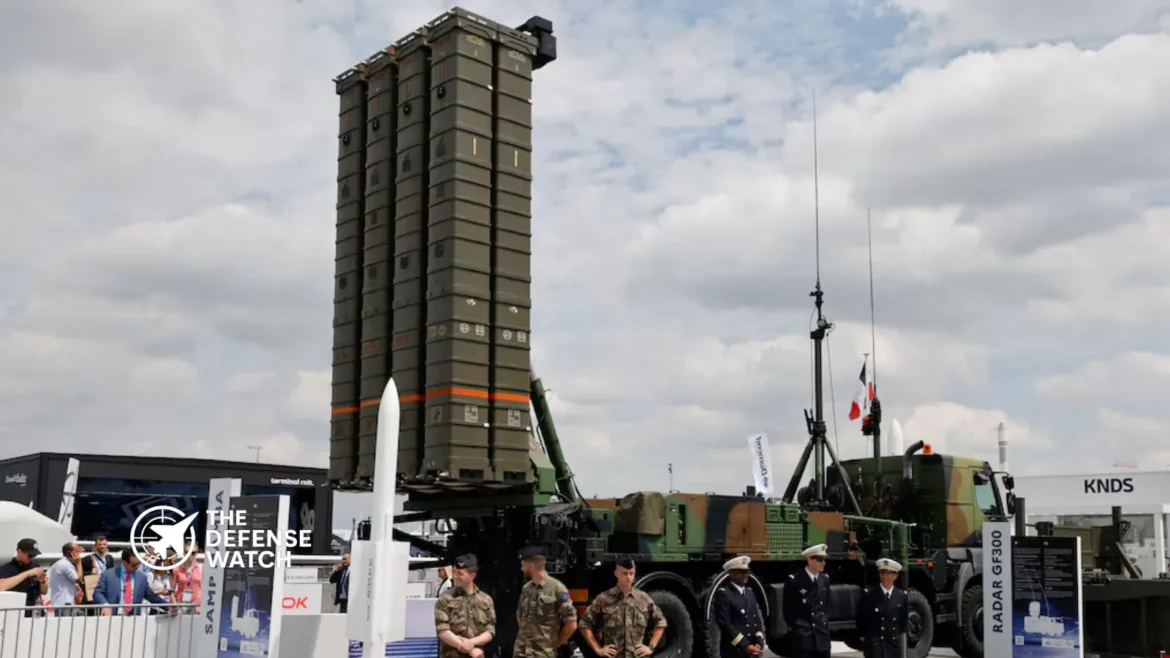
Estonia Advances Critical Missile Defense Procurement Amid Regional Security Concerns
Estonia is approaching a final decision on acquiring a missile defense system, marking a significant step in the Baltic nation’s military modernization efforts as regional security concerns intensify. The Estonian Defense Forces are evaluating multiple platforms from Israeli, American, and European manufacturers to establish a comprehensive air defense capability.
(adsbygoogle = window.adsbygoogle || []).push({});According to reports from Defense News, the procurement decision comes as Estonia and fellow Baltic states Lithuania and Latvia accelerate defense investments in response to Russia’s continued military activities near NATO’s eastern border. The missile defense system acquisition represents one of Estonia’s most substantial defense procurements in recent years, reflecting the nation’s commitment to territorial defense and NATO interoperability.
Competing Systems Under Evaluation
Estonia’s Ministry of Defense has narrowed its selection to several leading air and missile defense platforms currently deployed by NATO allies and partner nations. While specific system designations remain under evaluation, defense industry sources indicate the competition includes:
Israeli Systems: Rafael Advanced Defense Systems’ Iron Dome and potentially the David’s Sling medium-to-long-range system have emerged as strong contenders. Iron Dome’s proven combat record intercepting rockets, artillery, and short-range threats makes it attractive for Estonia’s operational requirements. The system has demonstrated over 90% interception success rates in Israeli Defense Forces operations.
American Options: U.S. defense contractors have presented variants of the Patriot Advanced Capability (PAC-3) system and potentially the National Advanced Surface-to-Air Missile System (NASAMS), currently protecting Washington, D.C. Both platforms offer deep integration with NATO command and control infrastructure.
European Alternatives: European defense manufacturers are competing with systems including the Franco-Italian SAMP/T (Surface-to-Air Missile Platform/Terrain) and potentially German-Norwegian developments. These options emphasize European defense industrial base cooperation and reduced dependency on non-EU suppliers.
Strategic Context Driving Procurement
The timing of Estonia’s missile defense decision reflects broader Baltic security dynamics following Russia’s full-scale invasion of Ukraine in February 2022. Estonia, with a population of approximately 1.3 million and sharing a 183-mile border with Russia, has consistently maintained one of NATO’s highest defense spending ratios relative to GDP.
Estonian defense officials have emphasized the need for layered air defense capabilities to protect critical infrastructure, military installations, and population centers from potential missile and drone threats. The system must integrate with NATO’s Integrated Air and Missile Defense (IAMD) architecture while providing autonomous defensive capabilities.
(adsbygoogle = window.adsbygoogle || []).push({});Lithuania and Latvia are pursuing parallel air defense modernization programs, creating potential opportunities for coordinated procurement and joint training initiatives among the Baltic states. Such cooperation could enhance regional defense effectiveness while achieving economies of scale in acquisition and sustainment costs.
Technical Requirements and Operational Capabilities
Estonia’s technical specifications reportedly prioritize several key capabilities:
Rapid Deployment: Mobile systems capable of repositioning across Estonia’s compact territory to protect high-value assets and respond to evolving threat scenarios.
Multi-Domain Integration: Seamless connectivity with NATO early warning systems, including airborne surveillance platforms and ground-based radars positioned throughout the Baltic region.
Counter-Precision Strike: Ability to intercept cruise missiles, ballistic missiles, and unmanned aerial systems that could target Estonian defense infrastructure or NATO forces stationed in the country.
Sustainability: Long-term supportability with reliable supply chains for interceptor missiles, maintenance, and system upgrades throughout the platform’s operational lifecycle.
Defense analysts note that Estonia’s choice will likely influence neighboring Baltic procurement decisions, potentially establishing a regional standard for air defense architecture. Interoperability between Estonian, Latvian, and Lithuanian systems would strengthen collective defense capabilities across NATO’s northeastern frontier.
Budget Allocation and Timeline
While Estonian defense officials have not publicly disclosed the specific budget allocation for the missile defense acquisition, the procurement represents a multi-hundred-million-euro investment spread across several fiscal years. Estonia’s defense budget for 2026 exceeds €1.3 billion, with significant portions dedicated to capability development and modernization.
The procurement timeline suggests a contract decision could be announced within the first half of 2026, with initial system deliveries potentially beginning in 2027-2028. Training Estonian personnel on complex air defense operations typically requires 12-18 months, indicating full operational capability may be achieved by 2029.
NATO Support and Allied Cooperation
Estonia’s missile defense procurement aligns with NATO’s broader efforts to strengthen the alliance’s eastern flank following the 2022 NATO Summit in Madrid, where allies committed to enhanced forward defense posture. The United States and other NATO members have increased rotational force deployments to the Baltic states, including air defense assets.
NATO’s Air Policing mission over the Baltic states, conducted continuously since 2004, provides airspace surveillance and quick reaction alert capabilities. However, Estonian officials have emphasized the need for sovereign air defense capabilities that complement rather than replace allied contributions.
(adsbygoogle = window.adsbygoogle || []).push({});The alliance’s Defense Investment Pledge, requiring members to spend at least 2% of GDP on defense with 20% allocated to major equipment procurement, provides the framework supporting Estonia’s acquisition. Estonia has consistently exceeded both thresholds, demonstrating sustained commitment to alliance burden-sharing principles.
Regional Security Implications
Estonia’s missile defense decision carries significant implications for Baltic security architecture and NATO deterrence posture. The deployment of advanced air defense systems in Estonia would complicate potential Russian military planning while demonstrating allied resolve to defend every inch of NATO territory.
Defense experts observe that credible air and missile defense capabilities reduce vulnerabilities that adversaries might exploit during crisis situations. For Estonia, positioned on NATO’s frontier, such capabilities contribute to both deterrence and defense across the spectrum of potential contingencies.
The procurement also reflects broader European defense trends toward increased self-reliance and enhanced territorial defense capabilities. As European nations navigate evolving security environments, investments in air and missile defense represent foundational elements of credible national defense strategies.
Industry Competition and Economic Considerations
The competition among Israeli, American, and European defense contractors involves not only technical performance but also industrial cooperation commitments, technology transfer opportunities, and long-term partnership arrangements. Estonia has emphasized the importance of offset agreements that contribute to domestic defense industrial development.
Successful bidders may commit to establishing maintenance facilities, training centers, or research partnerships within Estonia, creating economic opportunities while building national defense capabilities. Such arrangements align with broader NATO Smart Defence initiatives promoting multinational cooperation and efficient resource allocation.
(adsbygoogle = window.adsbygoogle || []).push({});The final selection will likely balance operational effectiveness, lifecycle costs, alliance interoperability, and strategic partnership considerations. Estonia’s decision-making process reflects the complex calculus facing smaller NATO members seeking to maximize defense capabilities within fiscal constraints.
Conclusion
Estonia’s approaching decision on missile defense system acquisition represents a pivotal moment in Baltic security development. As the nation evaluates Israeli, American, and European platforms, the procurement will establish critical air defense capabilities while reinforcing NATO’s eastern flank defensive posture.
The chosen system will serve Estonian defense requirements for decades while contributing to regional deterrence and alliance collective defense. With a decision expected in coming months, defense industry observers and allied defense planners closely monitor Estonia’s selection process as a bellwether for Baltic air defense modernization.


Iran Unveils Fattah-1: A New Chapter in Hypersonic Warfare
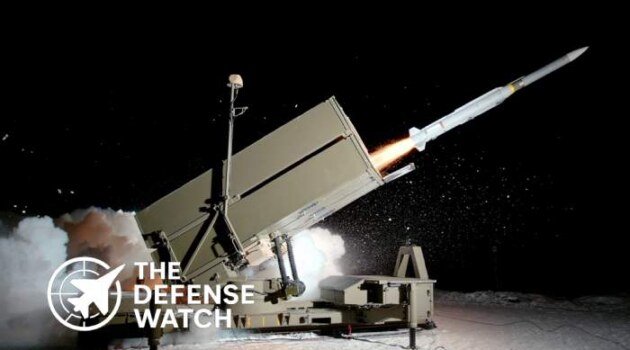
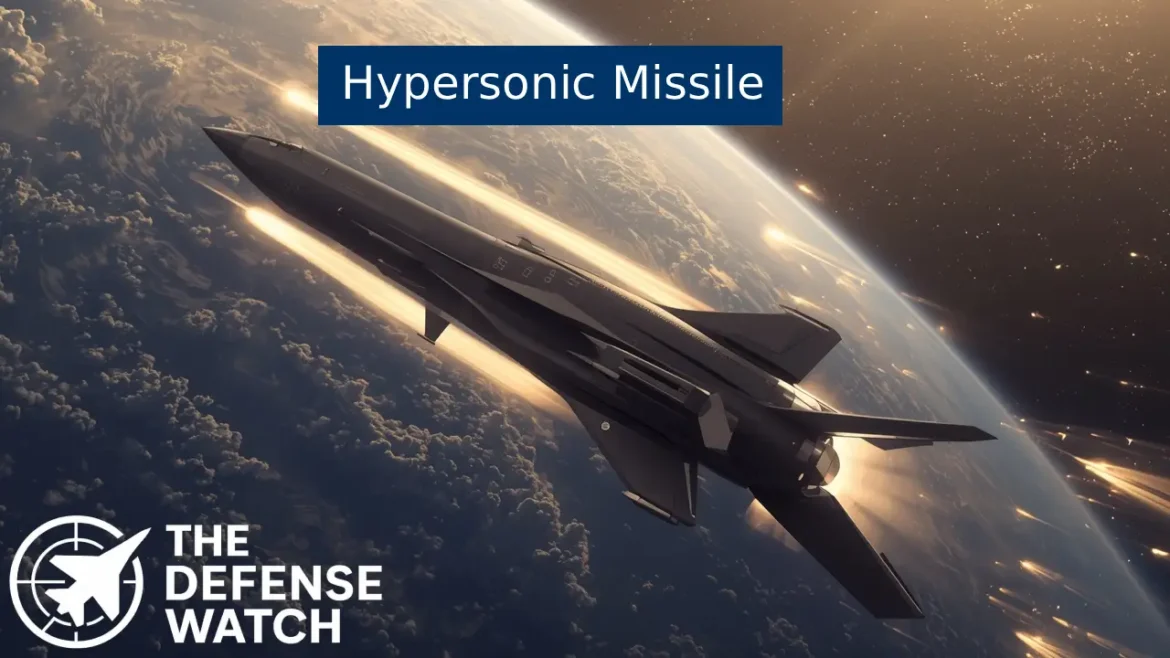
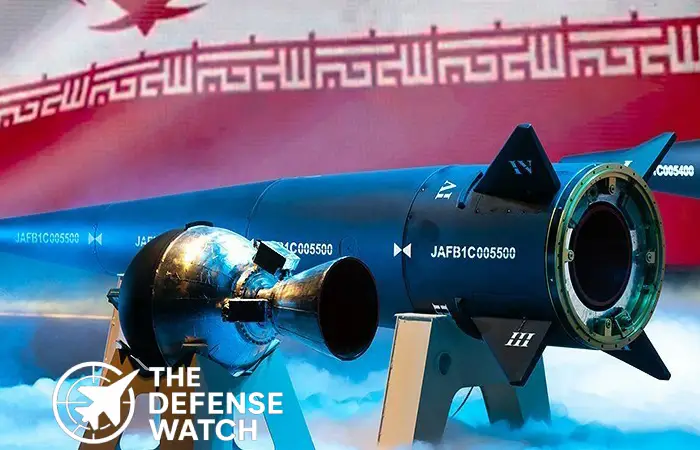
Iran unveiled the Fattah-1 hypersonic missile in a ceremony on June 6, 2023, marking what Tehran describes as a transformational advancement in its missile capabilities. Developed by the Islamic Revolutionary Guard Corps Aerospace Force, the Fattah-1 represents Iran’s first entry into the hypersonic weapons category, joining an exclusive technological club previously dominated by major military powers.
(adsbygoogle = window.adsbygoogle || []).push({});The fattah-1 hypersonic missile has already been deployed in combat operations. Researchers from the James Martin Center for Nonproliferation Studies identified Fattah-1 debris from Iranian strikes against Israel in both April and October 2024, demonstrating that Iran has moved beyond testing to operational use of its hypersonic missile technology.
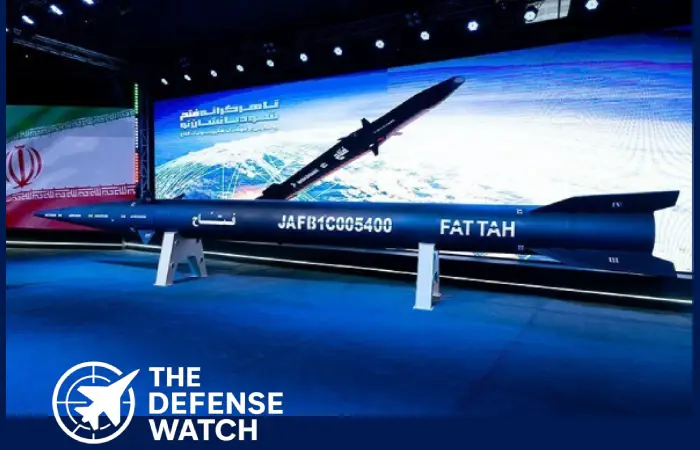
The unveiling of Iran’s hypersonic missile capability represents a significant shift in Middle Eastern military balance. The October 1 deployment of Fattah-1 missiles against Israeli targets demonstrated its effectiveness, with multiple missiles reportedly penetrating Israel’s defense networks, raising questions about the future of missile defense in an era of hypersonic flight.
Understanding Hypersonic Missiles: Beyond Speed Alone
The term “hypersonic” has become a source of both fascination and confusion in defense circles. A hypersonic weapon is defined as one that can travel and maneuver significantly during atmospheric flight at hypersonic speed, which is above Mach 5—five times the speed of sound. However, speed alone does not define a true hypersonic weapon.
(adsbygoogle = window.adsbygoogle || []).push({});Hypersonic weapons typically fall into two main categories: hypersonic glide vehicles (boost-glide weapons) and hypersonic cruise missiles (airbreathing weapons). What distinguishes these systems from conventional ballistic missiles—which also reach hypersonic speeds—is sustained maneuverability throughout their flight path.
In modern warfare, experts say hypersonic weapons must have advanced navigation systems that make them nimble and capable of changing trajectory midflight. This combination of extreme velocity and maneuverability creates a defensive challenge that traditional interceptor systems struggle to address.

The engineering challenges behind hypersonic flight are formidable. At hypersonic speeds, friction and air resistance create an incredible amount of heat, which needs to be managed through tough but lightweight heat shields and thermal protection systems. The materials, guidance systems, and propulsion technologies required represent the cutting edge of aerospace engineering.
(adsbygoogle = window.adsbygoogle || []).push({});Technical Specifications: Inside the Fattah-1 System
The Fattah-1’s design reflects sophisticated engineering tailored specifically for hypersonic warfare. With a range of 1,400 kilometers, the Fattah-1 is classified as a medium-range ballistic missile, capable of targeting Israel from any corner of western Iran. This range encompasses critical strategic targets throughout the Middle East, including Israeli military installations and U.S. bases in the region.
The missile’s speed capabilities are particularly noteworthy. The Fattah-1’s terminal speed is Mach 13 to 15, which translates to 16,000 to 18,500 kilometers per hour—three times faster than the lower limit of hypersonic speed. At these velocities, defenders have mere seconds to detect, track, and engage incoming threats before impact.
The Fattah-1 utilizes a two-stage solid-propellant system and carries a maneuverable re-entry vehicle capable of independent flight and in-flight course correction. This propulsion architecture allows rapid acceleration from launch while maintaining agility during the terminal phase of flight.
Maneuverable Re-Entry Vehicle Technology
The missile’s warhead section represents a departure from traditional ballistic missile design. The warhead measures approximately 3.6 meters long with thrust vector control for midcourse and terminal maneuverability, weighing roughly 1,000 kilograms and containing up to 500 kilograms of high-explosive payload.
The Fattah-1 features movable nozzles that allow the missile to maneuver in all directions both in and out of the Earth’s atmosphere, making it immune to interception by existing anti-missile systems according to Iranian claims. These control surfaces enable the weapon to execute unpredictable flight paths that complicate defensive targeting solutions.
(adsbygoogle = window.adsbygoogle || []).push({});The guidance systems aboard the Fattah-1 remain classified, but the missile’s ability to adjust its course implies sophisticated guidance technology ensuring greater targeting precision essential for hitting high-value targets with accuracy. This combination of speed, maneuverability, and precision represents the core challenge hypersonic weapons pose to modern air defenses.
The Fattah-2: Evolution of Iran’s Hypersonic Arsenal
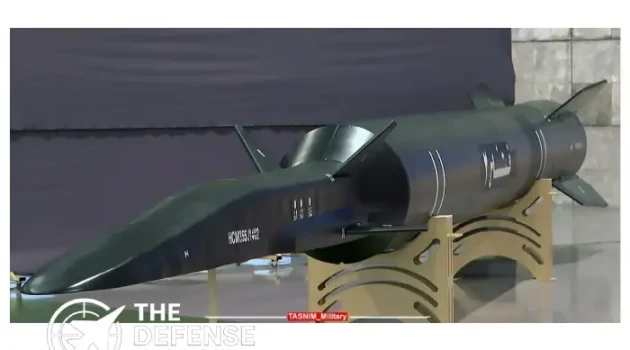
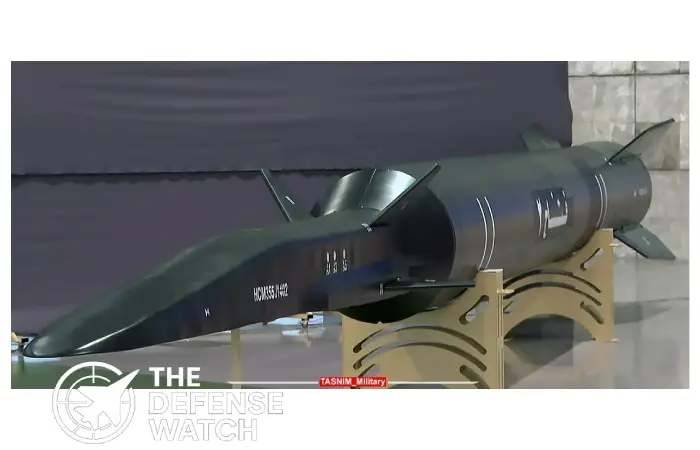
Iran has not rested on its laurels following the Fattah-1 debut. In November 2023, Iran presented the improved Fattah-2 model, featuring a gliding warhead that creates a new classification: Hypersonic Cruise Glide Vehicle. This represents a technological evolution beyond the original design.
While the Fattah-2’s first stage remains the same as the initial version, the second stage features a different warhead design with a solid fuel booster carrying a gliding warhead. This hybrid approach combines boost-glide technology with cruise capabilities, potentially extending range and enhancing terminal maneuverability.
(adsbygoogle = window.adsbygoogle || []).push({});The progression from Fattah-1 to Fattah-2 demonstrates Iran’s commitment to advancing its hypersonic missile capabilities. The modifications suggest Iranian engineers are working to address limitations in the original design while incorporating lessons learned from testing and operational deployment.
How Hypersonic Flight Challenges Missile Defense Systems
The emergence of iran hypersonic missiles has forced a fundamental reassessment of air defense architectures throughout the Middle East. The Fattah-1 compresses Israel’s response time for interception to mere seconds, far below the time available for slower ballistic missiles. This temporal compression creates cascading challenges for every element of the defensive kill chain.
Traditional ballistic missile defense relies on predictable trajectories. Unlike traditional ballistic missiles which follow a predictable arc, the Fattah-1 is capable of in-flight course adjustments, allowing it to glide and alter its trajectory within the atmosphere. This maneuverability forces defense systems to continuously recalculate intercept solutions, stretching computational resources and reducing engagement opportunities.
Israel’s multilayered air defense network—comprising Iron Dome, David’s Sling, Arrow 2, and Arrow 3 systems—was designed primarily to counter conventional ballistic threats. Yet hypersonic missiles like Iran’s Fattah-1 pose a new and serious challenge due to their extreme speed combined with mid-flight maneuverability, making them far harder to track and intercept even for advanced systems like Arrow.
Radar Detection and Tracking Limitations
The low-altitude flight profile that hypersonic weapons can employ creates additional detection challenges. Hypersonic glide vehicles can fly lower than traditional ballistic missiles, using terrain to hide from radar and reducing response time for defense systems. This terrain masking exploits the geometric limitations of ground-based radar systems, shrinking the engagement envelope available to interceptors.
(adsbygoogle = window.adsbygoogle || []).push({});However, hypersonic weapons are not invisible. The intense heating of a hypersonic vehicle traveling faster than about Mach 6 to 10 produces a very bright infrared signal during its glide phase that can be detected by currently deployed early-warning satellites. This thermal signature provides one potential vulnerability that defensive systems might exploit.
Operational Deployment: Combat Performance Assessment
Iran has moved beyond claims and demonstrations to actual combat employment of its hypersonic missile technology. In October 2024, Iran launched approximately 200 ballistic missiles at targets in Israel in at least two waves, using hypersonic missiles such as the Fattah weapons system. This represented the largest direct Iranian attack on Israel during the ongoing conflict.
The effectiveness of these strikes generated considerable debate. The October 1 deployment demonstrated the Fattah-1’s capacity to bypass Israel’s defense systems, showcasing Iran’s ability to reach high-value or strategic targets deep within Israeli territory. Multiple missiles penetrated Israeli air defenses, striking military bases and causing damage despite the multilayered defensive architecture.
(adsbygoogle = window.adsbygoogle || []).push({});However, Israeli sources present a different assessment. The Fattah-1 has had minimal success according to Israeli officials, with Israel able to intercept more than 95 percent of the missiles because speed is not crucial compared to maneuverability. This discrepancy highlights ongoing debates about the true capabilities of Iran’s hypersonic systems.
The Hypersonic Debate: True Capability or Exaggeration?
Western analysts have expressed skepticism about Iranian claims regarding the Fattah-1’s hypersonic credentials. Iran’s description of the missile as “hypersonic” has been noted as “dubious” by several media outlets and analysts, with questions raised about whether the system meets the technical definition of a maneuverable hypersonic weapon.
Most of the missiles Iran has deployed against Israel travel at hypersonic speed but are barely maneuverable, so are not considered true hypersonic missiles according to Israeli defense researchers. This distinction matters because maneuverability—not just speed—determines how effectively a weapon can evade interception.
The technical reality appears more nuanced than either Iranian promotional materials or complete dismissals suggest. Maneuverable reentry vehicles, such as employed on the Fattah-1, are generally excluded from the hypersonic weapons definition as they maneuver aerodynamically only for short periods during the terminal phase. By this strict definition, the Fattah-1 occupies a middle ground—faster and more capable than conventional ballistic missiles, but perhaps not meeting the full criteria for advanced hypersonic glide vehicles.
Strategic Implications for Regional Security
The introduction of what are hypersonic missiles—or at minimum, highly capable maneuvering ballistic missiles—into Iran’s arsenal carries significant strategic implications. These weapons serve as psychological weapons, forcing Israel and the United States to think twice before pursuing any military action against Iran. Deterrence value exists regardless of technical classification debates.
The missile shortage challenge facing Israeli defenses compounds this strategic shift. Israel is running low on its supply of Arrow missile interceptors just as Iran unleashes hypersonic missiles, with American defense leaders having known for months about the shortfall. This inventory constraint creates operational vulnerabilities that Iran can potentially exploit through saturation attacks.
(adsbygoogle = window.adsbygoogle || []).push({});U.S. military officials have responded by deploying additional assets to the region. The U.S. maintains THAAD (Terminal High Altitude Air Defense) batteries in Israel and Navy destroyers equipped with SM-3 interceptors offshore. However, these reinforcements represent finite resources subject to the same inventory pressures facing Israeli forces.
Production and Proliferation Questions
Critical uncertainties remain regarding Iran’s production capacity. Questions persist about how many hypersonic missiles Iran is able to produce, as these sophisticated systems usually cost significant amounts to produce in great numbers. Serial production capability determines whether Iran possesses a handful of demonstration systems or a sustainable operational force.
Some analysts suspect external assistance in Iran’s rapid development timeline. While analysts question the full extent of Iran’s claimed capabilities and suspect Russian assistance in their rapid development, even partially realized, these hypersonic missiles represent a serious escalation in regional military technology. Technology transfer from Russia or China could accelerate Iranian capabilities significantly.
Comparative Context: Global Hypersonic Race
Iran’s entry into hypersonic weapons development occurs within a broader global competition. Countries including Brazil, Australia, the United Kingdom, France, Germany, Iran, Japan, South Korea and North Korea all have hypersonic weapons programs. This proliferation trend suggests hypersonic technology is gradually becoming more accessible despite its complexity.
The United States, China, and Russia remain at the forefront of hypersonic development. China has demonstrated morphing missile concepts, while Russia claims operational deployment of systems like Avangard and Kinzhal. The Department of Defense has spent more than $8 billion since 2019 on programs to develop hypersonic missiles, reflecting the priority Washington places on matching peer competitors.
(adsbygoogle = window.adsbygoogle || []).push({});However, the technology faces inherent limitations. Hypersonic weapons at theater ranges still experience intense heating for about eight minutes when gliding for a thousand kilometers at low altitude. These thermal management challenges, combined with materials science requirements, create natural barriers to proliferation.
Future Defense Technologies and Countermeasures
Countering the hypersonic threat requires new technological approaches. Israel could accelerate research into directed energy weapons, which offer the rapid engagement necessary for high-speed threats, or explore kinetic interceptors specifically tailored for hypersonic maneuvering targets. Laser systems traveling at the speed of light could theoretically engage hypersonic threats if sufficient power and beam control can be achieved.
Advanced sensor networks represent another critical element. Israel’s defense industry may need to develop advanced radar systems with real-time data fusion capabilities to detect and intercept these missiles at different stages of flight. Earlier detection extends the engagement timeline, partially offsetting the speed advantage hypersonic weapons possess.
(adsbygoogle = window.adsbygoogle || []).push({});Regional cooperation offers strategic advantages in facing distributed threats. U.S. officials have urged Gulf nations to acquire additional interoperable sensors and weapons capable of sharing early warning and employing uniform tactics. An integrated regional defense architecture could provide overlapping coverage and distributed interceptor inventories.
The European Union has recognized the urgency of this challenge. The European Union is studying how to develop an interceptor for hypersonic missiles as it ramps up defense spending to counter threats. This reflects growing global awareness that hypersonic weapons will define next-generation air defense requirements.
Analysis: Reassessing Middle East Military Balance
Iran’s development and deployment of the Fattah-1 hypersonic missile system represents more than an incremental capability upgrade—it signals a potential inflection point in regional military dynamics. Whether or not the Fattah-1 meets strict technical definitions of a hypersonic weapon matters less than its demonstrated ability to complicate Israeli air defenses and penetrate multilayered protection systems.
The strategic calculus has shifted in three key areas. First, interceptor economics now favor the attacker, as relatively inexpensive ballistic missiles force the expenditure of sophisticated, costly interceptors. Second, the compressed engagement timelines associated with high-speed threats stress command-and-control systems, increasing the probability of defensive gaps. Third, the psychological dimension of hypersonic weapons—their perceived invincibility—carries deterrent value independent of actual interception rates.
Iran’s achievement also highlights the democratization of advanced military technology. What was once the exclusive domain of superpowers is now accessible to regional powers with sufficient technical expertise and resources. This proliferation trend will likely continue, forcing defense establishments worldwide to invest heavily in next-generation air defense systems.
(adsbygoogle = window.adsbygoogle || []).push({});The Fattah-1’s operational deployment in 2024 provided real-world performance data that will inform both Iranian refinements and Israeli defensive adaptations. Future variants will likely incorporate lessons learned regarding optimal flight profiles, warhead design, and guidance algorithms. Meanwhile, Israeli and American engineers will analyze intercept data to develop improved tracking and engagement solutions.
Ultimately, the hypersonic era forces a return to fundamental questions about deterrence, first-strike advantages, and strategic stability. If hypersonic missiles can reliably penetrate defenses, does this restore some of the nuclear-age logic of assured retaliation? Or does it incentivize preemptive strikes against mobile launchers before they can be employed? These questions will shape Middle Eastern security dynamics for the coming decade.
FAQs
What makes the Fattah-1 a hypersonic missile?The Fattah-1 achieves speeds between Mach 13-15 (three times faster than the Mach 5 hypersonic threshold) and features maneuverable reentry vehicle technology allowing mid-flight trajectory adjustments. However, some Western analysts debate whether its maneuverability meets strict hypersonic weapon definitions since it operates primarily during terminal phase rather than throughout the entire flight path.
Can Israeli air defenses intercept Iran’s hypersonic missiles?Israeli officials report intercepting over 95 percent of Iranian missile attacks, though some Fattah-1 systems have penetrated defenses and struck targets. The combination of extreme speed, maneuverability, and potential saturation attacks challenges even advanced Arrow and David’s Sling systems, particularly as interceptor inventories become constrained during sustained conflicts.
How does hypersonic flight technology work?Hypersonic flight involves traveling at speeds above Mach 5 while managing extreme temperatures generated by atmospheric friction. Advanced hypersonic weapons use heat-resistant materials, sophisticated guidance systems, and either boost-glide or air-breathing propulsion to maintain both speed and maneuverability throughout their flight profile.
Which countries possess operational hypersonic missiles?The United States, Russia, and China lead hypersonic development with various systems in testing or deployment. Iran, North Korea, India, and several European and Asian nations maintain active development programs. The technology remains challenging, with significant barriers related to materials science, propulsion, and guidance systems.
What countermeasures exist against hypersonic weapons?Potential countermeasures include directed energy weapons (lasers) for speed-of-light engagement, advanced early-warning satellites detecting thermal signatures, improved radar networks for extended tracking, specialized kinetic interceptors designed for hypersonic targets, and regional integrated defense architectures sharing sensor data and coordinating responses.

US Approves AMRAAM ER Missile Sale to Denmark
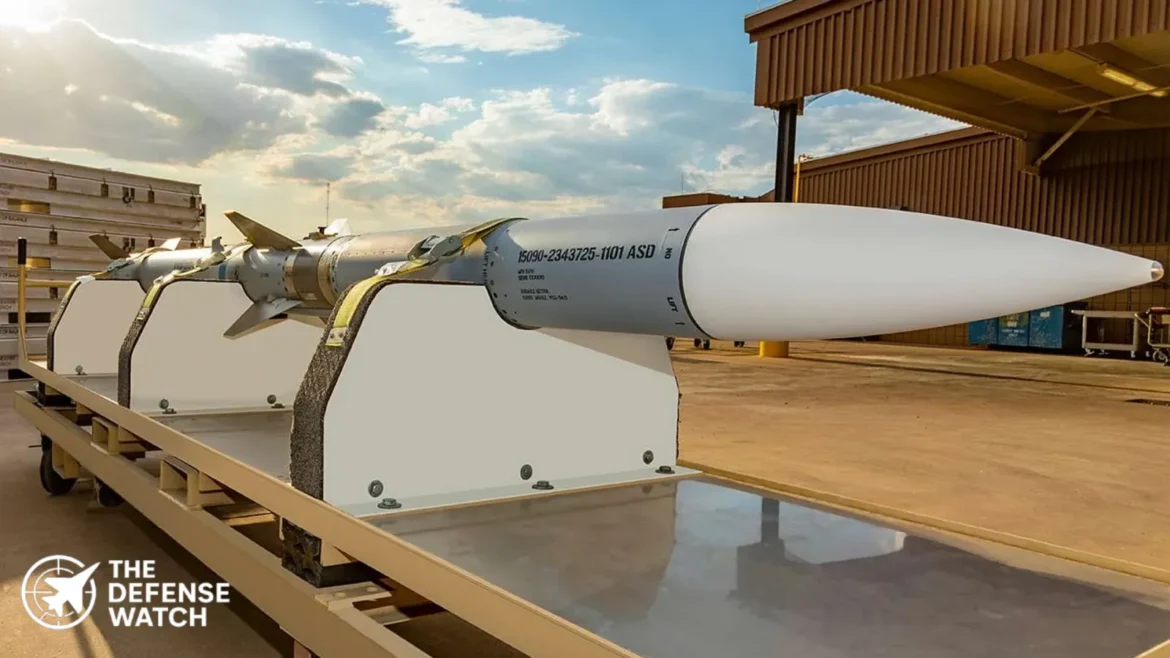
The United States has approved a potential 951 million AMRAAM ER missile sale to Denmark, aimed at strengthening the country air and missile defense capabilities. The approval was announced through the US Defense Security Cooperation Agency, marking a major step in Denmark ongoing defense modernization efforts.
The sale was cleared under the US Foreign Military Sales framework and now awaits final contract negotiations and implementation.
What the Deal Includes
According to official disclosures, the proposed package includes Advanced Medium Range Air to Air Missile Extended Range interceptors, along with related fire control systems, spare parts, logistics support, and training elements. The system is designed for ground based air defense use and offers extended engagement range compared to earlier AMRAAM variants.
The AMRAAM ER missile sale to Denmark is expected to support the country short to medium range air defense needs against aircraft, cruise missiles, and unmanned aerial threats.
Background on AMRAAM ER System
The AMRAAM ER is jointly developed by Raytheon and Kongsberg and is used in the National Advanced Surface to Air Missile System. The missile combines the AMRAAM seeker and guidance system with a larger rocket motor, providing greater reach and altitude coverage.
Denmark already operates NASAMS, making the AMRAAM ER a compatible upgrade that enhances existing air defense infrastructure without requiring a full system replacement.
Strategic Importance for Denmark and NATO
The AMRAAM ER missile sale to Denmark aligns with broader NATO efforts to reinforce integrated air and missile defense across Northern Europe. Denmark geographic position near the Baltic Sea gives it a key role in protecting allied airspace and critical infrastructure.
US officials stated that the sale supports NATO interoperability and does not alter the regional military balance. The package is intended to improve defensive readiness rather than introduce offensive capabilities.
Industry and Policy Perspective
The Defense Security Cooperation Agency confirmed that the transaction supports US foreign policy goals by strengthening the security of a NATO ally. The agency also noted that Denmark will have no difficulty integrating the system into its armed forces.
Raytheon is expected to be the primary contractor, with support from Norwegian defense firm Kongsberg for system integration and sustainment.
What Happens Next
Final contract negotiations will determine delivery timelines and system configuration. Once completed, Denmark will move forward with deployment planning and training.
The AMRAAM ER missile sale to Denmark reflects continued US support for allied air defense modernization amid evolving aerial threats in Europe.

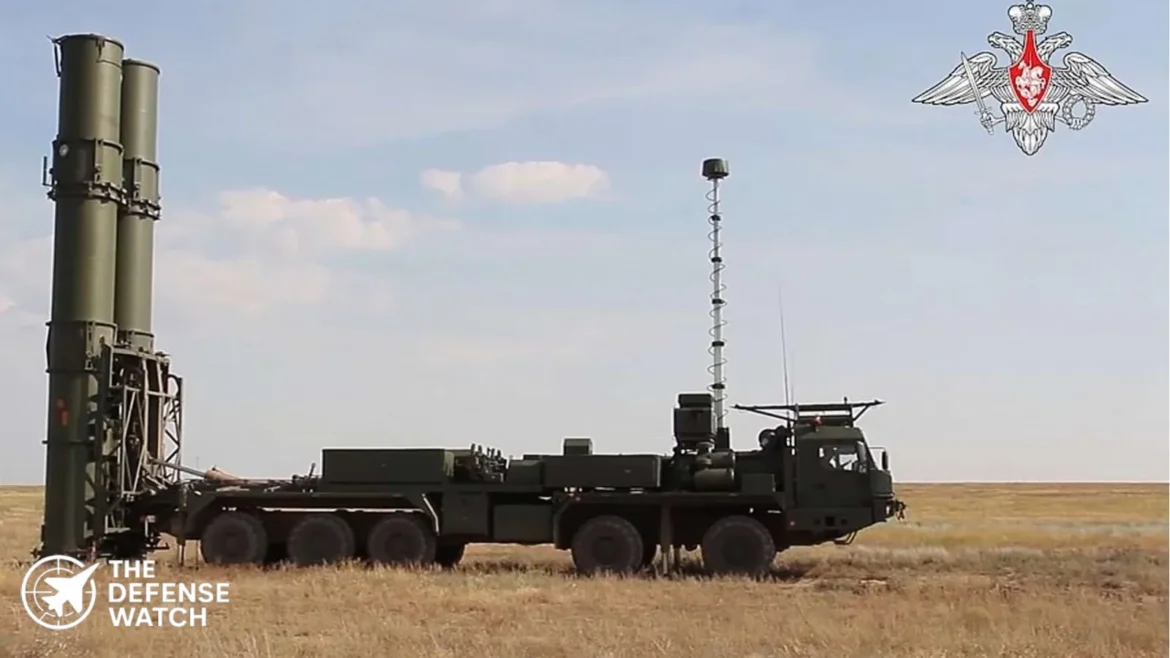
Russia Confirms First Combat Deployment of S-500 System
Russia has officially placed its S-500 missile defense system on combat duty for the first time, marking a significant milestone in the country’s long running effort to modernize its strategic air and missile defense network. The announcement confirms that the next generation system, known as S-500 Prometey, is no longer limited to testing and training roles and has entered operational service.
The deployment was confirmed by Russian defense industry and military sources in early 2025, signaling that at least one S-500 unit has reached full readiness status. While Moscow did not disclose the exact deployment location, previous statements suggest that the system is intended to protect critical strategic regions, including areas surrounding Moscow and key military infrastructure.
The move represents a major step in Russia’s layered air and missile defense strategy and places the Russia S-500 missile defense system among the most advanced operational platforms of its kind.
What Is the S-500 Missile Defense System
The S-500 Prometey is designed to counter a wide range of aerial threats, including ballistic missiles, hypersonic glide vehicles, cruise missiles, advanced aircraft, and low orbit satellites. Unlike earlier systems, it is intended to operate beyond traditional air defense roles, bridging the gap between air defense and strategic missile defense.
Russian officials have stated that the S-500 can intercept targets at ranges exceeding 500 kilometers and at altitudes reaching near space. This capability allows it to engage intermediate range ballistic missiles and emerging hypersonic threats, which have become a central concern for major military powers.
The Russia S-500 missile defense system is expected to complement existing platforms such as the S-400 and the legacy A-135 and A-235 missile defense systems, forming a multi layered shield over key regions.
From Testing to Combat Duty
Development of the S-500 began more than a decade ago, with initial testing phases accelerating in the late 2010s. Russian defense officials previously confirmed successful test launches against ballistic and aerodynamic targets, including high speed objects simulating hypersonic weapons.
Until now, however, the system had not been formally declared operational. The announcement of combat duty status indicates that the system has met military requirements for reliability, command integration, and sustained readiness.
According to Russian sources, the first deployed unit includes advanced radar arrays, command vehicles, and interceptor launchers capable of operating independently or as part of a wider integrated defense network.
Strategic Role in Russia’s Defense Doctrine
The deployment aligns with Russia’s emphasis on strategic deterrence and homeland defense. Moscow has consistently highlighted missile defense as a critical element of national security, particularly amid rising tensions with NATO and continued development of long range precision strike systems by the United States and its allies.
The Russia S-500 missile defense system is expected to play a central role in defending against both conventional and nuclear threats, especially during the early phases of a potential conflict. Its ability to engage targets in near space also reinforces Russia’s interest in countering space based surveillance and strike assets.
Military analysts note that while the system does not replace existing air defense platforms, it significantly expands engagement envelopes and reaction times.
Integration With Existing Air Defense Systems
Russian air defense doctrine relies heavily on layered coverage. The S-500 is designed to work alongside the S-400 and S-300 families, with each system covering different ranges and target types.
Lower altitude threats such as cruise missiles and unmanned aerial vehicles remain the responsibility of shorter range systems, while the S-500 focuses on high altitude, high speed targets. This layered approach increases survivability and complicates enemy strike planning.
The integration of the Russia S-500 missile defense system into this structure suggests that Russia is preparing for increasingly complex aerial threat environments.
International Attention and Strategic Implications
The operational deployment of the S-500 has drawn close attention from Western defense analysts and policymakers. The system’s claimed capabilities, particularly against hypersonic weapons and ballistic missiles, directly intersect with ongoing debates over missile defense effectiveness and strategic stability.
While independent verification of performance claims remains limited, the system’s entry into combat duty indicates confidence within Russia’s defense establishment. Analysts caution, however, that initial deployment does not necessarily imply large scale fielding in the near term.
Production capacity, cost, and training requirements are likely to limit the number of S-500 units available in the short term, making early deployments highly selective.
What Comes Next
Russian officials have previously indicated plans to expand S-500 production and deploy additional units in coming years. Future upgrades may also enhance interceptor capabilities and sensor performance as hypersonic and space based threats continue to evolve.
The first combat deployment represents a symbolic and operational milestone, reinforcing Russia’s message that it intends to maintain parity with, or superiority over, advanced missile defense developments elsewhere.
As the Russia S-500 missile defense system moves from initial deployment to broader service, its real world impact on regional and global security dynamics will be closely watched.
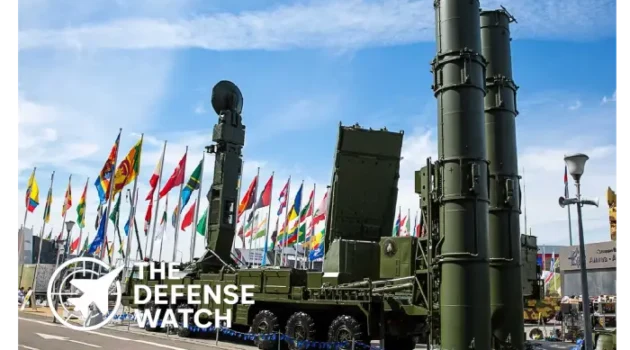

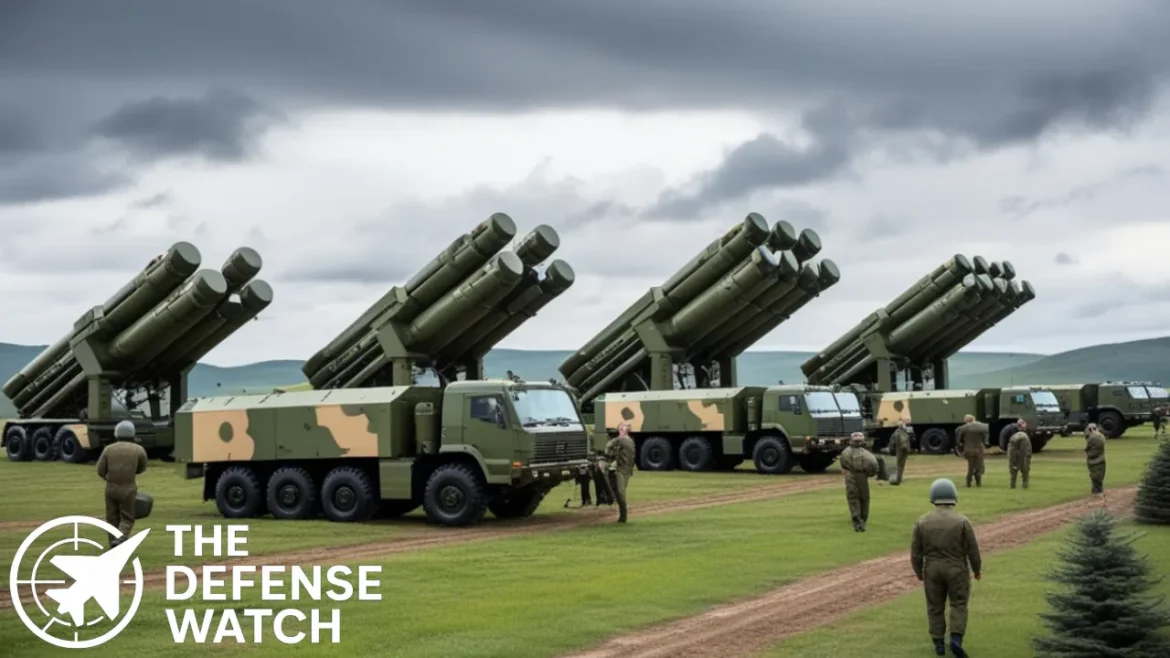
Russia’s layered IAD (Integrated Air Defense) has become one of the world’s most studied military architectures, combining the S-400, S-350, and S-500 into a unified, multi-tier air and missile defense network. Built to counter stealth aircraft, cruise missiles, drones, and ballistic threats, the system forms the backbone of Russia’s strategic air-defense posture from Kaliningrad to the Arctic.
This article examines how the integrated structure functions, how each layer contributes to Russia’s defensive doctrine, and what it means for regional security dynamics.
How Russia’s Layered IAD Works
Russia’s layered IAD is designed as a depth-based defense framework combining long-range, medium-range, and high-altitude intercept capabilities. These systems operate under a unified command-and-control architecture that links ground-based radars, airborne early-warning aircraft, electronic warfare units, and air-defense brigades.
Unlike single-system batteries used by many militaries, the Russian IAD is built around redundancy, overlap, and continuous coverage. Different missile systems are positioned so their engagement envelopes intersect, ensuring uninterrupted tracking and interception capability.
Key Components of the Multi-Tier Shield
- S-500 “Prometey”: High-altitude / exo-atmospheric interceptor
- S-400 “Triumf”: Long-range, multi-target engagement system
- S-350 “Vityaz”: Medium-range, high-capacity interceptor
Together, these systems allow Russia to cover distances from 10 km to 600 km, with tracking that extends far beyond weapon range.
The Role of the S-500: Russia’s Upper-Tier Shield
The S-500 Prometey sits at the top of Russia’s layered IAD, representing the next generation of missile defense. Its mission profile includes:
- Intercepting ballistic missiles in mid-course
- Countering hypersonic glide vehicles
- Engaging high-altitude reconnaissance targets
- Adding redundancy to nuclear missile defense units around Moscow
Though only deployed in limited numbers, Russian officials claim the S-500 can target objects at 600+ km and altitudes above 100 km, extending coverage into near-space.
Integration with A-135/A-235 Strategic Defense
The S-500 supplements existing Russian missile-defense networks around Moscow, functioning as a flexible, mobile complement to silo-based interceptors.
The S-400 Triumf: Long-Range Air and Missile Defense Backbone
Operating as the primary long-range layer, the S-400 defends critical facilities, airbases, and border regions.
Capabilities include:
- Engagement range: 250–400 km (with 40N6 missile)
- Ability to track up to 80 targets
- Engagement of low-observable aircraft including 5th-generation fighters
- Intercepting cruise missiles, UAVs, and tactical ballistic missiles
The S-400 forms the bulk of deployed Russian air-defense battalions, with coverage across:
- Kaliningrad and Crimea
- Moscow region
- Far East near Japan
- Arctic and Northwestern Russia
Operational Combat Experience
In Ukraine and Syria, the S-400 has demonstrated advanced tracking and long-range surveillance ability, though Russia rarely fires its most advanced missiles unless under direct attack.
The S-350 Vityaz: Russia’s New Medium-Range Workhorse
Introduced as a replacement for the aging S-300PS, the S-350 enhances Russia’s layered IAD with high-capacity interceptors suitable for modern saturation threats.
Key characteristics:
- Range: 60–120 km
- High missile load: up to 12–16 ready-to-fire missiles
- Optimized for intercepting drones, cruise missiles, and aircraft
- Designed to counter Western stand-off weapons like JASSM and Storm Shadow
The S-350’s active-radar missiles and automated fire-control make it a key layer between point defense systems (Pantsir-S1) and long-range interceptors (S-400).
How the Multi-Tier Structure Works Together
Long-Range Detection and Targeting
Russia’s radar network, including Nebo-M and Gamma series radars, feeds targeting data to all missile units. Persistent early-warning capability enables:
- Long-range tracking of NATO aircraft
- Identification of stealth aircraft using multi-band systems
- Fusion of data from air, ground, and space sensors
Overlapping Engagement Zones
Each system covers the weaknesses of another:
- S-500 intercepts high-altitude ballistic and strategic threats
- S-400 engages high-value aircraft before reaching launch zones
- S-350 counters mass raids, drones, and cruise missiles
This redundancy ensures resilience even if one layer is degraded.
Electronic Warfare Integration
Russia integrates EW systems like Krasukha, Murmansk-BN, and Repellent to disrupt adversary satellites, GPS, datalinks, and aircraft radars—further enhancing the survivability of the IAD.
Defense Analysis: Implications for NATO and Regional Security
Russia’s layered IAD presents challenges for NATO force planning. Its capability to push surveillance and engagement envelopes hundreds of kilometers beyond Russian territory affects:
- Air-access planning
- Strike package design
- Suppression of Enemy Air Defenses (SEAD) requirements
- Regional basing and air corridor calculations
Western analysts estimate that penetrating Russia’s integrated air-defense zones may require:
- Stealth aircraft
- Long-range stand-off weapons
- Multi-domain EW and cyber support
- Coordinated suppression of radar and command nodes
The S-500’s claimed ability to target near-space assets, if validated, could further complicate strategic planning.
H3 — Limitations and Unknowns
Despite its sophistication, Russia’s IAD faces constraints:
- Limited number of S-500 units
- Vulnerability to coordinated saturation attacks
- Logistics strain in contested environments
- Potential radar and datalink vulnerabilities
Combat performance in Ukraine has also revealed inconsistencies in Russian air-defense coordination, although long-range strategic systems remain largely intact.
FAQs
What is Russia’s layered IAD?It is a multi-tier air-defense system integrating S-500, S-400, S-350, and shorter-range systems to create overlapping engagement zones.
How effective are Russia’s S-400 systems?The S-400 is considered one of the most capable long-range SAM systems, able to target aircraft, drones, and missiles at ranges up to 400 km.
Does Russia’s S-500 really counter hypersonic weapons?Russian officials claim it does, but independent verification is limited.
How does the S-350 improve Russia’s defense network?It provides high-capacity, medium-range coverage optimized for drones and cruise missiles, replacing older S-300 systems.
Which areas are most protected by the layered IAD?Moscow, Kaliningrad, Crimea, the Arctic region, and strategic airbases feature the densest coverage.

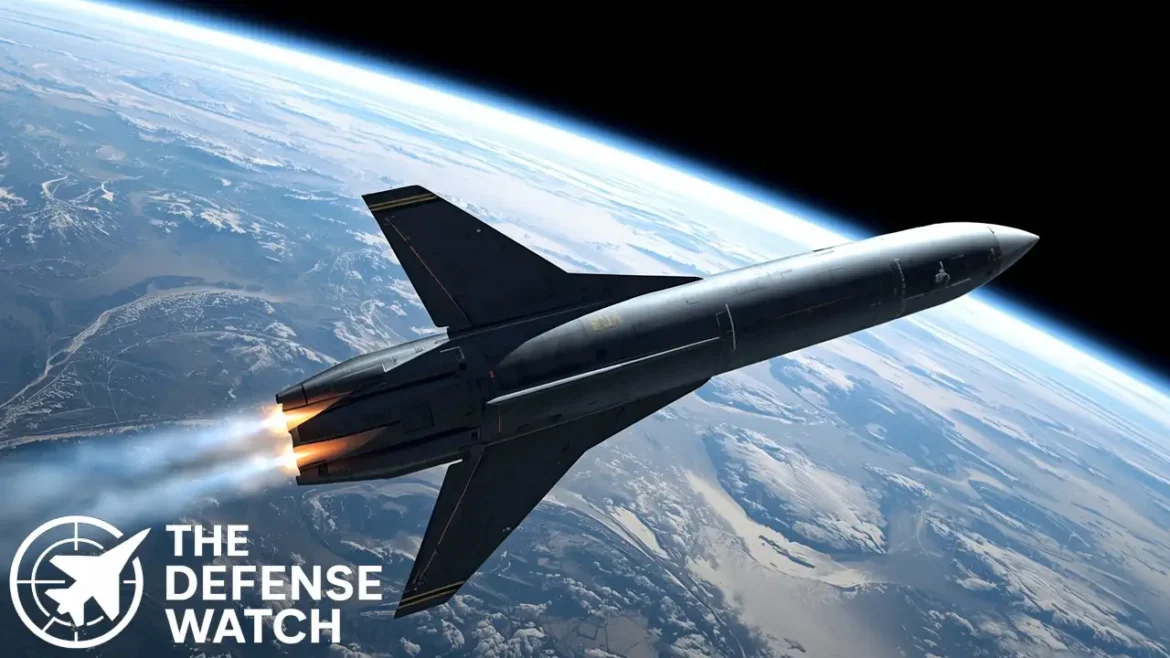
Hypersonic Missiles Explained: The Future of Strategic Warfare
Hypersonic missiles — capable of flying at speeds exceeding Mach 5 (over 6,000 km/h) — are transforming global military strategy. Their unmatched speed, maneuverability, and unpredictable flight paths make them one of the most dangerous and destabilizing weapons in modern arsenals.
While ballistic missiles have existed since the Cold War, hypersonic weapons represent a new class of strategic capability — one that threatens to upend decades of missile defense planning.
What Are Hypersonic Missiles?
In simplest terms, hypersonic missiles are projectiles that travel at five times the speed of sound or faster. There are two primary types:
- Hypersonic Glide Vehicles (HGVs): Launched atop a rocket, they glide through the upper atmosphere before descending unpredictably toward their target.
- Hypersonic Cruise Missiles (HCMs): Powered by scramjet engines, these missiles sustain hypersonic speeds within the atmosphere for their entire flight.
Unlike traditional ballistic missiles, which follow a fixed parabolic path, hypersonic systems can maneuver mid-flight, making them extremely difficult to detect and intercept.
Learn more from the U.S. Congressional Research Service on hypersonic weapon development.
Why Are Hypersonic Missiles So Dangerous?
1. Speed and Reaction Time
At speeds above Mach 5, a hypersonic weapon can strike targets within minutes, leaving defenders with virtually no time to respond. For instance, a missile launched from 1,000 miles away could reach its target in under 10 minutes.
2. Maneuverability
Unlike ballistic missiles, hypersonic weapons can change course mid-flight, evading radar tracking and missile interceptors designed for predictable trajectories.
3. Low Flight Path
Hypersonic cruise missiles fly within the atmosphere, at altitudes too low for early-warning satellites to track effectively, yet too high for traditional air defense systems to engage.
4. Nuclear and Conventional Capability
These weapons can carry either nuclear or conventional warheads, making it difficult for adversaries to determine intent — a key risk for escalation in crisis scenarios.
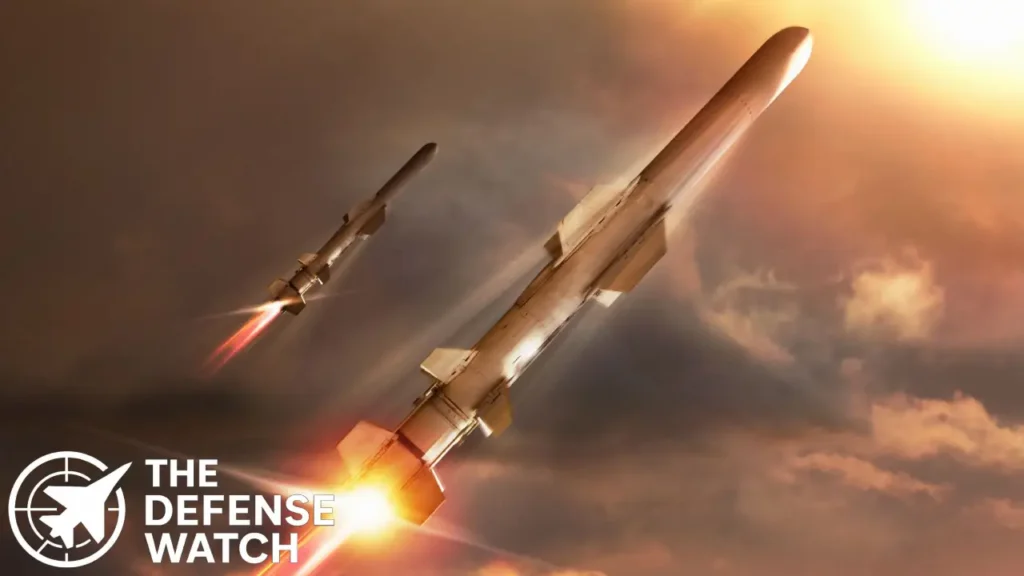
The Hypersonic Arms Race: U.S., China, and Russia
Russia
Moscow has fielded several operational systems, including the Avangard (a nuclear-capable HGV) and the Kinzhal air-launched missile, reportedly used in Ukraine.
China
Beijing’s DF-ZF hypersonic glide vehicle, mounted on the DF-17 missile, is now operational, giving China a strategic edge in the Indo-Pacific.
United States
The U.S. is investing heavily in programs such as the ARRW (Air-launched Rapid Response Weapon) and the Hypersonic Attack Cruise Missile (HACM). However, delays and testing challenges have kept American hypersonic weapons largely in development rather than deployment stages.
Recent Pentagon reports emphasize the need for a comprehensive hypersonic defense network, including satellite tracking, interceptor systems, and advanced radar.
Can Hypersonic Missiles Be Stopped?
Currently, no existing missile defense system — including the U.S. THAAD, Aegis, or Patriot — can reliably intercept hypersonic weapons. Their speed and erratic flight paths make them nearly invisible to current early-warning and interception systems.
To counter this, the U.S. and allies are developing next-generation tracking satellites under the Hypersonic and Ballistic Tracking Space Sensor (HBTSS) program. Meanwhile, defense contractors are working on directed-energy weapons and interceptor prototypes capable of engaging hypersonic threats mid-flight.
Strategic Implications
Hypersonic weapons blur the line between strategic deterrence and conventional warfare. Their rapid strike capability and dual-use potential (nuclear/conventional) increase the risk of miscalculation or pre-emptive escalation during conflicts.
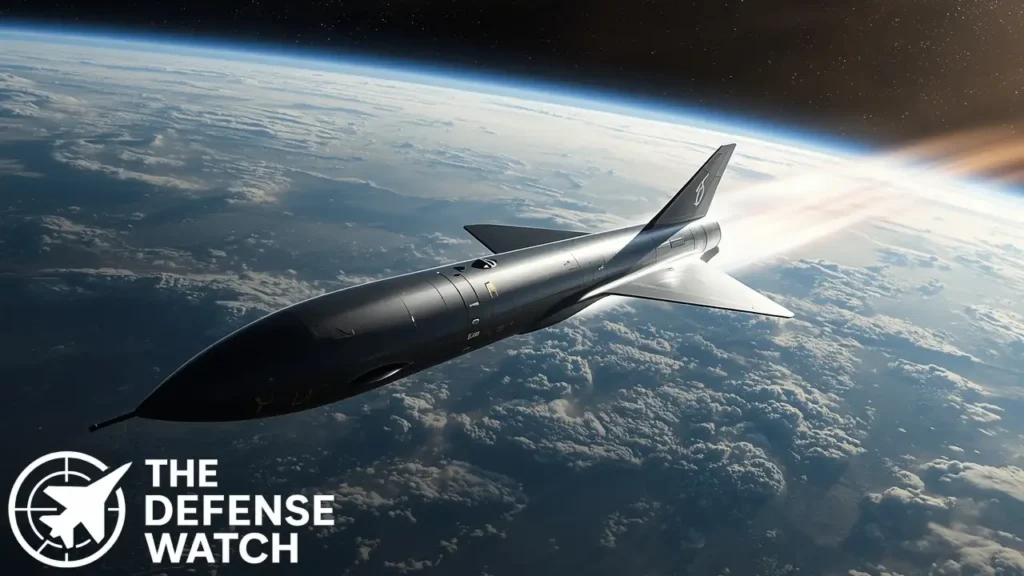
Analysts warn that unless clear communication channels and arms control measures are established, hypersonic weapons could destabilize global deterrence frameworks similar to the early nuclear age.
As the technology spreads — with India, Japan, and North Korea also pursuing hypersonic programs — the race to master these systems is becoming the defining competition of 21st-century warfare.
Analysis: The Next Frontier in Deterrence
The emergence of hypersonic weapons represents not just a leap in engineering, but a strategic shift in global power dynamics. Nations are no longer only competing for nuclear supremacy but for speed and precision dominance.
However, experts argue that the most dangerous aspect of hypersonic weapons isn’t just their speed — it’s the lack of transparency and arms control dialogue around them. Without international agreements, the world could soon enter a new era of hypersonic instability, where minutes determine peace or war.
FAQs
Hypersonic missiles travel at speeds exceeding Mach 5 — five times the speed of sound, or roughly 6,100 km/h.
No. Current systems like Patriot and THAAD are not optimized for hypersonic interception, though new defense programs are in development.
Russia and China have operational systems, while the U.S., India, Japan, and North Korea are actively developing theirs.
Ballistic missiles follow a fixed arc; hypersonic missiles can maneuver unpredictably, making them harder to track and intercept.
They can carry either nuclear or conventional warheads, adding ambiguity to their strategic use.

Why Missile Defense Matters
Missile defense has become one of the most critical pillars of national security in the 21st century. From hypersonic glide vehicles to swarms of short-range rockets, threats are becoming faster, more complex, and harder to intercept. The world’s most advanced missile defense systems are designed not only to counter traditional ballistic missiles but also to protect against drones, cruise missiles, and emerging hypersonic weapons.
For the United States and its allies, missile defense is no longer just a regional security issue—it is a global necessity. Nations like Russia, China, Iran, and North Korea continue to expand their missile arsenals, prompting countries to invest in advanced defense shields.
Patriot Missile System (U.S.)
The Patriot Air and Missile Defense System, developed by Raytheon, is one of the most widely deployed missile defense systems in the world. It provides defense against tactical ballistic missiles, cruise missiles, and advanced aircraft.
- Deployment: Used by the U.S., NATO allies, and countries in Asia and the Middle East.
- Capabilities: Radar-guided interceptors, high-altitude coverage, and proven combat history.
- Recent Use: Patriot systems have played a critical role in defending Ukraine against Russian missile attacks, demonstrating their continued relevance.
Iron Dome (Israel)
The Iron Dome, developed jointly by Israel and the U.S., is the gold standard in short-range defense. Known for its high interception success rate, it is designed to counter rockets, artillery shells, and drones.
- Range: 4–70 km
- Success Rate: Reported interception rate of over 90% in recent conflicts.
- Global Interest: The U.S. Army has tested the Iron Dome for its own layered missile defense architecture.
THAAD – Terminal High Altitude Area Defense (U.S.)
The THAAD system is a key U.S. missile defense asset, capable of intercepting ballistic missiles during their terminal phase, both inside and outside the atmosphere.
- Deployment: South Korea, Guam, and U.S. mainland sites.
- Capabilities: Uses hit-to-kill technology with no explosive warhead.
- Strategic Role: Provides protection against medium- and intermediate-range ballistic missiles, especially in the Indo-Pacific.
S-400 and S-500 Systems (Russia)
Russia’s S-400 Triumf and the next-generation S-500 Prometey are considered among the most sophisticated air and missile defense systems outside the U.S. sphere.
- S-400: Can engage aircraft, UAVs, cruise, and ballistic missiles at ranges up to 400 km.
- S-500: Advertised as capable of intercepting hypersonic targets and even low-orbit satellites, though operational details remain limited.
- Geopolitical Impact: The S-400 has been exported to countries like Turkey and India, raising tensions within NATO.
Aegis Ballistic Missile Defense (U.S. & Allies)
The Aegis system, deployed on U.S. Navy destroyers and cruisers, provides mobile, sea-based missile defense. Equipped with the SM-3 interceptors, Aegis can intercept ballistic missiles in the midcourse phase.
- Flexibility: Deployed globally on U.S. Navy ships.
- Land-based variant: Aegis Ashore sites in Romania and Poland enhance NATO’s shield against missile threats.
Emerging Trends: Hypersonic Defense
One of the greatest challenges for today’s systems is defending against hypersonic glide vehicles (HGVs). Unlike traditional ballistic missiles, hypersonics fly at lower altitudes and maneuver unpredictably.
- U.S. Response: The Pentagon is developing Glide Phase Interceptors (GPI) for future Aegis platforms.
- Allied Cooperation: Japan and Australia are working with the U.S. to integrate hypersonic defense technologies.
- Race Against Time: Russia and China have already fielded hypersonic weapons, accelerating global investments in next-generation defense.
Analysis: The Future of Missile Defense
Missile defense has evolved from protecting fixed targets to building layered, multi-domain shields that combine space, air, land, and sea-based systems. The integration of AI-driven radar, space-based sensors, and directed-energy weapons could shape the future of missile defense.
However, no system is foolproof. Cost asymmetry remains a major challenge—while interceptors cost millions of dollars, adversaries can deploy cheap rockets or drones in large numbers. This reality is pushing militaries toward mixed defenses, combining kinetic interceptors with electronic warfare and laser systems.
Conclusion
From the Patriot and Iron Dome to the S-500 and emerging hypersonic interceptors, the world’s most advanced missile defense systems represent both technological ingenuity and strategic necessity. As missile threats evolve, nations are racing to strengthen their shields—knowing that a single interception could mean the difference between destruction and survival.
Source: Missile Defense Agency.
FAQs
The U.S. is considered the leader, with layered systems like Patriot, THAAD, and Aegis, but Russia’s S-500 and Israel’s Iron Dome are highly advanced.
Current systems struggle against hypersonics, but new interceptors and space-based sensors are being developed.
Iron Dome protects against short-range rockets, while Patriot defends against aircraft, cruise, and tactical ballistic missiles.
Interceptors can cost millions each, while adversaries can launch cheap rockets in large numbers, creating a cost imbalance.
The U.S., South Korea, Guam, and select allied sites host THAAD batteries.