Executive Summary
Boeing has received a $37.8 million contract modification to provide logistics support for Saudi Arabia’s F-15 advanced aircrew training systems. The update increases the total contract value to $144.2 million, reinforcing pilot training and operational readiness for the Royal Saudi Air Force. The work supports long-term sustainment of high-end fighter training infrastructure through 2029.
Boeing Expands F-15 Training Support for Saudi Arabia
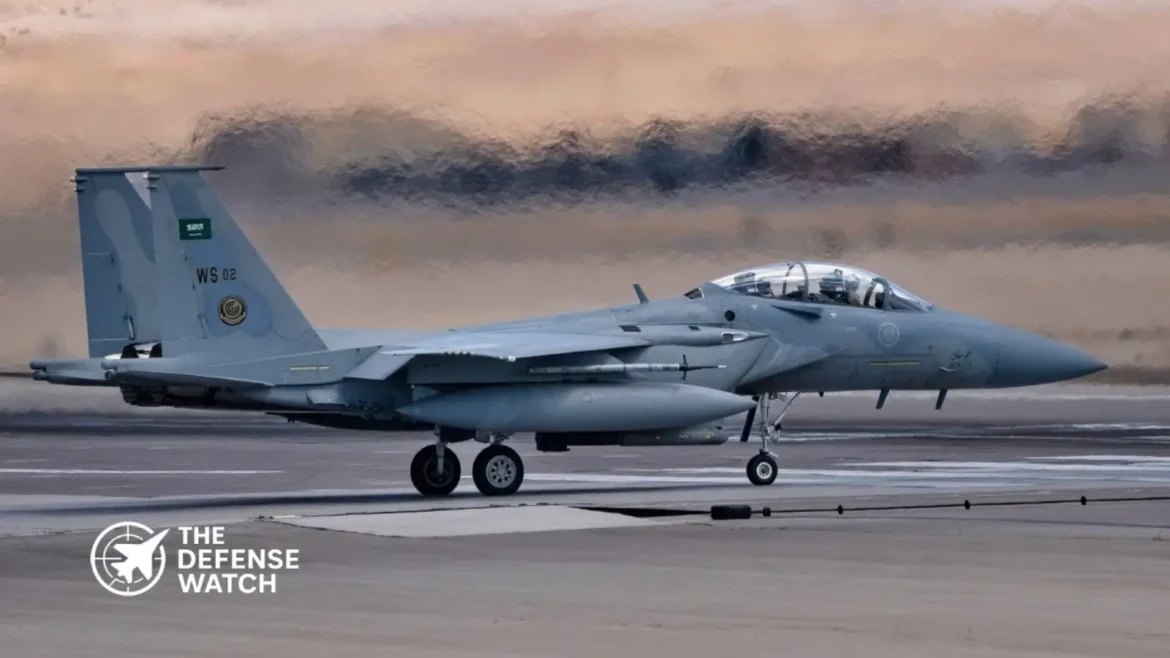
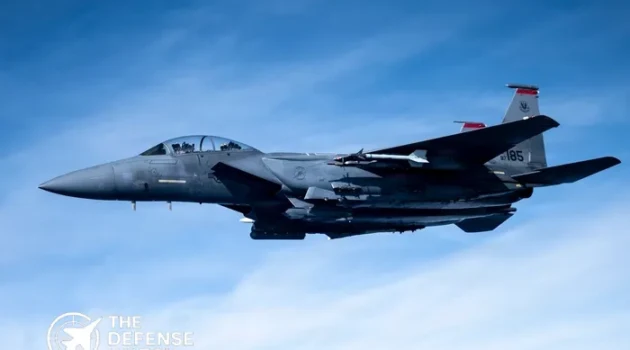
The U.S. Air Force has awarded Boeing a $37,814,186 firm-fixed-price contract modification under the F-15 Saudi advanced aircrew training device Phase II program. The award, announced on April 29, 2026, raises the total contract value to $144,264,886, up from $106,450,700.
The contract falls under the U.S. Foreign Military Sales (FMS) framework and directly supports the Royal Saudi Air Force (RSAF). Funding for the full modification amount has been obligated at the time of award.
Training Infrastructure at Key Saudi Air Bases
Work will be carried out at two major RSAF installations:
- King Faisal Air Base
- King Khalid Air Base
The program is scheduled for completion by May 31, 2029, ensuring sustained operational capability for Saudi F-15 pilots.
The contracting authority is the Air Force Life Cycle Management Center, based at Wright-Patterson Air Force Base, Ohio.
Role of Advanced Aircrew Training Devices
The contract focuses on contractor logistics support for advanced aircrew training devices (AATDs), which simulate real-world combat conditions for F-15 pilots. These systems are critical for:
- High-fidelity mission rehearsal without aircraft deployment
- Reduced operational costs and aircraft wear
- Enhanced pilot proficiency in complex combat scenarios
- Integration of evolving threat environments and tactics
Key Technical Advantages
- Real-time mission simulation with advanced threat modeling
- Networked training environments for multi-aircraft coordination
- Data-driven performance evaluation and feedback
- Continuous software updates aligned with modern combat needs
Comparison: Advanced Training Devices vs Legacy Simulators
CapabilityAdvanced Aircrew Training DevicesLegacy Simulators Range Global mission simulation Limited scenarios Payload Multi-role mission profiles Basic flight ops Status Operational (Phase II expansion) Phasing out Key Technology Networked, high-fidelity systems Standalone analog/digital Strategic Context: Strengthening Gulf Airpower
This contract reflects ongoing U.S.-Saudi defense cooperation and highlights the importance of pilot training in maintaining air superiority in the Middle East. The RSAF operates one of the most advanced F-15 fleets, including the F-15SA variant, which requires sophisticated training ecosystems.
The investment aligns with broader regional dynamics, including:
- Persistent air defense challenges in the Gulf
- The need for rapid-response airpower against asymmetric threats
- Increasing reliance on simulation to offset operational costs
By extending logistics support for training systems, Boeing ensures that Saudi pilots remain mission-ready while reducing dependence on live-flight training.
Long-Term Sustainment and Readiness
The modification underscores a shift toward lifecycle sustainment contracts that integrate training, logistics, and operational readiness into a single framework. This approach supports:
- Predictable long-term maintenance planning
- Continuous capability upgrades
- Improved mission readiness rates
As the contract runs through 2029, it positions the RSAF to maintain a high level of operational preparedness amid evolving regional security demands.
Boeing CH-47F Chinook Reaches New Automation Milestone
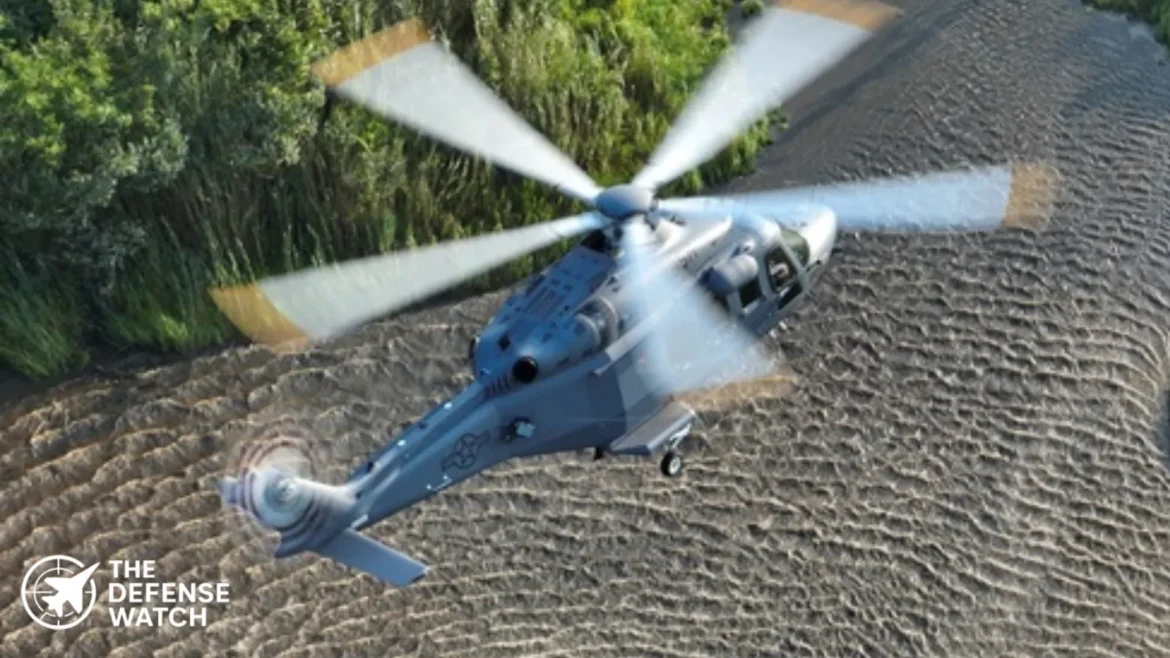
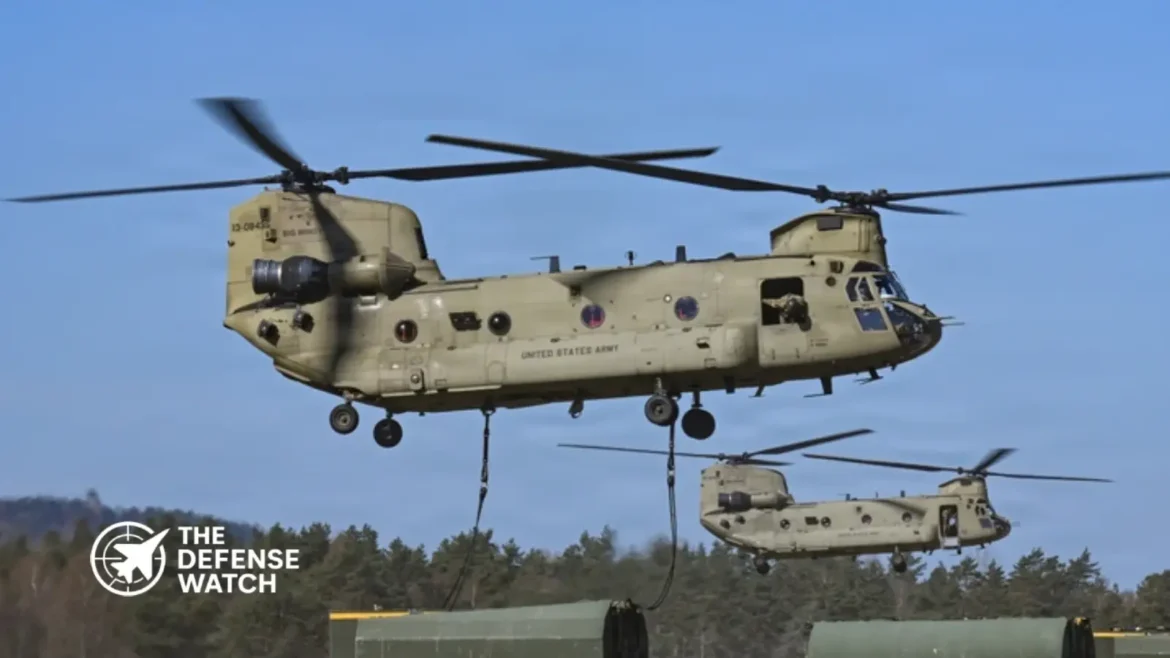
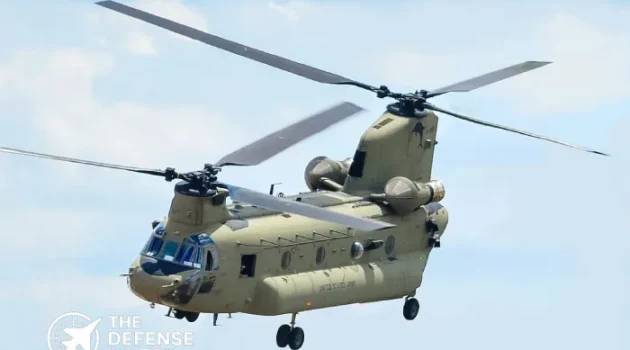
The CH-47F Chinook autonomous landing milestone marks a notable step in U.S. Army aviation modernization. Boeing announced that a U.S. Army CH-47F successfully completed a fully automated approach and landing using the company’s Approach-to-X, or A2X, software during recent testing. The aircraft touched down without pilot interaction during the final phase of flight.
- Boeing confirmed a CH-47F Chinook completed its first fully automated approach and landing during recent flight tests.
- The helicopter landed with all four wheels on the runway without pilot control inputs.
- Boeing used its Approach-to-X (A2X) software integrated with the Digital Automated Flight Control System.
- Since January 2026, the system has completed more than 150 automated approaches.
- The capability is aimed at reducing pilot workload and improving tactical landing precision.
The twin-rotor Chinook remains one of the Army’s most important heavy-lift platforms, used for troop transport, artillery movement, resupply, and disaster response. Adding automation to such a mature platform shows the Pentagon is seeking faster capability gains through software upgrades rather than waiting for entirely new aircraft.
How The System Works
According to Boeing, pilots still set mission parameters such as landing zone, final altitude, approach angle, and entry speed. Once configured, the A2X software manages the flight path and control inputs needed to guide the helicopter to touchdown. Crews can still intervene or adjust course if battlefield conditions change.
That matters because military autonomy is increasingly focused on supervised systems, not pilot replacement. In practical terms, this means reducing crew workload while preserving human judgment.
For transport helicopters operating in dust, low visibility, or contested landing zones, a repeatable automated approach could improve safety and mission timing.
Why It Matters For The U.S. Army
The Army is modernizing the Chinook fleet through the Block II program, which adds greater lift capacity, range, and future growth margin. Combining Block II hardware upgrades with software autonomy could extend Chinook relevance well into coming decades.
This is a cost-effective path. Instead of buying a brand-new heavy-lift fleet, the Army can improve an aircraft already proven in Iraq, Afghanistan, Europe, and humanitarian operations worldwide.
It also aligns with wider Pentagon interest in reduced-crew and optionally crewed aviation systems.
Strategic Analysis
Rivals including China and Russia are investing in electronic warfare, long-range fires, and air defense networks that complicate helicopter operations. Faster, more precise approaches can help aircraft spend less time exposed near landing zones.
Autonomy alone does not solve survivability challenges, but paired with terrain masking, improved sensors, and networked mission planning, it can sharpen battlefield utility.
For Boeing, the successful test also strengthens the long-term case for keeping the Chinook central to U.S. and allied heavy-lift fleets.
What Comes Next
Boeing said additional testing will refine the software before broader fleet integration. If successful, future increments could include degraded-visual-environment landing support, tighter obstacle avoidance, and cooperative operations with uncrewed systems.
The result is clear: the Chinook is not being replaced soon. It is being digitally upgraded.
U.S. Navy JDAM LR Moves Closer To Fleet Use
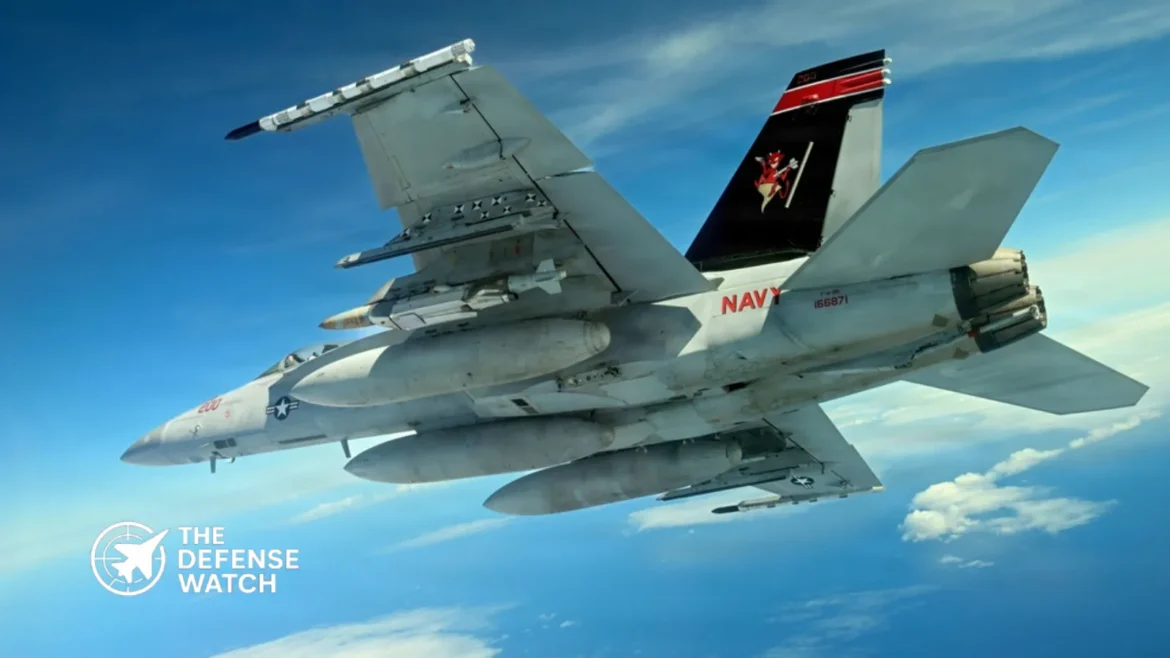
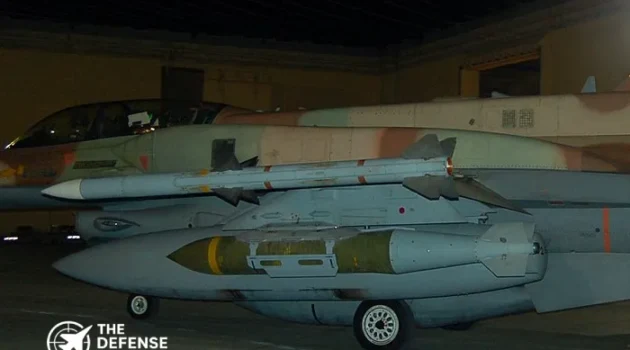
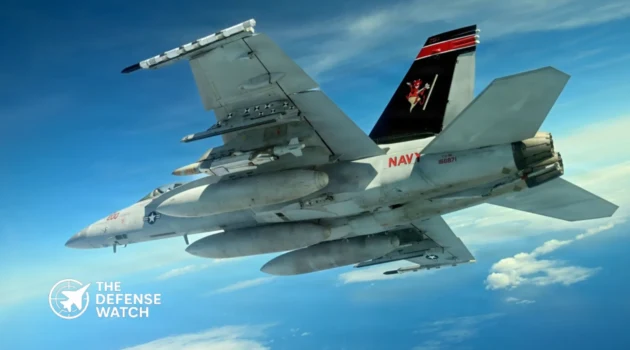
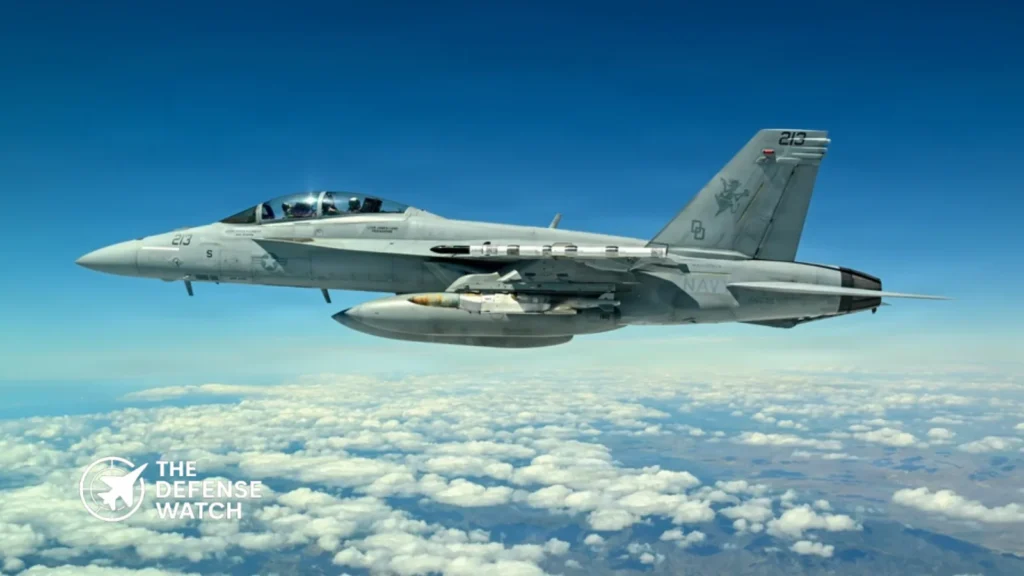
The JDAM LR guided bomb is moving closer to operational service after the U.S. Navy confirmed successful early-April flight demonstrations of the new long-range weapon. Naval Air Systems Command said the tests marked a key milestone in delivering a lower-cost standoff strike option for carrier aviation.
According to the Navy, two test events validated safe separation from the launch aircraft, compatibility with existing aircraft interfaces, and controlled powered flight to target. Each flight traveled about 200 nautical miles, a major increase over standard JDAM family ranges.
- The U.S. Navy says JDAM LR completed two successful demonstration flights in early April 2026.
- Each test covered roughly 200 nautical miles, far beyond standard JDAM range.
- The weapon combines a JDAM body with wings and a small turbojet engine.
- Next steps focus on shipboard integration for future aircraft carrier deployment.
- The Navy views JDAM LR as an affordable, producible standoff strike option.
That range matters because carrier aircraft increasingly face layered air defenses and anti-access threats. Longer-range weapons allow strike aircraft to launch farther from hostile air defense envelopes, improving survivability while preserving combat reach.
What Is JDAM LR
The U.S. Navy JDAM LR is an evolved version of the widely used Joint Direct Attack Munition. Traditional JDAM kits convert unguided bombs into GPS and INS-guided precision weapons. JDAM LR adds folding wings, fuel, and a compact turbojet engine, turning the weapon into a powered standoff munition.
Reports indicate the system uses a 500-pound class warhead based on the Mk 82 bomb body. Aviation Week reported the weapon carries the military designation GBU-75, a sign the program may be moving beyond experimentation and toward formal acquisition channels.
Why The Navy Wants It Now
The Navy already fields advanced long-range weapons such as JASSM-ER and LRASM through joint inventories, but those systems are more expensive and produced in smaller quantities than bomb-based kits.
That creates a growing demand for what Pentagon planners often call affordable mass, weapons that are precise, long-ranged, and available in higher numbers. JDAM LR appears designed to fill that space.

Picture Source: U.S. Naval Air Warfare Center Aircraft Division Using existing JDAM components could lower cost, simplify logistics, and speed production compared with building entirely new missiles. For carrier air wings, that means more magazine depth during sustained operations.
Carrier Deployment Is The Next Test
Naval officials said the next phase of qualification will focus on shipboard integration, a necessary step before carrier deployment. Weapons must be compatible with carrier magazines, handling systems, deck procedures, and maritime storage requirements.
That phase is often overlooked, but it is critical. A weapon can perform well in flight tests and still require significant work before routine carrier use.
If successful, JDAM LR could give U.S. Navy strike groups a new option between short-range glide bombs and costly cruise missiles.
Strategic Impact
The JDAM LR guided bomb reflects a broader U.S. military shift toward expanding strike range without relying only on premium weapons inventories. Similar trends are visible across Air Force and Navy procurement programs.
For the carrier force, the equation is straightforward. More range means carriers can operate farther from threats, while aircraft can hit targets with less exposure.
That does not replace stealth aircraft or advanced missiles, but it adds another tool commanders can use at scale.
Boeing P-8A Poseidon Upgrade Supports US Navy Undersea Warfare Mission
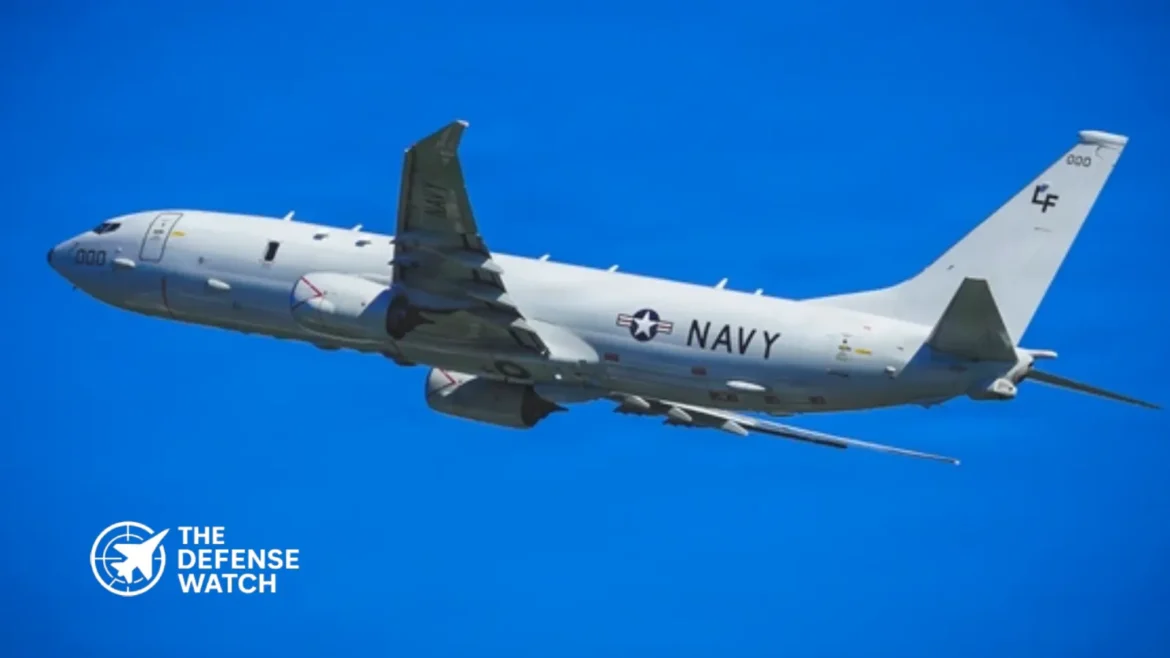
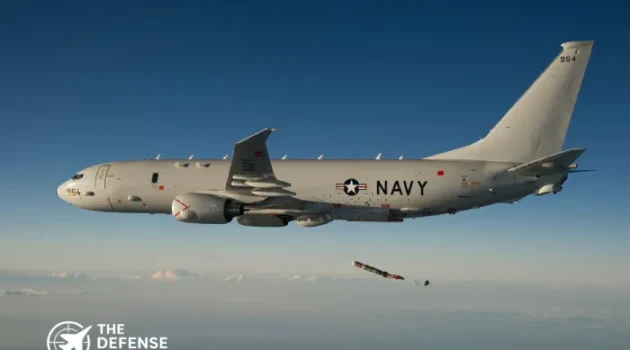
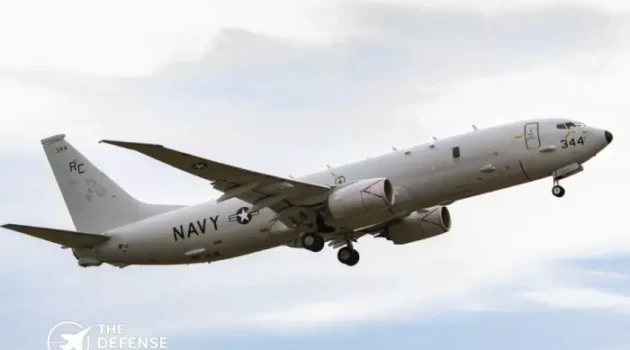
The P-8A Poseidon upgrade program moved forward after Boeing received an $11,952,154 contract modification from the United States Navy to retrofit one aircraft with Increment 3 capability improvements.
According to the Department of Defense contract announcement, the award modifies a previously issued ordering agreement and covers installation of one P-8A Increment 3 retrofit kit plus associated ancillary support. The work is specifically tied to improving anti-submarine warfare, one of the Poseidon fleet’s core missions.
- Boeing received an $11.95 million US Navy contract modification for one P-8A Increment 3 retrofit kit installation.
- The work supports upgraded anti-submarine warfare capabilities for the Navy’s P-8A Poseidon fleet.
- Work will be carried out in Jacksonville, Florida, St. Louis, Missouri, and Mesa, Arizona.
- Contract completion is scheduled for October 2026.
- Funding comes from Fiscal Year 2026 aircraft procurement accounts.
The contract was issued by Naval Air Systems Command.
Why The P-8A Poseidon Matters
The Boeing P-8A Poseidon is the US Navy’s primary long-range maritime patrol and reconnaissance aircraft. Derived from the commercial 737 platform, it replaces the aging P-3 Orion and is used for:
- Anti-submarine warfare
- Anti-surface warfare
- Maritime surveillance
- Intelligence gathering
- Search and rescue support
Its importance has grown as naval competition intensifies in the Indo-Pacific, North Atlantic, and other strategic waterways where submarine activity remains a key military concern.
What Increment 3 Upgrades Likely Mean
While the Pentagon notice did not list exact system changes, Increment 3 upgrades for the Poseidon fleet have generally focused on mission system improvements, software modernization, sensors, networking, and better processing of underwater threat data.
That matters because modern submarines are quieter, harder to track, and increasingly equipped with longer-range weapons. Aircraft like the P-8A must detect, classify, and coordinate responses faster than before.
In practical terms, modernization contracts of this size often support targeted capability insertion rather than a full fleet redesign. Even a single-aircraft retrofit can validate hardware and software configurations later used across additional airframes.
Where The Work Will Be Done
The Navy said contract performance will take place across three US locations:
- Jacksonville, Florida, 79.6%
- St. Louis, Missouri, 10.9%
- Mesa, Arizona, 9.5%
Most of the work being centered in Jacksonville suggests heavy aircraft modification and integration activity at an operational support hub tied to maritime patrol aviation.
Completion is expected by October 2026.
Why This Contract Matters Beyond Its Dollar Value
At just under $12 million, this is not one of the Pentagon’s largest aviation awards. But it reflects a broader pattern in US defense procurement, sustained incremental modernization instead of waiting for entirely new platforms.
That strategy allows the Navy to keep frontline aircraft relevant while controlling cost and reducing schedule risk. For mature fleets like the P-8A Poseidon, regular sensor, software, and mission-system upgrades can provide major operational returns at comparatively modest cost.
It also signals continued Navy confidence in the Poseidon as a long-term pillar of maritime patrol operations.
Growing Demand For Maritime Patrol Aircraft
The P-8A is not only used by the United States. Allies including United Kingdom, Australia, India, Norway, New Zealand, and others have selected the aircraft.
That international demand strengthens logistics support, upgrades, and long-term sustainment. Each new modernization effort can benefit a wider community of operators facing similar submarine detection challenges.
Bottom Line
This latest P-8A Poseidon upgrade contract may be modest in size, but it underscores a major US Navy priority, keeping its maritime patrol fleet ahead in anti-submarine warfare. As underwater competition increases globally, upgrades like Increment 3 will remain central to preserving the Poseidon’s combat edge.
Boeing Secures $51.9M AH-6 Support Contract For Saudi Arabia
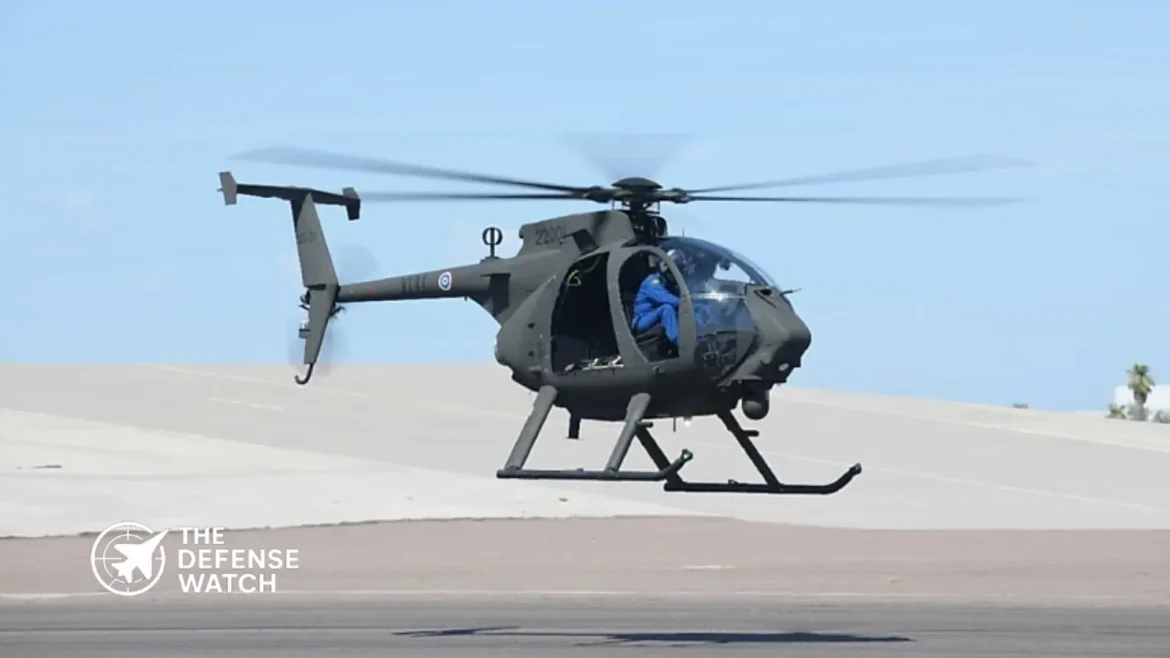
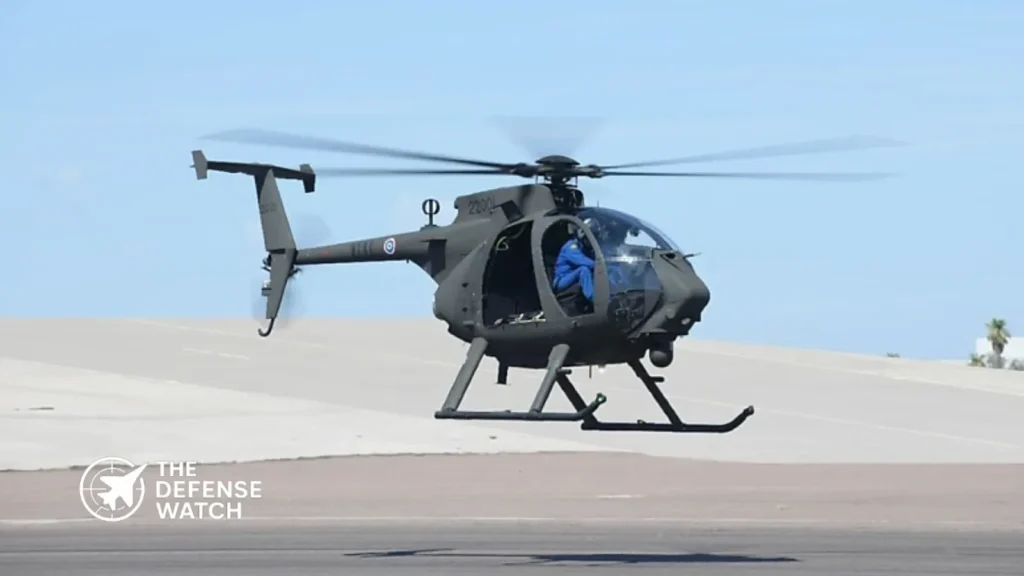
AH-6 support contract Saudi Arabia activity expanded this week as Boeing secured a $51.9 million U.S. Army contract modification to provide postproduction sustainment services for the Saudi Arabia Ministry of National Guard’s light attack helicopter fleet.
The award, announced by the U.S. Department of Defense, modifies an existing agreement and brings the total cumulative value of the contract to $76.8 million. The work will be carried out in Mesa, Arizona, with completion scheduled for May 31, 2028.
- Boeing awarded $51.9 million contract modification for AH-6 postproduction support services.
- Contract supports Saudi Arabia Ministry of National Guard under Foreign Military Sales program.
- Total contract value rises to $76.8 million following latest modification.
- Work will be performed in Mesa, Arizona, through May 31, 2028.
- U.S. Army Contracting Command at Redstone Arsenal is the contracting authority.
Funded through Fiscal 2025 Foreign Military Sales allocations, the contract reflects continued U.S. support for allied rotary-wing capabilities in the Middle East.
Sustaining Saudi Arabia’s Light Attack Capability
The AH-6 support contract Saudi Arabia centers on postproduction services, a critical phase that ensures operational readiness beyond initial procurement. These services typically include maintenance planning, logistics support, spare parts management, and system upgrades.
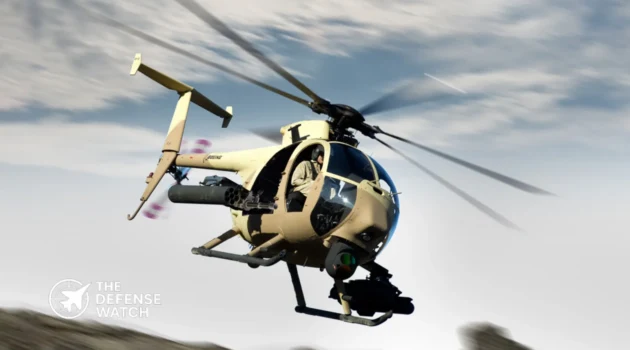
The AH-6, a light attack and reconnaissance helicopter derived from the proven MH-6 Little Bird platform, is designed for rapid deployment, close air support, and urban operations. Its small footprint and agility make it particularly effective in counterinsurgency and internal security missions, roles that align closely with the operational needs of the Saudi National Guard.
By extending sustainment support through 2028, the contract ensures that Saudi-operated AH-6 platforms remain mission-ready amid evolving regional security dynamics.
Strategic Role Of Foreign Military Sales
This AH-6 support contract Saudi Arabia deal falls under the U.S. Foreign Military Sales framework, a key instrument of American defense policy that enables partner nations to acquire and sustain U.S.-made military systems.
The FMS model provides several advantages. It standardizes training and logistics, ensures interoperability with U.S. forces, and strengthens long-term defense relationships. In this case, the continued investment in AH-6 sustainment reinforces operational alignment between U.S. and Saudi forces, particularly in areas such as counterterrorism and rapid response operations.
Image : Boeing According to the U.S. Army Contracting Command at Redstone Arsenal, Alabama, the funds were fully obligated at the time of award, indicating immediate execution without incremental funding delays.
Mesa, Arizona As A Sustainment Hub
Boeing’s Mesa, Arizona facility plays a central role in rotary-wing production and sustainment. The site has long served as a hub for Apache and light helicopter programs, offering integrated engineering, manufacturing, and lifecycle support capabilities.
For the AH-6 support contract Saudi Arabia, concentrating work in Mesa ensures access to specialized expertise and established supply chains. This approach reduces logistical friction and helps maintain consistent service quality over the contract’s multi-year duration.
The choice of a single primary location also reflects a broader trend in defense sustainment, where centralized hubs improve efficiency while maintaining global reach through deployed support teams.
Operational And Regional Implications
From an operational perspective, the AH-6 support contract Saudi Arabia enhances the Saudi National Guard’s ability to maintain a high readiness posture. Light attack helicopters like the AH-6 are often used in time-sensitive missions where reliability and rapid turnaround are critical.
Regionally, the contract underscores continued U.S. engagement in Middle East defense partnerships. While the agreement itself is focused on sustainment rather than new capability acquisition, its impact is significant. Sustainment contracts extend the effective lifespan of existing platforms, often delivering greater operational value than new purchases in the short term.
Moreover, the timing aligns with ongoing efforts by Gulf states to modernize and maintain agile, cost-effective air capabilities in response to asymmetric threats.
Analysis: Why Sustainment Contracts Matter More Than Ever
A key takeaway from the AH-6 support contract Saudi Arabia is the growing importance of lifecycle support in modern defense planning. Procurement often attracts attention, but sustainment determines real-world effectiveness.
In recent years, defense budgets globally have shifted toward maintaining readiness rather than expanding fleets. This reflects lessons learned from high-tempo operations, where availability rates and maintenance cycles directly influence mission success.
For platforms like the AH-6, which operate in demanding environments, sustained investment in support infrastructure ensures reliability and reduces long-term costs. It also allows incremental upgrades, keeping older systems relevant without the need for full replacement.
From Boeing’s perspective, contracts like this provide stable revenue streams while reinforcing long-term customer relationships. For the U.S. government, they strengthen allied capabilities without introducing new systems that require extensive training or integration.
Contracting Authority And Timeline
The contract modification was issued by the U.S. Army Contracting Command at Redstone Arsenal, a central hub for aviation and missile procurement.
Originally awarded under contract W58RGZ-24-C-0002, the agreement now reflects an expanded scope aligned with Saudi operational requirements. The April 6, 2025 award date marks the latest step in what appears to be a phased sustainment strategy.
With completion set for mid-2028, the contract provides a multi-year window for continuous support, aligning with typical maintenance cycles for light rotary-wing platforms.
Pentagon Bolsters PAC-3 Seeker Production With New Boeing Framework
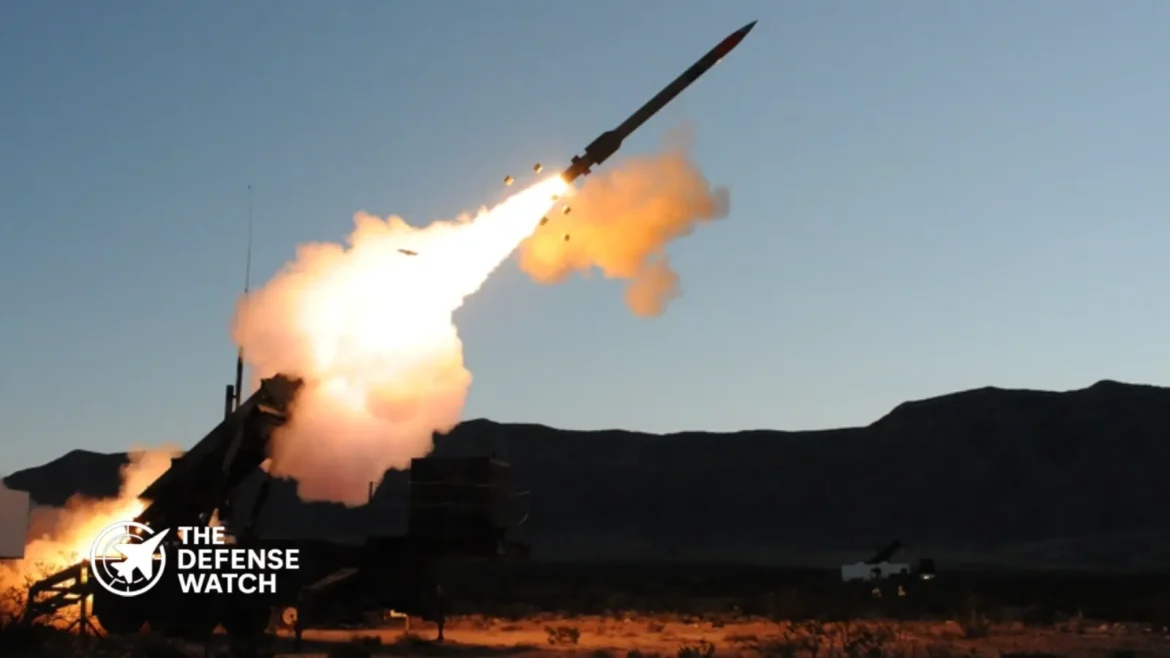
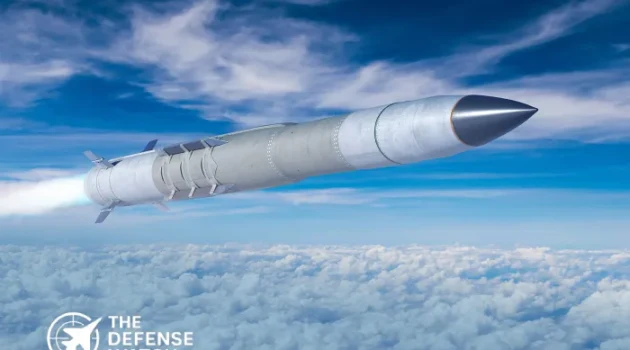
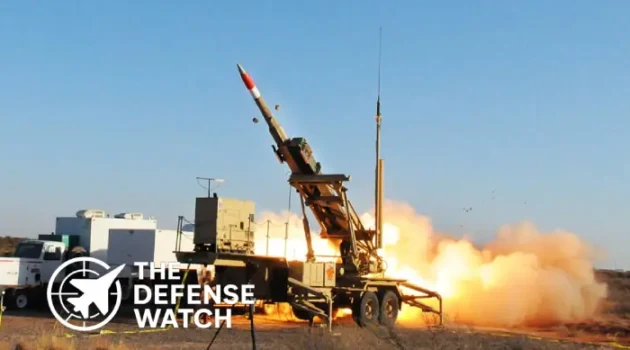
The Pentagon and Boeing agreed on a framework to triple PAC-3 seeker production capacity, a key step in expanding the supply chain for Patriot Advanced Capability-3 Missile Segment Enhancement interceptors and reinforcing U.S. air defense production lines.
(adsbygoogle = window.adsbygoogle || []).push({});- The Pentagon and Boeing agreed on a seven year framework to triple PAC 3 MSE seeker production capacity.
- Boeing will expand output at its Huntsville, Alabama production facility.
- The move supports increased Patriot interceptor production for U.S. and allied forces.
- Boeing invested over 200 million dollars in production expansion since 2024.
- Tripled seeker output removes a key bottleneck in missile defense manufacturing.
The Big Picture
The PAC-3 system forms a central layer of U.S. and allied air and missile defense, designed to intercept ballistic missiles, hypersonic threats, cruise missiles, and hostile aircraft. The interceptors rely on a guidance seeker built by Boeing to acquire, track, and engage targets with high precision. The new seven-year framework builds on existing multiyear deals aimed at scaling production of both the seeker and the complete PAC-3 interceptor round, an effort that has gained urgency amid sustained operational use and global demand.
This agreement aligns with Defense Department initiatives to reinforce domestic defense manufacturing under what officials describe as an “Arsenal of Freedom” strategy, emphasizing rapid scaling, supply chain resilience, and direct engagement with critical suppliers rather than traditional prime-only contract routes.
What’s Happening
The Defense Department entered into a seven-year framework agreement with Boeing to triple production capacity for the PAC-3 MSE seeker, the component that enables Patriot interceptors to detect and engage threats. Work will begin immediately at Boeing’s production site in Huntsville, Alabama, where the company has already invested more than $200 million since 2024 to expand facilities and readiness.
Lockheed Martin remains the prime contractor for the PAC-3 interceptor round. A parallel agreement signed earlier this year aims to boost annual production of PAC-3 interceptors from roughly 600 to about 2,000 units by the end of the decade.
Officials note the framework will enable Boeing to scale output more rapidly and provide a basis for negotiating a formal multiyear production contract later in 2026.
Why It Matters
Air and missile defense interceptors such as the PAC-3 MSE are among the most costly and complex munitions in the U.S. arsenal. Ensuring a steady, scalable supply chain for the seekers that power these interceptors matters for both readiness and cost-effectiveness. Historical production bottlenecks at the seeker level have constrained overall interceptor output, even as demand rises due to heightened global security challenges.
Expanding seeker production capacity addresses a key operational chokepoint in Patriot supply chains, enabling the Army and allied partners to sustain higher production rates without interruption. The Pentagon’s approach reflects a shift away from prime-centric procurement toward direct partnerships with essential subsystem suppliers.
Strategic Implications
For U.S. military planners, boosting PAC-3 seeker capacity supports broader efforts to rebuild and expand missile defense stockpiles that were drawn down by recent crises and high operational tempo. A more resilient production base reduces reliance on small inventories and helps deter adversaries by signaling the ability to sustain long-term defense operations.
Allied nations that operate Patriot systems are likely to benefit from expanded production, improving collective air defense coverage in Europe, the Middle East, and the Indo-Pacific. A more robust supply chain also strengthens cooperation through Foreign Military Sales and shared defense planning.
Competitor View
Competitor states such as Russia and China closely monitor U.S. moves to expand air and missile defense production. A sustained increase in PAC-3 outputs complicates potential adversary planning by bolstering deterrent capabilities and reducing vulnerabilities associated with interceptor shortages. At the same time, competitors are investing in advanced offensive capabilities, including long-range strike and hypersonic weapons, which will continue to pressure defenders to innovate.
What To Watch Next
Observers should track the Pentagon’s negotiation toward a formal multiyear contract with Boeing, expected later in 2026. Congressional appropriations will influence the pace and scale of production beyond the framework. Continued coordination between Boeing and Lockheed Martin to synchronize seeker and interceptor assembly lines will also be key to meeting planned output goals.
Capability Gap
This effort seeks to close a long-standing supply chain gap in missile defense manufacturing. Historically, seeker shortages have limited the ability to scale interceptors proportionally to demand, a challenge that became acute with increased operational use in recent conflicts. Tripling seeker production capacity aims to align guidance component supply with interceptor assembly goals.
The Bottom Line
By tripling PAC-3 seeker production capacity, the Pentagon and Boeing are strengthening the U.S. air defense industrial base and enhancing long-term readiness to counter advanced aerial threats.
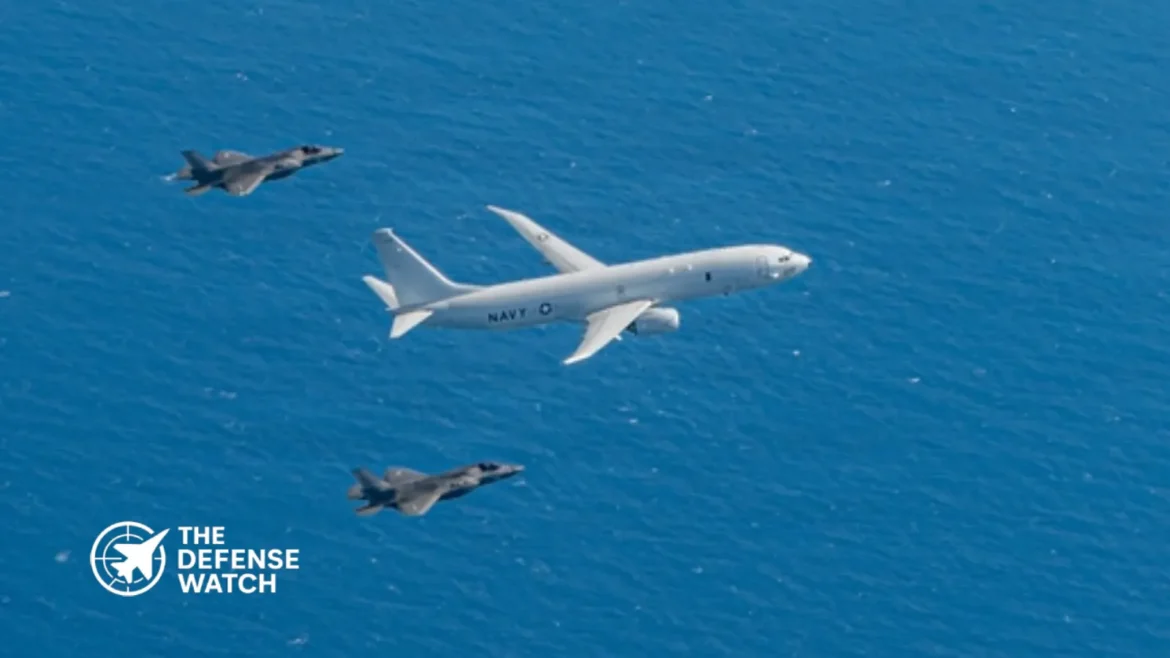
- Boeing received a $38.67 million contract to upgrade software on South Korea’s P-8A aircraft.
- The upgrade includes Tactical Open Mission Software version 105K enhancements and capability expansion.
- New features include Multi-Static Active Coherent processing and Harpoon II integration.
- Work will be conducted across five locations in the United States and South Korea through January 2029.
- The $38.67 million contract is funded in full through Foreign Military Sales.
Boeing P-8A Software Upgrade Strengthens South Korea’s Maritime Surveillance
The Boeing P-8A software upgrade contract marks a significant step in enhancing South Korea’s maritime patrol and anti-submarine warfare capabilities, as the U.S. Navy awarded a $38.67 million order under an existing agreement.
The contract, issued by Naval Air Systems Command, covers the development and installation of an updated software load for the Republic of Korea’s P-8A Poseidon fleet. The effort centers on deploying Tactical Open Mission Software (TOMS) version 105K, a key evolution in the aircraft’s mission system architecture.
This upgrade is designed to improve operational flexibility, address supply chain constraints, and expand mission effectiveness in contested maritime environments.
Modernizing Mission Systems And Addressing Supply Chain Gaps
A core component of the Boeing P-8A software upgrade is the inclusion of improvements tied to diminishing manufacturing sources and material shortages. These updates ensure continued system sustainment as legacy components become harder to source.
This reflects a broader trend across U.S. and allied defense programs, where software-driven upgrades are increasingly used to extend platform life cycles without requiring costly hardware redesigns.
By integrating these changes into TOMS 105K, Boeing enables the Republic of Korea Navy to maintain readiness while adapting to evolving logistical challenges.
Expanded Combat Capabilities With Advanced Processing And Weapons Integration
Beyond sustainment, the Boeing P-8A software upgrade introduces notable capability enhancements.
One of the most significant additions is Multi-Static Active Coherent (MAC) processing. This technology improves the aircraft’s ability to detect and track submarines by leveraging multiple acoustic sources and receivers. In practical terms, it strengthens anti-submarine warfare performance, particularly in complex underwater environments.
The upgrade also integrates Harpoon II anti-ship missile capabilities. This provides the P-8A with enhanced maritime strike options, allowing it to engage surface targets with greater precision and flexibility.
Together, these additions move the aircraft beyond traditional surveillance roles toward a more versatile, multi-mission platform.
Distributed Industrial Base And Long-Term Timeline
Work on the Boeing P-8A software upgrade will be distributed across several locations, reflecting the program’s wide industrial footprint.
Seattle, Washington, will handle the largest share at 45 percent, followed by Huntington Beach, California at 30 percent. Additional work will take place in St. Louis, Missouri, Patuxent River, Maryland, and Pohang, South Korea.
The program is scheduled for completion by January 2029, indicating a multi-year effort that aligns with long-term fleet modernization planning.
This distributed approach supports both U.S. defense industry capacity and allied integration, reinforcing interoperability between American and South Korean forces.
Strategic Implications For South Korea’s Maritime Posture
The Boeing P-8A software upgrade comes at a time of increasing maritime security concerns in the Indo-Pacific region. South Korea faces a complex threat environment, including North Korean submarine activity and broader regional naval competition.
Enhancing the P-8A’s capabilities directly contributes to improved situational awareness and deterrence. The addition of advanced anti-submarine processing and anti-ship strike capability strengthens Seoul’s ability to monitor and respond to threats across its maritime domain.
From a strategic perspective, this upgrade also deepens defense ties between the United States and South Korea under the Foreign Military Sales framework.
Growing Role Of Software In Modern Military Aviation
The contract highlights a broader shift in military aviation toward software-centric modernization.
Rather than relying solely on new airframes, defense planners are increasingly investing in software upgrades to unlock new capabilities from existing platforms. This approach reduces costs, accelerates deployment timelines, and allows for more rapid adaptation to emerging threats.
In the case of the P-8A, continuous software evolution ensures the aircraft remains relevant against advancing submarine technologies and changing operational demands.
Contract Details And Funding Structure
The $38.67 million contract is funded بالكامل through Foreign Military Sales customer funds, which were obligated at the time of award. Notably, none of the funds are set to expire at the end of the current fiscal year, providing stability for program execution.
The award was issued on a sole-source basis, consistent with Boeing’s role as the original manufacturer and systems integrator for the P-8A platform.
Naval Air Systems Command, based in Patuxent River, Maryland, is overseeing the contract.
- The U.S. Air Force awarded Boeing a $2.33 billion contract modification for the E-7A Rapid Prototype Airborne Mission Segment.
- The E-7A Wedgetail will replace the aging E-3 Sentry airborne early warning and control aircraft.
- The program strengthens U.S. airborne battle management capabilities amid increasing peer competition.
- Total contract value now approaches $4.9 billion with work continuing through August 2032.
- Development work will take place across multiple U.S. aerospace hubs including Seattle, Oklahoma City, and Huntsville.
E-7A Rapid Prototype Program Advances With Major USAF Contract Modification
The E-7A Rapid Prototype program received a major boost after the U.S. Air Force awarded Boeing a $2.33 billion contract modification to continue development of the next generation airborne mission system. The award expands an existing contract for the E-7A Rapid Prototype Airborne Mission Segment, bringing the program’s cumulative contract value to approximately $4.9 billion.
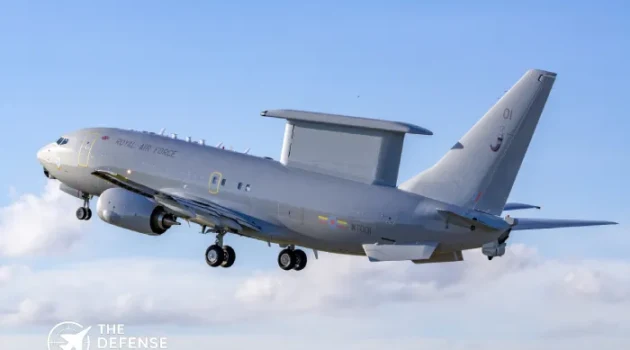
The work will support development of the U.S. Air Force’s future airborne battle management aircraft based on the E-7A Wedgetail platform. The aircraft is expected to replace the aging E-3 Sentry fleet, which has served as the backbone of U.S. airborne early warning and command operations for decades.
According to the U.S. Department of Defense contract announcement, work will take place primarily in Seattle, Washington, with additional efforts in Oklahoma City, Oklahoma, Huntsville, Alabama, and Heath, Ohio. The program is scheduled for completion by August 10, 2032.
The Big Picture
The E-7A Rapid Prototype program forms a central part of the U.S. Air Force’s broader effort to modernize airborne command and control capabilities.
Airborne early warning and battle management aircraft serve as critical nodes in modern military operations. They provide long range radar coverage, track airborne and maritime threats, coordinate fighter aircraft, and manage complex air campaigns across large theaters.
The current U.S. Air Force E-3 Sentry fleet entered service during the Cold War. While the aircraft has undergone several upgrades, age related maintenance challenges and evolving operational demands have increasingly strained the platform.
The E-7A Wedgetail, already operated by several U.S. allies, offers a modern replacement that integrates advanced radar, improved networking, and enhanced mission systems designed for modern multi domain warfare.
What’s Happening
The contract modification awarded to Boeing exercises an option within the existing E-7A Rapid Prototype program contract.
The $2,335,411,756 modification supports the development of the airborne mission segment that will enable the aircraft’s command and control capabilities.
The Air Force Life Cycle Management Center at Hanscom Air Force Base in Massachusetts manages the contract. The center oversees development of mission systems, sensors, and integration for several advanced U.S. Air Force programs.
Fiscal year 2026 research, development, test and evaluation funds totaling $31 million were obligated at the time of the award.
Boeing will lead development work from its facilities in Tukwila and Seattle, Washington. Additional program activity will occur in several other aerospace centers supporting systems engineering, software integration, and mission system testing.
The effort continues through 2032, reflecting the complexity of integrating advanced battle management technologies into a new operational aircraft.
Why It Matters
Modern air warfare increasingly relies on networked operations rather than standalone platforms.
Airborne early warning aircraft serve as command hubs that connect fighter aircraft, ground forces, naval assets, and intelligence systems. They allow commanders to coordinate operations across large areas while maintaining situational awareness.
The Boeing E-7A Wedgetail aircraft introduces a digitally advanced radar system capable of tracking multiple airborne targets simultaneously. The platform uses the Multi role Electronically Scanned Array radar integrated into a distinctive dorsal structure known as the “top hat.”
Compared with legacy systems, the E-7A offers improved reliability, lower maintenance demands, and enhanced sensor performance.
The aircraft also supports modern data links and distributed command networks that align with the U.S. military’s emerging Joint All Domain Command and Control architecture.
Strategic Implications
The E-7A Rapid Prototype program carries significant implications for U.S. military readiness.
Air superiority operations depend heavily on real time situational awareness and coordination. Without airborne battle management platforms, fighter aircraft would struggle to operate efficiently across large theaters.
The Indo Pacific region presents particular challenges due to its vast geographic scale. Aircraft like the E-7A enable long range surveillance and command capabilities that support distributed operations across the Pacific.
NATO operations also rely heavily on airborne warning aircraft for air policing and coalition air operations. The E-7A could eventually support alliance operations if integrated into broader NATO command networks.
Replacing aging E-3 aircraft ensures the United States retains a reliable airborne command capability as operational demands increase.
Competitor View
Strategic competitors closely track U.S. airborne command and control modernization.
China continues to expand its own airborne early warning fleet, including platforms such as the KJ-2000 and KJ-500, which support long range air operations across the Western Pacific.
Russia operates several A-50 airborne early warning aircraft, though modernization efforts have faced delays.
From a competitor perspective, the Boeing E-7A Wedgetail aircraft strengthens U.S. ability to coordinate large scale air operations and maintain situational awareness in contested airspace.
Airborne battle management systems can significantly influence the effectiveness of fighter aircraft, long range missiles, and integrated air defense networks.
What To Watch Next
Several milestones will shape the future of the E-7A Rapid Prototype program.
Upcoming phases will include mission system development, integration testing, and operational evaluation. These stages determine how effectively the aircraft integrates sensors, communications systems, and command networks.
The U.S. Air Force also plans to procure multiple E-7A aircraft in the coming years to replace its E-3 fleet.
Initial operational capability could emerge later this decade if testing proceeds on schedule.
Capability Gap
The E-7A Rapid Prototype program addresses a growing capability gap created by the aging E-3 Sentry fleet.
The E-3 aircraft face increasing maintenance costs and reduced mission availability due to their age and complex legacy systems.
Modern warfare also requires more advanced data sharing and sensor integration than earlier airborne warning aircraft were designed to support.
The E-7A offers improved mission system architecture that supports software upgrades and integration with future digital command networks.
However, the platform still faces challenges common to complex defense programs. Integration of mission systems, cybersecurity requirements, and testing timelines will determine the final operational performance.
The Bottom Line
The U.S. Air Force’s expanded E-7A Rapid Prototype program represents a major step toward replacing the aging E-3 fleet and strengthening the nation’s airborne command and control capabilities.
 ■ KEY FACTS AT A GLANCE
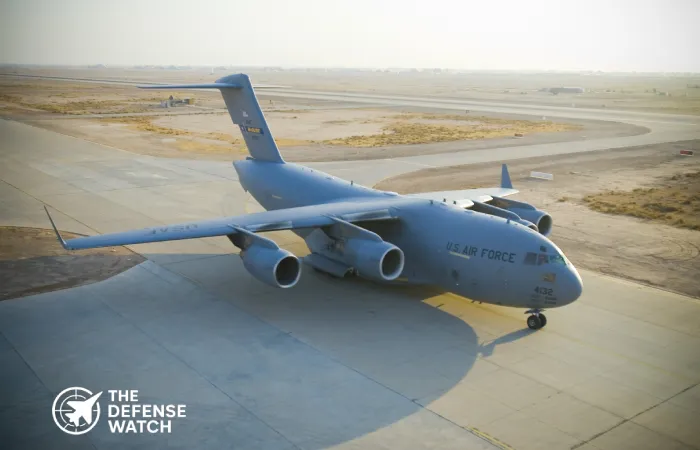
- ► The Boeing Company was awarded a $13,150,150 firm fixed price contract for C-17 infrared countermeasures upgrades.
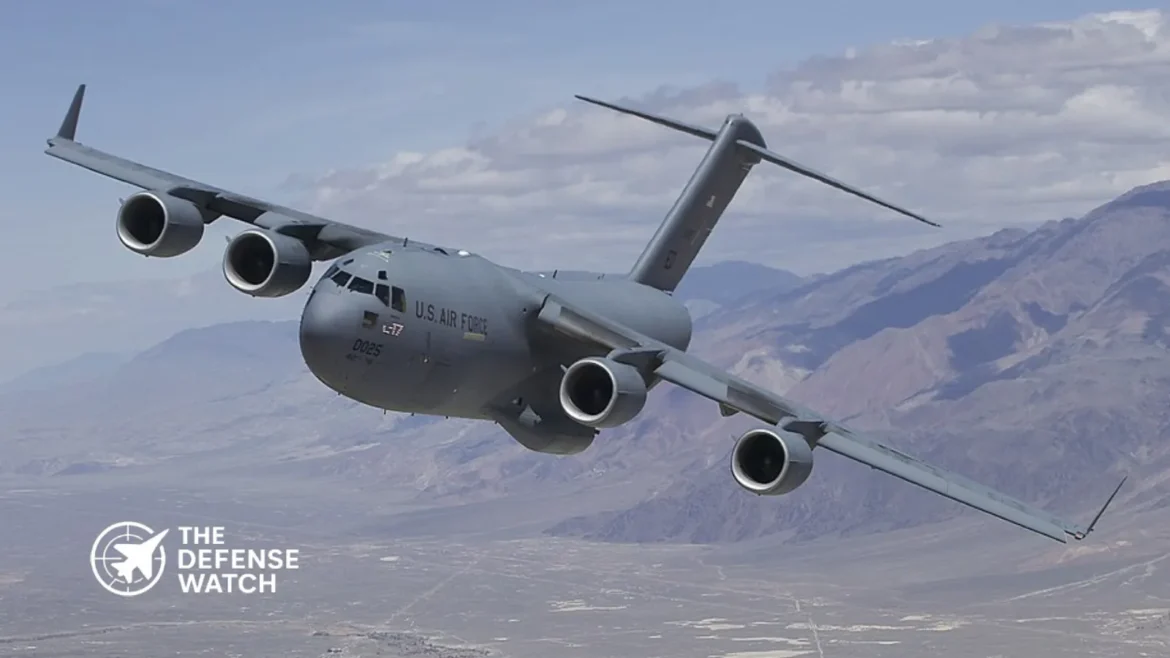
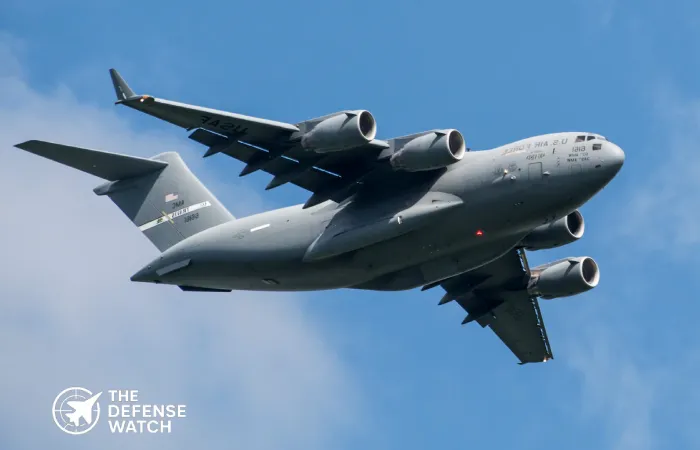
- ► The contract upgrades Block 10 aircraft to Block 30 configuration on eight Royal Australian Air Force and five Royal Canadian Air Force C-17s.
- ► Scope includes procurement of Group A kits, Group A and B installation, and supplier technical support.
- ► Work will be performed in San Antonio, Texas, with completion expected by July 2030.
- ► The award was issued as a sole source acquisition under the Foreign Military Sales program.
- ► The Air Force Life Cycle Management Center at Warner Robins, Georgia, is the contracting activity.
C-17 Infrared Countermeasures Upgrade Expands Allied Airlift Survivability
The C-17 infrared countermeasures upgrade awarded to The Boeing Company signals a steady shift in how U.S. allies are protecting their strategic airlift fleets against evolving missile threats.
(adsbygoogle = window.adsbygoogle || []).push({});Under a $13.15 million firm fixed price contract, Boeing will upgrade Block 10 aircraft to Block 30 configuration for eight Royal Australian Air Force C-17s and five Royal Canadian Air Force aircraft. The work will be performed in San Antonio, Texas, with completion expected by July 2030. The contract is executed through the U.S. Foreign Military Sales framework and managed by the Air Force Life Cycle Management Center at Warner Robins, Georgia.
At face value, this is a modest sustainment contract. In operational terms, it reflects a broader recalibration of survivability standards for strategic transport aircraft operating in contested environments.
Why Infrared Countermeasures Matter More Now
Strategic airlifters like the Boeing C-17 Globemaster III were originally designed for rapid global mobility, including operations into semi prepared or austere airfields. Historically, survivability enhancements focused on radar warning receivers, electronic countermeasures, and flare dispensing systems to defeat legacy infrared guided missiles.
The threat landscape has changed.
Man portable air defense systems, or MANPADS, have proliferated widely. Modern variants field improved seekers, resistance to decoys, and greater range. State and non state actors now operate advanced infrared guided systems that can threaten large aircraft during takeoff, landing, or low altitude operations.
Upgrading from Block 10 to Block 30 configuration enhances aircraft defensive suites, including improved infrared countermeasure integration. While detailed technical specifications are not public, Block 30 modifications generally reflect updated survivability hardware and system architecture aligned with U.S. Air Force fleet standards.

For Australia and Canada, this matters because both air forces routinely deploy their C-17s into operational theaters where threat levels cannot be dismissed as permissive.
Operational Impact for Australia and Canada
Australia operates eight C-17 aircraft and relies on them for regional rapid response across the Indo Pacific. The aircraft support humanitarian assistance, military deployments, and joint operations with the United States and regional partners.
(adsbygoogle = window.adsbygoogle || []).push({});In a potential high intensity contingency in the Western Pacific, large transport aircraft would be tasked with moving troops, heavy equipment, and supplies across vast distances. Forward airfields could be within reach of advanced missile systems. Enhanced infrared countermeasures increase the probability that these aircraft can operate in higher risk airspace with reduced vulnerability.
Canada’s fleet of five C-17s supports Arctic sovereignty missions, NATO deployments in Europe, and international crisis response. With NATO increasingly focused on deterrence along its eastern flank, Canadian airlift assets may be required to operate closer to areas where advanced air defense systems are present.
In both cases, survivability upgrades extend operational flexibility. They allow commanders to accept missions in environments that might otherwise require additional escort or standoff measures.
Interoperability Within the U.S. Security Architecture
The fact that this upgrade flows through Foreign Military Sales is significant.
Foreign Military Sales is not simply a contracting mechanism. It ensures configuration alignment between U.S. platforms and allied fleets. By moving Australian and Canadian aircraft to Block 30 standards, the U.S. Air Force maintains a higher degree of interoperability across combined operations.
This reduces logistical friction. It simplifies software updates, spare parts provisioning, and technical support. It also ensures allied fleets remain compatible with evolving U.S. threat libraries and defensive system upgrades.
(adsbygoogle = window.adsbygoogle || []).push({});The Air Force Life Cycle Management Center’s role underscores that this is not an isolated modification. It is part of a managed sustainment and modernization pathway that keeps allied C-17 fleets aligned with U.S. baselines.
In coalition operations, configuration divergence can create risk. Standardization mitigates that risk.
Industrial and Budget Dimensions
The contract value, $13.15 million, is relatively modest in defense procurement terms. That suggests this effort focuses primarily on retrofit kits, installation, and technical support rather than major structural redesign.
Work in San Antonio aligns with Boeing’s long standing sustainment footprint for the C-17 fleet. Although production of new C-17 aircraft ended in 2015, sustainment remains an active industrial base function. Upgrades such as this one help maintain skilled labor and technical expertise tied to the platform.
For Australia and Canada, incremental modernization is more cost effective than fleet replacement. Neither country is pursuing a near term successor to the C-17. Instead, both appear committed to sustaining the platform well into the 2030s and beyond.
This contract signals that survivability upgrades are now a routine line item in lifecycle management, not an optional add on.
Comparison to Global Airlift Competitors
The C-17 competes in the heavy airlift category primarily with the Airbus A400M Atlas, although the A400M occupies a slightly lighter payload class.
European operators of the A400M have similarly invested in defensive aids subsystems to counter infrared and radar guided threats. As European air forces reassess operating concepts under high threat conditions, survivability upgrades have become standard across modern transport fleets.
(adsbygoogle = window.adsbygoogle || []).push({});The U.S. Air Force continues to operate more than 220 C-17s, and its own upgrades often cascade to allied users through FMS channels. In effect, allies benefit from U.S. funded development and testing, reducing technical and financial risk.
In contrast, nations operating smaller tactical transports without advanced defensive suites may face greater vulnerability in contested environments. The modernization gap between strategic airlifters with integrated infrared countermeasures and those without is widening.
Regional Security Context
For Australia, the Indo Pacific security environment is deteriorating. Military planners must account for the presence of long range precision fires, advanced air defense systems, and gray zone coercion. Strategic mobility underpins any credible response plan.
For Canada, renewed attention to Arctic defense and NATO commitments in Europe increases the likelihood of operating near sophisticated integrated air defense networks. Even if C-17 aircraft are not penetrating defended airspace, threat envelopes can extend far beyond front lines.
In both theaters, survivability upgrades support deterrence. They signal that allied airlift will not be easily neutralized in early phases of a crisis.
Strategic Assessment
The C-17 infrared countermeasures upgrade does not shift the global military balance on its own. However, it contributes to a broader pattern.
First, it reinforces the survivability of allied strategic lift, a core enabler of power projection. Without secure airlift, reinforcement timelines slow, and deterrence credibility erodes.
(adsbygoogle = window.adsbygoogle || []).push({});Second, it strengthens alliance cohesion. By maintaining configuration alignment through Foreign Military Sales, the United States ensures that key partners remain technically integrated within its operational architecture. That reduces fragmentation inside NATO and the Indo Pacific security network.
Third, it reflects a procurement signal. Even support aircraft are being hardened against advanced missile threats. This suggests defense planners expect future operations to unfold in contested airspace, not permissive environments.
Who benefits? Australia and Canada gain improved survivability and operational flexibility. Boeing sustains its support ecosystem for a legacy but still critical platform. The U.S. benefits from more capable, interoperable partners.
Who is threatened? Any adversary relying on infrared guided surface to air missiles to disrupt allied airlift operations faces a more resilient target set. While this does not negate advanced air defenses, it raises the cost and uncertainty of attempting to interdict strategic mobility.
What happens next? Similar survivability enhancements are likely to continue across allied fleets, particularly as threat assessments evolve. Expect incremental upgrades tied to software, threat libraries, and countermeasure effectiveness as missile technology advances.
In an era where logistics determines staying power, protecting the aircraft that move armies may be as important as acquiring new combat platforms.
Boeing Secures Additional MH-139A Helicopter Contract for US Air Force
Boeing has won a new contract to build four more MH-139A Grey Wolf helicopters for the US Air Force. This latest award marks a second production contract for the aircraft in about five months and boosts the total under contract to 38 aircraft.
(adsbygoogle = window.adsbygoogle || []).push({});Contract Details and Program Context
The Jan 29 award adds four MH-139A helicopters plus related sustainment work, increasing the contract value to more than $262 million. This follows a prior contract awarded in September for eight MH-139A aircraft valued at about $173 million.
“The quick succession of contracts demonstrates that the US Air Force is all in on bringing the MH-139A capability to the warfighter as quickly as possible,” said Azeem Khan, director of the MH-139 program at Boeing. Boeing said safety, quality, and mission readiness remain central to its delivery and sustainment plans.
MH-139A Grey Wolf: Role and Capabilities
The MH-139A Grey Wolf is a multi-mission military helicopter based on the Leonardo AW139 platform. Boeing outfits the platform with military-specific equipment for patrol, search and rescue, troop transport, and cargo missions.
The US Air Force selected the MH-139A to replace the aging UH-1N Huey fleet for base security and pivotal missions including nuclear missile site security across the US Midwest. Boeing’s configuration includes avionics and systems tailored to Air Force requirements. (Air Force fact sheets)
Production and Deliveries
With the latest contract, Boeing now has 38 MH-139A aircraft under contract. To date, 21 Grey Wolf helicopters have been delivered, including 12 from the initial low-rate production contract awarded in 2023.
Industrial and Regional Impact
The MH-139A program supports more than a thousand jobs across Boeing’s supply chain, particularly in the Philadelphia region and other US facilities. It reflects continued defense production amid broader aerospace industry activity.
(adsbygoogle = window.adsbygoogle || []).push({});Strategic Importance for the US Air Force
The Grey Wolf replaces older platforms with modern avionics, range, and payload capacity suitable for a wide set of missions. The second contract in months signals the Air Force’s push to accelerate fielding and sustainment, aligning with ongoing defense modernization priorities in aviation and rotary-wing capability. Official statements from the Air Force underscore the aircraft’s role in nuclear surety and security missions.
Looking Ahead
Boeing’s expanded MH-139A build plans come amid broader company activity. In commercial operations, Boeing reported a surge in deliveries in 2025, with 600 aircraft delivered, its highest total in several years. Defense and space deliveries also continued as part of that operational mix.