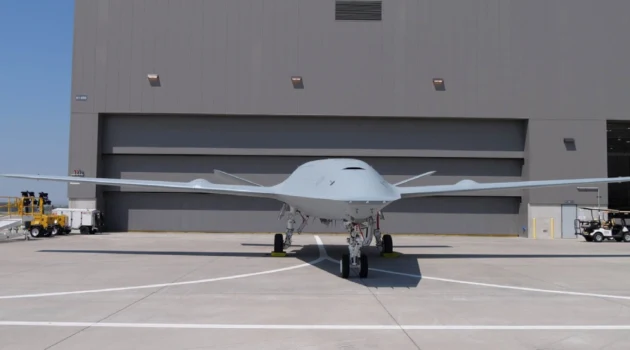
U.S. Navy MQ‑25A Stingray Taxi Test Marks Key Ground Milestone
The U.S. Navy’s MQ‑25A Stingray unmanned tanker completed its first autonomous taxi test on January 30, 2026, Boeing and naval officials confirmed, advancing a major step toward flight trials and carrier integration. This test saw the aircraft move under its own power and execute controlled ground handling in a key validation of navigation, steering, and mission software.
The MQ‑25A Stingray is designed to serve as the Navy’s first operational carrier‑based unmanned aerial refueling system. Its primary role is to take over organic aerial refueling duties from manned aircraft, freeing fighters like the F/A‑18E/F Super Hornet and F‑35C Lightning II for core missions.
Ground Handling Test at Boeing’s MidAmerica Facility
The autonomous taxi event took place at Boeing’s facility near MidAmerica Airport in Illinois, where the production‑representative MQ‑25A taxied under its own power for the first time. Navy test squadrons Air Test and Evaluation Squadron 23 (VX‑23) and UX‑24, which specializes in unmanned system development, oversaw the event.
According to Boeing’s statement, the aircraft executed a series of maneuvers, including steering and braking, in response to commands from Air Vehicle Pilots using the Unmanned Carrier Aviation Mission Control System. The objective was to confirm that the autonomy stack can manage ground control tasks ahead of flight‑clearance activities.
Taxi trials are a required phase before an unmanned aircraft proceeds to take‑off. They verify propulsion, braking, steering, and other ground systems under conditions that simulate carrier deck handling without immediate hazards of flight.
Context for the MQ‑25A Program
The MQ‑25 program originated in the 2010s to fill a critical capability gap in carrier air wings. Navy analysts concluded that manned fighters spending flight hours on aerial refueling duties reduced overall combat capacity. The unmanned tanker aims to return that flight time to operational missions.
The first MQ‑25 test aircraft flew in 2019 under a Boeing‑Navy partnership, completing early autonomous operations including basic taxi and take‑off during developmental testing.
Production representative aircraft such as the one in the January 30 test are now progressing through ground trials ahead of flight testing planned for 2026, after software certification and final airworthiness reviews.
What This Means for Future Carrier Use
The autonomous taxi milestone is a key enabler for future carrier deck operations. Carrier flight decks are high‑risk environments with limited tolerance for errors in aircraft movement. Demonstrating predictable ground handling under autonomous control reduces risk before attempting launch and recovery operations at sea.
Once operational, the MQ‑25A will deliver tens of thousands of pounds of fuel to receiver aircraft, extending the operational range of carriers without drawing manned aircraft away from core missions.
Beyond tanking, Navy planners see potential for the MQ‑25A to support other roles such as persistent ISR or communications relay once routine carrier operations are established.
Next Steps Toward Flight Testing
Following the taxi runs, the MQ‑25A will continue ground tests and prepare for its first flight attempt once certification criteria are met. Navy and Boeing leaders have said the program remains on track for initial flight testing in 2026.

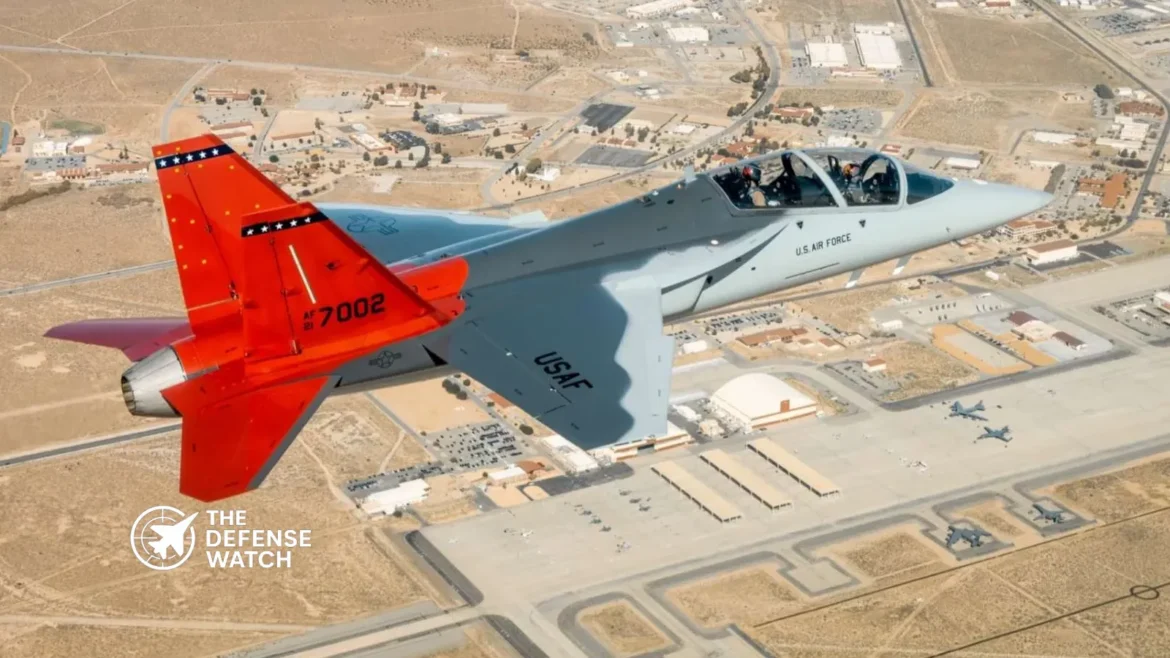
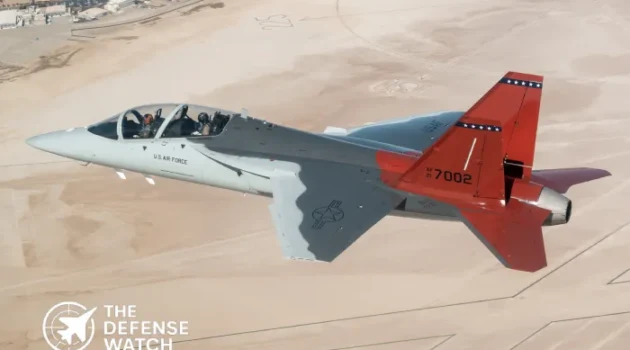
The US Air Force has officially welcomed the first T-7A Red Hawk into service during a Jan 9 arrival ceremony at Joint Base San Antonio-Randolph, marking a key step in modernizing pilot training with the next-generation trainer aircraft.
Ceremony Highlights
Air Education and Training Command hosted the ceremony for the T-7A Red Hawk, celebrating its delivery from Boeing to the 99th Flying Training Squadron, part of the 12th Flying Training Wing. Senior Air Force leaders including Lt Gen Scott Pleus, acting vice chief of staff, and Lt Gen Clark Quinn, AETC commander, attended and spoke on the aircraft’s importance.
Modernizing the Training Fleet
The T-7A Red Hawk is set to replace the aging T-38 Talon, which has served as the Air Force’s primary jet trainer for more than six decades. Its design uses modern digital engineering, updated avionics and an open systems architecture meant to support future training needs and emerging technologies.
(adsbygoogle = window.adsbygoogle || []).push({});AETC and Future Operations
According to service leaders, the Red Hawk will play a vital role in preparing pilots for fifth and sixth generation aircraft by offering a training platform aligned with modern operational demands. The 99th Flying Training Squadron, inheriting the “Red Tails” legacy, will lead early operational efforts and help refine training concepts as more units integrate the T-7A.
Looking Ahead
Senior commands emphasize that the Red Hawk’s arrival is not the end of modernization but the start of transforming the training pipeline to produce pilots ready for future challenges.

The U.S. Army awarded Boeing a $2.7 billion contract for Apache helicopter support services, marking a major sustainment award for the AH-64 attack helicopter fleet, the Pentagon said.
Contract Details and Scope
The Pentagon announced that the U.S. Army selected Boeing to provide post-production support services for Apache helicopters under a firm-fixed-price agreement valued at roughly $2,728,234,918. The contract was awarded after a competitive internet-based bidding process and is managed by the Army Contracting Command at Redstone Arsenal in Alabama. Work will primarily be carried out from Boeing’s facility in Mesa, Arizona, and is expected to run through December 31, 2030.
Under the agreement, Boeing will deliver logistics support and sustainment services designed to maintain the operational readiness of the AH-64 attack helicopter fleet. Specific task orders and funding details will be set at the order level throughout the life of the contract.
Importance for Army Aviation
The Apache helicopter remains a cornerstone of U.S. Army attack aviation. The AH-64 platform has been in continuous service for decades, providing close air support, anti-armor capability, and reconnaissance to Army units. Sustainment contracts like this ensure the Army can keep a high rate of availability across its fleet while managing readiness costs over the long term.
This award follows a separate, larger Boeing build contract announced last month, in which the Army awarded Boeing about $4.7 billion for new Apache AH-64E attack helicopters and Longbow crew trainers.
Industrial and Strategic Impact
Sustainment contracts of this size reflect the ongoing need to support legacy platforms even as modernization programs progress. Boeing’s sustainment work for the Army helps preserve an industrial base of specialized rotorcraft support capability in the United States while the Apache fleet continues to play a central role in U.S. Army aviation operations.
Boeing Wins $2 Billion Contract to Modernize B-52 Bombers
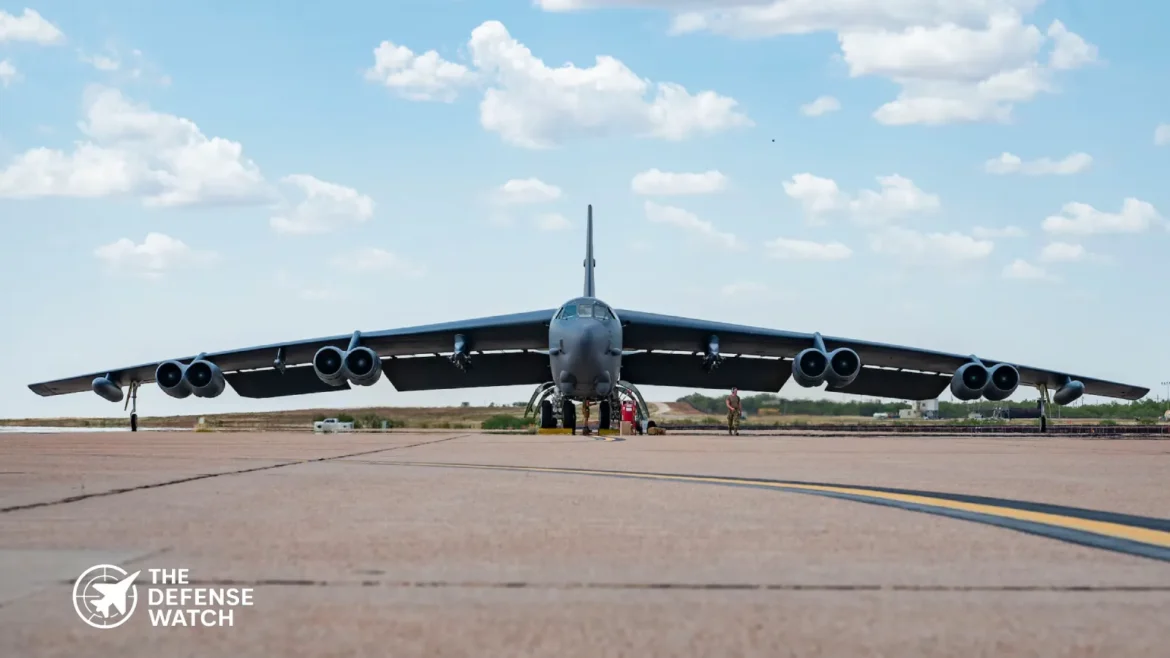
Boeing has secured a $2 billion contract from the US Air Force to continue work on re-engining the B-52H bomber, part of the long-running B-52 Commercial Engine Replacement Program (CERP).
The contract, approved on 23 December 2025, funds integration of new turbofan engines on two B-52H aircraft, replacing the current eight Pratt & Whitney TF33 engines mounted in the bomber’s dual-pod underwing configuration.
CERP, launched in 2018, aims to extend the B-52 fleet’s service life while improving fuel efficiency and reliability. Rolls-Royce serves as the propulsion supplier and recently cleared the USAF critical design review for the new engines.
According to Boeing, the program will modernize the bomber with engines that provide higher thrust, improved durability, and reduced maintenance requirements. The upgrades support the Air Force’s long-term bomber strategy, ensuring the B-52 remains operational well into the 2050s.
The contract milestone represents both a significant investment in US strategic bomber capability and a major step in ongoing fleet modernization.
The B-52H, a cornerstone of America’s heavy bomber fleet, will benefit from these new engines by achieving greater operational flexibility, lower lifecycle costs, and enhanced performance. Boeing will continue engineering, testing, and integration work over the next several years under this award.


What It Is
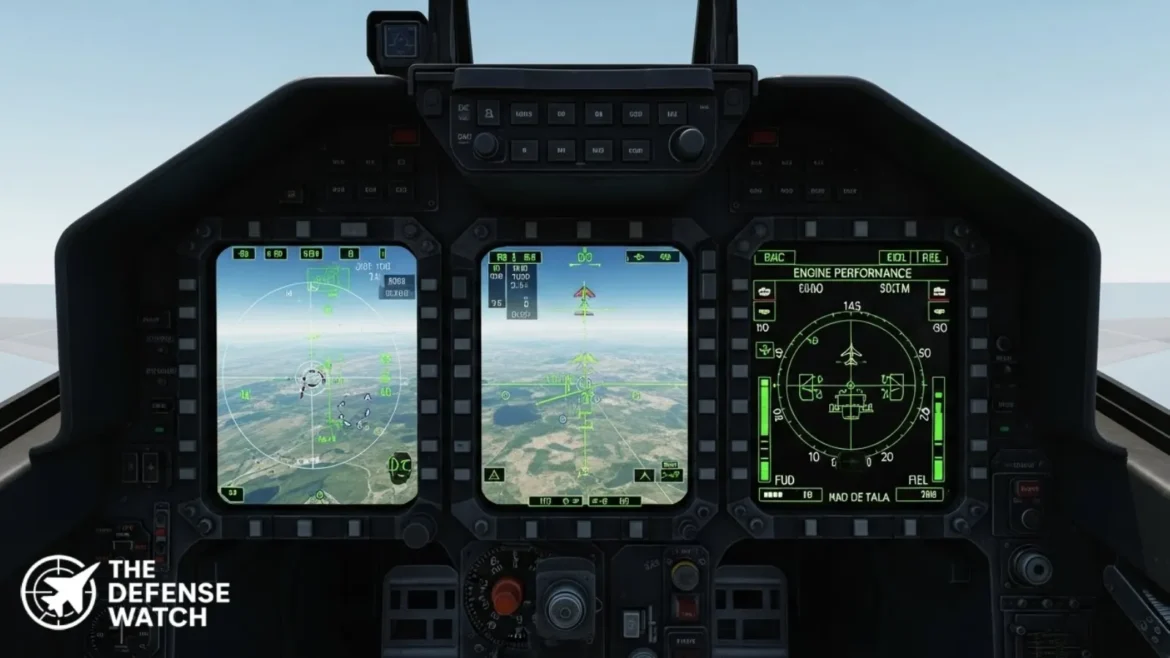
South Korea’s Hanwha Systems has been selected by Boeing to supply the Eagle Large Area Display (ELAD) for South Korea’s F-15K and the U.S. Air Force’s F-15EX Eagle II fighters. This marks Hanwha’s first export of digital avionics and highlights growing defense collaboration between the U.S. and South Korea.
The ELAD integrates multiple cockpit screens into a single, large, touch-sensitive display. Pilots can access critical flight and mission information more intuitively, streamlining command inputs to the mission computer.
How It Works
The ELAD combines data from different avionics systems, presenting it on one interface. Pilots can control mission systems through touch inputs, reducing reliance on multiple smaller screens and physical controls. The concept mirrors similar large-area displays used in modern fighter jets, including the F-35’s touchscreen interfaces, which improve situational awareness and reduce pilot workload.
Why It Matters
Upgrading F-15 cockpits with modern digital displays enhances operational efficiency and interoperability between allied forces. For the U.S., sourcing the ELAD from Hanwha signals a diversification of supply chains in strategic sectors like fighter avionics. For South Korea, it represents a step toward becoming a recognized supplier of advanced military electronics on the global stage.
Strategically, this move strengthens the U.S.-South Korea defense partnership amid regional tensions in East Asia. Competitors like China and Russia continue to advance fighter avionics, making collaboration on next-generation systems critical for maintaining air superiority and technological edge.
Strategic Impact
By equipping F-15K and F-15EX fighters with advanced displays, both countries enhance pilot effectiveness in complex mission environments. Hanwha’s entry into the U.S. defense supply chain may encourage further South Korean participation in international aerospace projects. Long term, this contributes to a more resilient and diversified defense industrial base while reinforcing U.S. alliances in the Indo-Pacific.

US Air Force Begins In-Flight Testing of New AESA Radar on B-52 Bomber
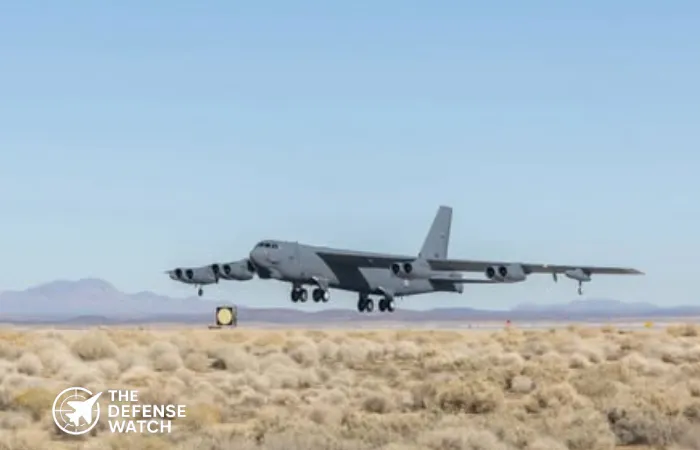
The US Air Force has begun formal testing of a new active electronically scanned array radar on its B-52 Stratofortress bomber. The first B-52 fitted with the advanced radar system arrived at Edwards Air Force Base, California on December 8, 2025, marking the start of a comprehensive ground and flight test program that will run through 2026.
New Radar Replaces Aging System
The new radar, designated the AN/APQ-188, replaces the long-serving AN/APQ-166 mechanically scanned sensor currently on B-52H aircraft. The legacy radar, originally fielded decades ago, has been called outdated and prone to failure.
Built by Raytheon Technologies and integrated onto the B-52 by Boeing, the AN/APQ-188 AESA leverages proven technology from fighter radars such as the AN/APG-79 and aspects of the AN/APG-82, which equip the F/A-18E/F Super Hornet, EA-18G Growler and F-15EX aircraft.
Air Force officials describe the upgrade as essential to give the B-52 the ability to maintain situational awareness, precise targeting, and reliable all-weather navigation in modern combat environments.
What Testing Involves
After being delivered by Boeing from its San Antonio, Texas facility, the radar-equipped B-52 was ferried to Edwards AFB where crews from the 49th Test Evaluation Squadron and the 419th Flight Test Squadron will lead the evaluation.
The test campaign will include both ground and flight operations. Data collected will support a planned production decision later in 2026 on retrofitting the radar across the B-52 fleet of 76 aircraft.
The modified aircraft will undergo detailed checks of radar performance, integration with the bomber’s mission computers, and interface with new display systems installed in the cockpit to support imagery and control functions.
Why the Upgrade Matters
The B-52’s original radar dates back to mid-20th century designs and has become increasingly unreliable. Older mechanical scanning limits detection range, tracking, and mapping performance when compared with modern AESA systems.
AESA radars, unlike traditional mechanical units, use a stationary set of transmitters and receivers that steer beams electronically. This design offers faster target updates, better resistance to interference, and improved multi-mode performance for ground mapping and air surveillance.
The new radar also ties into broader efforts to modernize the B-52 for the decades ahead. The bomber already carries advanced weapons such as the AGM-158 Joint Air-to-Surface Standoff Missile and the emerging AGM-181 nuclear cruise missile. Modern radar performance helps support targeting and navigation for these long-range systems.
Broader B-52 Modernization Program
The radar update is one key part of the B-52 Radar Modernization Program. Alongside radar replacement, the Air Force is also working on extensive upgrades that will eventually be part of the full B-52J configuration. These efforts include re-engining with Rolls-Royce F130 engines, updated avionics and communications for both conventional and nuclear missions, and new crew station designs.
The Air Force plans to keep the B-52 in service through at least 2050 and possibly beyond, making these upgrades vital to maintaining the bomber’s relevance in future joint force operations.
Secretary of the Air Force Troy Meink said the radar modernization ensures the B-52 will continue to serve as a central element of US airpower for years. General Ken Wilsbach, Air Force Chief of Staff, emphasized the upgrades support readiness, deterrence, and the bomber fleet’s ability to “fight and win” in contested environments.
What Comes Next
With the first radar-equipped B-52 now in testing, the Air Force will conduct rigorous evaluations of the system’s performance. The results will inform decisions about fleet-wide installation and future sustainment needs.
If testing proceeds as planned, production decisions and broader deliveries could begin later in 2026, setting the stage for a phased rollout across the bomber fleet. Continued development of other modernization elements, such as communications and weapons integration, will proceed in parallel.
The radar program links to larger strategic goals of keeping the B-52 viable alongside next-generation fighter and bomber aircraft, contributing to long-range strike, deterrence and global response options well into the mid-21st century.
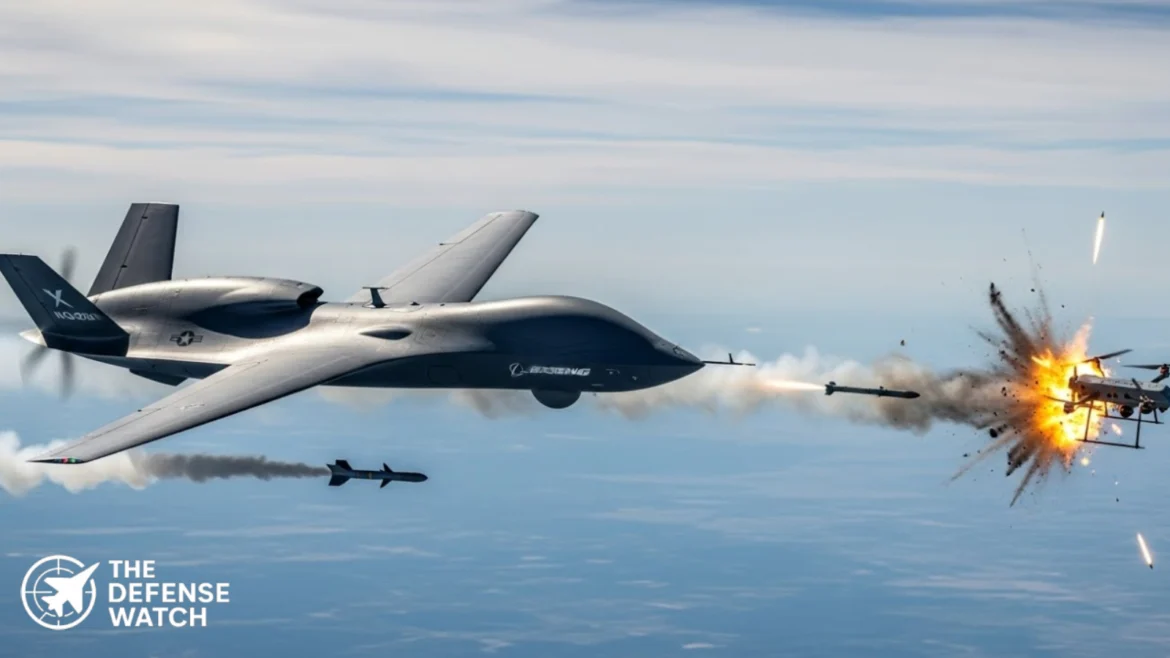
An unmanned Boeing MQ-28A Ghost Bat (“Ghost Bat”) successfully destroyed a Phoenix target drone with a Raytheon AIM-120 AMRAAM missile during a live air-to-air weapons test conducted on 8 December 2025. The event took place at Australia’s secure Woomera Test Range. The test marks the first time an autonomous drone has completed a fully integrated air-to-air missile engagement.
Official confirmation came on 9 December from Boeing Defense Australia and the Royal Australian Air Force (RAAF), signaling a major milestone in the Ghost Bat program’s transition from experimental tests to an operational combat-capable system.
Why it matters
The successful missile launch demonstrates that the Ghost Bat is no longer limited to reconnaissance or support roles. It now has demonstrated lethal strike capability. The event also underlines growing confidence from both the government and industry to invest in unmanned combat aircraft as a viable complement to crewed jets. The significance lies in the effective integration of autonomous capabilities into traditional air combat formations, aligning with broader trends in modern air warfare.
Ghost Bat Background — What is the drone and how did we get here
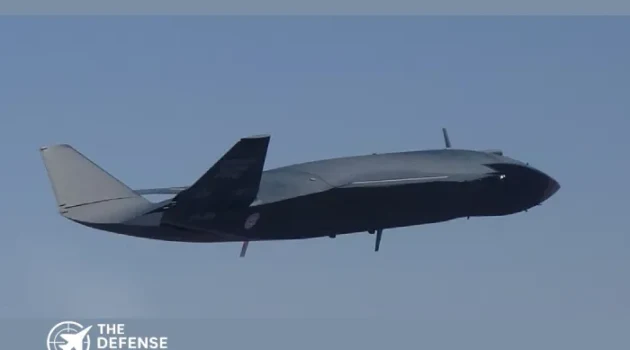
The Ghost Bat is a stealth-enabled unmanned combat aerial vehicle (UCAV) developed by Boeing Defense Australia for the RAAF under the Collaborative Combat Aircraft (CCA) program. It first flew in February 2021. As of 2024, eight Block 1 prototypes were built, accumulating more than 100 test flights.
Designed as a “loyal wingman,” the Ghost Bat can operate alongside crewed aircraft. Its modular nose allows for rapid reconfiguration for different missions such as surveillance, electronic warfare, or kinetic strike. The drone is capable of long-endurance flights, with a reported combat radius of more than 3,700 km.
Until now, tests focused on non-kinetic roles or passive missions. Earlier in 2025, development focused on integrating combat capabilities and preparing the drone for live-fire testing by the end of the year.
The December 8 missile test — What we know
During the Woomera trial, the Ghost Bat operated as part of a mixed formation. A crewed Boeing E-7A Wedgetail airborne early warning and control aircraft and a crewed Boeing F/A-18F Super Hornet fighter provided sensor coverage and targeting information. The test used data sharing across platforms: the Super Hornet detected and tracked the target drone, then passed target cues. The Ghost Bat, acting on that data and under supervision of the Wedgetail, autonomously locked on and fired the AIM-120 missile. The rocket ignited cleanly, destroying the target.
Boeing described the event as a demonstration of a fully autonomous, end-to-end weapons engagement. According to Boeing, this proves the Ghost Bat’s autonomy solution is mature enough to integrate with fourth, fifth and next-generation aircraft.
The successful engagement allows the Ghost Bat to meet a key milestone announced by Boeing earlier in 2025. The company had set a goal of conducting a live air-to-air missile test by end of 2025 or early 2026.
Operational pivot: Ghost Bat moving toward active deployment
Following the test, the Australian government has committed A$1.4 billion (approx. US$928 million) to shift the Ghost Bat program into operational status. This funding covers procurement of six Block 2 Ghost Bat drones, plus development of a prototype Block 3 craft.
Block 2 drones will be equipped with operationally necessary systems, such as enhanced GPS/INS navigation and improved maintainability. They will drop some of the prototype visual features — for example the Block 1 dogtooth wing will be removed. Internal wiring and design tweaks aim to simplify upkeep.
Future Block 3 models are expected to roll out from a new manufacturing base located at the Wellcamp Aerospace and Defense Precinct near Brisbane. The procurement marks the first time Australia has committed funds to operational drone strike systems at this scale.
The push toward operational deployment reflects a growing shift in airpower philosophy: unmanned systems are increasingly seen not just as surveillance assets but fully capable strike-ready platforms.
Broader implications for air combat and regional balance
The success of the Ghost Bat weapons test carries several implications:
- For crewed-uncrewed teaming: The flight validates that autonomous drones can integrate with manned platforms in real-world combat scenarios. This may alter force structure decisions.
- For cost and risk: Deploying UCAVs reduces risk to human pilots while offering flexible, reconfigurable strike assets at lower cost compared to manned jets.
- For regional deterrence: In a volatile Indo-Pacific environment, autonomous strike-capable drones give Australia a strategic edge, especially in networked air operations.
- For future procurement: This may influence other air forces exploring CCAs or loyal-wingman drones — potentially accelerating global drone adoption.
What’s next
With Block 2 Ghost Bats funded and moving into production, the next step is fielding and integrating them into RAAF operational squadrons. Further testing will likely focus on multi-mission roles: not just strike, but surveillance, electronic warfare, and joint ops with crewed jets.
Meanwhile, other nations developing unmanned combat aircraft will be watching closely to see how Australia operationalizes its drones. The MQ-28A Ghost Bat could set a template for next-generation airpower.
First T-7A Red Hawk lands at JBSA-Randolph
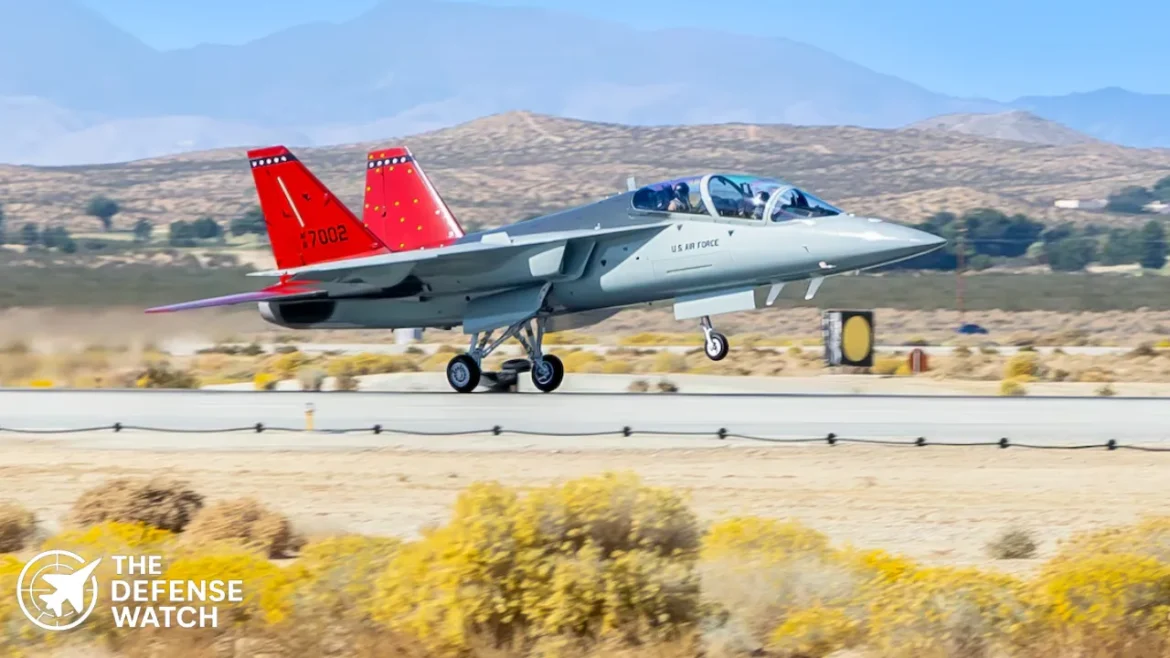
The United States Air Force (USAF) received its first production Boeing–Saab T-7 Red Hawk on December 5, 2025 at Joint Base San Antonio-Randolph (JBSA-Randolph), Texas. The aircraft touched down at the 12th Flying Training Wing, marking the beginning of a new generation in Air Force pilot training.
The delivery is a significant milestone in the USAF’s long-planned shift away from legacy trainers that have served for decades.
Background: Why the T-7A matters
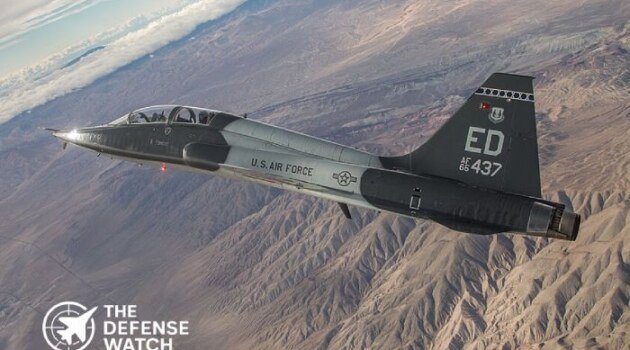
For more than six decades, the USAF has relied on the aging Northrop T-38 Talon as its advanced jet trainer — a platform first introduced in the 1960s.
In 2018, the Air Force awarded a roughly USD 9.2 billion contract to Boeing for a new fleet: 351 T-7A trainers, along with 46 simulators and associated training infrastructure.
The T-7A Red Hawk is built using modern digital design and manufacturing methods. Its architecture supports a fully integrated training system combining live, virtual, and constructive (LVC) elements such as advanced simulators and mission software — capabilities that better prepare pilots for fifth- and future-generation fighters and bombers.
What the Arrival Means — Details
According to official statements, the arrival of the first T-7A at JBSA-Randolph is the “first physical representation of progress” within the program.
The jet will be assigned to the 99th Flying Training Squadron (99 FTS), known as the “Red Tails,” which will spearhead integration of the trainer into the USAF pilot pipeline.
While the aircraft has arrived, full-scale training has yet to begin. According to the USAF, instructor pilots must first familiarize themselves with the new platform and maintainers must be trained on logistics, maintenance, and support.
The full Program of Record envisions 351 T-7A aircraft supported by ground- and simulator-based training systems. Over several years, as more jets are delivered, the plan is to phase out the legacy T-38C fleet and eventually consider replacing even the turboprop T-6 Texan II for some training missions.
Brig. Gen. Matthew Leard, director of AETC Plans, Program, Requirements and International Affairs, said this delivery is the first tangible indicator that the long-awaited transformation of pilot training is beginning. He emphasized that training and maintenance infrastructure is being built in parallel with deliveries — a shift from past programs that waited for full production before ramping up support.
What Makes the T-7A Red Hawk Different
The T-7A Red Hawk brings several significant improvements over the T-38C:
- Modern Design & Performance: The Red Hawk features twin tails, leading-edge root extensions and slats for improved handling at low speeds — better approximating the flight envelope of modern fighters.
- Increased Power: Its single engine produces nearly three times the thrust of the twin engines on the T-38C Talon.
- Digital, Integrated Training System: Whereas older trainers were primarily airframes with limited avionics, the T-7A comes with state-of-the-art integrated flight simulators, advanced visual systems, mission-system software, and facilitates live-virtual-constructive training.
- Future-Proof and Upgradable: The aircraft’s open-architecture software and digital systems are designed to evolve, enabling integration of new training modules or mission profiles such as aggressor or light attack variants if required.
According to Boeing, the T-7A represents a “multi-generational leap” in pilot training, offering low-risk, cost-effective, and highly capable training — a major upgrade over legacy platforms that are decades old.
Strategic Implications and What Comes Next
The delivery of the first T-7A Red Hawk marks a critical turning point in how the USAF trains its future fighter and bomber pilots. For decades, new pilots have had to transition from training jets such as the T-38 or T-6 directly to high-performance fourth-, fifth-, or sixth-generation combat aircraft — a steep leap that often requires additional on-the-job training. The T-7A fills that gap by better bridging training to operational jets.
Over the next several years, as more T-7As arrive and simulators come online, the USAF can expect reduced training bottlenecks, improved readiness, and a pipeline better aligned with modern and future air combat demands. The program’s roadmap foresees deliveries ramping up through the early 2030s; once fully fielded, the T-7A will become the backbone of advanced pilot training across multiple USAF bases.
Additionally, the growth of the T-7A program lays the groundwork for potential expansion: given its flexible digital architecture, the trainer could adapt over time to evolving mission requirements — providing the USAF with a long-term training and preparation platform.
Conclusion
The arrival of the first production T-7A Red Hawk at JBSA-Randolph on December 5, 2025, represents a landmark achievement for the U.S. Air Force and its pilot training enterprise. As the cornerstone of a broader modernization effort, the Red Hawk promises to deliver more realistic, flexible, and future-ready training for the next generation of aircrew — enhancing readiness for fifth- and sixth-generation fighters and beyond. As deliveries scale over the coming years, the impact will steadily reshape the structure and effectiveness of USAF pilot training for decades.
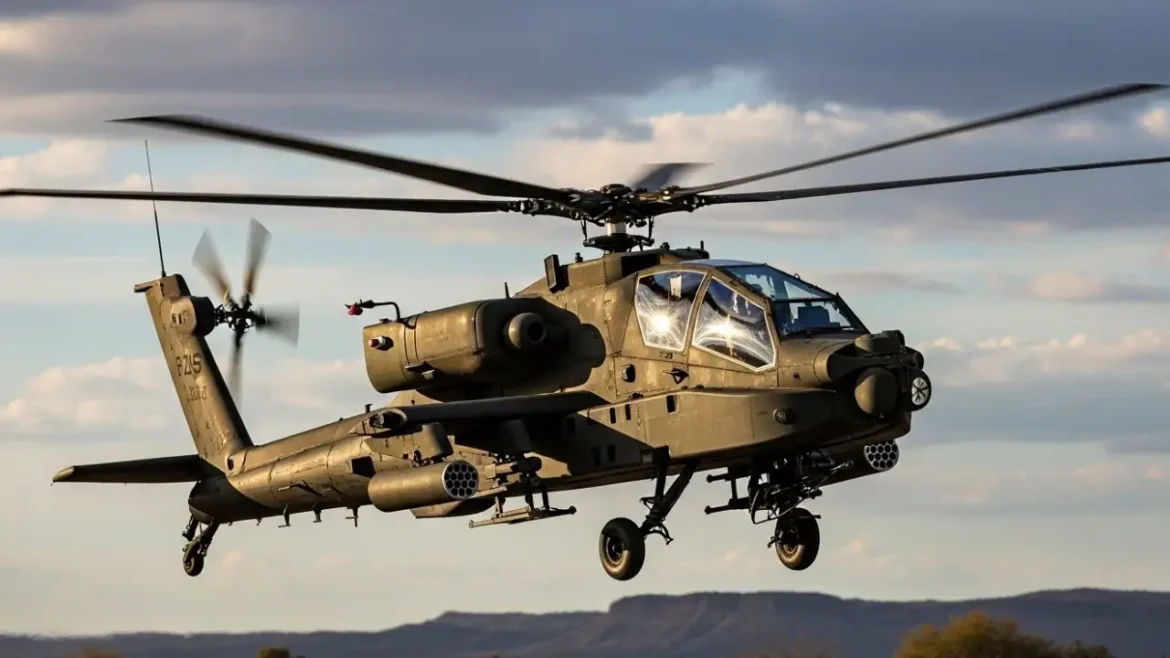
Boeing announced it had been awarded a U.S. Army Foreign Military Sales (FMS) contract worth nearly US$4.7 billion to manufacture new-build AH-64E Apache attack helicopters and related support equipment for allied nations, including a landmark order of 96 helicopters for the Polish Armed Forces.
Deliveries are slated to begin in 2028, marking the largest single Apache purchase by a non-U.S. country in the program’s history.
Background: The AH-64E Program and Global Demand
The AH-64 Apache series has served as a mainstay attack helicopter for the United States Army since the mid-1980s. The current variant, the AH-64E, features upgraded engines, composite rotors, advanced sensors, networking capabilities, and modular open-systems architecture, making it suitable for modern multi-domain warfare.
As of 2025, more than 1,300 Apache helicopters are in operation globally.
In recent years, demand has surged among partner nations seeking proven, high-capability attack helicopters rather than unproven or high-risk systems. The AH-64E’s mix of lethality, versatility, and maturity has kept it at the center of many modernization plans.
Contract Details
- The contract was awarded to Boeing’s Mesa, Arizona production facility, with work expected to run through May 30, 2032.
- The package includes not only AH-64E helicopters but also “Longbow” crew trainers, spare parts, accessories, and related support equipment.
- The initial tranche — drawing from export customers including Poland, Egypt, and Kuwait — was reportedly worth about US$2.3 billion.
- For Poland, the 96-aircraft order will make it the 19th global operator of the Apache and the largest fleet outside the United States.
- Poland has already begun training pilots and maintenance crews in anticipation of the deliveries; the country currently leases eight AH-64Es from the U.S. Army.
- As part of the deal, Boeing and the Polish Ministry of National Defence reportedly signed offset agreements: Polish industry will participate in maintenance and support operations, and Boeing will help establish training programs and a composite-materials laboratory locally.
“This important agreement allows us to begin building one of the largest and most formidable Apache fleets that the world has ever seen,” said Christina Upah, vice president of Boeing’s Attack Helicopter Programs, in the official company statement.
Why It Matters: Strategic and Industrial Implications
Sustaining Apache Production into the 2030s
The new contract secures continued operation of Boeing’s Mesa production line deep into the 2030s — a critical factor for long-term supply, sustainment, training, and future upgrades.
Given the AH-64E’s MOSA-enabled (Modular Open Systems Architecture) framework, the platform can continue to evolve with upgrades in sensors, weapons, communications, and networking — offering partners a cost-effective, low-risk path to modern attack aviation capabilities.
Growing Reliance on Proven Rotary-Wing Aviation
While many militaries explore unmanned systems and futuristic platforms, the Apache’s robust combat-proven record, multi-role versatility, and integration capabilities within modern networked warfighting architectures continue to drive demand.
For Poland — and potentially Egypt and Kuwait — the acquisition enhances strike, reconnaissance, and counter-drone capabilities, while anchoring national aviation modernization efforts around a mature, interoperable platform.
Industrial Offset and Local Defense Industry Participation
The offset elements of the deal provide opportunities for domestic maintenance, training, and composite-materials work in Poland — an incentive for countries aiming to build or sustain local defense-industrial capacity rather than remain purely reliant on foreign suppliers.
Policy and Geopolitical Perspective
The deal comes amid evolving security dynamics across Europe and the Middle East, where several allied nations are re-evaluating and reinforcing their defense postures. For Poland, a NATO member that has significantly increased defense spending following the conflict in Ukraine, the acquisition of Apaches signals a commitment to strengthening its land-air warfare capabilities.
From a U.S. and Boeing perspective, the FMS contract reinforces the strategic role of U.S.-made attack helicopters in allied defense networks, while supporting U.S. defense-industry supply chains and export revenues.
By sustaining Apache production into the 2030s, the program remains relevant even as militaries globally invest heavily in unmanned systems and next-generation platforms — reflecting a continued belief in the value of crewed, multi-role attack helicopters in complex, contested environments.
What’s Next
As Poland prepares to receive its first AH-64E deliveries starting in 2028, training for pilots and maintainers is already underway. Local industry participation under the offset agreement may lead to increased domestic capability for maintenance and support — potentially strengthening Poland’s defense autonomy.
Meanwhile, Boeing’s Mesa facility will ramp up production, sustain its workforce, and remain ready to meet future orders or upgrades — keeping the AH-64E relevant even as emerging technologies and evolving battlefield requirements reshape global military aviation.
For defense observers, the contract reinforces the continuing centrality of the AH-64E Apache in allied attack-aviation planning and provides a benchmark for future export deals and modernization efforts by other partner nations.

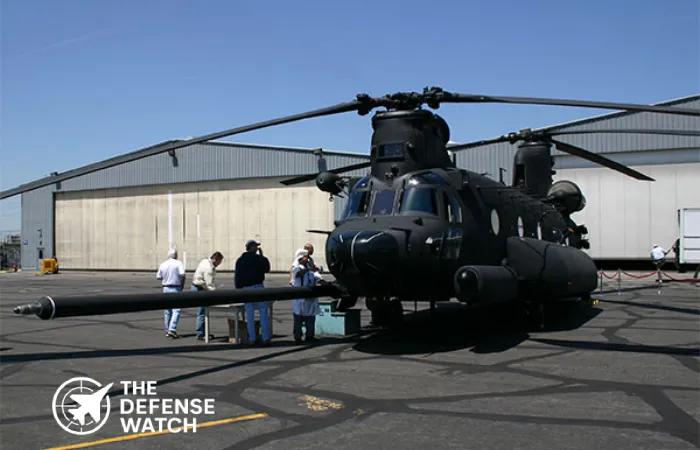
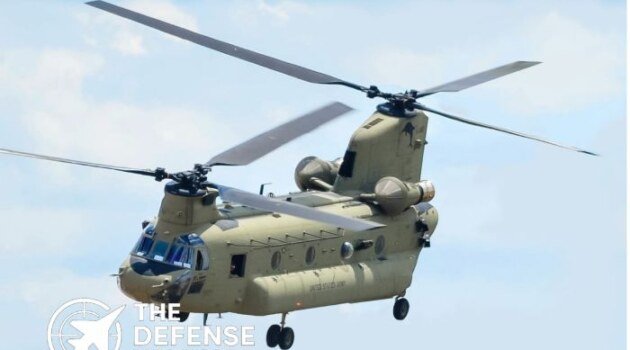
U.S. Special Operations Command Orders More MH-47G Block II Chinooks
The U.S. Special Operations Command (USSOCOM) awarded Boeing a $877,742,891 delivery order to procure additional MH-47G Block II heavy-lift helicopters. The contract stipulates that most of the manufacturing activity will occur through late 2030, under the contracting activity based at MacDill Air Force Base.
Background: Why MH-47G Matters
The MH-47G is the special operations version of Boeing’s venerable CH-47 Chinook, tailored for the demanding missions of U.S. Army Special Operations Aviation Command (USASOAC), notably the 160th Special Operations Aviation Regiment (SOAR), also known as the Night Stalkers.
Derived from earlier MH-47 variants (D and E), the Block II brings critical upgrades: a reinforced airframe, redesigned “fat” fuel tanks, advanced avionics, and systems optimized for extended-range, high-threat, and night operations.
These helicopters support insertion, extraction, resupply, in-flight refueling, and even airborne command‐and‐control. Their low-level capability — paired with infrared suppression and countermeasure suites — makes them uniquely suited for clandestine and high-risk special operations.
Contract Details and Context
- The $877.7 million award represents a “delivery order,” meaning this is not a standalone contract but a continuation or extension of an existing procurement pathway.
- Production is expected to carry on until November 2030, giving Boeing and USASOAC a clear roadmap for the near term.
- This new order builds on a series of prior contracts:
- In March 2025, Boeing secured a $240 million deal to remanufacture five MH-47G Block II helicopters, with deliveries expected to begin in 2027.
- In June 2024, a $115 million contract for two additional MH-47G Block II Chinooks was awarded.
- Looking further back, in December 2023, Boeing received a $271 million award to remanufacture six MH-47G Block II airframes.
- According to these cumulative contracts, 51 MH-47G Block II helicopters are now under contract.
MH-47G Capabilities and Specifications
Key specifications and capabilities of the MH-47G Block II include:
- Powerplant: Two Honeywell T55-GA-714A turboshaft engines (approx. 4,734 hp each)
- Dimensions: Fuselage length ~ 15.9 m; total length with rotors ~ 30.2 m; rotor diameter ~ 18.8 m
- Fuel & Range: Internal fuel capacity around 7,828 liters; mission radius approx. 630 km; aerial refueling capability extends mission duration.
- Avionics: Digital cockpit compatible with night-vision goggles, Common Avionics Architecture System (CAAS), inertial/doppler navigation, GPS, and advanced radar.
- Defensive Systems: Infrared exhaust suppressors, missile warning system, electronic countermeasures, laser warning receiver, and flare dispensers.
- Armament and Personnel Systems: M134 minigun (7.62 mm) at forward doors, M240D machine guns in rear windows, fast-rope insertion/extraction, rope ladders, rescue hoist, and a personnel location system.
Expert & Policy Perspectives
From a defense policy standpoint, this contract underscores the U.S. military’s long-term commitment to sustaining and modernizing its special operations aviation capabilities. Analysts note that the continuous procurement of Block II MH-47Gs aligns with SOCOM’s broader strategy to extend platform service life while ensuring mission-ready readiness for high-risk operations across the globe.
Heather McBryan, Boeing’s Cargo Programs VP and Program Manager, has previously emphasized the “unique and complex mission requirements” of USASOAC, framing the MH-47G Block II as a force multiplier for special operators.
Budget documents released by the U.S. Department of Defense also reflect planned procurement through 2030, reinforcing that this isn’t a one-off investment but part of a sustained modernization roadmap.
Strategic Implications and What’s Next
- Extended production timeline: With production stretching to 2030, Boeing and its supply chain are likely to maintain a stable industrial base for heavy-lift special operations helicopters.
- Sustained operational capacity: The Night Stalkers (160th SOAR) will continue to operate an upgraded and modernized fleet — enhancing readiness for global missions.
- Future growth potential: Given the modular design of the Block II, there is room for further technology insertions or upgrades as threat environments evolve.
- Budget consistency: The award aligns with SOCOM’s budget justification documents, suggesting future delivery orders may follow under similar procurement frameworks.