Executive Summary:
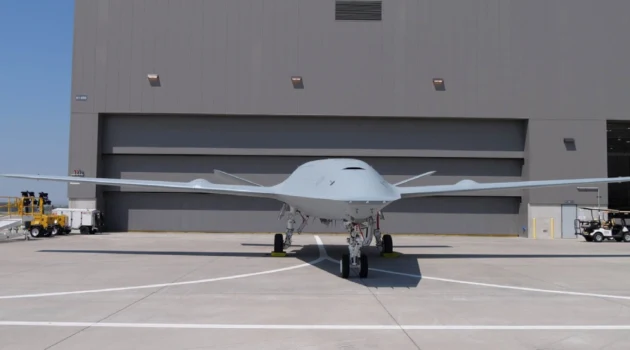
Boeing announced that the U.S. Navy’s first production representative MQ 25A Stingray successfully completed its second developmental flight, marking another step toward carrier based operations. The milestone supports ongoing testing of the Navy’s first operational unmanned aerial refueling aircraft, which is expected to expand the combat reach and endurance of carrier air wings.
MQ 25A Stingray Advances U.S. Navy Carrier Aviation Modernization
Boeing’s MQ 25A Stingray has completed its second developmental flight, marking continued progress in the U.S. Navy’s effort to introduce its first carrier based unmanned aerial refueling aircraft into operational service. Boeing confirmed the successful test as part of the company’s ongoing flight test campaign supporting the Navy’s future carrier air wing modernization program.
The flight involved the first production representative test aircraft, designated T1, and further validated aircraft performance following its initial flight earlier this year. According to Boeing, engineers collected additional flight data to verify aircraft handling characteristics and onboard system performance before expanding the flight envelope.
The MQ 25A represents one of the Navy’s most significant aviation modernization efforts in decades by introducing an autonomous aircraft specifically designed to conduct aerial refueling missions from aircraft carriers.
Second Flight Expands Developmental Test Campaign
The second flight focused on gathering engineering data needed to certify the aircraft for additional testing phases.
Boeing stated that the aircraft performed as expected throughout the mission while engineers monitored flight controls, propulsion systems, communications, and autonomous flight functions. Data collected during the sortie will support future developmental testing and eventual integration with carrier operations.
The company has been conducting ground evaluations, systems integration, and software validation in parallel with flight testing to reduce technical risks before operational demonstrations begin.
Designed To Extend The Reach Of Carrier Air Wings
Unlike previous unmanned aircraft developed primarily for intelligence or strike missions, the MQ 25A was designed from the outset as an aerial refueling platform.
Its primary mission is to provide fuel to carrier based tactical aircraft, allowing fighters to operate farther from the carrier while reducing the amount of fuel carried during launch.
Key operational objectives include:
Capability Operational Benefit Carrier based aerial refueling Extends combat radius of carrier aircraft Autonomous flight operations Reduces pilot workload and increases mission flexibility Deck compatible design Integrates with existing aircraft carrier operations Networked mission systems Supports future naval aviation networking and mission planning The aircraft is expected to refuel platforms including the F/A 18E/F Super Hornet, EA 18G Growler, and eventually the F-35C Lightning II, allowing those aircraft to dedicate more time to combat missions instead of tanker duties.
Reducing The Fighter Tanking Burden
For years, the U.S. Navy has relied heavily on F/A 18 Super Hornets equipped with external fuel tanks to perform “buddy tanking” missions.
Although effective, this practice consumes valuable flight hours from frontline strike fighters while accelerating wear on expensive combat aircraft.
The MQ 25A is intended to assume much of that refueling workload.
Once operational, Super Hornets can return to their primary strike, air superiority, and fleet defense missions rather than serving as dedicated tankers. This shift is expected to improve aircraft availability across deployed carrier strike groups.
Carrier Integration Remains The Critical Challenge
While flight testing demonstrates continued technical progress, integrating an autonomous aircraft into daily carrier operations remains one of the program’s most demanding phases.
Operating from an aircraft carrier requires precision launch and recovery procedures, coordination with manned aircraft, and reliable autonomous navigation within one of the world’s most complex aviation environments.
Future testing will continue evaluating:
- Catapult launch compatibility
- Arrested carrier landings
- Deck handling procedures
- Autonomous mission management
- Secure communications with carrier battle groups
- Integration with carrier air traffic control systems
Successfully demonstrating these capabilities will be essential before the aircraft enters operational fleet service.
Why The MQ 25A Matters For U.S. Naval Strategy
The MQ 25A is more than a replacement for current aerial refueling practices. It represents a broader transition toward integrating autonomous systems across naval aviation.
As potential adversaries field increasingly capable long range anti access and area denial (A2/AD) systems, U.S. aircraft carriers may need to operate farther from contested coastlines.
That greater operating distance places additional demands on carrier aircraft, particularly fighters conducting long range strike or air defense missions.
An organic carrier based tanker helps address this challenge by extending aircraft range without requiring land based tanker support. This provides carrier strike groups with greater operational independence during high intensity maritime operations.
The aircraft also serves as a technological foundation for future carrier based autonomous systems. Lessons learned from the MQ 25A program are expected to inform future unmanned reconnaissance, electronic warfare, logistics, and potentially combat aircraft designed to operate alongside crewed naval aviation platforms.
Program Continues Toward Fleet Introduction
The second successful flight represents another incremental milestone rather than the program’s final objective.
Boeing and the U.S. Navy will continue developmental testing, systems verification, and carrier integration activities before low rate production aircraft enter operational evaluation.
As testing progresses, the MQ 25A remains central to the Navy’s long term vision of combining crewed and autonomous aircraft within future carrier air wings, improving operational reach while preserving the service life of its frontline fighter fleet.
Although significant testing remains ahead, the latest flight demonstrates steady progress toward delivering a new capability that could reshape how carrier aviation supports sustained operations in contested maritime environments.
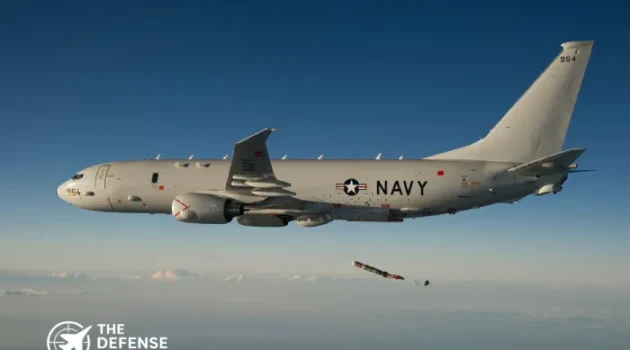
- Boeing has secured a $121.2 million U.S. Navy contract to modernize P-8A Poseidon maritime patrol aircraft operated by both the U.S. Navy and the Royal Australian Air Force.
- The award funds nine Increment 3 Block 2 retrofit A-kits, including six for U.S. Navy aircraft and three for Australian P-8A aircraft.
- The contract also includes installation of upgrade kits on three Navy aircraft and engineering work to address component obsolescence and supply chain shortages.
- Increment 3 Block 2 enhancements improve mission systems, sensor integration, data processing, and networked maritime warfare capabilities.
- Work will be performed primarily in Jacksonville, Florida, and is scheduled for completion by May 2029 under Naval Air Systems Command oversight.
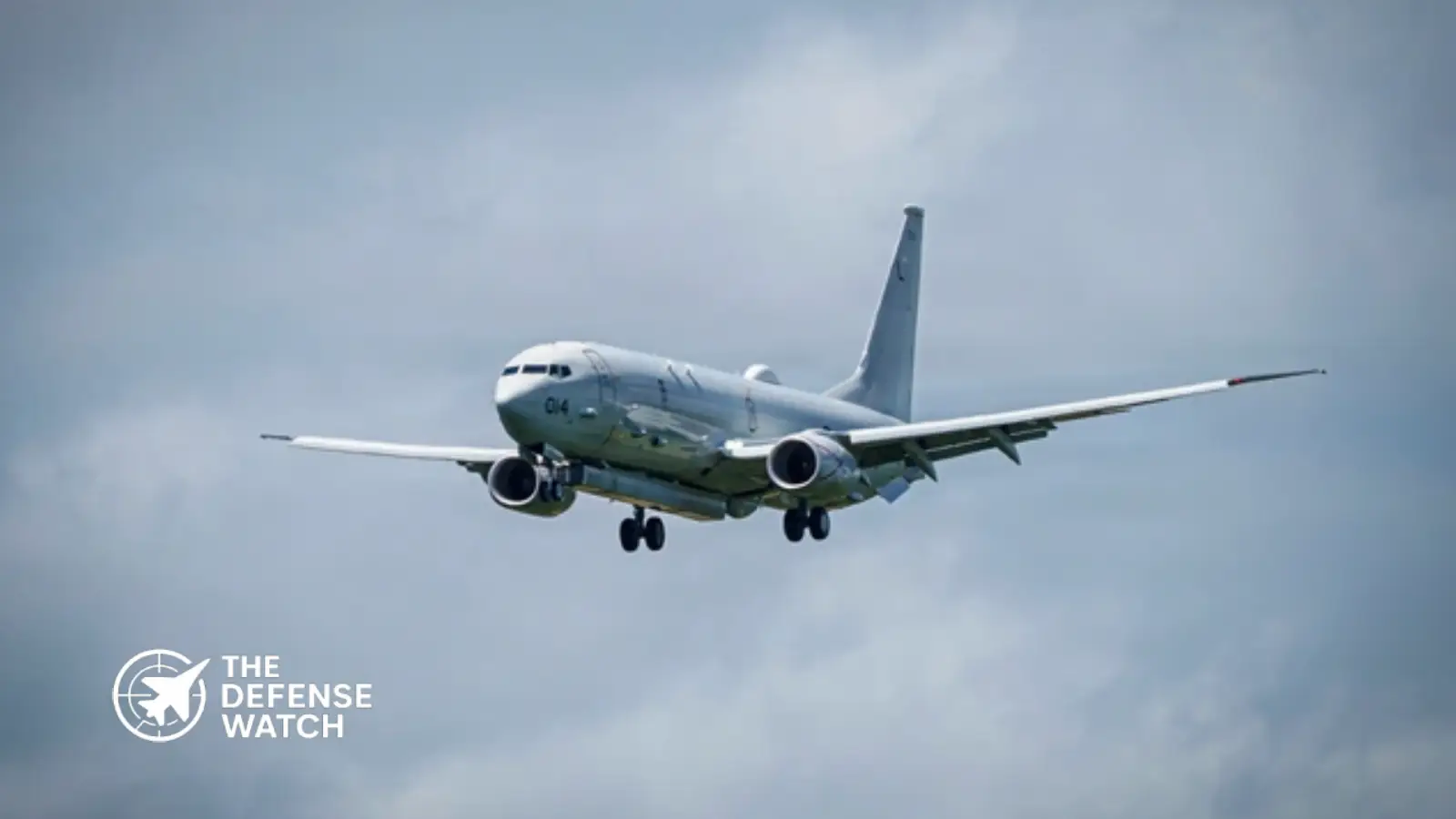
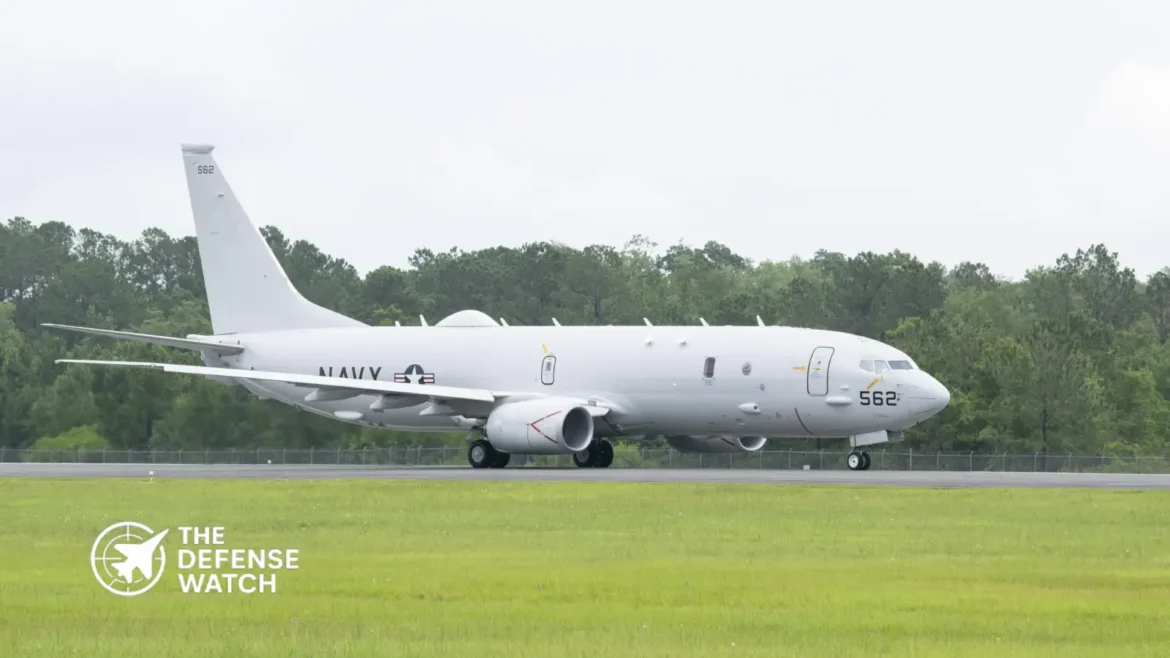
The U.S. Department of Defense announced that The Boeing Company has been awarded a $121.2 million cost-plus-fixed-fee contract order to support continued modernization of the U.S. Navy’s P-8A Poseidon maritime patrol aircraft fleet while extending similar enhancements to aircraft operated by the Royal Australian Air Force (RAAF).
According to the Naval Air Systems Command (NAVAIR), the contract covers the procurement of nine retrofit A-kits equipped with Increment Three Block Two (I3B2) Engineering Change Proposal Six capabilities, aircraft installation work, and engineering efforts intended to mitigate manufacturing source shortages and obsolete components affecting the fleet’s long-term sustainment.
The contract was issued under an existing Boeing-Navy basic ordering agreement and was awarded without competition.
Deep Technical & Strategic Context Analysis
The P-8A Poseidon remains one of the most important maritime patrol and anti-submarine warfare (ASW) aircraft in service today. Derived from the commercial Boeing 737-800ERX airframe, the platform combines long-range surveillance capabilities with advanced sensors, networking systems, sonobuoy processing, anti-ship warfare capabilities, and submarine-hunting functions. The aircraft has become a cornerstone of Western maritime security architecture as naval competition intensifies across the Indo-Pacific, North Atlantic, Arctic, and other strategically significant maritime regions.
The Increment 3 Block 2 modernization effort represents one of the most significant capability enhancements introduced to the P-8A fleet in recent years. The upgrade package improves mission computing architecture, sensor integration, communications, and data-processing capacity, enabling crews to manage larger volumes of intelligence and targeting information while operating in increasingly complex multi-domain environments. These enhancements are particularly relevant as maritime patrol aircraft are expected to operate alongside naval task groups, submarines, unmanned systems, and fifth-generation combat aircraft within highly networked operational frameworks.
From a procurement perspective, the contract’s cost-plus-fixed-fee structure is notable. Under this arrangement, the government reimburses Boeing for allowable program costs while providing a predetermined fee. Such contracts are typically used when engineering risks or technical uncertainties make fixed-price arrangements impractical. In this case, the inclusion of non-recurring engineering work to address diminishing manufacturing sources and material shortages reflects ongoing challenges facing many legacy and long-life defense aviation programs as suppliers discontinue older components and electronics.
The inclusion of Australian aircraft further underscores the growing importance of allied interoperability. The RAAF operates one of the most capable P-8A fleets outside the United States, and maintaining a common configuration across allied operators simplifies logistics, software updates, training, and coalition maritime operations.
Contract Breakdown & Details
Scope of Work
The contract includes:
- Nine retrofit A-kits incorporating Increment 3 Block 2 Engineering Change Proposal Six capabilities.
- Six kits for U.S. Navy P-8A aircraft.
- Three kits for Royal Australian Air Force P-8A aircraft.
- Three aircraft retrofit installations involving:
- Installation of I3B2 retrofit A-kits.
- Integration of government-furnished B-kits on U.S. Navy aircraft.
- Non-recurring engineering activities designed to:
- Resolve diminishing manufacturing source issues.
- Address material shortages.
- Sustain long-term fleet readiness and modernization.
Contract Value
Item Amount Total Contract Value $121,195,041 U.S. Navy FY2026 Aircraft Procurement Funding $92,809,039 U.S. Navy FY2024 Aircraft Procurement Funding $8,272,791 Royal Australian Air Force Funding $20,113,211 Workshare Distribution
Work will be performed across multiple U.S. aerospace and integration facilities:
- Jacksonville, Florida: 80%
- St. Louis, Missouri: 11%
- Mesa, Arizona: 9%
Program Timeline
- Contract Type: Cost-Plus-Fixed-Fee Order
- Contract Number: N0001926F1095
- Parent Agreement: N0001926G1002
- Expected Completion: May 2029
- Contracting Authority: Naval Air Systems Command, Patuxent River, Maryland
Why This Upgrade Matters
The timing of the award aligns with growing demand for persistent maritime surveillance and anti-submarine warfare capabilities among U.S. allies and partners. Modern submarine fleets operated by potential adversaries continue to increase in capability and operational reach, placing greater emphasis on aircraft capable of detecting, tracking, and targeting underwater threats across vast ocean areas.
For the U.S. Navy, maintaining the relevance of the P-8A fleet is critical as the aircraft serves as a primary component of maritime domain awareness and undersea warfare operations. For Australia, the modernization effort supports broader Indo-Pacific security objectives and strengthens interoperability with U.S. naval and air forces.
By combining capability upgrades with engineering work aimed at overcoming supply chain and obsolescence challenges, the contract addresses both near-term operational requirements and the long-term sustainment needs of one of the world’s most important maritime patrol aircraft fleets.
- Nine retrofit A-kits incorporating Increment 3 Block 2 Engineering Change Proposal Six capabilities.
Executive Summary:
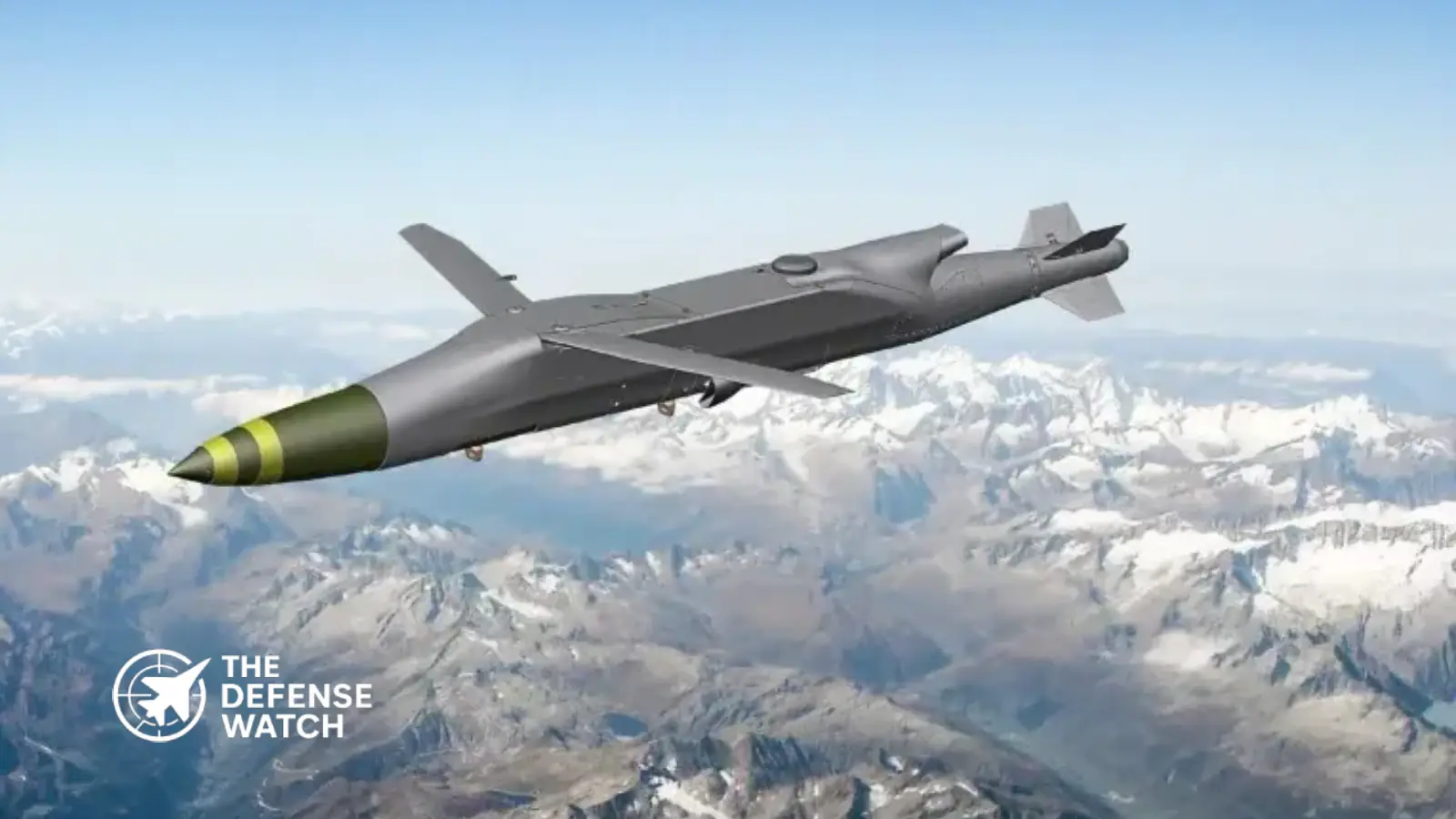
Boeing JDAM Long Range (JDAM LR) is designed to provide affordable, long-range precision strike capability using existing aircraft and bomb inventories. The system extends the reach of traditional JDAM weapons while offering military planners a lower-cost alternative to expensive stand-off missiles, supporting operations in increasingly contested environments.
Boeing JDAM Long Range Expands Precision Strike Reach
The Boeing JDAM Long Range (JDAM LR) represents the latest evolution of the widely deployed Joint Direct Attack Munition family, combining precision guidance with significantly extended strike range. The system is designed to increase operational reach for both legacy and next-generation combat aircraft while maintaining compatibility with existing JDAM-integrated platforms.
Developed by Boeing, JDAM LR builds on decades of operational experience with standard JDAM kits, which convert unguided bombs into GPS-guided precision weapons. Unlike traditional JDAMs, the new long-range variant incorporates compact air-breathing propulsion technology and deployable wings, enabling substantially greater stand-off distances.
Designed For Modern Contested Battlespaces
Modern military operations increasingly require aircraft to engage targets from beyond the reach of advanced air defense systems. As potential adversaries deploy layered anti-access and area-denial (A2/AD) networks, Western air forces are seeking affordable ways to increase strike range without relying exclusively on costly cruise missiles.
According to Boeing, JDAM LR can achieve ranges exceeding 300 nautical miles when carrying a 500-pound warhead and more than 700 nautical miles when configured with a low-cost decoy fuel tank. The system is intended to provide combat aircraft with the ability to strike targets while remaining farther from hostile air defense zones.
This capability could prove particularly relevant in the Indo-Pacific region, where long distances and sophisticated air defense networks present operational challenges for U.S. and allied forces.
Leveraging Existing Aircraft Fleets
One of the most significant aspects of JDAM LR is its compatibility with aircraft already integrated with JDAM weapons. Boeing states that the system uses existing aircraft interfaces and does not require extensive platform modifications. This approach may reduce integration timelines and costs compared with introducing entirely new missile systems.
The weapon is designed for rapid adoption across both fourth-generation and fifth-generation aircraft fleets, allowing operators to expand strike capacity without major procurement programs.
From a force structure perspective, this compatibility offers a practical modernization pathway. Rather than replacing existing precision-guided munitions inventories, militaries can leverage established logistics chains, training programs, and maintenance infrastructure.
Recent U.S. Navy Demonstrations Validate Concept
Interest in JDAM LR has increased following recent U.S. Navy flight demonstrations. In April 2026, the Navy successfully tested the weapon from an F/A-18 Super Hornet during trials conducted off the California coast. The demonstrations validated safe separation, powered flight, navigation performance, and compatibility with existing aircraft systems.
According to Navy officials, the test weapon traveled approximately 200 nautical miles while maintaining guidance accuracy throughout flight. The program is now progressing toward additional qualification activities, including shipboard integration efforts intended to support carrier air wing operations.
The demonstrations suggest the Navy views affordable long-range strike capabilities as an increasingly important component of future carrier operations.
Filling The Gap Between JDAM And Cruise Missiles
The emergence of JDAM LR reflects a broader trend across the defense sector toward affordable precision mass. Military planners continue to face challenges balancing inventory size against the cost of advanced stand-off weapons.
Traditional cruise missiles such as the AGM-158 Joint Air-to-Surface Standoff Missile (JASSM) provide significant range but come at substantially higher unit costs. JDAM LR seeks to occupy a middle ground by offering extended reach while leveraging proven JDAM technology and existing bomb bodies.
This approach aligns with ongoing U.S. military efforts to increase munition stockpiles and improve operational sustainability during prolonged conflicts. Recent defense budget discussions have highlighted growing emphasis on scalable, lower-cost precision weapons capable of being fielded in large quantities.
Strategic Implications
The development of JDAM LR underscores a wider shift in military modernization priorities. Rather than focusing solely on highly sophisticated and expensive weapons, defense planners are increasingly pursuing systems that combine affordability, scalability, and operational effectiveness.
For the United States and allied air forces, the ability to rapidly expand long-range strike inventories could provide additional flexibility during high-intensity operations. By enabling legacy aircraft to contribute to deep-strike missions, JDAM LR may also help maximize the value of existing combat fleets while complementing next-generation platforms.
As global demand for precision-guided munitions continues to rise, systems such as JDAM LR highlight the growing importance of balancing advanced capability with production scale and affordability.
Executive Summary:
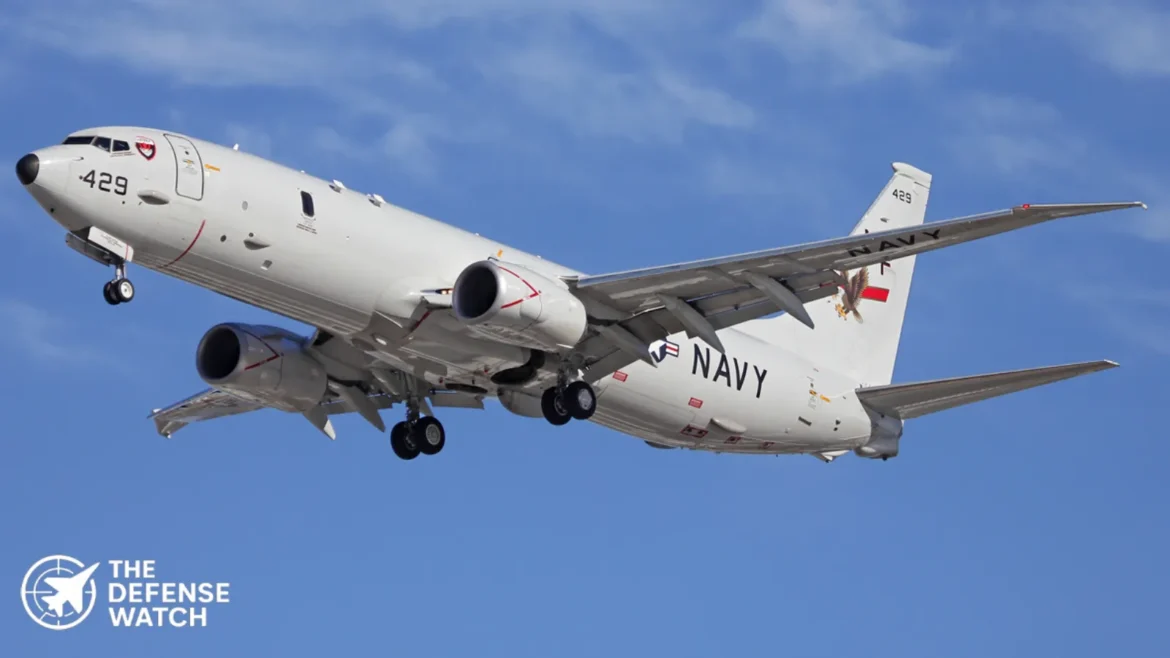
The U.S. Navy has awarded Boeing an $880 million contract to modernize and sustain P-8A Poseidon aircrew and maintenance training systems through 2031. The effort supports both U.S. and international operators as the maritime patrol aircraft continues to evolve with new mission systems, sensors, and operational requirements.
The U.S. Naval Air Warfare Center Training Systems Division (NAWCTSD), based in Orlando, Florida, has awarded The Boeing Company an $880 million indefinite-delivery/indefinite-quantity (IDIQ) contract to provide procurement, modernization, and sustainment of P-8A Poseidon training systems.
According to the Department of Defense contract announcement, the agreement covers the development, integration, testing, delivery, and installation of new training devices and upgrades to existing simulators and maintenance trainers. The contract will also provide associated hardware, software, spare parts, and support services required to maintain training effectiveness as the P-8A fleet continues to receive capability enhancements.
The contract runs through June 2031 and supports both U.S. Navy requirements and a growing network of international P-8A operators across Europe, the Indo-Pacific, and North America.
Deep Technical & Strategic Context Analysis
The P-8A Poseidon has become one of the most important maritime patrol and anti-submarine warfare (ASW) aircraft in service today. Based on the commercial Boeing 737-800ERX airframe, the aircraft combines long-range surveillance capabilities with advanced radar, acoustic processing systems, electronic intelligence sensors, and anti-submarine weapons. The platform plays a central role in tracking increasingly capable submarine fleets operated by strategic competitors, particularly in the Indo-Pacific, North Atlantic, and Arctic regions.
Over the past decade, the P-8A has evolved from a replacement for the legacy P-3C Orion into a multinational maritime security platform. In addition to the United States, the aircraft is now operated by Australia, the United Kingdom, Norway, New Zealand, South Korea, Germany, Canada, and other partners, creating a broad coalition of interoperable maritime surveillance forces. The locations listed in the contract closely mirror the expanding global footprint of the Poseidon community.
The contract is strategically significant because training infrastructure must evolve at the same pace as operational aircraft upgrades. New sensors, software baselines, mission systems, and weapons integration efforts require corresponding updates to simulators and maintenance trainers. Modern synthetic training environments allow crews to rehearse complex anti-submarine warfare scenarios, multi-domain operations, and high-end maritime surveillance missions without consuming costly flight hours.
From a procurement perspective, the agreement combines firm-fixed-price and cost-plus-fixed-fee elements within an IDIQ structure. Firm-fixed-price portions provide cost certainty for defined deliverables, while cost-plus-fixed-fee components are commonly used for development and engineering efforts where requirements may evolve over time. The IDIQ framework allows the Navy to issue task orders as needed rather than committing the full contract value upfront, providing flexibility as fleet requirements change through the end of the decade.
Contract Breakdown & Details
Scope of Work
Under the contract, Boeing will provide:
- Procurement of new P-8A training systems
- Modernization of existing simulators and trainers
- Software and hardware integration
- Development and testing of new training capabilities
- Installation and fielding support
- Maintenance training devices
- Spare parts and lifecycle sustainment services
- Support for evolving aircraft configurations and mission systems
Contract Structure
- Contract Value: $880 million
- Contract Type: Firm-Fixed-Price, Cost-Plus-Fixed-Fee, Indefinite-Delivery/Indefinite-Quantity (IDIQ)
- Awardee: Boeing Defense, Space & Security
- Contracting Authority: Naval Air Warfare Center Training Systems Division (NAWCTSD), Orlando, Florida
- Completion Date: June 2031
- Competition: Not competed
- Initial Funding: No funds obligated at time of award
- Contract Number: N6134026D1006
Geographic Work Distribution
Location Share St. Louis, Missouri 80% Jacksonville, Florida 8% Oak Harbor, Washington 2% Edinburgh, South Australia 2% Lossiemouth, United Kingdom 1% Ohakea, New Zealand 1% Gyeongsangnam-do, South Korea 1% Wurster Nordseeküste, Germany 1% Greenwood, Nova Scotia, Canada 1% Comox, British Columbia, Canada 1% Singapore 1% Trondheim, Norway 1% International P-8A Operator Support
The contract’s workshare reflects support requirements for a growing coalition of Poseidon operators, including:
- United States
- Australia
- United Kingdom
- New Zealand
- South Korea
- Germany
- Canada
- Norway
Why This Matters
The award highlights a frequently overlooked aspect of military modernization: training infrastructure. As the P-8A Poseidon fleet expands and receives new mission capabilities, simulator modernization becomes critical to maintaining operational readiness. Advanced synthetic training environments reduce aircraft operating costs, accelerate crew qualification, and allow allied operators to train against increasingly sophisticated submarine and maritime threats in realistic virtual environments.
The contract also reinforces Boeing’s long-term role as the primary sustainment and training partner for the global P-8A enterprise, ensuring that both U.S. Navy and allied forces can maintain a common training standard as the platform continues to evolve through the 2030s.
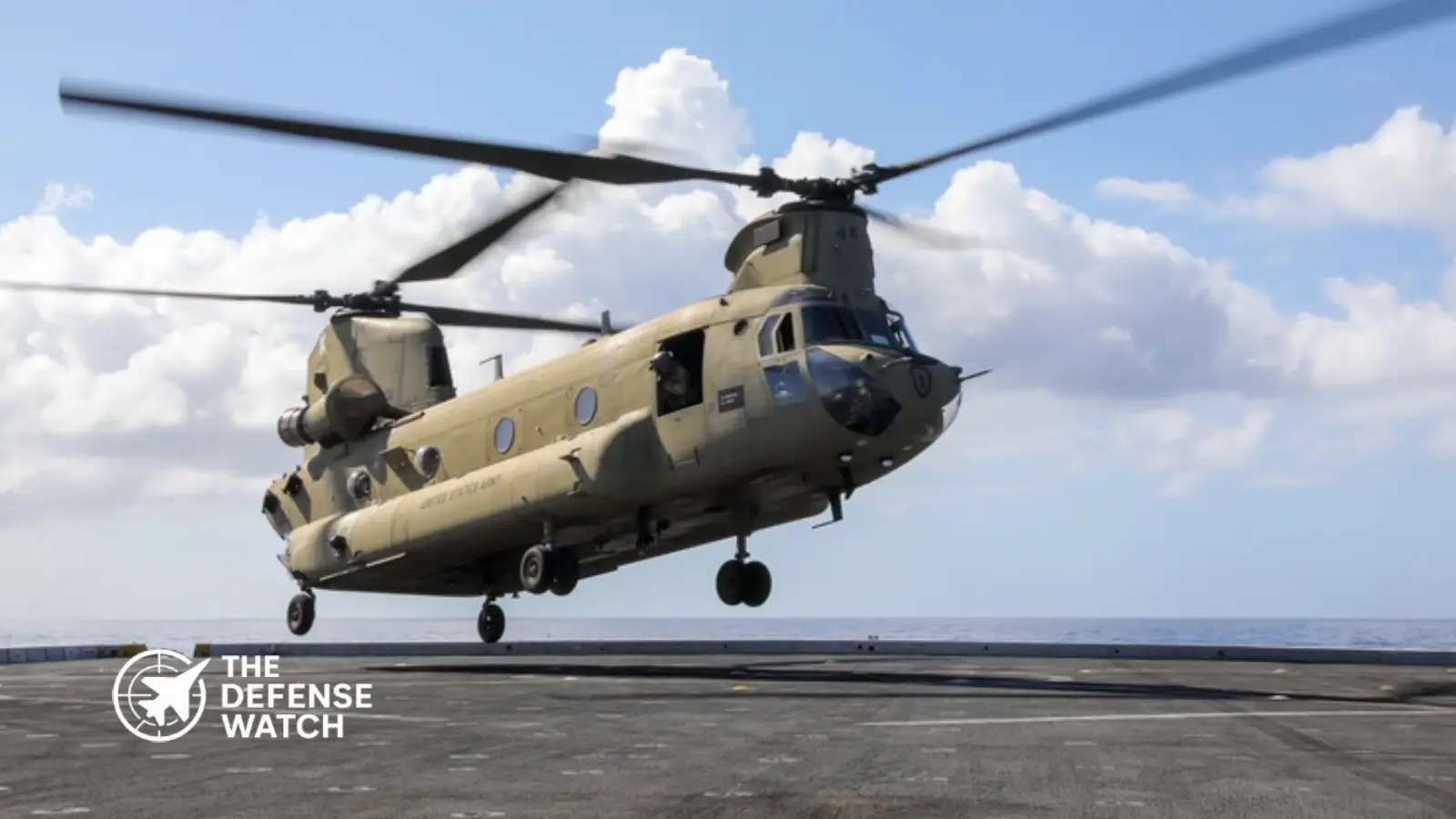
Executive Summary: The U.S. Army has awarded Boeing a $396.7 million contract modification for CH-47F Block I Chinook helicopters destined for South Korea and Spain under the Foreign Military Sales program. The award expands ongoing allied rotary-wing modernization efforts as NATO and Indo-Pacific partners continue investing in heavy-lift aviation capacity and logistics resilience.
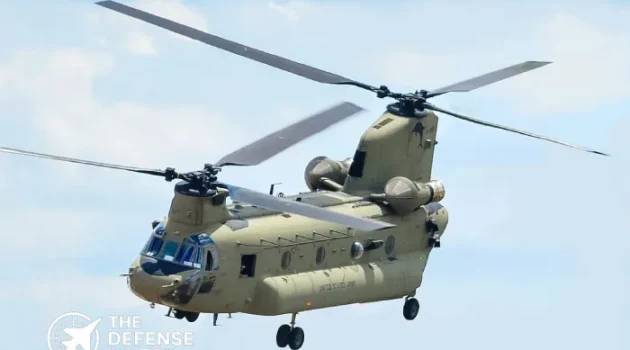
The U.S. Army Contracting Command at Redstone Arsenal, Alabama, announced the award to Boeing for the procurement of CH-47F Block I aircraft under Foreign Military Sales (FMS) cases supporting South Korea and Spain. The modification, identified as PZ0001 to contract W58RGZ-23-F-0395, carries a value of $396.8 million and increases the cumulative contract total to approximately $793.5 million.
According to the Department of Defense announcement, work locations and funding allocations will be assigned with each individual order, with overall completion projected for April 30, 2027.
Deep Technical & Strategic Context Analysis
The CH-47F Chinook remains one of the most heavily utilized heavy-lift rotorcraft in Western military service, particularly as NATO and Indo-Pacific operators place renewed emphasis on distributed logistics, rapid troop movement, and survivable battlefield sustainment. Originally developed during the Cold War, the tandem-rotor platform has evolved into a digitally integrated transport helicopter capable of carrying artillery systems, armored vehicles, ammunition pallets, engineering equipment, and large troop contingents across austere operating environments.
The Block I CH-47F configuration incorporates upgraded avionics, a digital automatic flight control system, improved airframe survivability measures, and enhanced cargo handling capabilities compared with legacy Chinook variants. Although Boeing is concurrently advancing the more capable Block II modernization effort for the U.S. Army and select export customers, Block I aircraft continue to represent a major capability enhancement for international operators transitioning from older CH-47D fleets.
For South Korea, the procurement aligns with broader efforts to strengthen rapid mobility and island defense logistics capabilities amid heightened regional security tensions in Northeast Asia. Heavy-lift helicopters play a critical role in reinforcing dispersed forces, transporting missile units, and sustaining operations in mountainous terrain across the Korean Peninsula.
Spain’s acquisition supports NATO interoperability objectives and broader European military readiness initiatives. European operators increasingly view heavy-lift aviation as essential for expeditionary deployments, humanitarian response, and high-tempo alliance logistics operations. The Chinook’s established NATO support infrastructure and operational maturity remain major advantages over introducing entirely new heavy-lift platforms.
From a procurement perspective, the award represents a “definitization” modification, meaning the Pentagon finalized pricing and contractual terms for work that had previously been authorized under undefinitized conditions. Such mechanisms are commonly used to accelerate production timelines for urgent or strategically important defense acquisitions before final negotiations conclude. This approach helps reduce schedule risk in complex aerospace manufacturing programs, particularly when supporting allied deliveries through the FMS framework.
Contract Breakdown & Details
Contract Overview
- Contractor: Boeing
- Business Unit Location: Ridley Park, Pennsylvania
- Contract Value: $396,755,001
- Contract Modification: PZ0001
- Contract Number: W58RGZ-23-F-0395
- Total Contract Value After Modification: Approximately $793.5 million
- Contracting Authority: U.S. Army Contracting Command at Redstone Arsenal
- Program Type: Foreign Military Sales (FMS)
Aircraft and Mission Profile
The CH-47F Chinook is designed for:
- Heavy-lift troop transport
- Artillery and vehicle movement
- Combat resupply missions
- Medical evacuation
- Disaster relief and humanitarian operations
- Special operations support
The aircraft’s tandem-rotor design eliminates the need for a tail rotor, enabling greater lift efficiency and improved stability during external cargo operations.
Participating Foreign Customers
South Korea
- Expanding heavy-lift and rapid reinforcement capabilities
- Supporting distributed operations and mountainous terrain logistics
- Enhancing interoperability with U.S. forces in the Indo-Pacific
Spain
- Modernizing rotary-wing transport aviation
- Supporting NATO readiness and expeditionary logistics
- Replacing or supplementing older transport helicopter inventories
Production and Schedule
- Completion Date: April 30, 2027
- Work Locations: To be assigned per delivery order
- Funding Structure: Allocated incrementally through individual FMS orders
Industrial and Strategic Implications
The contract further stabilizes Boeing’s Chinook production line at a time when several international customers are extending or modernizing heavy-lift helicopter fleets rather than pursuing entirely new development programs. Continued export demand has become increasingly important for sustaining the Chinook industrial base as the U.S. Army gradually transitions toward selective Block II upgrades instead of large-scale new-build procurement.
The award also reflects the continued strategic relevance of heavy-lift helicopters in modern warfare. Conflicts in Europe and evolving operational concepts in the Indo-Pacific have reinforced the importance of resilient tactical air mobility, particularly for moving supplies and personnel when fixed infrastructure is degraded or under threat.
Executive Summary: The U.S. Navy has awarded Boeing a $251 million contract to deliver a comprehensive P-8A Poseidon training ecosystem for Germany, including operational simulators, maintenance trainers, mission systems instruction, and logistics support through 2031.
The effort supports Berlin’s rapidly expanding maritime surveillance and anti-submarine warfare capability while also incorporating shared software development with Canada’s future P-8A fleet program.
According to the U.S. Department of Defense, the contract was awarded by the Naval Air Warfare Center Training Systems Division on behalf of Germany under the Foreign Military Sales (FMS) framework. The award covers procurement, software integration, installation, testing, and long-term support for a broad suite of P-8A Poseidon training systems.
The contract, valued at $251.06 million, was issued to The Boeing Company on a combination firm-fixed-price and cost-plus-fixed-fee basis. Work will primarily occur in St. Louis, Missouri, with additional activity in Nordholz, Germany, and is scheduled for completion by August 2031.
Deep Technical & Strategic Context Analysis
Germany’s acquisition of the Boeing P-8A Poseidon represents one of the most consequential maritime patrol modernization efforts currently underway within NATO. Berlin selected the P-8A to replace its aging P-3C Orion fleet, seeking a platform capable of persistent anti-submarine warfare (ASW), anti-surface warfare, intelligence collection, and long-range maritime surveillance missions across the North Atlantic and Baltic regions.
The P-8A, derived from the Boeing 737-800ERX commercial airframe, integrates advanced sensors including the AN/APY-10 maritime surveillance radar, acoustic processing systems for sonobuoy operations, electro-optical targeting systems, and secure networked communications architecture. The aircraft has become the de facto NATO maritime patrol standard, already operated or ordered by the United States, United Kingdom, Norway, New Zealand, South Korea, India, Canada, and Germany. Its growing adoption significantly improves interoperability among allied naval aviation forces, particularly in tracking increasingly active Russian submarine deployments in the North Atlantic and Arctic approaches.
The training architecture covered by this contract is strategically important because modern ASW operations are software-intensive and highly dependent on mission crew proficiency. Unlike legacy maritime patrol aircraft, the P-8A relies on integrated mission computing, sensor fusion, tactical data links, and coordinated multi-domain targeting workflows. As a result, operational conversion training requires sophisticated synthetic environments capable of replicating acoustic tracking, electronic warfare conditions, and multi-ship coordination scenarios.
The contract structure itself is also notable. The firm-fixed-price element places cost responsibility on Boeing for clearly defined deliverables, while the cost-plus-fixed-fee portion allows more flexible reimbursement for complex software development and integration tasks where technical requirements may evolve during execution. This hybrid approach is common in advanced defense training programs involving evolving mission software baselines and multinational interoperability requirements.
An additional strategic dimension is the inclusion of shared software development costs tied to Canada’s future P-8A training ecosystem. By aligning portions of the software architecture across allied operators, the U.S. Navy and Boeing can reduce duplicate development expenditures while improving long-term compatibility between NATO and Five Eyes maritime patrol communities.
Contract Breakdown & Details
Training Systems Included
The contract covers delivery and integration of multiple P-8A training and mission support systems, including:
- Operational and weapons tactics trainers
- Mission systems trainers
- Maintenance training devices
- Electronic classroom infrastructure
- Briefing and debriefing stations
- Integrated support systems for mission rehearsal
- Software development and systems integration
- Engineering, logistics, and technical support services
Contract Structure
- Total Contract Value: $251,063,227
- Contract Type: Firm-fixed-price and cost-plus-fixed-fee
- Awarding Authority: Naval Air Warfare Center Training Systems Division
- Contracting Activity Location: Orlando, Florida
- Prime Contractor: The Boeing Company
- Competition Status: Not competitively awarded
Funding Breakdown
- Foreign Military Sales funding obligated at award: $228,783,604
- Customer Nation: Germany
- Funds expiring at fiscal year end: None
Workshare Distribution
- St. Louis, Missouri: 90%
- Nordholz, Germany: 10%
Program Timeline
- Contract Completion Target: August 2031
Germany’s Expanding Maritime Patrol Strategy
Germany initially ordered five P-8A aircraft before later expanding the procurement to strengthen NATO maritime surveillance capacity. The fleet is expected to operate from Naval Air Wing 3 at Nordholz, replacing capabilities lost through the retirement of the P-3C Orion.
The timing of the training contract aligns with a broader resurgence in European ASW modernization efforts. NATO naval planners have increasingly prioritized undersea domain awareness following sustained Russian submarine activity near critical Atlantic sea lanes and subsea infrastructure corridors. Maritime patrol aircraft such as the P-8A now serve as central nodes in alliance-wide ISR and undersea warfare networks, often operating alongside surface combatants, submarines, and unmanned systems.
By establishing a dedicated sovereign training capability within Germany, the program reduces long-term dependence on external training pipelines while accelerating operational readiness for German naval aircrews and maintenance personnel.
Executive Summary:
The U.S. Air Force has launched a long-term KC-46A readiness initiative aimed at increasing tanker aircraft availability by 20% by 2030. The effort focuses on sustainment, maintenance efficiency, and fleet modernization as aerial refueling demand expands across multiple theaters.
U.S. Air Force Launches KC-46A Readiness Initiative
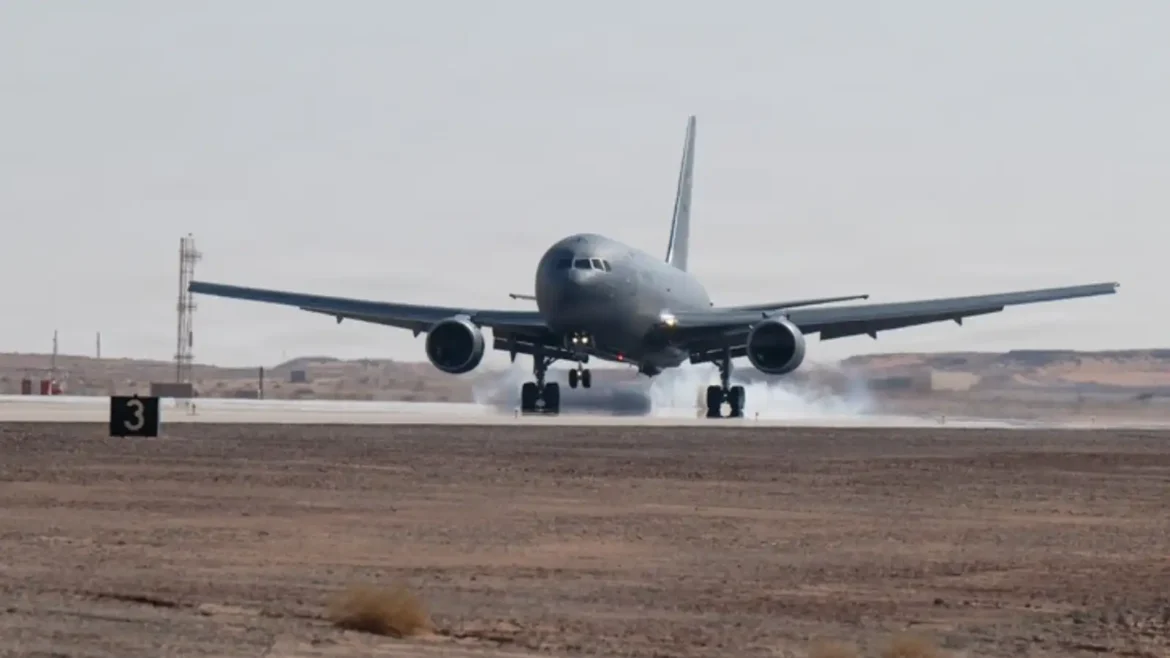
The U.S. Air Force has introduced a new KC-46A readiness plan designed to improve operational availability of its growing aerial refueling fleet by 20% before the end of the decade. The initiative reflects increasing demand for tanker support across Indo-Pacific, European, and Middle Eastern operational environments.
The effort centers on sustainment reform, predictive maintenance, supply chain optimization, and stronger coordination between the Air Force and industry partners.
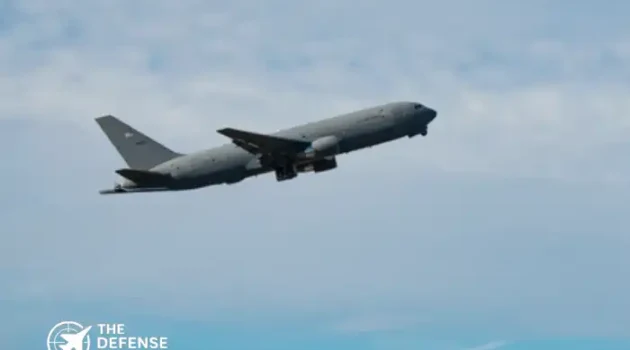
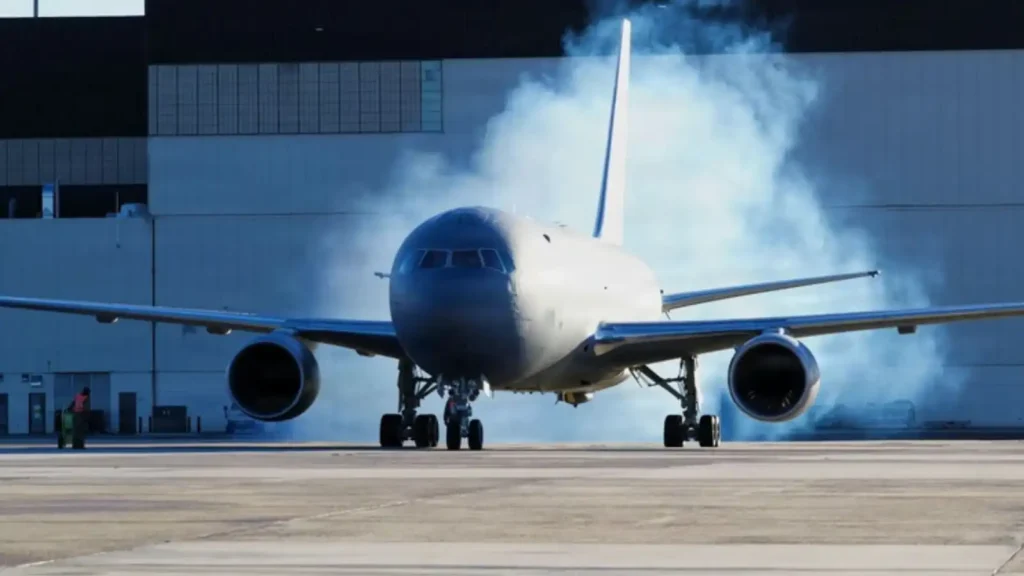
The KC-46A Pegasus, developed by Boeing, is intended to gradually replace portions of the aging KC-135 Stratotanker fleet while expanding modern aerial refueling capabilities for joint and allied operations.
Why The KC-46A Fleet Matters
The KC-46A has become one of the Air Force’s most strategically important aviation programs. Modern U.S. military operations depend heavily on aerial refueling to sustain long-range fighter patrols, bomber deployments, intelligence missions, and rapid force projection.
As tensions continue to rise in the Indo-Pacific region and Europe, tanker aircraft availability has become increasingly critical. The Air Force has repeatedly identified aerial refueling capacity as a major enabler for distributed combat operations and long-range deterrence missions.
The new readiness plan appears designed not only to improve aircraft availability rates, but also to reduce maintenance bottlenecks that have affected fleet performance during the platform’s early operational years.
Sustainment And Maintenance Reforms
The KC-46A readiness plan reportedly includes several operational improvements focused on increasing aircraft mission-capable rates.
These measures include:
- Expanded predictive maintenance tools
- Improved spare parts availability
- Reduced depot maintenance delays
- Streamlined logistics coordination
- Enhanced digital sustainment systems
The Air Force is also expected to increase data-driven maintenance planning to reduce unplanned downtime and improve sortie generation rates.

Image : U.S. Air Force This approach mirrors broader Pentagon-wide efforts to modernize aircraft sustainment using digital logistics management and condition-based maintenance technologies.
KC-46A Program Continues To Mature
The KC-46A program has experienced a difficult development path since its initial contract award. The aircraft faced years of technical deficiencies involving its Remote Vision System (RVS), refueling boom performance, and other operational systems.
However, the platform has gradually expanded operational deployments while supporting real-world missions for U.S. and allied forces.
The tanker is capable of refueling a wide range of aircraft, including:
- F-35 Lightning II
- F-22 Raptor
- B-52 Stratofortress
- C-17 Globemaster III
- Allied NATO aircraft
The aircraft also provides cargo transport, aeromedical evacuation, and command-and-control support capabilities.
The Air Force continues working with Boeing on the upgraded Remote Vision System 2.0, which remains one of the most important remaining modernization efforts for the platform.
Strategic Pressure Driving Tanker Modernization
The KC-46A readiness initiative comes as the Air Force faces growing operational pressure in multiple regions simultaneously.
In the Indo-Pacific, tanker aircraft are considered essential for sustaining combat aircraft over long distances where forward basing options may be limited during a conflict scenario involving China.
In Europe, NATO air operations supporting deterrence missions against Russia have increased demand for aerial refueling support since the outbreak of the Ukraine war.
At the same time, Middle East operations continue requiring persistent tanker support for surveillance, strike coordination, and regional force protection missions.
This operational environment is forcing the Air Force to maximize availability across its tanker inventory while accelerating modernization of aging fleets.
Industrial And Budget Implications
The readiness initiative may also carry significant implications for defense industry sustainment contracts over the coming years.
Improving fleet readiness often requires expanded partnerships between the Air Force, aircraft manufacturers, and logistics suppliers. Boeing and associated contractors are expected to remain heavily involved in sustainment optimization efforts tied to the KC-46A program.
The Air Force has already accepted dozens of KC-46A aircraft and plans to continue expanding the fleet under existing procurement schedules.
Despite earlier technical setbacks, the service continues treating the Pegasus as the backbone of its future aerial refueling architecture.
Operational Analysis
The Air Force’s decision to prioritize KC-46A readiness highlights a broader shift in Pentagon planning toward sustainment resilience rather than purely platform acquisition.
Aircraft availability rates increasingly matter as much as fleet size. A tanker fleet with low mission-capable rates can significantly reduce combat airpower projection during high-tempo operations.
The 20% availability target by 2030 suggests the Air Force is attempting to address readiness concerns before the KC-46A becomes fully central to U.S. global tanker operations.
The initiative also reflects lessons learned from recent operational demands, where logistics and sustainment capacity have become major strategic factors in prolonged military deployments.
Executive Summary:
The Boeing Company has received a $125 million contract modification from the U.S. Air Force for initial long lead spare parts tied to two VC-25B presidential aircraft. The award supports the ongoing modernization of the future Air Force One fleet and raises the overall contract value to more than $4.4 billion. The work will be carried out in San Antonio, Texas, with fiscal 2026 RDT&E funds already obligated.
Boeing VC-25B Contract Expands Air Force One Modernization Program
The Boeing VC-25B contract program received another financial boost after the U.S. Air Force awarded the company a $125 million contract modification for long lead spare parts tied to two fully mission capable presidential aircraft.
According to the Department of Defense contract announcement, the modification, identified as P00176 under contract FA8625-16-C-6599, increases the total cumulative contract value from approximately $4.32 billion to more than $4.44 billion.
The award was issued to Boeing’s facility in Tukwila, Washington, while the work itself will be performed in San Antonio. The Air Force Life Cycle Management Center at Wright-Patterson Air Force Base is serving as the contracting authority.
Fiscal 2026 research, development, test, and evaluation funds totaling $41.9 million were obligated at the time of award.
Spare Parts Procurement Signals Long Term Sustainment Focus
The latest Boeing VC-25B contract action focuses specifically on initial long lead spare parts procurement. In defense aviation programs, long lead components typically include critical systems and hardware requiring extended manufacturing timelines before aircraft delivery or operational deployment.
The procurement effort reflects the Pentagon’s continued emphasis on sustainment planning early in the lifecycle of high value strategic aircraft programs. For presidential airlift operations, spare parts availability is considered mission critical because the aircraft must maintain near constant readiness.
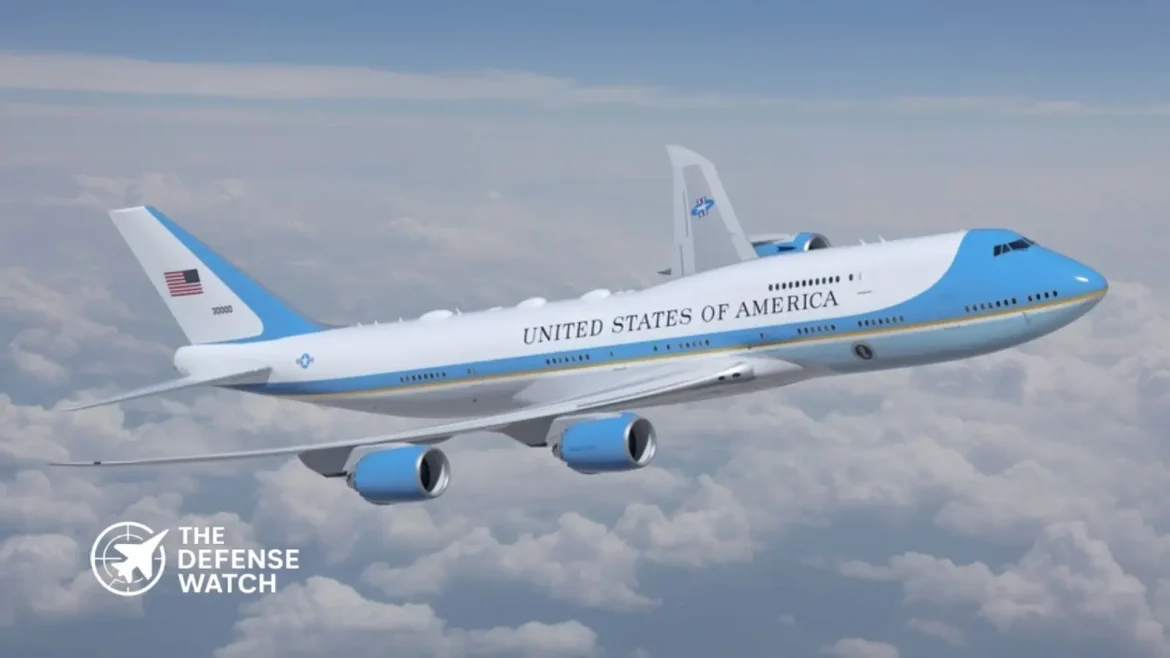
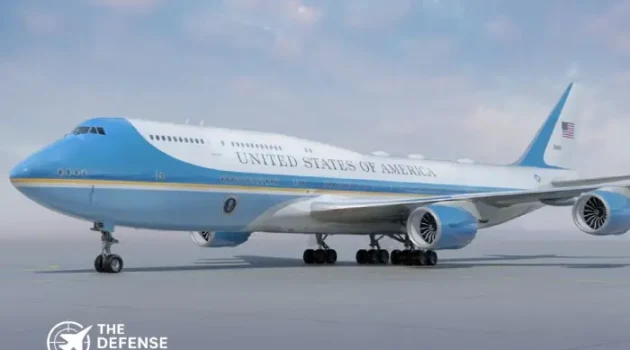
The VC-25B fleet is intended to replace the aging VC-25A aircraft currently used for presidential transport under the Air Force One mission. The existing aircraft are heavily modified versions of the Boeing 747-200B platform that entered service in the early 1990s.
The replacement VC-25B aircraft are based on the newer Boeing 747-8 airframe and are being extensively modified to support secure communications, survivability systems, executive transport, and command-and-control operations.
Program Continues Under Cost And Schedule Pressure
The Boeing VC-25B contract program has faced years of scrutiny tied to schedule delays, rising costs, and technical integration challenges.
Originally negotiated during the first Trump administration, the Air Force One replacement effort became one of Boeing Defense’s most closely watched fixed-price military aviation programs. Boeing has previously disclosed significant financial losses linked to the program due to engineering complexity, supply chain disruptions, and inflationary pressures.
Despite these challenges, the Pentagon has continued funding key procurement and integration milestones to maintain progress toward aircraft delivery.
The latest contract modification suggests the Air Force is moving deeper into sustainment preparation and operational readiness planning as the program advances toward later production and testing phases.
Defense analysts have noted that presidential aircraft programs involve requirements beyond standard military transport platforms. The aircraft must function as secure airborne command centers capable of supporting the president during crises, including nuclear contingencies and global military operations.
That complexity significantly increases integration demands for communications security, electromagnetic hardening, defensive countermeasures, and redundant mission systems.
Strategic Importance Of The VC-25B Fleet
Although the VC-25B program represents a relatively small fleet, its strategic importance remains exceptionally high within the U.S. national command authority structure.
The aircraft serve not only as executive transport platforms but also as symbols of U.S. global power projection and continuity of government capability.
The future VC-25B aircraft are expected to feature upgraded communications architecture, improved avionics, modernized power systems, and enhanced operational efficiency compared with the legacy VC-25A fleet.
The Air Force has not publicly confirmed an exact delivery timeline in the latest contract announcement, though previous projections indicated delays beyond initial target dates.
The continued flow of funding into spare parts procurement indicates the Pentagon remains committed to fielding both aircraft as fully operational assets despite ongoing program management pressures.
Industrial Base And Defense Aviation Implications
The Boeing VC-25B contract also highlights the broader importance of sustaining specialized aerospace manufacturing capabilities within the U.S. defense industrial base.
Work associated with the presidential aircraft program supports highly specialized engineering, modification, and systems integration expertise concentrated in the American aerospace sector.
San Antonio has emerged as a major hub for aircraft modification and sustainment work across multiple U.S. military aviation programs. The region supports extensive depot maintenance, modernization, and aircraft conversion activity for both government and commercial customers.
For Boeing Defense, the Air Force One replacement effort remains one of its most visible strategic aviation programs despite its relatively limited production scale.
The program continues to attract congressional and public attention because of its symbolic value, high technical requirements, and cost profile.
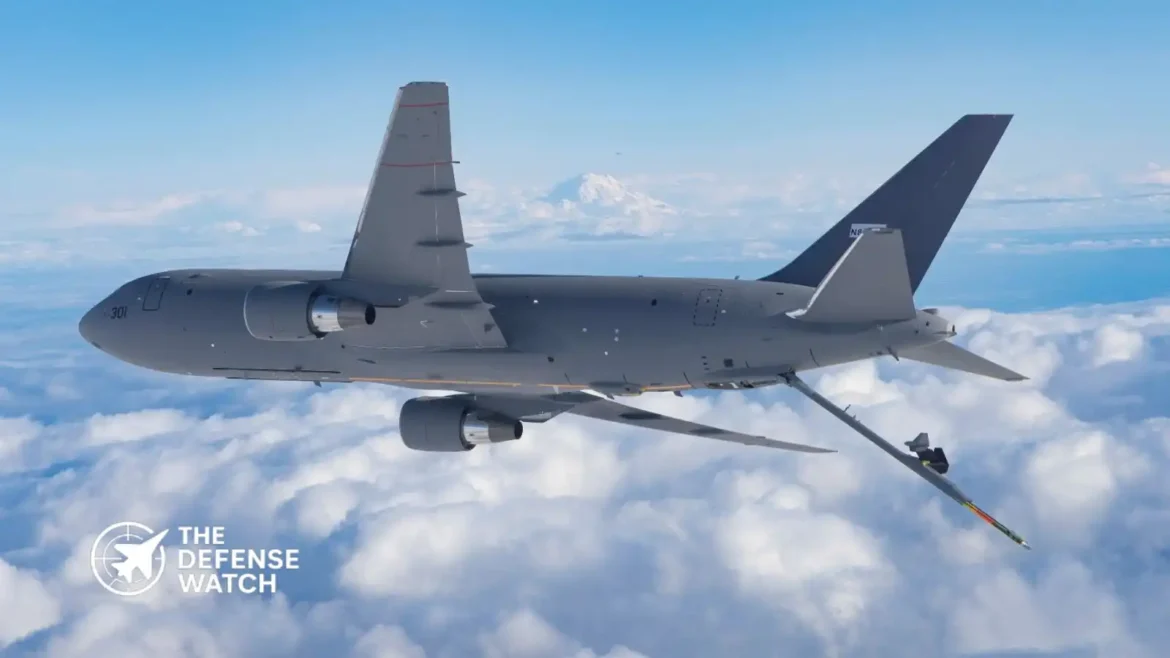
Executive Summary: The first Boeing KC-46A Pegasus, designated “Gideon” in Israeli service, successfully conducted its maiden sortie on May 5, 2026. This milestone marks a critical phase in the Israeli Air Force’s (IAF) efforts to replace its vintage KC-707 tankers and extend the operational reach of its strike groups amid escalating regional tensions.
Strategic Integration and Flight Testing
The inaugural flight, conducted at Boeing’s airfield in the United States, represents the first of six aircraft currently on order for the IAF. This maiden sortie validates the integration of Israeli-specific mission systems—including advanced indigenous electronic warfare (EW) suites and communication arrays—onto the standard 767-2C airframe.
The Israeli Ministry of Defense (MoD) confirmed that the aircraft is scheduled for delivery within one month, following final acceptance trials. The “Gideon” will serve as the backbone of Israel’s long-range logistics, providing the fuel capacity and defensive systems necessary for operations far beyond the nation’s borders.
Technical Comparison: Legacy vs. Next-Generation
The transition from the converted Boeing 707 (Re’em) to the KC-46A represents a generational leap in survivability and mission flexibility.
Enhanced Capabilities for the 21st Century
The KC-46A offers several force-multiplier advantages that the aging KC-707 and KC-130H fleets cannot match:
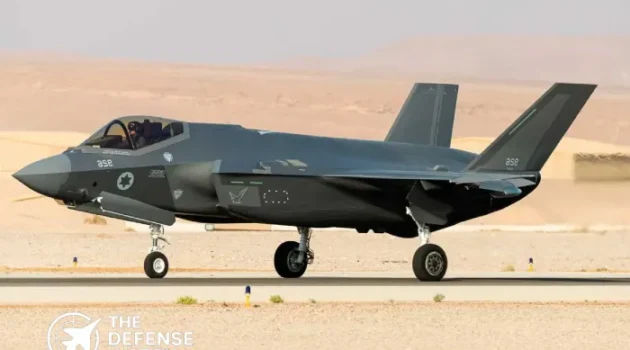
- Multi-Platform Compatibility: The “Gideon” is equipped with both the fly-by-wire refueling boom and the hose-and-drogue wing aerial refueling pods, allowing it to service the F-35I Adir, F-15IA, and various rotary-wing assets in a single mission.
- Survivability Suites: Unlike commercial conversions, the KC-46 is hardened against electromagnetic pulses (EMP) and features chemical-biological protection and advanced infrared countermeasures.
- Tactical Data Links: Integrated networking allows the tanker to act as a high-altitude data relay, bridging communications between fifth-generation fighters and ground command.
- Aeromedical Evacuation: The aircraft can be rapidly reconfigured to transport 54 passengers or 58 patients in a medevac role.
Strategic Context: Regional Deterrence
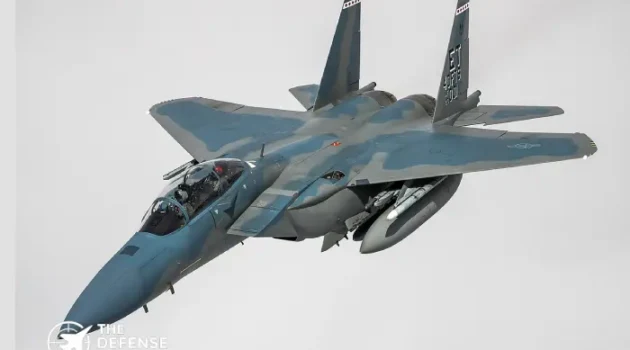
The maiden flight of the KC-46 occurs concurrently with the Israeli Ministerial Committee on Procurement’s approval to acquire two additional fighter squadrons: a fourth F-35I squadron and a second F-15IA (based on the F-15EX) squadron.
With an aging fleet of 13 primary tankers—many averaging nearly 50 years of service—the IAF’s long-range strike capability has faced increasing maintenance pressure. The introduction of the “Gideon” is widely viewed by defense analysts as a prerequisite for any potential long-range operations against hardened targets in the “Third Circle” (Iran). By significantly increasing the fuel offload available at distance, the KC-46 ensures that Israel’s fleet of 48 F-35I and 88 F-15 variants can maintain a persistent presence over distant theaters of operation.
Procurement Outlook
The US Government approved the sale of up to eight KC-46s in 2020, with Israel so far firming orders for six. The total value of the initial acquisition is estimated at $1.2 billion, funded primarily through Foreign Military Financing (FMF). Following the delivery of the first unit in June 2026, the remaining five aircraft are expected to be delivered through 2028, facilitating the phased retirement of the remaining KC-707 airframes.
Executive Summary:
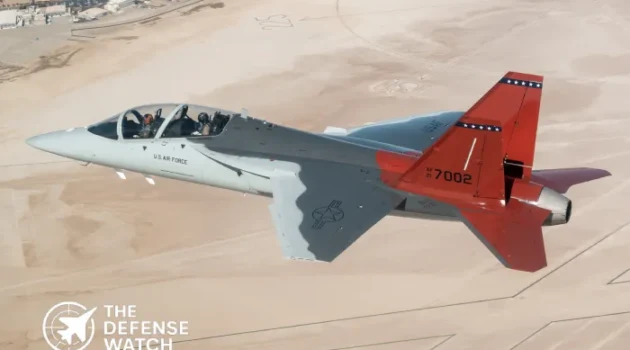
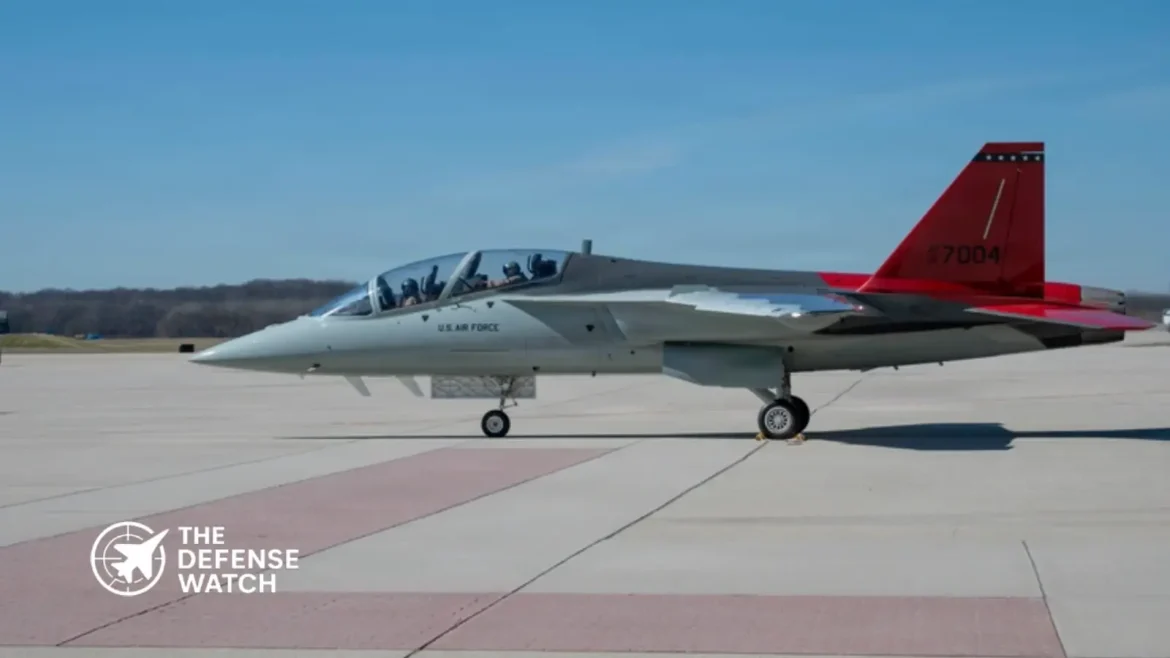
The U.S. Air Force has approved the T-7A Red Hawk for full-rate production, marking a critical milestone in its pilot training modernization program. Developed by Boeing, the aircraft will replace the aging T-38 Talon fleet. The move is intended to align pilot training with the demands of fifth-generation combat aircraft.
T-7A Red Hawk Cleared for Production
The T-7A Red Hawk program has reached a decisive stage, with the U.S. Air Force authorizing full-rate production following years of development and testing. The approval confirms that the aircraft meets operational requirements for advanced pilot training.
The T-7A is designed to prepare pilots for modern combat platforms such as the F-35 and F-22. It introduces a digital architecture, advanced avionics, and embedded simulation systems that reflect real-world combat environments.
This milestone follows extensive flight testing and system validation, ensuring the platform is ready for scaled manufacturing and operational deployment.
Replacing the Legacy T-38 Talon
The T-7A will replace the long-serving Northrop T-38 Talon, which has been in service since the 1960s.
Key limitations of the T-38:
- Aging airframes with rising maintenance costs
- Limited ability to simulate modern combat scenarios
- Outdated cockpit and avionics systems
The T-7A addresses these gaps with a modern, flexible training system designed for current and future air combat requirements.
Comparison: T-7A Red Hawk vs T-38 Talon
Feature T-7A Red Hawk T-38 Talon Range ~1,830 km ~1,800 km Payload Training systems, simulation suite Limited training payload Status Approved for full production (2026) Operational, nearing retirement Key Technology Digital engineering, embedded simulation Analog systems, legacy avionics Advanced Features and Training Capabilities
The T-7A introduces several technological improvements that redefine pilot training.
Key advantages:
- Digital engineering design, reducing development time and lifecycle costs
- Open architecture systems for rapid upgrades
- Embedded virtual simulation, allowing pilots to train for complex combat scenarios without additional aircraft
- Glass cockpit with large-area displays similar to fifth-generation fighters
- High-G performance envelope to better prepare pilots for frontline aircraft
These features allow the Air Force to compress training timelines while improving pilot readiness.
Industrial and Program Significance
The T-7A program is notable for its use of digital engineering from inception. Boeing and its partners leveraged model-based design to accelerate development and reduce production risks.
The aircraft is expected to be produced at scale, with dozens of units planned annually as the Air Force transitions away from legacy trainers.
The program also supports long-term sustainment efficiency, with maintainability and modular upgrades built into the design.
Strategic Context: Preparing for Future Air Warfare
The approval of the T-7A comes amid growing emphasis on peer competition and high-end warfare scenarios.
Modern air combat requires pilots trained to operate:
- Fifth-generation fighters like the F-35
- Network-centric warfare systems
- Multi-domain operations involving cyber and space assets
The legacy T-38 cannot replicate these conditions. The T-7A bridges that gap by integrating live, virtual, and constructive training environments.
This aligns with broader U.S. defense priorities focused on readiness against near-peer adversaries such as China and Russia.
Outlook
With full-rate production approved in 2026, the T-7A Red Hawk is set to become the backbone of U.S. Air Force pilot training for decades. Initial operational units are expected to expand as production ramps up.
The platform’s modular design also positions it for potential export opportunities, as allied nations seek modern training solutions compatible with advanced fighter fleets.
Overall, the T-7A represents a generational shift in how air forces prepare pilots for increasingly complex combat environments.