Canada’s search for a new submarine fleet is drawing increased competition as Hanwha Ocean positions the KSS-III as a fast-track option for Arctic and Indo-Pacific operations.
(adsbygoogle = window.adsbygoogle || []).push({});Executive Summary:
Hanwha Ocean is promoting its KSS-III submarine as a contender for Canada’s future patrol submarine program. The company says the design offers Arctic operational capability, rapid delivery potential, and industrial cooperation opportunities for Canadian industry.
Hanwha Ocean Highlights KSS-III For Canada’s Future Submarine Fleet
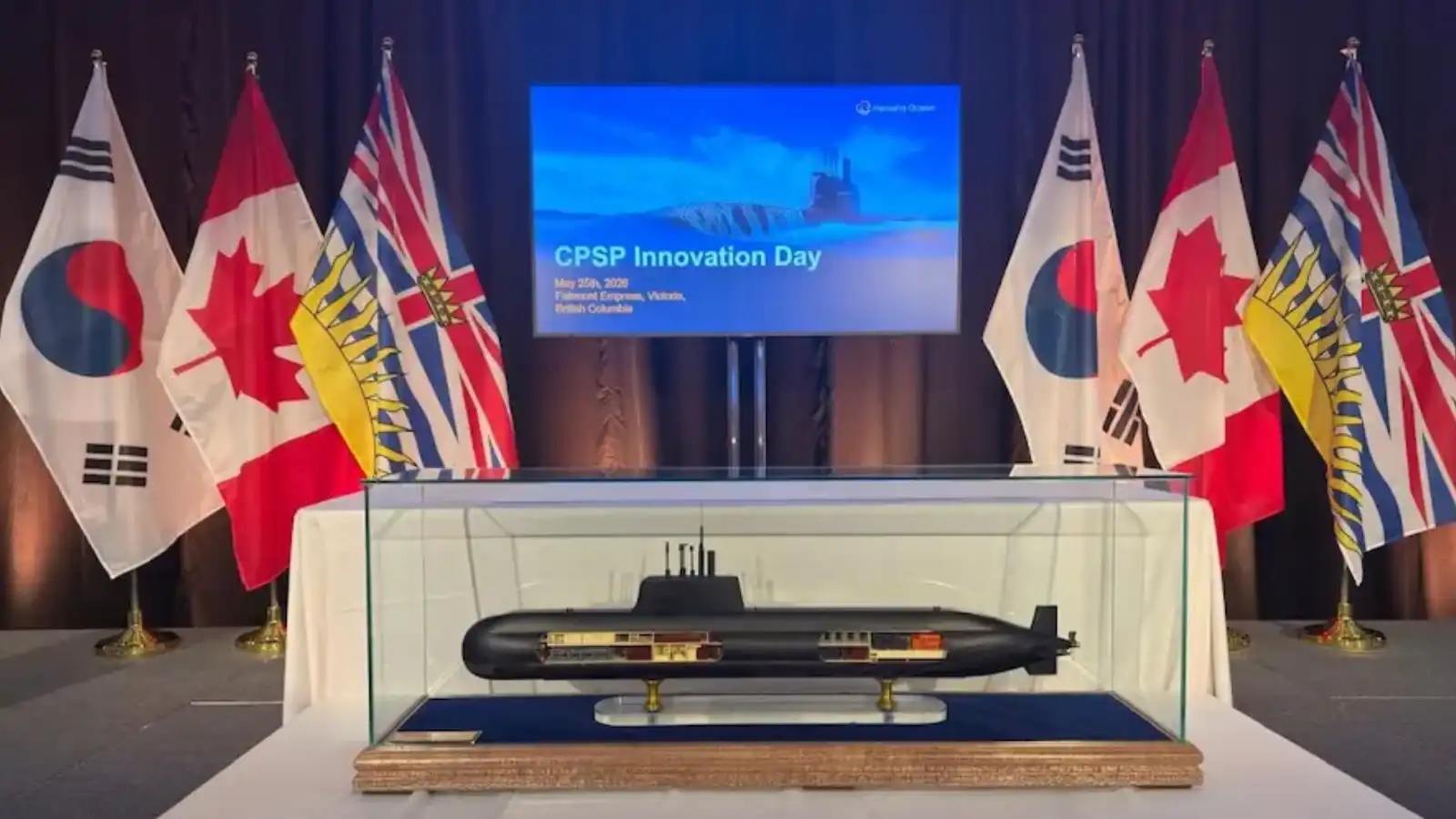
South Korean shipbuilder Hanwha Ocean is intensifying its campaign to position the KSS-III submarine for Canada’s future patrol submarine project, as Ottawa seeks to modernize its underwater warfare capability and expand Arctic operations.
The company presented the submarine’s operational capabilities and industrial benefits during the CANSEC defense exhibition in Ottawa, emphasizing the platform’s suitability for long-range patrol missions, under-ice operations, and Indo-Pacific deployments.
Canada is currently assessing options to replace its aging Victoria-class submarines, which have faced longstanding availability and maintenance challenges. Ottawa has increasingly stressed the need for persistent submarine operations in the Arctic amid growing strategic competition in the region.
Hanwha Ocean stated that the KSS-III submarine program could provide a relatively mature and lower-risk option compared with entirely new submarine development efforts.
KSS-III Designed For Long-Endurance Operations
The KSS-III is South Korea’s newest indigenous submarine design and represents one of the most advanced conventional submarines currently in production in Asia.
(adsbygoogle = window.adsbygoogle || []).push({});The diesel-electric submarine features air-independent propulsion (AIP), enabling longer submerged endurance compared with traditional diesel-electric boats. The platform was designed for extended patrol operations and multi-role missions, including anti-submarine warfare, anti-surface warfare, intelligence collection, and strategic strike operations.
Hanwha Ocean noted that the submarine’s size and endurance could support Canada’s requirement for operations across the Arctic, North Atlantic, and Pacific theaters.
The submarine displaces roughly 3,000 to 3,600 tons depending on configuration and is equipped with advanced combat systems, sonar suites, and vertical launch system capability. South Korea’s navy has already begun introducing the class into operational service.
The company also highlighted ongoing work on lithium-ion battery integration for later variants, which could further improve submerged endurance and operational flexibility.
Why Canada’s Submarine Competition Matters
Canada’s future submarine project has become increasingly important within NATO and Indo-Pacific security discussions.
The Royal Canadian Navy’s current Victoria-class fleet was originally acquired from the United Kingdom in the late 1990s. Aging systems, maintenance delays, and limited availability have repeatedly raised concerns over Canada’s ability to sustain continuous submarine patrols.
At the same time, strategic competition in the Arctic is accelerating. Russia continues to expand its Arctic military infrastructure and submarine activity, while China has increased interest in northern maritime routes and polar operations.
As a result, Canadian defense planners are seeking a platform capable of operating in harsh Arctic conditions while also supporting coalition operations alongside NATO and Indo-Pacific partners.
Hanwha Ocean’s proposal reflects a broader trend in global submarine procurement, where governments are prioritizing mature platforms with reduced development risk and faster production timelines.
Industrial Cooperation A Key Part Of The Offer
A major component of Hanwha Ocean’s campaign involves industrial cooperation with Canadian industry.
The company said the KSS-III proposal includes opportunities for technology transfer, local maintenance support, workforce development, and participation by Canadian shipbuilding and defense firms.
(adsbygoogle = window.adsbygoogle || []).push({});Industrial participation has become a central issue in Canadian defense procurement programs, particularly as Ottawa attempts to strengthen domestic defense manufacturing capacity.
Hanwha Ocean also stressed that South Korea’s shipbuilding sector maintains one of the world’s largest naval production capacities, which could support accelerated delivery schedules.
That point may carry weight as Canada faces growing pressure to modernize its naval capabilities amid evolving geopolitical tensions.
Increasing Competition In The Global Submarine Market
The Canadian competition is attracting growing international attention as submarine demand rises across NATO and Indo-Pacific nations.
South Korean defense firms have become increasingly active in export campaigns over the past decade, securing major contracts in Europe, the Middle East, and Southeast Asia.
The KSS-III campaign also reflects Seoul’s broader strategy to expand defense exports and strengthen strategic defense partnerships with Western allies.
Hanwha Ocean faces competition from several established submarine builders, including European shipyards with long-standing NATO relationships. However, South Korea’s ability to offer active production lines and potentially shorter delivery schedules could become a significant advantage.
For Canada, the decision will likely balance operational requirements, industrial benefits, long-term sustainment costs, and geopolitical considerations.
Strategic Implications For Arctic Security
The submarine competition comes as Arctic security gains greater prominence within NATO planning.
(adsbygoogle = window.adsbygoogle || []).push({});Submarines remain one of the most effective tools for surveillance, deterrence, and sea denial operations in contested maritime regions. For Canada, future submarines are expected to support sovereignty patrols, intelligence gathering, and alliance interoperability.
The KSS-III’s emphasis on endurance and multi-mission capability aligns with Canada’s expanding focus on Arctic domain awareness and maritime security.
The project could also deepen defense cooperation between Canada and South Korea at a time when Indo-Pacific partnerships are becoming increasingly connected to transatlantic security priorities.

Executive Summary:
South Korean shipbuilder Hanwha Ocean has deployed its KSS-III submarine to Canada in support of Ottawa’s future patrol submarine program. The visit highlights growing competition in Canada’s naval modernization effort as allied shipbuilders position themselves for one of the world’s most closely watched submarine procurements.
Hanwha Ocean KSS-III Submarine Arrives In Canada
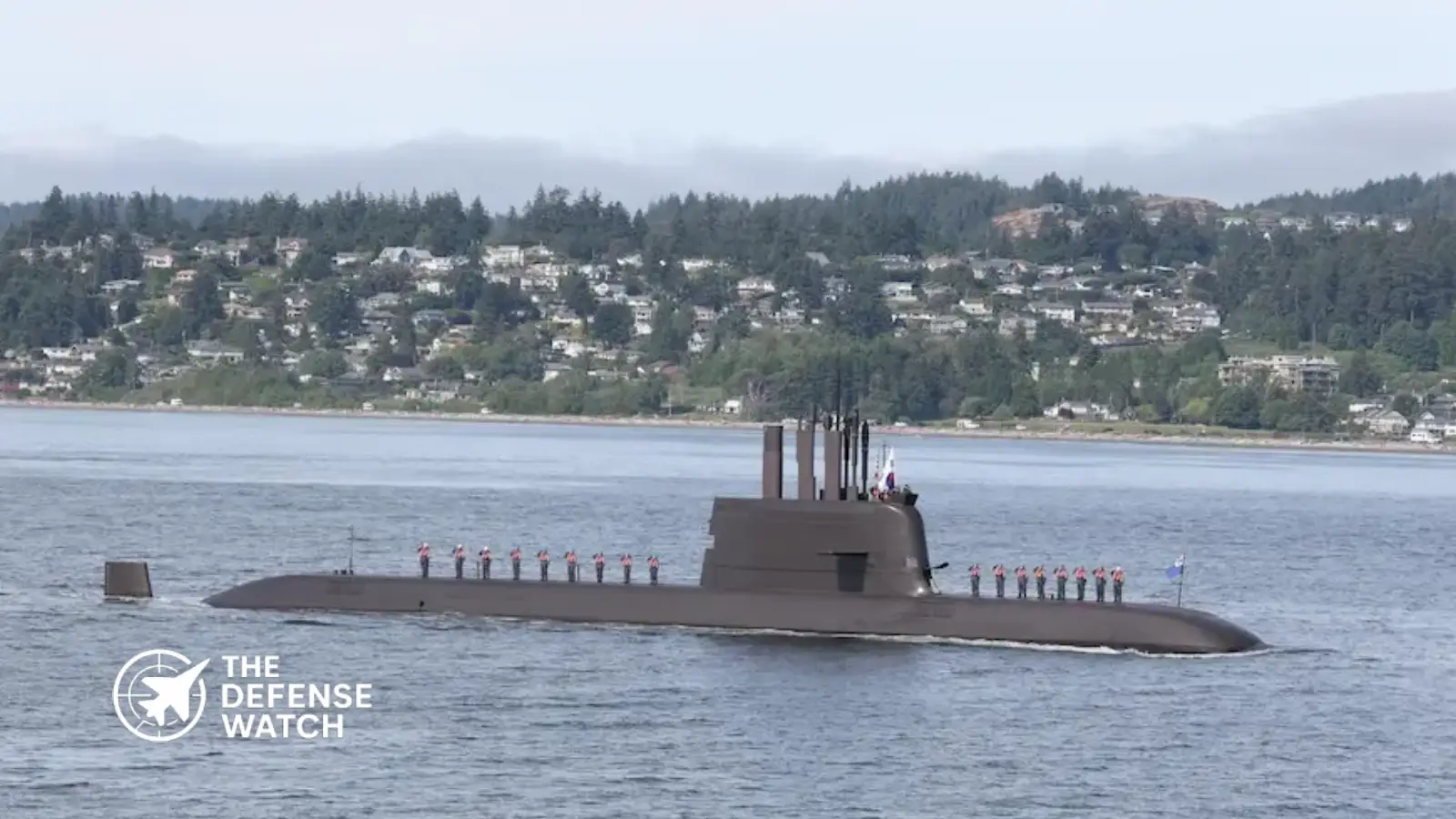
The Hanwha Ocean KSS-III submarine has reached Canada following a long range deployment intended to support South Korea’s bid for the Canadian Patrol Submarine Project (CPSP). The voyage marks a significant step in Seoul’s push to expand its defense exports into North America and deepen naval cooperation with Western allies.
The submarine’s arrival is designed to demonstrate the platform’s endurance, operational range, and suitability for Arctic and long distance missions that are central to Canada’s future submarine requirements.
Canada is seeking to replace its aging Victoria-class submarines with a new fleet capable of operating across the Atlantic, Pacific, and Arctic regions. Ottawa’s planned acquisition is expected to become one of the largest naval modernization efforts in Canadian history.
The KSS-III deployment comes as several international shipbuilders compete for influence in the Canadian program, including companies from Europe and Asia.
KSS-III Designed For Long Range Operations
The KSS-III submarine, developed for the Republic of Korea Navy, represents South Korea’s most advanced indigenous submarine program. The platform features air independent propulsion technology, advanced combat systems, vertical launch capability, and extended endurance for blue water operations.
Defense analysts note that the deployment to Canada carries both operational and political significance. Demonstrating the submarine’s ability to conduct a trans-Pacific voyage helps validate claims regarding range and reliability, particularly as Canada evaluates vessels capable of sustained operations in remote maritime environments.
The Canadian Patrol Submarine Project is expected to prioritize under ice capability, endurance, stealth, interoperability with NATO forces, and long term industrial partnerships.
While the KSS-III was originally designed for regional deterrence missions in the Indo-Pacific, Hanwha Ocean appears to be positioning the platform as a flexible export solution for allied navies facing growing maritime security demands.
Canada Expands Focus On Arctic Security
Canada’s submarine replacement effort has gained urgency amid increased geopolitical competition in the Arctic and rising naval activity by Russia and China in northern waters.
Ottawa has repeatedly emphasized the need for persistent underwater surveillance and sovereign maritime presence across the Arctic region. Existing Victoria-class submarines have faced operational limitations tied to age, maintenance demands, and limited under ice capability.
The Hanwha Ocean KSS-III submarine bid reflects a broader trend in which Asian defense manufacturers are increasingly competing in Western procurement programs once dominated by European and American suppliers.
South Korea’s defense industry has expanded rapidly over the past decade, securing major export contracts in Europe, the Middle East, and Asia. Companies including Hanwha Ocean and Hanwha Aerospace have benefited from rising global demand for faster production timelines and competitively priced military systems.
Strategic Implications For NATO And Indo-Pacific Cooperation
The KSS-III deployment also reflects expanding defense ties between Canada and South Korea as both countries strengthen cooperation with U.S.-led alliance structures in the Indo-Pacific region.
Naval experts say Canada’s future submarine selection could influence interoperability with NATO partners and allied Indo-Pacific operations for decades. Long range submarines are increasingly viewed as critical assets for intelligence gathering, deterrence patrols, anti-submarine warfare, and strategic surveillance missions.
For South Korea, success in Canada would represent a major breakthrough in the Western submarine export market and reinforce Seoul’s growing role as a global defense supplier.
At the same time, competition remains intense. European shipbuilders continue promoting mature submarine designs with proven NATO operational records, while Canada’s final requirements are still evolving.
No final procurement decision has been announced by the Canadian government.
Original Analysis
The arrival of the Hanwha Ocean KSS-III submarine in Canada is more than a promotional deployment. It reflects how global submarine competition is shifting beyond traditional European suppliers.
South Korean defense firms are increasingly leveraging rapid manufacturing capacity, modern digital shipbuilding methods, and flexible industrial cooperation packages to compete internationally. Canada’s submarine program offers Seoul an opportunity to prove that Asian defense manufacturers can support long term Western naval requirements at scale.
The deployment also highlights a broader strategic reality. Arctic security is becoming central to NATO planning, and future submarines must balance stealth, endurance, and multi theater operational flexibility. Any winning design will likely need to support not only national defense missions, but also integrated allied operations across the Atlantic and Indo-Pacific.
For Canada, the choice will shape naval capabilities for decades. For South Korea, it could redefine its position in the global submarine export market.
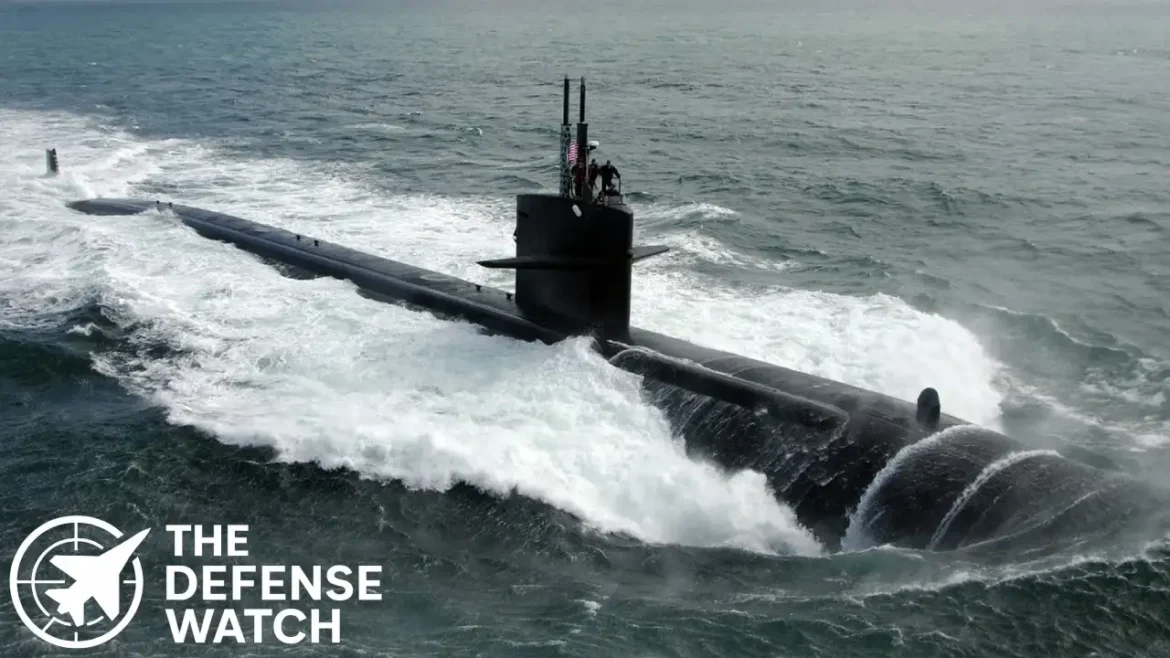
South Korea is formally advancing plans for nuclear-powered submarines, marking a major shift in the country’s long-term naval strategy.
Executive Summary:
South Korea has begun the formal process of pursuing nuclear-powered submarines as part of a broader naval modernization effort. The initiative reflects Seoul’s growing focus on long-range maritime deterrence, regional security competition, and expanded undersea operational capability in the Indo-Pacific.
South Korea Nuclear-Powered Submarine Program Signals Strategic Naval Shift
South Korea’s nuclear-powered submarine initiative has entered a formal government review phase, signaling one of the country’s most consequential naval modernization efforts in decades.
The South Korean government has launched an official process examining the feasibility, strategic rationale, and legal framework required to field nuclear-powered submarines for the Republic of Korea Navy.
The move comes as regional maritime competition intensifies across the Indo-Pacific, particularly amid North Korea’s continued missile development, China’s expanding naval presence, and growing undersea warfare activity in nearby waters.
If ultimately approved, the program would significantly expand South Korea’s blue-water naval reach and endurance compared to its current diesel-electric submarine fleet.
Why South Korea Wants Nuclear-Powered Submarines
Nuclear-powered submarines provide major operational advantages over conventional diesel-electric boats. Unlike traditional submarines, nuclear-powered vessels can remain submerged for extended periods without surfacing for air, enabling longer patrols, greater stealth, and faster sustained transit speeds.
For Seoul, those capabilities are increasingly relevant.
North Korea has continued to pursue submarine-launched ballistic missile programs and has publicly showcased ambitions for nuclear-capable undersea platforms. At the same time, China’s naval expansion and regional power projection efforts have transformed the broader Indo-Pacific security environment.
South Korea’s existing submarine fleet, including the KSS-III Dosan Ahn Changho-class submarines, already represents one of the most advanced conventional undersea forces in Asia. However, nuclear propulsion would provide a substantial leap in operational flexibility and strategic endurance.
Defense analysts have long argued that nuclear-powered submarines would allow South Korea to maintain persistent patrols farther from the Korean Peninsula while improving survivability during high-intensity conflict scenarios.
Legal And Political Challenges Remain
Despite the strategic logic behind the proposal, South Korea faces major political and regulatory hurdles before such a capability could become reality.
The country remains bound by international nuclear nonproliferation obligations, including agreements related to civilian nuclear material usage. Any future submarine propulsion effort would likely require extensive coordination with the United States, which remains Seoul’s primary security ally and a critical stakeholder in regional nuclear policy.
Washington has historically exercised caution regarding naval nuclear propulsion technology transfers outside a limited group of allied nations.
The issue has gained additional attention since the establishment of the AUKUS security partnership between Australia, United Kingdom, and the United States, which included plans to help Australia acquire nuclear-powered submarines.
That agreement triggered broader debate in Asia over whether other U.S. allies could eventually pursue similar capabilities.
South Korean officials have periodically raised the issue over the past decade, though previous discussions largely remained conceptual. The newly launched formal review process suggests the government is now treating the matter with greater institutional seriousness.
Regional Security Implications
The South Korea nuclear-powered submarine program could alter naval dynamics across Northeast Asia if it progresses beyond the planning phase.
Nuclear-powered attack submarines are widely viewed as among the most survivable and strategically valuable assets in modern naval warfare. Their ability to conduct intelligence gathering, anti-submarine warfare, long-range strike missions, and sea-denial operations makes them central to great-power maritime competition.
For Seoul, the capability could strengthen independent deterrence while enhancing interoperability with allied naval forces operating across the Pacific.
However, the move may also generate concerns among neighboring countries already navigating heightened regional tensions.
China has steadily expanded its naval fleet, including nuclear-powered submarines, while Japan continues investing heavily in anti-submarine warfare capabilities and maritime surveillance systems. North Korea, meanwhile, has repeatedly emphasized the development of strategic underwater weapons platforms.
As a result, South Korea’s pursuit of nuclear-powered submarines is likely to be closely watched across the region.
Domestic Defense Industry Could Benefit
A future nuclear-powered submarine effort could also create substantial opportunities for South Korea’s defense and shipbuilding sectors.
South Korean shipbuilders, including Hanwha Ocean and HD Hyundai Heavy Industries, already possess significant experience constructing advanced naval vessels and submarines.
The country has invested heavily in indigenous naval technologies over the past two decades, reducing reliance on foreign suppliers and expanding domestic defense manufacturing capabilities.
Although nuclear propulsion technology presents a much higher level of complexity, South Korea’s mature commercial nuclear sector and advanced shipbuilding infrastructure could provide a foundation for future development.
Still, experts note that designing, building, and operating nuclear-powered submarines would likely require years of technical preparation, political negotiations, regulatory adjustments, and major financial investment.
Strategic Outlook
The decision to formally examine nuclear-powered submarines reflects broader shifts in South Korea’s defense posture and long-term strategic planning.
Seoul is increasingly emphasizing advanced maritime capabilities, long-range deterrence, and indigenous defense technology development as regional security pressures evolve.
While the program remains in the early policy stage, the launch of a formal acquisition process marks a significant signal of intent from the South Korean government.
Whether the initiative advances into a fully funded procurement effort will depend on political consensus, alliance coordination, legal considerations, and the evolving regional threat environment.
For now, the move underscores how undersea warfare and naval modernization are becoming increasingly central to Indo-Pacific security competition.
Executive Summary:
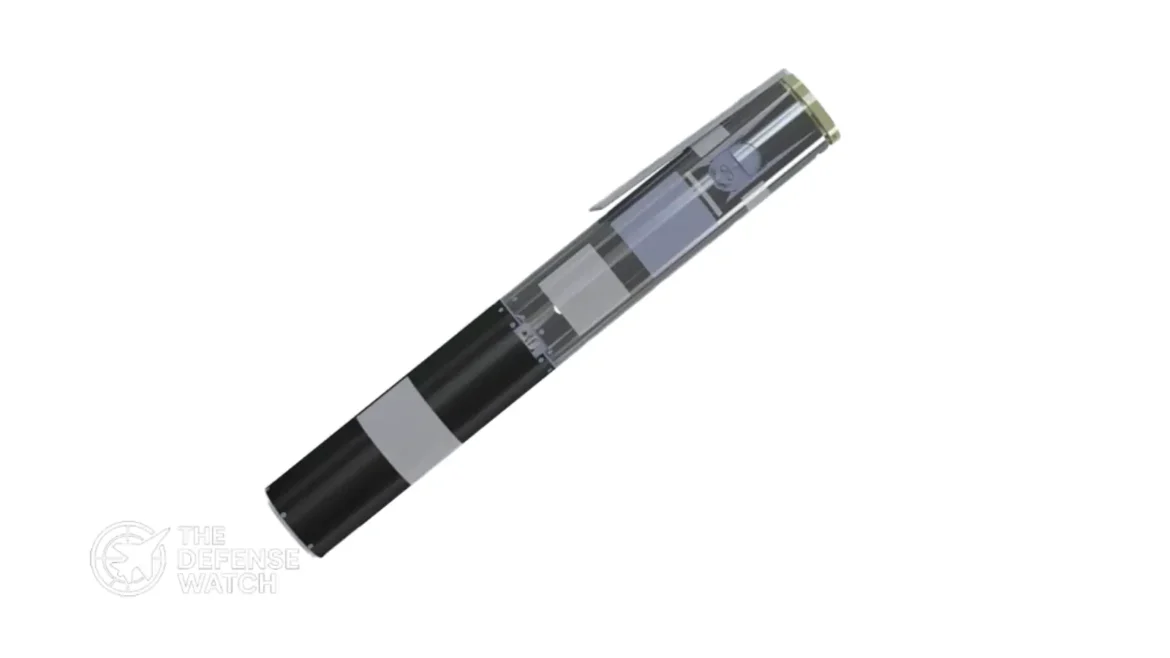
BAE Systems has secured a $12.56 million U.S. Navy contract to develop an advanced sonobuoy system under the UnderSea Advantage Block Upgrade program. The effort combines BAE’s new sonar technology with sonobuoy components from Sparton to enhance anti-submarine warfare capabilities while retaining compatibility with standard deployment systems.
BAE Systems Advances U.S. Navy Undersea Warfare Capability
BAE Systems has received a cost-plus-fixed-fee contract from the Office of Naval Research to develop and demonstrate an advanced sonar-equipped sonobuoy for the U.S. Navy’s UnderSea Advantage Block Upgrade (USABU) Future Naval Capability program.
The contract, valued at approximately $12.56 million, covers a 40-month base period along with optional extension periods. Work is scheduled to continue through September 2029.
The program focuses on integrating BAE Systems’ next-generation sonar technology into existing sonobuoy hardware supplied by Sparton. The goal is to create a more capable anti-submarine warfare sensor while preserving compatibility with the Navy’s standard A-size sonobuoy deployment format.
The work will primarily take place in Merrimack, New Hampshire, where BAE Systems Information & Electronic Systems Integration Inc. is based, alongside operations in DeLeon Springs, Florida.
Why The Sonobuoy Upgrade Matters
The new USABU-related effort reflects the growing importance of undersea warfare as global naval competition intensifies. Modern submarines are becoming quieter, more difficult to detect, and increasingly capable of operating in contested maritime regions.
Sonobuoys remain a critical component of the U.S. Navy’s anti-submarine warfare network. Deployed from maritime patrol aircraft, helicopters, and other platforms, these expendable sensors detect and track underwater acoustic signatures.
By maintaining compatibility with the standard A-size launch package, the Navy avoids the need for major aircraft or launcher modifications. This approach could accelerate operational integration while reducing logistics and sustainment costs.
The contract also highlights the Pentagon’s broader emphasis on incremental modernization. Instead of replacing entire systems, the Navy continues to pursue upgrades that improve sensing capability while leveraging existing infrastructure and deployment methods.
Focus On Advanced Acoustic Detection
According to the contract announcement, the project will culminate in an at-sea demonstration in which the prototype sonobuoy collects acoustic data under operational conditions.
That test phase will be especially important because undersea sensing performance is heavily influenced by environmental variables such as water temperature, salinity, ocean depth, and background noise.
The integration of improved sonar processing technology into a compact sonobuoy package suggests the Navy is seeking higher sensitivity and more effective target discrimination against increasingly sophisticated submarine threats.
While specific technical details remain undisclosed, the effort aligns with wider U.S. defense priorities centered on distributed maritime sensing and enhanced undersea domain awareness.
Navy Continues Investment In Undersea Superiority
The U.S. Navy has consistently prioritized anti-submarine warfare modernization amid growing submarine activity from near-peer competitors, particularly in the Indo-Pacific and North Atlantic regions.
Programs such as the UnderSea Advantage Block Upgrade initiative are designed to ensure the Navy maintains an edge in underwater detection and tracking. Enhanced sonobuoys can support maritime patrol aircraft fleets including the Boeing P-8 Poseidon and shipborne helicopter operations across multiple theaters.
The latest contract also demonstrates continued collaboration between prime defense contractors and specialized electronics firms to accelerate technology insertion into operational naval systems.
Fiscal Year 2025 and 2026 Navy research, development, test, and evaluation funds totaling more than $2.25 million were obligated at the time of award.
The contract was competitively procured through the Navy and Marine Corps Long Range Broad Agency Announcement process managed by the Office of Naval Research in Arlington, Virginia.
Strategic Analysis
The BAE Systems sonobuoy upgrade effort illustrates a broader shift toward scalable undersea sensing solutions rather than large standalone platforms alone.
As underwater threats diversify, the Navy increasingly requires distributed detection networks capable of covering wider maritime areas at lower operational cost. Advanced sonobuoys offer a relatively low-cost method to expand surveillance reach while complementing submarines, surface combatants, and maritime patrol aircraft.
The emphasis on fitting advanced technology into legacy deployment dimensions is also strategically significant. Maintaining compatibility with existing launch systems reduces transition risk and allows the Navy to field upgraded capability faster during a period of heightened maritime competition.
In operational terms, improvements in acoustic detection and processing can strengthen the Navy’s ability to track quiet submarines operating near critical sea lanes and carrier strike groups.
Executive Summary:
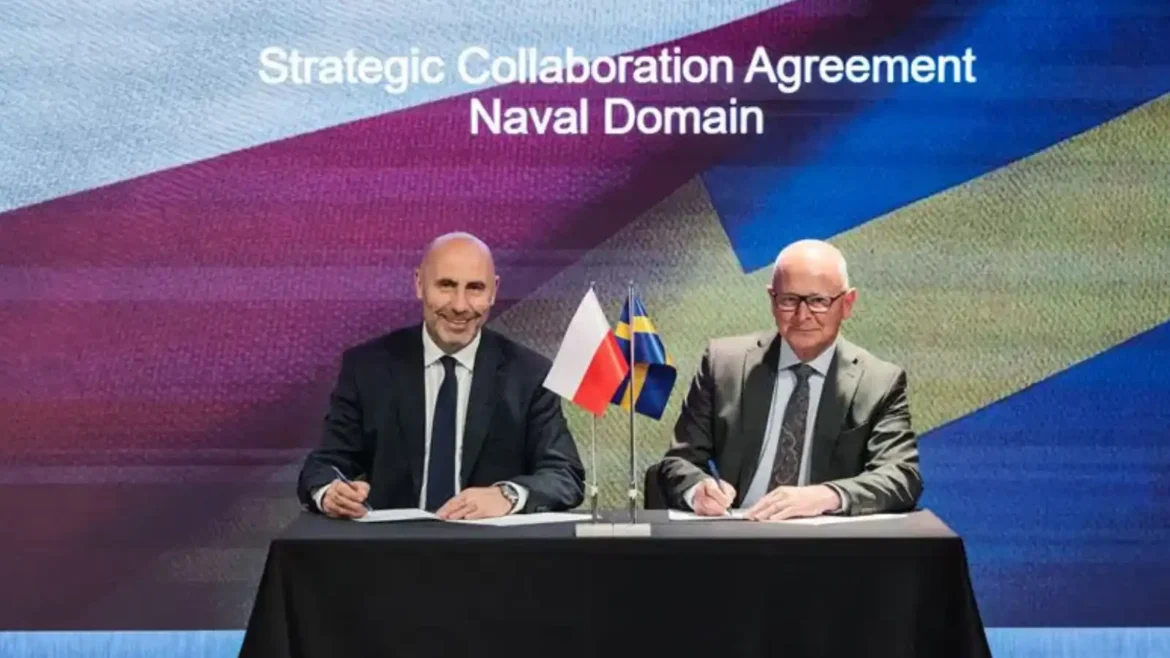
Swedish defense company Saab and Poland’s Polska Grupa Zbrojeniowa (PGZ) have signed a strategic naval cooperation agreement focused on submarines, surface vessels, and underwater systems. The partnership reflects growing European efforts to strengthen maritime security and industrial cooperation in the Baltic region amid rising regional defense pressures.
Saab And PGZ Naval Cooperation Expands European Maritime Defense Ties
Swedish defense company Saab and Poland’s state-owned defense group PGZ have signed a strategic naval cooperation agreement covering submarines, surface vessels, and underwater systems, marking a significant step in regional maritime defense cooperation.
The agreement, announced by Saab and reported by Defence Industry Europe, aims to deepen industrial collaboration between Sweden and Poland as NATO members continue expanding naval readiness in Northern and Eastern Europe.
The cooperation framework includes potential collaboration in naval platforms, underwater technologies, maintenance, and future modernization programs. Both companies indicated that the partnership is intended to support long-term capability development for regional maritime security operations.
Strategic Focus On Submarines And Underwater Warfare
A major focus of the Saab and PGZ agreement centers on submarine capabilities and underwater warfare systems. Saab is widely recognized for its submarine expertise through the development of the A26 Blekinge-class submarine program and advanced underwater technologies.
Saab has increasingly positioned itself as a key European supplier of naval systems, particularly in anti-submarine warfare, underwater surveillance, and maritime combat systems.
Meanwhile, Polska Grupa Zbrojeniowa continues expanding Poland’s domestic naval industrial base as Warsaw accelerates military modernization efforts across multiple domains.
The partnership could support Poland’s broader naval modernization plans, including future submarine procurement efforts and expanded indigenous shipbuilding capabilities. Although no procurement contract or financial value was disclosed, the agreement establishes a framework for future industrial and operational cooperation.
Baltic Security Environment Driving Maritime Cooperation
The Saab PGZ naval cooperation agreement comes amid heightened security concerns across the Baltic Sea region following Russia’s continued military activities near NATO borders and growing emphasis on maritime infrastructure protection.
European governments have increased investments in naval defense, anti-submarine warfare, and underwater monitoring capabilities after a series of incidents involving critical undersea infrastructure in the Baltic and North Sea regions over the past several years.
For Poland, maritime security has become increasingly important as the country modernizes its armed forces and expands defense spending. Warsaw has launched multiple modernization programs focused on air defense, armored forces, missile systems, and naval assets.
Sweden’s accession to NATO has also reshaped regional defense dynamics. Stockholm now plays a more integrated role in alliance maritime operations across Northern Europe, particularly in the Baltic Sea theater.
The Saab and PGZ partnership reflects a broader trend of European defense industrial cooperation designed to reduce reliance on non-European suppliers while improving interoperability among NATO members.
Industrial Cooperation Could Support Future Naval Programs
The agreement may create opportunities for future collaboration on naval shipbuilding, sustainment programs, combat management systems, and underwater technologies.
Saab has extensive experience integrating advanced naval combat systems onto surface combatants and submarines. The company’s portfolio includes naval radar systems, underwater sensors, torpedoes, and command-and-control solutions used by several NATO and partner nations.
PGZ, which oversees a large network of Polish defense companies, has sought greater participation in domestic and international naval programs. The group has played a central role in supporting Poland’s shipbuilding and defense manufacturing sectors.
While details remain limited, the cooperation framework suggests both companies are preparing for long-term collaboration tied to regional maritime modernization requirements.
Defense analysts view such partnerships as increasingly important as European states seek to accelerate procurement timelines, improve supply chain resilience, and strengthen domestic industrial capacity.
Growing European Defense Integration
The Saab PGZ naval cooperation agreement also highlights the growing importance of cross-border European defense partnerships amid rising geopolitical uncertainty.
Since Russia’s invasion of Ukraine, European NATO members have expanded defense spending and prioritized collaborative industrial projects to improve readiness and reduce capability gaps.
Naval defense has become a particularly important area of focus due to increased activity in the Baltic Sea, Arctic approaches, and North Atlantic maritime corridors.
The cooperation between Saab and PGZ aligns with broader NATO objectives aimed at improving regional deterrence, strengthening maritime domain awareness, and enhancing allied operational integration.
Although the agreement does not yet include confirmed production programs or platform acquisitions, it establishes a strategic foundation that could influence future naval procurement decisions in the region.
Why The Saab PGZ Partnership Matters
The agreement demonstrates how European defense companies are increasingly aligning industrial capabilities with evolving NATO operational requirements.
For Saab, the partnership strengthens its position in Central and Eastern European defense markets while expanding opportunities for naval cooperation with Poland.
For PGZ, the agreement offers access to advanced naval technologies and operational expertise at a time when Poland is rapidly modernizing its military forces.
The partnership also reinforces the strategic importance of the Baltic region, where maritime security, underwater infrastructure protection, and anti-submarine warfare are becoming central priorities for NATO planners.
As European governments continue increasing defense investments, partnerships such as the Saab PGZ agreement are likely to play a larger role in shaping future naval modernization programs across the continent.
Executive Summary:
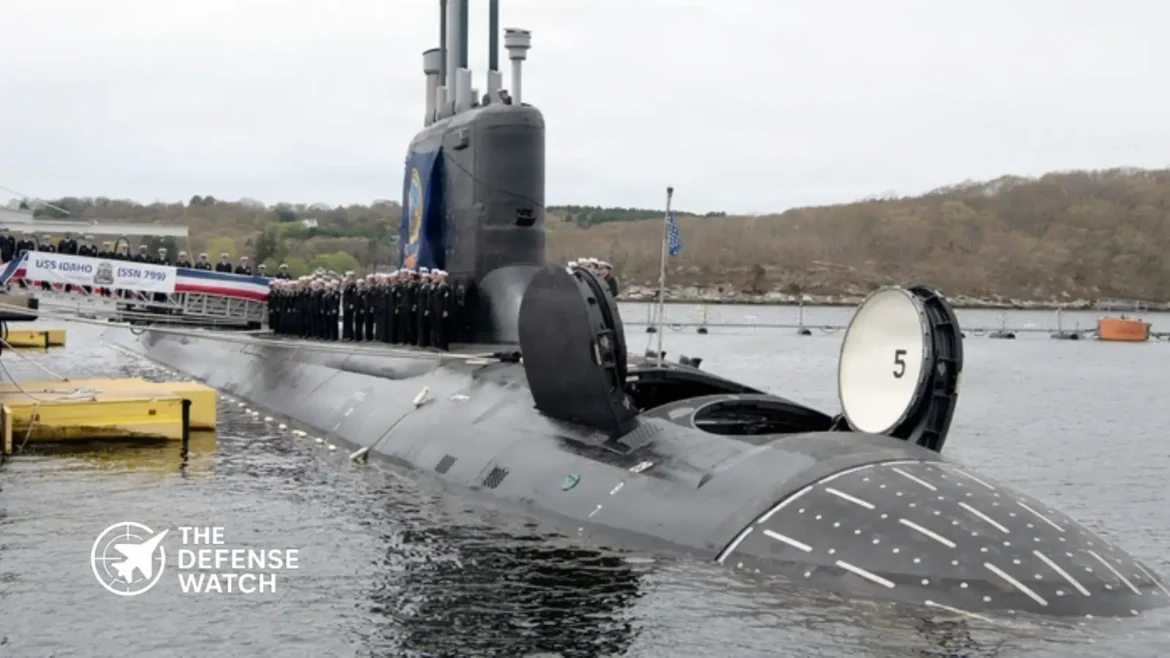
The U.S. Navy awarded SEACORP LLC a $31.95 million contract to continue developing payload control system technologies for Navy submarines.
The effort supports advanced undersea warfare capabilities and will run through May 2031 under a Small Business Innovation Research Phase III program.
SEACORP Navy Contract Supports Advanced Submarine Payload Systems
The SEACORP Navy contract marks another investment in the U.S. Navy’s effort to modernize undersea warfare systems and improve submarine payload integration capabilities.
The Department of Defense announced that Naval Undersea Warfare Center Division Newport awarded SEACORP LLC a $31,953,501 cost-plus-fixed-fee and cost-only indefinite-delivery/indefinite-quantity contract for the development of payload control system technology supporting Navy submarines.
The contract carries a five-year ordering period and is expected to continue through May 2031.
According to the Pentagon announcement, initial Fiscal Year 2026 Navy procurement funding worth $264,917 will be obligated immediately following the award. Those funds will remain available beyond the current fiscal year.
What The Payload Control Technology Supports
Payload control systems are a critical component of modern submarine combat architecture. These technologies help operators manage, deploy, and integrate mission payloads including sensors, unmanned systems, communications packages, and undersea warfare tools.
While the Navy did not disclose specific submarine classes connected to the contract, payload management capabilities are increasingly important across the service’s attack submarine and strategic deterrent fleets.
The SEACORP Navy contract likely aligns with broader Navy modernization efforts focused on modular payload integration, autonomous undersea systems, and distributed maritime operations.
Over the past decade, the Navy has accelerated work on flexible payload architectures that allow submarines to carry evolving mission packages without requiring major redesigns. This approach improves operational adaptability while reducing long-term integration costs.
Work Spans Multiple U.S. And Allied Locations
Most contract work will occur in Middletown and Newport, which together account for more than 70 percent of total activity.
Additional work locations include:
- Groton
- San Diego
- Pearl Harbor
- Washington
- Norfolk
- Austin
- Denver
Smaller portions of work will also take place in the United Kingdom and Australia, highlighting the increasingly multinational nature of allied undersea defense collaboration.
The geographic spread suggests coordination across Navy operational centers, submarine support facilities, and technical integration teams tied to U.S. and allied naval programs.
SBIR Phase III Structure Reflects Long-Term Navy Investment
The award was issued as a Small Business Innovation Research Phase III sole-source contract under 10 U.S. Code 3204(a)(5) and Federal Acquisition Regulation 6.302-5.
Phase III contracts are typically awarded when technologies developed during earlier research phases transition into operational deployment, production, or expanded capability development.
That structure indicates the Navy already views SEACORP’s payload control technologies as mature and strategically relevant to future submarine operations.
The contract was not competitively procured through SAM.gov because SBIR Phase III awards are legally authorized for follow-on development tied to prior SBIR work.
Why The Contract Matters For U.S. Undersea Warfare
The SEACORP Navy contract arrives as the United States continues prioritizing undersea dominance amid growing strategic competition in the Indo-Pacific and other contested maritime regions.
Modern submarines increasingly depend on advanced software-driven payload management systems capable of integrating unmanned underwater vehicles, intelligence collection tools, electronic warfare systems, and future autonomous technologies.
The Navy’s continued investment in these capabilities reflects a broader shift toward networked and modular undersea warfare platforms designed to adapt rapidly to evolving operational requirements.
Programs supporting payload flexibility are especially important as the Navy expands interest in hybrid manned-unmanned operations and long-endurance undersea surveillance missions.
With undersea competition intensifying globally, payload control technologies are becoming as strategically important as propulsion, stealth, and weapons integration in next-generation submarine design.

Executive Summary:
Pakistan’s first Chinese-built submarine is set to enhance the Pakistan Navy’s undersea warfare capabilities. The acquisition reflects Islamabad’s push to modernize its fleet amid evolving regional maritime competition. The move also deepens defense ties with China and strengthens deterrence in the Arabian Sea.
Pakistan Chinese Submarine Strengthens Naval Capability
Pakistan’s Chinese submarine program has reached a major milestone as the country prepares to field its first Chinese-built submarine, marking a significant upgrade to the Pakistan Navy’s undersea warfare capabilities. The submarine is part of a broader effort to modernize Pakistan’s aging fleet and enhance maritime deterrence in the Arabian Sea.
The platform is expected to be one of the new Hangor-class submarine vessels, developed in cooperation with China Shipbuilding Industry Corporation. The program includes multiple submarines, with some being constructed in China and others assembled domestically in Pakistan, reflecting a technology transfer component.
This Pakistan Chinese submarine initiative comes at a time of increasing naval competition in South Asia, particularly in response to India’s expanding maritime capabilities and broader Indo-Pacific dynamics.
A Key Step In Pakistan Navy Modernization
The Pakistan Chinese submarine program is central to Islamabad’s long-term naval modernization strategy. The Pakistan Navy currently operates older French-designed submarines, including the Agosta 90B-class submarine, which have undergone upgrades but are nearing the limits of their operational lifespan.
The introduction of the Hangor-class submarines is expected to significantly enhance Pakistan’s undersea endurance, stealth, and strike capabilities. These submarines are widely assessed to incorporate advanced air-independent propulsion systems, enabling longer submerged operations compared to conventional diesel-electric platforms.
From an operational standpoint, the Pakistan Chinese submarine fleet will likely improve anti-ship and anti-submarine warfare capabilities, while also providing a more credible second-strike deterrent at sea.
This transition reflects a broader shift in naval doctrine, where undersea warfare is increasingly prioritized due to its survivability and strategic value in contested maritime environments.
Strategic Implications In The Arabian Sea
The deployment of a Pakistan Chinese submarine has direct implications for regional security dynamics, particularly in the Arabian Sea and the wider Indian Ocean Region. Pakistan’s maritime strategy has traditionally focused on coastal defense, but the new submarines suggest a move toward more extended operational reach.
India’s naval expansion, including nuclear-powered submarines and aircraft carriers, has altered the regional balance. In response, Pakistan appears to be investing in asymmetric capabilities, with submarines offering a cost-effective means to counter larger surface fleets.
The Pakistan Chinese submarine program also highlights the deepening defense relationship between Islamabad and Beijing. China has emerged as Pakistan’s primary defense partner, supplying a wide range of military platforms, from aircraft to naval vessels.
For China, the deal reinforces its position as a major exporter of advanced naval systems and strengthens its strategic footprint in the Indian Ocean, a region critical to global trade routes and energy flows.
Industrial And Technological Dimensions
A notable aspect of the Pakistan Chinese submarine project is its industrial component. Several of the submarines are being assembled at Karachi Shipyard, enabling Pakistan to develop indigenous shipbuilding expertise and reduce reliance on foreign suppliers over time.
This approach aligns with broader trends in defense procurement, where countries seek not only to acquire platforms but also to build domestic industrial capacity. The transfer of technology associated with the Pakistan Chinese submarine program could have long-term benefits for Pakistan’s defense industry.
However, integrating advanced submarine technology poses technical and operational challenges, including crew training, maintenance infrastructure, and lifecycle support. Ensuring operational readiness will be critical as these platforms enter service.
Operational Outlook And Future Fleet Composition
Once fully inducted, the Pakistan Chinese submarine fleet is expected to form the backbone of the Pakistan Navy’s undersea forces. The combination of new Hangor-class boats and upgraded legacy submarines will provide a layered capability across different mission profiles.
In practical terms, the Pakistan Chinese submarine program enhances Pakistan’s ability to conduct:
- Sea denial operations
- Intelligence, surveillance, and reconnaissance missions
- Strategic deterrence patrols
These capabilities are increasingly relevant in a region characterized by growing naval presence from multiple powers, including the United States and China.
From a U.S. perspective, developments in Pakistan’s submarine fleet underscore the evolving maritime balance in the Indo-Pacific and highlight the expanding role of Chinese defense exports in shaping regional military capabilities.
Analysis: A Calculated Investment In Undersea Warfare
The Pakistan Chinese submarine initiative reflects a calculated investment in undersea warfare as a strategic equalizer. Submarines remain one of the most survivable and effective platforms in modern naval conflict, capable of operating undetected and delivering significant combat effects.
While the addition of new submarines does not fundamentally alter the regional balance on its own, it complicates operational planning for adversaries and enhances deterrence by increasing uncertainty.
At the same time, the program illustrates how middle-tier naval powers are adapting to shifting geopolitical realities by prioritizing cost-effective, high-impact capabilities.
For Pakistan, the success of the Pakistan Chinese submarine program will depend not only on platform performance but also on integration into a broader maritime strategy that includes surface forces, air assets, and networked command systems.
Executive Summary:
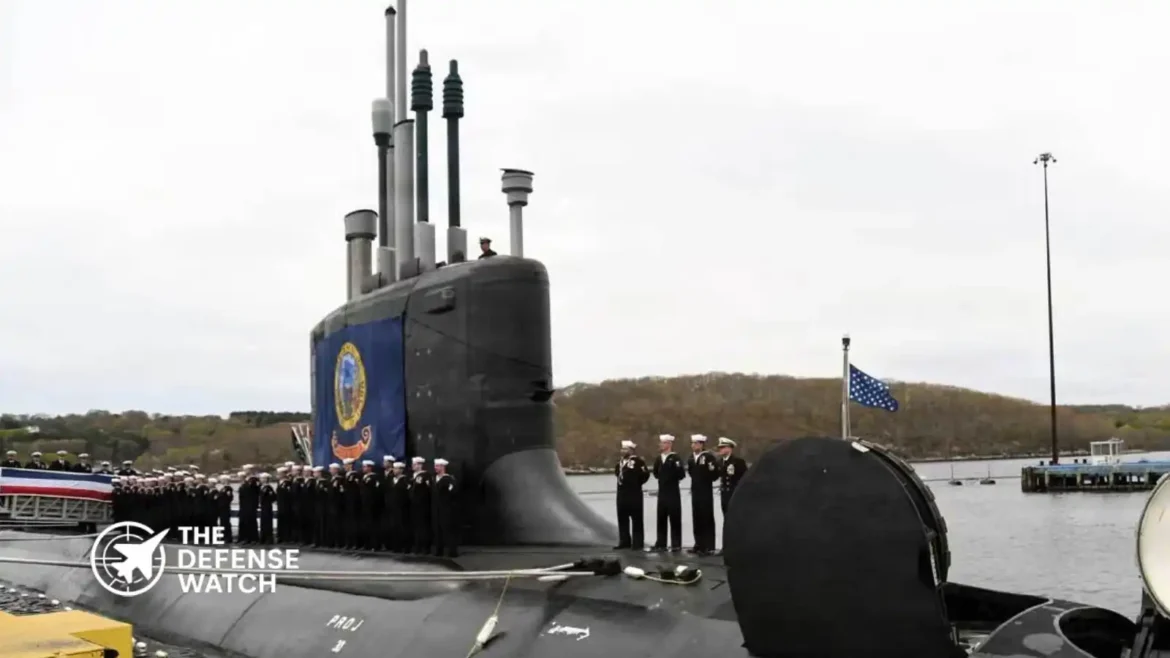
L3Harris Technologies is supplying critical systems for newly commissioned submarines operated by the United States Navy, enhancing stealth, survivability, and communications. The integration reflects a broader push to modernize undersea warfare capabilities amid evolving maritime threats.
L3Harris submarine technologies are playing a central role in equipping the latest generation of U.S. Navy submarines with advanced mission systems, reinforcing America’s undersea warfare advantage. As new submarines enter service, the integration of secure communications, electronic warfare, and sensor systems highlights a strategic shift toward more connected and survivable naval platforms.
The announcement, published by L3Harris in May 2026, underscores the company’s continued involvement in supporting submarine modernization efforts at a time when undersea dominance remains a critical component of U.S. military strategy.
L3Harris Systems Integrated Across New Submarines
L3Harris provides a range of mission-critical technologies now deployed aboard newly commissioned submarines. These systems include:
- Advanced communication systems for secure, real-time data exchange
- Integrated electronic warfare capabilities
- High-reliability undersea sensors
- Imaging and targeting support systems
These technologies are designed to function in contested environments where submarines must operate undetected while maintaining connectivity with joint forces.
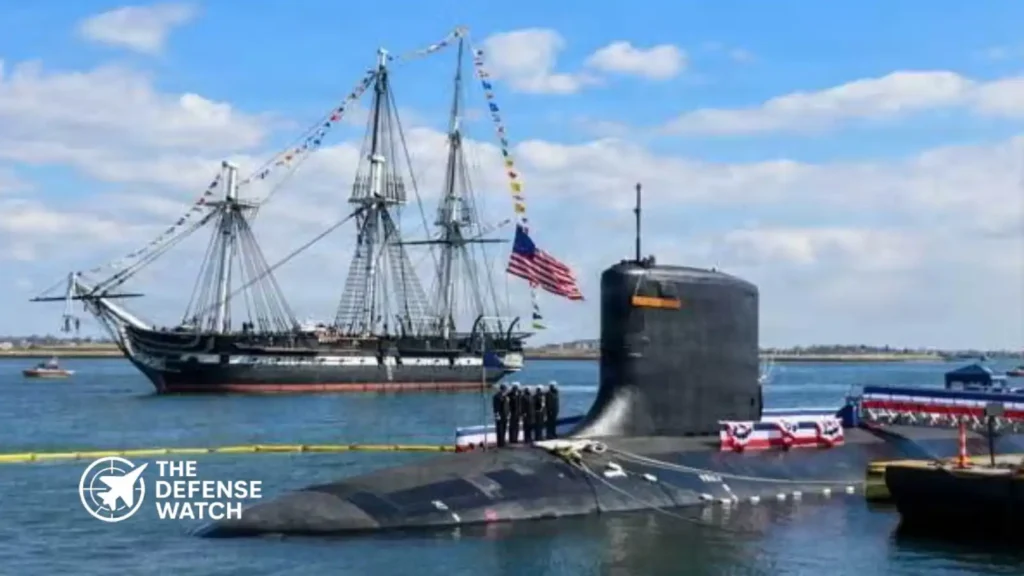
The emphasis on secure and resilient communications reflects a growing operational requirement. Modern submarines are no longer isolated platforms, they are increasingly part of a broader network-centric warfare architecture.
Strengthening Stealth And Survivability
One of the key advantages of L3Harris submarine technologies lies in enhancing stealth without compromising operational effectiveness.
Submarines traditionally rely on minimal emissions to remain undetected. However, modern missions demand increased data sharing. L3Harris systems aim to balance this tradeoff by enabling:
- Low probability of intercept communications
- Reduced electronic signatures
- Improved situational awareness
This capability is especially relevant in high-threat maritime regions where adversaries are deploying more advanced anti-submarine warfare systems.
Analysis:
The integration of these technologies signals a shift from platform-centric to capability-centric design. Instead of focusing solely on hull design or propulsion, modern submarine effectiveness is increasingly defined by onboard electronics and data integration.
Supporting Multi-Domain Naval Operations
L3Harris submarine technologies also contribute to multi-domain operations, allowing submarines to operate as intelligence, surveillance, and reconnaissance (ISR) nodes.
This includes the ability to:
- Share targeting data with surface ships and aircraft
- Support strike operations with real-time intelligence
- Integrate into joint command and control networks
Such capabilities align with broader U.S. Department of Defense initiatives to enable seamless coordination across air, land, sea, cyber, and space domains.
Analysis:
This evolution reflects the growing importance of submarines beyond traditional roles such as deterrence and sea denial. They are increasingly becoming forward-deployed sensors and communication hubs in contested environments.
Industrial Base And Long-Term Naval Modernization
L3Harris’ involvement in submarine programs highlights the role of the U.S. defense industrial base in sustaining long-term naval modernization.
The company’s contributions span multiple submarine classes, supporting both new construction and upgrades to existing fleets. This continuity ensures:
- Technology standardization across platforms
- Reduced lifecycle costs
- Faster integration of future upgrades
Given the long service life of submarines, often exceeding 30 years, modular and upgradeable systems are critical to maintaining operational relevance.
Analysis:
The reliance on companies like L3Harris reflects a broader trend in defense procurement, where innovation cycles in electronics outpace those of traditional platforms. As a result, modular systems and open architectures are becoming essential.
Strategic Context: Rising Undersea Competition
The deployment of advanced L3Harris submarine technologies comes amid increasing global competition in undersea warfare.
Peer competitors are investing heavily in:
- Quiet diesel-electric and nuclear submarines
- Advanced sonar and detection systems
- Undersea drones and autonomous platforms
In this environment, maintaining an edge requires continuous upgrades in sensors, communications, and electronic warfare capabilities.
Analysis:
The U.S. Navy’s focus on undersea dominance remains consistent, but the nature of the challenge is evolving. Future conflicts are likely to involve contested information environments, making secure and resilient communication systems as critical as stealth itself.
British Submarine Project Faces Mounting Pressure
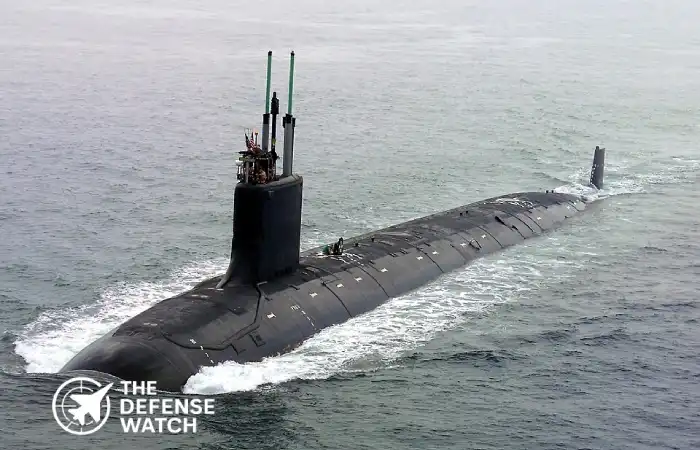
The British submarine project has come under renewed scrutiny after a House of Commons Defence Committee report warned that the UK’s role in the AUKUS partnership could be undermined by delays, industrial bottlenecks, and limited submarine availability. The findings center on the future SSN-AUKUS attack submarine program, which is set to replace Britain’s Astute-class fleet and also support Australia’s future force.
- UK lawmakers say the British submarine project faces serious risks tied to SSN-AUKUS delivery.
- Delays at Barrow shipyard upgrades could damage UK national security and AUKUS credibility.
- Royal Navy Astute-class submarines are reportedly stretched to, or beyond, operational limits.
- Lawmakers also warned workforce, housing, transport, and infrastructure shortages threaten output.
- Britain plans up to 12 future attack submarines under its wider defense strategy.
The committee said a program of AUKUS’ size cannot be treated as just another defense initiative competing for scarce resources. It urged stronger leadership from the prime minister and senior ministers to prevent the effort from drifting into bureaucratic delay.
Barrow Shipyard Delays Raise Strategic Concerns
At the center of the warning is the expansion of BAE Systems facilities at Barrow-in-Furness, where SSN-AUKUS boats are expected to be built.
Lawmakers said timely investment decisions have already slipped. They warned further setbacks could delay submarine delivery with serious consequences for UK security and confidence among AUKUS partners, including the United States and Australia.
This matters because submarine production cannot be surged quickly. Nuclear submarine programs depend on long-lead materials, specialist labor, reactor integration, and certified infrastructure. Even modest delays today can push schedules years to the right.
Royal Navy Fleet Under Operational Strain
The report also highlighted pressure on the Royal Navy’s current attack submarine fleet. Britain’s Astute-class boats are expected to sustain domestic deterrence support, NATO missions, and increasing AUKUS commitments in the Indo-Pacific.
Lawmakers said the fleet has been stretched to, or even beyond, its limits. They called for faster infrastructure improvements at Devonport and Clyde naval bases to improve maintenance throughput and submarine readiness.
That warning reflects a broader challenge facing many Western navies. Building new submarines is only part of the equation. Keeping existing boats available through timely refits often determines real combat power.
Why This Matters For AUKUS
The AUKUS submarine pathway relies on three linked pillars: British industrial capacity, American transfer of Virginia-class submarines to Australia, and long-term joint production of SSN-AUKUS.
If one partner falls behind, pressure increases across the entire system.
For Britain, delays could affect fleet recapitalization timelines and weaken confidence in its ability to deliver one of the alliance’s most complex defense projects. For Australia, schedule slips could complicate transition planning as Canberra prepares to field nuclear-powered submarines later this decade and beyond.
Britain Plans Larger Future Submarine Force
The committee noted that Britain’s wider defense planning includes a future fleet of up to 12 nuclear-powered attack submarines, a significant expansion from the current force. That ambition would require sustained workforce growth, infrastructure spending, and predictable procurement funding.
In practical terms, the warning is less about program collapse and more about execution risk. Nuclear submarine fleets are built over decades, not election cycles. Without steady investment, schedule discipline, and skilled labor, even wealthy nations struggle to maintain momentum.
Outlook
The report sends a clear signal that the British submarine project remains strategically vital, but vulnerable to delay. With maritime competition rising in both the Euro-Atlantic and Indo-Pacific, London now faces pressure to prove it can turn political commitments into delivered submarines.
Germany P-8A Poseidon Arrives In Scotland For NATO Patrol Mission
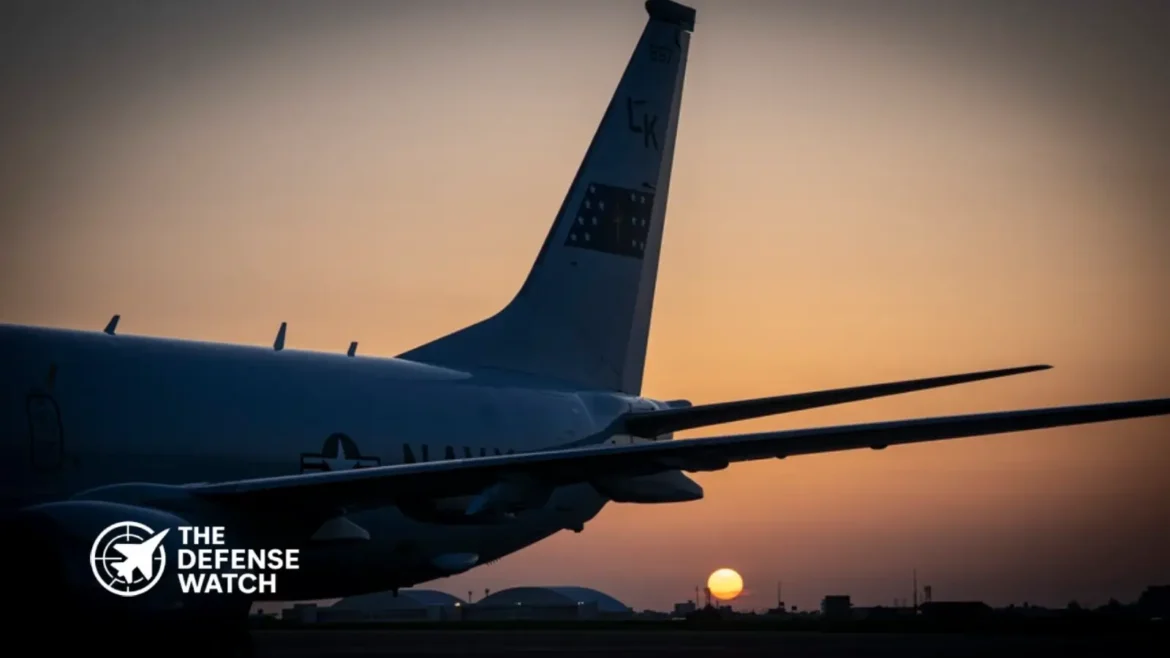
Germany P-8A Poseidon deployment to Scotland marks a notable step in Berlin’s expanding maritime security role inside NATO. Germany has sent one of its newly introduced Boeing P-8A Poseidon aircraft to Scotland to support operations aimed at tracking Russian submarine movements in the North Atlantic.
The deployment places German airpower in one of NATO’s most strategically sensitive maritime zones. Scotland hosts key Royal Air Force facilities and provides rapid access to northern waters where Russian submarines often transit between the Arctic, Norwegian Sea, and Atlantic approaches.
- Germany has deployed a P-8A Poseidon maritime patrol aircraft to Scotland for NATO surveillance operations.
- The mission is focused on monitoring increased Russian submarine activity in the North Atlantic and nearby sea lanes.
- Germany is acquiring eight Boeing P-8A Poseidon aircraft to replace its aging P-3C Orion fleet.
- Scotland remains a critical hub for anti-submarine warfare operations due to access to the GIUK gap.
- The deployment highlights deeper German integration into NATO maritime security operations.
For Germany, the mission also serves as an operational milestone for the P-8A fleet, which is gradually replacing the German Navy’s aging Lockheed P-3C Orion patrol aircraft.
Why Scotland Matters In Anti-Submarine Warfare
Scotland is central to NATO maritime defense because of its proximity to the Greenland-Iceland-United Kingdom corridor, commonly known as the GIUK gap. This chokepoint has long been vital for detecting and tracking submarines moving from Russian bases on the Kola Peninsula into the wider Atlantic.
By deploying the P-8A Poseidon there, Germany joins the United States, United Kingdom, Norway, and other allies already operating advanced maritime patrol aircraft in the region.
This matters because Russian submarine operations have grown more active in recent years. NATO commanders have repeatedly warned that quieter submarines armed with cruise missiles pose a serious challenge to sea lines of communication and allied naval movements.
What The P-8A Poseidon Brings
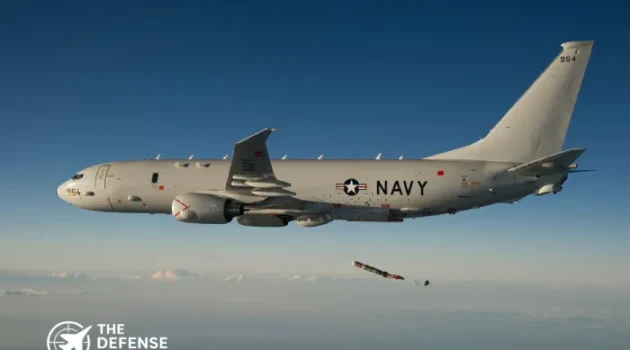
The P-8A Poseidon is one of the most capable maritime patrol aircraft in service today. Built by Boeing and based on the 737 airframe, it combines long endurance with modern sensors and networked warfare systems.
Core capabilities include:
- Advanced surface search radar
- Sonobuoy deployment for submarine detection
- Electronic surveillance systems
- Secure data links for NATO interoperability
- Anti-ship and anti-submarine weapons compatibility
- Long-range patrol endurance
Germany selected the aircraft to quickly close a capability gap after delays in broader European maritime patrol programs. That decision gave Berlin an immediate, proven platform already used by the United States Navy, Royal Air Force, Royal Norwegian Air Force, and others.
Strategic Signal From Berlin
The Germany P-8A Poseidon deployment is more than a routine training event. It signals that Berlin is taking a larger operational role in collective defense missions beyond continental land forces.
Historically, Germany’s naval aviation footprint has been more limited than some NATO peers. Sending a frontline maritime patrol aircraft to Scotland demonstrates willingness to contribute directly to undersea surveillance, an area increasingly important as Russia modernizes its submarine fleet.
It also strengthens burden-sharing inside the alliance. With multiple NATO members now flying the same aircraft type, crews can exchange tactics, maintenance support, and mission data more efficiently.
Russian Submarine Activity Remains A NATO Priority
Russian submarines remain among Moscow’s most survivable strategic assets. Nuclear-powered attack submarines and cruise missile platforms can threaten carrier groups, logistics shipping, and coastal infrastructure.
That makes persistent tracking missions essential. Maritime patrol aircraft like the P-8A are often the first layer of detection, cueing frigates, destroyers, helicopters, and submarines to investigate contacts.
Germany’s participation broadens NATO’s surveillance coverage at a time when alliance forces are stretched across the Baltic, Black Sea, Arctic, and Atlantic theaters.
Outlook
As Germany receives additional Poseidon aircraft, similar forward deployments are likely to become more common. The fleet gives Berlin a faster route into high-end maritime operations while improving NATO readiness.
For alliance planners, the arrival of another P-8A operator in Scotland means more aircraft available to monitor contested waters and respond quickly to submarine activity.