

Executive Summary:
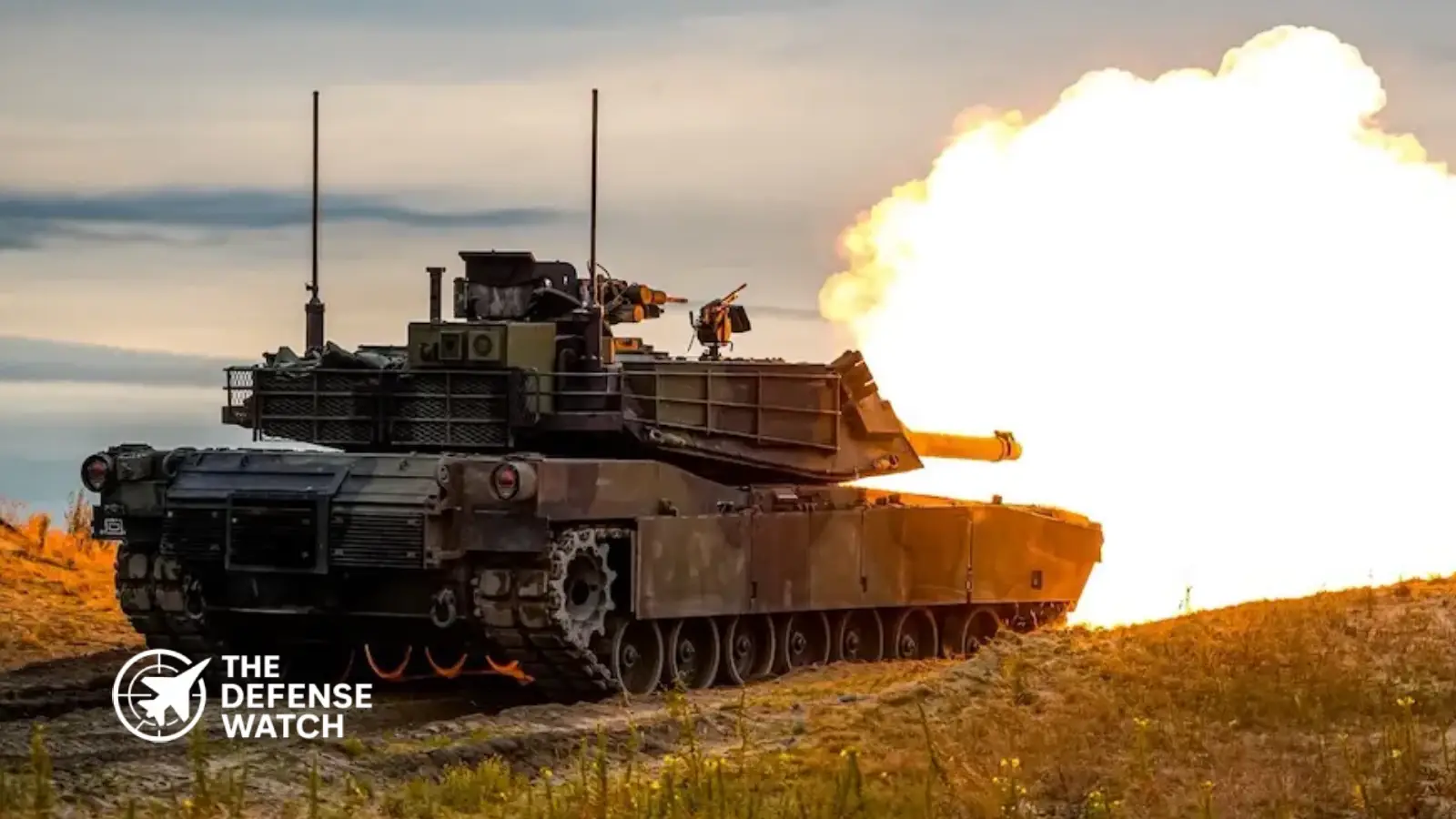
Honeywell and a local Polish defense industry partner will establish a new AGT1500 engine maintenance center in Poland to support the country’s M1 Abrams tank fleet. The move is designed to improve operational readiness, reduce sustainment timelines, and strengthen NATO-aligned armored capabilities on Europe’s eastern flank.
Honeywell Expands Abrams Tank Support Infrastructure In Poland
The AGT1500 engine maintenance center in Poland marks another major step in Warsaw’s long term effort to sustain and modernize its armored forces around the American-made M1 Abrams platform.
Honeywell announced it will partner with a local Polish company to establish maintenance, repair, and overhaul capabilities for the AGT1500 gas turbine engine that powers the Abrams main battle tank. The facility will support Poland’s growing fleet of M1A1 Abrams and newer M1A2 SEPv3 variants acquired from the United States.
The development comes as Poland rapidly expands its defense spending and military modernization programs amid heightened security concerns across Eastern Europe following Russia’s invasion of Ukraine.
According to Honeywell, the new maintenance center is expected to improve fleet readiness while reducing dependence on overseas engine servicing. Localized sustainment infrastructure is increasingly viewed as essential for NATO frontline states operating advanced Western combat systems.
Strategic Importance Of The AGT1500 Engine Maintenance Center
The AGT1500 engine maintenance center is strategically important because the Abrams platform relies on a highly specialized turbine propulsion system that differs significantly from conventional diesel-powered tanks used across Europe.
The AGT1500 gas turbine engine delivers high acceleration and operational mobility for the Abrams platform, but it also requires advanced maintenance expertise and dedicated logistics support. Establishing this capability inside Poland could significantly shorten repair cycles and reduce operational downtime for frontline armored units.
Poland has become one of the largest international Abrams operators after signing multiple procurement agreements with the United States. Warsaw ordered 250 M1A2 SEPv3 Abrams tanks in 2022 and later acquired 116 refurbished M1A1 Abrams tanks as an interim capability enhancement.
These acquisitions are part of a broader Polish defense modernization strategy focused on deterring potential aggression along NATO’s eastern flank.
The establishment of local sustainment infrastructure also aligns with wider NATO goals emphasizing readiness, interoperability, and regional industrial resilience.
Poland’s Expanding Role In NATO Armored Defense
Poland is rapidly emerging as one of NATO’s leading land warfare powers in Europe.
In addition to the Abrams fleet, Poland is procuring South Korean K2 Black Panther tanks, K9 self-propelled howitzers, HIMARS rocket artillery systems, Patriot air defense batteries, and F-35 fighter aircraft. The country has also significantly increased defense spending, targeting expenditures above NATO’s 2% GDP benchmark.
The addition of an AGT1500 engine maintenance center supports this broader force expansion by ensuring long term sustainment capacity for high-end armored systems.
Military analysts increasingly note that sustainment and logistics infrastructure are becoming just as critical as procurement itself. Modern armored warfare places heavy demands on maintenance networks, spare parts availability, and industrial support chains.
By developing domestic maintenance capability, Poland reduces potential vulnerabilities tied to international transport delays or external repair bottlenecks during periods of crisis or conflict.
Honeywell Strengthens European Defense Sustainment Presence
For Honeywell, the agreement further expands the company’s role in European defense sustainment operations.
The AGT1500 engine has powered Abrams tanks for decades and remains one of the most recognizable turbine propulsion systems in armored warfare. Honeywell has continued upgrading and supporting the engine as Abrams fleets remain operational across the U.S. Army and allied nations.
The company has increasingly focused on localized defense partnerships in Europe as NATO members accelerate rearmament and modernization efforts.
Defense industrial cooperation between American firms and European partners has expanded sharply since 2022, particularly in areas involving maintenance, munitions production, and sustainment infrastructure.
The new Polish facility may also position the country as a future regional maintenance hub for Abrams operators in Central and Eastern Europe if additional allied fleets emerge in the region.
Operational Readiness And Long Term Sustainment
The AGT1500 engine maintenance center could provide Poland with greater operational independence while improving long term fleet availability.
Abrams tanks are among the most capable armored combat systems in NATO service, but sustaining advanced platforms requires specialized technical support and trained personnel. Building domestic expertise around turbine engine maintenance represents an important capability multiplier for the Polish Armed Forces.
The initiative also reflects broader lessons from the war in Ukraine, where logistics, sustainment, and repair capacity have proven decisive factors in maintaining combat effectiveness over prolonged operations.
As NATO members continue modernizing their armored formations, localized maintenance infrastructure is likely to become an increasingly important element of alliance defense planning.


Executive Summary:
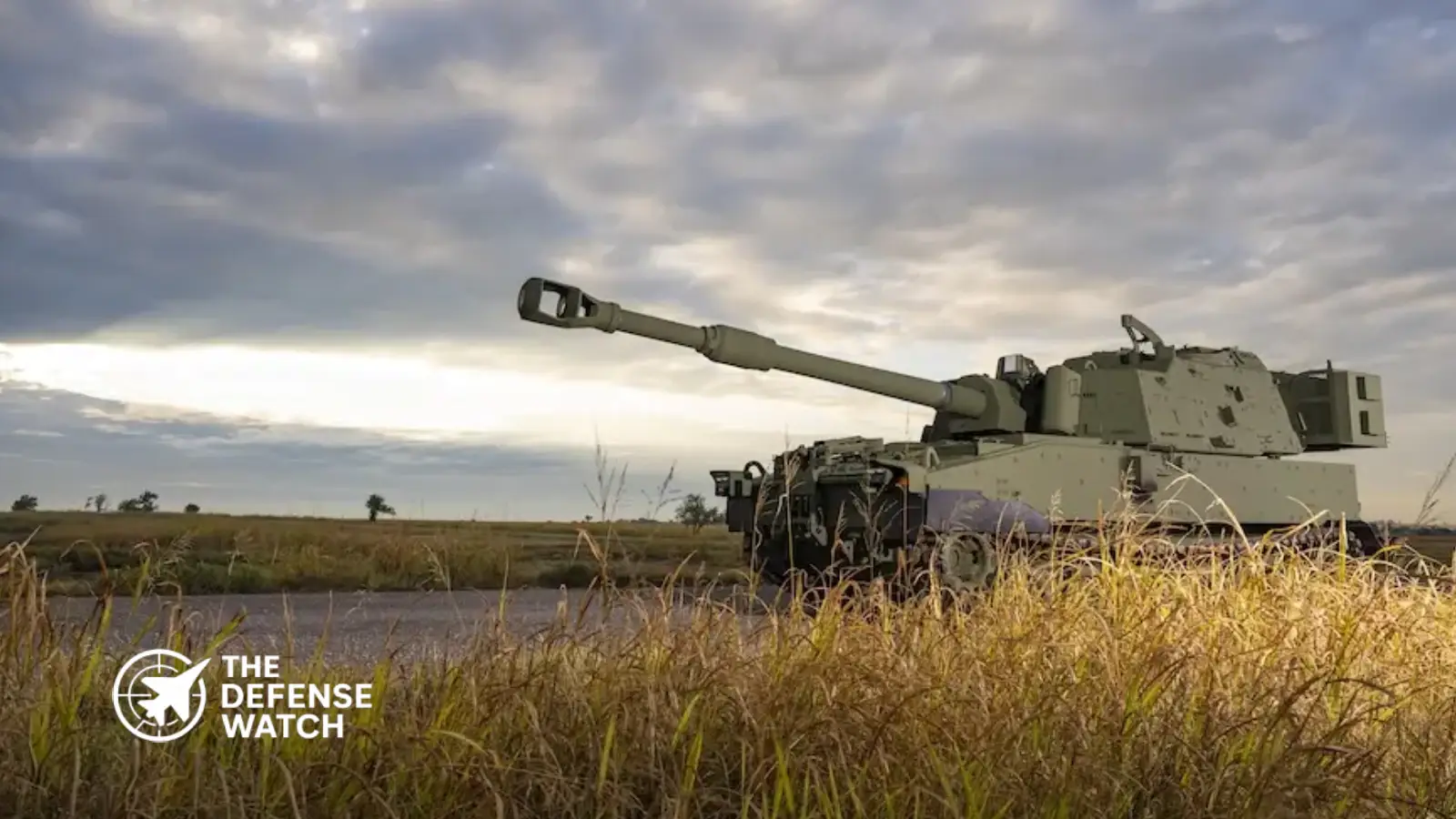
BAE Systems has received a $535.6 million contract from the U.S. Army for additional M109A7 self-propelled howitzers and related support vehicles. The award supports ongoing artillery modernization efforts aimed at improving battlefield survivability, mobility, and operational readiness for U.S. armored brigade combat teams.
The M109A7 Paladin remains central to the U.S. Army’s long-term artillery modernization strategy, and the latest contract awarded to BAE Systems reinforces that priority. The new $535.6 million award covers the production of additional M109A7 self-propelled howitzers and accompanying field artillery ammunition support vehicles.
According to the contract announcement, the agreement was issued by the U.S. Army as part of its continuing effort to modernize armored combat formations with improved fire support capabilities. The work will be performed at multiple facilities in the United States, with completion expected over the coming years.
The M109A7 program represents the latest evolution of the long-serving Paladin artillery system, integrating upgraded chassis components, improved survivability features, enhanced electrical power generation, and digital networking systems designed to support modern battlefield operations.
U.S. Army Continues Artillery Modernization Push
The latest procurement highlights the Army’s continuing emphasis on maintaining mobile and survivable indirect fire systems capable of supporting high-intensity combat operations.
The M109A7 platform is designed to replace older M109A6 Paladin systems while improving commonality with the M2 Bradley family of armored vehicles. By leveraging Bradley-derived chassis and powertrain components, the Army aims to simplify logistics, reduce sustainment burdens, and improve operational readiness across armored formations.
The M109A7 also introduces upgraded onboard power systems capable of supporting future electronic warfare, communications, and targeting technologies. Defense planners increasingly view power generation and digital integration as critical requirements for modern combat platforms operating in contested environments.
The accompanying ammunition support vehicle, known as the M992A3 Carrier Ammunition Tracked vehicle, is intended to improve resupply efficiency and maintain operational tempo during sustained artillery operations.
Strategic Importance Of Mobile Artillery Systems
The contract comes amid growing global focus on conventional artillery capabilities following lessons observed in recent conflicts, particularly in Europe and the Middle East. Military planners worldwide have increasingly emphasized the importance of long-range fires, survivable artillery platforms, and rapid ammunition resupply capabilities.
Self-propelled artillery systems such as the M109A7 provide armored maneuver units with protected indirect fire support while retaining the mobility needed to reposition quickly after firing missions. That capability has become increasingly important as counter-battery radar systems, drones, and precision-guided munitions continue to evolve.
Compared with towed artillery, tracked self-propelled systems offer greater survivability in high-threat environments and can operate alongside armored formations during fast-moving combat operations. The Army’s investment in upgraded Paladin systems reflects broader NATO interest in strengthening conventional deterrence capabilities.
The M109A7 is not a completely new platform, but rather a substantial modernization effort intended to extend operational relevance while the Army evaluates future long-range artillery concepts.
Production And Industrial Base Impact
For BAE Systems, the award strengthens its position as a major supplier of armored combat systems for the U.S. military. The company has remained deeply involved in tracked combat vehicle production, sustainment, and modernization programs for decades.
The contract also supports the broader U.S. defense industrial base, particularly in armored vehicle manufacturing and artillery system production. Maintaining active production lines is increasingly viewed as strategically important as Western governments seek to replenish inventories and sustain long-term defense readiness.
Industry analysts have noted that steady procurement contracts allow manufacturers to preserve skilled labor, maintain supplier networks, and reduce production disruptions that can occur when major programs experience gaps in funding or procurement schedules.
The Army’s continued investment in the M109A7 may also help sustain future modernization pathways involving advanced fire control systems, automation technologies, and precision-guided artillery integration.
Operational Role In Future Conflicts
The M109A7 self-propelled howitzer is expected to remain a key component of U.S. armored brigade combat teams for years to come. Its modernization package aims to ensure compatibility with evolving battlefield command networks and future sensor-to-shooter systems.
Although newer long-range artillery programs continue to receive attention, conventional tracked howitzers remain essential for sustained combat operations requiring responsive and mobile fire support.
The Army’s broader modernization strategy increasingly focuses on balancing next-generation technologies with upgrades to proven legacy systems that can continue delivering operational value at scale. The M109A7 program reflects that approach by combining existing combat experience with targeted technological improvements.
As global military competition intensifies, artillery modernization programs are expected to remain a major priority across NATO and allied armed forces.
Executive Summary:
Saab has secured a SEK 460 million contract from Lithuania for Carl-Gustaf M4 weapons and training systems, with deliveries running through 2029. The deal strengthens Lithuania’s infantry modernization efforts while deepening long-term defense cooperation between Vilnius and the Swedish defense company.
Saab Carl-Gustaf M4 Order Strengthens Lithuania’s Infantry Capabilities
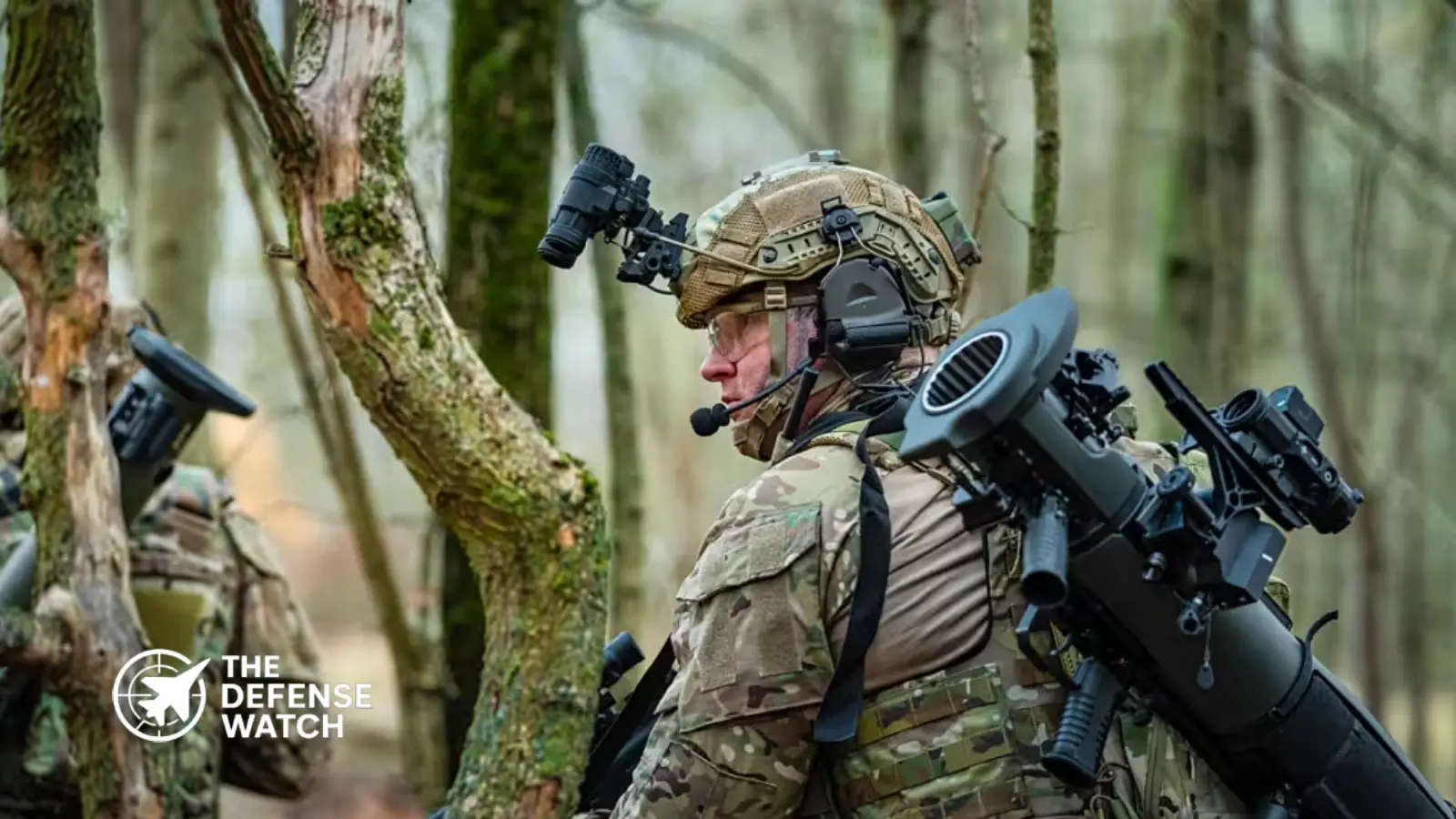
Saab has received a new order from Lithuania for the Carl-Gustaf M4 recoilless rifle system and associated training equipment, marking another step in the Baltic nation’s ongoing military modernization program.
The contract is valued at approximately SEK 460 million, or roughly $48 million, with deliveries scheduled between 2026 and 2029. The agreement forms part of a broader ten-year framework contract between Saab and Lithuania that could reach a total value of SEK 640 million if additional options are exercised.
The order includes Carl-Gustaf M4 weapon systems, sub-calibre adapters for training ammunition, and Carl-Gustaf Outdoor Trainers designed to improve combat readiness and live-fire preparation.
According to Saab, the agreement also incorporates cooperation with Lithuania’s domestic defense industry in line with national industrial participation regulations.
Long-Term Defense Cooperation Expands
The latest procurement reflects Lithuania’s sustained investment in land warfare capabilities amid continued security concerns across Eastern Europe and the Baltic region.
Lithuania has accelerated defense spending in recent years, prioritizing anti-armor systems, air defense, armored mobility, and infantry modernization. The Saab Carl-Gustaf M4 order aligns with NATO efforts to improve frontline readiness and strengthen deterrence capabilities near the alliance’s eastern flank.
In a statement, Görgen Johansson, head of Saab’s Dynamics business area, said the company remains committed to supporting Lithuanian forces with advanced battlefield capabilities and training systems.
The Carl-Gustaf platform has become widely adopted across NATO and allied militaries because of its modular design, portability, and multi-role flexibility. The system is capable of engaging armored vehicles, structures, and enemy personnel using a broad family of ammunition types.
Carl-Gustaf M4 Continues Global Expansion
The Carl-Gustaf M4 is the latest generation of Saab’s shoulder-fired recoilless rifle family. Compared with earlier variants, the M4 introduces a lighter design, improved ergonomics, digital compatibility, and enhanced integration with modern battlefield systems.
Weighing less than previous versions, the weapon is intended to improve mobility for dismounted infantry units operating in urban environments and contested terrain.
The Carl-Gustaf system remains in service with numerous NATO members and partner nations, including the United States, United Kingdom, Poland, and Sweden.
Its growing adoption reflects a broader trend among Western militaries toward portable, highly flexible infantry weapons capable of countering armored threats without relying exclusively on heavier anti-tank missile systems.
The Saab Carl-Gustaf M4 order also highlights the increasing importance of integrated training ecosystems alongside frontline weapon procurement. Modern military buyers are placing greater emphasis on simulation systems and realistic field training to improve readiness while reducing ammunition costs and safety risks.
Training Systems Included In The Agreement
A key aspect of the Lithuanian agreement is the inclusion of advanced training solutions.
The Carl-Gustaf Outdoor Trainer enables soldiers to rehearse tactical engagements and firing procedures in realistic operational conditions without requiring full live-fire exercises. Sub-calibre adapters further allow lower-cost training using reduced-caliber ammunition while maintaining operational familiarity with the launcher.
This integrated training approach helps units sustain proficiency levels while minimizing wear on operational weapons and reducing logistical burdens.
The focus on readiness is particularly important for smaller frontline NATO states that require highly capable reserve and active-duty forces able to mobilize quickly during regional crises.
Baltic Defense Spending Continues To Rise
Lithuania’s latest Saab procurement comes as Baltic nations continue expanding defense budgets and accelerating acquisitions of Western military equipment.
Regional governments have prioritized interoperability with NATO forces, modernization of legacy Soviet-era systems, and increased investment in domestic defense resilience.
The inclusion of Lithuanian defense industry cooperation in the agreement also reflects a wider European trend toward strengthening sovereign industrial participation and local sustainment capacity within major defense contracts.
For Saab, the Lithuanian agreement reinforces the company’s strong position in the European infantry weapons market at a time of rising demand for portable anti-armor and multi-role infantry systems.

Executive Summary:
The U.S. Army has awarded Northrop Grumman a $325.5 million contract to develop the RangeHawk universal payload architecture prototype, a high-altitude airborne test resource intended to support hypersonic weapons and advanced systems testing.
Managed by Army Contracting Command in Orlando, the effort aims to improve the speed, flexibility, and survivability of airborne test data collection for next-generation high-speed systems.
The contract awarded to Northrop Grumman reflects the Pentagon’s growing emphasis on agile airborne test infrastructure capable of supporting the rapid development cycle of hypersonic weapons, advanced sensors, and long-range strike systems. As the United States accelerates efforts to counter Chinese and Russian advances in hypersonic glide vehicles and maneuverable missiles, the Department of Defense has increasingly identified testing bottlenecks as a major obstacle to fielding operational systems at scale.
RangeHawk appears positioned to address a critical capability gap within the U.S. test enterprise. Traditional fixed-range telemetry assets and manned chase aircraft often struggle to support modern hypersonic testing due to extreme speeds, long flight trajectories, and the requirement for resilient real-time data collection. By creating a high-altitude long-endurance airborne node with a universal payload architecture, the Army intends to establish a modular airborne platform capable of integrating multiple sensor packages, telemetry systems, and tracking technologies without requiring extensive redesign for each test event.
The “universal payload architecture” concept is particularly significant. Modular open systems approaches have become central to Pentagon acquisition strategy because they allow rapid insertion of new sensors, communication systems, electronic warfare suites, and instrumentation packages while reducing vendor lock-in. In practical terms, RangeHawk could function as a reusable airborne test bed adaptable for future hypersonic glide vehicle trials, missile defense tracking experiments, electronic warfare payload validation, and multi-domain battlefield networking demonstrations.
The contract structure also provides insight into the program’s developmental maturity. The Army selected a cost-plus-fixed-fee arrangement, commonly used for high-risk research and development efforts where technical requirements may evolve during execution. Under this model, the government reimburses allowable development costs while providing Northrop Grumman a fixed profit fee. Such contracts are typically used when program uncertainty remains high, especially in prototype development efforts involving advanced aerospace integration and experimental technologies.
Northrop Grumman’s selection aligns with the company’s expanding role across the U.S. hypersonic ecosystem. The firm already supports multiple classified and unclassified programs involving missile tracking, advanced sensors, propulsion integration, and strategic strike systems. Its expertise in high-altitude unmanned systems, airborne networking, and mission systems integration likely contributed to the award decision.
Contract Breakdown & Details
Program Scope
According to the U.S. Army contract announcement, the RangeHawk program will include:
- Prototype development of the airborne test architecture
- Air vehicle modification for high-altitude mission operations
- Sensor integration for advanced telemetry and data collection
- Logistics preparation supporting demonstration and validation phases
- Development of a high-altitude long-endurance airborne test resource
Key Contract Information
- Contract Value: $325,531,920
- Contract Type: Cost-plus-fixed-fee
- Award Recipient: Northrop Grumman
- Business Unit Location: San Diego, California
- Contracting Activity: Army Contracting Command, Orlando, Florida
- Contract Number: W900KK-26-C-A002
- Estimated Completion Date: May 14, 2031
Funding Breakdown
The Army obligated:
- $65,657,001 in Fiscal Year 2026 Research, Development, Test and Evaluation (RDT&E) funding at contract award
The funding profile indicates the effort remains primarily within the prototype and capability maturation phase rather than low-rate production or operational deployment.
Acquisition and Competition Details
- Solicitation Method: Internet-based competitive solicitation
- Number of Bids Received: One
Single-bid outcomes are relatively common in highly specialized aerospace development programs involving classified integration requirements, advanced telemetry architectures, and unique high-altitude operational expertise.
Strategic Importance for Hypersonic Development
The RangeHawk initiative emerges amid broader Pentagon concerns regarding the survivability and scalability of U.S. hypersonic testing infrastructure. Current hypersonic programs require increasingly sophisticated airborne instrumentation capable of tracking maneuvering vehicles traveling at speeds exceeding Mach 5 across vast operational distances.
Airborne telemetry platforms are becoming especially important because adversary anti-access and area-denial environments may eventually limit reliance on fixed ground instrumentation during operational testing or future combat scenarios. A modular airborne test architecture could also support distributed testing environments tied to Joint All-Domain Command and Control (JADC2) initiatives and future missile defense sensor networks.
The contract further underscores the Department of Defense’s shift toward adaptable test ecosystems that can evolve alongside rapidly changing threat environments. Rather than building single-purpose airborne assets, RangeHawk appears designed as a reusable airborne framework capable of supporting multiple advanced weapons and sensor programs over the coming decade.

Executive Summary:
The U.S. Army and NATO allies are integrating intelligence balloons with HIMARS rocket artillery operations to improve battlefield surveillance and targeting accuracy. The effort reflects a broader push toward low-cost, persistent ISR platforms that can support long-range precision fires in contested environments.
U.S. Army And NATO Integrate Intelligence Balloons With HIMARS Operations
The use of HIMARS intelligence balloons is becoming an increasingly important part of how the U.S. Army and NATO partners approach long-range battlefield targeting and surveillance.
Military forces are employing high-altitude balloons equipped with intelligence, surveillance, and reconnaissance (ISR) payloads to support targeting operations for the M142 HIMARS rocket artillery system.
The concept combines long-range precision strike systems with persistent aerial surveillance assets capable of operating at high altitude for extended periods. Military planners increasingly view such systems as a practical solution for maintaining situational awareness in contested areas where drones or traditional aircraft may face operational risks.
Why Intelligence Balloons Matter
Unlike satellites or large ISR aircraft, intelligence balloons offer relatively low operating costs and can remain airborne for long durations while carrying electro-optical sensors, communications relay packages, and electronic intelligence systems.
For NATO operations, this creates a layered reconnaissance architecture that can support artillery targeting, force tracking, and battlefield coordination across wide operational areas.
The renewed interest in balloon-based ISR also reflects lessons learned from the war in Ukraine, where both Russian and Ukrainian forces have relied heavily on persistent surveillance and rapid target acquisition to direct artillery strikes.
Military analysts note that long-range fires are increasingly dependent on real-time targeting networks. Precision systems such as HIMARS require accurate and survivable ISR links to maintain effectiveness against mobile or time-sensitive targets.
HIMARS Continues To Shape NATO Firepower Strategy
The M142 HIMARS has become one of the most prominent artillery systems in NATO service due to its mobility, precision, and combat performance.
Developed by Lockheed Martin, HIMARS can launch guided rockets and tactical missiles against targets at significant ranges while rapidly relocating to avoid counterbattery fire.
The system gained global attention following its operational use in Ukraine, where long-range strikes against logistics hubs, command centers, and ammunition depots demonstrated the strategic impact of precision artillery.
NATO members are now investing heavily in long-range fires modernization programs. Several European states have either acquired HIMARS or announced plans to expand rocket artillery inventories amid growing security concerns tied to Russia’s military posture.
By integrating intelligence balloons into this ecosystem, NATO forces aim to improve targeting resilience while reducing dependence on vulnerable or high-cost ISR platforms.
Low-Cost ISR Gains Strategic Importance
The use of intelligence balloons is part of a wider trend across modern militaries toward distributed and survivable ISR systems.
High-altitude balloons can provide communications relay support in degraded environments, extend sensor coverage, and help maintain targeting data flows during electronic warfare conditions. In some operational scenarios, they may also supplement satellite coverage or support GPS-denied operations.
This approach aligns with broader U.S. Army modernization priorities focused on multi-domain operations, resilient command networks, and long-range precision fires.
The Army has previously explored various high-altitude ISR concepts through experimentation programs involving autonomous balloons, mesh communication systems, and near-space reconnaissance technologies.
Military planners increasingly recognize that future conflicts may involve heavy electronic warfare, anti-satellite threats, and contested airspace. Under such conditions, lower-cost and more expendable ISR assets could provide operational advantages.
NATO Focuses On Integrated Battlefield Networks
The integration of surveillance balloons with HIMARS also highlights NATO’s broader effort to improve sensor-to-shooter connectivity.
Modern battlefield doctrine increasingly depends on rapidly transferring targeting data between reconnaissance assets and strike systems. Faster targeting cycles can significantly improve effectiveness against mobile missile launchers, armored formations, and air defense systems.
The U.S. Army and NATO allies are therefore investing in networked warfare concepts that combine satellites, drones, aircraft, ground sensors, and emerging ISR platforms into unified targeting architectures.
In this environment, intelligence balloons may serve as an additional layer within a distributed battlefield network designed to maintain operational awareness even under contested conditions.
While balloons are not a replacement for drones or satellites, their persistence and low cost make them attractive for specific operational roles, particularly in support of artillery and long-range missile forces.
Strategic Implications For Future Warfare
The growing use of HIMARS intelligence balloons reflects how modern military operations increasingly rely on integrated sensing and precision strike capabilities rather than standalone weapons systems.
Long-range fires are now closely tied to ISR survivability, electronic warfare resilience, and rapid data-sharing networks. As NATO adapts to evolving battlefield requirements, low-cost surveillance systems are likely to play a larger supporting role alongside advanced missile and artillery platforms.
The development also underscores how relatively simple technologies can still provide operational value when integrated into modern digital battlefield architectures.


Executive Summary
UAE defense conglomerate EDGE Group has agreed to acquire an 80% stake in Italian defense company CMD, marking a major step in its European expansion strategy. The deal strengthens EDGE’s access to advanced aerial countermeasure technologies and expands its industrial footprint inside Europe amid rising regional defense spending.
EDGE CMD Acquisition Signals Broader European Defense Push
The EDGE CMD acquisition marks another significant move by the UAE defense industry into Europe’s growing defense industrial base. Abu Dhabi based EDGE Group announced plans to acquire an 80% stake in Italian defense firm CMD, a company known for airborne countermeasure systems and defense technologies used across NATO aligned platforms.
The transaction reflects EDGE’s broader effort to increase its international manufacturing reach and gain access to advanced European defense technologies as global defense spending continues to rise. CMD’s existing role in electronic warfare support systems and aerial survivability products gives EDGE a stronger foothold in a market increasingly focused on integrated air defense and survivability solutions.
The acquisition also aligns with a wider trend of Middle Eastern defense firms investing in European defense companies to secure technology access, supply chain integration, and export opportunities.
CMD’s Role In European Defense Manufacturing
Founded in Italy, CMD specializes in airborne countermeasure systems, including chaff and flare dispensing technologies designed to protect military aircraft from missile threats. Its systems are integrated on multiple rotary and fixed wing aircraft platforms operated by European and allied armed forces.
The company has established relationships across NATO defense programs and European aerospace supply chains. That industrial access likely played a central role in EDGE’s interest.
By taking a majority stake, EDGE gains not only production capability but also direct access to European certification standards, engineering expertise, and defense procurement channels. In practical terms, this could help the UAE group compete more aggressively in export markets where European industrial partnerships carry significant strategic value.
The deal may also support future collaboration in electronic warfare, aircraft survivability systems, and smart munitions integration.
Why The Acquisition Matters Now
The timing of the EDGE CMD acquisition is notable. European governments have sharply increased defense budgets following continued instability in Eastern Europe, Middle East security concerns, and renewed focus on military readiness.
Defense manufacturers across Europe are facing growing demand for missile defense systems, airborne survivability equipment, and electronic warfare capabilities. Aircraft operating in contested airspace increasingly require advanced countermeasure systems capable of defeating modern infrared and radar guided threats.
EDGE appears to be positioning itself to benefit from that long term demand cycle.
The UAE defense sector has expanded rapidly over the last several years through consolidation, technology investment, and international partnerships. EDGE has pursued a strategy centered on acquiring advanced manufacturing capabilities while building domestic expertise in missiles, unmanned systems, cyber technologies, naval systems, and precision weapons.
This acquisition extends that strategy into Europe more directly.
Strategic Implications For The UAE Defense Industry
The transaction highlights how Gulf defense companies are becoming increasingly active participants in the global defense industrial market rather than remaining primarily importers of military equipment.
For the UAE, expanding industrial partnerships in Europe serves several objectives:
- Greater access to advanced technologies
- Expanded export pathways
- Improved industrial resilience
- Closer integration with Western defense supply chains
- Enhanced research and development opportunities
EDGE’s growing international profile also reflects intensifying competition among emerging defense manufacturers seeking influence in global procurement markets traditionally dominated by U.S. and European primes.
At the same time, the acquisition underscores how smaller specialized firms such as CMD remain strategically important because of their niche expertise in survivability technologies and electronic warfare support systems.
Countermeasure Technologies Becoming Increasingly Critical
Modern air combat environments have increased the importance of aircraft survivability technologies. Rotary wing aircraft, transport fleets, and combat aircraft face evolving threats from portable air defense systems, radar guided missiles, and integrated air defense networks.
Countermeasure systems such as those produced by CMD play a critical role in reducing aircraft vulnerability during combat and support operations.
As drone warfare and precision guided missile proliferation continue expanding globally, demand for defensive airborne technologies is expected to remain strong. That market environment makes companies specializing in defensive electronic systems increasingly valuable acquisition targets.
EDGE’s investment suggests the company sees long term growth opportunities in this segment, particularly as allied militaries prioritize survivability upgrades across existing fleets.
Broader Defense Industry Consolidation Trend
The acquisition also reflects a larger consolidation trend underway across the global defense sector. Governments are increasingly encouraging industrial partnerships capable of accelerating production capacity, reducing supply chain risks, and supporting sovereign manufacturing goals.
European defense firms have become attractive targets for international investors because of their established engineering expertise, export credibility, and integration into NATO aligned defense ecosystems.
For EDGE, acquiring CMD offers a relatively fast pathway into these networks without having to build entirely new infrastructure from scratch.
The deal could potentially lead to expanded joint development programs, broader export cooperation, and additional investments in European defense manufacturing in the coming years.
Executive Summary:
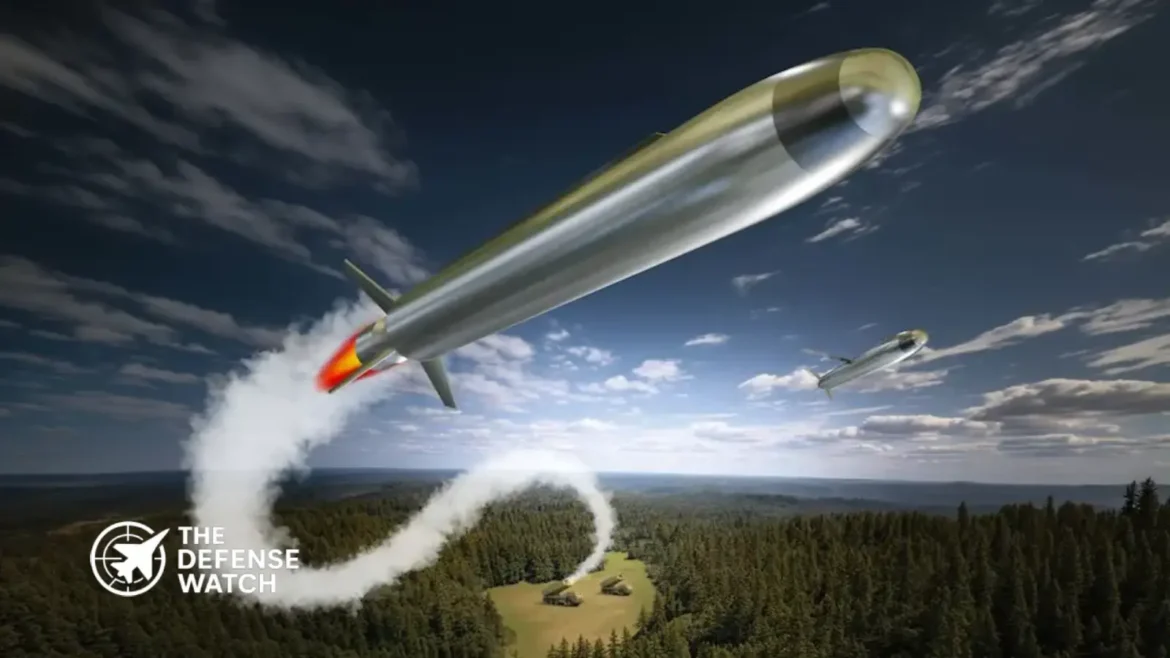
Leidos will manufacture 3,000 low-cost containerized cruise missiles under an agreement with the U.S. Department of Defense. The program aims to expand affordable long-range strike capacity while supporting distributed and rapidly deployable missile operations.
Leidos Containerized Cruise Missiles Expand U.S. Strike Capacity
The new Leidos containerized cruise missiles program marks another step in the Pentagon’s push to field larger numbers of affordable precision weapons for future high-intensity conflicts. The agreement calls for the production of approximately 3,000 low-cost cruise missiles designed for containerized launch operations.
The effort reflects a broader U.S. military modernization strategy focused on survivability, scalability, and distributed strike operations. Containerized missile systems can be transported using standard shipping infrastructure, enabling more flexible deployment options across land and maritime environments.
The U.S. Department of Defense has increasingly emphasized the need for mass-produced precision munitions capable of supporting prolonged operations in contested regions, particularly in the Indo-Pacific theater. Defense planners have warned that current missile inventories may be insufficient during a large-scale peer conflict.
Focus On Affordable Mass Production
Unlike traditional high-cost cruise missile programs, the Leidos containerized cruise missiles initiative appears designed around affordability and production scale. That approach aligns with current Pentagon priorities aimed at increasing munition stockpiles without relying exclusively on expensive legacy systems.
The low-cost missile concept also supports the U.S. military’s growing emphasis on attritable weapons. These systems are intended to be affordable enough for large-scale operational use while still delivering precision strike capability.
Containerized launchers provide additional operational advantages. By using commercial-style containers, missile systems can be rapidly repositioned, concealed, or dispersed across wider operational areas. Military analysts have increasingly linked such concepts to distributed maritime operations and expeditionary warfare strategies.
The agreement also highlights continuing industry demand for scalable manufacturing capacity. The U.S. defense industrial base has faced pressure to accelerate missile production following rising global tensions and continued military aid commitments overseas.
Strategic Relevance In The Indo-Pacific
The Leidos containerized cruise missiles program comes amid heightened U.S. concern over long-range strike competition in the Indo-Pacific region. The Pentagon has repeatedly identified the need for survivable and dispersed missile systems capable of operating inside contested environments.
Containerized systems may complicate enemy targeting by reducing reliance on fixed launch infrastructure. This concept aligns with evolving U.S. operational doctrines focused on mobility and distributed force structures.
Military planners are increasingly prioritizing systems that can be deployed across islands, forward operating bases, or support vessels with limited infrastructure requirements. The ability to rapidly field missile launch capability using containerized systems could provide operational flexibility during regional contingencies.
The production scale of 3,000 missiles also suggests the Pentagon is placing greater emphasis on sustained combat capacity rather than smaller inventories of highly specialized weapons. Analysts have noted that future conflicts may require significantly larger munition stockpiles than previously anticipated.
Defense Industry Implications
For Leidos, the agreement strengthens the company’s role in emerging precision strike and advanced weapons programs. Traditionally known for defense electronics, integration, and technology services, the company has continued expanding into advanced military systems and next-generation defense solutions.
The agreement may also reinforce broader Pentagon efforts to diversify missile suppliers and reduce dependence on a limited number of major prime contractors. Expanding industrial participation is viewed as a critical step toward increasing resilience across the U.S. defense manufacturing sector.
The missile production effort follows a wider trend across the defense industry involving low-cost strike systems, autonomous weapons, and distributed launch concepts. Multiple U.S. and allied defense programs are currently exploring similar approaches to improve operational flexibility while lowering procurement costs.
Growing Demand For Distributed Strike Systems
The Leidos containerized cruise missiles initiative reflects changing assumptions about future warfare. Defense planners increasingly expect future conflicts to involve dispersed operations, contested logistics, and heavy demand for precision munitions.
As a result, military modernization programs are shifting toward systems that can be produced rapidly, deployed flexibly, and sustained at scale. Containerized missile systems fit within that evolving framework by combining mobility, concealment, and lower operational complexity.
The Pentagon has not publicly disclosed full technical specifications for the missiles covered under the agreement. However, the scale of the production plan underscores the growing strategic importance of affordable long-range precision strike systems in U.S. defense planning.
Executive Summary:
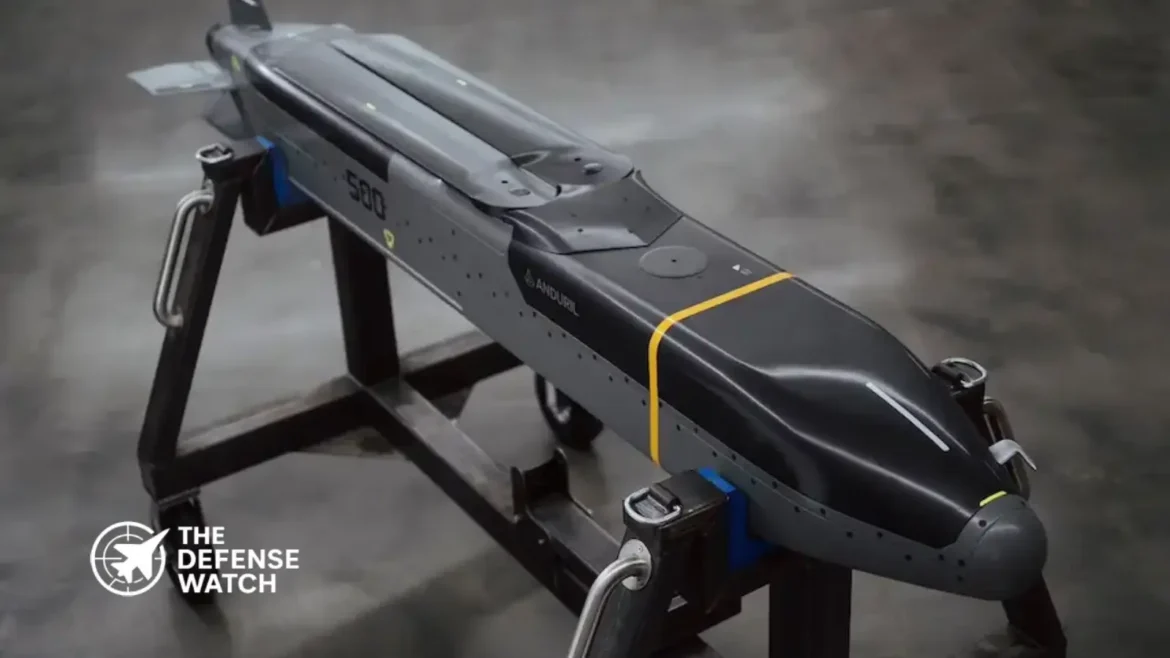
The U.S. Department of Defense and Anduril Industries have signed an agreement focused on scaling production of the Barracuda-500M cruise missile. The initiative supports Washington’s push for affordable, rapidly manufacturable precision weapons suited for high-intensity conflicts and Indo-Pacific deterrence operations.
U.S. Anduril Barracuda-500M Cruise Missile Program Expands
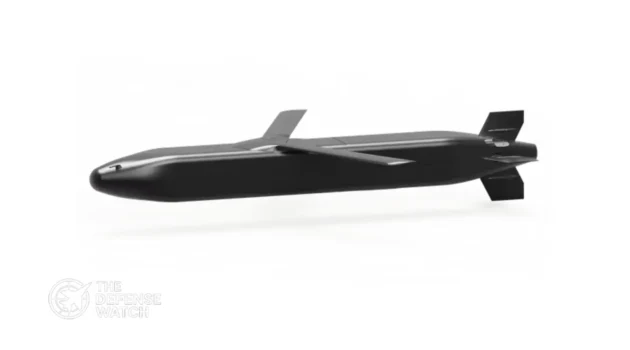
The Barracuda-500M cruise missile program is moving into a new phase after the U.S. government and Anduril Industries reached an agreement focused on mass production and industrial scaling.
The agreement is intended to accelerate production capacity for the Barracuda family of autonomous air vehicles and cruise missiles. The effort reflects broader Pentagon priorities aimed at building larger inventories of affordable precision-guided weapons that can be produced rapidly during wartime.
The Barracuda-500M cruise missile is part of Anduril’s growing portfolio of autonomous and AI-enabled military systems. The platform was designed around modular manufacturing concepts and lower-cost production methods compared with traditional cruise missile programs.
The latest agreement comes as the United States continues to reassess munitions stockpiles and industrial readiness following sustained global demand for precision weapons, particularly after conflicts in Ukraine and the Middle East exposed limitations in existing defense production capacity.
Focus On Affordable Mass Production
A major theme behind the Barracuda-500M cruise missile initiative is scalability.
U.S. defense planners increasingly argue that future conflicts, especially in the Indo-Pacific, may require large quantities of long-range precision weapons rather than limited inventories of expensive systems. That has placed new attention on cost-effective cruise missiles that can be manufactured quickly and in high numbers.
Anduril has positioned the Barracuda system as a response to that requirement. The company says the missile uses simplified manufacturing techniques, commercially derived components where possible, and software-driven architecture intended to reduce both cost and production timelines.
The Barracuda-500M cruise missile reportedly supports autonomous mission capabilities and can integrate with distributed operational concepts now emphasized by the U.S. military. These concepts include dispersed strike operations, networked targeting, and survivable long-range fires in contested environments.
While detailed specifications remain limited, the missile is understood to be designed for flexible deployment options and compatibility with multiple launch platforms.
Pentagon Pushes Defense Industrial Modernization
The agreement also highlights a wider Pentagon effort to modernize the U.S. defense industrial base.
Defense officials have repeatedly warned that current production models for advanced munitions may not sustain the pace required during a prolonged peer-level conflict. The Department of Defense has increasingly partnered with non-traditional defense technology firms to accelerate manufacturing innovation and software integration.
Anduril Industries has become one of the most visible examples of that strategy. Founded in 2017, the company has expanded rapidly across autonomous systems, surveillance technologies, air defense, unmanned platforms, and AI-enabled command systems.
The Barracuda-500M cruise missile program aligns with a broader shift toward attritable and lower-cost precision weapons. Rather than relying entirely on a smaller number of highly expensive cruise missiles, U.S. planners are exploring mixed-force structures that combine advanced premium systems with larger inventories of affordable weapons.
That approach is increasingly viewed as critical for maintaining operational endurance during large-scale conflicts where munitions consumption rates could exceed current stockpile assumptions.
Strategic Importance In The Indo-Pacific
The Barracuda-500M cruise missile could eventually support U.S. operational planning in the Indo-Pacific region, where long-range strike capability remains a core deterrence requirement.
The U.S. military has emphasized the need for survivable, distributed, and rapidly deployable strike systems capable of operating across wide maritime and island environments. Low-cost cruise missiles produced at scale could help address concerns over inventory depletion during sustained operations.
Analysts also note that production speed is becoming as strategically important as missile performance itself. Countries are increasingly measuring military readiness not only by technological sophistication but also by industrial resilience and replenishment capability.
The agreement with Anduril signals continued Pentagon interest in expanding partnerships with defense technology firms capable of shortening development cycles and increasing manufacturing flexibility.
Broader Implications For U.S. Defense Procurement
The Barracuda-500M cruise missile initiative reflects a broader procurement trend inside the U.S. defense sector.
Traditional acquisition timelines for advanced missile systems have often stretched across many years and involved high unit costs. Newer defense firms are attempting to compress those timelines through software-centric development, digital engineering, and commercially influenced manufacturing models.
If successful, the Barracuda program could influence future U.S. procurement strategies for cruise missiles, autonomous weapons, and precision strike systems.
The agreement may also strengthen Anduril’s position within the rapidly expanding market for autonomous defense technologies, an area receiving growing investment from the Pentagon and allied militaries.
Executive Summary:
Britain will procure 72 RCH 155 wheeled artillery systems under a nearly £1 billion ($1.35 billion) modernization program for the British Army. The move restores long range artillery capability after the UK transferred AS90 self propelled guns to Ukraine and deepens industrial defense cooperation with Germany.
Britain Orders 72 RCH 155 Artillery Systems For British Army
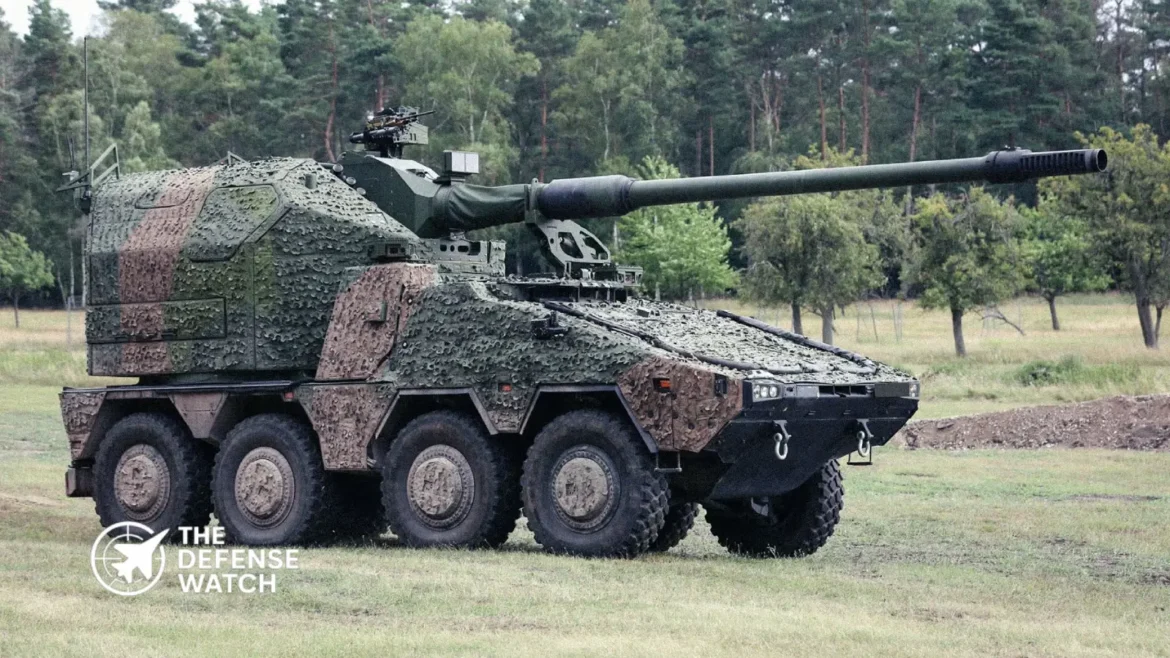
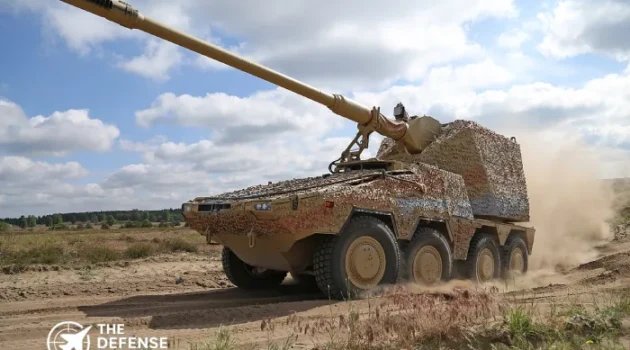
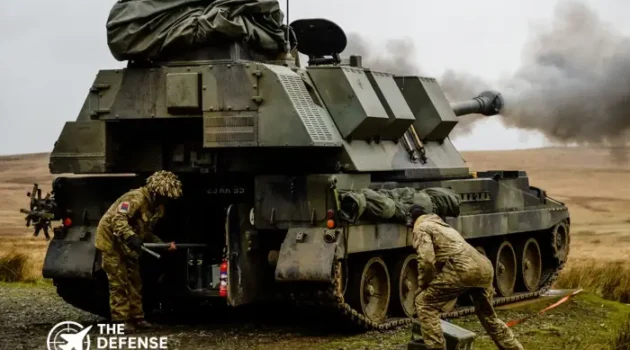
The British government has confirmed plans to acquire 72 RCH 155 remote controlled howitzers as part of a major British Army artillery modernization effort designed to restore long range firepower and improve battlefield mobility. The nearly £1 billion procurement program will replace the aging AS90 artillery fleet that Britain previously donated to Ukraine.
The contract was awarded through the Organisation for Joint Armament Cooperation (OCCAR) to ARTEC GmbH, a joint venture between Rheinmetall and KNDS. The RCH 155 system combines a remotely operated 155 mm artillery gun module with the Boxer 8×8 armored vehicle platform.
British Defence Secretary John Healey described the purchase as both a battlefield and industrial investment, with production expected to support more than 500 jobs across the United Kingdom.
Why The British Army Needs New Artillery
The procurement reflects growing concern inside NATO over artillery shortages and long range fires capability after more than two years of high intensity combat lessons from Ukraine.
Britain transferred much of its AS90 self propelled artillery inventory to Ukrainian forces, creating a significant capability gap in British Army heavy fires units. The RCH 155 acquisition is intended to close that gap while introducing a more survivable and mobile artillery platform.
The RCH 155 can reportedly fire targets up to 70 kilometers away, deliver eight rounds per minute, and move at speeds exceeding 100 km/h. Unlike older artillery systems that must stop before firing, the RCH 155 is designed to conduct rapid shoot and scoot operations that reduce exposure to counter battery fire.
The system also operates with a reduced crew because of its automated loading and fire control architecture. Analysts increasingly view automation and mobility as essential for survivability on modern battlefields dominated by drones, precision strike systems, and electronic surveillance.
UK Germany Defense Cooperation Expands
The program also highlights expanding UK Germany defense cooperation under the Trinity House Agreement, a bilateral framework intended to improve European defense integration and industrial collaboration.
Under the arrangement, Rheinmetall will manufacture major weapon system components at its Telford facility in England, while KNDS UK will produce Boxer chassis and engines in Stockport. British steel supplier Sheffield Forgemasters is also expected to contribute materials for the project.
The deal strengthens Britain’s effort to rebuild sovereign industrial capacity in large caliber artillery manufacturing, an area that many NATO countries reduced after the Cold War. The Ukraine conflict exposed how quickly ammunition stockpiles and artillery inventories can be depleted during prolonged conventional warfare.
The British government has increasingly emphasized domestic defense production as part of a broader rearmament strategy tied to rising tensions in Europe and concerns over long term deterrence against Russia.
Mobile Fires Platform Program Gains Momentum
The RCH 155 forms the centerpiece of the British Army’s Mobile Fires Platform program, which aims to replace legacy artillery systems with highly mobile, networked, and longer range platforms.
Britain had temporarily acquired Swedish Archer artillery systems as an interim solution after donating AS90 platforms to Ukraine. However, the RCH 155 is expected to become the Army’s enduring artillery capability through the 2030s.
First deliveries are expected in 2028, with British officials aiming to achieve an initial deployable capability before the end of the decade.
The procurement aligns with wider NATO efforts to rebuild artillery inventories and increase readiness levels following repeated warnings from military planners about ammunition shortages and insufficient heavy firepower capacity across Europe.
Strategic Implications For NATO
The British Army artillery modernization program carries significance beyond the UK itself. NATO planners increasingly see long range artillery as one of the alliance’s most critical battlefield requirements in any potential high intensity conflict.
Russia’s extensive use of artillery in Ukraine has reinforced the importance of deep fires, rapid targeting, and survivable mobile gun systems. European militaries are now accelerating procurement programs for self propelled artillery, rocket systems, and precision guided munitions.
For Britain, the RCH 155 purchase signals a shift toward rebuilding warfighting readiness after years of force reductions and underinvestment. It also demonstrates how European defense industrial cooperation is becoming more central to NATO modernization plans.
While Britain has pledged the largest defense spending increase since World War II, analysts note that many modernization programs still depend on sustained long term funding and faster procurement timelines.
Executive Summary:
Poland’s PGZ unveiled an export version of the Borsuk infantry fighting vehicle equipped with the Turra 30 turret during IDEB 2026 in Bratislava.
The move highlights Warsaw’s push to expand defense exports while offering NATO-aligned armies a modern amphibious tracked combat vehicle with modular weapon options.
PGZ Export Borsuk IFV Debuts At IDEB 2026
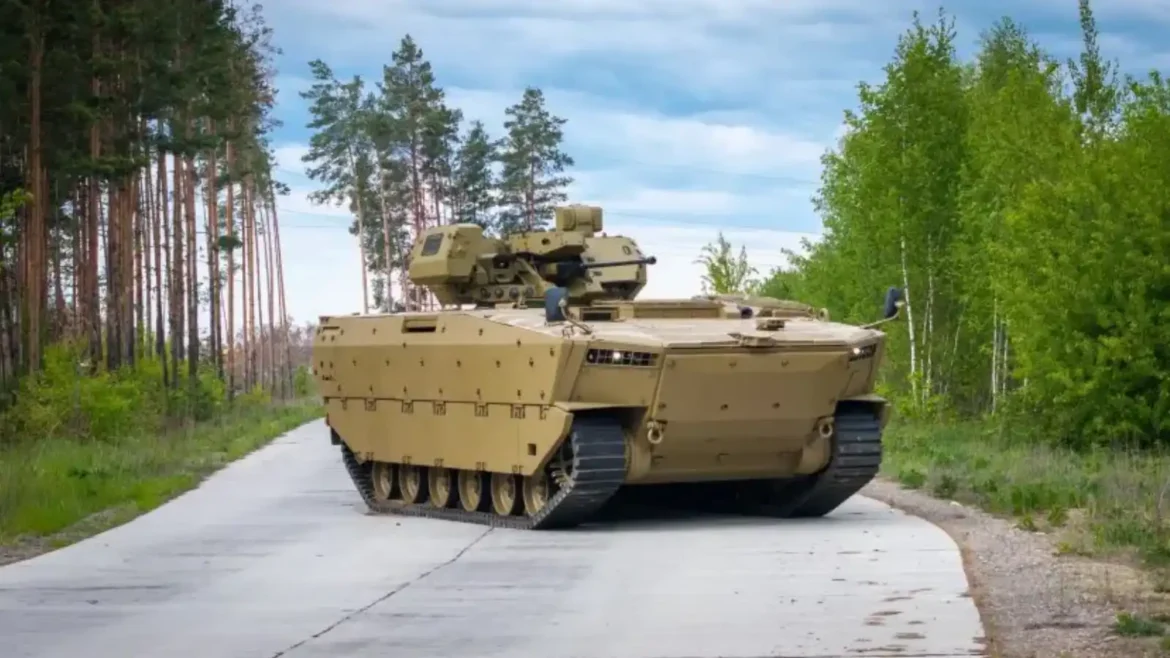
The export Borsuk infantry fighting vehicle was officially presented by Polska Grupa Zbrojeniowa during the IDEB 2026 defense exhibition, marking a significant step in Poland’s effort to position its next generation armored platforms in international markets.
The vehicle displayed at the exhibition combined the Polish-developed Borsuk chassis with the Slovak-made Turra 30 remote-controlled turret. The configuration is aimed at export customers seeking a modern tracked infantry fighting vehicle with NATO-standard systems, amphibious capability, and modular combat options.
The new variant was showcased as part of broader regional defense cooperation between Polish and Slovak defense manufacturers.
A NATO-Focused Export Strategy
The Borsuk program has become one of Poland’s most important land modernization projects. Developed by HSW S.A. under the PGZ group, the platform is intended to replace the Soviet-era BWP-1 vehicles still used by the Polish Armed Forces.
The unveiling of an export-configured version signals that PGZ is now moving beyond domestic procurement and actively targeting allied nations looking to modernize aging armored fleets.
That strategy comes as several European states increase defense spending following continued security concerns across Eastern Europe and renewed emphasis on NATO readiness. Amphibious infantry fighting vehicles remain relatively limited within NATO inventories, giving the Borsuk a potentially important niche in mobility-focused operations.
Unlike many heavier Western IFVs, the Borsuk was designed to maintain amphibious capability without extensive preparation. That operational flexibility may appeal to militaries operating in river-heavy terrain or requiring rapid maneuver operations.
Turra 30 Integration Expands International Appeal
A key feature of the export Borsuk infantry fighting vehicle is the integration of the Turra 30 turret, developed by Slovak defense firm EVPU.
The remotely operated turret is armed with a 30mm automatic cannon and can be configured with anti-tank guided missiles and advanced fire control systems. The system is already known within Central European defense markets, which may simplify logistics and interoperability for regional operators.
By pairing the Borsuk platform with a non-Polish turret option, PGZ appears to be adopting a more flexible export approach. That could allow future buyers to integrate national subsystems, communications equipment, or weapon packages according to operational requirements.
The approach reflects a broader trend across the European defense sector, where modularity and industrial cooperation are increasingly important in multinational procurement programs.
Export Borsuk IFV Targets Growing European Demand
Demand for tracked infantry fighting vehicles has increased sharply across Europe since 2022, with multiple NATO members launching recapitalization programs for mechanized ground forces.
Countries in Central and Eastern Europe are especially focused on replacing legacy Soviet-designed armored systems with NATO-compatible platforms featuring stronger protection, digital battle management systems, and improved mobility.
The export Borsuk infantry fighting vehicle enters a highly competitive market that includes vehicles such as the CV90, Lynx KF41, and ASCOD.
However, the Borsuk offers a distinct balance between mobility, amphibious operations, and modern combat systems. That combination may prove attractive for nations prioritizing operational flexibility over heavier armor configurations.
Poland’s rapidly expanding defense industrial base could also strengthen the platform’s export prospects. Warsaw has significantly increased military production capacity in recent years while investing heavily in armored vehicle manufacturing and artillery systems.
Regional Defense Cooperation Gains Momentum
The IDEB 2026 presentation also underscored expanding defense cooperation between Poland and Slovakia. Joint industrial initiatives are becoming more common across Central Europe as regional governments seek to strengthen local defense production and reduce dependence on non-European suppliers.
The integration of the Turra 30 turret onto the Borsuk platform demonstrates how regional defense firms are increasingly pursuing collaborative export solutions rather than competing independently.
For PGZ, the export Borsuk infantry fighting vehicle represents more than a new armored platform. It also reflects Poland’s ambition to emerge as a major European defense exporter capable of delivering advanced land systems to NATO and partner nations.
Whether the vehicle secures international contracts will likely depend on pricing, production timelines, interoperability, and how effectively PGZ can compete against established Western European manufacturers.
Why The Borsuk Matters
The unveiling of the export Borsuk infantry fighting vehicle comes at a time when European armies are reassessing force mobility, survivability, and industrial resilience.
Poland’s defense sector has gained visibility through accelerated modernization programs and growing regional influence. If the Borsuk succeeds internationally, it could strengthen Poland’s position within Europe’s armored vehicle market and expand defense industrial cooperation across NATO’s eastern flank.
The addition of the Turra 30 turret also signals a practical export philosophy centered on adaptability and multinational integration rather than a single fixed configuration.