Executive Summary:
Helicopter Alliance is pursuing an acquisition strategy aimed at expanding its end to end support capabilities for UH-60 Black Hawk helicopters. The initiative reflects growing international demand for modernization, maintenance, mission equipment integration, and long term sustainment services as military surplus Black Hawks continue entering the global market.
Helicopter Alliance Targets Acquisitions To Expand Black Hawk Services
Helicopter Alliance is accelerating its growth strategy by pursuing acquisitions that will broaden its full lifecycle support offering for Sikorsky UH-60 Black Hawk helicopters. Company executives say the objective is to create a more integrated organization capable of delivering modernization, maintenance, training, logistics, and operational support under a single umbrella as demand for refurbished Black Hawks continues to rise.
The strategy comes as governments, emergency response agencies, and commercial operators increasingly seek cost effective alternatives to purchasing new helicopters. Rather than competing solely on aircraft sales, Helicopter Alliance aims to strengthen recurring service revenues through expanded maintenance, repair, overhaul (MRO), mission integration, and customer support capabilities.
Building A Complete Black Hawk Lifecycle Business
Founded as an alliance of specialized helicopter companies across the United States and Europe, Helicopter Alliance already supports nearly every stage of the UH-60 lifecycle.
Its current portfolio includes:
| Capability | Description |
|---|---|
| Aircraft acquisition | Procurement of retired U.S. Army Black Hawks through the BEST Program |
| Modernization | Structural refurbishment and avionics upgrades |
| Mission integration | Installation of rescue, firefighting, cargo, and utility equipment |
| Training | Pilot and maintenance instruction |
| Sustainment | Spare parts, field service representatives, logistics support |
| Operations | Civil Black Hawk operations including firefighting missions |
The company says future acquisitions would add complementary expertise rather than duplicate existing capabilities, allowing it to provide customers with a single source for aircraft delivery and long term operational support.
Growing Market For Refurbished UH-60 Black Hawks
The acquisition strategy is closely tied to the expanding international market for refurbished UH-60 helicopters.
Hundreds of Black Hawks have become available through the U.S. Army’s Black Hawk Exchange and Sales Transaction (BEST) Program. Many are being modernized with digital cockpits, upgraded mission systems, and specialized equipment for firefighting, disaster relief, search and rescue, and government operations.
Earlier this year, Helicopter Alliance signed a five year framework agreement with SAF Aerogroup covering up to ten UH-60 helicopters, highlighting increasing European demand for multi mission aircraft capable of supporting wildfire suppression and emergency response. Deliveries are scheduled to begin during 2026.
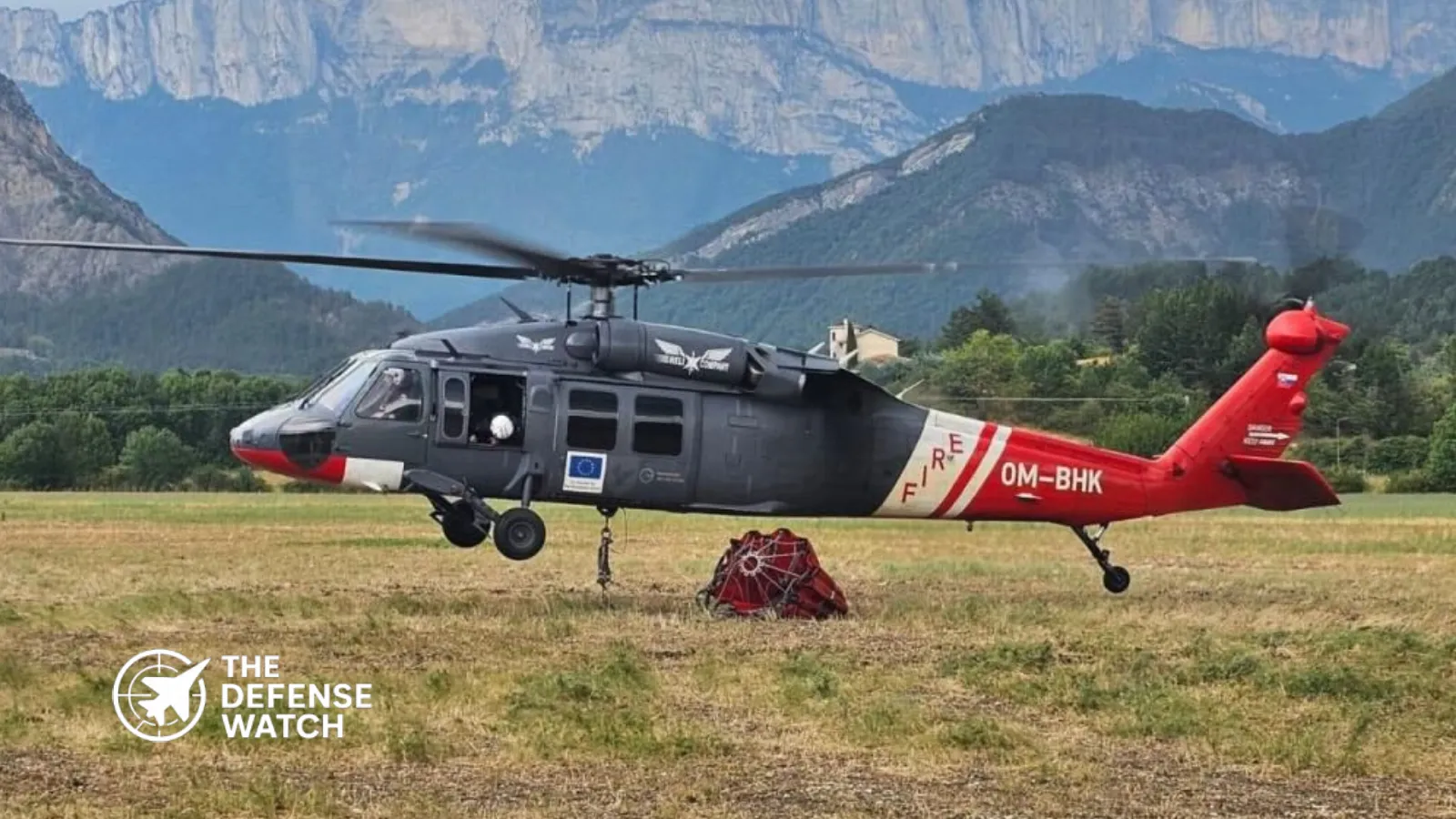
The company has also announced production of Europe’s first Sikorsky FIREHAWK helicopters for the Czech Republic, further expanding its role in specialized aerial firefighting capabilities.
Why Services Matter More Than Aircraft Sales
One of the most significant developments in today’s military helicopter market is the shift toward lifecycle support rather than one time aircraft procurement.
For many operators, sustainment costs account for the majority of ownership expenses over several decades. As a result, governments increasingly evaluate suppliers based on their ability to provide:
- Long term spare parts support
- Depot maintenance
- Avionics upgrades
- Crew training
- Mission equipment integration
- Fleet availability management
By expanding through acquisitions, Helicopter Alliance is positioning itself to compete across these higher value service segments instead of relying primarily on aircraft refurbishment.
This mirrors a broader trend throughout the defense aviation industry, where recurring aftermarket services generate more stable revenues than individual aircraft sales.
Strategic Implications For Global Defense
From a defense perspective, the company’s strategy reflects several broader market dynamics.
Many allied nations continue operating legacy Black Hawk fleets while facing constrained defense budgets. Purchasing refurbished aircraft with modern avionics often provides a significantly lower cost alternative than acquiring new production helicopters while maintaining compatibility with existing logistics and training systems.
For civil protection agencies, refurbished Black Hawks also offer heavy lift capability suitable for wildfire response, humanitarian assistance, disaster relief, and search and rescue operations.
An expanded support network could reduce maintenance turnaround times, improve aircraft availability, and simplify fleet management for operators spread across Europe, the Middle East, Africa, and other international markets.
If Helicopter Alliance successfully integrates additional specialized companies, it could strengthen competition within the global helicopter sustainment market while offering customers a more comprehensive service model centered on the proven UH-60 platform.
Outlook
Helicopter Alliance’s acquisition strategy signals a long term commitment to becoming a comprehensive support provider for legacy Black Hawk operators rather than simply a refurbishment company.
As more surplus UH-60 helicopters enter international service and operators seek dependable sustainment partners, integrated service capabilities are likely to become a key competitive advantage. Continued investments in modernization, maintenance infrastructure, and specialized mission support could position the company to benefit from growing global demand for affordable multi mission rotorcraft over the coming decade.
Executive Summary:
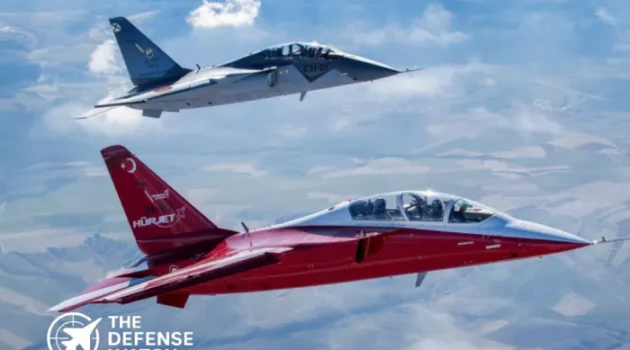
Turkish Aerospace is positioning its Hürjet advanced jet trainer as a potential contender for the United Kingdom’s future pilot training requirement as the Royal Air Force prepares for the eventual retirement of its Hawk fleet. The proposal reflects growing international competition in the military trainer aircraft market and highlights Turkey’s ambition to expand its aerospace exports into Europe.
Turkish Aerospace Hürjet Targets Future UK Advanced Trainer Requirement
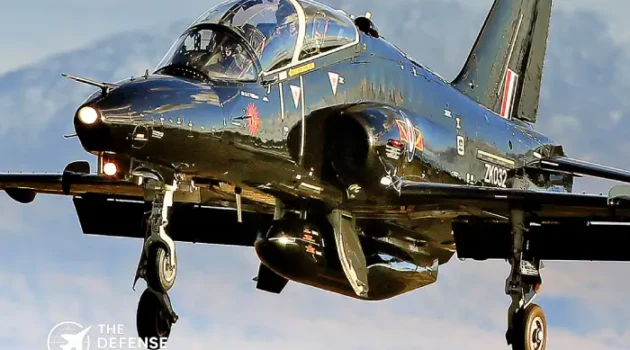
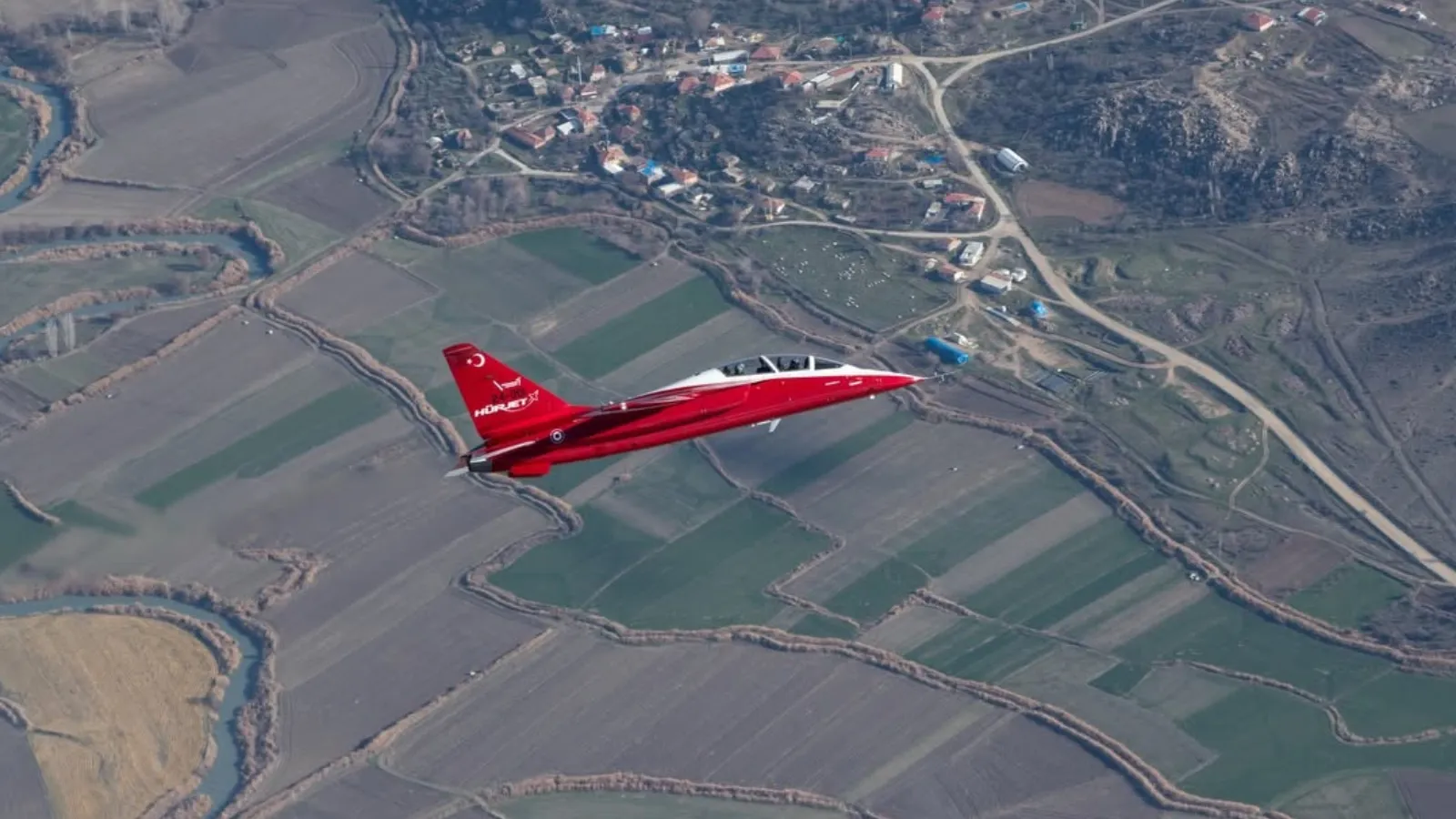
Turkish Aerospace’s Hürjet advanced jet trainer is being promoted as a potential solution for the United Kingdom’s future military pilot training needs, as Britain begins considering long term options to replace the Royal Air Force’s aging BAE Systems Hawk T2 fleet.
Speaking during the Royal International Air Tattoo (RIAT) 2026, Turkish Aerospace executives said the company sees the UK as one of several international opportunities for Hürjet as countries modernize pilot training systems and seek aircraft capable of preparing crews for fifth and future sixth generation fighters. The comments were first reported by FlightGlobal.
While the UK Ministry of Defence has not launched a formal competition, industry officials believe discussions surrounding the RAF’s future training capability are becoming increasingly important as Hawk aircraft approach retirement later in the decade.
Hürjet Designed For Modern Fighter Training
The Hürjet is Turkey’s first domestically developed supersonic advanced jet trainer. Developed by Turkish Aerospace, the aircraft is intended to replace the Turkish Air Force’s aging T-38 fleet while also serving as a light combat aircraft for export customers.
The aircraft completed its maiden flight in April 2023 and continues an expanding flight test campaign. Turkish Aerospace expects the platform to become a cornerstone of Turkey’s military aviation modernization efforts.
Key capabilities include:
Specification Hürjet Role Advanced Jet Trainer / Light Attack Aircraft Maximum Speed Around Mach 1.4 Crew Two Engine One F404-class turbofan Training Focus Lead-In Fighter Training (LIFT) Weapons Capability Precision-guided munitions, air-to-air missiles, training stores Manufacturer Turkish Aerospace The aircraft has been designed to prepare pilots transitioning to advanced combat aircraft by replicating modern avionics, digital cockpit systems, and high performance flight characteristics.
UK Faces Long Term Hawk Replacement Challenge
The Royal Air Force currently operates the Hawk T2 as its Advanced Fast Jet Trainer, providing the final stage of pilot instruction before transition to operational fighters such as the F-35B Lightning II and Eurofighter Typhoon.
However, the Hawk design dates back decades, and the RAF is expected to require a replacement during the 2030s.
Although the Ministry of Defence has not publicly identified a preferred successor, defense manufacturers increasingly view Britain as an important future competition. Turkish Aerospace believes Hürjet could satisfy the UK’s evolving requirements while also supporting broader industrial cooperation.
Executives have suggested any British program would likely require significant local industrial participation, reflecting London’s emphasis on domestic aerospace capability and sovereign manufacturing.
Competition Would Be Intense
Should the UK launch a formal acquisition program, Hürjet would likely compete against several established Western trainer aircraft.
Potential competitors include:
- BAE Systems Hawk successor concepts
- Leonardo M-346 Master
- Korea Aerospace Industries FA-50 and trainer variants
- Boeing and Saab training solutions
- Other emerging advanced trainer platforms
Each aircraft offers different advantages in pilot training, lifecycle cost, industrial participation, and compatibility with NATO air forces.
Because Britain maintains one of Europe’s most sophisticated pilot training systems, any future competition is expected to place heavy emphasis on digital simulation, synthetic training environments, open mission systems, and integration with future combat aircraft programs.
Turkish Aerospace Expands Global Export Campaign
The UK interest forms part of Turkish Aerospace’s wider export strategy.
The company has actively promoted Hürjet across Europe, the Middle East, Asia, and Latin America as demand grows for affordable advanced trainers capable of supporting pilots destined for fifth generation fighters.
Turkey’s domestic defense industry has expanded significantly over the past decade, producing indigenous aircraft, helicopters, unmanned aerial systems, and precision weapons. Hürjet represents one of Ankara’s most ambitious aerospace export programs alongside the KAAN next generation fighter and the ANKA family of unmanned aircraft.
Success in a market such as the United Kingdom would represent a significant milestone for Turkey’s aerospace sector because it would demonstrate confidence from one of NATO’s most experienced air forces.
Strategic Analysis: Why The UK Trainer Competition Matters
The UK’s eventual trainer replacement program extends beyond simply replacing an aging aircraft.
Modern pilot training increasingly combines live flying with high fidelity simulation, artificial intelligence assisted instruction, and networked mission rehearsal. Aircraft are expected to replicate the sensor management, electronic warfare environments, and cockpit workload associated with frontline combat platforms.
This shift means future trainers must function as part of an integrated training ecosystem rather than operate solely as standalone aircraft.
For Turkish Aerospace, Hürjet’s appeal will depend not only on flight performance but also on its ability to integrate with NATO training standards, British military certification requirements, logistics systems, and synthetic training networks.
Industrial policy is likely to play an equally important role. The UK has consistently favored programs that sustain domestic aerospace jobs and support long term sovereign capability. Any successful bidder would probably need to demonstrate meaningful collaboration with British industry, technology transfer where appropriate, and long term maintenance support inside the United Kingdom.
From a broader NATO perspective, increased competition in the advanced trainer market could benefit allied air forces by driving innovation, reducing operating costs, and expanding choices for nations replacing legacy training fleets. As sixth generation combat aircraft and collaborative combat aircraft become more sophisticated, advanced trainers will also need to evolve to prepare pilots for increasingly complex operational environments.
Outlook
Turkish Aerospace’s proposal remains at an early stage, and no UK procurement decision has been announced. Nevertheless, the company’s public interest underscores the growing international competition surrounding future military pilot training systems.
As Britain evaluates long term requirements beyond the Hawk, manufacturers from Europe, Asia, and North America are expected to position their platforms for what could become one of the most closely watched trainer aircraft competitions of the next decade.

(adsbygoogle = window.adsbygoogle || []).push({});Executive Summary:
French electro optical specialist Exosens is significantly expanding production of its cooled infrared thermal cameras to meet rapidly growing demand from military drone and counter drone programs. The move reflects a broader shift across global defense markets, where advanced imaging sensors have become critical components for intelligence, surveillance, reconnaissance, and autonomous air defense systems.Exosens Expands Thermal Camera Production As Defense Drone Demand Surges
French defense imaging company Exosens is sharply increasing production of its cooled infrared thermal cameras as armed forces and defense manufacturers accelerate procurement of unmanned systems and counter drone capabilities. The expansion was announced alongside the company’s latest financial results and follows a series of major defense orders reported during 2026.
According to Reuters and Exosens, the company plans to triple production capacity for key thermal imaging products used in military drones, surveillance payloads, robotic systems, and long range counter unmanned aircraft solutions. The investment comes as governments continue to increase spending on battlefield sensing technologies following operational lessons from Ukraine and the Middle East.
atOptions = { ‘key’ : ‘e7d18db8b7513fb2a224cf4c3f18bbf0’, ‘format’ : ‘iframe’, ‘height’ : 90, ‘width’ : 728, ‘params’ : {} };Why Thermal Cameras Have Become A Strategic Defense Capability
Modern military operations increasingly rely on electro optical and infrared sensors that can detect targets regardless of lighting conditions.
Unlike conventional daylight cameras, cooled infrared sensors provide:
Capability Operational Benefit Long range thermal detection Identifies drones and vehicles beyond visual range Day and night operation Continuous surveillance in all lighting conditions Reduced false alarms Better target recognition in complex environments Integration with AI systems Supports autonomous target tracking and threat identification Multi platform compatibility Suitable for drones, vehicles, naval systems and fixed installations Exosens manufactures ITAR free imaging solutions that can be integrated into gimbals, surveillance turrets, autonomous robots, interceptor drones, and ground based counter drone systems.
Growing Demand Across Drone And Counter Drone Programs
The production expansion follows several significant defense contracts announced by Exosens earlier this year.
In April, the company disclosed its largest order to date for several thousand ultra compact thermal camera cores destined for interceptor drones developed by a major European autonomous air defense company. Exosens also reported securing orders exceeding 10,000 imaging systems across unmanned air, land, and maritime platforms over two consecutive quarters.
The latest manufacturing increase indicates the company expects sustained demand rather than a temporary surge.
What The Expansion Means For Defense Markets
The announcement highlights an important trend affecting defense procurement worldwide.
While much public attention focuses on missiles, drones, and artificial intelligence software, the sensors that enable these systems are becoming equally critical.
Thermal imaging systems now serve as the primary detection layer for:
- Intelligence, surveillance and reconnaissance (ISR)
- Counter unmanned aircraft systems (C-UAS)
- Border surveillance
- Force protection
- Maritime security
- Autonomous targeting
As military organizations deploy larger numbers of unmanned platforms, the availability of advanced electro optical payloads increasingly influences production timelines.
Analysis: Manufacturing Capacity Is Becoming A Strategic Advantage
Exosens’ expansion illustrates a broader industrial shift taking place throughout the global defense sector.
Conflicts over the past several years have demonstrated that battlefield success depends not only on advanced weapons but also on the ability to manufacture critical components at scale. Thermal cameras, infrared detectors, processors, and sensor payloads have become production bottlenecks for many drone manufacturers.
For the United States and NATO allies, diversified suppliers of high performance imaging systems provide greater resilience within defense supply chains. Exosens also emphasizes that its products are ITAR free, allowing European defense companies to integrate advanced thermal sensors without certain U.S. export restrictions, an increasingly important consideration for multinational procurement programs.
Another notable trend is the convergence of thermal imaging with artificial intelligence. Modern drone payloads increasingly combine infrared sensors with onboard AI algorithms capable of automatic target detection, classification, and tracking, reducing operator workload while improving response times.
Strategic Outlook
Demand for cooled infrared imaging is expected to remain strong as governments continue investing in layered air defense, autonomous surveillance systems, and next generation unmanned aircraft.
For Exosens, expanding manufacturing capacity positions the company to support growing procurement across Europe, North America, and allied defense markets. More broadly, the investment reflects how imaging technologies have become foundational elements of modern military capability alongside drones, electronic warfare, and precision weapons.
Executive Summary:
Airbus Helicopters has officially begun operational maritime surveillance missions with its U030 Flexrotor unmanned aerial system in the Baltic Sea under a European Maritime Safety Agency (EMSA) framework contract. The deployment marks the aircraft’s first operational service in Europe and strengthens regional maritime awareness by providing real time intelligence to national authorities across Estonia, Latvia, and Finland.
Airbus U030 Flexrotor Begins Operational Maritime Surveillance For EMSA
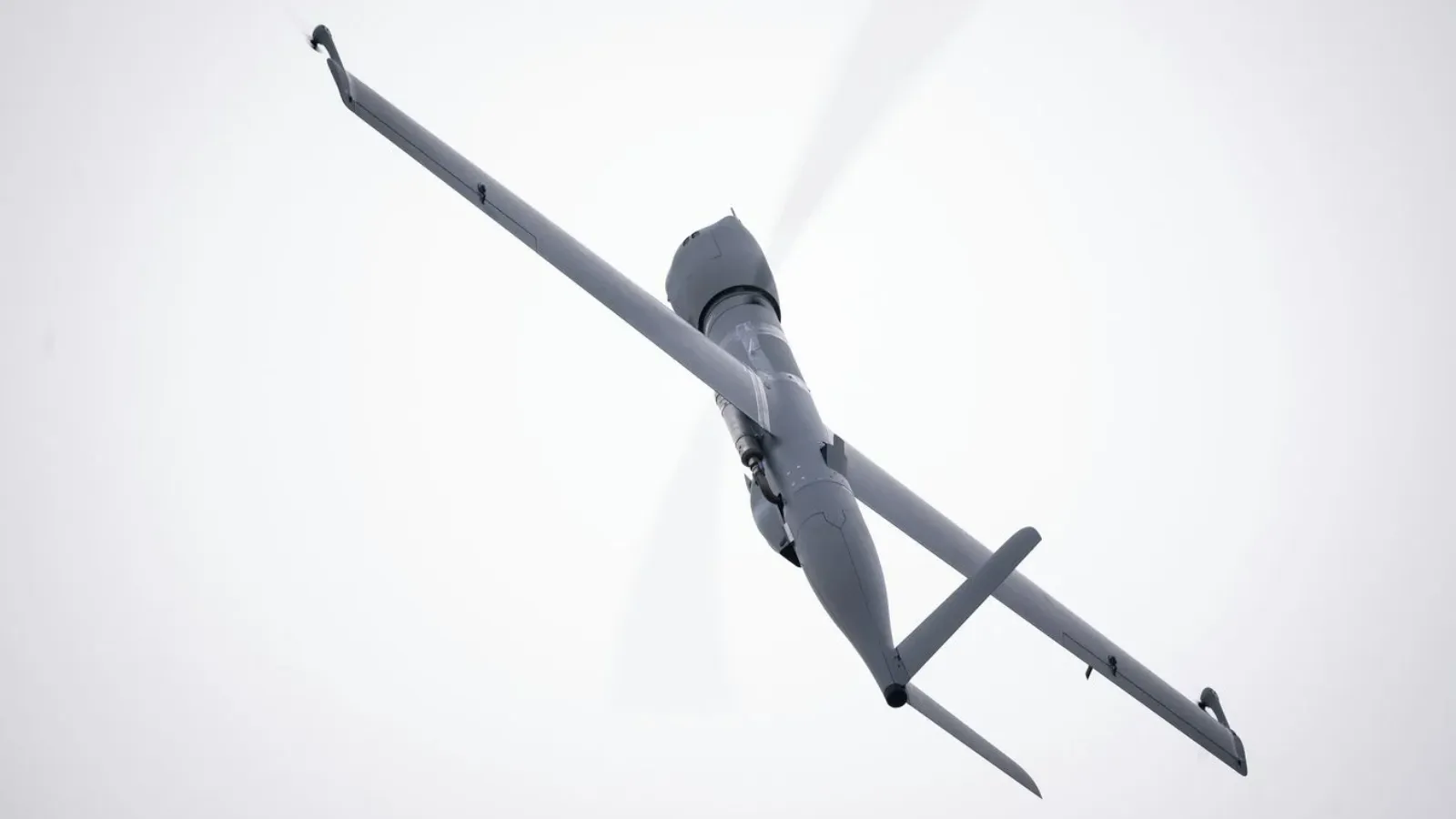
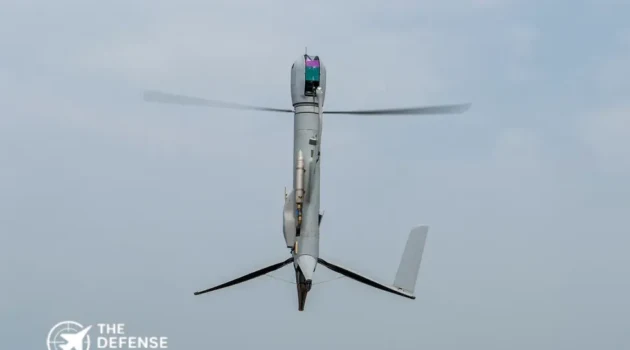
Airbus’ U030 Flexrotor has entered operational service in the Baltic Sea, supporting the European Maritime Safety Agency (EMSA) with long endurance maritime surveillance missions across Northern Europe. Airbus announced the start of operations following successful technical validation flights that confirmed the aircraft met both operational and regulatory requirements before entering service.
The deployment follows a €30 million framework contract awarded to Airbus Helicopters in December 2025 to provide Remotely Piloted Aircraft System (RPAS) services throughout the European Union. Operations are conducted together with French operator Extensee, which flies the aircraft while Airbus manages the overall program and mission coordination.
The first operational area includes Estonia, Latvia, and Finland, where the aircraft now supports national maritime authorities with persistent aerial surveillance over coastal waters and shipping routes.
What The U030 Flexrotor Brings To Maritime Surveillance
The U030 Flexrotor is a tactical Vertical Takeoff and Landing (VTOL) unmanned aircraft designed for long endurance Intelligence, Surveillance, Target Acquisition, and Reconnaissance (ISTAR) missions.
Unlike conventional fixed wing drones, the aircraft requires only a 3.7 × 3.7 meter launch area, allowing deployment from confined shore locations or ships without dedicated flight decks. According to Airbus, it can transition from transport configuration to flight in less than 30 minutes.
Key Capabilities
Capability Details Aircraft Type VTOL tactical unmanned aircraft Mission Endurance Up to 12 to 14 hours (approximately 10 hours in EMSA configuration) Primary Sensors Electro-optical, infrared, maritime radar Data Transmission Real time streaming to EMSA RPAS Data Centre Operating Area Estonia, Latvia, Finland Primary Missions Maritime surveillance, search and rescue, fisheries monitoring, environmental protection Specifications based on Airbus official data.
Supporting European Coast Guard Operations
The operational service is designed to enhance several civilian and security missions performed by European coast guard organizations.
Mission data collected through electro-optical, infrared, and radar payloads is transmitted directly to the EMSA RPAS Data Centre, allowing participating authorities to monitor flights in real time and integrate surveillance data into ongoing operations.
Primary mission areas include:
- Search and rescue
- Fisheries enforcement
- Environmental monitoring
- Detection of illegal maritime activities
- Coastal surveillance
- Maritime domain awareness
This shared information network allows multiple agencies to maintain a common operational picture without deploying manned aircraft for every surveillance task.
Why The Baltic Sea Matters
The Baltic Sea has become one of Europe’s most strategically important maritime regions.
The waterway supports major commercial shipping routes while hosting critical energy infrastructure, submarine communication cables, offshore wind farms, and increased NATO naval activity. Since 2022, regional governments have significantly expanded maritime monitoring following incidents involving undersea infrastructure and growing security concerns.
Persistent drone surveillance provides authorities with longer observation times than many conventional patrol aircraft while reducing operating costs and allowing faster responses to unusual maritime activity.
Although EMSA is a civilian agency, its surveillance capabilities contribute to broader maritime situational awareness that can also support national security agencies during emergencies.
Operational Significance Beyond Europe
From a defense technology perspective, this deployment represents an important milestone for Airbus.
The Baltic mission is the first operational European service for the U030 Flexrotor after several years of demonstrations. Successfully operating under a multinational surveillance framework provides Airbus with operational experience that may strengthen future opportunities in both government and defense markets.
For military planners, compact VTOL drones occupy a growing niche between small quadcopters and larger Medium Altitude Long Endurance (MALE) platforms.
Their ability to launch from ships, isolated coastal sites, or expeditionary bases makes them valuable for persistent intelligence collection without requiring complex airfield infrastructure.
As NATO members continue investing in distributed ISR capabilities, aircraft in this category could complement larger maritime patrol aircraft rather than replace them, extending surveillance coverage over coastal approaches while freeing high value assets for broader missions.
Airbus Continues Expanding Its UAS Portfolio
The U030 Flexrotor forms part of Airbus’ broader unmanned systems portfolio supporting military and government customers.
The platform is designed for multiple mission sets beyond maritime surveillance, including:
- Intelligence, Surveillance, Target Acquisition and Reconnaissance (ISTAR)
- Border security
- Communications relay
- Electronic warfare support
- Disaster response
- Humanitarian operations
- Environmental monitoring
Its expeditionary design and long endurance make it suitable for operations where persistent aerial coverage is required but traditional airfields are unavailable.
Outlook
The launch of operational U030 Flexrotor missions marks a significant step in Europe’s adoption of tactical unmanned aircraft for routine maritime surveillance.
While the current deployment focuses on the Baltic Sea, the EMSA framework allows Airbus to support multiple simultaneous operations across participating European countries, potentially expanding coverage as demand increases.
As governments place greater emphasis on persistent maritime domain awareness, systems capable of delivering long endurance, real time intelligence with a minimal logistical footprint are likely to become an increasingly important element of both civilian coast guard operations and broader security architectures.
Executive Summary:
NATO allies are expanding F-35 integration through a multinational weapons training program hosted by the Royal Netherlands Air Force at Leeuwarden Air Base. The initiative brings together multiple F-35 operators to strengthen combat interoperability, improve tactical leadership, and enhance the Alliance’s ability to conduct fifth generation air operations across Northern Europe.
NATO Expands F-35 Integration Through Multinational Weapons Training
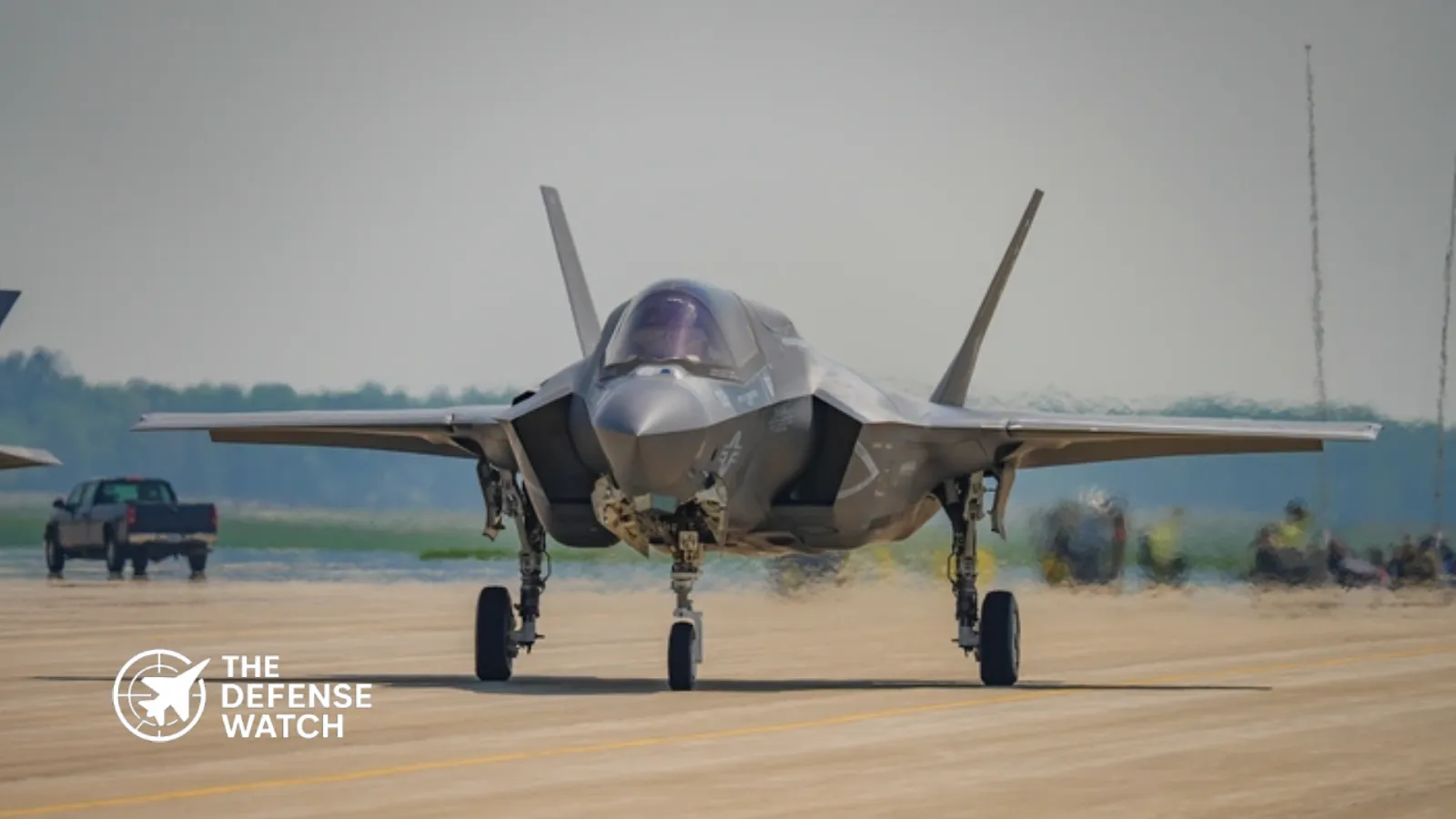
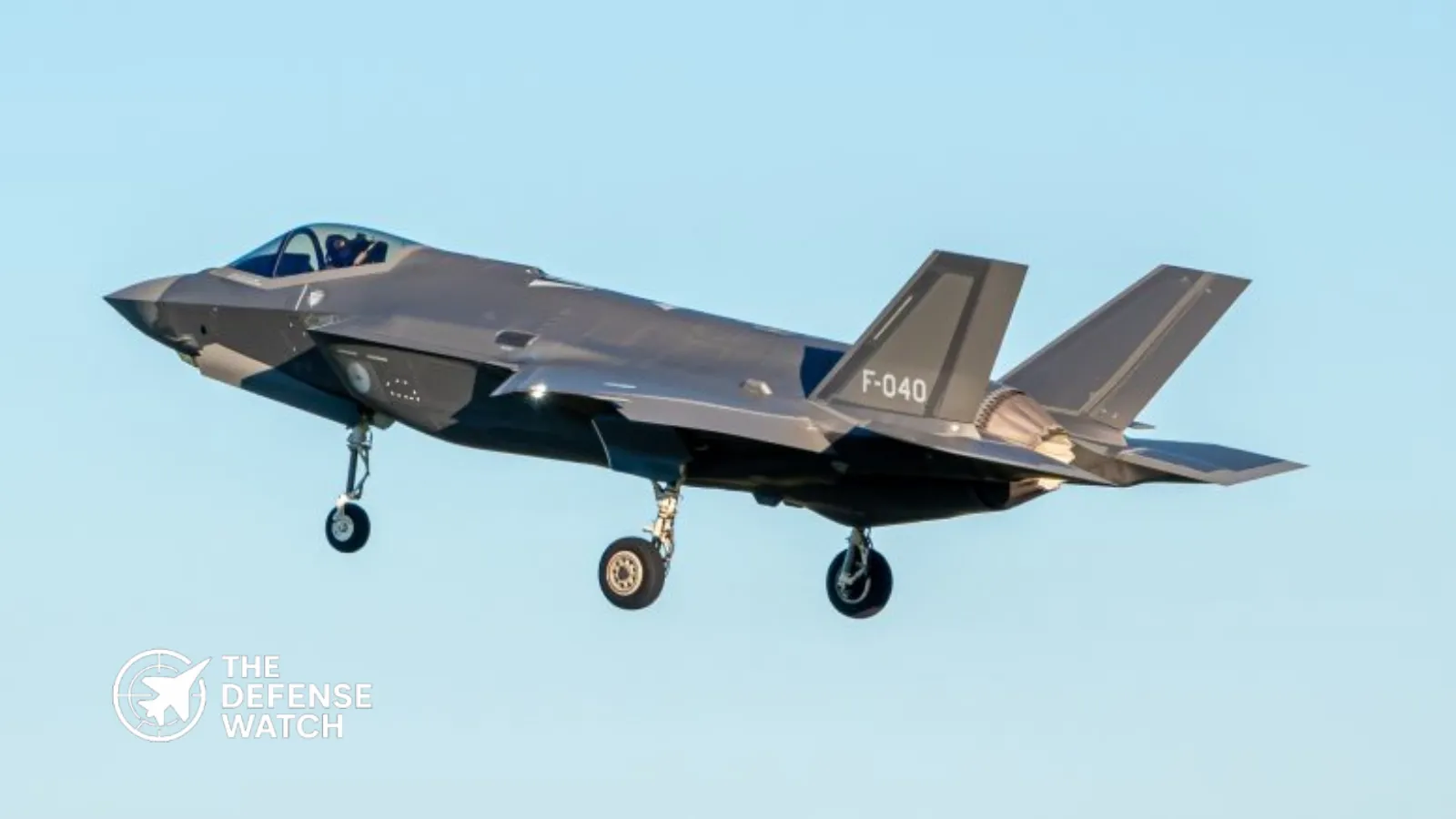
NATO F-35 integration took another step forward as allied air forces gathered in the Netherlands for multinational weapons training aimed at improving operational readiness and interoperability among fifth generation fighter fleets. According to the Dutch Ministry of Defence and NATO reporting, the exercise is centered on the internationally recognized Weapons Instructor Course (WIC), hosted by the Royal Netherlands Air Force’s 323 Air Combat Development Centre at Leeuwarden Air Base.
The training reflects NATO’s broader effort to build a highly integrated F-35 force capable of operating seamlessly across Europe. As more Alliance members transition from legacy F,16 fleets to the F-35 Lightning II, multinational training has become essential for developing common tactics, standardized procedures, and shared operational doctrine.
Multinational F-35 Operators Train Together
The current Weapons Instructor Course includes personnel from Belgium, Denmark, the Netherlands, and Norway. Beyond fighter pilots, the program also involves intelligence specialists, mission planners, and operational support personnel who collectively contribute to modern air combat operations.
Unlike traditional flying exercises, the WIC prepares experienced aircrew and officers to become tactical leaders capable of planning and executing complex multinational operations.
The course emphasizes:
- Advanced air to air and air to ground tactics
- Integrated mission planning
- Weapons employment
- Electronic warfare coordination
- Joint operations with multiple NATO assets
- Leadership development for future combat commanders
Why The Netherlands Plays A Central Role
Leeuwarden Air Base has become one of Europe’s principal centers for advanced F-35 tactical development.
The Royal Netherlands Air Force has extensive experience operating both the F,16 and F-35, making it well positioned to help allied nations transition toward fifth generation operations. Earlier this year, Danish F-35 aircraft deployed to Leeuwarden for the first time, highlighting growing Nordic cooperation as Denmark completes its transition from the F,16.
The Netherlands has increasingly served as a hub for multinational F-35 activities, including cross servicing, maintenance cooperation, and tactical integration with U.S. Air Force units.
Growing Northern European F-35 Network
Northern Europe is rapidly becoming one of NATO’s largest concentrations of F-35 operators.
Countries operating or introducing the aircraft include:
Nation F-35 Status Netherlands Operational Denmark Operational transition underway Norway Operational Finland Fleet acquisition underway Belgium Deliveries continuing Poland Fleet introduction progressing United States Permanently deployed across Europe This concentration enables NATO to build regional networks where aircraft, maintenance personnel, logistics systems, and command structures increasingly operate under common standards.
Operational Benefits Beyond Flying
One of the most significant advantages of multinational F-35 training is that it extends well beyond pilot proficiency.
Modern fifth generation warfare depends on secure data sharing, sensor fusion, distributed targeting, and coordinated mission execution. Standardized training ensures allied pilots interpret battlefield information similarly and respond using common tactical procedures.
The F-35’s ability to collect, process, and distribute targeting data becomes considerably more effective when participating nations follow identical operational methods.
Recent NATO exercises have also demonstrated increasing emphasis on Agile Combat Employment, dispersed basing, and multinational sustainment, allowing aircraft from different nations to operate from allied airfields with shared maintenance support.
Strategic Importance For NATO
The expansion of multinational F-35 integration comes as NATO continues strengthening deterrence across its northern and eastern regions.
Following Finland’s accession to NATO and Sweden’s membership, the Alliance has significantly expanded its northern airpower architecture. Combined with increasing F-35 adoption across Europe, NATO is creating a more interconnected force capable of responding rapidly to emerging regional threats.
Rather than relying solely on national air forces, the Alliance is moving toward integrated multinational formations where aircraft, crews, command systems, and logistics networks operate as a unified combat capability.
This approach reduces operational friction during coalition missions while improving survivability in contested environments.
Analysis: Why This Matters
The importance of this training extends beyond the Netherlands.
Over the next decade, Europe will field one of the world’s largest concentrations of F-35 aircraft. Simply owning the same platform, however, does not automatically create combat interoperability.
Modern air warfare depends on shared mission planning, common digital standards, standardized weapons employment procedures, and synchronized command structures. Programs such as the Weapons Instructor Course provide the institutional framework needed to transform multiple national fleets into a cohesive NATO air combat force.
For the United States, stronger European F-35 integration also reduces operational burden. Better trained allied forces can assume larger regional responsibilities while maintaining compatibility with U.S. Air Force and U.S. Marine Corps operations. This strengthens NATO’s collective deterrence posture without requiring every mission to rely primarily on American assets.
The initiative also supports NATO’s broader modernization efforts focused on integrated air and missile defense, distributed operations, and multinational sustainment, all critical elements for future high intensity conflict.
Executive Summary:
Romania’s Air Force has destroyed a third unmanned aircraft within three days during air policing operations near the Black Sea coast, according to official Romanian authorities. The latest interception underscores the growing operational demands facing NATO’s southeastern flank as member states respond to repeated airspace security incidents in the region.
Romania F-16 Downs Third Drone Near Black Sea During Heightened Air Defense Operations
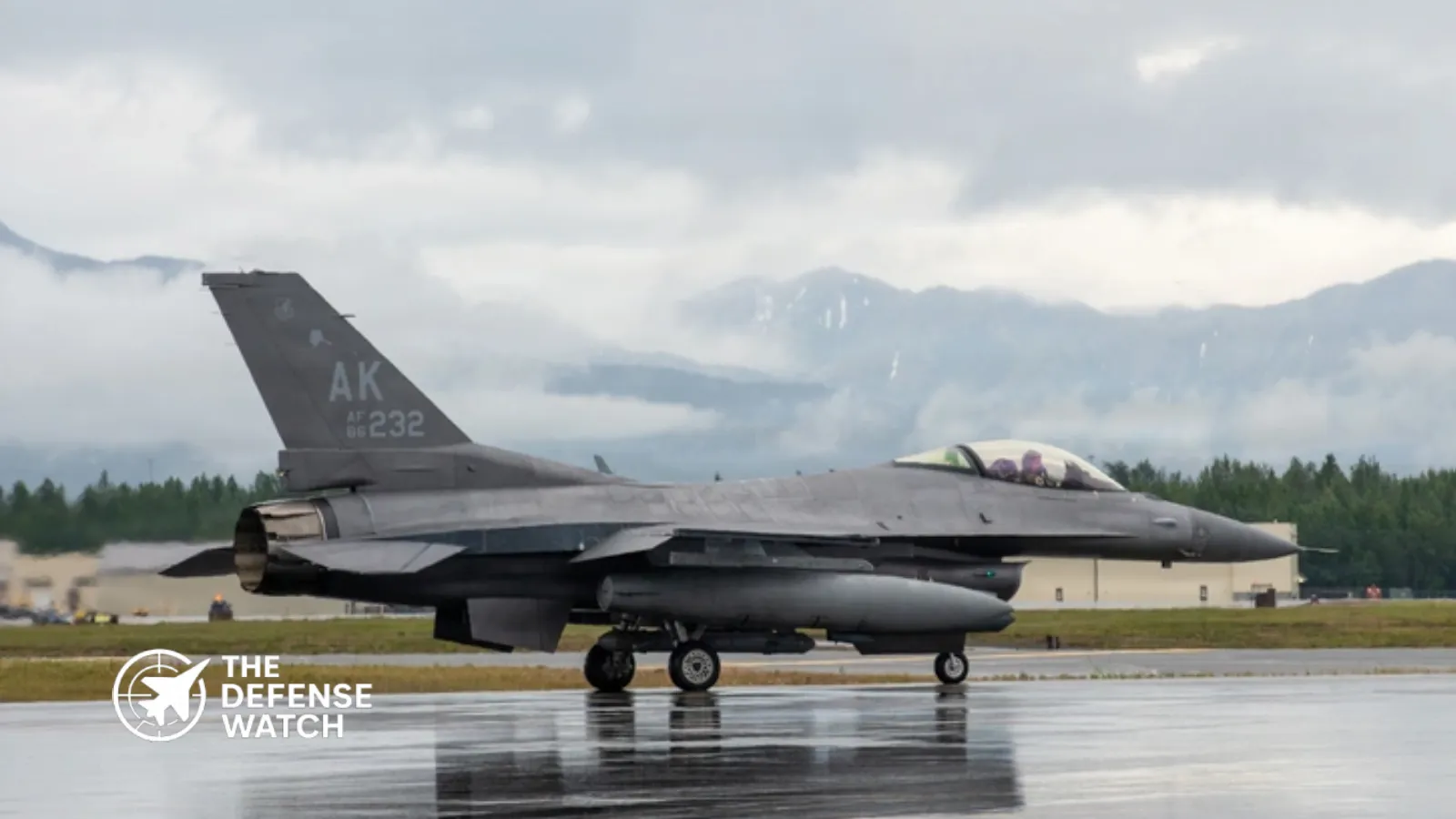
Romania’s F-16 Fighting Falcon fleet has intercepted and destroyed a third unmanned aircraft in just three days near the country’s Black Sea coastline, reflecting an elevated operational tempo for NATO’s southeastern air defenses.
According to Romania’s Ministry of National Defence, the latest engagement occurred during ongoing air surveillance and quick reaction alert operations after another unidentified aerial target approached Romanian airspace near the Black Sea. Romanian authorities confirmed that the aircraft was neutralized before it could pose a broader security risk.
The incident represents the third successful interception over a three day period, highlighting the increasing frequency of unmanned aerial activity near Romania’s borders.
Romania Continues Intensive Air Policing Missions
Romania has significantly expanded its air policing posture since the start of Russia’s full scale invasion of Ukraine. Its F-16 fleet regularly conducts NATO Quick Reaction Alert (QRA) missions designed to detect, identify, monitor, and, when necessary, intercept unauthorized aircraft.
The repeated drone incidents demonstrate that Romania’s air defense forces remain on a heightened state of readiness as military activity continues throughout the wider Black Sea region.
Romanian defense officials have not publicly disclosed the exact type, origin, or operator of the intercepted unmanned aircraft while investigations continue.
Officials emphasized that standard NATO procedures were followed throughout the engagement.
Black Sea Remains One Of NATO’s Most Active Security Frontiers
The Black Sea has evolved into one of Europe’s most strategically sensitive operating environments.
Commercial shipping routes, energy infrastructure, military installations, and NATO member states all converge in the region, making persistent aerial surveillance essential.
Since 2022, Romania has repeatedly responded to:
- Unidentified drones
- Cruise missile debris crossing borders
- Airspace violations
- Increased military aviation activity near NATO territory
These developments have prompted Romania to strengthen both surveillance capabilities and fighter readiness.
F-16 Fighting Falcon Serves As Romania’s Primary Air Defense Platform
Romania has steadily modernized its fighter force around the F-16 Fighting Falcon after retiring its aging MiG-21 LanceR fleet.
The aircraft now forms the backbone of the Romanian Air Force’s air sovereignty mission.
Key Capabilities
Capability Details Primary Mission Air policing and air defense Radar AN/APG-66 or upgraded variants depending on aircraft configuration Weapons AIM-120 AMRAAM, AIM-9 Sidewinder, internal 20 mm cannon Speed Mach 2 NATO Role Quick Reaction Alert and allied air policing Romania continues integrating additional F-16 aircraft acquired from European partners to expand fleet availability while preparing for future fifth generation capability through the F-35 program.
NATO’s Integrated Air Defense Network Plays Central Role
Romania’s fighter operations are closely coordinated through NATO’s Integrated Air and Missile Defence architecture.
Ground based radar stations, airborne early warning aircraft, command centers, and allied fighter units share real time information to maintain continuous awareness across the alliance’s eastern borders.
When unidentified aircraft are detected, Quick Reaction Alert fighters can be launched within minutes to identify and respond to potential threats.
This integrated approach has become increasingly important as unmanned aircraft operate at lower altitudes, smaller radar signatures, and unpredictable flight profiles.
Operational Challenges Of Countering Small Drones
Unlike traditional military aircraft, many unmanned aerial systems present unique interception challenges.
Their relatively small radar cross section can complicate early detection, while slower flight speeds often require careful engagement planning.
Military planners must also determine:
- Whether the aircraft poses an immediate threat.
- Whether it has crossed sovereign airspace.
- Whether electronic warfare can neutralize it.
- Whether kinetic interception is necessary.
Deploying a fighter aircraft against a drone may appear disproportionate, but in situations involving unidentified aircraft approaching protected airspace, rapid interception remains one of the most reliable methods of establishing positive identification and preventing escalation.
Strategic Analysis: Why The Latest Interception Matters
The latest Romanian interception is significant beyond the destruction of a single unmanned aircraft.
First, three engagements within such a short period suggest that regional air defense forces are experiencing sustained operational pressure rather than isolated incidents.
Second, the events reinforce NATO’s continued emphasis on maintaining a persistent air policing presence along its eastern flank. Romania occupies a critical geographic position bordering the Black Sea and neighboring Ukraine, placing it at the center of alliance surveillance efforts.
For the United States and other NATO allies, Romania serves as an essential forward operating location supporting intelligence sharing, joint exercises, rotational deployments, and integrated air defense missions. Maintaining credible interception capability helps reassure allies while preserving freedom of operation across one of Europe’s most contested strategic regions.
The incidents also highlight a broader trend seen across modern conflicts. Relatively inexpensive unmanned systems increasingly require sophisticated detection networks, rapid command and control, and high readiness fighter forces capable of responding within minutes. As drone technology continues to evolve, NATO members are investing not only in combat aircraft but also in layered air and missile defense systems designed to counter emerging aerial threats more efficiently.
Looking Ahead
Romania is expected to continue maintaining elevated air policing operations while expanding its F-16 fleet and integrating additional NATO air defense capabilities.
As aerial activity remains high across the Black Sea theater, rapid identification and interception missions are likely to remain a routine component of Romania’s national defense and NATO’s collective security posture.
Executive Summary:
Lockheed Martin and Belgium based Sabena Engineering have expanded their long standing partnership to provide broader sustainment support for F-16 operators across Europe and future Block 70/72 customers. The agreement is intended to strengthen maintenance capacity, improve aircraft availability, and support the growing demand created by new F-16 production and ongoing fleet modernization.
Lockheed Martin Expands F-16 Sustainment Partnership Across Europe
Lockheed Martin has announced an expanded partnership with Sabena Engineering to strengthen long term sustainment support for F-16 Fighting Falcon operators across Europe, including customers acquiring the latest F-16 Block 70/72 variant.
The announcement, made through an official company statement, reflects increasing emphasis on sustainment as European air forces continue operating upgraded legacy F-16 fleets while integrating newly built Block 70/72 aircraft. Rather than focusing solely on aircraft production, the agreement expands maintenance, repair, overhaul, engineering, and technical support capabilities throughout the aircraft’s operational life.
Expanded Cooperation Focuses On Long Term Fleet Readiness
The enhanced agreement builds upon years of cooperation between Lockheed Martin and Sabena Engineering in military aircraft maintenance.
Under the expanded partnership, Sabena Engineering will support a broader range of sustainment services for European F-16 customers. These include:
- Depot level maintenance
- Aircraft repair and overhaul
- Structural modifications
- Engineering support
- Logistics assistance
- Technical services for Block 70/72 operators
The companies aim to increase aircraft availability while reducing maintenance downtime for air forces operating the world’s most widely used fourth generation fighter.
Lockheed Martin noted that sustainment remains a critical component of the F-16 program as more international customers continue to invest in the platform.
Support Extends To New F-16 Block 70/72 Customers
The agreement also positions Sabena Engineering to support operators of the newest F-16 Block 70/72 aircraft.
The latest production variant introduces significant improvements over earlier models, including:
Capability F-16 Block 70/72 Radar AN/APG,83 AESA radar Cockpit Large Area Display Mission Computer Advanced Modular Mission Computer Structural Life Up to 12,000 flight hours Networking Modern Link 16 and advanced datalinks Survivability Enhanced electronic warfare integration These upgrades have attracted numerous international customers seeking affordable multirole fighters with modern avionics and lower operating costs than many fifth generation platforms.
Europe Remains A Key F-16 Operating Region
Although several European NATO members are transitioning toward the F,35 Lightning II, the F-16 continues serving as a frontline aircraft in multiple air forces.
Many operators have invested heavily in service life extension programs, radar upgrades, and new mission systems designed to keep the aircraft operational for decades.
At the same time, several countries have transferred older F-16 aircraft to Ukraine while ordering replacement fighters, creating additional demand for sustainment expertise as fleets undergo modernization.
The expansion of regional maintenance capacity helps reduce reliance on overseas depot facilities and supports faster turnaround for operational aircraft.
Why Sustainment Has Become A Strategic Priority
While fighter aircraft procurement often receives the most public attention, sustainment increasingly determines actual combat readiness.
Modern air forces measure capability not only by the number of aircraft they own, but by the percentage available for missions on any given day. Maintenance delays, supply chain disruptions, and shortages of qualified technicians can significantly reduce operational effectiveness.
For NATO members facing heightened security challenges, improving sustainment infrastructure has become nearly as important as purchasing new aircraft.
Regional maintenance partnerships provide several operational advantages:
- Faster repair cycles
- Improved spare parts availability
- Greater engineering expertise
- Reduced aircraft ferry time
- Enhanced operational resilience during crises
For European operators, expanding industrial capacity within the region also aligns with broader efforts to strengthen defense industrial resilience.
Benefits For Block 70 Production Customers
The agreement arrives as Lockheed Martin continues delivering new production F-16 Block 70/72 aircraft from its Greenville, South Carolina manufacturing facility.
Recent customers include:
- Bulgaria
- Slovakia
- Bahrain
- Taiwan
- Jordan
- Morocco
Additional international customers are expected to receive aircraft over the coming years.
By expanding certified maintenance capability before more aircraft enter operational service, Lockheed Martin aims to establish a mature global support network capable of sustaining fleets throughout their projected decades long service life.
Analysis: Sustainment Is Becoming A Competitive Advantage
The expanded partnership illustrates a broader trend within the global defense aviation market. Manufacturers increasingly compete not only on aircraft performance but also on lifecycle support.
For many governments, the total cost of ownership now plays a central role in procurement decisions. Aircraft that can maintain high availability through efficient maintenance networks often provide greater operational value than platforms offering only marginal performance improvements.
This approach is particularly important for the F-16 program. With more than 3,000 aircraft still operating worldwide, maintaining a reliable international sustainment network helps preserve the platform’s relevance despite the growing adoption of fifth generation fighters.
From a NATO perspective, expanding maintenance capabilities within Europe also strengthens alliance readiness. Distributed sustainment reduces logistical bottlenecks, improves resilience during high operational tempo, and enables allied air forces to return aircraft to service more quickly during extended operations.
The partnership also demonstrates how industrial cooperation has become an increasingly important element of collective defense. Rather than centralizing maintenance in a limited number of locations, allied nations are investing in regional expertise that supports both national sovereignty and alliance interoperability.
As the F-16 remains in frontline service across Europe, the Middle East, Asia, and other regions, sustainment partnerships such as this will continue shaping the aircraft’s operational effectiveness well into the 2040s.
Conclusion
The expanded partnership between Lockheed Martin and Sabena Engineering represents a significant investment in the long term sustainment of one of the world’s most successful fighter aircraft programs. By strengthening European maintenance capacity and extending support to Block 70/72 operators, the agreement enhances aircraft readiness while supporting NATO modernization objectives and the growing international F-16 customer base.
Executive Summary:
Russia has confirmed that three Yak-130M modernized combat trainer aircraft are currently undergoing flight testing, with production deliveries scheduled to begin in late 2028. The announcement came during President Vladimir Putin’s visit to the Irkutsk Aviation Plant, highlighting Moscow’s continued investment in military aviation modernization despite ongoing defense production demands.
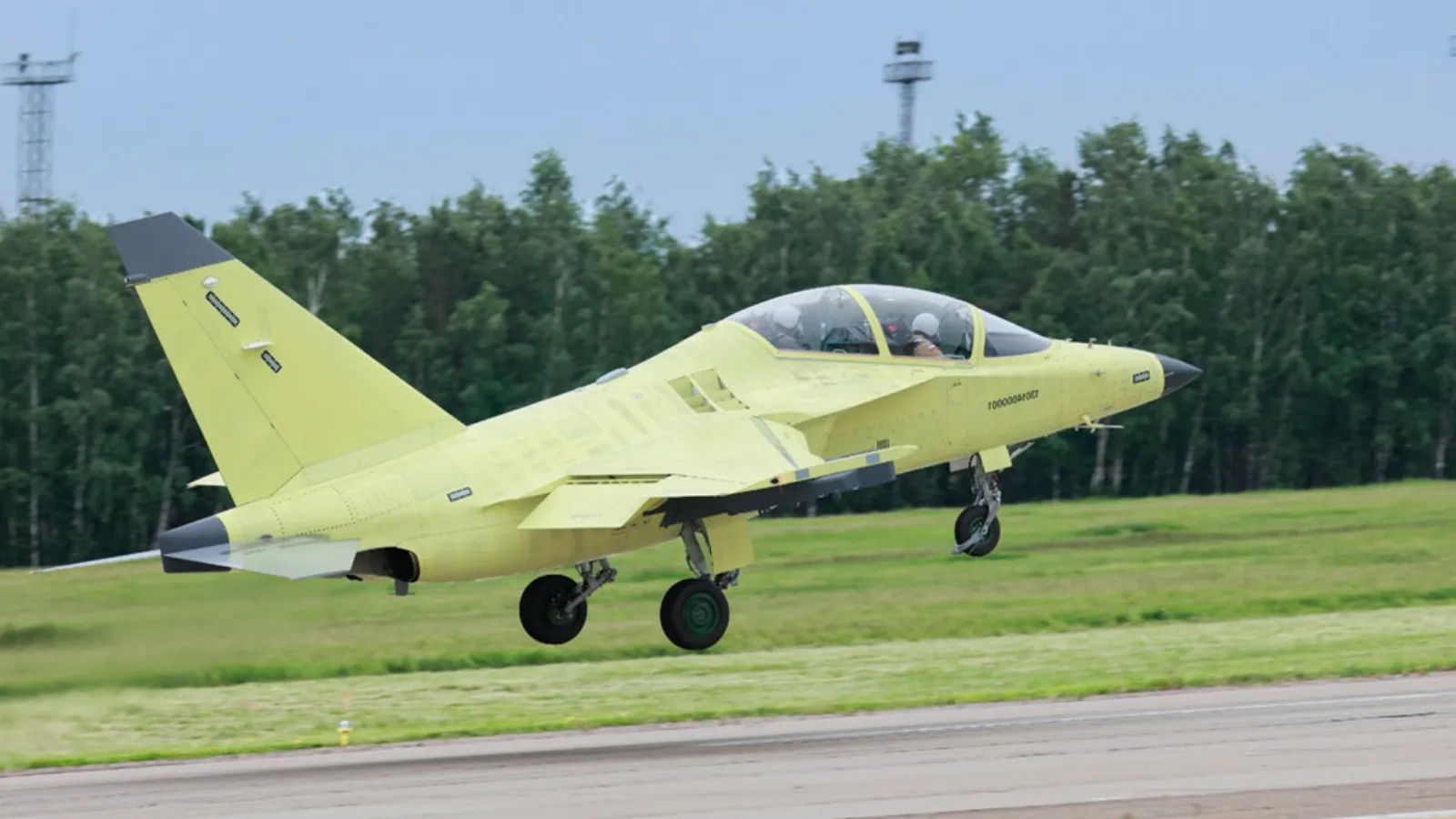
Russia’s Yak-130M modernized combat trainer program has entered a new testing phase, with three prototype aircraft now undergoing trials ahead of planned production deliveries beginning in late 2028, according to officials at the Irkutsk Aviation Plant.
The timeline was announced by Vitaly Yelagin, Chief Manufacturing Officer of the Irkutsk Aviation Plant, during Russian President Vladimir Putin’s visit to the facility. Putin inspected one of the Yak-130M prototype aircraft, which completed its maiden flight approximately one month earlier.
The announcement marks an important milestone in Russia’s effort to modernize its advanced pilot training fleet while expanding the aircraft’s combat capabilities.
Three Prototype Aircraft Are Undergoing Flight Trials
According to Yelagin, engineers have completed assembly of three Yak-130M prototypes, all of which are currently participating in developmental and certification testing.
The flight test campaign is expected to evaluate:
- Flight performance across the operating envelope
- Avionics integration
- Weapon system compatibility
- Reliability and maintainability
- Pilot training effectiveness
- Combat mission capabilities
If testing proceeds as planned, production deliveries are expected to begin during the second half of 2028.
The Yak-130M represents the next major evolution of the Yak-130 platform, which has served as Russia’s primary advanced jet trainer for more than a decade.
Putin Visits Irkutsk Aviation Plant
President Vladimir Putin’s visit to the Irkutsk Aviation Plant, operated by Yakovlev PJSC under the United Aircraft Corporation (UAC), underscored the strategic importance Moscow places on military aircraft production.
During the visit, Putin viewed the newest Yak-130M prototype that recently completed its maiden flight.
The Irkutsk facility remains one of Russia’s principal aerospace manufacturing centers, producing both military and civilian aircraft programs while supporting ongoing modernization efforts for the Russian Aerospace Forces.
What Is The Yak-130M?
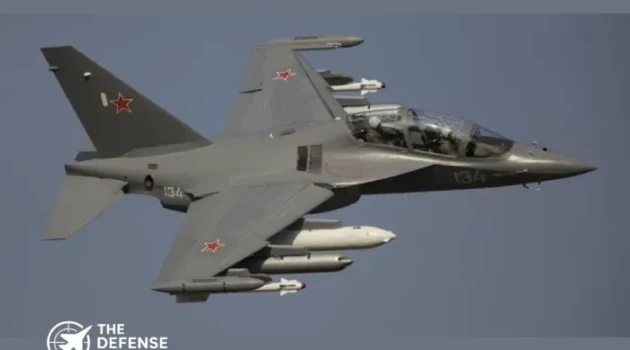
The Yak-130M is an upgraded version of the Yak-130 advanced jet trainer designed to improve both pilot instruction and light combat capabilities.
While maintaining its primary role as a lead-in fighter trainer, the modernization package introduces updated onboard systems intended to better replicate the operational environment of modern fourth and fifth-generation combat aircraft.
The aircraft is expected to support:
- Advanced fighter pilot training
- Ground attack missions
- Close air support
- Reconnaissance missions
- Light strike operations
Its dual-role design allows operators to use the aircraft for training during peacetime while providing additional operational flexibility if required.
Expected Improvements Over The Baseline Yak-130
Although Russian officials have not released complete specifications for the production-standard Yak-130M, previously disclosed information indicates several modernization areas.
Capability Yak-130 Yak-130M (Expected) Primary Role Advanced trainer Advanced trainer and enhanced light combat aircraft Cockpit Digital glass cockpit Updated digital avionics Sensors Standard electro-optical systems Improved targeting and mission systems Weapons Integration Air-to-air and air-to-ground weapons Expanded precision-guided weapon compatibility Training Capability Fourth-generation fighter simulation Enhanced simulation of modern combat aircraft Several of these improvements aim to increase training realism while reducing operating costs compared with using frontline fighter aircraft for pilot conversion.
Why The Yak-130M Matters
Although Russia continues investing heavily in frontline combat aircraft such as the Su-35S and Su-57, maintaining a capable training pipeline remains equally important.
Modern fighter aircraft have become increasingly expensive to operate. Advanced trainers like the Yak-130M allow student pilots to master complex avionics, tactical procedures, and weapons employment before transitioning to operational squadrons.
This approach reduces:
- Flying hour costs
- Airframe wear on frontline fighters
- Training risks
- Maintenance demands
Many modern air forces employ a similar model, using advanced jet trainers to bridge the gap between basic flight instruction and operational combat aircraft.
Strategic Analysis: More Than A Training Aircraft
The Yak-130M’s development reflects broader trends in military aviation rather than simply replacing older trainers.
First, advanced trainers increasingly serve as affordable combat platforms for nations that do not require large fleets of multirole fighters. Enhanced targeting systems and precision-guided weapons allow these aircraft to perform border patrol, counterinsurgency, and limited strike missions at significantly lower operating costs.
Second, Russia’s decision to continue investing in the Yak-130M despite sustained demand for combat aircraft production demonstrates the importance Moscow places on preserving long-term pilot generation capacity. Producing advanced fighters alone is insufficient without a consistent pipeline of trained aircrews capable of operating increasingly sophisticated aircraft.
Third, the Yak-130M also has export implications. The original Yak-130 has been acquired by several international operators, and an upgraded variant could appeal to countries seeking a lower-cost training and light attack solution. However, export opportunities may be influenced by international sanctions, financing arrangements, and broader geopolitical considerations.
For global defense planners, the Yak-130M illustrates a continuing emphasis on maximizing capability while controlling operating costs. Similar trends are evident in Western trainer programs such as the Leonardo M-346 and Boeing-Saab T-7A Red Hawk, each designed to prepare pilots for advanced fighter aircraft using digital training environments.
Looking Ahead
The Yak-130M program will now continue through an extended flight test and certification campaign before entering serial production.
If the current schedule is maintained, deliveries beginning in late 2028 will provide the Russian Aerospace Forces with an updated advanced trainer capable of supporting future pilot training requirements while offering expanded combat functionality.
The progress of the program will be closely watched as Russia continues balancing modernization priorities across its military aviation sector.
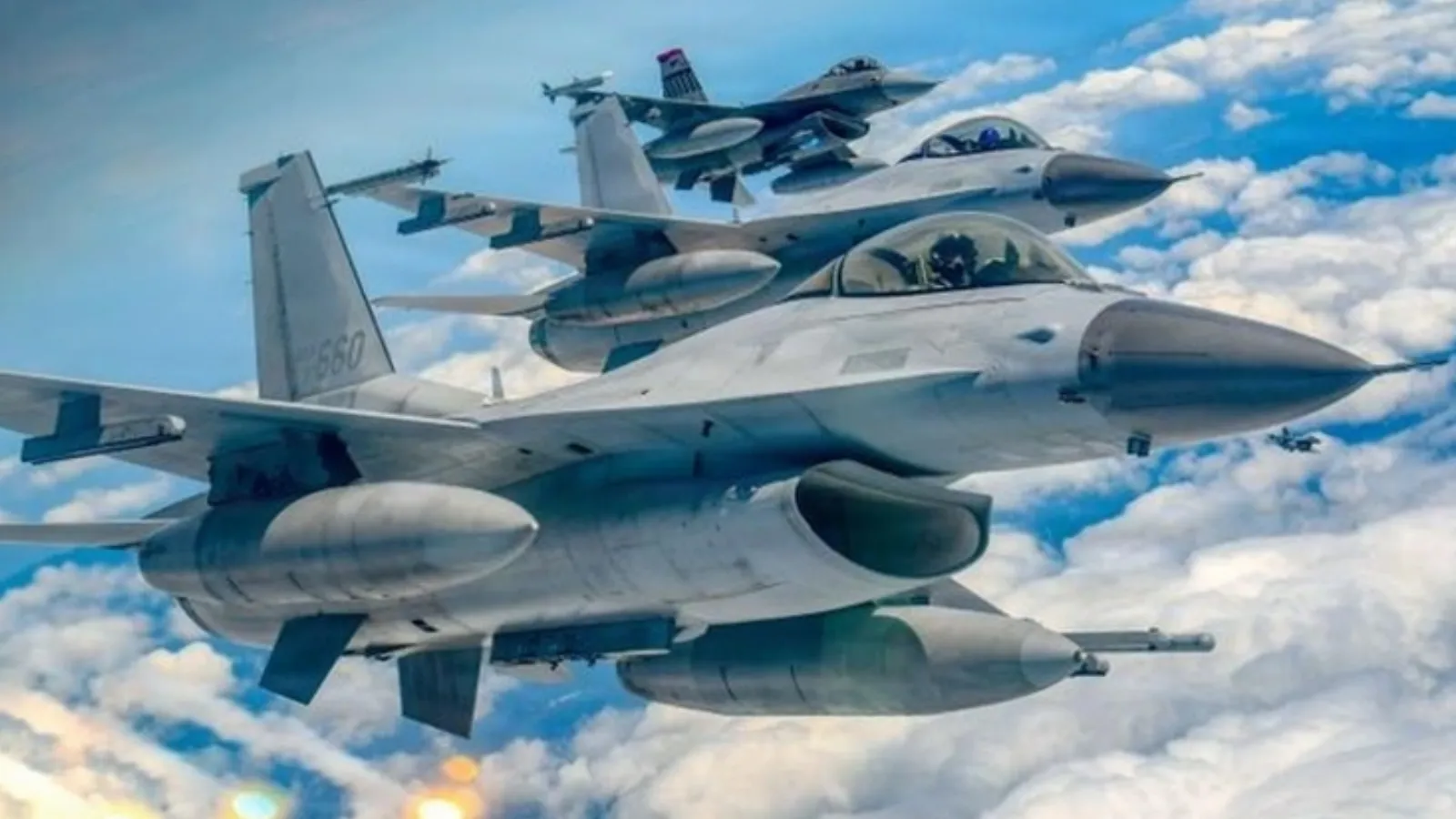
NATO allies are investing in advanced instructor training to improve combat readiness as allied air forces prepare for increasingly contested operational environments.
Executive Summary:
NATO allied air forces have completed the Dutch phase of the multinational Weapons Instructor Course at Leeuwarden Air Base, bringing together elite personnel from four nations. The program develops tactical leaders who will return to their units as instructors, strengthening NATO interoperability and collective air combat readiness.NATO Weapons Instructor Course Strengthens Allied Air Power In The Netherlands
The NATO Weapons Instructor Course is reinforcing allied air combat capability by preparing the next generation of tactical leaders during an intensive multinational training program hosted by the Royal Netherlands Air and Space Force at Leeuwarden Air Base.
Held from July 6 to July 10, the Dutch phase of the course brought together 24 students from Belgium, Denmark, the Netherlands, and Norway. Participants included fighter pilots, intelligence officers, air battle managers, tactical airlift crews, and ground based air defense specialists, reflecting NATO’s growing emphasis on integrated multi domain operations.
Elite Tactical Instructors For NATO Operations
Unlike conventional flying courses, the Weapons Instructor Course focuses on producing highly qualified tactical instructors rather than simply certifying aircrew.
Students conducted demanding operational scenarios involving up to three flying waves each day with as many as 20 military aircraft participating simultaneously. Aircraft involved included Dutch and Danish F-35 Lightning II fighters, Finnish F/A-18 Hornets, and contracted adversary aircraft providing realistic opposing forces.
The curriculum teaches participants to plan, coordinate, and command Large Force Employment missions that combine:
- Fifth generation fighter aircraft
- Intelligence assets
- Command and control networks
- Electronic warfare capabilities
- Ground based air defense systems
Graduates return to their national air forces as weapons instructors, responsible for training future crews and improving operational tactics across their services.
Why The Training Matters
The timing of the exercise reflects NATO’s continued effort to improve interoperability as European allies modernize their air forces and expand fleets of advanced aircraft, particularly the F-35.
Rather than focusing solely on aircraft performance, the course emphasizes how multiple nations can operate as a single combat force during high intensity operations.
That objective has become increasingly important as NATO members conduct more multinational exercises and prepare for operations requiring seamless coordination between different aircraft types, command structures, and supporting capabilities.
From an operational perspective, instructor development offers a multiplier effect. Each graduate trains dozens of additional pilots and mission planners after returning home, allowing advanced tactical knowledge to spread throughout allied air forces without requiring every operator to attend multinational courses.
Leeuwarden’s Role In NATO Air Training
Leeuwarden Air Base has served as one of Europe’s premier tactical aviation training centers for decades.
Home to the Royal Netherlands Air Force Weapons School, the base has hosted advanced fighter training since the 1950s and now conducts the multinational Weapons Instructor Course every two years.
Its infrastructure allows participants to integrate live aircraft, intelligence support, electronic warfare, and realistic adversary forces into complex scenarios that closely resemble modern coalition operations.
Following completion of the Dutch phase, the course continues in Norway, further exposing students to different operational environments while reinforcing cooperation among Northern European NATO members.
Analysis: Building Combat Leadership Instead Of Just Flying Skills
One of the most significant aspects of the NATO Weapons Instructor Course is its emphasis on leadership rather than aircraft qualification.
Modern air campaigns rely on synchronized operations involving fighters, surveillance assets, electronic warfare platforms, air defense units, and command networks. Success increasingly depends on tactical decision making across multinational formations rather than the capabilities of individual aircraft.
Programs like the Weapons Instructor Course address this challenge by creating instructors capable of integrating diverse capabilities into coherent combat operations.
The multinational format also provides strategic benefits. As more NATO members introduce common platforms such as the F-35, shared tactical education helps establish standardized procedures, reducing friction during coalition deployments and improving collective deterrence.
For smaller allied air forces, multinational instructor development offers access to complex training environments that would be difficult or prohibitively expensive to replicate independently. This approach strengthens alliance readiness while making efficient use of shared resources.
Looking Ahead
As NATO continues expanding multinational air operations across Europe, advanced instructor programs are becoming an increasingly important component of alliance readiness.
The Weapons Instructor Course demonstrates how allied nations are investing not only in next generation aircraft but also in the tactical expertise required to employ those capabilities effectively. By producing instructors who can train future generations of aircrews, the program supports long term improvements in interoperability, operational leadership, and coalition combat effectiveness.
Executive Summary:
France is moving ahead with plans for a successor to the Future Combat Air System (FCAS) following the collapse of the trinational fighter program involving France, Germany, and Spain. Dassault Aviation says discussions with the French government are underway on a future combat aircraft demonstrator that could make its first flight in 2031 or 2032, marking a major shift in Europe’s sixth generation fighter landscape.
France Advances FCAS Successor Following Program Collapse
France’s FCAS successor effort has entered a new phase after Dassault Aviation confirmed it is discussing a future combat aircraft demonstrator with the French government. The announcement follows the end of the multinational Future Combat Air System fighter program, which had been intended to deliver a sixth generation combat aircraft through cooperation between France, Germany, and Spain.
According to Dassault Chief Executive Eric Trappier, the company is examining an alternative program that could proceed either as a purely French initiative or with carefully selected international partners. The proposed demonstrator would be based on French military requirements and is expected to target a maiden flight in 2031 or 2032.
Why FCAS Broke Down
The original FCAS program was launched in 2017 as Europe’s flagship sixth generation combat aviation project. However, years of disagreements over industrial leadership, intellectual property, workshare, and program management ultimately proved impossible to resolve.
Dassault maintained that the prime contractor for the manned fighter should retain overall design authority, while Airbus Defence and Space argued for a more balanced industrial structure reflecting German and Spanish participation. Those competing approaches prevented the program from progressing into full-scale aircraft development.
Although the fighter element has ended, some enabling technologies developed under FCAS, including networking, sensors, and collaborative systems, may continue independently within European defense initiatives.
France’s New Combat Aircraft Strategy
Rather than restarting a multinational program under the previous framework, France appears to be prioritizing a phased national roadmap.
That roadmap includes:
Program Element Current Status Rafale F5 Development continues as next major Rafale standard Combat drone integration Planned alongside Rafale F5 Future fighter demonstrator Under discussion with French government Demonstrator first flight Targeted for 2031 to 2032 Operational successor Expected during the 2040s timeframe This approach allows France to preserve its fighter aircraft design expertise while reducing dependence on complex multinational industrial arrangements.
What The Demonstrator Is Expected To Prove
The planned demonstrator is intended to validate technologies that define sixth generation combat aircraft rather than serve as a production aircraft itself.
Areas likely to receive emphasis include:
- Low observable airframe design
- Advanced sensor fusion
- Artificial intelligence assisted mission management
- Collaborative operations with unmanned combat aircraft
- Open mission systems architecture
- Improved electronic warfare integration
Many of these technologies are already being explored through Rafale modernization programs and France’s previous unmanned combat aircraft research.
Strategic Significance For European Defense
France’s decision highlights a broader shift occurring across Europe’s combat aviation sector.
Instead of relying exclusively on large multinational fighter programs, major defense powers are increasingly pursuing nationally led development efforts while remaining open to selective international participation.
The United Kingdom, Italy, and Japan continue development of the Global Combat Air Programme (GCAP), while France is positioning its own future aircraft around national operational priorities. Germany has also begun restructuring portions of its future air combat strategy following FCAS’s collapse.
Why This Matters For The United States
From a U.S. defense perspective, France’s new direction carries several implications.
First, it preserves Europe’s ability to independently develop advanced combat aircraft, maintaining competition and technological diversity within the Western aerospace industry.
Second, a successful French demonstrator would sustain Dassault’s expertise in designing high performance fighter aircraft, an important capability for NATO’s broader industrial base.
Finally, the shift illustrates the growing challenge of managing multinational defense acquisition programs as technology becomes increasingly software driven and intellectual property grows more valuable. Future partnerships may increasingly resemble modular technology collaborations rather than fully integrated aircraft development efforts.
For U.S. defense planners, the evolution of France’s program also provides another benchmark against ongoing sixth generation efforts such as the U.S. Air Force’s Next Generation Air Dominance initiative and allied combat aircraft programs.
Outlook
France has not formally launched a replacement acquisition program, but discussions surrounding a future combat aircraft demonstrator indicate that planning has moved beyond conceptual studies.
If government approval is secured, a demonstrator flying in the early 2030s would represent the first major milestone toward a new French combat aircraft expected to succeed the Rafale during the 2040s. The effort also signals France’s determination to preserve sovereign fighter aircraft design capabilities while remaining open to future international cooperation under conditions that align with French operational and industrial priorities.