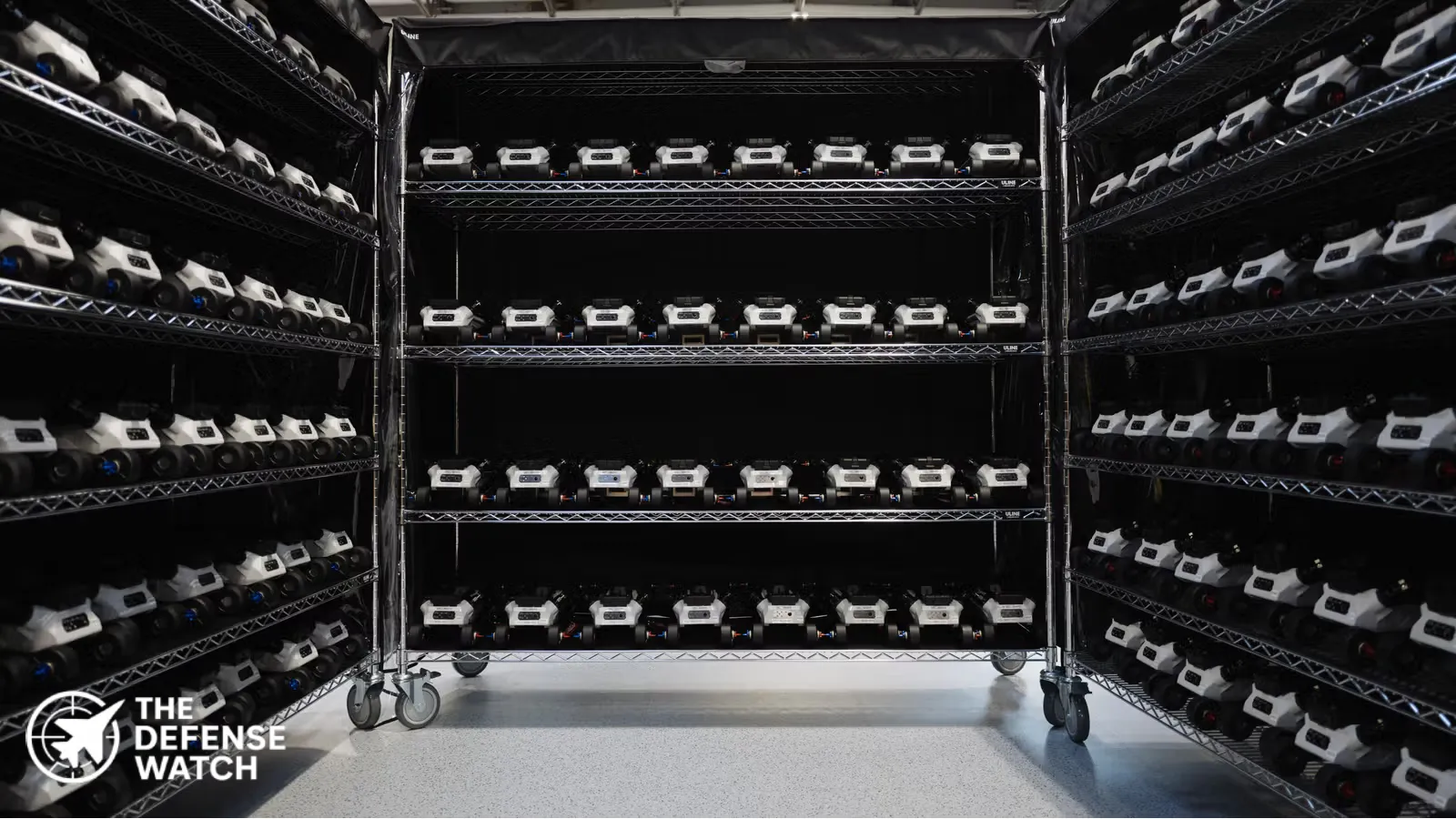
Executive Summary:
Türkiye has unveiled a new kamikaze drone with a reported range exceeding 1,000 kilometers, marking a major step in its long-range strike capabilities. The system enhances Ankara’s ability to conduct deep precision attacks and reflects a broader shift toward autonomous, cost-effective warfare solutions.
Türkiye Expands Long-Range Strike Capabilities with New UAV
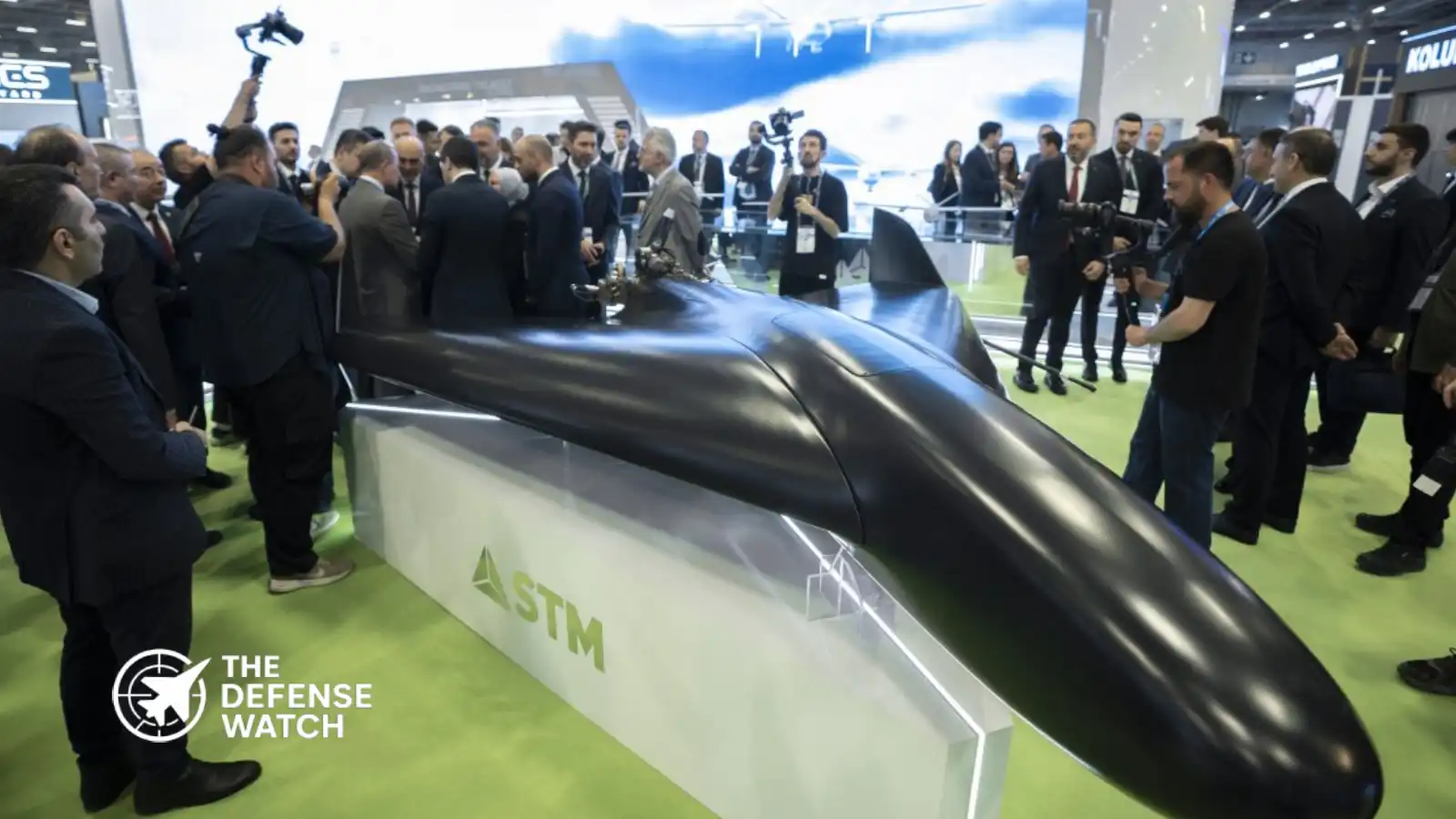
Türkiye has introduced a next-generation loitering munition capable of operating at ranges beyond 1,000 km, placing it among a growing class of long-endurance kamikaze drones designed for strategic strike missions.
The system, revealed in 2026, underscores Ankara’s continued investment in indigenous unmanned systems. Turkish defense firms have steadily expanded their portfolio from tactical UAVs to more advanced platforms capable of penetrating contested environments.
Unlike earlier short-range loitering munitions, this new platform is designed for extended missions, enabling operators to engage high-value targets deep behind enemy lines without relying on manned aircraft.
Key Features and Technical Advantages
Extended Operational Reach
- Range exceeding 1,000 km, significantly higher than most conventional loitering munitions
- Enables deep-strike missions without forward deployment
Precision Strike Capability
- Designed for high-accuracy terminal engagement
- Likely integrates advanced guidance and navigation systems
Cost-Effective Force Multiplier
- Lower cost compared to cruise missiles or manned sorties
- Suitable for attritable warfare concepts
Flexible Deployment
- Potential for ground-based launch systems
- Can be used in swarm or coordinated attack scenarios
Comparison with Existing Systems
System Range Payload Status Key Technology New Turkish Kamikaze Drone 1,000+ km Classified Development/Unveiled Long-range loitering, precision strike IAI Harop (Israel) ~1,000 km ~23 kg Operational Anti-radiation seeker, loitering munition Switchblade 600 (US) ~40 km Light anti-armor Operational Portable loitering strike system Shahed-136 (Iran) ~2,000 km (est.) Explosive warhead Operational Low-cost, long-range strike drone Strategic Implications for Regional Security
Shift Toward Deep Precision Strike
The introduction of a 1,000+ km loitering munition reflects a shift from tactical UAV use toward strategic strike roles, traditionally dominated by cruise missiles.
Enhanced Deterrence Posture
Türkiye’s ability to conduct long-range unmanned strikes strengthens its deterrence across the Middle East, Eastern Mediterranean, and beyond.
Countering Air Defense Systems
Such drones are increasingly used to:
- Saturate air defenses
- Target radar and missile systems
- Conduct persistent surveillance before strike
Influence on Modern Warfare Trends
The system aligns with broader global trends, including:
- Increased reliance on autonomous and semi-autonomous weapons
- Growing use of loitering munitions in conflicts such as Ukraine
- Emphasis on cost-efficient precision strike platforms
Broader Context: Türkiye’s UAV Ecosystem
Türkiye has emerged as a leading exporter of UAV systems, with platforms already deployed in multiple theaters. The development of long-range kamikaze drones complements its existing fleet of armed UAVs and signals a move toward multi-layered unmanned warfare capabilities.
This latest unveiling suggests Ankara aims to compete directly with established loitering munition producers while addressing evolving battlefield demands, particularly in environments where air superiority is contested.
Outlook
As development progresses, key areas to monitor include:
- Integration with network-centric warfare systems
- Potential export interest from allied nations
- Operational deployment timelines
If successfully fielded, the system could redefine Türkiye’s role in long-range unmanned strike operations and further accelerate the global adoption of loitering munitions as strategic weapons.
Executive Summary:
The U.S. Army has selected the Switchblade 400 loitering munition by AeroVironment as a core component of its LASSO program, aimed at enhancing small-unit precision strike capabilities. The decision reflects a broader shift toward portable, networked munitions that can counter dispersed and mobile threats. The system provides infantry units with organic reconnaissance and strike capability, reducing reliance on heavier fire support.
U.S. Army Selects Switchblade 400 for LASSO Program
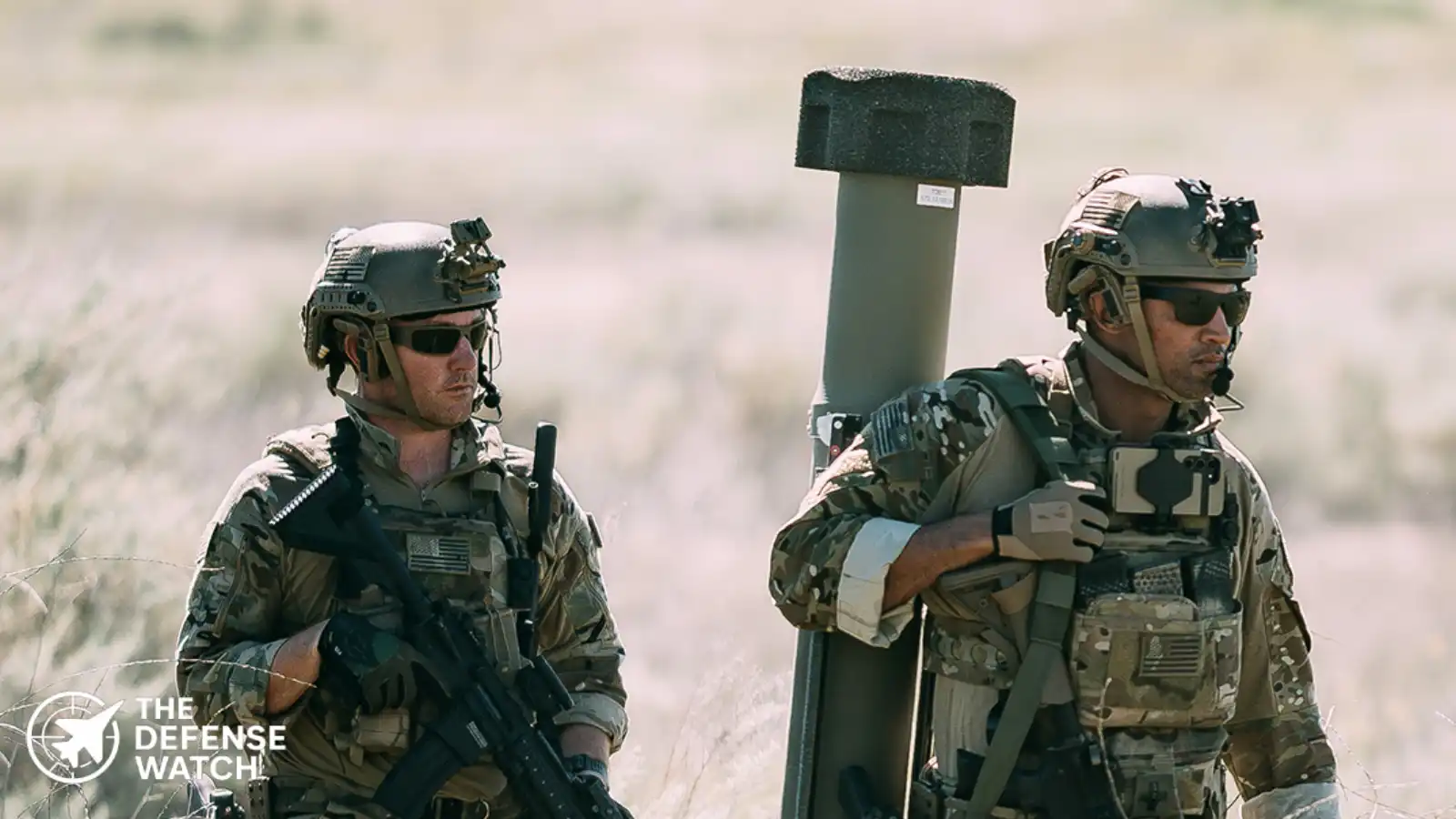
The U.S. Army has formally integrated the Switchblade 400 loitering munition into its Low Altitude Stalking and Strike Ordnance (LASSO) program, marking a significant step in modernizing infantry-level precision strike systems. Developed by AeroVironment, the system is designed to provide rapid-response targeting capability in contested and urban environments.
The LASSO initiative seeks to equip dismounted units with lightweight, rapidly deployable loitering munitions capable of identifying and engaging targets beyond line of sight. The selection of the Switchblade 400 underscores the Army’s emphasis on scalable, soldier-operated unmanned systems.
Technical Overview of Switchblade 400 System
The Switchblade 400 is a compact loitering munition designed for portability and rapid deployment. It combines surveillance and strike capabilities into a single system.
Key Features:
- Range: Up to 10 km operational radius
- Endurance: Approximately 15–20 minutes loiter time
- Payload: Anti-personnel fragmentation warhead
- Launch System: Tube-launched, man-portable
- Guidance: Real-time video feed with operator-in-the-loop control
- Recovery: Wave-off capability for aborting engagements
Operational Advantages:
- Enables beyond-line-of-sight targeting without external ISR support
- Reduces collateral damage through precision engagement
- Provides organic ISR and strike integration at squad level
- Enhances urban warfare effectiveness in complex terrain
Comparison with Legacy Systems and Alternatives
| System | Range | Payload | Status | Key Technology |
|---|---|---|---|---|
| Switchblade 400 | ~10 km | Anti-personnel | Operational (LASSO) | Loitering munition, real-time ISR |
| Switchblade 300 | ~10 km | Anti-personnel | Legacy/fielded | Early loitering munition design |
| Switchblade 600 | ~40 km | Anti-armor | Fielded | Extended endurance, anti-armor warhead |
| Warmate (WB Group) | ~30 km | Modular (HE/thermobaric) | Export/operational | Modular payload, longer endurance |
LASSO Program and Tactical Implications
The LASSO program reflects a doctrinal shift toward distributed operations, where small units operate independently in contested environments. By equipping infantry squads with loitering munitions, the Army reduces dependence on centralized fire support such as artillery or airstrikes.
Program Objectives:
- Provide organic precision strike capability at lower echelons
- Improve response time against time-sensitive targets
- Enhance survivability by minimizing exposure during engagements
The integration of Switchblade 400 aligns with lessons learned from recent conflicts, where loitering munitions have proven effective against both conventional and irregular forces.
Strategic Context: Rise of Loitering Munitions in Modern Warfare
The adoption of loitering munitions has accelerated following their widespread use in conflicts such as Nagorno-Karabakh and the war in Ukraine. These systems offer a cost-effective alternative to traditional guided missiles and enable forces to engage targets with precision and flexibility.
Key drivers behind this trend include:
- Increased need to counter mobile and concealed targets
- Demand for low-cost precision strike options
- Growth of networked battlefield systems and ISR integration
The U.S. Army’s investment in the LASSO program indicates a long-term commitment to integrating loitering munitions into its tactical doctrine, particularly in anticipation of high-intensity conflicts against near-peer adversaries.
Outlook for Deployment and Future Development
With the Switchblade 400 now part of the LASSO framework, further developments are expected in areas such as:
- Enhanced AI-assisted target recognition
- Improved electronic warfare resilience
- Integration with battlefield networks and data links
The program may also expand to include complementary systems with extended range and payload flexibility, reinforcing a layered approach to tactical unmanned strike capabilities.
As battlefield dynamics continue to evolve, systems like the Switchblade 400 are likely to play a central role in shaping future infantry operations.
Kalashnikov Containerized Loitering Munition Targets Asia-Pacific Buyers
Kalashnikov’s containerized loitering munition offering highlights how drone warfare is reshaping defense procurement across the Indo-Pacific. The Russian manufacturer used the Defence Services Asia (DSA) 2026 exhibition in Kuala Lumpur to promote the system to Asia-Pacific customers.
The concept is straightforward but strategically significant. By placing loitering munitions inside a standard containerized launcher, operators gain a more survivable and flexible strike capability. Systems can be mounted on trucks, dispersed at coastal sites, or potentially integrated aboard ships. That creates a mobile launch network that is harder to detect and easier to reposition.
- Kalashnikov presented a containerized loitering munition system at DSA 2026 in Kuala Lumpur.
- The system is being marketed to Asia-Pacific countries seeking mobile precision strike options.
- Containerized launchers can be deployed from trucks, fixed sites, or maritime platforms.
- Loitering munitions combine reconnaissance, target tracking, and terminal attack in one platform.
- The move reflects growing regional demand for lower-cost stand-off weapons and drone warfare tools.
For militaries with long coastlines, island territories, or limited airpower, such systems can offer relatively affordable stand-off strike capacity.
Why Containerized Systems Matter Now
The Kalashnikov containerized loitering munition enters a market where militaries increasingly want weapons that are cheaper than cruise missiles but more precise than artillery rockets.
Recent conflicts have demonstrated that loitering munitions can locate targets, circle above contested areas, then strike when a high-value asset appears. That compresses the kill chain and reduces dependence on manned aircraft.
Containerized formats add another layer of value:
- Faster deployment from civilian-style transport platforms
- Lower visual signature during movement
- Easier storage and logistics
- Scalable salvo launch potential
- Useful for coastal defense and area denial missions
For Southeast Asian states managing maritime chokepoints and dispersed geography, these features are especially relevant.
Kalashnikov Expands Beyond Traditional Small Arms
Kalashnikov Concern is globally known for rifles, but in recent years it has expanded aggressively into unmanned systems and precision munitions.
The company earlier showcased the RUS-PE canister-launched loitering munition at World Defense Show 2026. Industry reporting described it as a portable reconnaissance-strike system with an estimated range of around 40 kilometers, indicating a broader push into expendable drone weapons.
That suggests Kalashnikov is building a layered product line, from infantry-portable systems to larger containerized launch solutions for export customers.
Asia-Pacific Demand Is Growing Fast
Regional demand for loitering munitions is accelerating as countries study lessons from Ukraine, the Middle East, and Red Sea security incidents.
Several Asia-Pacific militaries are now seeking:
- Counter-ship strike tools
- Rapid battlefield precision attack systems
- Lower-cost deterrence weapons
- Drone swarming and reconnaissance systems
- Distributed launch networks for survivability
This trend has also encouraged domestic programs in countries such as India, South Korea, and others pursuing indigenous drone weapons.
Strategic Outlook
Kalashnikov’s move into the Asia-Pacific market comes at a time of intensifying competition among Russian, Chinese, Turkish, Israeli, and Western suppliers in the loitering munition sector.
Whether major regional buyers proceed will depend on sanctions exposure, financing terms, local industrial participation, and integration with existing command networks. But the message from DSA 2026 is clear: containerized loitering munition systems are becoming part of mainstream military planning.
For smaller and mid-sized forces, they may offer a practical route to precision strike capability without the cost of advanced combat aircraft or long-range missile inventories.
US Marines Pick Anduril Bolt-M Loitering Munition for OPF-L (Intro)
The Anduril Bolt-M loitering munition has been selected by the United States Marine Corps as the initial fielding solution under the Organic Precision Fires-Light (OPF-L) program, following successful testing and a new contract award, Marine officials and the company say.
Small, mobile and designed for infantry use, the Bolt-M will give dismounted Marine rifle squads a beyond-line-of-sight precision strike option once deployed in units starting in summer 2026.
Contract Award and Schedule
In January 2026, Anduril Industries announced it received a $23.9 million award to produce and deliver more than 600 Bolt-M systems to the Marine Corps under OPF-L.
Deliveries of the systems, along with ground control stations and support gear, are scheduled from February 2026 through April 2027. The first Marine units are expected to begin fielding and training with the systems in summer 2026.
Marine Corps Program officials have framed OPF-L as a way to push precision fires down to the rifle squad level, giving frontline units tools that were traditionally available only through higher-echelon support.
What Bolt-M Brings to Infantry Units
The Bolt-M is a vertical take-off and landing (VTOL) loitering munition that can be carried in a pack and launched rapidly by small teams. Its design supports fast deployment in confined terrain without elaborate launch gear.
Built to operate beyond visual line of sight, Bolt-M features autonomy, modular warhead options, and onboard guidance that eases operator workload. It integrates with Anduril’s software suite to plan missions, track targets and execute strikes.
Bolt-M systems weigh roughly 13 to 15 pounds, have a flight endurance around 40 minutes and a range in the 20 kilometer class, giving squads the ability to gather information and strike targets at distance.
Testing and Evaluation
Before the contract award, the Marine Corps evaluated more than 250 Bolt-M systems over about 13 months of testing. The systems were assessed for safety, environmental performance and mission reliability across hundreds of flights.
Officials said performance across endurance, payload and range checks informed the decision to select Bolt-M for initial fielding under OPF-L.
Production Scaling
Anduril says it has invested in manufacturing capacity for Bolt-M, aiming to produce more than 100 all-up rounds per month and increasing that capacity across Bolt variants to above 175 systems per month in 2026.
Analysts note that scaling production capability will be important as the Marine Corps integrates loitering munitions more broadly across its infantry formations.
Program Context
OPF-L is part of the Corps’ broader effort to provide organic precision fires at lower echelons, giving commanders more options in fast-moving, distributed operations. It sits alongside other loitering munition efforts, including systems from AeroVironment and Teledyne FLIR, chosen for separate roles in the same program.
Marine leaders have emphasized that OPF-L tools are intended to complement existing fires, not replace systems such as artillery or air support.
Operational Outlook
Bolt-M fielding aligns with a shift in infantry tactics that places a premium on small, networked precision strike options. For the Marine Corps, providing squads with organic strike capability may improve responsiveness in complex environments where traditional fire support is delayed or constrained.
As units begin training in 2026, commanders will be watching how Bolt-M performs in realistic conditions and how it fits within broader Marine combat operations.