Executive Summary:
The United States has approved the transfer of Bell 505 training helicopters to the Philippine Air Force to expand pilot training capacity. The move supports Manila’s ongoing military modernization and addresses growing demand for trained aircrew amid regional security pressures.
US Approves Bell 505 Helicopters For Philippine Air Force Training Expansion
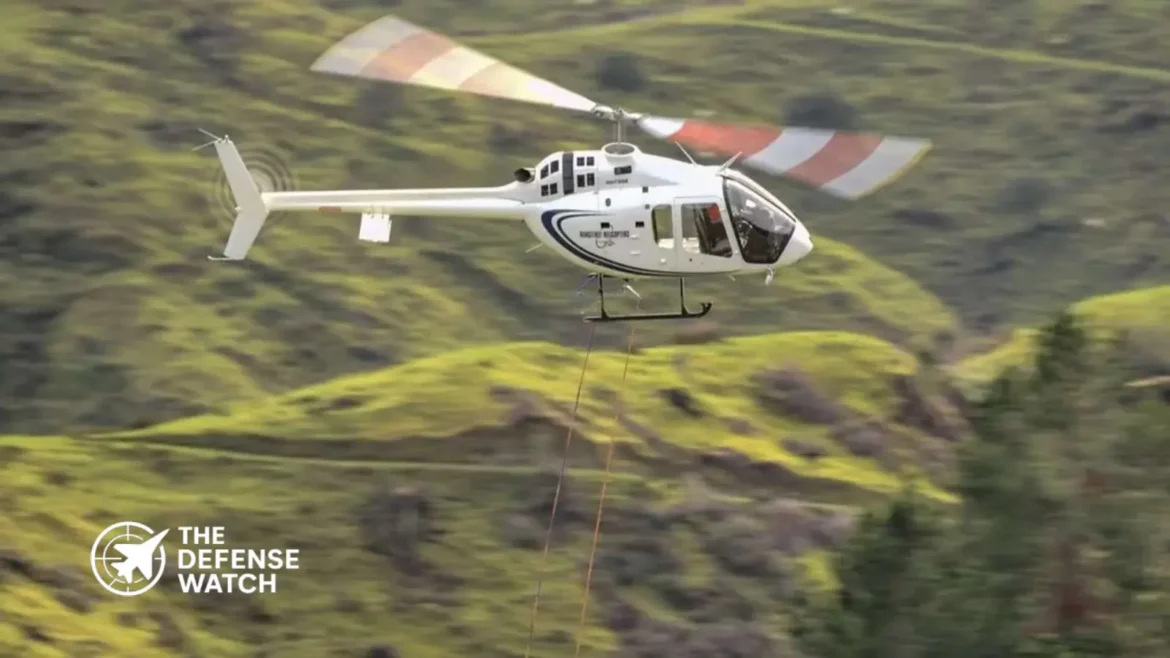
The Bell 505 helicopters Philippines program marks a significant step in strengthening the Philippine Air Force’s pilot training pipeline, as Washington authorizes the transfer of light training helicopters produced by Bell Textron.
The approval supports Manila’s broader effort to modernize its air capabilities while addressing a persistent shortage of trained rotary-wing pilots. The Bell 505, a lightweight, single-engine helicopter, is widely used for basic and advanced flight training due to its modern avionics and cost efficiency.
Addressing A Critical Training Bottleneck
The Philippine Air Force training expansion comes at a time when the service is increasing its operational tempo across multiple mission sets, including maritime security, disaster response, and counterinsurgency.
Training capacity has emerged as a limiting factor. Even as the Philippines acquires new aircraft, pilot production has struggled to keep pace. The Bell 505 fleet is expected to ease this bottleneck by providing a reliable, modern training platform.
The aircraft features a fully digital glass cockpit and advanced flight controls, allowing trainee pilots to transition more easily to frontline platforms. Compared to legacy trainers, the Bell 505 reduces maintenance demands while improving training efficiency.
From an operational perspective, this investment reflects a shift from platform acquisition alone toward building sustainable human capital in aviation units.
Strategic Context: Modernization Amid Regional Pressure
The Bell 505 helicopters Philippines deal aligns with Manila’s ongoing military modernization program, which has gained urgency amid rising tensions in the South China Sea.
While the helicopters themselves are not combat assets, their impact is strategic. Increasing the number of qualified pilots directly enhances the Philippine Air Force’s ability to deploy and sustain operations across its archipelagic territory.
The United States has steadily expanded defense cooperation with the Philippines in recent years, including increased access to bases under the Enhanced Defense Cooperation Agreement (EDCA). This approval reinforces that partnership through practical capability development rather than high-profile weapons systems.
In this context, training platforms like the Bell 505 serve as force multipliers, enabling more effective use of existing and future aircraft.
Technical Overview Of The Bell 505 Platform
The Bell 505, also known as the Jet Ranger X, is designed for versatility and ease of operation. Key features include:
- Single-engine configuration optimized for training and light utility missions
- Garmin G1000H NXi avionics suite for advanced pilot instruction
- High visibility cockpit, improving situational awareness for trainees
- Low operating costs compared to larger training helicopters
These characteristics make the Bell 505 particularly suitable for nations seeking to scale pilot training without significantly increasing sustainment burdens.
For the Philippine Air Force, the platform bridges the gap between basic flight instruction and transition to more complex helicopters used in operational roles.
Operational Impact And Long-Term Benefits
The Philippine Air Force training expansion enabled by the Bell 505 is expected to deliver several long-term benefits:
First, it increases annual pilot output, reducing reliance on limited training slots and shortening qualification timelines.
Second, it standardizes training using modern avionics, aligning pilot skills with contemporary aircraft systems.
Third, it enhances readiness across multiple mission areas by ensuring a steady pipeline of qualified aircrew.
From a defense planning perspective, investments in training infrastructure often yield higher returns than additional platform acquisitions alone. Without trained personnel, new aircraft cannot be effectively utilized.
Analysis: Training As A Strategic Enabler
The approval of the Bell 505 helicopters Philippines program highlights a broader trend in U.S. security assistance: prioritizing capacity building over purely hardware-focused transfers.
Rather than supplying high-end combat systems, Washington is enabling partner nations to strengthen foundational capabilities. In the Philippine case, pilot training directly supports:
- Maritime domain awareness operations
- Rapid disaster response in a typhoon-prone region
- Distributed air operations across island chains
This approach also improves interoperability with U.S. forces, as pilots trained on modern systems can integrate more easily into joint exercises and missions.
At the same time, the relatively low-profile nature of training helicopter transfers reduces escalation risks in sensitive regions, offering a pragmatic balance between capability enhancement and geopolitical stability.
Conclusion
The Bell 505 helicopters Philippines approval underscores the importance of training infrastructure in modern military capability development. By expanding pilot training capacity, the Philippine Air Force is positioning itself to better utilize current and future aviation assets.
For the United States, the move reinforces a strategy focused on sustainable partner capacity rather than short-term capability boosts. As regional dynamics continue to evolve, investments in training platforms like the Bell 505 may prove as critical as frontline systems in shaping long-term defense readiness.

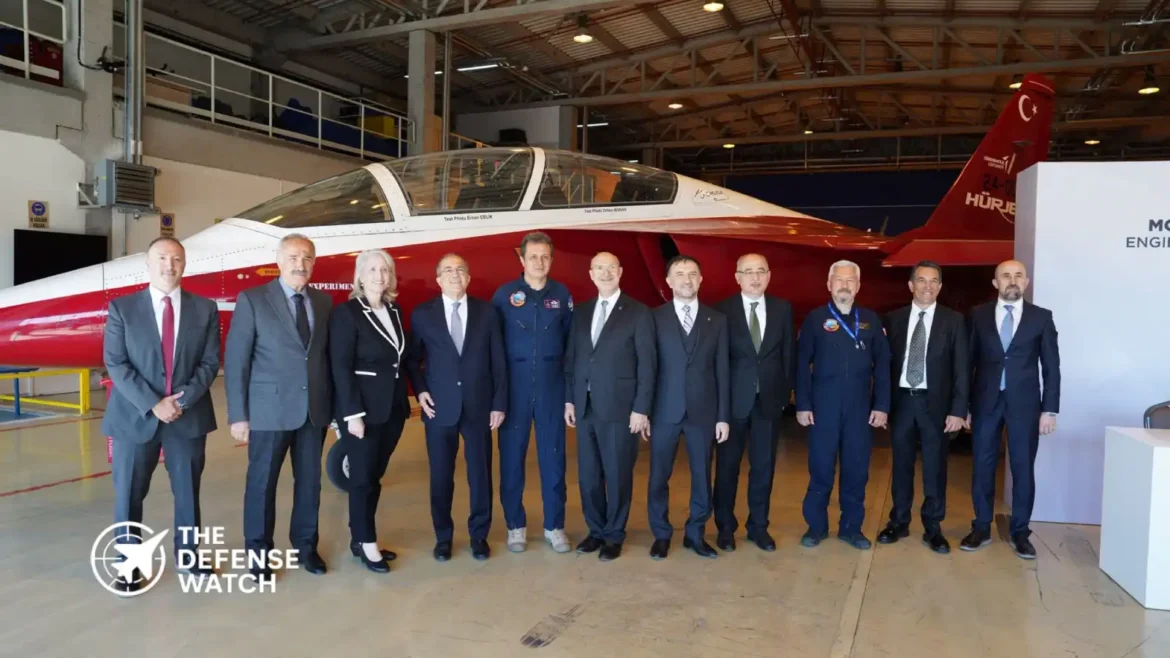
Executive Summary: Turkish Aerospace Industries (TAI) and GE Aerospace have officially signed an agreement to provide F404-GE-102 engines for the serial production of the Hürjet advanced jet trainer. This partnership secures the propulsion requirements for the first batch of aircraft, facilitating Turkey’s transition toward indigenous supersonic flight training and light combat capabilities.
Strategic Propulsion Integration for the Hürjet Program
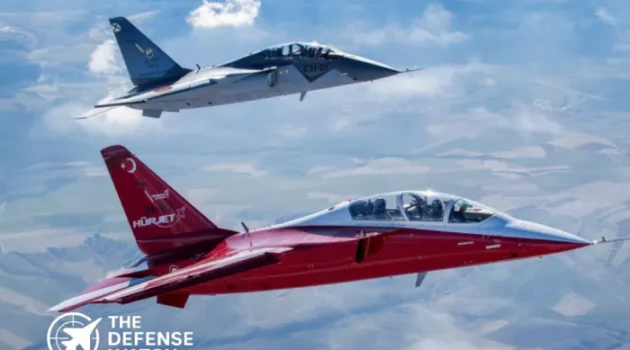
Turkish Aerospace Industries (TAI) has reached a definitive milestone in the Hürjet program by formalizing a propulsion supply agreement with GE Aerospace. The deal ensures the delivery of the F404-GE-102 turbofan engine, a power plant renowned for its reliability in supersonic trainers and light fighter platforms globally.
The Hürjet, which conducted its maiden flight in April 2023, is designed to replace the aging Northrop T-38 Talon and NF-5 fleets within the Turkish Air Force (TuAF). By selecting the F404, TAI leverages a proven engine architecture, reducing technical risk during the critical serial production phase.
Technical Performance and Comparison
The Hürjet is positioned to compete in the high-growth advanced jet trainer (AJT) market, balancing cost-efficiency with supersonic performance. The following table compares the Hürjet against the legacy T-38 it is intended to replace.
Platform Range Payload Status Key Technology TAI Hürjet 2,222 km 2,721 kg Serial Production F404-GE-102, Glass Cockpit, FBW T-38 Talon 1,835 km Internal only Legacy / Active J85-GE-5 Turbojets (Non-FBW) Key Advantages of the F404-GE-102 Integration
The integration of the F404 engine provides several operational and logistical benefits for the Turkish Defense Industry (SSB) and the end-user:
- Supersonic Capability: The engine generates 17,600 lbs of thrust with afterburner, allowing the Hürjet to reach speeds of Mach 1.4.
- Modular Maintenance: The F404 is designed with a six-module architecture, significantly lowering the Mean Time To Repair (MTTR) and increasing fleet availability.
- Established Supply Chain: With over 4,000 units produced globally, the F404 offers a mature logistics network, ensuring long-term spare parts availability.
- Multi-Role Flexibility: Beyond training, the engine’s thrust-to-weight ratio enables the Hürjet to function as a Light Combat Aircraft (LCA) for close air support and air-policing missions.
Strategic Context and Regional Security
The Hürjet program is a cornerstone of Turkey’s broader “National Technology Move,” aimed at achieving strategic autonomy in defense procurement. By securing a reliable Western propulsion system, TAI mitigates immediate bottlenecks while continuing parallel domestic engine development programs (such as those by TRMotor).
As regional tensions necessitate rapid pilot throughput and modernization, the Hürjet serves as a bridge to fifth-generation platforms like the KAAN (TF-X). The ability to train pilots on a platform with modern Fly-By-Wire (FBW) systems and high-alpha maneuverability is essential for the transition to stealth-capable aircraft. Furthermore, the Hürjet’s export potential to nations in the Middle East and Southeast Asia is bolstered by the presence of the GE Aerospace engine, which is already familiar to many international maintenance crews.
Future Outlook for Serial Production
Following the January 2022 decision by the Defense Industry Executive Committee (SSIK) to move to serial production, TAI is scaling its facilities to meet the Turkish Air Force’s initial requirement for 16 aircraft. Deliveries are expected to commence by 2025, with the F404 agreement serving as the primary guarantor of the program’s industrial timeline.

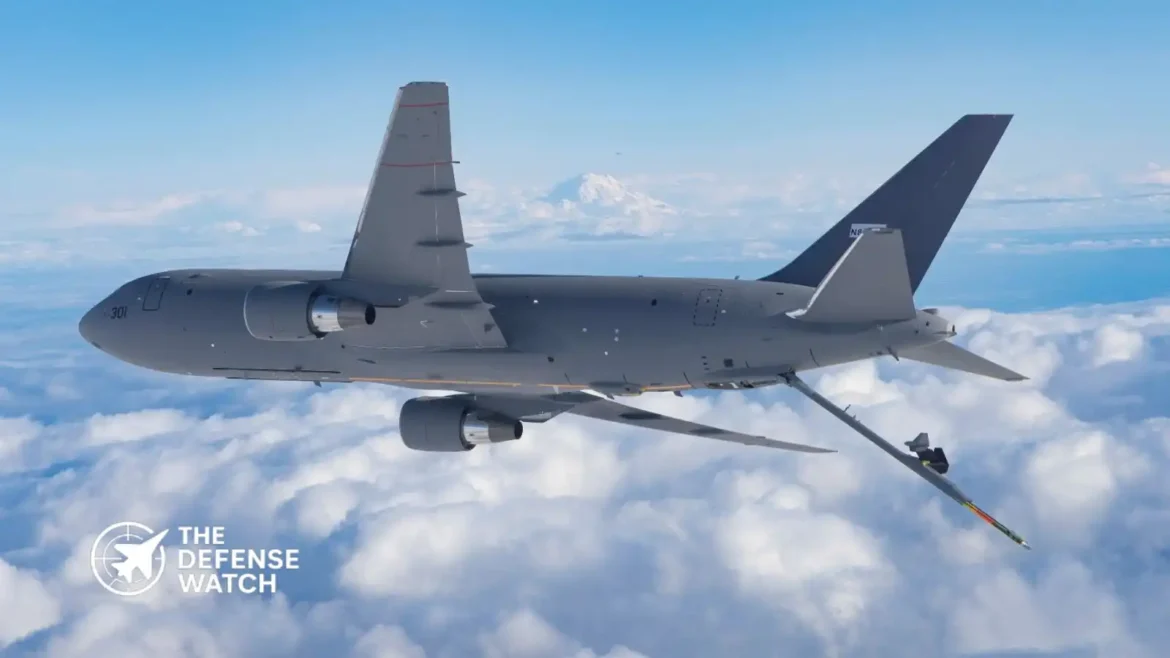
Executive Summary: The first Boeing KC-46A Pegasus, designated “Gideon” in Israeli service, successfully conducted its maiden sortie on May 5, 2026. This milestone marks a critical phase in the Israeli Air Force’s (IAF) efforts to replace its vintage KC-707 tankers and extend the operational reach of its strike groups amid escalating regional tensions.
Strategic Integration and Flight Testing
The inaugural flight, conducted at Boeing’s airfield in the United States, represents the first of six aircraft currently on order for the IAF. This maiden sortie validates the integration of Israeli-specific mission systems—including advanced indigenous electronic warfare (EW) suites and communication arrays—onto the standard 767-2C airframe.
The Israeli Ministry of Defense (MoD) confirmed that the aircraft is scheduled for delivery within one month, following final acceptance trials. The “Gideon” will serve as the backbone of Israel’s long-range logistics, providing the fuel capacity and defensive systems necessary for operations far beyond the nation’s borders.
Technical Comparison: Legacy vs. Next-Generation
The transition from the converted Boeing 707 (Re’em) to the KC-46A represents a generational leap in survivability and mission flexibility.
Enhanced Capabilities for the 21st Century
The KC-46A offers several force-multiplier advantages that the aging KC-707 and KC-130H fleets cannot match:
- Multi-Platform Compatibility: The “Gideon” is equipped with both the fly-by-wire refueling boom and the hose-and-drogue wing aerial refueling pods, allowing it to service the F-35I Adir, F-15IA, and various rotary-wing assets in a single mission.
- Survivability Suites: Unlike commercial conversions, the KC-46 is hardened against electromagnetic pulses (EMP) and features chemical-biological protection and advanced infrared countermeasures.
- Tactical Data Links: Integrated networking allows the tanker to act as a high-altitude data relay, bridging communications between fifth-generation fighters and ground command.
- Aeromedical Evacuation: The aircraft can be rapidly reconfigured to transport 54 passengers or 58 patients in a medevac role.
Strategic Context: Regional Deterrence
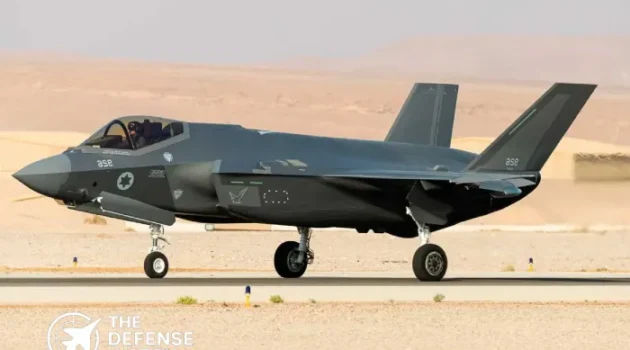
The maiden flight of the KC-46 occurs concurrently with the Israeli Ministerial Committee on Procurement’s approval to acquire two additional fighter squadrons: a fourth F-35I squadron and a second F-15IA (based on the F-15EX) squadron.
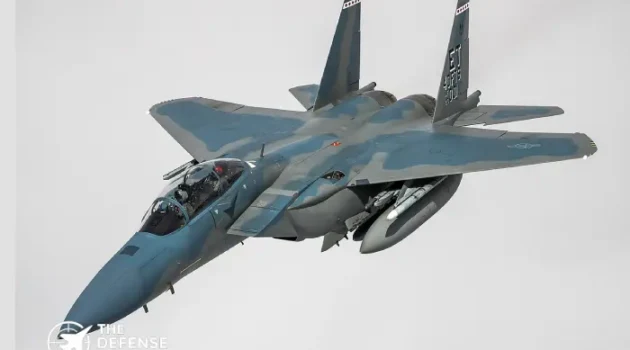
With an aging fleet of 13 primary tankers—many averaging nearly 50 years of service—the IAF’s long-range strike capability has faced increasing maintenance pressure. The introduction of the “Gideon” is widely viewed by defense analysts as a prerequisite for any potential long-range operations against hardened targets in the “Third Circle” (Iran). By significantly increasing the fuel offload available at distance, the KC-46 ensures that Israel’s fleet of 48 F-35I and 88 F-15 variants can maintain a persistent presence over distant theaters of operation.
Procurement Outlook
The US Government approved the sale of up to eight KC-46s in 2020, with Israel so far firming orders for six. The total value of the initial acquisition is estimated at $1.2 billion, funded primarily through Foreign Military Financing (FMF). Following the delivery of the first unit in June 2026, the remaining five aircraft are expected to be delivered through 2028, facilitating the phased retirement of the remaining KC-707 airframes.
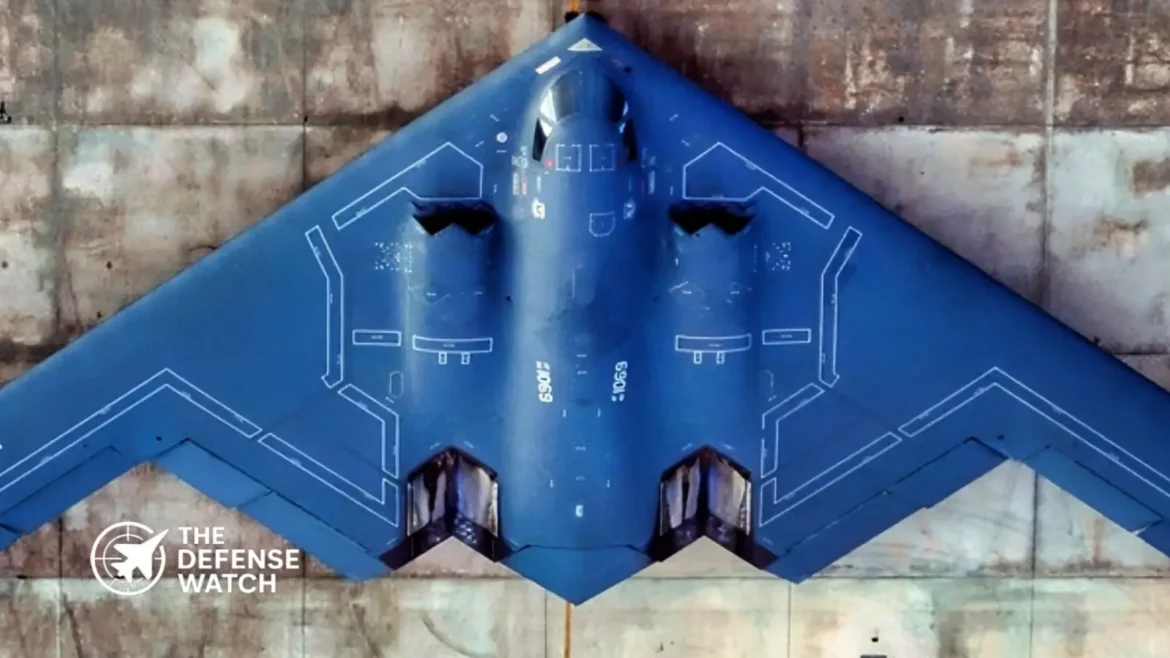
China’s B-2-Sized Stealth Drone Spotted at Secret Xinjiang Base — And It’s Not Alone
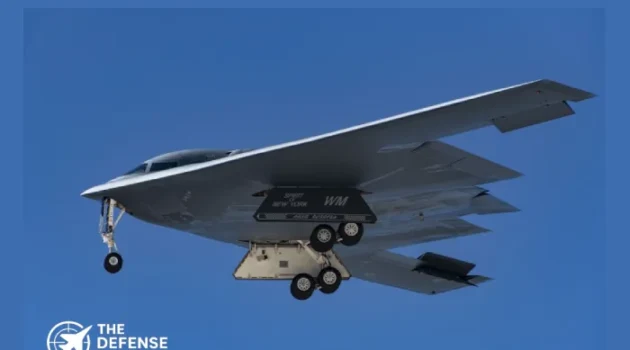
China’s stealth flying-wing drone program crossed a significant milestone in the spring of 2026, when commercial satellite imagery captured two large unmanned aircraft simultaneously operating outside their hangars at a highly secretive military installation deep in the Xinjiang desert. One of those aircraft carries a wingspan that puts it in the same physical category as the United States Air Force’s B-2 Spirit stealth bomber — an aircraft that has long represented the pinnacle of long-range airpower. The images, sourced from Planet Labs and first reported by multiple defense publications, mark the most detailed public glimpse yet into a program that Beijing has worked hard to keep under wraps.
- Satellite imagery taken on March 26, 2026 shows two large stealth flying-wing drones simultaneously operating outside hangars at China’s Malan Air Base in Xinjiang — a first-of-its-kind observation.
- The larger drone, referred to by analysts as the WZ-X, carries an estimated wingspan of approximately 173 feet (52 meters) — placing it in the same size class as the U.S. Air Force’s B-2 Spirit stealth bomber.
- A second aircraft featuring a cranked-kite wing design with a roughly 137-foot (42-meter) wingspan suggests a heavier strike-oriented mission profile with a larger payload capacity.
- A third smaller tailless, fighter-like drone was also observed on the apron alongside a Xi’an Y-20 transport aircraft, indicating multi-platform parallel testing.
- China’s drone activity at Malan coincides with the U.S. Air Force’s Collaborative Combat Aircraft (CCA) program, which targets initial operational fielding around 2028.
The development is not merely a symbolic data point. It reflects a deliberate, well-funded, and accelerating push by the People’s Liberation Army Air Force (PLAAF) to field a new generation of unmanned aircraft capable of conducting long-range surveillance, deep-strike, and electronic warfare missions — with or without a human pilot in the loop. For American defense planners already grappling with the challenge of China’s manned fifth-generation fighters and expanding naval footprint, the maturation of this drone fleet adds a new and complex layer to the strategic calculus in the Pacific.
What the March 2026 Imagery Revealed
The satellite images, taken on March 26, 2026, show two previously identified large stealth drones operating simultaneously at China’s Malan test base in Xinjiang, alongside a third fighter-like unmanned aircraft. This was the first confirmed observation of both large flying-wing platforms outside their hangars at the same time, suggesting a meaningful uptick in test tempo at the facility.
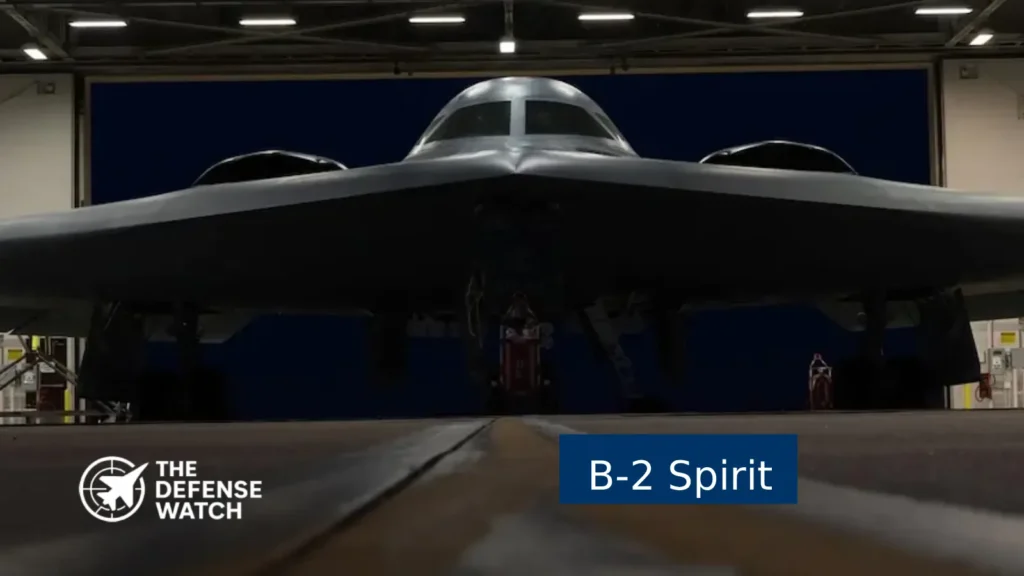
The larger of the two aircraft, sometimes referred to by analysts as the WZ-X, carries an estimated wingspan of roughly 52 meters — approximately 173 feet — placing it in the same general class as the Northrop Grumman B-2 Spirit. Its long, slender wing geometry points toward high-altitude, long-endurance missions, most likely strategic intelligence, surveillance, and reconnaissance (ISR) operations. At that wingspan, the aircraft would be capable of persistent overwatch across vast stretches of ocean or contested territory.
The second aircraft features a cranked-kite wing configuration with a wingspan of approximately 42 meters, or 137 feet. Its broader fuselage and internal volume suggest it is optimized for strike missions and could carry significant weapons payloads or additional fuel for extended-range operations.
Rounding out the scene were a smaller tailless fighter-like drone, roughly comparable to a light tactical aircraft, and a Xi’an Y-20 heavy transport. The fighter-type drone has appeared in prior imagery captured over the past year, confirming it is part of an active and recurring test program rather than a one-off prototype evaluation.
Malan: China’s Most Secretive Aerospace Laboratory
The aircraft are being tested at Malan Air Base, a remote and heavily secured facility in western China that has become a central hub for advanced aerospace programs. The base’s isolated desert location provides both operational security and access to large volumes of restricted airspace, making it ideal for experimental platforms. Historically, Malan has been linked to nuclear weapons development and ballistic missile testing, which underscores the sensitivity and strategic priority attached to everything that happens within its perimeter.
Satellite imagery over the past year has shown a steady increase in activity at the site, including large-scale exercises involving multiple unmanned systems operating alongside conventional aircraft. The presence of several distinct drone types operating concurrently indicates that China is not hedging its bets on a single design but is instead running parallel programs across different mission profiles — ISR, strike, and potentially electronic warfare. That approach carries higher development costs but reduces the risk of a single program failure derailing the entire unmanned air combat agenda.
A Broader Pattern: China’s Unmanned Air Combat Push
The aircraft spotted at Malan do not exist in isolation. They are the most visible manifestations of a broader and highly deliberate Chinese effort to build a full-spectrum unmanned air force.
China has already fielded or tested several similar platforms, including the GJ-11 Sharp Sword, a flying-wing unmanned combat aircraft that was shown in semi-operational configurations only recently. The GJ-11 represents the operational leading edge of China’s stealth drone fleet, but the aircraft at Malan are significantly larger, suggesting that Beijing is not content to stop at tactical-range systems. It is reaching for a strategic unmanned capability.
Other programs — including the CH-7 flying-wing stealth drone and additional loyal wingman-type drones — reveal China’s ambition to integrate unmanned aircraft into future air combat formations, complementing fifth-generation and upcoming sixth-generation fighters by providing additional sensors and weapons capacity. China underscored this intent publicly when it displayed multiple drone concepts during its September 2025 military parade.
Analysis: Why the WZ-X Matters More Than Its Size
The natural headline angle here is the wingspan comparison to the B-2, but the real strategic significance goes deeper than physical dimensions. A drone the size of the B-2 Spirit does not automatically inherit the B-2’s mission — the Spirit carries nuclear gravity bombs and is optimized for penetrating the most sophisticated air defense environments on earth. Whether the WZ-X can replicate that level of low observability remains genuinely unknown from open-source data alone.
What the imagery does confirm, however, is that China is investing in the infrastructure and flight testing required to eventually field such a capability. Development programs of this scale — involving multiple large aircraft types testing simultaneously at a high-security facility — do not emerge overnight. The resources, engineering talent, and organizational commitment behind what is visible at Malan suggest this has been years in the making and that Beijing intends to see it through to operational status.
Equally significant is the parallel development of smaller loyal wingman-type drones at the same site. This mirrors the U.S. Air Force’s Collaborative Combat Aircraft concept almost exactly: pairing autonomous unmanned wingmen with manned or semi-manned aircraft to multiply combat effectiveness and absorb attrition in high-threat environments. China appears to be building toward the same architecture, potentially on a compressed timeline.
How the U.S. Is Responding
Washington is not standing still. The U.S. Air Force’s Collaborative Combat Aircraft program — designed to produce autonomous loyal wingman drones that operate alongside manned fighters — is expected to begin fielding operational systems before the end of the decade, with initial increments projected around 2028.
Those systems are designed to operate in concert with the Next Generation Air Dominance platform, which will provide additional sensors and electronic warfare capabilities, among other upgrades. The F-47, as the NGAD has come to be known, combined with CCA drones, represents the American answer to exactly the kind of manned-unmanned teaming concept now visible at Malan.
On the ISR side, the U.S. has been operating the highly classified Northrop Grumman RQ-180 for high-altitude, stealthy reconnaissance missions, with its existence now publicly confirmed. Earlier in 2026, the secretive platform was spotted flying over Greek airspace. Unlike many of its Chinese counterparts, the RQ-180 is understood to have completed over a decade of operational development and is likely already integrated into combatant command intelligence architecture.
The gap between the two nations’ programs is narrowing, but the United States retains meaningful advantages in operational maturity, systems integration experience, and the depth of institutional knowledge that comes from decades of running large stealth programs through full development cycles. The critical variable in the coming years will be whether China’s accelerated parallel development approach can close that experience gap before U.S. programs fully mature.
Strategic Implications for the Indo-Pacific
The emergence of B-2-class stealth drones in China’s test inventory arrives at a moment when the Indo-Pacific is already under intense strategic strain. A long-range, high-altitude stealth ISR drone operating from mainland China could extend persistent surveillance coverage deep into the Philippine Sea, the second island chain, and potentially well beyond, all without the political and diplomatic risk associated with deploying manned aircraft in contested or ambiguous airspace.
A credible long-range unmanned strike capability would compound this challenge significantly. It would complicate American force projection planning, increase the demands on allied integrated air defense networks, and potentially shift deterrence calculations in a crisis. The U.S. and its regional partners — Japan, Australia, South Korea, and the Philippines in particular — will be watching the pace of operational testing at Malan very closely in the months ahead.
The aircraft spotted in those March 26 satellite frames are not yet operational weapons systems. But they are closing in on that threshold, and the trajectory is unmistakable.
FAQs
What is the WZ-X drone and why does its wingspan matter?The WZ-X is an undesignated large Chinese stealth flying-wing drone observed at Malan Air Base. Its estimated 173-foot wingspan places it in the same physical class as the B-2 Spirit, signaling China’s ambition to develop long-range, strategic unmanned aircraft.
Where is Malan Air Base and why is it significant?Malan is a remote, heavily secured military installation in China’s Xinjiang region. It has historically hosted some of China’s most sensitive aerospace programs, including nuclear and hypersonic development, making it a primary hub for advanced experimental aircraft.
How does this compare to U.S. stealth drone programs?The U.S. operates the classified RQ-180 high-altitude stealth reconnaissance drone and is developing CCA loyal wingman systems under the Air Force’s collaborative combat aircraft program. The U.S. holds advantages in operational maturity, but China’s parallel program structure is compressing the development timeline.
Does China’s drone fleet threaten U.S. assets in the Pacific?Not immediately in operational terms, but the strategic trend is significant. Long-range stealth drones capable of persistent ISR and potential strike missions would expand China’s reach across the Indo-Pacific and complicate U.S. force projection planning considerably.
What is the Cranked-Kite wing design seen on the second drone?A cranked-kite wing is a specific flying-wing geometry that balances aerodynamic efficiency with internal volume, making it well-suited for carrying heavy payloads such as weapons or fuel. It has been used on concepts like the canceled U.S. Navy UCLASS program and is a common design choice for long-range unmanned combat aircraft.

Executive Summary:
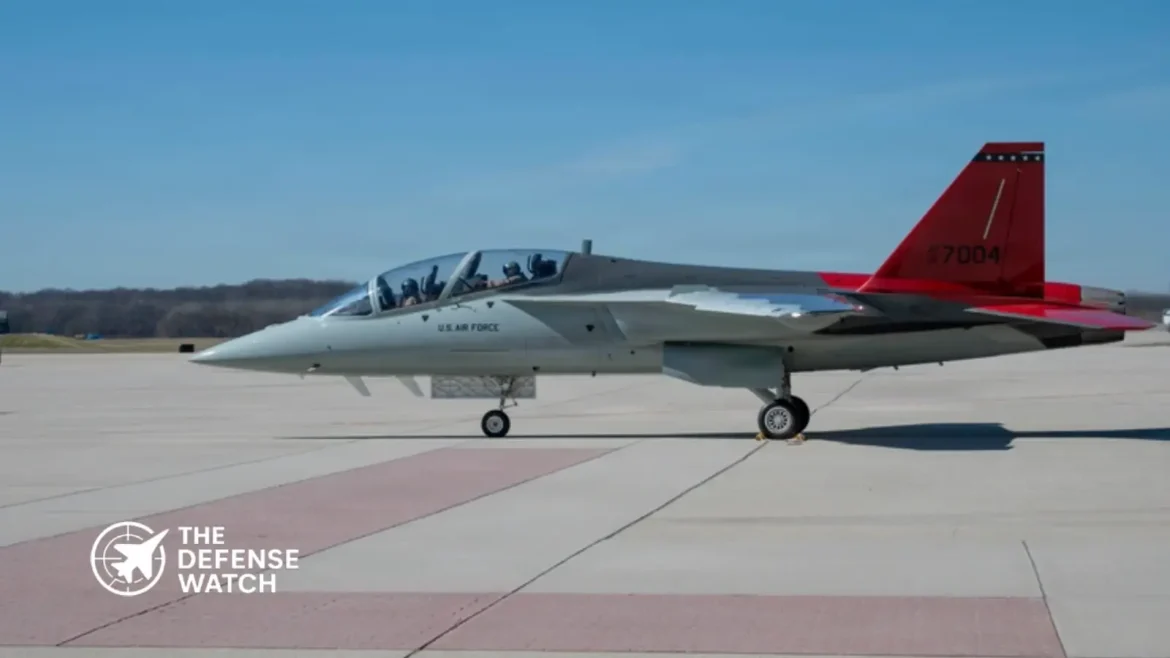
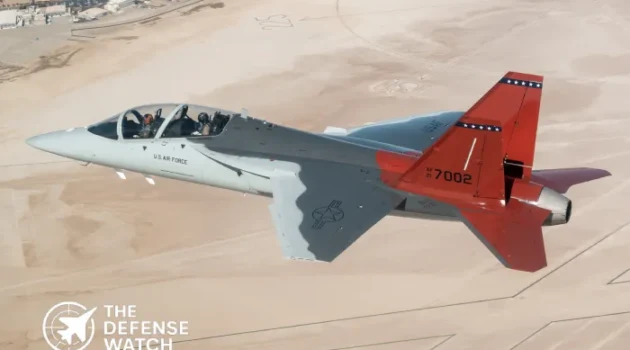
The U.S. Air Force has approved the T-7A Red Hawk for full-rate production, marking a critical milestone in its pilot training modernization program. Developed by Boeing, the aircraft will replace the aging T-38 Talon fleet. The move is intended to align pilot training with the demands of fifth-generation combat aircraft.
T-7A Red Hawk Cleared for Production
The T-7A Red Hawk program has reached a decisive stage, with the U.S. Air Force authorizing full-rate production following years of development and testing. The approval confirms that the aircraft meets operational requirements for advanced pilot training.
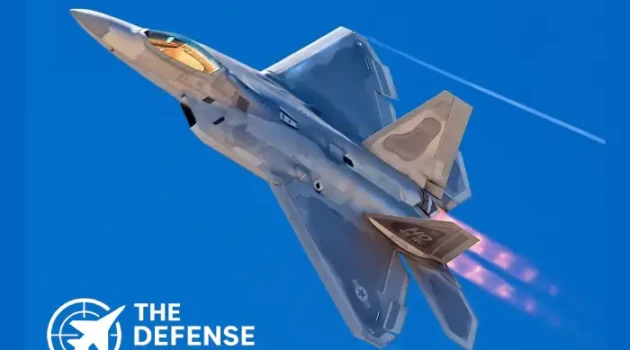
The T-7A is designed to prepare pilots for modern combat platforms such as the F-35 and F-22. It introduces a digital architecture, advanced avionics, and embedded simulation systems that reflect real-world combat environments.
This milestone follows extensive flight testing and system validation, ensuring the platform is ready for scaled manufacturing and operational deployment.
Replacing the Legacy T-38 Talon
The T-7A will replace the long-serving Northrop T-38 Talon, which has been in service since the 1960s.
Key limitations of the T-38:
- Aging airframes with rising maintenance costs
- Limited ability to simulate modern combat scenarios
- Outdated cockpit and avionics systems
The T-7A addresses these gaps with a modern, flexible training system designed for current and future air combat requirements.
Comparison: T-7A Red Hawk vs T-38 Talon
Feature T-7A Red Hawk T-38 Talon Range ~1,830 km ~1,800 km Payload Training systems, simulation suite Limited training payload Status Approved for full production (2026) Operational, nearing retirement Key Technology Digital engineering, embedded simulation Analog systems, legacy avionics Advanced Features and Training Capabilities
The T-7A introduces several technological improvements that redefine pilot training.
Key advantages:
- Digital engineering design, reducing development time and lifecycle costs
- Open architecture systems for rapid upgrades
- Embedded virtual simulation, allowing pilots to train for complex combat scenarios without additional aircraft
- Glass cockpit with large-area displays similar to fifth-generation fighters
- High-G performance envelope to better prepare pilots for frontline aircraft
These features allow the Air Force to compress training timelines while improving pilot readiness.
Industrial and Program Significance
The T-7A program is notable for its use of digital engineering from inception. Boeing and its partners leveraged model-based design to accelerate development and reduce production risks.
The aircraft is expected to be produced at scale, with dozens of units planned annually as the Air Force transitions away from legacy trainers.
The program also supports long-term sustainment efficiency, with maintainability and modular upgrades built into the design.
Strategic Context: Preparing for Future Air Warfare
The approval of the T-7A comes amid growing emphasis on peer competition and high-end warfare scenarios.
Modern air combat requires pilots trained to operate:
- Fifth-generation fighters like the F-35
- Network-centric warfare systems
- Multi-domain operations involving cyber and space assets
The legacy T-38 cannot replicate these conditions. The T-7A bridges that gap by integrating live, virtual, and constructive training environments.
This aligns with broader U.S. defense priorities focused on readiness against near-peer adversaries such as China and Russia.
Outlook
With full-rate production approved in 2026, the T-7A Red Hawk is set to become the backbone of U.S. Air Force pilot training for decades. Initial operational units are expected to expand as production ramps up.
The platform’s modular design also positions it for potential export opportunities, as allied nations seek modern training solutions compatible with advanced fighter fleets.
Overall, the T-7A represents a generational shift in how air forces prepare pilots for increasingly complex combat environments.
Executive Summary:
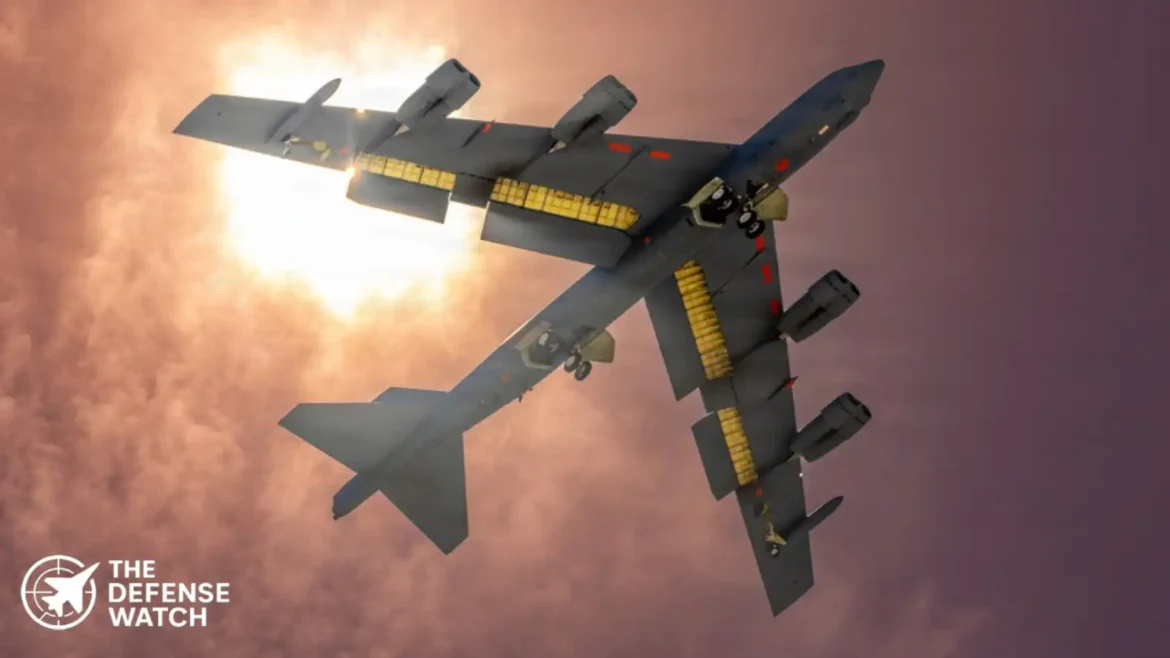
The U.S. Air Force has advanced its B-52J modernization program as the engine replacement effort completes a critical design review milestone. The upgrade, led by Rolls-Royce, will improve fuel efficiency, reliability, and mission capability. The initiative ensures the long-serving B-52 Stratofortress remains operational into the 2050s.B-52J Engine Upgrade Reaches Critical Milestone
The U.S. Air Force has marked a key step in its long-term bomber modernization strategy with the successful completion of the Critical Design Review (CDR) for the B-52J engine replacement program. This milestone validates the system’s design maturity and clears the path toward production and integration.
The upgrade replaces the aircraft’s aging Pratt & Whitney TF33 engines with the new F130 turbofan engines, developed by Rolls-Royce. The program is part of a broader effort to sustain the B-52 fleet, which has been in service since the 1950s, while significantly improving performance and lifecycle costs.
Key Technical Improvements of the B-52J Upgrade
The B-52J modernization introduces several critical enhancements:
- Up to 30% improved fuel efficiency, reducing operational costs
- Extended unrefueled range, increasing mission flexibility
- Lower maintenance requirements, improving aircraft availability
- Digital engine controls, enhancing performance and diagnostics
- Reduced logistics footprint, simplifying sustainment operations
These improvements are expected to deliver both operational and economic benefits across the bomber fleet.
Comparison: B-52J vs Legacy B-52H Configuration
Feature B-52J (Upgraded) B-52H (Legacy) Range Increased (fuel-efficient engines) Standard range Payload Unchanged (approx. 70,000 lbs) Approx. 70,000 lbs Status In development / upgrade phase Active service Key Technology Rolls-Royce F130 engines, digital controls TF33 engines (1960s-era tech) Strategic Role of the B-52J in Future Warfare
The B-52J is central to the U.S. Air Force’s long-range strike capability. Despite its age, the aircraft remains a highly versatile platform capable of delivering:
- Conventional and nuclear payloads
- Stand-off weapons such as cruise missiles
- Maritime strike capabilities
- Persistent global presence missions
With upgraded engines and avionics, the B-52J will complement newer platforms like the B-21 Raider, providing a mix of stealth and high-capacity strike options.
Industrial and Program Implications
The engine replacement program represents a major industrial effort, involving multiple contractors and long-term sustainment planning. The CDR milestone confirms that the design is stable enough to proceed toward production, reducing technical risk.
The U.S. Air Force plans to retrofit 76 B-52 aircraft, transforming them into the B-52J configuration. The program is expected to span several years, with initial operational capability projected later this decade.
Strategic Context: Sustaining Legacy Platforms in a High-Threat Environment
The B-52J upgrade reflects a broader trend in global defense strategy, where legacy platforms are modernized to meet evolving threats. In an era defined by near-peer competition, particularly with China and Russia, long-range strike assets remain critical.
Key strategic drivers include:
- The need for persistent global strike capability
- Increasing reliance on stand-off weapons in contested environments
- Cost-effective modernization compared to developing entirely new fleets
By extending the service life of the B-52, the U.S. ensures continuity in its strategic bomber force while balancing investment in next-generation systems.
The B-52J program underscores the enduring relevance of legacy platforms when paired with modern technology. As the engine replacement effort progresses beyond the design phase, the upgraded bomber is set to remain a cornerstone of U.S. airpower well into the mid-21st century.
Executive Summary:
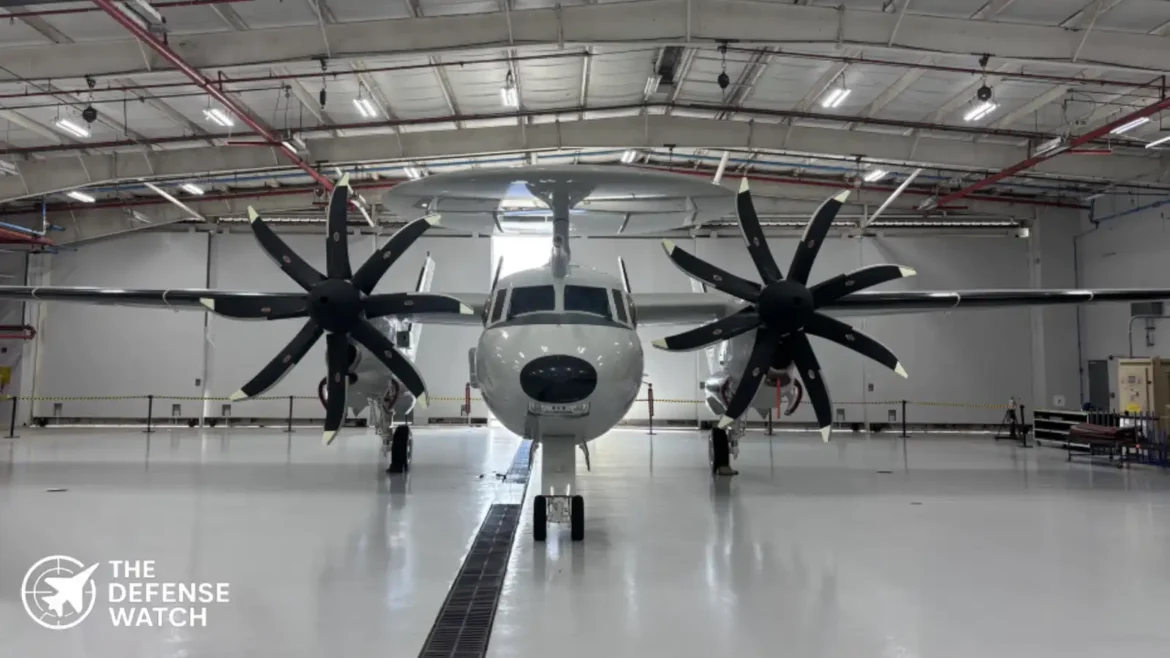
Northrop Grumman has delivered the 70th E-2D Advanced Hawkeye to the United States Navy, marking a key milestone in modernizing carrier-based airborne early warning capabilities. The platform enhances situational awareness and battle management across contested environments. The delivery reflects continued investment in network-centric warfare and integrated air and missile defense.E-2D Hawkeye Delivery Milestone Strengthens U.S. Naval Aviation
The delivery of the 70th E-2D Advanced Hawkeye underscores the U.S. Navy’s sustained effort to modernize its airborne early warning and command-and-control fleet. The aircraft, manufactured by Northrop Grumman, represents the latest evolution of the long-serving Hawkeye family.
The E-2D replaces older variants with a platform designed for operations in highly contested electromagnetic environments. It provides enhanced detection, tracking, and coordination capabilities for carrier strike groups operating across global theaters.
This milestone reflects steady production progress under a multi-year procurement framework aimed at delivering a fully modernized fleet.
Advanced Radar and Network-Centric Warfare Capabilities
At the core of the E-2D’s capability is its AN/APY-9 radar, which enables simultaneous air and surface surveillance over extended ranges. The aircraft is optimized for detecting low-observable and cruise missile threats.
Key Technical Advantages
- 360-degree radar coverage with advanced electronic scanning
- Enhanced detection of low-signature targets, including cruise missiles and UAVs
- Integrated battle management systems for real-time command and control
- Cooperative Engagement Capability (CEC) enabling sensor data sharing across platforms
- Improved data fusion, supporting joint and coalition operations
The aircraft serves as a critical node in the Navy’s broader Naval Integrated Fire Control-Counter Air (NIFC-CA) architecture.
Comparison: E-2D Advanced Hawkeye vs E-2C Hawkeye
Feature E-2D Advanced Hawkeye E-2C Hawkeye Range Extended (>550 km detection) ~400 km detection Payload Advanced radar + upgraded avionics Legacy radar systems Status Active production and deployment Being phased out Key Technology AN/APY-9 AESA radar, CEC, NIFC-CA integration Mechanically scanned radar Operational Role in Carrier Strike Groups
The E-2D operates from U.S. Navy aircraft carriers, providing:
- Early warning of airborne threats
- Battle management for air defense missions
- Coordination of fighter aircraft and interceptors
- Integration with surface and air assets
Its ability to act as an airborne command post makes it indispensable in high-end naval warfare scenarios.
Strategic Context: Countering Modern Threat Environments
The continued fielding of the E-2D comes amid evolving global threats, including:
- Proliferation of long-range anti-ship missiles
- Increased use of low-observable aircraft and drones
- Expansion of peer adversary anti-access/area denial (A2/AD) networks
In this context, the E-2D enhances the U.S. Navy’s ability to:
- Maintain persistent maritime domain awareness
- Coordinate multi-domain operations
- Enable long-range engagement capabilities
The aircraft plays a central role in ensuring carrier strike groups remain viable in contested regions such as the Indo-Pacific and beyond.
Production Outlook and Fleet Expansion
Northrop Grumman continues production under existing contracts, with additional aircraft expected to be delivered in the coming years. The U.S. Navy plans to expand its E-2D fleet to fully replace legacy E-2C variants.
The program also includes international interest, with allied nations evaluating or operating the platform to enhance their own airborne early warning capabilities.
Conclusion
The delivery of the 70th E-2D Advanced Hawkeye marks a significant milestone in U.S. naval aviation. As threats become more complex and contested environments more challenging, the platform provides a critical edge in airborne surveillance, battle management, and networked warfare.
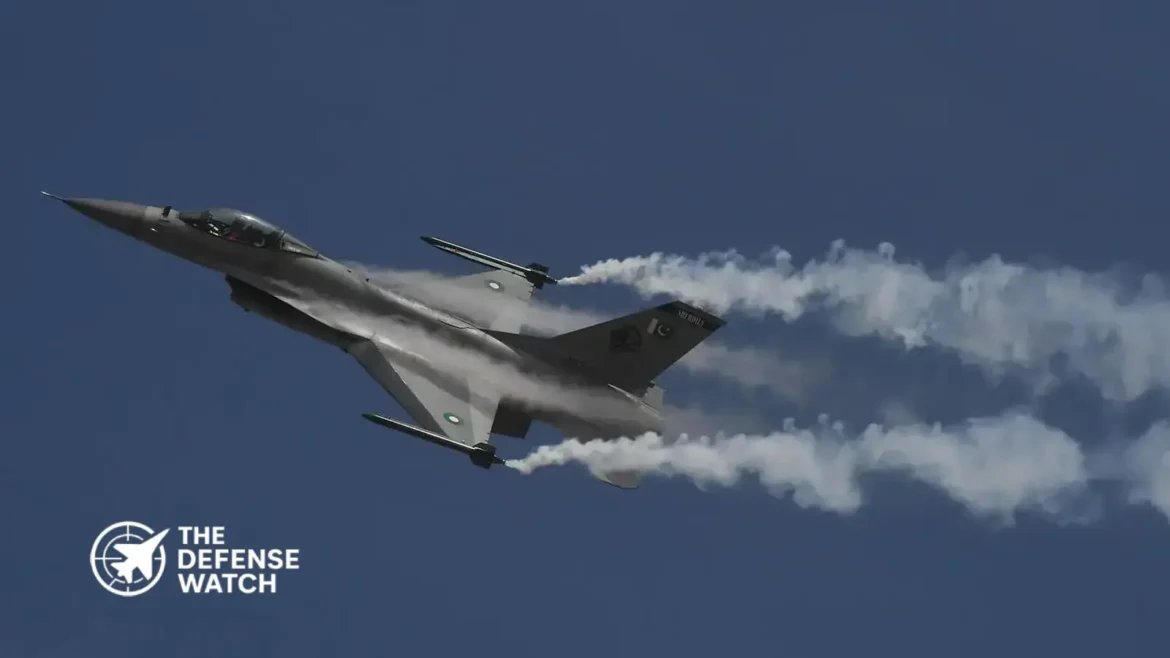
Executive Summary: The United States has authorized a comprehensive dual-track support and upgrade framework for Pakistan’s F-16 fleet, totaling approximately $1.17 billion. The package focuses on long-term radar sustainment and the integration of Link-16 tactical data links to ensure operational safety and regional interoperability through 2040.
Technical Modernization Overview
The modernization effort is divided into two distinct Foreign Military Sales (FMS) segments. The first, a $488 million contract awarded to Northrop Grumman, provides indefinite-delivery/indefinite-quantity (IDIQ) engineering and technical support for the AN/APG-66 and AN/APG-68 radar sets. This ensures the reliability of the fleet’s primary fire-control sensors.
The second phase, valued at $686 million, introduces advanced digital capabilities, most notably the Link-16 tactical data link system. This upgrade allows for secure, jam-resistant communication and real-time data sharing between aircraft and command centers, a critical requirement for modern multi-domain operations.
Comparative Capabilities: Legacy vs. Modernized Fleet
Feature Legacy F-16 (Block 15/MLU) Modernized F-16 (Post-Upgrade) Key Technology Mechanical Radar / Voice-only Link-16 / AN/APG-68(V)9 Support Range (Detection) ~40-60 nmi (Standard) Enhanced signal processing and MTBF Status Approaching End-of-Life Validated for service through 2040 Payload Interoperability Analog/Basic Digital Advanced precision-guided munitions (PGM) Precision Avionics and Secure Communications
The $686 million package notified to Congress by the Defense Security Cooperation Agency (DSCA) includes a robust suite of hardware and software enhancements:
- Tactical Data Exchange: Procurement of 92 Link-16 terminals to facilitate “silent” situational awareness.
- Cryptographic Security: Integration of KY-58M and KIV-78 cryptographic modules for secure, NSA-certified voice and data transmissions.
- Precision Navigation: Upgraded embedded Global Positioning Systems (GPS) and Inertial Navigation Systems (INS).
- Flight Safety: Structural and software modifications to the Operational Flight Program (OFP) to mitigate fatigue-related safety concerns.
Strategic Context and Regional Balance
While the upgrades significantly enhance the Pakistan Air Force (PAF) capability, the DSCA stated that the sale “will not alter the basic military balance in the region.” Instead, the focus is squarely on counterterrorism (CT) operations and maintaining a baseline of interoperability with US and coalition forces.
The timing of the authorization is critical. As regional threats evolve, the ability of the PAF to maintain a high mission-capable (MC) rate for its premier fighter platform is a pillar of Pakistan’s defensive posture. By refurbishing the Block-52 and Mid-Life Upgrade (MLU) airframes, Pakistan effectively bridges the gap until its next-generation platforms reach full operational maturity.
Logistics and Implementation
The primary contractors for these efforts are Lockheed Martin (Fort Worth, TX) and Northrop Grumman (Linthicum Heights, MD). Notably, the US government has confirmed that the implementation of these packages will not require the permanent stationing of additional US personnel in Pakistan. All support will be managed through existing technical coordination groups and long-term engineering contracts scheduled to run through March 31, 2036.
Mexican Air Force Begins F-5 Replacement Push At Tulum Air Show 2026
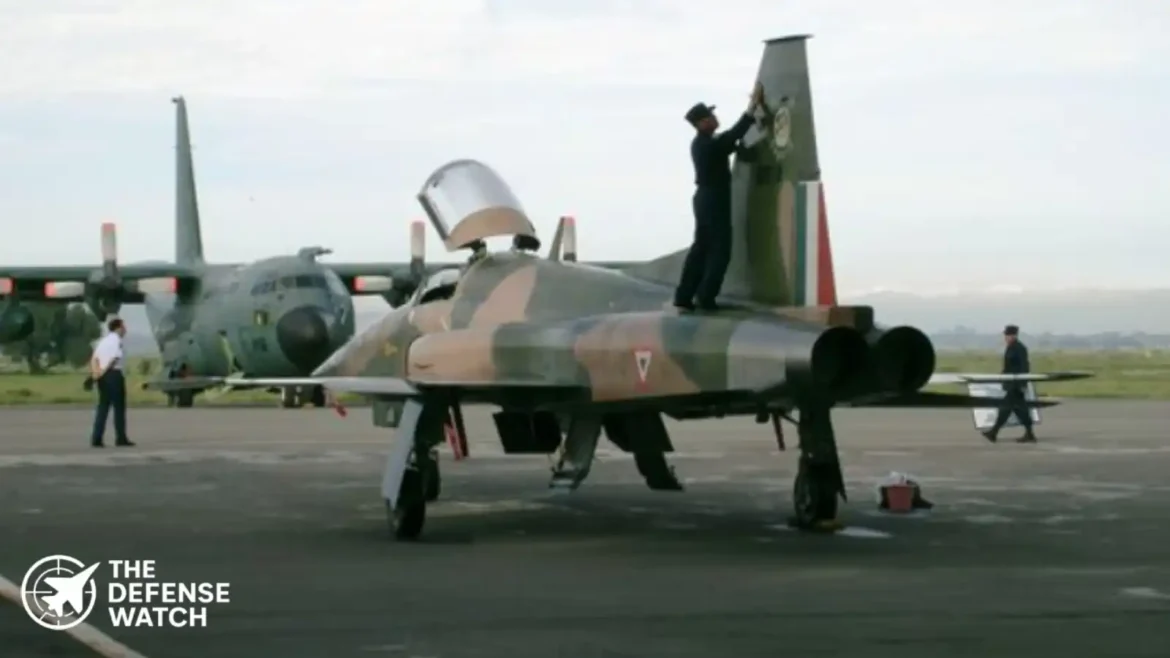
The Mexican Air Force (Fuerza Aérea Mexicana, FAM) has formally launched a plan to retire its legacy Northrop F-5E/F Tiger II fighters and acquire a new fleet of combat aircraft by 2028, officials said at the Tulum Air Show 2026.
FAM commander General Román Carmona Landa told Janes that the F-5s, long the service’s primary supersonic fighters, represent the air arm’s highest capability but are based on dated technology. In response, the service is pursuing 12 new fighters to restore and enhance its air defence, reconnaissance and ground attack capacity.
| KEY FACTS AT A GLANCE- The Mexican Air Force has begun replacing its Northrop F-5E/F Tiger II fighters and is seeking 12 new combat aircraft by 2028.
- FAM commander Gen Roman Carmona Landa said the F-5 is outdated and replacements must handle air defence, reconnaissance and ground attack missions.
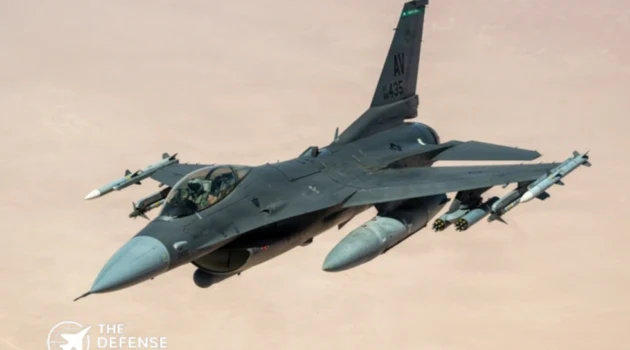
- Aircraft under review include the F-16, Gripen, FA-50 and M-346.
- Mexico is also acquiring C-130J-30 transports, UH-60M helicopters and King Air 360 aircraft as part of wider modernization.
- The Tulum Air Show 2026 highlighted Mexico growing aerospace and defence engagement.
Short, aging platforms such as the F-5 have limited sensor and weapons capacity compared with fourth-generation and advanced light combat jets in production today. The planned replacement is a key step in modernising Mexico’s air combat force and aligning its capabilities with regional defence demands.
Options Under Consideration
At Tulum Air Show 2026, FAM officials outlined a broad set of candidates under review for the new fighter fleet. These include established fourth-generation types such as the Lockheed Martin F-16 and Saab Gripen and lighter combat aircraft like Korea Aerospace Industries FA-50 and the Italian Leonardo M-346 fighter-attack variant.
The F-16 is widely operated globally and features modern avionics and weapons systems. The Gripen offers networked sensor fusion and multi-role capability tailored to versatile missions. Light multirole jets such as the FA-50 and M-346 combine pilot training tasks with combat roles, though typically with more constrained performance.
FAM has not publicly detailed selection criteria or a preferred platform, but emphasised the need for a balanced mix of air defence and strike capability. Procurement decisions are expected in the coming months as Mexico advances its modernisation roadmap.
Broader Modernisation Plans
Alongside the fighter initiative, Mexico is progressing other key defence acquisitions. FAM is acquiring two Lockheed Martin C-130J-30 transport aircraft, which will bolster strategic airlift capacity, and 11 Sikorsky UH-60M utility helicopters to enhance mobility and support operations. The service also plans to field three Beechcraft King Air 360 platforms and new remotely piloted aircraft systems alongside ground-based air surveillance radars.
These moves follow a series of recapitalisation efforts since 2013, including Beechcraft T-6C+ Texan II tactical support aircraft and UH-60M helicopters to replace older support assets.
Strategic And Regional Context
The Tulum Air Show 2026 has drawn attention as both a public aerospace showcase and a defence policy forum, bringing civilian and military stakeholders together to discuss technology trends and procurement strategies. Organisers emphasised the event’s role in growing Mexico’s aerospace sector and strengthening engagement with industry and international partners ahead of the next major aerospace fair in 2027.
Analysts note that modern multi-role fighters could improve Mexico’s ability to coordinate airspace defence with regional partners, including the United States and Canada, and provide more credible deterrence against evolving threats. While Mexico’s defence budget remains constrained relative to larger air forces, targeted purchases of capable, widely supported platforms could deliver measurable improvements.
Hungary Gripen Fighters Delivery Strengthens Air Force Fleet
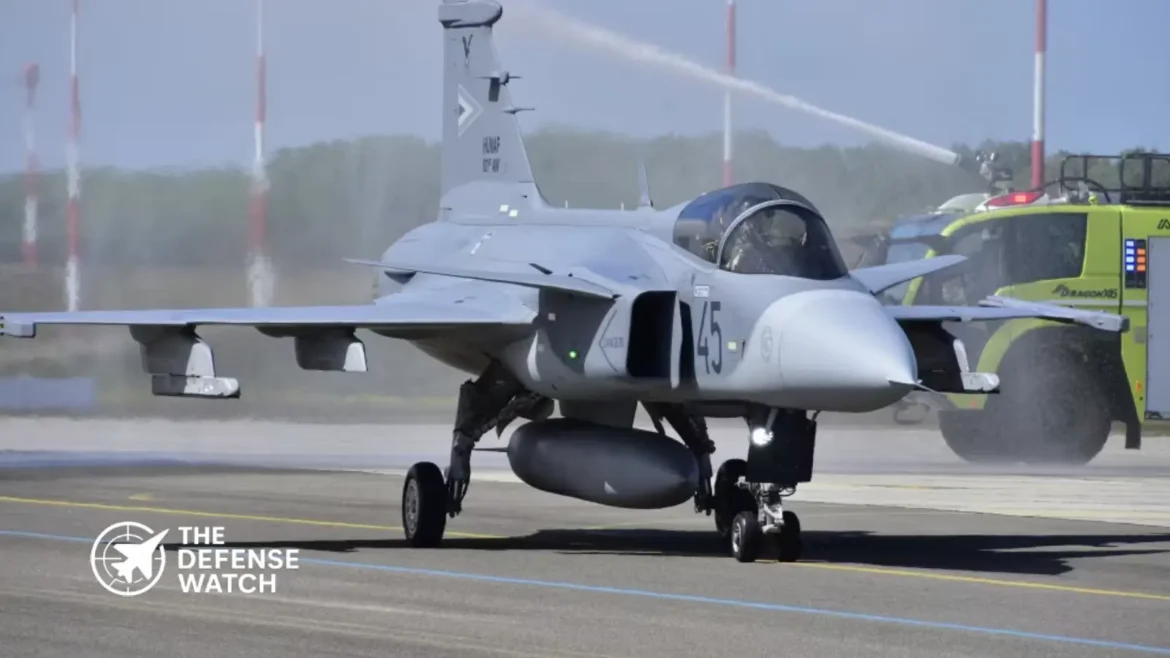
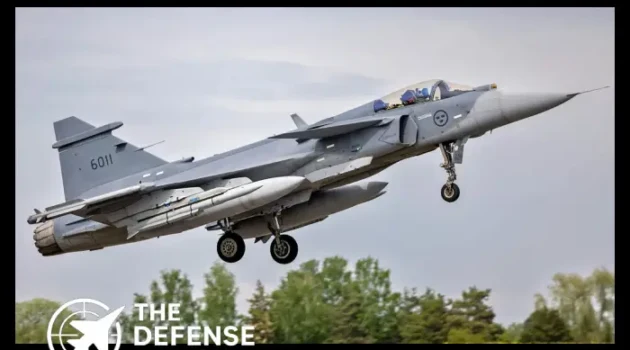
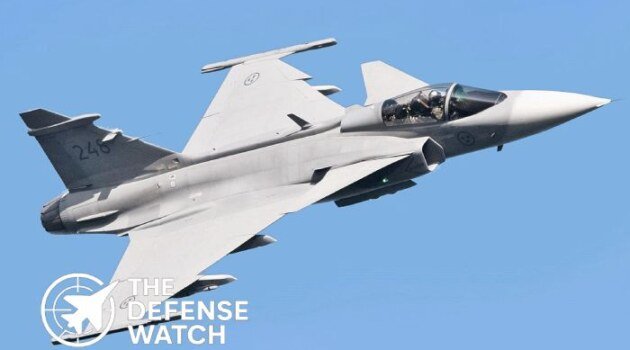
The Hungary Gripen fighters delivery marks a key step in Budapest’s ongoing air force modernization, as two new Gripen C aircraft formally entered service with the Hungarian Defence Forces.
The jets will be operated by the 101st Aviation Wing based at Kecskemét Air Base, reinforcing Hungary’s ability to maintain air policing and NATO interoperability missions across Central Europe.
The delivery follows a contract signed in February 2024 between Hungary’s Ministry of Defence and Swedish Defence Materiel Administration, covering four additional aircraft. The two newly delivered fighters represent the first tranche of that agreement.
KEY FACTS AT A GLANCE- Hungary received two new Gripen C fighter jets for the 101st Aviation Wing at Kecskemét Air Base.
- The delivery follows a February 2024 contract between Hungary’s Ministry of Defence and Sweden’s FMV.
- These are the first two of four additional aircraft ordered under the agreement.
- Hungary will expand its fleet to 18 Gripen C D fighters with upgraded capabilities.
- Saab reaffirmed its commitment to delivery timelines and long term partnership with Hungary.
According to Saab, the timeline underscores its ability to meet customer delivery commitments while supporting long term capability development.
Fleet Expansion And Capability Upgrades
Hungary has operated the Gripen platform since 2006, making it one of the early European adopters of the Swedish-built multirole fighter. With this latest expansion, the country will field a total of 18 Gripen C/D aircraft, all expected to receive incremental upgrades.
The Gripen C/D variant is designed for multirole missions, including air defense, ground attack, and reconnaissance. It is optimized for high sortie rates, dispersed operations, and relatively low lifecycle costs compared to heavier Western fighters.
While the current delivery focuses on fleet size, the broader program includes system upgrades aimed at improving avionics, communications, and weapons integration. These enhancements are critical for maintaining compatibility with NATO standards and evolving operational requirements.
Saab has also indicated plans to invest in an Aviation Development Centre in Hungary. This initiative is expected to deepen local industrial participation and allow Hungary to play a more active role in future Gripen system development.
Strategic Context: NATO Readiness And Regional Security
The Hungary Gripen fighters delivery comes amid heightened focus on air defense readiness across Europe, particularly following Russia’s ongoing military activity in Eastern Europe.
For Hungary, expanding its Gripen fleet is less about numerical advantage and more about ensuring sustained operational availability. A larger fleet allows for better rotation cycles, maintenance flexibility, and readiness for both national and NATO missions.
Hungary contributes to NATO’s Integrated Air and Missile Defence System, including Baltic Air Policing rotations in the past. Maintaining a modern and reliable fighter fleet is central to fulfilling these commitments.
Compared to larger air forces in the alliance, Hungary’s approach emphasizes efficiency and interoperability. The Gripen platform supports this model by offering advanced capabilities without the logistical burden associated with heavier aircraft such as the F-35 or Eurofighter Typhoon.
Saab Partnership And Long Term Industrial Cooperation
The agreement highlights the deepening defense relationship between Hungary and Sweden. Beyond aircraft delivery, the partnership includes training, logistics support, and technology collaboration.
Lars Tossman, head of Saab’s Aeronautics business area, emphasized that Hungary’s long term modernization program and Saab’s local investment plans will enable the country to influence future Gripen development.
This level of industrial cooperation reflects a broader trend in European defense procurement, where countries seek not only platforms but also participation in development and sustainment ecosystems.
For Saab, Hungary remains a key Gripen operator alongside countries such as the Czech Republic and Brazil, reinforcing the platform’s global footprint.
Operational Impact And Future Outlook
The Hungary Gripen fighters delivery will enhance operational resilience for the Hungarian Air Force, particularly in maintaining continuous air policing coverage.
Looking ahead, the remaining two aircraft under the 2024 contract are expected to be delivered on schedule, completing the planned fleet expansion.
While the Gripen C/D remains a capable platform, future decisions may involve transitioning to more advanced variants or integrating next generation systems. For now, Hungary’s focus remains on maximizing the effectiveness of its existing fleet through upgrades and partnerships.
In a European security environment defined by rapid change, incremental capability improvements such as this delivery play a crucial role in sustaining readiness and alliance cohesion.