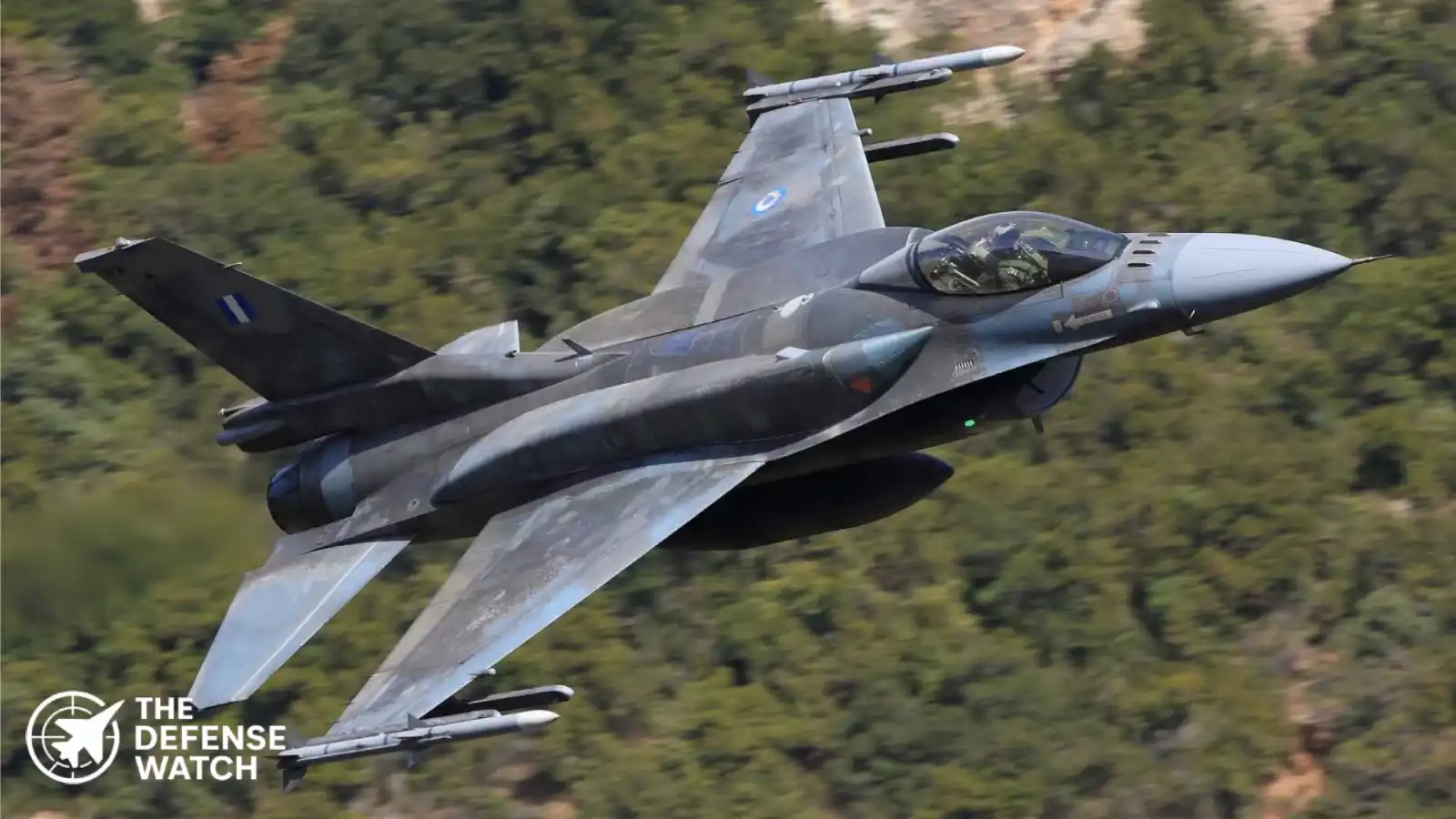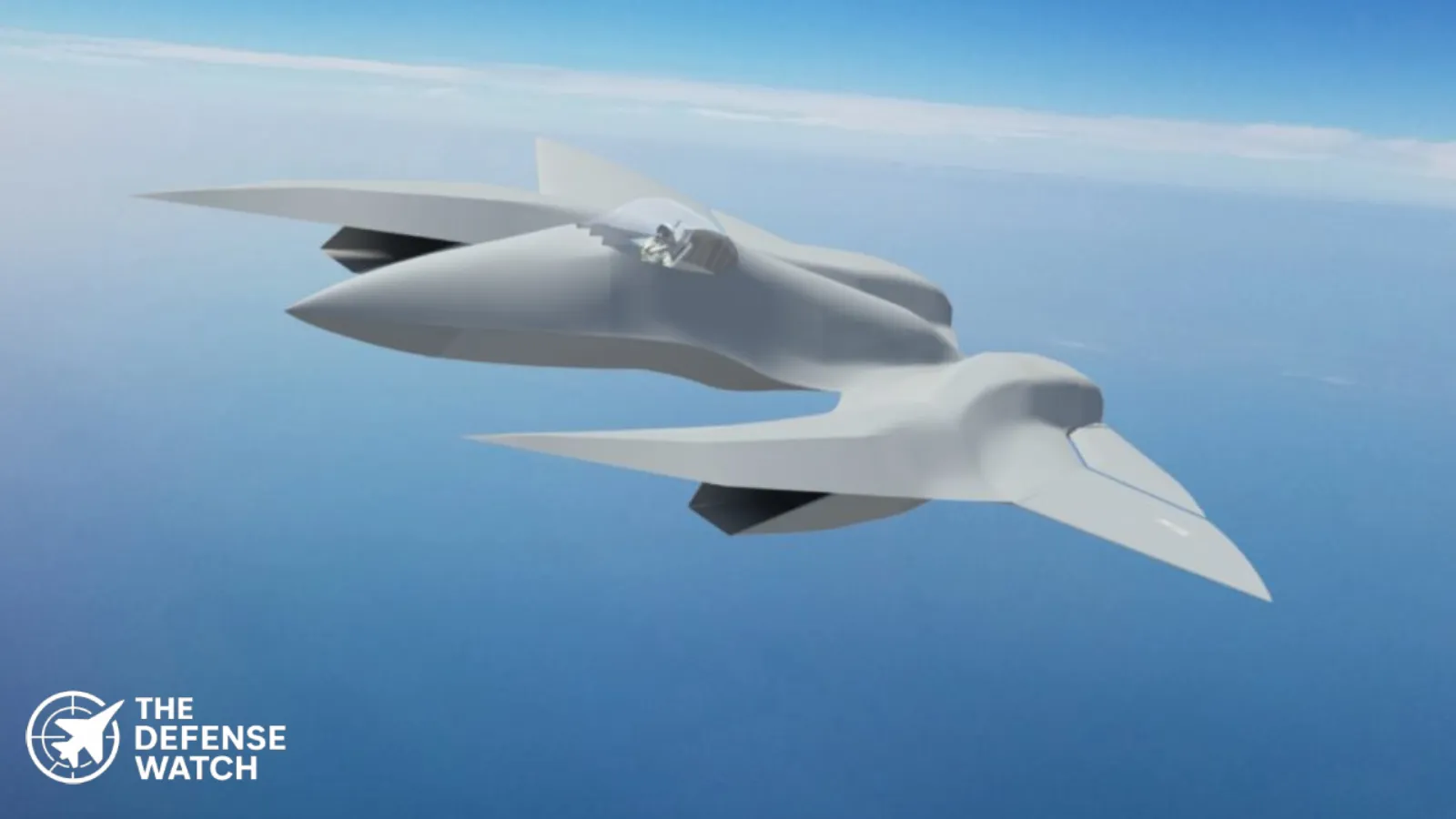
Germany has taken ownership of a software foundation intended to support its future uncrewed combat aircraft, giving the Bundeswehr greater control over how mission systems are developed, modified and integrated.
German defense technology company Helsing handed the source code for its Mission Operating System Bundeswehr (MissionOSBw) to the Federal Office of Bundeswehr Equipment, Information Technology and In-Service Support (BAAINBw) on November 4, 2026. The delivery also included technical documentation and a software development kit, according to the German military procurement authority.
The arrangement gives the German government ownership of the software rather than leaving control exclusively with the contractor. It is intended to reduce long-term dependence on individual defense suppliers and make it easier to incorporate new sensors, autonomy functions and mission capabilities into future air combat systems.
MissionOSBw is being developed under Germany’s Combat Fighter System of Systems Nucleus (CFSN), a national research and technology program focused on experimental uncrewed combat aircraft and supporting systems.
Germany’s CFSN Program Goes Beyond Individual Aircraft
CFSN is designed to develop and test technologies for future air combat operations rather than simply produce another standalone aircraft.
According to the German procurement authority, the program includes two experimental uncrewed combat aircraft known as BALU, short for Basisplattform für Autonomen Luftkampf Unbemannt, as well as two ground control stations and the software infrastructure required to connect different mission capabilities.
The German Bundestag’s Budget Committee approved the research and technology initiative in July 2026. The procurement authority’s November announcement describes the program’s funding volume as more than €220 million.
Reuters separately reported an estimated program value of approximately €580 million, citing industry documents previously reported by Politico. The two figures should not be treated as interchangeable: the available public reporting does not establish whether they cover different contract scopes, funding stages or program elements.
Helsing leads the industrial consortium developing the program. Other participants include:
- Hensoldt
- Rohde & Schwarz
- MBDA
- Diehl Defence
Their involvement brings together expertise in sensors, communications, electronic systems, weapons and defense software.
The program is particularly relevant to Germany’s effort to develop national capabilities for future air combat operations while maintaining access to technologies that can be integrated across different platforms.
Why Software Ownership Matters
Military aircraft have traditionally depended on closely integrated software environments. Radar systems, electronic warfare equipment, communications, mission computers and weapons interfaces must work together, often through systems controlled by different contractors.
This can create long-term procurement challenges when governments want to introduce new equipment or replace existing components.
If the original contractor controls critical software interfaces or retains exclusive access to the underlying code, integrating another supplier’s technology can require additional engineering work, licensing arrangements and contract negotiations.
MissionOSBw is intended to address this problem through a modular architecture.
Helsing’s software follows the Modular Open Systems Approach (MOSA), which uses defined interfaces to allow individual components to be developed, integrated and upgraded independently.
The German procurement authority says the architecture is intended to support the integration of radar functions, sensor processing and autonomous capabilities without requiring the entire software environment to be rebuilt whenever a component changes.
For the Bundeswehr, the ownership arrangement could provide several practical advantages:
- Greater control: German authorities can retain access to the underlying source code.
- Supplier flexibility: Different companies can develop compatible mission modules.
- Software upgrades: Individual capabilities can be updated without replacing the entire architecture.
- Reduced vendor dependence: The military can continue software development without relying exclusively on the original contractor.
These are intended benefits rather than demonstrated operational results. Their effectiveness will depend on how well the architecture works when different suppliers integrate their equipment.
The BALU Aircraft Will Provide a Test Environment
The two experimental BALU aircraft are an important part of the CFSN program because they will provide platforms for evaluating the software and autonomous mission capabilities.
Rather than treating the aircraft as isolated products, Germany is pursuing an approach in which aircraft, ground control stations, sensors and mission software operate as interconnected elements.
MissionOSBw is expected to provide the software framework through which these components exchange information and coordinate their functions.
The German procurement authority says the transferred software will continue to be developed under CFSN and tested with the experimental platforms.
However, the source code handover should not be confused with the completion of an operational autonomous combat aircraft.
The announcement confirms an initial software delivery. It does not establish that the BALU aircraft have completed flight testing, achieved operational readiness or demonstrated autonomous combat performance.
No detailed public performance specifications, operational deployment schedule or completed flight-test results were included in the announcement.
A Different Procurement Model From Traditional Defense Programs
The decision to retain software ownership within the government is notable because intellectual property and software control have become increasingly important in modern military procurement.
In traditional defense arrangements, manufacturers frequently maintain control over proprietary software, interfaces and system architecture. Governments may receive operating rights without necessarily gaining unrestricted control over the underlying development environment.
Germany’s approach seeks to establish a government-owned software foundation that multiple companies can support.
This also has implications for competition. If suppliers can develop modules against common interfaces, the Bundeswehr may have more flexibility when selecting technologies for future upgrades.
However, an open architecture does not automatically guarantee competition or eliminate integration problems. Software security, interface compatibility, testing standards and responsibility for system failures remain important issues.
The government will also need the technical personnel and development infrastructure required to maintain the software independently over its service life.
What It Means for Europe’s Future Air Combat Programs
Germany’s investment in CFSN is taking place against a complicated background for European combat-air development.
The Future Combat Air System (FCAS), a multinational program involving Germany, France and Spain, has faced disagreements between major industrial participants over leadership and work allocation. Reuters has reported disputes between France’s Dassault Aviation and Airbus Defence and Space over the fighter development effort.
CFSN offers Germany a separate national route for researching selected future air combat technologies, particularly uncrewed platforms and supporting software.
It should not, however, be described as a replacement for the complete FCAS program or as a confirmed sixth-generation fighter development project. The German government has described CFSN as a complementary national research and technology effort focused on experimental uncrewed combat aircraft.
The distinction matters because future air combat capability will depend on much more than an individual aircraft or autonomous software package.
It will require secure communications, sensor integration, electronic warfare protection, command-and-control systems and reliable coordination between crewed and uncrewed platforms.
Germany’s decision to retain ownership of MissionOSBw addresses one part of that challenge: maintaining control over the software architecture that connects these capabilities.
For now, the handover is an early program milestone rather than evidence of a fielded combat capability. Its longer-term value will depend on whether the Bundeswehr can use the government-owned software to integrate new technologies across multiple platforms without creating another form of dependence on a single supplier.