Pakistan and Türkiye are looking to expand cooperation between their air forces in unmanned aircraft, electronic warfare, aerospace technology and military training, following talks between their senior air force commanders in Islamabad.
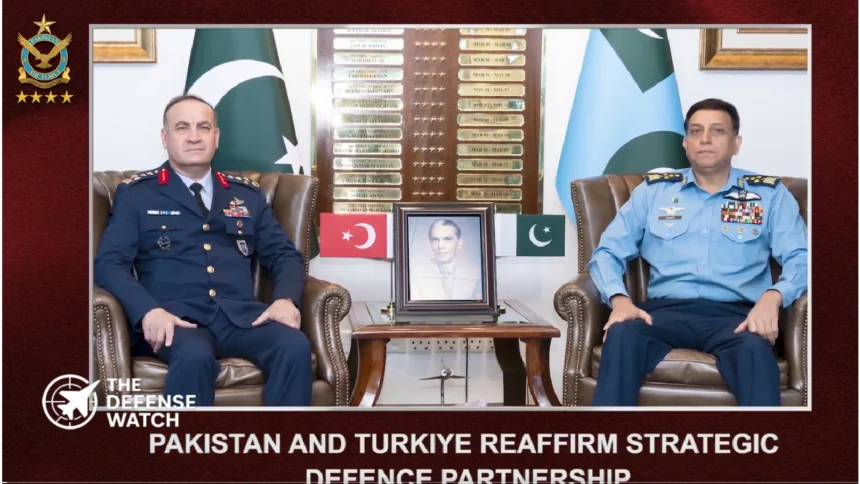
Turkish Air Force Commander General Rafet Dalkıran met Pakistan Air Force Chief Air Chief Marshal Zaheer Ahmed Baber Sidhu at Air Headquarters in Islamabad on November 18, 2026. The discussions focused on identifying practical areas for closer operational cooperation and strengthening the existing defence relationship between the two countries.
According to the Pakistani military’s official account, both sides identified opportunities for collaboration in unmanned and autonomous systems, electronic warfare, advanced aerospace technologies, and indigenous research, development and production.
The discussions also covered professional exchanges, integrated training programmes and joint exercises intended to improve interoperability between the Pakistan Air Force (PAF) and Turkish Air Force.
Unmanned Systems and Electronic Warfare Among Priority Areas
The inclusion of unmanned systems and electronic warfare in the discussions is significant because both technologies are becoming increasingly important to modern air operations.
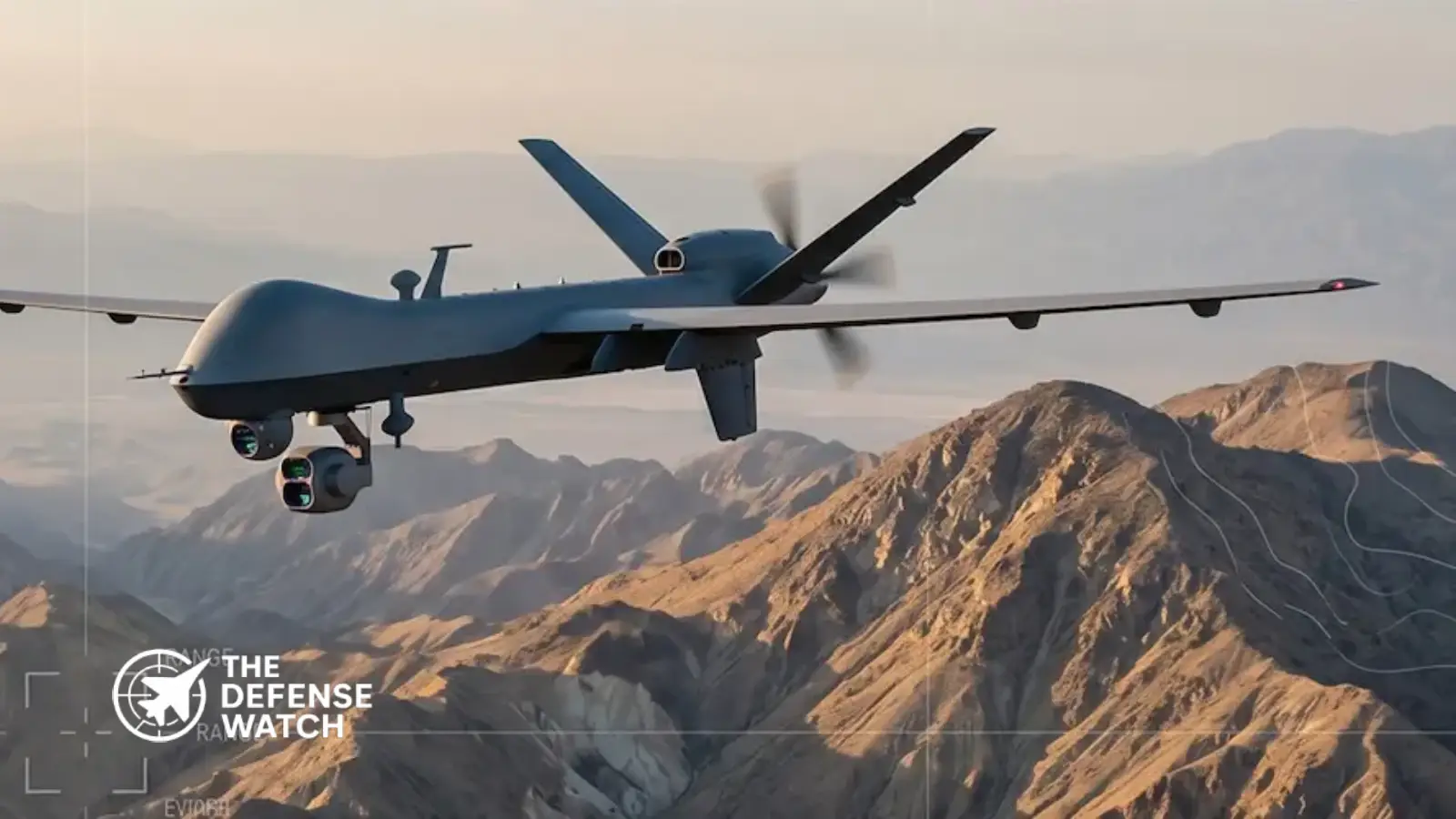
Unmanned aircraft are now used for intelligence, surveillance and reconnaissance, target acquisition, battlefield monitoring and, in some cases, strike missions. Autonomous systems are also attracting attention as militaries explore ways to distribute operational tasks across crewed aircraft, remotely piloted platforms and networked systems.
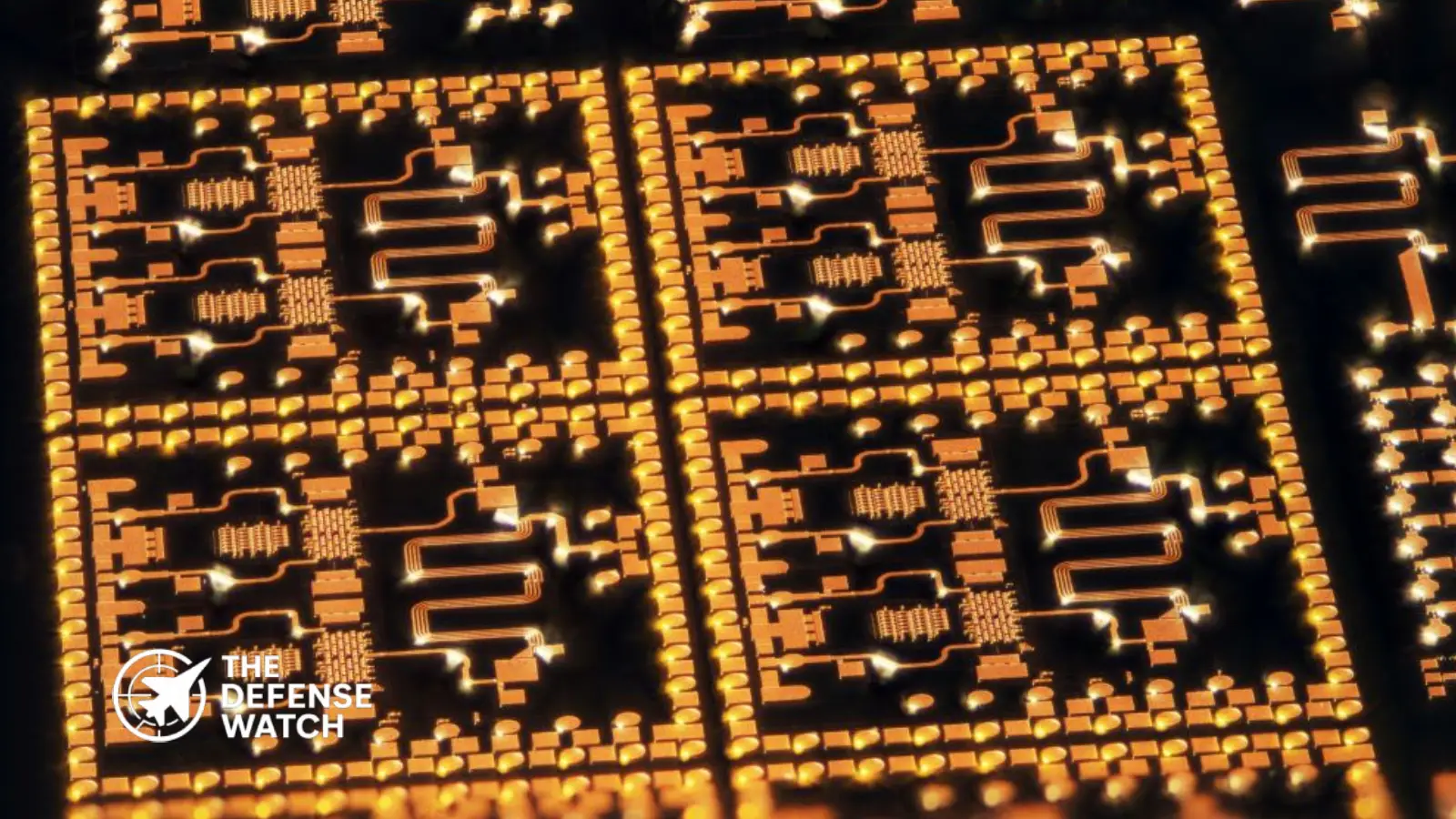
Electronic warfare provides another important area for cooperation. It includes capabilities designed to detect, disrupt or deceive opposing radar and communications systems, as well as measures to protect friendly aircraft and other military platforms from electronic attack.
For Pakistan and Türkiye, potential cooperation could involve research, technical exchanges, operational training and the development of supporting technologies.
However, the announcement does not identify specific projects, participating companies, funding arrangements or equipment programmes. It also does not establish that either country has approved a joint unmanned aircraft or electronic warfare development programme.
That distinction is important. The discussions indicate areas of interest rather than a confirmed procurement or technology-transfer agreement.
Pakistan Offers Pilot Training and Professional Support
Air Chief Marshal Sidhu also offered Pakistan Air Force support for Turkish Air Force pilot training, professional development and capacity-building programmes.
This area of cooperation could provide an immediate opportunity for closer institutional engagement without requiring the development or purchase of new aircraft.
Pilot training, instructor exchanges, operational planning and joint exercises can help air forces develop common procedures and improve coordination. These activities become particularly relevant when participating forces operate different aircraft, sensors, communications equipment and command systems.
The two commanders also stressed the importance of institutionalized professional exchanges and integrated training programmes.
For the Turkish Air Force, access to PAF operational experience could provide additional opportunities for studying air combat training, mission planning and operational readiness. General Dalkıran specifically acknowledged the Pakistan Air Force’s professional standing, operational proficiency and combat experience during the meeting.
The Turkish commander also praised Pakistan’s modernization efforts and growing indigenous aerospace capabilities.
A Wider Aerospace Relationship
The discussions build on a broader defence relationship between Islamabad and Ankara that extends beyond military aviation.
Both countries have pursued cooperation in defence manufacturing, military training and technology development. Their defence relationship has included collaboration in naval shipbuilding, particularly Türkiye’s involvement in Pakistan’s MILGEM-class corvette programme.
The naval programme demonstrates that bilateral defence cooperation can extend beyond military-to-military engagement into industrial participation and platform development.
In aerospace, both countries have interests in strengthening domestic technological capabilities and reducing dependence on foreign suppliers for selected defence technologies.
Pakistan has pursued indigenous aviation development and modernization through organizations and programmes associated with the Pakistan Aeronautical Complex. Türkiye, meanwhile, has expanded its domestic aerospace industry through aircraft, unmanned systems, avionics and defence electronics programmes.
These industrial capabilities offer potential areas for technical engagement, although the latest meeting did not announce a new joint aircraft, engine or weapons development project.
Why the Air Force Relationship Matters
The operational value of closer Pakistan-Türkiye cooperation will depend on whether the discussions produce practical programmes.
Unmanned systems and electronic warfare are particularly relevant because they increasingly influence how air forces operate in contested environments.
Modern air operations require more than capable fighter aircraft. They also depend on secure communications, electronic intelligence, surveillance networks, data integration, electronic protection and the ability to coordinate different platforms.
Cooperation in these areas could help both air forces exchange technical knowledge and improve their ability to operate alongside one another.
Joint exercises would provide an opportunity to test interoperability, particularly in communications, mission planning, tactical coordination and the exchange of operational information.
There are also potential industrial benefits. Research partnerships and technical exchanges could support local engineering expertise and create opportunities for collaboration between defence research institutions and aerospace manufacturers.
However, the extent of any future industrial cooperation remains uncertain. Neither side has publicly disclosed a specific joint production target, development schedule or investment commitment arising from this meeting.
Previous Cooperation Provides a Foundation
The two countries already have experience working together on defence projects, providing a practical foundation for expanding their relationship.
One established example is the Pakistan Navy’s MILGEM-class corvette programme, involving Turkish defence company ASFAT and Pakistani shipbuilding facilities.
The programme covers four corvettes, with construction divided between Türkiye and Pakistan. Pakistan’s Ministry of Foreign Affairs has described the project as an important example of bilateral defence-industrial cooperation and technology development.
This experience is relevant because it demonstrates that Pakistan and Türkiye have previously moved beyond political commitments to cooperation involving industrial production and technical participation.
Whether a similar approach can be applied to aerospace and electronic warfare remains to be seen.
What Has Actually Been Agreed?
The latest meeting establishes a shared interest in expanding cooperation, but the announcement contains no specific contractual commitments.
Several important questions remain unanswered:
- Will the two air forces establish dedicated joint programmes for unmanned aircraft or autonomous systems?
- Will cooperation include electronic warfare equipment development or primarily operational training?
- Will Pakistani and Turkish aerospace companies participate in joint research and production?
- Will the proposed integrated training programmes lead to regular bilateral exercises?
No new aircraft acquisition, weapons agreement, technology-transfer contract or joint production arrangement was announced in the available statements.
The Turkish Air Force commander’s visit also included a separate meeting with Pakistan’s Chief of Defence Forces and Chief of Army Staff, Field Marshal Syed Asim Munir, at General Headquarters in Rawalpindi. That discussion covered regional security developments and opportunities to strengthen broader military cooperation.
For now, the most concrete outcome of the air chiefs’ meeting is an identified set of cooperation priorities, alongside Pakistan’s offer of training and professional support.
Turning those priorities into funded programmes, technical agreements and regular operational activities will determine how much the relationship develops beyond its existing defence cooperation framework.
Enjoying our coverage?
Make The Defense Watch a preferred source on Google to see more of our geopolitical and defense insights when relevant to you.