

Executive Summary:
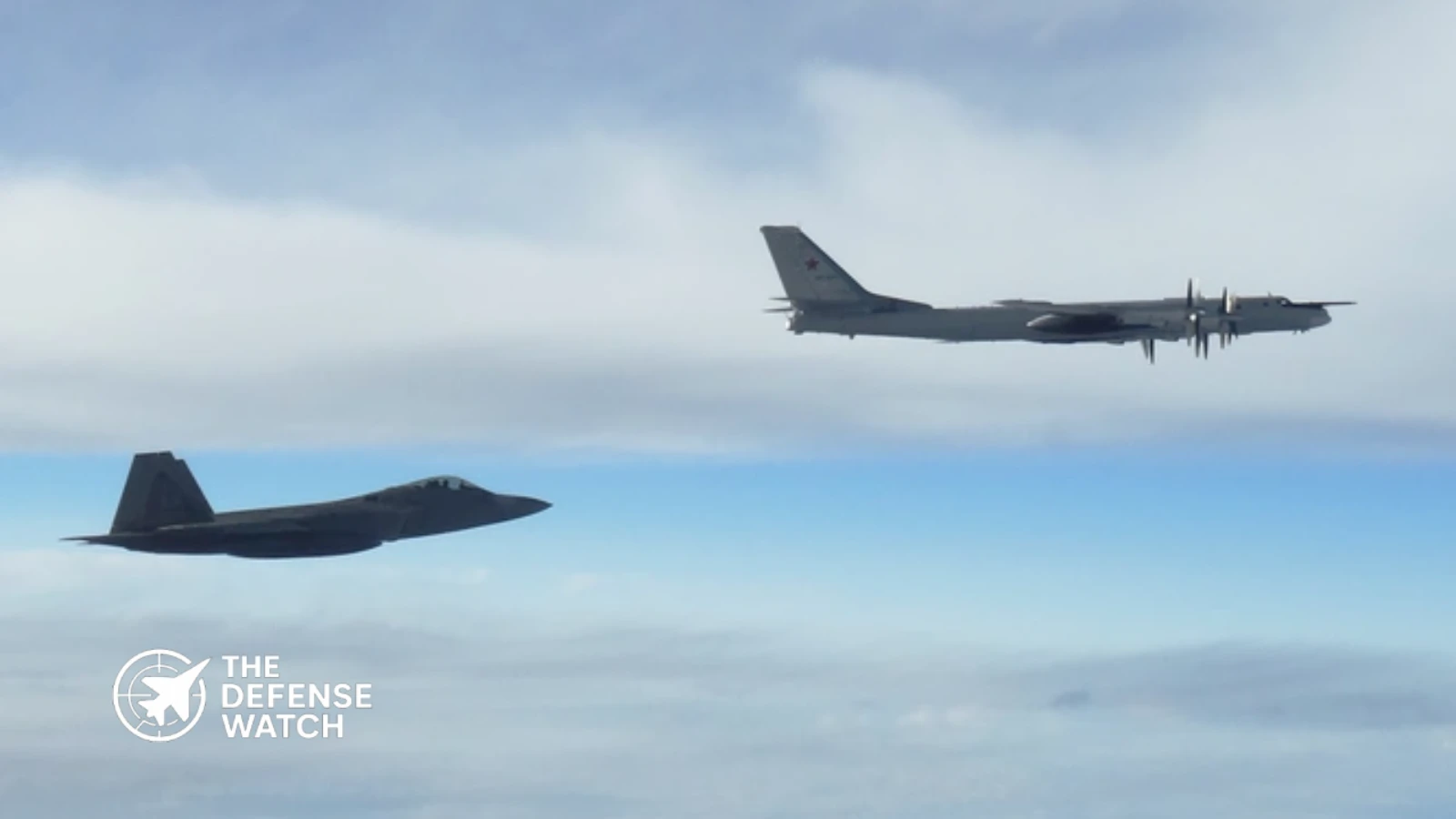
NATO fighter aircraft were scrambled to intercept Russian strategic bombers operating near Allied airspace over the Baltic Sea. The incident highlights the alliance’s continued air policing mission and reflects the elevated security environment along NATO’s northeastern border.
NATO jets intercepted Russian bombers over the Baltic Sea after military aircraft approached areas monitored by the alliance’s Baltic Air Policing mission, underscoring the continued pace of Russian long range aviation activity near NATO territory.
According to reports, allied fighters launched under Quick Reaction Alert (QRA) procedures to identify and monitor Russian aircraft operating in international airspace close to NATO member states.
Russian Aircraft Prompt NATO Response
The reported Russian formation included long range strategic bombers escorted by fighter aircraft. NATO aircraft visually identified the formation before shadowing it as it continued its flight over international waters.
Officials emphasized that the Russian aircraft did not enter NATO airspace. The interception was conducted under established NATO Air Policing procedures, which are designed to identify unknown or non compliant aircraft approaching alliance airspace rather than engage them.
These missions are routine but remain strategically significant because they demonstrate NATO’s ability to respond rapidly across its eastern flank.
What NATO Air Policing Means
The Baltic Air Policing mission has protected the airspace of Estonia, Latvia, and Lithuania since 2004 because the three Baltic states do not maintain their own fighter interceptor fleets.
Under the mission, NATO members rotate fighter detachments through forward operating bases in Lithuania and Estonia, maintaining aircraft on continuous alert. When unidentified military aircraft approach NATO monitored airspace, fighters are launched within minutes to identify and track them.
The intercepts are generally conducted without entering Russian airspace and follow internationally recognized aviation procedures.
According to NATO, hundreds of air policing scrambles occur annually across Europe, reflecting the alliance’s persistent surveillance mission.
Why The Baltic Remains A Strategic Flashpoint
Although interceptions of Russian military aircraft are not unusual, they have become increasingly important following Finland’s and Sweden’s accession to NATO.
The Baltic Sea is now almost entirely surrounded by NATO member states, making it one of Europe’s most closely monitored military regions. Russian aircraft regularly transit between mainland Russia and the Kaliningrad exclave, requiring NATO forces to maintain continuous readiness.
In many cases, allied officials say Russian military flights operate without filed flight plans or active transponder signals, requiring visual identification to ensure aviation safety and maintain situational awareness.
Operational Significance Beyond A Routine Intercept
While these interceptions are described as routine military operations, they provide valuable operational benefits beyond simply identifying aircraft.
Every scramble allows NATO air forces to validate command and control procedures, test response times, coordinate multinational operations, and maintain pilot proficiency under real world conditions.
For Russia, long range bomber patrols continue to demonstrate strategic aviation reach across northern Europe. For NATO, rapid intercepts reinforce deterrence by showing that allied aircraft can quickly respond to military activity near alliance borders.
The encounter also illustrates how military competition in Europe increasingly revolves around persistent presence rather than direct confrontation. Regular intercepts have become a defining feature of NATO’s deterrence posture, allowing allied forces to monitor Russian activity while minimizing escalation risks through established operational procedures.
Recent changes to NATO’s Baltic posture further strengthen this approach. The alliance has expanded its traditional air policing mission into a broader regional air defense framework, giving commanders greater operational flexibility in responding to evolving security challenges.
Broader Security Context
The latest interception comes as NATO continues to reinforce its eastern flank through enhanced air patrols, multinational exercises, and increased surveillance activities following Russia’s ongoing military operations in Ukraine.
Although the Russian bombers remained in international airspace, repeated missions of this type ensure that Baltic Air Policing remains one of NATO’s most active peacetime operations.
Military analysts generally view these intercepts as an essential element of maintaining credible deterrence, preserving freedom of navigation in international airspace, and reassuring frontline NATO allies without unnecessarily escalating tensions.
