• Home
  • About
  • Defense Systems
  • Manufacturer
  • Comparisons
  • Compare 
  • Tools
TheDefenseWatch.com
  • Aerospace & Aviation
  • Military & Ordnance
  • Naval & Maritime
  • Cyber & Space Defense
  • Policy & Strategy
  • Global News
  • Tools Library
    • Smart Calculator
    • Drone Flight Time Calculator
    • Drone Range Calculator
    • Counter-Drone Jammer Effective Range Calculator
    • Counter-Battery Radar Detection Calculator
    • Artillery Fire Correction Calculator
    • Thermal Camera Detection Range Calculator
    • Missile Range & Time-of-Flight Calculator
    • Radar Detection Range Calculator
    • FPV Strike Drone Payload vs Range Calculator
    • Loitering Munition Endurance Calculator
    • Sniper Ballistic Drop & Windage Calculator
    • Bullet Drop Calculator
    • U.S. Army Combat Fitness Test (ACFT) Calculator
    • Military Pension Calculator
    • Military Retirement Calculator
    • Military Pension Calculator
    • Large Number Calculator
Font ResizerAa

TheDefenseWatch.com

The Defense Watch | U.S. & Global Defense News, Analysis & Military Updates

Search
  • Home
  • About
  • Defense Systems
  • Manufacturer
  • Comparisons
  • Compare 
  • Tools

Stay Updated

Get the latest update

Subscribe

Explore

  • Drone
  • Fighter Jets & Military Aircraft
  • Hypersonic Weapons
  • Aircraft Carriers
  • Strategic History & Missions
  • Tools Library
Home » UAE Moves To Pressure Iraq After Drone Strike Hits Barakah Nuclear Plant
Middle East Defense & Security

UAE Moves To Pressure Iraq After Drone Strike Hits Barakah Nuclear Plant

Kaleem Sheikh | Regional Defense Correspondent
Last updated: September 7, 2026 9:30 am
Kaleem Sheikh | Regional Defense Correspondent
Share
3 Min Read
UAE air defense monitoring systems after drone attack near Barakah Nuclear Power Plant in Abu Dhabi
SHARE
Follow The Defense Watch on Google:

Executive Summary:
The United Arab Emirates has accused drones launched from Iraqi territory of targeting the Barakah Nuclear Power Plant, the Arab world’s only operational nuclear energy facility. Abu Dhabi is demanding immediate Iraqi action to prevent further attacks, amid growing concerns over regional drone warfare and critical infrastructure security in the Gulf.

UAE Demands Iraq Halt Drone Attacks After Barakah Nuclear Plant Strike

The United Arab Emirates has formally demanded that Iraq prevent further drone attacks originating from its territory after a strike near the Barakah Nuclear Power Plant triggered heightened regional security concerns across the Gulf.

Contents
UAE Demands Iraq Halt Drone Attacks After Barakah Nuclear Plant StrikeBarakah Nuclear Facility Becomes Strategic Security FlashpointRising Drone Threat Reshapes Gulf Defense PrioritiesIraq Faces Pressure Over Militia ActivityStrategic Implications For Gulf Security

In a statement released Wednesday, the UAE Ministry of Foreign Affairs condemned what it described as hostile drone attacks launched from Iraqi territory against civilian infrastructure in Gulf Cooperation Council countries. The statement called on Baghdad to take immediate and unconditional measures to stop future attacks and uphold regional security commitments.

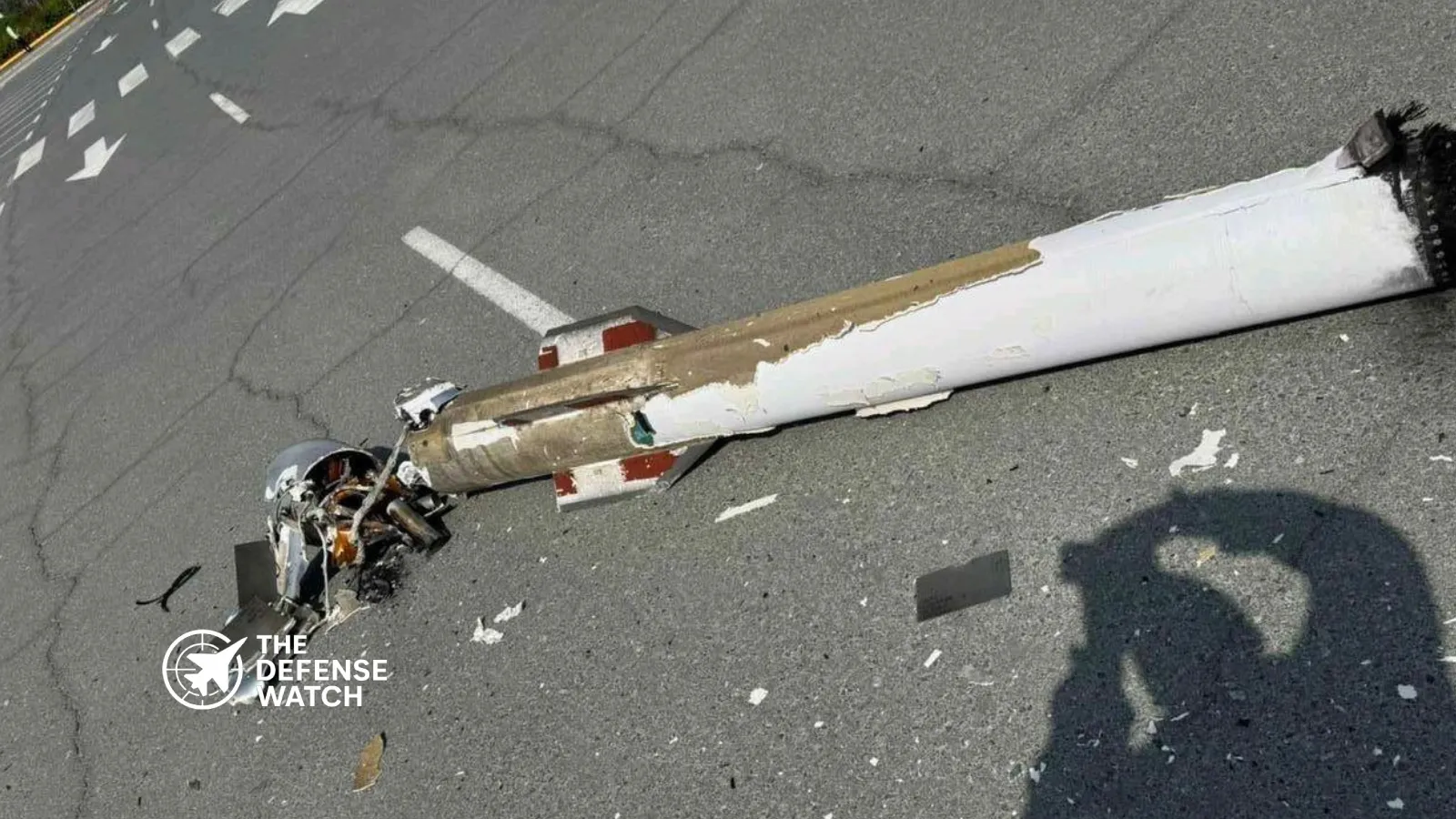
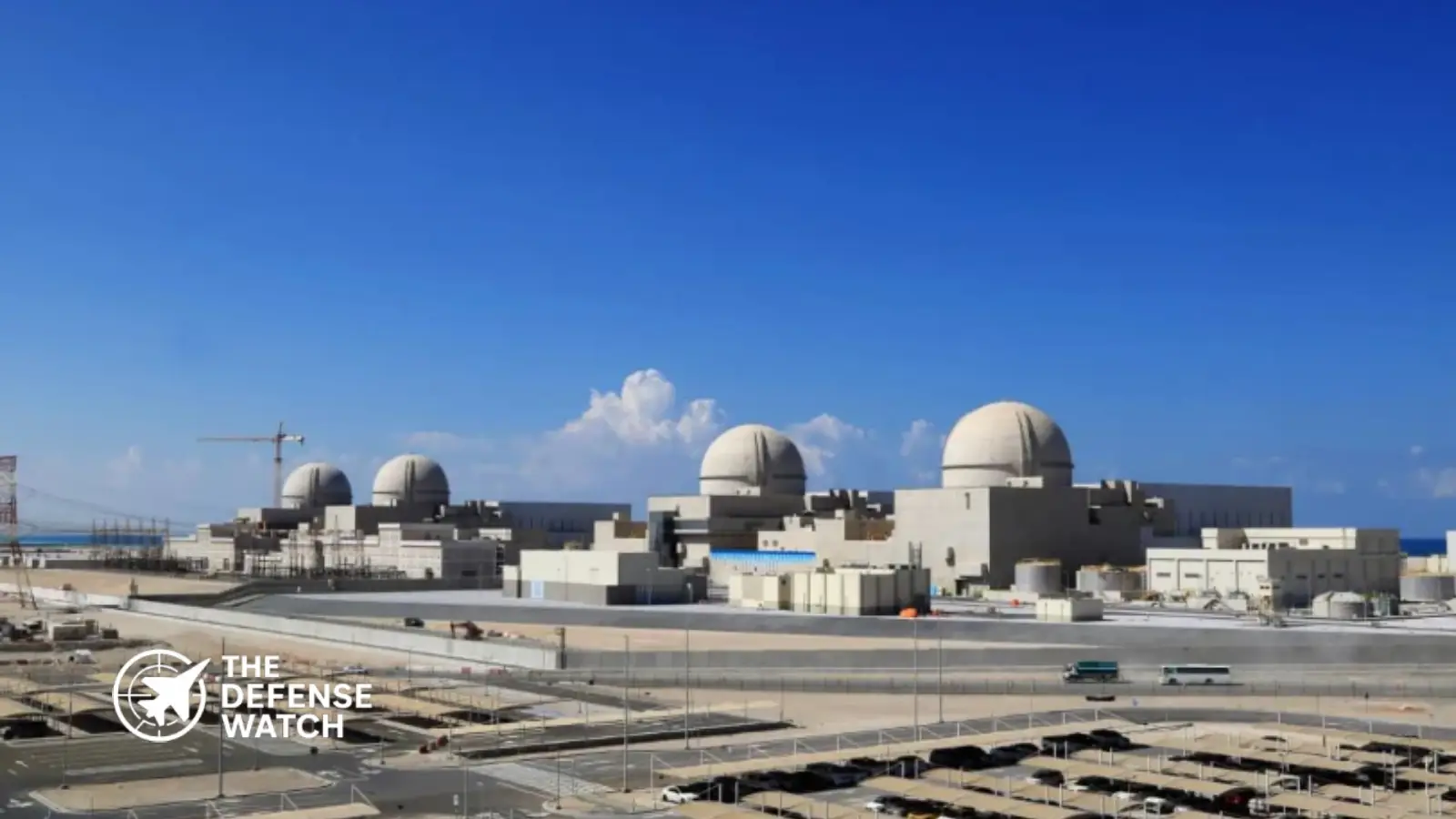
The diplomatic escalation follows a May 17 drone incident involving the Barakah Nuclear Power Plant, located in Abu Dhabi’s Al Dhafra region. UAE authorities said one of three drones involved in the attack caused a fire near an electricity generator facility connected to the nuclear complex.

According to the UAE Ministry of Defense, technical analysis and tracking systems traced the drones back to Iraqi territory. Emirati officials also stated that six additional drones approaching civilian and strategic sites within the UAE were intercepted over a 48 hour period.

- Advertisement -

No casualties were reported in any of the incidents.

Barakah Nuclear Facility Becomes Strategic Security Flashpoint

The Barakah Nuclear Power Plant is the Arab world’s first operational civilian nuclear energy facility and represents one of the UAE’s most strategically significant infrastructure projects. Operated by the Emirates Nuclear Energy Corporation, the site plays a major role in the country’s long term energy diversification strategy.

The attack highlights how critical infrastructure across the Gulf is increasingly vulnerable to low cost unmanned aerial systems. Drone warfare has evolved into a central feature of regional security competition, particularly among Iranian aligned proxy groups operating in Iraq, Syria, Yemen, and elsewhere in the Middle East.

Although no organization has claimed responsibility for the Barakah incident, suspicion has centered on Iran backed Shiite militias active inside Iraq. Several of these groups possess long range one way attack drones and have previously threatened Gulf states and U.S. regional assets.

The UAE did not publicly identify a specific militia group.

Rising Drone Threat Reshapes Gulf Defense Priorities

The Barakah strike underscores the growing challenge Gulf states face in defending high value infrastructure against relatively inexpensive unmanned systems.

Over the last decade, regional militaries have invested heavily in layered air and missile defense architectures focused primarily on ballistic missile threats. However, smaller drones flying at low altitude have repeatedly demonstrated the ability to evade conventional radar coverage and create operational disruption.

The incident is likely to intensify UAE and GCC investment in counter UAS technologies, including:

- Advertisement -
  • Advanced radar and electro optical tracking systems
  • Electronic warfare jamming capabilities
  • Directed energy weapons
  • Integrated air defense command networks
  • Artificial intelligence enabled drone detection systems

The UAE already operates one of the Middle East’s most advanced integrated air defense networks, combining U.S., European, and domestically developed systems. Interceptions reported during the latest attacks suggest those defensive layers remain operationally effective, though the Barakah incident demonstrates that infrastructure vulnerabilities remain.

The attack also reflects the broader regional shift toward asymmetric warfare, where non state actors increasingly rely on drones and precision strike capabilities to challenge technologically superior militaries.

Iraq Faces Pressure Over Militia Activity

Abu Dhabi’s statement places additional diplomatic pressure on Baghdad to rein in armed factions operating within Iraqi territory.

Successive Iraqi governments have struggled to fully control Iran aligned militias integrated into the Popular Mobilization Forces structure. While officially linked to Iraq’s security apparatus, several factions maintain independent command networks and regional operational agendas.

The UAE stressed that Iraq has a responsibility to prevent its territory from being used to launch attacks against neighboring states. Emirati officials warned that such incidents undermine regional stability and violate international law and national sovereignty.

For Baghdad, the situation presents another complex balancing challenge between maintaining relations with Gulf Arab states, preserving ties with Tehran, and managing powerful militia groups domestically.

The incident may also influence broader GCC security coordination efforts and deepen intelligence sharing on drone threats across the region.

Strategic Implications For Gulf Security

The targeting of a civilian nuclear facility, even indirectly, marks a significant escalation in the regional threat environment.

While the reported fire occurred near an external electricity generator area rather than inside a reactor facility, attacks involving nuclear infrastructure carry heightened political and strategic consequences. Even limited physical damage can generate substantial international concern over nuclear safety and regional escalation risks.

The UAE’s public attribution of the drones to Iraqi territory signals a more assertive posture toward cross border drone threats. It also reflects growing frustration among Gulf states over the expanding operational reach of Iranian aligned armed groups.

For regional defense planners, the Barakah incident reinforces the need for persistent airspace monitoring and rapid response systems capable of detecting and intercepting small unmanned aircraft before they reach critical infrastructure.

The event is likely to accelerate Gulf demand for advanced counter drone technologies, an area that has become one of the fastest growing sectors in the global defense market.

Enjoying our coverage?

Make The Defense Watch a preferred source on Google to see more of our geopolitical and defense insights when relevant to you.


TAGGED:drones & UAVsMiddle East Defense & SecurityRegional Conflicts & Developments
Share This Article
Facebook Copy Link Print
ByKaleem Sheikh | Regional Defense Correspondent
Follow:
Kaleem Sheikh is a regional defense correspondent at TheDefenseWatch.com covering defense and security developments across Asia and the Middle East, including military operations, procurement, and regional security issues.
Leave a Comment

Leave a Reply Cancel reply

Your email address will not be published. Required fields are marked *

Search Defense Systems

Latest Defense Systems

  • F-104 Starfighter F-104 Starfighter
  • F-15J Eagle Fighter Jet F-15J Eagle Fighter Jet
  • China’s GJ-21 Stealth Drone China’s GJ-21 Stealth Drone
  • China’s GJ-11 Stealth Drone China’s GJ-11 Stealth Drone
  • F-15EX Eagle Fighter Jet F-15EX Eagle Fighter Jet
  • TRML-4D Radar TRML-4D Radar
  • F-47A Fighter Jet F-47A Fighter Jet
  • China DF-61 Missile China DF-61 Missile
  • B61 Nuclear Bomb B61 Nuclear Bomb

Recent Compares

  • J-10C vs JF-17 Thunder: Which Fighter Is More Capable? J-10C vs JF-17 Thunder: Which Fighter Is More Capable? View Comparison →
  • Tejas vs Gripen: Key Differences and Capabilities Tejas vs Gripen: Key Differences and Capabilities View Comparison →
  • Tejas vs MiG-21 Bison: How India Replaced Its Iconic Supersonic Fighter Tejas vs MiG-21 Bison: How India Replaced Its Iconic Supersonic Fighter View Comparison →
  • F-35 vs F-16: Stealth, Sensors and Combat Roles F-35 vs F-16: Stealth, Sensors and Combat Roles View Comparison →
  • Tejas Fighter Jet vs F-16 Fighting Falcon: Capability Compared Tejas Fighter Jet vs F-16 Fighting Falcon: Capability Compared View Comparison →
  • Rafale Fighter Jet vs F-16 Fighting Falcon : Which Fighter Has the Edge? Rafale Fighter Jet vs F-16 Fighting Falcon : Which Fighter Has the Edge? View Comparison →
  • Su-57 Fighter Jet vs J-20 Fighter Jet: Stealth and Air Combat Compared Su-57 Fighter Jet vs J-20 Fighter Jet: Stealth and Air Combat Compared View Comparison →
  • Mirage 2000 vs Tejas Mk1A: Legacy Combat Power vs Indigenous Modernization Mirage 2000 vs Tejas Mk1A: Legacy Combat Power vs Indigenous Modernization View Comparison →
  • Rafale Fighter Jet vs F-22 Raptor: Which Air Dominance Fighter Has the Edge? Rafale Fighter Jet vs F-22 Raptor: Which Air Dominance Fighter Has the Edge? View Comparison →
  • Tejas Fighter Jet vs. Rafale Fighter Jet: India’s Indigenous Fighter Meets France’s Proven Multirole Combat Aircraft Tejas Fighter Jet vs. Rafale Fighter Jet: India’s Indigenous Fighter Meets France’s Proven Multirole Combat Aircraft View Comparison →

Recent Posts

  • NASA’s Voyager 1 Reaches One Light-Day From Earth After 49 Years in Space
  • Russian Missiles Enter Polish Airspace During European Military Exercises
  • L3Harris Wins $28 Million Australian Defence Contract for Advanced Capability System
  • F-35C Completes First Launch and Recovery Trials Aboard Ford-Class Carrier
  • Northrop Grumman Declares $2.47 Per-Share Dividend for Fourth Quarter 2026

You Might Also Like

MBDA Ukrainian Armor partnership
Artillery & Missile SystemsDefense Contracts

MBDA And Ukrainian Armor Move To Develop Deep Strike Capabilities As Demand For Counter Drone Defenses Grows

September 7, 2026
IDF strikes Hezbollah infrastructure
Middle East Defense & Security

IDF Strikes Hezbollah Infrastructure In Southern Lebanon Overnight

February 19, 2026
Houthi attacks on Saudi Arabia
Middle East Defense & Security

Houthi Attacks on Saudi Arabia Expand Regional Conflict as U.S.-Iran Fighting Intensifies

September 17, 2026
UAE air defenses intercept Iranian missiles
Middle East Defense & Security

UAE Air Defenses Intercept Second Wave Of Iranian Missiles, No Casualties Reported

February 28, 2026

Logo

Copyright © 2026 TheDefenseWatch.com

Helpful Links

  • Home
  • About Us
  • Privacy Policy
  • Terms of Use / Disclaimer
  • U.S. Privacy Notice – CCPA Compliance

Defense Systems

  • Defense Systems
  • Comparisons 
  • Manufacturer
  • Tactical Calculators

Popuplar

Which 5 Air Forces Possess the Costliest Fighter Jet Fleets in the World
Evolving Strategic Value: Carrier Strike Groups in the Indo-Pacific’s Future Security Architecture
Autonomous Weapon Systems Spark U.S. Ethics Debate Amid Rapid Military AI Integration

We report on developments involving military forces, governments, defense companies, research organizations, and security institutions around the world. 

Welcome Back!

Sign in to your account

Username or Email Address
Password

Lost your password?

Enjoying our coverage?

Make The Defense Watch a preferred source on Google to see more insights.