Japan Tomahawk Missile Delays Reflect US Wartime Priorities
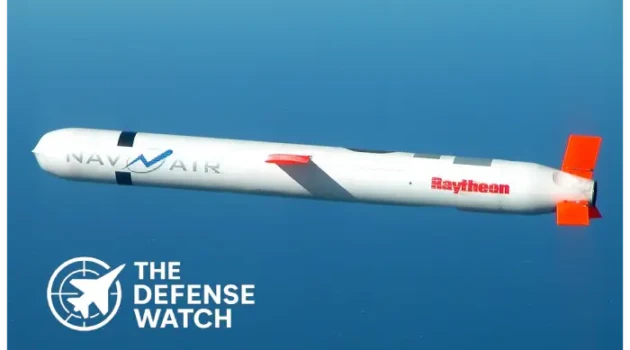
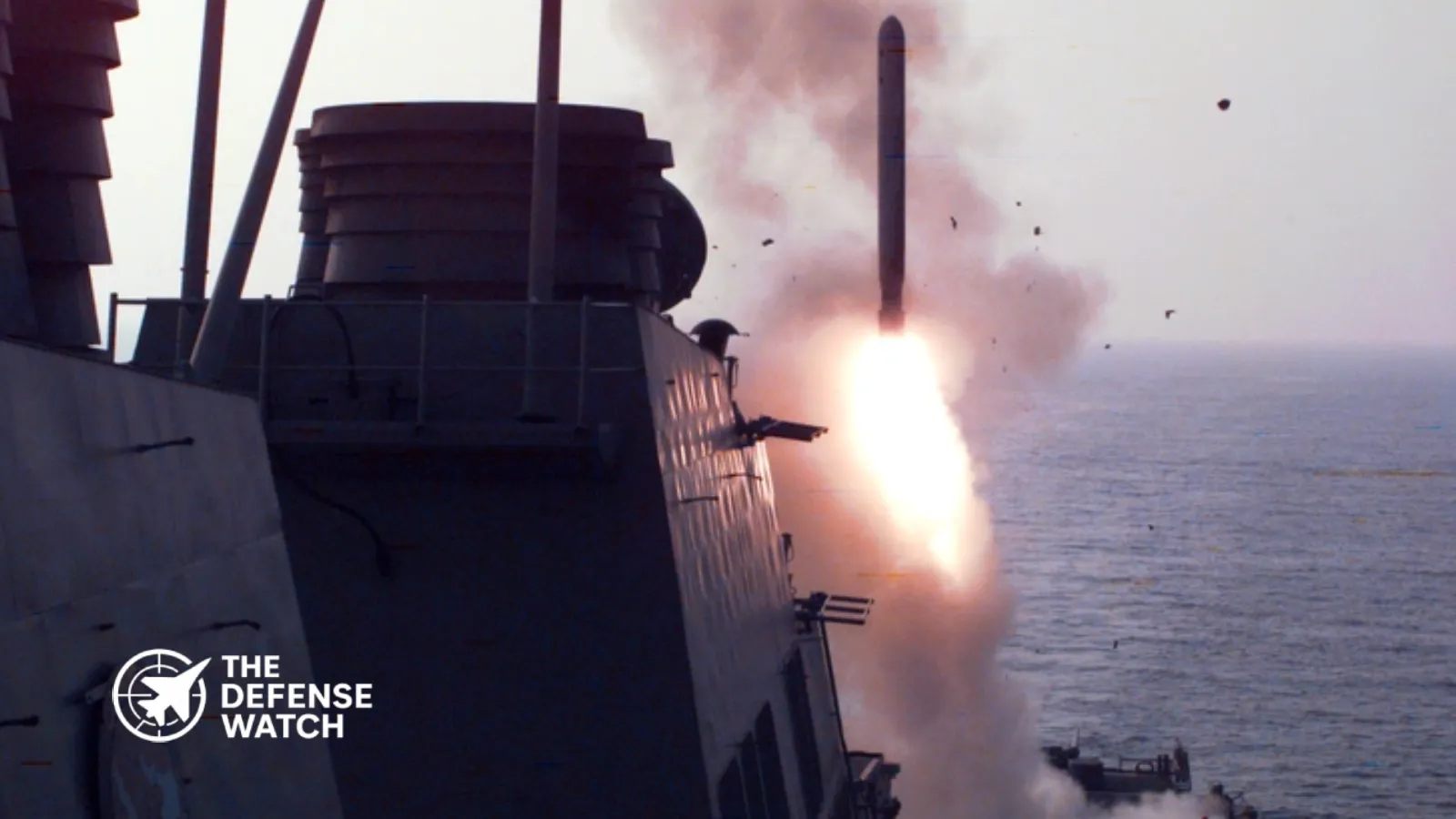
Japan Tomahawk missile delays are emerging as a direct consequence of shifting US defense priorities, with Washington reportedly redirecting supply toward immediate operational needs tied to tensions involving Iran. According to reporting cited by Bloomberg and published via Defence Industry Europe, delivery timelines for Tokyo’s planned acquisition of the long-range cruise missiles are now under pressure.
The Tomahawk missile, a cornerstone of US long-range strike capability, has become increasingly critical amid rising geopolitical instability. As demand surges in potential conflict scenarios, the US is prioritizing its own stockpile readiness over scheduled foreign deliveries.
For Japan, this development presents a significant challenge at a time when Tokyo is accelerating efforts to enhance its deterrence posture.
- Japan is facing delays in delivery of US-made Tomahawk cruise missiles due to shifting US wartime priorities.
- The delays are linked to increased US demand amid ongoing tensions involving Iran, according to Bloomberg reporting.
- Tokyo had planned to deploy the missiles as part of its new counterstrike capability strategy.
- The US is prioritizing its own operational needs, straining production and delivery schedules for allies.
- The situation highlights growing pressure on Western defense industrial capacity amid global conflicts.
Strategic Importance Of Japan’s Tomahawk Acquisition
Japan’s planned acquisition of Tomahawk missiles is central to its evolving defense doctrine, particularly its move toward a counterstrike capability. This shift marks a major policy evolution for Tokyo, allowing it to hold adversary targets at risk beyond its immediate territory.
The missiles were expected to provide Japan with a near-term solution while domestic long-range strike systems are still under development. Any delay therefore risks creating a temporary capability gap.
Tokyo has already committed to strengthening its defense posture in response to regional threats, including North Korea’s missile program and China’s expanding military reach. The introduction of Tomahawk missiles was intended to accelerate this transition.
Delays now complicate those timelines and may force Japan to reassess interim solutions.
US Defense Production Under Strain
The Japan Tomahawk missile delays also underscore a broader issue, the growing strain on US defense industrial capacity. Multiple concurrent demands, including support for allies and replenishment of US stockpiles, are stretching production lines.
The reported prioritization linked to Iran-related contingencies reflects how quickly supply chains can shift under wartime conditions. This is not an isolated case. Similar pressures have been observed in munitions supply for Ukraine and other theaters.
The US defense sector is working to expand output, but scaling production of complex systems like cruise missiles takes time. Manufacturing constraints, workforce limitations, and supply chain dependencies all contribute to slower ramp-up rates.
As a result, allied nations relying on US systems may face increasing uncertainty in delivery schedules.
Operational And Regional Implications
From an operational standpoint, the delay in Japan Tomahawk missile deliveries could affect the pace at which Tokyo integrates long-range strike capabilities into its force structure.
This has implications for deterrence in the Indo-Pacific. A fully operational counterstrike capability is seen by Japanese planners as essential to offset evolving threats.
Any delay, even temporary, may influence strategic calculations across the region. Adversaries closely monitor such developments, particularly when they relate to alliance capabilities and readiness.
At the same time, the situation highlights the interconnected nature of global defense supply chains. A conflict or contingency in one region can directly impact military planning in another.
Broader Strategic Takeaways
The Japan Tomahawk missile delays offer a clear example of how global demand for advanced munitions is reshaping defense planning. For the United States, balancing immediate operational needs with alliance commitments is becoming increasingly complex.
For allies like Japan, the lesson is equally clear. Diversification of supply, investment in domestic production, and long-term planning are becoming critical components of national defense strategies.
The evolving situation reinforces a central reality of modern defense planning. Industrial capacity is now as important as technological capability in determining military readiness.