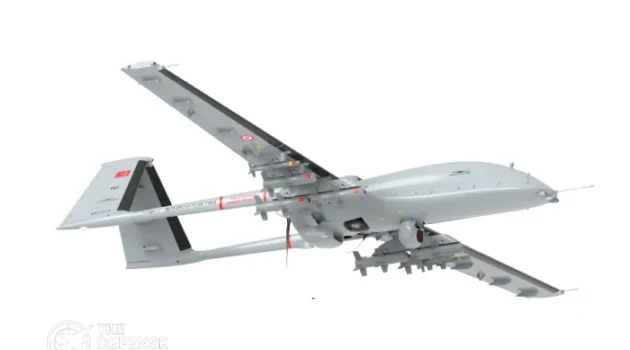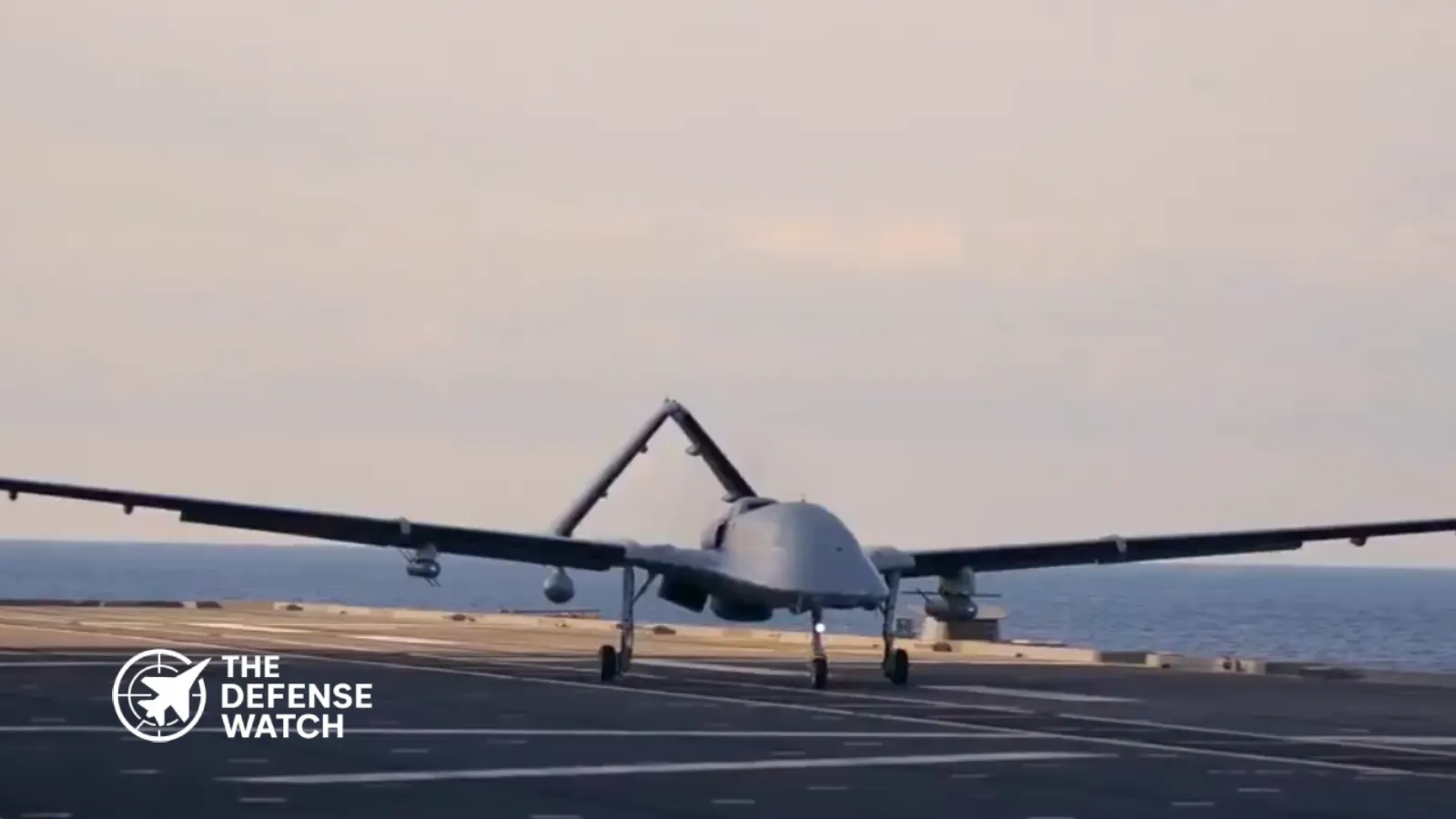
The Bayraktar TB3 UCAV will take part in live fire drills as Türkiye joins NATO allies for Steadfast Dart 2026 in the Baltic Sea on February 17 and 18. The event marks the first known operational deployment of Türkiyes carrier capable unmanned combat aircraft in a high profile NATO exercise environment, underscoring Ankaras growing focus on naval aviation and unmanned systems integration.
Türkiye Brings Bayraktar TB3 To NATO Steadfast Dart 2026
NATO Steadfast Dart 2026 is a large scale alliance exercise designed to test rapid deployment and joint operations across air land and maritime domains. Türkiyes participation with the Bayraktar TB3 UCAV introduces a new capability into the exercise mix, particularly in the naval unmanned aviation space.
The drills in the Baltic Sea will include live fire scenarios, according to Turkish defense sources, allowing NATO partners to observe the TB3s strike and targeting performance in a maritime operating environment. The exercise is expected to involve multiple NATO navies and air forces, focusing on interoperability and readiness in Northern European waters.
Bayraktar TB3 Designed For Naval Operations
Developed by Baykar, the Bayraktar TB3 is Türkiyes first unmanned combat aircraft designed specifically for ship based operations. Unlike earlier Turkish drones, the TB3 is optimized to operate from short runways, including amphibious assault ships such as TCG Anadolu.
The UCAV is capable of fully autonomous takeoffs and landings, a key requirement for sustained naval operations where deck space and launch windows are limited. Its foldable wing design allows efficient storage inside ship hangars, increasing sortie generation rates during deployments.
According to publicly released specifications, the Bayraktar TB3 has a range exceeding 1100 kilometers and an endurance of up to 32 hours. Its maximum speed is listed at around 300 kilometers per hour, placing it in the medium altitude long endurance category.
(adsbygoogle = window.adsbygoogle || []).push({});Weapons And Sensors
The Bayraktar TB3 UCAV can carry up to six smart munitions, including laser guided bombs and precision missiles developed by Turkish defense firms. This payload capacity allows the drone to perform strike, close air support, and maritime interdiction missions.
The aircraft is equipped with advanced electro optical and infrared targeting systems, enabling day and night operations and precision engagement of surface targets. These sensor systems also support intelligence, surveillance, and reconnaissance missions, a core role for UCAVs in modern naval task groups.
Turkish officials have previously highlighted the TB3s ability to operate independently or as part of a networked force, sharing targeting data with other platforms. While detailed tactics for Steadfast Dart 2026 have not been disclosed, the live fire drills are expected to showcase this integrated approach.
Strategic Significance For NATO And Türkiye
The deployment of the Bayraktar TB3 in the Baltic Sea carries both operational and political significance. For Türkiye, it demonstrates the maturity of its indigenous drone industry and its ability to field carrier capable unmanned aircraft within NATO frameworks.
(adsbygoogle = window.adsbygoogle || []).push({});For the alliance, the exercise provides a real world opportunity to evaluate how ship based UCAVs can support maritime operations in contested environments. The Baltic Sea has become an increasingly active theater for NATO exercises due to regional security concerns and the need to reinforce deterrence.
Defense analysts note that unmanned systems are playing a growing role in NATO planning, particularly for surveillance and precision strike missions. Türkiyes contribution with the Bayraktar TB3 adds a naval dimension to this trend.
Broader Context Of Turkish Defense Modernization
The Bayraktar TB3 program is part of a wider Turkish effort to expand domestic defense production and reduce reliance on foreign suppliers. Alongside the TB3, Türkiye is investing in unmanned surface vessels, electronic warfare systems, and next generation combat aircraft.
TCG Anadolu, originally designed to operate crewed fixed wing aircraft, has become a testbed for unmanned naval aviation following changes to Türkiyes fighter procurement plans. The integration of the TB3 reflects a shift toward drone centric maritime air power.
(adsbygoogle = window.adsbygoogle || []).push({});What Comes Next
Following Steadfast Dart 2026, Turkish defense officials are expected to continue testing the Bayraktar TB3 in joint and national exercises. Future milestones may include expanded weapons testing, increased operational tempo from TCG Anadolu, and potential export interest from allied navies.
For now, the Baltic Sea drills will serve as a key proof point for Türkiyes carrier capable UCAV concept within a NATO operational setting.