Historic Nuclear Arms Treaty Reaches End
The New START nuclear arms treaty between the United States and Russia expired Thursday, marking the first time in over half a century that the world’s two largest nuclear arsenals operate without any formal limits. President Donald Trump rejected extending the agreement, instead calling for a comprehensive modernized treaty that includes China—a proposal Beijing has firmly declined.
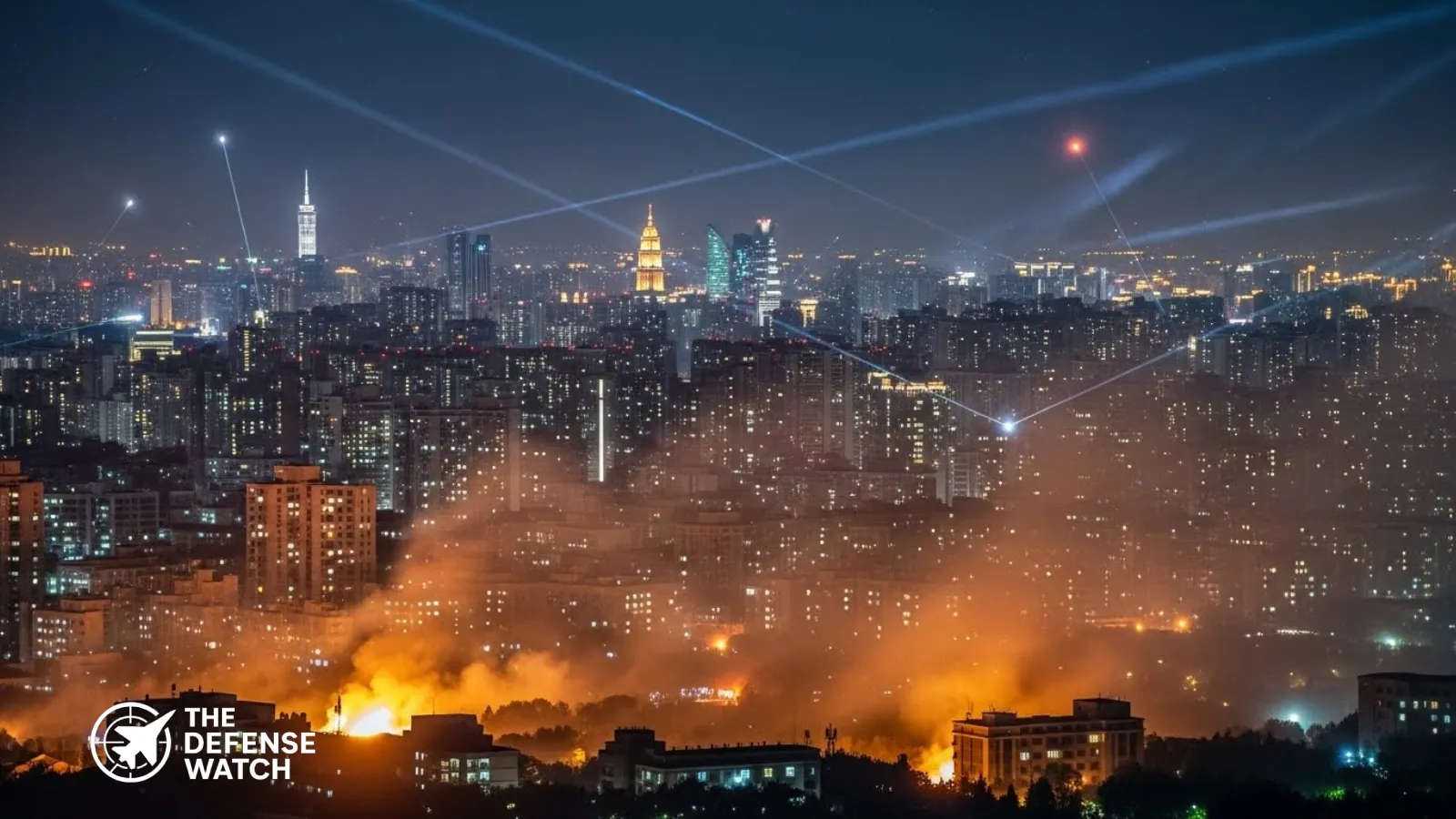
The treaty’s termination removes all caps on deployed strategic nuclear warheads and delivery systems, raising concerns among arms control experts about a potential unconstrained nuclear arms race involving the world’s three major nuclear powers.
Trump Rejects Extension, Demands Better Deal
President Trump posted on Truth Social that rather than extend the existing agreement, U.S. nuclear experts should work on “a new, improved, and modernized Treaty that can last long into the future.” He characterized the original 2010 agreement as poorly negotiated by the United States and suggested it was being violated.
Secretary of State Marco Rubio reinforced this position Wednesday, stating that Trump believes genuine 21st-century arms control must include China due to its rapidly expanding nuclear stockpile. This represents a significant shift from traditional bilateral U.S.-Russia nuclear arms control frameworks that have existed since the Cold War era.
Russia Expresses Regret, Maintains Readiness for Dialogue
Kremlin spokesman Dmitry Peskov said Moscow views the treaty expiration negatively and regrets the outcome. Russian President Vladimir Putin had proposed extending the treaty’s limits for an additional year to allow time for negotiations on a successor agreement, but Trump ignored the offer.
Despite the treaty’s end, Peskov emphasized that Russia would maintain a “responsible, thorough approach to stability when it comes to nuclear weapons” while being guided primarily by national interests. The Russian Foreign Ministry warned it remains ready to take decisive military-technical measures to counter potential threats to national security.
Kremlin adviser Yuri Ushakov revealed that Putin discussed the treaty expiration with Chinese President Xi Jinping on Wednesday, noting Washington’s failure to respond to Moscow’s extension proposal.
New START Treaty: Background and Provisions
Signed in 2010 by President Barack Obama and Russian President Dmitry Medvedev, New START restricted each side to no more than 1,550 nuclear warheads on no more than 700 missiles and bombers—deployed and ready for use. The agreement was initially set to expire in 2021 but received a five-year extension.
The treaty included provisions for extensive on-site inspections to verify compliance, though these stopped in 2020 due to the COVID-19 pandemic and never resumed. In February 2023, Putin suspended Russia’s participation while pledging to respect the treaty’s numerical caps, arguing that U.S. inspections were inappropriate while Washington and NATO allies openly sought Russia’s defeat in Ukraine.
New START represented the last remaining agreement in a series of nuclear arms limitation pacts between Washington and Moscow dating back to the Strategic Arms Limitation Talks (SALT I) in 1972.
China Refuses Trilateral Arms Control
Beijing has consistently rejected participation in any trilateral nuclear arms control framework. Foreign Ministry spokesperson Lin Jian stated Thursday that China’s nuclear forces are not on the same scale as those of the U.S. and Russia, and therefore China will not participate in nuclear disarmament negotiations at the current stage.
China called on the United States to resume nuclear dialogue with Russia and urged Washington to respond positively to Moscow’s suggestion that both sides continue observing the core treaty limits temporarily. During Trump’s first term, similar attempts to negotiate a three-way nuclear pact failed due to Chinese opposition.
Russian officials have argued that any broader nuclear agreement should also include the nuclear arsenals of NATO members France and the United Kingdom, adding further complexity to potential negotiations.
Military-to-Military Dialogue Reopens Despite Treaty End
In a potentially positive development, the U.S. and Russia agreed Thursday to reestablish high-level, military-to-military dialogue following a meeting between senior officials in Abu Dhabi, according to U.S. European Command. This communication channel had been suspended since 2021 as relations deteriorated before Russia’s February 2022 invasion of Ukraine.
The reopening of direct military communications could provide a framework for future arms control discussions, even without a formal treaty in place.
Arms Control Experts Warn of Three-Way Nuclear Buildup
Arms control advocates expressed alarm at the treaty’s expiration and warned of dangerous consequences. Daryl Kimball, executive director of the Arms Control Association in Washington, cautioned that if the Trump administration increases deployed strategic nuclear weapons, it will only lead Russia to follow suit and encourage China to accelerate its ongoing strategic buildup.
“Such a scenario could lead to a years-long, dangerous three-way nuclear arms buildup,” Kimball warned. Without agreed-upon limits, military planners in all three countries may feel compelled to expand their arsenals to maintain strategic parity or advantage.
Strategic Implications for Global Nuclear Stability
The treaty’s expiration creates unprecedented uncertainty in the global nuclear balance. For the first time since the early Cold War, the United States and Russia can deploy unlimited numbers of strategic nuclear warheads and delivery systems without violating international agreements.
Analysts note that this situation could trigger modernization programs and arsenal expansions that were previously constrained by treaty obligations. The lack of verification mechanisms also eliminates transparency about each nation’s nuclear capabilities, potentially increasing miscalculation risks during international crises.
Furthermore, the absence of a bilateral U.S.-Russia framework makes a trilateral agreement including China even more challenging to achieve, as there is no existing foundation upon which to build.
Congressional and International Reactions
Members of Congress from both parties have expressed concern about operating without nuclear arms control agreements. Some lawmakers argue that even an imperfect treaty provides stability and predictability that serves U.S. national security interests. Others support Trump’s position that any new agreement must reflect current geopolitical realities, including China’s growing nuclear capabilities.
Allied nations, particularly in Europe and Asia, are closely monitoring the situation. NATO allies rely on U.S. nuclear deterrence as part of the alliance’s collective defense, while Asian partners face China’s expanding regional influence backed by its growing nuclear arsenal.
Path Forward for Nuclear Arms Control
The prospects for a new nuclear arms control agreement remain uncertain. Trump administration officials have indicated willingness to negotiate but insist on Chinese participation as a prerequisite. Beijing shows no indication of reversing its position, while Russia maintains it will respond to constructive proposals.
Without a diplomatic breakthrough, the world may enter an extended period without formal limits on the largest nuclear arsenals—a situation unprecedented in the modern era of arms control. The coming months will test whether the major powers can develop a new framework for nuclear stability or whether the treaty’s expiration marks the beginning of unrestricted nuclear competition.