

(adsbygoogle = window.adsbygoogle || []).push({});Executive Summary:
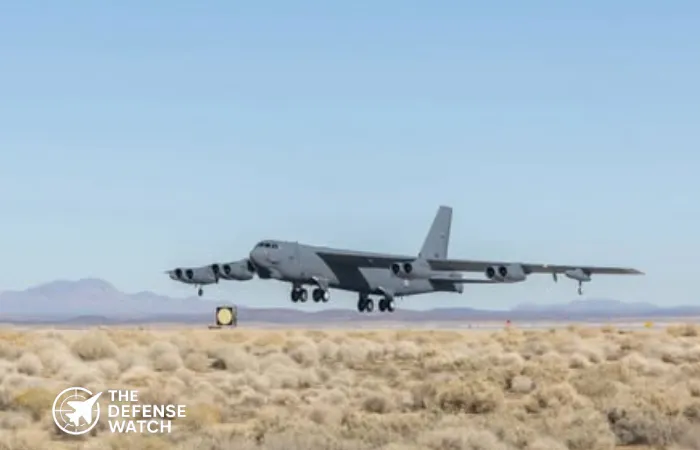
A U.S. Air Force B-52 Stratofortress crashed shortly after takeoff from Edwards Air Force Base in California on June 15, killing all eight personnel aboard. The aircraft was conducting a test mission linked to ongoing radar modernization efforts, highlighting the risks associated with developmental flight testing and the continued reliance on the aging bomber fleet.
B-52 Bomber Crash Raises Questions About Strategic Test Operations
A B-52 bomber crash at Edwards Air Force Base has claimed the lives of eight personnel and resulted in the loss of one of the U.S. Air Force’s most important strategic aircraft during a test mission in California.
According to statements from Edwards Air Force Base and multiple media reports, the Boeing B-52 Stratofortress crashed shortly after takeoff at approximately 11:20 a.m. local time on June 15. Emergency responders immediately deployed to the scene, but officials later determined the accident was not survivable.
The aircraft was assigned to the Air Force’s 412th Test Wing and was participating in a mission associated with ongoing radar modernization efforts. Initial reports indicate the crew included military personnel, government civilians, and defense industry contractors.
Air Force officials confirmed that all eight people aboard were killed in the crash.
(adsbygoogle = window.adsbygoogle || []).push({});Crash Occurred During Radar Modernization Testing
The aircraft was reportedly supporting a program focused on upgrading the B-52 fleet with a new Active Electronically Scanned Array (AESA) radar system, one of several major modernization initiatives intended to keep the bomber operational well into future decades.
While investigators have not identified a cause, the crash occurred during a phase of flight historically associated with elevated risk. Officials have emphasized that no conclusions should be drawn until a formal investigation is completed.

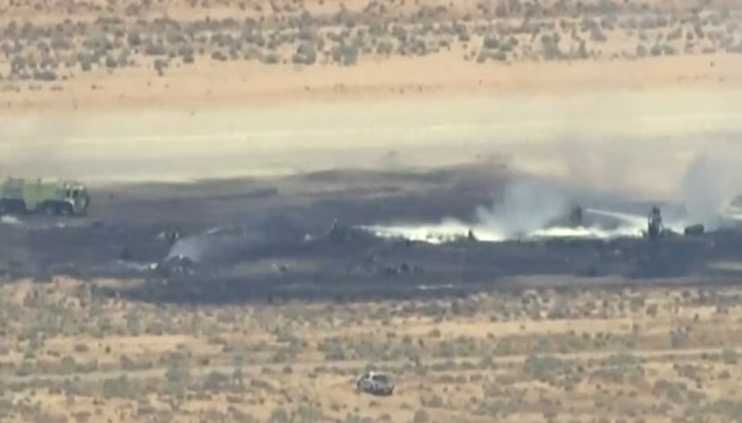
Smoke rises from a blackened part of Edwards Air Force Base after the crash of a U.S. Air Force B-52 bomber aircraft in Edwards The destroyed aircraft was part of a small group of test assets used to validate upgrades before they are integrated across the broader B-52 force.
For the Air Force, the loss extends beyond a single airframe. Test aircraft play a unique role in evaluating new systems and reducing technical risk before fleet-wide implementation.
(adsbygoogle = window.adsbygoogle || []).push({});Why The Incident Matters
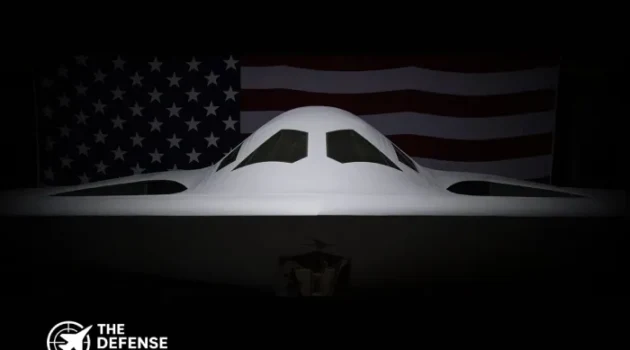
The B-52 remains one of the three pillars of America’s nuclear-capable bomber force alongside the B-2 Spirit and the emerging B-21 Raider.
Although the aircraft first entered service in the 1950s, it continues to perform long-range strike, deterrence, and conventional bombing missions worldwide. The Air Force plans to operate modernized B-52J variants into the 2050s, making current upgrade programs strategically important.
The crash comes at a time when the service is investing heavily in extending the aircraft’s relevance through new engines, radar systems, communications equipment, and digital architecture improvements.
From a defense modernization perspective, the accident highlights a recurring reality of military aviation development. Even proven aircraft can encounter significant risks when testing new technologies, flight configurations, or mission systems.
(adsbygoogle = window.adsbygoogle || []).push({});Edwards Air Force Base’s Role In Aerospace Development
Edwards Air Force Base has long served as the center of U.S. military flight testing.
Located in California’s Mojave Desert, the installation has supported generations of aerospace milestones, including experimental aircraft programs, fighter development, bomber testing, and advanced weapons integration.
Many of the Air Force’s most significant aviation programs have passed through Edwards before entering operational service.
As a result, accidents involving test aircraft at the base attract particular attention across the defense and aerospace communities because of the critical role Edwards plays in validating future military capabilities.
Following the crash, base officials temporarily suspended flight operations while emergency teams secured the area and investigators began examining the wreckage.
(adsbygoogle = window.adsbygoogle || []).push({});Investigation Now Underway
The U.S. Air Force has launched a formal investigation into the accident. Investigators will examine maintenance records, flight data, mission objectives, environmental conditions, and potential technical factors that may have contributed to the crash.
Officials have not released the identities of the victims pending notification of next of kin.
The investigation is expected to take months, a standard timeline for major military aviation accidents involving strategic aircraft.
Until preliminary findings are released, Air Force leaders are expected to focus on supporting affected families while preserving evidence needed to determine the cause.
(adsbygoogle = window.adsbygoogle || []).push({});Strategic Implications For The B-52 Fleet
The B-52 bomber crash is unlikely to alter the Air Force’s long-term commitment to the Stratofortress modernization program. However, it may lead to additional reviews of ongoing test activities and flight safety procedures connected to upgrade efforts.
The incident also underscores the continued importance of maintaining aging strategic aircraft while transitioning toward next-generation platforms such as the B-21 Raider.
As the Air Force balances modernization with operational readiness, the loss of a test aircraft and eight experienced personnel represents both a human tragedy and a significant setback for ongoing aerospace development efforts.

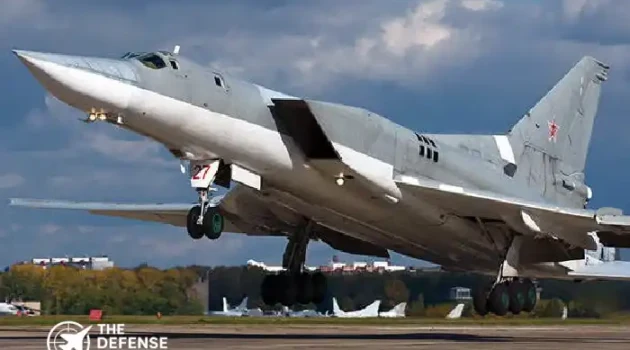
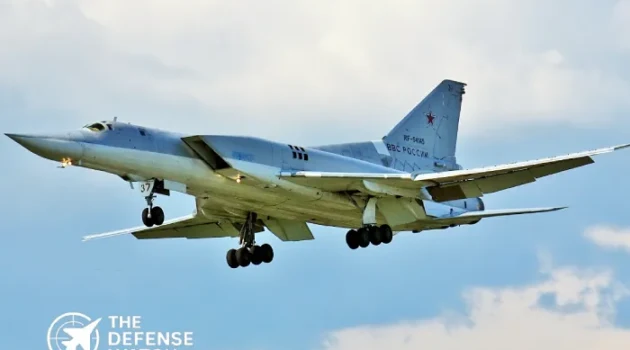
A Russian Tu-22M3 long range bomber crashed during a training exercise in Siberia, highlighting continued operational challenges for Moscow’s aging strategic aviation fleet.
(adsbygoogle = window.adsbygoogle || []).push({});Executive Summary:
A Russian Tu-22M3 strategic bomber crashed in Siberia’s Irkutsk region on June 15 during a training flight. All four crew members ejected safely and survived. The incident comes as Russia continues to rely on its aging long range bomber fleet for both conventional and strategic missions.
Russian Tu-22M3 Strategic Bomber Crashes In Siberia
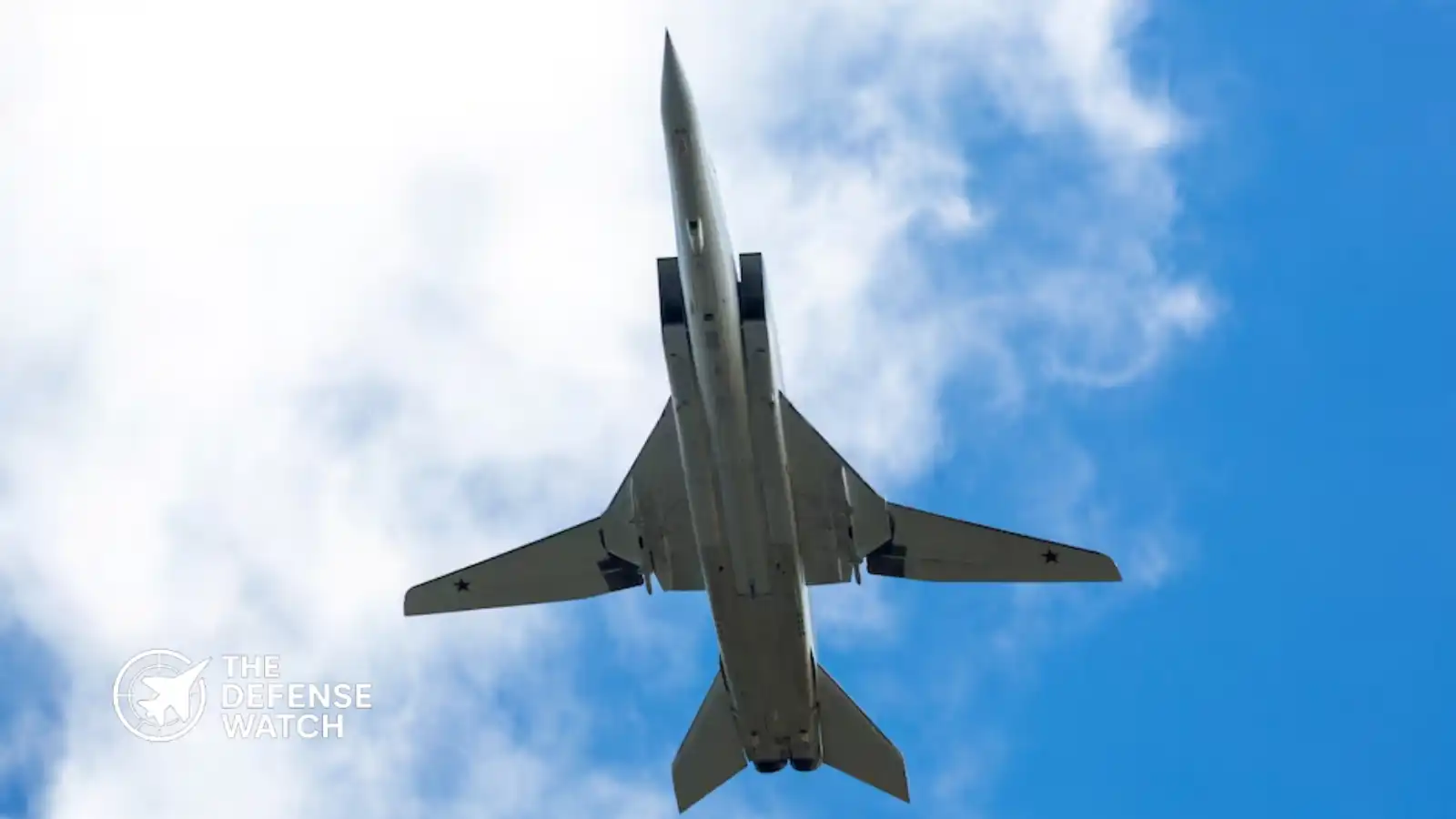
A Russian Tu-22M3 strategic bomber crashed during a training flight in Siberia on June 15, according to Russia’s Ministry of Defense. The aircraft went down in the Irkutsk region near the village of Kamenka, while all four crew members successfully ejected before impact. Officials reported no fatalities and no significant damage on the ground.
The Tu-22M3, known by NATO as the Backfire, is a long range supersonic bomber that remains an important component of Russia’s strategic aviation force. The aircraft has been employed in combat operations in both Syria and Ukraine and is capable of carrying long range cruise missiles as well as air launched hypersonic weapons.
According to Russian authorities, the bomber was not carrying a combat payload at the time of the accident. Emergency responders and medical personnel were dispatched to the crash site shortly after the aircraft went down.
(adsbygoogle = window.adsbygoogle || []).push({});Preliminary Cause Points To Engine Failure
Russian officials indicated that a technical malfunction, specifically a possible engine failure, is the leading explanation for the crash. Governor Igor Kobzev of the Irkutsk region stated that preliminary assessments suggest the aircraft suffered an engine related issue before impact.
Videos circulating on social media, which Reuters noted could not be independently verified, appeared to show the aircraft descending rapidly before crashing into a wooded area near the Angara River and generating a large plume of smoke.
A commission from Russia’s Aerospace Forces has reportedly been assigned to investigate the incident and determine the exact cause of the loss.
Why The Tu-22M3 Matters
The Tu-22M3 remains one of Russia’s primary long range strike platforms. Developed during the Soviet era and modernized over time, the aircraft is designed to conduct maritime strike operations and long range attacks against land targets.
The bomber can carry Kh-22 and Kh-32 cruise missiles and has also been associated with the deployment of the air launched Kinzhal hypersonic missile. Its combination of range, speed, and payload capacity has made it a significant asset within Russia’s long range aviation force.
(adsbygoogle = window.adsbygoogle || []).push({});Although newer strategic systems are under development, the Tu-22M3 continues to perform operational missions because no direct replacement currently exists in large numbers. This reality increases the importance of maintaining the existing fleet despite its age.
Strategic Implications For Russian Aviation
While the crash occurred during a routine training mission and was not linked to combat operations, it underscores the challenges associated with sustaining aging military aircraft fleets.
The Tu-22M3 fleet traces its origins to the Soviet period, and production ended decades ago. As a result, each aircraft represents a valuable strategic asset that cannot be rapidly replaced. Recent assessments by defense analysts have also highlighted the difficulty Russia faces in modernizing and replenishing portions of its long range bomber inventory.
From an operational perspective, training missions remain essential for maintaining aircrew proficiency and readiness. However, incidents involving strategic aircraft attract attention because of the limited number of bombers available and their role in Russia’s broader military posture.
The latest crash is unlikely to significantly alter Russia’s overall strategic deterrent capability. Nevertheless, it highlights the ongoing maintenance, modernization, and readiness challenges facing legacy bomber fleets across the world, particularly those operating aircraft designed during the Cold War era.
(adsbygoogle = window.adsbygoogle || []).push({});Outlook
Russian investigators are expected to release additional findings once the official inquiry is completed. For now, authorities maintain that the crew survived the accident and that engine failure remains the most likely cause.
The incident serves as another reminder of the operational risks inherent in military aviation, even during peacetime training activities, and draws renewed attention to the future of Russia’s long range bomber force.
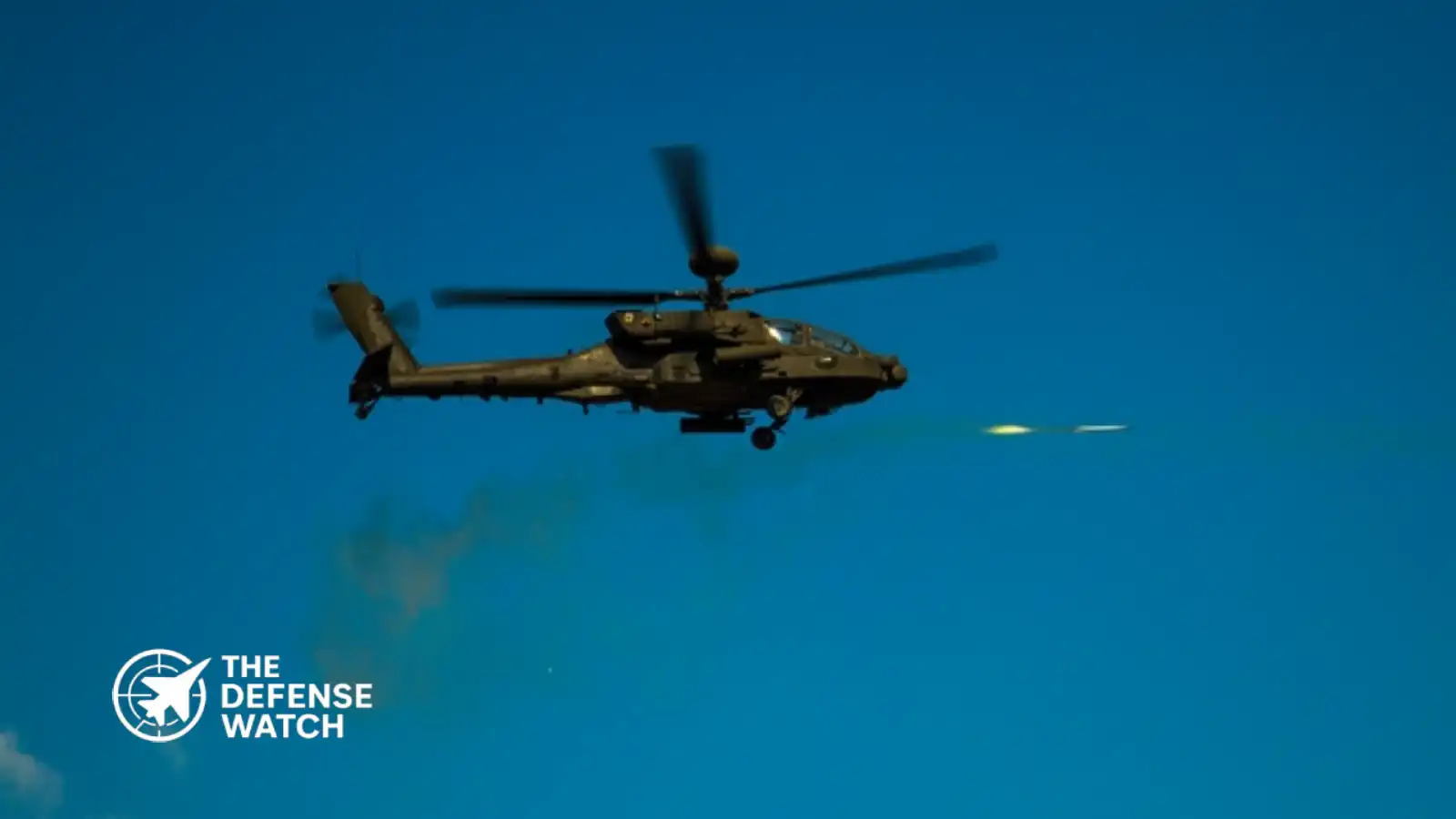
American attack helicopters demonstrated rapid strike capabilities near one of the world’s most heavily fortified borders.
(adsbygoogle = window.adsbygoogle || []).push({});Executive Summary:
U.S. Army AH-64 Apache attack helicopters conducted live-fire rocket training near the Korean Demilitarized Zone (DMZ) as part of ongoing readiness efforts with South Korean forces. The exercise highlighted the ability of allied forces to rapidly deploy precision firepower in one of the Indo-Pacific’s most strategically sensitive regions.
US Army Apaches Conduct Live Fire Near Korean DMZ
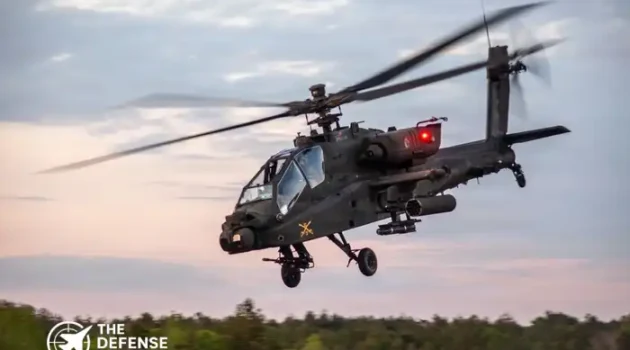
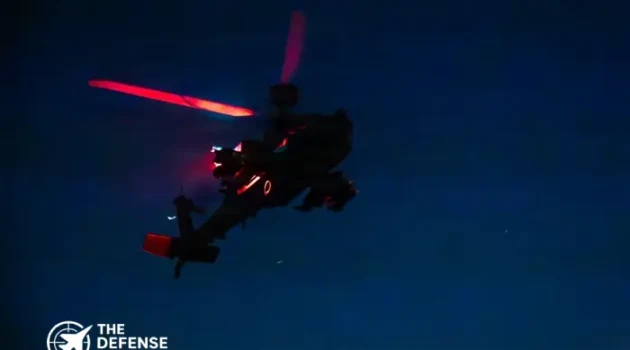
U.S. Army Apache helicopters carried out a live-fire training exercise near the Korean Demilitarized Zone, demonstrating combat readiness and allied interoperability on the Korean Peninsula. AH-64 Apache attack helicopters launched rockets during the exercise as part of routine training designed to maintain operational proficiency and reinforce deterrence in the region.
The Korean Peninsula remains one of the most heavily militarized areas in the world, with U.S. and South Korean forces regularly conducting combined training to maintain preparedness against potential threats. The latest Apache live-fire event showcased the aircraft’s ability to deliver rapid and precise fire support in a complex operational environment.
(adsbygoogle = window.adsbygoogle || []).push({});Apache Helicopters Remain Central To Allied Firepower
The AH-64 Apache is one of the U.S. Army’s primary attack helicopters, designed for close air support, armed reconnaissance, and anti-armor missions. Equipped with advanced sensors, guided and unguided weapons, and networked battlefield systems, the platform continues to play a critical role in forward-deployed operations across the Indo-Pacific.
Live-fire exercises involving Apache helicopters allow crews to practice target engagement procedures, refine coordination with ground forces, and validate operational tactics under realistic conditions. Such training is particularly important near the Korean DMZ, where rapid response capabilities remain essential.
(adsbygoogle = window.adsbygoogle || []).push({});Military officials routinely emphasize that these drills are defensive in nature and intended to ensure allied forces can operate together effectively if required.
(adsbygoogle = window.adsbygoogle || []).push({});(adsbygoogle = window.adsbygoogle || []).push({});Growing Focus On Readiness In Northeast Asia
The exercise comes amid continued security concerns across Northeast Asia. North Korea has continued testing missile and rocket systems while pursuing modernization of its military capabilities. Recent assessments indicate that Pyongyang is advancing multiple missile and artillery programs, including precision-guided rocket systems and tactical missile developments.
Against this backdrop, U.S. and South Korean forces have increased the frequency and complexity of joint training activities. Recent exercises have included long-range rocket artillery drills, combined arms training, aviation operations, and integrated fire support missions near key operational areas on the peninsula.
The Apache live-fire event fits within a broader effort to maintain a credible deterrent posture while demonstrating alliance cohesion.
Why The Exercise Matters
While live-fire drills near the DMZ are not uncommon, they serve several important operational purposes.
First, they ensure that aircrews remain proficient in employing weapons systems under realistic conditions. Second, they strengthen coordination between aviation units and ground forces. Third, they signal that U.S. and South Korean forces remain capable of responding quickly to potential contingencies.
From a strategic perspective, the presence of combat-ready attack helicopters provides commanders with a flexible tool for reconnaissance, precision strikes, and close air support. In a region characterized by short warning times and dense military deployments, rapid-response aviation assets remain highly valuable.
(adsbygoogle = window.adsbygoogle || []).push({});The exercise also reinforces the long-standing U.S. commitment to the defense of South Korea, a message repeatedly emphasized by U.S. Indo-Pacific Command amid ongoing regional security challenges.
Analysis: Apache Operations Reflect Broader Indo-Pacific Strategy
Beyond routine training, the deployment of U.S. Army Apache helicopters near the Korean DMZ reflects a wider shift toward maintaining highly responsive, forward-positioned combat forces across the Indo-Pacific.
The U.S. military increasingly emphasizes distributed operations, rapid deployment, and integrated joint capabilities to address evolving security challenges. Attack helicopters remain a key component of that approach because they can quickly provide precision firepower, reconnaissance, and support for maneuver forces.
For allied planners, readiness is not measured solely by equipment inventories but by the ability to employ those systems effectively under operational conditions. Live-fire exercises provide that validation while strengthening interoperability between allied forces.
As regional military modernization continues, exercises involving platforms such as the AH-64 Apache are likely to remain a regular feature of U.S. and South Korean defense cooperation.

(adsbygoogle = window.adsbygoogle || []).push({});Executive Summary:
General Atomics AeroTec Systems has announced the first customer for its new Do228 NXT aircraft, marking a major milestone for the program. The launch customer, an unnamed humanitarian organization, will use the aircraft for special mission and relief operations, with delivery scheduled for early 2027. The deal provides an early validation of the platform’s operational flexibility and market potential.
General Atomics Secures First Do228 NXT Customer For Humanitarian Operations
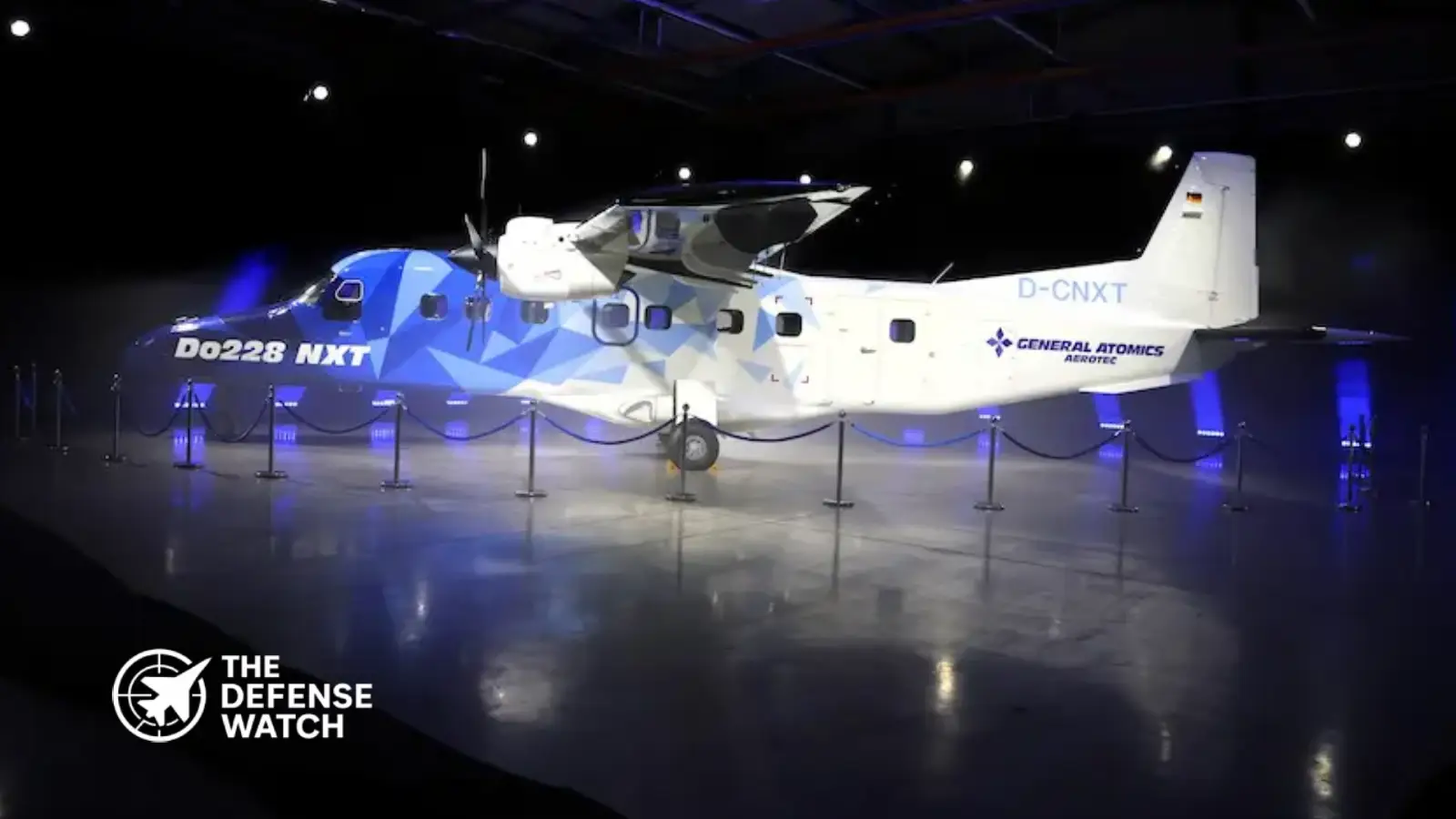
General Atomics AeroTec Systems (GA-ATS) has announced the first customer for its Do228 NXT aircraft, a significant step forward for the German-built multi-role turboprop program. The launch customer is a non-governmental organization (NGO) engaged in humanitarian operations that has requested anonymity due to operational considerations. The aircraft is expected to be delivered in early 2027.
The announcement comes only weeks after the Do228 NXT completed its first flight and days after its official public rollout in Oberpfaffenhofen, Germany. The rapid progression from flight testing to securing a launch customer highlights growing confidence in the aircraft’s capabilities and mission adaptability.
(adsbygoogle = window.adsbygoogle || []).push({});A Platform Designed For Challenging Missions
According to GA-ATS, the Do228 NXT will be configured specifically for humanitarian and special mission operations. While the company has not disclosed detailed mission equipment, it stated that the aircraft will incorporate technologies supporting situational awareness, communications, mission coordination, and response operations in demanding environments.
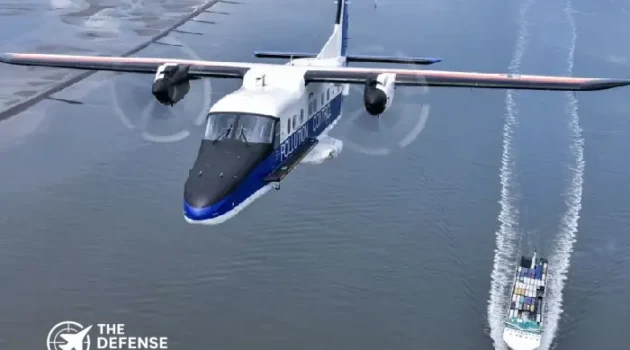
The Do228 NXT builds on the legacy of the Dornier 228, an aircraft with decades of service across passenger transport, cargo logistics, maritime surveillance, medical evacuation, and disaster relief missions. The latest variant introduces upgraded avionics, a modernized cockpit and cabin, enhanced mission systems, and improvements throughout the supply chain aimed at reducing operational costs and increasing reliability.
Powered by two Honeywell TPE331-10 turboprop engines, the aircraft retains the Dornier platform’s well-known short takeoff and landing (STOL) performance, allowing operations from austere airstrips and remote locations where humanitarian organizations frequently operate.
(adsbygoogle = window.adsbygoogle || []).push({});Why The First Customer Matters
Securing a launch customer is often one of the most important milestones for a newly developed aircraft program. For the Do228 NXT, the agreement provides early market validation at a time when governments, humanitarian agencies, and security organizations are seeking versatile aircraft capable of performing multiple missions without requiring large logistical footprints.
Unlike many modern aircraft programs that initially focus on military procurement, the Do228 NXT’s first customer comes from the humanitarian sector. This demonstrates the platform’s flexibility and suggests that operators see value in its ability to transition between disaster response, medical evacuation, surveillance, transport, and logistics missions.
The choice of a humanitarian operator is also notable because such organizations often prioritize operational reliability, low operating costs, and the ability to access remote regions. Those requirements closely align with the aircraft’s STOL design and multi-role mission architecture.
(adsbygoogle = window.adsbygoogle || []).push({});Part Of A Broader General Atomics Strategy
The customer announcement arrives during a period of renewed investment by General Atomics in European aerospace manufacturing. Following the acquisition of the Oberpfaffenhofen facility and the Dornier 228 program in 2021, GA-ATS restarted production and developed the Do228 NXT as a next-generation evolution of the proven platform.
The company has positioned the aircraft for civil, government, military, and special mission operators. Industry observers view the program as an effort to fill a niche between larger transport aircraft and smaller utility platforms, particularly in missions requiring flexibility, endurance, and access to remote operating locations.
(adsbygoogle = window.adsbygoogle || []).push({});Market Outlook
Demand for special mission aircraft continues to grow as governments and humanitarian organizations face increasingly complex disaster response, border security, environmental monitoring, and emergency medical support requirements.
The Do228 NXT enters a market where versatility often outweighs speed or payload capacity. Its ability to support multiple mission sets from a single airframe could make it attractive to operators with limited budgets but diverse operational demands.
With its first customer now secured and deliveries expected to begin in 2027, the Do228 NXT program has moved beyond the demonstration phase and into the commercial execution stage. Future orders from government agencies, humanitarian organizations, and security operators will likely determine how significant a role the aircraft plays in the global special mission aviation market.
Executive Summary:
UAE-based EDGE Group has integrated its Desert Sting 16 precision-guided glide munition onto the Bayraktar TB2 unmanned aircraft developed by Baykar. The move expands the TB2’s available weapons portfolio and reflects growing defense cooperation between the United Arab Emirates and Türkiye as both companies seek to enhance export-focused unmanned warfare capabilities.
EDGE Integrates Desert Sting 16 On Bayraktar TB2
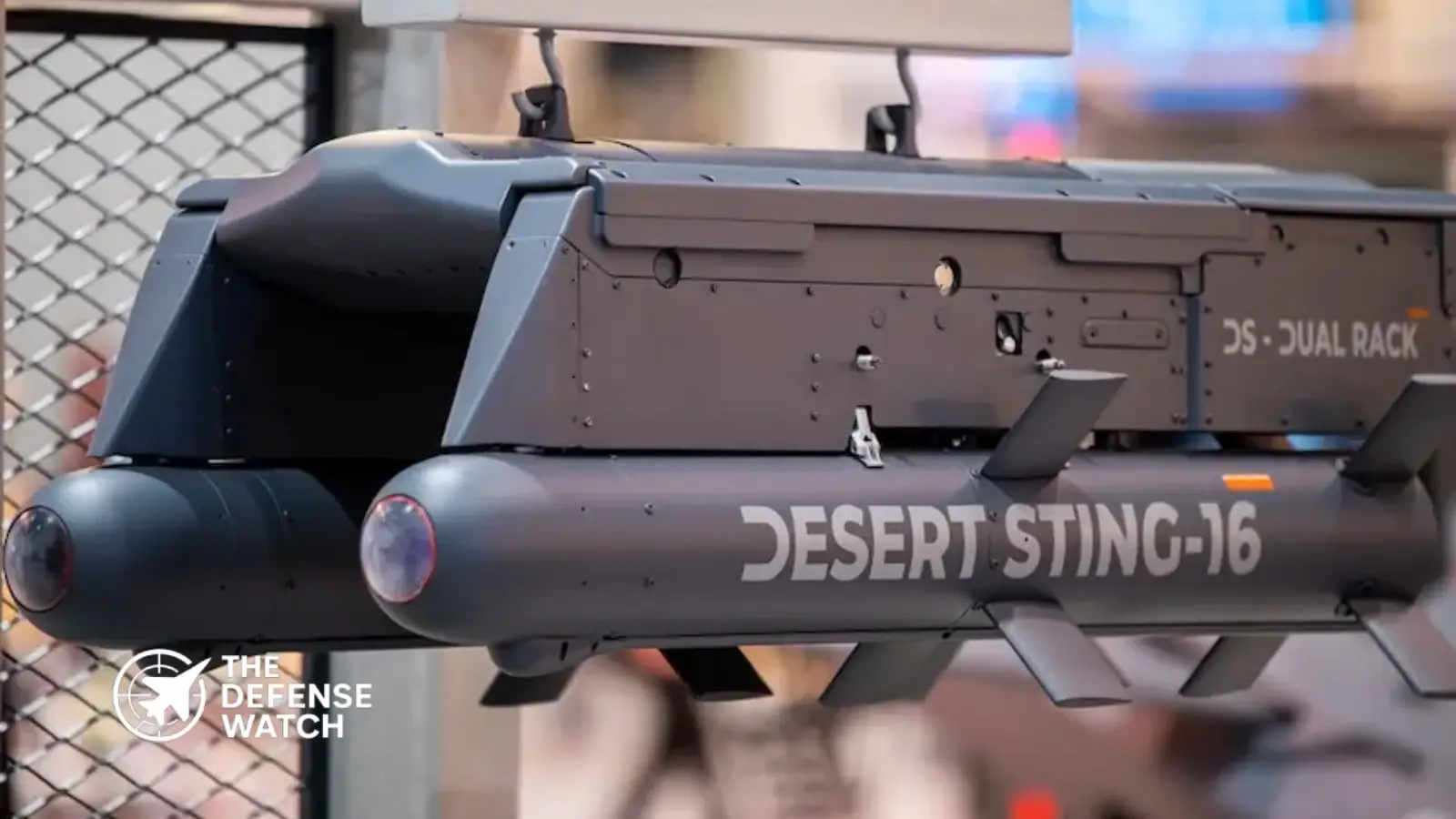
The Desert Sting 16 integration marks another step in the growing partnership between UAE-based defense technology company EDGE and Turkish drone manufacturer Baykar. The companies have confirmed the integration of the Desert Sting 16 precision-guided munition onto the Bayraktar TB2 unmanned aerial vehicle (UAV), adding a new precision strike option to one of the world’s most widely deployed drone platforms.
The effort is part of a broader strategic alliance between the two defense firms focused on expanding cooperation in advanced unmanned systems and precision-guided weapons. Initial plans for the integration were announced in early 2024, with both companies highlighting the potential for additional payloads and future collaboration across Baykar’s UAV portfolio.
What Is The Desert Sting 16?
The Desert Sting 16 is a lightweight precision-guided glide munition developed by EDGE. The weapon uses inertial navigation and satellite guidance, while a semi-active laser seeker can be added for increased targeting accuracy against designated targets. According to defense industry reporting, the munition can engage targets at ranges of up to approximately 15 kilometers when released from altitude and is designed to deliver precise effects while minimizing collateral damage.
Its relatively low weight makes it particularly suitable for medium-sized UAVs such as the Bayraktar TB2, allowing operators to maintain endurance while adding precision strike capability.
Why The Integration Matters
The Bayraktar TB2 has become one of the most successful export UAVs in recent years. The platform has been adopted by multiple armed forces worldwide for intelligence, surveillance, reconnaissance, and strike missions. Integrating the Desert Sting 16 expands the aircraft’s available weapons portfolio and gives current and future operators additional mission flexibility.
From an operational perspective, broader weapon compatibility is increasingly important in the global UAV market. Many defense customers seek flexible platforms capable of integrating both domestic and foreign munitions rather than relying on a single supplier ecosystem.
The integration also reflects a wider trend in the defense industry toward modular payload architectures. UAV manufacturers are increasingly designing platforms that can accommodate multiple sensors, weapons, and mission systems to meet diverse customer requirements.
Growing UAE-Türkiye Defense Cooperation
Beyond the technical achievement, the project highlights the expanding defense relationship between the UAE and Türkiye. EDGE and Baykar have steadily deepened cooperation through agreements covering weapons integration, unmanned systems, and joint market opportunities. Recent agreements announced in 2026 also include plans to integrate EDGE’s AL TARIQ precision-guided munitions onto the larger Bayraktar AKINCI unmanned combat aerial vehicle.
This pattern suggests that both companies view weapons integration as a long-term strategic effort rather than a single program. As unmanned systems become central to military modernization efforts worldwide, partnerships that combine proven UAV platforms with diverse precision-guided munitions are likely to attract increased attention from export customers.
Strategic Analysis
The Desert Sting 16 integration demonstrates how the global UAV market is evolving beyond platform performance alone. Today, a drone’s value increasingly depends on the breadth of weapons, sensors, and mission systems it can support.
For Baykar, expanding the TB2’s weapon options enhances the platform’s attractiveness in competitive export markets. For EDGE, integration with a globally recognized UAV opens additional opportunities for its precision-guided munitions among existing and future TB2 operators.
The development also underscores a broader industry shift toward multinational defense partnerships. Rather than developing every subsystem domestically, manufacturers are increasingly combining strengths across national defense industries to accelerate capability growth and improve market access.
As unmanned aircraft continue to assume larger roles in modern military operations, the combination of proven UAV platforms and flexible precision-guided weapons is expected to remain a key factor shaping procurement decisions worldwide.

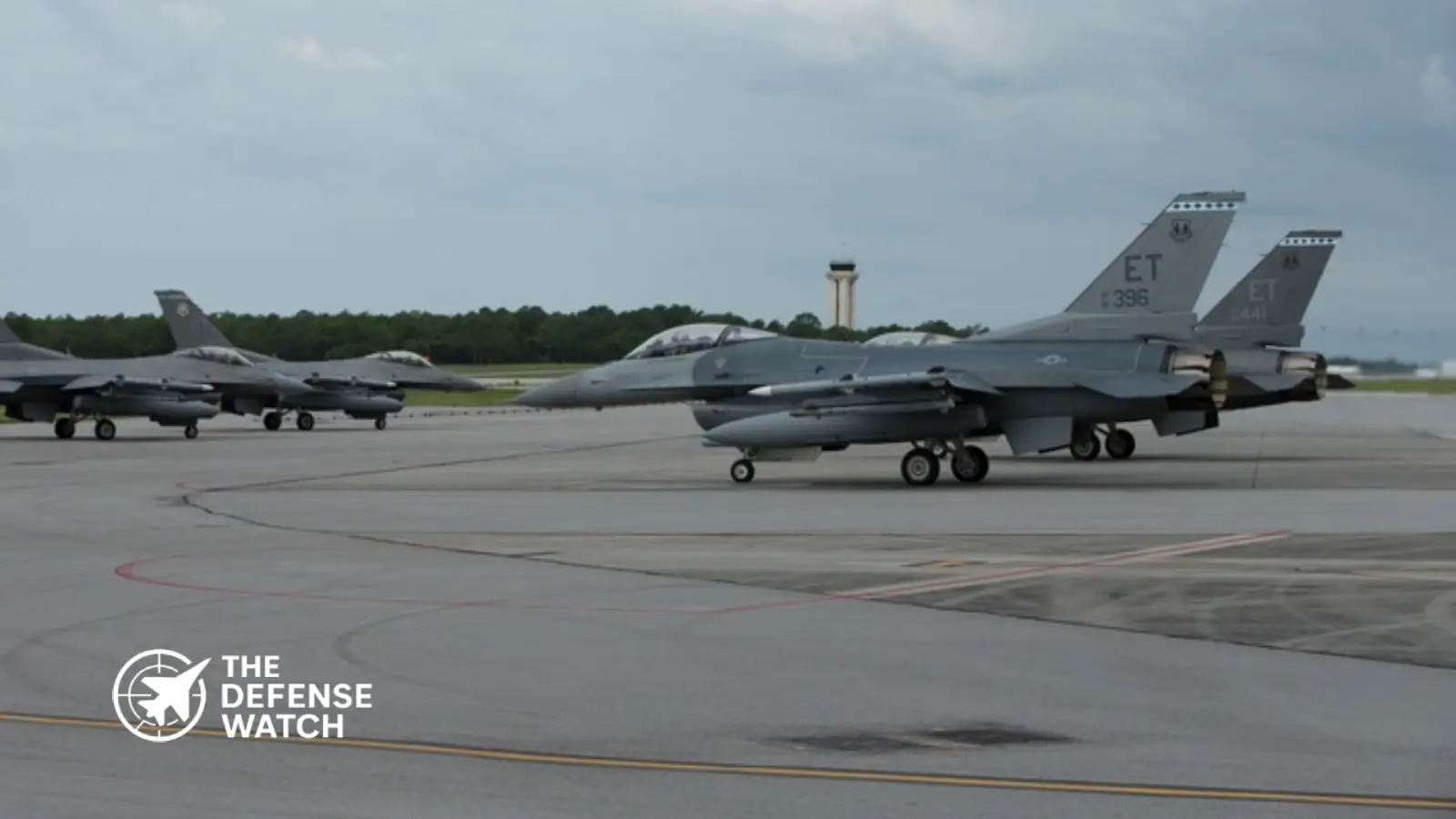
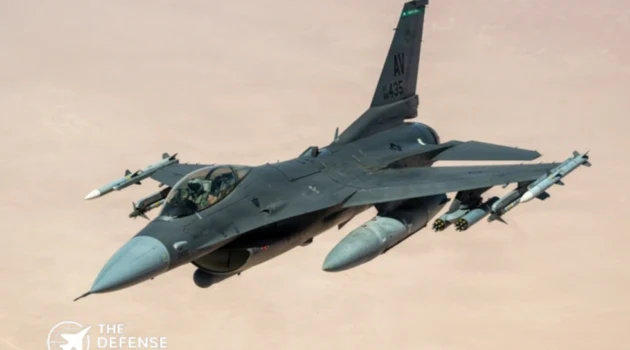
(adsbygoogle = window.adsbygoogle || []).push({});Executive Summary:
The U.S. Air Force has awarded Northrop Grumman a $14.2 million contract modification supporting production and sustainment of Active Electronically Scanned Array (AESA) radars for F-16 fighter aircraft. The award extends a major modernization effort that is transforming legacy F-16 fleets with advanced sensor capabilities comparable to those found on newer generation combat aircraft.
The U.S. Department of Defense announced that Northrop Grumman Systems Corp. of Linthicum Heights, Maryland, received a $14,215,800 modification to a previously awarded Air Force contract supporting AESA radar integration across F-16 aircraft.
According to the Air Force Life Cycle Management Center (AFLCMC) at Wright-Patterson Air Force Base, Ohio, the modification increases the total contract value from approximately $1.822 billion to $1.836 billion. Work will be performed in Linthicum Heights and is scheduled to continue through May 31, 2031.
The contract supports production and related activities associated with AESA radar systems for the F-16 fleet, one of the most widely operated fighter aircraft families in the world.
Deep Technical & Strategic Context Analysis
At the center of the modernization effort is Northrop Grumman’s AN/APG-83 Scalable Agile Beam Radar (SABR), an advanced Active Electronically Scanned Array radar designed specifically for legacy F-16 aircraft. The radar replaces mechanically scanned systems with a digital electronically steered array capable of tracking multiple airborne and surface targets simultaneously while providing significantly improved detection ranges, resistance to jamming, and high-resolution targeting capabilities.
The APG-83 leverages technology derived from fifth-generation fighter radar programs and has become one of the most important upgrades under the Air Force’s F-16 service life extension strategy. As global air forces increasingly face sophisticated electronic warfare environments and long-range missile threats, AESA radar modernization allows F-16 operators to maintain operational relevance without procuring entirely new fighter fleets.
- (adsbygoogle = window.adsbygoogle || []).push({});
The modernization effort is strategically significant because the F-16 remains in active service with more than two dozen nations. The aircraft continues to perform air superiority, strike, homeland defense, and expeditionary missions across Europe, the Indo-Pacific, and the Middle East. Enhanced radar capability improves interoperability with advanced weapons, networked battle management systems, and modern command-and-control architectures.
From a procurement perspective, this contract modification represents an incremental increase to an existing long-term production agreement rather than a new acquisition program. Such modifications are common within major defense procurement efforts, allowing the government to add production quantities, engineering support, testing activities, or sustainment requirements while maintaining continuity in manufacturing and supply chain operations.
Contract Breakdown & Details
Contract Value
- Award Recipient: Northrop Grumman Systems Corp.
- Location: Linthicum Heights, Maryland
- Contract Modification: P00178
- Original Contract Number: FA8615-17-C-6047
- Modification Value: $14,215,800
- Previous Contract Total: $1,821,928,979
- New Contract Total: $1,836,144,779
Program Focus
- System: Active Electronically Scanned Array (AESA) Radar
- Aircraft Platform: F-16 Fighting Falcon
- Primary Radar: AN/APG-83 SABR
- Mission Areas Supported:
- Air-to-air combat
- Precision strike operations
- Electronic warfare resilience
- Multi-target tracking
- Network-centric warfare
Funding Sources
The modification includes funding from multiple Air Force appropriations:
- Fiscal Year 2024 Procurement Funds: $2,843,160
- Fiscal Year 2026 Procurement Funds: $8,529,480
- Fiscal Year 2026 Research, Development, Test and Evaluation Funds: $2,843,160
Performance Schedule
- Work Location: Linthicum Heights, Maryland
- Expected Completion: May 31, 2031
Geographic Workshare
Based on the Department of Defense announcement:
- Maryland: 100% (Linthicum Heights)
Contracting Authority
- Contracting Activity: Air Force Life Cycle Management Center (AFLCMC)
- Location: Wright-Patterson Air Force Base, Ohio
Why This Matters
The latest modification underscores the Air Force’s continued commitment to extending the combat effectiveness of its F-16 fleet while bridging capability gaps ahead of broader next-generation fighter force expansion. With AESA-equipped F-16s now serving as a cornerstone of modernization efforts across the United States and allied air forces, the APG-83 radar program remains one of the most consequential avionics upgrades currently underway in the tactical aviation sector.
By combining fifth-generation sensor technologies with a proven fourth-generation airframe, the modernization initiative offers a cost-effective path to maintaining combat credibility against increasingly sophisticated threats through the next decade.
Executive Summary:
The RAF Rivet Joint surveillance aircraft has deployed to Norway as part of a NATO-focused exercise designed to strengthen intelligence gathering and allied interoperability. The deployment highlights growing emphasis on operations in the High North, a region of increasing strategic importance for NATO members.
RAF Rivet Joint Deployment Highlights NATO Focus On The High North
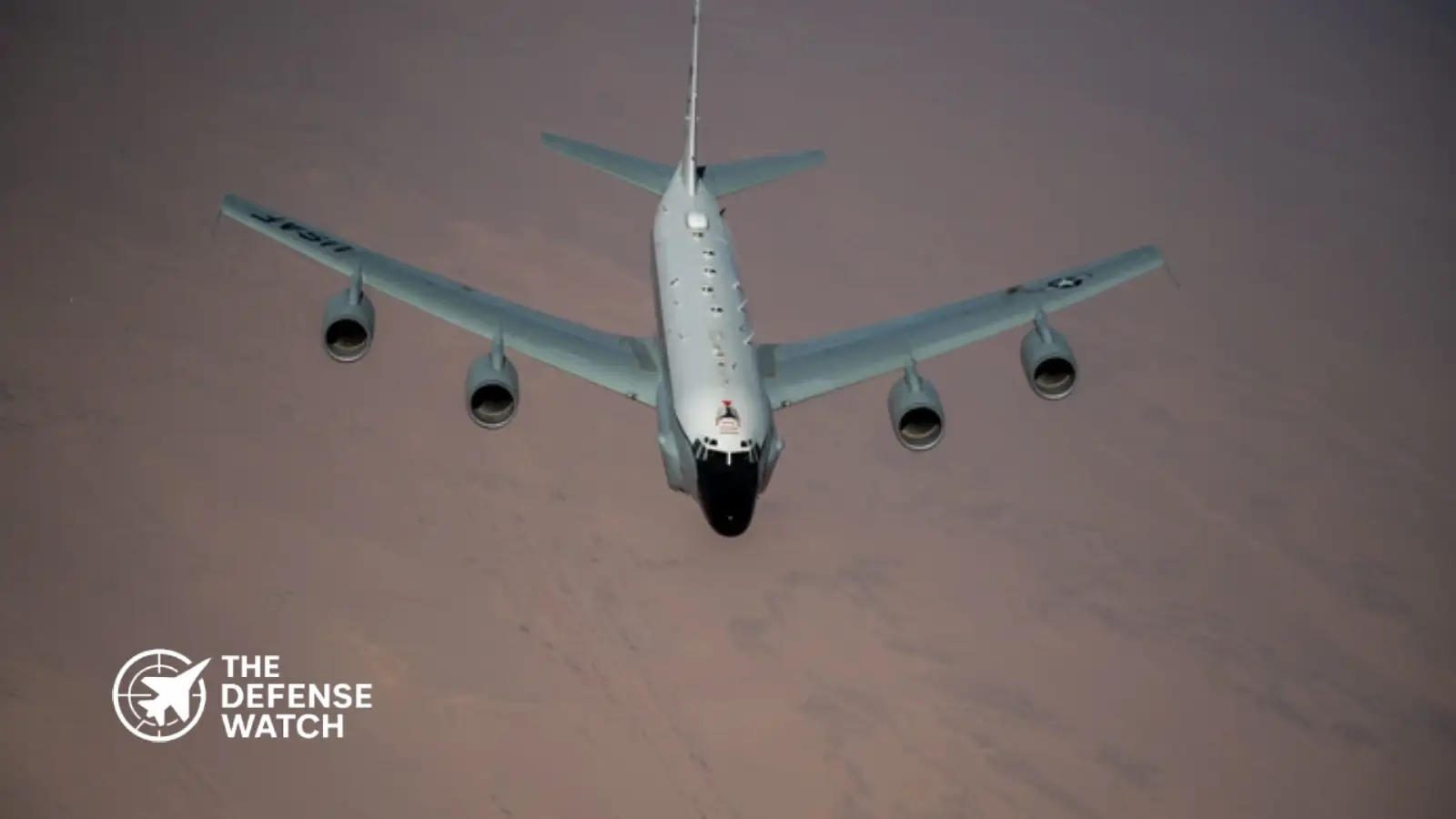
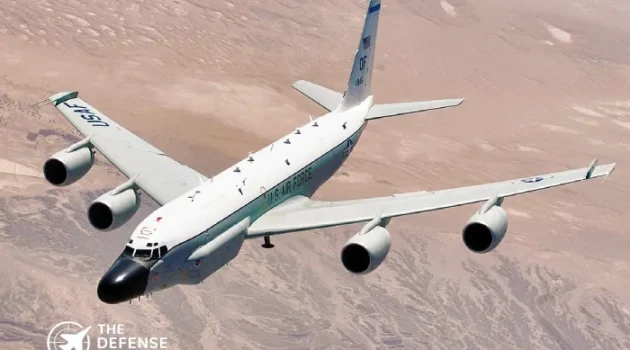
The RAF Rivet Joint surveillance aircraft has deployed to Norway’s western fjord region as part of an exercise aimed at improving operational flexibility and strengthening cooperation with NATO allies.
According to the Royal Air Force, No. 51 Squadron deployed the RC-135W Rivet Joint aircraft to Ørland Air Base in Norway under an Agile Combat Employment exercise. The activity was designed to demonstrate the aircraft’s ability to operate effectively from dispersed locations while working closely with allied forces.
The deployment comes as NATO continues to place greater emphasis on readiness, interoperability, and intelligence sharing across northern Europe.
Intelligence Aircraft Designed For Modern Surveillance Missions
The RAF Rivet Joint is one of the United Kingdom’s most important intelligence, surveillance, and reconnaissance (ISR) platforms.
Operated by No. 51 Squadron from RAF Waddington, the RC-135W specializes in collecting electronic intelligence and communications intelligence. Its onboard sensors can detect, intercept, and analyze signals across the electromagnetic spectrum, providing commanders with real-time situational awareness.
The aircraft entered RAF service through Project Airseeker and remains a key component of Britain’s intelligence gathering capability. The fleet is expected to remain operational into the next decade as part of the UK’s broader ISR architecture.
Norway Deployment Demonstrates Agile Combat Employment
A central objective of the exercise was validating the RAF’s ability to operate from locations away from its main operating bases.
Operating from Norway with limited support infrastructure allowed crews to test dispersed operations while maintaining mission effectiveness. The concept aligns with NATO’s growing focus on survivability, flexibility, and resilience in contested environments.
During the deployment, the aircraft worked alongside Norwegian military units and NATO airborne assets, improving coordination and understanding of each platform’s capabilities. The exercise also provided opportunities to streamline procedures and enhance operational integration among allied forces.
Why The High North Matters
The Norwegian deployment reflects broader strategic trends across the Euro-Atlantic region.
The High North has become increasingly significant due to its proximity to critical maritime routes, Arctic operating areas, and NATO’s northern flank. As military activity in northern Europe and the Arctic continues to attract attention from alliance planners, intelligence collection and situational awareness have become essential components of regional security.
The RC-135W’s advanced signals intelligence capabilities make it particularly valuable in this environment. By monitoring electronic emissions and communications activity, the aircraft contributes to a more comprehensive understanding of the operational picture across large geographic areas.
Recent RAF surveillance activities over the Baltic region and NATO’s eastern flank further illustrate the aircraft’s role in supporting alliance intelligence requirements.
Strategic Analysis
While the Norway deployment was presented as a training and readiness exercise, its significance extends beyond routine operations.
The ability to rapidly relocate high-value ISR assets is increasingly important as NATO prepares for potential disruptions to traditional basing arrangements. Dispersed operations reduce vulnerability and provide commanders with more options during crises.
For NATO, intelligence sharing remains one of the alliance’s most important force multipliers. Platforms such as the RAF Rivet Joint help connect national capabilities into a broader multinational intelligence network, improving decision-making speed and operational effectiveness.
The exercise also reinforces the close defense relationship between the United Kingdom and Norway, both of which play critical roles in safeguarding NATO’s northern approaches.
Conclusion
The deployment of the RAF Rivet Joint to Norway demonstrates NATO’s continued focus on readiness, interoperability, and intelligence operations in the High North. By operating from a dispersed location alongside allied forces, the RC-135W showcased the flexibility and intelligence capabilities that remain central to modern air power and alliance security.
(adsbygoogle = window.adsbygoogle || []).push({});Executive Summary:
The U.S. Navy has awarded Lockheed Martin a contract for long-lead materials supporting the production of 11 F-35 Lightning II fighter aircraft for an undisclosed foreign customer. The move highlights sustained international demand for the stealth fighter while preserving production timelines ahead of final aircraft procurement.
U.S. Navy Funds F-35 Fighter Production For Unnamed Foreign Customer
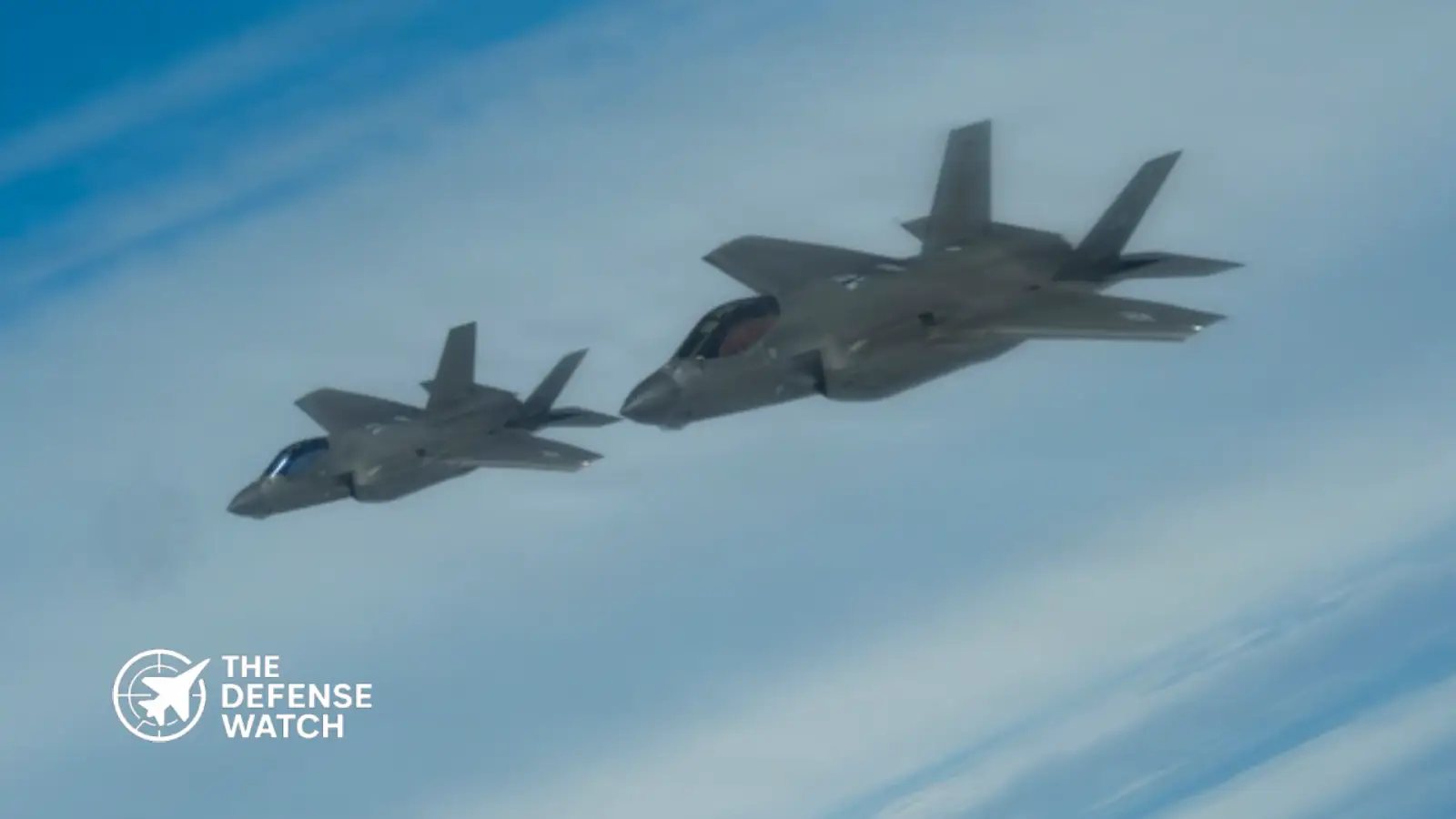
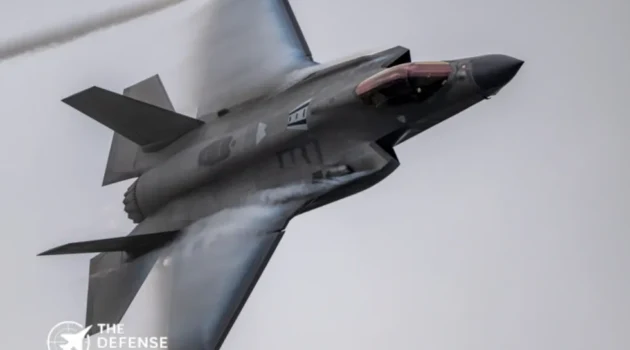
The F-35 fighter procurement program received another boost after the U.S. Navy awarded funding for long-lead materials associated with the production of 11 F-35 Lightning II aircraft destined for an undisclosed international customer.
The award enables Lockheed Martin to acquire critical components and materials required well before final aircraft assembly begins. Such long-lead procurement actions are commonly used to maintain production schedules and avoid supply chain delays for advanced military aircraft.
The identity of the customer has not been disclosed, a practice that occasionally occurs in Foreign Military Sales (FMS) cases or pending international defense acquisitions before formal government announcements.
(adsbygoogle = window.adsbygoogle || []).push({});Supporting Production Continuity
Long-lead procurement contracts are a critical element of modern fighter aircraft manufacturing. Advanced systems such as the F-35 require specialized components, including avionics, radar elements, structural assemblies, propulsion-related parts, and mission systems that often have lengthy manufacturing timelines.
By funding these components early, the U.S. Navy and industry partners can preserve production efficiency while reducing delivery risks once the full aircraft contract enters execution.
The latest award reflects continuing efforts to sustain the global F-35 production pipeline, which supports dozens of partner and customer nations across Europe, the Indo-Pacific, and the Middle East.
(adsbygoogle = window.adsbygoogle || []).push({});F-35 Remains The Backbone Of Allied Airpower Modernization
The F-35 international customers network continues to expand as governments seek advanced stealth, sensor fusion, and network-centric warfare capabilities.
The aircraft is currently operated or ordered by numerous nations, including the United States, the United Kingdom, Italy, the Netherlands, Norway, Denmark, Australia, Japan, South Korea, Belgium, Poland, Finland, Germany, Switzerland, the Czech Republic, Canada, Israel, and Singapore.
The continued growth of the F-35 user community has transformed the aircraft from a national acquisition program into a multinational defense ecosystem. Shared training, logistics, software upgrades, and interoperability have become major factors driving procurement decisions among allied nations.
From a strategic perspective, the platform’s widespread adoption strengthens coalition operations by allowing participating air forces to share data and coordinate missions through common systems and communications architectures.
(adsbygoogle = window.adsbygoogle || []).push({});Undisclosed Buyer Fuels Industry Speculation
While defense officials have not identified the purchasing nation, the timing is notable as several countries are currently evaluating new fighter acquisitions or expanding existing F-35 fleets.
However, no official information has been released regarding the recipient, and neither the U.S. government nor Lockheed Martin has provided details beyond the contract announcement.
Maintaining confidentiality during certain stages of foreign military sales is not uncommon, particularly when negotiations, parliamentary approvals, or government-to-government agreements remain in progress.
What is clear is that demand for the aircraft remains strong despite growing competition from emerging fighter programs in Europe and Asia.
(adsbygoogle = window.adsbygoogle || []).push({});Strategic Importance For The F-35 Program
The latest U.S. Navy F-35 contract demonstrates continued confidence in the long-term viability of the program. Early procurement funding helps stabilize industrial capacity across the extensive supplier network supporting the fighter’s production.
For Lockheed Martin, sustained international orders are increasingly important as global operators expand fleets and integrate additional aircraft into their force structures. Foreign sales also help distribute production costs across a larger customer base, supporting economies of scale and long-term sustainment efforts.
The contract further underscores the central role of the F-35 in Western airpower modernization strategies. As geopolitical competition intensifies across multiple regions, nations continue to prioritize platforms capable of operating in contested environments while integrating seamlessly with allied forces.
(adsbygoogle = window.adsbygoogle || []).push({});Outlook
The funding of long-lead materials for 11 additional aircraft indicates that another international F-35 acquisition is moving forward, even if the customer remains undisclosed for now.
As governments continue investing in next-generation combat aviation capabilities, the F-35 remains one of the most sought-after fighter aircraft in production. Future announcements from the U.S. Department of Defense or the purchasing nation are expected to clarify the destination of these aircraft and provide further insight into the evolving global fighter market.

(adsbygoogle = window.adsbygoogle || []).push({});Executive Summary:
Brazilian aerospace manufacturer Embraer has confirmed it has no plans to develop an indigenous fighter jet, choosing instead to expand its partnership with Saab on the Gripen program. The decision reinforces Brazil’s role in international combat aircraft production while avoiding the financial and technological risks associated with launching a new fighter aircraft project.
Embraer Reaffirms Commitment To Saab Gripen Partnership
Embraer Saab partnership remains central to Brazil’s military aviation strategy after Embraer CEO Francisco Gomes Neto stated that the company has no intention of developing its own fighter aircraft.
Speaking to reporters in São José dos Campos on June 10, Gomes Neto said Embraer is satisfied with its cooperation with Swedish defense company Saab and sees no need to enter the highly competitive fighter jet development market independently.
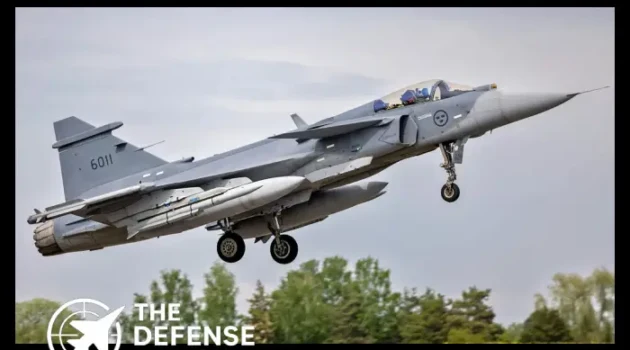
The announcement comes only months after Embraer and Saab unveiled the first Gripen fighter assembled in Brazil at Embraer’s Gavião Peixoto facility, a milestone that highlighted the success of technology transfer agreements between the two companies.
According to Embraer, the facility could support additional production if Saab secures future aircraft orders in South America or other export markets requiring expanded manufacturing capacity.
(adsbygoogle = window.adsbygoogle || []).push({});Focus Remains On C-390 Millennium And Super Tucano
Rather than pursuing a costly fighter development effort, Embraer continues to prioritize platforms where it already holds strong market positions.
The company remains focused on expanding exports of the C-390 Millennium tactical airlifter and the A-29 Super Tucano light attack and training aircraft. Both platforms have generated growing international demand in recent years, particularly among NATO and allied nations seeking cost effective military aviation solutions.
This strategy reflects a broader industry reality. Developing a modern combat aircraft requires decades of investment, advanced industrial capabilities, and extensive government support. Even major aerospace powers often rely on multinational partnerships to share costs and technological risks.
(adsbygoogle = window.adsbygoogle || []).push({});By leveraging Saab’s fighter expertise while concentrating on transport and light attack aircraft, Embraer avoids duplicating capabilities already available through its existing alliance.
Brazil’s Gripen Program Continues To Expand
The Saab Gripen program remains one of the most significant defense industrial partnerships in Latin America.
Brazil selected the Gripen in 2014 to modernize its air force fleet. Under the agreement, Saab transferred technology and established local production capabilities through cooperation with Embraer. Fifteen aircraft from the original order are scheduled to be assembled in Brazil.
The program reached a major milestone in March 2026 when Brazil unveiled its first domestically assembled Gripen fighter, making it the first country in Latin America to assemble a supersonic combat aircraft locally.
Brazil may also expand the fleet. Swedish officials recently stated that Brazil has expressed interest in purchasing an additional 20 Gripen E and F fighters beyond the original 36 aircraft order. If approved, the aircraft would be manufactured in Brazil, further strengthening local aerospace capabilities.
- (adsbygoogle = window.adsbygoogle || []).push({});
Strategic Implications For Global Fighter Markets
The timing of Embraer’s announcement is significant.
It comes amid major uncertainty within Europe’s next generation fighter aircraft sector following the collapse of the Franco-German Future Combat Air System (FCAS) project. The program, valued at approximately €100 billion, was intended to produce a sixth generation combat aircraft for several European nations.
Following FCAS’s breakdown, Reuters reported that Airbus has increasingly explored deeper cooperation with Saab as European aerospace companies reassess future fighter development partnerships.
Against that backdrop, Embraer’s decision highlights a pragmatic approach increasingly adopted across the defense aerospace industry. Rather than launching independent fighter programs, many manufacturers are choosing collaborative models that reduce costs while preserving industrial participation.
For Brazil, continued cooperation with Saab provides access to advanced combat aviation technology while maintaining domestic manufacturing and engineering expertise.
(adsbygoogle = window.adsbygoogle || []).push({});Why Embraer’s Decision Matters
The decision underscores the growing importance of international defense industrial partnerships.
While some nations view indigenous fighter programs as symbols of strategic autonomy, such efforts often require enormous financial commitments and sustained political support. Even established aerospace powers face challenges funding next generation combat aircraft independently.
Embraer’s position suggests the company sees greater value in expanding production, technology transfer, and export opportunities through the Saab Gripen program than in pursuing a separate fighter design.
(adsbygoogle = window.adsbygoogle || []).push({});For Saab, the partnership provides a manufacturing hub in Latin America and potentially additional production capacity for future export campaigns. For Brazil, it secures long term participation in advanced combat aircraft production without assuming the risks of a standalone fighter development effort.
Conclusion
Embraer has made clear that its future in military aviation does not include developing a new fighter jet. Instead, the company is doubling down on its successful partnership with Saab, expanding Brazil’s role in Gripen production while focusing its own resources on proven platforms such as the C-390 Millennium and Super Tucano.
As global defense budgets tighten and combat aircraft programs become increasingly expensive, Embraer’s strategy reflects a broader industry trend toward international collaboration rather than independent fighter development.
- (adsbygoogle = window.adsbygoogle || []).push({});


Executive Summary:
The U.S. Air Force is training A-10C Thunderbolt II aircraft to operate in increasingly contested environments where advanced air defenses, drones, and electronic warfare systems pose significant threats. The exercises demonstrate how the service is adapting the iconic close air support platform to remain operationally relevant while continuing to deliver precision strike capabilities.
U.S. Air Force Highlights A-10C Thunderbolt II Training Against Modern Air Defense Threats
The U.S. Air Force’s A-10C Thunderbolt II is undergoing advanced training designed to improve survivability against modern air defense systems while maintaining its ability to deliver precision strikes in support of ground forces.
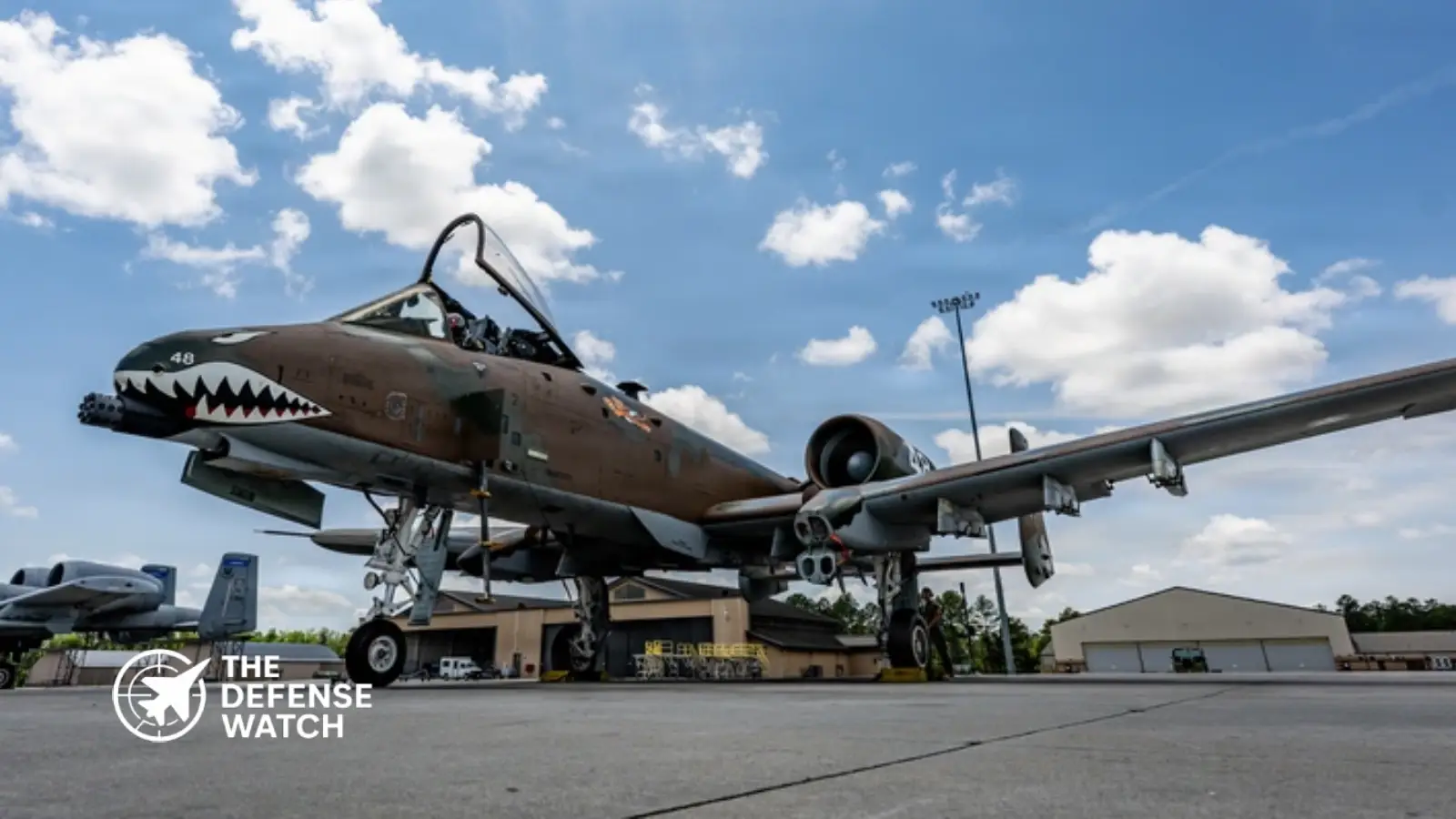
Recently released imagery from the U.S. Defense Visual Information Distribution Service (DVIDS) showed an A-10C assigned to the 66th Weapons Squadron deploying defensive flares during operations over the Nevada Test and Training Range. The exercise focused on preparing pilots to operate in environments increasingly populated by infrared-guided missiles, unmanned aerial systems, electronic warfare threats, and mobile surface-to-air defenses.
The training reflects a broader shift across the U.S. Air Force as legacy aircraft are adapted for operations in contested battlespaces rather than permissive environments.
Adapting The Warthog For A Changing Battlefield
For decades, the A-10 Thunderbolt II has been synonymous with close air support missions. Designed during the Cold War to destroy armored formations and support ground troops, the aircraft remains one of the most recognizable platforms in the U.S. inventory.
According to official U.S. Air Force fact sheets, the A-10C combines long loiter time, low-speed maneuverability, survivability features, and the ability to employ both guided and unguided munitions. Its avionics suite includes electronic countermeasures and systems designed to help crews operate in the presence of surface-to-air threats.
However, modern warfare has evolved significantly. Adversaries increasingly field layered integrated air defense networks capable of detecting and engaging aircraft at greater distances than in previous conflicts. The widespread use of drones, mobile missile systems, and electronic attack capabilities has further complicated the operating environment for low-altitude attack aircraft.
As a result, Air Force training now emphasizes threat avoidance, defensive maneuvering, electronic warfare awareness, and precision weapons employment while minimizing exposure to enemy air defenses.
Why The Training Matters
The latest A-10C Thunderbolt II training demonstrates that the Air Force continues to extract operational value from the platform despite long-standing retirement discussions.
The service has increasingly explored ways to employ the aircraft beyond traditional close air support. Recent exercises have included operations from austere airfields under the Agile Combat Employment concept, enabling aircraft to disperse across multiple locations rather than relying on large, vulnerable bases. Such concepts are intended to complicate enemy targeting and improve force survivability during high-intensity conflict.
The emphasis on contested-environment training suggests the Air Force recognizes that future operations may require legacy aircraft to operate under greater threat conditions than those encountered during counterinsurgency campaigns in Iraq and Afghanistan.
While the A-10 is not designed to penetrate advanced integrated air defense systems in the same manner as stealth aircraft, improving pilot tactics and defensive procedures can expand the aircraft’s usefulness in lower-tier contested environments and during support missions conducted after enemy air defenses have been degraded.
A-10 Remains Relevant As Retirement Debate Continues
The A-10’s future has been the subject of debate for more than a decade. Air Force leadership has repeatedly sought to retire the fleet to free resources for newer aircraft such as the F-35 and F-15EX. However, lawmakers have often intervened to preserve portions of the fleet due to its unique close air support capabilities.
In April 2026, the Air Force confirmed that selected A-10 squadrons would remain in service through 2030 following operational reviews and congressional restrictions on fleet reductions.
The aircraft’s continued participation in operational deployments, maritime security missions, and close air support exercises demonstrates that it still fills mission sets valued by combatant commanders.
From a strategic perspective, the latest training underscores a broader reality facing modern air forces. Even as stealth fighters and next-generation systems receive increasing attention, military planners continue to invest in enhancing the effectiveness and survivability of existing platforms.
For the A-10C Thunderbolt II, adapting to modern air defense threats may prove essential to maintaining relevance during the final years of its operational service.
