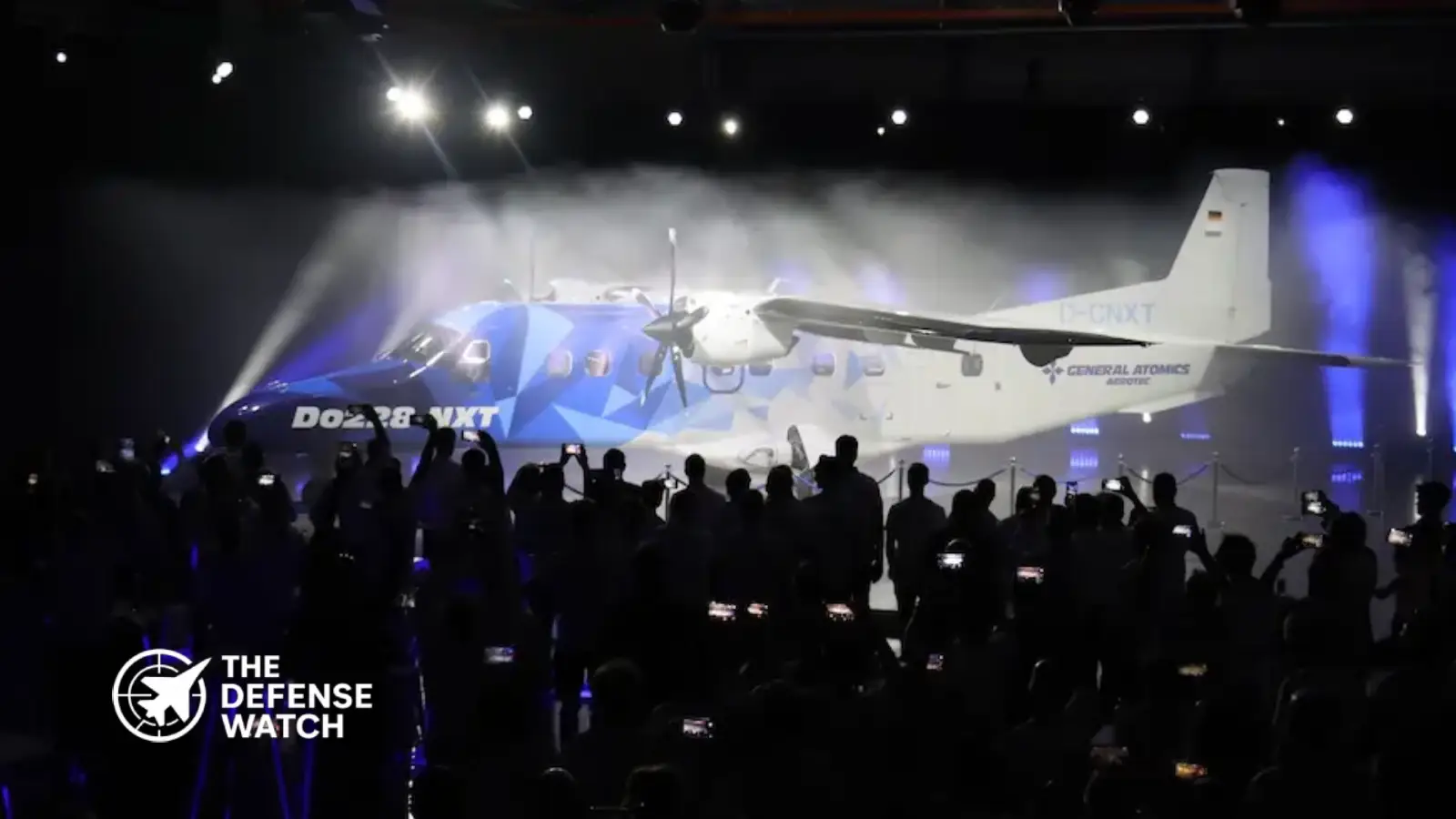
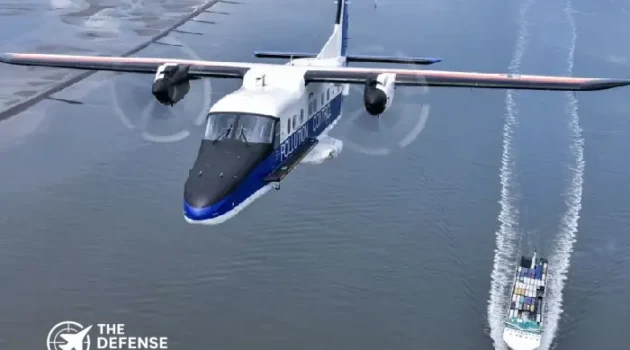
General Atomics AeroTec Systems has officially unveiled the Do228 NXT, a next-generation evolution of the Dornier 228 aircraft built in Germany. The platform combines updated avionics, mission systems integration, and proven short takeoff and landing performance to serve military, government, and civilian operators worldwide. The rollout marks a significant milestone for German aircraft manufacturing and the revival of series production of a well-established utility aircraft.
Do228 NXT Marks New Chapter For German Aircraft Production
The Do228 NXT aircraft was officially unveiled by General Atomics AeroTec Systems (GA-ATS) during a rollout ceremony at the company’s Oberpfaffenhofen facility in Germany, presenting the next-generation version of the long-serving Dornier 228 platform to international customers and industry stakeholders.
According to GA-ATS, the event represents one of the few recent introductions of a newly manufactured aircraft series produced in Germany. The company positions the aircraft as a versatile platform capable of supporting civilian, military, government, and special mission requirements.
The unveiling follows the successful first flight of the Do228 NXT demonstrator on May 2, 2026, a milestone achieved nearly 45 years after the original Do228 first entered service. The aircraft’s development also reflects the re-establishment of aircraft production capabilities at the Oberpfaffenhofen site following General Atomics’ acquisition and modernization efforts over the past several years.
Designed For Military, Government, And Commercial Missions
The Do228 NXT aircraft builds upon the operational reputation of the original Dornier 228, which earned widespread adoption for utility transport, surveillance, maritime patrol, and special mission operations.
The latest variant incorporates a modernized cockpit, upgraded avionics architecture, expanded communications capabilities, and enhanced mission equipment integration options. Operators can configure the aircraft with surveillance sensors, radar systems, electro-optical payloads, and other specialized mission equipment depending on operational requirements.
GA-ATS has emphasized the aircraft’s flexibility across a broad range of missions, including:
Maritime surveillance
Border security operations
Environmental monitoring
Disaster response
Passenger transport
Cargo transport
Medical evacuation
Paratrooper operations
The platform’s ability to support both civilian and defense missions makes it attractive for nations seeking cost-effective multi-role aviation assets rather than dedicated fleets for individual tasks.
One of the most important features retained in the Do228 NXT is the aircraft’s short takeoff and landing (STOL) capability.
Powered by twin Honeywell TPE331-10 turboprop engines, each producing approximately 776 shaft horsepower, the aircraft is designed to operate from short and austere airstrips, including unprepared surfaces where larger aircraft may face restrictions.
This capability remains highly relevant for military and government operators conducting missions in remote regions, island territories, Arctic environments, or areas with limited aviation infrastructure.
In an era when many nations are focusing on distributed operations and resilient logistics networks, aircraft capable of operating from small forward locations offer practical advantages. The Do228 NXT enters a market where flexibility and operating efficiency often outweigh the need for larger, more expensive platforms.
For defense customers, the aircraft fills a niche between light utility aircraft and larger maritime patrol or intelligence platforms. Many governments continue to seek affordable solutions for surveillance, transport, and homeland security missions, areas where the Do228 family has historically performed well.
The timing of the unveiling is also notable as European governments continue investing in defense modernization, border security, maritime domain awareness, and disaster response capabilities. Multi-role aircraft that can be adapted across several mission sets may become increasingly attractive amid budget pressures and evolving operational demands.
The Do228 NXT demonstrator is scheduled to make its global public debut at the ILA Berlin Air Show 2026, where military, government, and commercial customers will have an opportunity to evaluate the aircraft firsthand. The company is also expected to showcase the platform internationally during upcoming industry events, including the Farnborough Airshow.
As flight testing continues, GA-ATS aims to demonstrate the aircraft’s performance characteristics and mission adaptability to potential customers worldwide.
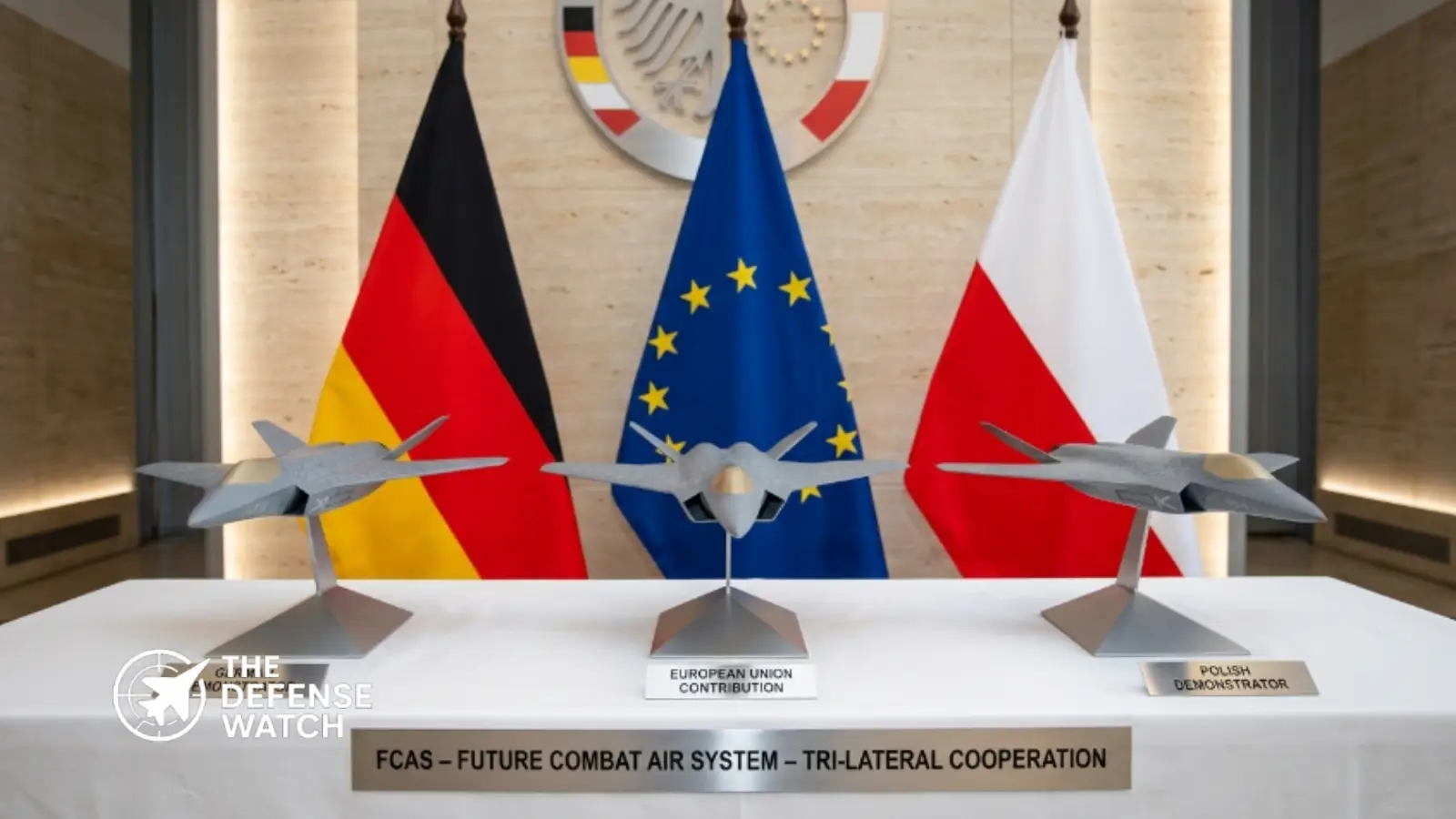
Germany and France have effectively terminated development of the fighter aircraft at the center of the Future Combat Air System (FCAS) program after failing to resolve long running industrial disagreements between Airbus and Dassault Aviation.
While the fighter jet component is ending, participating nations are expected to continue work on related technologies, including collaborative drones and the FCAS combat cloud network.
FCAS Fighter Jet Program Faces Major Setback
The FCAS fighter jet program, Europe’s most ambitious future air combat initiative, has suffered a major blow after German Chancellor Friedrich Merz and French President Emmanuel Macron reportedly concluded that industry partners are unable to overcome disagreements surrounding development of the next generation fighter aircraft.
Officials from both governments determined that months of negotiations failed to bridge differences between Airbus, representing German and Spanish interests, and Dassault Aviation, the French company leading fighter aircraft development efforts.
The decision marks a significant turning point for the Future Combat Air System (FCAS), a program valued at approximately €100 billion ($116 billion) and originally intended to deliver a sixth generation combat aircraft by the 2040s.
What Is FCAS?
Launched in 2017 and later joined by Spain, FCAS was designed as a “system of systems” rather than a single aircraft.
The broader architecture included:
A sixth generation manned fighter aircraft
Collaborative combat drones
Advanced sensors and networking technologies
A secure combat cloud linking platforms across the battlefield
Artificial intelligence enabled decision support capabilities
The fighter aircraft served as the centerpiece of the entire concept, making its cancellation a substantial setback for the program’s original vision.
Airbus And Dassault Could Not Reach Agreement
The collapse of the fighter element stems primarily from disagreements over leadership, intellectual property rights, technology sharing, and program management.
Dassault, leveraging its experience developing the Dassault Rafale, sought primary control over fighter design and development. Airbus, representing German and Spanish industrial interests, pushed for a more balanced distribution of responsibilities and access to critical technologies.
Efforts to mediate the dispute continued for months. Earlier reports indicated that official mediation initiatives had failed to produce a compromise acceptable to both sides.
The inability to align industrial priorities ultimately proved stronger than political efforts to preserve the program.
Drone And Combat Cloud Development To Continue
Despite the collapse of the fighter aircraft portion, the broader FCAS framework is not disappearing entirely.
Officials indicated that participating countries will continue developing key enabling technologies, particularly:
Collaborative combat aircraft (CCA) drones
The FCAS combat cloud network
Data sharing and battlefield connectivity systems
These capabilities are increasingly viewed as essential elements of future air warfare and may continue under revised cooperative structures.
Airbus executives had previously emphasized that these components represented some of the most technologically valuable aspects of FCAS and could survive even if the fighter aircraft element failed.
Strategic Implications For Europe
The end of the FCAS fighter aircraft project represents more than an industrial disagreement.
It raises broader questions about Europe’s ability to execute large scale multinational defense programs at a time when European governments are increasing military spending and seeking greater strategic autonomy.
The project had become a symbol of European defense integration and technological independence. Its failure highlights persistent challenges in balancing national requirements, industrial interests, export policies, and intellectual property concerns across multiple countries.
The outcome may also influence future cooperation efforts across the continent, including decisions surrounding next generation combat aviation programs and advanced defense technologies.
DefenseWatch Analysis
The collapse of the fighter aircraft component demonstrates a recurring challenge in European defense procurement. While nations often share strategic objectives, differences over industrial leadership and sovereign control frequently become decisive obstacles.
The continuation of drone and combat cloud development suggests that Europe still recognizes the importance of collaborative defense innovation. However, the inability to sustain the core fighter program could push countries toward more nationally controlled solutions or alternative multinational partnerships in the coming years.
For European air power modernization, the outcome underscores that technological ambition alone is insufficient. Successful sixth generation programs require long term political alignment, clear industrial governance, and agreement on intellectual property ownership from the outset.
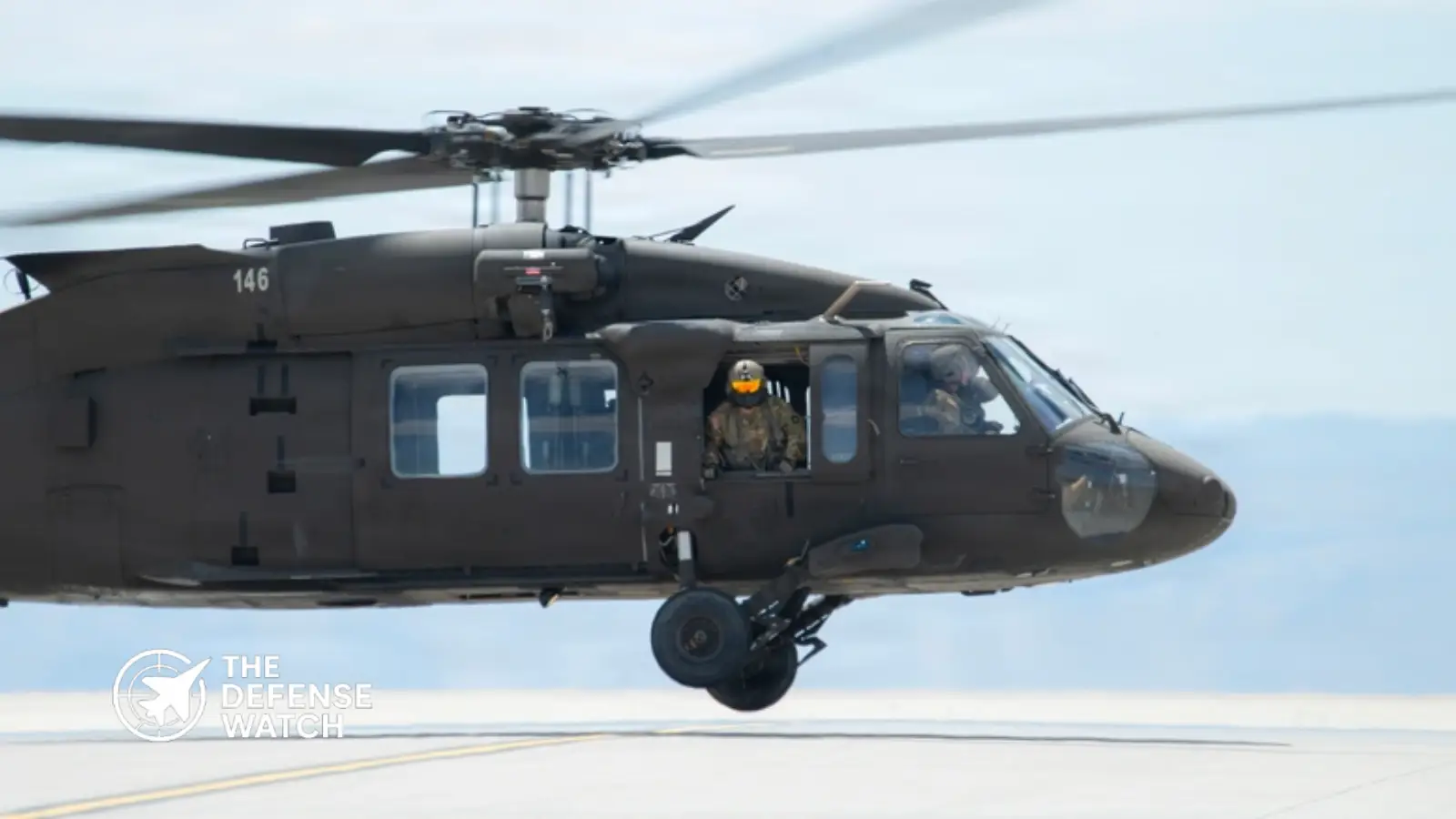
The U.S. Army has awarded Point Blank Enterprises a $13.77 million contract modification to continue development, weight optimization, and final airworthiness qualification of the Advanced Crashworthy Armored Pilot Seat for the UH-60M Black Hawk. The effort aims to improve pilot survivability against both ballistic threats and crash forces while minimizing impacts on aircraft performance.
The U.S. Army Contracting Command at Redstone Arsenal, Alabama, has awarded Point Blank Enterprises Inc. of Miami Lakes, Florida, a $13,771,606 contract modification for continued work on the UH-60M Black Hawk Advanced Crashworthy Armored Pilot Seat program.
According to the Department of Defense contract announcement, Modification P00003 increases the cumulative value of Contract W911W6-21-C-0044 to approximately $31.88 million. The funding will support ongoing development, weight reduction efforts, and final airworthiness qualification activities through October 31, 2028. Fiscal Year 2025 Army Research, Development, Test and Evaluation (RDT&E) funding was obligated at the time of award.
Deep Technical & Strategic Context Analysis
The UH-60M Black Hawk remains the backbone of U.S. Army tactical aviation and is one of the world’s most widely deployed military helicopter platforms. More than four decades after entering service, the Black Hawk continues to operate across combat, special operations, medical evacuation, disaster relief, and expeditionary logistics missions. The aircraft has also become a critical export platform, serving numerous allied nations across Europe, the Middle East, Asia, and Latin America.
While armor protection has long been integrated into combat helicopters, modern battlefield conditions have intensified the demand for enhanced crew survivability. Recent conflicts have demonstrated that helicopters increasingly face threats from small arms fire, heavy machine guns, fragmentation effects, loitering munitions, and shoulder-fired weapons while operating at low altitude. As a result, survivability upgrades are becoming as strategically important as avionics modernization and propulsion improvements.
The Advanced Crashworthy Armored Pilot Seat program seeks to address two traditionally competing requirements: ballistic protection and crash energy absorption. Conventional armored seating systems often increase aircraft weight, reducing payload capacity, range, or endurance. The Army’s emphasis on weight optimization indicates a focus on maintaining operational performance while delivering improved protection levels. Such efforts typically involve advanced composite materials, lightweight armor technologies, and redesigned energy-attenuation mechanisms that reduce spinal and lower-body injuries during hard landings or crashes.
The airworthiness qualification phase referenced in the contract represents a critical milestone. Before installation across operational fleets, new cockpit safety systems must undergo extensive structural, vibration, crashworthiness, and flight certification testing to verify compatibility with existing aircraft configurations and mission equipment.
The Army’s continued investment signals that cockpit survivability remains a priority modernization area despite broader aviation transformation efforts, including Future Vertical Lift initiatives.
Enhanced crashworthy armored seating offers several operational benefits:
Improved protection against ballistic and fragmentation threats.
Reduced risk of spinal and impact injuries during crashes.
Increased crew survivability in contested environments.
Potential fleet-wide applicability across existing UH-60M aircraft.
Preservation of aircraft performance through weight reduction measures.
As the Black Hawk fleet is expected to remain in frontline service well into the 2040s, survivability upgrades such as advanced armored seating provide a cost-effective method of extending operational effectiveness while improving protection for pilots operating in increasingly dangerous threat environments.
Russia has renewed its proposal to India for the Su-57 fifth-generation fighter aircraft, with President Vladimir Putin offering unrestricted technology transfer and joint development opportunities. The move comes as India evaluates options to strengthen its future combat aviation capabilities while advancing indigenous aerospace programs.
Russia has revived its long-running proposal to bring India into the Su-57 fifth-generation fighter program, with President Vladimir Putin publicly offering New Delhi access to advanced fighter technologies, joint production opportunities, and future development cooperation. According to statements made during interactions with international media at the St. Petersburg International Economic Forum, Moscow is prepared to pursue the partnership without restrictions on technology sharing.
The offer marks one of the most expansive defense cooperation proposals Russia has made to India in recent years. Putin stated that Russia remains willing to jointly develop and further improve the Su-57 platform alongside India, reviving elements of a partnership that was once envisioned under the Fifth Generation Fighter Aircraft (FGFA) program.
Background: The FGFA Program
India and Russia originally launched the FGFA initiative in 2007 to jointly develop a fighter aircraft based on the Su-57 platform. However, New Delhi eventually withdrew from the program amid concerns regarding development timelines, technology access, costs, and aircraft performance requirements.
Despite India’s exit, Russia continued development independently, eventually bringing the Su-57 into operational service. Putin referenced the earlier collaboration during his remarks, noting that the aircraft could have become a joint Indo-Russian project before Moscow proceeded alone.
The latest proposal appears designed to reopen that discussion under significantly different terms, including broader technology transfer and local manufacturing opportunities.
For India, technology transfer remains a critical factor in major defense acquisitions. Unlike traditional export deals, access to design knowledge, manufacturing processes, and future upgrade pathways can significantly affect long-term operational independence and domestic industrial growth.
Why The Timing Matters
The renewed Russian offer arrives at a critical point for India’s airpower modernization plans.
India continues to pursue its indigenous Advanced Medium Combat Aircraft (AMCA) program, which is intended to deliver a domestically developed fifth-generation fighter in the coming decade. At the same time, the Indian Air Force faces challenges related to squadron strength and the need to maintain technological parity in an increasingly competitive regional environment.
Regional developments are also shaping the conversation. China’s growing inventory of advanced combat aircraft and reports regarding Pakistan’s interest in next-generation fighter capabilities have increased attention on India’s future air combat requirements.
Russia’s proposal appears aimed at positioning the Su-57 as an available near-term option while India continues developing its indigenous programs.
Assessing The Strategic Implications
The significance of the latest offer lies less in the aircraft itself and more in the level of industrial access being proposed.
Historically, defense technology transfers involving advanced combat aircraft have been limited by export controls, intellectual property restrictions, and geopolitical considerations. Russia’s willingness to discuss unrestricted cooperation signals an effort to preserve its long-standing defense relationship with India amid increasing competition from Western suppliers.
For India, any decision involving the Su-57 would likely be evaluated against multiple factors, including operational requirements, industrial benefits, lifecycle costs, interoperability concerns, and the long-term objectives of the AMCA program.
The proposal also highlights a broader trend in global defense markets, where technology access and domestic manufacturing rights increasingly influence procurement decisions as much as platform performance.
The Su-57’s Place In India’s Future Fighter Plans
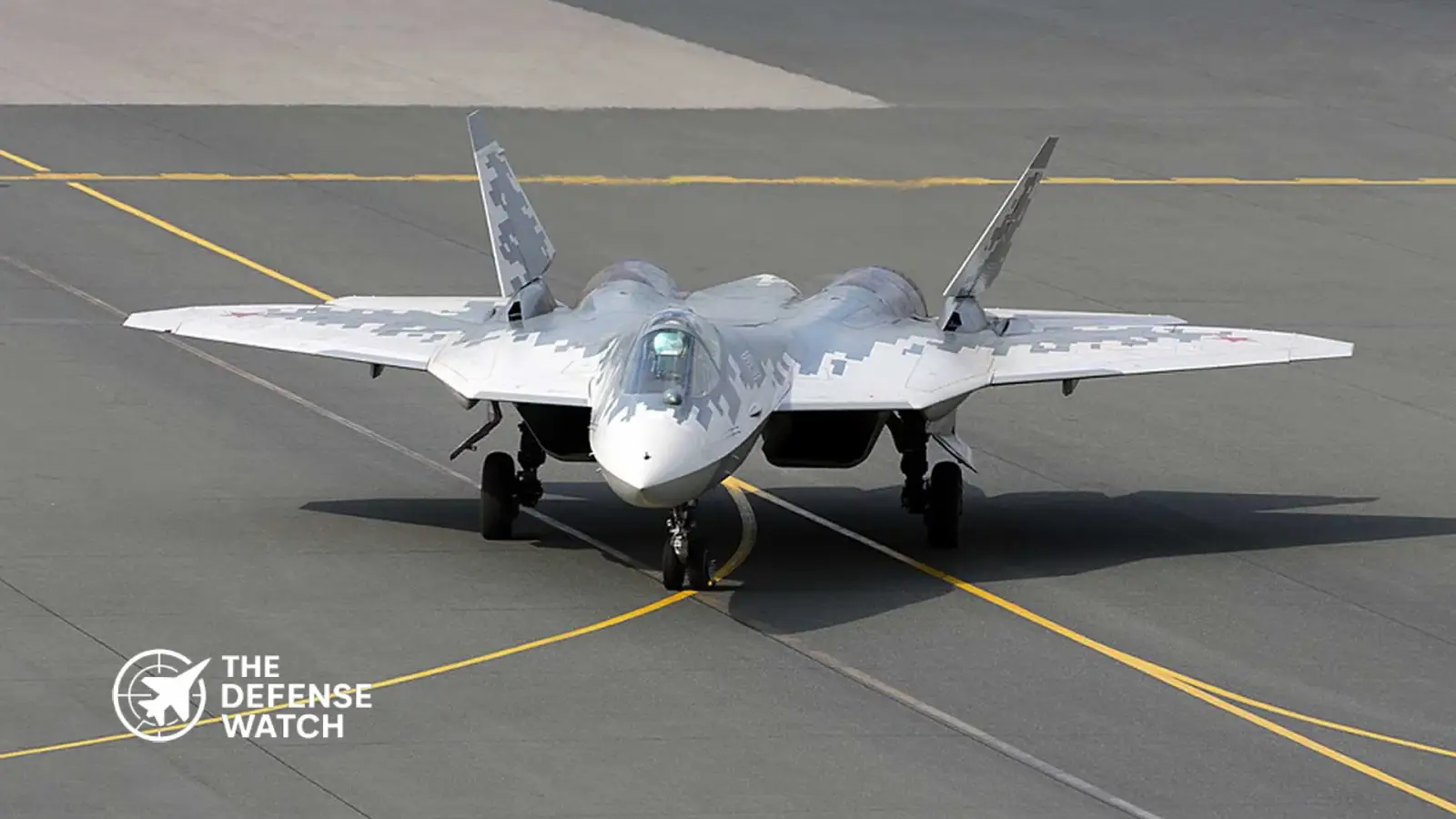
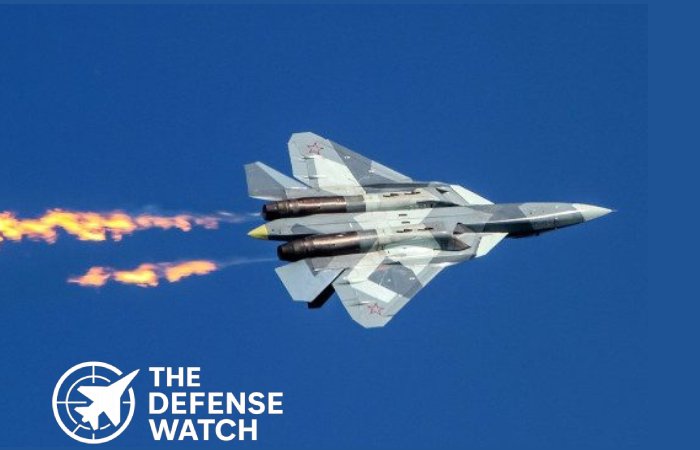
The Su-57 remains Russia’s premier fifth-generation fighter aircraft, featuring low-observable characteristics, advanced avionics, networked warfare capabilities, and multirole mission flexibility. While the aircraft has attracted international interest, India has yet to signal any formal commitment regarding the renewed proposal.
Whether the offer evolves into formal negotiations remains uncertain. However, Putin’s public comments demonstrate Moscow’s determination to keep the Su-57 at the center of discussions about India’s future combat aviation requirements.
Conclusion
Russia’s latest Su-57 proposal represents one of its most ambitious defense cooperation offers to India in years. By combining fighter aircraft access with unrestricted technology transfer, joint production, and future development participation, Moscow is seeking to strengthen a strategic partnership that has historically been a cornerstone of India’s military modernization.
For New Delhi, the decision will ultimately depend on how the offer aligns with its long-term objectives for airpower, defense self-reliance, and indigenous aerospace development.
Executive Summary: The U.S. Air Force has awarded a $240.9 million production contract to Kongsberg Defence & Aerospace for additional Joint Strike Missiles (JSMs). The weapon enhances the F-35’s ability to strike heavily defended land and maritime targets while maintaining its stealth profile, supporting the Pentagon’s growing focus on long range precision warfare in contested environments.
U.S. Air Force Expands Joint Strike Missile Procurement For F-35 Fleet
The Joint Strike Missile contract received a major boost after the U.S. Air Force awarded a $240.9 million Lot Two production contract to Kongsberg Defence & Aerospace for the AGM-184 Joint Strike Missile (JSM). The award covers operational missiles, launch containers, test hardware, and associated support equipment, with production scheduled to continue in Norway through November 2028.
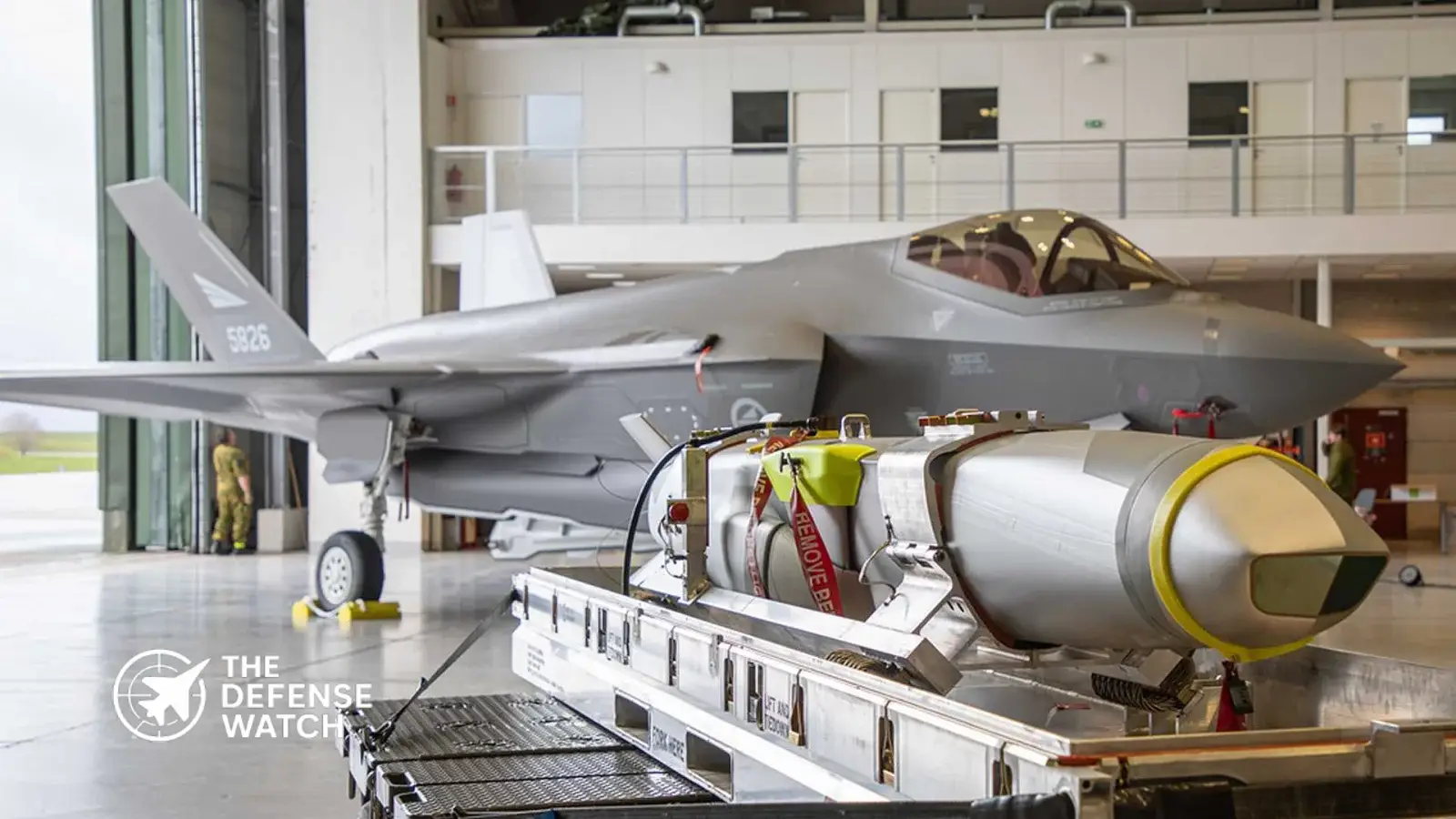
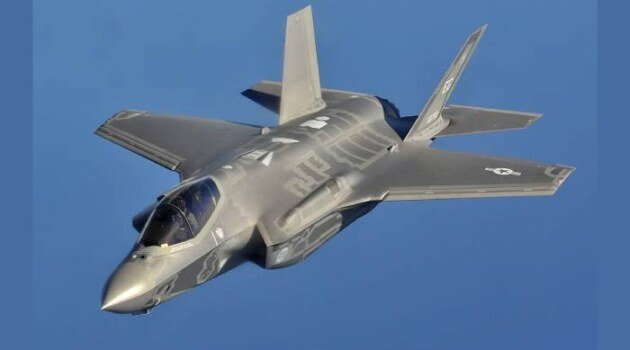
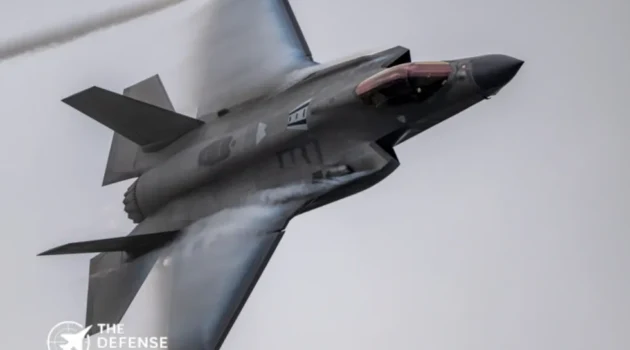
The contract represents another significant step in the Pentagon’s effort to equip its growing fleet of F-35 fighters with advanced stand off weapons capable of operating in highly contested battlespaces. Unlike many conventional cruise missiles, the Joint Strike Missile was specifically designed to fit inside the internal weapons bay of the F-35, allowing the aircraft to retain its low observable characteristics while carrying a powerful precision strike weapon.
Why The Joint Strike Missile Matters
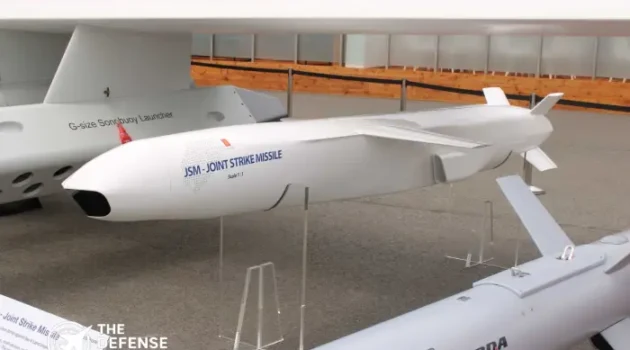
The Joint Strike Missile is one of the few long range precision weapons optimized specifically for the F-35 platform. Derived from Norway’s Naval Strike Missile family, the JSM provides multi mission capability against both land and maritime targets.
The missile combines advanced navigation systems, autonomous target recognition technology, terrain following flight profiles, and an imaging infrared seeker to improve survivability and effectiveness against modern air defense networks. It can engage targets from significant stand off distances while reducing the need for aircraft to penetrate the most heavily defended portions of enemy airspace.
For military planners, this capability has become increasingly important as potential adversaries continue deploying sophisticated radar systems, integrated air defense networks, and long range surface to air missile systems. The ability to strike from outside those defensive envelopes is now a central requirement for future air operations.
Strengthening U.S. And Allied F-35 Operations
The latest procurement also reflects the growing importance of the missile across the broader F-35 enterprise.
While the U.S. Air Force is leading integration efforts with the F-35A, the missile is also planned for use on the U.S. Navy’s F-35C and the U.S. Marine Corps‘ F-35B. A common missile across all three variants would improve interoperability and simplify logistics during joint operations.
The JSM is already attracting interest among F-35 operators worldwide. Several allied nations, including Norway, Germany, Japan, and other F-35 users, have selected or are evaluating the missile as part of broader efforts to enhance long range precision strike capabilities.
Strategic Significance For Future Conflict Scenarios
Beyond the contract value, the award highlights a broader shift in U.S. military strategy toward long range precision engagement.
The Pentagon increasingly expects future conflicts to occur in regions where adversaries possess extensive anti access and area denial capabilities. In such environments, survivability depends on combining stealth platforms with weapons that can engage targets from significant distances.
The F-35 and Joint Strike Missile combination directly addresses this challenge. By preserving the aircraft’s stealth profile while extending its strike reach, the weapon provides commanders with additional options for targeting critical infrastructure, air defense systems, command nodes, and hostile naval forces.
This capability is particularly relevant in the Indo-Pacific theater, where vast operating distances and sophisticated defense networks are expected to play a major role in any high intensity conflict. The missile’s anti ship capability also expands the number of U.S. Air Force assets that can contribute to maritime strike missions, a role traditionally associated with naval aviation and surface combatants.
Growing Production Through 2028
According to contract details, the award is a sole source acquisition managed by the Air Force Life Cycle Management Center at Eglin Air Force Base, Florida. Funding includes procurement appropriations from fiscal years 2024 and 2025, totaling approximately $240.9 million. Work will be completed by November 30, 2028.
The contract follows an earlier Lot One production award and demonstrates the Air Force’s commitment to expanding its inventory of advanced stand off weapons as F-35 fleet numbers continue to grow.
Conclusion
The new Joint Strike Missile contract marks another important milestone in the modernization of U.S. air power. By expanding production of a stealth compatible, long range precision weapon tailored for the F-35, the Air Force is strengthening its ability to operate against advanced threats while maintaining the survivability advantages of fifth generation aircraft.
As the Pentagon continues investing in capabilities designed for contested environments, the Joint Strike Missile is positioned to become a key component of America’s future precision strike arsenal.
Russian President Vladimir Putin has said Moscow remains open to supplying and jointly developing the Su-57 fighter aircraft with India. His remarks revive discussion of a potential India-Russia fifth-generation fighter partnership years after New Delhi withdrew from the original joint development effort. The statement comes as India evaluates future combat aviation requirements and seeks to expand its indigenous aerospace capabilities.
Putin Reopens Door To Su-57 Cooperation With India
Su-57 fighter jet cooperation between Russia and India has returned to the spotlight after Russian President Vladimir Putin publicly stated that Moscow remains prepared to work with New Delhi on the aircraft’s future development and procurement.
Speaking about the history of the program, Putin noted that Russia had previously proposed a joint effort with India to develop fifth-generation fighter technology. According to his remarks, India chose not to participate at that stage, preferring to observe the aircraft’s development before making a future decision.
As far as the Su-57 goes, at one point we proposed to our Indian friends to work together on this technology,” Putin said. “The aircraft could have been our joint project. We built it independently, but we are ready to work with India in this field, to supply this aircraft and to keep developing it.”
Background Of The India-Russia Fifth-Generation Fighter Program
The comments reference the long-running Fifth Generation Fighter Aircraft (FGFA) initiative, which emerged from cooperation between India and Russia during the late 2000s.
The project was based on technology derived from Russia’s Su-57 stealth fighter, formerly known as the PAK FA program. India was expected to contribute funding and participate in development activities while gaining access to advanced fighter technologies.
However, concerns regarding cost, technology transfer, aircraft performance requirements, and program timelines led India to gradually distance itself from the initiative. By 2018, reports indicated that New Delhi had effectively suspended participation while continuing to monitor the platform’s progress.
Since then, Russia has continued development and production of the Su-57 independently.
Why The Timing Matters
Putin’s remarks come at a notable moment for India’s military aviation modernization efforts.
The Indian Air Force continues to face pressure to maintain combat squadron strength while simultaneously pursuing indigenous aerospace programs. New Delhi is investing heavily in the Advanced Medium Combat Aircraft (AMCA), an indigenous stealth fighter designed to provide India with a domestically developed fifth-generation capability.
At the same time, India continues to evaluate options for bridging future capability gaps as older aircraft retire and regional military competition intensifies.
Russia’s renewed offer appears aimed at positioning the Su-57 fighter jet as a potential option within that broader modernization landscape.
While Putin characterized the aircraft as the world’s best fifth-generation fighter, such assessments remain subjective and are often debated among defense analysts. Independent evaluations typically compare the Su-57 against other fifth-generation platforms based on stealth characteristics, sensor integration, networking capabilities, weapons integration, survivability, and operational maturity.
Su-57 Program Continues To Expand
The Russian stealth fighter remains one of Moscow’s flagship aerospace programs.
Russia has continued deliveries of serial-production Su-57 aircraft to its Aerospace Forces while promoting the platform to international customers. The aircraft is designed to combine reduced radar observability, advanced avionics, high maneuverability, long-range weapons employment, and multi-role mission capabilities.
Moscow has increasingly highlighted export opportunities for the platform as part of its broader defense industry strategy.
Potential cooperation with India would represent a significant development due to the scale of India’s defense market, its longstanding military relationship with Russia, and the possibility of industrial participation beyond simple aircraft procurement.
Putin’s comments underscore Russia’s continued interest in maintaining deep defense-industrial ties with India despite New Delhi’s efforts to diversify military suppliers over the past decade.
For Moscow, a renewed partnership involving the Su-57 fighter jet could strengthen one of its most important defense relationships and potentially support future aircraft production and development efforts.
For India, any decision involving advanced fighter acquisition would need to balance immediate operational requirements, domestic aerospace ambitions, technology transfer considerations, long-term sustainment costs, and strategic autonomy objectives.
No new agreement, negotiations, or procurement decision was announced alongside Putin’s remarks. However, the statement clearly signals that Russia remains willing to reopen discussions surrounding the fifth-generation fighter program should India choose to pursue them.
Defense Analysis
Putin’s statement is significant less because it announces a new deal and more because it publicly reopens a pathway that many observers considered dormant.
The timing suggests Russia is actively seeking opportunities to expand defense cooperation with key partners while promoting the Su-57 fighter jet internationally. For India, the proposal arrives as the country balances near-term fighter requirements against long-term indigenous development goals.
Whether New Delhi revisits the concept will likely depend on how decision-makers assess the aircraft’s operational maturity, technology-sharing prospects, industrial benefits, and compatibility with India’s broader defense modernization strategy.
At present, Putin’s remarks should be viewed as a renewed offer rather than evidence of an imminent procurement decision.
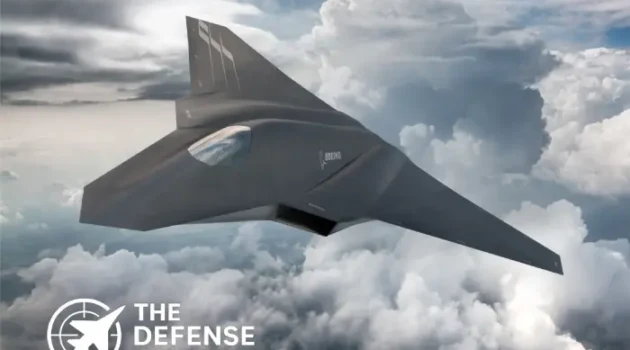
A newly released thermal image captured near Area 51 appears to show an unidentified aircraft with a configuration unlike any publicly known military aircraft.
While no official confirmation exists, the sighting has renewed interest in the U.S. Air Force’s Next Generation Air Dominance (NGAD) efforts and ongoing classified flight testing at Groom Lake.
Unidentified Aircraft Near Area 51 Draws Attention From Aviation Observers
A potential next-generation fighter aircraft has become the focus of aviation and defense discussions after thermal imagery captured near Area 51 revealed a previously unseen aircraft design.
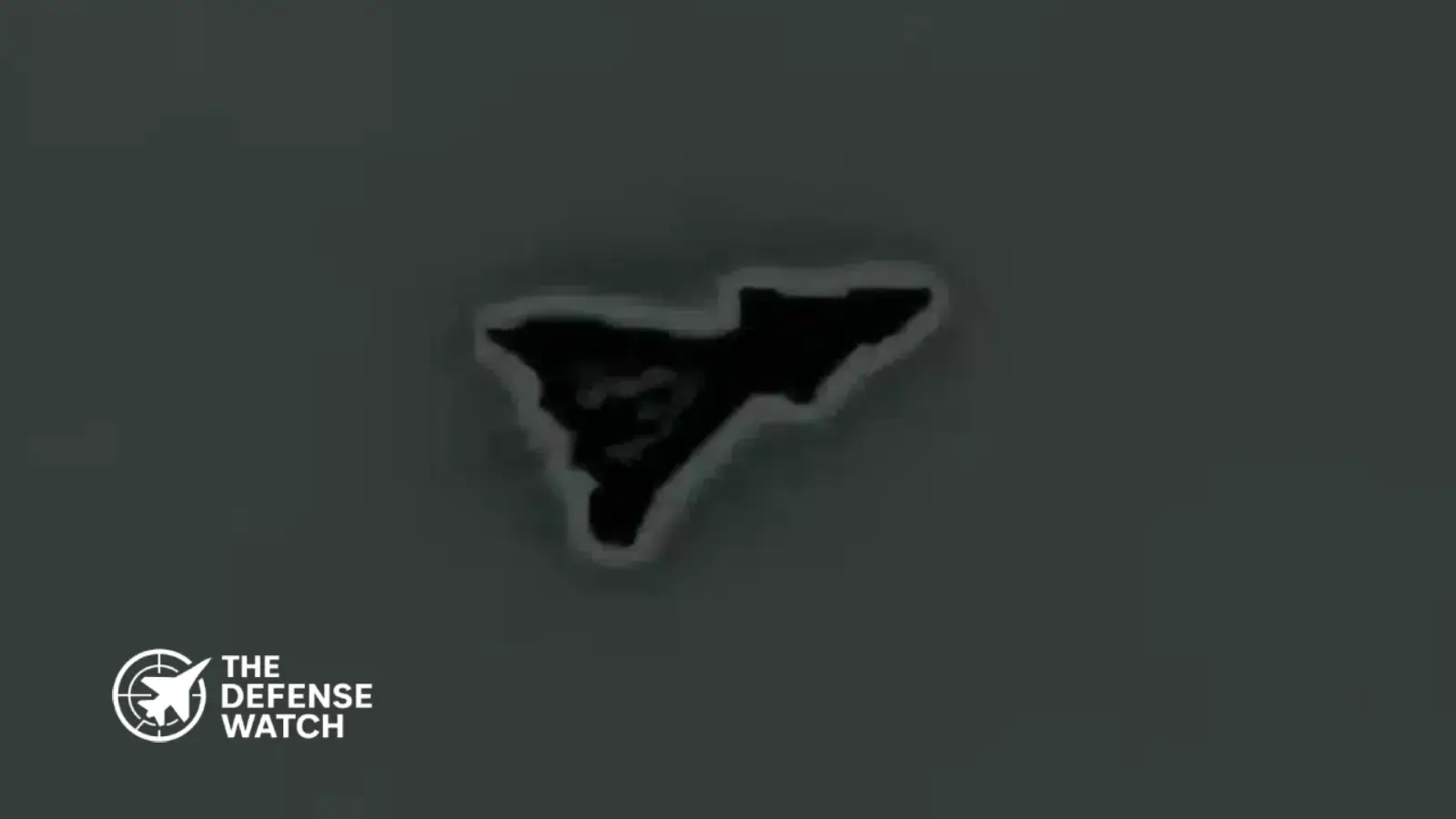
The image appears to show an aircraft operating near Groom Lake, Nevada, the highly classified test facility commonly known as Area 51. The aircraft was recorded using thermal imaging equipment and exhibits a planform that does not match any publicly acknowledged U.S. military aircraft.
The sighting comes at a time of growing interest in America’s future combat aviation programs, particularly following the U.S. Air Force’s selection of Boeing to develop the F-47 under the Next Generation Air Dominance (NGAD) initiative.
Analysis of the thermal image indicates several unusual design characteristics.
Observers noted what appears to be a cranked-kite wing layout combined with prominent forward canards and a tailless or near-tailless configuration. Such design elements are commonly associated with efforts to reduce radar signatures while improving aerodynamic efficiency and range.
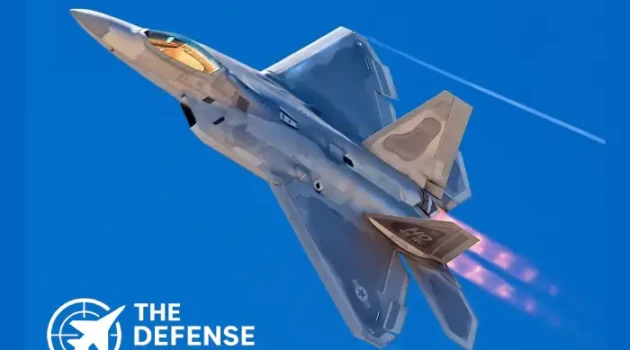
The aircraft’s shape differs significantly from existing operational platforms such as the F-35 Lightning II, F-22 Raptor, and B-21 Raider.
Importantly, no official U.S. government agency has identified the aircraft or confirmed its existence.
The image alone does not provide sufficient evidence to determine whether the platform is a technology demonstrator, experimental aircraft, or part of a classified operational development effort.
Area 51 Remains Central To Advanced U.S. Flight Testing
Area 51 has historically served as the testing ground for some of America’s most significant aerospace programs.
The facility hosted development activities linked to aircraft such as the Lockheed U-2, Lockheed A-12, and Lockheed F-117 Nighthawk before their public disclosure.
Because of that history, sightings of unusual aircraft operating around Groom Lake often attract significant scrutiny from defense analysts and aviation enthusiasts.
Earlier in 2026, another unexplained triangular aircraft, described by observers as “Dorito-shaped,” was reportedly recorded in the same region, further fueling speculation about ongoing classified aviation programs.
The U.S. Air Force has previously disclosed that experimental NGAD demonstrators have already flown, suggesting advanced technologies are undergoing testing well before operational aircraft enter service. However, officials have released very few details regarding the appearance, configuration, or performance characteristics of those demonstrators.
This context makes the latest sighting noteworthy, even if identification remains impossible.
Aviation analysts caution that advanced aerospace programs often rely on multiple prototype and demonstrator aircraft before a final production design emerges. As a result, an aircraft operating near Area 51 may not necessarily represent a future operational fighter in its final form.
That distinction is particularly important as the United States competes with rapidly advancing aerospace programs in countries such as China, where several next-generation combat aircraft concepts have recently emerged in public imagery.
Why The Sighting Matters
Whether the aircraft is linked to NGAD, another classified Air Force initiative, or an experimental technology program, the sighting underscores a broader reality: advanced aerospace development continues largely outside public view.
The United States is investing heavily in future air dominance technologies, including stealth, advanced propulsion, artificial intelligence integration, sensor fusion, and manned-unmanned teaming concepts. Programs supporting those objectives require extensive testing, much of which occurs at secure facilities such as Groom Lake.
The newly released thermal image does not provide definitive answers. However, it offers a rare glimpse into an environment where future generations of military aircraft are often developed years before official acknowledgement.
For now, the aircraft remains unidentified, but its appearance has once again highlighted Area 51’s continuing role at the forefront of American aerospace innovation.
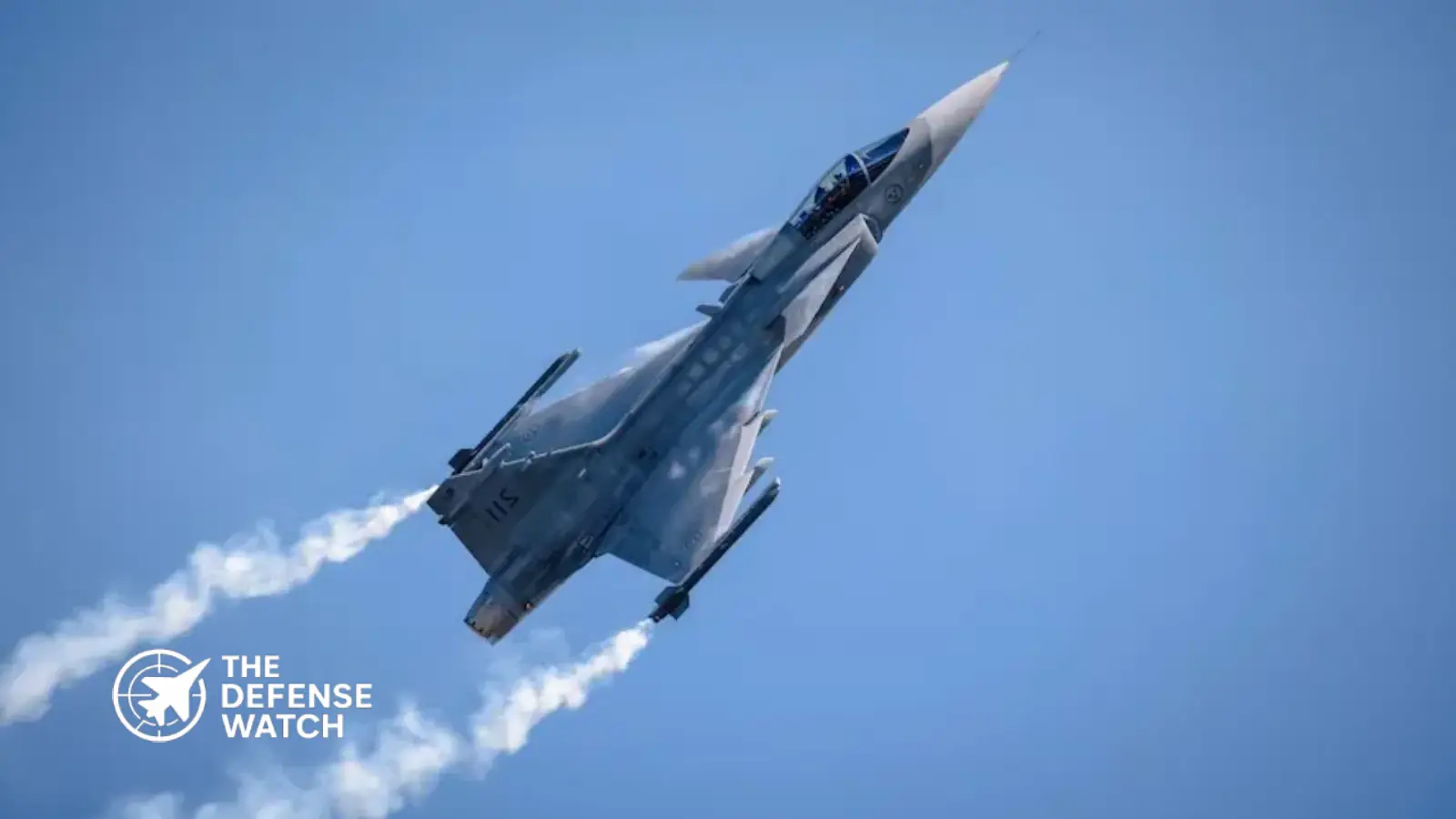
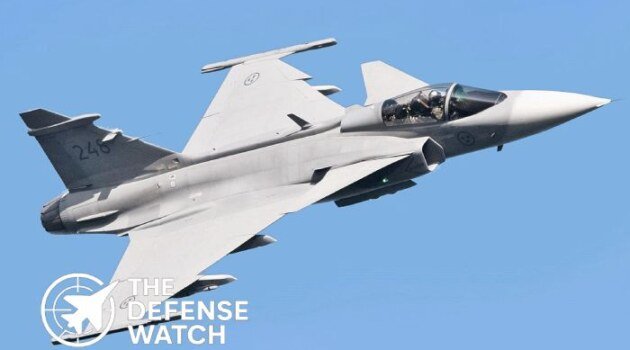
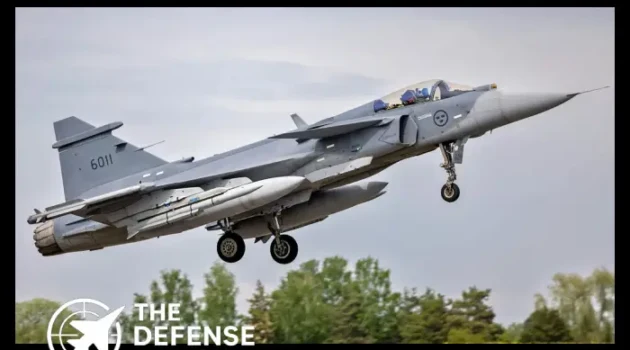
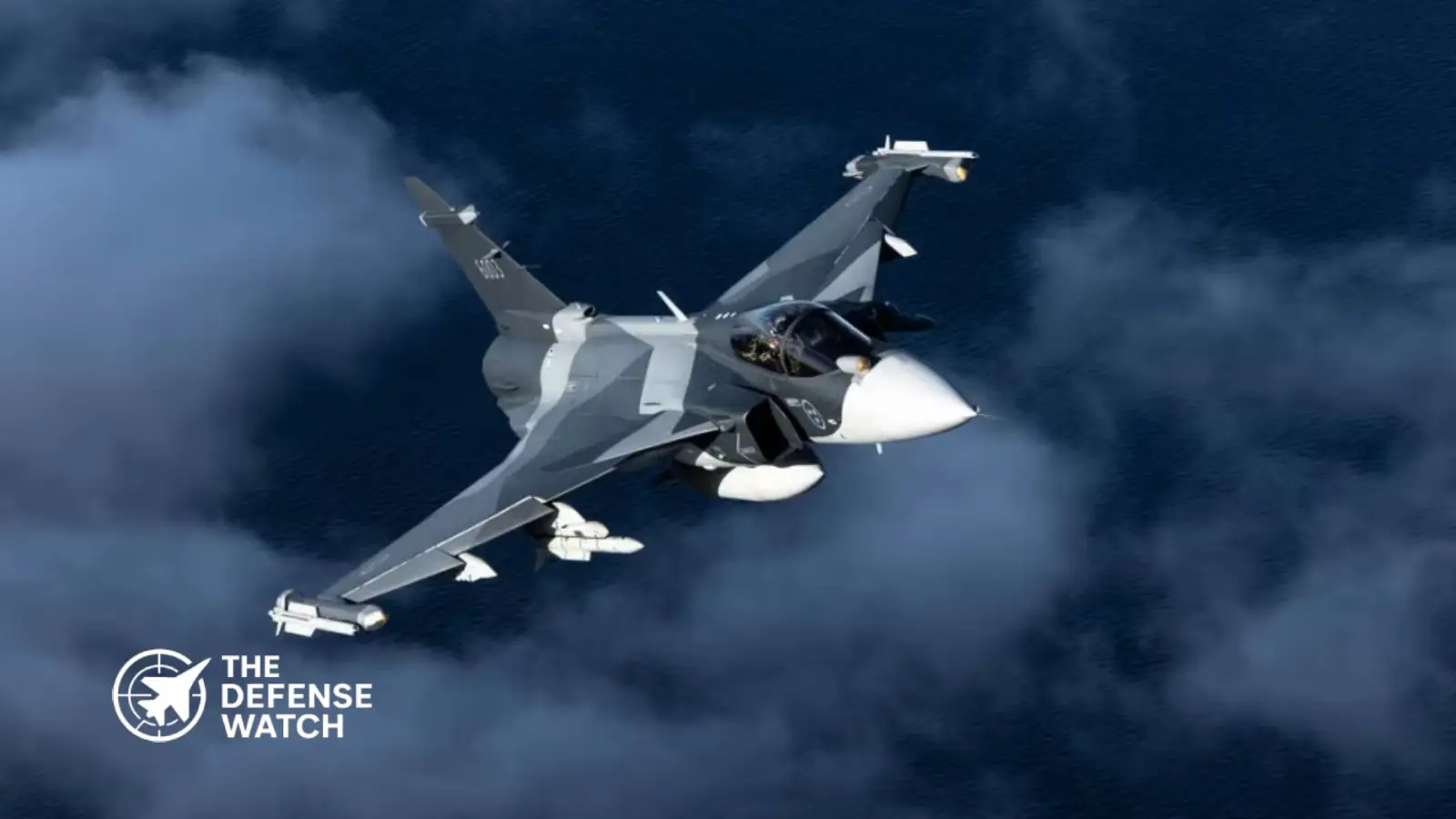
Sweden’s Saab Gripen fighter is approaching a defining moment as Ukraine moves forward with plans to acquire the aircraft for frontline operations against Russia. The agreement could make the Gripen a central element of Ukraine’s future air force while providing the Swedish-designed fighter its first large scale test in high intensity modern warfare.
The Saab Gripen fighter jet is set to play a significantly larger role in Ukraine’s defense strategy following a major agreement between Kyiv and Stockholm.
Ukraine has allocated €2.5 billion from a broader European Union support package to purchase 20 new Gripen E fighters while also receiving 16 older Gripen aircraft from Sweden. Ukrainian officials have described the aircraft as a future backbone of the country’s air force.
For Ukraine, the deal represents more than a simple aircraft purchase. It is part of a long term effort to rebuild an air force that has been under constant pressure since Russia’s full scale invasion.
Unlike many Western fighters designed around established airbases, the Gripen was developed during the Cold War to operate under conditions where fixed infrastructure could be targeted by Russian attacks.
This design philosophy aligns closely with Ukraine’s wartime operating environment.
The aircraft can take off and land from roads and improvised runways, allowing dispersal across multiple locations. Ukrainian defense officials told Reuters that the aircraft’s ability to operate from highways, temporary airstrips, and concealed locations matches current Ukrainian tactics.
Another key advantage is maintenance efficiency.
According to Ukrainian defense representatives, a small crew can refuel, rearm, and prepare a Gripen for another mission in less than 10 minutes. Operating costs are also reported to be significantly lower than those of fifth generation fighters such as the F-35 Lightning II.
The Gripen’s compatibility with advanced weapons systems, including the long range Meteor air to air missile, could also help Ukraine challenge Russian aircraft operating near the front line.
A Real World Test For Swedish Aerospace Technology
For Sweden and Saab, the Ukraine deployment carries major strategic significance.
Although the Gripen has participated in surveillance, air policing, and limited military operations, it has never faced the type of sustained, high intensity combat environment currently seen in Ukraine. Reuters reported that Swedish military experts view the conflict as the first true operational test against the type of Russian systems the aircraft was originally designed to counter.
A successful performance could strengthen Saab’s position in future fighter competitions and export campaigns. Several countries are already evaluating fighter modernization options, and operational experience from Ukraine would provide valuable real world data.
At the same time, any shortcomings would be closely scrutinized by military planners worldwide.
Limitations Remain Despite The Aircraft’s Strengths
Defense analysts caution against expecting the Gripen to fundamentally change the balance of air power over Ukraine.
Experts interviewed by Reuters noted that Russia continues to maintain a substantial integrated air defense network. While the Gripen may improve Ukraine’s operational flexibility and survivability, it is unlikely to deliver uncontested air superiority.
The Gripen also lacks the stealth characteristics of fifth generation fighters and carries a lighter weapons payload than some competing aircraft. These factors could limit certain mission profiles in heavily defended areas.
Nevertheless, analysts generally view the aircraft as well suited for Ukraine’s operational realities, particularly in a conflict where survivability, dispersal, and rapid turnaround are critical factors.
Reuters reported that Saab already has more than 100 Gripen E aircraft on order and is working to increase annual production capacity. The company currently manufactures roughly 15 aircraft per year and aims to expand output significantly as international interest grows.
Future cooperation with Ukraine could extend beyond aircraft deliveries to include maintenance, overhaul capabilities, spare parts support, and potentially local industrial participation.
Strategic Implications
The Gripen agreement reflects a broader trend across Europe as governments accelerate defense cooperation and military modernization programs in response to Russia’s continued aggression.
For Ukraine, the aircraft offers a practical platform tailored to dispersed wartime operations.
For Sweden, it provides an unprecedented opportunity to demonstrate the capabilities of its flagship fighter in one of the world’s most demanding combat environments.
The coming years may determine whether the Gripen becomes a niche European fighter or emerges as one of the most combat proven Western aircraft of the post Cold War era.
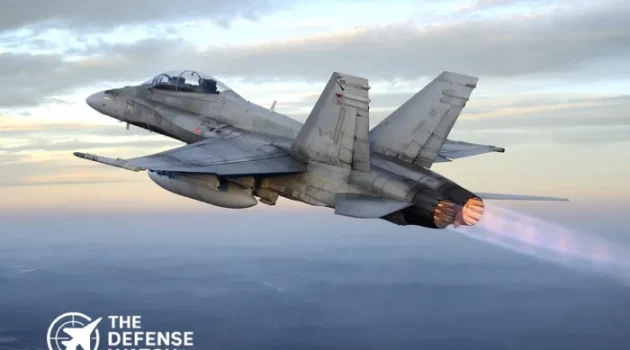
Canada is evaluating a significant shift in its fighter aircraft procurement, potentially acquiring around 30 Lockheed Martin F-35A jets and approximately 60 Saab JAS 39 Gripen fighters instead of its original plan for 88 F-35s. The move, driven by the government of Prime Minister Mark Carney, aims to balance advanced stealth capabilities with enhanced industrial sovereignty and reduced reliance on a single supplier. This potential mixed fleet comes as Ottawa seeks to modernize the Royal Canadian Air Force’s aging CF-18 fleet while addressing geopolitical and economic priorities.
Canada is actively considering a mixed fighter fleet for the Royal Canadian Air Force (RCAF), according to recent reports from Canadian media. The proposal involves scaling back the planned purchase of 88 F-35A Lightning II stealth fighters to approximately 30 aircraft while acquiring about 60 Saab Gripen E fighters from Sweden.
This development follows Canada’s earlier commitment to the F-35 program under the previous administration. In 2023, Ottawa finalized an agreement for 88 F-35s valued at around C$27.7 billion. However, the current government under Prime Minister Mark Carney has placed the larger portion of the order under review amid evolving strategic and economic considerations.
Canada remains contractually obligated to accept the first 16 F-35s, with deliveries expected to begin in 2026. Payments have also been initiated for an additional 14 aircraft. The flexibility lies in the remaining aircraft, allowing Ottawa to adjust its long-term fleet composition.
Strategic and Economic Drivers Behind the Potential Shift
Proponents argue that a mixed fleet would enhance operational flexibility. The F-35 offers unmatched stealth, sensor fusion, and interoperability within NORAD and NATO frameworks. The Gripen E, a 4.5-generation multirole fighter, emphasizes cost-effectiveness, rapid turnaround, and high availability, with features like dispersed operations suited to Canada’s vast geography.
Analysis: A mixed fleet could allow Canada to allocate its high-end stealth assets for the most demanding missions—such as penetrating advanced air defenses or leading coalition operations—while using Gripens for routine patrol, sovereignty missions over the Arctic, and high-volume training sorties. This approach mirrors strategies employed by other nations operating mixed fleets, though it introduces logistical complexities in maintenance, training, and spares management. From a geopolitical standpoint, diversifying away from exclusive U.S. dependence addresses concerns over potential supply disruptions or policy shifts, particularly amid recent trade tensions. However, it risks interoperability challenges and higher overall lifecycle costs compared to a single-type fleet.
Background on Canada’s Fighter Replacement Program
Canada’s Future Fighter Capability Project long sought to replace its CF-18 Hornets. After a competitive evaluation, the F-35 was selected in 2022-2023 for its superior capabilities in network-centric warfare. The Gripen was a competitor but scored lower in operational assessments.
Operating two fighter types presents notable hurdles. The RCAF would need dual training pipelines, separate maintenance infrastructures, and distinct supply chains. Critics, including some within the RCAF leadership, have expressed reservations about diluting focus from the F-35’s proven advantages.
There are also diplomatic and contractual implications. Reducing the F-35 order could strain relations with the U.S. and Lockheed Martin, potentially affecting industrial offsets or NORAD cooperation. Legal and penalty considerations for any contract adjustments remain under scrutiny.
On capability, the F-35’s low-observable profile and data-sharing prowess provide a qualitative edge in high-threat environments. The Gripen excels in affordability and agility, with modern avionics, Meteor missile integration, and a design optimized for austere operations.
Further original analysis: In the Arctic context, where Canada faces increasing Russian and Chinese activity, a larger number of affordable, maintainable platforms like the Gripen could increase sortie rates for presence patrols. Meanwhile, a smaller F-35 core would serve as a strategic deterrent and enabler for allied operations. Success would depend on robust integration of both platforms into a common command-and-control network, leveraging Link 16 and other datalinks. Long-term, this could position Canada as a more self-reliant aerospace player in North America.
Path Forward and Timeline
Sources indicate the decision on the fighter mix is largely formed, with an announcement possibly timed around the U.S. midterm elections in the fall of 2026 to minimize immediate bilateral friction.
The RCAF’s current fighter fleet stands at around 76 CF-18s, many of which are approaching the end of their service life. A timely decision is critical to avoid capability gaps.
Executive Summary: The United Kingdom has expressed support for a potential Swedish Saab Gripen fighter arrangement for Ukraine, signaling continued Western efforts to strengthen Kyiv’s long term air combat capability. The move reflects growing coordination among European allies as Ukraine seeks to diversify beyond F-16 platforms and improve operational resilience.
United Kingdom Backs Gripen Fighter Deal For Ukraine
The United Kingdom’s support for a potential Swedish Gripen fighter transfer to Ukraine marks another step in the broader Western effort to modernize Kyiv’s combat aviation capability. According to reports, British officials have indicated support for discussions involving the possible supply of Saab JAS 39 Gripen aircraft to the Ukrainian Air Force.
The development comes as Ukraine continues integrating Western combat aircraft into operations while seeking a more sustainable and dispersed fighter structure capable of operating under wartime conditions. The Saab Gripen has increasingly drawn attention among defense planners because of its ability to operate from short and improvised runways, relatively low maintenance demands, and compatibility with NATO-standard systems.
Unlike larger Western fighter platforms that often require extensive logistics infrastructure, the Gripen was originally designed by Sweden for high survivability in a contested European environment. That operational concept aligns closely with Ukraine’s current battlefield conditions, where airbases remain vulnerable to Russian missile and drone strikes.
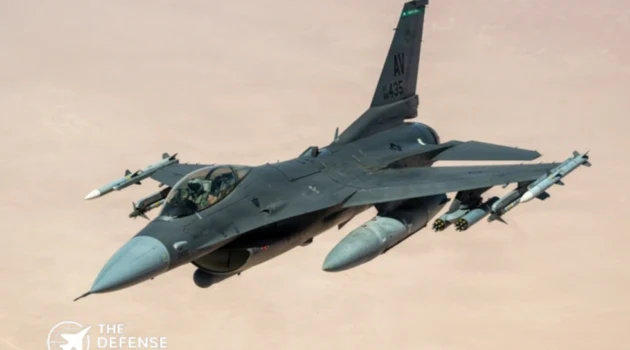
The potential Gripen fighter deal carries strategic significance beyond the aircraft itself. Ukraine’s current Western fighter transition has largely centered on the Lockheed Martin F-16, supported by several NATO members. However, military analysts have consistently noted that maintaining a diverse fleet could improve operational flexibility and reduce dependence on a single supply and training ecosystem.
The Saab Gripen offers several capabilities that could complement Ukraine’s existing and planned air assets. The aircraft is equipped for air defense, precision strike, and reconnaissance missions while maintaining relatively low operating costs compared to heavier multirole fighters.
One of the aircraft’s key advantages is its rapid turnaround capability. Swedish doctrine allows small ground crews and conscript personnel to rearm and refuel the aircraft quickly from dispersed locations. In Ukraine’s operational environment, where survivability and mobility are critical, such a concept could provide meaningful advantages.
The aircraft’s integration with advanced European air-to-air missiles, including the MBDA Meteor beyond visual range missile, is also viewed as strategically important. If approved for export and integration into Ukrainian operations, such systems could potentially strengthen Ukraine’s long range aerial engagement capability.
The United Kingdom has played a central role in building international support for Ukraine’s airpower modernization. British officials have previously assisted in pilot training initiatives and coalition building efforts involving Western combat aircraft.
London’s backing of a Gripen-related arrangement also reflects broader European defense coordination. Sweden, now a NATO member, has gradually expanded military support to Ukraine while balancing domestic defense requirements and alliance commitments.
Any formal transfer of Gripen fighters would likely require extensive multinational coordination involving pilot training, sustainment support, spare parts, and weapons integration. Export approvals from Sweden and consultations among NATO partners would also be necessary before any operational deployment.
British support could therefore help accelerate diplomatic and logistical planning even if a final aircraft transfer decision remains under discussion.
The Saab JAS 39 Gripen was developed during the Cold War to defend Sweden against a technologically advanced adversary while operating in austere conditions. That background shaped an aircraft optimized for dispersed basing, survivability, and reduced maintenance complexity.
The fighter combines modern avionics, electronic warfare systems, and multirole capability within a relatively lightweight design. Current Gripen variants are capable of conducting air superiority missions, electronic attack operations, and precision strikes using NATO-compatible munitions.
Defense analysts have repeatedly compared the aircraft favorably in environments where runway vulnerability and rapid sortie generation are major operational concerns. Ukraine’s continued exposure to long range Russian strikes has renewed attention on these characteristics.
The Gripen also offers interoperability advantages with broader European defense infrastructure. Several NATO and partner nations already operate or have evaluated the aircraft, creating potential opportunities for training and sustainment cooperation.
The United Kingdom’s support for the Gripen proposal highlights a wider European shift toward long term defense planning for Ukraine rather than short term battlefield assistance alone.
Western governments increasingly appear focused on helping Ukraine establish a durable post Soviet military structure integrated with NATO standards. Combat aviation remains one of the most complex parts of that transition because of the training timelines, maintenance requirements, and operational integration challenges involved.
At the same time, officials remain cautious regarding escalation risks and force availability. Sweden must balance support for Ukraine against maintaining readiness for its own armed forces during a period of heightened regional security concerns in Northern Europe and the Baltic region.
No final agreement on a Gripen transfer to Ukraine has been publicly confirmed. However, British support for the discussions signals continued momentum behind Ukraine’s long term airpower modernization effort.
As the conflict evolves, Western governments are increasingly prioritizing systems that can survive in heavily contested environments while remaining sustainable over extended periods. In that context, the Saab Gripen’s dispersed operations model and lower logistical footprint continue to attract attention among defense planners evaluating future support options for Ukraine.