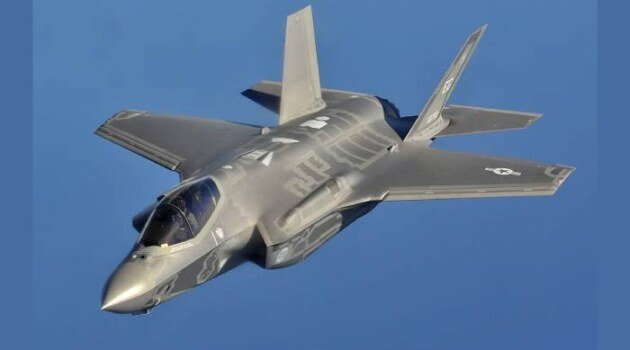
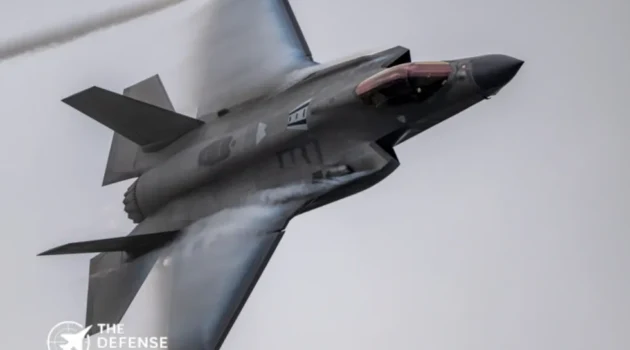
Denmark has formally retired its F-16 fighter jets after 46 years of service, completing the transition to the F-35A Lightning II as its sole combat aircraft, according to the Danish Armed Forces.
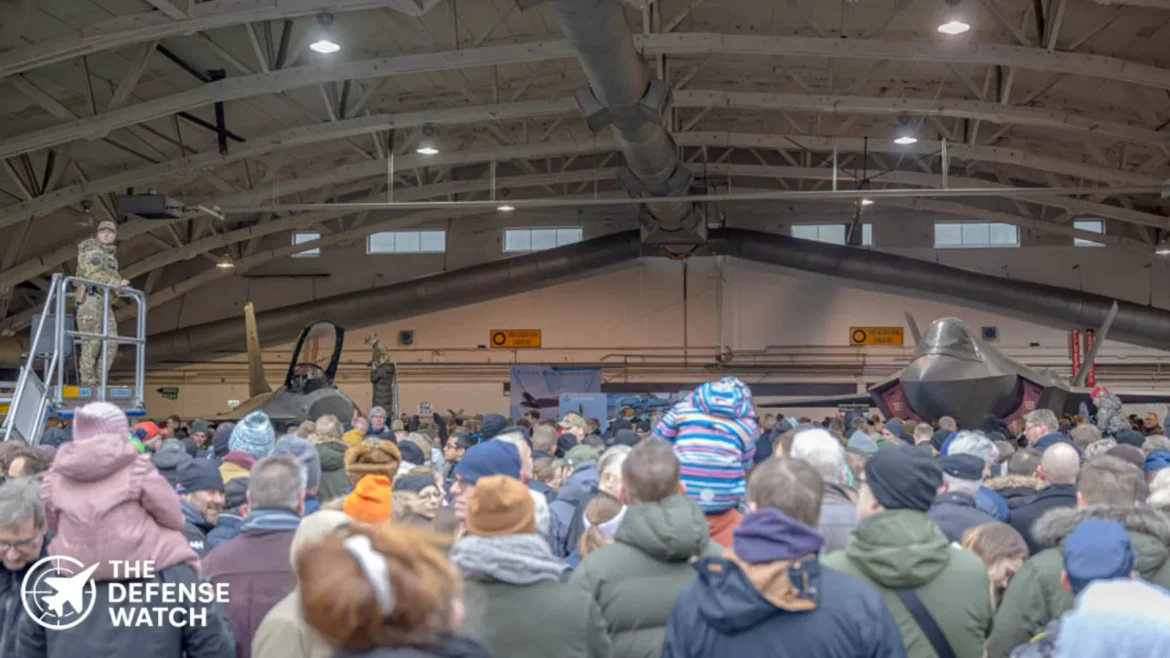
The retirement ceremony was held at Skrydstrup Air Base, with personnel and veterans of the F-16 program in attendance. The aircraft, long regarded as the Air Force’s “eyes and shield in the air,” played a key role in surveillance, deterrence, and combat missions since 1980.
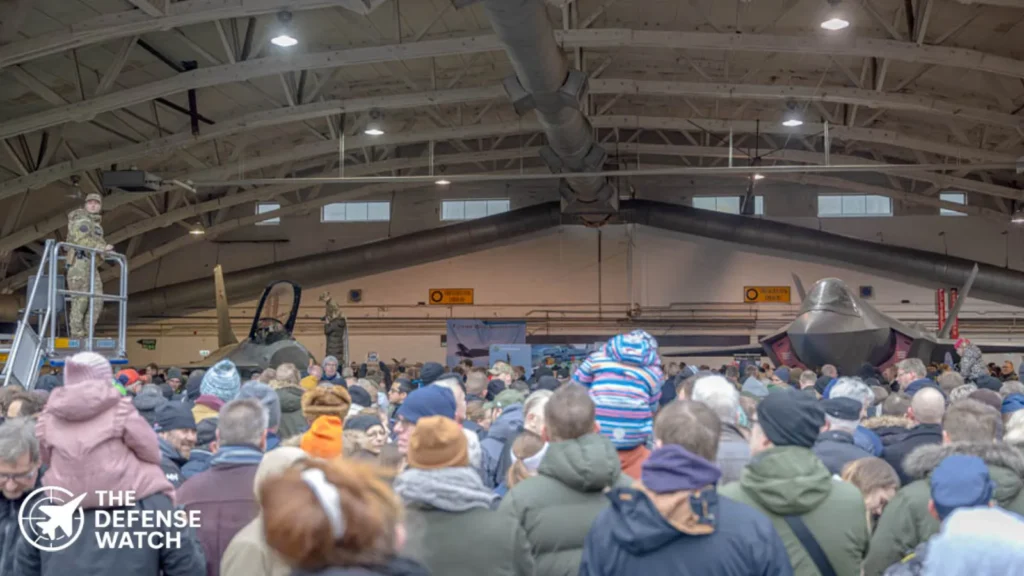
General and former Chief of Defence Christian Hvidt, who flew the first Danish F-16 to Skrydstrup, highlighted the aircraft’s operational legacy and the expertise of Danish pilots and technicians. The F-16 participated in numerous international operations, including missions in the Balkans, Afghanistan, Syria, Iraq, and Libya.
Several retired F-16s have been sold to Argentina or donated to Ukraine, reflecting their continued operational viability. The Danish Air Force’s shift to the F-35 reflects modern combat demands, emphasizing integrated operations across land, air, sea, space, and digital domains, explained Steen Hartov, senior adviser at the Air Command’s Fighter Aircraft Division.
Denmark has ordered 43 F-35A jets, with the first delivery in October 2023. The fleet is expected to reach full operational capacity next year, completing the replacement of the F-16 as Denmark’s primary fighter aircraft.
The transition positions Denmark among NATO members adopting fifth-generation stealth technology, enhancing interoperability and modernizing national air defense capabilities.
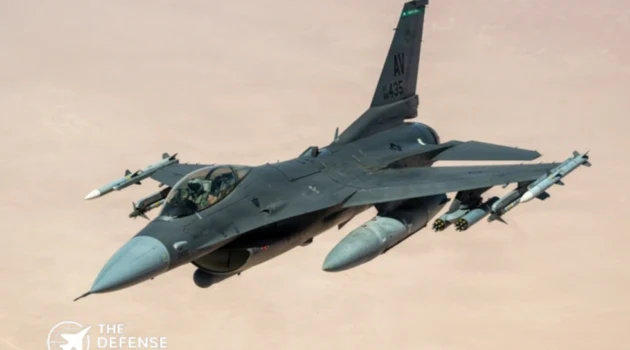
L3Harris FMS Contract Modification Expands Aircraft Support
L3Harris Technologies Integrated Systems L.P. has received a $13.1 million Foreign Military Sales contract modification to expand its support for aircraft and ground station programs, according to a U.S. Air Force contract announcement.
The firm-fixed-price modification, listed as P00001, applies to contract FA8620-25-F-B045 and raises the total cumulative value of the agreement to $25.03 million, up from $11.95 million. The work supports project management and engineering technical services tied to the development, delivery, and sustainment of aircraft and associated ground stations.
(adsbygoogle = window.adsbygoogle || []).push({});The contracting activity is the 645th Aeronautical Engineering Systems Group at Wright-Patterson Air Force Base in Ohio.
Scope of Work and Location
Under the modified contract, L3Harris will continue providing technical and programmatic expertise across the full lifecycle of aircraft and ground station systems. This includes engineering support, integration planning, and sustainment activities that are essential to keeping platforms operational for U.S. partner nations.
All work will be performed in Greenville, Texas, a long-standing L3Harris aerospace hub. Contract performance is scheduled to run through Dec. 31, 2026.
The full $13,076,940 value of the modification is being obligated at the time of award using Foreign Military Sales funds.
Foreign Military Sales Context
The involvement of FMS funding indicates the work directly supports allied and partner air forces operating U.S.-approved aircraft and ground-based systems. While specific customer nations were not disclosed, such contracts typically cover program management, system integration, and technical coordination between the U.S. government, industry, and foreign operators.
(adsbygoogle = window.adsbygoogle || []).push({});Engineering and sustainment services are a critical component of FMS programs, ensuring interoperability, airworthiness, and long-term readiness of aircraft delivered to partner countries.
L3Harris Role in Air Force Programs
L3Harris is a major supplier of mission systems, avionics, and integrated solutions for U.S. and allied air forces. The Greenville facility plays a central role in aircraft modification, missionization, and sustainment, particularly for special mission and ISR platforms.
This contract modification reflects the Air Force’s continued reliance on industry partners to manage complex technical programs that support both U.S. requirements and international defense cooperation.
Program Oversight
The 645th Aeronautical Engineering Systems Group oversees a range of airborne and ground-based systems, with a focus on lifecycle engineering, sustainment planning, and modernization. Its involvement underscores the technical nature of the work and its importance to long-term fleet support.
China PADJ-X Software Targets B-21 Bomber Design
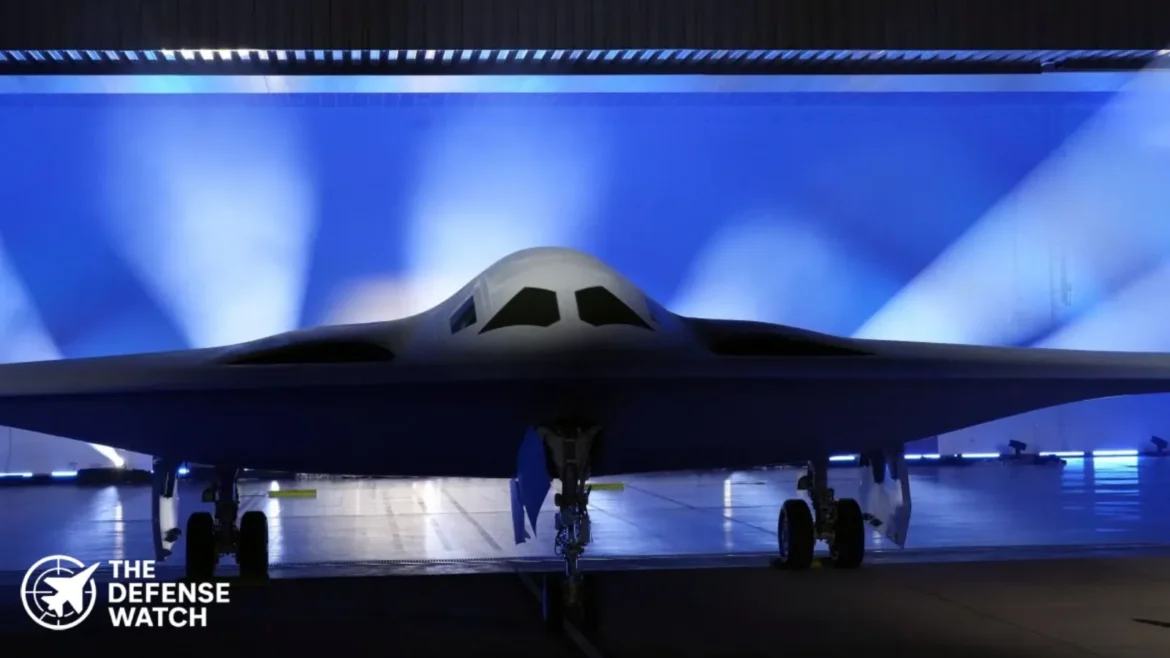
Chinese researchers claim a domestically developed stealth design tool has identified potential design vulnerabilities in the U.S. Air Force’s B-21 Raider bomber, according to a report by the South China Morning Post. The analysis is based on computer modeling rather than classified data and has not been independently verified.
The study centers on PADJ-X, a Chinese software platform designed to assess radar cross-section and electromagnetic characteristics of advanced aircraft shapes. Researchers involved say the tool can rapidly test stealth configurations and highlight areas that may increase radar exposure under certain conditions.
Claims Based on Open Modeling, Not Real B-21 Data
According to the report, the researchers modeled a bomber configuration believed to resemble the B-21 Raider using publicly available imagery and assumptions about stealth design principles. The team said their simulations suggested that some structural features could create localized increases in radar signature, depending on angle and frequency band.
The authors acknowledged the limitations of their work, noting that the actual B-21 bomber remains highly classified. Northrop Grumman and the U.S. Air Force have not released detailed design data, making any external assessment inherently speculative.
U.S. Officials Remain Silent on Chinese Analysis
There has been no response from the U.S. Department of Defense or Northrop Grumman regarding the claims. Defense analysts contacted by SCMP cautioned that modeling based on incomplete information cannot accurately reflect the performance of an operational stealth aircraft.
The B-21 Raider is designed to penetrate advanced air defense systems and is expected to incorporate low-observable features, advanced materials, and electronic warfare capabilities that go beyond external shaping alone.
Broader Context of China–U.S. Stealth Competition
The publication of the PADJ-X study highlights China’s push to advance its own stealth design and simulation tools as competition intensifies between major powers in long-range strike and bomber technology. China is believed to be developing its own next-generation stealth bomber, often referred to as the H-20, though details remain scarce.
Experts note that claims about adversary vulnerabilities are common in academic and military research but rarely reflect real-world performance without access to classified data and testing environments.

AESA radar, updated avionics, and new air-to-air weapons define the latest JF-17 upgrade
The Pakistan Air Force has begun inducting the JF-17C Block III, the most advanced iteration of the JF-17 Thunder multirole fighter, marking a significant step in the service’s ongoing modernization program.
Developed by Pakistan Aeronautical Complex in collaboration with China’s Aviation Industry Corporation of China, the JF-17C Block III introduces a wide range of avionics, sensor, and weapons upgrades over the earlier Block II configuration.
Radar and Sensor Enhancements
A central feature of the JF-17C Block III is the integration of the KLJ-7A active electronically scanned array radar. According to open source defense reporting, the radar employs more than 1,000 transmit receive modules and is assessed to offer detection ranges between 150 and 220 kilometers against fighter sized targets, depending on operational conditions.
The aircraft also features a new wide area cockpit display derived from systems used on China’s J-20 fighter, alongside a modern helmet mounted display and cueing system. These additions are intended to improve pilot situational awareness and enable high off boresight missile engagements.
An expanded electronic warfare and electronic support measures suite is paired with infrared and ultraviolet missile approach warning sensors, enhancing survivability against radar guided and infrared threats.
Weapons Integration and Performance
The JF-17C Block III is configured to employ advanced Chinese air-to-air missiles, including the PL-10 short range missile and the PL-15 very long range air-to-air missile. These weapons are integrated with the aircraft’s radar, helmet mounted display, and onboard sensor fusion architecture.
Manufacturer specifications list a maximum takeoff weight of approximately 30,000 pounds and an external weapons payload of up to 10,700 pounds across multiple hardpoints. Reported performance figures include a maximum speed exceeding Mach 1.7, a service ceiling of around 56,000 feet, and a combat radius of roughly 1,450 kilometers.
Structural updates include greater use of composite materials and refinements to the three axis fly by wire flight control system.
Production and Operational Context
Pakistan Aeronautical Complex continues to assemble the JF-17 domestically, a factor Pakistani officials have emphasized as supporting fleet sustainability and operational independence. The Block III variant is expected to operate alongside earlier JF-17 models as well as higher end fighter types within the Pakistan Air Force inventory.
Defense analysts note that while the JF-17C Block III narrows the capability gap with newer generation fighters, its operational impact will depend on pilot training, network integration, and employment concepts.

F-35 Deliveries Set Annual Record in 2025
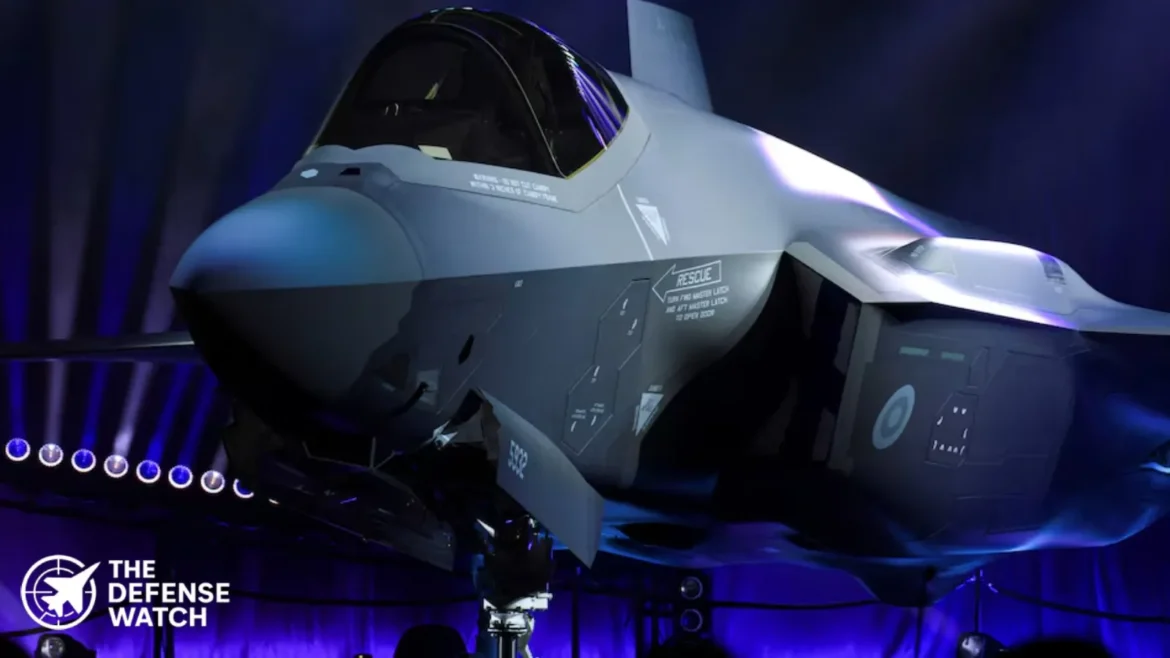
Lockheed Martin’s F-35 deliveries hit a record 191 aircraft in 2025, the company said in a statement, marking a sharp increase from the 110 jets delivered in 2024. The 2025 F-35 deliveries figure underscores strong demand from the United States and allied partners and rising defense budgets worldwide.
Lockheed said annual F-35 production is now running at a pace five times faster than any other allied fighter jet in production.
The F-35 program accounts for roughly one-third of Lockheed’s overall revenue, reflecting its central role in the company’s business mix.
What the Numbers Tell Us
In 2024, Lockheed delivered 110 F-35s. The jump to 191 in 2025 signals both stronger production lines and sustained demand among U.S. services and international partners.
Annual delivery totals like this one matter because they show how fast the U.S. and allied fleets can grow. The F-35 remains the most widely built allied fighter in production today.
Production Momentum and Defense Budgets
Lockheed said F-35 production is outpacing that of other fighters in allied service. This higher pace comes as several countries expand defense spending in response to shifting global security conditions.
The growth in F-35 deliveries also reflects efforts to streamline manufacturing and supply chains, improving throughput at Lockheed’s facilities.
Global Demand for the F-35
The 2025 F-35 deliveries cover aircraft for the U.S. military and allied air forces. Demand remains high as partners modernize their air fleets and retire older combat jets.
The program’s global footprint continues to expand, with many nations receiving new aircraft under Foreign Military Sales and direct orders.
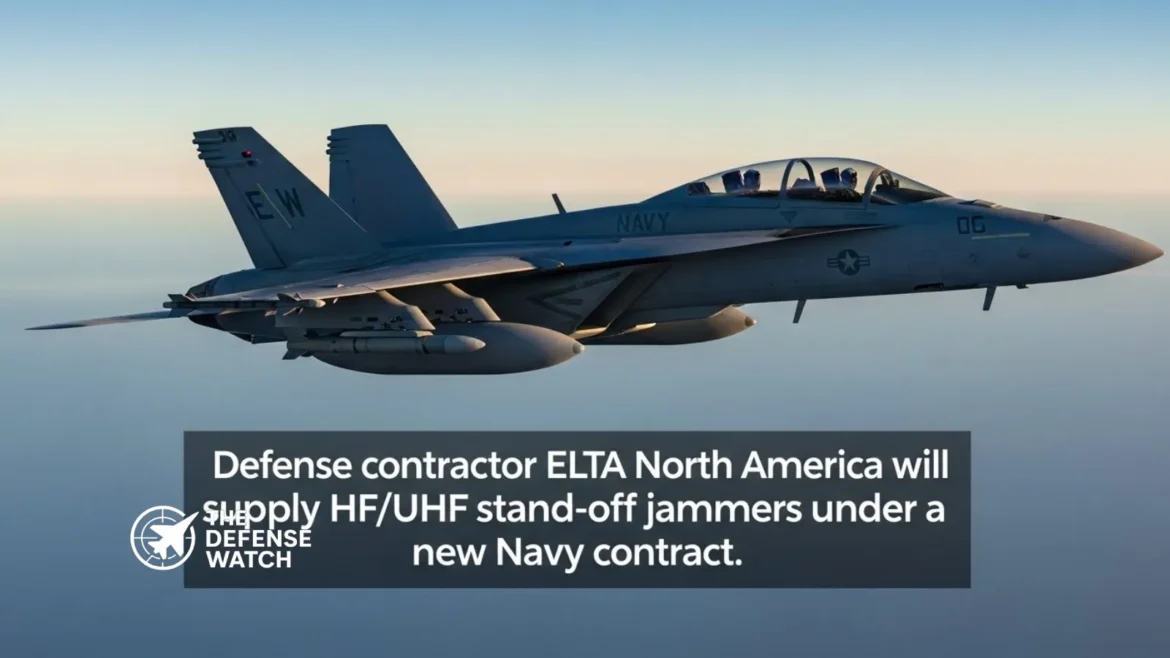
ELTA North America Wins U.S. Navy Airborne HF/UHF Stand-Off Jammer Contract
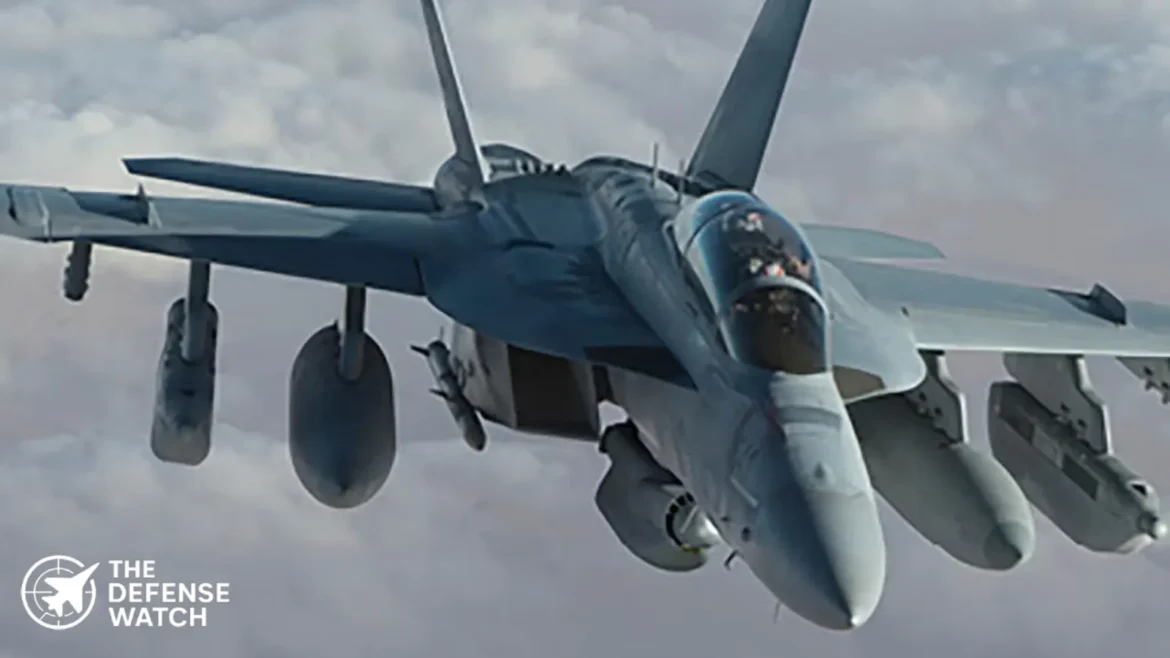
ELTA North America has been awarded an $11 million contract to design, develop and produce airborne HF/UHF stand-off jammers for integration on U.S. Navy fighter aircraft, company and defense industry notices confirm. The contract supports the Navy’s Stand-off Jammer Jets program and advances electronic warfare capabilities.
Under the award, the Maryland-headquartered defense contractor will deliver the first-of-its-kind HF/UHF stand-off jammer system. The equipment is intended to disrupt adversary communications and improve aircraft survivability in contested electromagnetic environments, the company said.
Company leadership said the work underscores the Navy’s focus on competitive electronic warfare operations and the need for advanced spectrum dominance tools.
What the Contract Covers
The systems covered in the award are designed for fighter aircraft assigned to the Navy’s Stand-off Jammer Jets initiative, part of broader efforts to modernize airborne electronic warfare (EW) systems. HF (high frequency) and UHF (ultra high frequency) bands are key for long-range communications and tactical networks, and jammers targeting these bands can interrupt adversary links at extended distances.
This effort occurs alongside other U.S. Navy EW programs such as the Next Generation Jammer, which provides mid-band airborne electronic attack capability primarily for EA-18G Growler aircraft.
ELTA North America’s Role
ELTA North America specializes in advanced electronic systems for defense customers, including radar, communications and intelligence solutions. The firm supports U.S. defense programs and provides EW solutions for government networks.
The contract reflects sustained demand for EW systems enabling U.S. forces to operate in complex spectrum environments and counter emerging threats.
Why It Matters
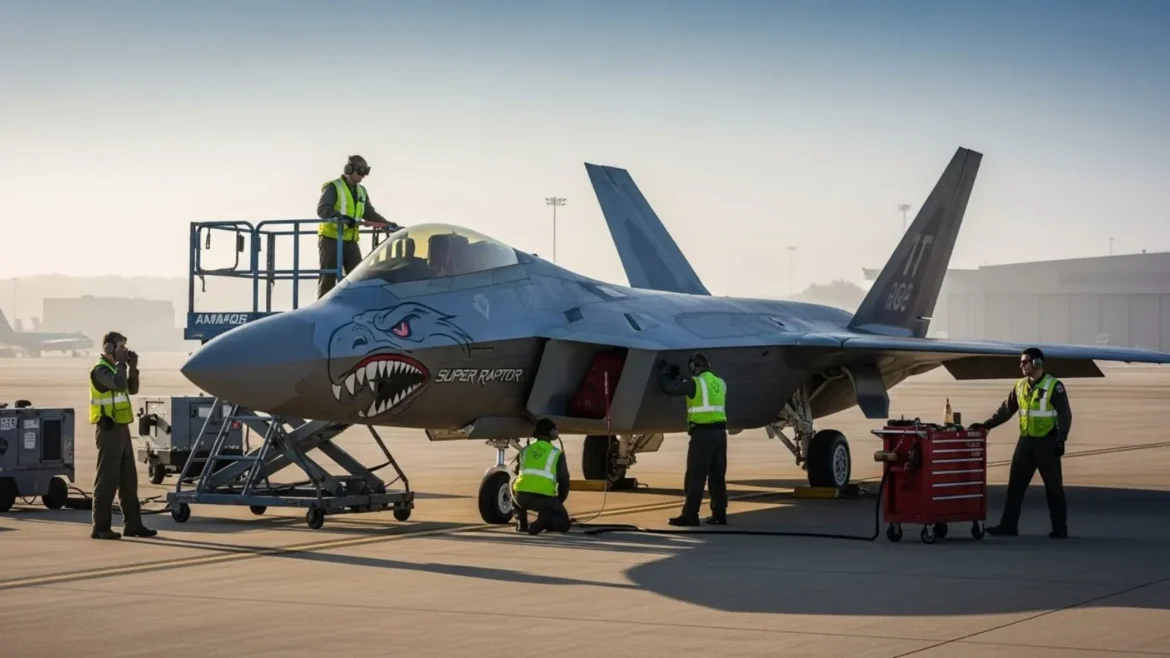
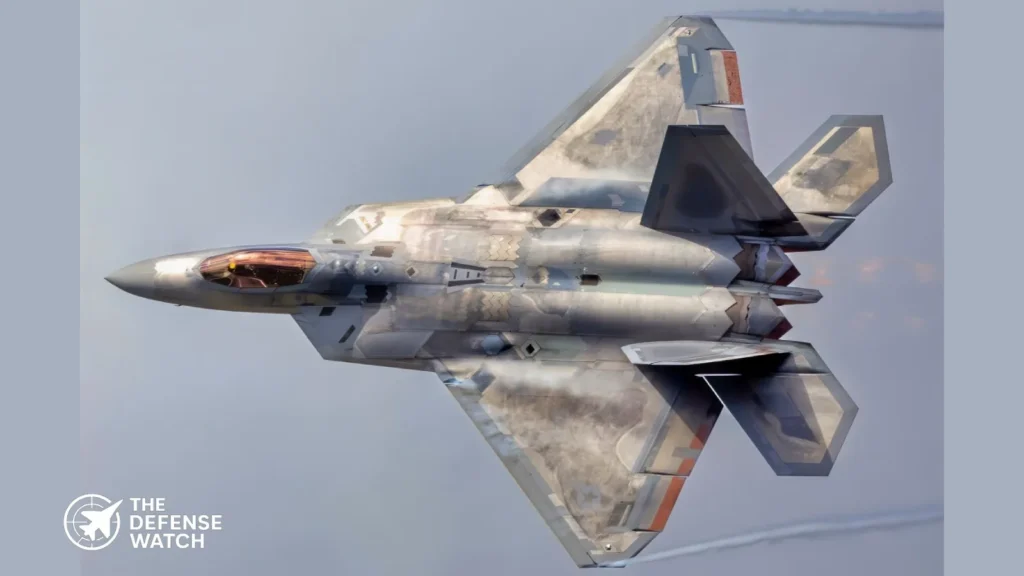
The U.S Air Force is planning a major upgrade to its F-22 fighter, often called the F-22 Super Raptor. This matters because advanced fighters shape the balance of air power among major rivals, especially the United States, China, and Russia. Keeping the F-22 fleet effective into the 2040s helps shorten gaps until next-generation jets arrive and counters the rapid improvement of peer air defenses and aircraft.
What It Is
The F-22 Raptor is the Air Force’s flagship stealth air superiority fighter, first deployed in 2005 with sensors, stealth, supercruise, and integrated avionics unmatched when built.
The F-22 Super Raptor is not a new aircraft. It is a set of upgrades to existing F-22s. These upgrades include new sensors, improved radar-absorbent coatings, advanced electronic warfare systems, and modern cockpit avionics drawn in part from future programs.
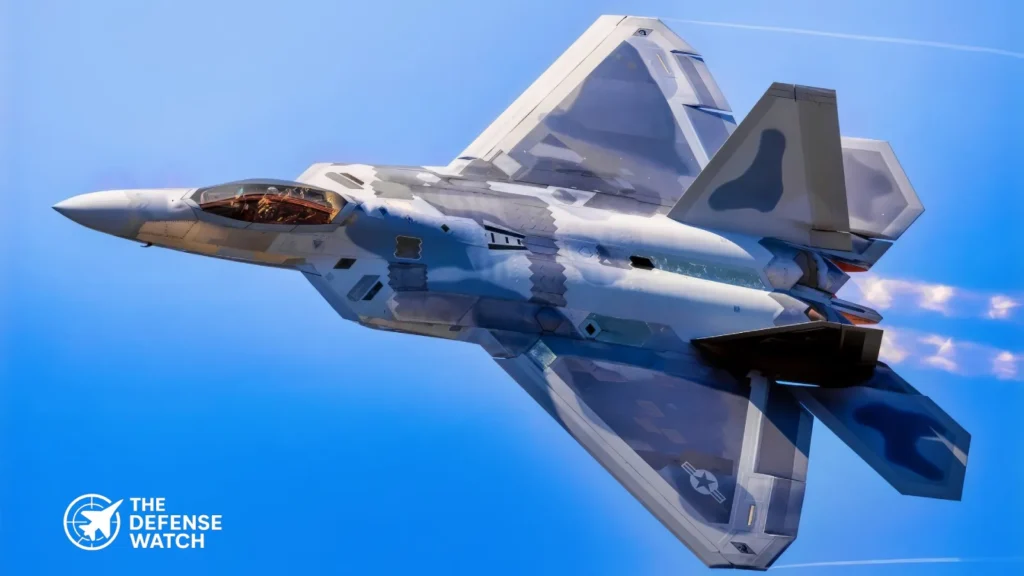
Because the Air Force can no longer build new F-22s, upgrading existing jets is the fastest way to boost capability.
How It Works
Upgrades focus on stealth and sensing. New radar-absorbent materials can keep the aircraft harder to detect. Advanced sensors and avionics help pilots see threats earlier and act faster. Enhanced electronic warfare systems let the jet jam or deceive enemy defenses.
Some upgrades under discussion also include next-generation radar backends and infrared search and track systems that boost targeting in contested airspace.
In simple terms, the F-22 Super Raptor keeps the same airframe but adds tools to fight better in modern battlefields where sensors and defenses are tougher than when the original jets were designed.
Why It Matters
The main reason this upgrade matters is strategic competition with China and Russia. Both countries are fielding advanced fighters and air defense networks that reduce the gap U.S aircraft once enjoyed. Upgrading the F-22 helps keep its advantage in stealth and situational awareness even as adversary systems improve.
Until the next generation of fighters arrives, upgraded F-22s fill a capability gap. The Air Force’s long-term successor programs like the Next Generation Air Dominance (NGAD) fighter or the new F-47 sixth-generation design will not be fielded in large numbers for years.
Some analysts warn investment in older platforms could divert money from future systems. That concern is real but it works both ways. A sudden capability drop between current and future jets would weaken deterrence if competitors see an opening.
Comparison to Other Systems
Compared to the F-35, another stealth fighter in U.S service, the F-22 excels in air-to-air combat and high-end stealth. The F-35 has broader multi-role weapons loads and sensor fusion for networked operations, but the F-22 still leads in raw air superiority capability.
Compared to Chinese J-20 or Russian Su-57, the upgraded F-22 is expected to keep an edge in stealth and sensor integration, though exact performance against those jets remains uncertain in open sources. This is a common reality in advanced military systems analysis where some capabilities are classified.
Strategic Impact
For Washington, extending the F-22’s life and capability helps assure allies and deter rivals. In the Indo-Pacific, China’s air force is expanding in size and quality. Keeping U.S fighters ahead affects how China plans its force posture and investments.

For Beijing and Moscow, it signals that the U.S intends to maintain aerial dominance even as they field new aircraft and air defenses. That can shape both offensive planning and diplomatic signaling.
For allies in Europe and Asia, a credible, upgraded U.S stealth force can anchor collective defense plans and reassure partners facing pressure from near-peer militaries.
In the long run, success will depend on how well the upgrades mesh with broader U.S strategy, including new fighters, drones, and air defense suppression tools.

What It Is
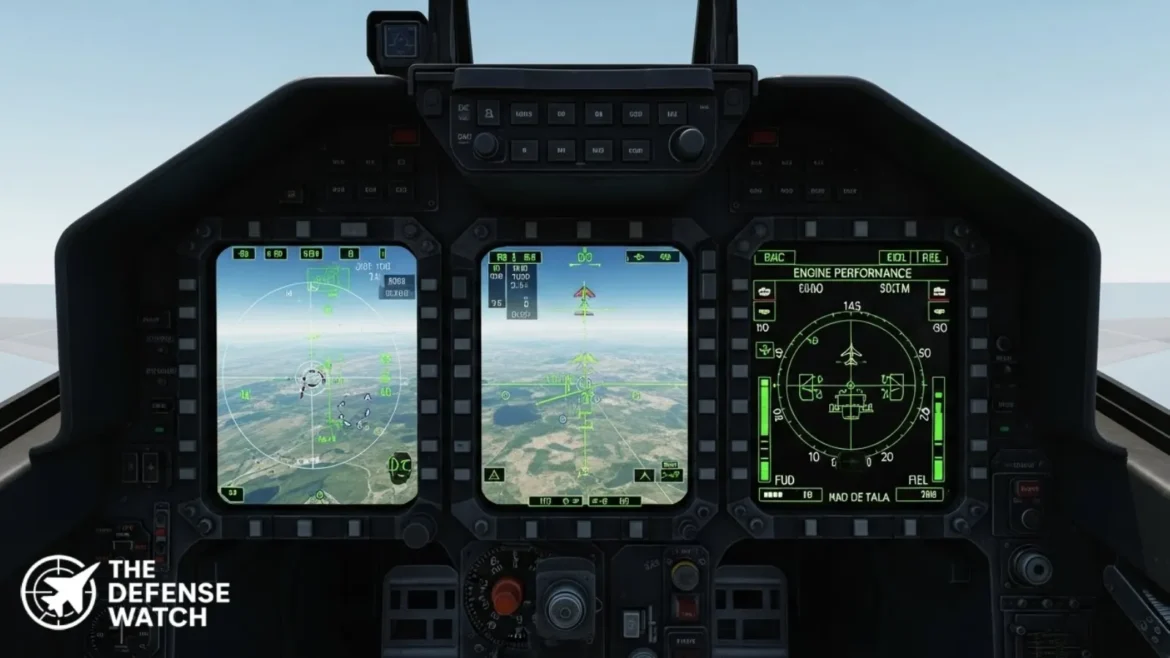
South Korea’s Hanwha Systems has been selected by Boeing to supply the Eagle Large Area Display (ELAD) for South Korea’s F-15K and the U.S. Air Force’s F-15EX Eagle II fighters. This marks Hanwha’s first export of digital avionics and highlights growing defense collaboration between the U.S. and South Korea.
The ELAD integrates multiple cockpit screens into a single, large, touch-sensitive display. Pilots can access critical flight and mission information more intuitively, streamlining command inputs to the mission computer.
How It Works
The ELAD combines data from different avionics systems, presenting it on one interface. Pilots can control mission systems through touch inputs, reducing reliance on multiple smaller screens and physical controls. The concept mirrors similar large-area displays used in modern fighter jets, including the F-35’s touchscreen interfaces, which improve situational awareness and reduce pilot workload.
Why It Matters
Upgrading F-15 cockpits with modern digital displays enhances operational efficiency and interoperability between allied forces. For the U.S., sourcing the ELAD from Hanwha signals a diversification of supply chains in strategic sectors like fighter avionics. For South Korea, it represents a step toward becoming a recognized supplier of advanced military electronics on the global stage.
Strategically, this move strengthens the U.S.-South Korea defense partnership amid regional tensions in East Asia. Competitors like China and Russia continue to advance fighter avionics, making collaboration on next-generation systems critical for maintaining air superiority and technological edge.
Strategic Impact
By equipping F-15K and F-15EX fighters with advanced displays, both countries enhance pilot effectiveness in complex mission environments. Hanwha’s entry into the U.S. defense supply chain may encourage further South Korean participation in international aerospace projects. Long term, this contributes to a more resilient and diversified defense industrial base while reinforcing U.S. alliances in the Indo-Pacific.

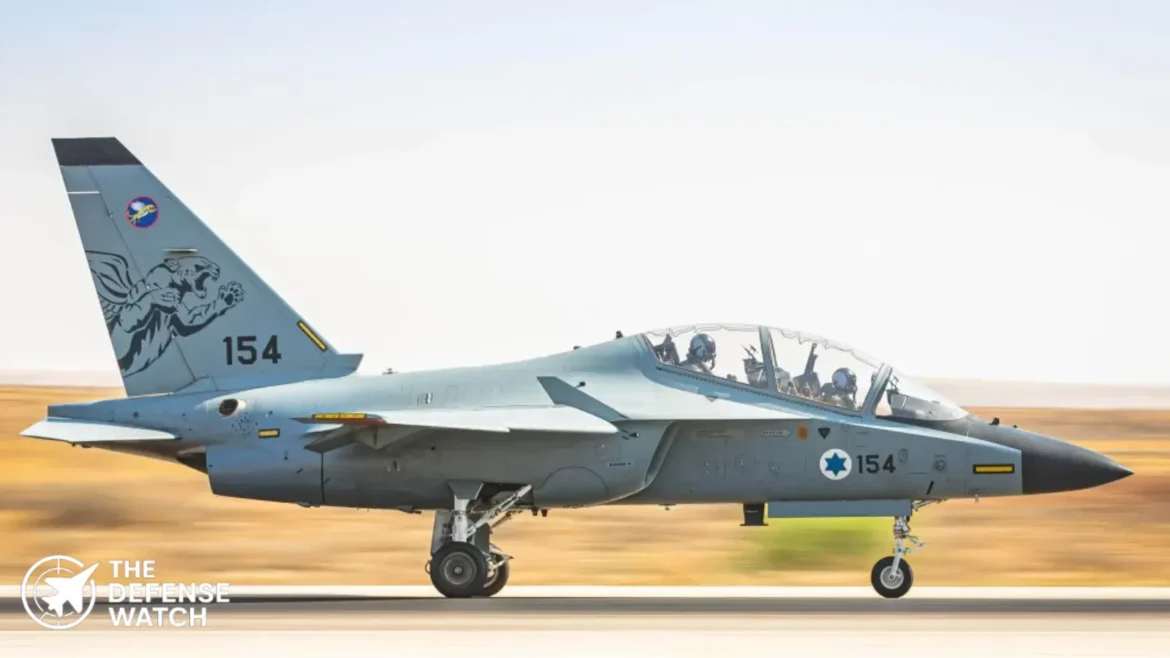
Austria’s federal government has signed a contract to buy 12 Leonardo M-346F Block 20 light combat aircraft for the Austrian Air Force, the Ministry of Defense and Leonardo confirmed in Rome on December 17, 2025. The aircraft will play a key role in Austria’s future air defense and pilot training programs, with the first deliveries expected in 2028.
New Acquisition for Air Defense and Training
Under the government-to-government agreement with Italy, Austria has contracted Leonardo to supply a fleet of 12 M-346F Block 20 light fighter and advanced trainer aircraft to the Luftstreitkräfte. The deal also includes training systems, simulator equipment for pilots and maintenance crews, spare parts, ground support gear and six years of logistical backing following first delivery.
The contract marks a significant step in modernizing Austria’s air capabilities. It follows earlier procurement cooperation between Vienna and Rome, such as recent orders for AW169M light utility helicopters.
What Are M-346F Block 20 Aircraft
The M-346F Block 20 represents a light combat version of Leonardo’s M-346 advanced jet trainer. It combines pilot training capabilities with multirole light strike functions. The aircraft features modern avionics including a large area display in the cockpit, active electronically scanned array (AESA) radar, a Link 16 datalink and electronic countermeasures. It can operate air-to-air and air-to-surface systems, extending its role beyond pure training.
This mixed-role design allows the Austrian Air Force to use the M-346F for advanced pilot training and lower-intensity combat tasks, freeing up heavier fighters for more demanding missions.
Contract Details and Delivery Schedule
The signed agreement covers aircraft delivered in a light fighter configuration under the M-346F Block 20 standard. In addition to the jets, the package includes complete simulation systems, spare parts, ground equipment, and six years of maintenance support counted from the first delivery, scheduled for 2028.
Austria’s choice of the M-346F follows international interest in light fighter aircraft, a market driven by nations seeking more versatile and cost-effective air platforms. The new aircraft will replace older training jets and handle missions that do not require full-size fighter jets.
Training and Support Elements
The contract anticipates a broad training setup that goes beyond aircraft delivery. It will include advanced simulation tools for pilots and maintenance personnel. This integrated training capability is designed to improve readiness and ensure that Austrian crews can fully exploit the aircraft’s multirole functions.
Such systems are part of Leonardo’s broader offering for the M-346 family, which integrates live, virtual and constructive training environments. These tools help pilots transition more effectively from training to operational missions.
Strategic Context and Force Structure
Austria retired its Saab 105 jets in 2020, leaving a gap in advanced jet training that was partly handled abroad. The acquisition of the M-346F aims to bring that training function back within national reach and enhance Austria’s air sovereignty.
In recent years, Austria has also operated Eurofighter Typhoons for air policing. While capable, those aircraft are costly to fly and maintain. The M-346F’s addition brings a complementary asset that is more economical for routine missions, while preserving Typhoons for higher-end tasks.
What Comes Next
With the contract signed and the delivery timeline set, final preparations will now focus on aircraft production schedules and domestic integration plans. Austria will work with Leonardo and Italian partners to ensure infrastructure, training pipelines, and support services are in place ahead of first deliveries.
As the Austrian Air Force transitions to the new platform, the M-346F fleet is expected to enhance national airspace defense and improve pilot training efficiency. These improvements could also strengthen bilateral defense ties between Austria and Italy.

Switzerland will buy fewer Lockheed Martin F-35A Lightning II fighter jets than originally planned following a U.S. price increase tied to inflation and rising production costs, the Swiss Federal Department of Defense, Civil Protection and Sport announced Friday. The decision comes as Bern works to keep the fighter jet purchase within a 6 billion Swiss franc budget approved by voters.
Swiss Reduce F-35 Buy After Cost Increase
The Swiss government said in an official press release that additional costs linked to the F-35A contract make it financially unviable to acquire all 36 jets initially planned under the Air2030 modernization program. The statement did not specify a new total number of aircraft, only that the “maximum possible number” allowed under the approved funding will be purchased.
According to Swiss authorities, talks with U.S. officials this summer made clear that the contractually agreed fixed price could not be enforced and that costs had increased due to inflation, rising raw material prices, and other factors. The U.S. government attributed a roughly $610 million price increase to these pressures.
Switzerland had planned to begin F-35A deliveries in 2027, with aircraft entering service through 2030. The original plan called for replacing aging McDonnell Douglas F/A-18 Hornets that are scheduled to retire by 2030.
Air2030 Background and Budget Context
The F-35A procurement is part of Switzerland’s broader Air2030 strategy to modernize air defense. Under that plan, the government and voters agreed to finance not only new fighter jets but also new ground-based air defense systems and upgraded surveillance capabilities. The 6 billion Swiss franc ceiling was set in a national referendum, reflecting public support for modernizing the Swiss Air Force.
Initially approved in 2021 with a contract signed in 2022, the F-35A deal was expected to secure a fixed price for the Swiss order. However, communications from the U.S. Defense Security Cooperation Agency in 2025 indicated that the understanding of a fixed price was not shared, prompting negotiations and reviews of options by Swiss officials.
Price Increase and Contract Dispute
The dispute over price centers on the interpretation of contract terms and how inflation and supply chain issues factor into the final cost. A U.S. Department of Defense official told media that higher costs for airframes and engines have driven prices above initial estimates. The additional $610 million figure represents the Pentagon estimate of what it would cost Switzerland beyond the original Letter of Offer and Acceptance price.
Swiss authorities had earlier projected even larger cost increases of between 650 million and 1.3 billion Swiss francs, reflecting broader concerns about inflation and tariffs. Those figures played into earlier discussions in Bern about how to proceed if the fixed price could not be upheld.
Although the Department of Defense deferred questions about the reduced order back to the Swiss government, defense ministry officials have signaled they will work within the budget limit. Neither Lockheed Martin nor the F-35 Joint Program Office responded to requests for comment by press time.
Political and Budgetary Impacts
The decision to reduce the number of F-35s reflects broader tensions in defense procurement when voter mandates intersect with evolving program costs. Switzerland’s defense budget and planning processes will now have to balance the reduced fighter jet buy with other priorities, including ground-based air defense and surveillance upgrades.
Swiss Defense Minister Martin Pfister has previously cautioned that the government must adhere to the budget cap while ensuring that air defense capabilities remain sufficient. Observation from local reporting suggests that the final number of aircraft could be clarified as the defense ministry presents prioritization plans to the federal council early next year.
What’s Next for Swiss Air Defense
With the original 36 F-35A ceiling likely to be trimmed, Switzerland’s armed forces will need to adjust planning for airspace protection past the retirement of the Hornet fleet. Officials have indicated that further decisions on additional aircraft purchases beyond the immediate budget may return to parliament or even to a public referendum.
The Swiss government has ruled out canceling the F-35 purchase entirely, noting that without new fighter jets and updated air defense systems, the country’s ability to protect its airspace would be limited. The defense ministry has been tasked with reviewing requirements for 2026 and 2027 and presenting options by late January.