(adsbygoogle = window.adsbygoogle || []).push({});Executive Summary:
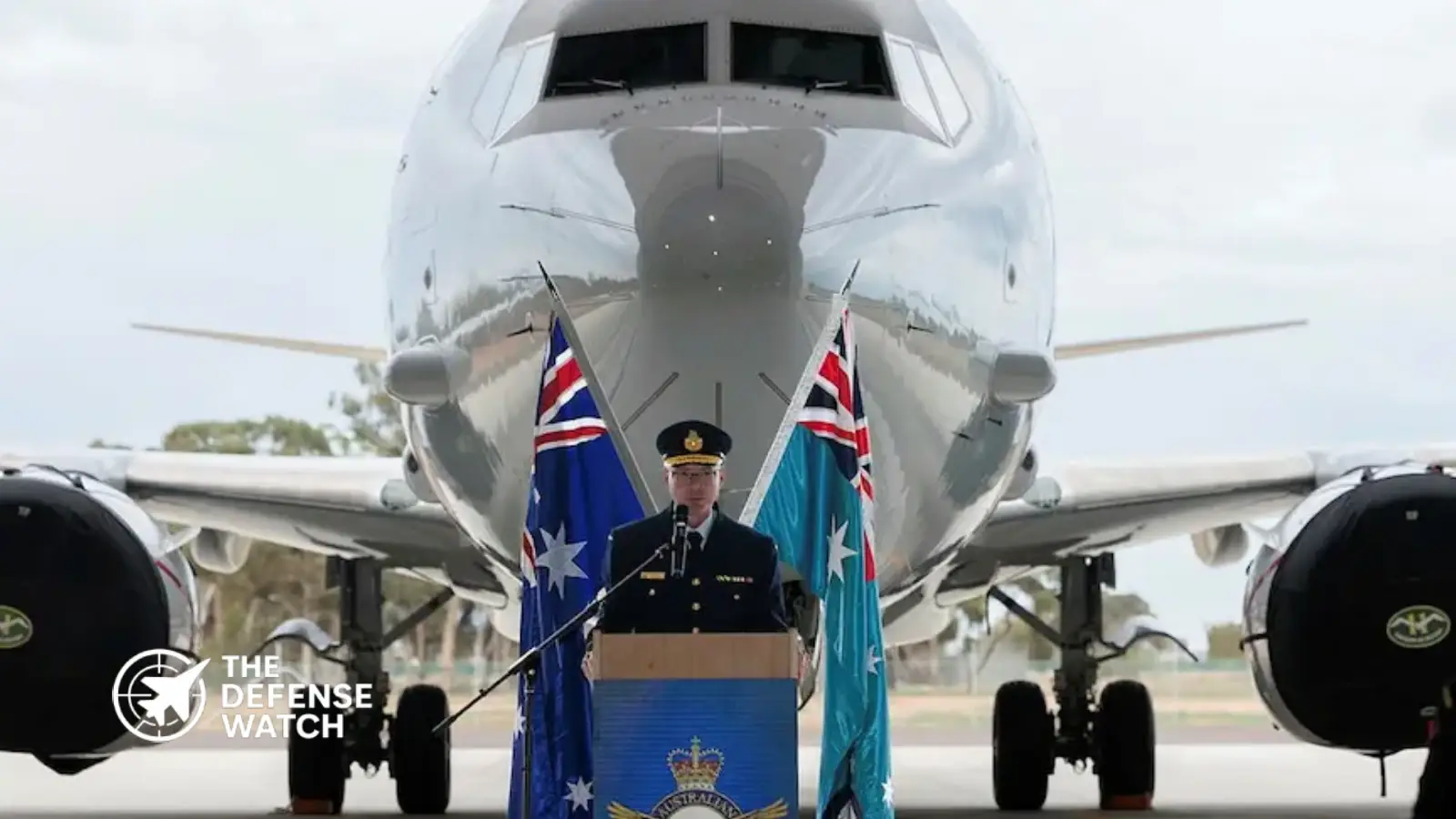
Australia has opened the Southern Hemisphere’s first deep maintenance and modification facility for the Boeing P 8A Poseidon maritime patrol aircraft. The new hub is designed to strengthen Royal Australian Air Force readiness, reduce overseas maintenance dependency, and support allied Indo Pacific operations.
Australia Expands P 8A Poseidon Sustainment Capability
Australia’s new P 8A Poseidon deep maintenance and modification facility marks a significant expansion of the country’s long term maritime aviation sustainment capability. The facility, established at Royal Australian Air Force Base Edinburgh in South Australia, will provide depot level maintenance, structural upgrades, and aircraft modifications for the RAAF’s growing fleet of maritime patrol aircraft.
The facility is the first of its kind in the Southern Hemisphere dedicated to the Boeing P 8A Poseidon platform. Until now, heavy maintenance and major upgrades often required support from overseas facilities, particularly in the United States.
Australian defense officials said the new capability is intended to improve aircraft availability rates while strengthening sovereign defense industry capacity.
The Royal Australian Air Force currently operates a fleet of P 8A Poseidon aircraft as part of its maritime surveillance and anti submarine warfare mission set. The aircraft replaced the aging AP 3C Orion fleet and has become one of Australia’s most important intelligence, surveillance, reconnaissance, and maritime strike platforms.
Why The P 8A Poseidon Matters In The Indo Pacific
The P 8A Poseidon maintenance facility arrives at a time of growing strategic competition across the Indo Pacific region. Maritime surveillance requirements have increased significantly as regional navies expand submarine operations and military activity intensifies in contested waters.
Derived from the commercial Boeing 737 airframe, the P 8A Poseidon combines long range surveillance capabilities with anti submarine warfare systems, advanced sensors, sonobuoys, and anti ship weapon integration.
The aircraft is widely operated among U.S. allies and partners, including the Royal Australian Air Force, the United States Navy, the Royal Air Force, and the Indian Navy.
Australia’s investment in local sustainment infrastructure reflects a broader shift among allied nations toward improving operational resilience and reducing dependence on overseas maintenance pipelines. That trend accelerated following supply chain disruptions and increased operational demands across the Pacific region in recent years.
(adsbygoogle = window.adsbygoogle || []).push({});The new facility may also position Australia as a regional sustainment partner for other allied P 8A operators operating in the Southern Hemisphere and wider Indo Pacific theater.
Strategic Importance For Australia And Allies
The opening of the P 8A Poseidon maintenance facility supports Australia’s wider defense modernization strategy and aligns with Canberra’s focus on strengthening long range maritime surveillance.
The P 8A plays a central role in Australia’s layered maritime defense network, working alongside the Boeing built MQ 4C Triton unmanned aircraft system and naval surface combatants.
Australian defense planners increasingly view persistent maritime domain awareness as essential to monitoring sea lanes, protecting undersea infrastructure, and supporting allied operations across the Pacific and Indian Oceans.

The facility also supports workforce development within Australia’s aerospace sector. Local industry participation in sustainment and modification work is expected to expand technical expertise in military aviation maintenance, systems integration, and fleet readiness management.
According to defense industry reporting, the site will support both scheduled depot maintenance and future capability upgrades throughout the operational life of the aircraft.
Broader Regional Security Context
The expansion of maritime patrol infrastructure comes amid increased naval modernization across Asia and the Pacific. Several regional powers are investing heavily in submarines, long range strike systems, and maritime reconnaissance assets.
Australia’s P 8A fleet has regularly participated in multinational exercises and freedom of navigation operations alongside allied forces. The aircraft has also supported humanitarian assistance, disaster relief, and search and rescue operations across the Indo Pacific.
The establishment of a dedicated deep maintenance facility ensures Australia can sustain high operational tempo deployments without relying exclusively on foreign maintenance cycles.
From a strategic perspective, sovereign sustainment capability has become a growing priority among Western defense partners seeking greater readiness and industrial resilience.
(adsbygoogle = window.adsbygoogle || []).push({});Industry And Defense Implications
The new facility highlights how sustainment infrastructure is becoming increasingly important in modern military procurement strategies. Beyond acquiring advanced aircraft, countries are now placing greater emphasis on domestic maintenance, repair, overhaul, and upgrade ecosystems.
For Boeing and its international partners, expanding regional sustainment hubs may improve long term fleet support efficiency as the global P 8A operator base grows.
The P 8A platform continues to gain relevance as maritime competition intensifies and undersea warfare capabilities expand worldwide. By building a sovereign sustainment capability, Australia strengthens both operational readiness and long term defense autonomy.
Executive Summary:
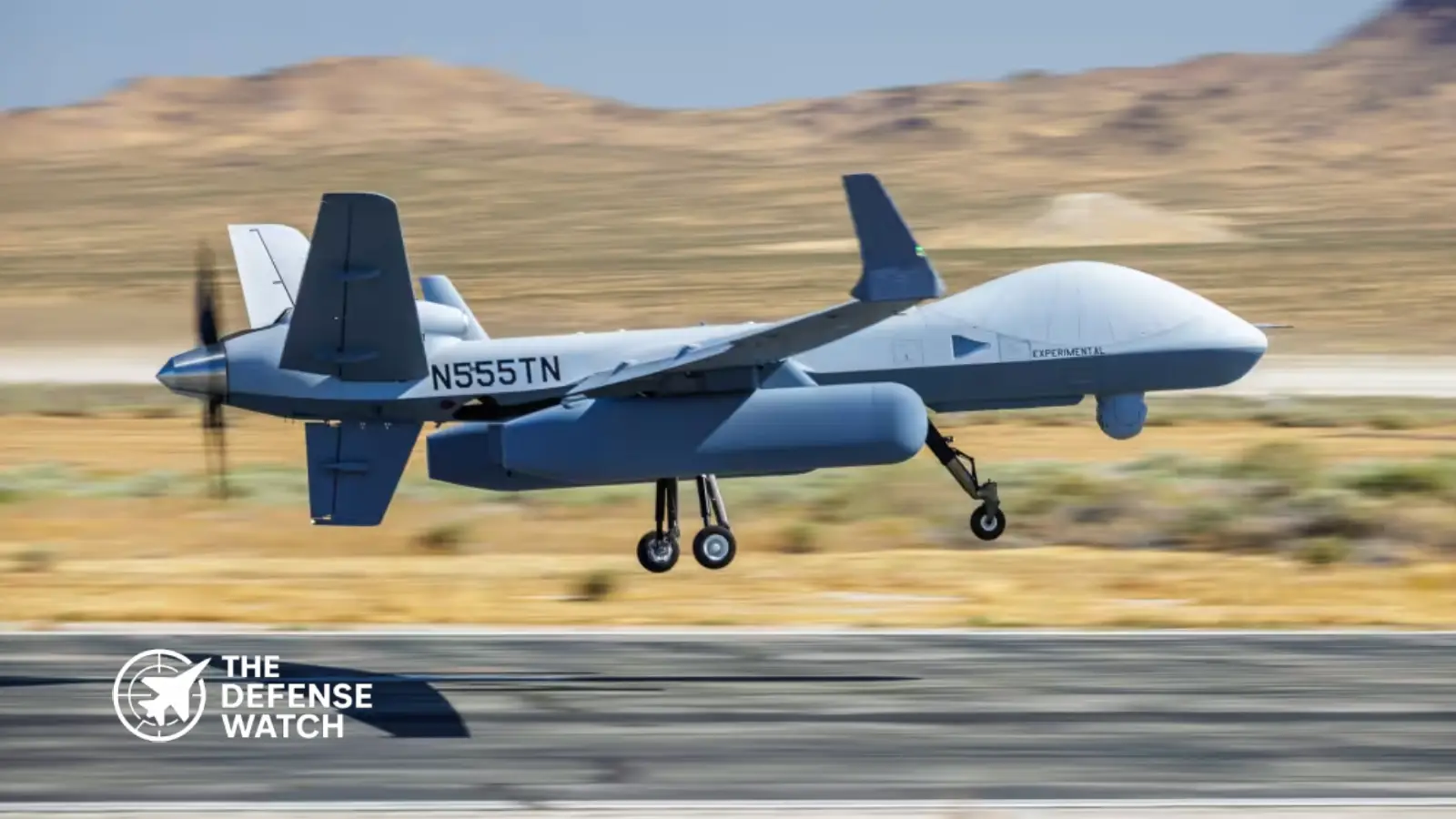
Saab and General Atomics Aeronautical Systems successfully completed the first flight of an unmanned airborne early warning solution using the MQ-9B drone and Saab’s LoyalEye radar. The program aims to deliver long-endurance airborne surveillance capabilities while reducing operational risk to aircrews and expanding persistent ISR coverage.
(adsbygoogle = window.adsbygoogle || []).push({});
Saab And GA-ASI Advance MQ-9B Airborne Early Warning Capability
The MQ-9B airborne early warning program reached a major milestone after Saab and General Atomics Aeronautical Systems, Inc. (GA-ASI) completed the first flight of Saab’s LoyalEye radar aboard an unmanned MQ-9B aircraft.
The test flight took place on May 19 at GA-ASI’s Desert Horizon flight operations facility in Southern California. According to both companies, the successful sortie marks the beginning of a multi-month evaluation campaign that will conclude with a full operational capability demonstration later in 2026.
The flight represents what Saab and GA-ASI describe as the world’s first unmanned airborne early warning (AEW) solution. The system combines Saab’s radar surveillance expertise with the MQ-9B’s long-endurance unmanned flight profile.
The development comes as defense planners increasingly seek persistent intelligence, surveillance, and reconnaissance (ISR) capabilities that can remain airborne for extended periods while reducing exposure of manned crews to contested environments.
LoyalEye Radar Expands MQ-9B Mission Set
Saab’s LoyalEye sensor is designed to provide airborne detection and tracking capabilities traditionally associated with larger manned AEW&C aircraft.
The system was integrated onto the MQ-9B platform under a partnership announced in 2025 between Saab and GA-ASI. The companies say the aircraft will support missions including:
- Early warning and threat detection
- Long-range aerial surveillance
- Multi-target tracking
- Beyond-line-of-sight operations
- SATCOM-enabled ISR missions
Carl Johan Bergholm, Head of Saab’s Surveillance business area, said the unmanned configuration is intended to complement existing manned airborne surveillance fleets rather than replace them.
According to Saab, the MQ-9B airborne early warning system could provide extended operational reach and improved flexibility for military commanders operating in large theaters where persistent sensor coverage is essential.
The addition of airborne radar surveillance also significantly expands the MQ-9B’s traditional ISR mission profile. The aircraft family has primarily been associated with reconnaissance and strike operations, but the LoyalEye integration positions the platform for theater-wide air surveillance and command support roles.
Why Unmanned AEW Matters
The unmanned airborne early warning concept reflects broader military trends toward distributed sensing and lower-risk ISR operations.
Traditional AEW&C aircraft such as the Boeing E-3 Sentry or Saab’s GlobalEye provide powerful surveillance capabilities but require large crews and high operational support demands.
(adsbygoogle = window.adsbygoogle || []).push({});By contrast, the MQ-9B airborne early warning system is designed around a medium-altitude, long-endurance unmanned platform capable of remaining airborne far longer than many crewed aircraft.
GA-ASI President David R. Alexander stated that the new system is intended to defend against a range of threats, including guided missiles, drones, tactical air munitions, fighter aircraft, and bomber platforms.
The use of an unmanned aircraft also aligns with evolving operational concepts focused on survivability and distributed operations. In high-threat environments, commanders increasingly favor systems that can continue operating without placing pilots and onboard crews directly at risk.
That operational logic has become particularly important as modern battlefields see expanding use of long-range missiles, electronic warfare systems, and layered air defense networks.
Growing Demand For Persistent ISR And Air Surveillance
The MQ-9B airborne early warning initiative also highlights growing global demand for persistent airborne sensing.
NATO members and Indo-Pacific allies have accelerated investments in ISR and early warning systems following lessons drawn from the war in Ukraine, tensions in the Indo-Pacific, and expanding drone warfare capabilities worldwide.
Persistent radar coverage is increasingly viewed as critical for detecting:
- Low-flying cruise missiles
- Small unmanned aerial systems
- Swarming drone attacks
- Long-range aviation threats
- Maritime air activity
The MQ-9B’s endurance profile may offer advantages in these missions. Unlike traditional AEW aircraft that often require larger support structures and shorter operational rotations, an unmanned system can potentially maintain surveillance coverage for significantly longer durations.
This could prove particularly valuable for maritime security operations, border surveillance, expeditionary deployments, and dispersed force structures.
(adsbygoogle = window.adsbygoogle || []).push({});The development may also strengthen Saab’s position in the airborne surveillance sector beyond its established GlobalEye program. Meanwhile, GA-ASI continues expanding the MQ-9B family into specialized mission roles beyond conventional ISR and strike operations.
Strategic Implications For Future Air Operations
The successful flight test signals a broader shift in how militaries may approach airborne command and surveillance missions over the next decade.
Rather than relying solely on a limited number of high-value manned AEW&C aircraft, future air operations may increasingly use a mix of crewed and uncrewed platforms operating in coordinated networks.
This distributed approach could improve operational resilience while reducing vulnerability to long-range precision strikes targeting critical airborne assets.
The MQ-9B airborne early warning program remains in its testing phase, but the successful first flight demonstrates that unmanned platforms are moving into mission areas once considered exclusive to large crewed aircraft.
If the evaluation program proceeds successfully later this year, the Saab and GA-ASI partnership could establish a new category of operational airborne surveillance capability for allied militaries seeking persistent and lower-risk ISR coverage.
(adsbygoogle = window.adsbygoogle || []).push({});Executive Summary:
The U.S. Department of Defense is moving to accelerate procurement of Boeing F-15EX Eagle II fighters as older F-15C/D aircraft approach retirement. The effort is tied to broader U.S. Air Force modernization goals, homeland defense requirements, and concerns over fleet readiness.
U.S. Defense Budget Prioritizes F-15EX Eagle II Procurement
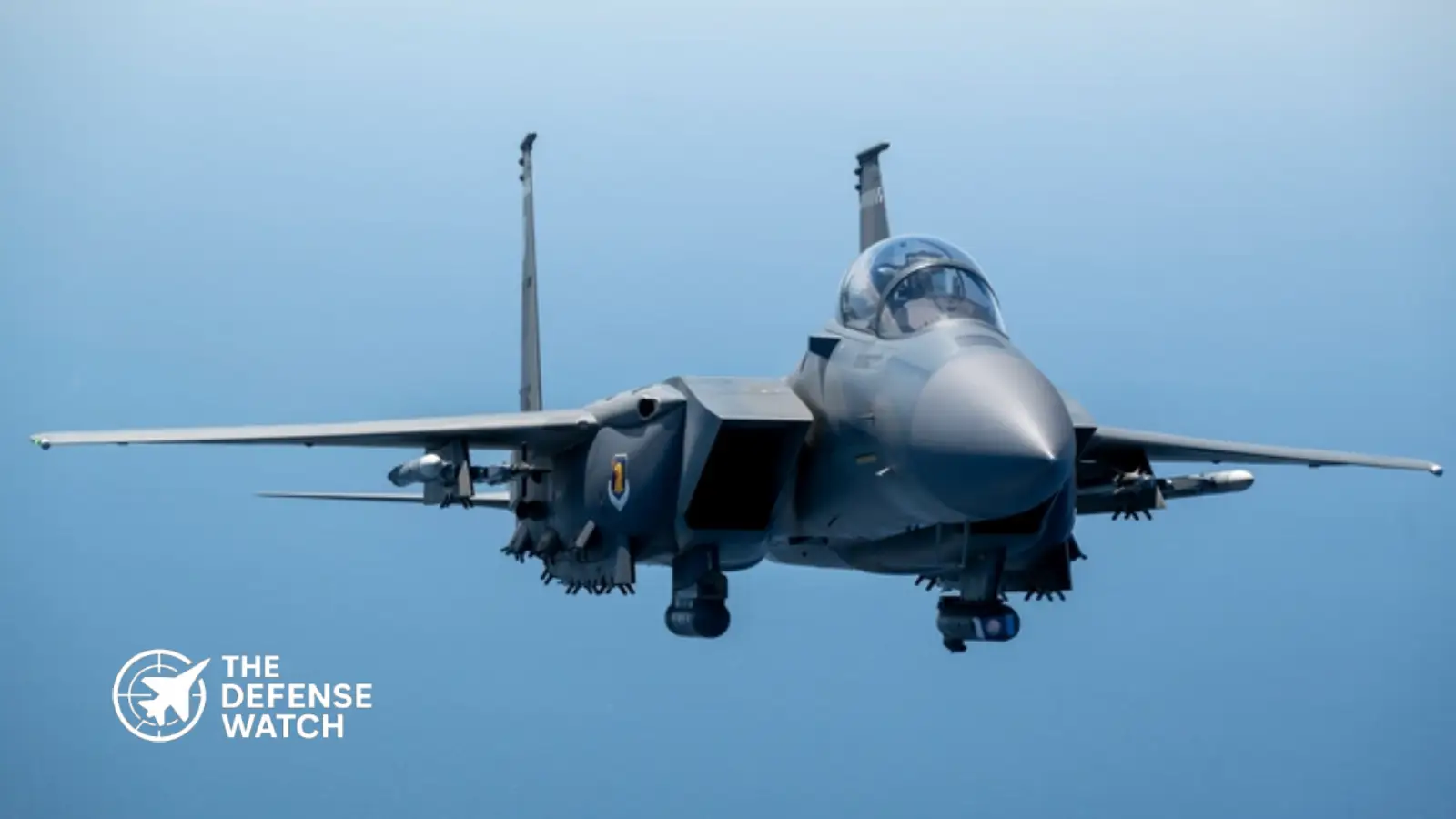
The F-15EX Eagle II fighter program is gaining renewed momentum as Pentagon planners seek emergency procurement measures to replace the aging F-15C/D fleet operated by the U.S. Air Force and Air National Guard.
The proposed U.S. defense budget framework includes plans for additional F-15EX acquisitions to address growing operational pressure on legacy aircraft that have remained in service for decades.
The move reflects a broader effort by the Department of the Air Force to sustain combat readiness while balancing delays and production constraints affecting fifth-generation fighter programs. The F-15EX Eagle II is expected to play a critical role in maintaining air superiority, homeland defense missions, and long-range strike capabilities during the transition period.
Why The U.S. Air Force Needs The F-15EX Eagle II
Many of the remaining F-15C/D aircraft entered service during the Cold War era and have accumulated significant structural fatigue. Air Force officials have repeatedly warned that sustaining the older fleet is becoming increasingly costly and operationally risky.
The F-15EX Eagle II offers several advantages over legacy platforms. Built by Boeing, the aircraft combines the proven F-15 airframe with modern avionics, electronic warfare systems, advanced radar technology, and expanded weapons capacity.
Unlike stealth-focused fighter programs, the F-15EX is designed to carry large payloads, including hypersonic weapons, long-range air-to-air missiles, and stand-off strike systems. Defense planners view the platform as a high-capacity force multiplier capable of supporting both Indo-Pacific and European operational requirements.
The aircraft also provides logistical advantages because many Air National Guard units already operate F-15 infrastructure, maintenance systems, and pilot training pipelines. This reduces transition costs compared with introducing entirely new aircraft types.
Budget Pressure And Industrial Base Concerns
The proposed emergency procurement push comes as the Pentagon faces growing concerns about fighter inventory levels. Delays in aircraft deliveries, combined with rising maintenance demands across the tactical aviation fleet, have placed additional pressure on Air Force modernization timelines.
The F-15EX program has also become increasingly important for sustaining the U.S. aerospace industrial base. Boeing’s fighter production line remains a key component of America’s combat aircraft manufacturing capacity at a time of heightened geopolitical competition.
The Air Force originally planned a smaller F-15EX acquisition strategy focused primarily on replacing older F-15C/D aircraft. However, evolving operational requirements and readiness concerns appear to be driving a reassessment of procurement priorities.
Defense analysts note that the aircraft’s relatively fast production timeline and lower integration risk make it attractive during a period when the Pentagon is attempting to modernize rapidly without creating capability gaps.
Homeland Defense And Strategic Readiness
One of the central missions for the F-15EX Eagle II will be homeland air defense. Air National Guard squadrons responsible for protecting U.S. airspace require reliable aircraft capable of rapid interception and sustained operational readiness.
The F-15EX is particularly suited for these missions because of its speed, payload, range, and two-seat operational flexibility. The aircraft’s advanced Active Electronically Scanned Array radar and upgraded mission systems significantly improve tracking and engagement performance against modern threats.
The platform is also expected to complement fifth-generation aircraft such as the Lockheed Martin F-35 Lightning II by operating as a missile carrier and networked combat asset in contested environments.
(adsbygoogle = window.adsbygoogle || []).push({});This approach aligns with emerging U.S. Air Force concepts emphasizing distributed operations, collaborative targeting, and integrated air combat systems.
Strategic Competition Driving Procurement Decisions
The renewed urgency surrounding the F-15EX Eagle II reflects broader geopolitical realities facing the United States and its allies.
The Pentagon continues to prioritize deterrence against near-peer competitors, particularly in the Indo-Pacific region. At the same time, NATO air defense requirements in Europe remain elevated following continued tensions with Russia.
Maintaining sufficient fighter aircraft numbers has become a central concern for U.S. defense planners. While stealth aircraft remain a cornerstone of future airpower strategy, officials increasingly acknowledge that fleet size, weapons capacity, and operational availability are equally important in sustaining long-term combat readiness.
The F-15EX Eagle II is therefore emerging not as a replacement for stealth fighters, but as a complementary platform designed to expand overall force capacity and reduce strain on more specialized aircraft.
Program Outlook
The exact number of additional aircraft that could be included in future budget requests remains unclear. Congressional negotiations and final Pentagon appropriations will ultimately determine the scale and pace of procurement.
Still, the latest budget discussions indicate growing institutional support for accelerating F-15EX production as the Air Force confronts mounting readiness pressures across its tactical aviation inventory.
(adsbygoogle = window.adsbygoogle || []).push({});For Boeing, expanded procurement would provide an important boost to fighter manufacturing operations and reinforce the company’s role in next-generation U.S. airpower modernization efforts.
For the Air Force, the aircraft represents a practical and relatively low-risk solution for replacing aging fighters while maintaining operational flexibility during a critical modernization period.
The arrival of the first E-7 Wedgetail in Scotland signals a critical transition for the Royal Air Force’s airborne early warning and battle management capability.
Executive Summary:
The Royal Air Force’s first E-7 Wedgetail AEW1 aircraft, designated WT001, has landed at RAF Lossiemouth in Scotland. The milestone advances the UK’s transition toward a modern airborne early warning and battle management capability, replacing the retired E-3D Sentry fleet and strengthening NATO air surveillance operations.
RAF E-7 Wedgetail WT001 Arrives At RAF Lossiemouth
The RAF E-7 Wedgetail program reached a major milestone after the first aircraft, WT001, landed at RAF Lossiemouth in Scotland. The aircraft’s arrival marks the beginning of operational integration for the United Kingdom’s next generation airborne early warning and control capability.
The aircraft completed its transfer following extensive modification and testing work. The E-7 Wedgetail AEW1 is based on the Boeing 737 Next Generation airframe and incorporates Northrop Grumman’s Multi-role Electronically Scanned Array (MESA) radar system.
The RAF E-7 Wedgetail fleet is intended to replace the UK’s retired E-3D Sentry airborne warning aircraft, which had served as Britain’s primary airborne surveillance platform for decades.
Why The E-7 Wedgetail Matters To The RAF
The arrival of the RAF E-7 Wedgetail comes at a time when NATO members are increasing investments in airborne command, surveillance, and electronic warfare capabilities amid heightened security tensions in Europe.
Unlike older mechanically scanned radar systems, the Wedgetail’s electronically scanned radar enables simultaneous airborne and maritime tracking across large operational areas. The platform is designed to provide long-range detection of hostile aircraft, missiles, and surface threats while coordinating friendly forces during complex operations.
The RAF E-7 Wedgetail also strengthens interoperability with allied forces already operating the aircraft, including Australia, South Korea, and Turkey. NATO has increasingly emphasized shared surveillance and command capabilities to support integrated air and missile defense missions across Europe.
From an operational perspective, the platform fills a critical capability gap left after the retirement of the E-3D Sentry fleet in 2021. That retirement created a temporary reduction in sovereign UK airborne early warning coverage, increasing reliance on allied NATO assets.
The RAF E-7 Wedgetail program therefore represents more than a fleet replacement. It is part of a broader British effort to modernize command-and-control infrastructure while supporting high-tempo multinational operations.
RAF Lossiemouth’s Growing Strategic Role
The arrival of WT001 further reinforces the strategic importance of RAF Lossiemouth as one of the UK’s primary airpower hubs.
RAF Lossiemouth already hosts frontline combat aircraft including the Eurofighter Typhoon as well as the RAF’s P-8A Poseidon maritime patrol fleet. The addition of the E-7 Wedgetail expands the base’s role in intelligence, surveillance, reconnaissance, and air defense operations.
The location is strategically positioned to support North Atlantic and northern European operations, areas that have gained increasing attention following expanded Russian military activity in the region.
The concentration of maritime patrol aircraft, fighters, and airborne surveillance systems at Lossiemouth creates a more integrated operational environment for NATO missions involving anti-submarine warfare, air policing, and strategic monitoring.
Program Challenges And Fleet Questions
Despite the milestone, the RAF E-7 Wedgetail program has faced scrutiny over fleet size and procurement decisions.
The UK originally planned to acquire five aircraft before reducing the total to three as part of defense budget adjustments. Analysts have questioned whether a three-aircraft fleet can consistently maintain operational availability during maintenance cycles and high operational demand periods.
That debate remains active as NATO countries expand surveillance operations along Europe’s eastern flank and Arctic approaches.
Still, defense officials argue the E-7 Wedgetail provides a significant leap in capability compared to the retired E-3D fleet. The aircraft offers improved sensor performance, greater reliability, lower maintenance demands, and enhanced digital battle management systems.
The aircraft is also expected to play a central role in future multi-domain operations, linking air, land, maritime, cyber, and space-based assets into a unified operational network.
NATO Airborne Surveillance Modernization Continues
The RAF E-7 Wedgetail program reflects a wider trend among NATO and allied air forces toward modern airborne early warning platforms capable of managing increasingly contested battlespaces.
Modern conflicts have highlighted the importance of persistent airborne surveillance, long-range tracking, and integrated command-and-control systems. Airborne early warning aircraft remain essential for detecting low-flying threats, coordinating intercept missions, and supporting missile defense operations.
As geopolitical competition intensifies, platforms like the E-7 Wedgetail are becoming central to alliance-wide deterrence and rapid response strategies.
The arrival of WT001 at RAF Lossiemouth therefore represents both a national milestone for the UK and a broader signal of NATO’s continuing investment in advanced airborne surveillance infrastructure.
Executive Summary:
L3Harris Technologies has highlighted its Skyraider II aircraft family as a low-cost solution for intelligence, surveillance, reconnaissance, and precision strike missions. The company says the platform is designed to support persistent operations in contested environments while reducing operational and sustainment costs for U.S. and allied forces.
L3Harris Pushes Skyraider II For Affordable Combat Operations
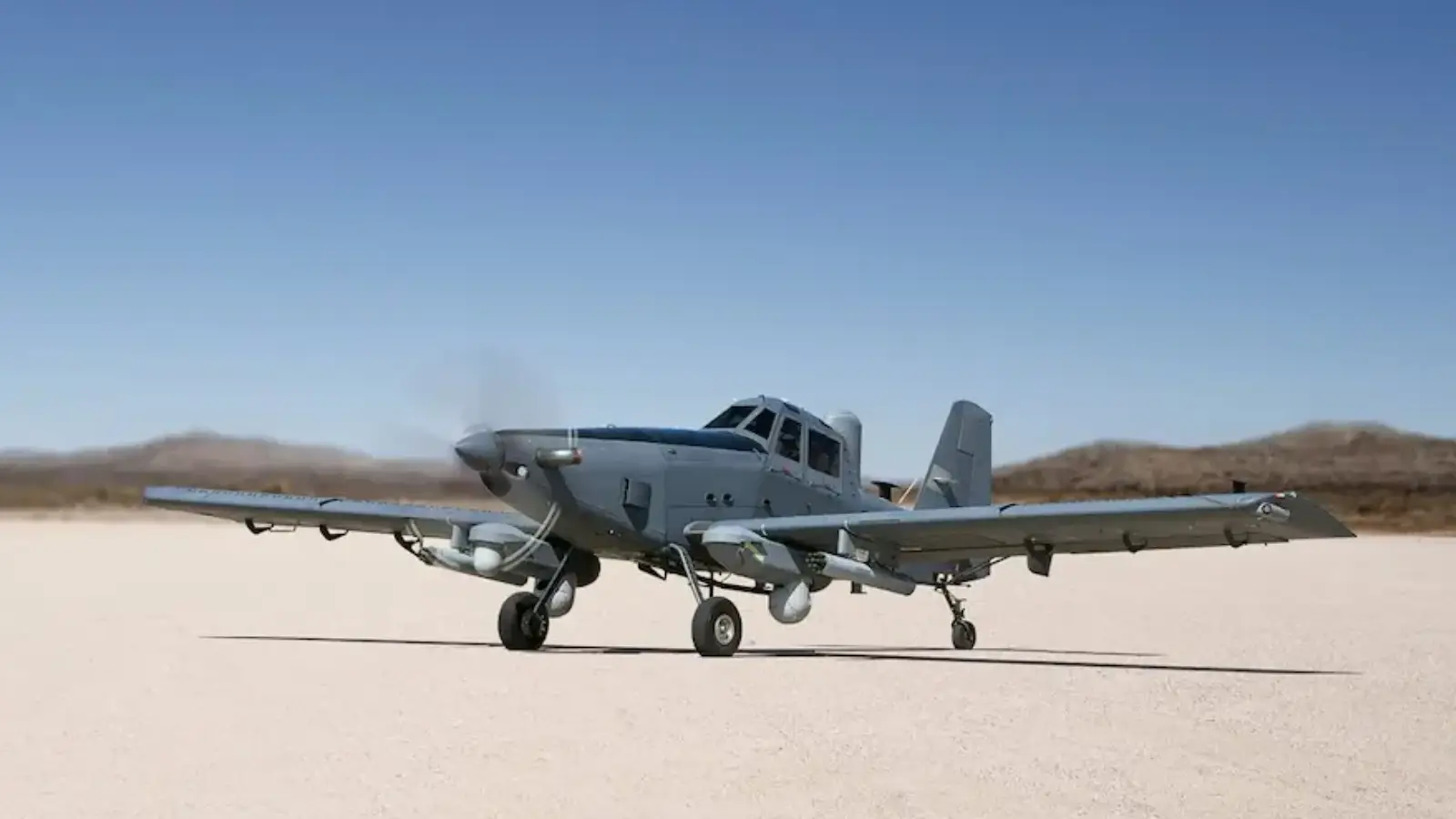
The Skyraider II aircraft family is emerging as a key part of L3Harris Technologies strategy to provide affordable airborne ISR and strike capabilities for modern military operations. According to the company, the platform is intended to deliver persistent surveillance, close air support, and precision strike capabilities while operating at significantly lower cost than advanced fighter aircraft.
The aircraft was highlighted during the Special Operations Forces Week conference, where L3Harris emphasized the growing demand for flexible and survivable platforms capable of operating in distributed and contested environments.
The Skyraider II name references the legacy Douglas A 1 Skyraider, a combat aircraft widely used by the United States during the Korean and Vietnam wars. The modern version, however, integrates advanced sensors, mission systems, and digital connectivity tailored for current operational requirements.
According to L3Harris, the aircraft is designed for long endurance missions and can support both crewed and autonomous operations depending on mission needs. The company also stressed the platform’s ability to integrate into joint all-domain command and control architectures.
Designed For ISR And Precision Strike Missions
The Skyraider II aircraft family is primarily aimed at intelligence, surveillance, and reconnaissance missions while retaining precision strike capability. L3Harris says the aircraft can carry a range of mission payloads, including electro-optical and infrared sensors, communications suites, and guided munitions.
The company argues that many current operational environments do not require expensive fifth-generation fighter aircraft for every mission set. Instead, lower-cost aircraft with extended endurance can provide persistent coverage over large operational areas while reducing logistical demands.
That approach reflects a broader trend within the U.S. defense sector toward “affordable mass,” where military planners seek to balance high-end capabilities with lower-cost systems that can be deployed in larger numbers.
The Skyraider II aircraft is also positioned as a potential solution for special operations missions. Its endurance and lower operating cost could make it suitable for border security, counterinsurgency operations, maritime surveillance, and irregular warfare environments.
Focus On Operational Flexibility
L3Harris highlighted modularity as a central feature of the Skyraider II aircraft family. The company says the platform can be configured for different mission profiles using interchangeable payloads and open systems architecture.
This flexibility is increasingly important as military operators seek platforms that can rapidly adapt to evolving threats. Open architecture systems also allow faster integration of new sensors, communications equipment, and weapons without requiring major redesigns.
Another major focus is survivability. While the aircraft is not intended to replace stealth fighters in heavily defended airspace, L3Harris says it is designed to operate effectively in medium-threat environments with enhanced situational awareness and networking capabilities.
The company also emphasized sustainment advantages. Lower maintenance requirements and reduced fuel consumption could provide long-term cost savings for operators compared with more advanced tactical aircraft.
Market Demand For Low-Cost Airpower Continues To Grow
The renewed focus on light attack and ISR aircraft comes as several nations reassess force structure requirements amid rising defense budgets and expanding operational commitments.
Over the past decade, militaries have increasingly examined whether every surveillance or strike mission requires the use of expensive fast jets. Persistent ISR coverage, particularly in remote regions, often depends more on endurance and affordability than speed or stealth.
That operational reality has driven interest in aircraft capable of remaining airborne for extended periods while carrying modern ISR payloads and precision-guided weapons.
The Skyraider II aircraft enters a competitive market that includes other light attack and ISR platforms designed for expeditionary and special operations missions. However, L3Harris appears to be positioning the aircraft around affordability, modularity, and integration with modern command-and-control systems.
The platform also reflects the growing overlap between crewed aircraft and autonomous mission technologies. Defense companies are increasingly designing aircraft that can support varying levels of autonomy to reduce pilot workload and improve operational flexibility.
Strategic Implications For U.S. And Allied Forces
The emphasis on affordable ISR and strike platforms aligns with broader Pentagon discussions surrounding distributed operations and force resilience. Military planners are increasingly focused on maintaining operational tempo while controlling sustainment costs.
Aircraft such as the Skyraider II could provide additional flexibility for missions that do not require advanced stealth platforms but still demand persistent surveillance and precision engagement capability.
For allied nations with limited defense budgets, lower-cost ISR and strike aircraft may also offer a practical pathway to expanding airpower capabilities without investing in expensive high-end fighter fleets.
L3Harris has not disclosed detailed procurement timelines or potential customer agreements linked to the Skyraider II program. However, the company’s decision to publicly promote the aircraft family signals confidence in future demand for affordable airborne ISR and strike systems.
Executive Summary:
South Korea has introduced a new Sikorsky S-92A helicopter for presidential transport missions, reinforcing the country’s executive air mobility and security infrastructure. The acquisition reflects Seoul’s broader effort to modernize strategic government aviation assets while ensuring reliable continuity-of-government operations.
South Korea Strengthens Presidential Air Mobility With Sikorsky S-92A
South Korea has expanded its executive transport fleet with the introduction of a new Sikorsky S-92A presidential helicopter, a move aimed at enhancing secure government mobility and modernizing national leadership transport capabilities.
The helicopter will support presidential transport and high-priority government missions. The addition comes as regional security conditions in East Asia continue to drive investments in command mobility, continuity-of-government infrastructure, and secure transportation platforms.
The Sikorsky S-92A, produced by Lockheed Martin subsidiary Sikorsky, is widely used for VIP transport, offshore operations, and search-and-rescue missions worldwide. The platform has gained a reputation for long-range reliability, operational flexibility, and high survivability standards.
Presidential Helicopter Modernization Reflects Broader Strategic Priorities
The South Korea presidential helicopter fleet plays a critical role beyond ceremonial transport. These aircraft are central to national command mobility during emergencies, crisis response, and wartime continuity planning.
The new Sikorsky S-92A helicopter reportedly replaces or supplements older rotary-wing assets used by South Korean leadership. The modernization effort aligns with broader defense reforms designed to improve readiness and operational resilience across multiple domains.
South Korea faces an increasingly complex regional security environment shaped by North Korean missile activity, growing Chinese military reach, and intensifying competition in the Indo-Pacific. In that context, protected executive air mobility is becoming more strategically important.
Unlike conventional transport helicopters, presidential aircraft require specialized communications systems, defensive countermeasures, secure navigation architecture, and enhanced redundancy features. These upgrades ensure uninterrupted command connectivity during crises.
The South Korea presidential helicopter modernization program also demonstrates Seoul’s continued reliance on proven Western aerospace platforms for sensitive national security missions.
Sikorsky S-92A Offers Long-Range VIP Transport Capability
The Sikorsky S-92A is a twin-engine medium-lift helicopter designed for both civilian and government applications. The aircraft can carry up to 19 passengers and is powered by General Electric CT7 turboshaft engines.
The helicopter incorporates advanced fly-by-wire-assisted flight controls, composite rotor blades, crashworthy seating, and integrated avionics systems. These features improve operational safety while supporting all-weather missions.
For presidential transport duties, the platform can be configured with secure communications suites, mission management systems, and customized interiors tailored for executive use.
The S-92 family has been selected by several governments and heads of state for VIP transport missions due to its combination of range, cabin space, and reliability. The platform is also used for military support missions and maritime operations in multiple countries.
South Korea’s decision to use the Sikorsky S-92A helicopter highlights the continued relevance of medium-lift rotary-wing aircraft in high-level government transport operations, particularly in regions where rapid movement between urban centers and military facilities is essential.
Regional Security Conditions Continue To Influence Defense Aviation Procurement
The acquisition also reflects broader trends in Asia-Pacific defense aviation modernization. Governments across the region are investing in survivable transport aircraft, airborne command platforms, and strategic mobility systems.
South Korea has accelerated several military modernization initiatives in recent years, including fighter aircraft development, missile defense improvements, naval expansion, and airborne surveillance upgrades.
Executive transport platforms are increasingly viewed as part of national resilience planning rather than purely ceremonial assets. In a high-threat environment, leadership mobility can directly affect command continuity and crisis management effectiveness.
The South Korea presidential helicopter program therefore carries operational and symbolic significance. It signals sustained investment in state security infrastructure while reinforcing interoperability with Western aerospace technologies and support networks.
Sikorsky Maintains Strong Position In Government Helicopter Market
The S-92 platform remains one of Sikorsky’s most recognizable international helicopter programs. Although competition in the medium-lift segment has intensified with European and Asian manufacturers offering alternative designs, the S-92 continues to attract government and specialized mission customers.
Sikorsky has emphasized lifecycle support, safety improvements, and mission adaptability as key strengths of the helicopter. The aircraft’s established global support network also remains an important advantage for state operators seeking long-term sustainment reliability.
For South Korea, adopting a globally supported platform helps reduce logistical uncertainty while maintaining access to established maintenance and training infrastructure.
The latest South Korea presidential helicopter acquisition underscores how strategic transport aviation remains closely tied to national security planning in the Indo-Pacific region.
Executive Summary:
SpaceX has publicly unveiled its long-anticipated IPO filing, positioning the company for what could become the largest public offering in history. The filing outlines aggressive Starship expansion plans, continued investment in reusable launch systems, and Elon Musk’s long-term Mars strategy as the company targets a Nasdaq listing in June 2026.
SpaceX IPO Filing Signals Major Shift In Commercial Space Industry
The SpaceX IPO filing marks a major turning point for the global aerospace sector, bringing the world’s most valuable private space company closer to public markets while highlighting the growing strategic importance of reusable launch systems, satellite infrastructure, and commercial space dominance.
According to Reuters and multiple financial reports, Elon Musk’s company is preparing for a Nasdaq listing under the ticker symbol “SPCX,” potentially valuing the firm at up to $1.75 trillion.
The public filing provides one of the clearest looks yet at SpaceX’s operational scale, financial structure, and long-term strategic goals. The company continues to position Starship as the centerpiece of future lunar, Mars, and high-volume satellite missions.
Unlike previous private fundraising rounds, the IPO filing exposes investors and analysts to detailed financial disclosures tied to launch operations, Starlink growth, artificial intelligence infrastructure projects, and heavy investment in next-generation spacecraft.
Starship Remains Central To SpaceX Strategy
A key takeaway from the SpaceX IPO filing is the company’s continued emphasis on Starship and full rocket reusability.
Reuters previously reported that SpaceX has invested more than $15 billion into Starship development as it attempts to create an airline-like launch cadence capable of supporting thousands of launches annually.
The filing also arrives as SpaceX prepares additional Starship test flights from its Starbase facility in Texas. Recent reports indicate the company is introducing upgraded “Version 3” Starship and Super Heavy systems designed to improve payload capacity, rapid turnaround capability, and operational reliability.
From a defense and strategic standpoint, Starship’s significance extends beyond commercial launch operations.
The platform is expected to support future military logistics concepts, large-scale satellite deployment, deep-space missions, and potentially rapid global cargo transport. U.S. defense agencies have increasingly shown interest in heavy reusable launch systems capable of supporting resilient space architectures and rapid orbital replenishment.
The company’s expanding Starlink constellation also continues to reinforce SpaceX’s role in strategic communications infrastructure, especially after satellite internet services demonstrated operational value during recent global conflicts and disaster response operations.
IPO Filing Highlights Governance And Investor Concerns
The filing also revealed governance structures designed to preserve Elon Musk’s control after the IPO.
Reuters reported that Musk and a small group of insiders are expected to retain voting control through super-voting shares, limiting the influence of outside shareholders after the public offering.
Several investor groups and pension organizations have already called for increased regulatory scrutiny of the offering due to its scale and governance framework.
The company’s prospectus also reportedly outlines risks tied to unproven technologies, including orbital AI data centers and long-term plans for lunar and Mars settlements.
Those disclosures are typical for major IPO filings, but they also highlight the scale of SpaceX’s ambitions and the financial risks associated with next-generation space infrastructure projects.
Financial Scale Underscores SpaceX Market Dominance
The SpaceX IPO filing underscores how dramatically the company has reshaped the commercial launch industry over the past two decades.
Reports tied to the filing indicate that SpaceX generated approximately $18.7 billion in revenue during 2025, although major investments tied to AI and infrastructure expansion reportedly contributed to significant losses.
Despite those costs, SpaceX remains the world’s dominant launch provider, supported by Falcon 9 operations, Starlink deployments, and continued NASA partnerships.
The company’s vertically integrated structure, reusable launch systems, and rapid launch tempo continue to separate it from traditional aerospace competitors.
The IPO may also reshape investment flows across the wider space economy, potentially affecting launch providers, satellite manufacturers, defense contractors, and emerging commercial space firms.
Strategic Implications For U.S. Space Leadership
The timing of the IPO is strategically significant.
The United States is facing increasing competition in space from both China and Russia, while commercial companies are playing a larger role in national security missions, satellite resilience, and launch capacity.
SpaceX’s scale gives it unusual influence across multiple sectors simultaneously, including civil spaceflight, military launch services, communications infrastructure, and future deep-space logistics.
The company’s growing launch cadence and Starship ambitions align closely with broader U.S. efforts to expand cislunar operations, strengthen space-based communications networks, and maintain long-term technological leadership in orbit.
If completed on the expected timeline, the IPO could become one of the defining events in the modern aerospace industry, reflecting how commercial space companies have evolved into strategic national assets.
Executive Summary:
Germany’s TKMS and Isar Aerospace have announced a partnership to develop new offshore launch infrastructure aimed at supporting Canada’s national space ambitions. The cooperation combines maritime engineering and commercial launch expertise as Ottawa seeks more independent access to space for defense, scientific, and commercial missions.
The partnership between thyssenkrupp Marine Systems and Isar Aerospace marks a notable step in expanding Canada space launch infrastructure through maritime-based launch systems designed for sovereign orbital access.
The agreement brings together TKMS’ naval engineering expertise and Isar Aerospace’s commercial rocket launch capabilities to explore offshore launch infrastructure that could support Canada’s future civil and defense space operations. The initiative reflects growing international interest in resilient launch options as governments seek independent and secure access to space assets.
According to the companies, the project focuses on combining maritime platforms with orbital launch systems capable of operating from offshore environments. The cooperation was announced amid increasing strategic competition in the global space sector and rising demand for sovereign launch capabilities among NATO-aligned nations.
Offshore Launch Infrastructure Gains Strategic Importance
The Canada space launch infrastructure initiative highlights how governments are increasingly viewing space access as part of national security planning rather than purely commercial activity.
Offshore launch systems offer several operational advantages compared to traditional fixed launch sites. Maritime launch platforms can provide flexible launch positioning, improved safety corridors over open water, and potentially reduced environmental and population risks. They can also enhance resilience by distributing launch operations away from fixed terrestrial facilities that may face operational or geopolitical vulnerabilities.
For Canada, sovereign launch capability has become increasingly relevant as the country expands its satellite programs for communications, Arctic monitoring, surveillance, environmental observation, and defense support missions.
Canada currently relies heavily on foreign launch providers for orbital access. Developing domestic or allied-supported launch infrastructure could reduce strategic dependence while supporting national industrial growth in the aerospace and defense sectors.
The partnership also reflects broader NATO interest in strengthening allied space resilience as orbital assets become more critical to military communications, intelligence gathering, navigation, and missile warning systems.
TKMS Brings Maritime Engineering Expertise
thyssenkrupp Marine Systems is best known for naval shipbuilding, submarine production, and maritime defense systems. The company has extensive experience designing complex offshore and naval platforms capable of operating in demanding environments.
That engineering background could prove important in adapting maritime structures for rocket launch support missions. Offshore launch operations require stabilization systems, fuel handling infrastructure, launch safety mechanisms, and command-and-control integration across maritime and aerospace domains.
The move also demonstrates how traditional defense industrial firms are increasingly diversifying into adjacent strategic sectors, including space support infrastructure and dual-use technologies.
For TKMS, the partnership potentially expands its role beyond naval defense into emerging maritime space infrastructure markets.
Isar Aerospace Expands European Commercial Launch Reach
Isar Aerospace has emerged as one of Europe’s leading private launch companies focused on small and medium satellite deployment.
The company is developing the Spectrum launch vehicle, designed to provide flexible and cost-effective satellite launch services for commercial and government customers. Isar Aerospace has positioned itself as part of Europe’s broader effort to strengthen independent launch capacity amid rising competition from U.S., Chinese, and other international providers.
The Canada-related infrastructure cooperation could provide Isar Aerospace with additional operational flexibility and future launch options outside Europe.
Commercial launch firms are increasingly seeking geographically diverse launch sites to support different orbital inclinations, improve scheduling flexibility, and expand customer access.
Canada’s Growing Interest In Space Sovereignty
The proposed Canada space launch infrastructure cooperation aligns with broader Canadian efforts to strengthen domestic aerospace and defense capabilities.
Canada has steadily expanded investments in satellite communications, Earth observation systems, Arctic domain awareness, and defense modernization programs linked to space-enabled technologies.
The country’s Arctic geography also creates strategic incentives for improved space-based surveillance and communications coverage in northern regions where terrestrial infrastructure remains limited.
A sovereign or allied-supported launch capability could support Canadian government requirements while potentially creating commercial opportunities within the global small satellite market.
The project also reflects how middle powers are reassessing strategic dependencies in critical technology sectors, including launch access, semiconductors, cyber infrastructure, and advanced communications systems.
Maritime Launch Systems Reflect Broader Industry Trends
The TKMS and Isar Aerospace cooperation comes as offshore launch concepts regain attention within the global space sector.
Sea-based launch operations are viewed by some industry planners as a way to increase launch flexibility while reducing constraints associated with crowded terrestrial launch facilities. Maritime platforms may also help nations without extensive launch territory establish orbital access capabilities.
Several countries and private companies have explored maritime launch concepts over the past two decades, though operational and economic challenges remain significant.
Still, rising demand for satellite deployment, military space assets, and responsive launch services continues to drive interest in alternative launch architectures.
For NATO-aligned countries, resilient and distributed launch infrastructure may become increasingly important as space becomes more contested and strategically vital.
Strategic Implications For Allied Space Cooperation
The partnership between TKMS and Isar Aerospace also highlights growing European industrial collaboration in strategic aerospace and defense sectors.
As governments prioritize secure access to orbital infrastructure, cooperation between defense contractors, maritime engineering firms, and private launch providers is expected to increase.
Canada’s participation in allied space initiatives could strengthen interoperability with NATO partners while supporting domestic technological development.
The project remains at an early stage, and the companies have not publicly disclosed timelines, financial details, or specific deployment locations. However, the announcement underscores the accelerating convergence of maritime engineering, commercial space launch systems, and defense infrastructure planning.
Executive Summary:
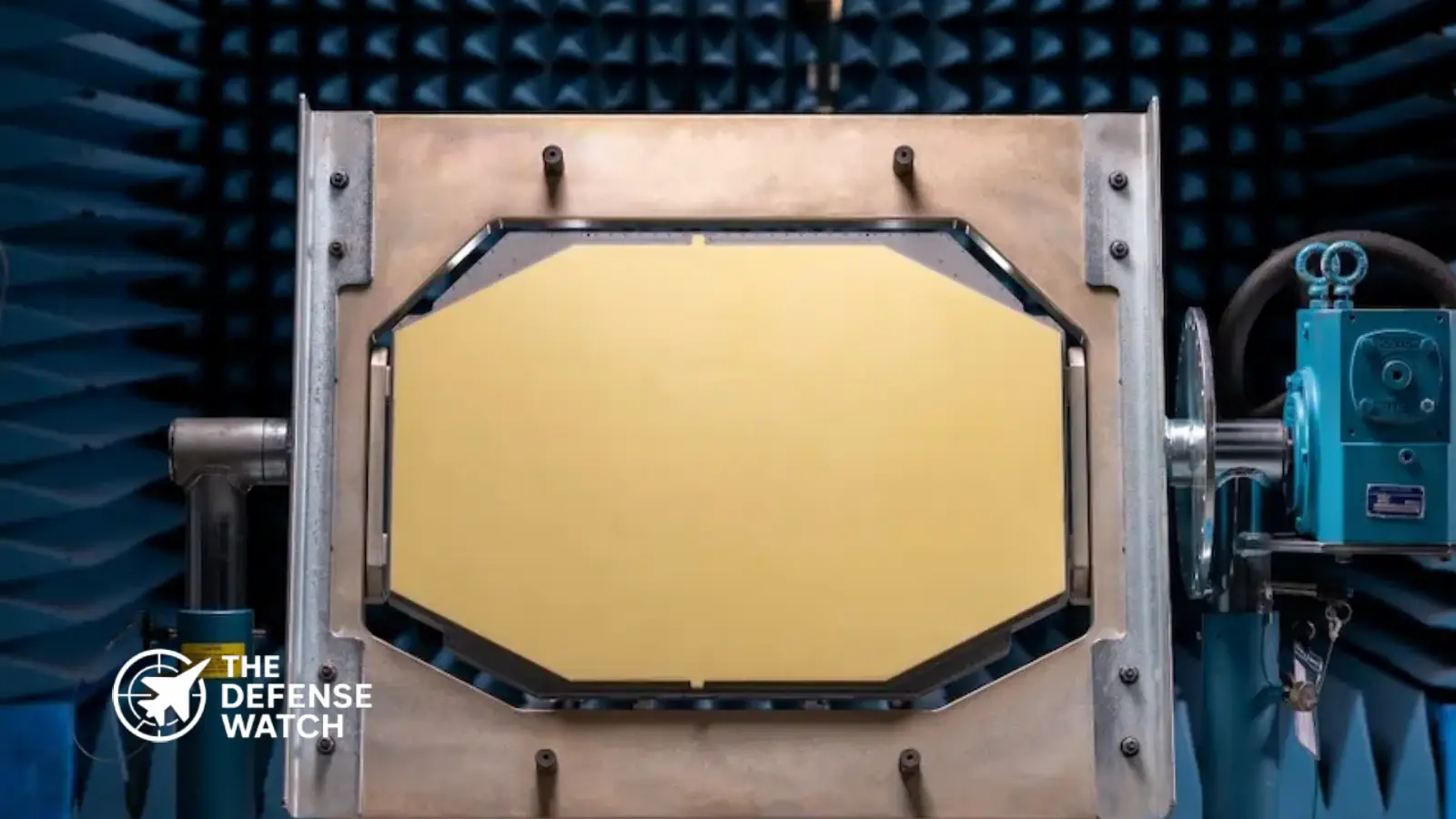
Northrop Grumman has delivered its 1,000th APG-83 SABR AESA radar system for fourth-generation combat aircraft modernization programs. The milestone underscores accelerating global demand for advanced radar upgrades that extend the operational relevance of legacy fighter fleets such as the F-16.
Northrop Grumman Reaches Major SABR AESA Radar Production Milestone
Northrop Grumman has delivered its 1,000th AN/APG-83 Scalable Agile Beam Radar (SABR), marking a significant production milestone for one of the most widely adopted active electronically scanned array (AESA) radar upgrades for fourth-generation combat aircraft.
The company announced the delivery as global air forces continue investing in fighter modernization programs rather than replacing entire fleets with fifth-generation aircraft. The APG-83 SABR radar is primarily associated with the F-16 Fighting Falcon, though its scalable architecture supports integration across multiple aircraft platforms.
According to Northrop Grumman, the radar incorporates technologies derived from advanced fifth-generation fighter systems used on aircraft such as the Lockheed Martin F-35 Lightning II and Lockheed Martin F-22 Raptor. The company says the system is designed to improve detection range, targeting precision, situational awareness, and electronic protection capabilities for legacy fighter aircraft.
Why The SABR Radar Matters
The APG-83 SABR represents a broader trend in military aviation, where air forces are extending the service life of existing combat aircraft through sensor and avionics modernization rather than relying solely on new aircraft procurement.
AESA radars are increasingly considered essential for modern air combat because they provide faster target tracking, improved resistance to jamming, simultaneous air-to-air and air-to-ground operations, and enhanced survivability in contested environments.
Northrop Grumman states that SABR combines several operational functions into a single system, including ground mapping, moving target indication, electronic signal detection, and multi-target tracking. The radar also supports software-driven capability upgrades without requiring major hardware modifications.
That flexibility is strategically important for operators managing large fleets of aging aircraft under budget constraints. Modern radar upgrades can significantly improve combat capability while avoiding the higher costs and longer timelines associated with acquiring new stealth fighters.
F-16 Modernization Remains A Global Priority
The SABR radar has become central to numerous F-16 modernization programs worldwide. Northrop Grumman describes the APG-83 as the baseline radar for the F-16 Block 70 and F-16V upgrade configuration.
The F-16 remains one of the world’s most widely operated fighter aircraft, serving with dozens of air forces across Europe, the Middle East, and Asia. Many operators are now upgrading aircraft with AESA radars, electronic warfare suites, and advanced mission systems to maintain operational effectiveness against newer threats.
Northrop Grumman has also emphasized interoperability between SABR and the company’s Integrated Viper Electronic Warfare Suite (IVEWS), allowing aircraft to conduct simultaneous detection and protection missions.
The pairing reflects a broader shift toward integrated electronic warfare and sensor fusion capabilities previously associated mainly with fifth-generation platforms.
Production Scale Signals Strong International Demand
Delivering 1,000 radar systems demonstrates sustained international demand for fighter modernization technologies, particularly as geopolitical tensions continue driving defense spending increases across NATO, the Indo-Pacific, and the Middle East.
Northrop Grumman says digital engineering and manufacturing methods have helped accelerate radar production while supporting rapid delivery timelines.
The milestone also highlights how legacy fighter aircraft continue to play a major operational role despite growing attention on next-generation combat aviation programs. While stealth aircraft remain critical for high-end operations, many air forces still require upgraded fourth-generation fighters for routine deterrence missions, air policing, strike operations, and regional security tasks.
From an industrial perspective, the SABR program reinforces Northrop Grumman’s long-standing position in airborne radar systems. The company notes it has more than 50 years of radar development experience and has produced fire control radars for multiple U.S. and allied combat aircraft programs.
Strategic Analysis
The 1,000th SABR delivery reflects more than a production achievement. It illustrates how military modernization strategies are evolving in response to rising procurement costs and expanding operational demands.
For many air forces, upgrading existing fighters offers a faster and more affordable path to improved combat capability than waiting for large-scale fifth-generation acquisitions. AESA radar integration, combined with modern electronic warfare systems, can substantially narrow capability gaps between legacy aircraft and newer platforms in several operational areas.
At the same time, the growing adoption of systems like SABR underscores how electronic warfare, sensing, and information dominance are becoming increasingly decisive in modern air combat. Aircraft survivability now depends as much on sensor performance and electronic protection as on aerodynamic performance alone.
As defense planners balance readiness requirements with budget pressures, radar modernization programs are likely to remain a central component of global fighter fleet sustainment strategies through the next decade.
Executive Summary: The U.S. Navy has approved Boeing’s MQ-25A Stingray for low-rate initial production (LRIP) following Milestone C and the aircraft’s successful first flight in April 2026. Acting Secretary of the Navy Hung Cao announced the decision, which paves the way for an LRIP Lot 1 contract for three aircraft this summer. The program aims to deliver organic aerial refueling to carrier air wings, extending reach and preserving the service life of manned fighters.
MQ-25A Stingray Advances Toward Carrier Integration
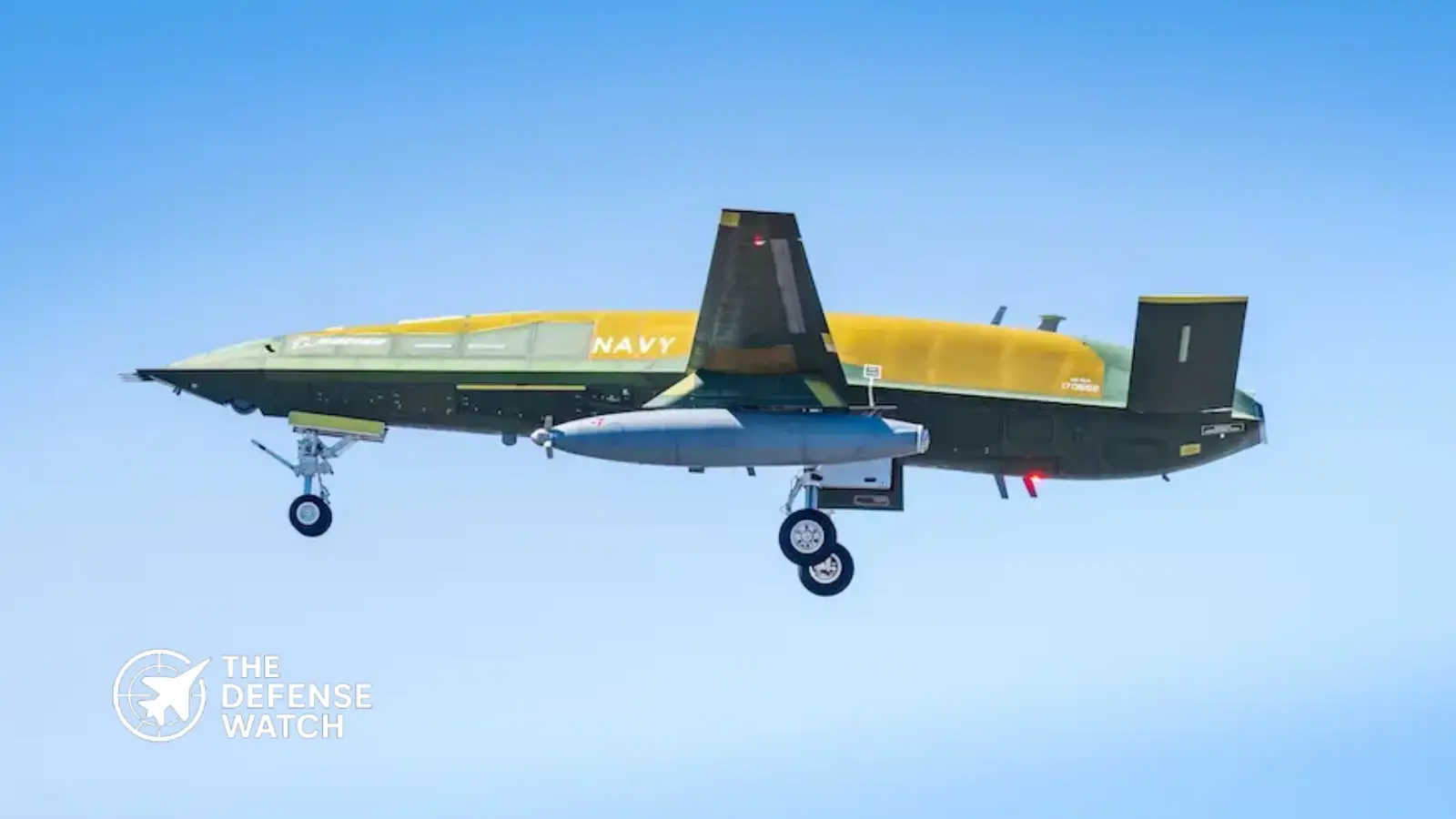
The U.S. Navy has cleared the Boeing MQ-25A Stingray unmanned refueling aircraft for low-rate initial production, marking a significant milestone in the development of carrier-based unmanned aviation.
Acting Secretary of the Navy Hung Cao made the announcement after the aircraft completed its first flight on April 25, 2026, at Boeing’s facility at MidAmerica Airport in Mascoutah, Illinois. The two-hour flight demonstrated autonomous taxi, takeoff, flight, and landing capabilities under the Unmanned Carrier Aviation Mission Control System.
An LRIP Lot 1 contract for three aircraft is expected to be awarded this summer, with priced options for Lot 2 (three aircraft) and Lot 3 (five aircraft). This initial batch will support further testing and eventual integration into carrier air wings.
Program Background and Strategic Importance
The MQ-25A Stingray is the Navy’s first operational carrier-based unmanned aerial vehicle (UAV). Designed primarily as an aerial refueler, it will allow F/A-18E/F Super Hornets and other strike aircraft to focus on combat missions rather than tanking duties. This shift is expected to extend the operational reach of carrier strike groups and help manage the fatigue life of the manned fleet.
Vice Adm. John E. Dougherty IV, Portfolio Acquisition Executive for Aviation, highlighted the aircraft’s role: “MQ-25A will provide persistent aerial refueling and unlock greater capacity across the air wing, ensuring our carrier strike groups remain lethal, flexible, and forward ready.”
Capt. Daniel Fucito, Unmanned Carrier Aviation program manager, added that the aircraft, production line, and program are now ready to advance this capability.
Original Analysis: In an era of great power competition, particularly with peer adversaries possessing advanced anti-access/area denial (A2/AD) capabilities, the MQ-25 addresses a critical shortfall in carrier air wing endurance. By offloading refueling to an unmanned platform, the Navy can generate more combat sorties from a fixed number of deck spots while reducing risk to aircrew during routine but high-tempo tanking missions. This represents a foundational step toward manned-unmanned teaming (MUM-T) on carrier decks, a concept that could evolve with future attritable or loyal wingman systems.
Development Timeline and Challenges
The program has faced delays common to complex unmanned systems. Earlier test assets flew in 2019, but the first operational engineering development model (EDM) aircraft required extensive ground testing, structural validation, and software certification before its 2026 maiden flight. Production has been established at Boeing’s new 300,000-square-foot facility in Mascoutah.
The Navy plans additional test flights with the initial EDM aircraft to validate controls and prepare for carrier qualifications. Initial operational capability timelines have shifted in prior years, with current projections supporting broader fleet introduction in the late 2020s.
Technical Capabilities and Future Potential
While primarily an aerial refueler, the MQ-25 platform offers growth potential for intelligence, surveillance, and reconnaissance (ISR) missions. Its carrier-optimized design includes folding wings, robust deck handling characteristics, and integration with existing carrier systems. Low-observable features and autonomous flight controls position it as a stepping stone for more advanced unmanned carrier aircraft.
By enabling manned aircraft to remain focused on high-threat strike profiles, the Stingray directly enhances the lethality and flexibility of U.S. carrier strike groups operating in contested environments.