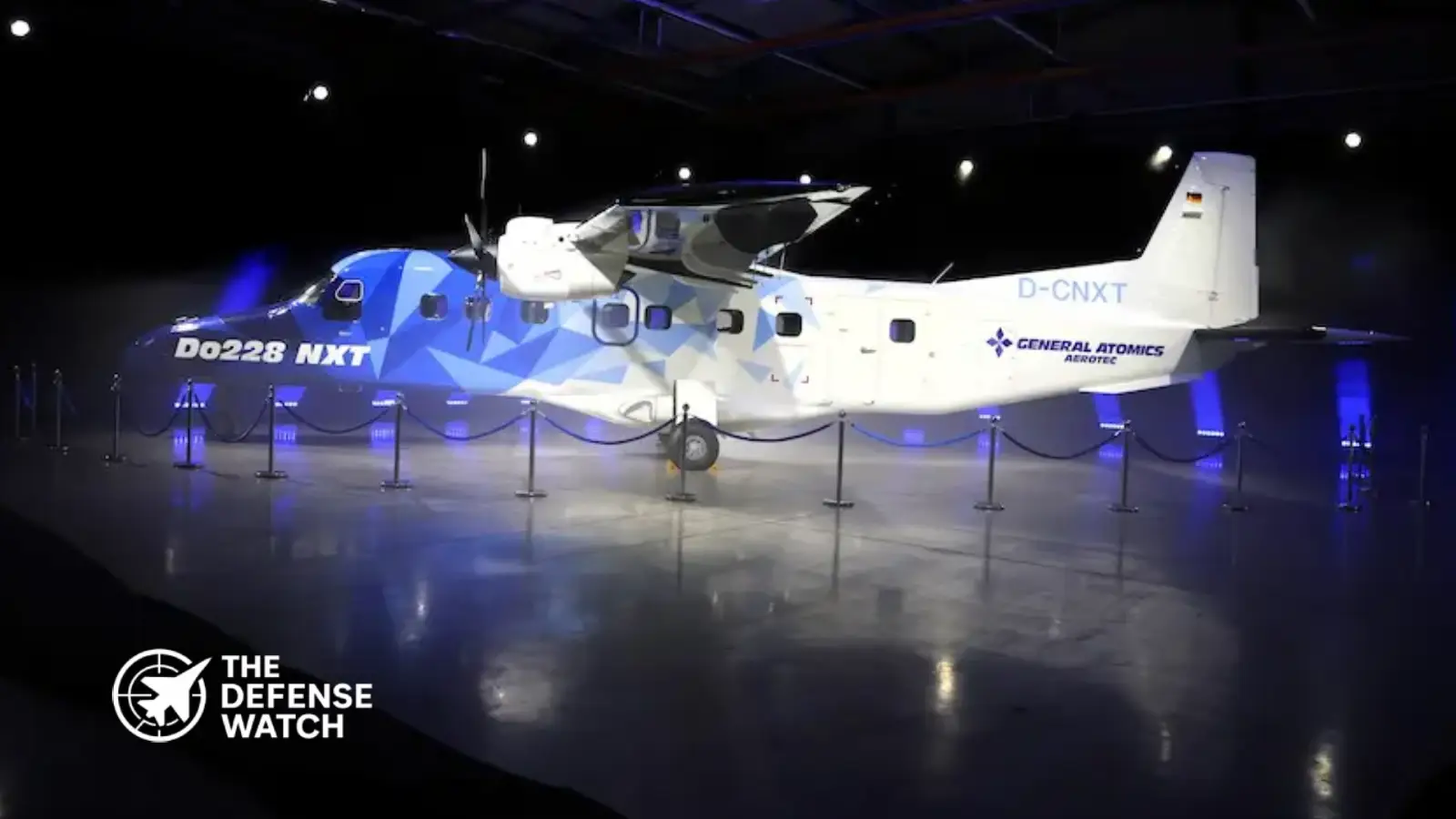
General Atomics AeroTec Systems has announced the first customer for its new Do228 NXT aircraft, marking a major milestone for the program. The launch customer, an unnamed humanitarian organization, will use the aircraft for special mission and relief operations, with delivery scheduled for early 2027. The deal provides an early validation of the platform’s operational flexibility and market potential.
General Atomics Secures First Do228 NXT Customer For Humanitarian Operations
General Atomics AeroTec Systems (GA-ATS) has announced the first customer for its Do228 NXT aircraft, a significant step forward for the German-built multi-role turboprop program. The launch customer is a non-governmental organization (NGO) engaged in humanitarian operations that has requested anonymity due to operational considerations. The aircraft is expected to be delivered in early 2027.
The announcement comes only weeks after the Do228 NXT completed its first flight and days after its official public rollout in Oberpfaffenhofen, Germany. The rapid progression from flight testing to securing a launch customer highlights growing confidence in the aircraft’s capabilities and mission adaptability.
According to GA-ATS, the Do228 NXT will be configured specifically for humanitarian and special mission operations. While the company has not disclosed detailed mission equipment, it stated that the aircraft will incorporate technologies supporting situational awareness, communications, mission coordination, and response operations in demanding environments.
The Do228 NXT builds on the legacy of the Dornier 228, an aircraft with decades of service across passenger transport, cargo logistics, maritime surveillance, medical evacuation, and disaster relief missions. The latest variant introduces upgraded avionics, a modernized cockpit and cabin, enhanced mission systems, and improvements throughout the supply chain aimed at reducing operational costs and increasing reliability.
Powered by two Honeywell TPE331-10 turboprop engines, the aircraft retains the Dornier platform’s well-known short takeoff and landing (STOL) performance, allowing operations from austere airstrips and remote locations where humanitarian organizations frequently operate.
Why The First Customer Matters
Securing a launch customer is often one of the most important milestones for a newly developed aircraft program. For the Do228 NXT, the agreement provides early market validation at a time when governments, humanitarian agencies, and security organizations are seeking versatile aircraft capable of performing multiple missions without requiring large logistical footprints.
Unlike many modern aircraft programs that initially focus on military procurement, the Do228 NXT’s first customer comes from the humanitarian sector. This demonstrates the platform’s flexibility and suggests that operators see value in its ability to transition between disaster response, medical evacuation, surveillance, transport, and logistics missions.
The choice of a humanitarian operator is also notable because such organizations often prioritize operational reliability, low operating costs, and the ability to access remote regions. Those requirements closely align with the aircraft’s STOL design and multi-role mission architecture.
The customer announcement arrives during a period of renewed investment by General Atomics in European aerospace manufacturing. Following the acquisition of the Oberpfaffenhofen facility and the Dornier 228 program in 2021, GA-ATS restarted production and developed the Do228 NXT as a next-generation evolution of the proven platform.
The company has positioned the aircraft for civil, government, military, and special mission operators. Industry observers view the program as an effort to fill a niche between larger transport aircraft and smaller utility platforms, particularly in missions requiring flexibility, endurance, and access to remote operating locations.
Market Outlook
Demand for special mission aircraft continues to grow as governments and humanitarian organizations face increasingly complex disaster response, border security, environmental monitoring, and emergency medical support requirements.
The Do228 NXT enters a market where versatility often outweighs speed or payload capacity. Its ability to support multiple mission sets from a single airframe could make it attractive to operators with limited budgets but diverse operational demands.
With its first customer now secured and deliveries expected to begin in 2027, the Do228 NXT program has moved beyond the demonstration phase and into the commercial execution stage. Future orders from government agencies, humanitarian organizations, and security operators will likely determine how significant a role the aircraft plays in the global special mission aviation market.
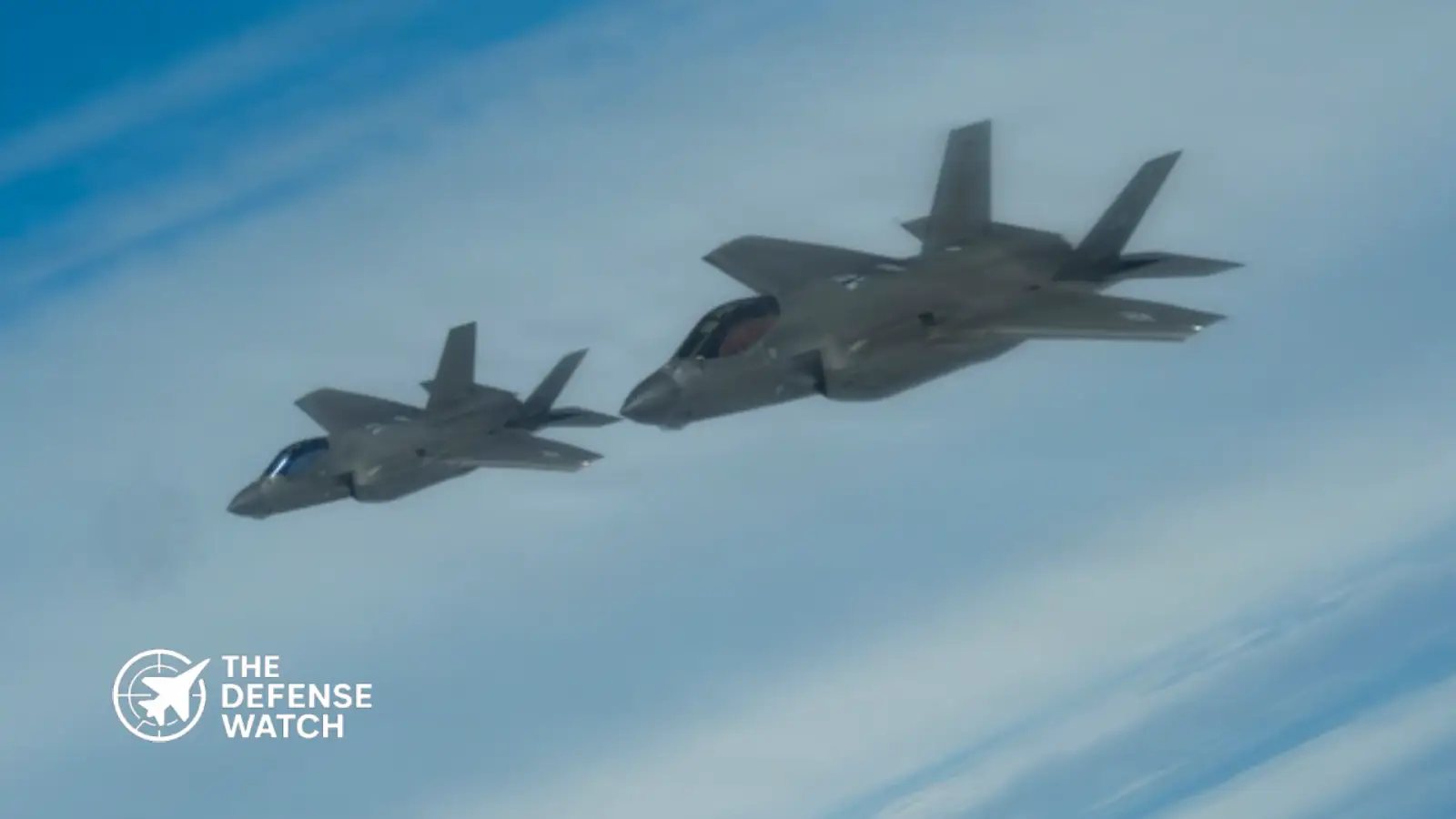
The U.S. Navy has awarded Lockheed Martin a contract for long-lead materials supporting the production of 11 F-35 Lightning II fighter aircraft for an undisclosed foreign customer. The move highlights sustained international demand for the stealth fighter while preserving production timelines ahead of final aircraft procurement.
U.S. Navy Funds F-35 Fighter Production For Unnamed Foreign Customer
The F-35 fighter procurement program received another boost after the U.S. Navy awarded funding for long-lead materials associated with the production of 11 F-35 Lightning II aircraft destined for an undisclosed international customer.
The award enables Lockheed Martin to acquire critical components and materials required well before final aircraft assembly begins. Such long-lead procurement actions are commonly used to maintain production schedules and avoid supply chain delays for advanced military aircraft.
Long-lead procurement contracts are a critical element of modern fighter aircraft manufacturing. Advanced systems such as the F-35 require specialized components, including avionics, radar elements, structural assemblies, propulsion-related parts, and mission systems that often have lengthy manufacturing timelines.
By funding these components early, the U.S. Navy and industry partners can preserve production efficiency while reducing delivery risks once the full aircraft contract enters execution.
The latest award reflects continuing efforts to sustain the global F-35 production pipeline, which supports dozens of partner and customer nations across Europe, the Indo-Pacific, and the Middle East.
F-35 Remains The Backbone Of Allied Airpower Modernization
The F-35 international customers network continues to expand as governments seek advanced stealth, sensor fusion, and network-centric warfare capabilities.
The aircraft is currently operated or ordered by numerous nations, including the United States, the United Kingdom, Italy, the Netherlands, Norway, Denmark, Australia, Japan, South Korea, Belgium, Poland, Finland, Germany, Switzerland, the Czech Republic, Canada, Israel, and Singapore.
The continued growth of the F-35 user community has transformed the aircraft from a national acquisition program into a multinational defense ecosystem. Shared training, logistics, software upgrades, and interoperability have become major factors driving procurement decisions among allied nations.
From a strategic perspective, the platform’s widespread adoption strengthens coalition operations by allowing participating air forces to share data and coordinate missions through common systems and communications architectures.
Maintaining confidentiality during certain stages of foreign military sales is not uncommon, particularly when negotiations, parliamentary approvals, or government-to-government agreements remain in progress.
What is clear is that demand for the aircraft remains strong despite growing competition from emerging fighter programs in Europe and Asia.
The latest U.S. Navy F-35 contract demonstrates continued confidence in the long-term viability of the program. Early procurement funding helps stabilize industrial capacity across the extensive supplier network supporting the fighter’s production.
For Lockheed Martin, sustained international orders are increasingly important as global operators expand fleets and integrate additional aircraft into their force structures. Foreign sales also help distribute production costs across a larger customer base, supporting economies of scale and long-term sustainment efforts.
The contract further underscores the central role of the F-35 in Western airpower modernization strategies. As geopolitical competition intensifies across multiple regions, nations continue to prioritize platforms capable of operating in contested environments while integrating seamlessly with allied forces.
The funding of long-lead materials for 11 additional aircraft indicates that another international F-35 acquisition is moving forward, even if the customer remains undisclosed for now.
As governments continue investing in next-generation combat aviation capabilities, the F-35 remains one of the most sought-after fighter aircraft in production. Future announcements from the U.S. Department of Defense or the purchasing nation are expected to clarify the destination of these aircraft and provide further insight into the evolving global fighter market.
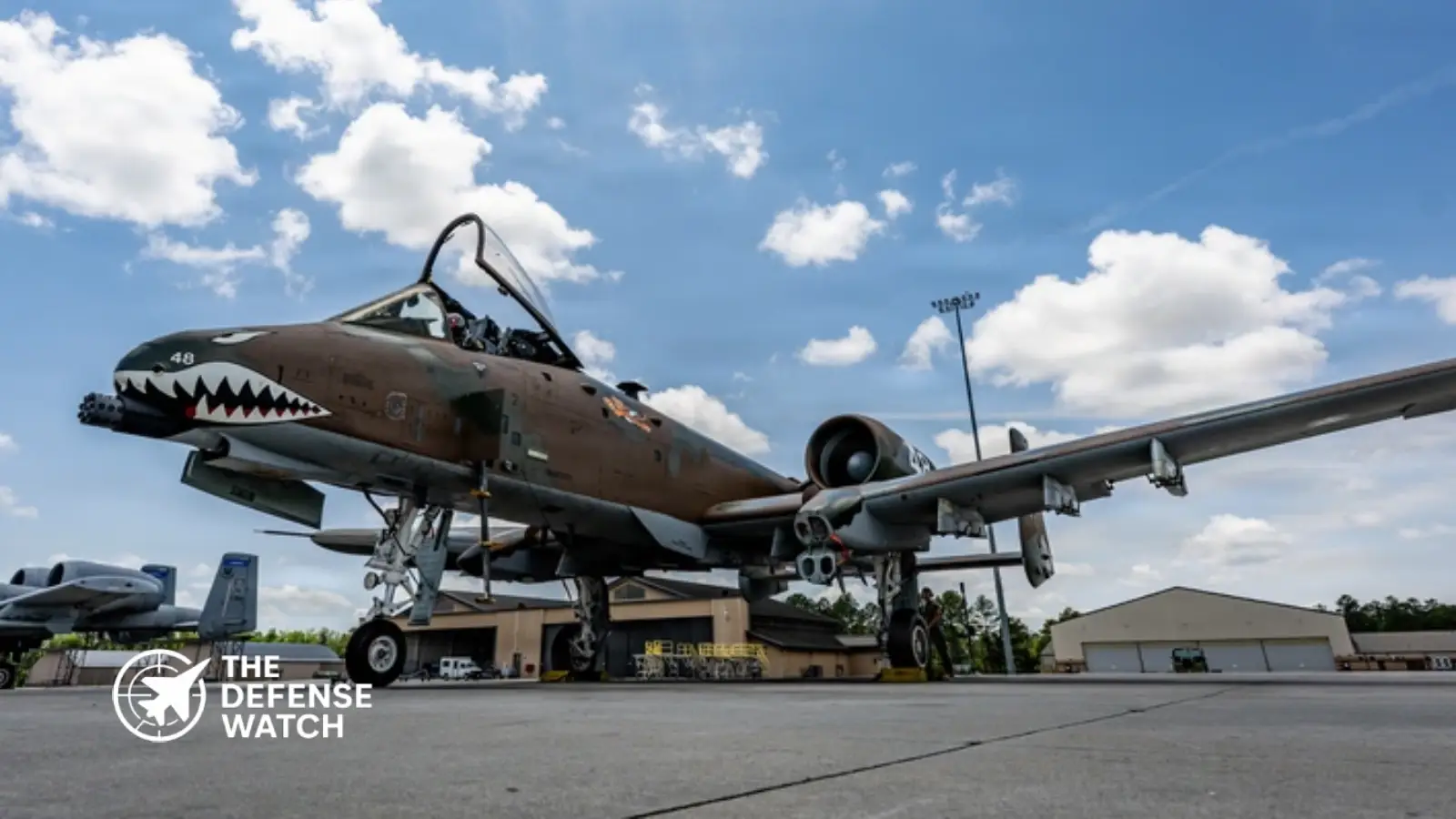
The U.S. Air Force is training A-10C Thunderbolt II aircraft to operate in increasingly contested environments where advanced air defenses, drones, and electronic warfare systems pose significant threats. The exercises demonstrate how the service is adapting the iconic close air support platform to remain operationally relevant while continuing to deliver precision strike capabilities.
U.S. Air Force Highlights A-10C Thunderbolt II Training Against Modern Air Defense Threats
The U.S. Air Force’s A-10C Thunderbolt II is undergoing advanced training designed to improve survivability against modern air defense systems while maintaining its ability to deliver precision strikes in support of ground forces.
Recently released imagery from the U.S. Defense Visual Information Distribution Service (DVIDS) showed an A-10C assigned to the 66th Weapons Squadron deploying defensive flares during operations over the Nevada Test and Training Range. The exercise focused on preparing pilots to operate in environments increasingly populated by infrared-guided missiles, unmanned aerial systems, electronic warfare threats, and mobile surface-to-air defenses.
The training reflects a broader shift across the U.S. Air Force as legacy aircraft are adapted for operations in contested battlespaces rather than permissive environments.
Adapting The Warthog For A Changing Battlefield
For decades, the A-10 Thunderbolt II has been synonymous with close air support missions. Designed during the Cold War to destroy armored formations and support ground troops, the aircraft remains one of the most recognizable platforms in the U.S. inventory.
According to official U.S. Air Force fact sheets, the A-10C combines long loiter time, low-speed maneuverability, survivability features, and the ability to employ both guided and unguided munitions. Its avionics suite includes electronic countermeasures and systems designed to help crews operate in the presence of surface-to-air threats.
However, modern warfare has evolved significantly. Adversaries increasingly field layered integrated air defense networks capable of detecting and engaging aircraft at greater distances than in previous conflicts. The widespread use of drones, mobile missile systems, and electronic attack capabilities has further complicated the operating environment for low-altitude attack aircraft.
As a result, Air Force training now emphasizes threat avoidance, defensive maneuvering, electronic warfare awareness, and precision weapons employment while minimizing exposure to enemy air defenses.
Why The Training Matters
The latest A-10C Thunderbolt II training demonstrates that the Air Force continues to extract operational value from the platform despite long-standing retirement discussions.
The service has increasingly explored ways to employ the aircraft beyond traditional close air support. Recent exercises have included operations from austere airfields under the Agile Combat Employment concept, enabling aircraft to disperse across multiple locations rather than relying on large, vulnerable bases. Such concepts are intended to complicate enemy targeting and improve force survivability during high-intensity conflict.
The emphasis on contested-environment training suggests the Air Force recognizes that future operations may require legacy aircraft to operate under greater threat conditions than those encountered during counterinsurgency campaigns in Iraq and Afghanistan.
While the A-10 is not designed to penetrate advanced integrated air defense systems in the same manner as stealth aircraft, improving pilot tactics and defensive procedures can expand the aircraft’s usefulness in lower-tier contested environments and during support missions conducted after enemy air defenses have been degraded.
A-10 Remains Relevant As Retirement Debate Continues
The A-10’s future has been the subject of debate for more than a decade. Air Force leadership has repeatedly sought to retire the fleet to free resources for newer aircraft such as the F-35 and F-15EX. However, lawmakers have often intervened to preserve portions of the fleet due to its unique close air support capabilities.
In April 2026, the Air Force confirmed that selected A-10 squadrons would remain in service through 2030 following operational reviews and congressional restrictions on fleet reductions.
The aircraft’s continued participation in operational deployments, maritime security missions, and close air support exercises demonstrates that it still fills mission sets valued by combatant commanders.
From a strategic perspective, the latest training underscores a broader reality facing modern air forces. Even as stealth fighters and next-generation systems receive increasing attention, military planners continue to invest in enhancing the effectiveness and survivability of existing platforms.
For the A-10C Thunderbolt II, adapting to modern air defense threats may prove essential to maintaining relevance during the final years of its operational service.
General Atomics AeroTec Systems has officially unveiled the Do228 NXT, a next-generation evolution of the Dornier 228 aircraft built in Germany. The platform combines updated avionics, mission systems integration, and proven short takeoff and landing performance to serve military, government, and civilian operators worldwide. The rollout marks a significant milestone for German aircraft manufacturing and the revival of series production of a well-established utility aircraft.
Do228 NXT Marks New Chapter For German Aircraft Production
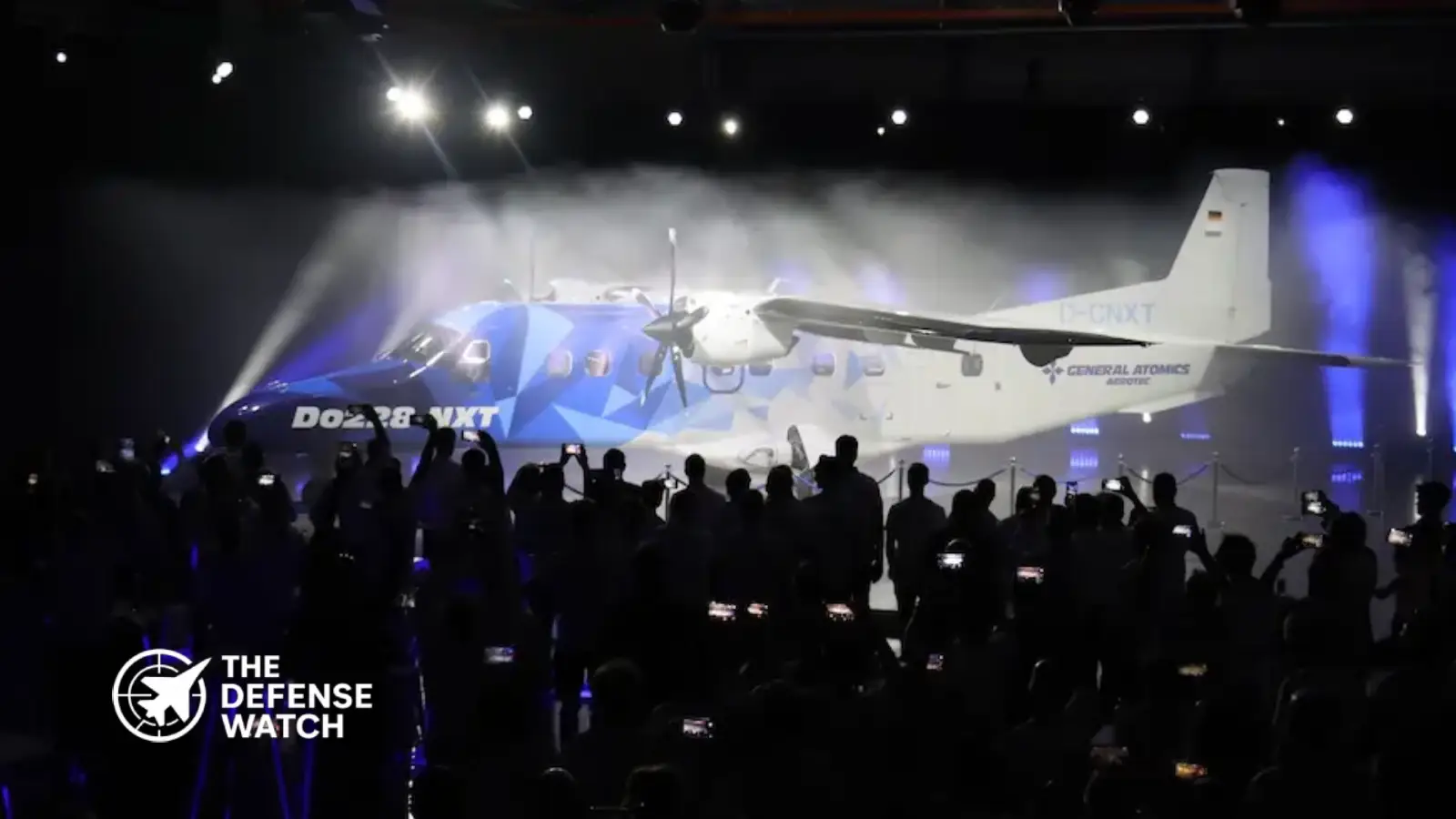
The Do228 NXT aircraft was officially unveiled by General Atomics AeroTec Systems (GA-ATS) during a rollout ceremony at the company’s Oberpfaffenhofen facility in Germany, presenting the next-generation version of the long-serving Dornier 228 platform to international customers and industry stakeholders.
According to GA-ATS, the event represents one of the few recent introductions of a newly manufactured aircraft series produced in Germany. The company positions the aircraft as a versatile platform capable of supporting civilian, military, government, and special mission requirements.
The unveiling follows the successful first flight of the Do228 NXT demonstrator on May 2, 2026, a milestone achieved nearly 45 years after the original Do228 first entered service. The aircraft’s development also reflects the re-establishment of aircraft production capabilities at the Oberpfaffenhofen site following General Atomics’ acquisition and modernization efforts over the past several years.
Designed For Military, Government, And Commercial Missions
The Do228 NXT aircraft builds upon the operational reputation of the original Dornier 228, which earned widespread adoption for utility transport, surveillance, maritime patrol, and special mission operations.
The latest variant incorporates a modernized cockpit, upgraded avionics architecture, expanded communications capabilities, and enhanced mission equipment integration options. Operators can configure the aircraft with surveillance sensors, radar systems, electro-optical payloads, and other specialized mission equipment depending on operational requirements.
GA-ATS has emphasized the aircraft’s flexibility across a broad range of missions, including:
Maritime surveillance
Border security operations
Environmental monitoring
Disaster response
Passenger transport
Cargo transport
Medical evacuation
Paratrooper operations
The platform’s ability to support both civilian and defense missions makes it attractive for nations seeking cost-effective multi-role aviation assets rather than dedicated fleets for individual tasks.
STOL Capability Remains A Key Advantage
One of the most important features retained in the Do228 NXT is the aircraft’s short takeoff and landing (STOL) capability.
Powered by twin Honeywell TPE331-10 turboprop engines, each producing approximately 776 shaft horsepower, the aircraft is designed to operate from short and austere airstrips, including unprepared surfaces where larger aircraft may face restrictions.
This capability remains highly relevant for military and government operators conducting missions in remote regions, island territories, Arctic environments, or areas with limited aviation infrastructure.
In an era when many nations are focusing on distributed operations and resilient logistics networks, aircraft capable of operating from small forward locations offer practical advantages. The Do228 NXT enters a market where flexibility and operating efficiency often outweigh the need for larger, more expensive platforms.
Strategic Importance Beyond The Aircraft
Beyond the technical aspects of the program, the Do228 NXT carries broader significance for Europe’s aerospace sector.
For defense customers, the aircraft fills a niche between light utility aircraft and larger maritime patrol or intelligence platforms. Many governments continue to seek affordable solutions for surveillance, transport, and homeland security missions, areas where the Do228 family has historically performed well.
The timing of the unveiling is also notable as European governments continue investing in defense modernization, border security, maritime domain awareness, and disaster response capabilities. Multi-role aircraft that can be adapted across several mission sets may become increasingly attractive amid budget pressures and evolving operational demands.
International Debut Ahead
The Do228 NXT demonstrator is scheduled to make its global public debut at the ILA Berlin Air Show 2026, where military, government, and commercial customers will have an opportunity to evaluate the aircraft firsthand. The company is also expected to showcase the platform internationally during upcoming industry events, including the Farnborough Airshow.
As flight testing continues, GA-ATS aims to demonstrate the aircraft’s performance characteristics and mission adaptability to potential customers worldwide.
French aerospace and defense company Safran will invest €120 million ($138 million) to expand production of hemispherical resonator gyroscopes at its Montluçon facility in central France. The project will triple annual output by 2032 and support growing demand for high precision navigation systems used in military and aerospace platforms. The investment reflects increasing emphasis on resilient navigation technologies that can operate without reliance on GPS signals.
Safran Precision Navigation Sensors Receive Major Production Boost
French aerospace and defense manufacturer Safran is investing €120 million ($138.2 million) to significantly expand production of advanced precision navigation sensors at its Montluçon facility in central France, according to company executives. The investment will allow the company to triple production of hemispherical resonator gyroscopes (HRGs) by 2032, strengthening France’s industrial base for critical navigation technologies.
The expansion is part of a broader €1.4 billion industrial investment plan approved by Safran in 2025 to increase manufacturing capacity across its global operations. Company CEO Olivier Andriès disclosed the latest investment plans in an interview with French newspaper La Tribune.
What Are Hemispherical Resonator Gyroscopes?
Hemispherical resonator gyroscopes are among the most precise inertial navigation sensors currently available. Unlike satellite based navigation systems, HRGs allow aircraft, missiles, ships, submarines, and ground vehicles to determine their position and orientation without depending on external signals such as GPS.
This capability has become increasingly important for military forces operating in contested environments where GPS signals may be jammed, spoofed, degraded, or unavailable. Modern militaries are investing heavily in alternative navigation technologies to ensure operational effectiveness during high intensity conflicts.
The technology is widely used across aerospace, maritime, and land defense applications, making it a strategic component of next generation military systems. Safran’s Montluçon facility has long specialized in inertial navigation systems and advanced gyroscopic technologies supporting air, land, and sea platforms.
Under the new investment plan, annual production of HRGs at the Montluçon site will increase from approximately 10,000 units to 30,000 units by 2032. The expansion is also expected to create more than 150 new jobs.
The scale of the increase highlights growing demand for resilient navigation technologies across both commercial aerospace and defense sectors.
As military planners increasingly prepare for operations in electronically contested environments, precision inertial navigation systems are becoming a critical element of modern defense architectures. Missiles, precision guided munitions, combat aircraft, naval vessels, and autonomous systems all require reliable navigation capabilities even when satellite connectivity is disrupted.
Recent conflicts have underscored the vulnerability of satellite dependent systems to electronic warfare. As a result, defense ministries across Europe, North America, and Asia are investing in technologies that can maintain accuracy and mission effectiveness without relying solely on space based positioning networks.
HRGs play a key role in that effort. By providing highly accurate inertial guidance, they enable military platforms to continue navigating and targeting even in GPS denied environments. This capability is particularly valuable for long range missiles, precision strike weapons, naval operations, and advanced aircraft missions.
Safran’s expanded production capacity could therefore support not only French military requirements but also growing demand from allied nations and international defense programs.
The navigation sensor investment follows another major manufacturing announcement by Safran. In May, the company revealed plans to invest €150 million in a high tonnage hydraulic press intended to increase output of critical aircraft engine components.
Together, these investments demonstrate how major aerospace and defense manufacturers are scaling production to meet rising demand across military aviation, propulsion systems, precision weapons, and advanced electronics.
While missiles, drones, and combat aircraft often receive the most public attention, navigation systems remain one of the foundational technologies enabling modern military operations.
Safran’s decision to triple production of precision navigation sensors highlights an increasingly important reality: future military effectiveness may depend as much on resilient guidance technologies as on the platforms they support.
As electronic warfare capabilities continue to evolve, demand for GPS independent navigation solutions is expected to grow across global defense markets, making advanced inertial sensors a strategically important capability for both industry and military planners.
A newly released thermal image captured near Area 51 appears to show an unidentified aircraft with a configuration unlike any publicly known military aircraft.
While no official confirmation exists, the sighting has renewed interest in the U.S. Air Force’s Next Generation Air Dominance (NGAD) efforts and ongoing classified flight testing at Groom Lake.
Unidentified Aircraft Near Area 51 Draws Attention From Aviation Observers
A potential next-generation fighter aircraft has become the focus of aviation and defense discussions after thermal imagery captured near Area 51 revealed a previously unseen aircraft design.
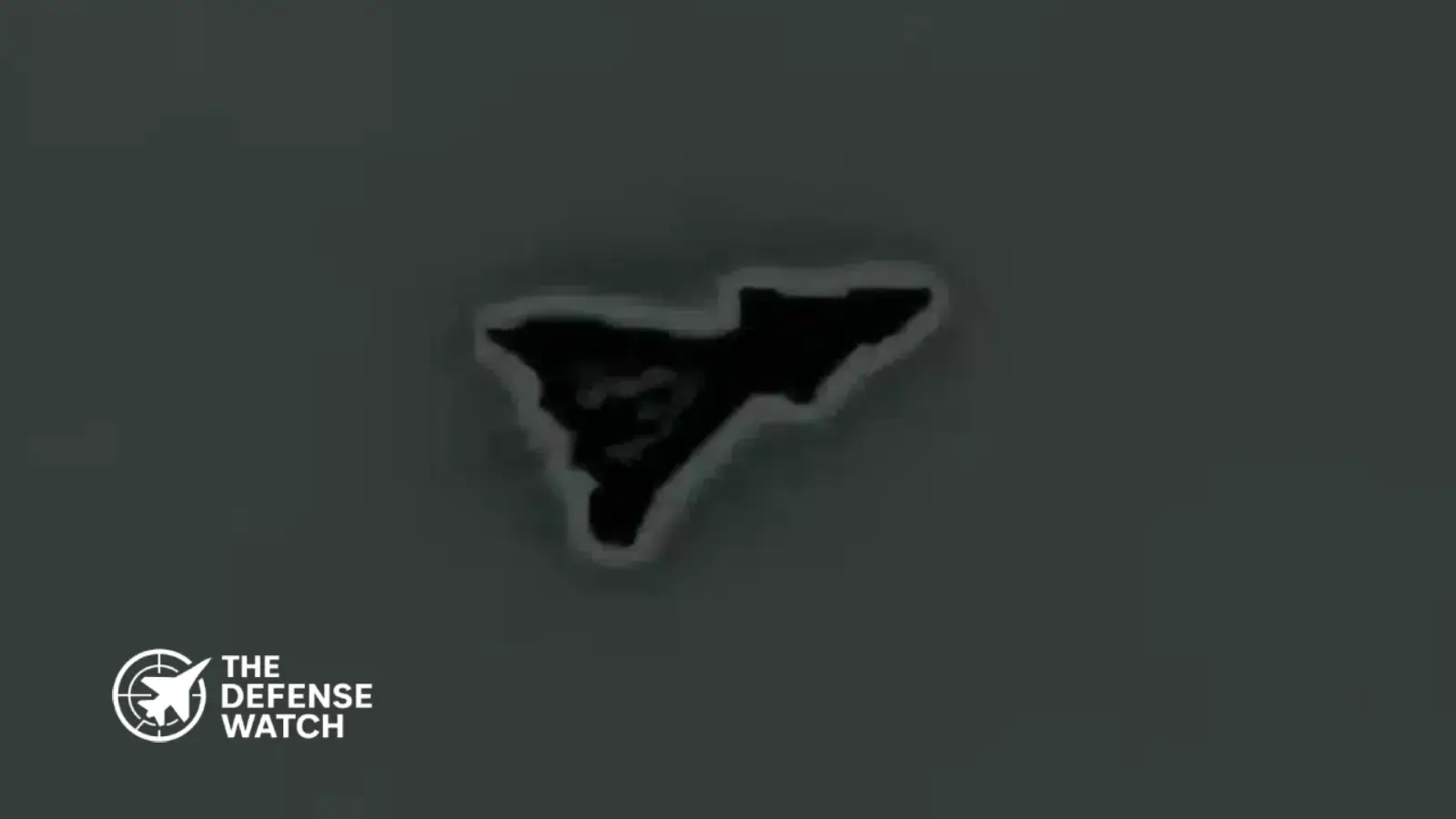
The image appears to show an aircraft operating near Groom Lake, Nevada, the highly classified test facility commonly known as Area 51. The aircraft was recorded using thermal imaging equipment and exhibits a planform that does not match any publicly acknowledged U.S. military aircraft.
The sighting comes at a time of growing interest in America’s future combat aviation programs, particularly following the U.S. Air Force’s selection of Boeing to develop the F-47 under the Next Generation Air Dominance (NGAD) initiative.
Analysis of the thermal image indicates several unusual design characteristics.
Observers noted what appears to be a cranked-kite wing layout combined with prominent forward canards and a tailless or near-tailless configuration. Such design elements are commonly associated with efforts to reduce radar signatures while improving aerodynamic efficiency and range.
The aircraft’s shape differs significantly from existing operational platforms such as the F-35 Lightning II, F-22 Raptor, and B-21 Raider.
Importantly, no official U.S. government agency has identified the aircraft or confirmed its existence.
The image alone does not provide sufficient evidence to determine whether the platform is a technology demonstrator, experimental aircraft, or part of a classified operational development effort.
Area 51 Remains Central To Advanced U.S. Flight Testing
Area 51 has historically served as the testing ground for some of America’s most significant aerospace programs.
The facility hosted development activities linked to aircraft such as the Lockheed U-2, Lockheed A-12, and Lockheed F-117 Nighthawk before their public disclosure.
Because of that history, sightings of unusual aircraft operating around Groom Lake often attract significant scrutiny from defense analysts and aviation enthusiasts.
Earlier in 2026, another unexplained triangular aircraft, described by observers as “Dorito-shaped,” was reportedly recorded in the same region, further fueling speculation about ongoing classified aviation programs.
The U.S. Air Force has previously disclosed that experimental NGAD demonstrators have already flown, suggesting advanced technologies are undergoing testing well before operational aircraft enter service. However, officials have released very few details regarding the appearance, configuration, or performance characteristics of those demonstrators.
This context makes the latest sighting noteworthy, even if identification remains impossible.
Aviation analysts caution that advanced aerospace programs often rely on multiple prototype and demonstrator aircraft before a final production design emerges. As a result, an aircraft operating near Area 51 may not necessarily represent a future operational fighter in its final form.
That distinction is particularly important as the United States competes with rapidly advancing aerospace programs in countries such as China, where several next-generation combat aircraft concepts have recently emerged in public imagery.
Why The Sighting Matters
Whether the aircraft is linked to NGAD, another classified Air Force initiative, or an experimental technology program, the sighting underscores a broader reality: advanced aerospace development continues largely outside public view.
The United States is investing heavily in future air dominance technologies, including stealth, advanced propulsion, artificial intelligence integration, sensor fusion, and manned-unmanned teaming concepts. Programs supporting those objectives require extensive testing, much of which occurs at secure facilities such as Groom Lake.
The newly released thermal image does not provide definitive answers. However, it offers a rare glimpse into an environment where future generations of military aircraft are often developed years before official acknowledgement.
For now, the aircraft remains unidentified, but its appearance has once again highlighted Area 51’s continuing role at the forefront of American aerospace innovation.
Leonardo’s Seaspray 7500E V2 radar has been selected to support Australia’s airborne maritime surveillance and border security missions. The radar will be integrated into aircraft operated by Metrea under the Australian Government’s Aerial Surveillance Service program, enhancing intelligence, surveillance, and reconnaissance coverage across vast maritime areas.
Leonardo Seaspray Radar Selected For Australian Surveillance Missions
The Leonardo Seaspray radar has been chosen to provide airborne intelligence, surveillance, and reconnaissance (ISR) capabilities for Australia’s Department of Home Affairs and the Australian Border Force, marking another significant international deployment for the advanced AESA radar family.
According to Leonardo, the radar was selected by Metrea, a defense and security services provider that will deliver surveillance operations to the Australian Government under the country’s Aerial Surveillance Service program. Metrea is expected to operate a fleet of 11 fully crewed aircraft performing both short and long-range surveillance missions across Australia’s extensive maritime approaches.
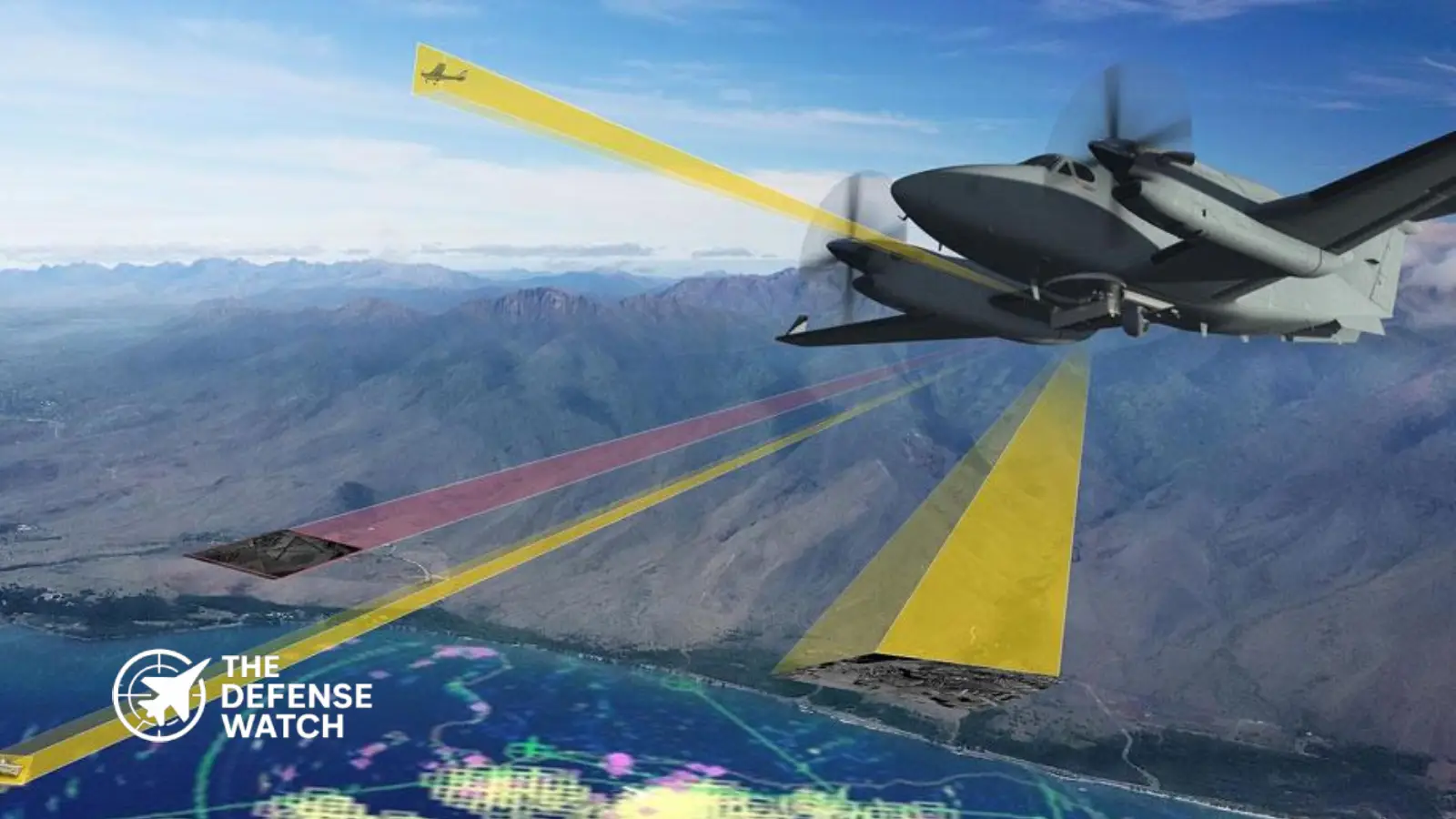
The Leonardo Seaspray radar belongs to a family of Active Electronically Scanned Array (AESA) radars designed for air, maritime, and land surveillance missions. Unlike mechanically scanned radars, AESA systems electronically steer radar beams, allowing rapid switching between multiple operating modes without moving antenna components.
This architecture provides several operational advantages:
Long-range maritime search
Simultaneous tracking of multiple targets
Synthetic Aperture Radar (SAR) imaging
Ground mapping capabilities
Moving target detection
High-speed mode switching during complex missions
Leonardo states that the radar can detect contacts at ranges extending hundreds of nautical miles while generating detailed imagery and tracking data for operators.
Small Target Detection Supports Border Security Missions
One of the most notable capabilities of the Seaspray 7500E V2 is its Small Target Mode, designed to detect low-signature objects in challenging maritime environments.
According to Leonardo, the system can identify small boats, individuals in the water, and other difficult-to-detect targets at significant ranges, even in rough sea conditions. This capability is particularly relevant for Australia’s maritime security requirements, which include border protection, search and rescue operations, fisheries monitoring, and monitoring of remote ocean regions.
Given Australia’s responsibility for one of the world’s largest maritime surveillance zones, the ability to detect small vessels over vast distances remains a critical operational requirement.
Why The Selection Matters
The selection highlights a growing trend among government agencies and security operators toward advanced airborne surveillance systems capable of covering large maritime areas without requiring dedicated military aircraft fleets.
Rather than purchasing and operating its own ISR aircraft, Australia is increasingly leveraging contractor-operated surveillance services. Under this model, companies such as Metrea provide aircraft, crews, and mission systems while delivering surveillance data directly to government agencies.
This approach can provide operational flexibility while accelerating the introduction of new sensor technologies.
For Leonardo, the award further strengthens its position in the global maritime surveillance market. The Seaspray radar family has already been integrated onto fixed-wing aircraft, helicopters, and uncrewed platforms. The radar has also been selected for integration on platforms such as the MQ-9B SeaGuardian, demonstrating its adaptability across multiple mission sets.
Leonardo’s Longstanding Presence In Australia
Leonardo maintains a significant presence in Australia across both defense and civil aviation sectors. The company has supplied aircraft, helicopters, surveillance technologies, and support services to Australian operators for decades. Its AW139 helicopter fleet is widely used throughout the country for search and rescue, law enforcement, offshore operations, and government missions.
The latest Seaspray radar selection further expands that footprint while reinforcing Australia’s investment in advanced maritime domain awareness capabilities.
Strategic Outlook
The Leonardo Seaspray radar award reflects the increasing importance of persistent airborne surveillance as governments seek greater visibility over maritime approaches, critical infrastructure, and border regions.
As maritime security challenges continue to evolve across the Indo-Pacific, sensors capable of detecting small targets, generating high-resolution imagery, and operating across multiple mission profiles are becoming essential tools for national security agencies.
For Australia, the addition of the Seaspray 7500E V2 provides another layer of surveillance capability aimed at improving situational awareness across one of the world’s largest and most strategically important maritime regions.
Tycho.AI has been awarded an 18-month, $2 million Tactical Funding Increase (TACFI) contract by the U.S. Air Force Research Laboratory (AFRL) to accelerate development of its Voyager autonomy stack under the TRIDENT program. The effort focuses on delivering robust multi-domain navigation and long-range ISR capabilities for overland and over-the-water operations in GPS-Denied, Degraded, Intermittent, and Limited (GPS-DDIL) environments.
This award, credited directly to AFRL contracting activity, builds directly on the company’s prior AFWERX SBIR Phase II work and SOFWERX efforts, targeting the critical “Valley of Death” transition from prototype to operational integration for tactical edge systems.
Deep Technical & Strategic Context Analysis
TACFI is a targeted AFWERX/AFRL mechanism designed to bridge SBIR/STTR Phase II prototypes to Phase III scaling and operational adoption. Unlike broader acquisition pathways, TACFI provides rapid, modest funding (typically $375K–$2M over up to 24 months) with matching requirements to de-risk and accelerate tactical capabilities that address immediate operational needs, minimizing bureaucratic delays common in traditional DoD procurement.
The strategic imperative is acute. Modern peer adversaries, particularly in the Indo-Pacific and European theaters, have invested heavily in electronic warfare (EW) systems capable of widespread GPS jamming and spoofing. Over featureless maritime domains—where visual landmarks are scarce and celestial or magnetic alternatives offer limited precision—traditional inertial navigation systems suffer from unbounded drift. Small unmanned aircraft systems (sUAS) operating at low altitude and high speed become especially vulnerable, risking mission failure or loss in extended ISR, targeting, or attritable strike roles.
Tycho.AI’s Voyager stack addresses this through a low-SWaP (size, weight, and power) hardware-software solution that fuses AI-driven visual-inertial odometry (VIO), sensor fusion with monocular/stereo cameras and IMUs, satellite/map matching, and real-time perception. Engineered with a Modular Open Systems Approach (MOSA), it enables precise localization (<1% drift in many scenarios), autonomous waypoint navigation, multi-agent coordination, and edge decision-making without persistent communications or external aids. Integration with FANTOM middleware further eases insertion into existing USAF architectures.
As of 2026, this capability aligns with broader Department of the Air Force priorities for contested logistics, Joint All-Domain Command and Control (JADC2), and attritable autonomous systems. Maritime autonomy in GPS-DDIL conditions is particularly vital for supporting distributed operations around Taiwan, the South China Sea, or NATO’s eastern flank, where carrier strike groups and expeditionary forces require resilient ISR and resupply under heavy EW pressure.
Primary Objectives: Mature Voyager for rotary- and fixed-wing platforms; conduct test flights and experimentation across environmental conditions; validate autonomous waypoint traversal, multi-agent coordination, mission-level autonomy, and resilient perception in overland and maritime domains.
Technical Scope: Vision-based navigation maturation, integration with FANTOM middleware, long-range ISR solutions in GPS-DDIL environments.
Builds On: Prior $1M AFWERX SBIR Phase II (2024) for high-precision low-SWaP autonomy and SOFWERX A2E FANTOM integration.
Executive Summary: The Defense Logistics Agency has awarded a shared $24 million contract to five commercial aviation companies to provide medical freight transportation services across the continental United States. The agreement strengthens the Department of Defense’s ability to rapidly move critical medical supplies, pharmaceuticals and healthcare equipment in support of military readiness and contingency operations.
The U.S. Defense Logistics Agency (DLA) has awarded a multiple-award indefinite-delivery/indefinite-quantity (IDIQ) contract valued at up to $24 million for medical freight transportation services, according to a contract announcement released by the Defense Logistics Agency Contracting Services Office in Philadelphia, Pennsylvania.
The contract was awarded competitively under solicitation SP4701-26-R-0004, with thirteen offers received. The selected contractors are Delta Air Lines Inc. of Atlanta, Georgia; Lynden Air Cargo LLC of Anchorage, Alaska; Northern Air Cargo LLC of Anchorage, Alaska; Sun Country Inc. of Minneapolis, Minnesota; and United Parcel Service Co. (UPS) of Louisville, Kentucky.
The ordering period extends through June 30, 2027, under a one-year base period with four additional one-year option periods available.
Deep Technical & Strategic Context Analysis
While relatively modest in dollar value compared with major weapons procurement programs, medical logistics contracts play a critical role in sustaining U.S. military readiness. The Defense Logistics Agency serves as the Department of Defense’s primary logistics combat support agency, managing global supply chains that deliver everything from fuel and food to pharmaceuticals and medical equipment.
Medical freight transportation is particularly time-sensitive because many healthcare products require strict environmental controls, rapid delivery schedules and uninterrupted chain-of-custody procedures. These shipments can include blood products, vaccines, laboratory samples, medical devices, pharmaceuticals and emergency healthcare supplies destined for military treatment facilities throughout the United States.
The use of an IDIQ contract structure gives DLA significant flexibility. Rather than guaranteeing a fixed workload, the government can issue individual task orders as transportation requirements emerge. This approach reduces excess capacity costs while ensuring access to a broad network of commercial aviation providers capable of handling varying cargo volumes and delivery timelines.
The inclusion of major passenger airline Delta Air Lines alongside dedicated cargo operators and UPS reflects a diversified logistics strategy. Commercial passenger carriers offer extensive domestic route networks, while cargo-focused operators provide specialized freight handling capabilities and access to remote locations. Together, they create a resilient transportation ecosystem capable of supporting routine healthcare logistics as well as surge requirements during emergencies, natural disasters or military contingencies.
The award also aligns with broader Pentagon efforts to strengthen supply chain resilience following lessons learned during the COVID-19 pandemic, when medical transportation capacity became a critical national security concern. Since then, defense planners have increasingly emphasized redundancy and commercial partnership integration within military healthcare logistics networks.
Contract Breakdown & Details
Selected Contractors
Delta Air Lines Inc., Atlanta, Georgia (SP4701-26-D-0029)
Lynden Air Cargo LLC, Anchorage, Alaska (SP4701-26-D-0030)
Northern Air Cargo LLC, Anchorage, Alaska (SP4701-26-D-0031)
Sun Country Inc., Minneapolis, Minnesota (SP4701-26-D-0032)
United Parcel Service Co. (UPS), Louisville, Kentucky (SP4701-26-D-0033)
The contract highlights the Pentagon’s continued reliance on commercial transportation providers for non-combat logistics missions. Rather than maintaining dedicated government-owned airlift assets for routine medical shipments, the Department of Defense increasingly uses commercial logistics networks to achieve greater efficiency and scalability.
For participating carriers, the agreement provides access to recurring government transportation requirements while supporting a mission area that remains essential regardless of broader defense spending cycles. As military healthcare networks continue modernizing and supply chain resiliency remains a strategic priority, contracts of this type are expected to remain an important component of the defense logistics ecosystem.
A major New Glenn test failure has created one of the most significant setbacks in Blue Origin’s launch program to date.
Executive Summary:
Blue Origin is facing a potentially lengthy disruption after a New Glenn rocket exploded during a static fire test at Cape Canaveral, damaging critical launch infrastructure. The incident threatens launch schedules tied to Amazon’s Project Kuiper satellite network and may complicate upcoming NASA lunar missions supported by the company.
Blue Origin Faces Months-Long Delay After New Glenn Explosion
Blue Origin’s New Glenn program has suffered a major setback after an explosion during a pre-launch engine test severely damaged the company’s launch infrastructure in Florida, raising concerns about future launch schedules and broader U.S. space access plans.
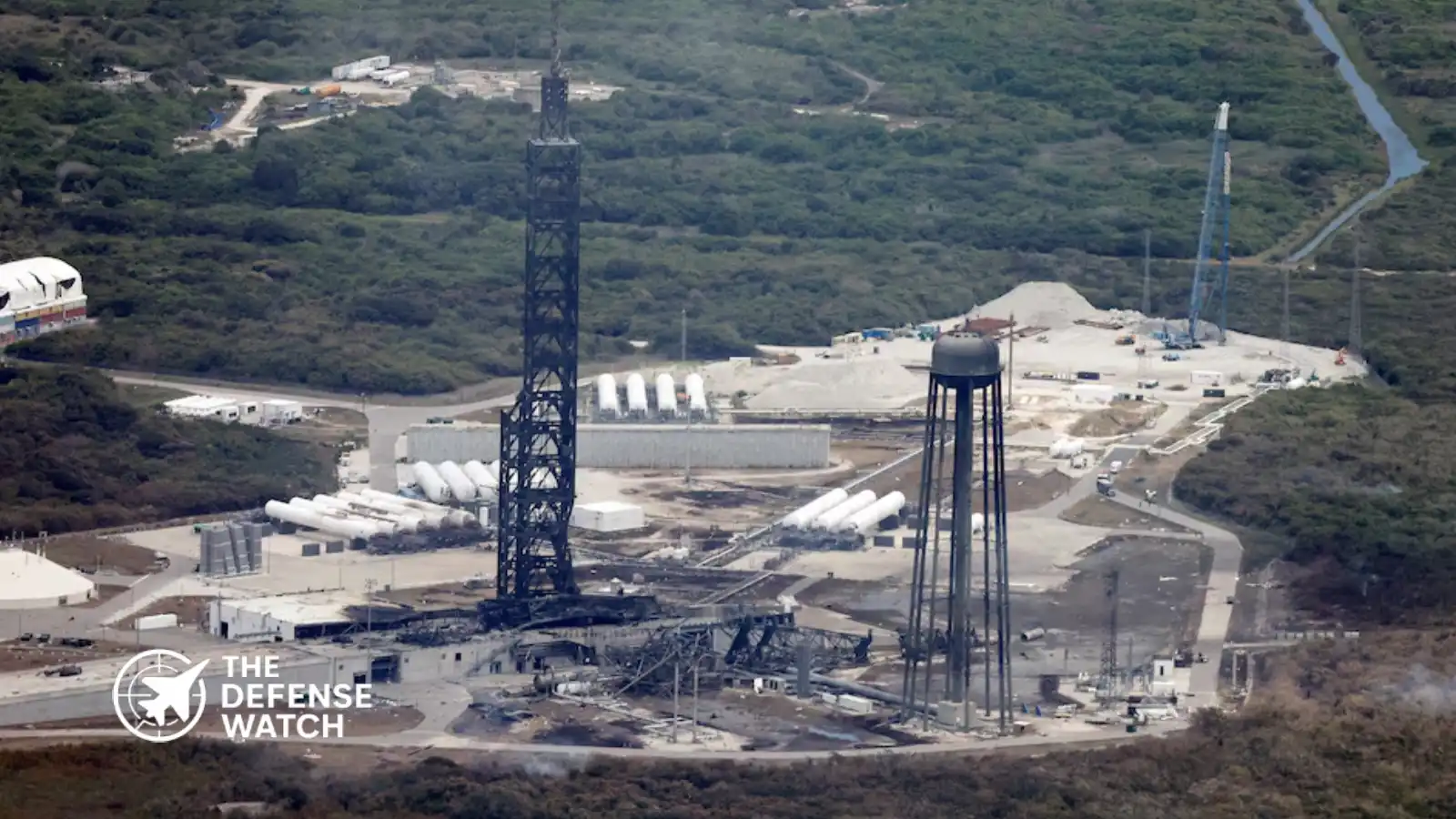
The incident occurred during a static fire test of a New Glenn rocket at Launch Complex 36 at Cape Canaveral Space Force Station. According to Reuters and multiple industry reports, the rocket exploded during engine testing ahead of a planned launch campaign scheduled for early June. No injuries were reported, and all personnel were safely evacuated before the test began.
Initial assessments indicate the launch pad sustained significant damage. Industry sources cited by Reuters estimate repairs could take at least six months, though a final timeline remains uncertain pending engineering inspections and any regulatory investigations.
The explosion comes at a critical stage for the program. Blue Origin had been preparing additional launches following earlier technical challenges involving New Glenn missions. The damaged booster reportedly carried the name “No, It’s Necessary,” a reference to the film Interstellar.
Unlike an in-flight anomaly, a launch pad explosion can create broader operational consequences because ground systems, fueling equipment, communications infrastructure, and support facilities may also require repair or replacement. Analysts note that rebuilding launch infrastructure often takes substantially longer than replacing a launch vehicle itself.
This distinction is important because Blue Origin currently relies heavily on Launch Complex 36 for New Glenn operations. Any extended outage limits the company’s ability to rapidly resume launch activities.
Blue Origin has been expected to support deployment of Kuiper satellites as Amazon works toward regulatory deadlines requiring a substantial portion of the constellation to be operational within specific timeframes. Reuters reported that more than 3,200 low-Earth orbit satellites are planned under the program.
The New Glenn vehicle offers payload capacity that is particularly valuable for large-scale constellation deployment. If the launch system remains grounded for several months, Amazon may need to rely more heavily on alternative launch providers.
However, available alternatives are limited. While SpaceX remains the dominant launch provider globally, scheduling constraints and vehicle availability could complicate rapid adjustments to deployment plans.
Blue Origin is involved in several Artemis-related activities, including lunar transportation and surface logistics programs. Reuters reported that the disruption could affect planned Blue Moon lander activities and other NASA-supported lunar initiatives connected to future Artemis missions.
NASA has not announced any mission delays directly linked to the incident. However, agency officials are expected to evaluate potential impacts on future launch schedules and contractor milestones.
The timing is notable because NASA continues to expand partnerships with commercial providers as part of its long-term lunar strategy. A prolonged New Glenn grounding would reduce available heavy-lift launch capacity across the U.S. space sector.
Competitive Implications For The Launch Market
The New Glenn explosion also highlights the competitive realities of today’s commercial launch industry.
For years, Blue Origin has sought to establish itself as a major competitor to SpaceX in heavy-lift launch services. While government agencies have consistently supported maintaining multiple launch providers for resilience and competition, the latest setback temporarily strengthens SpaceX’s market position.
The U.S. Space Force and National Reconnaissance Office have repeatedly emphasized the importance of sustaining multiple domestic launch options for national security missions. Despite the incident, support for Blue Origin as a strategic launch provider remains unchanged, according to statements referenced by Reuters.
From a broader industry perspective, the failure serves as another reminder that developing heavy-lift launch systems remains one of the most technically demanding challenges in aerospace engineering. Even established programs face significant risks during testing and operational expansion.
Investigation And Recovery Efforts Begin
Blue Origin is expected to conduct a comprehensive investigation into the root cause of the explosion. Federal regulators could also become involved depending on findings related to vehicle systems, testing procedures, and launch infrastructure safety.
Jeff Bezos acknowledged the incident publicly, describing it as a difficult setback while emphasizing the company’s commitment to continuing development efforts. Industry observers expect recovery planning to focus on both launch pad reconstruction and vehicle qualification activities needed before New Glenn returns to flight.
While no official return-to-flight timeline has been released, the coming months will likely determine whether Blue Origin can maintain planned commercial and government launch commitments or face a more extended disruption.