Executive Summary:
GE Aerospace has received a U.S. Air Force contract to continue development of the GE426 engine for future autonomous combat aircraft programs. The effort supports the Pentagon’s push to field lower-cost, high-performance Collaborative Combat Aircraft capable of operating alongside crewed fighters in contested environments.
GE Aerospace Advances GE426 Engine For Autonomous Combat Aircraft
GE Aerospace has secured a new U.S. Air Force contract to further develop the GE426 propulsion system for future autonomous combat aircraft, marking another step in the Pentagon’s expanding Collaborative Combat Aircraft (CCA) initiative.
The contract focuses on advancing engine technologies designed for a new generation of autonomous platforms expected to operate alongside crewed fighters such as the F-35 Lightning II and F-47 family of systems.
The GE426 engine is being positioned as a propulsion option for autonomous combat aircraft requiring high thrust, fuel efficiency, and lower lifecycle costs.
The U.S. Air Force’s CCA effort is one of the Pentagon’s most important modernization programs. The initiative aims to field autonomous aircraft that can perform missions including electronic warfare, strike operations, intelligence gathering, and air combat support while reducing risk to human pilots.
Focus On Affordable Mass And Combat Flexibility
The GE426 program reflects a broader shift in U.S. military aviation strategy toward affordable mass, where larger numbers of lower-cost autonomous systems complement smaller fleets of highly advanced crewed aircraft.
Senior U.S. defense officials have repeatedly emphasized that future air warfare will depend on a mix of manned and unmanned platforms capable of operating in highly contested environments. Autonomous combat aircraft are expected to extend sensor coverage, carry additional weapons, conduct decoy missions, and support distributed operations across large theaters.
The GE426 engine is designed to support those operational requirements through a compact propulsion architecture optimized for autonomous aircraft performance demands.
While detailed technical specifications remain limited, the engine reportedly builds on GE Aerospace’s existing military propulsion experience, including adaptive cycle technologies, advanced thermal management, and modular sustainment concepts aimed at reducing operational costs.
That affordability factor remains central to the CCA concept. The U.S. Air Force has stated in previous budget and acquisition discussions that Collaborative Combat Aircraft must remain significantly less expensive than traditional fighter platforms to allow procurement at meaningful scale.
Competition Intensifies In Autonomous Airpower Sector
The new contract also highlights growing competition among U.S. aerospace companies to secure positions in the emerging autonomous combat aviation market.
Alongside Anduril Industries and General Atomics, major propulsion suppliers are racing to establish technologies that could power future autonomous fleets.
The U.S. Air Force has increasingly accelerated work on autonomous systems as geopolitical competition with China intensifies in the Indo-Pacific region. Pentagon planners view autonomous systems as critical for maintaining operational resilience against advanced air defense networks and long-range missile threats.
The CCA program is expected to complement the broader U.S. Air Force Next Generation Air Dominance strategy, which seeks to integrate stealth aircraft, autonomous systems, sensors, and advanced networking into a unified combat ecosystem.
Engine development remains a key challenge for the sector. Autonomous combat aircraft require propulsion systems that balance speed, endurance, thermal efficiency, survivability, and reduced maintenance burdens while remaining affordable enough for large-scale production.
GE Aerospace Expands Military Propulsion Portfolio
For GE Aerospace, the GE426 effort expands its growing portfolio of advanced military propulsion programs.
The company continues to support several major U.S. military aviation platforms, including engines used on helicopters, fighters, and transport aircraft. The autonomous combat aircraft market could become a major long-term growth area as the Pentagon prioritizes unmanned systems across multiple services.
Industry analysts expect the Department of Defense to invest heavily in autonomous aviation capabilities throughout the next decade, particularly in areas tied to artificial intelligence, electronic warfare integration, and distributed combat operations.
The Air Force has already indicated that future combat aviation fleets will likely include hundreds, potentially thousands, of autonomous aircraft operating alongside smaller numbers of crewed fighters.
That strategic direction is reshaping procurement priorities across the aerospace sector, with propulsion, autonomy software, sensors, and secure communications emerging as major areas of competition.
Why The GE426 Contract Matters
The GE426 autonomous combat engine program underscores how propulsion technology is becoming a central element of future airpower competition.
While public attention often focuses on stealth airframes or artificial intelligence, propulsion systems remain essential for determining aircraft range, survivability, payload capacity, and mission flexibility.
For the U.S. Air Force, securing reliable and scalable propulsion options for Collaborative Combat Aircraft will be critical if the service intends to deploy autonomous systems at operational scale across future conflict zones.
The contract also signals continued Pentagon commitment to autonomous combat aviation despite budget pressures and ongoing modernization demands across other military domains.
Executive Summary:
The U.S. Army has awarded Northrop Grumman a $325.5 million contract to develop the RangeHawk universal payload architecture prototype, a high-altitude airborne test resource intended to support hypersonic weapons and advanced systems testing.
Managed by Army Contracting Command in Orlando, the effort aims to improve the speed, flexibility, and survivability of airborne test data collection for next-generation high-speed systems.
The contract awarded to Northrop Grumman reflects the Pentagon’s growing emphasis on agile airborne test infrastructure capable of supporting the rapid development cycle of hypersonic weapons, advanced sensors, and long-range strike systems. As the United States accelerates efforts to counter Chinese and Russian advances in hypersonic glide vehicles and maneuverable missiles, the Department of Defense has increasingly identified testing bottlenecks as a major obstacle to fielding operational systems at scale.
RangeHawk appears positioned to address a critical capability gap within the U.S. test enterprise. Traditional fixed-range telemetry assets and manned chase aircraft often struggle to support modern hypersonic testing due to extreme speeds, long flight trajectories, and the requirement for resilient real-time data collection. By creating a high-altitude long-endurance airborne node with a universal payload architecture, the Army intends to establish a modular airborne platform capable of integrating multiple sensor packages, telemetry systems, and tracking technologies without requiring extensive redesign for each test event.
The “universal payload architecture” concept is particularly significant. Modular open systems approaches have become central to Pentagon acquisition strategy because they allow rapid insertion of new sensors, communication systems, electronic warfare suites, and instrumentation packages while reducing vendor lock-in. In practical terms, RangeHawk could function as a reusable airborne test bed adaptable for future hypersonic glide vehicle trials, missile defense tracking experiments, electronic warfare payload validation, and multi-domain battlefield networking demonstrations.
The contract structure also provides insight into the program’s developmental maturity. The Army selected a cost-plus-fixed-fee arrangement, commonly used for high-risk research and development efforts where technical requirements may evolve during execution. Under this model, the government reimburses allowable development costs while providing Northrop Grumman a fixed profit fee. Such contracts are typically used when program uncertainty remains high, especially in prototype development efforts involving advanced aerospace integration and experimental technologies.
Northrop Grumman’s selection aligns with the company’s expanding role across the U.S. hypersonic ecosystem. The firm already supports multiple classified and unclassified programs involving missile tracking, advanced sensors, propulsion integration, and strategic strike systems. Its expertise in high-altitude unmanned systems, airborne networking, and mission systems integration likely contributed to the award decision.
Contract Breakdown & Details
Program Scope
According to the U.S. Army contract announcement, the RangeHawk program will include:
- Prototype development of the airborne test architecture
- Air vehicle modification for high-altitude mission operations
- Sensor integration for advanced telemetry and data collection
- Logistics preparation supporting demonstration and validation phases
- Development of a high-altitude long-endurance airborne test resource
Key Contract Information
- Contract Value: $325,531,920
- Contract Type: Cost-plus-fixed-fee
- Award Recipient: Northrop Grumman
- Business Unit Location: San Diego, California
- Contracting Activity: Army Contracting Command, Orlando, Florida
- Contract Number: W900KK-26-C-A002
- Estimated Completion Date: May 14, 2031
Funding Breakdown
The Army obligated:
- $65,657,001 in Fiscal Year 2026 Research, Development, Test and Evaluation (RDT&E) funding at contract award
The funding profile indicates the effort remains primarily within the prototype and capability maturation phase rather than low-rate production or operational deployment.
Acquisition and Competition Details
- Solicitation Method: Internet-based competitive solicitation
- Number of Bids Received: One
Single-bid outcomes are relatively common in highly specialized aerospace development programs involving classified integration requirements, advanced telemetry architectures, and unique high-altitude operational expertise.
Strategic Importance for Hypersonic Development
The RangeHawk initiative emerges amid broader Pentagon concerns regarding the survivability and scalability of U.S. hypersonic testing infrastructure. Current hypersonic programs require increasingly sophisticated airborne instrumentation capable of tracking maneuvering vehicles traveling at speeds exceeding Mach 5 across vast operational distances.
Airborne telemetry platforms are becoming especially important because adversary anti-access and area-denial environments may eventually limit reliance on fixed ground instrumentation during operational testing or future combat scenarios. A modular airborne test architecture could also support distributed testing environments tied to Joint All-Domain Command and Control (JADC2) initiatives and future missile defense sensor networks.
The contract further underscores the Department of Defense’s shift toward adaptable test ecosystems that can evolve alongside rapidly changing threat environments. Rather than building single-purpose airborne assets, RangeHawk appears designed as a reusable airborne framework capable of supporting multiple advanced weapons and sensor programs over the coming decade.
Executive Summary:
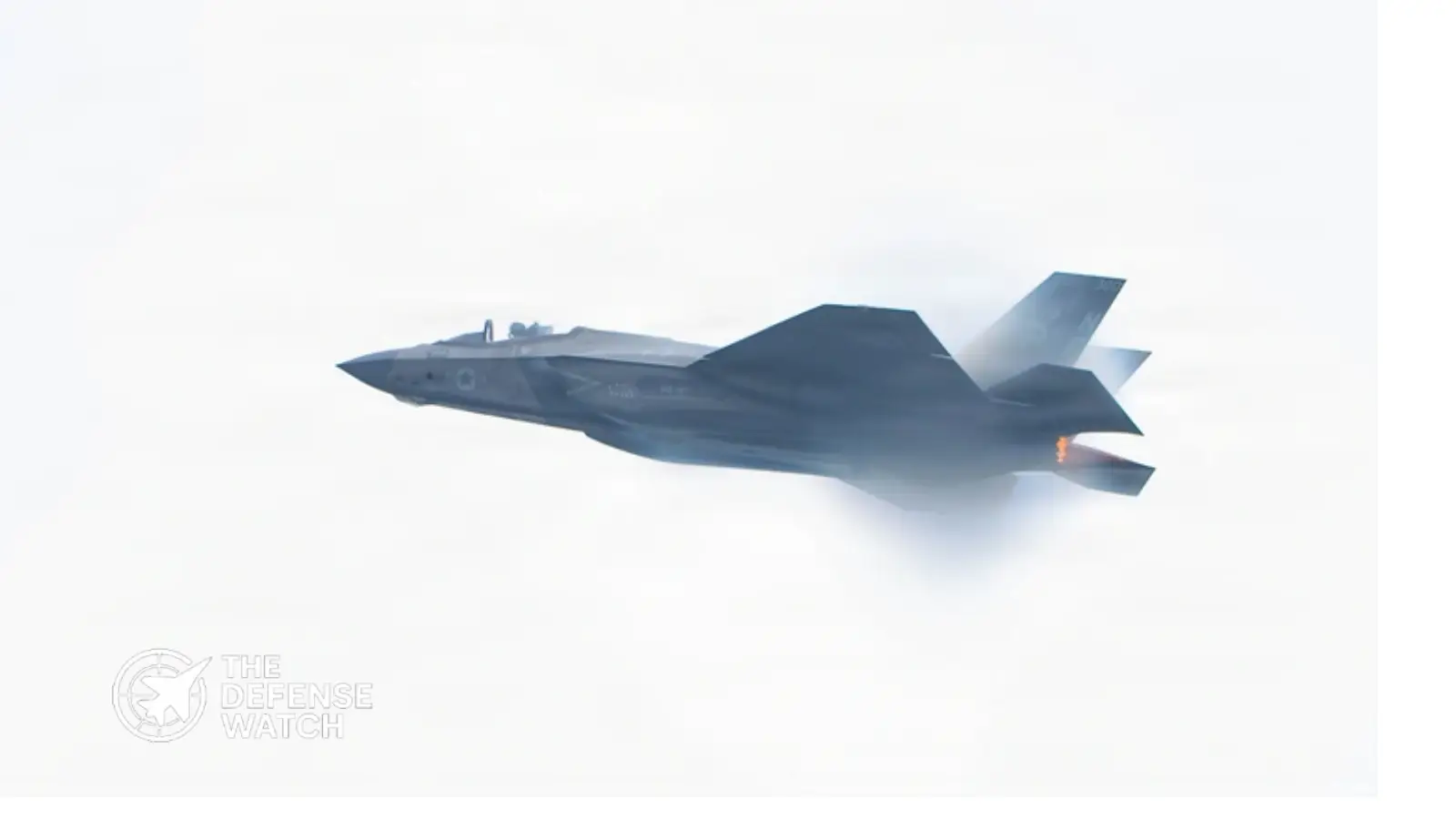
The global F-35 fleet is expected to see a temporary decline in aircraft availability as operators address a growing backlog of corrosion repairs. Defense officials say the effort is necessary to improve long-term readiness and sustainment performance for the stealth fighter program.
F-35 Availability Faces Short-Term Decline Amid Maintenance Push
The F-35 availability rate is expected to decline in the near term as maintenance crews work through a backlog of corrosion-related repairs affecting the stealth fighter fleet. The issue, discussed by defense officials and sustainment leaders, highlights the ongoing challenge of maintaining fifth-generation aircraft designed for high-tempo operations in demanding environments.
The maintenance effort is focused on clearing accumulated corrosion cases that have developed across portions of the multinational F-35 fleet. The temporary reduction in aircraft readiness is expected as more jets are pulled from operational service for inspections and repair work.
The F-35 program remains one of the largest and most complex military aviation programs in the world, with aircraft operated by the United States and multiple allied nations. The platform serves in conventional takeoff, short takeoff and vertical landing, and carrier-based configurations across different branches and partner air forces.
Corrosion Challenges Continue To Affect Advanced Stealth Aircraft
Corrosion has long been a concern for modern military aircraft, particularly stealth platforms operating in maritime and humid environments. The F-35’s low observable coatings, advanced materials, and tightly integrated systems require specialized maintenance processes that can increase repair timelines compared with legacy aircraft.
Naval aviation environments create additional stress on airframes due to salt exposure and high-moisture operating conditions. Carrier-based aircraft, including the F-35C, face particularly demanding sustainment requirements because of continuous exposure to corrosive sea air.
Defense sustainment officials have increasingly emphasized long-term fleet durability as global F-35 flight hours continue to rise. The aircraft now operates across Europe, the Indo-Pacific, and the Middle East, with many fleets flying at high operational tempos following heightened regional security tensions.
While corrosion repair programs can reduce short-term availability rates, analysts note that delaying such work would likely create larger sustainment problems later in the aircraft’s lifecycle. The current maintenance push appears aimed at preventing deeper structural or systems-related issues from emerging over time.
Sustainment Costs Remain Under Pressure
The F-35 program has faced continued scrutiny over sustainment costs and fleet readiness metrics. Although the aircraft provides advanced sensor fusion, stealth capabilities, and networked warfare functions, operators have consistently pushed for lower maintenance burdens and improved mission capable rates.
The Pentagon and partner nations have invested heavily in improving supply chain efficiency, spare parts availability, and depot-level maintenance capacity. However, the growing size of the global fleet has increased demand on sustainment infrastructure.
Lockheed Martin, prime contractor for the F-35 program, has previously stated that improving aircraft availability remains a key objective. Efforts have included software upgrades, predictive maintenance initiatives, and modifications intended to reduce downtime.
The temporary availability decline linked to corrosion repairs underscores a broader reality facing modern air forces. Advanced combat aircraft require increasingly sophisticated maintenance ecosystems to sustain operational readiness over decades of service.
Operational Impact Expected To Be Temporary
Defense officials reportedly expect the reduction in F-35 availability to be temporary as the maintenance backlog is addressed. Once repair cycles stabilize, fleet readiness levels could improve due to fewer unresolved sustainment issues remaining in the system.
Several allied operators continue expanding their F-35 fleets despite sustainment concerns. Nations across NATO and the Indo-Pacific view the aircraft as a central component of future air combat capability and coalition interoperability.
The F-35 remains heavily deployed in deterrence operations, air policing missions, carrier strike group operations, and joint exercises. Its role in modern military planning means sustainment performance will remain under close observation by defense ministries and lawmakers.
The broader issue also reflects a trend across advanced military aviation programs. As aircraft become more technologically sophisticated, sustainment and lifecycle management increasingly shape operational effectiveness as much as procurement itself.
Why The Issue Matters
The F-35 availability decline tied to corrosion repairs is significant because readiness rates directly influence force projection and operational planning. Air forces depend on predictable aircraft availability for training, deployments, and contingency operations.
Addressing corrosion issues now may strengthen long-term fleet health, even if it creates temporary operational strain. Defense planners increasingly view sustainment resilience as a critical factor in maintaining combat capability during extended periods of geopolitical tension.
For allied operators, the situation also reinforces the importance of building domestic maintenance and repair infrastructure capable of supporting advanced stealth aircraft independently.
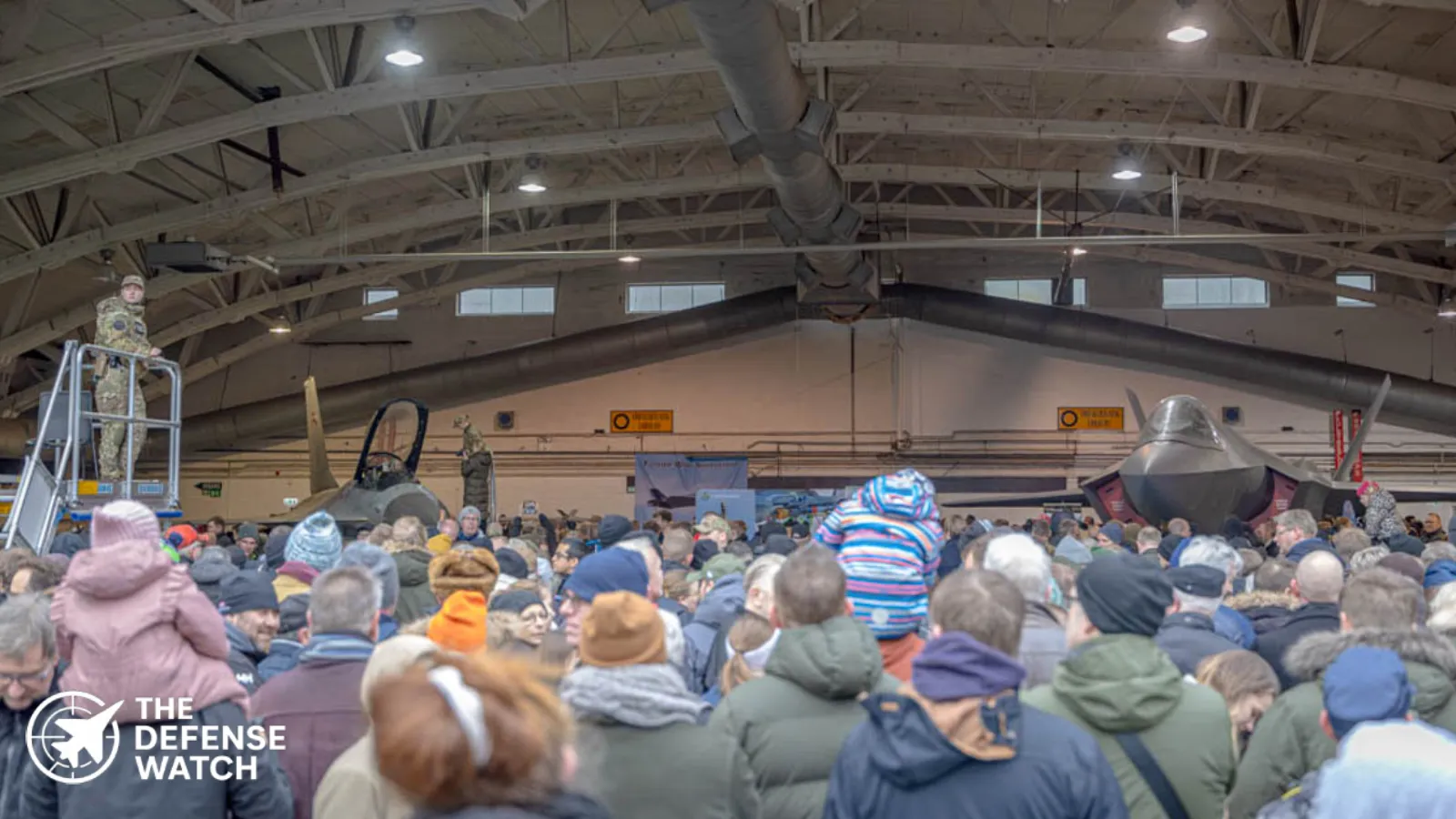
Denmark has formally retired its F-16 fighter jets after 46 years of service, completing the transition to the F-35A Lightning II as its sole combat aircraft, according to the Danish Armed Forces.
The retirement ceremony was held at Skrydstrup Air Base, with personnel and veterans of the F-16 program in attendance. The aircraft, long regarded as the Air Force’s “eyes and shield in the air,” played a key role in surveillance, deterrence, and combat missions since 1980.

General and former Chief of Defence Christian Hvidt, who flew the first Danish F-16 to Skrydstrup, highlighted the aircraft’s operational legacy and the expertise of Danish pilots and technicians. The F-16 participated in numerous international operations, including missions in the Balkans, Afghanistan, Syria, Iraq, and Libya.
Several retired F-16s have been sold to Argentina or donated to Ukraine, reflecting their continued operational viability. The Danish Air Force’s shift to the F-35 reflects modern combat demands, emphasizing integrated operations across land, air, sea, space, and digital domains, explained Steen Hartov, senior adviser at the Air Command’s Fighter Aircraft Division.
Denmark has ordered 43 F-35A jets, with the first delivery in October 2023. The fleet is expected to reach full operational capacity next year, completing the replacement of the F-16 as Denmark’s primary fighter aircraft.
The transition positions Denmark among NATO members adopting fifth-generation stealth technology, enhancing interoperability and modernizing national air defense capabilities.