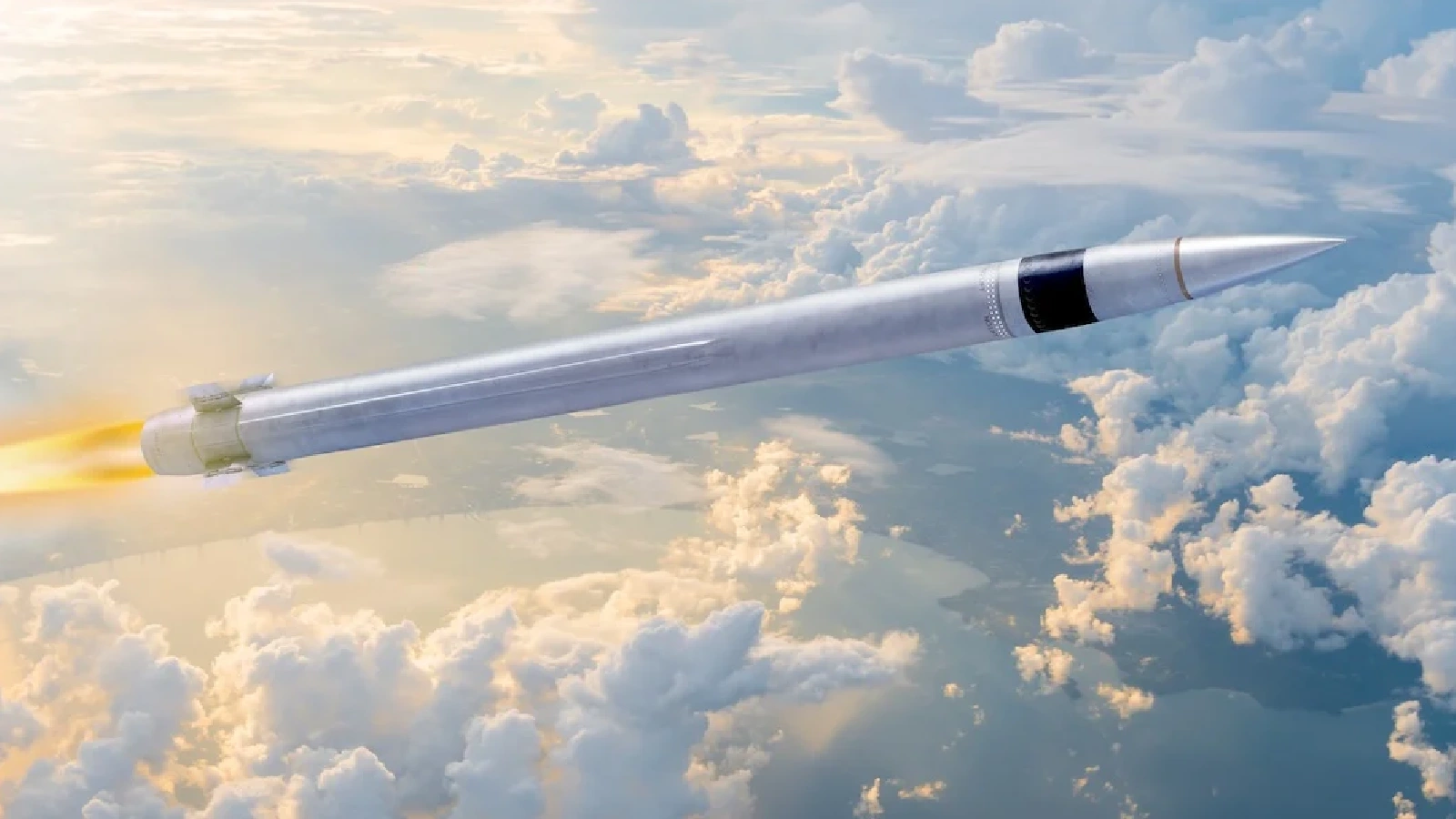
Lockheed Martin has introduced PAC-3 Edge, a new missile interceptor designed to improve the U.S. Army’s ability to engage advanced missile threats, including hypersonic weapons. The company plans to begin testing in 2027 and is targeting deployment by 2031, subject to development progress and Army acquisition decisions.
Announced on October 9, 2026, PAC-3 Edge is Lockheed Martin’s entry in the Army’s Future Interceptor competition. The design builds on the Patriot Advanced Capability-3 Missile Segment Enhancement (PAC-3 MSE), while introducing a new seeker, a revised flight-control system and a different rocket motor configuration.
The announcement establishes a development plan, not an operational capability. The interceptor has yet to complete its planned testing, and the company has not published independently verified performance figures for its new design.
A new seeker and propulsion system distinguish PAC-3 Edge
The interceptor retains a technological connection to PAC-3 MSE, a hit-to-kill missile used within the Patriot air and missile defense system. Rather than relying solely on a completely new missile architecture, Lockheed Martin is using the existing design as a foundation for a new interceptor intended to address more demanding threats.
Three changes form the core of the PAC-3 Edge design.
- New seeker: Lockheed Martin says the interceptor will use a company-developed seeker designed through its Strigo Product Center. The company has reported investing $250 million in the center to support seeker technology development.
- Multi-pulse rocket motor: Northrop Grumman is developing the solid rocket motor, which is designed to deliver thrust in multiple pulses during flight.
- Updated flight controls: Lockheed Martin says changes to the control system are intended to improve performance at greater ranges and altitudes.
The combination is intended to give the interceptor greater flexibility during an engagement. A multi-pulse motor can provide propulsion at different stages of flight, potentially helping a missile preserve energy for maneuvering later in an intercept. The practical benefit depends on the motor’s design, the engagement profile and the target’s behavior.
The new seeker is another important element because an interceptor must detect, track and guide itself toward a target with sufficient precision. However, Lockheed Martin has not publicly disclosed the seeker’s detailed operating characteristics, engagement limits or demonstrated performance against representative hypersonic targets.
Claims of improved capability should therefore be treated as development objectives until supported by test results.
Why hypersonic defense is a demanding mission
Hypersonic weapons generally travel at speeds above Mach 5, although speed alone does not determine how difficult a target is to intercept. Some hypersonic weapons follow relatively predictable ballistic trajectories, while maneuvering glide vehicles can change their flight paths and complicate tracking and engagement.
Defending against these threats requires more than a fast interceptor. Sensors must detect the incoming weapon, maintain an accurate track and provide usable targeting information to the fire-control system. The defensive missile must then reach an appropriate engagement point and maneuver accurately enough to complete the intercept.
The U.S. Missile Defense Agency has described the need for persistent tracking and integrated sensor data to support engagements against advanced missile threats. Its work on the Hypersonic and Ballistic Tracking Space Sensor program illustrates the importance of connecting early warning and tracking capabilities with missile defense systems.
PAC-3 Edge addresses the interceptor portion of this wider challenge. Its intended role is to improve the Army’s ability to engage advanced threats within an integrated air and missile defense architecture.
That distinction matters. A new interceptor cannot compensate for every weakness in detection, tracking, command and control or engagement planning. Its operational value will depend partly on how effectively it works with the rest of the defense network.
Integration with Army air defense systems
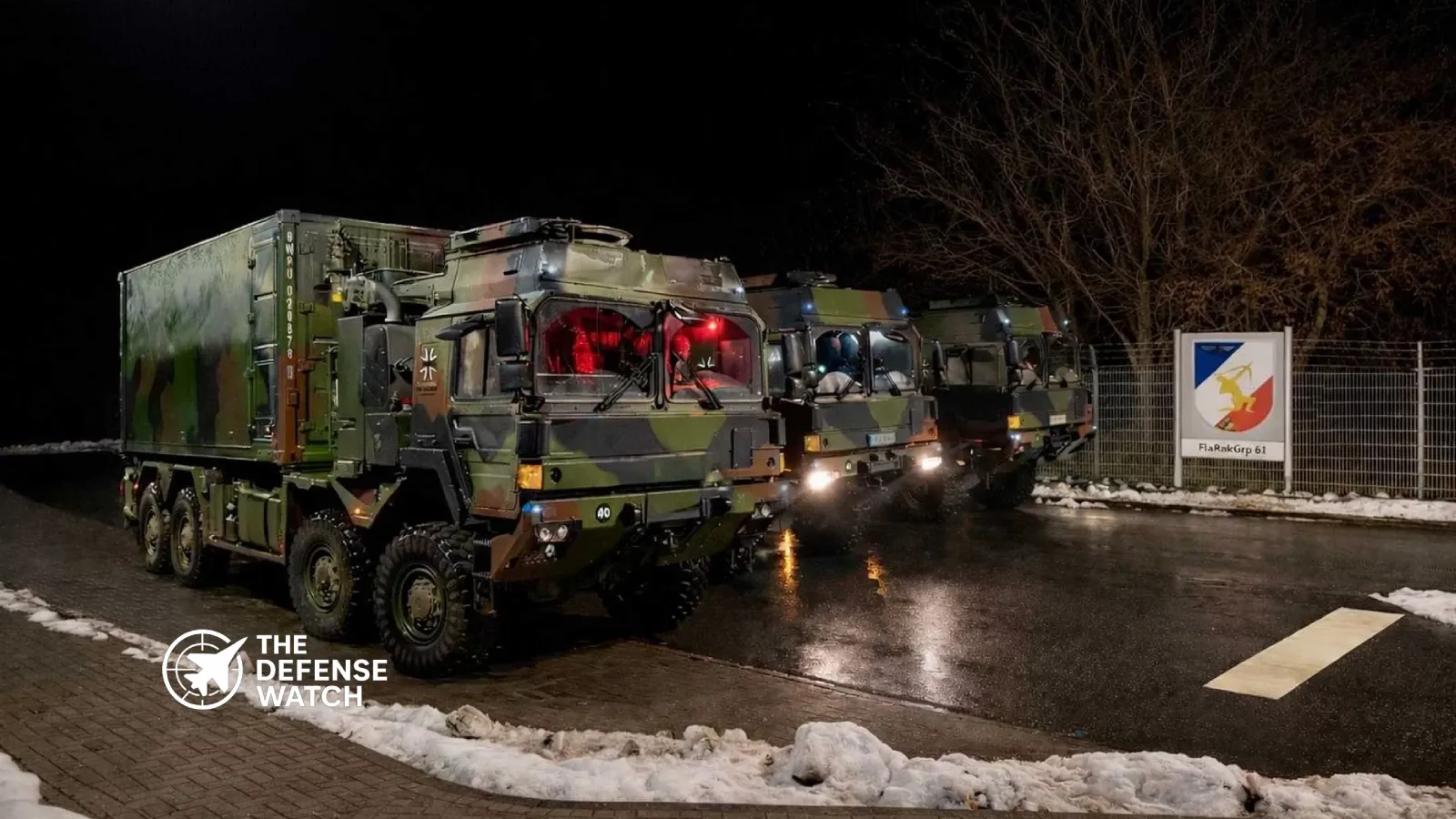
Lockheed Martin says PAC-3 Edge is being designed for integration with existing and future Army air and missile defense equipment. The company specifically identifies the Integrated Battle Command System (IBCS), the M903 launcher, containerized launchers and HIMARS Flex as intended integration options.
IBCS is relevant because it is intended to connect sensors and weapons across a distributed air defense network. In principle, that architecture can help commanders combine information from different sensors and coordinate engagements rather than relying on a single radar and launcher combination.
Compatibility with existing equipment could also reduce the need to develop an entirely separate support structure. But intended integration is not the same as completed certification. The company has not published a detailed qualification schedule covering each launcher, command system or operational configuration.
The Army will need to assess whether PAC-3 Edge can meet its technical requirements, operate reliably within the intended architecture and be supported by the personnel and infrastructure responsible for fielding it.
PAC-3 Edge builds on an established interceptor program
PAC-3 Edge enters development as the U.S. Army and its industrial partners work to expand production of existing missile defense weapons.
The Army announced a seven-year contract action in July 2026 for the PAC-3 MSE production program. The award raised the contract ceiling to approximately $58.62 billion for fiscal years 2026 through 2032. That figure is the ceiling for the broader production contract, not the price of PAC-3 Edge or a confirmed expenditure of the full amount.
The distinction between the two programs is important. PAC-3 MSE is an established production interceptor, while PAC-3 Edge remains under development as a candidate for the Future Interceptor competition.
The established missile’s production arrangements and technical heritage may provide a useful foundation for the new program. Nevertheless, a shared design lineage does not guarantee that PAC-3 Edge will achieve its intended performance or enter service on schedule.
Production capacity will also matter. Advanced interceptors require specialized components, propulsion systems, testing and quality assurance. Even if development progresses successfully, the Army will need to balance procurement of the new missile against demand for systems already in service.
The 2031 target depends on testing and Army decisions
Lockheed Martin plans to advance PAC-3 Edge development and begin testing in 2027, with rapid deployment targeted for 2031. The company has not announced a confirmed operational fielding date or published a complete schedule of test milestones.
The next stage will need to establish whether the interceptor can meet the Army’s requirements under representative engagement conditions. Relevant questions include its ability to track and intercept demanding targets, the reliability of its propulsion and guidance systems, and its integration with the wider air defense network.
The program also remains part of a competition. Lockheed Martin’s selection to advance to the next stage does not, by itself, establish that PAC-3 Edge has won the Future Interceptor program or received authorization for full-rate production.
For the Army, the central question is whether the new design can provide a measurable improvement against advanced threats while remaining affordable and practical to field. Until testing produces public results, the size of that improvement remains uncertain.
PAC-3 Edge is a proposed addition to the Army’s layered missile defense capability, not a standalone answer to the hypersonic threat. Its importance will ultimately depend on demonstrated interceptor performance, successful integration and the Army’s decision to procure and deploy the system.