SpaceX Crew-12 Closes Dragon Hatch Ahead of Return
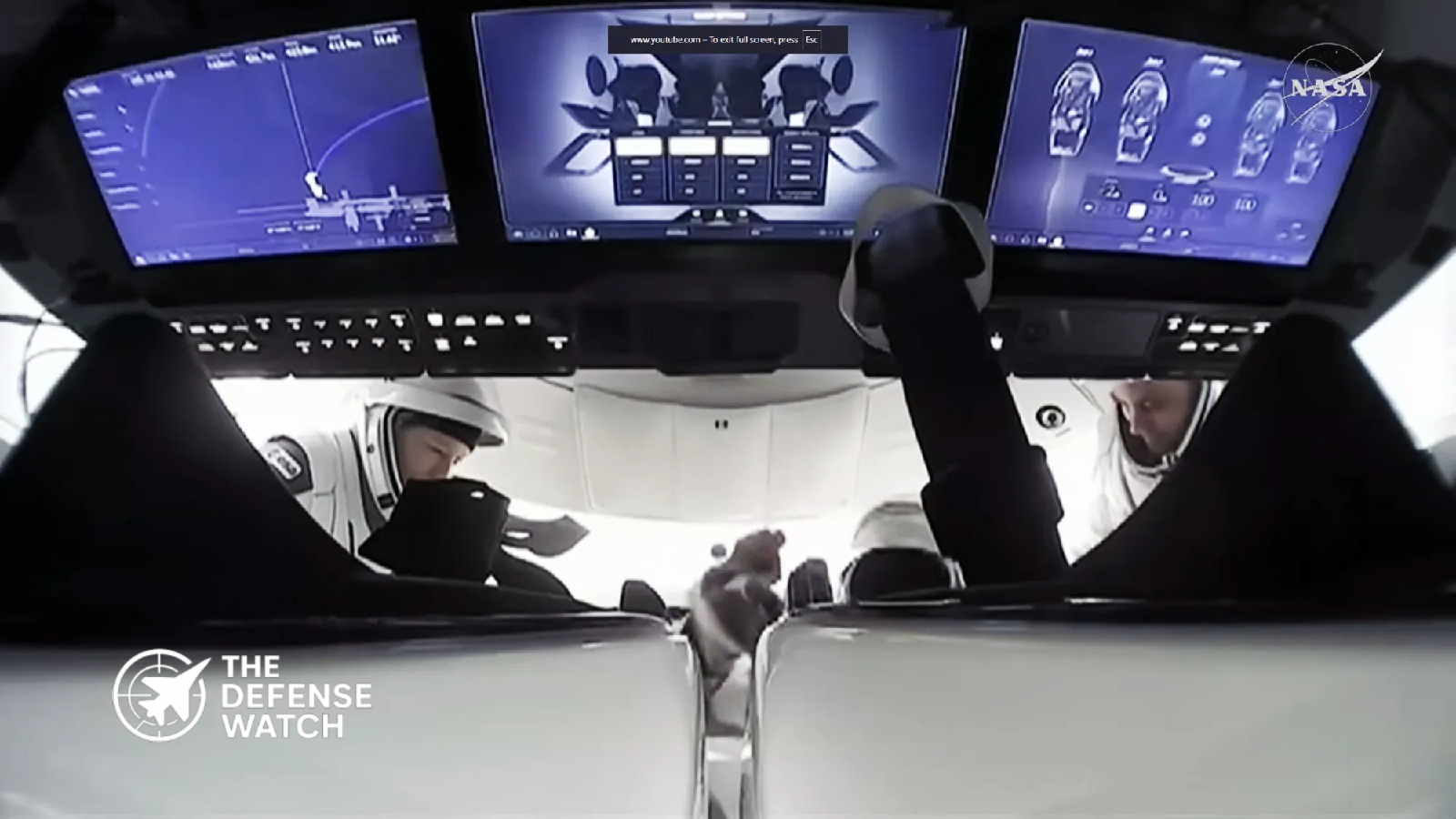
NASA’s SpaceX Crew-12 has completed another major step in its return from the International Space Station, with the hatch between the Dragon spacecraft and the orbital laboratory closed on Oct. 7 ahead of the crew’s scheduled undocking.
NASA reported that the hatch closed at 6:05 a.m. EDT, placing NASA astronauts Jessica Meir and Jack Hathaway, European Space Agency astronaut Sophie Adenot, and Roscosmos cosmonaut Andrey Fedyaev inside Dragon for the final phase of their mission. The spacecraft is scheduled to autonomously undock from the station at 8:05 a.m. EDT.
The timing is part of a carefully coordinated crew rotation aboard the ISS. Crew-12 arrived at the station on Feb. 14 after launching aboard a SpaceX Falcon 9 from Cape Canaveral Space Force Station in Florida the previous day. Their departure will conclude a 237-day mission in orbit, according to NASA.
Dragon enters the return phase
The hatch closure separates the four returning astronauts from the station and allows teams to proceed toward undocking preparations. NASA had previously planned hatch closure for approximately 6:20 a.m. EDT, but the agency’s latest update confirmed that the operation was completed at 6:05 a.m.
The Dragon spacecraft is expected to separate from the Harmony module’s space-facing port at 8:05 a.m. The spacecraft will then begin its journey away from the ISS before preparing for atmospheric reentry and splashdown.
NASA has scheduled the splashdown for approximately 11:34 a.m. EDT on Oct. 8, off the coast of California, subject to weather, recovery conditions and spacecraft readiness.
NASA’s return plan calls for a deorbit burn at approximately 10:46 a.m. EDT on Oct. 8. The Dragon is then expected to reenter the atmosphere before using parachutes for the final descent into the Pacific Ocean.
A crew rotation rather than a simple departure
Crew-12’s departure follows the arrival of NASA’s SpaceX Crew-13 mission on Oct. 1. Jessica Watkins, Luke Delaney, Canadian Space Agency astronaut Joshua Kutryk and Roscosmos cosmonaut Sergey Teteryatnikov entered the station after their Dragon spacecraft docked with the Harmony module.
The overlapping missions allowed the outgoing and incoming crews to transfer responsibilities and maintain continuity aboard the station. NASA previously reported that the station temporarily housed 11 people during the crew exchange.
NASA astronaut Jessica Meir also transferred command of the space station to Roscosmos cosmonaut Pyotr Dubrov on Oct. 4. Dubrov will remain aboard the station with Roscosmos cosmonaut Anna Kikina and NASA astronaut Anil Menon.
With Crew-12 leaving, seven residents will remain aboard the ISS.
That arrangement is important operationally because the station requires continuous staffing for research, maintenance, spacecraft operations and life-support activities. Crew rotations therefore involve more than transporting astronauts. They also provide a structured handover of ongoing experiments, equipment and station responsibilities.
What Crew-12 accomplished in orbit
Crew-12 began its long-duration mission as part of Expedition 74 and later continued into Expedition 75.
During the mission, the astronauts supported research involving human health, technology development, station systems and preparation for future long-duration missions.
Meir and her crewmates also supported external station operations. NASA reported that Meir participated in a spacewalk during Expedition 75, including work involving the Canadarm2 robotic arm.
Other Crew-12 activities included research and maintenance involving the station’s life-support systems and exercise equipment. ESA astronaut Sophie Adenot worked with the European Enhanced Exploration Exercise Device, while Jack Hathaway supported work on the station’s oxygen generation system and other technical tasks.
The mission therefore combined routine ISS operations with scientific and technology investigations designed to produce data for both current station operations and future human spaceflight.
Why the return matters to the ISS
The departure is significant mainly because it completes another planned crew rotation within NASA’s commercial crew system.
Since the arrival of Crew-13, the station has had two SpaceX Dragon spacecraft associated with human spaceflight operations. The outgoing Dragon is now being prepared to return its crew and accumulated cargo and research material to Earth.
The return also frees the crew vehicle for its next stage of post-mission operations while the newly arrived Crew-13 astronauts assume a larger share of station activities.
NASA has already begun transitioning the station’s research workload to the incoming crew. Crew-13 members have started experiments involving blood samples, sleep patterns, respiratory measurements and other human-health investigations.
That continuity is one of the main operational advantages of overlapping crew missions. Scientific work does not need to stop simply because one expedition ends.
The next milestone is undocking
As of NASA’s latest update, Crew-12 had completed hatch closure but had not yet completed its scheduled departure from the station.
NASA and SpaceX were targeting 8:05 a.m. EDT for Dragon’s undocking. The exact timing remains subject to real-time mission conditions, including spacecraft readiness and recovery considerations.
If the schedule remains on track, Crew-12 will spend roughly another day in Dragon before beginning the final return sequence on Oct. 8.
For NASA and its international partners, the mission will then transition from an eight-month orbital expedition to recovery and post-flight activities on Earth. The station itself will continue operating with the newly established Expedition 75 crew complement.
The immediate priority is therefore straightforward: safely separate Dragon from the ISS, complete the return trajectory and recover the four astronauts after 237 days in space.