

Executive Summary:
BWX Technologies has secured more than $1.4 billion in contracts from the U.S. Navy to support nuclear propulsion programs for submarines and aircraft carriers. The agreements reinforce the Pentagon’s long-term naval modernization strategy and expand industrial capacity supporting America’s nuclear-powered fleet.
BWX Technologies Expands Role In U.S. Navy Nuclear Propulsion Programs
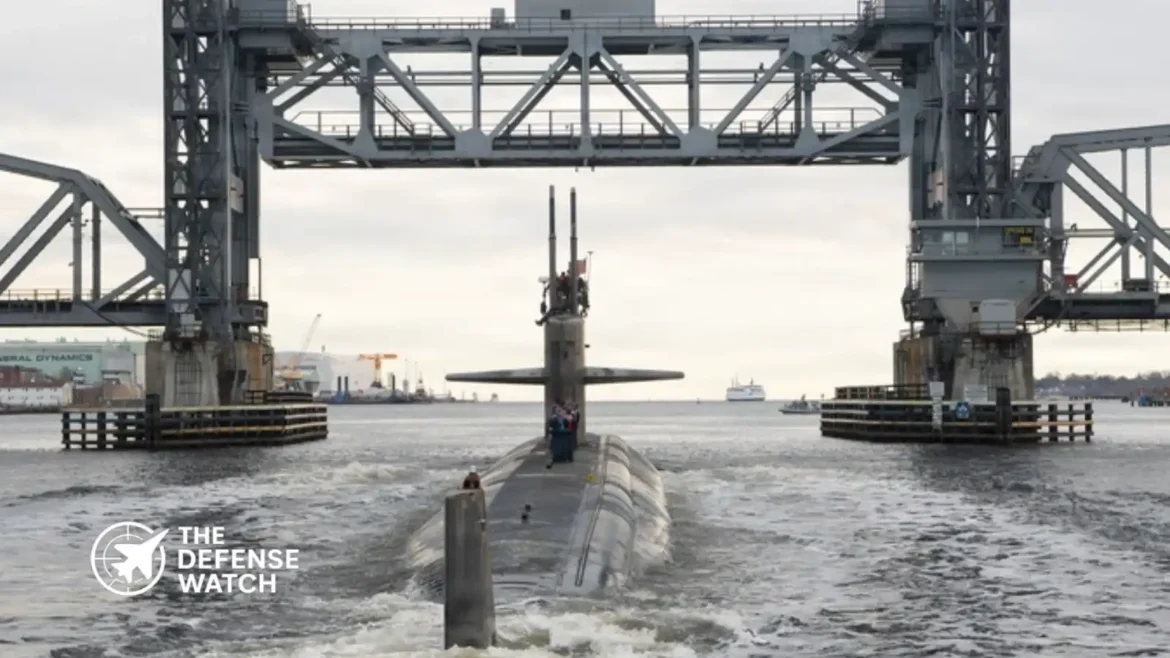
BWX Technologies has secured contracts worth more than $1.4 billion from the U.S. Navy to manufacture critical nuclear propulsion components for submarines and aircraft carriers, according to company and industry reports.
The awards support ongoing production and modernization efforts tied to the Navy’s nuclear fleet, including the Virginia class fast attack submarines and Ford class aircraft carriers. The contracts were issued through the Naval Nuclear Propulsion Program, one of the Pentagon’s most strategically sensitive defense initiatives.
The new agreements highlight continued U.S. investment in undersea warfare and long-term maritime deterrence capabilities amid rising geopolitical competition in the Indo-Pacific and other contested regions.
Contracts Support Strategic Naval Modernization
The U.S. Navy’s nuclear propulsion enterprise remains central to American power projection and strategic deterrence. Nuclear-powered submarines and carriers provide extended operational endurance, reduced logistical dependence, and global deployment flexibility that conventional platforms cannot match.
BWX Technologies will manufacture reactor components, pressure vessels, and precision nuclear systems used across multiple naval platforms. The company has long served as a critical supplier to the U.S. Navy’s nuclear propulsion ecosystem.
According to the company, the contracts include work tied to both new vessel construction and sustainment programs. Production activities will occur across several U.S. manufacturing facilities specializing in nuclear-grade materials and precision engineering.
The awards come as the Navy pushes to expand submarine production capacity while sustaining aging fleet assets. The Pentagon has repeatedly identified the submarine industrial base as a national security priority due to increasing operational demand and production bottlenecks.
Growing Pressure On America’s Submarine Industrial Base
The U.S. Navy has faced mounting challenges in maintaining desired submarine production rates, particularly for the Virginia class program. Delays in supply chains, workforce shortages, and limited manufacturing throughput have affected delivery schedules across the defense sector.
The latest BWX Technologies contracts signal continued federal efforts to stabilize and expand the industrial base supporting nuclear-powered vessels.

The United States is also balancing several overlapping naval priorities, including:
- Virginia class submarine production
- Columbia class ballistic missile submarine development
- Ford class aircraft carrier construction
- Nuclear fleet sustainment and reactor refueling
These programs collectively require a highly specialized workforce and tightly regulated manufacturing infrastructure.
Defense analysts increasingly view industrial capacity as a strategic factor in great power competition. The ability to sustain submarine production at scale is now considered essential for maintaining U.S. naval superiority against peer competitors such as China and Russia.
Nuclear Propulsion Remains Core To U.S. Maritime Strategy
The U.S. Navy operates the world’s largest fleet of nuclear-powered warships. Nuclear propulsion allows submarines to remain submerged for extended periods while enabling carriers to conduct long-duration operations without frequent refueling requirements.
Programs supported under the new contracts directly contribute to U.S. force readiness and long-term deterrence posture.
The contracts also align with broader U.S. defense priorities focused on Indo-Pacific security, maritime freedom of navigation, and allied force integration. Washington has increased emphasis on undersea warfare capabilities as regional naval competition intensifies.
In recent years, the Pentagon has prioritized investments in shipbuilding, advanced propulsion systems, and industrial resilience as part of broader defense modernization initiatives.
Defense Industry Impact And Economic Significance
The contracts are expected to support thousands of high-skilled manufacturing and engineering jobs across the United States. Nuclear propulsion work requires extensive certification standards, precision metallurgy expertise, and secure production environments.
BWX Technologies remains one of a limited number of American firms capable of producing naval nuclear reactor components at scale.
The agreements also demonstrate continued Pentagon reliance on established defense contractors with specialized nuclear engineering capabilities. Maintaining these industrial competencies is viewed as critical to sustaining future submarine and aircraft carrier programs.
As global maritime competition expands, the U.S. Navy’s nuclear propulsion infrastructure will likely remain a cornerstone of American defense planning for decades.
Original Analysis: Why These Contracts Matter Beyond Shipbuilding
While the headline value of the contracts is significant, the larger strategic story centers on industrial readiness. The U.S. Navy is not simply buying reactor parts, it is reinforcing the manufacturing network required to sustain long-term naval competition.
The submarine industrial base has become a major national security concern in Washington. Production delays affect not only fleet expansion goals but also alliance commitments, including the AUKUS security partnership involving Australia, the United Kingdom, and the United States.
These contracts also underscore how defense manufacturing capacity increasingly influences military strategy. In a prolonged geopolitical crisis, the ability to replace, maintain, and modernize naval assets could prove as important as frontline platform capabilities themselves.
The Navy’s continued investment in nuclear propulsion infrastructure suggests Pentagon planners are preparing for sustained maritime competition rather than short-term regional contingencies.


Executive Summary:
MBDA and the Indian Air Force have signed an agreement to establish local support and overhaul capabilities for MICA air-to-air missiles in India. The move is designed to improve missile availability, reduce turnaround times, and strengthen India’s long-term defense sustainment infrastructure.
India Expands MICA Missile Support Infrastructure
The Indian Air Force (IAF) and European missile manufacturer MBDA have signed an agreement to establish an in-country support and overhaul capability for the MICA missile system, according to reporting from European Security & Defence.
The agreement marks another step in India’s broader defense modernization and localization strategy, particularly in sustainment and lifecycle management of advanced weapons systems. The new arrangement will allow the Indian Air Force to conduct maintenance, repair, overhaul, and technical support operations for MICA missiles within India rather than relying entirely on overseas support channels.
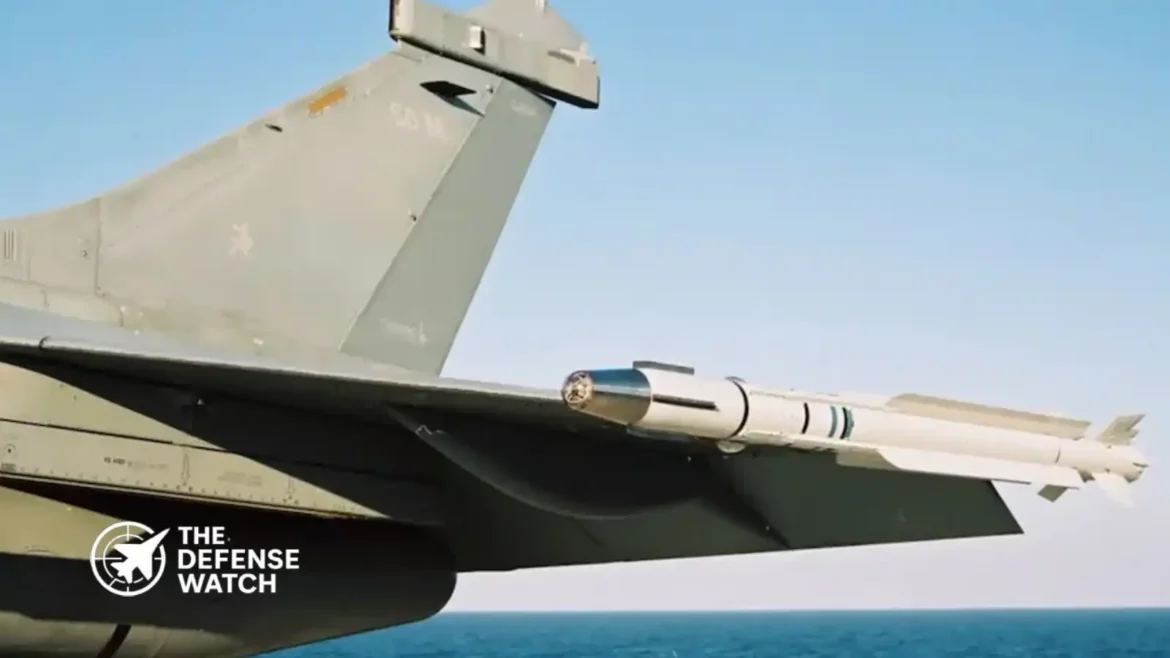
The MICA missile family is widely used on the Indian Air Force’s fleet of Dassault Mirage 2000 fighter aircraft and is also integrated with the Dassault Rafale platform operated by India.
Why The Agreement Matters
The new MICA missile support capability is strategically important because missile sustainment directly affects operational readiness and fleet availability. Air forces operating modern precision-guided munitions increasingly require local maintenance ecosystems to ensure rapid turnaround during peacetime operations and potential conflict scenarios.
By establishing domestic overhaul capability, the Indian Air Force could reduce dependency on foreign repair cycles, improve inventory management, and shorten maintenance timelines. The agreement also aligns with India’s long-running push for defense self-reliance under its indigenous manufacturing and sustainment initiatives.
While the announcement did not disclose the financial value of the agreement, the operational implications are significant. Sustainment infrastructure is often less visible than new procurement contracts, but it plays a critical role in maintaining combat effectiveness over the lifespan of advanced missile inventories.
The MICA missile itself remains a key component of India’s air combat capability. Developed by MBDA, the weapon is available in both infrared and radar-guided variants and is designed for beyond-visual-range and close-combat engagements. The missile has been exported to several countries and integrated onto multiple fighter aircraft platforms globally.
India’s Broader Air Power Modernization Effort
The MICA missile support agreement comes as India continues investing heavily in fighter aircraft modernization, weapons integration, and domestic defense industrial capacity.
The Indian Air Force is currently balancing several parallel modernization priorities, including Rafale fleet expansion, indigenous fighter development programs, upgraded air defense systems, and improvements in logistics infrastructure.
Local maintenance and overhaul agreements have become increasingly important for countries seeking to ensure operational continuity during geopolitical uncertainty and supply chain disruptions. Establishing domestic support capability for missile systems can help mitigate delays associated with overseas transportation, export approvals, and industrial bottlenecks.
India has pursued similar localization efforts across other defense sectors, including aircraft maintenance, naval systems support, armored vehicle production, and missile manufacturing partnerships. The latest MBDA agreement fits into this wider policy direction.
From MBDA’s perspective, the deal strengthens its long-term relationship with one of its largest international defense customers. India remains a major market for European aerospace and missile manufacturers, particularly in combat aviation and precision-guided weapons.
Operational Benefits For The Indian Air Force
The establishment of local MICA missile overhaul capability could provide several operational advantages for the Indian Air Force.
First, improved sustainment capacity may increase missile serviceability rates across frontline fighter squadrons. Faster inspection and refurbishment cycles can help ensure weapons remain available for training and operational deployments.
Second, local technical expertise development supports long-term force readiness. Building indigenous maintenance knowledge reduces reliance on external technical support and strengthens domestic defense engineering capabilities.
Third, in-country support infrastructure can provide greater flexibility during periods of heightened regional tension. Nations operating imported weapon systems often prioritize local sustainment capacity to avoid operational vulnerabilities tied to external supply chains.
The agreement also reflects a growing trend in global defense procurement where sustainment, technology transfer, and industrial participation are becoming as important as the original weapons purchase itself.
Strategic Implications In The Region
India’s continued investment in air-launched missile support infrastructure comes amid ongoing regional military modernization efforts across Asia.
Air combat capabilities, including beyond-visual-range missile systems, remain central to maintaining air superiority and deterrence. Sustainment readiness therefore becomes a key component of overall combat capability, particularly for high-tempo air operations.
Although the agreement is focused on maintenance and overhaul rather than new missile procurement, it demonstrates how support infrastructure is increasingly viewed as a strategic asset in modern military planning.
For India, improving local sustainment capacity supports both operational resilience and broader national defense industrial objectives.
Executive Summary:
The United States has approved a $540 million sustainment package for Canada’s C-17 Globemaster III transport aircraft fleet. The agreement supports long-term Arctic mobility, rapid response capability, and interoperability between Canadian and US forces in the High North.
Canada Expands Arctic Airlift Readiness With New C-17 Sustainment Package
The US approval of a $540 million Canada C-17 sustainment package marks another major step in strengthening North American Arctic defense readiness. According to the US Defense Security Cooperation Agency (DSCA), the package will support the Royal Canadian Air Force’s fleet of Boeing C-17 Globemaster III strategic transport aircraft through maintenance, spare parts, logistics support, software updates, and related sustainment services.
The proposed Foreign Military Sale comes as Canada continues to prioritize rapid mobility and logistical access across the Arctic, where harsh weather, vast distances, and limited infrastructure create operational challenges for military forces.
The DSCA notified the US Congress of the proposed deal, which includes support services designed to maintain operational availability and mission readiness for Canada’s heavy airlift fleet. The principal contractor will be Boeing.
Canada currently operates five C-17 Globemaster III aircraft under the Royal Canadian Air Force. The aircraft are based at CFB Trenton and have become central to Canada’s strategic air mobility operations since entering service in 2007.
Why The C-17 Globemaster III Remains Critical To Canada
The C-17 Globemaster III has become one of the most important assets in Canada’s long-range transport and humanitarian response capability. The aircraft is capable of transporting troops, armored vehicles, helicopters, medical equipment, and oversized cargo across intercontinental distances without relying heavily on forward staging bases.
For Arctic operations, that capability is especially important. Many northern regions lack developed infrastructure, making airlift one of the few viable options for rapid deployment and sustainment missions.
The aircraft can operate from short and semi-prepared runways, allowing Canada to reach remote Arctic locations faster than many conventional transport aircraft. This flexibility supports sovereignty patrols, disaster response operations, military exercises, and NATO deployment requirements.
The sustainment package is intended to preserve those capabilities over the long term as operational demands continue to increase in the Arctic region.
Arctic Security Concerns Continue To Grow
The timing of the approval reflects broader strategic concerns across the Arctic. NATO members and regional powers are increasing military activity in the High North as climate change opens new maritime routes and expands access to natural resources.
Canada has repeatedly emphasized the need to modernize Arctic surveillance, mobility, and response capabilities. Ottawa has also invested in NORAD modernization programs alongside the United States to improve continental defense infrastructure.
Strategic airlift plays a central role in that effort. Unlike fighter aircraft or naval vessels that require significant basing infrastructure, heavy transport aircraft can rapidly move personnel and equipment across Canada’s northern territory with fewer logistical constraints.
The approval also reinforces defense interoperability between Canada and the United States. Shared sustainment frameworks and logistics support help ensure Canadian aircraft can operate alongside US and NATO forces during multinational operations.
Sustainment Deals Increasingly Important Across NATO Fleets
While defense procurement often focuses on new platforms, sustainment and readiness programs have become increasingly important across NATO militaries. Maintaining operational availability for existing fleets is now viewed as essential amid growing global demand for rapid deployment capability.
Heavy airlift aircraft like the C-17 are particularly valuable because relatively few nations possess strategic transport fleets capable of moving large military payloads over long distances.

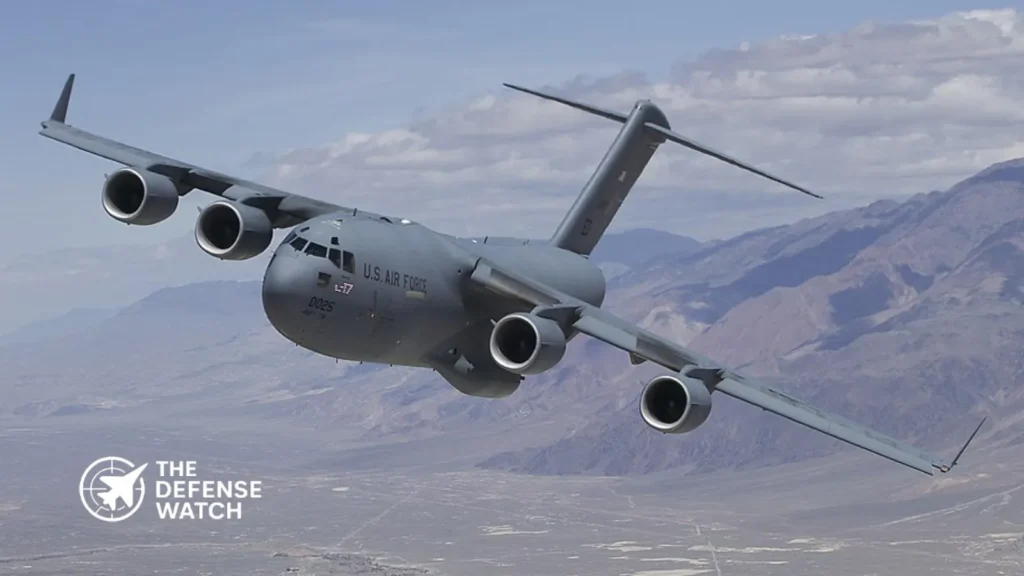
Image : creative commons Canada has used its C-17 fleet extensively for domestic emergency operations, international humanitarian missions, NATO deployments, and military support operations in Europe and the Middle East.
The aircraft have also supported wildfire response missions, disaster relief operations, and evacuations, demonstrating their dual military and civil utility.
By approving the sustainment package, Washington is helping ensure Canada can maintain continuous readiness for both domestic and allied operations across multiple theaters.
Boeing Continues Long-Term Support Role
Boeing remains the primary contractor supporting global C-17 operations. Although production of the aircraft ended in 2015, the platform continues to serve as a backbone strategic airlifter for several allied nations, including the United States, United Kingdom, Australia, India, and Canada.
Sustainment agreements have become increasingly significant as operators seek to extend the service life of existing fleets while preserving readiness rates.
The latest package for Canada includes engineering support, software maintenance, spare components, technical documentation, training support, and logistics assistance.
According to the DSCA, the proposed sale will not alter the military balance in the region but will improve Canada’s ability to meet current and future defense requirements.
Strategic Importance Beyond Canada
The Canada C-17 sustainment package also highlights the broader shift toward Arctic preparedness among Western allies. As geopolitical competition intensifies in the region, mobility and logistical reach are becoming key operational advantages.
Rapid airlift capability allows NATO members to reinforce northern territories quickly without relying exclusively on permanent forward deployments.
For Canada, maintaining a reliable heavy transport fleet supports both national sovereignty and alliance commitments. The Arctic remains one of the most demanding operational environments in the world, making sustainment and readiness just as important as acquiring new military systems.
The approval further demonstrates ongoing US support for allied defense modernization and continental security coordination.

(adsbygoogle = window.adsbygoogle || []).push({});Executive Summary:
General Dynamics Mission Systems has received a $69.7 million U.S. Air Force contract to produce KIV-78A cryptographic systems and circuit card assemblies. The program supports secure communications and interoperability across U.S. and allied military platforms under Foreign Military Sales agreements. The contract highlights continued demand for hardened encryption technology amid growing cyber and electronic warfare threats.
General Dynamics KIV-78A Contract Strengthens Allied Secure Communications
The KIV-78A contract awarded to General Dynamics Mission Systems reflects the growing importance of secure battlefield communications across modern military operations. The U.S. Air Force awarded the Scottsdale, Arizona-based company a maximum ceiling requirements contract valued at $69,702,627 for production of the KIV-78A cryptographic device and associated circuit card assemblies.
According to the Department of Defense contract announcement, work will be performed in Scottsdale through May 5, 2031. The contract was issued as a sole source acquisition through the Air Force Life Cycle Management Center’s Cryptologic and Cyber Systems Division at Joint Base San Antonio-Lackland, Texas.
Initial fiscal year 2026 procurement funding worth $8.27 million will be obligated under the first delivery order following contract award.
The KIV-78A system plays a key role in protecting sensitive military communications and tactical data transmissions. Cryptographic equipment like the KIV-78A enables secure exchange of operational information across aircraft, command centers, ground units, and allied coalition networks.
Expanding Foreign Military Sales Demand
The contract also includes extensive Foreign Military Sales participation involving key U.S. allies and partners. Countries listed under the agreement include Australia, Belgium, Canada, Germany, Israel, Italy, Japan, South Korea, Kuwait, Netherlands, Norway, Poland, Turkey, Saudi Arabia, Switzerland, United Arab Emirates, and the United Kingdom, among others.
The wide participation base underscores how encrypted interoperability remains central to coalition military operations. NATO forces and major U.S. defense partners increasingly depend on compatible secure communications architecture to support joint air, naval, and land operations.
Defense analysts have repeatedly highlighted that secure communications systems are becoming as strategically important as kinetic weapons platforms. Modern military operations rely heavily on real-time data sharing, sensor fusion, and network-centric warfare capabilities, all of which require resilient encryption and anti-tamper technologies.
Cyber And Electronic Warfare Pressures Drive Demand
The KIV-78A contract arrives as the Pentagon and allied militaries continue investing heavily in cyber resilience and electronic warfare survivability. Military planners increasingly face threats from adversaries capable of signal interception, spoofing, jamming, and cyber intrusion attempts.
Secure cryptographic systems are designed to protect classified and mission-critical information while ensuring communications integrity during contested operations. Such systems are particularly important for aircraft mission systems, tactical datalinks, intelligence-sharing networks, and command-and-control infrastructure.
The Air Force Life Cycle Management Center’s Cryptologic and Cyber Systems Division oversees many of the Pentagon’s secure communications modernization efforts. These programs support broader Department of Defense priorities focused on Joint All-Domain Command and Control, often referred to as JADC2, which aims to connect sensors, platforms, and decision-makers across multiple combat domains.
The sole source nature of the contract also reflects the highly specialized and sensitive nature of military cryptographic technology. Programs involving classified encryption standards and interoperability requirements are often limited to approved defense contractors with certified secure production capabilities.
Strategic Importance For U.S. And Allied Forces
The KIV-78A production effort reinforces the broader strategic emphasis on allied interoperability at a time of heightened geopolitical tensions across Europe, the Indo-Pacific, and the Middle East.
As coalition operations become more digitally integrated, the reliability and security of encrypted communications networks remain critical to operational effectiveness. Systems such as the KIV-78A help ensure that allied forces can securely exchange information during high-tempo military operations without compromising sensitive data.
The contract also supports long-term sustainment and modernization of existing secure communications infrastructure already fielded across multiple allied defense networks.
With completion scheduled through 2031, the agreement provides continued production stability for one of the Pentagon’s key tactical cryptographic systems while reinforcing defense industrial support for allied communications security modernization.

Executive Summary:
The Boeing Company has received a $125 million contract modification from the U.S. Air Force for initial long lead spare parts tied to two VC-25B presidential aircraft. The award supports the ongoing modernization of the future Air Force One fleet and raises the overall contract value to more than $4.4 billion. The work will be carried out in San Antonio, Texas, with fiscal 2026 RDT&E funds already obligated.
Boeing VC-25B Contract Expands Air Force One Modernization Program
The Boeing VC-25B contract program received another financial boost after the U.S. Air Force awarded the company a $125 million contract modification for long lead spare parts tied to two fully mission capable presidential aircraft.
According to the Department of Defense contract announcement, the modification, identified as P00176 under contract FA8625-16-C-6599, increases the total cumulative contract value from approximately $4.32 billion to more than $4.44 billion.
The award was issued to Boeing’s facility in Tukwila, Washington, while the work itself will be performed in San Antonio. The Air Force Life Cycle Management Center at Wright-Patterson Air Force Base is serving as the contracting authority.
Fiscal 2026 research, development, test, and evaluation funds totaling $41.9 million were obligated at the time of award.
Spare Parts Procurement Signals Long Term Sustainment Focus
The latest Boeing VC-25B contract action focuses specifically on initial long lead spare parts procurement. In defense aviation programs, long lead components typically include critical systems and hardware requiring extended manufacturing timelines before aircraft delivery or operational deployment.
The procurement effort reflects the Pentagon’s continued emphasis on sustainment planning early in the lifecycle of high value strategic aircraft programs. For presidential airlift operations, spare parts availability is considered mission critical because the aircraft must maintain near constant readiness.
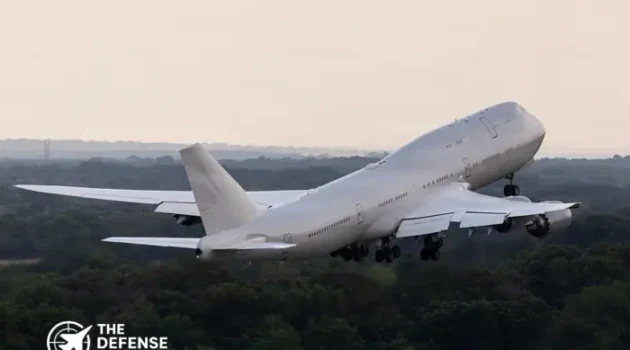
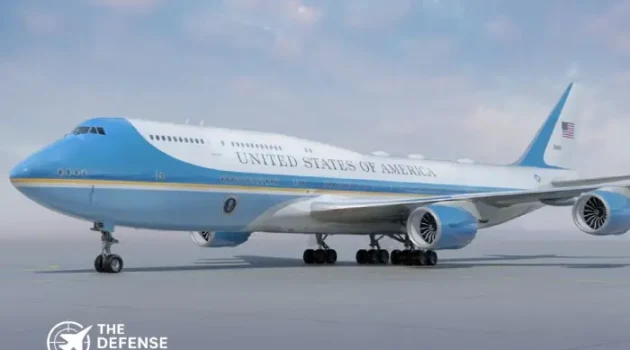
The VC-25B fleet is intended to replace the aging VC-25A aircraft currently used for presidential transport under the Air Force One mission. The existing aircraft are heavily modified versions of the Boeing 747-200B platform that entered service in the early 1990s.
The replacement VC-25B aircraft are based on the newer Boeing 747-8 airframe and are being extensively modified to support secure communications, survivability systems, executive transport, and command-and-control operations.
Program Continues Under Cost And Schedule Pressure
The Boeing VC-25B contract program has faced years of scrutiny tied to schedule delays, rising costs, and technical integration challenges.
Originally negotiated during the first Trump administration, the Air Force One replacement effort became one of Boeing Defense’s most closely watched fixed-price military aviation programs. Boeing has previously disclosed significant financial losses linked to the program due to engineering complexity, supply chain disruptions, and inflationary pressures.
Despite these challenges, the Pentagon has continued funding key procurement and integration milestones to maintain progress toward aircraft delivery.
The latest contract modification suggests the Air Force is moving deeper into sustainment preparation and operational readiness planning as the program advances toward later production and testing phases.
Defense analysts have noted that presidential aircraft programs involve requirements beyond standard military transport platforms. The aircraft must function as secure airborne command centers capable of supporting the president during crises, including nuclear contingencies and global military operations.
That complexity significantly increases integration demands for communications security, electromagnetic hardening, defensive countermeasures, and redundant mission systems.
Strategic Importance Of The VC-25B Fleet
Although the VC-25B program represents a relatively small fleet, its strategic importance remains exceptionally high within the U.S. national command authority structure.
The aircraft serve not only as executive transport platforms but also as symbols of U.S. global power projection and continuity of government capability.
The future VC-25B aircraft are expected to feature upgraded communications architecture, improved avionics, modernized power systems, and enhanced operational efficiency compared with the legacy VC-25A fleet.
The Air Force has not publicly confirmed an exact delivery timeline in the latest contract announcement, though previous projections indicated delays beyond initial target dates.
The continued flow of funding into spare parts procurement indicates the Pentagon remains committed to fielding both aircraft as fully operational assets despite ongoing program management pressures.
Industrial Base And Defense Aviation Implications
The Boeing VC-25B contract also highlights the broader importance of sustaining specialized aerospace manufacturing capabilities within the U.S. defense industrial base.
Work associated with the presidential aircraft program supports highly specialized engineering, modification, and systems integration expertise concentrated in the American aerospace sector.
San Antonio has emerged as a major hub for aircraft modification and sustainment work across multiple U.S. military aviation programs. The region supports extensive depot maintenance, modernization, and aircraft conversion activity for both government and commercial customers.
For Boeing Defense, the Air Force One replacement effort remains one of its most visible strategic aviation programs despite its relatively limited production scale.
The program continues to attract congressional and public attention because of its symbolic value, high technical requirements, and cost profile.
Executive Summary:
RTX Corporation has secured its largest-ever order for SharpSight radar systems through an agreement with Blue Raven Solutions. The deal highlights growing global demand for mobile intelligence, surveillance, and reconnaissance capabilities. It also signals a broader shift toward scalable, high-resolution radar solutions in modern military operations.
RTX SharpSight Radar Deal Strengthens ISR Capabilities
The RTX SharpSight radar deal represents a significant milestone for the company’s ground-based surveillance portfolio, underscoring rising demand for advanced ISR systems across global defense markets.
Through its partnership with Blue Raven, RTX will deliver its SharpSight radar, a system designed for persistent, high-resolution monitoring of land-based activity. The agreement is notable not only for its scale, but also for its timing, as military forces increasingly prioritize situational awareness in complex operational environments.
SharpSight is engineered to detect, track, and classify moving targets across wide areas. It supports border security, base protection, and forward-deployed operations. The system’s modular design allows for rapid deployment, making it suitable for both fixed and mobile missions.
RTX has not publicly disclosed the contract value, but confirmed it as the largest SharpSight order to date. That alone reflects growing confidence in the system’s performance and operational relevance.
What SharpSight Radar Brings To Modern Battlefields
The SharpSight radar sits within a broader category of ground surveillance radars designed to deliver persistent intelligence in real time. Its capabilities include:
- Wide-area ground moving target indication (GMTI)
- High-resolution imaging for classification
- Day and night, all-weather operation
- Integration with command-and-control systems
These features align with current military priorities, especially in contested environments where traditional ISR platforms, such as manned aircraft or satellites, may face limitations.
Unlike legacy systems, SharpSight emphasizes mobility and scalability. Units can be deployed quickly, repositioned as needed, and integrated into layered defense networks. This flexibility is critical in modern conflicts, where frontlines are fluid and threats evolve rapidly.
From an operational standpoint, systems like SharpSight help reduce reliance on higher-cost ISR assets. Ground-based radar offers persistent coverage at a lower operating cost, while still providing actionable intelligence.
Strategic Role Of Blue Raven In The Agreement
Blue Raven Solutions plays a key role as an integration and delivery partner in the RTX SharpSight radar deal. The company specializes in deploying advanced sensing and surveillance technologies for defense and security customers.
Its involvement suggests that the radar systems will likely be integrated into broader ISR architectures, rather than deployed as standalone assets. This reflects a growing trend in defense procurement, where interoperability and system-of-systems integration are critical.
Blue Raven’s role may also include customization, training, and operational support, ensuring that end users can fully exploit the radar’s capabilities in real-world conditions.
Growing Demand For Ground-Based Surveillance Systems
The RTX SharpSight radar deal comes amid a wider increase in demand for ISR technologies. Several factors are driving this trend:
- Rising geopolitical tensions and border security concerns
- Increased use of unmanned systems requiring detection
- Need for persistent surveillance in denied environments
- Shift toward distributed and networked warfare
Ground-based radars are particularly valuable in detecting low-signature threats, such as small drones or dismounted personnel. As these threats become more common, militaries are investing in sensors that can provide continuous coverage without reliance on air assets.
In this context, SharpSight fits into a broader ecosystem of layered sensing capabilities, complementing airborne ISR and space-based assets.
Operational Impact And Market Positioning
For RTX, this deal reinforces its position in the competitive ISR and radar market. The company, which includes legacy capabilities from Raytheon, has long been a leader in radar technologies across air, land, and maritime domains.
The SharpSight system adds to a portfolio that already includes advanced air defense radars and multi-domain sensing solutions. By expanding its ground surveillance offerings, RTX is positioning itself to capture a larger share of the ISR market.
From a customer perspective, the system provides a cost-effective way to enhance situational awareness. Its scalability makes it attractive for both large-scale military operations and smaller security forces.
Analysis: Why This Deal Matters Now
At least part of the significance of the RTX SharpSight radar deal lies in timing. Modern conflicts are increasingly defined by the need for persistent visibility across the battlefield.
Traditional ISR platforms, while powerful, are often limited by cost, availability, and vulnerability. Ground-based systems like SharpSight help fill these gaps by providing continuous, localized surveillance.
There is also a clear shift toward distributed sensing networks. Instead of relying on a few high-value assets, militaries are deploying larger numbers of smaller, interconnected sensors. This approach improves resilience and reduces the risk of single points of failure.
SharpSight aligns well with this concept. Its modular design and integration capability make it suitable for networked operations, where data from multiple sensors is fused into a common operational picture.
In addition, the rise of drone warfare has created new detection challenges. Low-flying, small UAVs are difficult to track using traditional systems. Advanced ground radars are becoming essential tools for countering these threats.
Future Outlook For SharpSight And ISR Systems
Looking ahead, the success of the RTX SharpSight radar deal could lead to further orders, particularly as defense budgets increasingly prioritize ISR capabilities.
Potential areas of growth include:
- Border surveillance and homeland security
- Counter-drone operations
- Expeditionary and rapid deployment forces
- Integration with AI-driven analytics
As sensor technology evolves, systems like SharpSight may also incorporate advanced data processing and machine learning, improving target identification and reducing operator workload.
Executive Summary:
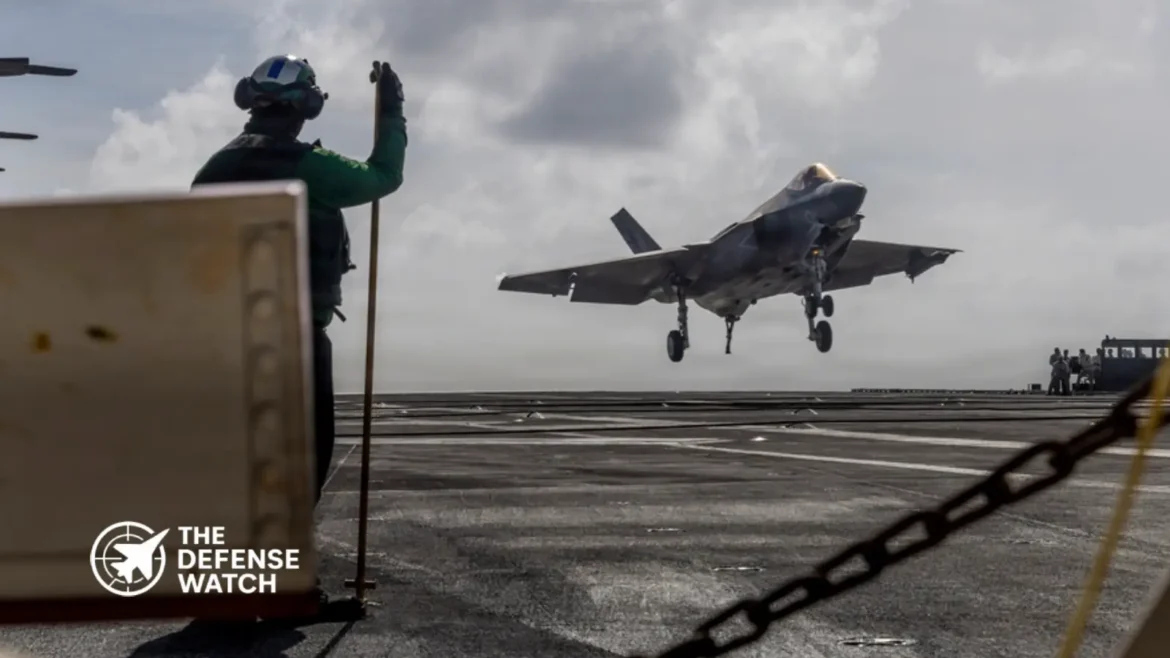
Lockheed Martin has been awarded a $14.5 million U.S. Navy contract to install flight test instrumentation on CF-5 aircraft supporting F-35C testing.
The effort aims to bridge a critical testing gap in carrier suitability trials until dedicated flight sciences aircraft become available.
Lockheed Martin F-35 Contract Targets Testing Gap In Carrier Operations
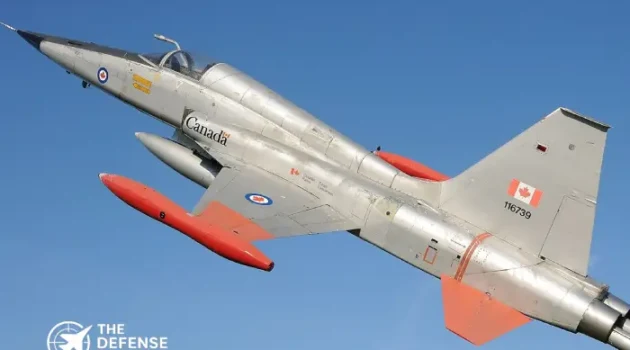
The Lockheed Martin F-35 contract represents a targeted effort by the U.S. Navy to sustain critical flight testing capacity for the carrier-based F-35C variant. Valued at $14.5 million, the contract focuses on integrating advanced flight test instrumentation onto CF-5 aircraft to support ongoing ship suitability testing.
Awarded as a cost-plus-incentive-fee order under an existing agreement, the work addresses a near-term shortfall in specialized flight sciences aircraft used for high-risk and complex testing scenarios. The Naval Air Systems Command (NAVAIR), based in Patuxent River, Maryland, is overseeing the effort.
This move reflects a broader pattern in U.S. defense acquisition, where interim solutions are deployed to maintain program momentum amid platform delays or capability gaps.
Bridging The F-35C Ship Suitability Testing Gap
Carrier suitability testing is one of the most demanding phases in naval aviation development. It evaluates how aircraft perform during catapult launches, arrested landings, and deck operations under real-world conditions.
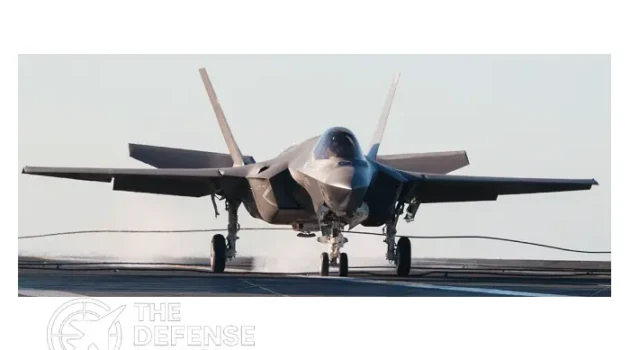
The F-35C, the carrier variant of the Joint Strike Fighter, requires extensive instrumentation to capture aerodynamic data, structural loads, and system performance during these tests. However, delays in delivering dedicated flight sciences aircraft created a bottleneck.
By modifying CF-5 aircraft with flight test instrumentation, the Navy is effectively creating a stopgap platform. This ensures continuity in testing without slowing the broader F-35C operational timeline.
From an operational standpoint, this is a pragmatic decision. Testing delays in carrier aviation can ripple across deployment schedules, pilot training pipelines, and carrier air wing readiness.
Contract Scope And Industrial Footprint
Under the Lockheed Martin F-35 contract, work will be distributed across multiple locations:
- Fort Worth, Texas (primary workshare)
- Orlando, Florida
- Linthicum, Maryland
- Nashua, New Hampshire
- San Diego and El Segundo, California
- Samlesbury, United Kingdom
- Additional CONUS and international locations
The geographic spread highlights the complexity of modern defense programs, which rely on a distributed industrial base spanning avionics, sensors, software, and integration expertise.
Fort Worth remains the center of gravity, consistent with its role as the primary F-35 production hub.
Funding Structure And Timeline
The Navy has obligated $4 million in Fiscal Year 2025 research, development, test, and evaluation (RDT&E) funds at the time of award. Notably, these funds will not expire at the end of the fiscal year, providing flexibility for execution.
The contract runs through May 2028, aligning with expected timelines for the delivery and operational readiness of dedicated flight sciences aircraft.
The use of a cost-plus-incentive-fee structure suggests technical complexity and evolving requirements. It allows the government to incentivize performance while accommodating uncertainties inherent in test instrumentation integration.
Why This Matters For The F-35 Program
The Lockheed Martin F-35 contract underscores a key reality of large-scale defense programs: testing infrastructure can be as critical as the platform itself.
The F-35 program, one of the most complex and expensive in history, depends heavily on continuous testing to validate upgrades, software blocks, and operational capabilities. Any disruption in testing capacity can delay capability delivery across the fleet.
By addressing the testing gap proactively, the Navy is:
- Preserving schedule integrity for F-35C deployment cycles
- Maintaining data continuity for certification and upgrades
- Reducing risk in carrier integration operations
This also reflects lessons learned from earlier phases of the program, where bottlenecks in testing and integration contributed to delays.
Strategic Context: Carrier Air Wing Modernization
The F-35C is central to the future of U.S. Navy carrier air wings. Designed for longer range, enhanced survivability, and advanced sensor fusion, it significantly expands the operational reach of carrier strike groups.
Ensuring uninterrupted testing is essential as the Navy transitions from legacy platforms like the F/A-18C/D to a more networked, fifth-generation force.
In this context, the contract is not just a technical fix. It is part of a broader effort to sustain momentum in carrier aviation modernization amid evolving global threats and operational demands.
Programmatic Insight: Interim Solutions In Defense Acquisition
The reliance on modified CF-5 aircraft highlights a recurring theme in defense programs: the need for interim capability solutions.
Rather than waiting for purpose-built platforms, the Navy is leveraging existing assets to maintain operational tempo. This approach:
- Reduces downtime in critical testing phases
- Maximizes use of available resources
- Mitigates risk associated with single-point failures in acquisition timelines
Such strategies are increasingly common as defense programs grow more complex and timelines extend.
Conclusion
The Lockheed Martin F-35 contract for flight test instrumentation may appear modest in value, but its impact is significant. By bridging a critical testing gap, it ensures continuity in one of the most demanding phases of naval aviation development.
As the F-35C continues to mature into a cornerstone of U.S. carrier operations, maintaining testing capacity remains essential. This contract demonstrates how targeted investments can safeguard broader program objectives and operational readiness.
Executive Summary:
Tyto Athene LLC has been awarded a $35.9 million U.S. Navy contract to support Fleet Cyber Command through a new infrastructure program. The deal focuses on engineering, installation, and maintenance of critical cyber and IT systems. The contract underscores growing investment in resilient naval cyber capabilities.
Tyto Athene Navy Cyber Contract Strengthens Fleet Cyber Command Infrastructure
The Tyto Athene Navy cyber contract marks a significant step in modernizing the U.S. Navy’s digital backbone, with a $35.98 million award aimed at supporting Fleet Cyber Command/U.S. Tenth Fleet operations.
Awarded as a firm-fixed-price, indefinite-delivery/indefinite-quantity agreement, the contract establishes the Shore Equipment Installation and Maintenance Management Program, or SEIMMP. The program is designed to provide technical direction, engineering expertise, and installation support for electronic systems and associated infrastructure critical to naval cyber missions.
The contract includes a five-year ordering period beginning in June 2026, with an optional six-month extension that could bring the total value to $40 million.
Expanding Cyber Infrastructure Across Strategic Locations
Work under the Tyto Athene Navy cyber contract will be distributed across key U.S. military locations. These include Fort Meade, Maryland, and Chesapeake, Virginia, each accounting for 30 percent of the workload, alongside Oahu, Hawaii, also at 30 percent. The remaining 10 percent will be executed at various domestic and overseas sites based on mission requirements.
These locations are not random. Fort Meade serves as a central hub for U.S. cyber operations, while Hawaii plays a critical role in Indo-Pacific command activities. Chesapeake supports major naval infrastructure on the East Coast.
This geographic spread reflects a deliberate strategy to reinforce cyber readiness across multiple operational theaters, particularly as the Navy continues to integrate cyber warfare into its broader mission set.
Supporting Fleet Cyber Command’s Evolving Mission
Fleet Cyber Command/U.S. Tenth Fleet is responsible for the Navy’s cyber, information, and electronic warfare operations. The SEIMMP program will directly support these missions by ensuring that shore-based systems remain operational, secure, and up to date.
The Tyto Athene Navy cyber contract covers a wide range of activities, including:
- Engineering and technical support
- Installation of electronic systems
- Maintenance of IT and cyber infrastructure
- Program management and lifecycle support
These capabilities are essential as cyber threats grow more complex and persistent. Maintaining secure and resilient infrastructure is no longer a support function, it is a frontline requirement.
Contract Structure Reflects Flexible, Demand-Driven Operations
The indefinite-delivery/indefinite-quantity structure allows the Navy to issue task orders as needed, rather than committing to a fixed scope upfront. This provides flexibility to adapt to evolving operational demands and emerging cyber threats.
Only a minimum amount of $10,000 in fiscal 2026 operations and maintenance funds has been obligated at the time of award. Future funding will be allocated through task orders, depending on mission needs and available budgets.
This approach aligns with broader Department of Defense procurement trends, which increasingly favor modular, scalable contracts for technology and cyber programs.
Competitive Procurement Signals Industry Demand
The Tyto Athene Navy cyber contract was competitively awarded through the System for Award Management, with five offers received. This level of competition highlights the growing demand for cyber infrastructure expertise within the defense sector.
The Naval Supply Systems Command Fleet Logistics Center in Norfolk, Virginia, served as the contracting authority.
From an industry perspective, the award reinforces Tyto Athene’s position as a key player in defense IT and cyber services, particularly in supporting mission-critical infrastructure.
Analysis: Why This Contract Matters Now
At first glance, the Tyto Athene Navy cyber contract may appear routine. In reality, it reflects a deeper shift in how the Navy prioritizes cyber resilience.
Modern naval operations rely heavily on interconnected systems, from communications and intelligence to logistics and weapons integration. Any disruption to these systems can have immediate operational consequences.
By investing in programs like SEIMMP, the Navy is addressing several critical challenges:
1. Infrastructure Readiness in a Contested Domain
Cyber warfare is no longer confined to networks. It directly impacts physical systems and operational readiness. Ensuring that shore-based infrastructure is secure and functional is essential for mission continuity.
2. Distributed Operations Across Global Theaters
The inclusion of locations like Hawaii highlights the Navy’s focus on the Indo-Pacific region, where cyber competition is intensifying. Distributed infrastructure support ensures that forward-deployed forces remain connected and secure.
3. Lifecycle Management of Complex Systems
As systems become more advanced, maintaining them becomes more complex. Programs like SEIMMP provide structured support for long-term system health, reducing downtime and operational risk.
4. Rapid Adaptation to Emerging Threats
The IDIQ model allows the Navy to respond quickly to new requirements without renegotiating contracts. This agility is critical in the fast-moving cyber domain.
Broader Context: Cyber as a Core Naval Capability
The Tyto Athene Navy cyber contract is part of a larger trend across the U.S. military. Cyber capabilities are increasingly treated as core warfighting functions, on par with air, land, sea, and space.
Fleet Cyber Command plays a central role in this transformation, integrating cyber operations with intelligence and electronic warfare. Programs like SEIMMP ensure that the underlying infrastructure can support this integration.
As adversaries continue to develop advanced cyber capabilities, the importance of resilient, well-maintained infrastructure will only grow.
Executive Summary:
Lockheed Martin has secured a $48 million contract to provide sustainment and logistics support for the U.S. Air Force’s C-130J fleet. The agreement ensures continued operational readiness through engineering, repairs, and program management. The deal reflects ongoing reliance on industry partners for lifecycle aircraft support.
Lockheed Martin Strengthens C-130J Sustainment Capability
Lockheed Martin has been awarded a $48 million indefinite-delivery/indefinite-quantity contract to provide C-130J sustainment contract support for the U.S. Air Force, reinforcing long-term fleet readiness and operational availability.
The contract, issued by the Air Force Life Cycle Management Center at Robins Air Force Base, covers logistics sustainment, engineering services, repairs, and program management for the C-130J Super Hercules aircraft. Work will be carried out across key operational and maintenance hubs, including Marietta, Georgia; Robins Air Force Base; and Hurlburt Field, Florida. The contract is scheduled to run through May 4, 2031.
Initial funding includes $5.01 million from fiscal year 2025 procurement funds and $508,515 from fiscal year 2026 funds obligated at the time of award.
Sustaining a Critical Tactical Airlift Platform
The C-130J sustainment contract highlights the continued importance of lifecycle support for one of the U.S. military’s most versatile tactical airlift platforms. The C-130J Super Hercules plays a central role in global mobility operations, including troop transport, cargo delivery, humanitarian missions, and special operations support.
Unlike procurement-focused contracts, sustainment agreements such as this are designed to ensure long-term aircraft availability, reliability, and mission readiness. This includes predictive maintenance, supply chain management, software updates, and structural repairs.
The sole-source nature of the award reflects Lockheed Martin’s position as the original equipment manufacturer (OEM) and primary sustainment authority for the C-130J platform. This structure is common across major U.S. defense programs, where technical complexity and proprietary systems limit competition in sustainment phases.
Strategic Importance of Sustainment Contracts
While smaller in value compared to large acquisition programs, the C-130J sustainment contract carries significant operational weight. Sustainment typically accounts for the majority of a platform’s lifecycle cost, often exceeding initial procurement expenses over time.
For the U.S. Air Force, maintaining high mission-capable rates is critical amid increasing global operational demands. Aircraft availability directly impacts deployment flexibility, response times, and overall force readiness.
This contract aligns with broader Department of Defense efforts to improve sustainment efficiency and reduce maintenance backlogs. The Air Force Life Cycle Management Center, which oversees the program, has prioritized data-driven maintenance strategies and closer collaboration with industry partners.
Operational Footprint and Support Infrastructure
Work under the contract will span multiple locations, each playing a specific role in the sustainment ecosystem:
- Marietta, Georgia: Primary manufacturing and engineering hub for the C-130J program
- Robins Air Force Base, Georgia: Key depot-level maintenance and logistics center
- Hurlburt Field, Florida: Operational base supporting Air Force Special Operations Command (AFSOC)
This distributed model allows for integrated support across production, maintenance, and operational environments, improving turnaround times and reducing downtime for deployed aircraft.
Analysis: Why This Deal Matters
Although the $48 million value may appear modest compared to multi-billion-dollar defense programs, the C-130J sustainment contract reflects a critical shift in defense priorities toward readiness and lifecycle management.
Modern military strategy increasingly emphasizes sustainment as a force multiplier. Advanced aircraft are only as effective as their availability rates, and sustainment contracts ensure that fleets remain mission-capable in high-demand environments.
This is particularly relevant for the C-130J, which operates across a wide range of mission profiles and geographic regions. Its adaptability makes it a high-utilization asset, increasing wear and maintenance requirements.
The contract also underscores the Pentagon’s reliance on long-term partnerships with defense contractors. By leveraging OEM expertise, the Air Force can maintain technical integrity while streamlining maintenance processes.
Industry Context and Broader Trends
The award comes amid a broader trend of increased investment in sustainment across the U.S. military. As platforms age and operational tempos remain high, sustainment spending is expected to grow steadily over the coming years.
Programs like the C-130J benefit from incremental upgrades and continuous support, extending service life and delaying the need for costly replacement programs.
Lockheed Martin’s sustainment portfolio spans multiple platforms, including fighter aircraft, transport systems, and rotary-wing assets. This positions the company as a key player not only in production but also in long-term defense support services.
Contract Details at a Glance
- Contract Type: Indefinite-delivery/indefinite-quantity (IDIQ)
- Total Value: $48 million
- Completion Date: May 4, 2031
- Work Locations: Marietta, GA; Robins AFB, GA; Hurlburt Field, FL
- Contracting Authority: Air Force Life Cycle Management Center
- Acquisition Method: Sole source
Executive Summary:
Anduril Industries has received a $100.3 million contract modification from Space Systems Command to enhance mesh networking across the Space Surveillance Network.
The upgrade supports more resilient and secure Space Domain Awareness operations.
The move reflects growing U.S. emphasis on survivable space infrastructure amid rising orbital threats.
Anduril Industries Contract Expands Space Surveillance Network Capabilities
The Anduril Industries contract marks a significant step in modernizing U.S. space tracking infrastructure, with a $100.3 million modification awarded under an existing indefinite-delivery, indefinite-quantity agreement. The contract ceiling now rises to $200 million, doubling its previous value.
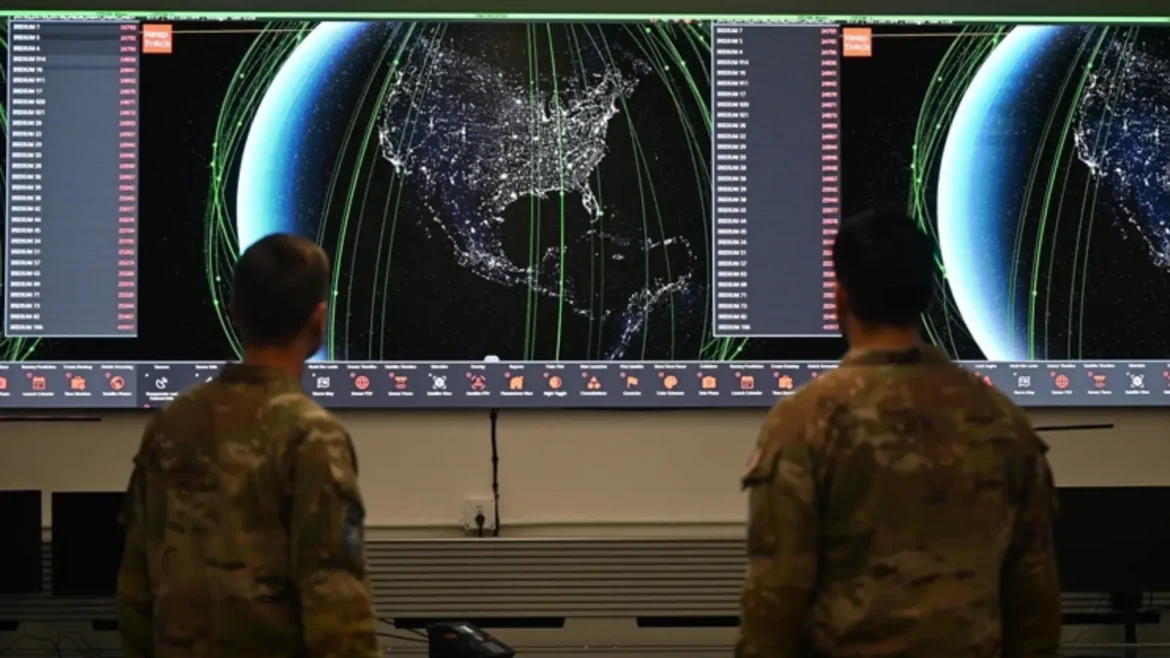
Awarded by the Space Systems Command, the effort focuses on deploying and upgrading mesh networking capabilities that connect sensors across the Space Domain Awareness (SDA) architecture.
Work will take place in Colorado Springs, Costa Mesa, and multiple operational node sites. Completion is scheduled for September 2027.
Notably, no immediate funds were obligated at the time of award, indicating a phased execution aligned with mission needs.
Why Mesh Networking Matters For Space Domain Awareness
At the core of the Anduril Industries contract is the development of secure, redundant, and resilient mesh networking for the Space Surveillance Network (SSN).
Unlike traditional centralized architectures, mesh networks allow sensors and nodes to communicate dynamically. This means:
- No single point of failure
- Improved data flow under contested conditions
- Faster sharing of tracking and threat data
For Space Domain Awareness missions, this is critical. The SSN tracks satellites, debris, and potential threats in orbit. As adversaries develop counterspace capabilities, the network itself becomes a target.
By distributing communications across multiple nodes, the upgraded system ensures continuity even if parts of the network are disrupted.
Strategic Context: Rising Pressure In The Space Domain
The expansion of the Anduril Industries contract comes amid growing concerns about the vulnerability of U.S. space assets.
According to U.S. defense assessments and public statements from the United States Space Force, potential adversaries are investing in:
- Anti-satellite weapons
- Electronic warfare targeting satellites
- Cyber attacks on space infrastructure
This environment demands resilient architectures that can operate in degraded or contested conditions.
Mesh networking aligns with the Pentagon’s broader shift toward distributed operations, a concept also seen in Joint All-Domain Command and Control (JADC2) initiatives.
Operational Impact On The Space Surveillance Network
The upgraded capabilities under the Anduril Industries contract are expected to enhance:
1. Sensor Integration
Existing and future sensors will connect more efficiently, enabling real-time data fusion across global sites.
2. Data Resilience
Information can reroute automatically if nodes are compromised, ensuring uninterrupted tracking of orbital objects.
3. Scalability
The system is designed to support future expansion as new sensors and technologies are added.
4. Cybersecurity
Secure communication layers will reduce vulnerability to interception or disruption.
These improvements directly support Space Domain Awareness, which underpins everything from missile warning to satellite collision avoidance.
Anduril’s Growing Role In Defense Networking
The Anduril Industries contract reflects the company’s expanding footprint in advanced defense technologies, particularly in autonomous systems and networked warfare.
Founded in 2017, Anduril has positioned itself as a key player in:
- AI-driven defense systems
- Autonomous surveillance platforms
- Integrated command and control networks
Its involvement in SDANet highlights a shift toward commercial tech firms delivering core military infrastructure, a trend increasingly visible across U.S. defense programs.
Contract Structure And Execution Timeline
The contract modification (P00008) builds on the original IDIQ framework, allowing flexible task orders over time.
Key details include:
- Total Contract Ceiling: $200 million
- Increment Value: $100.3 million
- Completion Date: September 23, 2027
- Contracting Authority: Space Systems Command, Peterson Space Force Base
This structure enables the government to scale deployment based on evolving mission requirements, rather than committing all funds upfront.
Analysis: A Shift Toward Survivable Space Architectures
The Anduril Industries contract signals more than a routine upgrade. It reflects a broader transformation in how the U.S. approaches space operations.
Traditionally, space systems prioritized performance and coverage. Today, survivability and resilience are equally critical.
Mesh networking represents a foundational shift:
- From centralized to distributed systems
- From static architectures to adaptive networks
- From vulnerability to redundancy
This mirrors changes seen in terrestrial warfare, where decentralized networks have proven more resilient against disruption.
In practical terms, the upgraded Space Surveillance Network will be better equipped to operate in scenarios where communications are contested or degraded.