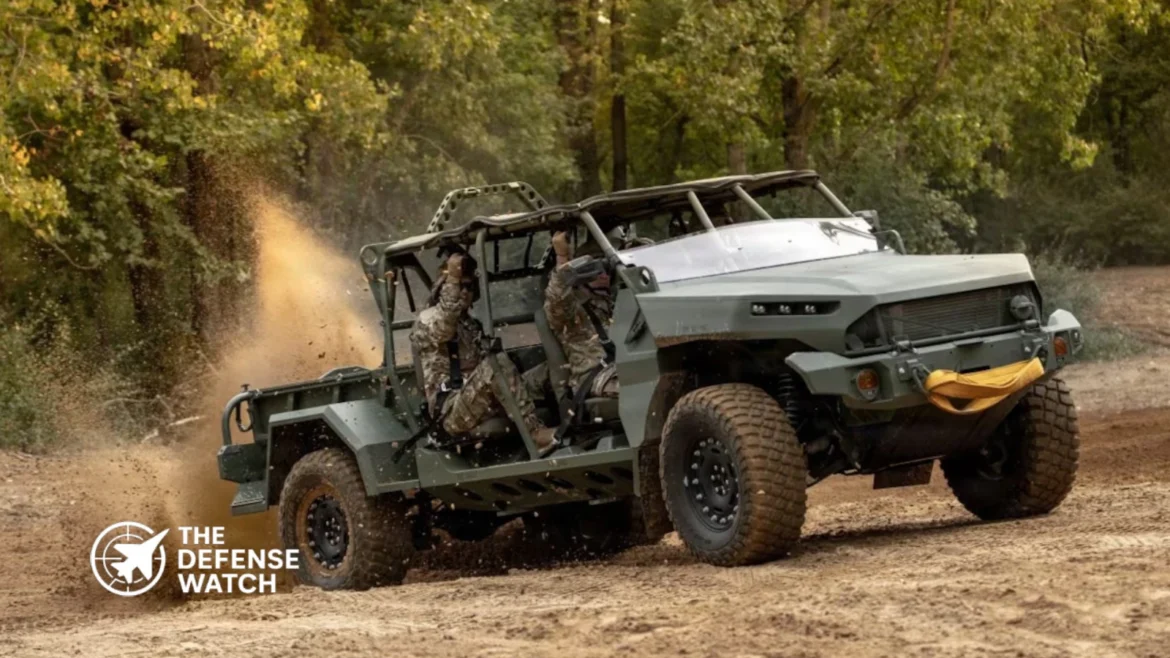
The Army’s Small Vehicle Is Becoming A Big Procurement Program
The U.S. Army’s Infantry Squad Vehicle, or ISV, was originally supposed to fill a narrow mobility gap. The service initially set a procurement objective of 649 vehicles in 2019.
By February 2026, that objective had reached 11,582 vehicles, an increase of roughly 18 times the original requirement. Army officials attribute the expansion not to traditional requirements growth, but to soldiers repeatedly validating the vehicle during operational experimentation and demanding more of it.
Takeaways
The Infantry Squad Vehicle is evolving from a lightweight transport into a major component of the Army’s mobile brigade concept.
1. Procurement Grew 18-Fold
The Army’s requirement increased from 649 vehicles in 2019 to 11,582 in February 2026, reflecting sustained demand from soldiers during operational experimentation.
2. Nine Soldiers And 3,200 Pounds
The ISV carries a nine-soldier infantry squad and up to 3,200 pounds of payload, giving light formations significantly greater tactical mobility.
3. Designed For Air Mobility
The vehicle can be transported by UH-60 and CH-47 helicopters and delivered by low-velocity airdrop from C-130 and C-17 aircraft.
4. Commercial Technology Cuts Time
The ISV uses a high percentage of commercial off-the-shelf components, helping the Army reduce development time compared with traditional military vehicle acquisition.
5. Mobility Must Work With Sensors
Because the ISV emphasizes mobility over armor, its battlefield effectiveness depends heavily on reconnaissance, concealment, drones, command networks and fires that help prevent the vehicle from becoming an exposed target.
That distinction matters.
The ISV represents a different acquisition philosophy from the heavily engineered tactical vehicles that traditionally dominate Army procurement. Instead of trying to make one platform perform every battlefield function, the Army kept the ISV focused on moving an infantry squad, its equipment and additional payload quickly across difficult terrain.
The result is a vehicle that gives up armor and some onboard sophistication in exchange for mobility, transportability and speed.
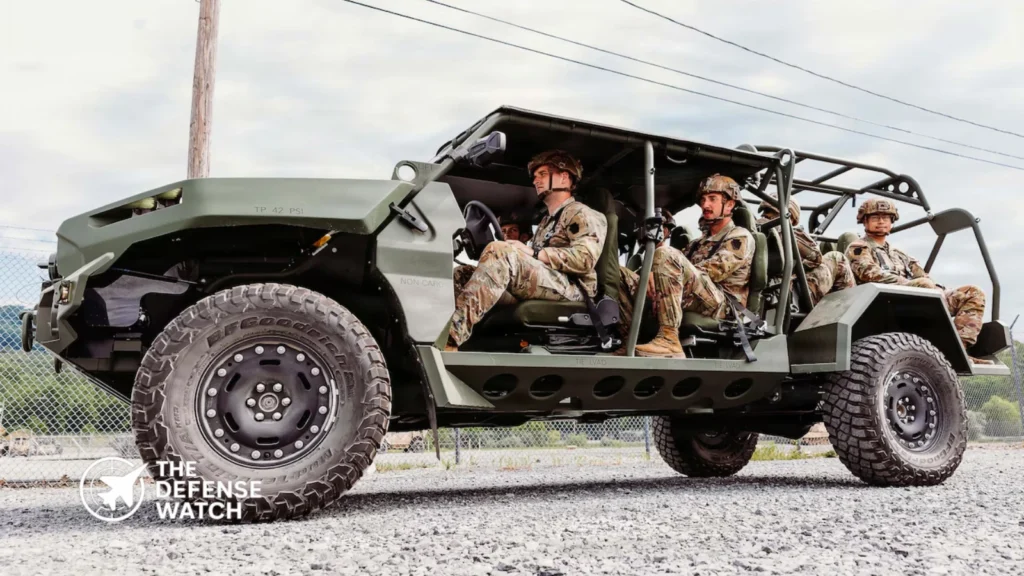
The Army describes the ISV as a nine-soldier vehicle with a 3,200-pound payload. It can be sling loaded by a UH-60 Black Hawk, transported by CH-47 Chinook and delivered by low-velocity airdrop from C-130 or C-17 aircraft.
That combination makes the ISV more than a replacement for a Humvee. It is a mobility tool designed around getting infantry to the fight without turning the vehicle itself into the center of the formation.
Why The ISV Is So Different From A JLTV
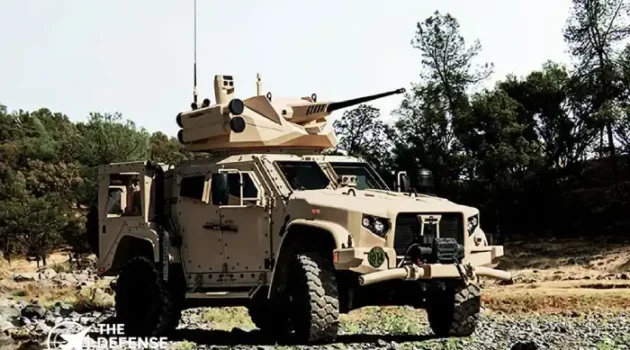
The Joint Light Tactical Vehicle and ISV solve different problems.
The JLTV was designed around a difficult balance of protection, payload and mobility. Its mission set demands considerably more vehicle mass because survivability is a major part of the design.
The ISV takes almost the opposite approach.
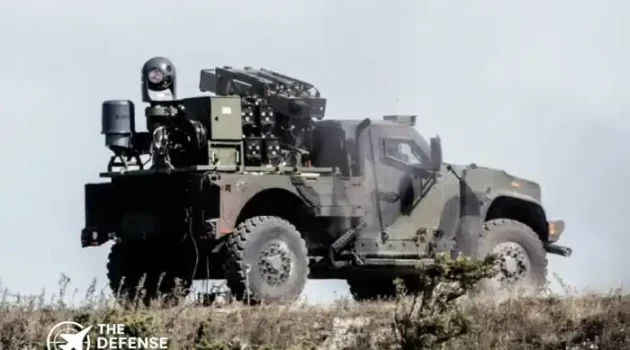
Its value comes from being small enough to move with infantry formations and light enough to exploit aviation assets. The Army has described it as a platform that can be inserted by helicopter or fixed-wing aircraft and then operate across challenging terrain.
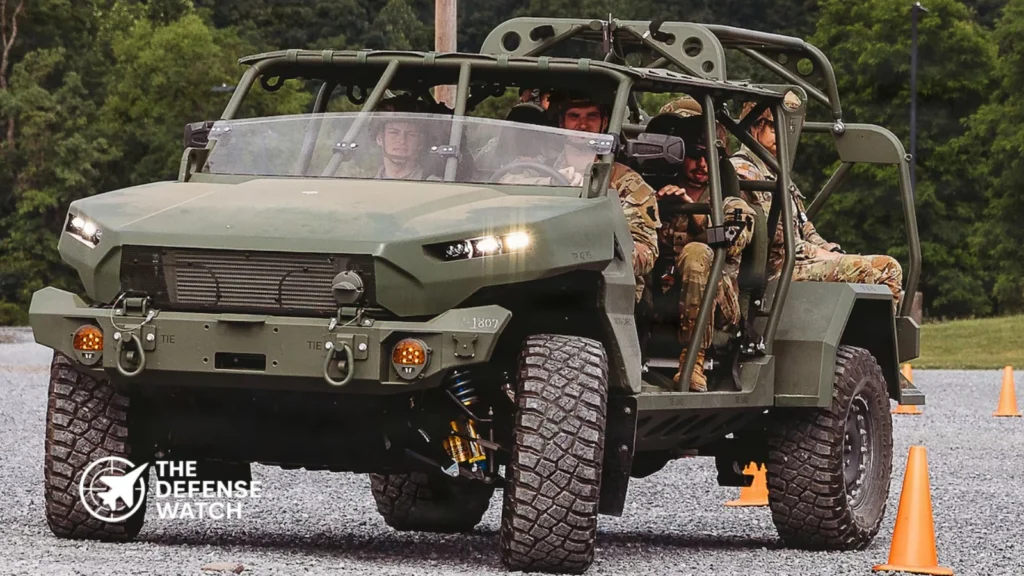
The vehicle is based heavily on commercial technology. GM Defense’s production design uses the Chevrolet Colorado ZR2 architecture and a high percentage of commercial off-the-shelf components.

Soldiers assigned to Alpha Company, 1st Battalion, 112th Infantry Regiment, 56th Mobile Brigade Combat Team, complete a driver’s course designed to introduce them to the Infantry Squad Vehicle’s mobile capabilities at Fort Indiantown Gap, Pa., June 17, 2026. That commercial foundation helped the Army shorten the development timeline. According to the program officials cited in the source material, the rapid acquisition model allowed the first unit to receive the capability within about 24 months.
This is important because battlefield technology can become obsolete while a conventional acquisition program is still moving through its testing and milestone process.
The ISV approach instead accepts that a useful vehicle today can be more valuable than a theoretically perfect vehicle delivered years later.
The Numbers Behind The ISV Expansion
The program’s growth is one of its most revealing characteristics.
The original 2019 requirement was 649 vehicles. It rose to 900 in February 2021, then increased again until reaching 2,593 vehicles.
In April 2025, the Army approved an ISV utility variant and raised the combined procurement objective to 5,733 vehicles.
By February 2026, the Army had established a current position and procurement objective of 11,582 vehicles.
Metric Army ISV Program Original 2019 procurement objective 649 vehicles 2021 procurement objective 900 vehicles Later procurement objective 2,593 vehicles April 2025 combined objective 5,733 vehicles February 2026 objective 11,582 vehicles Original squad capacity 9 soldiers Payload 3,200 pounds UH-60 transport External sling load CH-47 transport Internal load/external lift Fixed-wing transport C-130 and C-17 low-velocity airdrop FY2026 ISV-U unit cost About $194,000 The FY2026 Army budget documentation lists a unit cost of about $194,000 for the Infantry Squad Vehicle Utility variant. That figure is substantially below the cost of many heavily equipped tactical vehicles, although it should not be treated as the total program cost because fielding, support, engineering and other expenses are separate budget elements.
Soldiers assigned to Alpha Company, 1st Battalion, 112th Infantry Regiment, 56th Mobile Brigade Combat Team, are introduced to the Infantry Squad Vehicle at Fort Indiantown Gap, Pa., June 17, 2026. The soldiers learned how to properly maintain and drive the new vehicle while completing a driver’s course. The same budget documentation shows how quickly the ISV-U fleet was expected to grow. Planned fielding increased from 96 vehicles in FY2025 to 1,275 in FY2026, requiring additional funding for fielding, training, transportation, spares and contractor support.
That is a useful indicator of where the Army sees the vehicle going.
This is no longer an experimental niche platform. It is becoming an important component of the Army’s mobile brigade concept.
The Real Advantage Is Not Speed Alone
The ISV’s greatest contribution is the distance between the infantry squad and its next tactical position.
An infantry unit moving on foot is limited by human endurance and the weight of its equipment. A conventional tactical vehicle solves that problem but can impose its own limitations because of size, weight and transport requirements.
The ISV sits between those extremes.
Army infantry publications have described ISVs as a way to increase the amount of terrain an infantry formation can cover without making the unit dependent on the vehicle to conduct the fight.
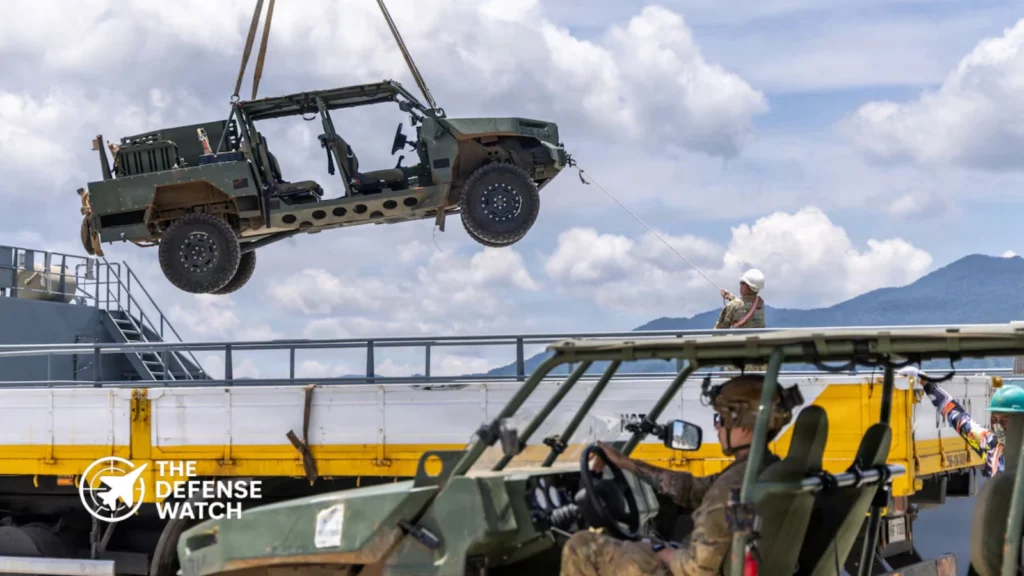
Soldiers assigned to 2nd Battalion, 27th Infantry Regiment, 25th Infantry Division, load Infantry Squad Vehicles onto a logistics support vessel at Port Irene in Santa Ana, Philippines, June 16, 2026. That distinction is particularly important for mobile brigade combat teams.
During training at the Joint Readiness Training Center, the 2nd Battalion, 26th Infantry Regiment used ISVs to move forces rapidly as a counterattack element. Army analysis concluded that the vehicle helped make a mobile defense viable for an infantry brigade formation.
The lesson is straightforward: mobility creates tactical options.
A commander who can reposition an infantry squad quickly can reinforce a threatened position, exploit a gap or launch a counterattack before an opposing force can adjust.
The Price Of Being Ultra-Light
There is a major tradeoff.
The ISV is an unarmored or lightly protected platform. Its survivability comes primarily from mobility, dispersion, terrain use and avoiding detection rather than absorbing direct hits.
That becomes increasingly important as drones, persistent surveillance and precision fires make exposed movement more dangerous.
Army units have already adapted their ISV tactics around this problem. During one training rotation, infantry used small unmanned aircraft hundreds of meters ahead of ISV formations to identify enemy positions before the vehicles entered exposed areas. Units also practiced concealment and formation techniques when enemy drone activity was expected.
This suggests a key point about the ISV.
It should not be viewed as a smaller armored vehicle.
It is better understood as part of a larger reconnaissance, mobility and fires system.
The vehicle gets the squad there. Drones, sensors, fires and command networks help determine where there is enough room to move.
From Commercial Pickup Architecture To Military Capability
The ISV’s commercial heritage is central to the program’s story.
The production vehicle is derived from the Chevrolet Colorado ZR2 architecture, allowing the Army to use mature commercial automotive components rather than developing every component from the ground up.
The 2.8-liter turbo-diesel engine and six-speed automatic transmission documented during Army testing illustrate that philosophy.
That does not mean the vehicle is simply a civilian pickup with military markings.
Military requirements drove changes to the platform, and the Army subjected the ISV to transportability, reliability and operational testing. It also conducted certification for helicopter sling loading and airdrop operations.
The important acquisition lesson is that commercial technology provided the starting point rather than the finished military capability.
The Transformation In Contact Connection
The ISV’s growth also illustrates what the Army means by Transformation in Contact.
TiC puts soldiers into realistic training environments with emerging equipment and uses their feedback to shape subsequent development. The process is intended to shorten the distance between experimentation and fielded capability.
The Army has increasingly used the approach to change how units organize, train and acquire equipment. In 2025, Army officials described TiC as a method for rapidly putting new systems into soldiers’ hands and using their observations to influence capability development.
That philosophy is particularly relevant to the ISV because its original requirement was not large enough to reflect what soldiers eventually learned through use.
The soldiers effectively became part of the requirements process.
That is why the 11,582-vehicle objective is more significant than the number itself.
It demonstrates that field experimentation can change procurement decisions after equipment reaches operational users.
The ISV’s biggest lesson is that mobility can be treated as a capability in its own right, rather than simply as a feature added to a larger tactical vehicle.
The ISV Is Also Becoming A Family Of Vehicles
The Army’s future plans show that the ISV concept is expanding beyond basic troop transport.
The service is developing heavier and utility-oriented variants to support the emerging mobile brigade combat team structure.
The utility configuration can support equipment and logistics missions that previously depended on larger vehicles or trailers. Army infantry professionals have also explored ISV-based solutions for command and control, communications and other specialized missions.
The heavy variant is expected to provide additional onboard electrical generation and energy storage for next-generation command and control equipment.
That could prove important as Army formations become more dependent on sensors, radios, computing equipment, unmanned systems and electronic warfare capabilities.
The more technology infantry units carry, the more important onboard power becomes.
A Different Kind Of Military Mobility
There is also an interesting cultural comparison with competitive gaming.
In games such as Call of Duty, mobility often determines whether a player controls the next engagement. A fast player can reposition, attack from an unexpected angle and disengage before an opponent can respond.
The ISV applies a similar principle at formation level, although the real battlefield is vastly more complex and unforgiving.
The vehicle does not make infantry invulnerable. It creates opportunities to move faster than an opponent expects.
That concept has appeared repeatedly in military history. From airborne operations to air assault formations, commanders have sought ways to move infantry beyond the constraints imposed by terrain and marching speed.
The ISV modernizes that idea for a battlefield where movement must be coordinated with drones, sensors and precision fires.
The difference is that speed alone is not enough.
An ISV moving quickly into an enemy’s observation and fires network is simply a fast target. Its value appears when speed, concealment, reconnaissance and command decisions work together.
What The 11,582-Vehicle Objective Signals
The Army’s decision to expand the ISV fleet suggests that lightweight mobility is becoming a structural requirement for its mobile formations.
The service is building formations that are expected to operate with greater dispersion, move rapidly and integrate unmanned systems and precision effects.
Army publications have described the emerging mobile brigade combat team as smaller, faster and more dispersed than traditional infantry formations.
The ISV fits that model because it does not attempt to carry the entire battlefield architecture.
It carries soldiers.
Other systems provide sensing, communications, fires, protection and sustainment.
That division of labor may become increasingly important as the Army tries to avoid putting every capability on every vehicle.
Next Step: More Power, More Payload
The next ISV variants will determine whether the concept can remain lightweight while supporting a much more technology-heavy infantry force.
Additional electrical power, energy storage, communications equipment and mission systems all create pressure to increase weight.
That creates the central engineering challenge.
The Army wants more capability without losing the transportability and mobility that made the original ISV attractive.
The program’s future success will therefore depend on maintaining the discipline that helped create it: resist unnecessary requirements, use commercial technology where practical, test with soldiers and make changes based on operational evidence.
- The U.S. Army awarded Tepa-Weston JV a $14.06 million firm-fixed-price contract to rehabilitate the Hawthorne Army Depot New Bomb Open Detonation Range in Nevada.
- Work includes unexploded ordnance removal, explosive hazard mitigation, detention basin redesign, and flood protection upgrades.
- The upgraded infrastructure must withstand a 500-year flood event while controlling offsite stormwater discharge from a 100-year storm.
- Fiscal Year 2026 Army procurement funds were obligated at award, with project completion expected by May 2028.
- The effort supports long-term safety, environmental compliance, and continued munitions disposal operations at one of the Army’s key ammunition facilities.
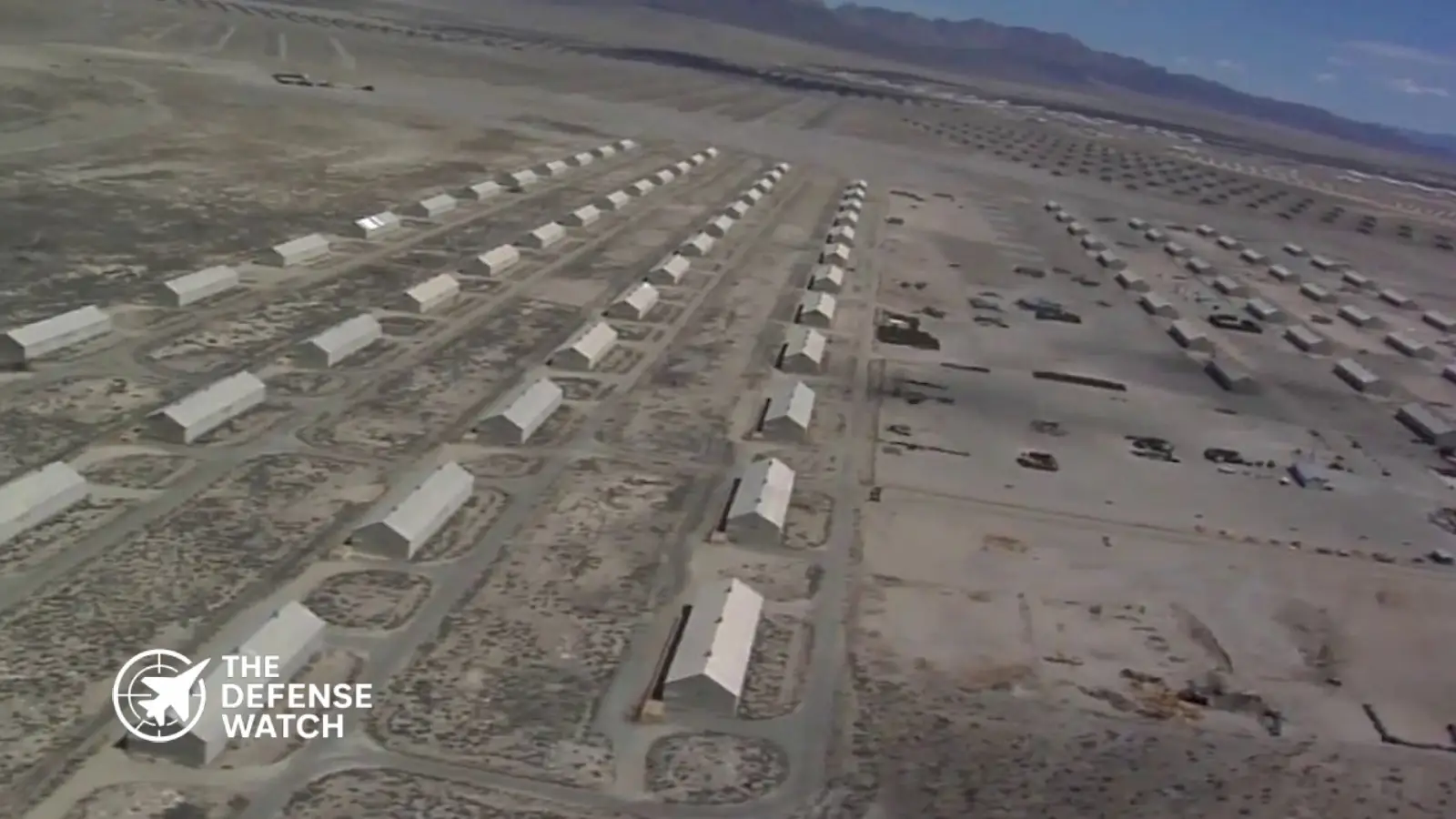
The U.S. Army has awarded Tepa-Weston JV of Kansas City, Missouri, a $14.06 million firm-fixed-price contract to rehabilitate critical infrastructure at the New Bomb Open Detonation Range located within Hawthorne Army Depot, Nevada.
According to the award announcement issued by Army Contracting Command at Rock Island Arsenal, Illinois, the project includes design, rehabilitation, and construction work focused on detention basins and surrounding infrastructure, as well as the removal of explosive hazards and unexploded ordnance (UXO) across the work area. Fiscal Year 2026 Army procurement funding was fully obligated at the time of award.
Work is scheduled to continue through May 31, 2028.
Deep Technical & Strategic Context Analysis
Hawthorne Army Depot is one of the largest ammunition storage and demilitarization facilities in the United States. The installation plays a critical role in the long-term storage, maintenance, disposal, and demilitarization of conventional munitions. Open detonation ranges such as the New Bomb Open Detonation Range are essential for safely destroying obsolete, damaged, unstable, or excess munitions that cannot be disassembled economically or safely through industrial demilitarization processes.
The contract highlights an often overlooked but increasingly important area of military modernization: environmental resilience and explosive safety infrastructure. Climate-driven weather extremes have forced the Department of Defense to reassess the resilience of ammunition depots, test ranges, and disposal sites across the United States. By redesigning detention basins to withstand a 500-year flood event, the Army is reducing the risk of contaminated runoff, erosion, and damage to explosive disposal areas that could interrupt critical munitions disposal operations.
The use of a firm-fixed-price contract means the contractor assumes much of the cost risk associated with project execution. Unlike cost-reimbursement contracts, the agreed price remains fixed unless specific contract modifications are approved. This structure provides greater cost predictability for the government while incentivizing efficient project management by the contractor.
Contract Breakdown & Details
Scope of Work
The awarded contract covers several major project elements:
- Removal of explosive hazards
- Identification and clearance of material potentially presenting an explosive hazard (MPPEH).
- Detection and removal of unexploded ordnance across affected work zones.
- Stormwater infrastructure modernization
- Redesign and reconstruction of detention basins.
- Upgrades intended to improve flood resilience and environmental compliance.
- Range rehabilitation
- Restoration of areas supporting open detonation operations.
- Improvements to surrounding infrastructure impacted by explosive disposal activities.
Flood Protection Requirements
The Army established demanding engineering standards for the project:
- 500-year flood survivability requirement
- Detention basin infrastructure must remain structurally resilient during an extreme flood event statistically expected once every 500 years.
- 100-year stormwater control requirement
- Systems must prevent uncontrolled offsite discharge during a 100-year storm event or the most severe storm event historically recorded at the site.
These requirements reflect growing Department of Defense emphasis on climate resilience and environmental stewardship at military installations handling hazardous materials.
Contract Details
| Item | Details |
|---|---|
| Contractor | Tepa-Weston JV |
| Contract Value | $14,060,476 |
| Contract Type | Firm-Fixed-Price |
| Location | Hawthorne Army Depot, Nevada |
| Completion Date | May 31, 2028 |
| Funding Source | Fiscal Year 2026 Army Other Procurement Funds |
| Contracting Activity | Army Contracting Command, Rock Island Arsenal, Illinois |
| Contract Number | W519TC-26-C-A042 |
Competition Information
- Solicitation Method: Internet-based competitive solicitation
- Number of Bids Received: One
- Award Status: Contract awarded and funded
Geographic Work Distribution
| Location | Share of Work |
|---|---|
| Hawthorne Army Depot, Nevada | 100% |
Why The Project Matters
While major defense headlines often focus on missiles, aircraft, and combat vehicles, ammunition infrastructure remains a foundational element of military readiness. The ability to safely store, manage, and dispose of aging munitions directly affects force modernization efforts and inventory management across the U.S. military.
Facilities such as Hawthorne Army Depot support the lifecycle management of millions of rounds of ammunition and explosive items. Investments in explosive safety systems, environmental protection measures, and resilient infrastructure help ensure that demilitarization operations continue uninterrupted while reducing operational and environmental risks.
As the Army modernizes its munitions enterprise and expands production capacity across multiple weapon programs, maintaining safe disposal and storage infrastructure will remain a critical component of sustaining long-term readiness.
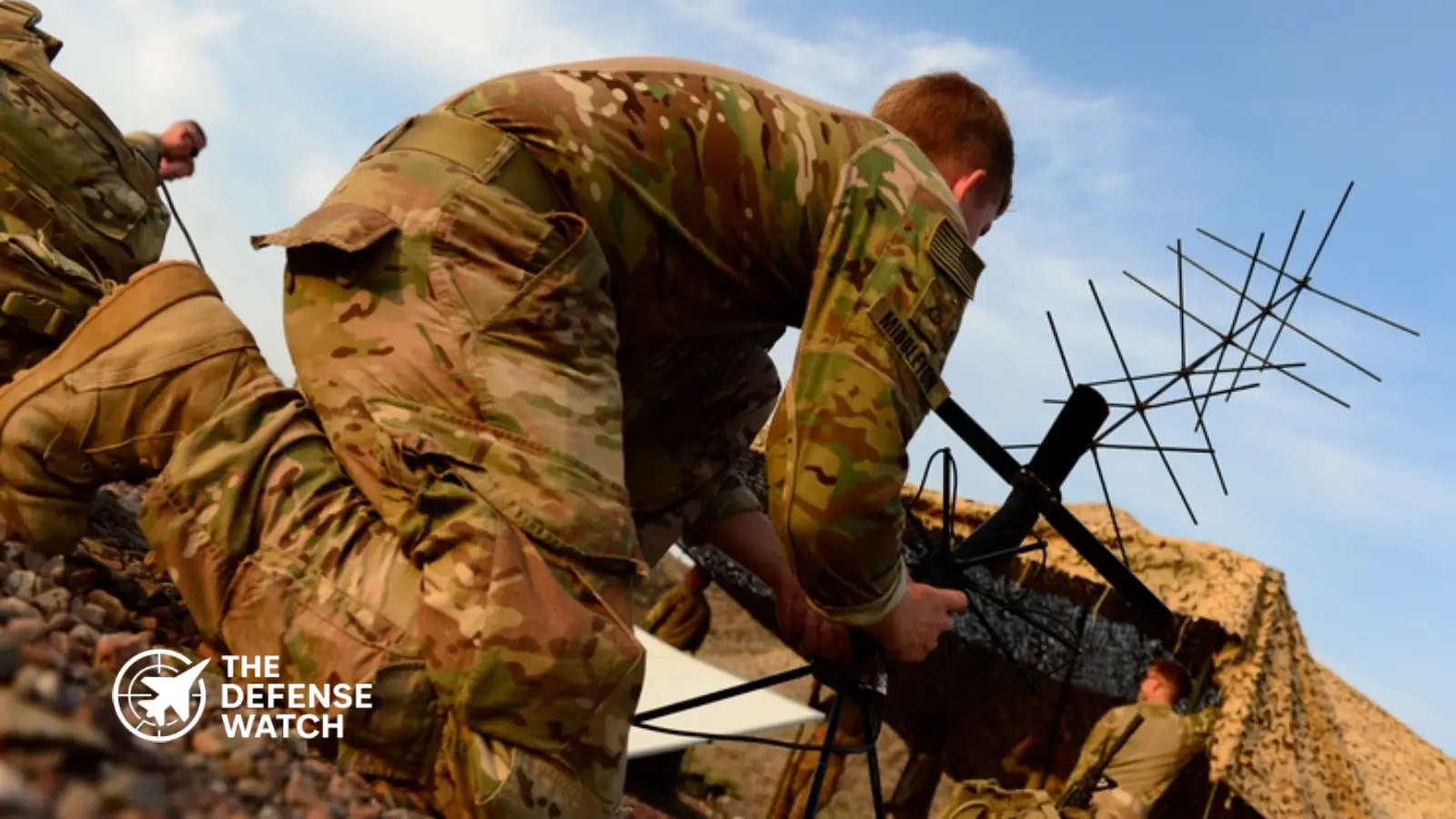
Executive Summary: The U.S. Army has awarded Savannah-based C2 Defense Inc. a $97.8 million contract to provide Joint Interoperability Test Command certified unified communications software and support services. The effort is intended to strengthen secure voice interoperability across both tactical battlefield formations and enterprise-level Army networks through 2029.
The contract, announced by the Army Contracting Command, was awarded as a firm-fixed-price agreement under contract number W9128Z-26-D-A013. According to the Department of Defense announcement, five bids were received through an online solicitation process.
Under the award, C2 Defense Inc. will provide Joint Interoperability Test Command (JITC) certified unified communications software along with associated support services. Work locations and funding allocations will be assigned on a per-order basis, with contract performance expected to conclude by May 31, 2029.
Deep Technical & Strategic Context Analysis
The award highlights the Army’s continued push toward fully interoperable command-and-control architectures capable of connecting tactical formations, headquarters elements, and joint-service networks into a unified communications ecosystem. Modern military operations increasingly depend on resilient voice, video, and data collaboration tools that can function securely across classified and unclassified domains while maintaining compatibility with coalition and joint-force systems.
JITC certification is particularly significant in this context. The Joint Interoperability Test Command serves as the Department of Defense’s primary authority for validating whether communications and information systems can operate effectively across the broader Joint Information Environment. Systems lacking JITC certification often face deployment restrictions because interoperability failures can disrupt battlefield command continuity, sensor-to-shooter coordination, and multinational operations.
Unified communications platforms within Army environments now extend well beyond traditional Voice over Internet Protocol (VoIP) systems. They increasingly integrate secure messaging, conferencing, command collaboration, identity management, and encrypted voice routing across tactical radios, satellite communications, and enterprise IP networks. This convergence has become operationally critical as the Army expands concepts tied to Joint All-Domain Command and Control (JADC2), where dispersed forces require real-time communications resilience against electronic warfare, cyber intrusion, and degraded network conditions.
The use of a firm-fixed-price contract structure also carries procurement significance. Under this arrangement, the contractor assumes greater responsibility for cost control and execution risk because pricing is established upfront. For the Army, this approach typically reflects confidence in the maturity of the software baseline and support requirements, unlike cost-reimbursement contracts often used for developmental or high-risk technology programs.
Contract Breakdown & Details
Program Overview
- Contract Value: $97,804,925
- Contract Type: Firm-fixed-price
- Award Recipient: C2 Defense Inc.
- Contracting Agency: Army Contracting Command
- Contract Number: W9128Z-26-D-A013
- Completion Date: May 31, 2029
Scope of Work
The contract covers:
- JITC-certified unified communications software
- Secure voice interoperability solutions
- Support services for Army tactical and enterprise environments
- Scalable communications integration across operational networks
The software is intended to support interoperability between distributed command nodes, operational headquarters, and tactical formations operating across diverse communications infrastructures.
Procurement Details
- Solicitation Method: Internet-based competitive solicitation
- Number of Bids Received: Five
- Funding Structure: Funding and work locations determined at the individual order level
Strategic Importance
The award aligns with broader Army modernization priorities focused on:
- Network resilience in contested environments
- Joint-force interoperability
- Cyber-secure communications architecture
- Enterprise-to-edge command connectivity
- JADC2 operational integration
As U.S. military operations become increasingly data-centric, secure interoperability between legacy and next-generation communications systems remains a foundational requirement for multi-domain warfare operations.
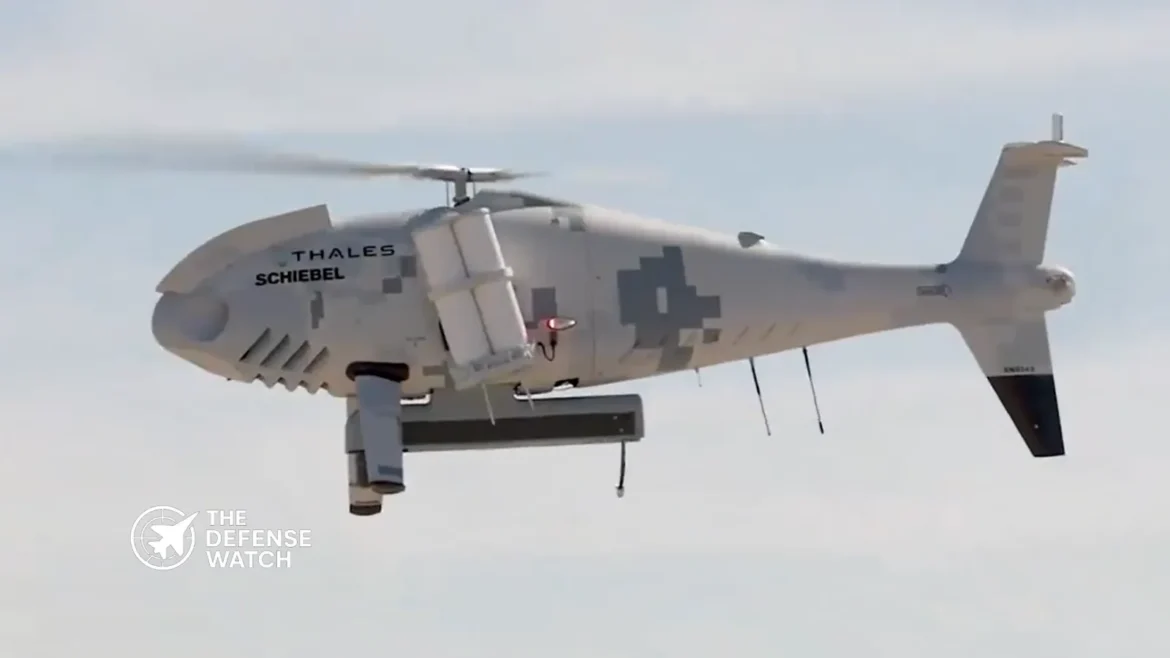
Greece To Equip FDI Frigates With CAMCOPTER S-100 UAV
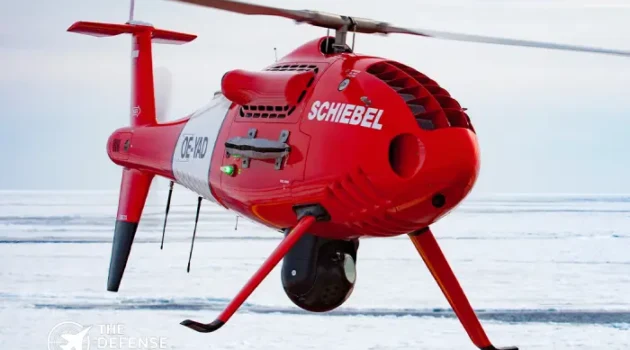
The CAMCOPTER S-100 UAV will soon operate aboard the Hellenic Navy’s new FDI Belharra-class frigates under a freshly signed supply contract aimed at strengthening Greece’s maritime surveillance and targeting capabilities.
According to official disclosures from the Hellenic Navy and manufacturer sources, rotary-wing S-100 systems will be deployed on three FDI frigates: HS Kimon, HS Nearchos, and HS Formion. The vessels are being constructed in France by Naval Group as part of Greece’s broader naval modernization program.
(adsbygoogle = window.adsbygoogle || []).push({});The first of the class, HS Kimon, arrived in Greece last month. Integration of the CAMCOPTER S-100 UAV aboard the ship is scheduled for spring 2026. Delivery of HS Nearchos is targeted for late 2026, while HS Formion is expected in early 2027.
Strengthening Greek Naval ISR Capabilities
The CAMCOPTER S-100 UAV is produced by Austria-based Schiebel. The rotary-wing platform is designed for vertical takeoff and landing operations, eliminating the need for a runway and making it suitable for deployment from frigate-sized decks.
Onboard the FDI frigates, the UAV will provide maritime surveillance, intelligence gathering, reconnaissance, and targeting support. These capabilities are increasingly critical in contested maritime environments, particularly in the Eastern Mediterranean.
The integration of an organic UAV capability allows the frigates to extend sensor reach beyond the ship’s radar horizon. This enhances situational awareness and supports anti-surface and anti-submarine operations.
(adsbygoogle = window.adsbygoogle || []).push({});The CAMCOPTER S-100 UAV has been widely deployed in naval operations worldwide and has accumulated extensive operational hours in maritime missions. Its modular design enables integration of electro-optical, infrared, and maritime radar payloads, depending on mission requirements.
FDI Belharra-Class Frigates: A Modern Surface Combatant
The FDI, also known as the Belharra class, represents one of the most advanced surface combatants entering European service. Developed by France’s Naval Group for the French Navy and export customers, the platform incorporates advanced radar, air defense, and anti-submarine warfare systems.
For Greece, the FDI frigates form the backbone of a fleet renewal strategy aimed at replacing aging surface vessels and enhancing deterrence in the region.
HS Kimon, the lead ship for the Hellenic Navy, marks a significant milestone in the program. The addition of the CAMCOPTER S-100 UAV enhances the vessel’s multi-domain operational profile.
(adsbygoogle = window.adsbygoogle || []).push({});With integrated sensors, modern combat management systems, and now organic UAV support, the FDI frigates are positioned to conduct high-end maritime operations, including air defense, surface warfare, and ISR missions.
Training And Operational Readiness
In addition to the three shipborne systems, one CAMCOPTER S-100 UAV system will be allocated for land-based training.
Initial crew training is expected to conclude in spring 2026, aligning with the planned operational integration timeline aboard HS Kimon.
Land-based training ensures that flight crews and mission operators gain proficiency prior to shipboard deployment. This approach reduces operational risk and accelerates the transition to full operational capability.
(adsbygoogle = window.adsbygoogle || []).push({});The phased delivery schedule aligns UAV integration with ship acceptance timelines, supporting a structured capability buildup.
Expanding The Role Of Naval UAVs
The decision to deploy the CAMCOPTER S-100 UAV aboard FDI frigates reflects a broader trend across NATO and partner navies. Shipborne UAVs are increasingly viewed as force multipliers that enhance reach and persistence without requiring larger flight decks or manned helicopters.
For mid-sized surface combatants, rotary-wing UAVs offer flexibility in surveillance and targeting roles. They can support maritime domain awareness, assist in search and rescue missions, and contribute to over-the-horizon targeting for anti-ship missiles.
As regional maritime activity intensifies, ISR capabilities have become central to naval deterrence strategies. Greece’s adoption of the CAMCOPTER S-100 UAV signals continued investment in integrated sensor networks and multi-domain awareness.
Strategic Context In The Eastern Mediterranean
The Eastern Mediterranean remains a strategically sensitive region, marked by overlapping maritime claims, energy exploration interests, and increased naval deployments.
(adsbygoogle = window.adsbygoogle || []).push({});By equipping its new-generation FDI frigates with organic UAV systems, the Hellenic Navy improves its ability to monitor sea lanes and conduct persistent surveillance operations.
The integration of unmanned systems complements broader defense modernization efforts underway in Greece, including fleet renewal and expanded cooperation with European defense partners.

Revolutionary Autonomous Systems Target Chemical Warfare Threats
The U.S. Army is advancing a groundbreaking initiative to deploy autonomous drones and ground robots for chemical and biological weapons decontamination, marking a significant evolution in how military forces address CBRN (Chemical, Biological, Radiological, and Nuclear) threats on the battlefield.
The Autonomous Decontamination System (ADS) represents a paradigm shift in military decontamination operations, designed to scrub contaminated vehicles, critical infrastructure, and strategic terrain while substantially reducing warfighter exposure to deadly agents. According to official Army documentation, this technology will enable squad-sized elements to deliver platoon-level decontamination capabilities—a force-multiplier that addresses critical manpower constraints in chemical warfare units.
The Joint Project Manager for Chemical, Biological, Radiological, and Nuclear Protection (JPM CBRN Protection) issued a Request for Information on February 3, 2026, with responses due February 20, signaling an accelerated timeline for this capability development.
Technical Specifications Drive Innovation
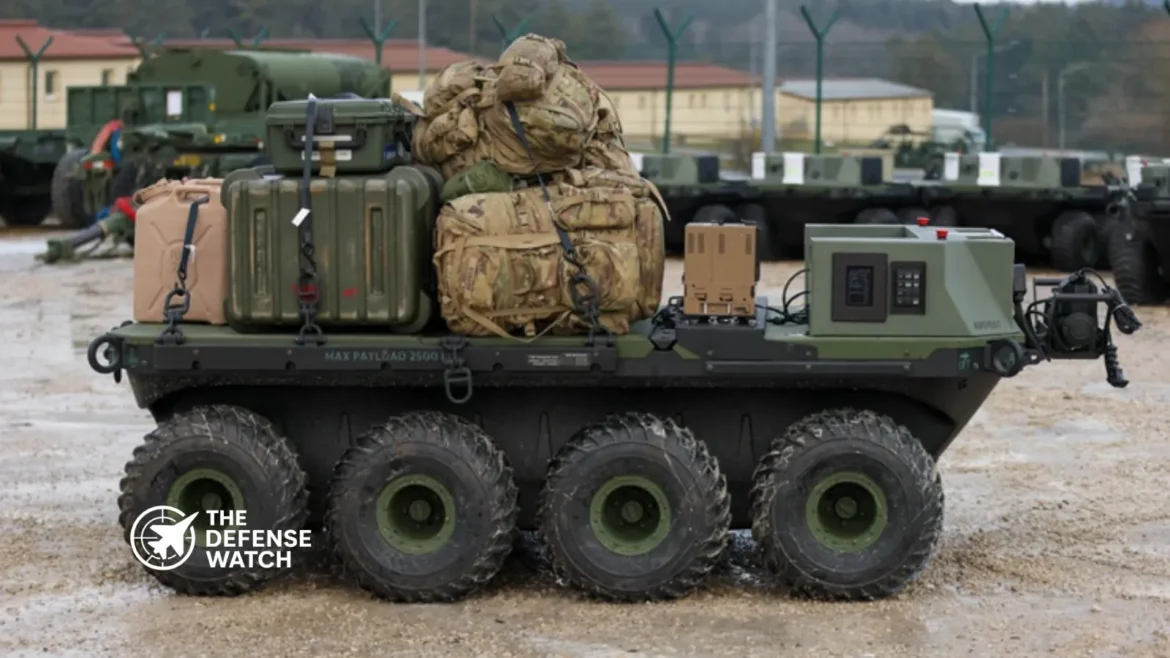
The Army’s requirements outline sophisticated operational capabilities for autonomous decontamination systems. Contractors must demonstrate solutions encompassing both tethered and untethered robotic platforms transportable via light or medium tactical vehicles, ensuring rapid deployment across varied operational environments.
The ADS must execute four critical functions with precision. First, systems must conduct pre-washing operations using water to remove initial contamination layers from vehicles and equipment. Second, platforms must map contamination footprints using advanced sensors, creating detailed spatial data of affected areas.
Third, and most critically, robots must apply decontamination agents with precision targeting, ideally leveraging contamination footprint data to concentrate chemical applications on affected zones rather than applying blanket coverage. Finally, systems must perform post-wash operations and conduct post-decontamination assessments utilizing existing fielded detector technology to verify successful decontamination.
Navigation capabilities represent a key technical consideration. The Army seeks information on whether proposed systems utilize GPS, Real-Time Kinematic positioning, Visual Simultaneous Localization and Mapping (VSLAM), or alternative navigational technologies. Autonomy levels must be clearly specified—whether fully autonomous, operator-in-the-loop, or manual remote control configurations.
Operational Requirements Address Real-World Challenges
Decontamination component specifications include detailed requirements for nozzle types, flow rates, and pressure parameters. Systems must demonstrate compatibility with multiple decontaminant types including solids, liquids, and foams. Specifically, platforms must handle High Test Hypochlorite (HTH) and M333 Joint General-Purpose Decontaminant for Hardened Military Equipment (JGPD-HME), representing the Army’s standard decontamination chemicals.
According to the RFI, “contamination mitigation operations are extremely resource-intensive in terms of time, logistics, and personnel.” The document emphasizes that ADS technology will “reduce manpower and optimize resources required for decontamination operations while mitigating the risk of exposure of warfighters to chemical and biological warfare agents through robotic means.
This capability addresses a fundamental tactical problem: current decontamination operations require extensive personnel resources that may not be available when needed, particularly in high-tempo combat operations where chemical warfare units face competing demands across wide geographic areas.
Strategic Context Underscores Urgency
The timing of this initiative reflects evolving global threats. The United States confronts multiple weapons of mass destruction challenges, including nuclear-armed adversaries such as North Korea and potentially Iran, alongside emerging threats from terrorist organizations potentially leveraging artificial intelligence for biological weapons development.
The Army’s broader CBRN modernization efforts extend beyond autonomous decontamination systems. Parallel programs include the Nuclear, Biological and Chemical Reconnaissance Vehicle Sensor Suite Upgrade (NBCRV SSU), which equips Stryker armored vehicles with onboard drones capable of scouting ahead for contaminants without exposing vehicle crews to hazardous environments.
The NBCRV SSU program, announced in January 2025, will “improve maintainability, reliability, and remote maneuverability from threats by including unmanned aerial vehicles, modular mission payload (a system where different equipment components can be easily swapped or added to a platform), a data processing unit, and more,” according to Army statements.
Training Policy Questions Emerge
Interestingly, recent Army policy changes have made CBRN training optional rather than mandatory. The updated Army Regulation 350-1 specifies that training modules remain available as needed, but commanders possess discretion in deciding whether to include CBRN training in unit readiness programs.
This policy shift raises questions about how the Army balances investment in advanced autonomous decontamination technology against baseline CBRN knowledge across the force. Defense analysts suggest the contradiction may reflect confidence that autonomous systems will reduce the technical expertise required at lower echelons, centralizing specialized CBRN knowledge while distributing technological capability more broadly.
Industry Response And Development Timeline
The February 20 deadline for contractor responses indicates the Army aims to move rapidly from information gathering to potential prototype development and testing phases. Defense industry sources suggest multiple established robotics manufacturers and emerging autonomous systems developers will submit proposals.
Potential contractors face significant technical challenges balancing autonomy, decontamination effectiveness, mobility, and operational durability. Systems must function in contested environments with potential GPS denial, chemical contamination affecting sensors, and extreme environmental conditions from Arctic cold to desert heat.
The request for information stage typically precedes formal solicitation processes, suggesting actual contract awards may occur in fiscal year 2026 or early 2027, with fielding potentially beginning in 2028-2029 timeframes depending on development complexity and testing requirements.
Implications For Future Operations
Autonomous decontamination systems represent a component of broader military transformation toward robotic and autonomous platforms reducing human exposure in high-risk environments. These capabilities align with the Pentagon’s emphasis on achieving decision advantage through technology while protecting personnel from hazardous threats.
Successful ADS deployment could fundamentally alter CBRN response doctrine. Rather than requiring specialized chemical companies to deploy forward for decontamination operations—creating logistics burdens and operational delays—line units could conduct immediate decontamination using organic robotic assets, accelerating operational tempo and reducing vulnerability windows.
The technology also provides capabilities for homeland defense scenarios, including response to chemical or biological attacks on U.S. territory, industrial accidents involving hazardous materials, or consequence management following unconventional weapons employment.
International Context And Allied Cooperation
While the Army’s initiative focuses on U.S. requirements, allied nations face identical challenges regarding CBRN decontamination. NATO standardization agreements covering CBRN defense create potential pathways for allied nations to adopt compatible or interoperable autonomous decontamination systems, enhancing collective defense capabilities.
Several NATO allies including Germany, France, and the United Kingdom maintain advanced CBRN defense programs and robotics industries capable of contributing to or adopting similar technologies. Joint development or cross-procurement arrangements could reduce costs while ensuring interoperability during coalition operations.
Looking Forward
The Army’s pursuit of autonomous drones for chemical weapons decontamination reflects pragmatic recognition that future conflicts may involve CBRN threats requiring rapid, effective response capabilities exceeding current manual decontamination methods. As adversaries develop increasingly sophisticated unconventional weapons and delivery systems, robotic platforms providing standoff decontamination capabilities become operational necessities rather than technological luxuries.
Industry responses to the RFI will reveal the current state of autonomous decontamination technology and identify gaps requiring additional research and development investment. The Army’s commitment to this capability, demonstrated through formal requirements documentation and accelerated timelines, signals that autonomous CBRN defense systems will feature prominently in future force structure planning.
Sweden Orders Saab Trackfire Remote Weapon Station
Sweden’s Defence Materiel Administration (FMV) has awarded Saab a contract for the Trackfire Remote Weapon Station (RWS), the company confirmed in a press release. The order, valued at about SEK1.5 billion, was booked in the fourth quarter of 2025 with deliveries scheduled from 2026 through 2028 for the Swedish Army and Amphibious Battalion 2030 program.
(adsbygoogle = window.adsbygoogle || []).push({});Contract Details and Purpose
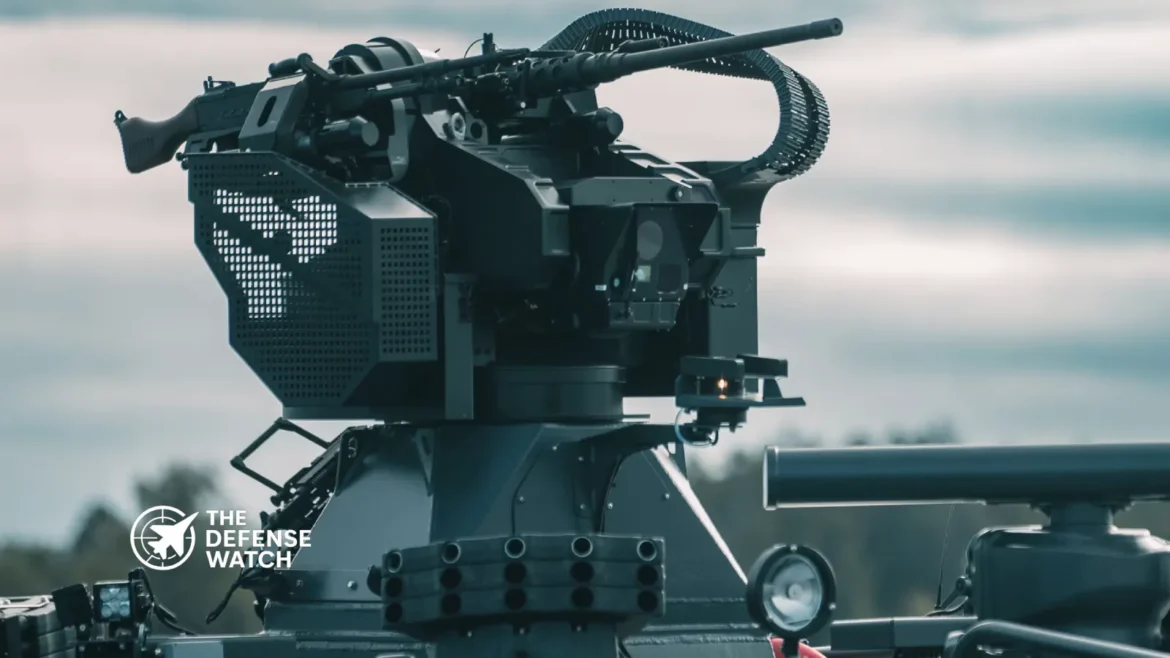
The FMV award covers Saab’s Trackfire RWS family, including the newer Trackfire ARES (Aerial Response) variant equipped with a 30×113 mm M230LF Bushmaster chain gun as its main weapon. The configuration is designed to offer effective counter-drone (C-UAS) capability alongside traditional fire roles.
Saab says the fully stabilized remote station provides precision engagement on the move, whether mounted on land vehicles, naval vessels, or in fixed defense positions. The company did not list specific platform integrations but past deployments have included patrol craft and armored vehicles.
Role in Swedish Force Modernization
FMV’s acquisition aligns with Sweden’s broader push to modernize its ground and littoral forces under initiatives like the Amphibious Battalion 2030 effort. The program aims to enhance the operational effectiveness and flexibility of amphibious units within the Swedish Armed Forces.
Carl-Johan Bergholm, head of Saab’s business area Surveillance, said the selection of Trackfire reflects Saab’s commitment to meet evolving defense requirements and support future capabilities.
(adsbygoogle = window.adsbygoogle || []).push({});System Capabilities
Trackfire RWS is a stabilized, remotely operated system featuring integrated sensors and fire control. It supports multiple weapon types and offers precision engagement while on the move. The ARES configuration adds focused air response capability that may strengthen point defense against unmanned threats.
The TOW anti-tank missile remains a central capability in the U.S. Army’s precision strike arsenal. Whether operated from tripods, light vehicles, or embedded within armored platforms such as the Stryker and Bradley, the missile continues to provide heavy anti-armor, anti-fortification, and anti-amphibious landing capabilities. The weapon’s reliability and adaptability, including recent wireless upgrades, reinforce its status as a cornerstone of ground combat lethality well into the mid-century.
TOW Missile Legacy and Ongoing Service
Evolution of a Combat-Proven System
Introduced in 1970, the BGM-71 TOW (“Tube-launched, Optically tracked, Wire-guided”) missile replaced earlier systems like SS.10 and ENTAC, delivering significantly greater range and enhanced warhead performance thanks to its advanced SACLOS guidance system. Today, the system continues to underpin U.S. and allied anti-armor capabilities globally.
Broad Deployment and Longevity
The TOW platform has seen extensive deployment: over 700,000 units produced, across more than 15,000 ground, vehicle, and helicopter platforms, and adopted by over 40 allied nations. With recent upgrades, the TOW system is projected to remain in service beyond 2050.
Upgrades and Modernization: TOW 2B and Wireless Guidance
Transition to Wireless Guidance
Emerging from its original wire-guided format, the TOW missile has been upgraded with radio-frequency (RF) and microwave wireless guidance, notably in the TOW 2B variant. The operator merely maintains sight alignment while the missile is steered automatically via a one-way data link.
Production Orders Reflect Sustained Demand
In early 2025, RTX Raytheon secured a substantial $322.5 million contract to manufacture TOW 2B missiles for the U.S. Army, bolstering the wireless-guided inventory. Earlier, production contracts for FY2023–2024 emphasized continued investment in the system.
Integration & Operational Platforms
Versatile Launch Platforms
TOW missiles are deployable from a wide range of platforms—from ground tripods to vehicle mounts on ITAS, Stryker ATGM vehicles, and Bradley Fighting Vehicles—ensuring flexible deployment across combat scenarios.
Stryker ATGM Vehicle Capabilities
The M1134 ATGM vehicle, a Stryker variant, serves as a mobile anti-tank platform firing TOW missiles at ranges up to 4 km. Its deployment strengthens brigade-level anti-armor overwatch and precision engagement lines.
Strategic Outlook and Context
Modern Relevance Amid Army Restructuring
Despite its longstanding service, the TOW missile faces potential procurement halts amid budget reallocation efforts. As part of the Army Transformation Initiative, officials are reviewing cuts—including the possibility of ending TOW missile buys to redirect funding toward emerging priorities like electronic warfare and counter-UAS systems.
Resilience and Adaptability
Still, the TOW’s upgraded capabilities, multi-role flexibility, and entrenchment in allied militaries suggest its continued relevance—especially as a cost-effective, proven solution in layered ground defense. Its capacity to counter armored threats, urban fortifications, and amphibious targets lends it strategic depth even as newer systems emerge.
FAQs
What does “TOW” stand for?TOW stands for Tube-launched, Optically tracked, Wire-guided missile system.
How has TOW guidance evolved?Originally wire-guided, modern versions like the TOW 2B now use RF/microwave wireless guidance, simplifying operator workload and improving responsiveness.
What platforms deploy the TOW missile?It is launched from ground tripods, ITAS, Stryker ATGM vehicles, Bradley Fighting Vehicles, and even light armored vehicles and helicopters.
What is the projected service life of the TOW system?Upgrades have extended the system’s service life beyond 2050, affirming its long-term utility
Could the Army stop purchasing TOW missiles?Yes—new budget plans include proposals to halt TOW missile procurement as the Army shifts focus to electronic warfare and other emerging domains.