

Takeaways
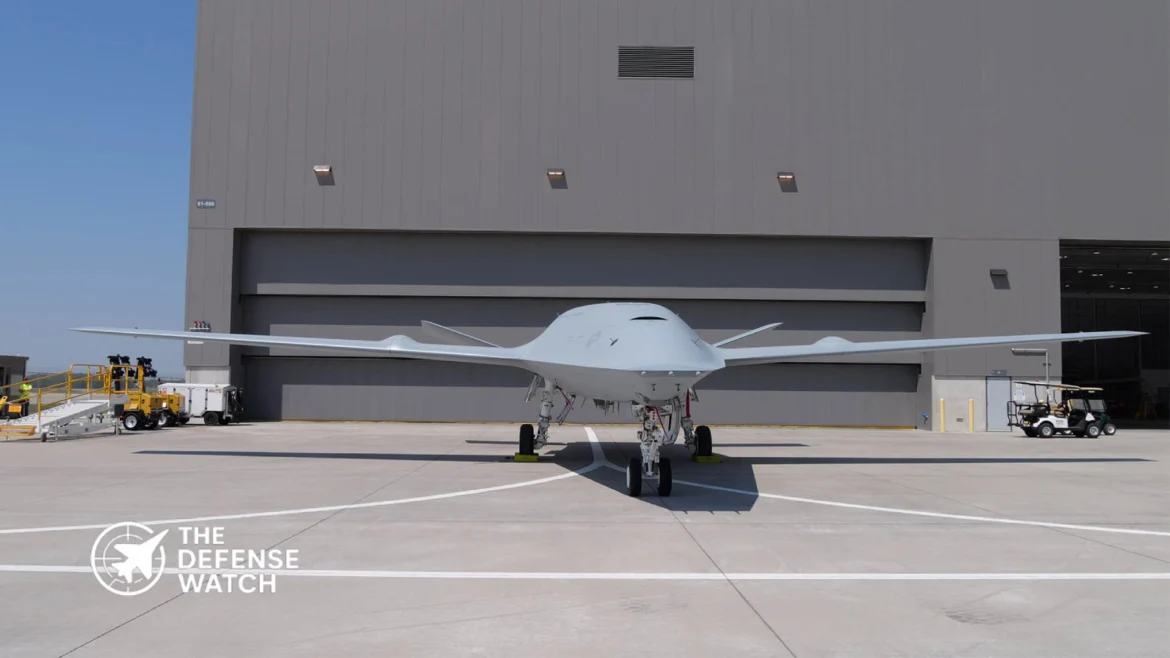
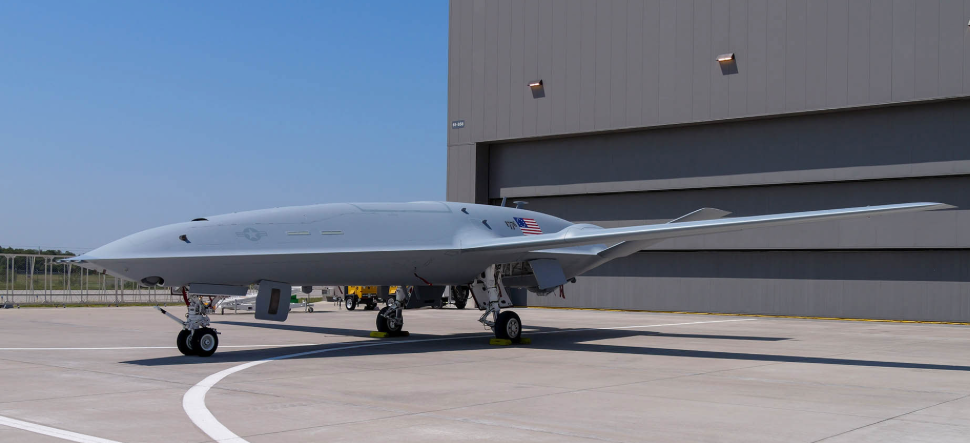
The U.S. Navy is moving the MQ-25A Stingray from development into low-rate production, establishing the first production path for a carrier-based unmanned aerial refueling aircraft.
Boeing MQ-25A Stingray Contract Moves Navy Into Production
The Boeing MQ-25A Stingray program has entered a significant production phase after the U.S. Navy awarded Boeing a major modification covering three Low Rate Initial Production Lot 1 aircraft and advance procurement for three additional Lot 2 aircraft. The modification provided in the contract notice is valued at up to $552.053 million and extends work through July 2031.
The Navy separately described the overall Sept. 14 production award as a $562 million fixed-price incentive contract, with initial Lot 1 deliveries expected to begin in 2029. The difference reflects the distinction between the modification value specified in the contract language and the Navy’s rounded public description of the production award.
The action is being executed under contract N0001922C0048, originally awarded to Boeing in 2022 for MQ-25A Lot 1 advance acquisition work. Naval Air Systems Command, based at Patuxent River, Maryland, is the contracting activity.
What the MQ-25A Contract Buys
The latest modification covers two closely related procurement activities.
| Item | Current Contract Action |
|---|---|
| Contractor | Boeing |
| Aircraft | MQ-25A Stingray |
| Lot | Lot 1 LRIP |
| Lot 1 aircraft | 3 |
| Lot 2 advance procurement | Long lead components for 3 aircraft |
| Contract modification | Up to $552.053 million |
| Navy public award value | $562 million |
| Completion | July 2031 |
| Contract type | Undefinitized fixed-price incentive modification |
| Competition | Not competed |
| Contracting activity | Naval Air Systems Command |
The Navy said the production contract funds three Lot 1 aircraft and advance acquisition of long lead components for three Lot 2 aircraft. The service also said the MQ-25 program of record contains 76 aircraft, including developmental and test aircraft already associated with the program.
At award, the Navy is obligating $100 million in fiscal 2025 aircraft procurement funds and $64.42848 million in fiscal 2026 aircraft procurement funds, for a combined initial obligation of about $164.43 million.
The remaining contract value will be obligated as the program progresses.
MQ-25A Reaches Production After First Flight
The production decision follows two major milestones in 2026.
The MQ-25A completed its first flight on April 25, 2026, flying for approximately two hours from Boeing’s facility at MidAmerica Airport in Mascoutah, Illinois. Navy and Boeing air vehicle pilots controlled the aircraft through the Unmanned Carrier Aviation Mission Control System. The flight tested basic flight controls, engine performance and handling characteristics.
The Navy subsequently announced Milestone C approval on May 19, allowing the aircraft to enter Low Rate Initial Production. At the time, the service said the initial production award would cover three Lot 1 aircraft and include options for later production lots.
The sequence is important because the MQ-25A is not simply another unmanned aircraft procurement. The program is intended to establish an operational unmanned aircraft inside the carrier air wing, where the aircraft must function within one of the most demanding aviation environments in the U.S. military.
Why the MQ-25A Matters to the Carrier Air Wing
The primary mission of the MQ-25A is aerial refueling.
The Navy intends to use the aircraft as an organic carrier-based tanker, reducing the requirement for F/A-18E/F Super Hornets to perform tanker duties. That can allow more crewed fighters to remain available for combat missions rather than being assigned primarily to tanker operations.
NAVAIR describes the MQ-25A as the Navy’s first operational carrier-based unmanned aircraft and says its integration will extend the range of carrier aircraft while improving the use of combat strike fighters.
This creates an important operational distinction. The MQ-25A is not designed primarily to replace the carrier’s strike fighters. Its value comes from changing how those aircraft are employed.
A carrier air wing has a finite number of aircraft and a finite amount of fuel available in the carrier operating area. A dedicated unmanned tanker can absorb the refueling mission while allowing fighters, electronic warfare aircraft and other receiver-capable platforms to retain greater mission availability.
The Navy has already demonstrated the basic concept with earlier MQ-25A testing. Test aircraft have conducted aerial refueling with the F/A-18 Super Hornet, F-35C Lightning II and E-2D Advanced Hawkeye.
Production Is Only One Part of the MQ-25A System
The MQ-25A program is broader than the aircraft itself.
NAVAIR identifies two major elements: the MQ-25A air vehicle and the Unmanned Carrier Aviation Mission Control System, which provides command and control for the aircraft. Carrier integration also involves deck handling, taxiing, launch and recovery procedures.
That integration requirement is one of the program’s most important technical challenges.
A conventional land-based unmanned aircraft can operate from a prepared runway with relatively predictable ground infrastructure. The MQ-25A must operate from a moving aircraft carrier, where launch and recovery involve catapult and arresting systems, deck handling procedures, limited space and complex interactions with crewed aircraft.
The aircraft must therefore be integrated into the carrier’s existing aviation cycle rather than treated as an independent unmanned system.
Long Lead Components Signal Continued Production Planning
The inclusion of long lead components for three Lot 2 aircraft is particularly significant from an industrial perspective.
Long lead procurement allows the Navy and Boeing to begin acquiring components that require substantial manufacturing time before the complete aircraft are assembled. This can reduce the risk of production delays when subsequent aircraft move through the manufacturing process.
The approach also provides an early indication that the Navy is planning beyond the initial three aircraft.
The Department of the Navy’s FY2026 budget documentation had already identified funding for three MQ-25A low-rate initial production aircraft and advance procurement for long lead material for subsequent aircraft.
The Navy’s broader program planning calls for a total inventory of 76 MQ-25A aircraft. Its FY2026 budget documents describe a fleet structure that includes operational squadrons, detachments and supporting mission-control systems.
The Industrial Base Is Spread Across the United States and Canada
The modification also illustrates the distributed industrial base supporting the MQ-25A.
The work allocation in the contract includes:
Location Share of Work St. Louis, Missouri 56% Torrance, California 8% Indianapolis, Indiana 4% Quebec, Canada 3% McKinney, Texas 2% Ontario, Canada 2% Kansas City, Missouri 1% Wichita, Kansas 1% Irvine, California 1% Other locations 22% St. Louis remains the dominant location, reflecting Boeing’s central role in MQ-25 production and program activity.
The distributed work structure also demonstrates how a single unmanned aircraft program supports suppliers and manufacturing operations across several U.S. states and Canadian provinces.
MQ-25A Production Comes With a Long Test and Integration Path
The move into LRIP does not mean the MQ-25A has completed all operational testing.
The Navy’s first flight in April began a broader flight test program intended to expand the aircraft’s performance envelope and verify mission systems.
GAO’s 2026 weapons systems assessment identifies the MQ-25A as a catapult-launched uncrewed aircraft intended for carrier operations and aerial refueling. GAO’s program timeline places the initial operational capability period around 2029 and the full-rate production decision around 2030.
That timeline puts the current production award in context. The Navy is buying production aircraft while the program continues through the testing and operational evaluation process required before full-rate production.
This is normal for a major defense acquisition program entering LRIP. The purpose of LRIP is to establish production capacity and produce a limited number of operationally representative aircraft while testing, evaluation and manufacturing processes continue.
What the MQ-25A Changes for U.S. Naval Aviation
The most important consequence of the MQ-25A program is not simply the addition of an unmanned tanker.
It is the introduction of an unmanned aircraft into the carrier air wing as an operational asset that works alongside crewed aircraft.
The Navy has described the Stingray as a pathfinder for future unmanned carrier aviation. Its mission-control architecture, carrier integration and manned-unmanned operating concept provide a foundation for additional unmanned systems that could eventually operate from carriers.
For the carrier air wing, the immediate benefit is tanker capacity. The longer-term significance lies in demonstrating that unmanned aircraft can be integrated into the launch, recovery, command-and-control and maintenance cycles of a nuclear-powered aircraft carrier.
That distinction matters as the Navy develops a future carrier air wing that is expected to combine crewed and uncrewed systems.
The MQ-25A therefore represents both an aircraft procurement and an operational integration effort.
A New Production Baseline for the Stingray
Boeing’s latest contract establishes the first LRIP production baseline for the MQ-25A.
Three Lot 1 aircraft will be produced while long lead components are acquired for three Lot 2 aircraft. Initial Lot 1 deliveries are expected to begin in 2029, according to the Navy.
The next major milestones will be continued flight testing, carrier integration, operational evaluation and preparation for fleet introduction.
The MQ-25’s eventual impact will depend on how effectively the Navy integrates the aircraft into carrier operations and how reliably it can provide tanker support without creating additional burdens on the carrier deck.
For now, the latest Boeing contract marks a clear transition: the MQ-25A Stingray is moving from a development program toward production and eventual fleet service as the U.S. Navy’s first operational carrier-based unmanned aircraft.


Rolls-Royce B-52 Engine Contract Reaches $3.04 Billion
Rolls-Royce’s B-52 engine contract has increased by $43,203,798 under a new economic price adjustment, bringing the cumulative face value of contract FA8107-21-D-0001 to $3,037,212,324, according to the U.S. Air Force contract announcement.
Takeaways
Rolls-Royce’s long-term B-52 engine contract has increased to more than $3 billion as the Air Force advances the F130-powered B-52J modernization program.
The modification, designated P00022, was awarded to Rolls-Royce Corp. of Indianapolis, Indiana. The Air Force said the adjustment is for an annual economic price adjustment and that no funding is being obligated at the time of award.
Work remains scheduled for completion on September 23, 2038, with the Air Force Life Cycle Management Center at Tinker Air Force Base, Oklahoma, serving as the contracting activity.
The modification increases the previously reported cumulative contract value of $2,994,008,526 by approximately 1.44%. It is important to distinguish the adjustment from a new production award: the announcement does not identify a new quantity of engines or a new scope of work.
Contract Supports The B-52 F130 Replacement Program
Contract FA8107-21-D-0001 is the central engine contract for the Air Force’s Commercial Engine Replacement Program, or CERP, for the B-52.
The Air Force selected Rolls-Royce in September 2021 following a competitive acquisition. The original award was valued at approximately $2.6 billion and covered 608 military derivative commercial engines, along with spare engines, support equipment, engineering data and sustainment activities.
The replacement engine is the Rolls-Royce F130, a military derivative of the company’s commercial BR700 engine family. The F130 was selected to replace the B-52H’s Pratt & Whitney TF33-PW-103 engines, which have powered the bomber since the 1960s.
The Air Force originally projected that the legacy TF33 would become increasingly difficult to support beyond 2030, making propulsion modernization a major requirement for maintaining the B-52’s long-term availability.
Key Contract And Program Data
Item Current Information Contractor Rolls-Royce Corp. Location Indianapolis, Indiana Contract FA8107-21-D-0001 Modification P00022 Modification Value $43,203,798 Previous Cumulative Value $2,994,008,526 New Cumulative Value $3,037,212,324 Adjustment Type Annual economic price adjustment New Funding Obligated None Work Completion September 23, 2038 Contracting Activity Air Force Life Cycle Management Center, Tinker AFB Why The $3.04 Billion Figure Matters
The latest modification is significant primarily because it shows the scale and long duration of the B-52 propulsion modernization effort rather than because it represents a new engine quantity.
The underlying contract is structured around a long-term modernization program extending into the late 2030s. The latest adjustment brings the cumulative face value above $3 billion, reflecting the financial scale of maintaining production, integration and sustainment activities over that period.
The original 2021 contract covered more than 600 engines because the B-52 has eight engines per aircraft and the Air Force required additional engines beyond the number needed for the operational fleet. The Air Force’s original program documentation identified 608 engines under the contract, including the replacement fleet and spares.
The distinction between the contract’s face value and funding obligations is also important. The latest modification increases the contractual value but does not mean that the Air Force immediately transferred another $43.2 million to Rolls-Royce.
That difference is particularly relevant for defense contract reporting because modifications can alter a contract’s total potential or cumulative value without creating an equivalent new obligation in the federal budget at the same time.
F130 Engine Will Replace The B-52’s TF33
The F130 represents a major change in the B-52’s propulsion architecture even though the basic requirement is straightforward: replace eight aging engines on each aircraft with modern powerplants.
Rolls-Royce says the F130 is derived from the BR700 commercial engine family, which has accumulated more than 27 million flight hours across the engine family. The F130 series is also already used on U.S. military aircraft, including the C-37 and E-11A.
For the B-52, the challenge extends beyond installing a new engine on an existing pylon.
The Air Force has identified modifications involving the engine struts, nacelles, electrical power generation system and cockpit displays. The aircraft modified with the new propulsion system and associated upgrades will be designated B-52J.
This makes CERP an aircraft integration program as well as an engine procurement effort.
B-52J Program Moves From Design Toward Aircraft Modification
The propulsion program reached an important milestone in 2026 when the Air Force completed the B-52J CERP Critical Design Review.
The Air Force said the review allows modification of two B-52 aircraft with the new engines. Boeing, as the aircraft’s original equipment manufacturer and integration contractor, is preparing parts and is scheduled to begin modifying the first aircraft at its facility in San Antonio, Texas.
Those aircraft will subsequently undergo extensive testing at Edwards Air Force Base, California, before the program proceeds toward modification of the remainder of the B-52H fleet.
The design phase has therefore moved into a more hardware-focused stage. That transition is important because replacing the B-52’s engines involves aerodynamic, structural, electrical and systems integration requirements that must be validated on the aircraft rather than solely through digital engineering.
New Engines Also Support Future B-52 Capabilities
The propulsion replacement is expected to do more than address the availability of aging TF33 engines.
According to the Air Force’s fiscal 2027 aircraft procurement documentation, the F130 installation is intended to improve propulsion reliability and maintainability while providing additional electrical generation capacity for future requirements. The modernization is also expected to improve fuel efficiency and extend the B-52’s range and loiter capabilities.
The additional electrical generation capability is particularly relevant to an aircraft that is being modernized for continued service into the middle of the 21st century.
The B-52 is receiving multiple major upgrades beyond propulsion, and the Air Force’s approach is to create an aircraft capable of supporting newer sensors, communications systems and weapons over an extended service life.
The engine program therefore functions as one part of a broader effort to keep the bomber viable while the Air Force develops and fields newer long-range strike platforms.
Indianapolis Remains Central To F130 Production
Rolls-Royce is manufacturing the F130 for the B-52 program in Indianapolis.
The company previously invested heavily in its Indiana manufacturing and engineering infrastructure to support the program. Rolls-Royce says its Indianapolis operation contains B-52 engineering, manufacturing, testing, software, cybersecurity and sustainment capabilities.
The company’s F130 program has also progressed through engine testing and design milestones. Rolls-Royce began B-52-specific F130 testing at NASA’s Stennis Space Center in Mississippi in 2023, including testing in the aircraft’s dual-pod configuration.
That testing addressed issues such as crosswind aerodynamic flow and operation of the engine’s digital control system, both important considerations when adapting an existing commercial engine architecture to the B-52’s distinctive eight-engine configuration.
Long-Term Implications For The B-52 Fleet
The latest price adjustment does not change the fundamental purpose of the B-52 engine replacement program. Its importance lies in sustaining a propulsion architecture that the Air Force expects to support the bomber through decades of additional service.
The B-52J designation will mark a significant evolutionary step for the aircraft. The Air Force is combining the F130 propulsion replacement with other modernization work to keep the bomber relevant to long-range conventional and nuclear missions.
The 2026 Critical Design Review indicates that the program has progressed beyond basic engine selection and early design work toward physical aircraft modification and testing.
For Rolls-Royce, the latest modification reinforces the long-term nature of the company’s role in the B-52 modernization program. For the Air Force, it represents another contractual adjustment within a program intended to provide a sustainable propulsion system for the bomber well into the future.
The $43.2 million modification itself does not add newly obligated funding or announce another batch of engines. Instead, it adjusts the economic value of an existing long-term contract, taking its cumulative face value to $3.037 billion while the B-52J program moves toward aircraft-level testing and eventual fleet conversion.




Takeaways
General Dynamics Mission Systems has received a $184.25 million U.S. Navy contract covering full-rate production and sustainment of the Next Generation Electronic Attack Unit for the EA-18G Growler.
General Dynamics Receives $184.25 Million NGEAU Contract
General Dynamics Mission Systems has received a $184.25 million Next Generation Electronic Attack Unit, or NGEAU, contract from the U.S. Navy covering full-rate production, NGEAU sustainment and future sustainment support for the Advanced Capability Mission Computer. The award is structured as a firm-fixed-price and cost-plus-fixed-fee indefinite-delivery/indefinite-quantity contract and runs through September 2032.
The contracting activity is the Naval Surface Warfare Center Crane in Indiana. The Navy said the award was made on a sole-source basis under 10 U.S. Code 3204(a)(1) because only one responsible source could satisfy the requirement.
General Dynamics Mission Systems identifies the NGEAU as a U.S. Navy program associated with the EA-18G Growler, alongside the F/A-18 Advanced Capability Mission Computer and E-2D Advanced Hawkeye mission systems.
Contract Details
| Item | Details |
|---|---|
| Contractor | General Dynamics Mission Systems |
| Location | Bloomington, Minnesota |
| Contract value | $184.25 million |
| Contract type | Firm-fixed-price and cost-plus-fixed-fee IDIQ |
| Primary system | Next Generation Electronic Attack Unit |
| Aircraft | EA-18G Growler |
| Additional support | Advanced Capability Mission Computer |
| Work location | Bloomington, Minnesota |
| Completion | September 2032 |
| Contract number | N0016426DWS86 |
| Competition | Sole source |
| Contracting activity | NSWC Crane, Indiana |
The initial obligation totals about $40.06 million, consisting of $29.69 million from fiscal 2026 Aircraft Procurement, Navy funds and $10.37 million from fiscal 2025 Aircraft Procurement, Navy funds.
The contract ceiling and individual delivery quantities are not specified in the award information provided by the Navy. The IDIQ structure allows the government to place orders under the overarching contract as requirements arise.
NGEAU Is Central To Growler Block II Modernization
The NGEAU is not a standalone replacement for the EA-18G. It is a major component of the aircraft’s broader Growler Block II modernization effort.
Navy budget documentation describes Growler Block II as a phased approach for improving airborne electronic attack capabilities. Phase 1 includes the upgraded NGEAU and Reactive Electronic Attack Measures, or REAM.
The architecture is intended to address several limitations associated with the existing Electronic Attack Unit while providing a more adaptable processing foundation.
According to U.S. government documentation, the NGEAU supports:
- Open Mission Systems processor architecture
- Multi-Level Security
- Multi-Tier Resource Management
- Mitigation of diminishing manufacturing sources and material shortages
These characteristics are important because the EA-18G operates in an increasingly software-intensive electronic warfare environment where processing, data management and rapid technology insertion are becoming as important as the aircraft’s physical electronic warfare hardware.
Why The NGEAU Matters To The EA-18G Growler
The EA-18G Growler is designed to conduct airborne electronic attack and support other aircraft by detecting, analyzing and disrupting electromagnetic threats.
The NGEAU modernization focuses on the aircraft’s internal electronic attack processing architecture. That distinction matters because the Growler’s effectiveness depends on more than its external jamming systems.
The aircraft must collect information from its sensors and other systems, process electromagnetic activity, identify relevant signals and coordinate electronic attack effects while operating in a contested electromagnetic environment.
NGEAU provides an updated computing and resource-management foundation for that process.
A previous Navy description of the Growler Block II effort said the NGEAU would help modernize processing, sensors and aircrew decision aids, while the wider upgrade is intended to maintain the aircraft’s relevance against peer-level threats.
NGEAU And Next Generation Jammer Are Different Systems
It is important not to confuse NGEAU with the AN/ALQ-249 Next Generation Jammer.
The Next Generation Jammer is an external electronic attack system carried by the EA-18G. NAVAIR describes NGJ as a digital, software-based electronic warfare capability designed to disrupt, deny and degrade hostile air-defense and communications systems.
NGEAU, by comparison, is part of the Growler’s internal electronic attack and mission-processing architecture.
The two capabilities therefore address different parts of the electronic attack mission. The NGEAU provides upgraded processing and architecture, while NGJ provides external electronic attack effects.
Navy Moves NGEAU Into Full-Rate Production
The new award is significant because it covers Full Rate Production, rather than only development or limited initial production.
The Navy previously awarded Boeing a $95.9 million order in 2024 supporting development and operational testing of the EA-18G Growler Block II Phase 1 upgrade. That order also covered production of 25 NGEAU A-kits, 15 NGEAU B-kits and associated spares.
The transition to a full-rate production contract marks the next stage of the program’s acquisition cycle.
The new contract also combines production with long-term sustainment. That approach gives the Navy a mechanism for supporting the hardware after fielding rather than treating production and lifecycle support as completely separate requirements.
Advanced Capability Mission Computer Support Included
The contract also includes future sustainment support for the Advanced Capability Mission Computer, or ACMC.
Mission computing has become increasingly important across naval aviation. Earlier Navy documentation on General Dynamics mission computers described their role in processing, networking, display and mission functions aboard aircraft including the F/A-18E/F and EA-18G.
The ACMC and NGEAU requirements therefore fit into a broader effort to keep the Growler’s computing architecture supportable while new electronic warfare capabilities are introduced.
This is particularly important for aircraft expected to remain operational for many years. Electronics can become obsolete much faster than airframes, creating a requirement for architectures that can accommodate new processors, software and interfaces without requiring wholesale aircraft redesigns.
Sole-Source Contract Reflects Existing System Integration
The Navy’s decision to award the contract to General Dynamics without full competition is also significant.
The original 2025 presolicitation identified General Dynamics Mission Systems as the intended sole-source contractor for the NGEAU production and sustainment requirement. The notice said the government considered the time and cost associated with testing and qualifying another vendor sufficient to make competition impracticable.
The final award cites 10 U.S. Code 3204(a)(1), the statutory authority covering situations in which only one responsible source can satisfy the agency’s requirements.
This type of acquisition strategy can reduce the technical and qualification burden associated with introducing a new supplier into an already integrated aircraft electronic warfare architecture. It also reflects the importance of configuration control and compatibility for systems that interact with multiple avionics and electronic warfare components.
Electronic Warfare Competition Raises The Importance Of Processing
The NGEAU program comes as the Navy continues to modernize the EA-18G against increasingly sophisticated electromagnetic threats.
NAVAIR describes Next Generation Jammer as an evolutionary electronic attack program designed around digital software and electronically scanned array technologies, with the ability to receive hardware and software updates as threats change.
That broader modernization effort shows why the processing architecture inside the Growler is strategically important.
Electronic warfare is increasingly software-defined. A platform may require frequent updates to recognize new emitters, manage increasingly dense electromagnetic environments and integrate information from multiple sensors.
For the EA-18G, maintaining this adaptability is particularly important because the aircraft is intended to support strike aircraft and other forces operating against integrated air-defense networks.
The NGEAU’s open architecture, security and resource-management features are therefore best understood as infrastructure for continuing modernization rather than as a single new electronic attack effect.
What The $184.25 Million Award Means
The new General Dynamics contract represents a shift from developing the NGEAU capability toward sustained production and lifecycle support.
The award does not disclose the number of NGEAU units that will ultimately be purchased under the IDIQ. It also does not establish a specific production rate in the information released by the Navy.
What is clear is that the Navy is committing funding to production while establishing a support framework that extends through 2032.
For the EA-18G fleet, that combination matters. The Growler’s future effectiveness will depend not only on external systems such as Next Generation Jammer but also on its internal processing, mission architecture, software and ability to incorporate future upgrades.
The NGEAU contract is consequently an important part of the Navy’s longer-term effort to keep the Growler relevant in a contested electromagnetic spectrum.
Bottom Line
General Dynamics Mission Systems’ $184.25 million NGEAU contract moves the Navy’s Next Generation Electronic Attack Unit into full-rate production while establishing sustainment support through September 2032.
The program is closely tied to the EA-18G Growler Block II modernization effort, with an emphasis on open mission systems, secure processing and improved management of electronic warfare resources.
The award also illustrates a wider trend in naval aviation: maintaining combat relevance increasingly depends on the ability to update mission computers, software and electronic warfare architectures throughout an aircraft’s service life.
Australia Expands AIR6500 With A$1.32 Billion Lockheed Martin Contract
Lockheed Martin Australia has secured an A$1.32 billion contract to advance and sustain Australia’s AIR6500 Joint Air Battle Management System, strengthening the command-and-control architecture intended to integrate the Australian Defence Force’s air and missile defense capabilities. The six-year Tranche 2B award was announced on September 9, 2026, as part of a broader Australian government investment of A$2.4 billion in the second tranche of AIR6500.
Takeaways
Australia is expanding AIR6500 as the command-and-control backbone of its future integrated air and missile defense architecture.
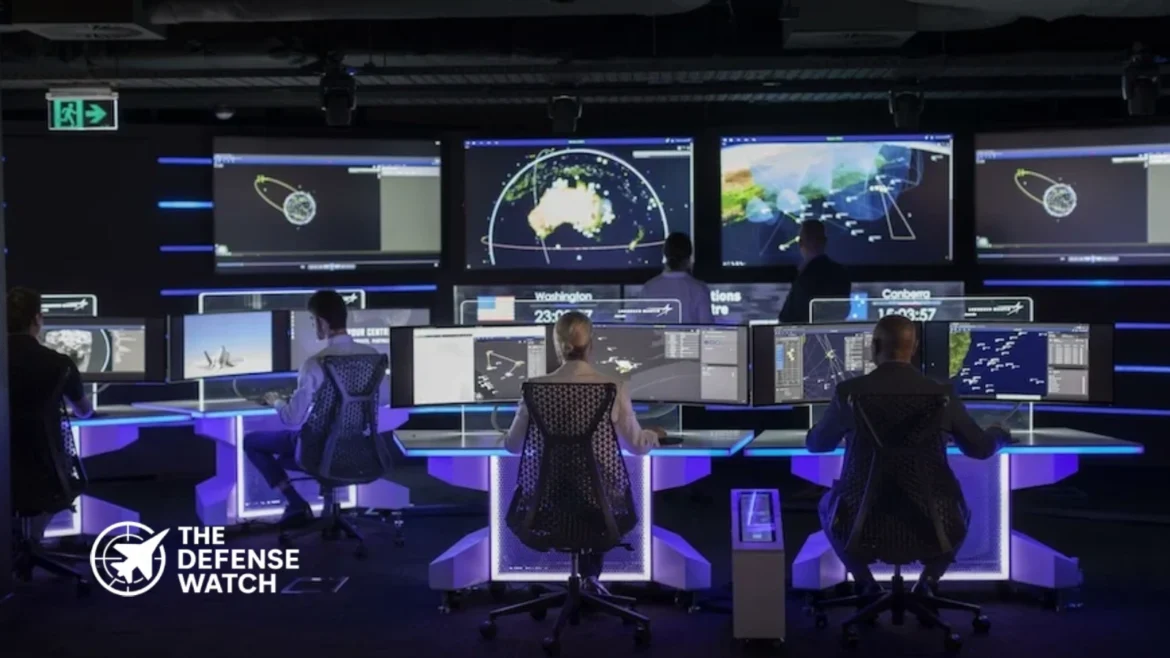
Australia’s Department of Defence describes the Joint Air Battle Management System as a foundational element of the country’s future integrated air and missile defense capability. The system is intended to connect information from different ADF platforms and systems, giving commanders a more comprehensive view of the battlespace and supporting faster decision-making.
The distinction between the two figures is important. The <strong>A$1.32 billion</strong> figure refers to Lockheed Martin Australia’s Tranche 2B contract, while the Australian government’s <strong>A$2.4 billion</strong> announcement covers the wider second-tranche investment in air and missile defense capabilities.
What AIR6500 Tranche 2B Will Deliver
Under Tranche 2B, Lockheed Martin Australia will work with Australia’s Department of Defence and local industry to enhance the AIR6500 architecture with advanced command-and-control aids, expanded communications and cybersecurity capabilities. The objective is to maintain resilient, networked sensor and command-and-control capabilities while integrating them with Australia’s targeting enterprise, allies and partners.
The program therefore goes beyond the acquisition of a single radar or interceptor. Its central function is to provide the digital architecture through which information from multiple sensors and operational systems can be combined and used by commanders.
That distinction is significant for integrated air and missile defense. Individual sensors and weapons can provide detection or interception capabilities, but their effectiveness depends heavily on how quickly information moves between sensing, identification, command, targeting and engagement functions.
Australia’s Department of Defence has previously described JABMS as a joint system-of-systems that will connect disparate ADF systems and platforms across multiple domains.
Key AIR6500 Tranche 2B Elements
| Area | Tranche 2B Focus |
|---|---|
| Contract value | A$1.32 billion |
| Duration | Six years |
| Prime contractor | Lockheed Martin Australia |
| Core capability | Joint Air Battle Management System |
| Command and control | Advanced C2 aids |
| Communications | Expanded network connectivity |
| Cybersecurity | Enhanced cyber protection |
| Integration | ADF targeting enterprise, allies and partners |
| Workforce | More than 360 skilled personnel currently supported |
| Planned workforce | More than 400 personnel within 18 months |
The workforce figures were provided by Lockheed Martin Australia as part of the contract announcement. The company said more than 360 engineers and technical specialists are currently supporting the program and that it plans to expand the workforce beyond 400 within 18 months.
AIR6500 Is Becoming the Backbone of Australia’s Integrated Air Defense
Australia’s approach places command and control at the center of its future air and missile defense architecture.
The government says AIR6500 will connect current and future defense platforms, including <strong>Hobart-class destroyers, F-35A Lightning II aircraft and the accelerated Medium-Range Ground-Based Air Defence system</strong>. This is intended to allow the ADF to operate these capabilities as part of a more integrated force.
The architecture also builds on earlier AIR6500 work.
In 2024, Australia awarded Lockheed Martin Australia an approximately A$500 million contract for the next stage of the Joint Air Battle Management System. That phase included development of the core command-and-control architecture, deployable air-battle management capabilities and initial integration with priority platforms.
Lockheed Martin says work completed during Tranche 2A included a modular battle-management prototype, two joint tactical operations centers and a persistent operations node for testing and evaluation. The company has also trained Royal Australian Air Force personnel and completed the fit-out of an AIR6500 integration laboratory in Adelaide.
This progression matters because Australia is moving from developing individual components toward building an operational architecture capable of connecting them.
Four CEA Radars Provide Part of the Sensor Layer
AIR6500 is not solely a Lockheed Martin program.
The first tranche includes four advanced active electronically scanned array radars manufactured by Canberra-based CEA Technologies. Australia’s Department of Defence says these radars are intended to provide greater detection range and accuracy against aircraft and missile threats, giving commanders additional warning and decision time.
The radar layer and the battle-management layer perform different functions.
The radar detects and tracks objects. The command-and-control architecture receives and processes information from available sensors and other sources, creates a broader operational picture and distributes information to relevant users and systems.
The value of an integrated architecture is therefore not measured solely by the performance of an individual sensor. It also depends on data quality, communications, processing, interoperability and the speed with which information can reach the appropriate decision-maker or weapon system.
Why Allied Interoperability Matters
The latest AIR6500 contract explicitly emphasizes integration with allies and partners.
Australia operates closely with the United States and other regional partners, including through long-standing arrangements such as ANZUS and increasingly integrated defense activities across the Indo-Pacific. The ability to exchange usable information between national command networks can become particularly important when air and missile threats extend across large geographic areas.
AIR6500 is being developed to connect Australia’s targeting enterprise with allied and partner capabilities.
For the United States, this type of architecture can also have implications for coalition operations. Australia’s F-35A fleet, naval combatants and other systems can contribute sensors and effects to joint operations, but that contribution depends on secure communications, compatible data exchange and command structures that can operate across national boundaries.
The challenge is not simply connecting more systems. Networks must maintain reliable information flows while operating in environments where communications can be disrupted, degraded or attacked.
Cybersecurity Is Becoming a Core Air Defense Requirement
Tranche 2B specifically includes cybersecurity improvements alongside expanded communications and command-and-control capabilities. That reflects a broader shift in the design of modern integrated air and missile defense systems.
A network that links sensors, command centers, targeting systems and weapons becomes a critical operational dependency. Protecting the network, its data and the integrity of the information being exchanged is therefore part of the air defense problem rather than a separate information-technology concern.
Australia’s own digital engineering work on AIR6500 has emphasized software integration laboratories, digital twins, modeling and simulation, and engineering tools intended to support interoperability and future technology insertion.
That approach is intended to make the architecture adaptable as new sensors, weapons and command systems are introduced.
The Broader A$2.4 Billion AIR6500 Investment
The Lockheed Martin contract sits within a larger A$2.4 billion Australian government investment announced September 9.
The government said the investment will be made over six years and is part of a broader commitment of A$30 billion over the coming decade for a layered, integrated air and missile defense system.
The Australian government also said the second tranche will replace the existing system and modernize air surveillance and aircraft-control functions while supporting defense operations in Australia and overseas.
The investment is consequently about more than protecting individual bases or military units. It is intended to establish an architecture through which Australia’s air defense forces can operate as an integrated network.
Australian Industry Is Central to the Program
Sovereign industrial capability is another major element of AIR6500.
The Australian government said the A$2.4 billion investment will support more than 360 highly skilled Australian jobs. Lockheed Martin Australia has separately stated that a substantial share of the Tranche 2B work will be performed by Australian industry partners.
Earlier AIR6500 work involved companies including Boeing Defence Australia, C4i, Leidos Australia, Lucid Consulting Australia, Raytheon Australia, Shoal Group and Silentium Defence.
Lockheed Martin Australia is also investing A$85.9 million in a national integrated air and missile defense facility, according to the company.
For Australia, sustaining engineering and integration expertise domestically is strategically important because an air and missile defense architecture must evolve as threats, sensors, communications systems and weapons change.
What AIR6500 Means for Indo-Pacific Defense
The immediate effect of Tranche 2B is an expansion of Australia’s ability to integrate information across its own air and missile defense forces.
The longer-term significance is the creation of a command-and-control architecture designed for coalition operations and future capability growth.
Australia faces a geographically demanding operating environment in which air and maritime approaches cover large distances. A networked architecture can help distribute sensor information and coordinate responses across geographically separated forces, although the effectiveness of that architecture will ultimately depend on communications resilience, sensor coverage, interoperability and the performance of connected defensive systems.
AIR6500 also fits into Australia’s broader effort to build a layered air and missile defense capability rather than relying on a single interceptor, radar or platform.
That approach is increasingly important as modern forces must account for a wider range of threats, including aircraft, cruise missiles, ballistic missiles and uncrewed systems.
A Significant Step Toward Networked Air and Missile Defense
Lockheed Martin Australia’s A$1.32 billion Tranche 2B contract marks another stage in Australia’s effort to build a nationally integrated air and missile defense architecture.
The system is being designed around the principle that sensors, command networks, targeting systems and defensive platforms should operate as part of a connected force rather than as isolated capabilities.
The Australian government’s broader A$2.4 billion second-tranche investment provides the financial framework for that effort, while Lockheed Martin’s contract focuses on advancing and sustaining the Joint Air Battle Management System at the center of the architecture.
For Australia and its allies, the central issue will be whether AIR6500 can translate this network architecture into faster, more resilient and more coordinated responses under demanding operational conditions.
Takeaways
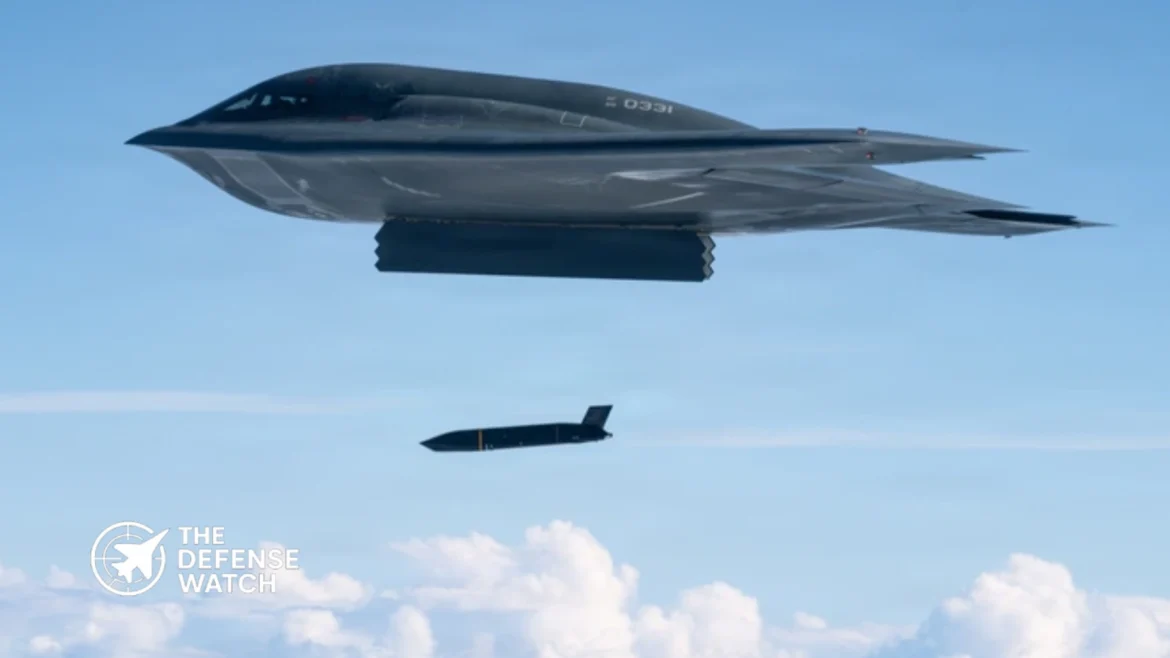
The latest contract modification continues the U.S. large lot procurement strategy for JASSM and LRASM while supporting higher production capacity for two closely related long-range strike weapons.
Lockheed Martin Receives $825.98 Million JASSM and LRASM Contract Modification
Lockheed Martin Missiles and Fire Control has received an $825,975,480 contract modification for JASSM and LRASM large lot procurement, according to the U.S. Department of Defense contract announcement. The modification, designated P00020 under contract FA8682-24-C-B001, increases the cumulative face value of the contract to $10,480,052,550 from $9,654,077,070.
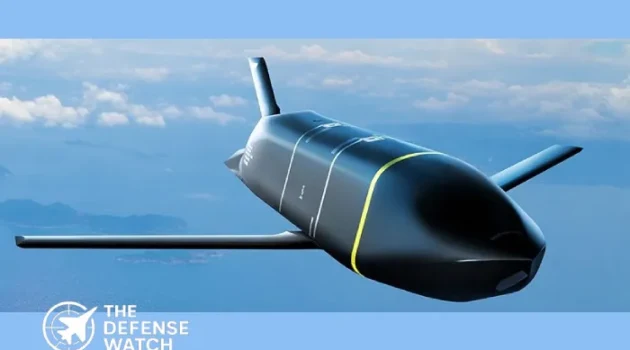
The award continues a U.S. procurement effort centered on the AGM-158 family of long-range cruise missiles, which includes the Joint Air-to-Surface Standoff Missile and the Long Range Anti-Ship Missile.
The contracting activity is the Air Force Life Cycle Management Center at Eglin Air Force Base, Florida. Work will be performed in Orlando, Florida, and is scheduled for completion on July 31, 2030.
Contract Modification and Funding
The latest modification represents roughly $826 million in additional contract value.
The award announcement identifies multiple funding sources, reflecting the joint-service and international demand associated with the JASSM and LRASM programs.
Funding Source Amount FY2024 missile procurement $2.15 million FY2024 Navy weapons procurement $1.45 million FY2025 Navy weapons procurement $219.51 million FY2025 missile procurement $0.38 million FY2026 missile procurement $72.77 million FY2026 Navy weapons procurement $49.22 million FY2026 research, development, test and evaluation $4.16 million FY2026 operations and maintenance $0.69 million Foreign Military Sales $11.07 million Total listed obligations $361.40 million The listed obligations therefore account for about $361.4 million at the time of award, while the full $825.98 million represents the value of the contract modification.
That distinction is important because contract face value and the amount obligated at award are not the same measure. The former reflects the modification’s contractual value, while the latter represents funding committed against the contract at that point.
JASSM and LRASM Share a Common Production Base
The procurement is significant because JASSM and LRASM are closely related weapons rather than independent missile programs.
The Air Force describes LRASM as being derived from the AGM-158B JASSM-ER and notes that the two weapons share more than 70% hardware commonality. They are also produced on the same assembly line.
This commonality allows procurement and manufacturing activities for the two missile families to be coordinated.
For the U.S. military, that arrangement has an important industrial-base advantage. Production resources, manufacturing equipment, suppliers and procurement planning can support both air-to-surface and anti-surface warfare requirements rather than being maintained as entirely separate production ecosystems.
The FY2026 Air Force procurement documentation specifically states that JASSM and LRASM are procured under the same large lot procurement contract. It identifies Lockheed Martin as the manufacturer and shows a combined FY2026 minimum sustained production rate of 396 missiles, although the allocation between JASSM and LRASM varies according to program requirements.
JASSM Provides Long-Range Air-to-Surface Strike
JASSM is designed to give U.S. and allied aircraft a standoff strike option against targets defended by sophisticated air-defense systems.
The weapon family includes multiple configurations, with the Air Force’s FY2026 procurement documentation identifying AGM-158B-2, AGM-158B-3 and AGM-158D variants within the program. The same documentation states that JASSM Lots 23 and 24 form part of the large lot procurement strategy.
Lockheed Martin identifies the AGM-158B-2 as incorporating upgrades including a modernized Missile Control Unit, updated software and the JASSM GPS Anti-Jam Receiver version 5.
The broader importance of the program is its role in providing aircraft with the ability to attack targets without relying on close approach to the target area.
That standoff function becomes increasingly important as the United States plans for operations against opponents equipped with layered integrated air-defense networks and long-range sensors.
LRASM Extends the Same Architecture Into Maritime Warfare
LRASM adapts the AGM-158 design lineage for a different operational problem: attacking high-value surface targets in contested maritime environments.
The Pentagon’s FY2026 weapons documentation describes LRASM as a Navy-led joint Navy and Air Force precision-guided anti-ship missile derived from JASSM-ER. It incorporates a multimodal sensor suite, weapons datalink, enhanced GPS anti-jam capabilities and a 1,000-pound penetrator/blast-fragmentation warhead.
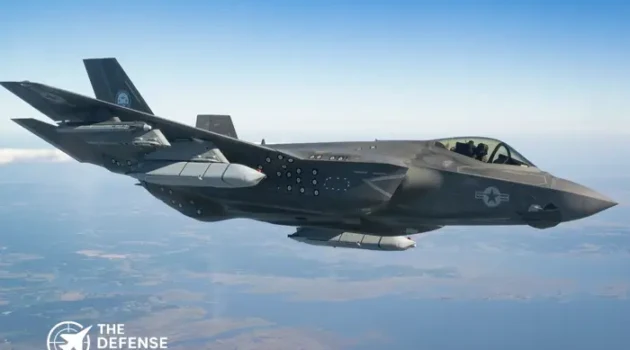
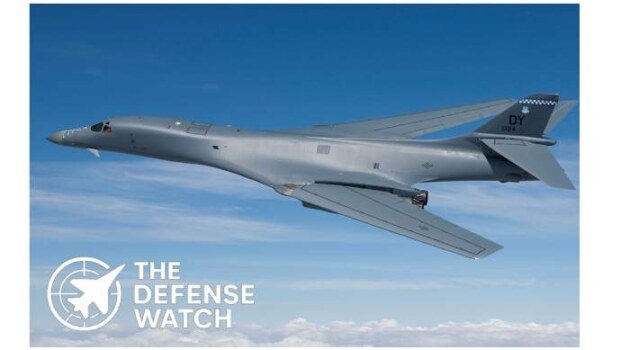
LRASM achieved Early Operational Capability on the B-1B Lancer in December 2018 and on the F/A-18E/F Super Hornet in November 2019, according to the same Pentagon documentation.
The Navy is also procuring the LRASM C-3 Extended Range variant. The FY2026 budget documentation says C-3 includes rewritten software, an improved datalink and additional survivability features.
This gives the United States a weapon family capable of supporting both long-range land-attack and anti-surface missions while retaining significant commonality in production.
Why the Large Lot Strategy Matters
The latest award is part of a broader shift in U.S. weapons procurement toward increasing production capacity rather than treating individual missile lots as isolated purchases.
The Air Force’s FY2026 budget documents say the JASSM and LRASM multiyear procurement strategy was initiated under the Large Lot Procurement concept. The approach is intended to create efficiencies by coordinating production across related programs and using economic order quantities to buy materials in larger volumes.
That approach also addresses a less visible constraint on missile production: the supply chain.
The Air Force identifies long-lead materials, including microelectronics and rare-earth elements, as areas where advance procurement can reduce delivery risk and mitigate obsolescence.
This means a large contract is not simply a mechanism for ordering more completed missiles. It can also provide manufacturers and suppliers with the financial visibility needed to procure components, maintain tooling and expand manufacturing capacity.
Production Capacity Is Becoming a Strategic Requirement
Lockheed Martin has been expanding its manufacturing infrastructure for JASSM and LRASM as U.S. demand increases.
The company said in 2024 that it had added a 225,000-square-foot advanced manufacturing facility to support higher production quantities. The facility includes automated manufacturing processes, a robotic paint line and factory-model forecasting capabilities.
The company’s more recent production information also identifies continued investment in supply-chain capacity and manufacturing infrastructure for JASSM and LRASM.
The production challenge is not limited to the final assembly line. Modern cruise missiles depend on a network of specialized suppliers producing electronics, propulsion components, guidance hardware, structures, warheads and other components.
A sustained increase in procurement therefore requires capacity across the supply chain rather than simply adding more assembly workers.
Strategic Implications for U.S. Long-Range Strike
The contract comes as the United States is placing greater emphasis on the ability to conduct precision strikes from outside the engagement zones of sophisticated adversary defenses.
JASSM contributes to the air-to-surface portion of that requirement, while LRASM addresses the maritime dimension.
The combination is particularly relevant to a U.S. force expected to operate across large geographic areas where aircraft and naval forces may need to engage targets at extended distances while facing increasingly capable sensors, electronic warfare systems and air defenses.
The production architecture also matters. A missile that is highly capable but difficult to replace at scale presents a different operational problem from a weapon supported by a mature, expanding industrial base.
The Pentagon’s procurement documents indicate that the U.S. government is therefore using multiyear procurement, large lot purchases and advance procurement mechanisms to improve production stability for these weapons.
What the $10.48 Billion Contract Signals
The increase in cumulative contract value to $10.48 billion should not be interpreted as a single-year purchase of missiles.
Instead, it reflects the scale of the broader procurement framework supporting JASSM and LRASM over multiple fiscal years.
The latest modification extends that procurement effort through July 2030, providing a long planning horizon for production and associated program activities.
The combination of large lot procurement, common production infrastructure and multiyear funding is intended to give the U.S. military greater access to long-range precision weapons while giving industry a clearer basis for maintaining and expanding manufacturing capacity.
For JASSM and LRASM, the central issue is therefore not simply how many missiles are purchased in one contract action. It is whether the U.S. defense industrial base can sustain the production rates required for a prolonged high-demand environment.
The latest Lockheed Martin award represents another step in that effort.
Contract Details at a Glance
Item Details Contractor Lockheed Martin Missiles and Fire Control Location Orlando, Florida Contract FA8682-24-C-B001 Modification P00020 Modification Value $825,975,480 Previous Cumulative Value $9,654,077,070 New Cumulative Value $10,480,052,550 Programs JASSM and LRASM Contracting Activity Air Force Life Cycle Management Center Contracting Location Eglin Air Force Base, Florida Expected Completion July 31, 2030 Funding Missile procurement, Navy weapons procurement, RDT&E, O&M and FMS Bottom Line
The $825.98 million JASSM and LRASM contract modification reinforces a U.S. strategy focused on maintaining and expanding production of long-range precision weapons.
JASSM and LRASM benefit from substantial design and manufacturing commonality, allowing the Air Force and Navy to use a shared industrial base for complementary land-attack and anti-surface missions.
The larger significance of the award is its connection to the U.S. military’s broader effort to increase munition availability. By combining large lot procurement with multiyear planning, advance material purchases and expanded manufacturing capacity, the program is structured to support sustained production rather than short-term procurement spikes.
With the cumulative contract value now exceeding $10.48 billion and work extending through July 2030, JASSM and LRASM remain central elements of the U.S. long-range conventional strike and maritime strike inventory.

Saab Future Fighter System Program Enters Another Development Phase
Saab has received a SEK 2.9 billion contract from Sweden’s Defence Materiel Administration, FMV, for continued work on a future fighter system, extending a technology-development effort that began with earlier contracts in 2024 and 2025. The new agreement covers 2026 through 2028 and includes options for 2029 and 2030.
Takeaways
Sweden has awarded Saab a SEK 2.9 billion contract to continue developing technologies for future fighter systems, including manned and unmanned aircraft.
The program is not an announcement of a production aircraft or a decision to replace the Gripen with a specific new fighter. Instead, Saab and FMV are continuing technology development, demonstrations and advanced studies intended to give Sweden more options for its future air combat architecture.
The work covers both manned and unmanned systems, including flying and ground-based demonstrators. Saab said the program will also address systems integration, autonomy, signature adaptation, propulsion, digital development and future production capabilities.
What The SEK 2.9 Billion Contract Covers
The contract represents a technology-development and risk-reduction effort rather than a conventional aircraft procurement program.
| Area | Saab and FMV activity |
|---|---|
| Contract value | Approximately SEK 2.9 billion |
| Core period | 2026 to 2028 |
| Options | 2029 and 2030 |
| Aircraft concepts | Manned and unmanned |
| Demonstration work | Flying and ground-based demonstrators |
| Technology areas | Autonomy, propulsion, signatures, digital systems |
| Program objective | Reduce technical risk and preserve future options |
Saab said the objective is to develop and demonstrate technologies that could become important to future fighter systems. The company also highlighted the importance of maintaining Swedish expertise in integrating complex combat-air systems.
That distinction matters. The contract gives Sweden an opportunity to test technologies before committing to a specific future operational configuration.
Sweden Is Keeping Multiple Fighter Options Open
The structure of the program gives Sweden considerable flexibility.
Rather than committing immediately to a single future aircraft design, the work can examine different combinations of crewed aircraft, uncrewed platforms, sensors, propulsion technologies and digital systems.
This approach is consistent with Saab’s earlier future fighter work for FMV.
In March 2024, Saab received its initial future fighter concept studies contract. That effort covered manned and unmanned solutions from a system-of-systems perspective, along with technology development and demonstrations.
In October 2025, FMV awarded Saab another approximately SEK 2.6 billion contract for continued future fighter concept studies covering 2025 to 2027. Saab said that effort expanded the original 2024 contract and included technology development and demonstrators.
The latest SEK 2.9 billion order therefore represents another stage in an ongoing Swedish technology program rather than an isolated project.
Unmanned Aircraft Are Becoming A Central Part Of The Concept
One of the most important aspects of the Saab future fighter system program is its explicit inclusion of unmanned aircraft.
Saab recently displayed the A3-001, a full-scale concept for a future uncrewed combat air system, at the Swedish Armed Forces Air Show at Malmen Air Base in Linköping. Saab described the concept as a possible future component operating alongside crewed aircraft in an integrated system.
The company identified electronic warfare, suppression of enemy air defenses and precision strike as potential missions for such an uncrewed platform.
Saab also said it intends to fly uncrewed demonstrators with fighter-like characteristics before 2030 as part of Sweden’s evaluation of future combat-air options.
The A3-001 should not, however, be treated as the confirmed aircraft resulting from the new FMV contract. Saab describes it as its own concept for what could follow in the mid-2030s if Sweden decides to build on the technology work now underway.
That distinction is important because the current FMV agreement concerns broader future fighter technologies and concepts.
Why Systems Integration Matters
Future combat aircraft are increasingly being developed as parts of larger networks rather than as standalone platforms.
A fighter may need to exchange information with other aircraft, uncrewed systems, ground-based sensors, naval platforms and command networks. That places greater importance on the software, communications architecture and decision-making systems connecting the individual platforms.
Saab specifically identifies systems integration and autonomy as areas being strengthened through the new program.
For Sweden, developing this expertise domestically could be as important as developing the airframe itself. The ability to integrate different sensors, weapons, aircraft and command systems gives Stockholm greater control over how its future combat-air architecture evolves.
Signature Adaptation And Propulsion Are Also In Focus
The program also covers signature adaptation and propulsion.
Signature management is particularly important for aircraft expected to operate in environments containing advanced surveillance and air-defense systems. It encompasses more than simply reducing radar visibility, with the broader challenge involving how an aircraft manages its detectable characteristics across different operating conditions.
Propulsion presents another major technology challenge.
Future combat aircraft require a balance between speed, range, endurance, electrical power, thermal management and survivability. The new program gives Sweden an opportunity to investigate propulsion-related technologies before locking future requirements into a specific production design.
Saab has not publicly disclosed a complete specification for a future Swedish fighter, so claims about exact speed, range, weapons capacity or stealth performance would be premature.
Demonstrators Will Help Reduce Technical Risk
The emphasis on demonstrators is one of the most significant elements of the agreement.
Flying demonstrators can provide data that computer modeling and laboratory testing cannot fully reproduce. They allow engineers to evaluate aerodynamic behavior, propulsion integration, autonomy, flight-control systems and other technologies under real operating conditions.
Ground-based demonstrators can serve a different purpose, allowing engineers to test sensors, software, mission systems, integration architectures and other technologies without requiring a complete flying aircraft.
Saab said the program is intended to build competence and reduce technical risks while preserving Sweden’s freedom of choice for future air combat capabilities.
This approach can also allow Sweden to discard technologies that do not meet operational requirements before they become embedded in an expensive production program.
The Gripen Remains Sweden’s Current Combat Aircraft Foundation
The future fighter work does not mean Sweden is abandoning Gripen.
Saab continues to receive Swedish investment for development and support of the Gripen family. In December 2025, FMV awarded Saab an approximately SEK 2.5 billion order for development resources supporting the Gripen system during 2026 to 2028. The order includes test aircraft and advanced development tools such as rigs and simulators.
This creates two parallel tracks.
The first is continued development and support of the existing Gripen capability. The second is exploratory work intended to determine what technologies and architectures could support Swedish air combat operations beyond the current generation.
Maintaining both tracks allows Sweden to upgrade its existing fleet while developing technologies that could underpin a future system.
Strategic Context For Sweden
Sweden’s future fighter planning is taking place as the country adapts its defense posture to a changed European security environment.
Sweden joined NATO in 2024, increasing the importance of interoperability with allied forces while retaining its national ability to develop and operate advanced combat-air capabilities.
The new program therefore has significance beyond aircraft design.
Sweden is investing in technologies that could support future operations within a larger allied air-defense and combat network while continuing to maintain national competence in aircraft development and systems integration.
For NATO, Sweden’s ability to contribute advanced combat aircraft, sensors, electronic warfare capabilities and potentially uncrewed systems could add another specialized capability to the alliance’s northern European defense posture.
What Happens Next
The immediate focus is technology development and demonstration rather than production.
The core contract runs from 2026 through 2028, while FMV has options for 2029 and 2030. The results of the studies and demonstrations can help inform later decisions about the architecture, technologies and operational requirements of Sweden’s future combat-air capability.
Saab’s recent A3-001 concept provides one indication of the direction being explored, particularly the integration of crewed and uncrewed aircraft.
But the broader FMV program remains deliberately open. Its purpose is to develop technologies, demonstrate capabilities and reduce risk before Sweden makes future decisions.
For Saab, the SEK 2.9 billion order reinforces its position as the principal Swedish industrial partner for advanced combat-air development. For Sweden, the program provides funding to preserve national aerospace expertise while investigating the technologies that could define its next generation of air combat capability.
Bottom Line
The SEK 2.9 billion Saab future fighter contract is best understood as a technology and capability-development program rather than a production decision.
Its emphasis on manned and unmanned systems, autonomy, systems integration, propulsion, signature management and digital development shows that Sweden is studying a broader combat-air architecture rather than simply designing another conventional fighter.
The planned demonstrators will be particularly important because they can turn promising technologies into measurable operational data. That gives Sweden more information before making potentially long-term decisions about the future of its combat-air force.
RTX’s Poland Workforce Has Become a Major Defense Industrial Asset
RTX has made Poland its largest investment and employee base outside the United States, with more than 9,500 employees across Raytheon, Pratt & Whitney and Collins Aerospace. The company operates nine major facilities in the country and works with more than 2,200 Polish suppliers.
Takeaways
RTX has established Poland as its largest investment and employee base outside the United States, linking U.S. defense technology with a growing Polish industrial and aerospace network.
The scale is significant because RTX’s Polish presence is not limited to commercial aerospace manufacturing. Its operations span air and missile defense, military aircraft engines, aerospace components, engineering, maintenance and research and development.
RTX says its Polish workforce represents about 28% of the country’s aerospace and defense workforce, underscoring the depth of the company’s industrial footprint.
Patriot Forms the Center of RTX’s Polish Air Defense Work
One of the most strategically important elements of the operation is Raytheon’s participation in Poland’s Wisła air and missile defense program.
Wisła is built around the Patriot system and forms a major component of Poland’s effort to establish a modern, networked air and missile defense architecture. Poland declared full operational capability for its IBCS-enabled Patriot system in December 2025, becoming the first international partner to field an IBCS-enabled Patriot system at full operational capability.
RTX says Raytheon is working with 10 Polish companies through Wisła. Polish industry has already contributed components during the program’s first phase, while the second phase expands industrial participation into the LTAMDS radar program.
That local participation matters because modern air defense is not simply a launcher-and-missile procurement. Sustaining the system requires trained personnel, component manufacturing, maintenance capability, software and electronics expertise, logistics infrastructure and an industrial base capable of supporting the system over decades.
Poland Becomes First International LTAMDS Customer
The industrial relationship is expanding beyond Patriot launchers and interceptors.
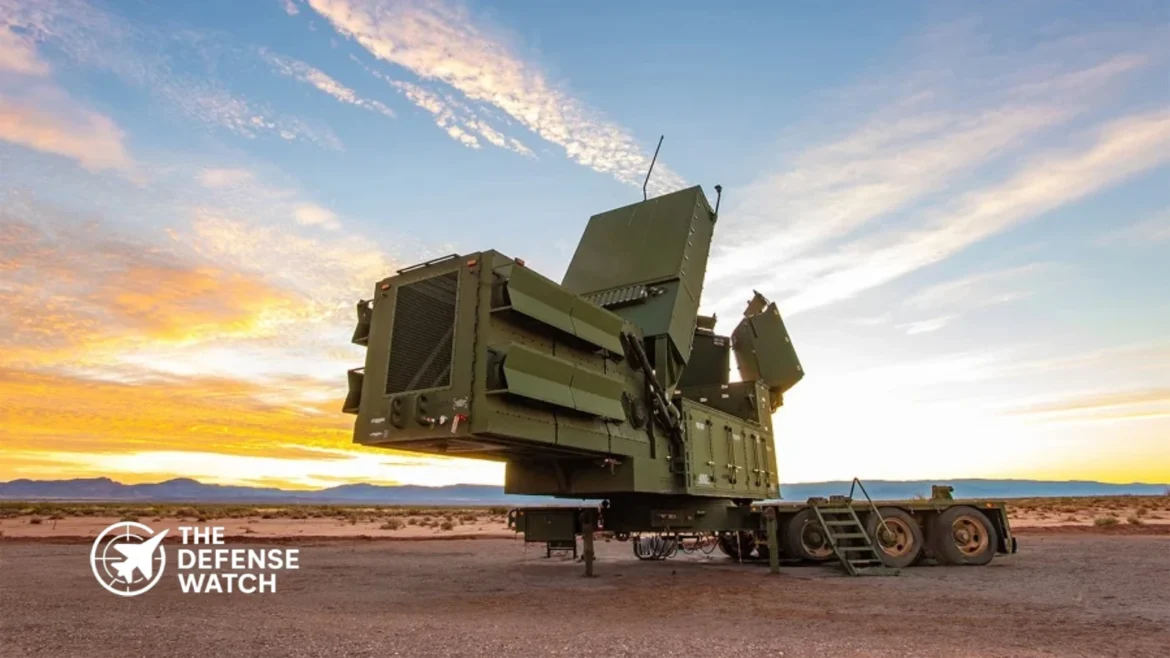
Poland is the first international customer for Raytheon’s Lower Tier Air and Missile Defense Sensor, or LTAMDS. In 2025, RTX announced that Polish industry had become the first international supplier involved in the LTAMDS global supply chain.
LTAMDS is intended to provide extended-range sensing and 360-degree coverage as part of an integrated air and missile defense architecture. For Poland, its integration with Patriot and IBCS is important because the country’s air defense force is being built around the ability to connect different sensors and effectors through a common command-and-control network.
The U.S. Army has described Poland’s IBCS-enabled architecture as a major example of allied integration. The system allows multiple sensors and weapons to operate through a common network rather than treating each battery as a separate defensive unit.
Key RTX Activities in Poland
| Area | Polish Role |
|---|---|
| Patriot | Industrial participation in the Wisła air and missile defense program |
| LTAMDS | Polish companies contributing to the radar supply chain |
| F135 | Production of critical components for the F-35 engine |
| F100 | Production of components supporting military aircraft engines |
| GTF | Manufacturing, assembly and maintenance of fan drive gear systems |
| Collins Aerospace | Aircraft systems manufacturing and maintenance |
| MRO | Aircraft component maintenance serving international customers |
| Engineering | Research, development and technical support |
Polish Plants Support the F-35 Engine Supply Chain
RTX’s second major defense connection in Poland involves Pratt & Whitney and the F135 engine.
The F135 powers all three variants of the F-35 Lightning II. Pratt & Whitney’s Polish facilities in Rzeszów, Kalisz and Niepołomice produce and maintain components for military and commercial engines, including the F135 and F100.
This industrial role is becoming more relevant as Poland begins operating the F-35.
Poland received its first three F-35A aircraft in-country in June 2026, marking the start of a major transition for the Polish Air Force toward fifth-generation combat aircraft.
The connection between the aircraft and engine supply chain is therefore more than an industrial statistic. Poland is becoming both an operator of the F-35 and a production location for components associated with its propulsion system.
Pratt & Whitney also announced a $25 million expansion at its Niepołomice facility in September 2026. The project is expected to create more than 120 jobs and become operational in 2028. The site produces complex tubular assemblies for commercial and military engines, including the F135.
That investment followed a separate $100 million Pratt & Whitney expansion in Rzeszów announced in April. The Rzeszów project is designed to add capabilities for processing isothermally forged components and is expected to support a 30% increase in output of critical engine parts when combined with related capacity investments.
Together, the two projects represent $125 million in newly announced Pratt & Whitney investment in Poland during 2026.
The F135 Connection Extends Beyond Aircraft Deliveries
The importance of the Polish manufacturing footprint becomes clearer when the F135 program is viewed as a long-term sustainment enterprise rather than simply an aircraft production program.
In March 2026, Pratt & Whitney received a $3.8 billion contract modification covering F135 production for Lots 18 and 19. The total value of the Lots 18 and 19 F135 contract awarded to Pratt & Whitney reached $6.6 billion.
The Polish facilities are not responsible for producing the complete F135 engine. Instead, they form part of the wider manufacturing network that produces specialized components and supports the global engine industrial base.
That distinction is important. Modern fighter programs rely on geographically distributed supply chains in which individual facilities specialize in specific parts, processes or maintenance activities.
Poland’s role gives RTX an established European manufacturing base supporting those wider programs.
Why the Industrial Footprint Matters to NATO
RTX’s expansion comes as Poland is rapidly increasing its military capabilities and strengthening its position on NATO’s eastern flank.
The country is simultaneously fielding Patriot and IBCS-enabled air defense, expanding its military aviation fleet and introducing the F-35A. Those programs create a long-term requirement for maintenance, engineering, spare parts and industrial support.
The RTX model addresses several of those requirements locally.
For Poland, domestic production and engineering can reduce reliance on long-distance supply chains for selected components and increase the pool of personnel familiar with the systems supporting the country’s armed forces.
For RTX, the Polish footprint provides access to an established engineering and manufacturing workforce inside Europe while placing production and support capacity close to major European customers.
For the United States and NATO, the arrangement creates another layer of industrial resilience within an allied country that is becoming one of Europe’s largest defense spenders.
More Than a Single Defense Program
RTX’s Polish presence also extends beyond Raytheon’s missile defense business and Pratt & Whitney’s military engine work.
Collins Aerospace operates a maintenance, repair and overhaul facility in Wrocław supporting customers across Europe, the Middle East and Africa. Its Polish operations cover areas including flight controls, safety equipment, cabin systems, cargo systems and aircraft power equipment.
Collins also expanded its Tajęcina manufacturing facility in June 2026. The $69 million expansion increased the facility’s size to 22,000 square meters and is expected to raise landing gear production capacity by nearly 25%, while creating approximately 190 jobs during 2026.
This broader industrial footprint is important because it reduces the dependence of RTX’s Polish operations on any single defense program.
The same workforce and supplier network can support military aviation, commercial aerospace and air defense requirements, creating an industrial ecosystem rather than an isolated production line.
A Growing U.S.-Polish Defense Industrial Relationship
RTX’s position in Poland illustrates how U.S. defense companies are increasingly using allied industrial bases to support major weapons programs.
The relationship is particularly significant in Poland because several high-value U.S. systems are entering service at the same time. Patriot and IBCS are strengthening ground-based air defense, LTAMDS is expanding sensor capability and the F-35 is introducing a fifth-generation fighter capability.
The industrial dimension is therefore becoming closely connected to operational capability.
A missile defense system requires more than interceptors and launchers. A fifth-generation fighter fleet requires more than aircraft. Both depend on trained personnel, parts, maintenance, engineering and a reliable industrial supply chain.
RTX’s more than 9,500-person Polish workforce provides a substantial portion of that supporting infrastructure.
The company says Poland now represents its largest investment and employee base outside the United States. With nine major facilities and more than 2,200 Polish suppliers, the footprint has developed into a significant component of the wider U.S. and allied aerospace and defense industrial network.
For Poland, the result is a deeper domestic industrial connection to some of the most important U.S.-supplied defense capabilities now entering its armed forces. For NATO, it adds manufacturing, engineering and sustainment capacity close to the alliance’s eastern flank.
That combination makes RTX’s Polish operation strategically important well beyond its employment numbers.

P-8A Operational Flight Trainer Upgrade Moves Into Execution
Aerospace Training Systems Partners JV LLP has secured a $10,096,092 firm-fixed-price contract to design, fabricate, install, integrate, test and deliver projection system upgrades for P-8A Operational Flight Trainers used by the U.S. Navy and Royal Australian Air Force.
Takeaways
Aerospace Training Systems Partners will upgrade P-8A Operational Flight Trainer projection systems used by the U.S. Navy and Royal Australian Air Force.
The award, identified as contract N6134026C1017, was made by the Naval Air Warfare Center Training Systems Division in Orlando, Florida. The contract is scheduled for completion in November 2028 and extends an upgrade effort that the Navy began developing through a competitive acquisition process earlier this year.
The procurement is significant because the P-8A is a primary maritime patrol and reconnaissance aircraft for both the United States and Australia. Maintaining high-fidelity ground training systems allows aircrews to rehearse complex missions without requiring an aircraft for every training event.
Contract Covers Three P-8A Training Locations
Work under the new contract will be divided among three locations:
| Location | Share Of Work |
|---|---|
| Jacksonville, Florida | 50% |
| Oak Harbor, Washington | 40% |
| Edinburgh, Australia | 10% |
| Total | 100% |
Jacksonville supports the Navy’s P-8A training enterprise on the U.S. East Coast, while Oak Harbor is associated with the Navy’s P-8A operations in the Pacific Northwest.
The Australian portion will be performed at RAAF Base Edinburgh, South Australia, where Australia operates its own P-8A training infrastructure. Boeing has described the Edinburgh training environment as a high-fidelity synthetic training system that allows crews to conduct substantial training on the ground, including demanding maritime missions.
The geographic distribution also reflects the close operational relationship between the U.S. Navy and Royal Australian Air Force P-8A fleets.
What The Projection Upgrade Changes
The contract is focused specifically on the projection system used by the Operational Flight Trainer rather than replacing the aircraft simulator itself.
The Navy’s earlier procurement documents called for a comprehensive upgrade involving the design, fabrication, installation, integration, testing and delivery of a new projection system for P-8A training devices. The requirement was developed for training systems at Jacksonville, Whidbey Island and RAAF Base Edinburgh.
The underlying procurement documentation identified 19 Operational Flight Trainer devices across the three locations. The planned distribution included 10 devices at Naval Air Station Jacksonville, seven at Naval Air Station Whidbey Island and two at RAAF Base Edinburgh.
The upgrade therefore represents a distributed modernization effort rather than a single simulator installation.
Earlier procurement material also identified replacement of existing out-the-window projection equipment and associated hardware, along with integration into the existing training architecture. The objective is to bring the affected devices toward a common hardware and software baseline while preserving compatibility with existing trainer interfaces.
Why Projection Technology Matters In A P-8A Trainer
Projection systems are a core component of high-fidelity flight simulation because they provide the visual environment surrounding the simulated aircraft.
For a P-8A crew, that environment can support training involving navigation, takeoffs and landings, formation activities, weather conditions, maritime operations and other scenarios that require accurate visual cues.
Modernizing the projection layer can therefore affect more than image quality. A simulator’s visual system has to work with the aircraft model, flight software, display hardware and training scenario infrastructure. Changes to one part of the system must be integrated and tested against the rest of the trainer.
That makes this contract an integration project as much as a hardware modernization effort.
The Navy’s procurement documents specifically called for design, integration and testing rather than simply purchasing replacement projectors. The requirement also included compatibility with existing Operational Flight Trainer interfaces and operational requirements.
Training Modernization Follows P-8A Capability Growth
The timing of the training-system upgrade is also relevant to the broader P-8A modernization program.
In April 2026, Naval Air Systems Command announced that the P-8A Poseidon Increment 3 Block 2 configuration had reached initial operational capability. NAVAIR said the modification includes new airframe racks, radome, antennas, sensors and wiring and is intended to improve the aircraft’s maritime intelligence, surveillance, reconnaissance and targeting capabilities.
As aircraft systems evolve, training devices have to remain aligned with the aircraft configuration they represent.
A mismatch between an operational aircraft and its associated trainer can reduce the value of simulator-based training. Conversely, maintaining a common and current trainer configuration allows crews to practice procedures and aircraft responses in a controlled environment before performing them in flight.
The projection upgrade does not by itself represent a new P-8A weapon or sensor capability. Its importance lies in maintaining the training infrastructure that supports crews operating an increasingly capable aircraft.
U.S. And Australian Funding Supports A Shared Training Enterprise
The contract is funded by both countries.
The U.S. Navy will obligate $8,202,118 in fiscal 2026 aircraft procurement funds, while $1,893,974 in Royal Australian Air Force cooperative funds will be obligated at award.
That brings the initial obligated funding to the full contract value of $10,096,092.
The shared funding structure is consistent with the fact that the upgrade supports P-8A training systems operated by both countries. Australia is one of the major international P-8A operators, and common training architecture can support greater consistency across allied P-8A fleets.
The procurement was conducted as a small-business set-aside, with four offers received. The award demonstrates that specialized simulator modernization work continues to provide opportunities for smaller defense training and engineering companies alongside major aircraft and systems manufacturers.
From Market Research To Contract Award
The award follows a procurement process that began publicly in January 2026.
NAWCTSD released a sources-sought notice in January seeking potential contractors capable of designing, fabricating, installing, integrating, testing and delivering the P-8A Operational Flight Trainer projection system upgrade.
The Navy subsequently conducted an industry day in April to brief prospective vendors on the planned requirement and draft solicitation. The acquisition was identified as a small-business set-aside commercial competition.
The final award to Aerospace Training Systems Partners now moves the program from procurement into execution.
Aerospace Training Systems Partners describes itself as a joint venture established in 2013 and provides training support, training device support, electronic hardware sustainment, engineering, cybersecurity and program management services.
What The Contract Means For P-8A Readiness
The immediate effect of the award will be modernization of the visual projection systems supporting P-8A Operational Flight Trainers in the United States and Australia.
The broader significance is that simulator infrastructure is becoming an increasingly important part of maintaining readiness as aircraft fleets receive new sensors, avionics and mission capabilities.
For a maritime patrol aircraft such as the P-8A, training extends well beyond basic aircraft handling. Crews operate sophisticated mission systems and conduct missions that can require coordination among pilots, naval flight officers and other aircrew.
High-fidelity synthetic training provides a way to rehearse those activities repeatedly while reducing dependence on live aircraft hours for selected training events.
The Navy’s decision to upgrade projection systems across multiple existing trainers also points to a lifecycle approach to training infrastructure. Instead of replacing complete devices, the service is modernizing a critical subsystem while retaining the existing trainer architecture.
That approach can reduce the disruption associated with replacing an entire training system and can help maintain continuity across established training centers.
Work Continues Through 2028
Aerospace Training Systems Partners is expected to complete the P-8A Operational Flight Trainer projection system upgrade contract in November 2028.
The work will be distributed between Jacksonville, Oak Harbor and Edinburgh, linking U.S. Navy and Australian P-8A training infrastructure under the same modernization effort.
For the Navy and Royal Australian Air Force, the contract provides a defined path to update the visual systems supporting existing P-8A training devices while the aircraft itself continues to receive capability improvements.
The result will not be a new aircraft or weapons system. Instead, it is an investment in the training infrastructure required to ensure that crews can continue preparing for P-8A missions using modern, high-fidelity simulation.
Contract At A Glance
| Item | Details |
|---|---|
| Contractor | Aerospace Training Systems Partners JV LLP |
| Headquarters | Norman, Oklahoma |
| Contract Number | N6134026C1017 |
| Contract Value | $10,096,092 |
| Contract Type | Firm-fixed-price |
| Customer | U.S. Navy and Royal Australian Air Force |
| Contracting Activity | Naval Air Warfare Center Training Systems Division |
| Primary Work | P-8A Operational Flight Trainer projection system upgrades |
| Jacksonville Share | 50% |
| Oak Harbor Share | 40% |
| Edinburgh Share | 10% |
| U.S. Funding | $8,202,118 |
| Australian Funding | $1,893,974 |
| Offers Received | Four |
| Procurement | Small-business set-aside |
| Expected Completion | November 2028 |

Conti Federal Wins $74.8 Million B-21 RF Hangar Contract
Conti Federal Services has been awarded a $74.787 million contract for a B-21 radio frequency and measurements hangar at Whiteman Air Force Base, Missouri, adding another major piece of infrastructure to the Air Force’s planned B-21 operating base network.
The firm-fixed-price award has a total cumulative face value of $74.978 million. The U.S. Army Corps of Engineers Kansas City District is the contracting activity, under contract W912DQ-26-C-A048.
Takeaways
The U.S. Air Force is adding specialized infrastructure at Whiteman Air Force Base as the installation prepares to transition from the B-2 Spirit to the B-21 Raider.
The project is scheduled for completion Sept. 25, 2029. Fiscal 2026 military construction, defense-wide funding of $74.787 million was obligated at award.
The award follows an earlier USACE procurement effort that identified the project as a large-scale, unrestricted design-bid-build construction requirement. The planned facility includes both unclassified and classified areas and was originally described as approximately 57,532 square feet, or 5,345 square meters.
Contract At A Glance
Item Details Contractor Conti Federal Services LLC Contract value $74,787,155 Cumulative face value $74,978,377 Location Whiteman Air Force Base, Missouri Facility B-21 Radio Frequency and Measurements Hangar Aircraft positions One B-21 position Acquisition Firm-fixed-price Bids received Three Funding FY2026 military construction, defense-wide Completion date Sept. 25, 2029 Contracting activity U.S. Army Corps of Engineers, Kansas City District Contract number W912DQ-26-C-A048 What The B-21 RF Hangar Will Do
The project is not simply another aircraft storage hangar. Its primary purpose is to provide a specialized environment for radio frequency measurements associated with the B-21 weapon system.
The facility will include an aircraft position, back shops, material storage, administrative areas and other support spaces. Earlier procurement documents also specified classified and unclassified areas, utilities, pavement and other site improvements needed to make the facility operational.
Radio frequency measurement infrastructure is particularly important for an aircraft whose survivability depends heavily on its ability to operate in contested electromagnetic and air-defense environments.
The exact measurement equipment and technical procedures to be used at the facility are not detailed in the public contract announcement. That distinction matters because the construction award establishes the physical infrastructure requirement without publicly disclosing sensitive operational or engineering information.
Conti Federal has also constructed a B-21 RF facility at Ellsworth Air Force Base, South Dakota. The company’s description of that project identifies a single aircraft measurement bay, back-shop and support areas, security infrastructure and supporting utilities.
Whiteman Is Preparing For Its B-21 Mission
The contract comes as Whiteman moves deeper into its transition toward the B-21 Raider.
The Air Force selected Whiteman in September 2024 as the second main operating base for the B-21, after Ellsworth Air Force Base. Dyess Air Force Base, Texas, was selected as the third B-21 base.
Whiteman currently operates the B-2 Spirit through the 509th Bomb Wing. The installation’s existing experience with stealth bombers and its established bomber infrastructure were among the factors cited in the Air Force’s basing decision.
The B-21 is intended to replace the B-1B and B-2 portions of the Air Force’s bomber force over time while providing both conventional and nuclear strike capabilities. The Air Force’s stated production objective is at least 100 aircraft.
The infrastructure requirement therefore extends well beyond aircraft shelters. Operational B-21 bases require facilities for maintenance, weapons handling, training, communications, security, logistics and specialized testing and measurement activities.
A Wider Military Construction Program Is Underway
The RF hangar is one element of a larger construction program at Whiteman.
The Kansas City District’s current contracting forecast lists multiple B-21 projects at the Missouri installation, including the RF hangar, a B-21 weapons-related storage project, a weapons load trainer and additional RF hangar support work.
The Air Force’s fiscal 2027 military construction documentation also identifies an $80 million B-21 weapons load trainer project at Whiteman and states that the base must complete multiple infrastructure upgrades to support the new bomber.
Taken together, these projects show that B-21 modernization at Whiteman is being treated as a systems-level infrastructure transition rather than a single construction effort.
That approach is important because the effectiveness of a modern bomber fleet depends on more than the aircraft itself. Specialized facilities must support aircraft generation, maintenance, weapons integration, testing, secure communications and personnel operations.
Why Radio Frequency Infrastructure Matters
The B-21 is being developed as a long-range, highly survivable penetrating strike aircraft. Its design incorporates low-observable characteristics and an open systems architecture intended to allow future technologies to be integrated as threats evolve.
Radio frequency measurements are relevant to that broader architecture because electromagnetic performance is a critical part of modern military aircraft operations.
For a stealth aircraft, testing and measuring electromagnetic characteristics can help engineers and maintainers verify that the aircraft performs within required parameters. Such work can involve highly controlled facilities because measurements can reveal information about an aircraft’s electromagnetic behavior and configuration.
Public information on the Whiteman project does not provide details about specific test frequencies, procedures, signatures or performance thresholds. Those details should not be inferred from the construction award.
What is clear is that the Air Force is investing in dedicated infrastructure to support the B-21’s specialized requirements at one of its future operational bases.
B-21 Infrastructure Is Expanding Across Multiple Bases
Whiteman is not the only installation receiving major B-21 infrastructure.
Ellsworth, the first B-21 main operating base and formal training location, has already been progressing with extensive construction to prepare for the aircraft. The Air Force reported in July 2026 that infrastructure construction was underway as the base prepared to integrate the Raider.
The Air Force has also said that fiscal 2026 would begin extensive military construction projects at all three designated B-21 main operating bases.
This parallel infrastructure effort reflects the scale of the B-21 transition. The program requires not only production aircraft, but also facilities capable of supporting the aircraft throughout its operational life.
Contract Structure And Schedule
The Conti Federal award uses a firm-fixed-price structure, placing significant responsibility on the contractor to deliver the defined construction scope for the agreed price.
Three bids were received through an internet solicitation, indicating that the construction requirement was competed rather than awarded on a sole-source basis.
The scheduled completion date of Sept. 25, 2029 also places the facility within the broader period in which Whiteman is expected to be preparing for its B-21 operating mission.
The timing provides several years for construction, infrastructure integration and facility preparation before the project reaches its scheduled completion milestone.
Strategic Significance For The Bomber Force
The significance of the contract extends beyond the $74.8 million construction value.
The B-21 is a central element of the Air Force’s long-term bomber modernization plan. The service describes the aircraft as a penetrating strike platform designed to operate in highly contested environments, while its open architecture is intended to support future upgrades.
Whiteman’s future role is particularly important because the base has operated the B-2 for decades. Building B-21-specific infrastructure there allows the Air Force to prepare the installation for a new generation of stealth bomber operations while maintaining the expertise and infrastructure associated with its existing bomber mission.
The RF measurements facility adds a specialized capability to that transition. Rather than treating the B-21 as an aircraft that simply arrives at an existing airfield, the construction program recognizes that the platform requires a dedicated ecosystem of facilities and support functions.
That is one of the clearest indicators of where the B-21 program now stands: the modernization effort is increasingly moving from aircraft development and flight testing toward the physical infrastructure required for sustained operational deployment.
What Happens Next
Conti Federal is expected to carry out construction at Whiteman under the newly awarded contract, with completion currently scheduled for September 2029.
Additional B-21 infrastructure projects are expected to continue at Whiteman as the base prepares for its future bomber mission. The Kansas City District’s project listings already identify several related construction requirements.
The RF measurements hangar will ultimately provide one specialized aircraft position and the associated support infrastructure needed for B-21 activities at the base.
For the Air Force, the project is another step in transforming Whiteman from a B-2-centered installation into a future B-21 operating base.
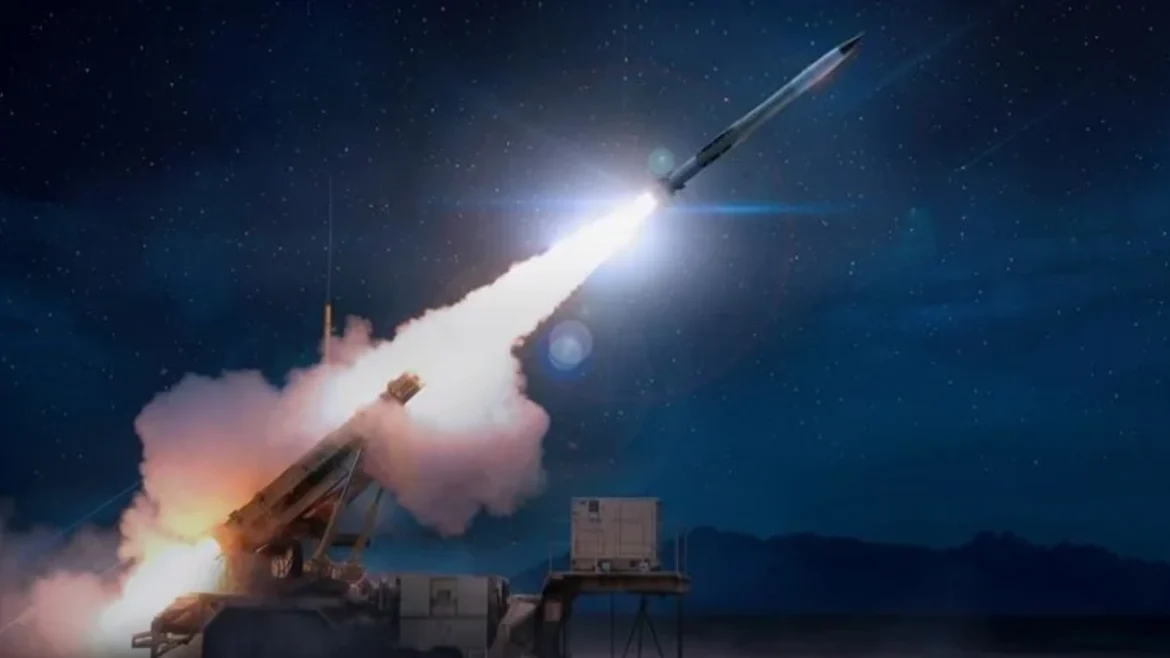
L3Harris Expands PAC-3 MSE Propulsion Production
L3Harris Technologies has received a $4.7 billion PAC-3 MSE propulsion contract from Lockheed Martin, giving the U.S. missile defense industrial base a major new production commitment for one of the Army’s principal air and missile defense interceptors. L3Harris announced the seven-year undefinitized contract award on September 8, saying it is the company’s largest PAC-3 propulsion award to date.
Takeaways
L3Harris has received a $4.7 billion, seven-year contract from Lockheed Martin to produce propulsion systems for PAC-3 MSE interceptors.
The agreement covers propulsion systems used by the PAC-3 Missile Segment Enhancement interceptor, including its advanced two-pulse solid rocket motor, Lethality Enhancer and Attitude Control Motors. The award is part of a broader effort to increase interceptor manufacturing capacity and establish a more resilient U.S. munitions supply chain.
The announcement follows a series of U.S. government and industry actions this year aimed at increasing PAC-3 MSE output. In July, the U.S. Army awarded Lockheed Martin a seven-year contract modification that raised the ceiling for the multiyear PAC-3 MSE production program to $58.62 billion.
What The $4.7 Billion Contract Covers
L3Harris will supply several propulsion elements that are central to PAC-3 MSE interceptor production.
| Item | Role |
|---|---|
| Two-pulse solid rocket motor | Provides propulsion for the interceptor through different phases of flight |
| Lethality Enhancer | Supports the interceptor’s terminal engagement function |
| Attitude Control Motors | Provide maneuvering and control during flight |
| Contract value | $4.7 billion |
| Contract duration | Seven years |
| New Camden facilities | Two facilities |
| Expected facility operation | 2027 |
The PAC-3 MSE is a hit-to-kill interceptor designed to engage tactical ballistic missiles, cruise missiles, aircraft and other aerial threats. The Army describes it as a key component of its integrated air and missile defense architecture.
The interceptor is deployed through the Patriot air defense system and has also been integrated into the Army’s Integrated Air and Missile Defense Battle Command System. The Army’s budget documentation also identifies PAC-3 MSE as compatible with the U.S. Terminal High Altitude Area Defense architecture.
New Arkansas Facilities Are Central To The Expansion
The contract arrives as L3Harris expands its solid rocket motor manufacturing capacity in Camden, Arkansas.
The company broke ground on two new facilities at the site in June. L3Harris expects both facilities to be operational in 2027, with the expansion intended to increase onsite production, improve manufacturing throughput and modernize solid rocket motor production.
Those facilities build on earlier investments at Camden, including dedicated production bays and automated digital X-ray inspection systems. Such manufacturing infrastructure is important for increasing output without simply relying on existing production lines and facilities.
The broader industrial expansion is substantial. L3Harris says it is investing billions of dollars across its propulsion manufacturing network, including approximately 60 new facilities and more than 1 million square feet of additional manufacturing space across Arkansas, Alabama and Virginia.
Why Propulsion Capacity Matters
Increasing the number of completed interceptors requires more than expanding the final assembly operation.
PAC-3 MSE production depends on a network of specialized suppliers responsible for motors, control systems, warheads, guidance components and other assemblies. A production bottleneck in any of those areas can constrain the number of complete interceptors that Lockheed Martin can deliver.
The L3Harris award therefore addresses an important part of the PAC-3 MSE production chain.
This is particularly significant because solid rocket motors are specialized products that require dedicated manufacturing infrastructure, qualified materials, testing capacity and quality-control processes. Building new facilities can increase long-term capacity, but production rates still depend on workforce availability, supplier throughput, qualification requirements and the ability to integrate new capacity into the wider missile production system.
That makes the seven-year commitment strategically important beyond its headline dollar value. A longer production horizon gives an industrial supplier a clearer basis for investing in facilities, equipment, labor and upstream materials.
PAC-3 MSE Production Is Moving To A Multiyear Model
The L3Harris announcement is part of a much larger change in the way the U.S. is approaching PAC-3 MSE procurement.
In April, the U.S. government awarded Lockheed Martin a $4.7 billion undefinitized contract action to accelerate PAC-3 MSE production. The Army said that award was intended to expand manufacturing capacity and strengthen the defense industrial base supporting the interceptor.
In July, the Army replaced the earlier one-year arrangement with a seven-year undefinitized contract action valued at up to $53.86 billion. The modification increased the overall contract ceiling to $58.62 billion when combined with the earlier award.
The Army said the multiyear structure is designed to give Lockheed Martin and its suppliers greater predictability for hiring skilled workers, securing raw materials and investing in advanced manufacturing facilities.
That approach is important because missile production cannot be expanded instantly when demand rises. Manufacturing equipment, specialized facilities and qualified personnel often require years of investment before they can contribute meaningful additional output.
The Industrial Base Is The Strategic Story
The latest L3Harris award illustrates a broader issue facing U.S. missile defense: the ability to produce interceptors at the scale required for sustained operations.
Modern air and missile defense systems depend on large inventories because interceptors are consumed during engagements. Maintaining adequate stocks requires continuous production rather than relying solely on existing inventories.
The PAC-3 MSE is also being sought by U.S. allies and partners, creating additional pressure on production capacity. Lockheed Martin has said global demand for PAC-3 continues to grow and has linked the expansion program to efforts to increase production capacity.
For Washington, expanding propulsion manufacturing therefore has two related effects. It supports U.S. inventory requirements while also creating greater capacity to supply allied air and missile defense requirements.
That matters as the United States and its partners place greater emphasis on layered air defense against ballistic missiles, cruise missiles, aircraft and increasingly complex aerial threats.
PAC-3 MSE’s Role In Integrated Air Defense
The PAC-3 MSE is not a standalone missile defense architecture. It operates as part of a broader network in which sensors, command-and-control systems, launchers and interceptors work together.
Its hit-to-kill design is intended to destroy incoming threats through direct collision rather than relying primarily on a conventional explosive warhead. The Army identifies the MSE variant as offering increased range, altitude and overall performance compared with earlier PAC-3 versions.
The missile’s integration into Patriot and other U.S. command-and-control architectures also means that increased interceptor production can contribute to the capacity of a wider air and missile defense network.
However, additional missiles alone do not solve every air defense challenge. Effective defense depends on the availability of launchers, radar coverage, command-and-control infrastructure, trained crews, logistics and sufficient stocks of interceptors.
A Seven-Year Demand Signal For Industry
The most important element of the latest agreement may be its duration.
A seven-year propulsion contract gives L3Harris a longer planning horizon for manufacturing investments than a short-term procurement award would provide. That can support expansion of production lines, workforce development and supplier commitments while reducing some of the uncertainty associated with fluctuating annual demand.
The timing also aligns with the broader U.S. effort to create what the Army describes as a warm production line capable of scaling output when required.
For the PAC-3 MSE program, this creates a closer connection between government procurement policy and industrial capacity. The government establishes a sustained demand signal, Lockheed Martin expands interceptor production, and key suppliers such as L3Harris invest in the propulsion infrastructure needed to support higher output.
That model is increasingly relevant to U.S. defense procurement as Washington seeks to expand munitions manufacturing capacity while maintaining supply-chain resilience.
What Comes Next
The immediate focus will be on translating the contract commitment into higher production capacity.
L3Harris expects its two new Camden facilities to become operational in 2027. The company will then need to integrate the new infrastructure with its existing manufacturing network and supply base.
At the program level, Lockheed Martin and the Army will continue implementing the multiyear PAC-3 MSE production framework established this year.
The result is a coordinated expansion that reaches from government procurement through prime-contractor interceptor assembly to specialized propulsion manufacturing.
For the U.S. missile defense enterprise, the significance of the L3Harris agreement is therefore not simply the $4.7 billion price tag. It represents another major investment in the industrial capacity required to sustain PAC-3 MSE production at a substantially higher rate over several years.