GCAP Fighter Program Gains Financial Momentum
The GCAP fighter program is moving forward as the United Kingdom begins unlocking funding to sustain development of its next-generation combat aircraft.
British officials are working through internal budget processes to ensure steady financial support for the Global Combat Air Programme, a trilateral initiative with Japan and Italy aimed at delivering a sixth-generation fighter by 2035.
The funding progress comes at a critical stage, as partner nations transition from early concept work toward more intensive development and industrial alignment.
- The UK is finalizing funding mechanisms to sustain the GCAP sixth-generation fighter program.
- GCAP is a trilateral effort between the UK, Japan, and Italy targeting service entry by 2035.
- The program aims to replace aging Eurofighter Typhoon fleets and maintain advanced air superiority.
- Funding flows are beginning despite broader UK defense budget pressures and fiscal constraints.
- GCAP represents one of the most ambitious multinational combat aircraft programs in Europe.
The Big Picture
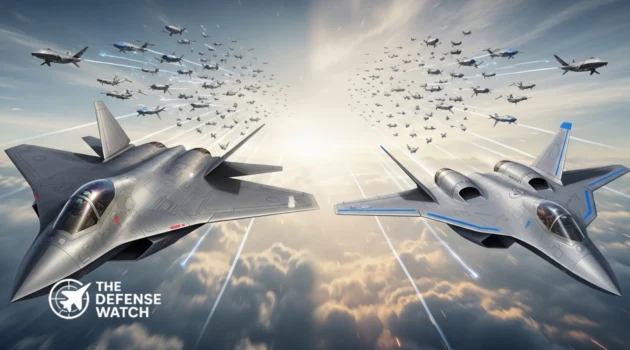
Europe is accelerating efforts to field sixth-generation air combat systems as global competition intensifies. The GCAP fighter program reflects a broader shift among U.S. allies to maintain technological parity with emerging threats, particularly in the Indo-Pacific and Euro-Atlantic theaters.
The United States continues to advance its own Next Generation Air Dominance program, while France, Germany, and Spain are pursuing the Future Combat Air System. GCAP positions the UK and its partners as a parallel center of advanced combat aviation development.
The program also reinforces defense industrial cooperation between Europe and Asia, linking British and Italian aerospace capabilities with Japan’s growing defense technology base.
What’s Happening
The UK government has begun allocating funding streams to sustain GCAP development, even as it navigates broader fiscal pressures within its defense budget.
Officials are reportedly refining how funding will be structured over the coming years, ensuring predictable investment for industry partners. This includes major defense contractors responsible for propulsion, avionics, and advanced sensors.

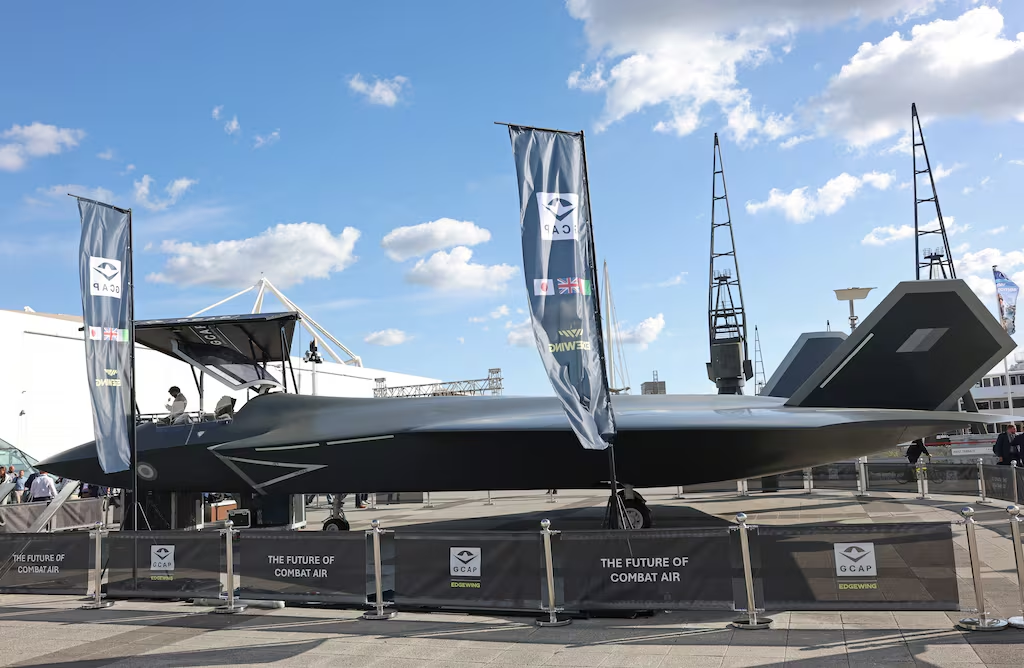
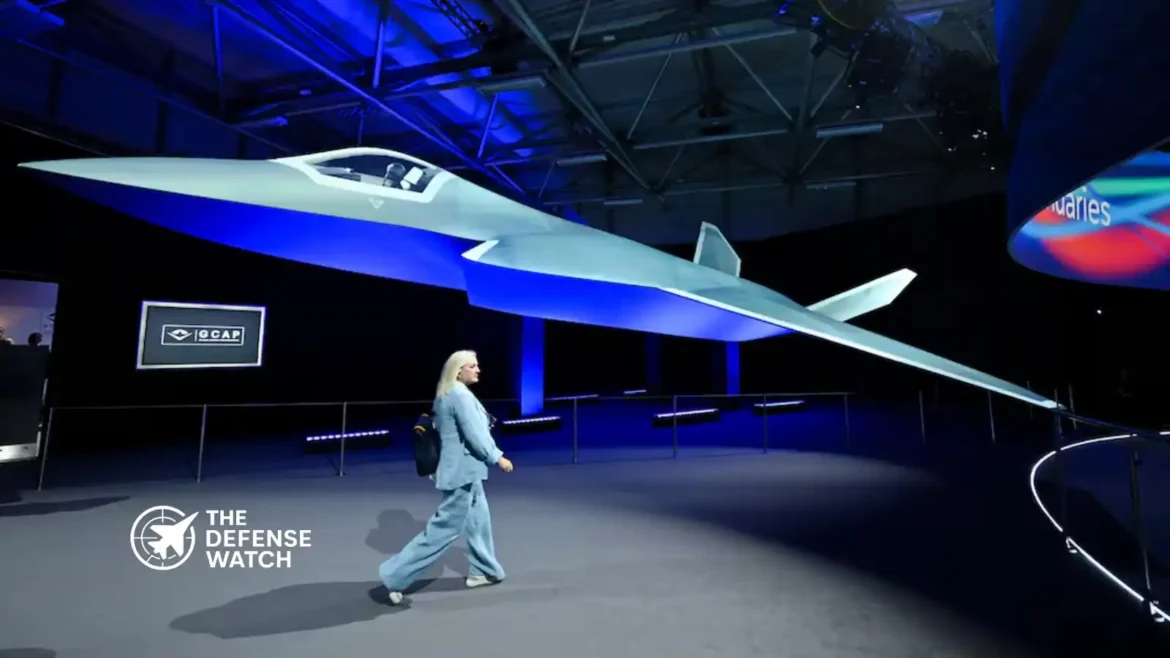
A design model for the Global Combat Air Programme (GCAP) fighter jet is displayed at the Defence and Security Equipment International (DSEI) arms fair in London on Sept. 9, 2025. (Reuters/Toby Melville) GCAP remains a joint effort between the United Kingdom, Japan, and Italy, formally announced in 2022. The program aims to deliver a stealthy, networked, and highly survivable fighter aircraft capable of operating in contested environments.
The target in-service date remains 2035, a timeline that requires sustained funding discipline across all partner nations.
Why It Matters
Stable funding is the single most critical factor in determining whether the GCAP fighter program meets its timeline.
Sixth-generation fighters require long development cycles, often spanning more than a decade. Any disruption in funding can delay key milestones such as prototype testing, systems integration, and production ramp-up.
The UK’s effort to secure financing signals political commitment to maintaining sovereign and allied airpower capabilities. It also reassures industry partners that the program will not face near-term cancellation risks.
This is particularly important given the scale of investment required, which is expected to reach tens of billions of dollars over the program’s lifecycle.
Strategic Implications
GCAP strengthens NATO-aligned airpower by ensuring that European allies retain access to advanced combat aircraft beyond the current generation.
The program enhances deterrence by signaling that partner nations are willing to invest in high-end capabilities designed for peer conflict scenarios. These include advanced stealth, sensor fusion, artificial intelligence-assisted decision-making, and collaborative combat with unmanned systems.
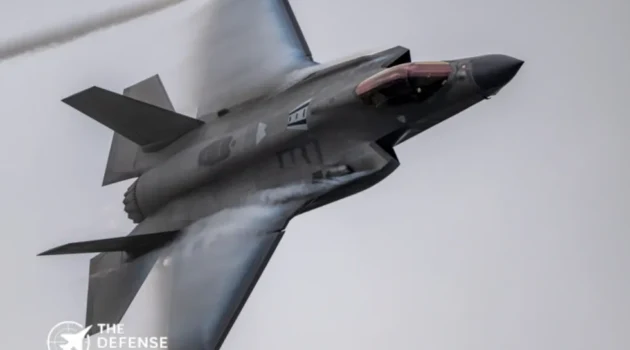
GCAP also diversifies the global fighter market, reducing reliance on U.S.-built platforms such as the F-35. While interoperability with U.S. systems remains essential, independent development gives allies greater operational flexibility.
Competitor View
China and Russia are likely to view the GCAP fighter program as part of a broader Western effort to sustain technological superiority in air combat.
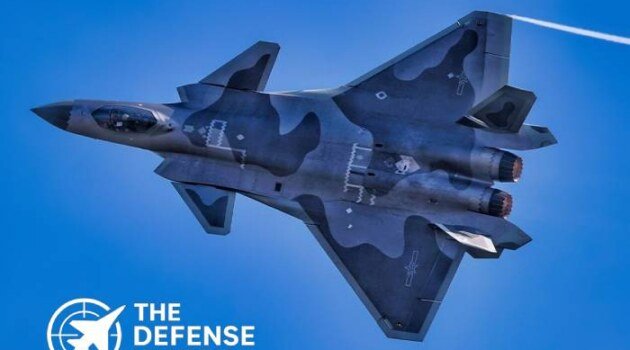
China is advancing its own next-generation fighter concepts alongside existing fifth-generation platforms like the J-20. Russia continues work on programs such as the Su-57 and future designs, despite industrial and financial constraints.
From Beijing’s perspective, GCAP’s integration with Japan introduces a direct Indo-Pacific dimension, potentially affecting regional military balances.
What To Watch Next
Program milestones over the next several years will determine whether GCAP stays on track.
Observers should monitor prototype development timelines, engine testing progress, and the establishment of joint industrial structures among the three partner nations.
Funding stability across all partners will remain a key indicator. Any divergence in national priorities could affect the program’s schedule or scope.
Formal contracts, industrial workshare agreements, and technology demonstrations are expected to accelerate as the program moves deeper into development.
Capability Gap
The GCAP fighter program aims to close a growing capability gap in advanced air combat.
Current fourth-generation platforms such as the Eurofighter Typhoon face limitations in contested environments dominated by advanced air defenses and electronic warfare systems.
Fifth-generation aircraft address many of these challenges, but sixth-generation systems are expected to go further by integrating manned-unmanned teaming, enhanced stealth, and real-time data fusion across multiple domains.
However, the program faces inherent risks. These include cost growth, technological complexity, and the challenge of coordinating three national defense industries with differing requirements.
The Bottom Line
The UK’s move to secure funding for the GCAP fighter program signals firm commitment to sixth-generation airpower and reinforces allied efforts to maintain long-term air superiority.

RAF Typhoon FGR4 Heavy Loadout Signals Operational Shift
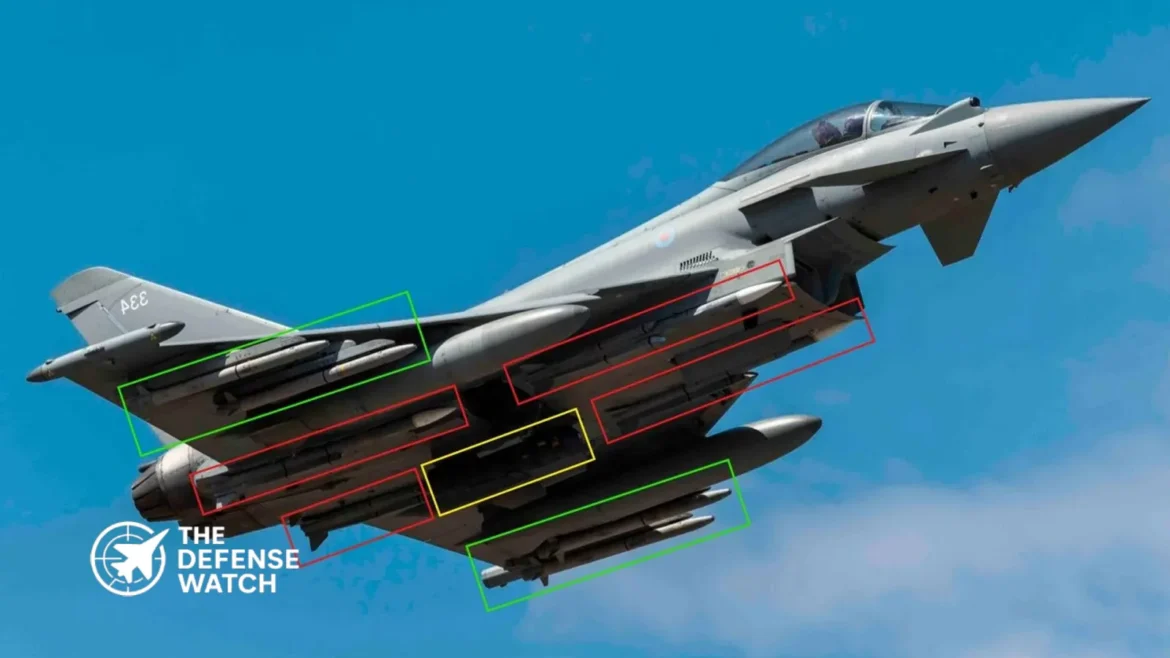
The Typhoon FGR4 heavy loadout is drawing attention as the Royal Air Force strengthens its air defense posture in ongoing Middle East operations. Recent imagery show the aircraft configured with an unusually large number of air-to-air missiles, underscoring a shift toward high-readiness interception and deterrence roles.
(adsbygoogle = window.adsbygoogle || []).push({});The deployment reflects evolving threat dynamics in the region, where unmanned systems, cruise missiles, and potential state-based air threats are increasingly shaping operational planning.
Short, visible changes in aircraft configuration often signal deeper strategic intent. In this case, the Typhoon FGR4 heavy loadout points to a mission set focused less on strike and more on persistent air dominance.
¦ KEY FACTS AT A GLANCE- RAF Typhoon FGR4 deployed with a heavy air-to-air missile loadout during Middle East operations.
- Configuration includes a mix of beyond-visual-range and short-range air defense missiles.
- Deployment supports ongoing coalition operations and regional airspace security missions.
- Loadout highlights focus on countering aerial threats including drones and potential hostile aircraft.
- Reflects RAF emphasis on flexible, high-readiness air defense posture in contested environments.
Expanded Missile Configuration Enhances Air Defense Reach
According to reporting by Army Recognition, the Typhoon FGR4 was observed carrying a combination of beyond-visual-range and short-range air-to-air missiles. This likely includes advanced radar-guided missiles for long-distance engagements and infrared-guided weapons for close-in combat.
Such a configuration allows the aircraft to engage multiple targets across different engagement zones without returning to base. It also increases survivability in contested airspace, where reaction time is critical.
The ability to carry a heavier missile load is a core strength of the Eurofighter platform. Its multiple hardpoints and high thrust-to-weight ratio enable it to maintain performance even when fully armed.
From an operational standpoint, this loadout supports layered air defense. Aircraft can intercept threats at extended ranges while retaining capability for close engagements if required.
Middle East Deployment Reflects Changing Threat Environment
The Typhoon FGR4 heavy loadout aligns with broader coalition efforts to secure airspace across the Middle East. The region has seen a steady rise in drone activity and asymmetric aerial threats, particularly in areas linked to ongoing conflicts and regional tensions.
RAF deployments in the Middle East have historically included both strike and air policing roles. However, the current configuration suggests a stronger emphasis on defensive counter-air missions.
This shift is consistent with trends observed across NATO and allied air forces, where air defense is regaining priority due to the proliferation of low-cost aerial threats.
The presence of heavily armed fighters also serves a deterrent function. It signals readiness to respond rapidly to incursions, reducing the likelihood of escalation.
Platform Flexibility Remains a Key Advantage
One of the defining features of the Typhoon FGR4 is its adaptability. The aircraft can transition between air superiority, ground attack, and reconnaissance roles with minimal reconfiguration.
The heavy air defense loadout highlights this flexibility. While optimized for interception in this configuration, the aircraft can be rapidly re-tasked depending on mission requirements.
This multi-role capability is particularly valuable in the Middle East, where operational demands can shift quickly. Air forces must be prepared to respond to a wide range of scenarios, from counterterrorism operations to state-level threats.
The Typhoon’s advanced radar and sensor suite further enhance its effectiveness. These systems enable pilots to detect and track multiple targets simultaneously, a critical requirement in complex airspaces.
Strategic Implications For RAF And Coalition Forces
The Typhoon FGR4 heavy loadout is more than a technical detail. It reflects a broader strategic adjustment in how air power is applied in the region.
By prioritizing air defense, the RAF is aligning with a growing emphasis on protecting critical infrastructure and maintaining airspace control. This approach complements ground-based air defense systems and provides a mobile, responsive layer of protection.
It also highlights the importance of interoperability within coalition operations. Aircraft configured for air defense can integrate with allied assets, sharing data and coordinating responses to emerging threats.
From a geopolitical perspective, the deployment reinforces the UK’s commitment to regional stability and coalition operations.
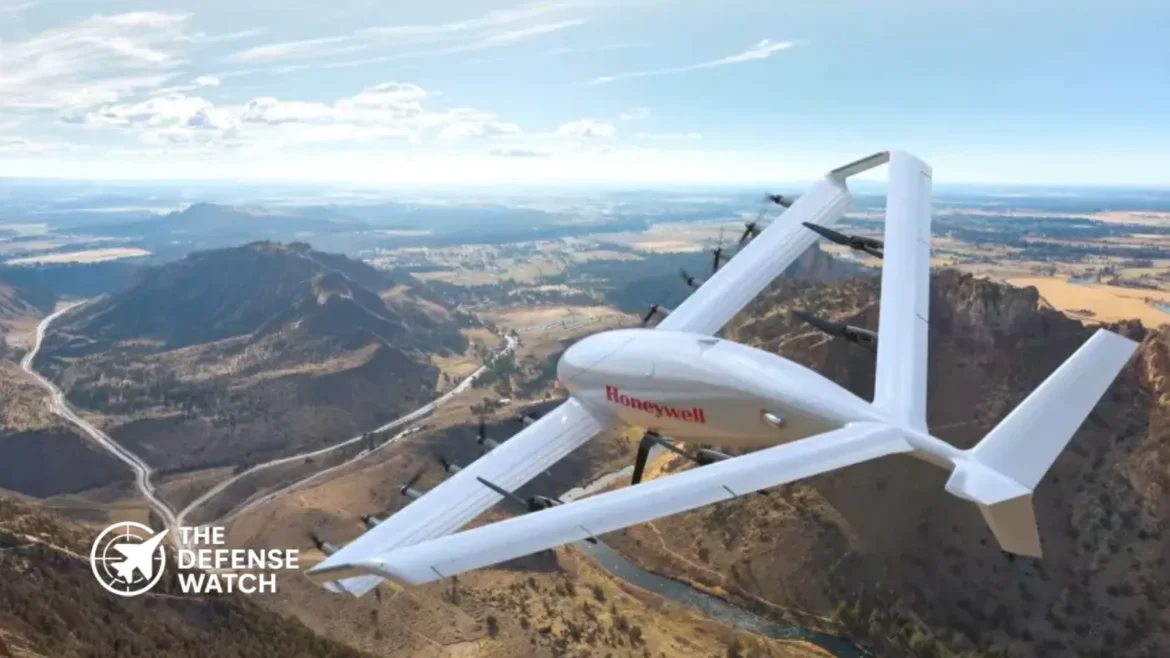
¦ KEY FACTS AT A GLANCE- Honeywell Aerospace and Odys Aviation are jointly developing an airborne counter-UAS system.
- The system is designed to detect, track, and neutralize drones from an airborne platform.
- Integration will focus on Odys Aviation hybrid-electric aircraft concepts.
- The solution aims to extend counter-drone coverage beyond ground-based systems.
- Development reflects growing demand for layered air defense against small UAS threats.
Honeywell Airborne Counter-UAS System Targets Expanding Drone Threat
The Honeywell airborne counter UAS system is at the center of a new collaboration between Honeywell Aerospace and Odys Aviation, aimed at addressing the rapid proliferation of unmanned aerial systems across modern battlefields.
Announced via industry sources, the partnership focuses on integrating advanced counter-drone capabilities into an airborne platform, marking a shift away from traditional ground-based defenses. The move comes as military forces increasingly face low-cost, highly maneuverable drone threats in contested environments.
Unlike static counter-UAS systems, the airborne approach is designed to provide extended range, improved detection angles, and greater operational flexibility.
Expanding Counter-Drone Coverage Into The Air Domain
The Honeywell airborne counter UAS system is expected to combine detection, tracking, and mitigation technologies into a single airborne architecture. While detailed specifications remain limited, Honeywell’s expertise in avionics, sensors, and electronic warfare systems is likely to form the backbone of the solution.
Odys Aviation, known for its hybrid-electric vertical takeoff and landing concepts, will provide the aircraft integration platform. This suggests a system designed for endurance, lower acoustic signatures, and flexible deployment.
From an operational standpoint, airborne counter-UAS platforms offer several advantages:
- Wider surveillance coverage compared to ground systems
- Ability to track low-flying drones in complex terrain
- Faster response times against dynamic threats
- Reduced dependence on fixed infrastructure
This aligns with evolving military requirements, particularly in environments where drones are used for reconnaissance, targeting, and strike missions.
Strategic Context: Rising Demand For Counter-UAS Capabilities
The development of the Honeywell airborne counter UAS system reflects a broader shift in defense priorities. Conflicts in Eastern Europe and the Middle East have highlighted how small drones can overwhelm traditional air defenses.
According to multiple defense analyses, including reports from organizations such as the Center for Strategic and International Studies (CSIS), layered counter-UAS strategies are becoming essential. These typically combine:
- Electronic warfare systems
- Kinetic interceptors
- Directed energy solutions
- Airborne surveillance platforms
The Honeywell-Odys effort appears to address a key gap in this layered approach, namely persistent airborne coverage against low-altitude threats.
Integration With Hybrid-Electric Aviation Concepts
A notable aspect of the program is its integration with hybrid-electric aircraft technology. Odys Aviation’s platform is designed to support long-endurance missions while reducing fuel consumption and operational costs.
This could have several implications for military users:
- Extended loiter time for counter-drone patrols
- Lower thermal and acoustic signatures
- Reduced logistics footprint in forward areas
While hybrid-electric propulsion is still emerging in defense applications, its pairing with counter-UAS missions suggests a focus on sustainability and operational efficiency alongside combat capability.
Operational Impact And Future Use Cases
If successfully developed, the Honeywell airborne counter UAS system could support a wide range of missions, including:
- Protection of forward operating bases
- Maritime security and fleet defense
- Border surveillance and homeland security
- Urban counter-drone operations
The airborne nature of the system also makes it suitable for expeditionary forces, where rapid deployment and mobility are critical.
From a U.S. perspective, such capabilities could complement existing counter-UAS programs across the Department of Defense, particularly in scenarios involving near-peer adversaries or asymmetric threats.
Analysis: Closing A Critical Capability Gap
The Honeywell airborne counter UAS system highlights a growing recognition that ground-based defenses alone are insufficient against modern drone threats.
Airborne systems can bridge coverage gaps, especially in complex terrain or urban environments where line-of-sight limitations hinder traditional radars and jammers. By elevating sensors and effectors, these platforms can detect and engage threats earlier.
However, challenges remain. Integrating counter-UAS payloads onto airborne platforms requires balancing power, weight, and endurance constraints. Additionally, rules of engagement and airspace deconfliction will play a critical role in operational deployment.
Despite these hurdles, the direction is clear. Defense forces are moving toward multi-domain counter-drone architectures, and airborne systems are becoming a key component of that strategy.
¦ KEY FACTS AT A GLANCE- Dassault Aviation CEO Eric Trappier says a two-to-three-week window remains to find a deal between France and Germany on the Future Combat Air System (FCAS) Next Generation Fighter program.
- FCAS Phase 1B — covering fighter and drone demonstrator design — is funded at approximately €3.2 billion and was expected to transition into full development (Phase 2) by late 2025, a deadline already missed multiple times.
- French President Emmanuel Macron and German Chancellor Friedrich Merz have jointly authorized a mediation mission to close the gap between Dassault and Airbus, with Germany setting a mid-April budget deadline for resolution.
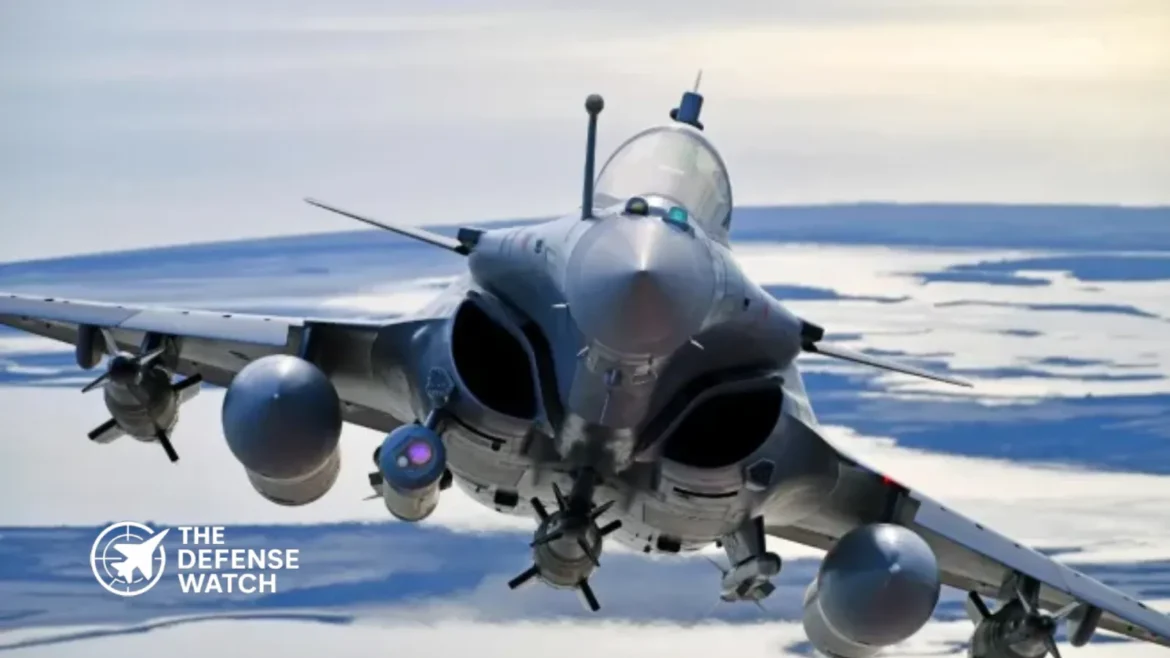
- FCAS, valued at approximately €100 billion over its lifetime, is designed to replace the Rafale and Eurofighter Typhoon fleets starting around 2040, combining a crewed sixth-generation fighter with drone swarms and a combat cloud network.
- If FCAS collapses, the most likely outcome is two separate national programs — one led by France’s Dassault, another by Germany and Spain with Airbus — or deeper European reliance on U.S. platforms such as the F-35.
Dassault Aviation CEO Gives FCAS Two-to-Three Weeks To Survive as Franco-German Mediation Begins
The Future Combat Air System (FCAS) program — Europe’s flagship €100 billion sixth-generation fighter effort — has entered what may be its final weeks as a unified Franco-German project. Dassault Aviation CEO Eric Trappier stated publicly on April 1 that the company is giving itself two to three weeks to find a deal with German partner Airbus, framing the window as a last realistic opportunity before the program fractures.
Trappier’s statement aligns with a mid-April political deadline set by Berlin, driven by Germany’s upcoming federal budget decisions. French President Emmanuel Macron and Chancellor Friedrich Merz have jointly launched a mediation initiative, tasking intermediaries with closing the governance gap between Dassault and Airbus that has paralyzed the program’s transition from its current design phase into full-scale development.
The Big Picture: European Air Power at a Crossroads
Europe’s defense posture is undergoing its most significant transformation since the Cold War. NATO allies are dramatically increasing defense spending amid the protracted war in Ukraine and growing uncertainty over U.S. security commitments. Against this backdrop, the FCAS program was conceived as the cornerstone of European air power sovereignty — a demonstration that the continent could field a cutting-edge sixth-generation combat aircraft without dependence on American industry.
FCAS, known in French as SCAF, was announced in 2017 by Macron and then-Chancellor Angela Merkel. It envisions a “system of systems” combining a crewed Next Generation Fighter (NGF) with loyal wingman drones, advanced sensors, and a combat data cloud. France’s Dassault Aviation leads the NGF pillar; Airbus leads the Remote Carriers and Combat Cloud; Spain’s Indra heads sensor development. The program’s ambition was clear: replace both the Rafale and Eurofighter Typhoon from around 2040.
That ambition now hangs by a thread.
What’s Happening: A Program in the Final Hours
Dassault Aviation CEO Eric Trappier issued his two-to-three-week ultimatum as France and Germany work through a joint mediation effort endorsed at the highest political levels. Trappier has been consistent in his diagnosis: the dispute is not about capability or technical feasibility, but governance. Specifically, who holds final authority over the Next Generation Fighter’s design, subcontractor selection, and flight trial leadership.
Trappier argues that France was designated the lead nation from the program’s inception, with Dassault assigned leadership of the NGF pillar. He has accused Airbus of refusing to respect that arrangement, instead pushing for what Trappier derides as a “co-co-co” leadership structure — a model in which multiple partners share authority equally over key design decisions.
“If Airbus maintains its position of not wanting to work with Dassault, the matter is dead,” Trappier said at Dassault’s annual results briefing in early March 2026.
Airbus has publicly supported a “two-fighter” alternative in which Germany, Spain, and potentially other partners develop one aircraft while France builds another separately. Macron has firmly rejected this option. Trappier likewise called the two-aircraft concept unnecessary duplication, arguing that the operational requirements of France and Germany remain fundamentally compatible.
The program is currently in Phase 1B, which covers the design of the NGF and Remote Carrier airframes, demonstrators, and integration strategies. Phase 1B was budgeted at roughly €3.2 billion and was expected to conclude with the NGF demonstrator’s first flight in the summer of 2026 — a milestone that has since slipped to 2029 under a yet-to-be-signed Phase 2 agreement.
Germany’s federal government set mid-April as a hard deadline, citing its budget cycle. The German Aerospace Industries Association stated it was “optimistic that clarity will finally be achieved by mid-April.”
Why It Matters: More Than an Industrial Dispute
The FCAS collapse risk matters well beyond a corporate workshare argument. At its core, the dispute exposes the structural difficulty of sustaining multinational defense programs where participating nations hold divergent strategic interests, export policies, and operational requirements.
Trappier himself drew a stark historical lesson. When asked whether Dassault risked obsolescence by resisting the FCAS governance structure, he pointed out that of the four nations that built the Eurofighter Typhoon, three ultimately purchased the F-35. His implication was direct: governance-by-committee produces compromised aircraft that fail to satisfy national requirements, pushing customers back to U.S. platforms regardless of original intent.
This is not an abstract risk. Germany has already ordered 35 F-35A jets to carry U.S. B61-12 nuclear gravity bombs under NATO nuclear sharing arrangements, with an option for 15 more. Berlin’s investment in an American platform it operates separately from the FCAS requirement creates a practical question: does Germany genuinely need a sixth-generation fighter on the FCAS timeline, or has its near-term nuclear deterrence gap already been filled?
The French position is structurally different. The Rafale carries France’s airborne nuclear deterrent and must operate from Charles de Gaulle-class aircraft carriers. Paris requires a next-generation aircraft capable of both missions. Dassault’s ability to develop such an aircraft is not in serious technical doubt — Trappier asserted his company could develop the NGF independently for “well below” €50 billion.
What France cannot easily replace is the political legitimacy and industrial cost-sharing that a Franco-German program provides.
Strategic Implications: European Autonomy or American Dependence
FCAS was always as much a geopolitical statement as a procurement program. Macron framed it as proof that Europe could produce hard power without relying on Washington. A collapse would undercut that narrative at the worst possible moment — when European governments are urgently debating defense autonomy in the face of perceived U.S. withdrawal from NATO commitments.
The strategic stakes extend beyond the fighter itself. Dassault has already invested in next-generation autonomous systems, recently leading a €200 million investment in AI drone developer Harmattan AI to advance embedded autonomy for future combat systems including the Rafale F5 and its drone wingman. Dassault is developing a loyal wingman drone for the Rafale F5 standard regardless of whether FCAS continues. France, in other words, retains a credible fallback that preserves its industrial base.
Germany does not. Airbus Defence and Space has built substantial expertise in military aircraft integration, but it does not possess the end-to-end fighter design capability that Dassault has refined over seven decades. If FCAS fractures and Germany pursues a separate aircraft, Berlin will face a longer and more expensive development path — one that may ultimately steer it back toward the American market for bridging solutions.
Competitor View: Moscow and Beijing Read the Signals
Russia and China will closely monitor the FCAS outcome. A program collapse that drives Germany further into the F-35 ecosystem and leaves France developing a fighter alone would signal that European defense industrial integration remains aspirational rather than operational. This perception plays directly into narratives both Moscow and Beijing have promoted — that NATO’s European members cannot sustain independent hard power without American industrial underpinning.
From Beijing’s perspective, a fragmented European fighter market also creates long-term procurement openings. European nations that cannot afford a sixth-generation aircraft from a domestic program may turn to interim capability purchases, sustaining American market dominance and limiting Europe’s ability to develop autonomous strategic options. For Russia, FCAS failure at this moment reinforces the message that European responses to Russian aggression remain dependent on U.S. will.
Neither Moscow nor Beijing needs to act. The FCAS industrial dispute is entirely self-inflicted.
What To Watch Next
The mid-April window is now the singular focal point. Macron said France and Germany have “jointly decided to launch an initiative to bring Airbus and Dassault closer together in the coming weeks.” The mediation’s success depends on whether Airbus accepts a governance structure that preserves Dassault’s authority over the NGF while granting German industry a meaningful and clearly defined share of the work.
If a deal is reached by mid-April, the next milestone is a formal government decision on Phase 2 funding — a commitment governments have deferred multiple times since the original August 2025 deadline. Phase 2 would govern NGF full development, with a first flight of the demonstrator now targeted for 2029.
If the mediation fails, the most credible near-term scenarios are a formal two-aircraft solution — opposed by France — or a French decision to proceed with a national or alternative multinational program. Trappier has indicated Dassault could find alternative partners, though he stressed that choice belongs to French political authorities, not his company.
Capability Gap: What Failure Would Leave Unfilled
FCAS was designed to replace aircraft that will reach the end of their service lives around 2040. The Rafale and Eurofighter Typhoon are both capable fourth-generation-plus platforms, but neither was designed to operate in the threat environment projected for the 2040s — one characterized by advanced integrated air defense systems, stealth-enabled adversaries, and drone swarms. A sixth-generation aircraft with embedded AI, reduced radar cross-section, and the ability to command autonomous wingmen addresses that gap directly.
Without FCAS, France has a viable path through an evolved Rafale F5 paired with loyal wingman drones — a credible if less ambitious solution. Germany’s path is less clear. Berlin faces a harder strategic choice about whether to invest in an independent next-generation capability, accept indefinite F-35 reliance, or eventually pursue a different European partnership, potentially through the British-Italian-Japanese GCAP program that has been openly discussed as a possible destination for German interest.
The realistic limitation of any two-to-three-week resolution is that it can only address industrial governance, not the deeper divergence in French and German operational requirements that German Chancellor Merz has publicly articulated. Even a deal that survives April will need sustained political will from both capitals through years of development — a harder problem than the immediate deadline suggests.
The Bottom Line
The two-to-three-week window Dassault Aviation has given itself to find a FCAS deal is not simply a corporate negotiating tactic — it reflects a genuine program crisis that will determine whether Europe’s most ambitious defense industrial project survives or becomes the most expensive symbol of Franco-German strategic divergence since the Eurofighter era.
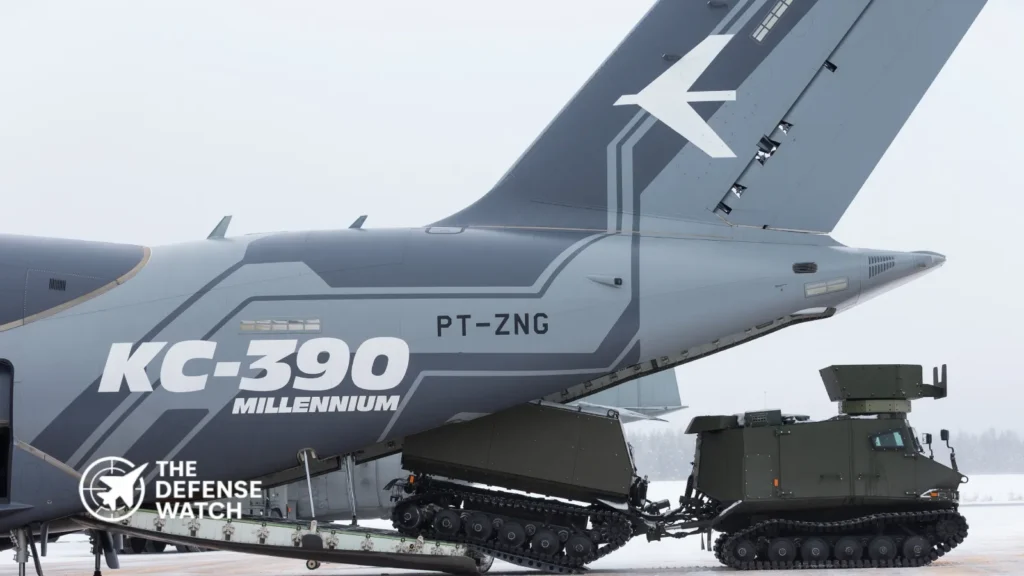
¦ KEY FACTS AT A GLANCE- Embraer KC-390 Millennium completed extreme cold weather operations in Sweden.
- Aircraft validated performance in sub-zero temperatures, including logistics and ground operations.
- Demonstration supports NATO Arctic readiness and northern European defense posture.
- Exercise conducted in partnership with Swedish Armed Forces and operational units.
- KC-390 strengthens its position against legacy tactical airlifters in extreme environments.
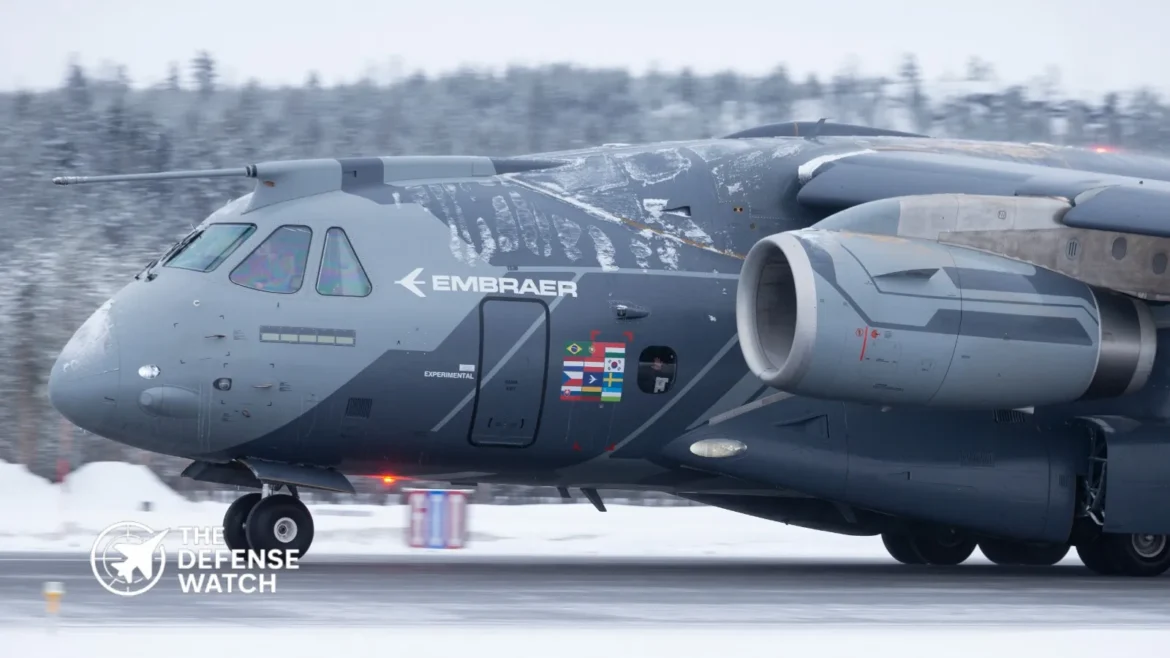
Embraer KC-390 Millennium Demonstrates Arctic Readiness
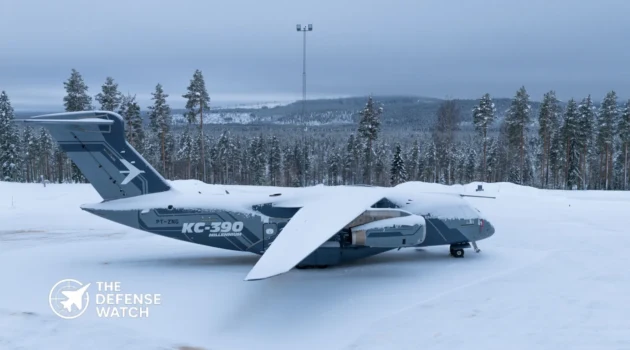
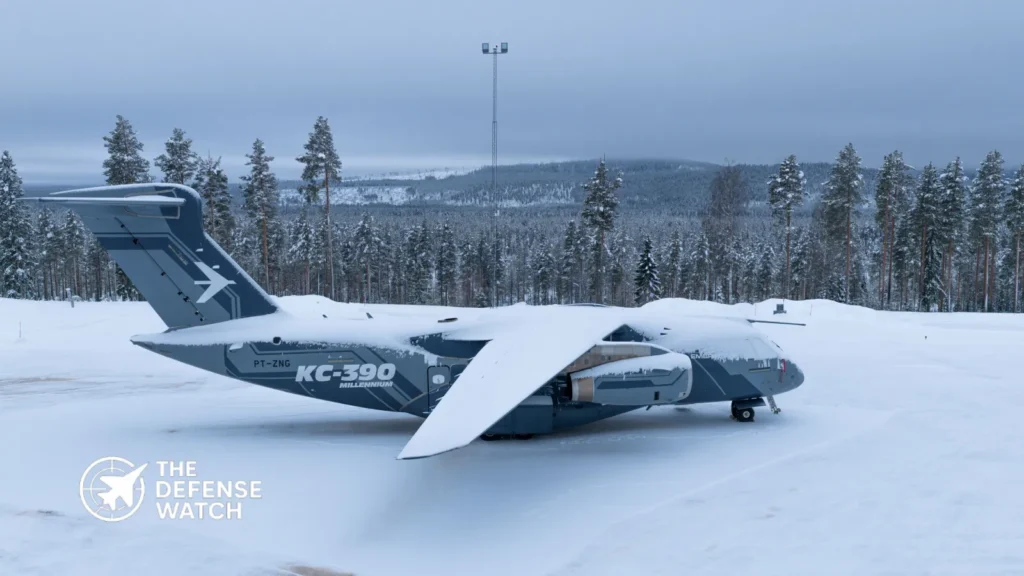
The Embraer KC-390 Millennium has successfully completed an extreme cold weather exercise in Sweden, validating its ability to operate in harsh Arctic conditions and reinforcing its role as a next-generation tactical airlifter for NATO-aligned forces.
The demonstration, confirmed by Embraer, focused on testing the aircraft’s operational performance, ground handling, and mission readiness in sub-zero environments.
The Big Picture
Arctic operations have become a central focus for NATO as northern Europe gains strategic importance amid rising tensions with Russia. Harsh climates, limited infrastructure, and extended distances demand highly capable airlift platforms.
Modern military logistics increasingly depend on aircraft that can operate without extensive ground support. This includes rapid deployment, austere airfield operations, and resilience in extreme weather.
The KC-390 Millennium enters this environment as a competitor to legacy platforms such as the C-130, offering jet-powered speed, modern avionics, and multi-mission flexibility.
What’s Happening
The exercise took place in Sweden in coordination with the Swedish Armed Forces, where the KC-390 Millennium conducted operations under extreme cold conditions.
Embraer confirmed that the aircraft performed a range of tasks, including:
- Ground operations in freezing temperatures
- Engine start and system checks in cold weather
- Logistics and transport missions under Arctic conditions
The trials validated the aircraft’s ability to maintain operational readiness without degradation in performance, a critical requirement for northern deployments..

Image : Embraer Sweden, which has moved closer to NATO integration, offers a relevant operational environment for testing due to its Arctic climate and strategic geography.
Why It Matters
Cold weather performance directly impacts operational reliability in northern theaters. Aircraft that fail to start, sustain systems, or maintain sortie rates in freezing conditions can disrupt entire logistics chains.
The KC-390 Millennium’s success demonstrates:
- Reliable engine performance in sub-zero temperatures
- Effective onboard systems under environmental stress
- Reduced dependency on specialized ground infrastructure
These factors translate into higher sortie generation rates and improved mission availability during winter operations.
For NATO-aligned air forces, this reduces logistical risk in high-latitude deployments and strengthens rapid response capability.
Strategic Implications
The Arctic is becoming a contested operational domain. NATO’s northern flank requires platforms capable of sustaining operations across Norway, Sweden, Finland, and the Baltic region.
The KC-390’s performance supports:
- Enhanced mobility across dispersed bases
- Rapid reinforcement of forward units
- Sustained logistics under extreme weather
The aircraft’s jet propulsion provides faster response times compared to turboprop alternatives, which can be decisive in time-sensitive missions such as troop deployment or humanitarian relief.
This capability aligns with broader NATO efforts to improve readiness and mobility across Europe’s northern corridor.
Competitor View
Russia has long maintained Arctic operational experience, with established infrastructure and specialized equipment designed for cold environments.
A proven Western airlifter capable of matching these conditions signals a narrowing capability gap.
Image : Embraer China, while less directly involved in Arctic operations, has declared itself a “near-Arctic state” and continues to monitor developments in polar logistics and access routes.
For both competitors, improved NATO airlift capability in extreme climates reinforces alliance resilience and complicates operational planning.
What To Watch Next
Future developments to monitor include:
- Additional cold weather certifications for the KC-390
- Expanded deployments with European operators
- Integration into NATO logistics frameworks
- Procurement decisions by additional countries seeking Arctic-capable airlift
Countries in northern and eastern Europe are likely to assess performance data from these trials as they modernize their air transport fleets.
Capability Gap
Legacy tactical airlifters often face limitations in speed, payload efficiency, and system resilience under extreme conditions.
The KC-390 Millennium aims to address:
- Slower deployment times associated with turboprop aircraft
- Maintenance challenges in freezing environments
- Limited interoperability with modern digital logistics systems
However, limitations remain. The KC-390’s operational footprint, support ecosystem, and long-term sustainment costs will influence adoption rates compared to established platforms.
Air forces must balance performance gains with logistics, training, and infrastructure considerations.
The Bottom Line
The KC-390 Millennium’s successful Arctic exercise in Sweden confirms its growing role as a high-performance airlifter capable of strengthening NATO readiness in extreme environments.
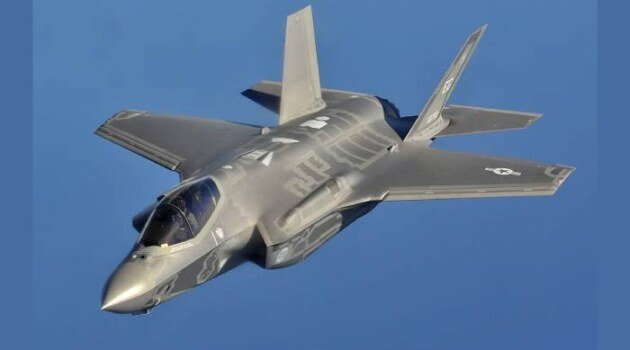
¦ KEY FACTS AT A GLANCE- Finland is preparing to receive its first F-35A fighters as part of a 64-aircraft procurement program.
- The Finnish Air Force is upgrading bases, training personnel, and integrating new logistics systems.
- The program strengthens NATO’s northern flank and enhances regional deterrence against Russia.
- Initial deliveries are expected later this decade, with full operational capability planned in the 2030s.
- The F-35 will replace Finland’s legacy F/A-18 Hornet fleet and redefine its air combat doctrine.
Finland F-35 Fighters Arrival Marks Critical Transition Phase
Finland F-35 fighters arrival is entering a decisive phase as the Finnish Air Force accelerates preparations to integrate its first fifth-generation aircraft, marking a major shift in Nordic airpower and NATO interoperability.
The Big Picture
Finland’s transition to the F-35A comes amid a broader transformation of NATO’s northern defenses following Helsinki’s accession to the alliance in 2023.
Northern Europe has become a focal point for deterrence planning. Russia’s military posture along its western borders and in the Arctic continues to drive modernization efforts among Nordic states. Finland’s decision to procure 64 F-35A fighters aligns it with other regional operators, including Norway and Denmark, creating a more integrated fifth-generation ecosystem.
The move also reflects a wider U.S.-led push to standardize allied airpower capabilities around the F-35 platform, enabling shared logistics, data fusion, and joint operations.
What’s Happening
The Finnish Air Force is preparing infrastructure, personnel, and operational concepts ahead of the Finland F-35 fighters arrival, according to official updates from the Finnish Defence Forces.
Finland selected the F-35A in 2021 under its HX Fighter Program to replace its aging F/A-18 Hornet fleet. The country plans to acquire 64 aircraft, with deliveries expected to begin in the coming years and continue into the early 2030s.
Preparations include:
- Upgrading air bases to support F-35 operations, including hardened shelters and secure data systems
- Training pilots and maintenance crews, both domestically and in the United States
- Establishing new logistics and sustainment frameworks tailored to the F-35’s requirements
- Integrating advanced mission planning and data-sharing systems
The Finnish Defence Forces emphasize that the transition involves not only new aircraft but also a complete overhaul of operational concepts.
Why It Matters
The Finland F-35 fighters arrival represents a generational leap in capability for the Finnish Air Force.
The F-35A provides stealth, advanced sensors, and data fusion capabilities that significantly enhance situational awareness and survivability. These features allow Finland to detect, track, and engage threats at longer ranges while operating in contested environments.

Replacing the F/A-18 Hornet with the F-35 also shifts Finland’s air doctrine from traditional air defense toward network-centric warfare. The aircraft acts as both a sensor and a shooter, enabling distributed operations across multiple domains.
From a policy perspective, the acquisition reinforces Finland’s integration into NATO’s command structure and strengthens interoperability with U.S. and allied forces.
Strategic Implications
Finland’s adoption of the F-35 strengthens NATO’s deterrence posture along its northeastern flank.
The aircraft’s ability to operate in highly contested environments improves NATO’s capacity to monitor and respond to activity in the Baltic Sea region and the Arctic. Finland’s geographic position gives it strategic depth, allowing F-35 operations to cover key approaches to Northern Europe.
The growing concentration of F-35 operators in the Nordic region creates a networked force capable of sharing real-time data across borders. This enhances collective situational awareness and reduces response times in crisis scenarios.
The Finland F-35 fighters arrival also signals a shift toward integrated air and missile defense architectures, where fifth-generation fighters play a central role.
Competitor View
Russia is likely to view Finland’s F-35 program as a significant enhancement of NATO’s capabilities near its borders.
Moscow has long expressed concern over NATO expansion and the deployment of advanced Western systems in neighboring countries. The introduction of stealth aircraft capable of penetrating air defenses adds complexity to Russia’s regional military planning.
The presence of multiple F-35 operators in Northern Europe could challenge Russia’s ability to maintain air superiority in the region, particularly in contested scenarios involving the Baltic Sea or Arctic approaches.
At the same time, Russia continues to invest in counter-stealth technologies and integrated air defense systems, which will shape how both sides adapt operationally.
What To Watch Next
The next phase of the Finland F-35 fighters arrival will focus on delivery milestones and operational integration.
Key developments to monitor include:
- First aircraft deliveries and initial operational testing
- Expansion of pilot training pipelines
- Certification of upgraded air bases
- Integration with NATO command and control systems
- Progress toward initial and full operational capability
These milestones will determine how quickly Finland can transition from legacy systems to a fully operational fifth-generation force.
Capability Gap
Finland’s F-35 acquisition addresses several critical gaps in its current airpower structure.
The F/A-18 Hornet, while upgraded over time, lacks the stealth and sensor fusion capabilities required for modern high-threat environments. This limits its effectiveness against advanced air defense systems and next-generation adversary aircraft.
The F-35 fills this gap by enabling:
- Penetration of contested airspace
- Advanced intelligence, surveillance, and reconnaissance missions
- Seamless integration with allied forces
However, the platform also introduces challenges. The F-35 requires complex maintenance, secure data infrastructure, and sustained funding for lifecycle support. These factors will shape long-term operational readiness.
The Bottom Line
Finland F-35 fighters arrival marks a decisive shift toward fifth-generation airpower that strengthens NATO’s northern defenses and reshapes regional deterrence dynamics.
¦ KEY FACTS AT A GLANCE- Iran and Russia reportedly signed a secret €500 million missile deal in December 2025, according to the Financial Times.
- The pact covers delivery of 500 Verba man portable air defense launch units and 2,500 9M336 missiles through 2027 to 2029.
- The Verba systems are infrared guided MANPADS designed to target low altitude threats including drones and cruise missiles.
- The deal follows damage to Iran’s air defense network during the 2025 conflict with Israel.
- The agreement reflects deepening military cooperation between Tehran and Moscow.
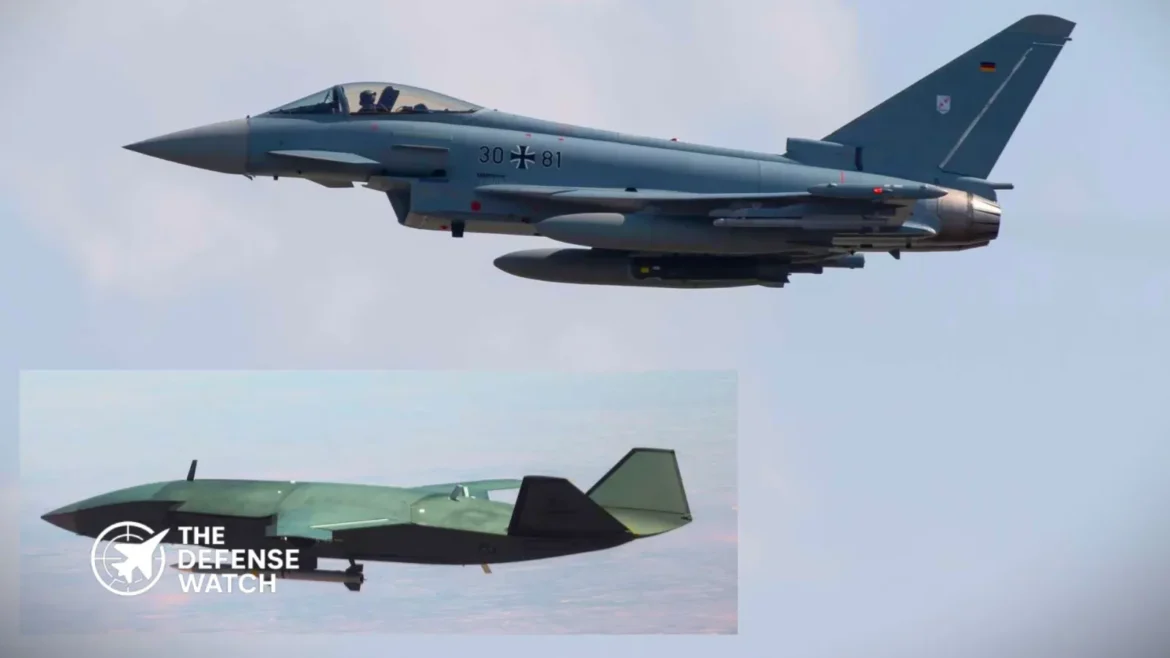
The MQ-28 Ghost Bat Germany evaluation marks a notable step in Europe’s exploration of collaborative combat aircraft to support manned fighter operations. Germany, as part of its broader modernization efforts within the Luftwaffe of Germany, is assessing unmanned systems designed to operate alongside platforms such as the Eurofighter Typhoon to extend sensing, strike, and survivability capabilities.
This move reflects a wider shift among NATO members toward integrating loyal wingman drones into frontline air operations, aiming to improve mission flexibility while reducing risk to pilots.
Germany Advances Loyal Wingman Concept
Germany’s evaluation of the MQ-28 Ghost Bat aligns with ongoing efforts to incorporate autonomous and semi-autonomous systems into European air combat doctrine. Originally developed under Australia’s Collaborative Combat Aircraft program, the MQ-28 is designed to accompany crewed fighters and perform tasks such as reconnaissance, electronic warfare support, and threat engagement.
For Germany, the interest in such a platform highlights the operational need to enhance the capabilities of its Eurofighter fleet without immediately replacing existing aircraft. By pairing manned fighters with unmanned wingmen, the Luftwaffe can potentially expand sensor reach and distribute combat workloads across multiple platforms.
Integration With Eurofighter Typhoon Operations
The Eurofighter Typhoon remains a core component of Germany’s air defense and strike capability. Integrating a loyal wingman like the MQ-28 Ghost Bat could allow Eurofighter pilots to command or coordinate multiple unmanned assets in contested environments.
This concept supports several operational advantages. First, it can extend the radar and sensor footprint of the formation. Second, it may allow unmanned units to take on higher-risk roles such as forward reconnaissance or electronic attack. Third, it can help preserve manned aircraft by shifting certain mission elements to autonomous platforms.
Defense analysts note that pairing advanced fighters with unmanned systems is becoming a standard approach among modern air forces seeking distributed lethality and greater mission resilience.
Strategic Context Within NATO Modernization
Germany’s evaluation is consistent with broader NATO efforts to modernize air combat capabilities in response to evolving threats. Several allied nations are exploring similar collaborative combat aircraft programs, often referred to as loyal wingman systems.
These initiatives aim to address challenges posed by advanced integrated air defense systems, electronic warfare environments, and the increasing use of unmanned platforms in contested airspace. By deploying a mix of crewed and uncrewed assets, air forces can complicate adversary targeting while maintaining operational flexibility.
Within this framework, the MQ-28 Ghost Bat Germany assessment represents an exploratory step rather than a formal procurement decision. It allows German defense planners to examine interoperability, mission roles, and integration requirements with existing NATO systems.
Industrial and Operational Implications
If Germany proceeds beyond evaluation, integration of loyal wingman platforms could influence both operational doctrine and defense industry collaboration. European defense contractors may seek partnerships or adaptations to align similar unmanned systems with existing fighter fleets.
For the Luftwaffe, adopting such systems would require development in areas including command and control, secure data links, and human-machine teaming. Training programs would also need to evolve to enable pilots to effectively manage multiple unmanned assets during missions.
While no final acquisition decision has been announced, the MQ-28 Ghost Bat Germany evaluation underscores growing interest in modular, networked air combat architectures across Europe.
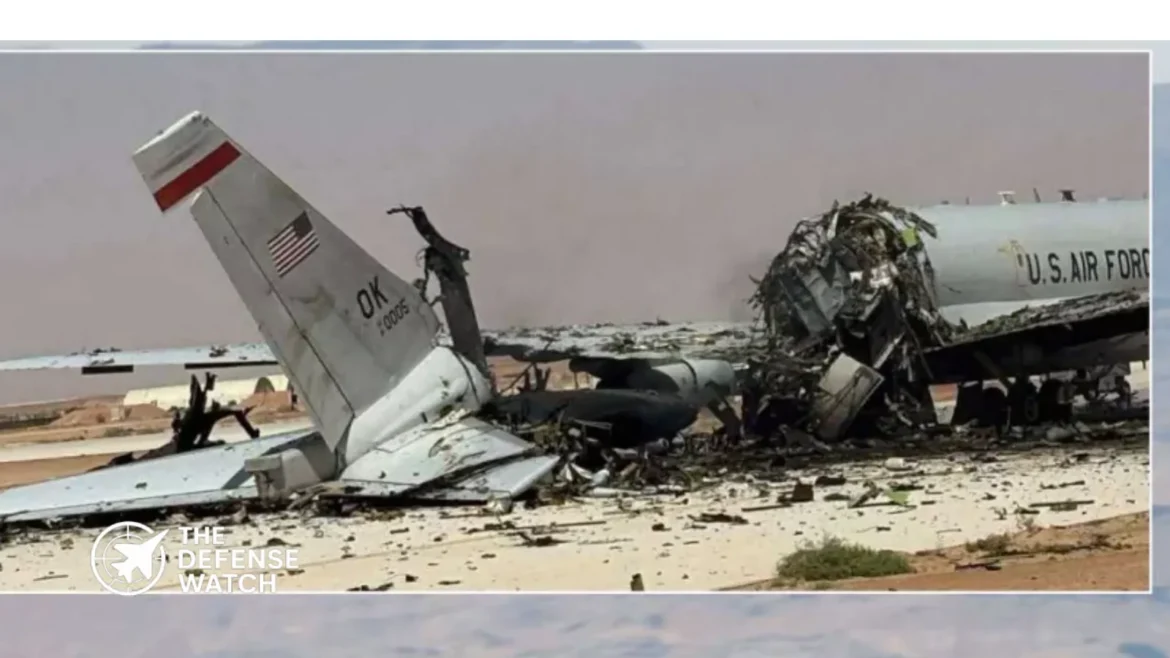
¦ KEY FACTS AT A GLANCE- The United States has reportedly suffered its first-ever combat loss of an E-3 Sentry AWACS aircraft.
- The aircraft was damaged or destroyed during an Iranian strike on Prince Sultan Air Base in Saudi Arabia.
- The E-3 Sentry plays a critical role in airborne early warning, command, and control operations.
- The incident underscores growing threats to high-value airborne and ground-based assets in the Middle East.
- The strike reflects escalating regional tensions and expanding Iranian long-range strike capabilities.
US E-3 Sentry Combat Loss Marks Turning Point In Airpower Vulnerability
The US E-3 Sentry combat loss marks a significant development in modern air warfare, following an Iranian strike on Prince Sultan Air Base in Saudi Arabia that reportedly damaged or destroyed the high-value airborne early warning aircraft.
According to reports, the incident represents the first confirmed combat loss of an E-3 Sentry since the platform entered service in the late Cold War era. The aircraft, operated by the US Air Force, is a cornerstone of airborne command and control, providing real-time surveillance, battle management, and coordination across joint forces.
While details remain limited, the strike is believed to have targeted the airbase using long-range precision munitions, potentially including ballistic or cruise missiles. The base has served as a key hub for US air operations in the region.
Strategic Role Of The E-3 Sentry In Modern Warfare
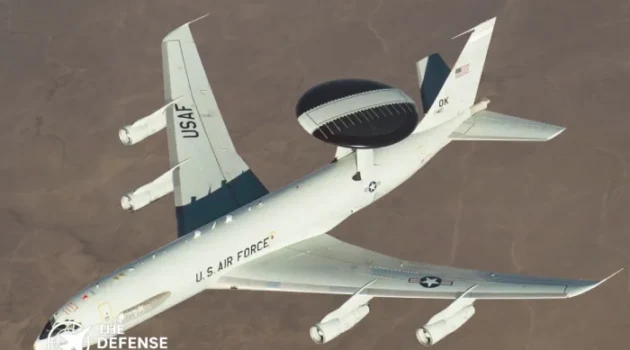
The E-3 Sentry, commonly referred to as AWACS, is built on a modified Boeing 707 airframe and equipped with a distinctive rotating radar dome. It can detect and track airborne and maritime threats at extended ranges, while directing friendly aircraft and coordinating complex operations.
Losing such a platform, even on the ground, carries operational and symbolic consequences.
From an operational standpoint, the US E-3 Sentry combat loss reduces available airborne surveillance capacity in a region where persistent monitoring is critical. These aircraft are limited in number, and their replacement is both costly and time-consuming.
From a strategic perspective, the incident highlights a shift in threat environments. High-value assets that were once considered relatively secure at rear-area bases are now increasingly vulnerable to precision strikes.
Iranian Strike Capabilities And Regional Escalation
The reported strike reflects the growing sophistication of Iran’s long-range strike arsenal. Over the past decade, Tehran has invested heavily in ballistic missiles, cruise missiles, and unmanned systems designed to penetrate air defenses and strike high-value targets.
Previous attacks on regional infrastructure, including energy facilities and military installations, have demonstrated both range and accuracy improvements. The ability to target a heavily defended airbase hosting US assets suggests continued refinement of targeting and strike coordination.
The US E-3 Sentry combat loss therefore fits into a broader pattern of evolving asymmetric capabilities aimed at offsetting conventional US military advantages.
Implications For US Force Posture And Base Defense
This incident is likely to trigger a reassessment of US force protection measures across the Middle East.
Airbases that host critical assets such as AWACS, tanker aircraft, and command platforms may require enhanced missile defense coverage, hardened shelters, and dispersal strategies. The vulnerability of fixed infrastructure has been a growing concern, particularly as adversaries expand their precision strike reach.
In practical terms, the US E-3 Sentry combat loss may accelerate efforts to:
- Increase deployment of layered air and missile defense systems
- Disperse high-value aircraft across multiple locations
- Invest in survivable and distributed command-and-control architectures
It also reinforces ongoing discussions about transitioning some AWACS functions to space-based and distributed sensor networks.
Broader Impact On Airborne Early Warning Operations
The loss underscores the enduring importance, and vulnerability, of airborne early warning platforms in contested environments.
While next-generation systems are under development, including more survivable and networked solutions, the E-3 Sentry remains a primary asset for US and allied forces. Any reduction in availability could affect operational tempo and situational awareness in high-risk theaters.
At the same time, adversaries are clearly prioritizing these platforms as high-value targets, both for their operational role and their strategic significance.
■ KEY FACTS AT A GLANCE- ► Dutch F-35s deployed to the United States for high-tempo combat training operations.
- ► Training focuses on complex, large-scale air combat scenarios and interoperability.
- ► Deployment enhances NATO readiness amid evolving global security challenges.
- ► U.S.-based training provides access to advanced ranges and joint-force integration.
- ► Move underscores the Netherlands’ commitment to high-end airpower modernization.
Dutch F-35 Deployment To United States Strengthens Combat Readiness
The Dutch F-35 deployment to the United States marks a significant step in advancing high-tempo combat training and operational readiness for the Royal Netherlands Air Force.
The deployment places Dutch fifth-generation fighters in one of the most demanding training environments available to NATO air forces.
The aircraft involved are the F-35 Lightning II, a platform designed for stealth, sensor fusion, and network-centric warfare. By relocating to the United States, Dutch crews gain access to expansive training ranges and advanced simulation environments not available in Europe.
This move reflects a broader NATO trend of leveraging U.S.-based infrastructure to prepare allied air forces for high-intensity conflict scenarios.
High-Tempo Training Focuses On Complex Combat Scenarios
The primary goal of the deployment is to conduct high-tempo combat training that replicates real-world operational stress. This includes large-force employment exercises, multi-domain integration, and sustained sortie generation under pressure.
Training in the U.S. allows Dutch pilots to operate in complex airspace alongside American and allied aircraft. These environments simulate contested battlespaces, including electronic warfare, integrated air defense systems, and coordinated strike missions.
Such scenarios are critical for modern air warfare. Fifth-generation platforms like the F-35 are designed to operate as part of a network, not as standalone fighters. Training alongside U.S. forces enhances interoperability at both tactical and operational levels.
From an analytical standpoint, this type of training directly supports NATO’s shift toward deterrence by denial. Instead of relying solely on numerical strength, alliance airpower is increasingly focused on technological superiority and coordinated execution.
Strategic Value Of U.S.-Based Training Infrastructure
One of the key advantages of the Dutch F-35 deployment to the United States is access to large-scale training ranges. U.S. facilities offer expansive airspace, advanced threat replication systems, and integrated joint-force participation.
These elements are difficult to replicate in European airspace due to geographic and regulatory constraints.
The U.S. training ecosystem also supports live, virtual, and constructive training environments. This allows pilots to engage simulated threats that mirror near-peer adversary capabilities, including advanced surface-to-air missile systems and electronic attack platforms.
For the Netherlands, this represents a cost-effective way to maintain high readiness without duplicating infrastructure at home.
Enhancing NATO Interoperability And Deterrence
The deployment underscores the Netherlands’ commitment to NATO interoperability. Operating the F-35 within a multinational framework ensures that Dutch forces can seamlessly integrate into allied operations.
This is particularly relevant as more NATO members adopt the F-35 platform. Shared systems, data links, and operational concepts enable coordinated missions across national boundaries.
Interoperability is not just technical. It also involves doctrine, communication, and decision-making processes. Training in the United States accelerates alignment in these areas.
From a geopolitical perspective, such deployments send a clear signal of allied cohesion. They demonstrate that NATO air forces are actively preparing for high-end conflict scenarios, reinforcing deterrence against potential adversaries.
Operational Readiness And Force Generation
High-tempo training also tests the ability of units to sustain operations over time. This includes logistics, maintenance, and personnel endurance.
For the Royal Netherlands Air Force, deploying F-35s overseas provides valuable experience in expeditionary operations. It validates the ability to project airpower beyond national borders and sustain it in demanding conditions.
This is increasingly important as NATO emphasizes rapid response and forward presence.
The deployment also contributes to force generation cycles. Units returning from such training are typically better prepared for operational deployments, having already experienced realistic combat conditions.
Broader Implications For European Airpower
The Dutch F-35 deployment to the United States highlights a broader shift in European defense posture. Air forces are investing in advanced platforms and training methods to address evolving threats.
Fifth-generation aircraft are central to this transformation. However, their effectiveness depends on how they are employed. Training, therefore, becomes as important as procurement.
By integrating into U.S.-based exercises, European allies can accelerate their learning curve and maximize the capabilities of their F-35 fleets.
This approach also strengthens transatlantic defense ties. It reinforces the role of the United States as a central hub for advanced military training and operational integration.
Conclusion
The Dutch F-35 deployment to the United States represents more than a routine training rotation. It is a deliberate effort to enhance combat readiness, interoperability, and strategic deterrence.
As NATO adapts to a more complex security environment, such initiatives will play a critical role in maintaining a credible and capable airpower posture.
¦ KEY FACTS AT A GLANCE- Brazil has assembled its first domestically built supersonic fighter jet under a technology transfer program.
- The aircraft is part of the Gripen E/F program developed with Swedish manufacturer Saab.
- The initiative strengthens Brazil’s defense industrial base and reduces reliance on foreign production.
- Assembly takes place at Embraer’s facility, with full operational capability expected later this decade.
- The program positions Brazil as a regional leader in advanced combat aviation manufacturing.
Brazil Supersonic Fighter Jet Program Moves Into Domestic Assembly Phase
Brazil’s supersonic fighter jet program reached a key milestone with the first aircraft assembled domestically, marking a major step in the country’s long-term airpower modernization strategy.
The development reflects years of industrial cooperation between Brazil and Sweden and signals a shift toward greater self-reliance in advanced military aviation.
The Big Picture
Brazil has steadily expanded its defense industrial base as part of a broader effort to secure technological sovereignty in high-end military systems.
The country’s aerospace sector, led by Embraer, already holds a strong position in transport aircraft and regional jets. Moving into supersonic fighter production places Brazil among a small group of nations capable of assembling advanced combat aircraft domestically.
The program also aligns with global trends where middle powers seek to reduce dependence on external suppliers, especially in critical defense technologies.
What’s Happening
Brazil assembled its first domestically built supersonic fighter jet under the Gripen E/F program, developed in partnership with Swedish defense firm Saab.
The aircraft was assembled at Embraer’s facility in Gavião Peixoto, which serves as the central hub for Brazil’s fighter production and testing activities.
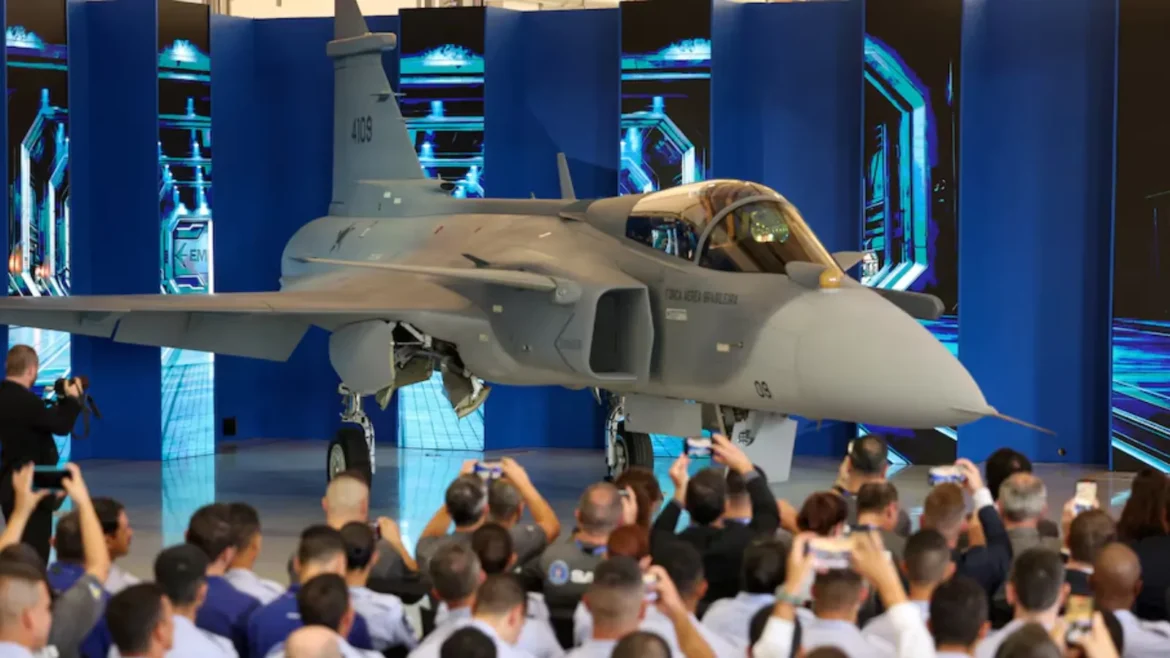
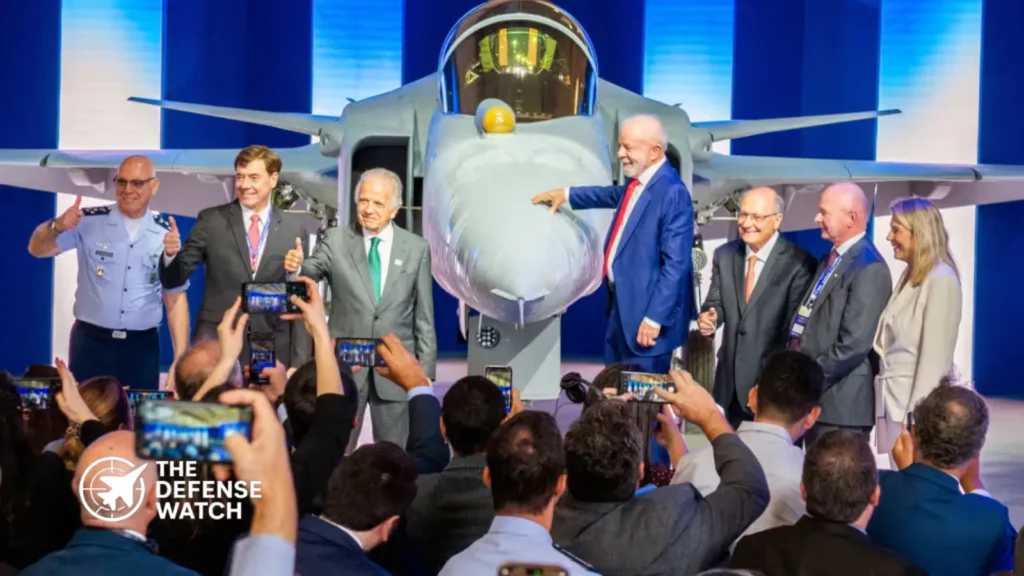
People attend Embraer and Swedish defence company Saab’s presentation of the first Gripen fighter jet assembled in Brazil at the Gaviao Peixoto plant in the state of Sao Paulo, Brazil, March 25, 2026. The program stems from a contract signed in 2014 for 36 Gripen fighters for the Brazilian Air Force. It includes extensive technology transfer provisions, allowing Brazilian engineers and technicians to participate in design, development, and assembly processes.
Initial aircraft were built in Sweden, but production is gradually shifting to Brazil as local capabilities mature.
Why It Matters
Domestic assembly of a supersonic fighter jet significantly enhances Brazil’s defense autonomy.
Local production reduces dependence on foreign supply chains and allows greater control over maintenance, upgrades, and lifecycle costs. It also strengthens Brazil’s ability to adapt the aircraft to specific operational requirements.
The program supports workforce development in advanced engineering fields, including avionics, systems integration, and aerostructures. These capabilities often spill over into civilian aerospace and other high-technology sectors.
For the Brazilian Air Force, the Gripen platform offers modern capabilities such as advanced sensors, network-centric warfare integration, and multirole flexibility.
Strategic Implications
Brazil’s supersonic fighter jet effort reshapes the balance of aerospace capability in Latin America.
The country now holds a unique position as a regional hub for advanced fighter production and sustainment. This capability could support future export opportunities or regional maintenance services.
The program also enhances Brazil’s deterrence posture. A modern fighter fleet equipped with advanced sensors and weapons improves airspace control and response capability.
From a geopolitical perspective, the partnership with Sweden reflects a diversified defense procurement strategy. Brazil avoids overreliance on any single major power while gaining access to high-end Western technology.
Competitor View
Regional competitors are likely to view Brazil’s progress as a significant upgrade in capability rather than a direct threat.
Countries such as Argentina and Chile operate modern aircraft but lack comparable domestic production capacity. Brazil’s industrial edge could translate into long-term operational advantages, particularly in sustainment and upgrades.
Global powers such as China and Russia may interpret the program as part of a broader trend of technology diffusion. However, Brazil’s reliance on Western systems and partnerships limits strategic alignment with those competitors.
What To Watch Next
The next phase focuses on increasing the share of locally produced components and expanding assembly rates.
Brazil will continue testing and certifying domestically assembled aircraft to ensure full operational capability within the Brazilian Air Force.
Future milestones include:
Completion of remaining aircraft deliveries
Integration of additional weapons and systems
Potential follow-on orders or export opportunitiesObservers will also watch whether Brazil expands its role from assembly to deeper design participation in future variants.
Capability Gap
Brazil’s supersonic fighter jet program addresses a long-standing gap in advanced combat aviation capability.
Before the Gripen acquisition, the Brazilian Air Force relied on aging platforms that lacked modern sensors and network integration.
The new aircraft provides improved situational awareness, beyond-visual-range engagement capability, and interoperability with allied systems.
However, limitations remain. Brazil still depends on foreign suppliers for key subsystems, including engines and certain avionics components. Full independence in fighter production remains a long-term objective rather than an immediate reality.
The Bottom Line
Brazil’s domestically assembled supersonic fighter jet marks a decisive step toward aerospace independence and strengthens its position as a leading defense industrial power in Latin America.