Norwegian F-35 Scramble Responds To Russian Arctic Surveillance Activity
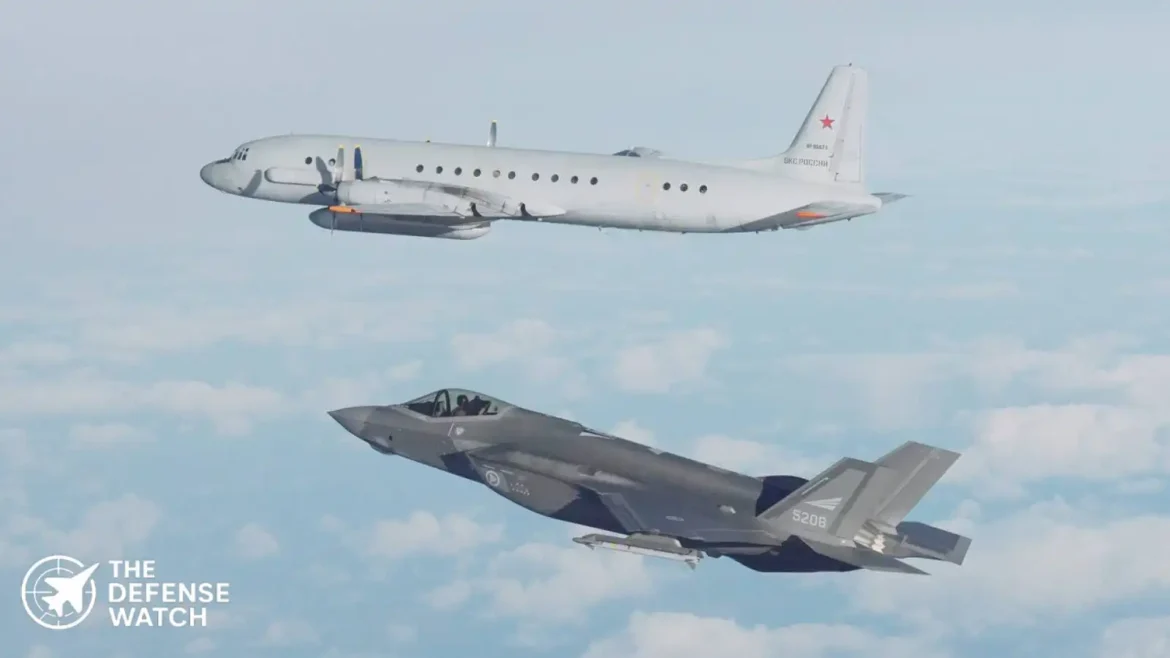
Norwegian F-35 jets were scrambled after Russian maritime patrol aircraft were detected operating near NATO areas of interest in the High North, according to reporting by Army Recognition citing Norwegian defense information. The intercept involved Russian Il-38 and Tu-142 aircraft, both long-range surveillance platforms used to monitor naval activity and submarine movements.
- Norway scrambled F-35 fighter jets to identify Russian aircraft near its airspace.
- Russian aircraft involved were reported as Il-38 and Tu-142 maritime patrol platforms.
- Activity occurred amid heightened NATO naval presence in the High North.
- Norway operates F-35A fighters as its primary quick reaction alert interceptor fleet.
- Incident highlights growing competition over Arctic sea lanes and military access.
The incident reflects a familiar but increasingly important pattern, Russia using long-range patrol aircraft to gather intelligence while NATO strengthens Arctic readiness.
The Big Picture
The High North has become one of NATO’s most strategically sensitive regions. Melting sea ice, growing maritime traffic, undersea cable vulnerability, and expanding military activity have pushed Arctic security higher on alliance planning agendas.
Norway occupies a front-line position in that environment. It borders Russia, controls access routes into the North Atlantic, and hosts key air and maritime infrastructure used by NATO forces. Any increase in Russian reconnaissance flights near Norwegian territory draws close attention because it may indicate wider monitoring of allied naval deployments.
Norwegian F-35 aircraft are central to that mission. Their sensors, range, and networked data-sharing abilities give Oslo stronger situational awareness across vast northern operating areas.
What’s Happening
Norwegian authorities launched a quick reaction alert mission after detecting Russian Il-38 and Tu-142 patrol aircraft approaching areas monitored by Norway’s air defense network.
The Il-38 is a maritime patrol and anti-submarine warfare aircraft derived from the Il-18 airliner. Russia uses it for surface surveillance, submarine hunting, and long-duration patrols.
The Tu-142 is a larger, longer-range platform developed from the Tu-95 bomber family. It is designed for anti-submarine warfare and ocean reconnaissance, making it especially relevant during periods of naval movement.
Norwegian F-35 fighters intercepted and visually identified the aircraft, a standard NATO air policing procedure intended to maintain awareness and sovereignty without escalation.
Why It Matters
Russian patrol flights often seek more than symbolic presence. They can collect electronic emissions, track fleet movements, map air defense responses, and observe alliance operating patterns.
That matters in the High North because NATO increasingly relies on northern sea lanes and Arctic staging areas. Allied submarines, carrier groups, maritime patrol aircraft, and reinforcement shipping routes all depend on secure access to the North Atlantic.
A Norwegian F-35 scramble therefore serves two purposes. It protects sovereign airspace, and it signals that NATO can rapidly detect and respond to intelligence-gathering activity.
Strategic Implications
Norway’s transition from F-16s to F-35As has significantly upgraded its deterrence posture. The aircraft combines stealth, advanced radar, passive sensors, and secure data links that are valuable in contested northern environments.
For NATO, Norway’s fleet acts as a forward sensing node. Information gathered by Norwegian F-35s can support wider alliance maritime and air operations.
Russia is also likely testing response times and operational patterns. Repeated patrols can reveal how quickly fighters launch, where they intercept, and which assets are active in theater. That makes routine intercept missions strategically relevant even when no violation of sovereign airspace occurs.
Competitor View
Moscow traditionally views NATO naval concentration in northern waters as a direct challenge to the security of the Kola Peninsula, home to major Russian naval and strategic submarine forces.
From that perspective, maritime patrol flights by Il-38 and Tu-142 aircraft help Russia monitor allied operations near critical bastions used by its Northern Fleet. NATO, however, views these patrols as intelligence collection activity requiring constant monitoring.
This dynamic helps explain why intercepts have become more frequent and more visible.
What To Watch Next
NATO will likely continue expanding Arctic exercises, maritime patrol rotations, and integrated air defense drills. Norway is expected to deepen F-35 integration with allied assets such as P-8 maritime patrol aircraft, naval task groups, and ground-based sensors.
Observers should also watch for:
- More Russian bomber and patrol flights in northern corridors
- Expanded NATO submarine and surface operations
- New Arctic basing investments
- Greater focus on undersea infrastructure security
Capability Gap
The Norwegian F-35 scramble addresses a longstanding Arctic challenge, covering vast distances with limited warning time.
Older aircraft could intercept effectively, but modern operations require more than speed. Commanders need fused sensor data, electronic awareness, and secure networking across sea, air, and land forces. The F-35 helps close that gap.
Limitations remain. Arctic weather, sparse infrastructure, and long logistics lines still complicate sustained operations for any military force.
The Bottom Line
Norway’s F-35 response shows that even routine interceptions in the Arctic now carry growing strategic weight for NATO and Russia.

Ukrainian F-16 Fighter Jet Transfer Signals Continued Fleet Growth
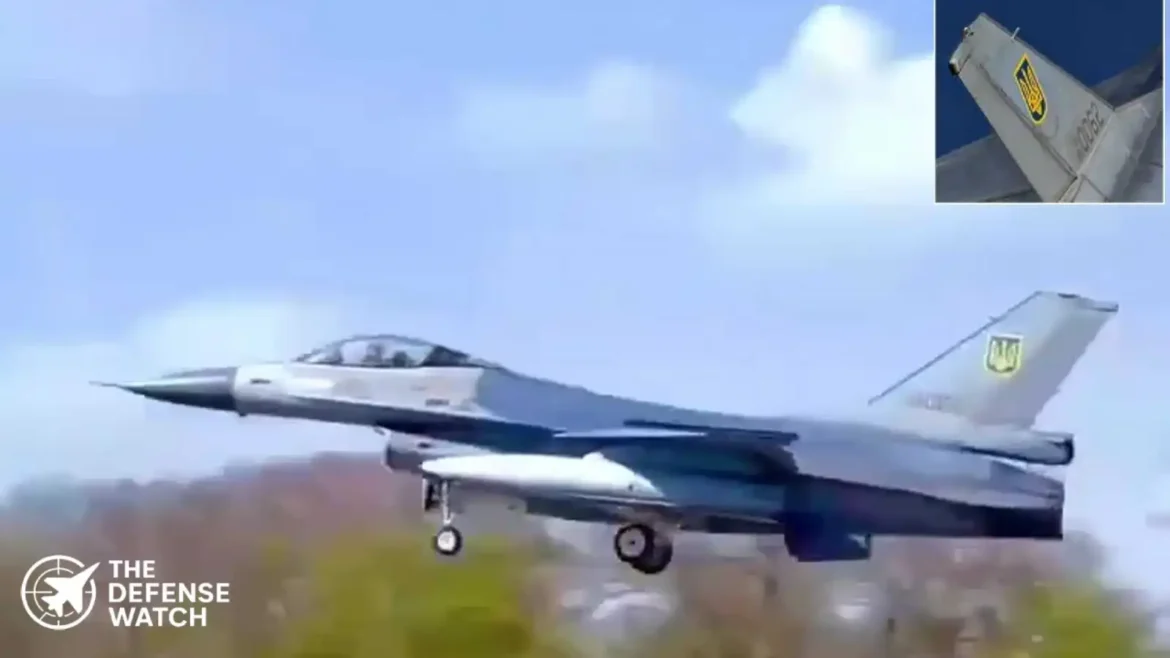
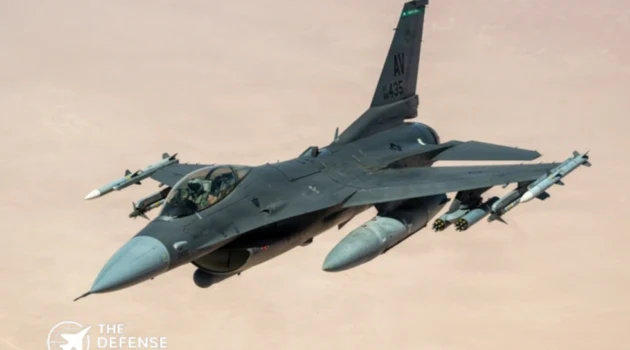
A Ukrainian F-16 fighter jet reportedly transferred by the Netherlands has been observed departing a Belgian airport, according to reporting by Army Recognition. While official authorities did not publicly identify the specific aircraft movement, the sighting points to continued progress in Kyiv’s effort to build a modern Western fighter fleet.
The transfer matters because each additional F-16 increases Ukraine’s ability to defend airspace, intercept cruise missiles, and conduct more accurate strike missions. Unlike Soviet-era aircraft still in Ukrainian service, the F-16 offers stronger radar performance, broader weapons integration, and easier access to NATO-standard maintenance and training pipelines.
- A Ukrainian F-16 fighter jet transferred by the Netherlands was reportedly spotted departing a Belgian airport.
- The aircraft is believed to be part of the multinational NATO-backed program supplying F-16s to Ukraine.
- Belgium has become a key logistics and training hub for European F-16 transition efforts.
- Additional aircraft deliveries would strengthen Ukraine’s air defense and precision strike capacity.
- The Netherlands remains one of Kyiv’s leading European combat aviation donors.
The Netherlands has been among the most committed European supporters of the fighter transfer initiative. Dutch officials previously pledged multiple retired F-16 aircraft after transitioning to the F-35 fleet. Those airframes are now being used for direct transfer, spare parts support, or training programs depending on condition and readiness.
Why Belgium Matters In The F-16 Pipeline
Belgium’s role is strategically important even when it is not the donor nation. Belgian air bases and aerospace infrastructure provide a practical transit point for aircraft refurbishment, pilot conversion activity, technical preparation, and onward movement.
This suggests the reported departure may be part of a larger coordinated logistics chain rather than a simple one-time handover. Western fighter transfers require inspections, software alignment, documentation, mission system checks, and coordination with training schedules.
For Ukraine, receiving aircraft is only one part of the equation. Sustainable combat power depends on:
- Pilot conversion training
- Ground crew certification
- Spare engines and parts
- Weapons stock integration
- Hardened basing and dispersal planning
- Secure command and control links
That means every visible aircraft movement can represent months of behind-the-scenes preparation.
What The Ukrainian F-16 Fighter Jet Adds To Combat Operations
The Ukrainian F-16 fighter jet program is designed to gradually replace aging Soviet aircraft such as the MiG-29 and Su-27 in selected roles. While no single fighter can change the war alone, the F-16 offers several practical advantages:
Air Defense Intercepts
The aircraft can respond faster to missile and drone threats when paired with modern sensors and guided missiles.
Precision Strike Missions
The F-16 can employ a wide range of Western-guided munitions, improving target accuracy.
Survivability
Modern electronic warfare systems and situational awareness tools can improve pilot survivability in contested airspace.
NATO Interoperability
Shared standards simplify future training, sustainment, and coalition support.
Strategic Limits Still Remain
Even with more deliveries, Ukraine’s F-16 fleet will operate under constraints. Russian long-range air defenses, electronic warfare systems, and missile threats continue to shape mission planning. Aircraft numbers also remain limited compared with prewar major air forces.
That means the best use of the Ukrainian F-16 fighter jet fleet may be selective, high-value missions rather than constant front-line exposure. Intercepts, defensive patrols, and stand-off strike roles are likely to remain priorities.
Netherlands Support Carries Political Weight
The Dutch decision to continue transfers also carries political significance. It signals that long-term military assistance to Ukraine remains active among key European NATO members. Fighter donations are more complex than artillery or vehicles because they involve years of training, sustainment, and security commitments.
Each successful aircraft delivery therefore demonstrates not just hardware support, but enduring coalition coordination.
Outlook
If additional sightings and confirmations follow, Ukraine’s F-16 inventory will continue to expand incrementally through 2026. That slow but steady approach may prove more valuable than rapid one-time deliveries, because trained crews, spare parts, and combat readiness can grow together.
For Kyiv, every added aircraft increases options. For Europe, every transfer reinforces the message that advanced support programs remain in motion.
L3Harris Red Wolf Could Reshape Light Attack Aircraft Missions
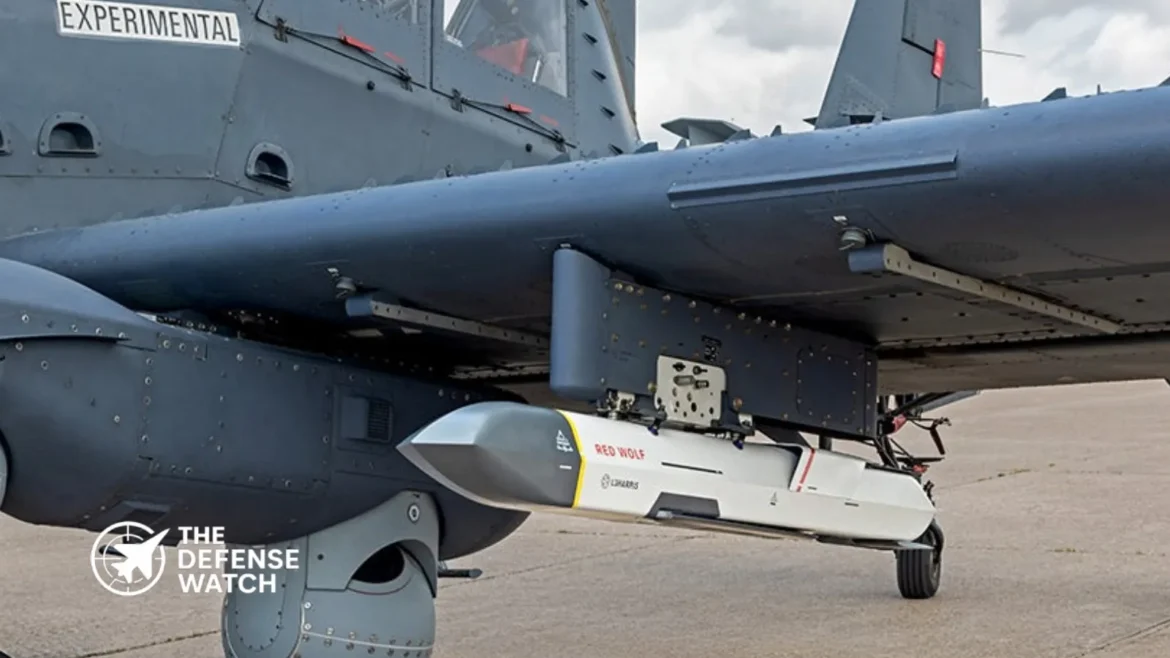
L3Harris Red Wolf integration with a light attack aircraft marks a notable step in how lower-cost platforms may be used in future combat operations. The company recently revealed a successful test fit of its Red Wolf launched effect onto the SKY RAIDER II INTERNATIONAL aircraft, pairing a rugged turboprop aircraft with a modular precision weapon system.
The demonstration suggests a practical shift in military aviation planning. Rather than relying only on expensive fast jets for stand-off strike or electronic warfare tasks, defense forces are increasingly exploring cheaper aircraft able to launch networked munitions, loitering systems, or sensor payloads.
- L3Harris demonstrated a test fit of the Red Wolf launched effect on the SKY RAIDER II INTERNATIONAL aircraft.
- Red Wolf is designed as a kinetic launched effect for long-range precision strike missions.
- The aircraft is optimized for austere operations, remote basing, and long-endurance missions.
- L3Harris says the concept supports special operations forces seeking flexible stand-off options.
- The move reflects wider demand for affordable mass and modular airpower solutions.
That matters because many current conflicts are exposing the limits of using premium aircraft for every mission.
What Is Red Wolf?
According to L3Harris, Red Wolf is part of its launched effects family. It is described as a kinetic platform built for long-range precision strikes. The system is designed for air, land, or maritime launch, giving commanders flexibility across multiple domains.
Launched effects are generally expendable or recoverable systems that can carry sensors, electronic warfare payloads, or warheads. They help extend the reach of manned platforms without forcing aircraft to fly directly into contested airspace.
That concept has become more relevant as modern air defenses grow denser and more mobile.
Why SKY RAIDER II Matters
The SKY RAIDER II INTERNATIONAL is built for operations from rough airstrips and remote locations. It offers long endurance, meaningful payload capacity, and lower operating costs than high-end fighters or bombers.
By combining such an aircraft with Red Wolf, operators could maintain persistent presence over a battlespace while still holding distant targets at risk.
This is especially useful for:
- Special operations support
- Border security missions
- Counterinsurgency operations
- Maritime patrol
- Strike missions in low-to-medium threat areas
- Rapid deployment from austere bases
The Bigger Strategic Trend
The deeper significance is not one aircraft or one munition. It is the shift toward distributed combat aviation.
Western militaries increasingly want fleets that mix elite stealth aircraft with lower-cost systems that can absorb routine missions, carry sensors, and launch smart weapons. That helps preserve scarce fifth-generation assets for the hardest targets.
In practice, a turboprop aircraft carrying launched effects may offer better value in permissive or semi-contested environments than sending an advanced fighter every time.
This also mirrors battlefield lessons from Ukraine, the Middle East, and Red Sea operations, where mass, persistence, and affordability matter alongside raw performance.
Competitive Implications
L3Harris is positioning itself in a growing niche between traditional combat aircraft and unmanned systems. If customers accept the concept, competitors may push similar integrations on trainer aircraft, ISR turboprops, or unmanned platforms.
That could open export demand among nations needing credible strike reach without the budget for top-tier jets.
Outlook
The Red Wolf and SKY RAIDER II pairing remains a demonstration rather than a confirmed production program. Still, it signals where procurement thinking is heading: modular weapons, flexible aircraft, lower cost, and faster fielding.
For many air forces, the future may not be choosing between fighters or drones. It may be building force mixes where each platform carries networked effects tailored to the mission.
Finland F-35A Training Marks Key Step Toward Operational Capability
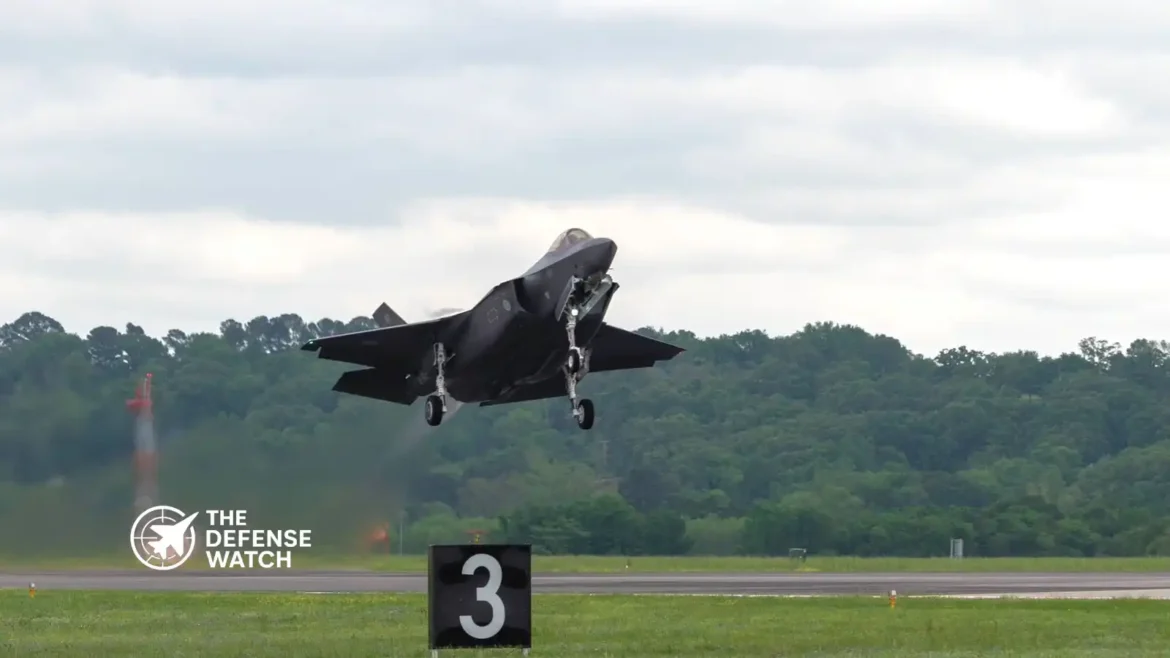
Finland F-35A training has reached a critical milestone after a Finnish Air Force pilot completed the country’s first flight in the F-35A in the United States, signaling steady progress toward operational readiness. The development was reported by Defence Industry Europe, highlighting the growing pace of Finland’s transition to fifth-generation airpower.
The flight forms part of a structured training pipeline conducted in close coordination with the U.S. Air Force. Finnish pilots and ground crews are undergoing comprehensive instruction designed to prepare them for the complexities of operating the stealth fighter, including sensor fusion, network-centric warfare, and advanced mission planning.
This milestone is not symbolic. It reflects a tangible shift from procurement to capability development.
- A Finnish Air Force pilot has completed the first F-35A flight in the United States as part of Finland’s training program.
- The training is being conducted in cooperation with the U.S. Air Force to prepare Finnish crews for operational deployment.
- Finland selected the F-35A in 2021 to replace its legacy F/A-18 Hornet fleet under the HX fighter program.
- Initial operational capability is expected later this decade as aircraft deliveries and training progress.
- The milestone reflects Finland’s broader integration into NATO airpower and advanced combat aviation networks.
Transition From Legacy Fighters To Fifth-Generation Capability
Finland selected the F-35A Lightning II in 2021 under its HX fighter program to replace its aging fleet of F/A-18 Hornets. The decision aligned Helsinki with a growing group of European operators adopting the platform to maintain technological parity with near-peer competitors.
The Finland F-35A training effort is central to that transition. Unlike legacy aircraft, the F-35A requires a different operational mindset. Pilots must manage large volumes of fused data while operating in contested environments where stealth and electronic warfare play decisive roles.
Training in the United States allows Finnish personnel to integrate directly into an established ecosystem. This includes exposure to U.S. operational doctrine, maintenance practices, and joint mission scenarios. Such integration reduces the time needed to achieve effective combat readiness once the aircraft are delivered to Finland.
Strategic Context: NATO Integration And Regional Deterrence
The timing of Finland’s F-35A training progress is significant. Following its accession to NATO, Finland is rapidly aligning its defense posture with alliance standards. The F-35A is widely regarded as a cornerstone of NATO’s future airpower architecture due to its ability to operate as a force multiplier across domains.
From a strategic perspective, Finland’s adoption of the F-35A enhances deterrence in Northern Europe. The aircraft’s stealth characteristics and advanced sensors improve situational awareness across the Baltic region, an area of increasing military activity.
The Finland F-35A training program also supports interoperability. Finnish pilots trained alongside U.S. and allied counterparts will be better positioned to participate in joint operations, exercises, and integrated air defense missions.
This interoperability is critical. Modern conflicts are unlikely to be fought in isolation, and shared platforms simplify coordination at both tactical and operational levels.
Building Toward Operational Readiness
While the first flight marks a major milestone, Finland’s path to full operational capability remains phased. Training will continue in the United States before transitioning to domestic operations as aircraft deliveries begin.
Ground crews, logistics personnel, and command structures must also adapt. The F-35A introduces new maintenance requirements and digital infrastructure, including secure data systems that support mission planning and real-time updates.
The Finland F-35A training framework is designed to address these challenges early. By building expertise ahead of aircraft delivery, Finland aims to avoid capability gaps during the transition period.
Initial operational capability is expected later in the decade, with full operational capability to follow as more aircraft enter service and training cycles mature.
Analysis: Why This Milestone Matters
The first Finnish F-35A flight represents more than pilot proficiency. It demonstrates that Finland is effectively executing one of Europe’s most significant fighter modernization programs.
From an operational standpoint, early training milestones reduce long-term risk. Countries that delay training often face bottlenecks when aircraft deliveries accelerate. Finland’s approach suggests a deliberate effort to synchronize training, infrastructure, and procurement timelines.
There is also a broader geopolitical signal. By advancing its F-35A training in partnership with the United States, Finland reinforces its commitment to transatlantic defense cooperation. This is particularly relevant given evolving security dynamics in Northern and Eastern Europe.
At the same time, the reliance on U.S.-based training highlights the continued importance of American infrastructure in enabling allied capability development. Even as European defense initiatives expand, U.S. platforms and training ecosystems remain central to NATO’s operational readiness.
Night Stalkers’ MV-75 Cheyenne II Special Ops Variant Makes Its Public Debut
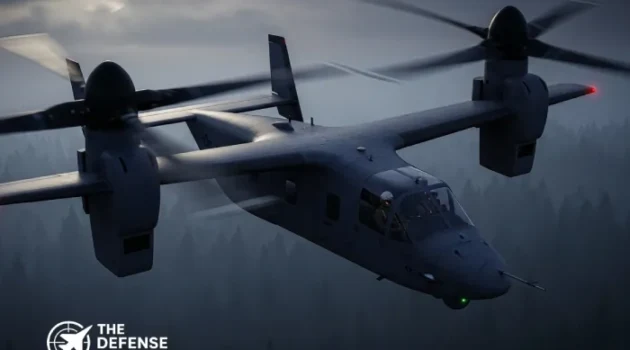
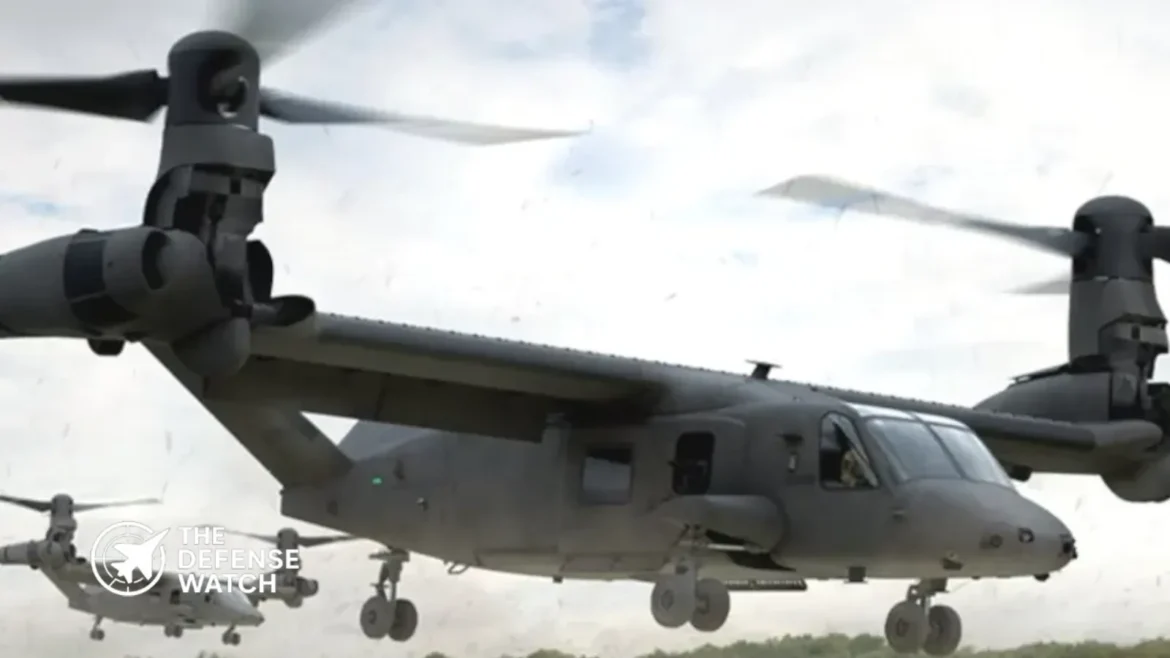
The MV-75 Cheyenne II special operations variant has made its public debut, offering the first concrete look at how the Army’s most capable tiltrotor will be configured for the elite 160th Special Operations Aviation Regiment. The U.S. Army gave the public its first glimpse at the MV-75A Cheyenne II in its special operations configuration on April 15, 2026, at the Army Aviation Association of America’s Warfighting Summit — and what was revealed signals a significant leap forward in how America’s Night Stalkers intend to fight in contested, complex environments.
- The 160th Special Operations Aviation Regiment’s MV-75A Cheyenne II variant has been publicly revealed for the first time via a rendering shown at the Army Aviation Association of America’s 2026 Warfighting Summit.
- The special operations variant features a nose-mounted terrain-following/terrain-avoidance radar — likely the AN/APQ-187 Silent Knight — a sensor turret, Degraded Visual Environment Pilotage System (DVEPS), and an in-flight refueling probe.
- The MV-75 is designed to replace a portion of the 160th’s MH-60M Black Hawk fleet, offering significantly greater range and speed for deep-penetration special operations missions in contested environments.
- The Army accelerated its MV-75 fielding timeline in January 2026, targeting initial delivery to operational units in 2027 — four years ahead of the original 2031 schedule.
- The aircraft features a modular open systems architecture (MOSA), enabling faster, more affordable capability upgrades — a critical design priority for the 160th SOAR commander.
The Big Picture
Special operations aviation has long depended on aging Black Hawk variants to execute the military’s most sensitive missions. The MH-60M, while heavily modified, is a platform rooted in 1970s airframe technology. The Army has said in the past that it plans to replace roughly half of the 160th’s special operations MH-60M Black Hawk helicopters with MV-75s, though whether that proportion remains unchanged is not yet confirmed.
The MV-75 Cheyenne II represents a generational shift — not an incremental upgrade. As a tiltrotor descended from Bell’s V-280 Valor demonstrator, it combines helicopter-like vertical takeoff with fixed-wing cruise speeds and range. For a unit whose entire operational philosophy centers on inserting forces at precisely the right moment, from precisely the right distance, speed and reach are not just performance metrics — they are mission-enabling characteristics.
The unveiling at AAAA comes against the backdrop of a broader U.S. military push to modernize rotary-wing assets ahead of potential high-end conflict with China across the Indo-Pacific — a theater defined by vast maritime distances that fundamentally stress rotorcraft range limitations.
What’s Happening
Army Col. Roger Waleski, commander of the 160th, shared the rendering of the special operations-specific MV-75 during a presentation at the Army Aviation Association of America’s 2026 Warfighting Summit.
From what is seen in the rendering, the special operations variant of Cheyenne II will differ from the baseline type most in the configuration of its nose end. Like the 160th’s Black Hawks, its version of the MV-75A will feature a nose-mounted radar and sensor turret underneath, as well as an in-flight refueling probe that extends out from the right side.
The radar is likely to be the AN/APQ-187 Silent Knight, or SKR, a terrain-following/terrain avoidance type. SKR is increasingly the default for U.S. special operations aircraft, including Army MH-60M and MH-47G Chinook helicopters, as well as Air Force CV-22 Osprey tiltrotors and MC-130J Commando II special operations tanker/transports.
The rendering also shows what looks to be a fixed, forward-facing aperture on the nose to the left of the radar — most likely reflecting the inclusion of a Degraded Visual Environment Pilotage System (DVEPS) or a similar capability, as is found on the 160th’s MH-60s and MH-47s today. DVEPS uses cameras and LIDAR, together with a terrain database, to help crew navigate through degraded environments full of dust, sand, snow, fog, and other obscurants.
Why It Matters
The sensor suite revealed on the special operations MV-75 is not simply a continuation of prior configurations — it is a deliberate replication and enhancement of the proven architecture used on the Night Stalkers’ current fleet, scaled to a faster, longer-range platform.
TF/TA radar and DVEPS, together with other sensors and in-flight refueling capability, will enable long-range operations along extremely low-altitude nap-of-the-earth flight profiles, even in poor weather and at night. This combination is the operational signature of 160th SOAR missions — the ability to fly fast, low, and undetected across hundreds of miles.
Col. Waleski made clear that performance is only part of what excites the 160th’s leadership. “We’ve gone to a completely modular open system architecture, maintaining the data rights on the aircraft,” he said. “For the warfighters in the room, what that means is your ability to adapt in the warfighting environment, it’s going to be cheaper, it’s going to be quicker.”
That statement carries significant weight. MOSA adoption means the Army — not the prime contractor — controls the integration roadmap. Future sensor upgrades, new electronic warfare packages, or emerging communications systems can be fielded without the contractor dependency that has historically delayed and inflated upgrade costs across military aviation programs.
Strategic Implications
The MV-75’s speed and range advantages over the MH-60M are particularly relevant in the Pacific theater. Rotary-wing platforms operating from sea bases or austere island locations face extreme distance penalties. A tiltrotor with MV-75-class performance could allow the 160th to execute direct-action or personnel-recovery missions from distances that currently fall outside the MH-60M’s practical combat radius.
The in-flight refueling capability shown on the Night Stalker variant further multiplies this reach. Combined with MC-130J tanker support — a mission set already deeply integrated into SOCOM’s theater playbook — the special operations MV-75 would be capable of conducting extremely long-range infiltrations without requiring forward staging bases that may not exist or may be contested in a high-end fight.
“I’ve said this before, I’m exceptionally excited about this platform,” Col. Waleski said. Yes, I’m excited about the speed. Yes, I’m excited about the payload, and I’m excited about the range.
Competitor View
China and Russia will note the MV-75’s special operations configuration with particular attention. Beijing’s military strategists have long studied the operational methods of the 160th SOAR, recognizing that the unit’s ability to project precision force across great distances represents a direct threat to high-value command-and-control assets, leadership targets, and critical infrastructure in a conflict scenario.
The MV-75’s extended range and speed advantage over the MH-60M would meaningfully complicate Chinese integrated air defense planning in the Pacific. A platform that can fly further, faster, and lower — under the radar coverage that Beijing has invested heavily in developing — forces a more distributed and resource-intensive defense architecture.
Russia will similarly factor the Cheyenne II into its special operations threat calculus for European theater contingency planning. The Night Stalkers’ presence in any NATO response scenario has historically required adversaries to allocate additional air defense resources to rear areas, a dynamic that a faster, longer-range MV-75 only amplifies.
What To Watch Next
The baseline MV-75A is still in development, and it is unclear when it might fly for the first time. The Army’s accelerated program timeline, announced in January 2026, targets initial fielding to operational units in 2027 — a compressed schedule that will test Bell’s production and integration pace.
Army Maj. Gen. Clair Gill, the Program Acquisition Executive for Maneuver Air, acknowledged the ambition of the timeline, stating: “We are moving as fast as we can.”
The special operations variant adds another layer of complexity to that schedule. Converting baseline MV-75As into the SOAR configuration requires integration of specialized sensors, avionics, and refueling systems. The Army’s decision to build special operations-friendly conversion features into the baseline airframe from the start suggests the program office is thinking ahead, but the actual timeline for Night Stalker-specific deliveries will likely trail the baseline fielding date by a meaningful margin.
Key near-term milestones to track include the first flight of the production-representative MV-75A, formal confirmation of the 160th SOAR procurement quantity, and any announcement related to Silent Knight radar integration contracts.
Capability Gap
The MH-60M Black Hawk has served the 160th with distinction for decades, but the platform’s speed, range, and altitude performance impose real operational constraints. In the Pacific, those constraints become strategic liabilities. The MV-75 Cheyenne II directly targets this gap.
The special operations variant’s terrain-following radar and DVEPS suite also address a survivability gap: the ability to fly nap-of-the-earth profiles in complete sensor-degraded environments — sandstorms, snowstorms, heavy fog — without mission abort. In contested airspace, the aircraft that can stay low and keep moving is the aircraft that survives.
A realistic limitation to acknowledge is integration risk. The Night Stalker community flies some of the most sensor-dense, software-intensive rotorcraft in the U.S. inventory. Packing equivalent complexity into a new-design tiltrotor airframe, on an accelerated timeline, introduces meaningful developmental risk. Managing that risk without sacrificing fielding speed will be one of the program’s defining challenges in the years ahead.
The Bottom Line
The first public rendering of the Night Stalker MV-75 Cheyenne II confirms that the Army is building a special operations tiltrotor designed from the ground up to dominate the long-range, low-altitude, all-weather mission space — and to keep adapting as the threat environment evolves.

Sikorsky Secures $65 Million UH-60M Black Hawk Contract For Army Production
The UH-60M Black Hawk contract awarded to Sikorsky Aircraft Corp. marks a $65 million investment in advanced procurement for the first 10 Army helicopters under the latest production effort.
According to a U.S. Department of Defense contract announcement, Sikorsky, based in Stratford, Connecticut, received a firm fixed price contract valued at $65,000,000. The award supports advance procurement activities tied to the first 10 UH-60M aircraft for the U.S. Army.
Work will be carried out in Stratford, with an estimated completion date of Dec. 31, 2026. Fiscal 2024 Aircraft Procurement, Army funding was fully obligated at the time of the award. The Army Contracting Command at Redstone Arsenal, Alabama, is managing the contract under number W58RGZ-26-C-0008.
¦ KEY FACTS AT A GLANCE- Sikorsky Aircraft Corp. awarded $65 million firm fixed price contract for UH-60M Black Hawk advanced procurement.
- Contract supports the first 10 Army UH-60M Black Hawk helicopters.
- Work to be performed in Stratford, Connecticut, with completion expected by Dec. 31, 2026.
- Fiscal 2024 Aircraft Procurement, Army funds obligated at time of award.
- Army Contracting Command at Redstone Arsenal, Alabama, is the contracting activity.
What Advanced Procurement Means
Advanced procurement funding allows manufacturers to secure long lead components and materials before full production funding is released. In rotary wing programs like the UH-60M Black Hawk, that often includes gearboxes, rotor systems, avionics components, and structural assemblies.
By issuing this UH-60M Black Hawk contract as a firm fixed price award, the Army locks in costs early, providing budget predictability while sustaining production tempo at Sikorsky’s Connecticut facility.
Only one bid was received after solicitation via the internet, according to the Pentagon notice.
The UH-60M Black Hawk’s Role In Army Aviation
The UH-60M Black Hawk is the latest production variant of the Army’s long serving utility helicopter platform. Built by Sikorsky, a Lockheed Martin company, the aircraft features upgraded digital avionics, improved flight controls, and enhanced lift performance compared to earlier models.
The platform supports air assault, medevac, command and control, and general support missions across active duty and National Guard formations. The M variant incorporates a glass cockpit, improved engines, and enhanced survivability systems.
Continued procurement signals the Army’s commitment to maintaining rotary wing readiness even as it develops next generation vertical lift capabilities under programs such as Future Vertical Lift.
Industrial Base And Production Stability
This Sikorsky Army helicopter deal reinforces production continuity at the Stratford facility. Stable production orders are critical to preserving the skilled workforce and supplier network that underpin the Army’s aviation industrial base.
Advance procurement contracts also help mitigate supply chain risk. By securing materials and components early, the Army reduces the likelihood of delays tied to long lead items.
The decision to obligate Fiscal 2024 Aircraft Procurement funds at the time of award ensures financial backing is already in place, limiting uncertainty for both the government and contractor.
Broader Budget Context
Army aviation modernization continues to balance legacy platform sustainment with emerging systems. While Future Long Range Assault Aircraft development progresses, the UH-60M remains central to current operational requirements.
Maintaining production through structured contracts like this $65 million award helps the Army avoid capability gaps during transition periods. It also ensures operational units continue receiving new aircraft to replace aging airframes.
Given ongoing global commitments and high operational tempo, sustained UH-60M procurement supports force readiness without relying solely on service life extensions.
Contracting Details
The Army Contracting Command at Redstone Arsenal, Alabama, is overseeing the award. The contract type is firm fixed price, meaning Sikorsky assumes cost risk beyond the agreed amount.
The estimated completion date is Dec. 31, 2026, aligning with production timelines for long lead components tied to the first 10 helicopters.
The UH-60M Black Hawk contract reflects incremental but steady investment in Army aviation capability.
RAF Scrambles Typhoon Jets After Russian Bomber Detected Near UK Airspace
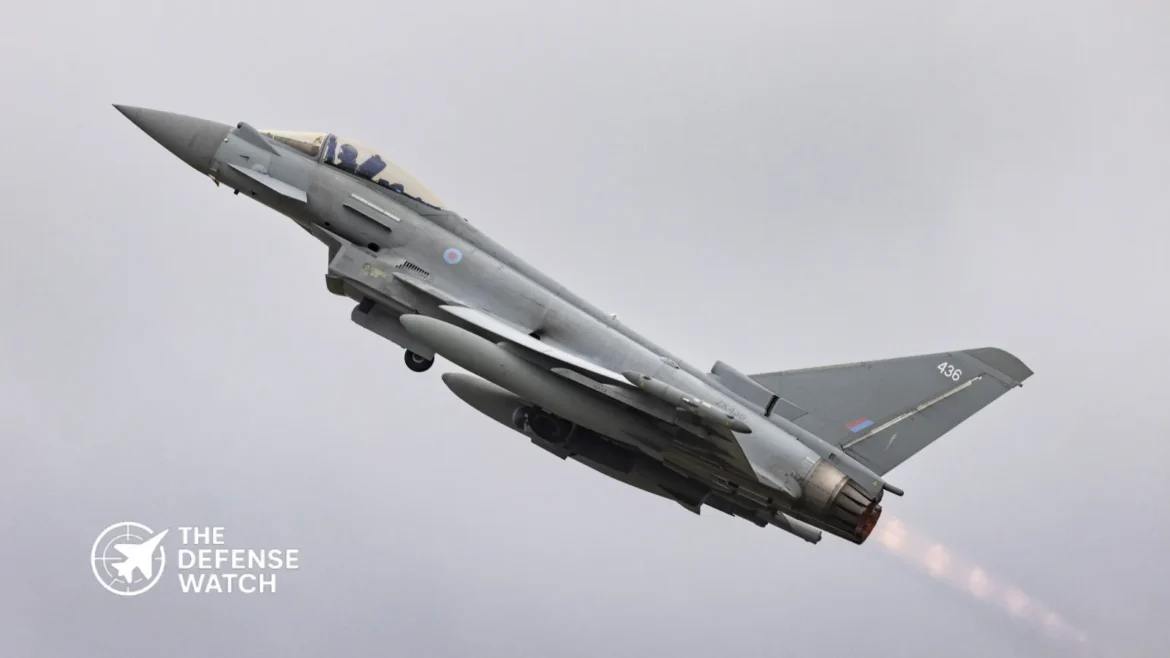
The Royal Air Force executed a Quick Reaction Alert (QRA) intercept mission on April 14, 2026, launching two Eurofighter Typhoon FGR4 fighters from RAF Lossiemouth in northern Scotland after ground-based radar detected a contact assessed as a possible Russian long-range strategic bomber approaching the northern UK area of interest near the Shetland Islands.
The scramble, first reported by The Telegraph, marks the latest episode in an ongoing pattern of Russian long-range aviation activity near NATO’s northern flank — and underscores the persistent readiness demands placed on British and allied air defense forces.
¦ KEY FACTS AT A GLANCE- On April 14, 2026, the RAF launched a Quick Reaction Alert (QRA) sortie after detecting an unidentified radar track assessed as a possible Russian long-range strategic bomber approaching the Shetland sector.
- Two Eurofighter Typhoon FGR4 fighters were scrambled from RAF Lossiemouth — the designated QRA North base — alongside a Voyager KC2/KC3 tanker from RAF Brize Norton.
- The Russian aircraft remained outside the UK’s 12 nautical mile sovereign airspace boundary; no visual identification or ICAO intercept procedures were executed.
- NATO integrated radar networks supported tracking throughout; allied command centers shared real-time trajectory data on the contact.
- The incident fits a pattern of Russian multi-domain probing operations near UK and NATO northern approaches, including recent naval and submarine activity in the North Sea.
What Happened: The April 14 QRA Sortie
The sequence of events on April 14 followed well-established NATO protocols. Once a radar contact lacking a matched flight plan, transponder code, or recognized identification profile was detected along the northern approaches, the RAF’s Air Surveillance and Control System — including long-range radar assets such as Saxa Vord on Shetland — initiated continuous tracking.
The contact’s trajectory toward the Shetland sector triggered a scramble order at RAF Lossiemouth, the QRA North station responsible for covering Scotland and the North Sea. Two Typhoon FGR4 jets were launched, with a Voyager KC2/KC3 air-to-air refueling tanker departing simultaneously from RAF Brize Norton to provide aerial refueling support if the mission extended into a prolonged surveillance profile.
The Russian bomber remained outside the UK’s 12 nautical mile sovereign airspace boundary throughout the event. No visual identification phase was initiated, and no ICAO intercept procedures — such as wing rocking or radio calls on emergency frequencies — were executed. The operation remained in a radar surveillance and readiness posture, concluding once the track was assessed as no longer requiring active monitoring.
Force Package and Operational Significance
The deployment of both fighters and a tanker reflects deliberate mission planning rather than a minimal alert response.
The Typhoon FGR4 has a combat radius of under 1,400 kilometers without aerial refueling — a constraint that becomes operationally significant over the vast open stretches of the North Atlantic and North Sea. The inclusion of the Voyager tanker extended the mission’s potential duration, allowing the Typhoon crews to loiter on patrol without returning to base, and enabling rapid repositioning should the track have altered course.
That the Voyager was included at all signals that UK planners assessed a non-trivial possibility that the situation could evolve. It reflects an operational planning philosophy that prioritizes endurance and flexibility in QRA responses, particularly in northern sectors where on-station distances from base are measured in hundreds of nautical miles.
RAF Lossiemouth maintains aircraft on Operational Readiness Platforms (ORPs) 24 hours a day, with takeoff required within a timeframe generally below 15 minutes from scramble order — a standard that the April 14 sortie appears to have met.
Russia’s Long-Range Bomber Operations: A Persistent Pattern
The April 14 sortie is not an isolated event. Russia has conducted long-range aviation patrols near NATO airspace consistently since at least 2007, using aircraft such as the Tu-95MS “Bear”, the Tu-160 “Blackjack”, and maritime patrol variants like the Tu-142 to probe allied air defense reaction times, assess radar coverage, and signal strategic reach.
These missions typically operate without active transponders or civilian air traffic coordination, creating the deliberate ambiguity that necessitates a QRA response. By remaining outside the 12 nautical mile threshold, Russian aircraft avoid triggering legal thresholds under international aviation law that would permit coercive intercept measures — while still generating significant monitoring demands on allied forces.
In a 2020 QRA event, the RAF scrambled six Typhoon fighters and progressed to visual identification and escort phases, indicating the Russian aircraft had closed to within visual confirmation range. The April 2026 event remained well short of that threshold — a single two-ship flight supported by a tanker, with no identification maneuvers executed. The difference in scale reflects a difference in assessed risk, not a reduction in Russian intent.
Multi-Domain Context: Not Just An Air Threat
The April 14 air intercept does not exist in isolation. It tracks alongside a broader pattern of Russian multi-domain operations near the United Kingdom that has intensified over recent years.
Russian naval vessels have conducted repeated transits through the English Channel under monitoring by the Royal Navy. More significantly, Russian submarine activity in the North Sea — including reported tracking of what was assessed as an Akula-class boat and associated deep-sea assets near subsea infrastructure — has generated sustained surveillance taskings for both British and allied forces.
The overlap of these air, surface, and subsurface activities increases the operational burden on UK and NATO command-and-control nodes. Managing simultaneous monitoring requirements across multiple domains stresses intelligence fusion, coordination capacity, and aircraft availability. Analysts assess this multi-domain overlap as deliberate — designed to test detection and response mechanisms under conditions that approximate, without crossing, thresholds that would trigger formal escalatory responses.
Analysis: What This Event Tells Us About NATO’s Northern Flank
From a strategic standpoint, the April 14 QRA reflects the enduring tension on NATO’s northern flank between Russian probing activity and allied deterrence signaling.
Russia’s use of long-range aviation as an instrument of strategic messaging is well-documented. These flights serve multiple purposes simultaneously: they generate intelligence on allied sensor coverage and reaction timelines; they demonstrate Russia’s ability to approach NATO territory without direct confrontation; and they sustain operational proficiency for aircrews conducting long-range missions under realistic conditions.
For the UK, the response was calibrated and measured. Deploying a two-ship Typhoon formation with tanker support demonstrates readiness without escalation — a proportional reply to what remained a surveillance-phase event. The decision not to execute visual identification procedures confirms that British and NATO controllers assessed the track did not require escalation to enforcement geometry.
What the April 2026 event does demonstrate is the continuing operational relevance of RAF Lossiemouth as NATO’s northern QRA anchor — and the Typhoon force’s capacity to sustain rapid response across northern approaches in coordination with allied radar and intelligence networks.
As Russian activity across maritime, subsurface, and aerial domains continues near UK and NATO peripheries, the demand on Quick Reaction Alert forces will remain high. Sustaining QRA readiness — in personnel, aircraft serviceability, and integrated sensor networks — remains one of the RAF’s most operationally consequential ongoing commitments.
US Air Force Advances B-21 Raider Aerial Refueling Capability
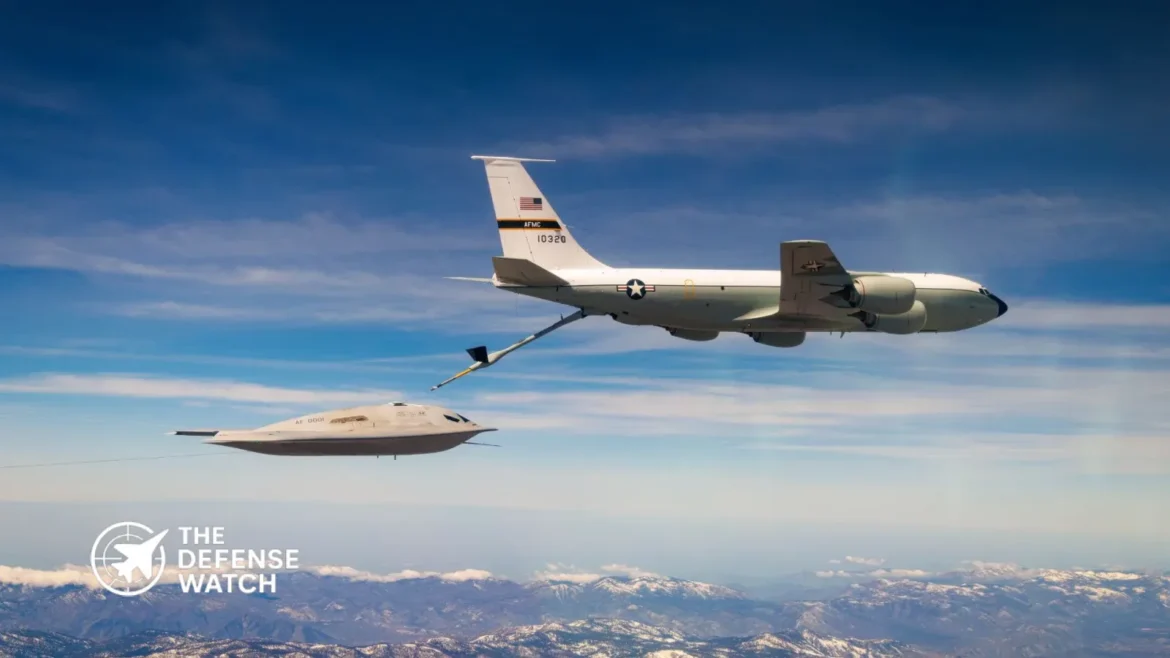
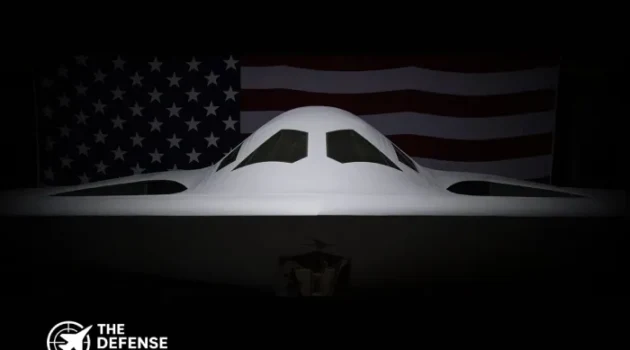
The B-21 Raider aerial refueling program has reached a critical milestone as the US Air Force completed its first in-flight refueling tests with the next-generation stealth bomber, significantly expanding its projected global strike reach.
The trials confirm that the B-21 can successfully integrate with existing aerial refueling infrastructure, a requirement for sustained long-range operations across contested theaters.
This development marks a key step toward operational readiness for the aircraft, which is expected to replace portions of the aging bomber fleet while enhancing survivability in high-threat environments.
¦ KEY FACTS AT A GLANCE- The US Air Force has conducted its first aerial refueling tests with the B-21 Raider stealth bomber.
- The tests validate the aircraft’s ability to extend range and endurance for global strike missions.
- The B-21 is designed to penetrate advanced air defenses and operate in contested environments.
- Aerial refueling integration is critical for the bomber’s operational deployment and nuclear mission readiness.
- The milestone supports the USAF’s broader modernization of its long-range strike and deterrence capabilities.
Extending Range for Global Strike Missions
Aerial refueling is central to the B-21’s mission profile. By enabling extended endurance, the bomber can conduct intercontinental missions without relying heavily on forward basing, a growing concern amid evolving geopolitical tensions.
The B-21 Raider aerial refueling capability allows the platform to remain airborne longer, increasing mission flexibility and reducing predictability, both critical in modern warfare scenarios.
The aircraft is designed to operate alongside tanker platforms such as the KC-46 Pegasus and KC-135 Stratotanker, ensuring compatibility with the Air Force’s existing logistics backbone.
From an operational standpoint, this integration enhances the United States’ ability to project power globally while maintaining a lower forward footprint, a strategic advantage in contested regions like the Indo-Pacific.
Supporting Stealth Penetration and Survivability
The B-21 Raider is engineered for deep penetration missions against advanced integrated air defense systems. Its stealth characteristics, combined with extended range through refueling, allow it to strike high-value targets without early detection.
The B-21 Raider aerial refueling milestone reinforces the aircraft’s role in penetrating heavily defended airspace, where access to forward bases may be limited or denied.
Unlike legacy bombers, the B-21 is expected to operate in highly contested environments from the outset, reflecting a shift in US doctrine toward survivability and resilience.
This also aligns with the Pentagon’s emphasis on distributed operations, where platforms must operate across vast distances while remaining adaptable to rapidly changing threat conditions.
Strategic Implications for Nuclear and Conventional Deterrence
The B-21 Raider will play a dual role in both conventional and nuclear missions, forming a core component of the US nuclear triad. Aerial refueling is essential for ensuring that the bomber can meet the endurance requirements of strategic deterrence patrols.
By validating the B-21 Raider aerial refueling capability, the Air Force moves closer to certifying the aircraft for nuclear operations, a process that requires rigorous testing and integration.
This capability also enhances deterrence credibility. A bomber that can reach targets globally without relying on vulnerable bases complicates adversary planning and increases strategic uncertainty.
In practical terms, it strengthens the United States’ ability to respond rapidly to crises while maintaining a persistent deterrent posture.
Program Progress and Modernization Context
The B-21 Raider program is one of the Air Force’s top modernization priorities, aimed at replacing older platforms such as the B-1B Lancer and B-2 Spirit over time.
The successful aerial refueling tests indicate steady progress in flight testing and system integration, suggesting that the program is moving closer to initial operational capability.
The B-21 Raider aerial refueling milestone also reflects broader efforts to modernize the US bomber fleet in response to evolving threats from near-peer competitors.
Defense analysts note that range, survivability, and flexibility are becoming increasingly important as adversaries invest in anti-access and area denial systems designed to limit US power projection.
Analysis: Why This Milestone Matters Now
This development is more than a routine test milestone. It highlights a broader shift in how the US Air Force plans to conduct long-range strike operations.
First, reliance on aerial refueling reduces dependence on overseas bases, many of which are within range of adversary missile systems. This lowers vulnerability and increases operational resilience.
Second, it reinforces the concept of dynamic force employment, where assets can be repositioned rapidly without fixed infrastructure constraints.
Third, it underscores the importance of integrating new platforms into existing support networks. The ability of the B-21 to seamlessly connect with current tanker fleets reduces the need for costly new infrastructure.
Finally, the timing is notable. As strategic competition intensifies, particularly in the Indo-Pacific and Europe, the ability to conduct long-range, survivable strike missions becomes a central pillar of deterrence.
France STRATUS Supersonic Missile Signals Shift In Deep Strike Doctrine
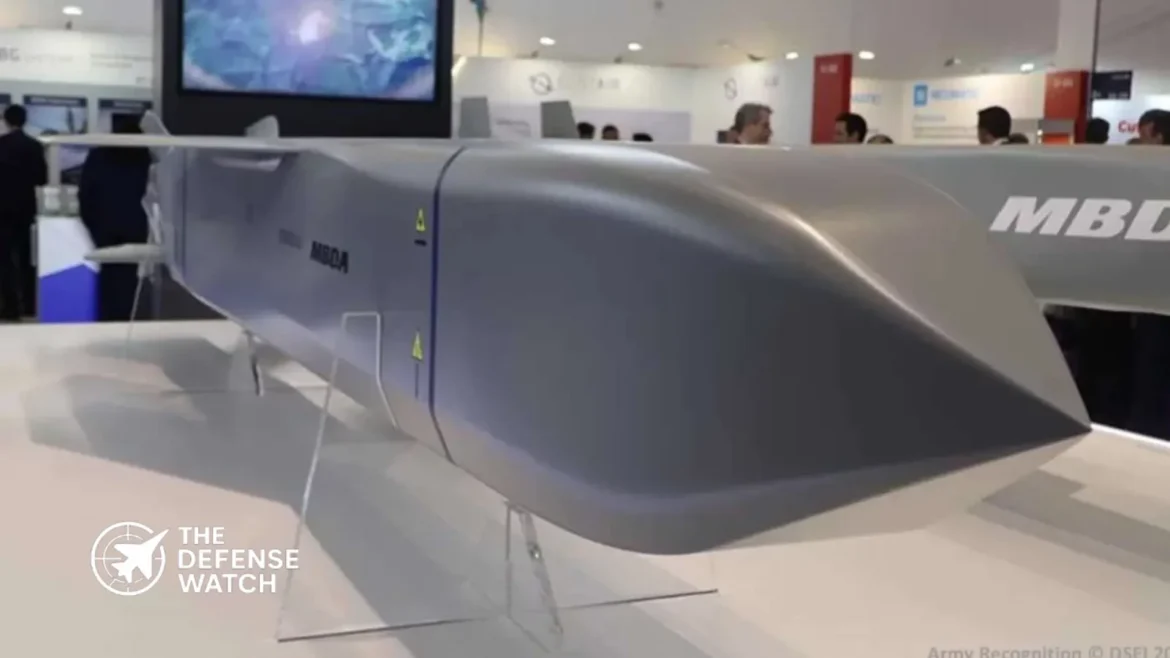
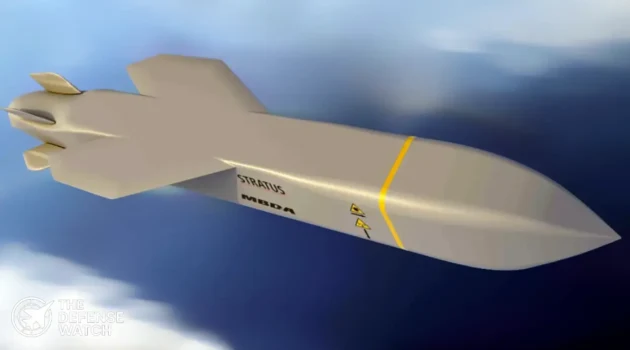
France STRATUS supersonic missile development marks a significant step in enhancing the country’s ability to penetrate advanced air defense networks. The program, tied to the Rafale F5 upgrade and future combat aviation concepts, reflects a broader push to ensure survivable strike capabilities against increasingly sophisticated threats.
¦ KEY FACTS AT A GLANCE- France is developing the STRATUS supersonic missile for penetration of advanced air defense systems.
- The missile is expected to integrate with Rafale F5 and future next generation combat aircraft.
- STRATUS targets suppression and destruction of enemy air defenses in high threat environments.
- Development aligns with France’s broader future combat air system and long term strike roadmap.
- The program reflects growing European focus on survivable deep strike capabilities against peer adversaries.
The Big Picture
European air forces face a rapidly evolving threat environment shaped by layered and integrated air defense systems. Systems deployed by near peer competitors now combine long range surface to air missiles, advanced radar networks, and electronic warfare capabilities.
France is responding by investing in next generation strike systems that can operate inside contested airspace. The STRATUS supersonic missile fits within a wider modernization effort that includes the Rafale F5 standard and the Future Combat Air System (FCAS).
This shift mirrors similar efforts by the United States and NATO allies to prioritize suppression of enemy air defenses and long range precision strike in high intensity conflict scenarios.
What’s Happening
France is developing the STRATUS supersonic missile as a new air launched weapon designed to defeat modern air defense systems. The missile is being tailored for integration with the Rafale F5 standard and potentially future combat aircraft.
The missile is expected to operate at supersonic speeds, allowing it to reduce engagement windows for enemy defenses while maintaining a high probability of penetration. Its primary role will focus on suppression and destruction of enemy air defenses, often referred to as SEAD and DEAD missions.
French defense planners aim to field the system as part of a broader package that includes upgraded sensors, electronic warfare systems, and networked targeting capabilities.
Why It Matters
Modern air defense systems have extended engagement ranges and improved interception capabilities, making traditional strike profiles increasingly risky. Aircraft operating without stand off or high speed penetration weapons face higher survivability challenges.
The STRATUS supersonic missile directly addresses this problem by combining speed, precision, and survivability. Supersonic flight reduces reaction time for interceptors, while advanced guidance likely improves targeting accuracy against high value air defense nodes.
This capability strengthens France’s ability to conduct independent operations and contribute to NATO missions in contested environments. It also aligns with ongoing efforts to maintain technological parity with global competitors.
Strategic Implications
France’s investment in the STRATUS supersonic missile enhances its deterrence posture by reinforcing its ability to neutralize enemy air defenses early in a conflict.
A credible SEAD capability enables follow on air operations, including strike, reconnaissance, and air superiority missions. This expands operational flexibility and reduces reliance on allied support.
The program also underscores Europe’s growing emphasis on sovereign defense capabilities. By developing indigenous strike systems, France reduces dependency on external suppliers and strengthens its defense industrial base.
Competitor View
Russia and China have both invested heavily in layered air defense systems designed to deny access to contested airspace. These include long range missile systems, integrated command networks, and advanced radar technologies.
From their perspective, systems like the STRATUS supersonic missile represent a direct challenge to air defense survivability. High speed penetration weapons complicate interception timelines and increase the burden on defensive networks.
Regional actors with advanced air defense systems may interpret the development as part of a broader Western push to restore air dominance in contested environments.
What To Watch Next
Testing and validation will determine the operational effectiveness of the STRATUS supersonic missile. Key milestones include flight testing, integration with Rafale F5 platforms, and evaluation against realistic air defense scenarios.
Procurement timelines will likely align with Rafale F5 development schedules, with initial operational capability expected later in the decade.
Further details on range, guidance systems, and payload configuration will provide clearer insight into the missile’s role within France’s strike doctrine.
Capability Gap
France developed the STRATUS supersonic missile to address a clear operational gap in penetrating modern integrated air defense systems.
Traditional subsonic cruise missiles and legacy strike profiles face increasing interception risks. STRATUS aims to close this gap by offering higher speed and improved survivability.
However, supersonic systems may still face challenges against advanced layered defenses, especially those equipped with high speed interceptors and electronic warfare capabilities. Integration with broader networked warfare systems will remain critical to mission success.
Textron Positions Beechcraft M-346N For U.S. Navy Training Modernization
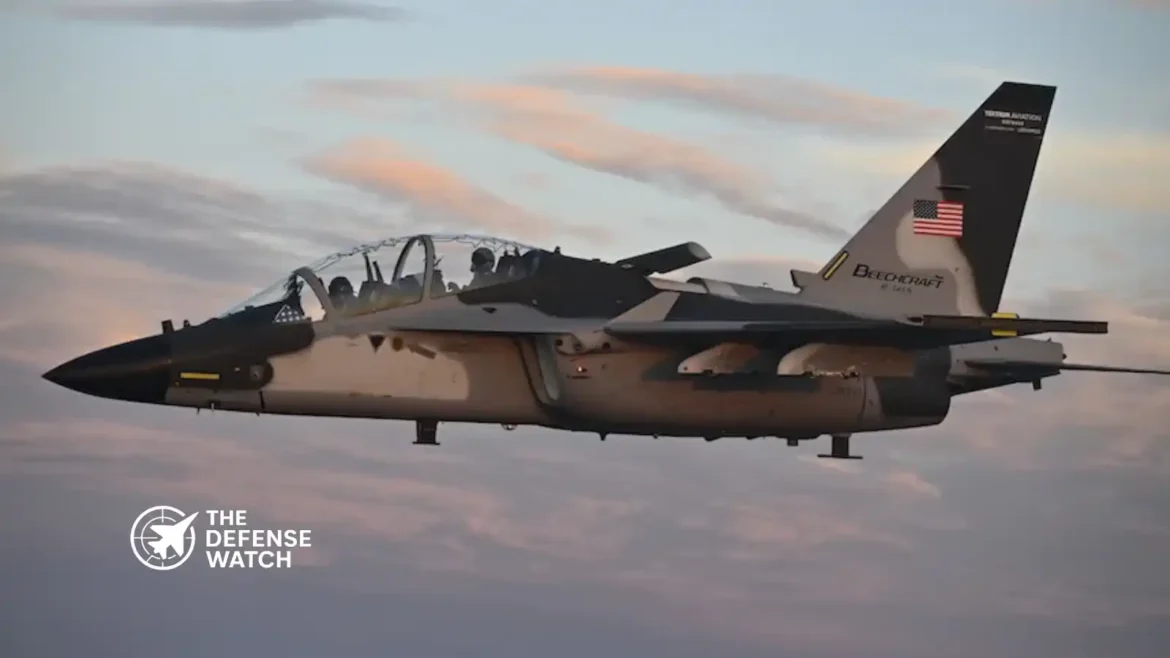
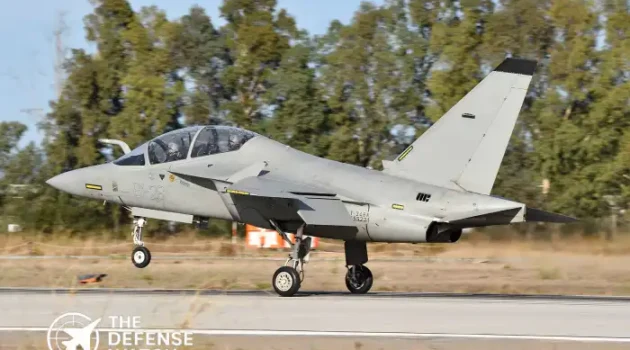
The Beechcraft M-346N trainer is being positioned by Textron Aviation Defense as a next-generation solution for U.S. Navy pilot training, targeting the service’s evolving requirements for carrier-based aviation. The company unveiled the aircraft at Sea-Air-Space 2026, highlighting its role in the Navy’s Undergraduate Jet Training System program.
The M-346N is a navalized variant of the proven M-346 advanced jet trainer, adapted to meet the demanding conditions of carrier operations. According to Textron Aviation Defense, the platform is designed to bridge the gap between basic flight training and frontline carrier aviation, an area the Navy has been seeking to modernize.
¦ KEY FACTS AT A GLANCE- Textron Aviation Defense is showcasing the Beechcraft M-346N trainer for U.S. Navy pilot training requirements.
- The aircraft is designed for carrier-based training operations with advanced avionics and performance features.
- It is based on the M-346 platform, widely used for advanced jet pilot training globally.
- The proposal aligns with the U.S. Navy’s Undergraduate Jet Training System (UJTS) program.
- The unveiling took place at Sea-Air-Space 2026, a major U.S. naval defense exhibition.
Industry observers note that the Navy’s current training fleet, including legacy systems, faces growing pressure to replicate the complexity of modern combat aircraft such as the F-35C and advanced F/A-18 variants.
Designed For Carrier-Based Training Operations
A key differentiator of the Beechcraft M-346N trainer is its focus on carrier suitability. Textron emphasized that the aircraft incorporates structural and avionics enhancements tailored for naval aviation, including features necessary for carrier landing practice and high-performance maneuvering.
The baseline M-346 platform, developed originally by Leonardo, is already in service with multiple air forces worldwide. It is recognized for its advanced flight control system, embedded simulation capabilities, and ability to replicate the handling characteristics of frontline fighters.
By adapting this platform into the M-346N configuration, Textron aims to provide the U.S. Navy with a cost-effective yet high-fidelity training solution. The aircraft is expected to offer improved training realism without the operational costs associated with using combat aircraft for instruction.
Addressing The Navy’s Training Gap
The U.S. Navy’s Undergraduate Jet Training System program seeks to replace or augment existing trainer aircraft with a more capable platform. The goal is to prepare pilots for increasingly complex operational environments, including carrier strike group operations and multi-domain warfare.
The Beechcraft M-346N trainer directly targets this requirement by offering advanced avionics, digital cockpit architecture, and embedded simulation systems. These features allow pilots to train in scenarios that closely mirror real-world missions, including air-to-air combat and strike operations.
From an operational perspective, this represents a shift in training philosophy. Instead of relying heavily on live training in frontline aircraft, the Navy is moving toward integrated training systems that combine live, virtual, and constructive environments.
This approach reduces costs, increases training efficiency, and accelerates pilot readiness, all critical factors as the Navy faces increasing operational tempo and pilot demand.
Strategic Timing Amid Naval Aviation Demands
Textron’s unveiling of the Beechcraft M-346N trainer comes at a time when the U.S. Navy is under pressure to maintain pilot readiness while managing aging training infrastructure.
Sea-Air-Space 2026 provided a strategic platform for the company to present its solution directly to Navy stakeholders and defense decision-makers. The timing aligns with ongoing evaluations and discussions around the future of naval pilot training.
Analysts suggest that competition for the UJTS program is likely to intensify, with multiple defense firms offering solutions. However, Textron’s partnership approach and reliance on a proven airframe could provide an advantage in terms of risk reduction and development timeline.
Leveraging Proven Technology With U.S. Integration
One of the strengths of the Beechcraft M-346N trainer lies in its hybrid approach. By combining an existing, operationally validated platform with U.S.-based integration and support, Textron aims to meet both performance and regulatory requirements.
This model reflects a broader trend in defense procurement, where militaries increasingly favor mature systems with lower development risk. It also aligns with U.S. industrial priorities, including domestic production, sustainment, and supply chain security.
Textron Aviation Defense has emphasized its ability to support the aircraft through its established infrastructure, which could play a critical role in long-term sustainment contracts.
Implications For Naval Aviation Training
If selected, the Beechcraft M-346N trainer could significantly reshape how U.S. Navy pilots are trained. The aircraft’s advanced simulation capabilities and performance characteristics would allow for more comprehensive training earlier in a pilot’s career.
This could reduce the transition burden to frontline aircraft, improving overall readiness and potentially lowering operational costs.
At a strategic level, the move reflects the Navy’s broader modernization efforts, which include integrating new technologies, improving training pipelines, and ensuring readiness in a rapidly evolving threat environment.