Pakistan Reaches Chashma-5 Reactor Dome Placement Milestone
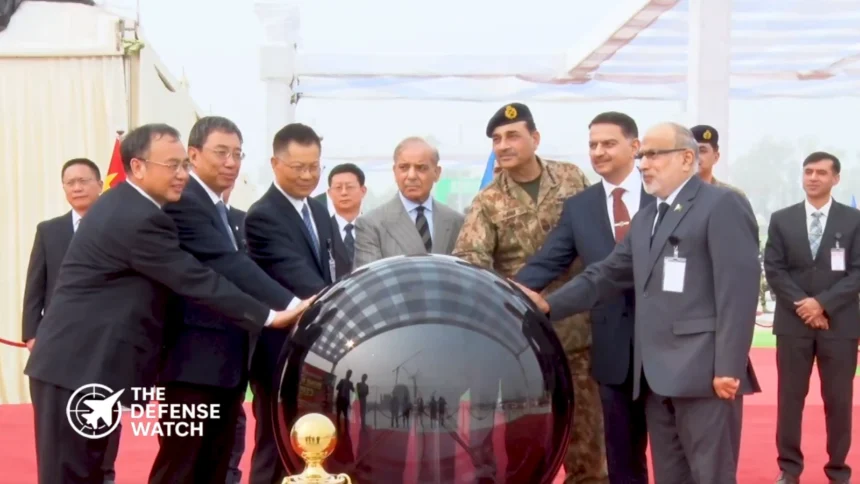
Pakistan has completed the dome placement of the Chashma-5 (C-5) Nuclear Power Plant in Mianwali, marking a major construction milestone for one of the country’s largest ongoing electricity generation projects.
The Pakistan Atomic Energy Commission (PAEC) announced the achievement on November 10, 2026. Prime Minister Shehbaz Sharif attended the ceremony alongside Field Marshal Syed Asim Munir, Chief of Army Staff and Chief of Defence Forces, Chinese officials, and representatives of organizations involved in the project.
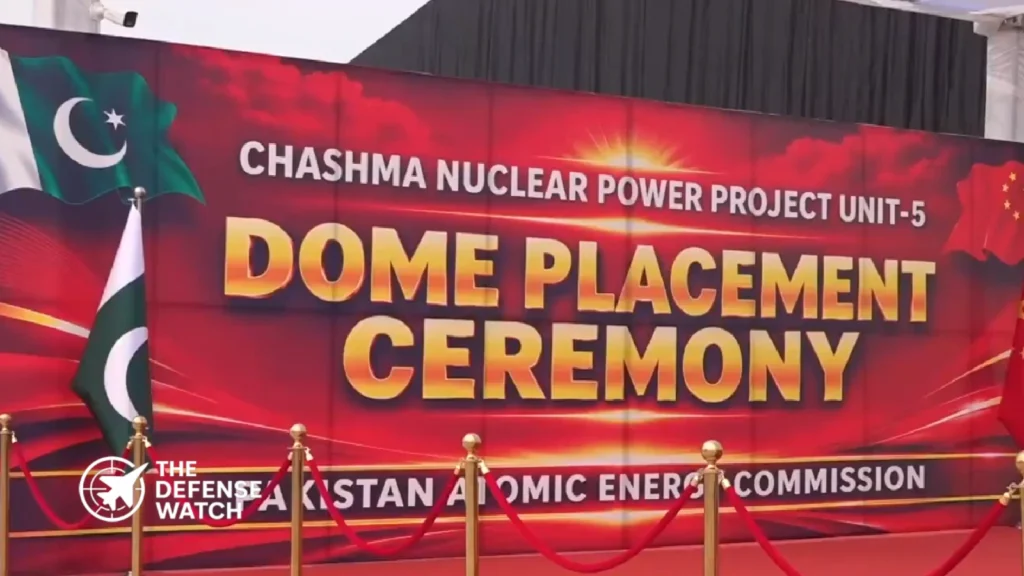
The 1,200-megawatt project is expected to begin generating electricity in September 2030, according to the Pakistani government. Its completion would add another large nuclear generating unit to Pakistan’s existing nuclear power infrastructure.
What the Dome Placement Means for C-5 Construction
The installation of the reactor building dome is an important structural milestone in nuclear power plant construction.
The dome forms part of the reactor building’s containment structure, which houses the reactor and associated equipment. Its placement indicates substantial progress on the main building, although significant construction, equipment installation, testing, and regulatory work remain before the plant can enter commercial operation.
The Pakistani government described the milestone as having been achieved ahead of schedule. However, it has not published a revised commissioning date or a detailed construction schedule alongside the announcement.
C-5 began its development process with a groundbreaking ceremony in July 2023. PAEC identifies the project as a 1,200 MWe nuclear generating unit under construction at the Chashma site.
Chinese Hualong Technology Underpins the Project
Chashma-5 is based on China’s Hualong One reactor design, also known as HPR1000.
The Pakistan Nuclear Regulatory Authority (PNRA) issued a construction license to PAEC on December 26, 2024, following its assessment of the project’s preliminary safety documentation and other licensing submissions.
According to the regulator, C-5 is a third-generation pressurized water reactor incorporating active and passive safety features. Its design includes double-shell containment and a filtered reactor venting system, with a stated design life of 60 years.
The project continues the technical cooperation between Pakistan and China in civilian nuclear energy. China’s nuclear industry has already supplied reactor technology for Pakistan’s Karachi nuclear power units K-2 and K-3, which are connected to the national electricity grid.
The expansion at Chashma therefore builds on an established relationship involving reactor technology, engineering, construction, and nuclear power operations.
Nuclear Power’s Role in Pakistan’s Energy Mix
The addition of C-5 is intended to increase the contribution of nuclear energy to Pakistan’s electricity supply, where existing nuclear plants already provide a substantial share of generation.
During the dome placement ceremony, the PAEC chairman said Pakistan’s operating nuclear power plants were generating approximately 3,530 MW of electricity.
He also attributed around 15 million tonnes of avoided carbon dioxide emissions annually to the country’s nuclear generating fleet.
According to figures presented by the PAEC chairman:
- Nuclear power accounts for approximately 16.6% of Pakistan’s electricity generation.
- Nuclear facilities represent around 8.6% of installed generating capacity.
- Nuclear power’s share of electricity generation rises to approximately 26% during winter.
These figures were presented by PAEC and have not been independently verified in the announcement.
The difference between installed capacity and actual electricity generation reflects the importance of plant availability and utilization. Nuclear stations can provide continuous electricity output, subject to maintenance, refueling, and operational conditions.
For Pakistan, additional nuclear generation could help diversify the electricity supply and reduce exposure to fluctuations in imported fossil fuel prices.
Construction Progress and Regulatory Requirements
Dome placement does not mean the reactor is ready to produce electricity. C-5 must still complete the remaining construction activities, installation of nuclear and conventional plant equipment, commissioning procedures, and regulatory inspections.
PNRA maintains oversight throughout the construction and operational lifecycle of nuclear facilities. Its licensing framework includes separate approvals for commissioning, introduction of nuclear material, and commercial operation.
The September 2030 electricity-generation target therefore remains a future project milestone rather than a confirmed commercial operating date.
There is also a distinction between the project’s announced capacity and its earlier planning documentation. A 2024 government project approval document listed different gross and net capacity figures, while subsequent PNRA documentation and the latest government announcement identify C-5 as a 1,200 MWe facility. The latest regulatory description provides the clearest current capacity reference.
Implications for Pakistan-China Energy Cooperation
C-5 extends Pakistan’s long-standing civilian nuclear cooperation with China.
The project builds on the experience of Karachi’s K-2 and K-3 nuclear power plants, both based on Chinese Hualong technology. Their operation has given Pakistan additional experience in managing large pressurized water reactors and maintaining the associated technical and regulatory infrastructure.
For China, the project also continues the international deployment of its Hualong One reactor technology.
However, the long-term contribution of C-5 will depend on completing construction, satisfying nuclear safety requirements, and achieving reliable commercial operation. The dome placement is an important step, but the remaining work will determine whether the September 2030 target can be achieved.
Pakistan’s latest construction milestone moves the project further toward that objective.