Britain’s F-35A Plan Restores A Direct NATO Nuclear Role
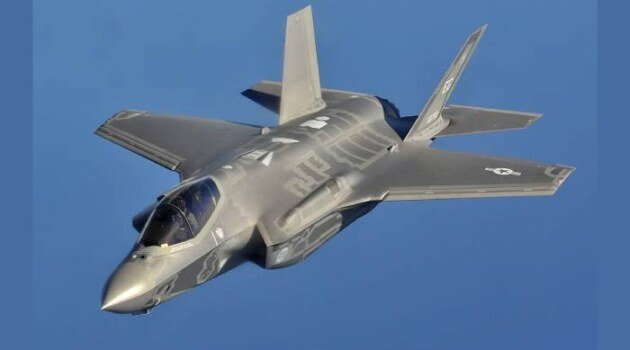
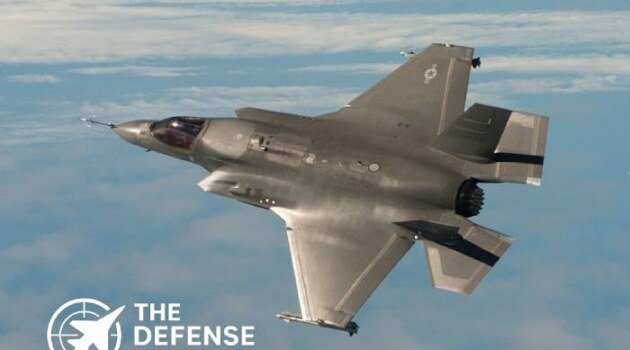
Britain’s F-35A nuclear mission will add a new air component to the UK’s contribution to NATO deterrence, with the government planning to purchase at least 12 F-35A Lightning II fighters for the Alliance’s dual capable aircraft mission. The UK government announced the procurement in June 2025 as part of a broader effort to strengthen its contribution to NATO security.
Takeaways
Britain is restoring a direct RAF contribution to NATO’s nuclear deterrence posture.
1. At Least 12 F-35A Fighters
The UK plans to acquire at least 12 F-35A Lightning II aircraft and assign them to NATO’s dual capable aircraft mission.
2. RAF Returns To Nuclear Air Mission
The procurement will restore a direct nuclear role for the Royal Air Force for the first time since Britain retired its sovereign air-launched nuclear weapons in 1998.
3. U.S. Weapons Remain Under U.S. Control
The British aircraft could carry U.S. nuclear weapons assigned to NATO’s nuclear sharing arrangements, but custody and control of those weapons remain with the United States.
4. Aircraft Will Be Based At RAF Marham
The F-35As will operate from RAF Marham, which already serves as the UK’s main F-35 operating base.
5. Separate From Britain’s Strategic Deterrent
The NATO nuclear mission will complement, rather than replace, Britain’s independent submarine-based Trident deterrent.
The aircraft will be based at RAF Marham and will be capable of performing both conventional and nuclear roles. The British government has described the purchase as a major strengthening of the country’s nuclear posture, while making clear that the new mission will remain separate from the United Kingdom’s sovereign submarine-based nuclear deterrent.
The announcement represents a significant change in RAF force structure. Britain retired its final sovereign air-launched nuclear weapon, the WE177, in 1998. Since then, the country’s independent nuclear deterrent has been based exclusively on submarine-launched Trident missiles.
How The NATO Nuclear Sharing Mission Works
NATO’s nuclear posture combines the strategic forces of the United States, United Kingdom and France with U.S. nuclear weapons forward-deployed in Europe and allied conventional capabilities.
Under NATO nuclear sharing arrangements, participating allies provide dual capable aircraft, trained personnel, infrastructure and supporting capabilities. NATO states that the United States retains absolute control and custody of U.S. nuclear weapons forward-deployed in Europe.
Britain’s planned F-35A force will therefore not create a new independent British air-launched nuclear arsenal. Instead, RAF aircraft and crews will become part of the Alliance’s established nuclear sharing structure.
That distinction is important. The aircraft are British, but any U.S. nuclear weapons assigned to the NATO mission remain under U.S. control.
| Capability | Planned UK Role |
|---|---|
| Aircraft | F-35A Lightning II |
| Planned quantity | At least 12 |
| Main operating base | RAF Marham |
| NATO role | Dual capable aircraft |
| Nuclear weapons | U.S. weapons under U.S. control |
| Conventional role | Yes |
| Independent UK nuclear deterrent | Separate submarine-based Trident force |
| Previous RAF air nuclear role | Ended with WE177 retirement in 1998 |
Why The F-35A Is Suited To The Mission
The selection of the F-35A gives Britain a fifth-generation platform for the nuclear sharing role rather than introducing a separate aircraft fleet.
The F-35A combines low-observable characteristics with modern sensors, data links, electronic warfare capabilities and a weapons system designed for operations in heavily contested airspace. These characteristics are relevant to NATO’s broader requirement for survivable dual capable aircraft.
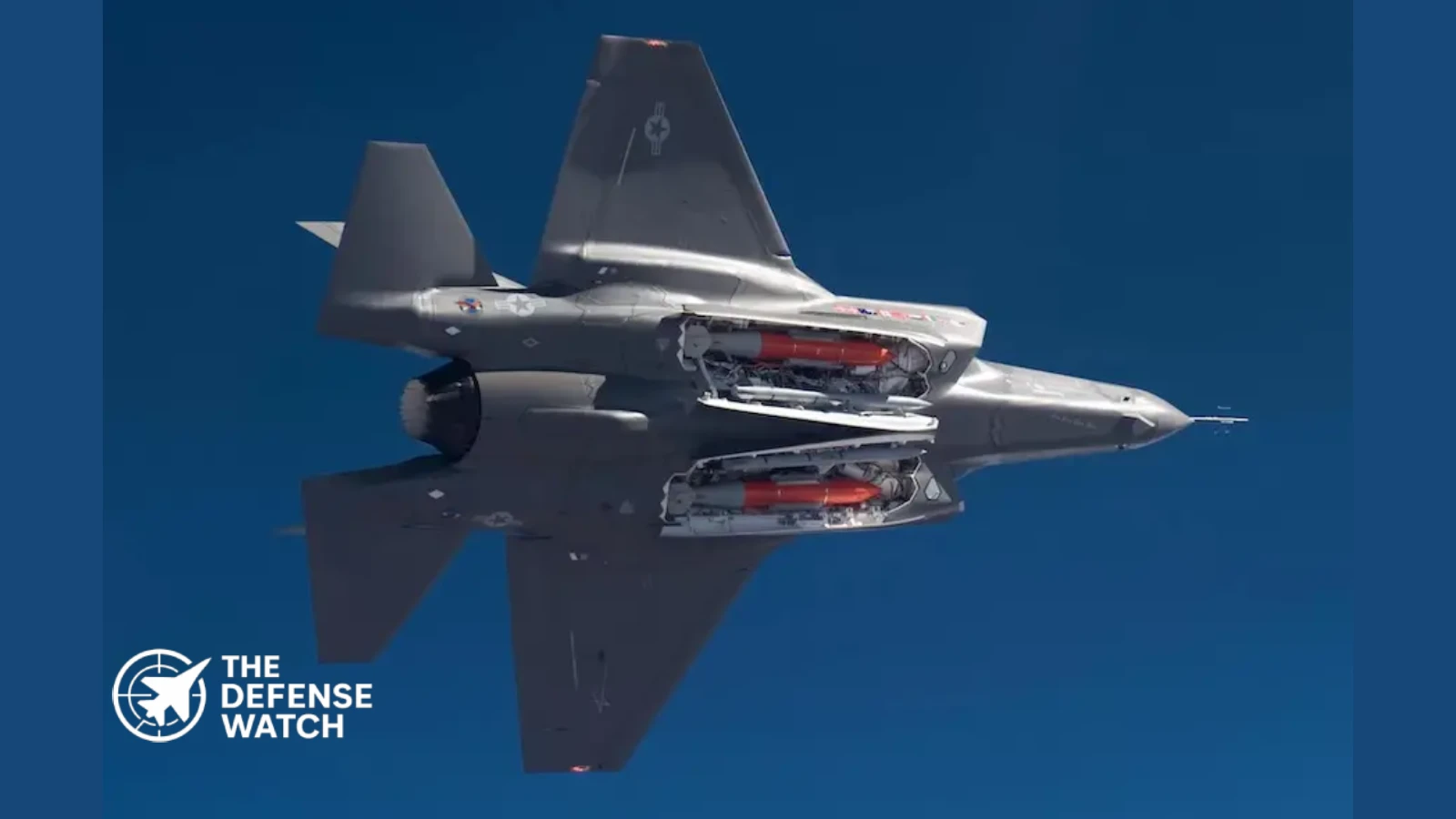
The U.S. Air Force completed a major stage of the F-35A’s nuclear design certification process in 2021 by conducting operationally representative releases of B61-12 Joint Test Assemblies. The testing involved F-35A aircraft from the U.S. Air Force and was part of the certification process for the aircraft and weapon combination.
The significance for Britain is that the F-35A is already integrated into the broader NATO transition toward fifth-generation dual capable aircraft. NATO reported that the F-35A played a prominent role in both conventional and nuclear strike roles during the 2025 Steadfast Noon exercise.
A Shift From F-35B To F-35A
The UK already operates F-35B short takeoff and vertical landing aircraft for carrier and land-based operations. The decision to procure F-35As instead of additional F-35Bs for the next tranche reflects the specific requirements of the NATO nuclear mission.
The British government said in 2025 that selecting 12 F-35As rather than 12 F-35Bs for the next procurement package could provide savings of up to 25 percent per aircraft. The government also said the UK expects to procure 138 F-35 aircraft over the lifetime of the program.
This creates a mixed F-35 fleet with different operational characteristics.
The F-35B supports the Royal Navy’s Queen Elizabeth class aircraft carriers and expeditionary operations. The F-35A, meanwhile, provides the UK with the conventional capabilities of the F-35 family while supporting the NATO dual capable aircraft mission.
What Changes For RAF Operations
The nuclear mission will require more than simply purchasing aircraft.
Dual capable aircraft require specialized training, maintenance arrangements, security procedures, infrastructure and command structures. Personnel must also maintain the readiness necessary to transition between conventional and nuclear mission requirements.
NATO’s nuclear policy states that participating aircraft are available for nuclear roles at varying levels of readiness and that personnel are trained for those missions.
For the RAF, this means the F-35A force at Marham will need to support a specialized mission set alongside its conventional combat responsibilities.
The arrangement also requires close coordination with NATO command structures and U.S. nuclear forces. That integration is a central feature of the Alliance’s nuclear burden-sharing system.
Implications For NATO Deterrence
Britain’s return to the NATO dual capable aircraft mission expands the number of allied forces directly prepared to support the Alliance’s nuclear deterrence posture.
NATO’s 2025 annual report specifically identified the UK’s decision to procure at least 12 F-35 aircraft and rejoin the dual capable aircraft mission as an additional contribution to the Alliance’s nuclear deterrence.
The move also comes as several European NATO members transition from older fourth-generation aircraft to F-35A fleets.
The Netherlands has already moved into the F-35A nuclear role, while Germany and other participating allies are also transitioning toward the aircraft. NATO’s annual nuclear exercise, Steadfast Noon, provides a recurring framework for participating nations to train nuclear-related procedures alongside conventional support aircraft, air refueling platforms, command and control assets and fighter escorts.
For the Alliance, the importance of Britain’s decision therefore extends beyond the number of aircraft. It adds another national force to the infrastructure, training and operational framework supporting NATO nuclear deterrence.
The F-35A Mission Will Complement Trident
Britain’s new nuclear air role should not be confused with the country’s independent nuclear deterrent.
The UK maintains four Vanguard-class ballistic missile submarines equipped with Trident II D5 missiles. The Vanguard fleet is scheduled to be replaced by four Dreadnought-class submarines beginning in the early 2030s.
The government continues to describe the submarine-based system as an independent minimum and credible deterrent. The F-35A force instead represents a contribution to NATO’s collective nuclear posture.
This gives London two distinct nuclear-related roles: an independent strategic deterrent based at sea and a conventional air force contribution to NATO’s nuclear sharing mission.
The separation also preserves the UK’s national decision-making authority over its sovereign nuclear forces. NATO’s nuclear arrangements involving U.S. weapons operate under a different control structure.
Strategic Significance For The United States
For Washington, Britain’s F-35A procurement adds another capable ally to NATO’s nuclear burden-sharing architecture while deepening the integration of U.S. and British air forces.
The F-35 program itself is already a major transatlantic industrial and operational undertaking. The UK government said more than 100 British suppliers contribute to the program and that approximately 15 percent of the global F-35 supply chain is based in Britain.
The nuclear mission therefore builds on an existing U.S.-UK defense relationship rather than creating an entirely new framework.
It also illustrates the broader evolution of NATO’s air forces toward common fifth-generation platforms. As European allies transition from F-16 and other fourth-generation aircraft to F-35As, the Alliance is developing a more standardized fleet for both conventional and specialized missions.
A Larger NATO F-35A Transition
Britain’s planned F-35A procurement is part of a wider European shift toward the aircraft.
NATO has stated that allied nations are continuing to transition to the F-35A as a dual capable aircraft. The Alliance’s nuclear deterrence structure depends not only on the aircraft themselves but also on trained personnel, protected infrastructure, command and control, surveillance, refueling and other conventional capabilities.
The British contribution will therefore be measured not simply by the 12 aircraft announced, but by the readiness and infrastructure eventually built around the mission.
The UK government has already linked the procurement to its wider defense modernization program. In 2026, the government said more than £63 billion would be allocated over four years to strengthen the nuclear deterrent and fund major nuclear programs, including Dreadnought and other nuclear-related work, while also funding the purchase of 12 F-35As.
For NATO, the result is a British air force once again prepared for a nuclear mission, but within a fundamentally different framework from the RAF’s Cold War air-delivered deterrent.
The F-35A force will not replace Britain’s Trident system. Instead, it will give London a renewed role in NATO’s nuclear sharing arrangements and add another fifth-generation aircraft capability to the Alliance’s broader deterrence posture.