

Table of Contents
The Fighters That Never Were: 10 Cancelled Combat Aircraft of the 1980s
The 1980s were the high-water mark of Cold War aerospace spending. Defense budgets in Washington, Paris, Tel Aviv, and Pretoria swelled to fund next-generation fighters, and manufacturers chased every conceivable performance edge — composite airframes, digital fly-by-wire, thrust vectoring, and radar-guided missiles married to airframes barely out of the wind tunnel. Yet even in an era of seemingly bottomless procurement budgets, a striking number of genuinely capable combat aircraft were cancelled before a single squadron ever flew them operationally. Some fell to politics, some to economics, and some simply to bad timing as the Cold War wound down faster than their development schedules. Here are ten of the wildest.
Key Takeaways
- All ten aircraft were cancelled despite reaching prototype or flight-test stage — engineering success did not guarantee program survival in a politically crowded 1980s fighter market.
- Several cancelled designs, notably the IAI Lavi and Dassault Mirage 4000, directly shaped later production fighters including the Rafale and Typhoon.
- Export-market politics, not technical inferiority, killed several of the most capable designs, including the Northrop F-20 Tigershark and IAI Super Phantom.
- Nations cut off from top-tier Western fighters — Israel, South Africa, and Switzerland’s private ALR venture — repeatedly turned to indigenous development, a pattern still visible in fighter programs today.
| Strategic Brief | Details |
|---|---|
| Scope | 10 cancelled fixed-wing combat aircraft programs |
| Era / Theater | 1970s development through 1991, United States, France, Israel, South Africa, Switzerland |
| Programs Covered | USAF, US Navy, French Air Force, Israeli Air Force, South African Air Force, and one private Swiss venture |
| Common Thread | Advanced avionics, engines, or airframe concepts overtaken by cost, politics, or the Cold War’s sudden end |
| Key Platforms & Tech | Supersonic derivatives, canard-delta fly-by-wire, thrust-vectored VTOL, conformal fuel tanks, composite airframes |
| Programmatic Outcome | All ten were cancelled, though several bequeathed technology to aircraft that did enter service |
Strategic Background & Operational Context
By the late 1970s, the fighter and attack aircraft that had fought Vietnam, the 1973 Yom Kippur War, and assorted Cold War proxy conflicts were aging out. Air forces on both sides of the Iron Curtain, along with export customers locked out of top-tier US hardware by arms-control politics, all wanted the next leap: faster, longer-ranged, more survivable, and increasingly digital aircraft. That demand produced an extraordinary wave of prototypes and paper studies.
But 1980s defense procurement was also brutally competitive. The US alone was running parallel efforts to replace the F-4 Phantom II, extend the reach of the A-7 Corsair II, and answer emerging Warsaw Pact threats — while allies and semi-aligned states such as Israel and apartheid-era South Africa pursued indigenous programs precisely because Washington and Paris periodically cut off access to frontline hardware. Each of the ten aircraft below was killed for a different reason: budget discipline, an in-house rival winning a fly-off, an export ban, or the simple fact that the Berlin Wall fell before the paperwork was finished.
Engineering & Technological Innovation
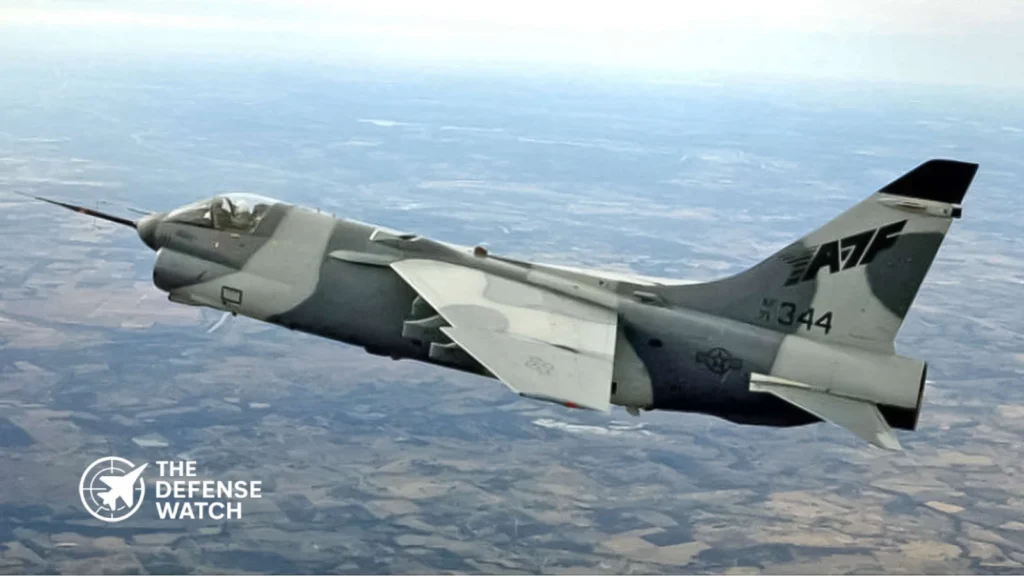
10. Vought YA-7F “Strikefighter”
The A-7 Corsair II had been a workhorse for the US Navy and, later, the Air Force, flying a total of 12,928 combat sorties during the Vietnam War while suffering only six losses — the lowest of any U.S. fighter. When the Air Force worried the A-10 was too slow for battlefield interdiction, Vought proposed stretching and re-engining the airframe. The result, first flown in November 1989, was supersonic at Mach 1.2, with greatly improved maneuverability and a bombload exceeding 17,000 lb. It arrived just as the Cold War was ending and the Air National Guard was already standardizing on the F-16, and the Strikefighter never entered production.
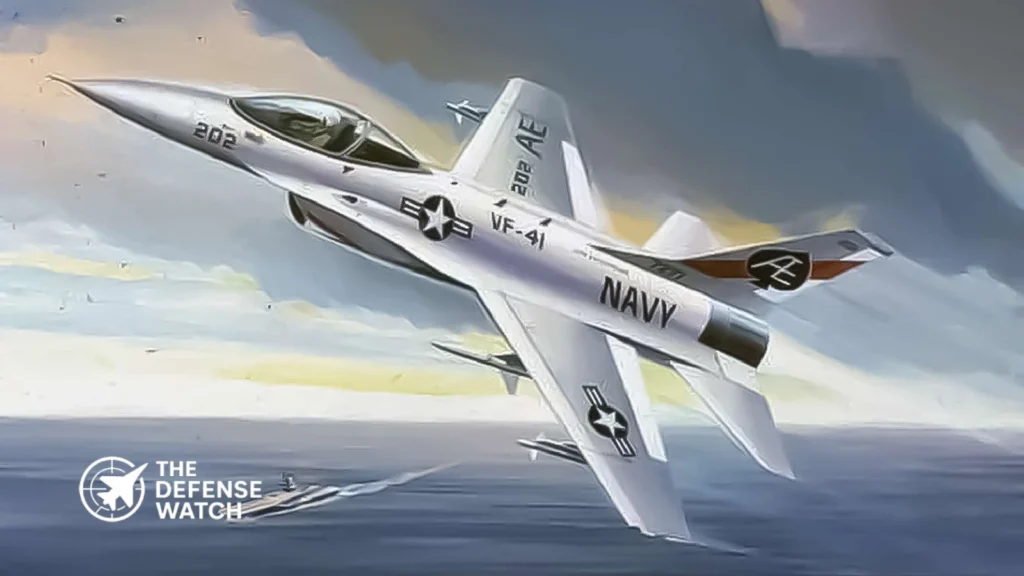
9. Vought/General Dynamics Model 1600 series
Before the F/A-18 Hornet won the US Navy’s carrier-fighter competition, General Dynamics and Vought pitched a navalized F-16 as a cheaper, lighter alternative to the F-14 Tomcat for replacing the F-4 and A-7 aboard carriers. The proposed 1600 would have differed from the land-based F-16 with a beefier undercarriage and the ability to carry AIM-7 Sparrow missiles, a capability the Air Force’s own F-16 only gained years later. The Navy passed on it in 1975, instead choosing the twin-engined Hornet derived from the Northrop F-18L — though the concept lingered into early-1980s naval fighter studies before being fully shelved.
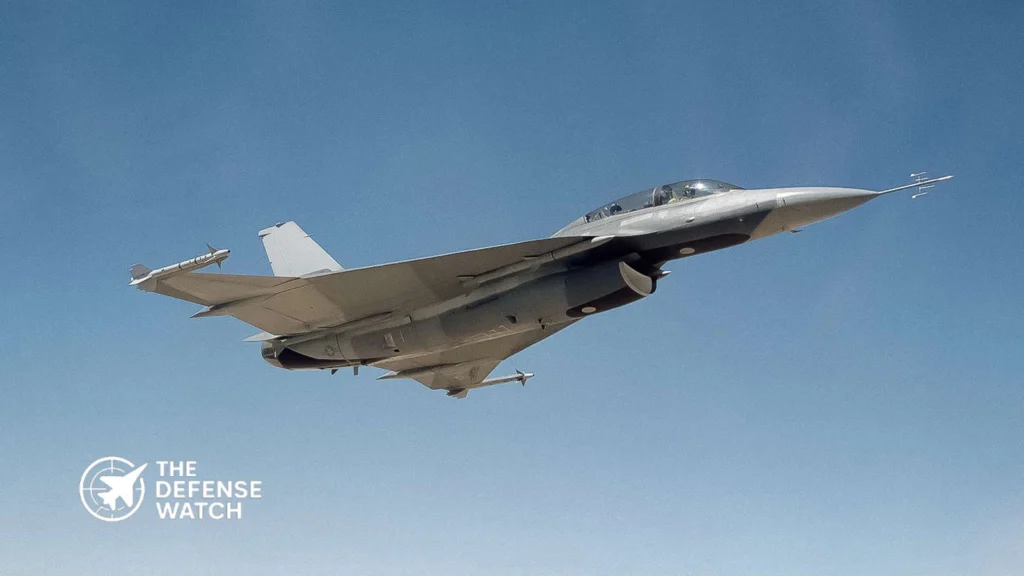
8. General Dynamics F-16XL
Borrowing the cranked-delta wing concepts explored for supersonic transports, General Dynamics built two F-16XL demonstrators to test whether the shape could benefit a fighter-bomber. The first F-16XL flew in 1982, delivering a 25% improvement in supersonic lift-to-drag ratio and an 11% gain subsonically, along with an 82% increase in internal fuel and double the ordnance load carried 40% further than a standard F-16. It was a serious contender for the Air Force’s Enhanced Tactical Fighter requirement to replace the F-111, but lost to the F-15E Strike Eagle — a derivative that shared far more parts commonality with its parent design and therefore promised lower risk. The XL airframes lived on as NASA research aircraft into the 1990s.
7. Dassault Mirage 4000
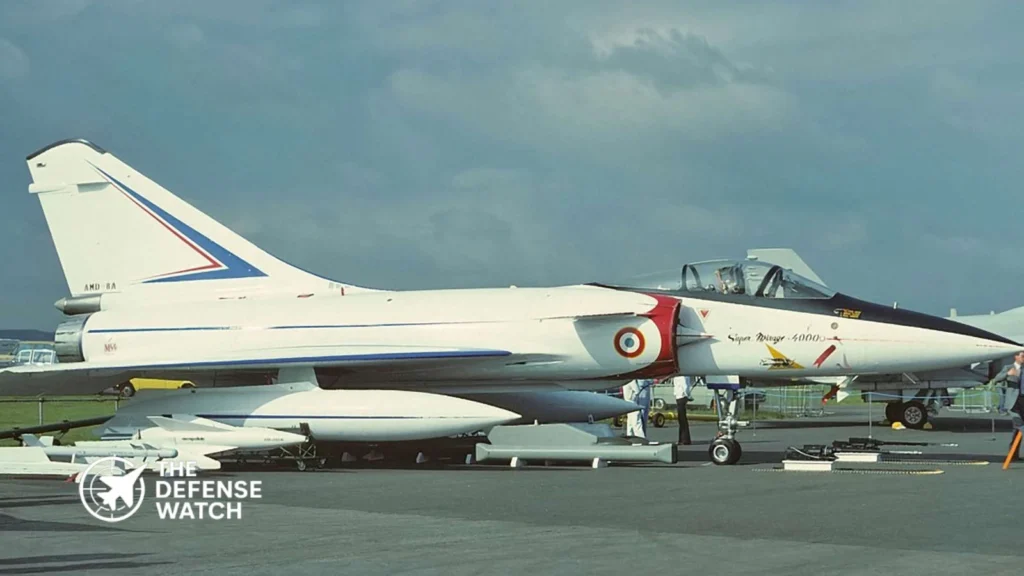
France built the beautiful, single-engine Mirage 2000 to succeed its aging Mirage III/5 fleet, but the type lacked the range and payload to replace the Mirage IV strategic bomber or compete for lucrative F-4 replacement contracts abroad. Dassault’s answer was essentially a doubled Mirage 2000: two engines, more fuel, a bigger airframe placing it in the same weight class as the McDonnell Douglas F-15 Eagle and Soviet Su-27 Flanker. First flown in 1979, the Mirage 4000 attracted no domestic order and, despite a genuine export push, no foreign customers either, and was ultimately cancelled — though it continued flying as a testbed supporting Rafale development.
6. Northrop F-20 Tigershark
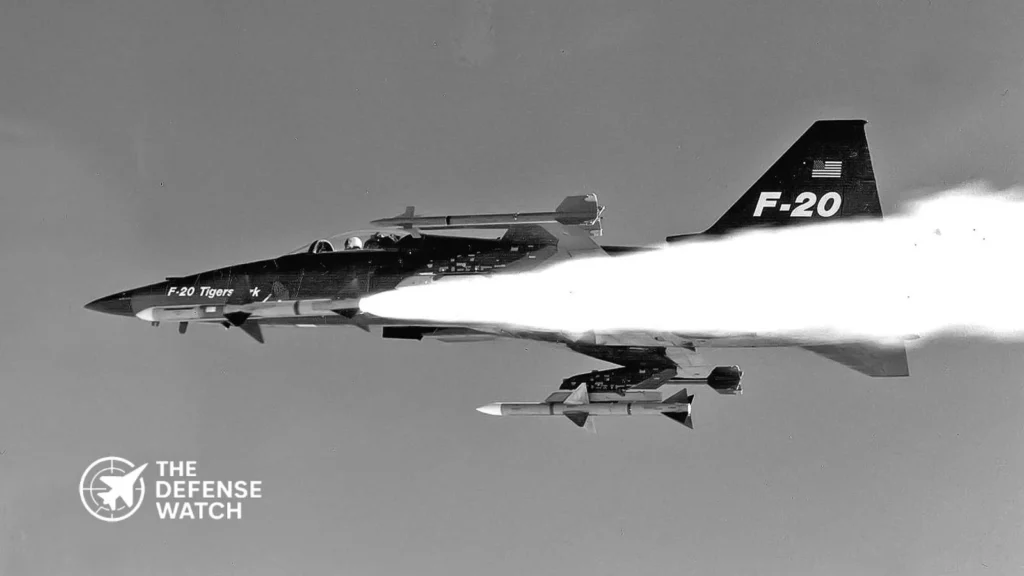
Cold War export rules of the early 1980s blocked several US allies from buying frontline fighters like the F-16, so Northrop modernized its export-friendly F-5E into the F-20 Tigershark. According to F-20 test pilot Paul Metz, the single General Electric F404 engine replacing the F-5E’s twin J85s delivered 60% more combined thrust, pushing top speed to Mach 2.0 with a ceiling above 55,000 ft. The airframe also received modified leading-edge extensions that improved maximum lift coefficient by roughly 12% for only a 1.6% increase in wing area, plus a new AN/APG-67 radar, fly-by-wire controls, and modern multi-function cockpit displays. Despite the technical package, Washington ultimately favored continued F-16 export sales, and the program was cancelled after just three F-20 prototypes were built.
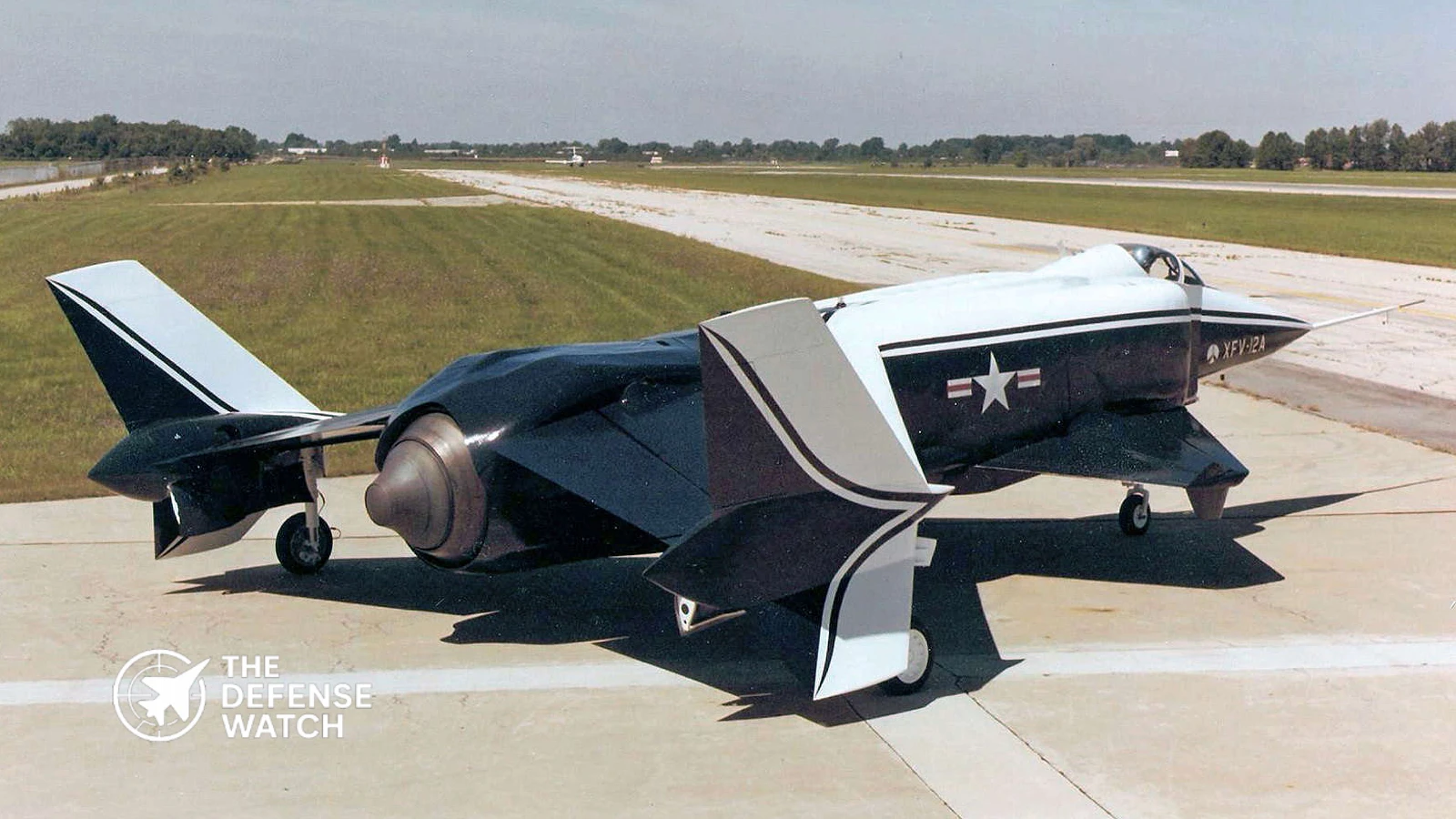
5. Rockwell XFV-12
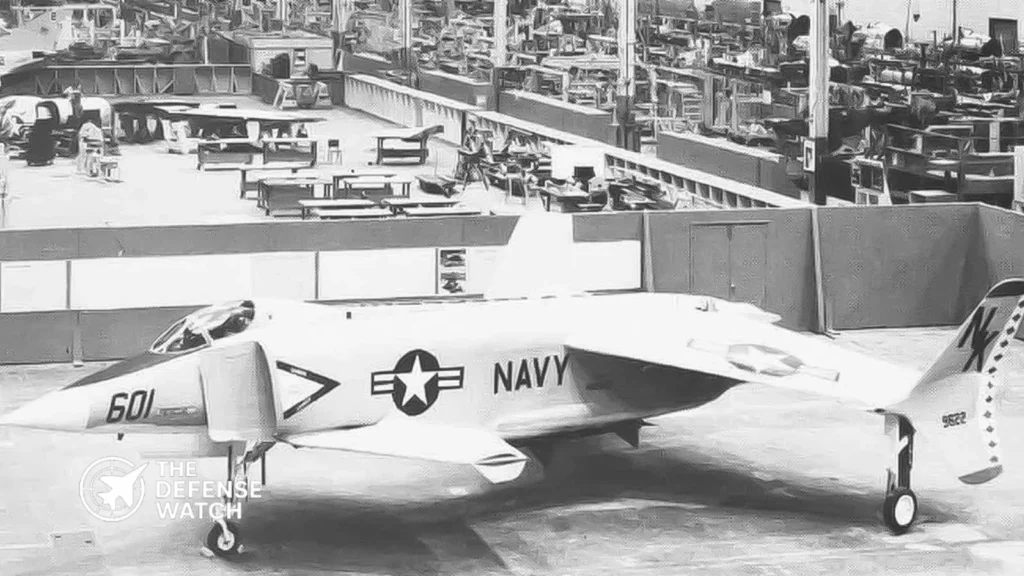
The XFV-12 aimed to leapfrog the Harrier: a Mach 2-capable VTOL fighter armed with radar-guided AIM-7 Sparrow missiles and able to operate from small Sea Control Ships. Its thrust-augmented-wing concept steered exhaust from a single engine through wing- and canard-mounted louvered ducts to generate vertical lift — an elegant idea on paper that, per NASA’s own pre-flight skepticism, never produced sufficient thrust in practice. Built partly from modified F-4 Phantom II and A-4 Skyhawk components to control costs, the sole prototype never achieved a free vertical takeoff, and the program was abandoned.
4. ALR Piranha 6
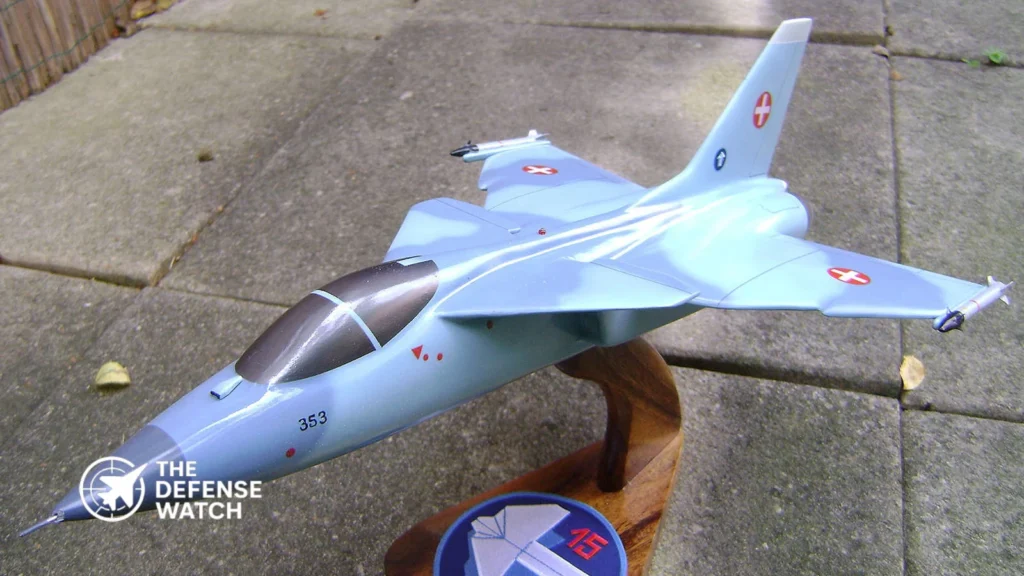
A privately funded Swiss venture launched in 1977, the Piranha targeted budget-conscious air forces that couldn’t afford a Mirage or F-16. Its planned maximum take-off weight of 6,900 kg was roughly half that of the lightest fighter in production at the time, the Saab Gripen. Armed with a single Oerlikon KCA 30 mm cannon and Magic II or ASRAAM missiles, it was intended to reach Mach 2.2 — an ambitious target for so light an airframe. Lacking Swiss government backing, ALR could not sustain the project on private capital alone.
3. IAI Super Phantom
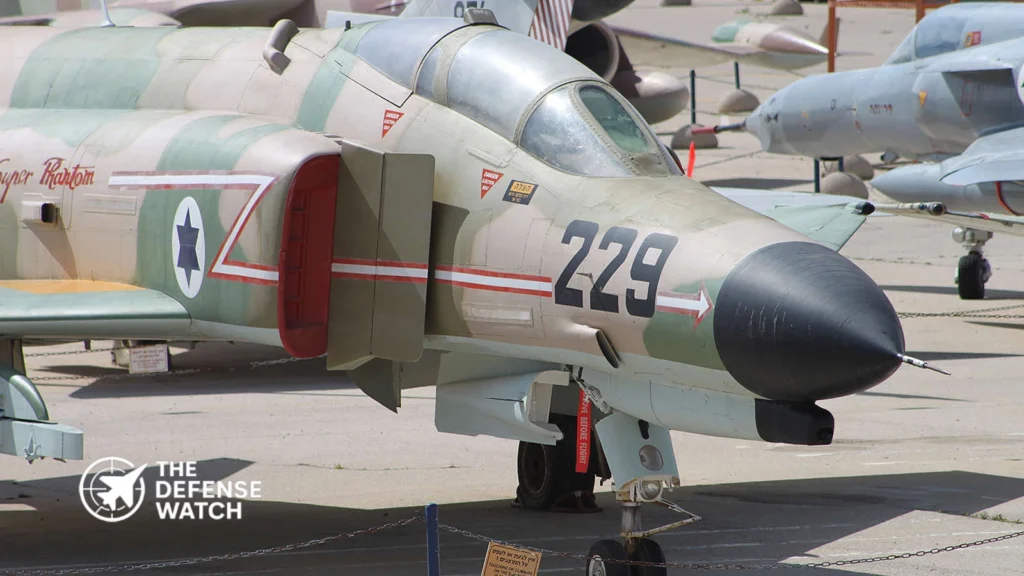
By the 1980s the F-4 Phantom II’s thirsty, smoky J79 engines were a liability against modern turbofans. Israel Aircraft Industries proposed re-engining Phantoms with the Pratt & Whitney PW1120 — a derivative of the F100 developed for the Lavi program — promising a 25% increase in dry thrust and 30% more in reheat, plus a 1,100 US-gallon conformal fuel tank for extended range. An earlier American version of the concept had been shelved over fears it would cannibalize F-15 and F/A-18 sales. IAI unveiled its own Super Phantom at the 1987 Paris Air Show, but it too failed to secure orders and was cancelled.
2. Atlas Carver
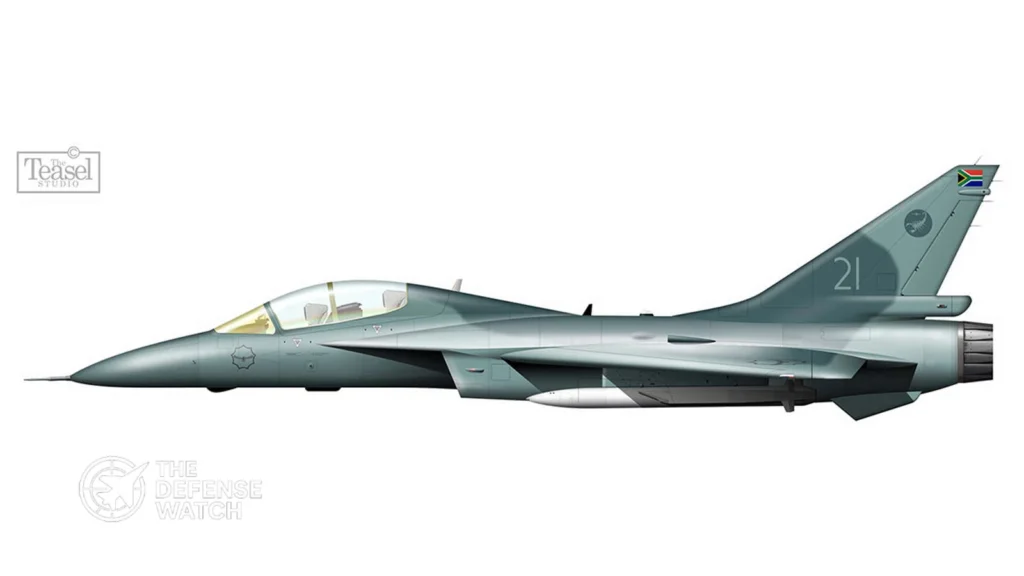
International arms embargoes over apartheid left South Africa unable to buy Western fighters even as Angola fielded Soviet-supplied MiG-23s. Atlas Aircraft Corporation’s Carver was a locally designed lightweight fighter resembling the Mirage 2000, blending LERX styling reminiscent of the F/A-18 Hornet with composite structures and indigenous weapons. Lacking a domestic jet-engine industry, South Africa attempted to covertly obtain French Snecma M53 or M88 engine technology and was forced to fall back on the elderly Atar turbojet, which struggled to meet payload-range targets. The program was cancelled in 1991 as the threat environment eased and, following South Africa’s political transition, sanctions lifted enough for the country to buy the Swedish Gripen instead.
1. IAI Lavi
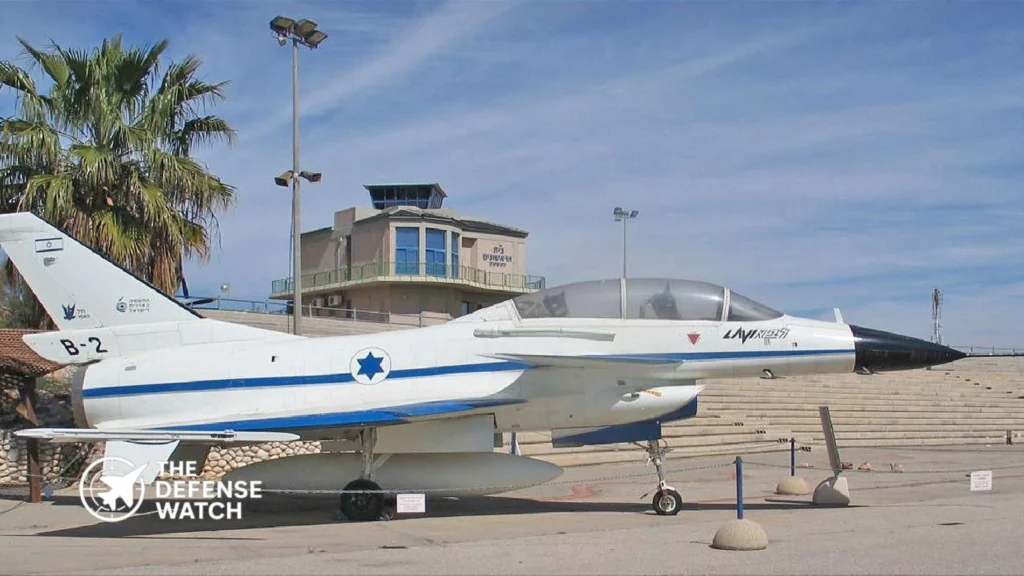
Israel’s most ambitious cancelled fighter grew out of the cooling of French-Israeli relations after the 1967 Six-Day War, when Paris embargoed Mirage deliveries and pushed Israel toward domestic fighter development. The Lavi used an aerodynamically unstable canard-delta configuration controlled through a digital fly-by-wire system, with a structure making extensive use of composite materials — an approach broadly parallel to Britain’s contemporary BAe EAP demonstrator, with both aircraft making their first flights within months of each other in 1986. The canard-delta layout later matured into the Dassault Rafale and Eurofighter Typhoon, though both of those aircraft carry a greater degree of aerodynamic instability and higher thrust-to-weight ratios than the Lavi ever achieved. Facing enormous US pressure over cost and competition with American fighter exports, Israel cancelled the Lavi in 1987. In its place, Israel secured deep access to advanced US hardware, eventually including more than 100 F-16I Sufa jets — a Block 52 derivative substantially customized with Israeli avionics.
Mission Execution & Key Sorties
Taken together, these programs followed a familiar arc: promising first flight, an intense flight-test campaign chasing a genuinely difficult technical goal, and then a political or budgetary decision that killed the program regardless of engineering merit. The F-16XL and Lavi both flew extensively and generated data still cited in aerodynamics literature. The Tigershark and Super Phantom both reached the export air-show circuit before losing out to incumbent US platforms. The XFV-12, by contrast, never got off the ground in the literal sense — its thrust-augmentation system simply couldn’t generate enough vertical lift, ending the program at the test-stand stage rather than in a policy meeting.
Tactical Outcome & Operational Assessment
None of the ten entered squadron service, but “cancelled” did not always mean “wasted.” The F-16XL’s aerodynamic data fed directly into later high-speed research programs. The Mirage 4000 and Lavi both handed proven subsystems and design philosophy to aircraft that did reach production — the Rafale in France’s case, and a substantially more capable indigenous Israeli avionics industry in Israel’s. The F-20 Tigershark and Super Phantom illustrate a recurring pattern in Cold War arms sales: technically excellent aircraft losing not to a superior rival design, but to the political and industrial gravity of an incumbent program already generating export revenue. The Carver and Piranha, by contrast, show how badly a lack of a domestic engine industry or government funding commitment can strangle even a sound airframe concept.
The Modern Connection: Lineage to 21st-Century Warfare
The Lavi’s canard-delta, fly-by-wire approach is now the baseline configuration for two of Europe’s premier fighters, the Rafale and Typhoon, both of which push the instability and thrust-to-weight envelope further than Israel’s cancelled jet ever did. The F-16XL’s cranked-arrow research quietly informed decades of subsequent high-speed aerodynamic design work at NASA. And the underlying logic behind the Super Phantom and Carver — squeezing modern performance out of existing airframes or working around embargoes with indigenous engineering — is precisely the calculus driving today’s mid-life upgrade programs and third-country fighter developments, from re-engined legacy platforms to nations pursuing indigenous fighters after being denied access to top-tier Western export models.
Sim & Strategy-Game Crossover: Flying the Fighters That Never Were
For strategic-gaming and esports audiences, several of these cancelled jets have a surprising second life in the simulation world. War Thunder and DCS World communities have long lobbied for playable variants of the F-16XL and Rockwell XFV-12, prizing the former’s real flight-test aerodynamic data and the latter’s genuinely bizarre thrust-vectoring VTOL mechanics as unique gameplay challenges. The IAI Lavi’s canard-delta handling characteristics are frequently compared by sim pilots to the Rafale and Gripen already modeled in modern combat-flight titles, giving armchair strategists a rough feel for what Israel’s cancelled fighter might have flown like. It’s a reminder that these programs, though killed on paper decades ago, continue to shape how a new generation understands Cold War airpower.
FAQs
Most fell to a combination of Cold War export politics, competition from cheaper incumbent programs, and — for several late-decade projects — the sudden collapse of the threat environment as the Cold War ended faster than development schedules could adapt.
Yes. The IAI Lavi’s canard-delta, fly-by-wire design philosophy informed the Dassault Rafale and Eurofighter Typhoon, while the Dassault Mirage 4000 continued flying as a testbed supporting Rafale development, and the General Dynamics F-16XL’s aerodynamic research fed later NASA supersonic studies.
The Northrop F-20 Tigershark and IAI Lavi progressed furthest, with multiple flying prototypes, extensive test campaigns, and serious export or domestic-order prospects before political decisions ended each program.
No. Its thrust-augmented-wing system never generated sufficient lift for a free vertical takeoff, and the sole prototype was limited to tethered ground testing before the program was abandoned.
