Executive Summary: The U.S. Missile Defense Agency is making affordability a central requirement as it seeks to expand interceptor inventories and sustain missile defenses during prolonged conflicts. MDA Director Lt. Gen. Heath Collins said Aug. 13 that the agency is examining ways to reduce interceptor costs, including its Low Cost Interceptor initiative targeting missiles priced below $750,000.
MDA Makes Affordability A Missile Defense Priority
The MDA low cost interceptor effort is gaining greater importance as the agency looks for ways to increase the number of weapons available for missile defense without allowing magazine costs to grow at the same rate as the threat.
Speaking at the 2026 Space and Missile Defense Symposium in Huntsville, Alabama, on Aug. 13, MDA Director Lt. Gen. Heath Collins identified affordability alongside lethality, survivability, agility and interoperability as priorities for the agency.
Collins also linked affordability directly to magazine depth. The central issue is not simply the purchase price of an individual interceptor, but the cost of maintaining enough weapons to sustain defensive operations over time.
That distinction is important because modern missile defense relies on repeated engagements. A defense architecture that can defeat an incoming missile but cannot economically maintain sufficient interceptor stocks faces a different limitation than one based purely on technical performance.
Low Cost Interceptor Targets A $750,000 Price Point
MDA’s Low Cost Interceptor initiative was launched through the agency’s Nimble Options for Buying Layered Effects program. A 2025 federal solicitation sought modular interceptor concepts intended to counter ballistic and hypersonic threats at a target cost below $750,000 per missile.
The solicitation called for rapid concept demonstrations using readily available components and technologies. It also encouraged participation from nontraditional defense companies, potentially widening the industrial base beyond established missile manufacturers.
The program is separate from the U.S. Army’s own low cost interceptor effort. The Army has been examining an interceptor costing less than $1 million that could operate with the existing Patriot M903 launcher and integrate with the Integrated Battle Command System.
| Program | Service or Agency | Target Cost | Intended Role |
|---|---|---|---|
| MDA Low Cost Interceptor | Missile Defense Agency | Below $750,000 | Ballistic and hypersonic threats |
| Army Low Cost Interceptor | U.S. Army | Below $1 million | Air breathing, cruise and short range ballistic threats |
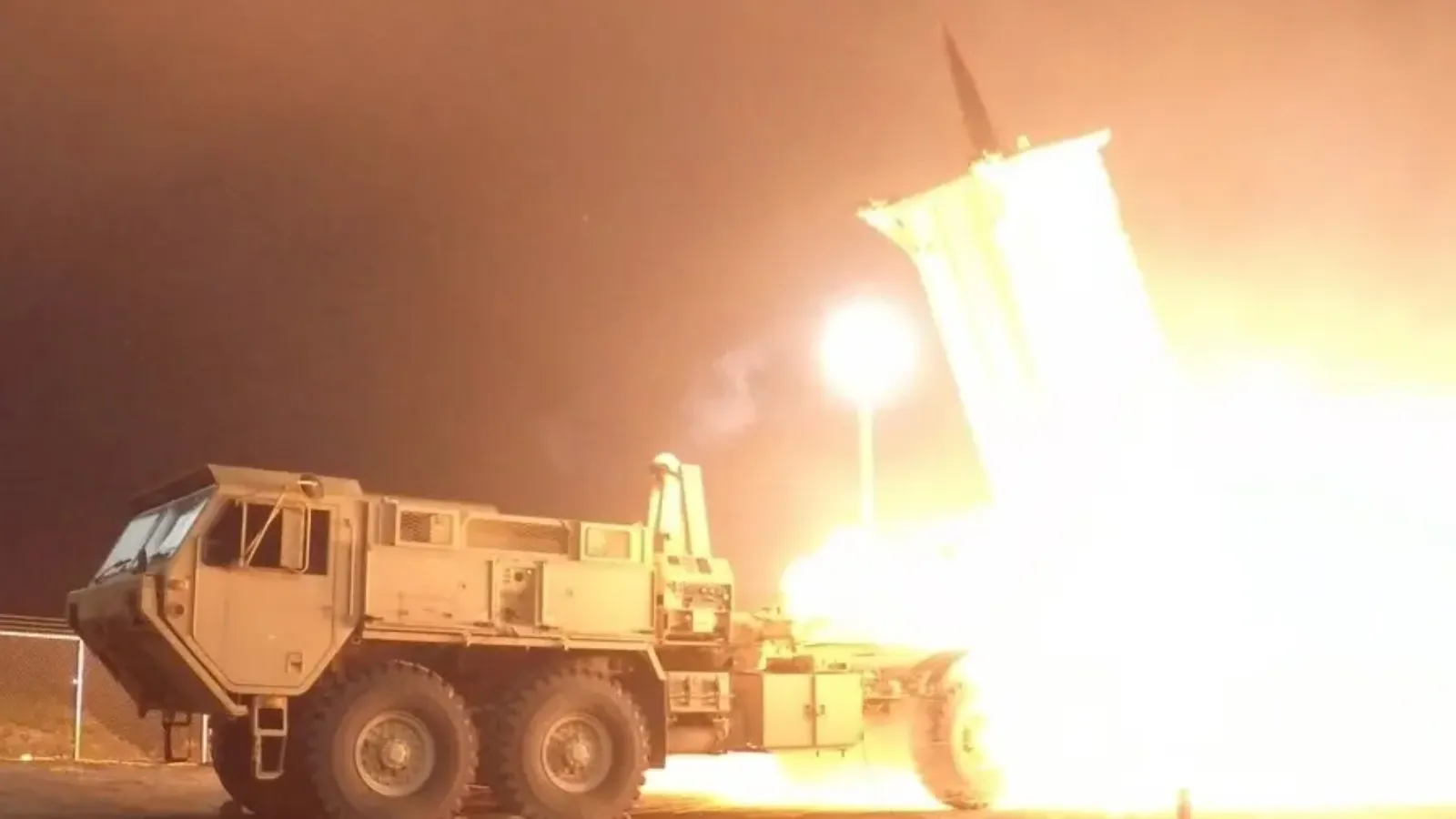
| PAC-3 MSE | U.S. Army and partners | Several million dollars | Advanced air and missile defense |
| Next Generation Interceptor | MDA | High end homeland defense | Intermediate and long range ballistic missile defense |
The price targets should not be interpreted as meaning that every future missile defense engagement will use a low cost interceptor. Instead, the programs point toward a more layered approach in which different interceptors are matched to different threats and engagement conditions.
Why Interceptor Cost Matters
The economic problem facing missile defense has become more visible as the United States and its partners have used large numbers of interceptors against sustained missile and drone attacks.
National Defense Magazine reported in April that U.S. and Middle Eastern forces used hundreds of expensive interceptors during the opening phase of Operation Epic Fury against Iranian attacks, including PAC-3 MSE missiles costing roughly $4.5 million each according to an analysis cited by the publication.
That creates a difficult cost exchange when an attacker can produce offensive weapons substantially more cheaply than the defender can manufacture the interceptor required to defeat them.
The objective of a lower cost interceptor is therefore not simply to reduce procurement spending. It is to improve the relationship between the cost of the defensive salvo and the cost of the threat being defeated.
For missile defense planners, that can translate into deeper magazines, more available launch opportunities and greater endurance during periods of sustained attack.
Lower Cost Does Not Mean Lower Performance
Collins has emphasized that affordability will not replace effectiveness as a requirement.
MDA still expects new capabilities to provide the lethality needed against increasingly complex target sets. The agency is also examining survivability against cyber, electronic and kinetic attacks, according to Collins’ remarks at the symposium.
This creates a difficult engineering balance.
An interceptor must still achieve sufficient speed, maneuverability, guidance accuracy, sensor performance and reliability for its assigned threat set. Removing expensive components can reduce cost, but excessive reductions could also narrow the targets the weapon can defeat.
The practical goal is therefore a cost optimized interceptor rather than a simply cheaper missile.
One way to achieve that objective is through modular designs and open architectures. MDA’s original solicitation emphasized modularity and rapid demonstration, while Collins has separately identified open systems architecture as necessary for adapting missile defenses faster as threats change.
Open Architecture Could Shorten Technology Timelines
The agency’s affordability push is closely connected to a second priority: reducing the time required to introduce new technology.
Collins said existing software and tactics can sometimes be updated on daily or weekly cycles, while introducing a new hardware capability can take several years. MDA wants to reduce that gap so defensive systems can adapt more quickly to changing threats.
Open architectures can support that objective by allowing components such as seekers, guidance systems, processors and communications equipment to evolve without requiring an entirely new weapon system for every major upgrade.
For the defense industry, that approach could also create more opportunities for smaller companies to supply individual technologies rather than compete to develop complete missile systems.
The challenge will be maintaining common technical standards and rigorous testing while increasing the pace of integration.
The Broader U.S. Missile Defense Architecture
The Low Cost Interceptor effort is only one part of a much larger U.S. missile defense modernization program.
MDA’s mission covers layered missile defense capabilities intended to protect the United States, deployed forces, allies and partners from missile attacks across different phases of flight.
At the high end of the architecture, MDA is developing the Next Generation Interceptor for homeland defense against advanced ballistic missile threats. The agency selected Lockheed Martin in 2024 to continue development of NGI, with fielding planned for 2028.
MDA also supports capabilities involving Aegis, Standard Missile interceptors, THAAD, Ground based Midcourse Defense, advanced sensors and hypersonic missile defense.
The FY2026 defense budget documentation shows continued investment across these areas, including NGI development, hypersonic defense and expanded ballistic missile defense capabilities.
The emerging affordability strategy therefore represents a complement to high end systems rather than a replacement for them.
Affordability Becomes More Important Under Golden Dome
The issue is particularly significant as the United States develops Golden Dome for America, a proposed layered homeland missile defense architecture intended to address ballistic, hypersonic, cruise missile and other advanced aerial threats.
The Department of Defense has described Golden Dome as a system of systems that will combine existing capabilities with new sensors, interceptors, command and control and other technologies.
The FY2027 budget materials include a Golden Dome for America fund intended to support capabilities against ballistic, hypersonic and cruise missile threats and other advanced aerial attacks.
A large layered architecture increases the importance of lifecycle economics. More sensors, launchers and interceptors can increase defensive capacity, but they also create additional procurement, maintenance, training and replenishment requirements.
That makes the price of individual interceptors an important part of the overall architecture.
The Strategic Challenge Is Magazine Depth
The most important implication of MDA’s affordability push is the emphasis on magazine depth.
High performance interceptors remain necessary for difficult targets. But a missile defense architecture designed for sustained operations also needs weapons that can be manufactured, transported and replenished at a scale appropriate to the threat.
A lower cost interceptor could allow commanders to reserve expensive weapons for targets that require their specific capabilities while employing cheaper weapons against threats that do not justify the most expensive defensive option.
This approach is already reflected in broader industry activity. Lockheed Martin introduced the PAC-3 Adapted Capability Effector, a lower cost Patriot interceptor intended to reduce the cost of engaging air breathing targets, cruise missiles and certain ballistic missile threats.
The Army and MDA initiatives show that affordability is becoming a broader acquisition priority across U.S. air and missile defense rather than a single program objective.
What Comes Next
The immediate challenge for MDA will be demonstrating that a sub-$750,000 interceptor can meet operational requirements while remaining producible at scale.
The agency’s approach places several demands on industry:
- Reduce expensive components without creating unacceptable performance compromises.
- Use modular designs that support future upgrades.
- Maintain interoperability with existing sensors, launchers and command systems.
- Demonstrate reliable performance against assigned threat classes.
- Build a production model capable of supporting deeper inventories.
- Reduce lifecycle costs rather than focusing only on initial purchase price.
The significance of the Low Cost Interceptor program will ultimately depend on whether those requirements can be met simultaneously.
For U.S. missile defense planners, the issue is increasingly clear. Defeating a missile is only one part of the problem. The United States also needs enough interceptors to sustain the fight, enough industrial capacity to replace them, and an acquisition model capable of adapting as offensive weapons evolve.
MDA’s push toward sub-$750,000 interceptors represents an attempt to address that economic and operational problem without abandoning the performance standards required for homeland and force protection.
Enjoying our coverage?
Make The Defense Watch a preferred source on Google to see more of our geopolitical and defense insights when relevant to you.