Executive Summary:
The U.S. Air Force is examining future propulsion options for its F-15EX Eagle II and F-16 Fighting Falcon fleets as part of a broader effort to strengthen long term competition and sustainment. The review comes as the service prepares for decades of continued operation of both fighter platforms while balancing readiness, affordability, and industrial base resilience.
US Air Force Studies Alternative Engines For F-15EX And F-16
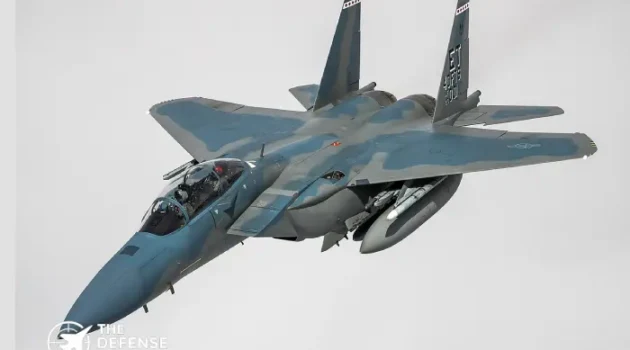
The F-15EX alternative engines initiative signals a renewed Air Force interest in increasing competition for propulsion systems supporting two of its most important fourth generation fighter fleets. Air Force officials are evaluating whether additional engine options could reduce long term sustainment costs and improve operational flexibility.
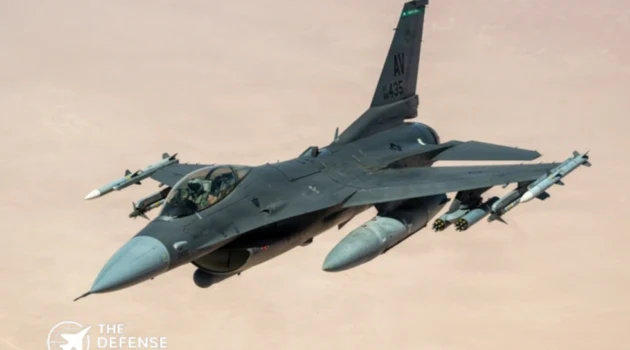
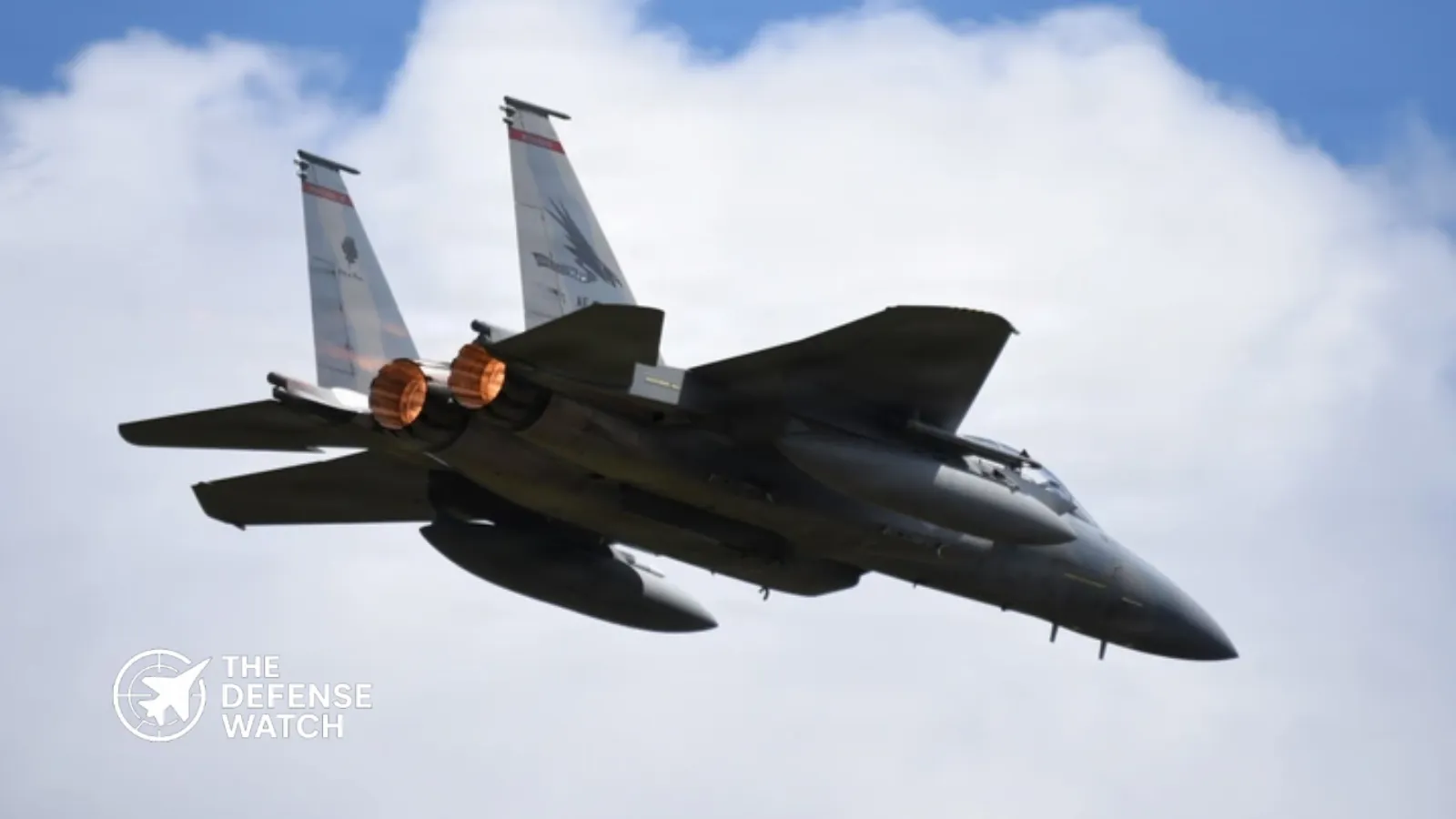
The F-15EX currently flies with the GE Aerospace F110,GE,129 engine, while many F-16 variants operate either General Electric F110 engines or Pratt & Whitney F100 engines depending on aircraft block and operator. The Air Force’s review does not represent an immediate procurement decision but instead explores future pathways as fleet requirements evolve.
Why The Air Force Is Revisiting Fighter Engine Competition
Historically, engine competition has been viewed as a way to encourage innovation while providing leverage on pricing and sustainment.
The F-15EX program initially experienced debate over whether a sole source engine procurement or a competitive process would best support rapid fielding. Ultimately, the Air Force selected the GE F110 because it had already completed integration and certification with the aircraft’s digital fly by wire flight control system, minimizing schedule risk.
For the F-16 fleet, both GE Aerospace and Pratt & Whitney engines have powered different production blocks for decades, providing the Air Force and international operators with experience supporting multiple propulsion options.
Current Engine Configuration
Aircraft Current Primary Engine Notes F-15EX Eagle II GE F110,GE,129 Fully integrated and certified for the aircraft F-16 Fighting Falcon GE F110 or Pratt & Whitney F100 Depends on production block and operator Strategic Importance Beyond Procurement
The engine review reflects more than a technical exercise.
The Air Force expects both aircraft to remain operational well into the 2030s and beyond. The F-15EX continues replacing aging F-15C aircraft while assuming homeland defense and long range weapons carriage missions. Meanwhile, upgraded F-16s remain essential for homeland operations, training, and numerous overseas deployments.
Because propulsion systems account for a significant portion of lifecycle operating costs, even modest improvements in maintenance requirements, fuel efficiency, spare parts availability, or reliability can produce substantial savings across hundreds of aircraft.
Technical Challenges Of Introducing A New Engine
Although evaluating alternative engines appears straightforward, integrating a new propulsion system into an existing fighter is a complex engineering effort.
Certification typically requires:
- Flight testing across the aircraft’s operating envelope.
- Software integration with flight control systems.
- Validation of cooling, electrical, and hydraulic interfaces.
- Structural analysis of engine mounts.
- Logistics and maintenance qualification.
- Airworthiness certification.
For the F-15EX, these integration requirements were one of the principal reasons the Air Force previously favored the already qualified GE F110 rather than introducing another engine option.
Broader Implications For U.S. Air Power
The Air Force’s review also reflects broader concerns about maintaining a healthy defense industrial base.
Maintaining multiple capable propulsion suppliers can strengthen supply chain resilience, reduce dependence on a single manufacturer, and preserve engineering expertise that could benefit future combat aircraft programs.
At the same time, introducing competition must be balanced against integration costs and the operational risks associated with certifying new propulsion systems.
As the Air Force modernizes its tactical aviation fleet alongside sixth generation development efforts, sustaining highly capable fourth generation fighters remains a critical element of overall force structure. Aircraft such as the F-15EX provide exceptional payload capacity, long range, and the ability to carry emerging long range air to air and strike weapons that complement stealth aircraft rather than replace them.
What Happens Next
Air Force officials have not announced a formal engine competition or acquisition timeline.
Instead, the current effort appears focused on understanding available propulsion technologies, future sustainment strategies, and potential industrial benefits before any procurement decisions are made.
If the study eventually leads to competitive engine procurement, it could influence sustainment planning for hundreds of fighters that are expected to remain in service for decades.