France STRATUS Supersonic Missile Signals Shift In Deep Strike Doctrine
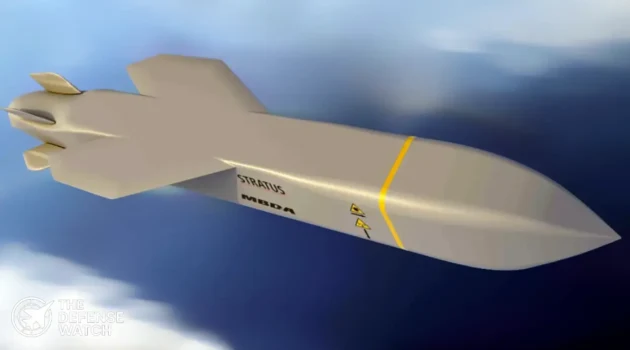
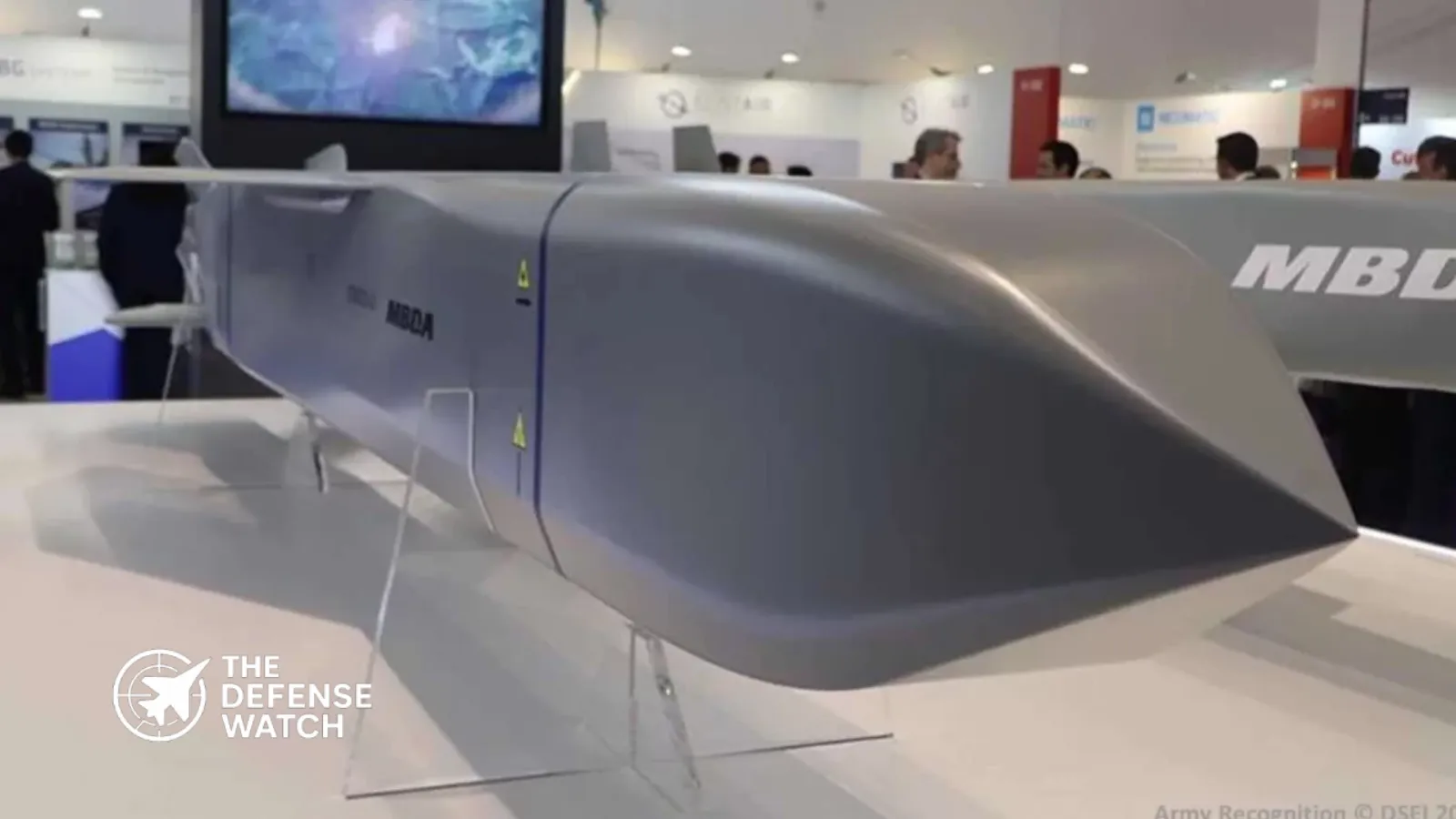
France STRATUS supersonic missile development marks a significant step in enhancing the country’s ability to penetrate advanced air defense networks. The program, tied to the Rafale F5 upgrade and future combat aviation concepts, reflects a broader push to ensure survivable strike capabilities against increasingly sophisticated threats.
- France is developing the STRATUS supersonic missile for penetration of advanced air defense systems.
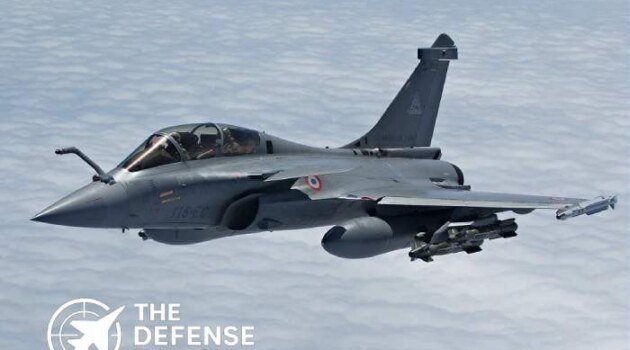
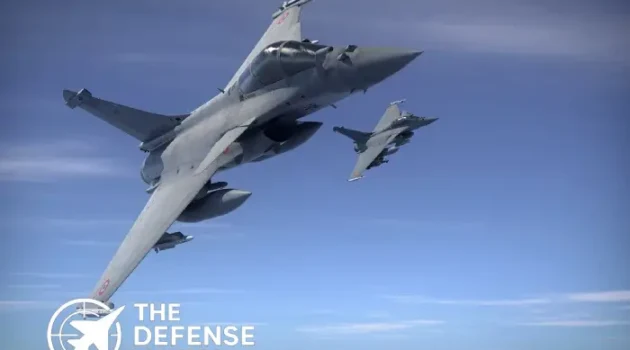
- The missile is expected to integrate with Rafale F5 and future next generation combat aircraft.
- STRATUS targets suppression and destruction of enemy air defenses in high threat environments.
- Development aligns with France’s broader future combat air system and long term strike roadmap.
- The program reflects growing European focus on survivable deep strike capabilities against peer adversaries.
The Big Picture
European air forces face a rapidly evolving threat environment shaped by layered and integrated air defense systems. Systems deployed by near peer competitors now combine long range surface to air missiles, advanced radar networks, and electronic warfare capabilities.
France is responding by investing in next generation strike systems that can operate inside contested airspace. The STRATUS supersonic missile fits within a wider modernization effort that includes the Rafale F5 standard and the Future Combat Air System (FCAS).
This shift mirrors similar efforts by the United States and NATO allies to prioritize suppression of enemy air defenses and long range precision strike in high intensity conflict scenarios.
What’s Happening
France is developing the STRATUS supersonic missile as a new air launched weapon designed to defeat modern air defense systems. The missile is being tailored for integration with the Rafale F5 standard and potentially future combat aircraft.
The missile is expected to operate at supersonic speeds, allowing it to reduce engagement windows for enemy defenses while maintaining a high probability of penetration. Its primary role will focus on suppression and destruction of enemy air defenses, often referred to as SEAD and DEAD missions.
French defense planners aim to field the system as part of a broader package that includes upgraded sensors, electronic warfare systems, and networked targeting capabilities.
Why It Matters
Modern air defense systems have extended engagement ranges and improved interception capabilities, making traditional strike profiles increasingly risky. Aircraft operating without stand off or high speed penetration weapons face higher survivability challenges.
The STRATUS supersonic missile directly addresses this problem by combining speed, precision, and survivability. Supersonic flight reduces reaction time for interceptors, while advanced guidance likely improves targeting accuracy against high value air defense nodes.
This capability strengthens France’s ability to conduct independent operations and contribute to NATO missions in contested environments. It also aligns with ongoing efforts to maintain technological parity with global competitors.
Strategic Implications
France’s investment in the STRATUS supersonic missile enhances its deterrence posture by reinforcing its ability to neutralize enemy air defenses early in a conflict.
A credible SEAD capability enables follow on air operations, including strike, reconnaissance, and air superiority missions. This expands operational flexibility and reduces reliance on allied support.
The program also underscores Europe’s growing emphasis on sovereign defense capabilities. By developing indigenous strike systems, France reduces dependency on external suppliers and strengthens its defense industrial base.
Competitor View
Russia and China have both invested heavily in layered air defense systems designed to deny access to contested airspace. These include long range missile systems, integrated command networks, and advanced radar technologies.
From their perspective, systems like the STRATUS supersonic missile represent a direct challenge to air defense survivability. High speed penetration weapons complicate interception timelines and increase the burden on defensive networks.
Regional actors with advanced air defense systems may interpret the development as part of a broader Western push to restore air dominance in contested environments.
What To Watch Next
Testing and validation will determine the operational effectiveness of the STRATUS supersonic missile. Key milestones include flight testing, integration with Rafale F5 platforms, and evaluation against realistic air defense scenarios.
Procurement timelines will likely align with Rafale F5 development schedules, with initial operational capability expected later in the decade.
Further details on range, guidance systems, and payload configuration will provide clearer insight into the missile’s role within France’s strike doctrine.
Capability Gap
France developed the STRATUS supersonic missile to address a clear operational gap in penetrating modern integrated air defense systems.
Traditional subsonic cruise missiles and legacy strike profiles face increasing interception risks. STRATUS aims to close this gap by offering higher speed and improved survivability.
However, supersonic systems may still face challenges against advanced layered defenses, especially those equipped with high speed interceptors and electronic warfare capabilities. Integration with broader networked warfare systems will remain critical to mission success.