Trump’s Record VA Budget Request Prioritizes Veteran Healthcare and Benefits in FY2027
The Trump administration’s VA budget request for fiscal year 2027 proposes a record $488 billion for the Department of Veterans Affairs — a 7.7% funding increase that underscores both the political weight of veteran care and the long-term fiscal pressure created by decades of overseas military commitments.
- The Trump administration’s FY2027 VA budget request totals a record $488 billion — a 7.7% increase over FY2026 levels.
- The proposal includes $205.6 billion in discretionary funding and $282.6 billion in mandatory spending covering disability benefits, pensions, and insurance.
- The budget supports disability compensation for more than 7.4 million veterans and VA healthcare enrollment for 9.2 million veterans.
- Key infrastructure investments include $1.3 billion for a new VA medical center in Manchester, NH, and nearly $2 billion to replace the Indianapolis VA facility.
- The VA’s total budget has grown ten-fold since FY2001, when it stood at $45 billion — reflecting the long-term cost of post-9/11 military commitments.
Released this week as part of the White House’s broader $2.2 trillion federal budget proposal, the VA funding plan carries major implications for veteran services, medical infrastructure investment, and the ongoing debate over how the U.S. funds care for those injured in its post-9/11 wars.
The Big Picture
The VA budget request does not exist in isolation. It arrives alongside a Pentagon funding proposal that the White House pegged at nearly $1.5 trillion — a 44% increase from FY2026 levels — signaling that the Trump administration views both warfighting capability and veteran welfare as central pillars of national defense policy.
This dual investment matters strategically. A military that recruits, deploys, and sustains a large all-volunteer force must credibly promise long-term care and benefits to service members. Undermining that promise carries serious readiness implications. The size and trajectory of the VA budget directly affects military recruitment and retention calculations, even if that link rarely receives attention in congressional budget debates.
The VA’s growth trajectory is also a direct accounting of the human cost of U.S. military strategy since 2001. The VA’s budget has grown ten-fold since fiscal 2001, when it stood at $45 billion — a function of aging Vietnam-era veterans, the millions who served in Iraq and Afghanistan, and the expanding scope of toxic exposure-related claims following passage of the PACT Act in 2022.
What’s Happening
The Trump administration released budget documents proposing a record $488 billion for the VA in FY2027, structured around $205.6 billion in discretionary funding and $282.6 billion in mandatory spending. Mandatory funds cover disability benefits, pensions, insurance programs, and other statutory requirements.
The discretionary side of the proposal includes $500 million to build permanent facilities for homeless veterans at the new National Center for Warrior Independence in West Los Angeles, $1.3 billion for a new VA medical center in Manchester, New Hampshire, and nearly $2 billion to replace the VA medical center in Indianapolis. An additional $30 million targets land acquisition for a new facility in San Antonio.
The proposal would support 443,327 full-time VA employees — roughly 9,000 fewer than in 2025 but up nearly 6,200 from fiscal 2026.
The budget also funds the restart of the VA’s long-stalled electronic medical record system program, which has been on hold since 2022. The VA plans to restart the initiative this month at four facilities, with nine additional sites joining later in the year.
Why It Matters
The VA budget request carries significance well beyond the dollar figure. Three intersecting pressures are driving the trajectory of this spending.
First, the toxic exposure backlog. The PACT Act expanded eligibility for millions of veterans exposed to burn pits, contaminated water, and other hazardous conditions during service. The FY2027 budget requests $52 billion from the Cost of War Toxic Exposures Fund, which the administration again seeks to shift from mandatory to discretionary spending — a move likely to generate bipartisan friction on Capitol Hill. Democratic lawmakers have consistently argued that reclassifying those funds creates long-term risk that dedicated PACT Act resources could be redirected or cut.
Second, the community care expansion continues. The budget increases both in-house medical care — requesting $96.2 billion for VA facility-based care — and the community care program, which covers treatment received by veterans at non-VA providers, requesting $42 billion. This dual increase reflects sustained demand and the ongoing challenge of providing accessible care across geographically dispersed veteran populations.
Third, the electronic health record modernization restart is a significant operational milestone. The VA’s failed Oracle Cerner rollout became one of the most scrutinized federal IT failures in recent memory, contributing to patient safety concerns at multiple facilities. Restarting it — carefully — will be closely watched across the defense and federal health IT communities.
Strategic Implications
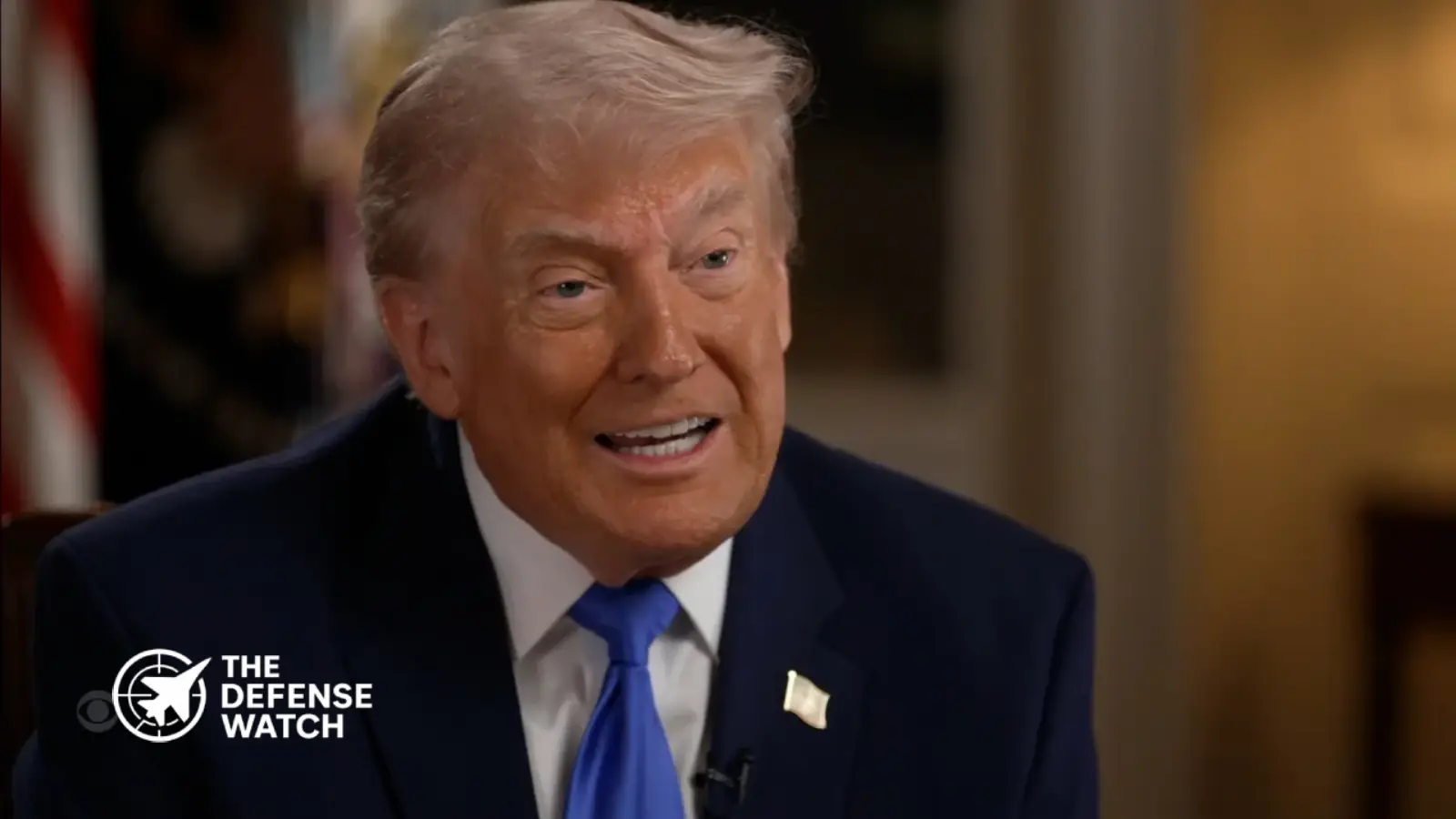
A VA budget of this scale sends a clear policy signal: the Trump administration intends to use veteran care spending as a force readiness investment, not merely a social welfare obligation. VA Secretary Doug Collins framed the request around efficiency and outcomes. Collins stated that “the days of measuring VA’s progress by how much money we spend and how many people we employ, instead of how successfully we serve Veterans, are over.”
That framing matters. It suggests the administration will face pressure to demonstrate measurable improvements in veteran wait times, benefits processing speeds, and healthcare outcomes — not simply defend the budget topline. If performance does not visibly improve, the record funding figure becomes a political liability rather than an asset.
The homeless veteran facility investment also carries strategic messaging weight. Visible veteran homelessness undercuts military recruitment narratives. A $500 million commitment to permanent supportive housing in Los Angeles — one of the nation’s highest-visibility homeless veteran populations — addresses both a humanitarian imperative and a reputational concern for the armed forces.
What the Numbers Reveal About Long-Term Defense Commitments
The ten-fold growth in VA spending since FY2001 deserves analytical attention beyond the headline figure. It reflects a structural truth about modern American military strategy: the financial cost of deploying a large, sustained military force does not end when the shooting stops. It peaks years — sometimes decades — later, as disability claims mature, healthcare needs intensify, and aging veteran populations require more intensive medical support.
This dynamic has direct implications for future defense planning. Commitments made in current operational theaters — including potential future conflicts — will generate VA cost obligations that will appear in budget requests 10, 20, and 30 years from now. Congress and the Pentagon rarely budget for this latency explicitly, but the VA’s trajectory makes the math unavoidable.
The FY2027 proposal also includes advanced funding for fiscal 2028, a mechanism designed to ensure veterans benefits and services are never disrupted by a government shutdown. That structural protection reflects hard-learned lessons from years of continuing resolution cycles that left VA facilities uncertain about operating budgets.
Competitor and Adversary Perspective
Strategic competitors China and Russia monitor U.S. veteran care commitments as one indirect indicator of domestic political cohesion and military sustainability. A functioning, well-resourced veteran care system reinforces the credibility of the all-volunteer force model — signaling to potential recruits and current service members that the government honors long-term obligations.
Conversely, visible failures in veteran care — wait time scandals, benefits backlogs, inadequate mental health services — have historically been exploited in foreign influence narratives targeting U.S. military morale and public confidence in defense institutions. Sustained, accountable VA investment partially inoculates against that vulnerability.
Capability Gap: What This Budget Addresses
The VA’s most persistent operational gaps are in healthcare access, IT modernization, and benefits processing speed. The FY2027 budget targets all three. New medical center construction addresses geographic access deficits in New Hampshire, Indiana, and Texas. The electronic health record restart, if executed competently this time, addresses the dangerous fragmentation of veteran medical data across legacy systems. Community care expansion addresses capacity constraints in the direct-care system.
Realistic limitations remain. The workforce reduction of roughly 9,000 positions compared to FY2025 levels raises legitimate concerns about whether the VA can absorb growing caseloads with a smaller staff, particularly as PACT Act claims continue entering the pipeline. The DEI program funding reductions, while politically framed, carry practical risk if they eliminate programs that supported veterans from historically underserved communities who face compounding barriers to care access.
The Bottom Line
Trump’s record $488 billion VA budget request reframes veteran care as a strategic readiness investment — but its credibility will ultimately depend on measurable outcomes, not the size of the topline figure.
Enjoying our coverage?
Make The Defense Watch a preferred source on Google to see more of our geopolitical and defense insights when relevant to you.