- ► US Navy awards approximately 10 million contract for 123 E 2D Hawkeye intercom systems.
- ► Upgrade supports carrier based airborne early warning and battle management missions.
- ► Enhances crew coordination and communications resilience inside the E 2D cockpit.
- ► Part of broader Navy effort to sustain and modernize the Advanced Hawkeye fleet.
- ► Reinforces carrier air defense posture amid evolving aerial and missile threats.
US Navy Orders 123 E 2D Hawkeye Intercom Systems To Reinforce Carrier Air Defense
The US Navy E 2D Hawkeye intercom systems upgrade marks a focused investment in the survivability and effectiveness of the carrier air wing’s airborne command and control aircraft.
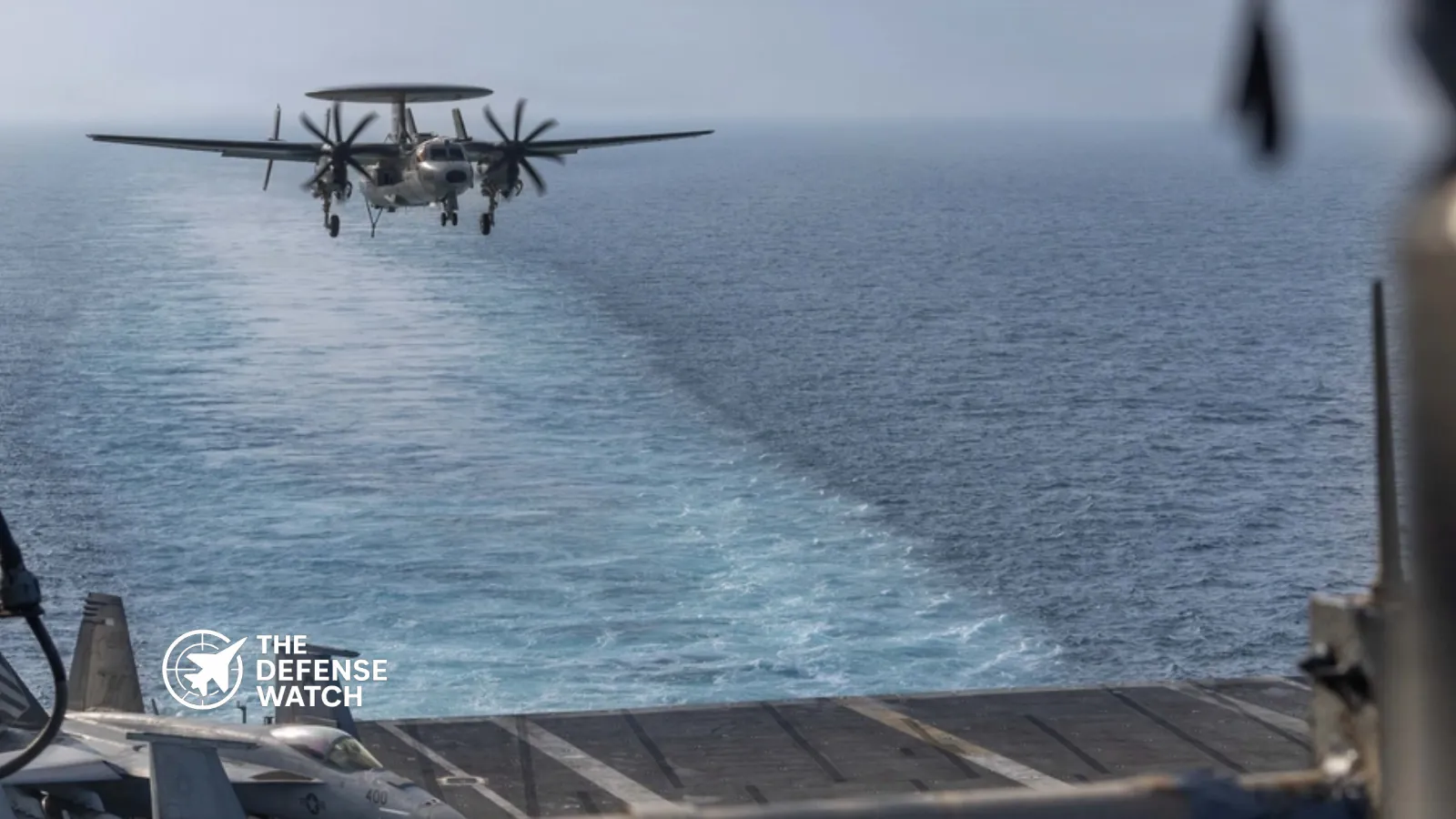
According to reporting by Army Recognition, the US Navy has awarded a contract valued at roughly 10 million dollars for the procurement of 123 intercommunication systems for the E-2D Advanced Hawkeye fleet. The E 2D serves as the Navy’s primary airborne early warning and battle management platform, operating from nuclear powered aircraft carriers across the globe.
While the contract amount may appear modest compared to major airframe or radar upgrades, the operational role of these systems is significant. In high tempo carrier strike group operations, secure and reliable internal communications are essential for mission execution.
Why The Intercom Upgrade Matters
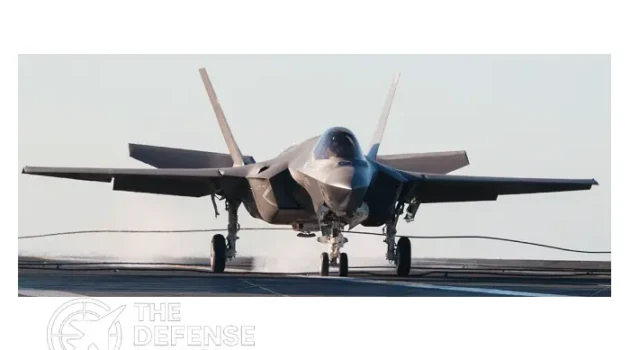
The E 2D Advanced Hawkeye acts as the airborne nerve center of the carrier strike group. It detects and tracks aircraft, cruise missiles, and surface contacts at extended ranges using its AN APY 9 radar and advanced mission systems. It also manages air defense assets and coordinates with fighter aircraft, including the F-35C Lightning II and F/A-18E/F Super Hornet.
In this environment, cockpit and cabin communication clarity is not a secondary issue. It directly affects mission success. The four to five crew members onboard the E 2D must process large volumes of sensor data while coordinating with surface ships, fighters, and joint forces.
Modern intercom systems provide improved audio clarity, reduced interference, and stronger resilience against electromagnetic disruption. As carrier groups face more advanced electronic warfare threats, hardened internal communication systems reduce vulnerabilities.
(adsbygoogle = window.adsbygoogle || []).push({});This contract therefore supports the integrity of the entire air defense network centered around the Hawkeye.
Supporting Carrier Air Wing Readiness
The US Navy E 2D Hawkeye intercom systems purchase also reflects a broader sustainment strategy. The Navy continues to expand and modernize its Advanced Hawkeye fleet, which replaced older E 2C variants over the past decade.
The E 2D’s enhanced radar and mission systems enable Cooperative Engagement Capability operations, allowing sensor data sharing across ships and aircraft. According to the U.S. Navy, the platform is central to integrated air and missile defense and distributed maritime operations.
Upgrading avionics subsystems such as intercom units ensures that legacy components do not become single points of failure. In carrier aviation, reliability rates are closely tied to sortie generation and deployment cycles. Even relatively small subsystems can ground aircraft if not modernized in time.
The contract for 123 units suggests fleet wide distribution, potentially covering both operational squadrons and training aircraft.
Strategic Context: Carrier Defense In A High Threat Era
Carrier strike groups are operating in increasingly contested environments. Peer competitors have invested heavily in long range anti ship cruise missiles, ballistic missiles, and electronic warfare systems designed to disrupt command and control.
In this context, the E 2D is not just a surveillance aircraft. It is the airborne command node that links sensors, shooters, and commanders. Its ability to maintain uninterrupted communications inside the aircraft and across networks is critical.
The US Navy E 2D Hawkeye intercom systems upgrade therefore supports layered defense against complex threats. Improved internal coordination enhances reaction times during saturation attacks or high density airspace operations.
From a doctrinal perspective, the Navy’s Distributed Maritime Operations concept depends on resilient communication architectures. While much attention focuses on satellite links and tactical data networks, internal aircraft systems remain foundational.
Industrial And Contracting Implications
Although Army Recognition reported the award, the Navy routinely issues such avionics contracts through established defense suppliers specializing in aerospace communication systems.
(adsbygoogle = window.adsbygoogle || []).push({});Smaller targeted contracts often receive less public attention than major aircraft procurement deals. However, they represent steady investment in readiness and life cycle management.
Given the E 2D’s projected service life into the 2040s, incremental upgrades will continue to play a key role in keeping the fleet relevant. Sustainment spending ensures that high end assets remain mission capable without requiring costly structural overhauls.
Operational Outlook
The E 2D Advanced Hawkeye currently deploys aboard Nimitz class and Ford class aircraft carriers. As the Navy integrates next generation systems, including advanced networks and unmanned platforms, the Hawkeye’s battle management role is expected to expand.
(adsbygoogle = window.adsbygoogle || []).push({});Ensuring robust onboard communications is a practical but essential step in that evolution.
The US Navy E 2D Hawkeye intercom systems order may not reshape the fleet overnight. But it strengthens the backbone of carrier air defense at a time when operational margins are tightening.