- ► $225.1 million modification awarded to Northrop Grumman Systems Corp.
- ► Covers design, development, and delivery of E-130J training weapons systems courseware.
- ► Supports the Navy Take Charge and Move Out recapitalization program.
- ► Work to be completed by March 2027 across Florida and Oklahoma.
- ► Contract managed by Naval Air Systems Command, Patuxent River.
Northrop Grumman Awarded E-130J Training Systems Contract Worth $225 Million
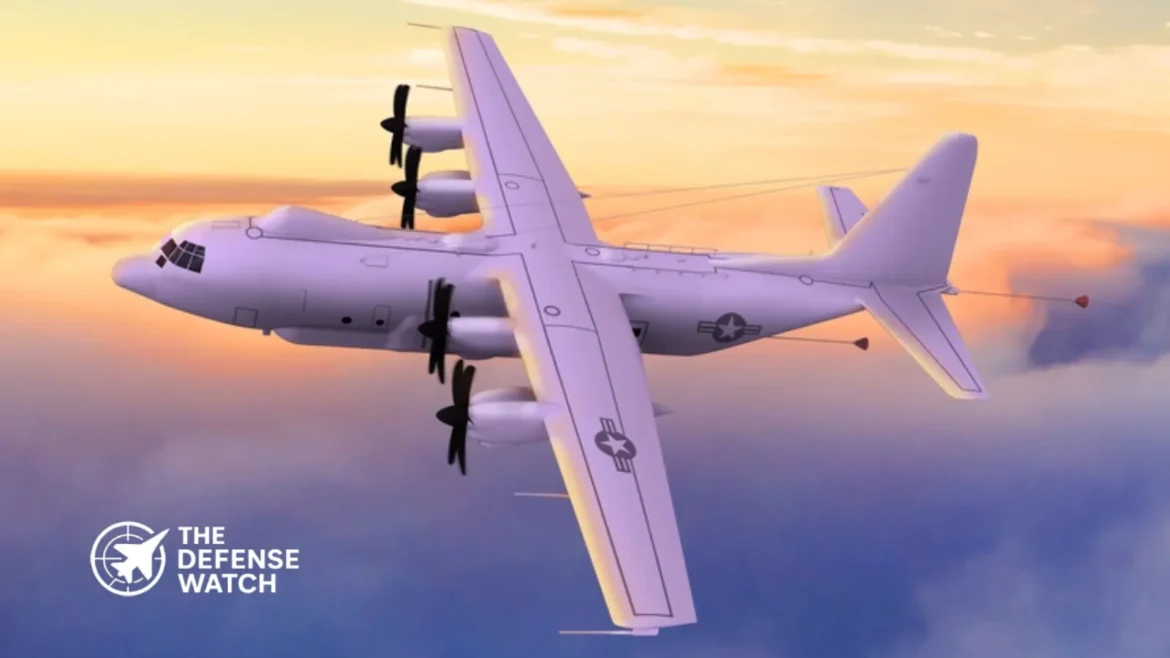
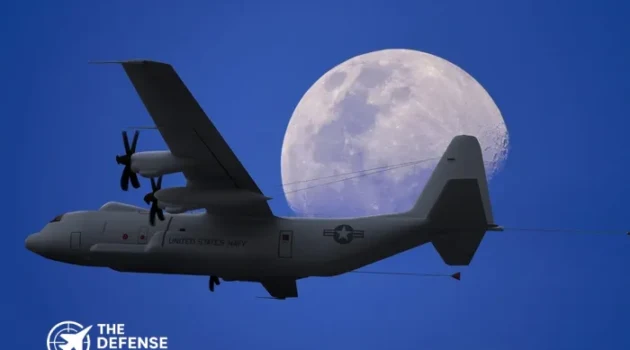
The Northrop Grumman E-130J contractmarks a significant step in the US Navy’s Take Charge and Move Out recapitalization effort, with the Pentagon awarding a $225.1 million modification for training systems development and delivery.
The Department of Defense announced that Northrop Grumman Systems Corp., based in Melbourne, Florida, received a cost-plus-incentive-fee modification valued at $225,109,424. The award exercises options for the design, development, and delivery of comprehensive E-130J weapons systems training materials and courseware.
The aircraft was previously referred to as E-XX before its official designation as E-130J.
Supporting The Take Charge And Move Out Program
The E-130J training systems contract directly supports the Navy’s Take Charge and Move Out recapitalization program. The initiative aims to modernize key airborne command and control capabilities, ensuring continuity of strategic communications and operational readiness.
Training systems are central to that effort. As new platforms transition from development to operational service, the Navy must field fully integrated courseware, simulators, and instructional materials. Without a mature training pipeline, even advanced aircraft cannot reach full operational capability on schedule.
Under this modification, Northrop Grumman will deliver all required training weapons systems materials, covering aircrew and maintenance training components. The cost-plus-incentive-fee structure reflects the technical complexity and evolving requirements typical of advanced training system development.
Workshare And Funding Details
According to the Pentagon, work under the Northrop Grumman E-130J contract will be performed in:
- Orlando, Florida, 64 percent
- Oklahoma City, Oklahoma, 31 percent
- Melbourne, Florida, 5 percent
The effort is expected to conclude by March 2027.
At the time of award, $54.9 million in fiscal 2026 Navy research, development, test and evaluation funds were obligated. Notably, these funds will not expire at the end of the current fiscal year, providing flexibility for program execution.
The contract was competitively awarded and is managed by Naval Air Systems Command, headquartered in Patuxent River, Maryland. NAVAIR oversees procurement, development, and sustainment of naval aviation systems across the fleet.
Strategic Context And Program Significance
While the aircraft’s operational mission details remain limited in public disclosures, the E-130J designation signals alignment with the C-130J airframe family. That suggests a proven platform adapted for specialized Navy requirements, consistent with recapitalization priorities focused on survivability, reliability, and interoperability.
The training systems portion of the program is more than an administrative milestone. Historically, delays in courseware development have slowed fielding timelines across multiple US aviation programs. By awarding this modification early in the lifecycle, the Navy appears intent on synchronizing platform delivery with training readiness.
From a defense budgeting perspective, the award also reflects sustained congressional support for naval aviation modernization. Research and development funding commitments indicate the program remains in an active maturation phase rather than full-rate production.
Industry And Capability Implications
For Northrop Grumman, the E-130J training systems contract strengthens its role in high-end mission systems integration and training solutions. The company has longstanding experience delivering airborne command, control, and ISR systems across multiple US services.
As recapitalization efforts accelerate across the Department of Defense, integrated training solutions are becoming a core requirement rather than a follow-on activity. Digital courseware, simulation environments, and mission rehearsal systems now form a critical part of operational readiness.
The Northrop Grumman E-130J contract underscores that reality. Training systems are no longer secondary to aircraft procurement. They are a foundational element of capability delivery.
- ► Castelion Corp. awarded a $49,998,005 firm fixed price order for Blackbeard hypersonic weapons development.
- ► Contract covers full scale prototypes, flight testing, integration, and early operational fielding.
- ► Work supports SBIR Phase III topic AF231 D026 on low cost long range strike weapon production.
- ► Funded with Fiscal 2026 Navy RDT&E dollars, none expiring at fiscal year end.
- ► Contracting activity is Naval Air Warfare Center Aircraft Division, Lakehurst, New Jersey.
US Navy Advances Blackbeard Hypersonic Weapons Program With $49.9M Award
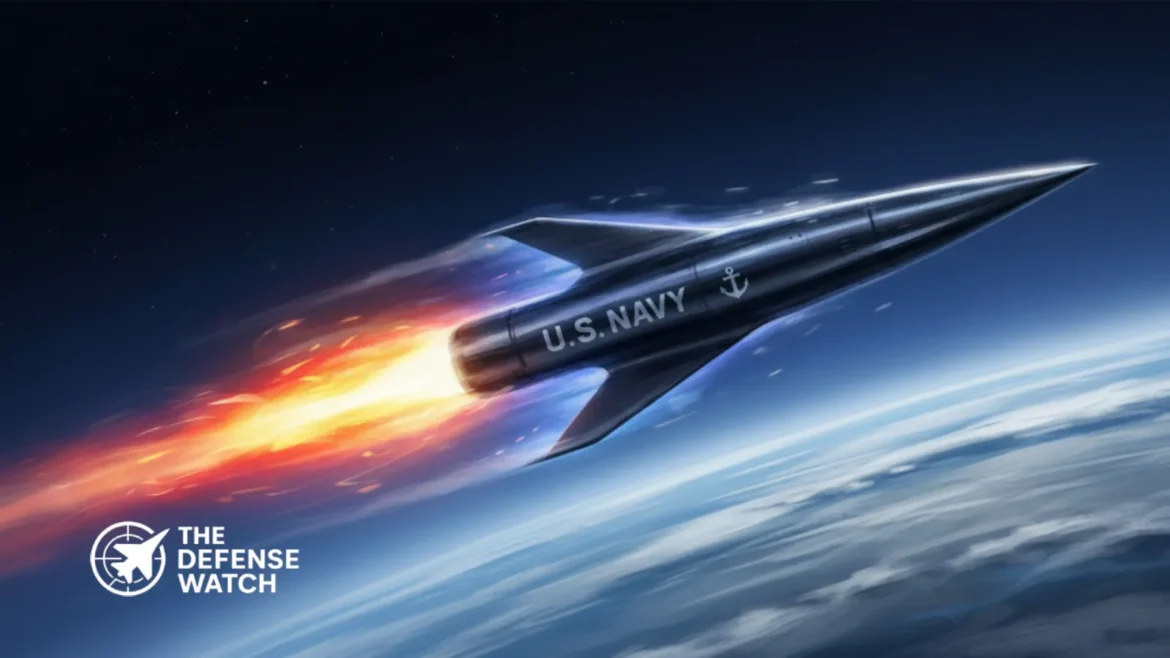
The Blackbeard hypersonic weapons program has received a $49.9 million boost after the US Navy awarded a firm fixed price order to Castelion Corp. for full scale prototypes, flight testing, and early operational fielding.
The $49,998,005 order was issued against a previously awarded basic ordering agreement and supports continued development, integration, and testing of the Blackbeard hypersonic weapons effort. The award falls under a Small Business Innovation Research, or SBIR, Phase III project titled Low Cost Highly Manufacturable Long Range Strike Weapon Production.
Work will be carried out in Torrance, California, and is scheduled for completion by November 2027.
Contract Details And Funding Structure
According to the Department of Defense contract announcement, Fiscal 2026 Navy research, development, test and evaluation funds totaling $49,998,005 were obligated at the time of award. None of the funding will expire at the end of the current fiscal year, providing budget stability through the early stages of prototype and testing work.
The contracting activity is the Naval Air Warfare Center Aircraft Division in Lakehurst, New Jersey.
The contract was competed, in line with SBIR Phase III procedures that allow follow on production and fielding efforts based on prior competitive research phases. Phase III awards are typically used to transition promising technologies into operational capability without re competing the original concept.
What The Blackbeard Hypersonic Weapons Program Aims To Deliver
While detailed technical specifications remain limited, the Blackbeard hypersonic weapons effort is tied to the Air Force and Navy SBIR topic AF231 D026. The focus is clear: develop a low cost, highly manufacturable long range strike weapon capable of scaling to production.
That objective reflects a broader Pentagon shift. In recent years, the Department of Defense has emphasized not only speed and range in hypersonic systems, but also affordability and industrial scalability. Programs that cannot transition into repeatable production lines risk remaining limited demonstrations.
By framing Blackbeard around manufacturability from the outset, the Navy signals that it is seeking more than a technology experiment. The inclusion of operational fielding in the contract scope suggests an intent to move quickly from prototype to limited deployment.
Hypersonic Weapons And The Industrial Base Challenge
Hypersonic weapons, generally defined as systems capable of sustained flight at speeds above Mach 5 with maneuverability, have become central to US military modernization efforts. The Pentagon has invested heavily in boost glide and air breathing hypersonic technologies across multiple services.
However, a persistent concern within defense circles has been cost and production complexity. Advanced materials, propulsion systems, and thermal protection requirements can drive per unit costs sharply higher than conventional strike weapons.
The Blackbeard hypersonic weapons program appears designed to address that gap. By leveraging the SBIR pathway and engaging a smaller, non traditional contractor like Castelion, the Navy is testing whether newer entrants can deliver faster development cycles and lower cost production methods.
This aligns with broader Defense Department efforts to expand the supplier base beyond established primes, particularly in emerging technology sectors.
SBIR Phase III And Rapid Transition To Fielding
The SBIR program is structured in three phases. Phase I explores feasibility. Phase II develops prototypes. Phase III transitions successful projects into production or operational use, funded by non SBIR dollars.
The Blackbeard hypersonic weapons contract falls squarely into that final category. That is significant.
Phase III awards indicate that the sponsoring service sees operational relevance and near term application. The inclusion of full scale prototypes and flight testing in this order suggests that the Navy is preparing for realistic performance validation rather than laboratory demonstration.
Early operational capability language in the award further reinforces that intent. While this does not equate to full rate production, it typically signals limited fielding for evaluation in real world conditions.
Strategic Context
The United States faces sustained investment by peer competitors in advanced missile technologies, including hypersonic glide vehicles and long range precision strike systems. Maintaining credible deterrence requires not only technological parity, but also the ability to produce systems at meaningful scale.
If the Blackbeard hypersonic weapons program succeeds in delivering a lower cost, manufacturable strike option, it could help address inventory depth concerns that have surfaced in recent strategic assessments.
At the same time, the Navy must balance speed with reliability. Hypersonic testing across multiple US programs has faced schedule and technical challenges in recent years. Ensuring that Blackbeard meets performance and safety thresholds during flight testing will be critical before broader deployment decisions are made.
What Comes Next
Between now and November 2027, Castelion is expected to complete prototype builds, integration work, and flight test campaigns under Navy oversight. Data gathered during these tests will likely inform decisions on expanded procurement or integration into specific service platforms.
Because the contract is firm fixed price, cost control and schedule discipline will be closely watched. That structure shifts performance risk onto the contractor, incentivizing efficiency while protecting government funding.
The award underscores the Navy commitment to advancing hypersonic capabilities through both traditional and non traditional acquisition pathways.
As the Blackbeard hypersonic weapons program progresses, its success or failure will offer insight into whether smaller firms can help the Pentagon solve the twin challenges of speed and scale in next generation strike systems.
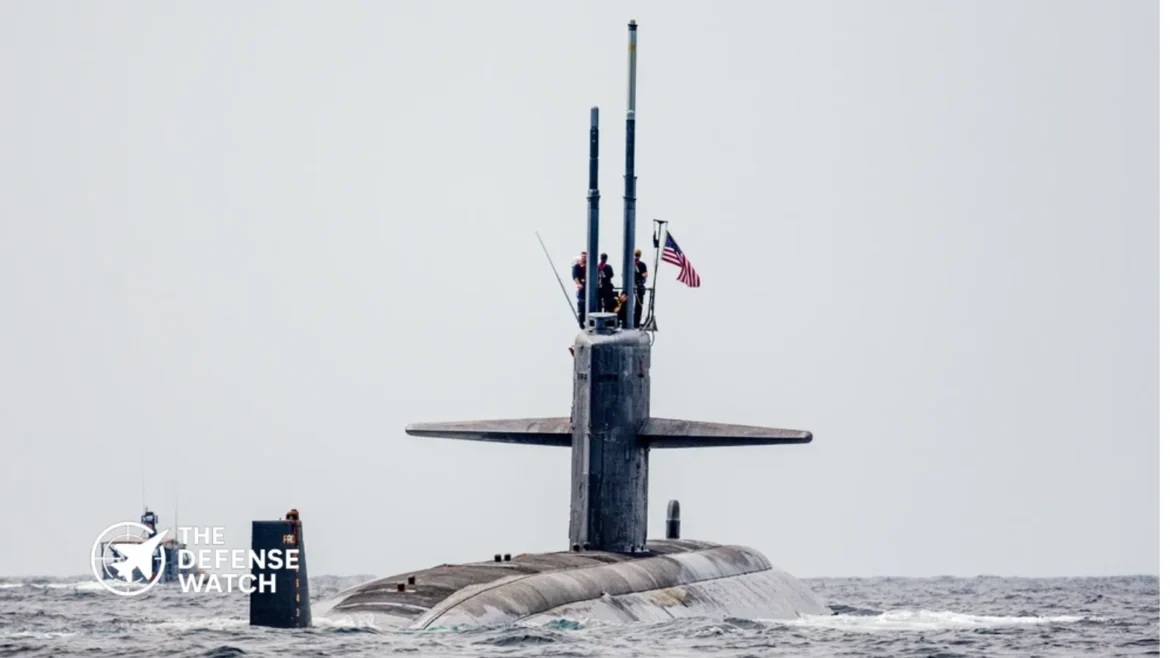
- ► Denmark evacuated a sailor from a U.S. Navy attack submarine operating off Greenland.
- ► The operation involved Danish Arctic response assets supporting a medical emergency.
- ► The U.S. attack submarine off Greenland was conducting operations in Arctic waters.
- ► The incident highlights close U.S.-Danish defense cooperation in the High North.
- ► Arctic submarine activity underscores growing strategic focus on Greenland and surrounding seas.
Denmark Evacuates Sailor From US Attack Submarine Off Greenland
Denmark evacuated a sailor from a US attack submarine off Greenland following a medical emergency, underscoring the operational realities of submarine deployments in the Arctic.
According to Danish Arctic Command, Danish authorities responded after the U.S. Navy requested assistance while the submarine was operating in waters near Greenland. The sailor required medical evacuation, prompting coordination between U.S. and Danish forces in a remote and challenging environment.
Danish Arctic response assets were dispatched to support the transfer. Details about the sailor’s condition and the specific submarine involved were not publicly disclosed, consistent with standard U.S. Navy operational security practices.
Arctic Operations And Allied Coordination
The presence of a US attack submarine off Greenland reflects sustained American naval activity in the High North. The U.S. Navy regularly deploys fast attack submarines to Arctic and sub-Arctic waters for training, deterrence, and strategic patrols.
Greenland remains a critical node in transatlantic defense. The United States maintains a military footprint at Pituffik Space Base, formerly known as Thule Air Base, supporting missile warning and space surveillance missions. Danish sovereignty over Greenland, combined with its NATO membership, makes Copenhagen a key partner in Arctic security.
Medical evacuations from submarines are complex even in temperate waters. In Arctic conditions, the risks increase. Sea state, ice coverage, limited infrastructure, and long distances to advanced medical facilities all complicate response efforts. That Denmark was able to assist a US attack submarine off Greenland highlights established contingency planning and interoperability between the two navies.
Strategic Context In The High North
The Arctic has taken on renewed strategic importance in recent years. Melting sea ice is expanding seasonal access, while competition among major powers has intensified. The United States has emphasized freedom of navigation, early warning, and undersea dominance as core elements of its Arctic posture.
Attack submarines play a central role in that posture. Their ability to operate undetected, gather intelligence, and project force makes them one of the most flexible assets in the U.S. naval inventory. Deployments near Greenland also place submarines along key maritime approaches between North America and Europe.
For Denmark, Arctic readiness is both a national and alliance obligation. The Danish Joint Arctic Command is responsible for search and rescue, maritime surveillance, and sovereignty enforcement around Greenland and the Faroe Islands. Supporting a US attack submarine off Greenland during a medical emergency fits squarely within that mandate.
Operational Transparency And Limits
Neither Danish officials nor the U.S. Navy released identifying details about the submarine, its mission, or its precise location. Such discretion is typical. Submarine movements are closely guarded to protect operational security and crew safety.
However, the public acknowledgment of Danish assistance signals confidence in allied cooperation. NATO members routinely support each other’s vessels in port visits, exercises, and emergencies. In the Arctic, where infrastructure is sparse, that cooperation becomes more visible.
The incident does not appear to have disrupted broader operations. Medical evacuations, while serious, are not uncommon during extended naval deployments. Submarine crews operate in confined spaces for prolonged periods, often far from immediate medical facilities.
Why This Matters
The evacuation from a US attack submarine off Greenland offers a practical example of how Arctic strategy translates into day to day operations. It is not only about deterrence or geopolitical signaling. It also involves logistics, emergency response, and trust between allies.
As Arctic maritime activity grows, so does the need for coordinated search and rescue and medical support frameworks. Denmark’s response demonstrates that those mechanisms are active and functional.
For the United States, continued submarine operations in the High North reinforce commitments to NATO and maintain undersea awareness in a region of increasing military interest. For Denmark, the mission highlights its role as a frontline Arctic ally.
In a region defined by distance and harsh conditions, cooperation remains a decisive factor.
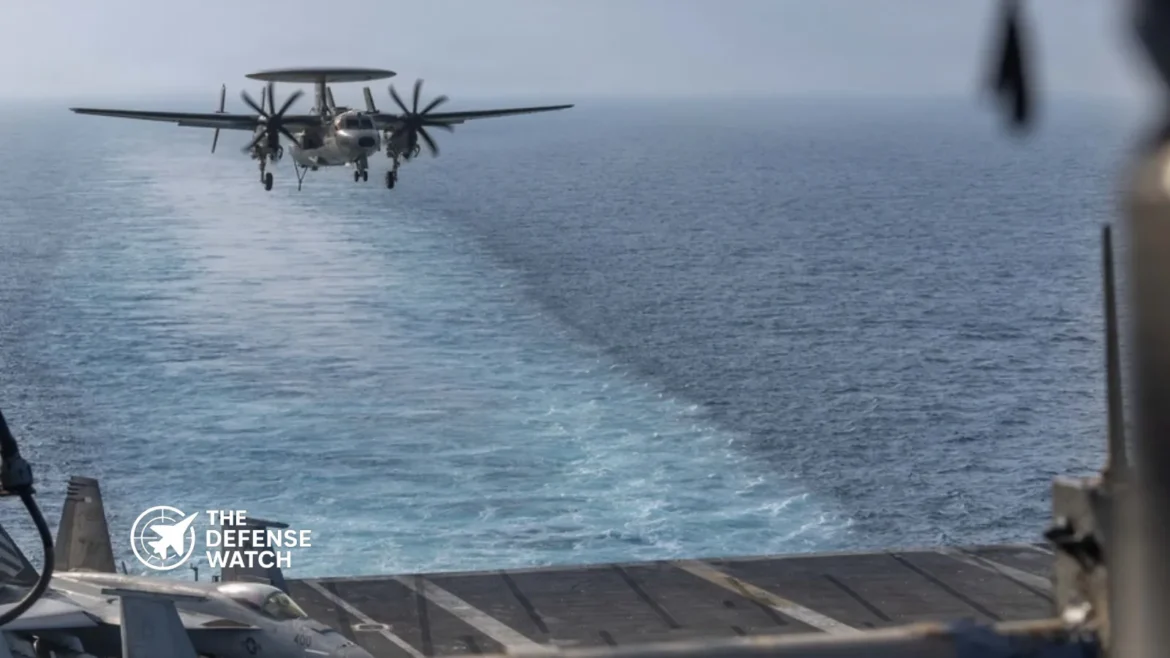
- ► US Navy awards approximately 10 million contract for 123 E 2D Hawkeye intercom systems.
- ► Upgrade supports carrier based airborne early warning and battle management missions.
- ► Enhances crew coordination and communications resilience inside the E 2D cockpit.
- ► Part of broader Navy effort to sustain and modernize the Advanced Hawkeye fleet.
- ► Reinforces carrier air defense posture amid evolving aerial and missile threats.
US Navy Orders 123 E 2D Hawkeye Intercom Systems To Reinforce Carrier Air Defense
The US Navy E 2D Hawkeye intercom systems upgrade marks a focused investment in the survivability and effectiveness of the carrier air wing’s airborne command and control aircraft.
(adsbygoogle = window.adsbygoogle || []).push({});According to reporting by Army Recognition, the US Navy has awarded a contract valued at roughly 10 million dollars for the procurement of 123 intercommunication systems for the E-2D Advanced Hawkeye fleet. The E 2D serves as the Navy’s primary airborne early warning and battle management platform, operating from nuclear powered aircraft carriers across the globe.
While the contract amount may appear modest compared to major airframe or radar upgrades, the operational role of these systems is significant. In high tempo carrier strike group operations, secure and reliable internal communications are essential for mission execution.
Why The Intercom Upgrade Matters
The E 2D Advanced Hawkeye acts as the airborne nerve center of the carrier strike group. It detects and tracks aircraft, cruise missiles, and surface contacts at extended ranges using its AN APY 9 radar and advanced mission systems. It also manages air defense assets and coordinates with fighter aircraft, including the F-35C Lightning II and F/A-18E/F Super Hornet.
In this environment, cockpit and cabin communication clarity is not a secondary issue. It directly affects mission success. The four to five crew members onboard the E 2D must process large volumes of sensor data while coordinating with surface ships, fighters, and joint forces.
Modern intercom systems provide improved audio clarity, reduced interference, and stronger resilience against electromagnetic disruption. As carrier groups face more advanced electronic warfare threats, hardened internal communication systems reduce vulnerabilities.
(adsbygoogle = window.adsbygoogle || []).push({});This contract therefore supports the integrity of the entire air defense network centered around the Hawkeye.
Supporting Carrier Air Wing Readiness
The US Navy E 2D Hawkeye intercom systems purchase also reflects a broader sustainment strategy. The Navy continues to expand and modernize its Advanced Hawkeye fleet, which replaced older E 2C variants over the past decade.
The E 2D’s enhanced radar and mission systems enable Cooperative Engagement Capability operations, allowing sensor data sharing across ships and aircraft. According to the U.S. Navy, the platform is central to integrated air and missile defense and distributed maritime operations.
Upgrading avionics subsystems such as intercom units ensures that legacy components do not become single points of failure. In carrier aviation, reliability rates are closely tied to sortie generation and deployment cycles. Even relatively small subsystems can ground aircraft if not modernized in time.
The contract for 123 units suggests fleet wide distribution, potentially covering both operational squadrons and training aircraft.
Strategic Context: Carrier Defense In A High Threat Era
Carrier strike groups are operating in increasingly contested environments. Peer competitors have invested heavily in long range anti ship cruise missiles, ballistic missiles, and electronic warfare systems designed to disrupt command and control.
In this context, the E 2D is not just a surveillance aircraft. It is the airborne command node that links sensors, shooters, and commanders. Its ability to maintain uninterrupted communications inside the aircraft and across networks is critical.
The US Navy E 2D Hawkeye intercom systems upgrade therefore supports layered defense against complex threats. Improved internal coordination enhances reaction times during saturation attacks or high density airspace operations.
From a doctrinal perspective, the Navy’s Distributed Maritime Operations concept depends on resilient communication architectures. While much attention focuses on satellite links and tactical data networks, internal aircraft systems remain foundational.
Industrial And Contracting Implications
Although Army Recognition reported the award, the Navy routinely issues such avionics contracts through established defense suppliers specializing in aerospace communication systems.
(adsbygoogle = window.adsbygoogle || []).push({});Smaller targeted contracts often receive less public attention than major aircraft procurement deals. However, they represent steady investment in readiness and life cycle management.
Given the E 2D’s projected service life into the 2040s, incremental upgrades will continue to play a key role in keeping the fleet relevant. Sustainment spending ensures that high end assets remain mission capable without requiring costly structural overhauls.
Operational Outlook
The E 2D Advanced Hawkeye currently deploys aboard Nimitz class and Ford class aircraft carriers. As the Navy integrates next generation systems, including advanced networks and unmanned platforms, the Hawkeye’s battle management role is expected to expand.
(adsbygoogle = window.adsbygoogle || []).push({});Ensuring robust onboard communications is a practical but essential step in that evolution.
The US Navy E 2D Hawkeye intercom systems order may not reshape the fleet overnight. But it strengthens the backbone of carrier air defense at a time when operational margins are tightening.
 ■ KEY FACTS AT A GLANCE
- ► Australia, the Philippines, and the United States conducted a Maritime Cooperative Activity inside the Philippine EEZ.
- ► Activities included joint sail, communication drills, and maritime domain awareness coordination.
- ► The operation supports freedom of navigation and adherence to international law.
- ► Trilateral cooperation builds on existing bilateral alliances and expanding Indo-Pacific partnerships.
- ► The Maritime Cooperative Activity reflects growing alignment among U.S. allies in the region.
Maritime Cooperative Activity Conducted In Philippine EEZ
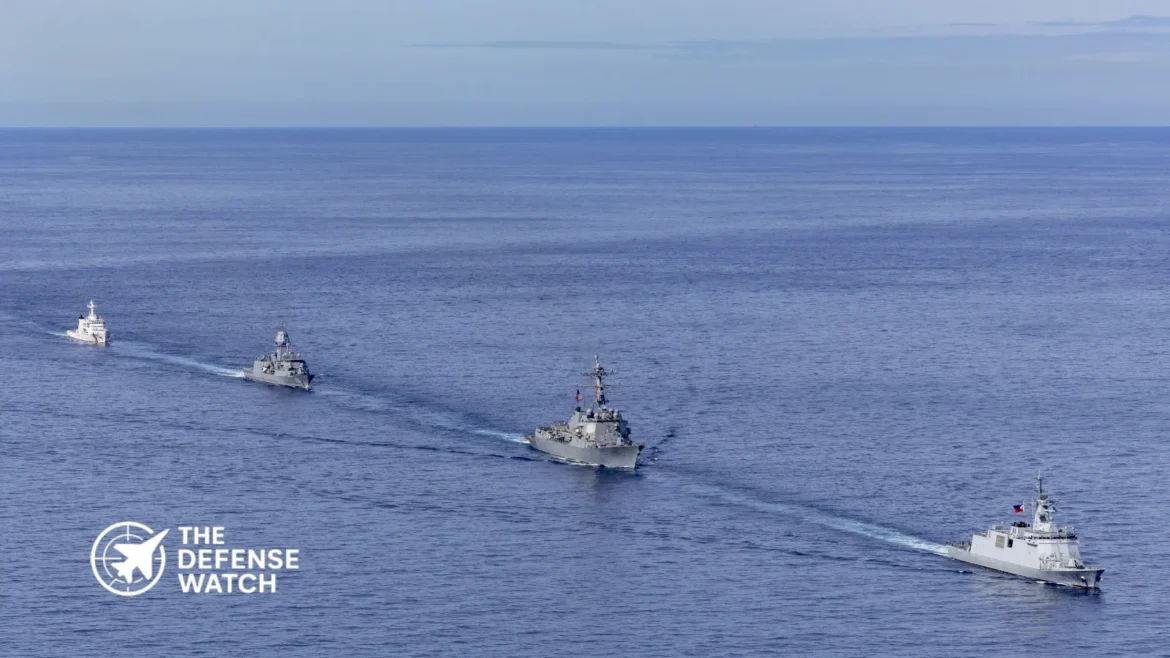
The recent Maritime Cooperative Activity in the Philippine Exclusive Economic Zone brought together naval and air forces from Australia, the Philippines, and the United States in a coordinated display of trilateral defense cooperation.
(adsbygoogle = window.adsbygoogle || []).push({});According to official releases from the Armed Forces of the Philippines and the U.S. Indo-Pacific Command, the activity was conducted within the Philippines’ internationally recognized Exclusive Economic Zone, consistent with international law.
The drills are part of a series of expanding multilateral engagements aimed at improving operational coordination, domain awareness, and maritime security in the Indo-Pacific.

Expanding Trilateral Maritime Coordination
The Maritime Cooperative Activity Philippines engagement reflects a steady shift from bilateral to trilateral maritime security coordination in Southeast Asia.
The Philippines remains a treaty ally of the United States under the 1951 Mutual Defense Treaty. Australia has deepened defense ties with Manila in recent years, including the signing of a Status of Visiting Forces Agreement in 2023, enabling closer military cooperation.
By conducting operations inside the Philippine Exclusive Economic Zone, the three nations are reinforcing Manila’s sovereign rights under the United Nations Convention on the Law of the Sea. While officials did not disclose the exact location, previous Maritime Cooperative Activity Philippines drills have taken place in waters facing the South China Sea.
(adsbygoogle = window.adsbygoogle || []).push({});This is significant. The South China Sea remains one of the world’s most contested maritime regions, with overlapping claims and increasing coast guard and naval presence from regional actors.
Operational Focus: Interoperability And Maritime Domain Awareness
Officials stated that the Maritime Cooperative Activity focused on improving interoperability between participating forces.
Typical components of such engagements include communication exercises, division tactics, cross deck coordination, and maritime domain awareness sharing. These activities are designed to ensure that allied ships and aircraft can operate safely and effectively together in real world scenarios.
The United States, through U.S. Navy assets assigned to Indo-Pacific Command, regularly conducts similar operations with treaty allies. Australia’s navy has expanded its operational footprint in Southeast Asia, while the Philippines continues to modernize its naval and coast guard capabilities.
The Philippine military has emphasized that these exercises are defensive in nature and aimed at strengthening collective maritime security.
Strategic Significance In The Indo-Pacific
The Maritime Cooperative Activity Philippines drill carries broader strategic weight beyond routine training.
First, it signals that trilateral cooperation is becoming institutionalized rather than episodic. Joint maritime patrols and coordinated presence operations are now occurring with greater frequency.
(adsbygoogle = window.adsbygoogle || []).push({});Second, it reinforces the concept of distributed deterrence. Rather than relying on a single nation’s presence, multiple allied forces operate together, complicating potential coercive actions in contested waters.
Third, it aligns with Washington’s Indo-Pacific strategy, which emphasizes networked security partnerships. Australia’s participation demonstrates that U.S. allies are increasingly coordinating among themselves, not only through Washington.
For Manila, such engagements serve a dual purpose. They enhance operational readiness while signaling diplomatic alignment with key security partners.
Legal And Policy Context
Under international law, an Exclusive Economic Zone extends up to 200 nautical miles from a coastal state’s baseline, granting sovereign rights over natural resources and certain economic activities.
By conducting the Maritime Cooperative Activity within the Philippine EEZ, participating nations reinforce recognition of these rights. This carries symbolic and practical importance in a region where maritime claims remain disputed.
Statements from participating governments have consistently referenced adherence to international law, freedom of navigation, and respect for sovereignty. These principles remain central to Indo-Pacific maritime policy frameworks.
(adsbygoogle = window.adsbygoogle || []).push({});Growing Pattern Of Multilateral Maritime Engagements
The Maritime Cooperative Activity Philippines drill is part of a broader trend.
Over the past several years, the United States and the Philippines have expanded the scope of their annual Balikatan exercises. Australia has increasingly joined such engagements, reflecting deeper integration among allied forces.
This pattern indicates a gradual normalization of multilateral maritime patrols in Southeast Asia. Rather than one off symbolic sail throughs, these activities now emphasize coordination, communication, and practical interoperability.
For defense planners, that shift matters. Routine coordination reduces friction during crises and strengthens shared situational awareness across maritime domains.
Raytheon Navy Contract Strengthens F A 18 Sustainment
The Raytheon Navy contract worth 12,975,258 dollars will support repair work for the U.S. Navy F A 18 aircraft fleet through December 2028, according to a Department of Defense contract announcement.
(adsbygoogle = window.adsbygoogle || []).push({});The award was issued to Raytheon Co. of McKinney, Texas, under a ceiling price not to exceed delivery order tied to a previously awarded basic ordering agreement. The work covers the repair of six weapon repairable assemblies, totaling 87 individual repairs, in support of the F A 18 aircraft system.
The contract was awarded by Naval Supply Systems Command Weapon Systems Support, which manages sustainment and logistics for Navy aviation and maritime systems.
Scope Of The F A 18 Repair Support Contract
Under the delivery order, all work will be performed in McKinney, Texas. The effort focuses on weapon repairable assemblies, critical components that ensure the operational capability of the F A 18 aircraft system.
While the Department of Defense did not specify the exact assemblies involved, weapon repairable assemblies typically include electronic modules, guidance components, and other mission critical subsystems integrated into aircraft weapon systems.
The F A 18 platform, in both its legacy Hornet and Super Hornet variants, remains a core element of U.S. Navy carrier air wings. Sustainment contracts like this Raytheon Navy contract are central to maintaining readiness as the fleet continues operations worldwide.
(adsbygoogle = window.adsbygoogle || []).push({});Work under this award is expected to be completed by December 2028.
Funding And Contract Details
The Navy obligated 9,731,444 dollars in fiscal 2026 working capital funds at the time of award. According to the Department of Defense announcement, those funds will not expire at the end of the current fiscal year.
The delivery order does not include an option provision.
The award was issued on a sole source basis pursuant to 10 U.S. Code 3204 a 1, which permits contracting without full and open competition when only one responsible source is available. One source was solicited, and one offer was received.
Such sole source awards are common in cases where original equipment manufacturers maintain proprietary technical data and repair capabilities tied to specific subsystems.
Role Of Raytheon In Naval Aviation Sustainment
Raytheon, now operating as a major business unit within RTX Corporation, has long supplied advanced avionics, radar systems, precision weapons, and electronic warfare technologies to the U.S. military.
Its McKinney, Texas facility serves as a key hub for missile systems, advanced electronics, and sustainment services. The latest Raytheon Navy contract reinforces the company’s ongoing role in lifecycle support for front line aircraft.
The F A 18 fleet continues to deploy aboard U.S. Navy aircraft carriers, supporting strike missions, air superiority, maritime security, and close air support operations. Sustainment and repair programs are critical as aircraft age and operational tempo remains high.
(adsbygoogle = window.adsbygoogle || []).push({});According to U.S. Navy budget documents, sustainment funding has remained a priority as the service balances procurement of next generation platforms with maintenance of existing systems.
Sustainment As A Strategic Priority
The Raytheon Navy contract reflects a broader trend across the Department of Defense, where sustainment and modernization efforts are receiving increased attention.
The Navy’s aviation enterprise depends on timely repair and refurbishment of weapon system components to reduce downtime and improve mission capable rates. Weapon repairable assemblies often require specialized facilities, certified technicians, and access to proprietary data.
By issuing delivery orders under an established basic ordering agreement, the Navy can streamline contracting timelines while maintaining oversight and cost control.
The 12.9 million dollar award represents a targeted sustainment effort rather than a new production program, but such contracts are essential to fleet readiness.
Industrial Base And Fleet Readiness Impact
Although relatively modest in dollar value compared to major procurement programs, this Raytheon Navy contract contributes to the stability of the defense industrial base.
(adsbygoogle = window.adsbygoogle || []).push({});Repair and overhaul work supports skilled jobs in Texas and ensures that critical expertise remains available within the U.S. industrial ecosystem.
For the Navy, maintaining a reliable sustainment pipeline directly affects carrier air wing readiness. As geopolitical tensions persist in regions such as the Indo Pacific and the Middle East, aircraft availability remains a core operational metric.
The F A 18 continues to operate alongside newer platforms, and sustainment contracts ensure the aircraft can meet mission demands until future systems fully transition into service.
US Navy Warship Collision With Supply Vessel USNS Supply – What We Know
A US Navy warship collision with supply vessel USNS Supply occurred as the guided-missile destroyer USS Truxtun was taking on fuel and stores in a routine replenishment-at-sea operation, US Southern Command confirmed. This US Navy warship collision in the Caribbean left two personnel with minor injuries and is under official review.
The collision unfolded on February 11, 2026, when the Arleigh Burke-class destroyer USS Truxtun and the fast combat support ship USNS Supply were conducting a standard underway replenishment. In this evolution, ships sail side-by-side at close range while fuel and supplies are transferred aboard via cables and hoses.
Officials say the two sailors who reported injuries are in stable condition and neither required evacuation to a separate medical facility. Both Truxtun and USNS Supply continued sailing under their own power after the impact and showed no immediate loss of seaworthiness, according to the statement.
Ships Involved and Operation Context
USS Truxtun (DDG-103) is an Arleigh Burke-class guided-missile destroyer commissioned in 2009, with a displacement of around 9,200 tons and a crew of roughly 380. It carries an Aegis combat system with a Mk 41 vertical launch system, naval guns, and anti-air and missile defense sensors.
USNS Supply (T-AOE-6) is a Supply-class fast combat support ship operated by the Military Sealift Command. At about 48,800 tons and 755 feet long, it provides fuel, munitions, food, and other stores to carrier strike groups and other deployed units.
The replenishment at sea during which the collision occurred is one of the most challenging routine evolutions for the Navy. Vessels maneuver in close proximity while underway, making precise navigation and helm control essential to safety.
Operational Setting
The incident took place in the Southern Command area of responsibility, which covers the Caribbean Sea and parts of the South Atlantic. The ships were part of a larger US naval presence in the region tasked with ongoing security operations.
Investigation and Safety
US Southern Command said the cause of the US Navy warship collision is under investigation. No details on contributing factors such as weather conditions, mechanical issues, or procedural errors were released at the time of the announcement.
Collisions between Navy vessels are relatively rare but have occurred in recent years. For example, a 2025 collision between the aircraft carrier USS Harry S. Truman and a merchant vessel near the Suez Canal resulted in minor damage but no injuries.
What Comes Next
Naval authorities will likely review watchstanding procedures, helm control inputs and communications leading up to the contact. Both Truxtun and Supply are expected to undergo damage assessments and any necessary maintenance before returning to full operational status.
US Navy Strike Drones Program Signals Major Shift In Naval Aviation
The US Navy is actively seeking ship-launched strike drones that can operate from virtually any warship, reflecting a broader push to expand distributed maritime strike options and reduce reliance on aircraft carriers.
According to a recent report, Navy officials are evaluating unmanned aircraft concepts that could be launched from surface combatants, amphibious ships, and potentially logistics vessels, without the need for catapults, arresting gear, or extensive ship modifications. The effort aligns with the service’s long-term vision of distributed maritime operations and unmanned force integration.
The initiative comes as the Navy faces growing challenges in contested environments, particularly in the Indo-Pacific, where long-range precision fires, dense air defenses, and anti-ship missile threats complicate traditional carrier-centric operations.
Expanding Strike Power Beyond Aircraft Carriers
Aircraft carriers remain central to US naval power, but they are high-demand and high-risk assets. Navy leaders increasingly view unmanned systems as a way to spread offensive capability across the fleet while complicating adversary targeting.
The strike drones under consideration would be capable of taking off from standard ship decks or compact launch systems. Navy officials emphasized flexibility over size, favoring systems that could be deployed from destroyers, cruisers, amphibious assault ships, and potentially even smaller combatants.
Unlike existing carrier-based unmanned aircraft programs, the focus is not on replacing crewed aircraft, but on augmenting fleet-wide strike capacity. These drones would conduct missions such as maritime strike, land attack, intelligence collection, and targeting support.
Defense News reported that the Navy is particularly interested in systems that require minimal shipboard integration, allowing rapid adoption across multiple ship classes.
Technical Requirements And Operational Concept
While detailed specifications have not been publicly released, Navy officials outlined several core requirements for future ship-launched strike drones.
Key attributes include vertical or short takeoff capability, autonomous or semi-autonomous flight control, and the ability to carry a meaningful payload of sensors or weapons. Endurance and survivability in contested environments are also central considerations.
The Navy is also prioritizing compatibility with existing command and control networks. Strike drones would need to integrate seamlessly with naval combat systems, including Cooperative Engagement Capability and other joint targeting frameworks.
Officials noted that these systems are expected to operate in coordination with crewed aircraft, surface combatants, and undersea platforms, reinforcing the Navy’s emphasis on multi-domain operations.
Lessons From Ongoing Conflicts And Experiments
The Navy’s interest in ship-launched strike drones reflects lessons drawn from recent conflicts, particularly the extensive use of unmanned systems in Ukraine and the Middle East. Armed drones have demonstrated their value as low-cost, adaptable strike and reconnaissance platforms capable of operating under persistent threat.
Within the US Navy, experimentation with unmanned surface and air systems has accelerated in recent years. Programs such as the MQ-25 Stingray tanker drone and various unmanned surface vessel initiatives have helped mature autonomous technologies and operational concepts.
However, the ship-launched strike drone effort differs in scale and intent. Rather than supporting carrier air wings, these drones are designed to give individual ships independent strike options, even when operating far from air cover.
Industry Engagement And Acquisition Path
The Navy is engaging with industry to explore a wide range of concepts, from expendable strike drones to recoverable platforms designed for repeated use. Officials have signaled openness to both traditional defense contractors and non-traditional suppliers with experience in commercial unmanned systems.
According to Defense News, the service is using early-stage market research and experimentation to refine its requirements before committing to a formal acquisition program. This approach reflects a broader shift toward rapid prototyping and iterative development within the Department of Defense.
No timeline has been announced for fielding an operational capability, but Navy leaders indicated that near-term experimentation could lead to limited deployments later this decade.
Strategic Implications For Naval Warfare
If successful, ship-launched strike drones could significantly alter how the US Navy projects power at sea. By enabling more ships to conduct offensive operations, the Navy could complicate adversary planning and reduce the operational burden on carrier strike groups.
Such systems would also enhance deterrence by increasing the number of platforms capable of delivering precision effects. In high-end conflicts, distributed strike drones could play a critical role in saturating enemy defenses and supporting joint force operations.
Analysts note that adversaries, including China and Iran, are investing heavily in unmanned and missile technologies. The Navy’s push for flexible strike drones suggests an effort to stay ahead in an increasingly contested and technology-driven maritime battlespace.
Trident Missile Fire Control Contract Awarded by US Navy
The US Navy has awarded a $255 million contract for the Trident missile fire control subsystem, directly supporting long-range strategic ballistic missile capability for both the United States and United Kingdom.
Under the award announced in a Department of Defense contract notice, General Dynamics Mission Systems will lead work on the Strategic Weapon System Fire Control Subsystem, covering sustainment, modernization, production, installation, training and engineering support.
The contract is a hybrid award combining cost-plus-incentive-fee, cost-plus-fixed-fee and cost-only elements under contract number N0003026C1005, with execution spanning fiscal years 2026 and 2027. Options included in the award could push the total value toward $485 million if exercised.
Work performed under the contract will support multiple submarine platforms, including US Ohio-class SSBNs, US guided-missile submarines (SSGNs) and the UK continuous at-sea deterrent force aboard its ballistic missile submarines.
Scope and Locations
Most of the work is slated to take place in Pittsfield, Massachusetts, accounting for about 87 percent of contracted effort. Additional activities will occur in the United States at locations including Groton, Connecticut, Quonset Point, Rhode Island, Cape Canaveral, Florida, and naval bases in Bangor, Washington and Kings Bay, Georgia. A small portion of effort will be conducted in the United Kingdom.
The full contract schedule extends through June 1, 2033, as noted by the Pentagon, reflecting the long-term nature of strategic weapons support for nuclear deterrence missions.
Strategic Context
Fire control systems are central to ballistic missile submarine operations, serving as the command and control backbone that integrates sensors, guidance data and launch sequences for strategic weapons such as the Trident II (D5) ballistic missile family. These systems ensure that target and guidance information is correctly processed and relayed to missile hardware for effective deployment. For nuclear deterrence forces, ongoing modernization and sustainment work preserves reliability and readiness.
The bilateral nature of the contract reflects longstanding cooperation between the United States and the United Kingdom on strategic deterrent forces. Under arrangements dating back decades, the UK procures key elements of its nuclear sea-based deterrent from US programs and aligns with US Navy sustainment and upgrade efforts.
Industry Implications
General Dynamics Mission Systems continues its role as a major integrator for submarine strategic weapon systems. The firm has previously received awards tied to fire control, system integration and support for both US and allied nuclear deterrent platforms.
The contract bolsters ongoing workstreams tied to nuclear ballistic missile submarine modernization, including co-development and installation of systems on emerging submarine classes such as the Columbia-class in the US and the Dreadnought-class in the UK.
US Navy Royal Saudi Naval Forces Exercise Strengthens Maritime Cooperation
The US Navy and Royal Saudi Naval Forces have concluded Exercise Indigo Defender, a bilateral maritime drill aimed at improving interoperability, tactical coordination, and regional maritime security, according to US Central Command.
(adsbygoogle = window.adsbygoogle || []).push({});The exercise was conducted in the Red Sea and surrounding waters, a region critical to global trade and energy flows. Indigo Defender brought together surface combatants, maritime patrol assets, and naval personnel from both countries in a series of coordinated operations focused on real world naval missions.
US Central Command described the exercise as part of ongoing efforts to strengthen partnerships and maintain freedom of navigation in the Middle East maritime domain.
Exercise Indigo Defender and Its Strategic Purpose
Exercise Indigo Defender is a recurring bilateral naval exercise designed to improve cooperation between the US Navy and Royal Saudi Naval Forces. The drill focuses on enhancing combined maritime operations, information sharing, and command and control procedures.
During the latest iteration, participating forces conducted a range of naval activities, including maritime interdiction operations, surface warfare drills, tactical maneuvering, and communication exercises. These activities are intended to ensure that both navies can operate together effectively during routine patrols or in response to regional contingencies.
US Central Command stated that the exercise supports its broader mission to work with regional partners to promote stability, deter aggression, and protect the free flow of commerce through key waterways.
Operational Areas and Training Activities
The Red Sea remains one of the most strategically significant maritime corridors in the world. It links the Mediterranean Sea to the Indian Ocean through the Suez Canal and Bab el Mandeb Strait, carrying a large share of global shipping traffic.
Exercise Indigo Defender emphasized operations relevant to this environment. Training events included visit, board, search, and seizure procedures, coordinated surface patrols, and maritime domain awareness activities. These drills help naval forces identify and respond to potential threats such as smuggling, piracy, or hostile actions against commercial shipping.
By operating together in complex maritime scenarios, the US Navy and Royal Saudi Naval Forces improved their ability to communicate, share situational awareness, and execute combined missions with minimal friction.
Role of the Royal Saudi Naval Forces
The Royal Saudi Naval Forces play a central role in protecting Saudi Arabia’s extensive coastline along both the Red Sea and the Arabian Gulf. In recent years, Saudi Arabia has invested heavily in naval modernization, including new surface combatants, improved command systems, and expanded training programs.
(adsbygoogle = window.adsbygoogle || []).push({});Participation in Exercise Indigo Defender allows Saudi naval forces to refine their operational skills alongside a technologically advanced partner. It also supports Saudi Arabia’s broader defense objectives, which include safeguarding maritime infrastructure, energy export routes, and critical ports.
US officials have repeatedly highlighted Saudi Arabia as a key maritime security partner in the Middle East, particularly in efforts to counter regional threats and maintain stability in international waters.
US Navy Objectives and Regional Presence
For the US Navy, Indigo Defender supports long standing objectives in the US Central Command area of responsibility. These include maintaining freedom of navigation, deterring state and non state threats, and building partner capacity through combined training.
The exercise aligns with US Navy efforts to operate with allies and partners as part of integrated maritime security frameworks. By conducting regular bilateral and multilateral exercises, the US Navy aims to ensure that partner forces can operate seamlessly during joint missions.
US Central Command noted that exercises like Indigo Defender demonstrate a shared commitment to maritime security and reinforce the rules based international order at sea.
Broader Middle East Maritime Security Context
Maritime security remains a major concern in the Middle East due to regional tensions, threats to commercial shipping, and the presence of armed non state actors. Attacks on vessels, attempted seizures, and the use of naval mines and unmanned systems have highlighted the need for strong cooperative security measures.
Bilateral exercises such as Indigo Defender complement wider multinational initiatives focused on maritime domain awareness and cooperative patrols. They also serve as a visible signal of cooperation between the United States and regional partners.
According to US Central Command, strengthening naval partnerships helps reduce the risk of miscalculation and improves collective readiness to respond to emerging threats.
Importance of Interoperability and Trust
A key outcome of Exercise Indigo Defender is improved interoperability between the US Navy and Royal Saudi Naval Forces. Interoperability goes beyond shared tactics and includes compatible communication systems, aligned procedures, and mutual trust between personnel.
Exercises provide sailors and officers with direct experience working together, building professional relationships that are critical during real world operations. This human element is often cited by military leaders as one of the most valuable aspects of combined training.
(adsbygoogle = window.adsbygoogle || []).push({});US Central Command emphasized that sustained engagement with regional navies contributes to long term stability and enhances collective maritime security capabilities.
Looking Ahead
While US Central Command did not announce details of future iterations, Indigo Defender is part of an ongoing series of bilateral engagements between the United States and Saudi Arabia. Similar exercises are expected to continue as both countries seek to adapt to evolving maritime threats.
As regional security challenges persist, combined naval training remains a cornerstone of US and Saudi defense cooperation. Exercises like Indigo Defender underline the importance of readiness, partnership, and shared responsibility in safeguarding vital maritime routes.