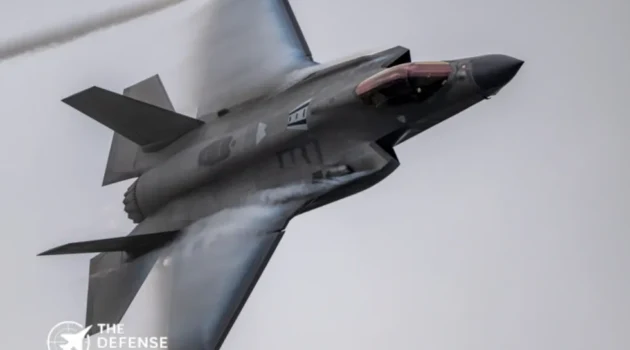
AC-130J Gunship Deployment Signals New Counter-Trafficking Focus
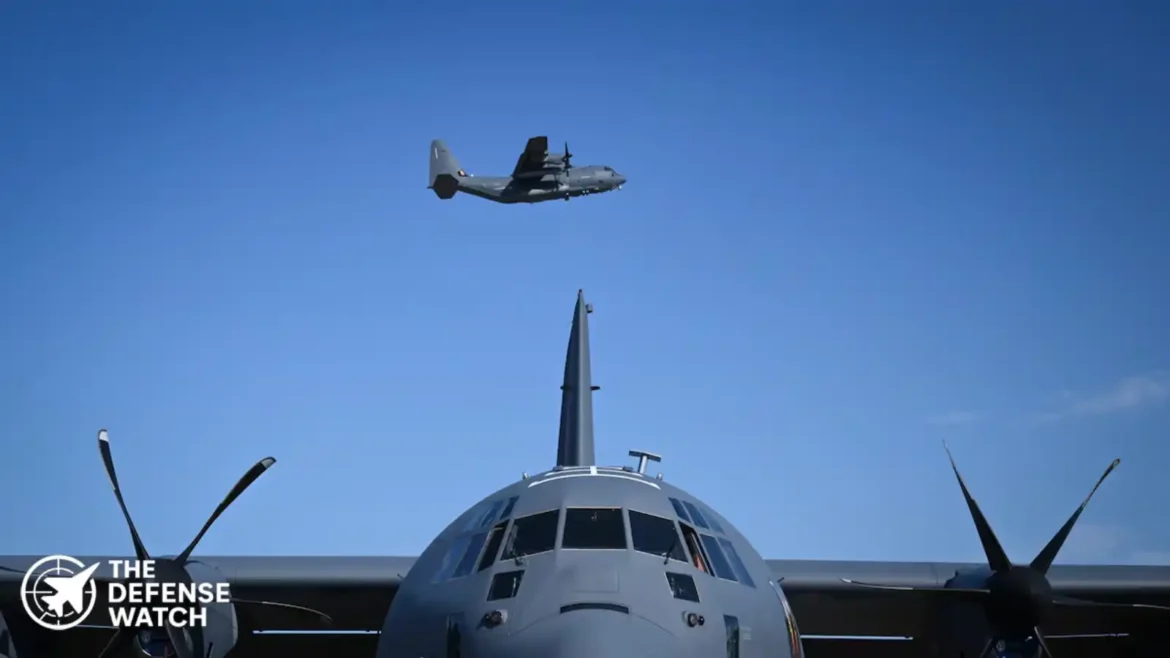
The AC-130J gunship has reportedly deployed to Central America carrying Hellfire missiles and precision bombs, a loadout that points to a more targeted U.S. approach against trafficking networks operating across land and maritime routes. The aircraft was positioned in El Salvador as part of a wider counter-trafficking mission.
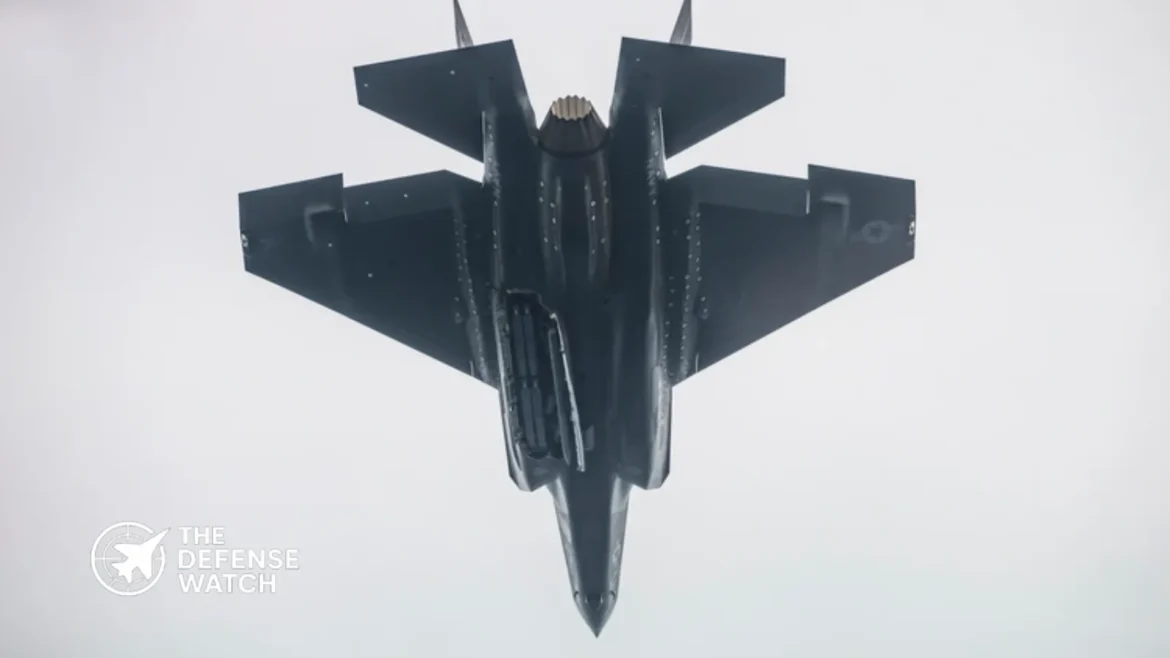
- A U.S. Air Force AC-130J Ghostrider has reportedly deployed to El Salvador for counter-trafficking operations.
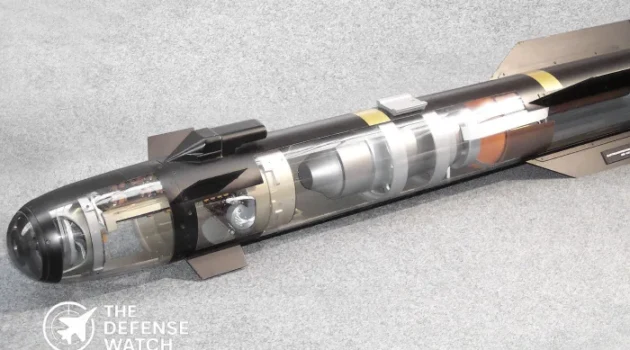
- The aircraft was described carrying AGM-114 Hellfire missiles and GBU-39/B Small Diameter Bombs.
- The AC-130J combines long loiter time, onboard sensors, and precision strike capability.
- Such deployments can support maritime surveillance, jungle interdiction, and rapid response missions.
- The move highlights growing U.S. use of military aviation in regional security operations.
The AC-130J Ghostrider is one of the most capable aircraft in the U.S. Air Force Special Operations Command fleet. Built on the C-130J airframe, it combines surveillance systems, precision-guided weapons, and persistent airborne presence. Official U.S. Air Force fact sheets list its core missions as close air support, air interdiction, and armed reconnaissance.
Why The Weapon Loadout Matters
The reported mix of AGM-114 Hellfire missiles and GBU-39/B Small Diameter Bombs is significant.
Hellfire missiles are suited for moving vehicles, small boats, and time-sensitive targets. The GBU-39/B offers greater stand-off range with low collateral damage, useful for fixed compounds, storage sites, or isolated infrastructure.
That combination suggests planners want flexibility. Trafficking organizations often shift routes quickly, disperse assets, and use remote terrain. A platform that can detect, track, and strike different target types in one sortie offers clear operational value.
This is where the AC-130J stands apart from fighters or drones. Fighters are fast but limited in loiter time. Many drones can remain overhead longer, but usually carry lighter payloads. The AC-130J merges endurance, sensors, and heavier precision firepower in a single aircraft.
Why Central America Is Important
Central America remains a critical transit corridor for narcotics, weapons smuggling, and organized criminal logistics moving north toward Mexico and the United States. Coastal waters, jungle zones, and lightly governed border regions create difficult surveillance conditions.
An aircraft like the AC-130J gunship can monitor maritime approaches, support partner forces, and rapidly respond when intelligence identifies a target. Its sensor suite enables day and night operations, while aerial refueling can extend mission endurance.
Strategic Meaning Beyond Trafficking
There is also a signaling element. Deploying a high-end special operations aircraft for a law-enforcement linked mission shows Washington is willing to apply military-grade ISR and strike assets where it sees organized crime as a national security threat.
That does not automatically mean frequent weapons use. In many deployments, the aircraft’s greatest value may be surveillance, command-and-control support, and deterrence. The visible presence of such a platform can pressure networks to relocate, slow movement, or expose themselves.
AC-130J Capability Snapshot
The U.S. Air Force states the AC-130J carries a 30mm cannon, 105mm howitzer, and precision-guided munitions. It also uses electro-optical and infrared sensors, advanced communications, and fire-control systems. Inventory figures previously listed 37 active aircraft by FY24.
Outlook
If the reported deployment continues, the AC-130J gunship could become a recurring feature of U.S. regional security operations, especially where traffickers rely on speed, concealment, and dispersed routes. It is an expensive tool, but for missions requiring persistence and precision, few aircraft offer the same blend of capabilities.

US Air Force Advances B-21 Raider Aerial Refueling Capability
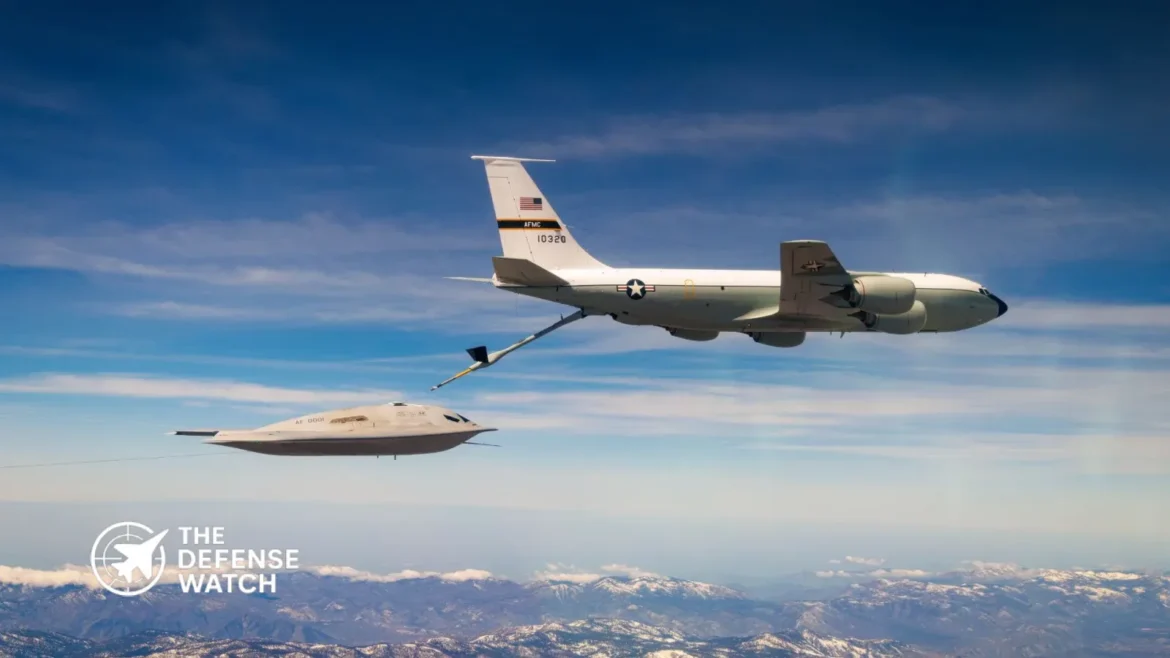
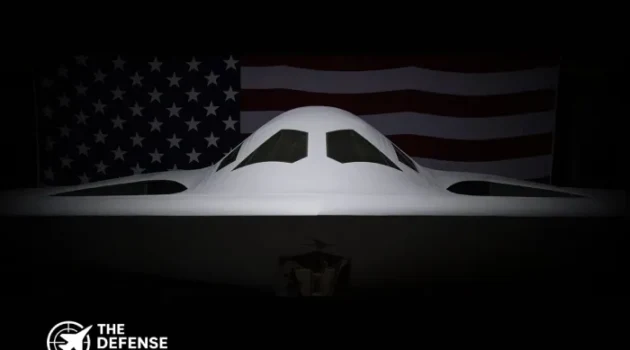
The B-21 Raider aerial refueling program has reached a critical milestone as the US Air Force completed its first in-flight refueling tests with the next-generation stealth bomber, significantly expanding its projected global strike reach.
The trials confirm that the B-21 can successfully integrate with existing aerial refueling infrastructure, a requirement for sustained long-range operations across contested theaters.
This development marks a key step toward operational readiness for the aircraft, which is expected to replace portions of the aging bomber fleet while enhancing survivability in high-threat environments.
- The US Air Force has conducted its first aerial refueling tests with the B-21 Raider stealth bomber.
- The tests validate the aircraft’s ability to extend range and endurance for global strike missions.
- The B-21 is designed to penetrate advanced air defenses and operate in contested environments.
- Aerial refueling integration is critical for the bomber’s operational deployment and nuclear mission readiness.
- The milestone supports the USAF’s broader modernization of its long-range strike and deterrence capabilities.
Extending Range for Global Strike Missions
Aerial refueling is central to the B-21’s mission profile. By enabling extended endurance, the bomber can conduct intercontinental missions without relying heavily on forward basing, a growing concern amid evolving geopolitical tensions.
The B-21 Raider aerial refueling capability allows the platform to remain airborne longer, increasing mission flexibility and reducing predictability, both critical in modern warfare scenarios.
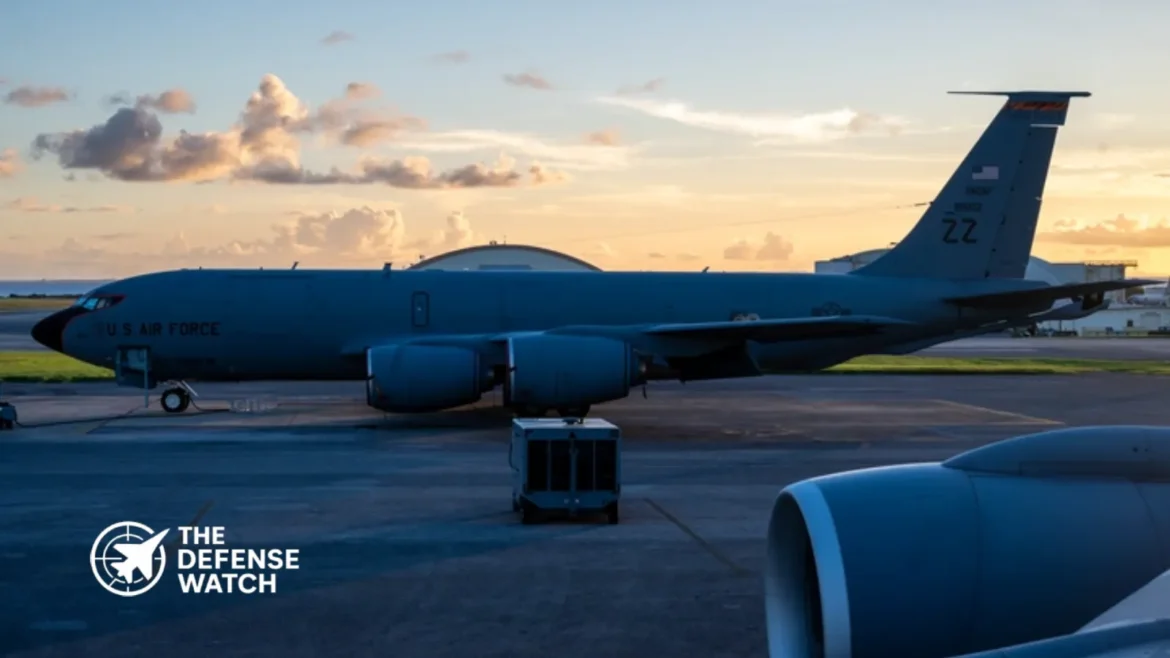
The aircraft is designed to operate alongside tanker platforms such as the KC-46 Pegasus and KC-135 Stratotanker, ensuring compatibility with the Air Force’s existing logistics backbone.
From an operational standpoint, this integration enhances the United States’ ability to project power globally while maintaining a lower forward footprint, a strategic advantage in contested regions like the Indo-Pacific.
Supporting Stealth Penetration and Survivability
The B-21 Raider is engineered for deep penetration missions against advanced integrated air defense systems. Its stealth characteristics, combined with extended range through refueling, allow it to strike high-value targets without early detection.
The B-21 Raider aerial refueling milestone reinforces the aircraft’s role in penetrating heavily defended airspace, where access to forward bases may be limited or denied.
Unlike legacy bombers, the B-21 is expected to operate in highly contested environments from the outset, reflecting a shift in US doctrine toward survivability and resilience.
This also aligns with the Pentagon’s emphasis on distributed operations, where platforms must operate across vast distances while remaining adaptable to rapidly changing threat conditions.
Strategic Implications for Nuclear and Conventional Deterrence
The B-21 Raider will play a dual role in both conventional and nuclear missions, forming a core component of the US nuclear triad. Aerial refueling is essential for ensuring that the bomber can meet the endurance requirements of strategic deterrence patrols.
By validating the B-21 Raider aerial refueling capability, the Air Force moves closer to certifying the aircraft for nuclear operations, a process that requires rigorous testing and integration.
This capability also enhances deterrence credibility. A bomber that can reach targets globally without relying on vulnerable bases complicates adversary planning and increases strategic uncertainty.
In practical terms, it strengthens the United States’ ability to respond rapidly to crises while maintaining a persistent deterrent posture.
Program Progress and Modernization Context
The B-21 Raider program is one of the Air Force’s top modernization priorities, aimed at replacing older platforms such as the B-1B Lancer and B-2 Spirit over time.
The successful aerial refueling tests indicate steady progress in flight testing and system integration, suggesting that the program is moving closer to initial operational capability.
The B-21 Raider aerial refueling milestone also reflects broader efforts to modernize the US bomber fleet in response to evolving threats from near-peer competitors.
Defense analysts note that range, survivability, and flexibility are becoming increasingly important as adversaries invest in anti-access and area denial systems designed to limit US power projection.
Analysis: Why This Milestone Matters Now
This development is more than a routine test milestone. It highlights a broader shift in how the US Air Force plans to conduct long-range strike operations.
First, reliance on aerial refueling reduces dependence on overseas bases, many of which are within range of adversary missile systems. This lowers vulnerability and increases operational resilience.
Second, it reinforces the concept of dynamic force employment, where assets can be repositioned rapidly without fixed infrastructure constraints.
Third, it underscores the importance of integrating new platforms into existing support networks. The ability of the B-21 to seamlessly connect with current tanker fleets reduces the need for costly new infrastructure.
Finally, the timing is notable. As strategic competition intensifies, particularly in the Indo-Pacific and Europe, the ability to conduct long-range, survivable strike missions becomes a central pillar of deterrence.
Raytheon SDB II Contract Expands Precision Strike Arsenal
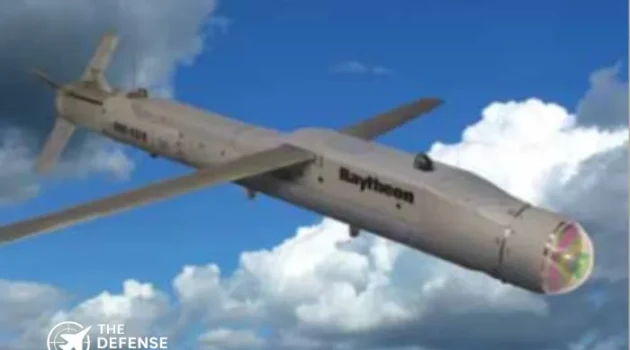
The Raytheon SDB II contract marks a significant expansion in U.S. and allied precision strike capabilities, with a not-to-exceed value of $708.9 million awarded by the U.S. Air Force.
The contract covers production Lot 12 of the Small Diameter Bomb Increment II, along with associated test equipment, containers, and spares. Work will be carried out in Tucson, Arizona, and is scheduled for completion by March 6, 2030, according to the U.S. Department of Defense.
Managed by the Air Force Life Cycle Management Center at Eglin Air Force Base, Florida, the award reflects continued demand for advanced precision-guided munitions amid evolving operational requirements.
- Raytheon awarded a $708.9 million contract for SDB II production Lot 12 and test equipment.
- Work will be performed in Tucson, Arizona, with completion expected by March 2030.
- Contract includes munitions, containers, spares, and test equipment.
- Program supports Foreign Military Sales to eight allied nations across Europe and Asia.
- The award was issued as a sole-source contract by the U.S. Air Force.
Multi-Nation Demand Drives Production Scale
A key feature of the Raytheon SDB II contract is its strong international component. The program includes Foreign Military Sales to Belgium, Canada, Finland, Germany, Italy, Norway, the Republic of Korea, and Switzerland.
This broad participation underscores the growing reliance among allied nations on precision, network-enabled weapons that can operate effectively in contested environments.
From an operational standpoint, the SDB II, also known as the GBU-53/B StormBreaker, offers multi-mode guidance, enabling engagement of moving targets in adverse weather conditions. Its integration across multiple platforms enhances interoperability among NATO and partner air forces.
The inclusion of multiple allied buyers also helps sustain production economies of scale, lowering unit costs while ensuring long-term supply chain stability.
Funding Structure Reflects Multi-Year Procurement Strategy
The contract’s funding breakdown highlights a layered procurement approach across fiscal years. Initial obligations include:
- $128.2 million in FY2026 missile procurement funds
- $31.5 million in FY2026 weapons procurement
- $5.29 million in FY2025 procurement funding
- $1.87 million in operations and maintenance funds
- $171.5 million in Foreign Military Sales contributions
This diversified funding structure reflects both U.S. military requirements and partner nation commitments, ensuring steady production flow over the contract period.
Strategic Context: Precision Weapons in High-Density Conflict
The Raytheon SDB II contract comes at a time when precision-guided munitions are central to modern air warfare doctrine. Conflicts in recent years have highlighted the importance of weapons capable of striking mobile targets with minimal collateral damage.
Compared to legacy systems, the SDB II provides enhanced flexibility through its tri-mode seeker, combining radar, infrared imaging, and semi-active laser guidance. This allows operators to engage targets in GPS-denied or electronically contested environments.
From a strategic perspective, expanding SDB II production aligns with broader U.S. efforts to maintain a technological edge against near-peer adversaries. The weapon’s ability to support stand-off engagement reduces risk to manned aircraft while increasing mission effectiveness.
For allied nations, participation in the program ensures access to a proven, interoperable capability that can be integrated into existing air platforms without significant modification.
Sole-Source Award Raises Industrial Base Considerations
The contract was issued as a sole-source acquisition, reflecting Raytheon’s position as the primary manufacturer of the SDB II system.
While sole-source awards can streamline procurement timelines and ensure consistency in production, they also highlight ongoing challenges within the defense industrial base. Maintaining competition and resilience in munitions manufacturing remains a priority for the Pentagon, particularly as global demand for precision weapons continues to rise.
However, given the technical complexity of the SDB II and its established production line, a sole-source approach is consistent with past procurement decisions for advanced munitions programs.
Operational Impact Through 2030
With production extending through 2030, the Raytheon SDB II contract ensures sustained availability of a critical precision strike capability for both U.S. and allied forces.
The program supports not only inventory replenishment but also long-term modernization goals, particularly as air forces transition toward network-centric and multi-domain operations.
As demand for precision engagement grows across multiple theaters, the SDB II is positioned to remain a key component of Western airpower strategies.
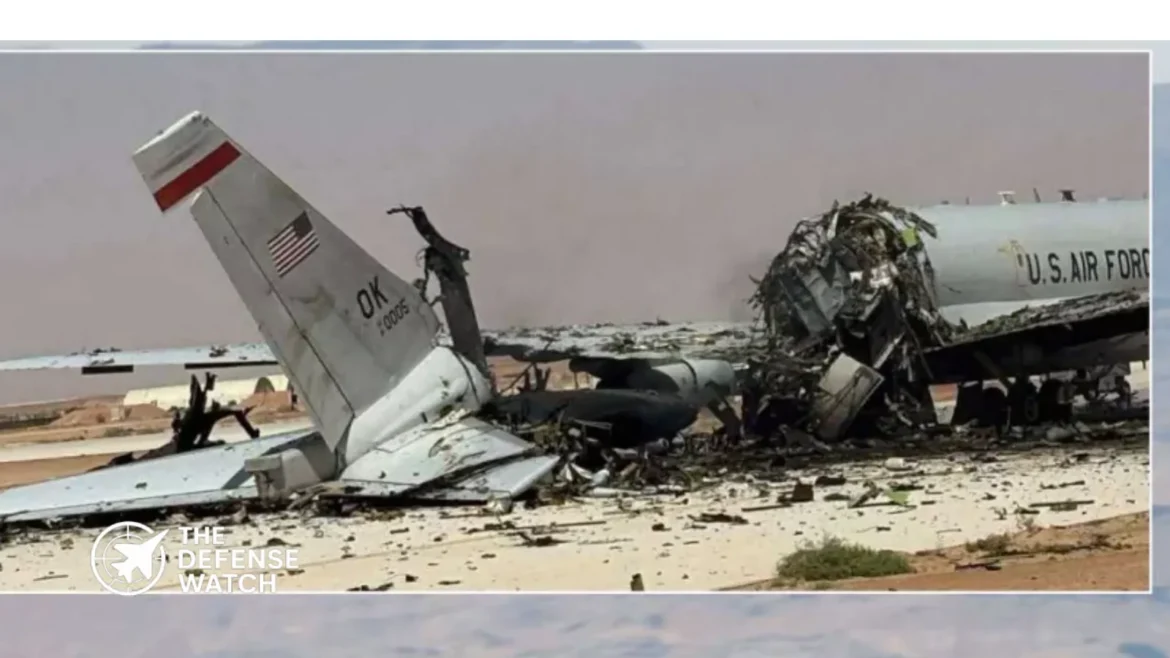
- The United States has reportedly suffered its first-ever combat loss of an E-3 Sentry AWACS aircraft.
- The aircraft was damaged or destroyed during an Iranian strike on Prince Sultan Air Base in Saudi Arabia.
- The E-3 Sentry plays a critical role in airborne early warning, command, and control operations.
- The incident underscores growing threats to high-value airborne and ground-based assets in the Middle East.
- The strike reflects escalating regional tensions and expanding Iranian long-range strike capabilities.
US E-3 Sentry Combat Loss Marks Turning Point In Airpower Vulnerability
The US E-3 Sentry combat loss marks a significant development in modern air warfare, following an Iranian strike on Prince Sultan Air Base in Saudi Arabia that reportedly damaged or destroyed the high-value airborne early warning aircraft.
According to reports, the incident represents the first confirmed combat loss of an E-3 Sentry since the platform entered service in the late Cold War era. The aircraft, operated by the US Air Force, is a cornerstone of airborne command and control, providing real-time surveillance, battle management, and coordination across joint forces.
While details remain limited, the strike is believed to have targeted the airbase using long-range precision munitions, potentially including ballistic or cruise missiles. The base has served as a key hub for US air operations in the region.
Strategic Role Of The E-3 Sentry In Modern Warfare
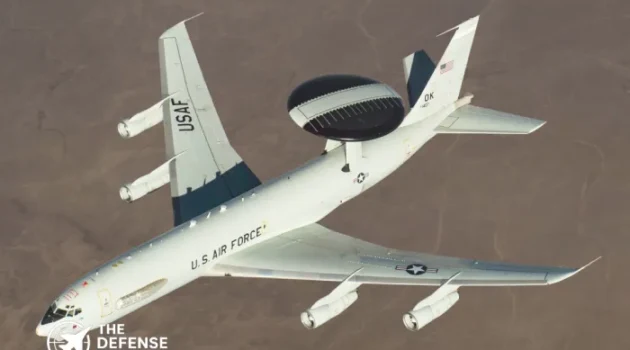
The E-3 Sentry, commonly referred to as AWACS, is built on a modified Boeing 707 airframe and equipped with a distinctive rotating radar dome. It can detect and track airborne and maritime threats at extended ranges, while directing friendly aircraft and coordinating complex operations.
Losing such a platform, even on the ground, carries operational and symbolic consequences.
From an operational standpoint, the US E-3 Sentry combat loss reduces available airborne surveillance capacity in a region where persistent monitoring is critical. These aircraft are limited in number, and their replacement is both costly and time-consuming.
From a strategic perspective, the incident highlights a shift in threat environments. High-value assets that were once considered relatively secure at rear-area bases are now increasingly vulnerable to precision strikes.
Iranian Strike Capabilities And Regional Escalation
The reported strike reflects the growing sophistication of Iran’s long-range strike arsenal. Over the past decade, Tehran has invested heavily in ballistic missiles, cruise missiles, and unmanned systems designed to penetrate air defenses and strike high-value targets.
Previous attacks on regional infrastructure, including energy facilities and military installations, have demonstrated both range and accuracy improvements. The ability to target a heavily defended airbase hosting US assets suggests continued refinement of targeting and strike coordination.
The US E-3 Sentry combat loss therefore fits into a broader pattern of evolving asymmetric capabilities aimed at offsetting conventional US military advantages.
Implications For US Force Posture And Base Defense
This incident is likely to trigger a reassessment of US force protection measures across the Middle East.
Airbases that host critical assets such as AWACS, tanker aircraft, and command platforms may require enhanced missile defense coverage, hardened shelters, and dispersal strategies. The vulnerability of fixed infrastructure has been a growing concern, particularly as adversaries expand their precision strike reach.
In practical terms, the US E-3 Sentry combat loss may accelerate efforts to:
- Increase deployment of layered air and missile defense systems
- Disperse high-value aircraft across multiple locations
- Invest in survivable and distributed command-and-control architectures
It also reinforces ongoing discussions about transitioning some AWACS functions to space-based and distributed sensor networks.
Broader Impact On Airborne Early Warning Operations
The loss underscores the enduring importance, and vulnerability, of airborne early warning platforms in contested environments.
While next-generation systems are under development, including more survivable and networked solutions, the E-3 Sentry remains a primary asset for US and allied forces. Any reduction in availability could affect operational tempo and situational awareness in high-risk theaters.
At the same time, adversaries are clearly prioritizing these platforms as high-value targets, both for their operational role and their strategic significance.
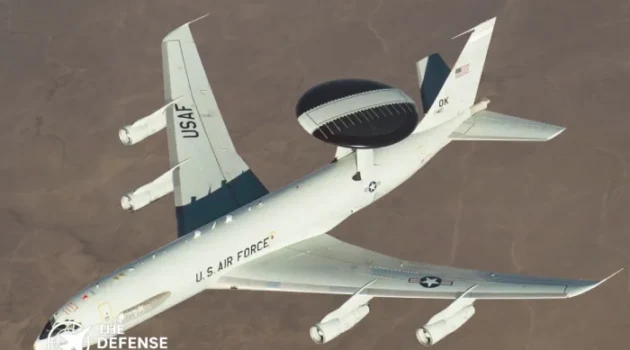
- Iranian attack reportedly damaged a U.S. E-3 Sentry AWACS aircraft at Prince Sultan Air Base in Saudi Arabia.
- The E-3 Sentry provides airborne early warning, battle management, and command and control capabilities.
- The strike highlights growing risks from missile and drone threats to high-value air assets in the Middle East.
- Prince Sultan Air Base hosts U.S. forces and serves as a key hub for regional air operations.
- Damage to AWACS platforms could impact situational awareness and command capabilities in contested environments.
Iranian Attack Damages U.S. E-3 Sentry AWACS Aircraft At Saudi Base
Iranian attack on AWACS aircraft has reportedly damaged a U.S. Air Force E-3 Sentry at Prince Sultan Air Base in Saudi Arabia, marking a rare strike against one of the most critical airborne command and control assets in the U.S. military inventory.
The reported incident, cited by defense industry sources, underscores the evolving threat posed by Iranian missile and drone capabilities and raises new questions about the survivability of high-value air assets in forward-deployed environments.
The Big Picture
U.S. airborne early warning and control platforms remain central to modern air warfare. The E-3 Sentry enables real-time surveillance, battle management, and coordination of air operations across large theaters.
The United States relies heavily on these aircraft to maintain air superiority, particularly in regions such as the Middle East where multiple actors operate advanced missile and drone systems.
Prince Sultan Air Base has served as a critical hub for U.S. air operations in Saudi Arabia, supporting coalition missions and regional deterrence efforts. Any disruption to assets based there carries broader implications for U.S. force posture and readiness.
What’s Happening
Reports indicate that an Iranian attack damaged a U.S. E-3 Sentry AWACS aircraft stationed at Prince Sultan Air Base.
The strike appears to be part of a broader pattern of Iranian use of long-range precision strike systems, including ballistic missiles and one-way attack drones.
While specific details on the extent of the damage remain limited, the targeting of an AWACS aircraft represents a notable escalation in terms of both intent and capability.
The E-3 Sentry is a high-value asset with limited numbers in service, making any damage operationally significant even if the aircraft is repairable.
Why It Matters
The Iranian attack on AWACS aircraft matters because the E-3 Sentry functions as a force multiplier.
The platform provides:
- Airspace surveillance over hundreds of miles
- Early warning of incoming threats
- Command and control for fighter aircraft and air defense systems
Damage to such an aircraft reduces situational awareness and complicates coordinated responses to threats.
The incident also highlights the vulnerability of large, non-stealthy aircraft on the ground. Unlike hardened shelters or dispersed assets, parked AWACS platforms present high-value targets that are difficult to conceal.
Strategic Implications
The strike has immediate implications for U.S. military readiness in the Middle East.
Reduced availability of AWACS coverage can affect:
- Air defense coordination
- Missile warning timelines
- Joint force integration across air and ground units
The incident also reinforces the importance of layered air and missile defense systems to protect forward operating bases.
From a deterrence perspective, the ability of Iranian systems to reach and damage such assets signals a growing capability to challenge U.S. operational freedom in the region.
Competitor View
Iran likely views this development as validation of its investment in asymmetric strike capabilities.
Tehran has prioritized missile and drone systems that can bypass traditional air defenses and target high-value assets at long range.
Russia and China may also study the incident as a case example of how to degrade U.S. command and control infrastructure in a conflict scenario.
Both countries have emphasized targeting enabling systems such as AWACS, tankers, and ISR platforms as part of their anti-access and area denial strategies.
What To Watch Next
U.S. response measures will be critical in the near term.
Key areas to monitor include:
- Deployment of additional air defense systems to regional bases
- Increased dispersal of high-value aircraft
- Potential acceleration of next-generation airborne early warning platforms
Maintenance and repair timelines for the damaged E-3 Sentry will also indicate how quickly the U.S. can restore full operational capability.
Capability Gap
The Iranian attack on AWACS aircraft highlights a persistent gap in base defense against low-cost, high-impact threats.
While advanced systems such as Patriot and THAAD provide strong ballistic missile defense, they are less optimized for:
- Low-flying drones
- Saturation attacks
- Precision strikes on parked aircraft
The incident underscores the need for integrated air defense solutions that combine kinetic interceptors with electronic warfare and directed energy systems.
It also points to the importance of operational practices such as dispersal, hardening, and deception to protect critical assets.
The Bottom Line
Iranian attack on AWACS aircraft exposes a critical vulnerability in U.S. forward air operations, reinforcing the need for stronger base defense and asset protection in contested regions.
- Pentagon is evaluating a second production line for the B-21 Raider stealth bomber.
- The move aims to increase production rates and accelerate delivery timelines.
- Expansion reflects growing demand for long-range strike capabilities amid global competition.
- The B-21 program is central to replacing aging B-1 and B-2 bomber fleets.
- Decision could reshape U.S. strategic deterrence posture over the next decade.
Pentagon Considers Expanding B-21 Raider Production Capacity
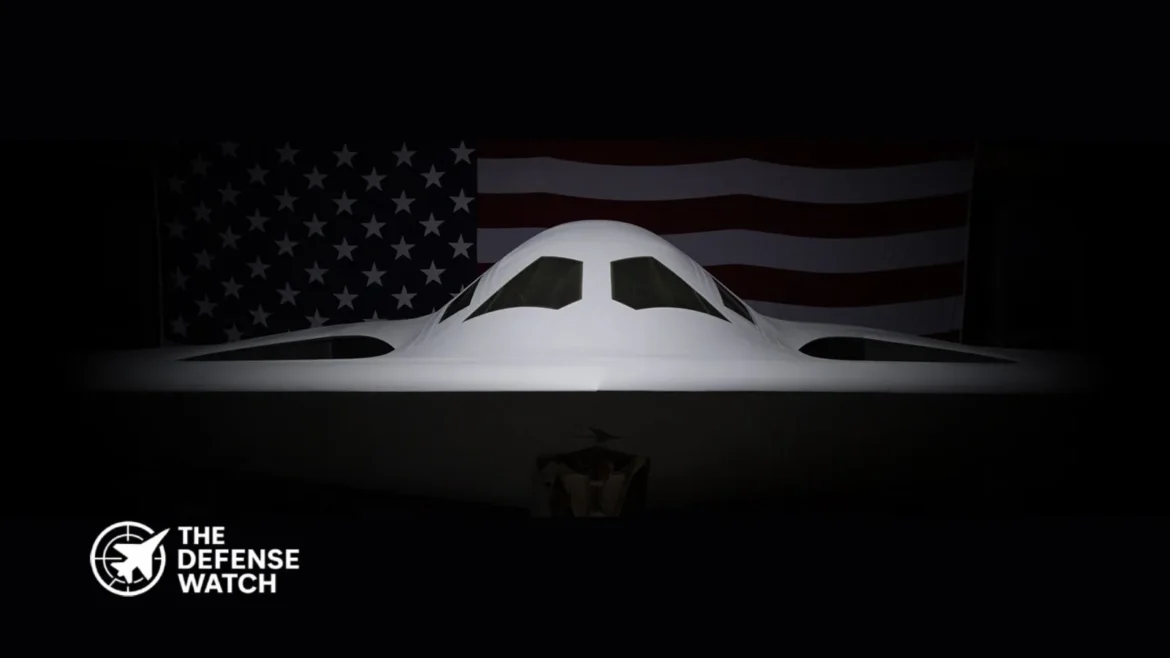
The B-21 Raider production line is under review as the Pentagon considers adding a second manufacturing line to accelerate delivery of its next-generation stealth bomber fleet.
The move reflects growing urgency within the U.S. Air Force to expand long-range strike capacity as global security dynamics shift and peer competition intensifies.
The Big Picture
The U.S. military is prioritizing long-range strike capabilities as a cornerstone of its modernization strategy. Stealth bombers remain one of the few platforms capable of penetrating advanced air defense systems operated by near-peer adversaries.
The B-21 Raider program sits at the center of this effort. Designed to replace portions of the aging B-1B Lancer and B-2 Spirit fleets, the aircraft is expected to provide both conventional and nuclear strike options under the U.S. nuclear triad.
Senior defense officials have increasingly emphasized the need for survivable, penetrating platforms that can operate in contested environments, particularly in the Indo-Pacific and European theaters.
What’s Happening
The Pentagon is actively assessing whether to establish a second B-21 Raider production line to increase output beyond current manufacturing capacity.
The aircraft is being developed and produced by Northrop Grumman, with initial production centered at its primary facilities in California. The evaluation comes as the U.S. Air Force signals interest in expanding the planned fleet size beyond earlier projections.
Officials are weighing industrial base capacity, cost implications, and supply chain resilience as part of the decision-making process.
The U.S. Air Force has previously indicated a minimum requirement of 100 B-21 aircraft, though recent discussions suggest that number could increase in response to evolving operational needs.
Why It Matters
The decision to expand B-21 Raider production capacity would directly affect the pace at which the U.S. can modernize its bomber fleet.
Faster production timelines would allow the Air Force to retire legacy aircraft sooner, reducing sustainment costs tied to aging platforms. At the same time, it would accelerate the deployment of stealth capabilities designed to survive in high-threat environments.
The B-21 is also designed with open architecture systems, allowing for rapid upgrades and integration of new technologies. Scaling production earlier in the program lifecycle could help standardize configurations and reduce long-term lifecycle costs.
Strategic Implications
Increasing B-21 production capacity would strengthen U.S. deterrence by improving the availability of long-range strike assets.
A larger stealth bomber fleet enhances operational flexibility. Commanders gain more options for global strike missions, persistent presence, and rapid response scenarios.
The move would also signal a long-term commitment to maintaining technological superiority in stealth and penetrating strike capabilities.
From an industrial perspective, a second production line could improve resilience against supply chain disruptions. It would also distribute workload across multiple facilities, potentially reducing bottlenecks.
Competitor View
China continues to invest heavily in integrated air defense systems and long-range strike capabilities, including its own stealth bomber development efforts. A larger U.S. B-21 fleet would complicate Chinese defense planning by increasing the number of survivable penetrating platforms.
Russia maintains a layered air defense network and is pursuing modernization of its bomber fleet. Increased U.S. stealth bomber production reinforces NATO’s long-range strike capabilities and strengthens deterrence in the European theater.
Both competitors are likely to interpret expanded B-21 production as a signal of sustained U.S. investment in strategic strike dominance.
What To Watch Next
Key milestones will include decisions on funding allocations within upcoming U.S. defense budgets and formal approval of any additional production infrastructure.
Observers will also track production rates as the B-21 transitions from low-rate initial production to full-rate manufacturing.
Testing and operational evaluation phases will remain critical. These will determine how quickly the aircraft can achieve initial operational capability and integrate into active units.
Capability Gap
The B-21 Raider production line expansion aims to address a clear capability gap in long-range, survivable strike capacity.
The current bomber fleet includes aging platforms that face increasing maintenance challenges and limited survivability against advanced air defenses.
However, scaling production introduces risks. Industrial capacity constraints, workforce availability, and supply chain dependencies could affect timelines and costs.
Balancing speed with program stability will remain a key challenge for the Pentagon.
The Bottom Line
Expanding B-21 Raider production would accelerate U.S. bomber modernization and strengthen long-range deterrence against advanced adversaries.
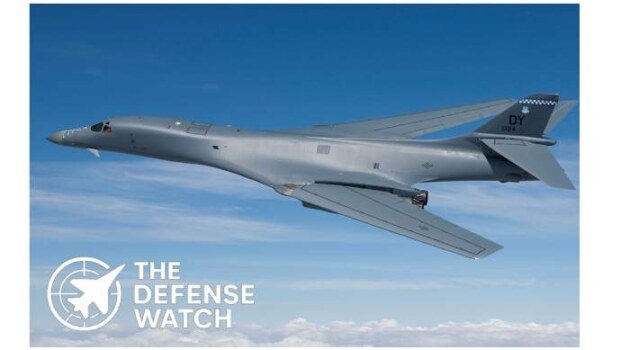
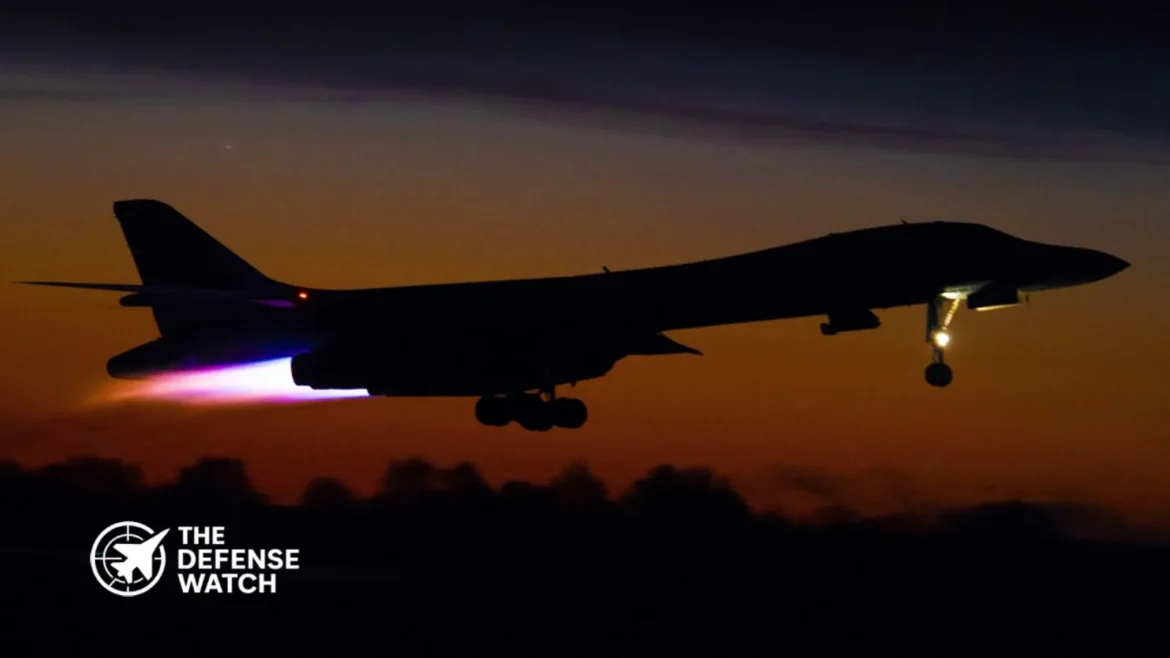
- US bombers avoided European airspace during missions targeting Iran.
- Aircraft used extended flight paths, likely supported by aerial refueling.
- Routing reflects political sensitivities among European allies.
- Missions demonstrate long-range strike capability and operational flexibility.
- Strategic takeaway: route selection is now as critical as strike capability.
US Bombers Avoid European Airspace On Iran Bombing Runs
US bombers avoid European airspace during Iran bombing runs, signaling a deliberate shift in operational routing while maintaining long-range strike capability. The development highlights how geopolitical constraints increasingly shape military flight planning alongside tactical requirements.
The Big Picture
Long-range bomber operations remain central to US global power projection. Platforms such as the B-52 and B-2 allow the United States to strike targets across continents without forward basing, a capability emphasized in recent US Department of Defense posture statements.
Operational routing, however, has become more complex. European airspace access depends on diplomatic clearance, alliance politics, and domestic sensitivities within NATO member states. As tensions in the Middle East persist, Washington appears to be adjusting mission profiles to reduce political friction while preserving operational reach.
This shift reflects a broader trend in US military planning. Commanders increasingly balance kinetic effectiveness with alliance management, especially in regions where partners may not support escalation.
What’s Happening
Recent reporting indicates that US bombers conducting Iran-related strike missions deliberately avoided flying over European airspace. Instead, aircraft used alternative routes that extended flight distances.
These missions likely involved long-range bombers operating from bases outside Europe, supported by aerial refueling assets to sustain extended flight durations. Tanker aircraft remain critical in enabling such missions, allowing bombers to bypass politically sensitive corridors.
The rerouting suggests coordination at the strategic level, where flight paths are chosen not only for efficiency but also for diplomatic acceptability. European nations often require advance approval for overflight, particularly for combat operations tied to active conflict zones.
Why It Matters
Route selection directly affects operational tempo and mission complexity. Avoiding European airspace increases flight time, fuel requirements, and reliance on tanker support. This adds logistical strain but reduces the risk of diplomatic friction with allies.
The decision also reflects sensitivity to domestic politics within NATO countries. Some European governments face public opposition to involvement in Middle East conflicts, even indirectly through airspace access.
From a military perspective, the ability to execute these missions despite longer routes demonstrates resilience in US strike planning. It shows that operational effectiveness does not depend on any single geographic corridor.
Strategic Implications
This development underscores the flexibility of US global strike architecture. By rerouting bombers, the United States preserves freedom of action even when traditional transit routes become politically constrained.
It also highlights the growing importance of distributed basing and tanker fleets. Without robust aerial refueling, extended routes would significantly degrade mission effectiveness.
At the alliance level, the move signals a careful balancing act. Washington appears willing to absorb operational costs to avoid straining relationships with European partners. This approach supports long-term alliance cohesion, even if it complicates short-term mission planning.
Competitor View
Iran likely interprets these operations as evidence of sustained US strike capability despite geographic constraints. The use of indirect routes may also signal caution, suggesting Washington seeks to limit escalation pathways while retaining deterrence.
Russia and China may view the development differently. Both countries have invested in anti-access strategies designed to complicate US operations. The ability of US bombers to adapt routing reinforces the credibility of long-range strike forces even in contested or politically restricted environments.
At the same time, reliance on tankers exposes a known vulnerability. Peer competitors continue to develop capabilities aimed at targeting aerial refueling assets in future conflicts.
What To Watch Next
Future operations will likely continue to reflect a balance between operational efficiency and political considerations. Key indicators include:
Increased tanker deployments supporting long-range missions
Expanded use of alternative basing locations outside Europe
Changes in NATO overflight policies or political alignment
Integration of stealth platforms to reduce exposure along longer routesUS Air Force modernization efforts, including next-generation bomber programs, may also influence how these missions evolve.
Capability Gap
The reliance on extended routing highlights a persistent challenge in US operations. Access denial, whether political or military, can complicate mission planning and increase logistical demands.
Aerial refueling mitigates this gap, but it introduces additional risk. Tankers are high-value assets and may become targets in contested environments. This creates a tradeoff between operational reach and vulnerability.
Additionally, longer routes reduce sortie generation rates, which could affect sustained operations during high-intensity conflict.
The Bottom Line
US bombers avoid European airspace on Iran missions, demonstrating that modern airpower depends as much on geopolitical navigation as it does on technological capability.

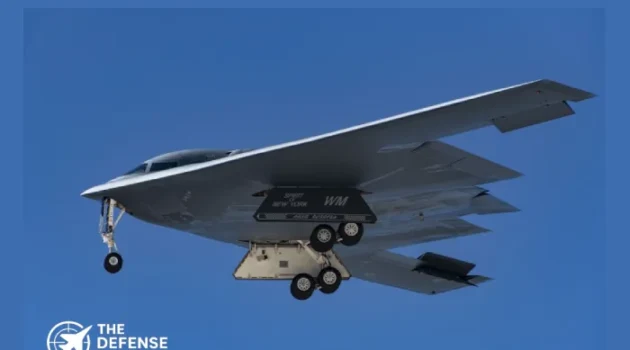
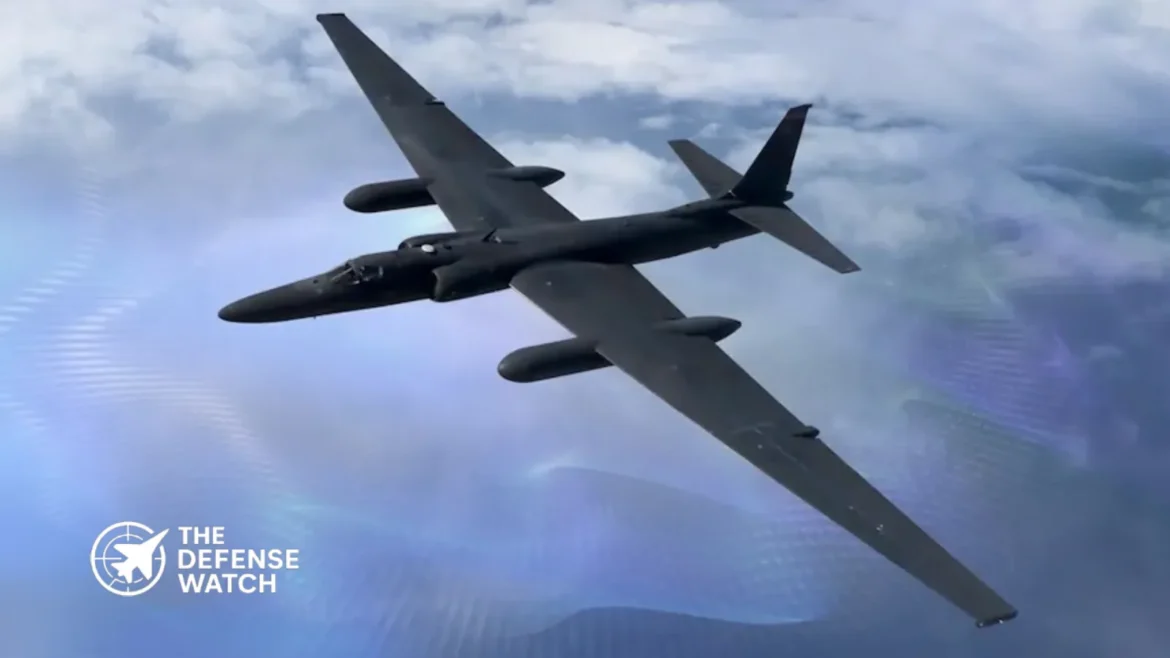
- BAE Systems will modernize the ALQ-221 electronic warfare system on U.S. Air Force U-2 aircraft.
- Upgrade enhances radar warning, threat detection, and electronic countermeasure capabilities.
- Supports U.S. ISR operations in contested and high-threat environments.
- Contract focuses on system sustainment and modernization of legacy high-altitude platforms.
- Reinforces electronic warfare as a critical pillar of survivability in modern air operations.
BAE Systems ALQ-221 Electronic Warfare System Upgrade Strengthens U-2 Survivability
The ALQ-221 electronic warfare system upgrade is central to a new contract awarded to BAE Systems to modernize defensive capabilities on U.S. Air Force U-2 aircraft. The effort aims to improve threat detection and survivability for one of the military’s most enduring high-altitude intelligence platforms.
The Big Picture
The U.S. Air Force continues to invest in electronic warfare as a core element of air dominance. Modern battlefields increasingly rely on advanced radar systems, integrated air defenses, and electronic attack capabilities. Legacy platforms such as the U-2 remain operationally relevant, but only if they can survive in contested electromagnetic environments.
High-altitude intelligence, surveillance, and reconnaissance missions play a key role in strategic competition, particularly in regions where access is denied or heavily contested. Upgrading onboard defensive systems ensures these aircraft can continue operating without unacceptable risk.
What’s Happening
BAE Systems received a contract to modernize the ALQ-221 electronic warfare system installed on U-2 aircraft operated by the U.S. Air Force.
The ALQ-221 is a defensive system designed to detect, identify, and counter radar-based threats. It provides radar warning capabilities and supports electronic countermeasures that help the aircraft avoid or defeat enemy tracking and targeting systems.
The modernization effort will update system components to address evolving threats and maintain operational effectiveness. Work will focus on enhancing performance against modern radar systems and improving system reliability.
The U-2 fleet operates primarily in high-altitude ISR roles, supporting global missions from forward-deployed locations.
Why It Matters
Electronic warfare defines survivability in modern air operations. The ALQ-221 electronic warfare system upgrade ensures that the U-2 can continue to operate in environments where adversaries deploy advanced surface-to-air missile systems and sophisticated radar networks.
Modern integrated air defense systems rely on layered sensors and data fusion. Without upgraded electronic warfare capabilities, legacy aircraft face increased detection risk and reduced mission effectiveness.
The upgrade also reflects a broader trend. The U.S. Air Force is extending the service life of proven platforms while integrating modern subsystems to keep pace with emerging threats.
Strategic Implications
The modernization of the ALQ-221 electronic warfare system directly strengthens U.S. military readiness. It allows the U-2 to operate closer to contested areas, collect higher-quality intelligence, and support decision-making at the strategic level.
Deterrence also benefits. Adversaries must assume that U.S. ISR platforms can penetrate or operate near defended airspace, complicating their planning and reducing confidence in their defensive systems.
The upgrade aligns with a wider shift toward electromagnetic spectrum dominance. Control of the spectrum increasingly determines success in air, land, and maritime operations.
Competitor View
China and Russia have invested heavily in advanced air defense systems, including long-range surface-to-air missiles and multi-band radar networks. These systems aim to deny access to high-value ISR platforms like the U-2.
From their perspective, upgrades to the ALQ-221 electronic warfare system signal continued U.S. commitment to penetrating contested environments. It reinforces the need for further investment in counter-electronic warfare capabilities and more resilient sensor networks.
Regional actors with developing air defense systems may also view this move as evidence that electronic warfare remains a decisive factor in modern conflict.
What To Watch Next
The next phase will likely involve integration, testing, and validation of the upgraded system on operational aircraft.
Key milestones include:
System integration on U-2 platforms
Flight testing in representative threat environments
Operational deployment across the fleet
Future updates may also incorporate software-defined capabilities, allowing faster adaptation to new threats without major hardware changes.
Capability Gap
The ALQ-221 electronic warfare system upgrade addresses a clear gap between legacy defensive systems and modern radar threats.
Older systems struggle against:
Digitally networked air defenses
Frequency-agile radar systems
Advanced signal processing techniques
By upgrading detection and countermeasure capabilities, the Air Force reduces vulnerability during high-altitude ISR missions.
However, limitations remain. The U-2 is not a stealth platform, and electronic warfare alone cannot fully offset advances in sensor technology. Survivability will continue to depend on a combination of altitude, mission planning, and defensive systems.
The Bottom Line
The ALQ-221 electronic warfare system upgrade ensures the U-2 remains a viable ISR asset in contested environments by strengthening its ability to detect and counter modern threats.
- KBR Wyle Services awarded a $95.1 million cost-plus-fixed-fee Air Force contract for digital engineering support.
- Work will support enterprise decision-making across the capability acquisition lifecycle using model-based systems engineering.
- Contract performance will take place at Kirtland Air Force Base, New Mexico through March 2031.
- Initial funding of $561,000 from FY2025 and FY2026 RDT&E accounts obligated at award.
- The award was issued as a sole-source acquisition by AFRL’s Space Warfare Directorate.
KBR Air Force Digital Engineering Contract Strengthens Space Acquisition Decision-Making
KBR’s $95M Air Force digital engineering contract marks a continued push by the U.S. Air Force to modernize how it evaluates and acquires space capabilities, particularly within the increasingly complex domain of space warfare.
The Department of Defense announced that KBR Wyle Services LLC, based in Chantilly, Virginia, has secured a $95,119,456 cost-plus-fixed-fee contract to deliver digital engineering and enterprise decision support services for the Air Force Research Laboratory (AFRL) Space Warfare Directorate.
The work will be conducted at Kirtland Air Force Base in New Mexico and is scheduled for completion by March 17, 2031.
Advancing Model-Based Systems Engineering In Space Programs
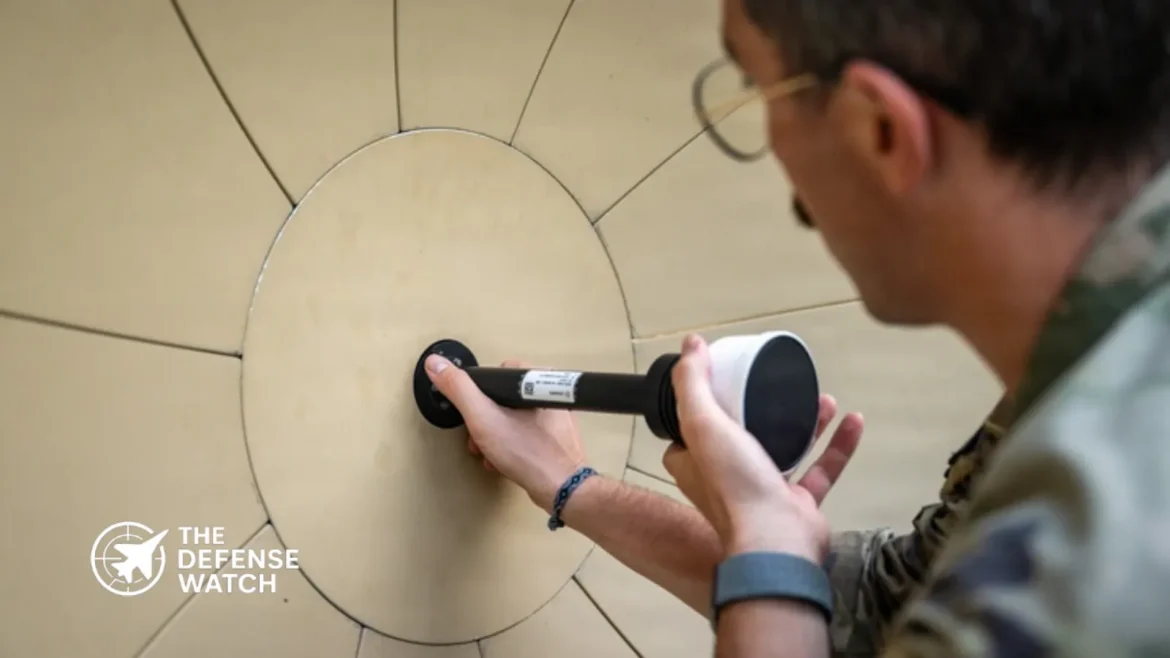
At the core of this KBR Air Force digital engineering contract is the application of model-based systems engineering (MBSE), a methodology that replaces traditional document-based processes with digital models to improve design, testing, and lifecycle management.
The AFRL Space Warfare Directorate is increasingly relying on MBSE tools to simulate operational scenarios, assess trade-offs, and optimize system architectures before physical prototypes are built. This approach reduces cost, shortens development timelines, and improves system performance.
Under this contract, KBR will support:
- Digital modeling of space systems and architectures
- Trade-off analysis across competing capability requirements
- Enterprise-level decision support tools
- Integration of software-driven engineering environments
This aligns with broader Pentagon priorities to digitize acquisition workflows and improve resilience in space-based systems.
Strategic Importance Of Decision Support In Space Warfare
The KBR Air Force digital engineering contract reflects a deeper shift in how the U.S. military approaches decision-making in contested domains like space.
Space systems are now central to:
- Missile warning and tracking
- Satellite communications
- Navigation and positioning
- Intelligence, surveillance, and reconnaissance (ISR)
As adversaries develop counter-space capabilities, including anti-satellite weapons and electronic warfare tools, the ability to rapidly evaluate design trade-offs becomes critical.
Digital engineering enables commanders and acquisition officials to test multiple scenarios in virtual environments, helping them choose the most effective and survivable system configurations.
This capability is particularly relevant for AFRL’s Space Warfare Directorate, which focuses on developing next-generation technologies to maintain U.S. space superiority.
Sole-Source Award Signals Continuity And Specialized Expertise
The contract was awarded as a sole-source acquisition, indicating that KBR was selected without a competitive bidding process.
Such awards are typically used when:
- The contractor has unique technical expertise
- Continuity of ongoing programs is required
- Time-sensitive requirements limit competition
KBR has a long-standing relationship with the U.S. military, particularly in engineering, logistics, and technical services. Its Wyle division has historically supported test and evaluation, aerospace engineering, and mission-critical systems.
The decision to issue a sole-source contract suggests AFRL’s reliance on KBR’s established capabilities in digital engineering and systems integration.
Funding And Acquisition Details
At the time of award, the Air Force obligated $561,000 in research, development, test, and evaluation (RDT&E) funds from fiscal years 2025 and 2026.
The relatively small initial obligation reflects the structure of cost-plus-fixed-fee contracts, where funding is incrementally allocated as work progresses.
The contracting authority is the Air Force Research Laboratory Space Warfare Directorate, headquartered at Kirtland AFB.
Contract reference: FA9453-26-C-X006.
Broader Implications For Defense Digital Transformation
The KBR Air Force digital engineering contract highlights a broader trend across the Department of Defense toward digital transformation in acquisition and system development.
Key initiatives driving this shift include:
- The DoD Digital Engineering Strategy
- Increased adoption of digital twins and simulation environments
- Integration of AI-driven analytics into decision-making processes
By investing in enterprise decision support systems, the Air Force aims to:
- Accelerate capability delivery timelines
- Reduce program risk
- Improve interoperability across platforms
- Enhance adaptability in rapidly evolving threat environments
In the context of great power competition, especially in space, these capabilities are becoming essential rather than optional.
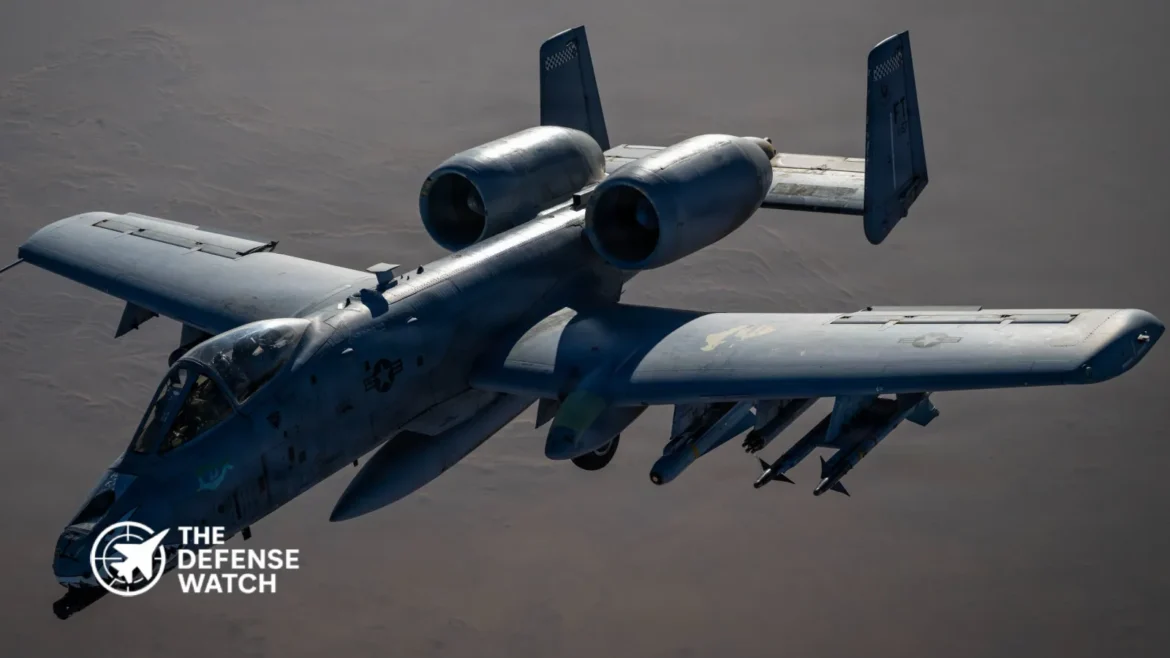
- U.S. Central Command released imagery showing armed A-10 Warthog aircraft supporting Operation Epic Fury.
- The aircraft were observed carrying air-to-ground weapons including AGM-65 Maverick missiles and guided rockets.
- The deployment highlights the role of persistent close air support platforms in the campaign against Iranian military targets.
- Operation Epic Fury began February 28, 2026 and involves extensive U.S. and allied air and naval assets.
- The operation targets Iran’s missile infrastructure, command centers, and naval forces.
A-10 Warthog Supports Operation Epic Fury Against Iran
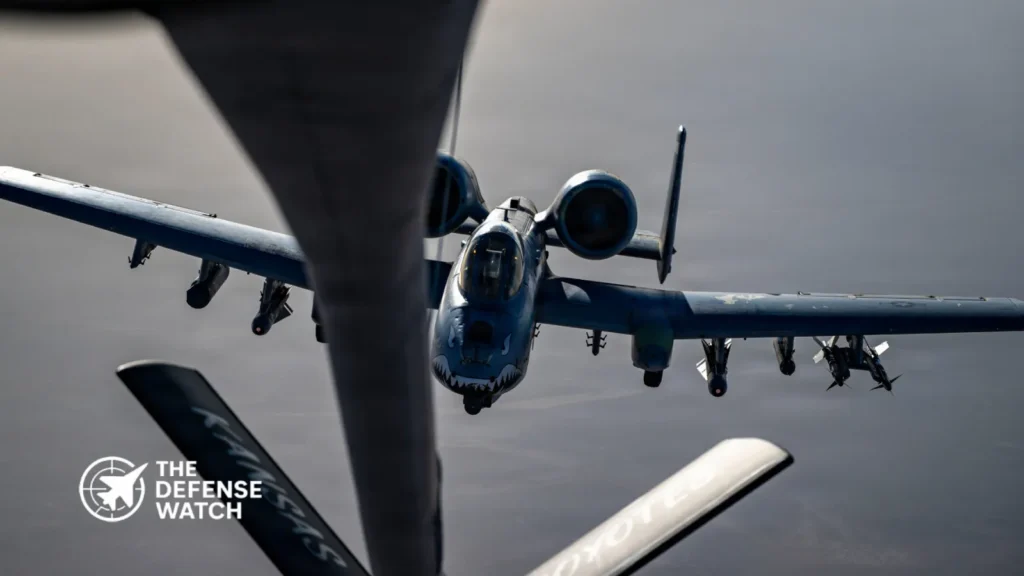
The A-10 Warthog Operation Epic Fury mission has entered public view after U.S. Central Command released imagery showing armed A-10 Thunderbolt II attack aircraft operating in support of the ongoing campaign against Iran. The aircraft were photographed refueling in flight while carrying combat loadouts, underscoring their role in sustained air operations over the region.
CENTCOM published the imagery on its official social media channels, highlighting the aircraft’s ability to remain on station for extended periods while providing rapid-response strike capability. The disclosure confirms that the U.S. Air Force’s iconic close air support platform continues to play a role in the expanding military operation launched in late February.
Operation Epic Fury began on February 28, 2026, as a large-scale U.S. led campaign targeting Iranian military infrastructure considered to pose an imminent threat to regional security. The operation combines air strikes, maritime operations, electronic warfare, and missile defense activities across the broader Middle East theater.
The Big Picture
Operation Epic Fury represents one of the most complex U.S. military campaigns in the Middle East in recent years. The operation integrates stealth bombers, advanced fighter aircraft, electronic warfare platforms, drones, and naval strike assets in a coordinated effort to degrade Iran’s military capabilities.
U.S. Central Command has confirmed the use of a broad range of systems including B-2 and B-1 bombers, F-22 and F-35 stealth fighters, F-15 and F-16 tactical aircraft, A-10 attack jets, and MQ-9 Reaper drones. Naval forces and missile defense systems such as Patriot and THAAD are also involved in the broader operational architecture.
This combination reflects a layered approach to modern air warfare. Stealth aircraft and electronic attack platforms suppress air defenses, while conventional fighters and attack aircraft sustain pressure on targets once the most dangerous defenses are neutralized.
Within that structure, the A-10 Warthog fills a specialized but still important operational niche.
What’s Happening
CENTCOM imagery released in March 2026 shows an armed A-10 Thunderbolt II operating in support of Operation Epic Fury. The aircraft was photographed during an aerial refueling sequence, a routine procedure that extends its endurance during combat operations.
The visible loadout suggests a multi role configuration. Weapons reportedly include AGM-65 Maverick air to ground missiles and precision guided rockets, along with short range air to air missiles for self defense. This configuration allows the aircraft to engage a range of targets including vehicles, mobile missile launchers, and lightly defended infrastructure.
The A-10’s presence in the campaign highlights its ability to remain over a battlefield for extended periods. Unlike high performance fighters designed primarily for short strike missions, the Warthog can loiter for hours while providing armed overwatch for ground forces or strike opportunities.
The broader campaign has already targeted Iranian command centers, ballistic missile facilities, air defense systems, and naval assets. Early phases of the operation reportedly struck multiple vessels and key elements of Iran’s military command structure.
Why It Matters
The use of the A-10 Warthog in Operation Epic Fury illustrates the continued relevance of specialized close air support aircraft in modern conflicts.
Despite decades of technological evolution in stealth aviation and precision strike capabilities, many combat scenarios still require persistent air presence rather than high speed strike missions. The A-10 was designed precisely for that mission profile.
Its ability to fly slowly at low altitude, identify targets visually, and deliver precise firepower makes it particularly effective against dispersed or mobile targets. These include vehicle convoys, missile launchers, or irregular ground units that may not be easily engaged by long range precision weapons.
In the context of the Iran campaign, such capabilities are especially valuable for targeting mobile missile systems or logistics movements after the initial wave of strategic strikes has degraded major infrastructure.
The aircraft also carries the GAU-8 Avenger 30 mm cannon, one of the most powerful aircraft mounted guns ever fielded, designed to destroy armored vehicles and hardened targets.
Strategic Implications
The A-10 Warthog Operation Epic Fury deployment demonstrates how the United States continues to combine legacy platforms with advanced systems in modern combat operations.
Stealth bombers and fifth generation fighters open access to heavily defended airspace. Once those defenses are suppressed, aircraft such as the A-10 provide sustained pressure against remaining targets.
This layered strategy maximizes operational efficiency. High end stealth aircraft focus on the most heavily defended or strategically important targets, while lower cost platforms conduct follow on missions and battlefield persistence.
For the United States, this approach also reduces operational costs. Using an A-10 for certain strike missions can be significantly cheaper than deploying a stealth fighter for the same target set.
Competitor View
Iran and other potential adversaries closely watch the composition of U.S. air operations in campaigns such as Operation Epic Fury.
From a strategic perspective, the presence of A-10 aircraft signals that the United States believes it has achieved at least partial air superiority in portions of the battlespace. The A-10 is most effective when advanced surface to air threats are limited or suppressed.
For Iran’s military planners, this development likely indicates that key elements of their integrated air defense network have been degraded by earlier strikes from stealth aircraft, cruise missiles, and electronic warfare systems.
Other strategic competitors, including Russia and China, analyze such operations for lessons in how the United States integrates different aircraft types in large scale air campaigns.
What To Watch Next
The next phase of Operation Epic Fury will likely focus on sustained strike operations against remaining Iranian military capabilities.
Key indicators to monitor include:
• Expanded use of unmanned systems for persistent surveillance and strike
• Follow on strikes targeting mobile missile launchers
• Additional carrier air wing operations in the region
• Continued aerial refueling operations supporting long duration missionsAs the campaign evolves, the U.S. military may adjust the mix of aircraft involved depending on threat levels and mission requirements.
Capability Gap
The deployment of A-10 aircraft also highlights a persistent capability gap in many modern air forces: affordable, long endurance close air support platforms.
While fifth generation fighters offer unmatched stealth and sensor capabilities, they are expensive to operate and not optimized for extended loiter missions over ground battlefields.
The A-10 was specifically designed to fill that role. Its survivability features, including armor around the cockpit and redundant systems, allow it to operate in contested environments where other aircraft might face greater risk.
However, the platform also has limitations. It lacks stealth characteristics and remains vulnerable to advanced air defense systems if those systems are fully operational.
For this reason, the aircraft typically operates only after the most dangerous threats have been suppressed.
The Bottom Line
The A-10 Warthog Operation Epic Fury deployment highlights how the United States continues to rely on a layered mix of advanced and legacy aircraft to sustain air dominance and precision strike capability in modern conflicts.