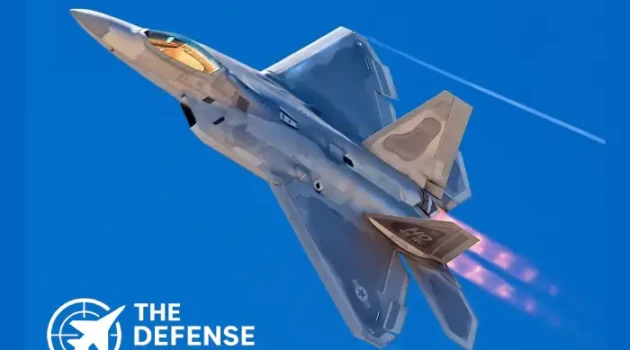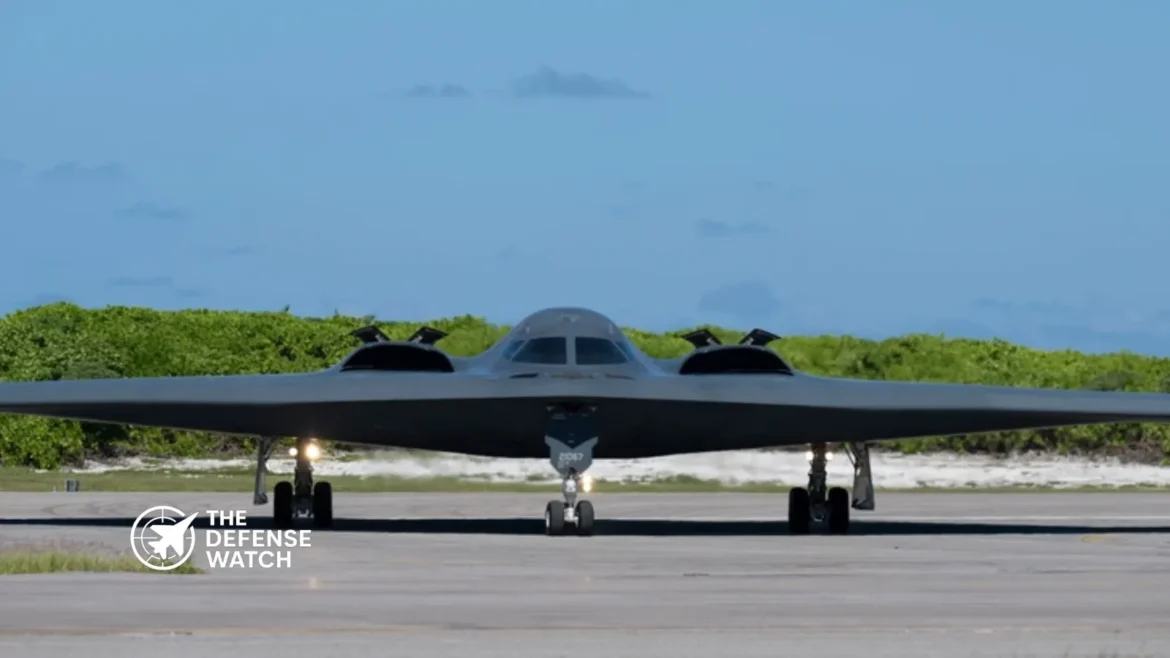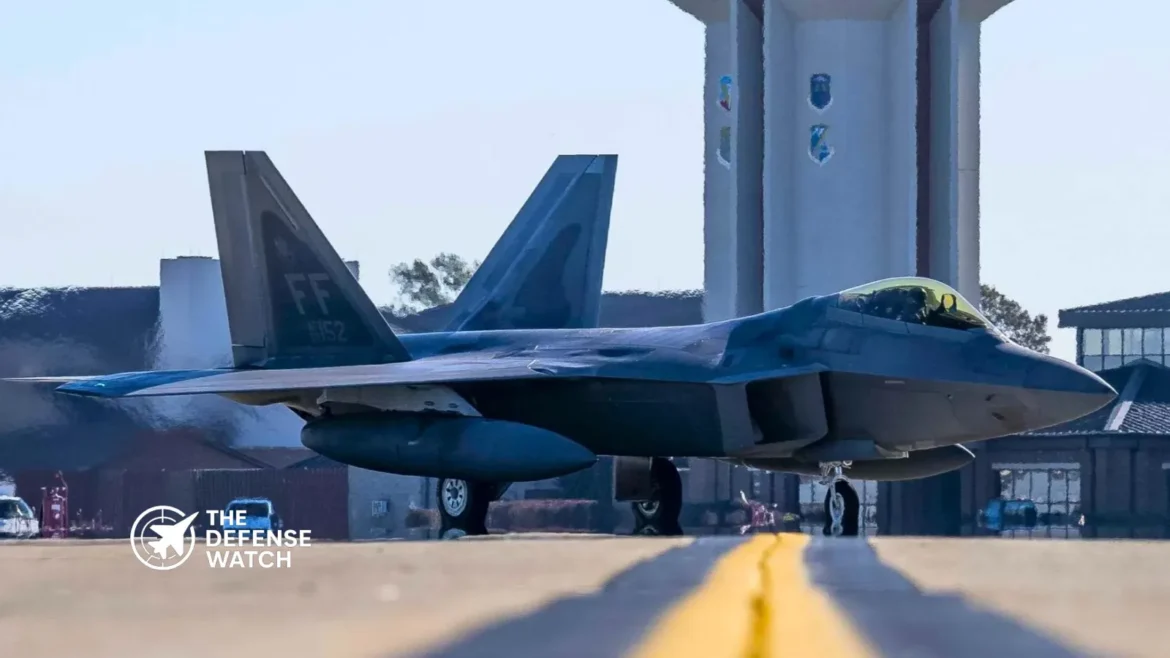
- ► US F-22 Raptors were recently sighted operating from RAF Lakenheath in the United Kingdom.
- ► The deployment comes amid ongoing U.S. force posture adjustments linked to Middle East security concerns.
- ► F-22 Raptors provide air dominance, stealth penetration, and advanced sensor fusion capabilities.
- ► The United Kingdom remains a critical forward operating hub for U.S. Air Force deployments into Europe and beyond.
- ► Movement underscores Washington’s emphasis on flexible, rapid-response airpower positioning.
US F-22 Raptors Sighted In UK Amid Middle East Force Posture Review
US F-22 Raptors operating from the United Kingdom are drawing attention as Washington reviews its Middle East airpower posture.
Recent imagery and reporting indicate that F-22 aircraft have been sighted at RAF Lakenheath, a long-standing U.S. Air Force hub in Britain. While U.S. officials have not publicly detailed the mission profile, the timing aligns with broader Pentagon adjustments to regional force deployments.
(adsbygoogle = window.adsbygoogle || []).push({});The presence of the aircraft may signal preparations for reinforcement or contingency options tied to Middle East security dynamics. The U.S. Department of Defense has repeatedly emphasized that it retains the ability to surge advanced air assets where needed.
Strategic Value Of The F-22 Raptor
The F-22 Raptor remains the U.S. Air Force’s premier air superiority fighter. Developed by Lockheed Martin, the platform combines low observability, supercruise capability, and advanced avionics.
Unlike multirole fighters, the F-22 is optimized for air dominance missions. It can penetrate contested airspace, conduct beyond-visual-range engagements, and coordinate targeting data across joint forces. Its AN APG-77 radar and sensor fusion architecture allow pilots to detect and track threats at extended distances.
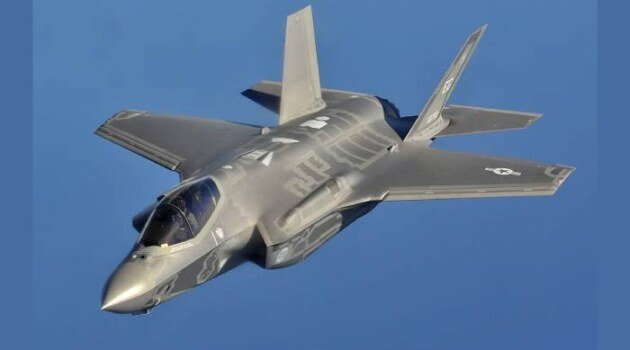
Although the aircraft is not permanently based in Europe, RAF Lakenheath frequently hosts rotational deployments. The base also supports the F-35A fleet assigned to U.S. Air Forces in Europe, making it a logical staging point for advanced fighter operations.
(adsbygoogle = window.adsbygoogle || []).push({});From a force posture standpoint, forward positioning F-22 Raptors in the UK provides geographic flexibility. Aircraft can rapidly deploy eastward toward the Middle East or operate across the European theater in support of NATO commitments.
Middle East Airpower Context
The Middle East remains a priority theater for U.S. Central Command. In recent months, Washington has adjusted air and naval deployments in response to regional tensions, threats to maritime traffic, and risks to U.S. personnel.
The U.S. Department of Defense has not formally confirmed that the F-22 Raptors sighted in the UK are earmarked specifically for Middle East operations. However, such deployments are consistent with established U.S. practice of maintaining strategic ambiguity while ensuring credible deterrence.
Historically, the F-22 has been deployed to the Middle East to counter advanced air defense systems and provide air superiority coverage. Its presence serves both operational and signaling purposes. The aircraft’s stealth profile complicates adversary planning and reinforces U.S. escalation control options.
Why The UK Matters In U.S. Force Projection
RAF Lakenheath plays a central role in U.S. transatlantic air operations. The base offers hardened infrastructure, munitions storage, and established logistics pipelines.
In practical terms, stationing F-22 Raptors in the UK reduces transit time to multiple theaters. Aircraft can move south toward the Middle East, east toward Eastern Europe, or remain in the North Atlantic area.
(adsbygoogle = window.adsbygoogle || []).push({});This flexibility aligns with the Pentagon’s shift toward dynamic force employment. Rather than maintaining large, static footprints, the U.S. military increasingly relies on rotational deployments and rapid repositioning.
For allies, visible F-22 operations reinforce collective defense commitments. For potential adversaries, they signal readiness without requiring permanent basing changes.
Operational And Strategic Implications
The sighting of US F-22 Raptors in the UK should be viewed within a broader pattern of calibrated force adjustments. It does not automatically indicate imminent military action.
Instead, it reflects layered deterrence. By moving high-end assets closer to potential flashpoints, the U.S. preserves response options while maintaining strategic depth.
There is also an interoperability dimension. Operating from the UK allows F-22 units to integrate with NATO air forces and conduct joint training. Such coordination improves readiness for both European and Middle Eastern contingencies.
(adsbygoogle = window.adsbygoogle || []).push({});At the same time, the limited fleet size of the F-22 makes each deployment notable. With fewer than 200 aircraft built and a smaller number mission-capable at any given time, any forward positioning signals deliberate planning.
Looking Ahead
As of now, U.S. officials have not announced a permanent redeployment. The situation underscores how quickly airpower assets can shift in response to evolving security conditions.
The presence of US F-22 Raptors in the UK reinforces Washington’s emphasis on flexibility, deterrence, and alliance coordination. Whether tied directly to Middle East contingencies or broader NATO considerations, the move reflects a force posture designed for rapid adaptation.
- (adsbygoogle = window.adsbygoogle || []).push({});
For defense planners, the key takeaway is clear. Advanced air dominance assets remain central to U.S. strategy, and their movement often speaks as loudly as formal policy statements.
- (adsbygoogle = window.adsbygoogle || []).push({});
 ■ KEY FACTS AT A GLANCE
- ► Pratt & Whitney unveiled new images of the XA103 adaptive cycle engine for NGAP.
- ► XA103 will power the Boeing-built F-47 fighter under the Next Generation Air Dominance program.
- ► Engine targets up to 25% better fuel efficiency and 20% more thrust using three stream architecture.
- ► Detailed design completed in 2025, with prototype production ongoing and ground tests planned in late 2020s.
- ► F-47 program exceeds $20 billion and covers at least 185 aircraft, with first flight targeted for 2028.
Pratt & Whitney XA103 NGAP Engine Marks Critical Step For F-47
The Pratt & Whitney XA103 NGAP engine is moving into the next phase as the powerplant for the Boeing F-47 fighter under the US Air Force Next Generation Air Dominance program.
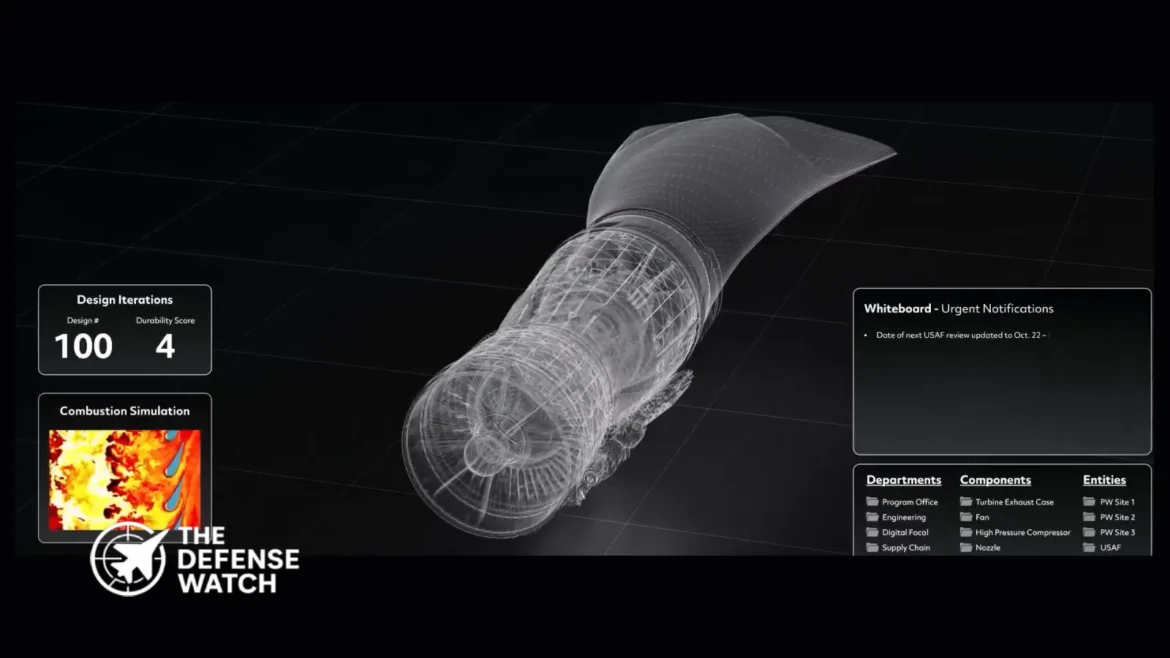
(adsbygoogle = window.adsbygoogle || []).push({});Pratt & Whitney, a business of RTX, recently released updated imagery of the XA103 adaptive cycle engine, confirming that detailed design work has been completed. Prototype production is ongoing, with ground testing scheduled for the late 2020s.
The engine is being developed under the US Air Force Next Generation Adaptive Propulsion, or NGAP, effort. NGAP is intended to deliver a new class of propulsion systems optimized for sixth generation air combat requirements, including range, survivability, thermal management, and sustained high performance.
Three Stream Adaptive Architecture
At the core of the XA103 NGAP engine is a three stream adaptive architecture. Unlike traditional two stream turbofan engines, the adaptive design allows the engine to dynamically adjust airflow between core and bypass streams depending on mission needs.
According to Pratt & Whitney, the XA103 targets up to 25 percent better fuel efficiency and up to 20 percent more thrust compared with current fifth generation fighter engines. Those gains are central to extending combat radius and improving acceleration and payload flexibility.
The adaptive cycle approach builds on lessons learned from the earlier Adaptive Engine Transition Program, where Pratt & Whitney and General Electric tested competing demonstrators. NGAP moves that technology toward an operational engine tailored specifically for the F-47.
From an operational standpoint, improved fuel efficiency directly translates into greater range or time on station without relying as heavily on aerial refueling. In a potential Indo Pacific scenario, where distances are vast and tankers may be contested, propulsion efficiency becomes a strategic enabler rather than just a technical metric.
Powering The Boeing F-47
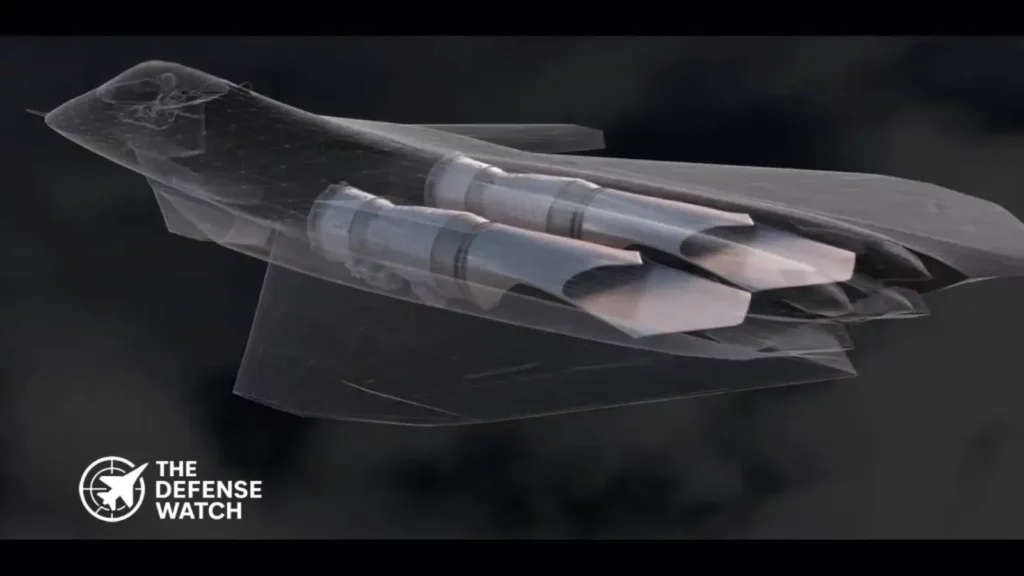
The XA103 NGAP engine will power the Boeing F-47 fighter, a next generation aircraft designed to operate as the centerpiece of the Air Force future air dominance family of systems.

The F-47 program is valued at more than $20 billion and is expected to include at least 185 aircraft. First flight is targeted for 2028, with operational service entry planned in the 2030s.
While specific performance details of the F-47 remain classified, propulsion is widely viewed as one of the defining elements of sixth generation capability. Higher thrust supports greater payload and energy for directed energy systems, while improved thermal management is critical for advanced sensors and electronic warfare suites.
In this context, the Pratt & Whitney XA103 NGAP engine is not simply a replacement for existing powerplants. It is designed to enable the full performance envelope of the F-47, including potential integration with collaborative combat aircraft and high bandwidth data networks.
Industrial And Strategic Implications
The NGAP effort also carries industrial significance. By advancing adaptive engine technology into production, the US aerospace sector reinforces its lead in high performance military propulsion.
According to US Air Force budget documents and RTX disclosures, NGAP is structured to reduce lifecycle cost while increasing durability compared with legacy engines. That focus reflects lessons from sustainment challenges faced by earlier fighter fleets.
The scale of the F-47 program, covering at least 185 aircraft, suggests a substantial production run for the XA103 NGAP engine. Over time, propulsion decisions could influence allied interoperability and potential export pathways, depending on US policy.
From a geopolitical perspective, propulsion performance affects deterrence credibility. Extended range and higher efficiency expand operational options across contested theaters, including the Indo Pacific and European regions. In that sense, engine development is directly linked to force posture and alliance assurance.
Timeline And Next Steps
With detailed design completed in 2025, Pratt & Whitney is now focused on prototype manufacturing. Ground testing in the late 2020s will validate performance targets before integration with flight test aircraft.
The 2028 first flight target for the F-47 leaves a narrow but achievable window for propulsion validation. Historically, engine maturity has been one of the pacing elements in advanced fighter programs. Close coordination between Boeing and Pratt & Whitney will be critical to meeting schedule milestones.
As development progresses, additional data from the US Air Force and industry partners will clarify performance benchmarks and cost projections. For now, the Pratt & Whitney XA103 NGAP engine stands as a central pillar of the Air Force future air dominance architecture.
KEY FACTS AT A GLANCE■ KEY FACTS AT A GLANCE- ► $25 million sole-source contract awarded to Liquid Robotics Inc.
- ► Procurement of 20 commercial unmanned surface vehicles.
- ► Includes control software, payloads, and launch and recovery equipment.
- ► Work performed in Herndon, Virginia, through Feb. 16, 2028.
- ► Contract supports Foreign Military Sales to Japan.
- ► Air Force Test Center at Eglin Air Force Base is the contracting activity.
Liquid Robotics Awarded $25M Contract For 20 Unmanned Surface Vehicles
The US Department of Defense has awarded a $25 million contract to Liquid Robotics Inc. for the procurement of 20 commercial unmanned surface vehicles under a Foreign Military Sales agreement with Japan.
According to the official contract announcement, the award covers not only the unmanned surface vehicles but also associated control software, payload integration, and peripheral launch and recovery equipment. Work will be performed in Herndon, Virginia, with completion expected by Feb. 16, 2028.
The contract was issued by the Air Force Test Center at Eglin Air Force Base under contract number FA2823-26-C-0006.
Sole-Source Award Supporting Japan FMS
The $25 million contract was awarded on a sole-source basis. Funding will come from fiscal 2026 research, development, test and evaluation funds, along with fiscal 2026 Foreign Military Sales funds. The full contract value will be obligated at the time of award.
This procurement falls under the US Foreign Military Sales framework, a government-to-government mechanism managed by the Department of Defense that enables partner nations to acquire US defense equipment and services. Japan remains one of the United States’ closest security allies in the Indo-Pacific region.
Scope: Vehicles, Software, Payloads
The Liquid Robotics contract includes:
- 20 commercial unmanned surface vehicles
- Control software systems
- Mission payload integration
- Launch and recovery support equipment
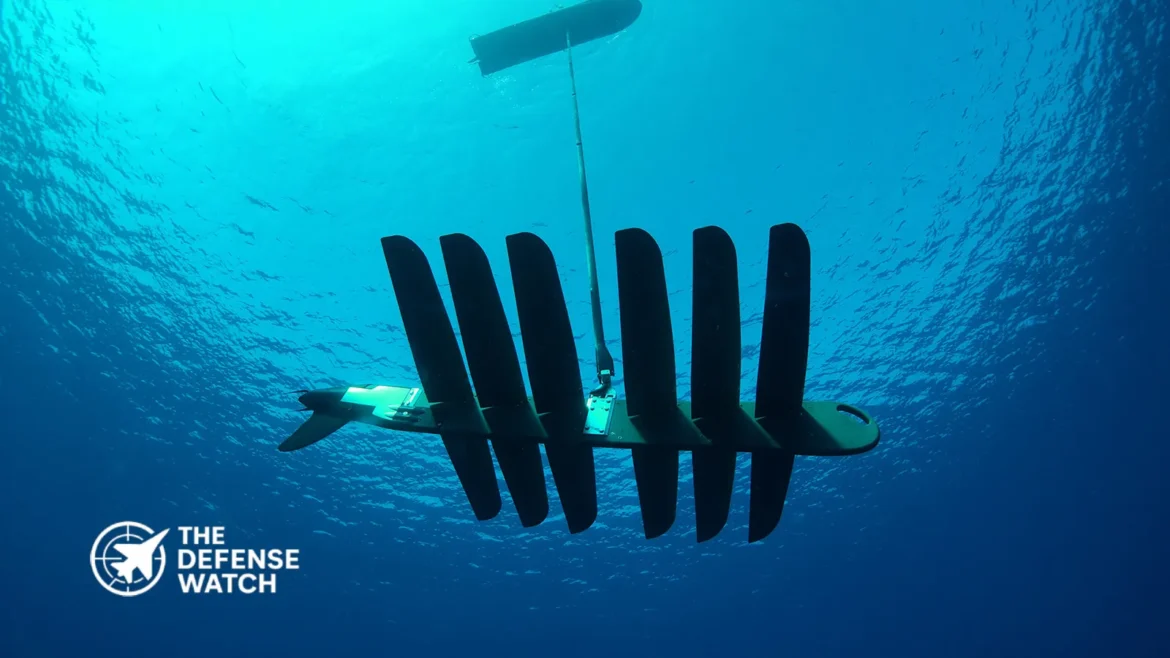
While the specific configuration for Japan was not disclosed in the announcement, Liquid Robotics is widely known for its Wave Glider family of long-endurance unmanned surface platforms. These systems use wave-powered propulsion combined with solar energy to support persistent maritime surveillance and data collection missions.
The inclusion of control software and payload support suggests the vehicles will be tailored to Japan’s operational requirements, potentially supporting maritime domain awareness, oceanographic research, or security monitoring tasks.
Growing Role Of Unmanned Surface Vehicles
Unmanned surface vehicles are playing an expanding role in maritime operations worldwide. They provide persistent coverage without placing crew at risk and can operate for extended periods with limited logistical support.
For Japan, an island nation with vast exclusive economic zones and increasing maritime security demands, unmanned surface vehicles offer a cost-effective way to enhance surveillance and data collection across wide areas of ocean.
The United States and Japan have steadily expanded defense cooperation in recent years, including joint exercises, advanced weapons procurement, and technology collaboration. This Liquid Robotics contract underscores the continued integration of unmanned and autonomous systems into allied maritime strategies.
Strategic Context
The Indo-Pacific region has seen heightened attention on maritime security, freedom of navigation, and protection of sea lanes. While the Department of Defense did not provide mission-specific details, unmanned surface vehicles are commonly used for:
- Intelligence, surveillance, and reconnaissance
- Anti-submarine warfare support
- Environmental and oceanographic monitoring
- Communications relay
By leveraging commercial unmanned surface vehicle technology, the Japan FMS program may accelerate deployment timelines while reducing acquisition risk.
Contract Timeline And Execution
All work under the contract will take place in Herndon, Virginia, the company’s primary operational base. Completion is scheduled for early 2028.
The award aligns with broader US efforts to integrate autonomous maritime systems across services and allied networks. The Air Force Test Center’s involvement reflects the cross-domain application of emerging technologies, including evaluation, testing, and integration support for partner nations.
As unmanned systems continue to shape modern maritime operations, the Liquid Robotics contract highlights the growing demand for long-endurance, commercially derived platforms within allied security frameworks.
US Stockpiles Massive Bunker Busters To Strengthen Deep Strike Arsenal
The United States is expanding its inventory of massive bunker busters, reinforcing its ability to strike hardened and deeply buried targets. Recent procurement activity shows continued investment in the GBU 57 Massive Ordnance Penetrator, the largest conventional bunker busting bomb in the US arsenal.
(adsbygoogle = window.adsbygoogle || []).push({});According to budget documents and defense reporting, the US Department of Defense has allocated additional funding for upgrades and replenishment of these heavy penetration weapons. The move reflects sustained focus on holding at risk fortified military infrastructure, including underground command centers and weapons facilities.
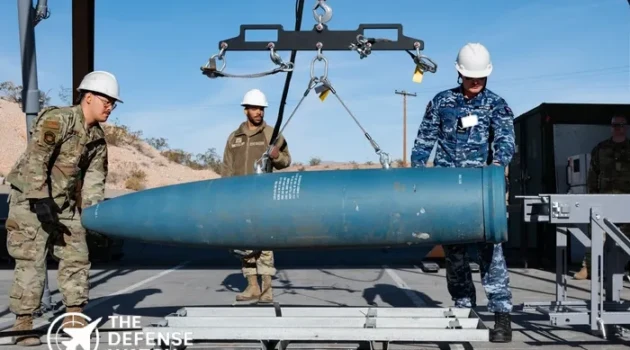
The GBU 57 Massive Ordnance Penetrator, commonly referred to as MOP, is designed to penetrate reinforced concrete and rock before detonating. Developed by Boeing for the United States Air Force, the weapon weighs approximately 30,000 pounds and is optimized for use by strategic bombers.
Designed For Deep And Hardened Targets
Massive bunker busters such as the GBU 57 were developed to address increasingly sophisticated underground construction. Many potential adversaries have invested heavily in hardened facilities buried beneath layers of concrete and natural terrain.
The bomb uses a hardened steel casing and delayed fuse system, allowing it to penetrate before detonation. This design increases effectiveness against deeply buried targets compared to smaller precision guided munitions.
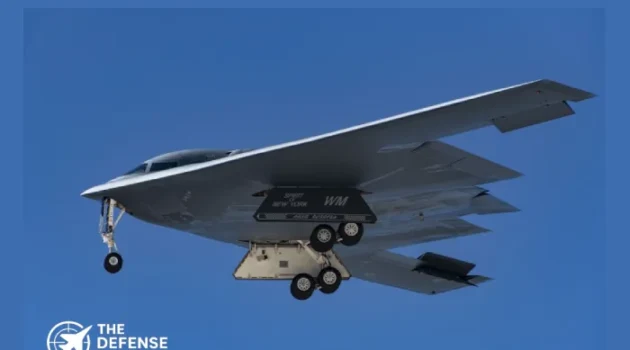
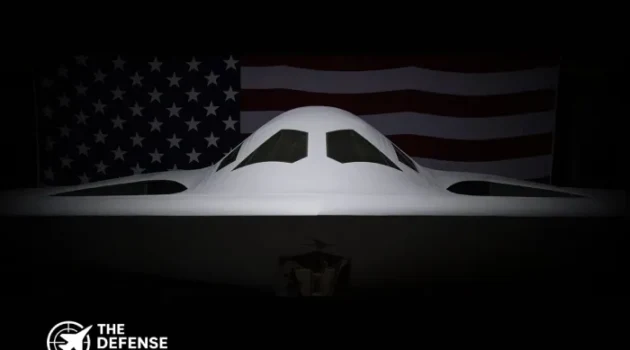
The primary delivery platform for the GBU 57 is the B-2 Spirit, the US Air Force stealth bomber capable of penetrating advanced air defenses. The integration of massive bunker busters with stealth platforms enhances survivability while maintaining long range strike capability.
- (adsbygoogle = window.adsbygoogle || []).push({});
Future integration with the B-21 Raider is widely expected, though operational details remain limited as the aircraft progresses through testing and initial fielding.
Procurement Signals Long Term Commitment
Recent US defense budget materials indicate continued funding to modernize and sustain the massive bunker busters inventory. This includes refurbishment of existing stockpiles and potential upgrades to guidance and fuze systems.
The Pentagon has not publicly disclosed precise stockpile numbers. However, funding lines within Air Force procurement accounts point to an active effort to ensure readiness and availability of the weapon.
Analysts note that such investments are consistent with US strategic planning. Hardened and underground facilities are central to several nations’ military doctrines, particularly for missile forces and nuclear command and control. Maintaining credible options against these sites supports deterrence.
(adsbygoogle = window.adsbygoogle || []).push({});The expansion of massive bunker busters also aligns with broader US modernization efforts. The Air Force continues to invest in next generation bombers, stand off weapons, and advanced targeting systems to ensure flexibility across contested environments.
Strategic Context
Deep strike capability remains a cornerstone of US military doctrine. The ability to hold at risk hardened infrastructure underpins deterrence strategies, particularly in regions where adversaries rely on underground basing.
The US has previously used bunker busting munitions in combat operations, though not the GBU 57 specifically. Smaller penetrators such as the GBU 28 were employed during conflicts in the Middle East to target fortified positions.
The GBU 57 represents a significant increase in size and penetration capability over earlier systems. Its sheer mass and reinforced design distinguish it from other conventional munitions.
While the Pentagon does not publicly identify specific contingency scenarios, the existence and continued procurement of massive bunker busters send a clear signal regarding US preparedness for high end conflict.
Integration With Modern Bomber Fleet
As the Air Force transitions toward a future force built around stealth and long range strike, heavy penetration weapons remain part of the mix.
The B 2 Spirit currently provides the only operational platform certified to carry the GBU 57. With a limited fleet size, sustainment of both aircraft and weapons is essential.
(adsbygoogle = window.adsbygoogle || []).push({});The forthcoming B 21 Raider, developed by Northrop Grumman, is expected to enhance flexibility and survivability for deep strike missions. Although detailed loadout configurations have not been released, the aircraft is designed to support a range of conventional and strategic munitions.
This pairing of advanced stealth bombers with massive bunker busters strengthens the United States’ ability to penetrate defended airspace and strike hardened targets at long range.
Budget And Policy Considerations
Defense budget debates in Washington continue to emphasize modernization in the face of evolving global threats. Lawmakers have supported investments in long range strike systems, including heavy penetration munitions.
The Air Force’s procurement strategy indicates that massive bunker busters will remain relevant in future force planning. Maintaining a credible capability against underground and hardened targets reduces reliance on alternative escalation options.
(adsbygoogle = window.adsbygoogle || []).push({});At the same time, officials stress that such weapons are part of a broader deterrence framework that includes diplomacy, alliances, and forward presence.
Looking Ahead
As geopolitical tensions persist in multiple regions, the role of massive bunker busters in US strategy is unlikely to diminish. Advances in underground construction and fortification are expected to continue, requiring parallel innovation in penetration technology.
The US approach combines upgraded munitions, stealth delivery platforms, and enhanced targeting intelligence. Together, these elements reinforce a layered deep strike capability intended to deter adversaries and, if necessary, neutralize hardened threats.
US Air Force Tests Backpack Drones To Support Bomb Disposal Ops
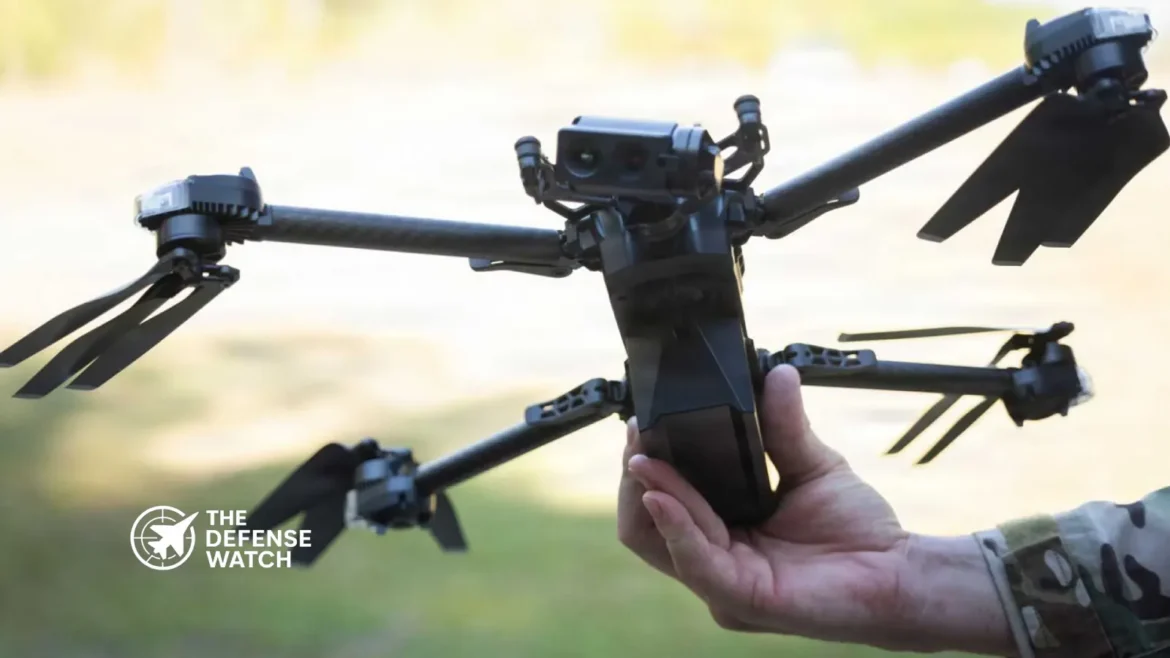
The US Air Force backpack drones reached simulated explosive hazards faster than a tracked ground robot in field testing on February 10, 2026, providing early situational awareness during explosive ordnance disposal missions, Department of War officials said.
At Hurlburt Field, Florida, explosive ordnance disposal (EOD) airmen from the 1st Special Operations Wing conducted a head-to-head comparison between a lightweight unmanned aerial system and a traditional ground robot. The small UAV was carried in a pack, launched quickly, and reached a test objective within seconds, sending live overhead video before the ground system covered half the distance.
The trials explored key operational differences between the two platforms, focusing on mobility, deployment time, and reconnaissance capability. Rapid aerial imagery gave the EOD team a view of the simulated casualty area without requiring close approach.
Portable Drones Complement EOD Tools
EOD units have long depended on heavy ground robots to inspect suspected explosive threats and maintain distance from hazards. Those machines offer physical manipulation capabilities but require transport, setup, and slower transit across terrain. Portable drones carried in backpacks can be readied and airborne within minutes, offering real-time optical and thermal feeds for day and night operations.
Newer systems also include 3D scanning, which can generate precise digital models of blast sites or large areas like runways in minutes. This data supports documentation, hazard assessment, and airfield recovery planning after incidents.
How Backpack UAVs Are Changing EOD Recon
The aerial perspective from compact drones keeps operators farther from potential danger during initial assessment. AI-enabled flight functions such as obstacle avoidance, target tracking, and position holding reduce the operator workload during critical reconnaissance phases.
Officials stressed that portable drones do not replace ground-robot manipulator tasks like lifting, cutting, or flipping suspicious items. Instead, they augment EOD capabilities by speeding early site evaluation and giving teams more data to plan next steps.
Integration Challenges And Next Steps
Integrating small UAVs into EOD workflows requires updates to procedures, training, and shared airspace risk management. Operating drones close to conventional aircraft or in shared environments demands coordination and policy approvals at unit and command levels.
Local testing has helped units identify performance limits and refine methods before broader fielding, Air Force personnel involved in the trials said. The emphasis remains on using portable drones as complementary tools for reconnaissance and initial hazard assessment.
Boeing Secures Additional MH-139A Helicopter Contract for US Air Force
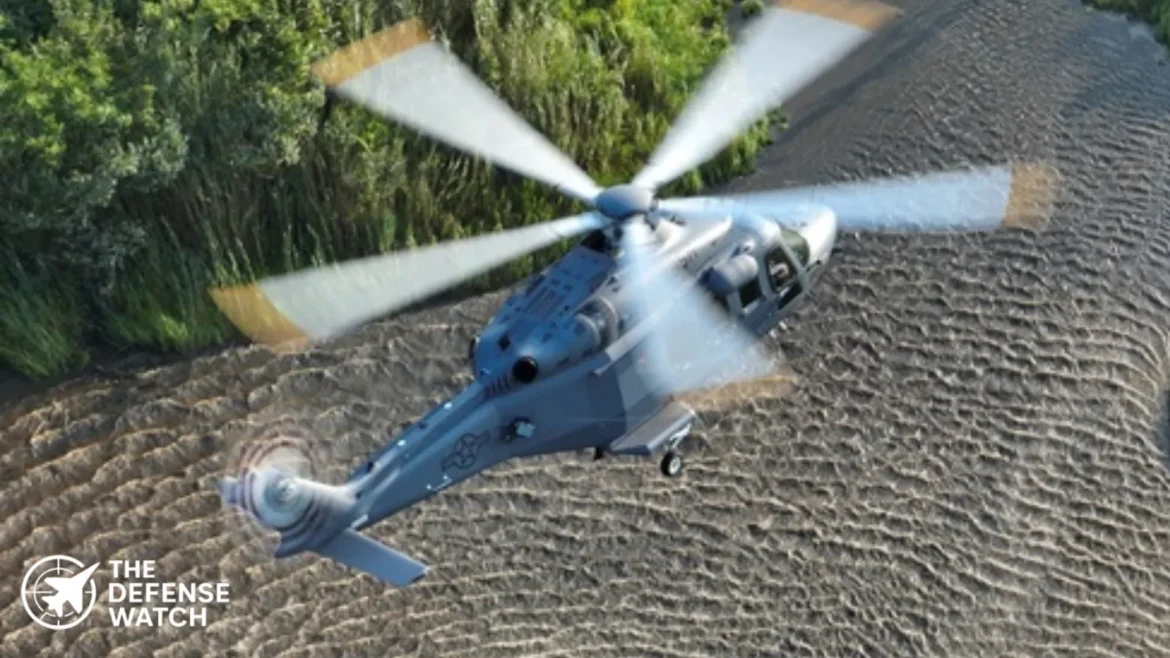
Boeing has won a new contract to build four more MH-139A Grey Wolf helicopters for the US Air Force. This latest award marks a second production contract for the aircraft in about five months and boosts the total under contract to 38 aircraft.
(adsbygoogle = window.adsbygoogle || []).push({});Contract Details and Program Context
The Jan 29 award adds four MH-139A helicopters plus related sustainment work, increasing the contract value to more than $262 million. This follows a prior contract awarded in September for eight MH-139A aircraft valued at about $173 million.
“The quick succession of contracts demonstrates that the US Air Force is all in on bringing the MH-139A capability to the warfighter as quickly as possible,” said Azeem Khan, director of the MH-139 program at Boeing. Boeing said safety, quality, and mission readiness remain central to its delivery and sustainment plans.
MH-139A Grey Wolf: Role and Capabilities
The MH-139A Grey Wolf is a multi-mission military helicopter based on the Leonardo AW139 platform. Boeing outfits the platform with military-specific equipment for patrol, search and rescue, troop transport, and cargo missions.
The US Air Force selected the MH-139A to replace the aging UH-1N Huey fleet for base security and pivotal missions including nuclear missile site security across the US Midwest. Boeing’s configuration includes avionics and systems tailored to Air Force requirements. (Air Force fact sheets)
Production and Deliveries
With the latest contract, Boeing now has 38 MH-139A aircraft under contract. To date, 21 Grey Wolf helicopters have been delivered, including 12 from the initial low-rate production contract awarded in 2023.
Industrial and Regional Impact
The MH-139A program supports more than a thousand jobs across Boeing’s supply chain, particularly in the Philadelphia region and other US facilities. It reflects continued defense production amid broader aerospace industry activity.
(adsbygoogle = window.adsbygoogle || []).push({});Strategic Importance for the US Air Force
The Grey Wolf replaces older platforms with modern avionics, range, and payload capacity suitable for a wide set of missions. The second contract in months signals the Air Force’s push to accelerate fielding and sustainment, aligning with ongoing defense modernization priorities in aviation and rotary-wing capability. Official statements from the Air Force underscore the aircraft’s role in nuclear surety and security missions.
Looking Ahead
Boeing’s expanded MH-139A build plans come amid broader company activity. In commercial operations, Boeing reported a surge in deliveries in 2025, with 600 aircraft delivered, its highest total in several years. Defense and space deliveries also continued as part of that operational mix.
US Air Force Sustainment Contract Overview
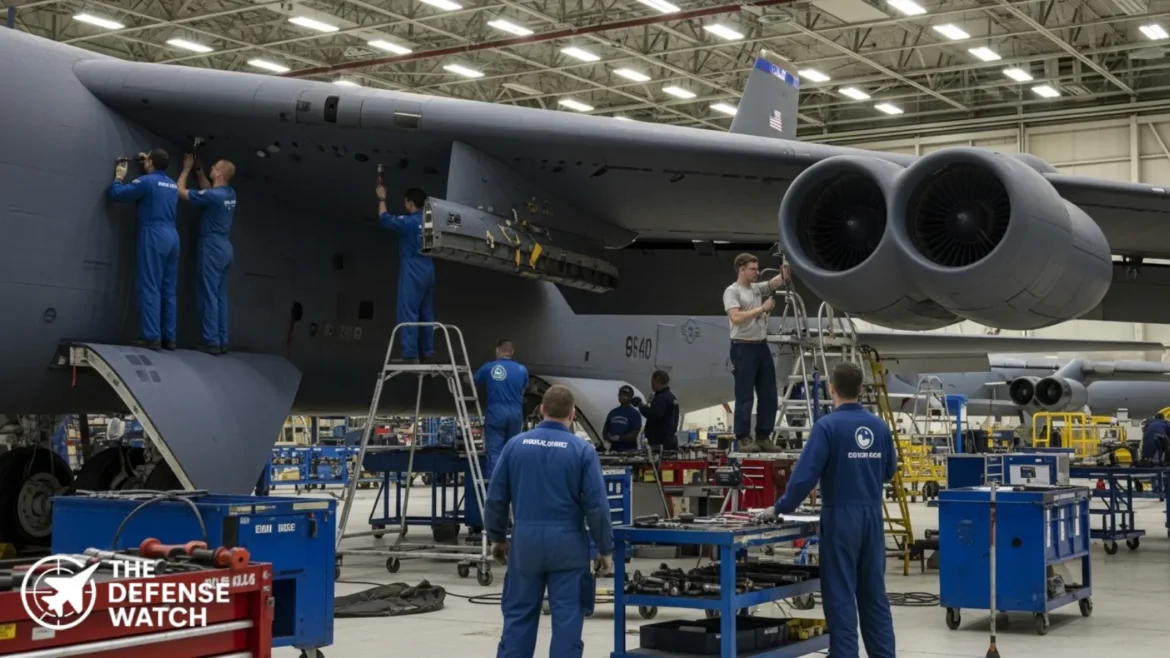
The US Air Force Sustainment Center has awarded a major sustainment contract valued at up to seven billion dollars to support contract field team labor augmentation across the force.
The indefinite delivery indefinite quantity multiple award contract supports aircraft and system sustainment missions worldwide and will run for ten years, according to official Air Force contract data.
Contract Scope and Structure
The contract provides contract field team labor augmentation to support Air Force maintenance, repair, and operational readiness missions. These teams are typically deployed to supplement organic Air Force maintenance units, particularly for high demand aircraft platforms and specialized systems.
The effort covers a ten year period from February 2026 to January 2036 and includes a five year base period with one five year option. Work locations will be determined through individual task orders and may include domestic and overseas operating sites.
The total contract ceiling is set at seven billion ten million dollars. At the time of award, fiscal year 2026 operations and maintenance funding totaling eleven thousand five hundred dollars was obligated, reflecting the initial administrative action rather than full program execution.
The contracting activity is the Air Force Sustainment Center at Tinker Air Force Base in Oklahoma.
Companies Selected for the Award
Twenty three companies were selected under the multiple award structure following a competitive acquisition that received twenty six offers.
Awarded firms include
4MHR Logistics LLC of Texas
Adams Communication Engineering Technology of Maryland
Aircraft Readiness Alliance of Alaska
Akima Logistics Services of Virginia
Global Logistics Support Services of Alabama
Kay and Associates of Illinois
PKL Services of California
Powerhouse Resources International of North Carolina
R2C Limited Liability of Alabama
Resicum International of Virginia
S and K Aerospace of Montana
Strategic Technology Institute of Maryland
Vali of Alabama
Vector Solutions of Arizona
AAR Government Services of Illinois
Amentum Services of Virginia
M1 Support Services of TexasSeveral companies received more than one contract line under the award structure, reflecting their ability to support multiple mission areas.
Why Field Team Support Matters
Contract field teams play a central role in sustaining complex Air Force aircraft fleets, especially legacy platforms that require specialized technical expertise.
These teams often support depot level maintenance, aircraft modification programs, foreign military sales support, and surge operations where organic manpower is insufficient. They also provide continuity for long term sustainment programs where contractor experience is critical.
According to Air Force sustainment planning documents, contractor field support helps maintain readiness while allowing uniformed maintainers to focus on core operational missions.
Strategic Context
The award aligns with broader Air Force sustainment priorities focused on fleet availability, cost control, and lifecycle management. As aircraft fleets age and modernization efforts compete for funding, sustainment contracts remain a critical pillar of force readiness.
The Air Force Sustainment Center oversees maintenance and supply chain operations for a wide range of aircraft, including bombers, tankers, fighters, and mobility platforms. Contracted field team support enables rapid response to maintenance demands across this diverse inventory.
Defense acquisition experts note that large scale multiple award contracts also increase flexibility, allowing the Air Force to compete task orders and adjust workload distribution based on performance and mission need.
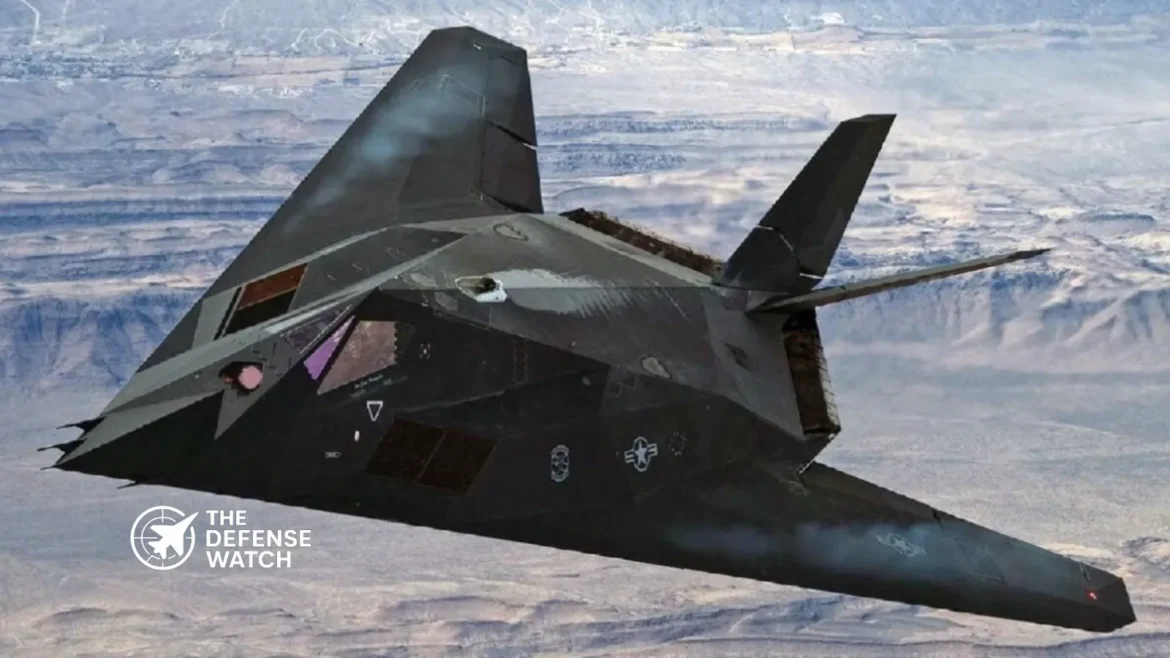
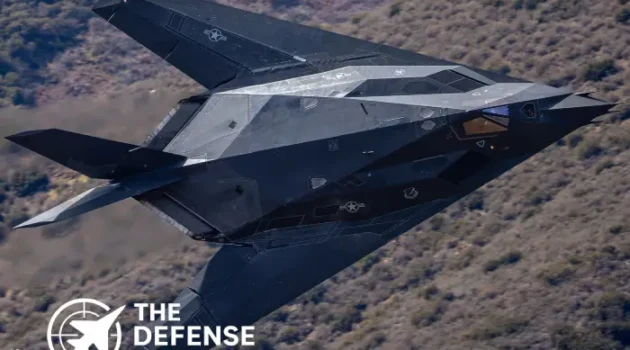
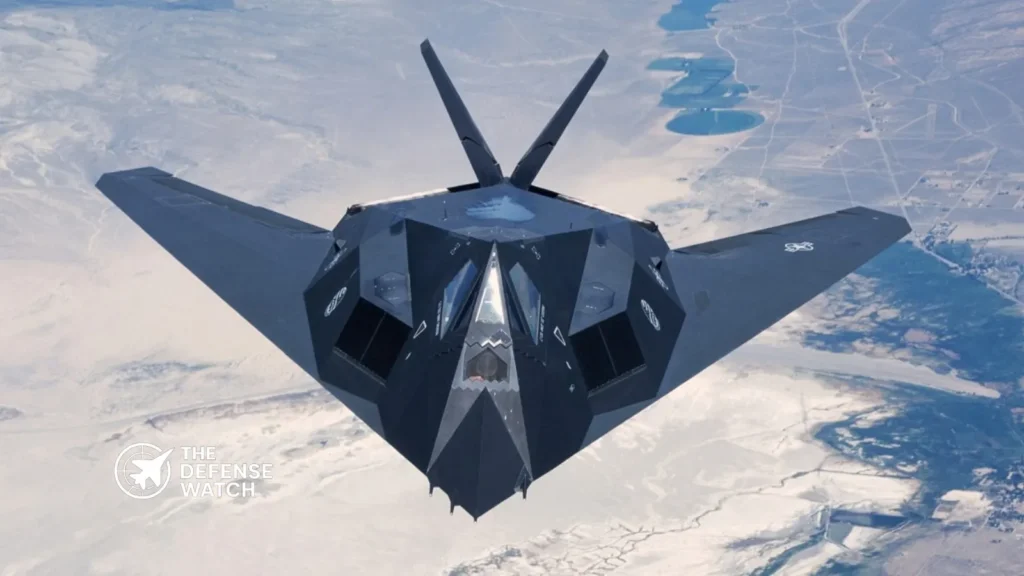
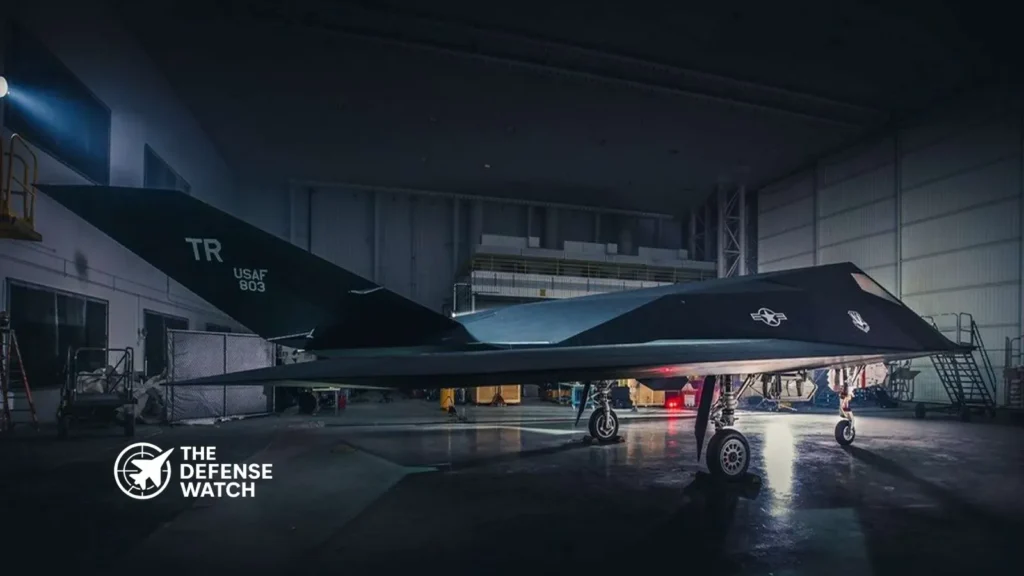
US Air Force Extends F-117 Nighthawk Operations to 2034
The United States Air Force plans to keep its retired F-117 Nighthawk stealth aircraft flying through at least 2034, extending the operational life of the iconic jet more than 25 years after it was officially withdrawn from frontline service. The decision reflects the aircraft’s continued value in testing, training, and threat replication roles, particularly as the US military prepares for future high end conflicts involving advanced air defenses.
According to budget and planning documents referenced in recent defense reporting, the Air Force intends to fund sustainment and limited operations of a small fleet of F-117 aircraft stored at Tonopah Test Range in Nevada. These aircraft, though no longer considered combat assets, continue to fly regularly under a classified program that supports both US and allied training needs.
The move underscores how legacy stealth platforms remain relevant as the Pentagon works to prepare pilots and systems for encounters with increasingly capable adversary air defense networks.
Background of the F-117 Nighthawk Program
The F-117 Nighthawk holds a unique place in aviation history. Developed in secrecy during the Cold War, it was the world’s first operational stealth combat aircraft. Designed by Lockheed’s Skunk Works, the jet relied on faceted surfaces and radar absorbing materials to minimize its radar signature, allowing it to penetrate heavily defended airspace.
The aircraft entered operational service in the early 1980s and achieved global attention during the 1991 Gulf War, where it flew precision strike missions against heavily defended targets in Iraq. The F-117 later saw combat use in the Balkans and during early operations in Afghanistan.
Despite its success, the aircraft was officially retired in 2008 as newer stealth platforms such as the B-2 Spirit and later the F-22 Raptor became available. Advances in stealth shaping and materials also made the angular F-117 design less efficient compared to newer aircraft.
However, retirement did not mean the end of flight operations.
Why Retired F-117 Jets Are Still Flying
Since its official retirement, the US Air Force has maintained a small number of F-117 Nighthawk aircraft in a condition that allows limited flight operations. These aircraft are not part of combat squadrons and are not deployable in wartime strike roles.
Instead, they are used primarily for training and testing. One of the key missions involves acting as realistic adversary or surrogate stealth targets. Modern US and allied air defense systems, fighter radars, and infrared sensors need real world exposure to low observable aircraft to validate detection and tracking performance.
F-117. Image Credit: Creative Commons The F-117 Nighthawk offers a cost effective way to provide that experience without risking newer and more expensive stealth assets such as the F-35 or B-21 Raider. Its unique radar and infrared signature differs from modern stealth designs, giving sensor operators valuable data across a wider range of scenarios.
In addition, the aircraft supports development and evaluation of next generation sensors, radars, and command and control systems. By flying against these systems in controlled environments, engineers can refine detection algorithms and improve integration across air and missile defense networks.
Budget Signals Confirm Long Term Sustainment
The plan to keep the F-117 fleet active until 2034 is supported by funding allocations within Air Force budget documents. These include line items for sustainment, spare parts, and contractor support associated with the aircraft.
While the Air Force has not publicly detailed the size of the active fleet, estimates suggest that around a dozen airframes remain in flyable condition. The aircraft operate from secure locations, primarily Tonopah Test Range Airport, a facility long associated with classified aviation programs.
The continued funding indicates that the Air Force sees enduring value in the platform, particularly during a period of rapid modernization and shifting threat environments. As near peer competitors invest heavily in advanced surface to air missile systems and counter stealth technologies, realistic training becomes increasingly critical.
Role in Preparing for Future Conflicts
The decision to extend F-117 operations aligns with broader US Air Force efforts to prepare for contested airspace in future conflicts. Potential adversaries are deploying layered air defense systems that combine long range radars, infrared sensors, electronic warfare, and networked command systems.
Training against stealth aircraft helps air defense units, fighter pilots, and joint forces understand both the strengths and limitations of low observable technology. It also supports development of tactics designed to counter stealth threats, knowledge that is essential for US forces operating alongside allies.
F-117. Image Credit: Creative Commons From a policy perspective, maintaining the F-117 fleet provides flexibility. It allows the Air Force to preserve newer stealth aircraft for frontline missions while still meeting demanding training and test requirements.
Defense analysts have also noted that the F-117 offers insights into how older stealth designs interact with modern sensors, information that could prove valuable in assessing the survivability of both legacy and emerging platforms.
What Comes Next for the F-117 Fleet
Under current plans, the F-117 Nighthawk will continue flying in limited roles through at least 2034. Beyond that date, the Air Force has not indicated whether operations will end or transition to alternative platforms.
Future systems, including uncrewed stealth aircraft and advanced digital simulators, may eventually reduce the need for manned legacy jets. However, real world flight data remains difficult to replicate fully in virtual environments.
For now, the continued presence of the F-117 in the skies serves as a reminder that even retired aircraft can play a meaningful role in shaping modern military readiness.
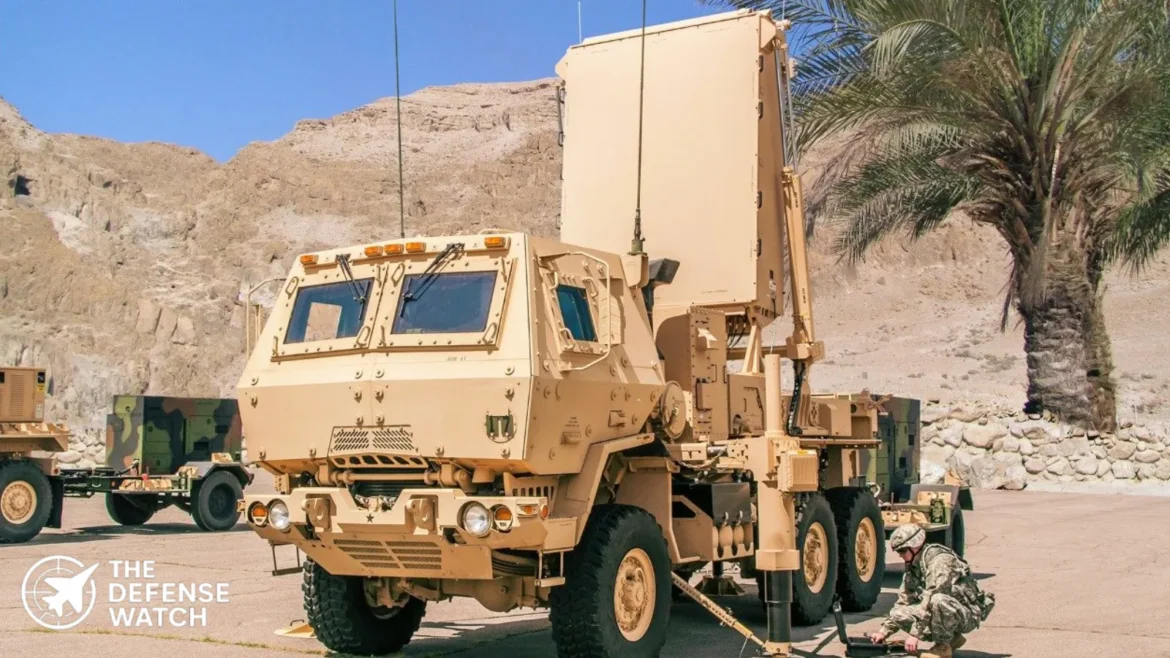
Lockheed Martin has received a $68.5 million contract modification to continue production of the Three-Dimensional Expeditionary Long-Range Radar for the US Air Force, reinforcing ongoing efforts to modernize deployable air surveillance and early warning capabilities.
(adsbygoogle = window.adsbygoogle || []).push({});The award, announced through a Department of Defense contract notice, exercises an option under an existing agreement and increases the total value of the program to more than $554 million.
Contract Details and Scope
The modification, designated P00075, was issued under the previously awarded contract FA8730-21-C-0022. It authorizes the production of three additional Three-Dimensional Expeditionary Long-Range Radar systems, along with associated production management, travel, and other direct costs tied to system delivery.
With this action, the cumulative face value of the contract rises to $554,062,251, up from $485,548,093. Fiscal 2026 other procurement funds totaling $68,514,158 were obligated at the time of award, according to the Air Force.
All work will be performed at Lockheed Martin Rotary and Mission Systems facilities in Liverpool, New York, with completion scheduled for March 16, 2027.
Role of 3DELRR in Air Force Modernization
The Three-Dimensional Expeditionary Long-Range Radar, commonly known as 3DELRR, is a ground based, mobile radar designed to detect, track, and identify airborne targets across long ranges. The system provides three dimensional coverage, including range, azimuth, and elevation, enabling commanders to build a comprehensive air picture in both fixed and expeditionary environments.
(adsbygoogle = window.adsbygoogle || []).push({});The radar is intended to replace aging legacy systems while improving survivability, deployability, and resistance to electronic attack. It plays a central role in supporting air defense, air traffic control, and joint and coalition operations, particularly in contested or austere locations.
Lockheed Martin’s radar portfolio supports broader Department of the Air Force efforts to improve sensor coverage and resilience as part of its air and missile warning architecture.
Contracting Authority
The Air Force Life Cycle Management Center at Hanscom Air Force Base, Massachusetts, is the contracting activity for the program. Hanscom AFB oversees a wide range of command and control, sensor, and networking programs critical to Air Force and joint force operations.
The latest contract action reflects continued confidence in the Three-Dimensional Expeditionary Long-Range Radar program as the service fields additional systems to meet operational demand.
(adsbygoogle = window.adsbygoogle || []).push({});Why It Matters
As the Air Force adapts to evolving threats and more distributed operations, deployable long range sensors remain a priority investment area. The expansion of 3DELRR production underscores the service’s focus on modern, mobile radar systems capable of supporting both homeland defense and overseas missions.
US Air Force Designates YFQ-48 Unmanned Aircraft in Collaborative Combat Aircraft Program
The US Air Force has officially designated the YFQ-48 unmanned aircraft prototype under its Collaborative Combat Aircraft (CCA) program, advancing efforts to field semi-autonomous drones that can operate with manned fighters. This designation underscores progress in the broader effort to expand manned-unmanned teaming and distributed air operations.
YFQ-48 Emerges as Next Prototype in CCA Push
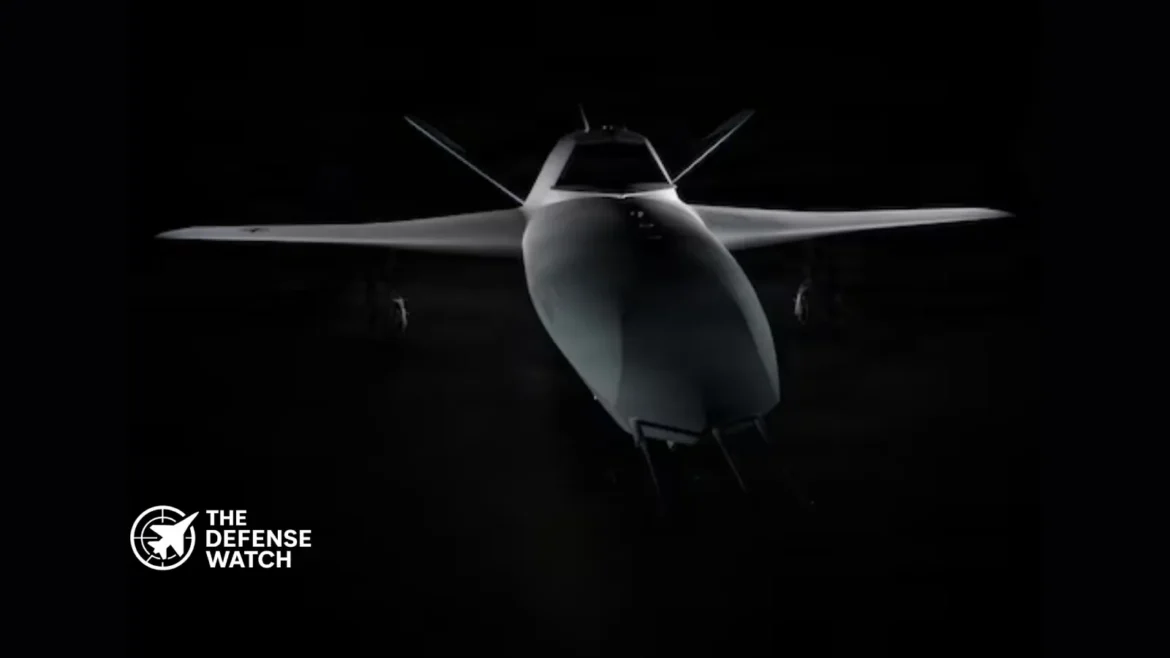
The YFQ-48, internally known as Project Talon, was quietly designated as a Mission Design Series aircraft by the Air Force in late December 2025. The move formalizes Northrop Grumman’s prototype in the CCA initiative, tasked with developing unmanned systems to work alongside platforms such as the F-35 and future fighters.
Details on specifications remain limited, but service and industry sources say the design emphasizes semi-autonomous operation, modular systems, and the flexibility to carry sensors or mission-specific payloads. These aircraft are intended for strike, sensing, and electronic warfare support in contested environments where lowering risk to human pilots is a priority.
CCA Strategy and Companion Efforts
The Collaborative Combat Aircraft program aims to expand combat mass and survivability by pairing loyal wingman style drones with crewed aircraft. Early designations within the program include the General Atomics YFQ-42A and Anduril YFQ-44A, both moving through ground and flight testing phases.
This strategy fits within the Air Force’s Next Generation Air Dominance portfolio, which integrates autonomy, secure networking, and new acquisition models meant to field systems more quickly and at lower cost than traditional fighters.
Outlook and Broader Context
While the program’s timeline for operational fielding remains tied to further testing and evaluation, the YFQ-48 designation marks a clear step toward expanding unmanned combat roles. Similar efforts by other nations in manned-unmanned teaming reflect a global shift in airpower concepts.
- (adsbygoogle = window.adsbygoogle || []).push({});