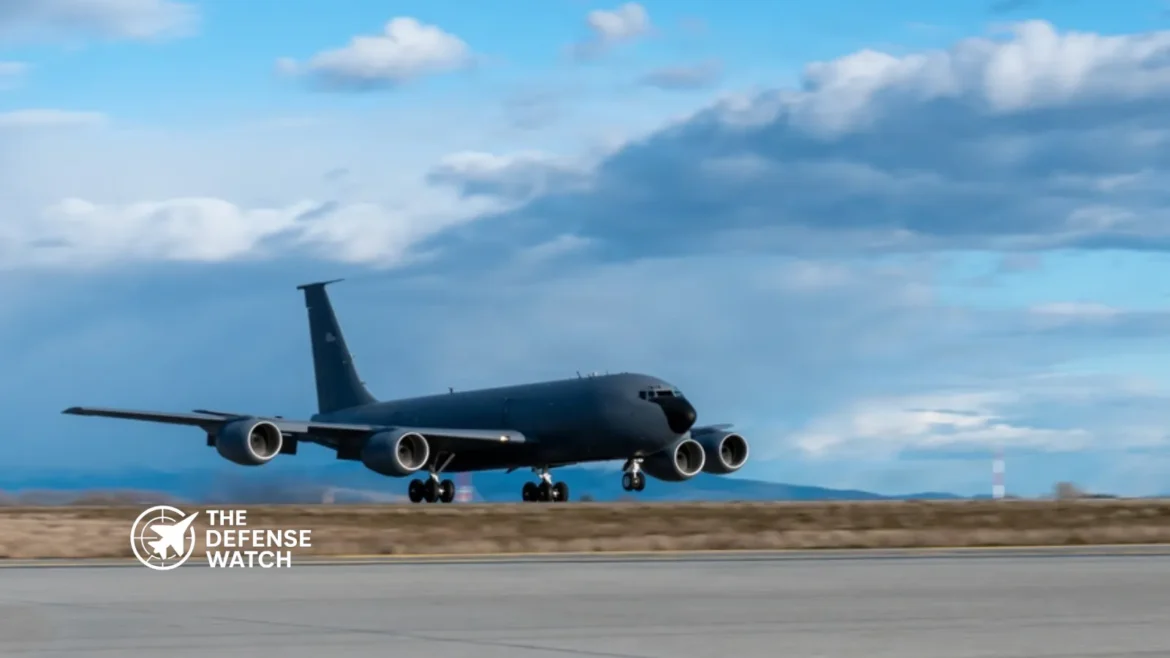
- Six U.S. Air Force Airmen were killed when a KC-135 tanker aircraft crashed in western Iraq on March 12, 2026.
- The crew was supporting Operation Epic Fury, an ongoing U.S. military operation in the region.
- Three Airmen were assigned to the 6th Air Refueling Wing at MacDill Air Force Base in Florida.
- Three others served with the 121st Air Refueling Wing at Rickenbacker Air National Guard Base in Ohio.
- U.S. defense officials say the cause of the KC-135 crash remains under investigation.
Six Airmen Killed In KC-135 Crash During Operation Epic Fury
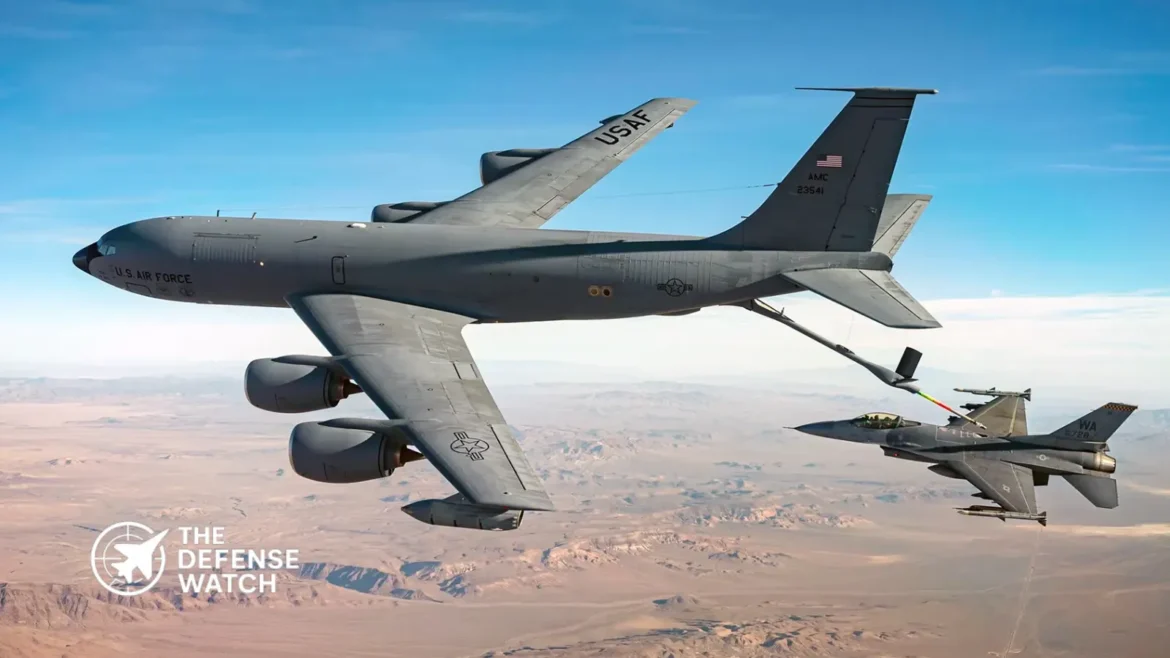
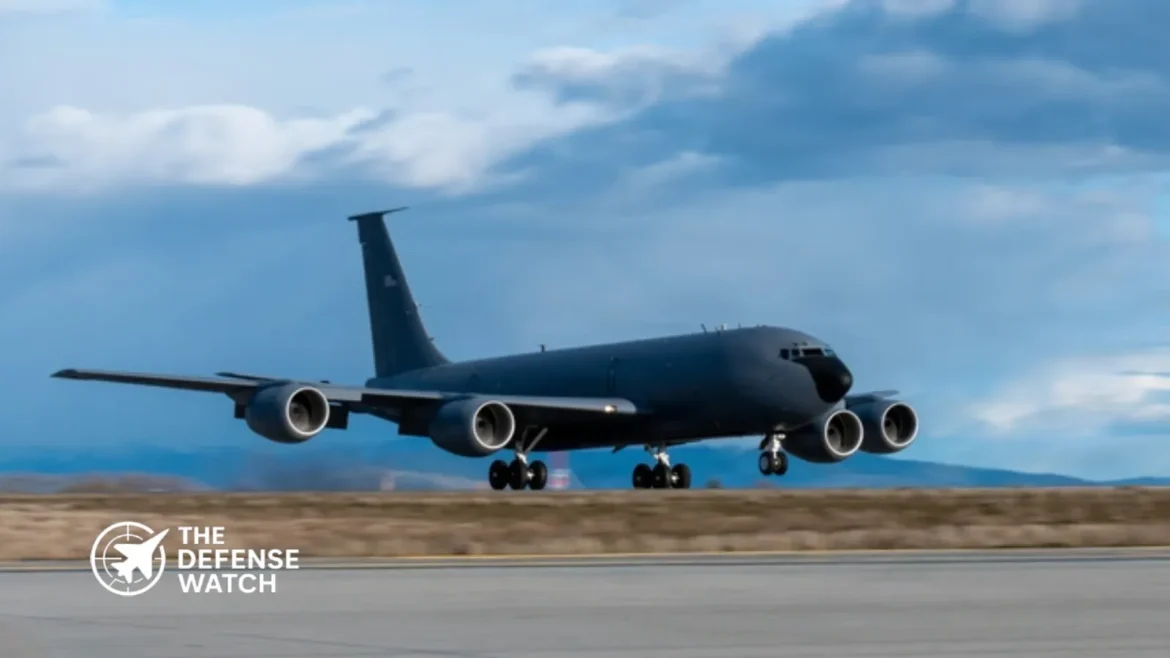
The United States Department of Defense has confirmed that six Air Force Airmen were killed after a KC-135 Stratotanker crashed in western Iraq while supporting Operation Epic Fury.
According to the Pentagon, the fatal incident occurred on March 12, 2026. The tanker aircraft went down during a mission connected to ongoing U.S. military operations in the region. Officials said the cause of the crash remains under investigation.
The KC-135 crash Iraq incident represents one of the deadliest U.S. Air Force aviation losses in the Middle East in recent years.
Airmen Identified By Defense Department
The Department of Defense identified the six Airmen who died in the crash.
Those assigned to the 6th Air Refueling Wing at MacDill Air Force Base in Florida were:
- John A. Klinner, Major, age 33, Auburn, Alabama
- Ariana G. Savino, Captain, age 31, Covington, Washington
- Ashley B. Pruitt, Technical Sergeant, age 34, Bardstown, Kentucky
Three other Airmen were assigned to the 121st Air Refueling Wing at Rickenbacker Air National Guard Base in Columbus, Ohio:
- Seth R. Koval, Captain, age 38, Mooresville, Indiana
- Curtis J. Angst, Captain, age 30, Wilmington, Ohio
- Tyler H. Simmons, Technical Sergeant, age 28, Columbus, Ohio
Defense officials said all six were deployed in support roles tied to Operation Epic Fury when the KC-135 crash Iraq incident occurred.
Role Of The KC-135 In U.S. Military Operations
The KC-135 Stratotanker remains one of the backbone aircraft in the U.S. Air Force aerial refueling fleet. Introduced in the late 1950s, the tanker enables U.S. and allied aircraft to remain airborne for extended missions by providing midair refueling.
KC-135 aircraft routinely support a wide range of missions including:
- Combat air patrols
- Long range bomber missions
- Intelligence and surveillance flights
- Coalition operations across the Middle East
Aircraft from both the 6th Air Refueling Wing and the 121st Air Refueling Wing frequently deploy to forward operating locations to sustain U.S. and allied aircraft operating over Iraq and Syria.
Air refueling tankers are considered critical enablers of modern air operations. Without them, many strike aircraft would be limited by range, especially in large operational theaters such as the Middle East.
Operation Epic Fury And Regional Operations
Operation Epic Fury has involved U.S. air and support forces operating in the region as part of broader security missions tied to counterterrorism, force protection, and regional stability.
While details of the mission linked to the KC-135 crash Iraq incident have not been publicly released, tanker aircraft often fly high tempo support missions in the region. These include refueling fighter jets, intelligence aircraft, and coalition partners.
Military analysts note that aerial refueling operations often involve complex coordination between multiple aircraft, airspace management authorities, and ground command centers. Tankers frequently operate for long durations and across large distances, which can increase operational strain on both aircraft and crews.
Investigation Underway
The U.S. Air Force has launched a formal investigation into the crash to determine what led to the loss of the aircraft and crew.
Standard procedure following major aviation accidents includes recovery of flight data systems, review of maintenance records, mission planning data, and crew communications. Investigators will also analyze environmental factors such as weather conditions and operational flight parameters.
Officials have not released information about the crash location or whether debris recovery operations are ongoing in western Iraq.
The Air Force typically assigns an accident investigation board to incidents involving military aircraft. Findings can take months to complete depending on the complexity of the crash and recovery conditions.
Strategic Impact Of The Loss
Although aerial refueling tankers are designed with extensive safety systems, accidents involving large military aircraft remain rare but high impact events.
The KC-135 crash Iraq incident highlights the risks faced by aircrews supporting deployed operations, particularly in regions where aircraft must operate continuously to sustain combat and surveillance missions.
For the U.S. Air Force, tanker fleets remain essential to global force projection. The service is gradually modernizing its refueling capability with newer aircraft such as the Boeing KC-46 Pegasus, though hundreds of KC-135 aircraft remain in active service.
The loss of six Airmen underscores the human cost behind sustaining global air operations.

- Five US Air Force KC-135 Stratotanker aircraft were reportedly damaged during an Iranian missile strike on Prince Sultan Air Base in Saudi Arabia.
- The aircraft were on the ground when the strike occurred and sustained varying levels of damage but were not destroyed.
- The attack highlights the vulnerability of forward deployed support aircraft critical to US air operations in the Middle East.
- The strike occurred amid escalating US Iranian tensions linked to ongoing military operations in the region.
- Aerial refueling tankers remain a cornerstone capability enabling long range strike and persistent airpower.
Iranian Missile Strike Damages US KC-135 Tankers
The Iranian missile strike KC-135 incident has reportedly damaged five U.S. Air Force KC-135 Stratotanker aerial refueling aircraft at Prince Sultan Air Base in Saudi Arabia, according to U.S. officials cited in multiple reports. The aircraft were struck while parked on the ground during a missile attack linked to escalating regional tensions involving Iran and U.S. forces.
Officials said the tankers were damaged but not destroyed, and repair efforts are underway. No casualties were reported in the attack.
The incident represents one of the most significant reported hits on U.S. aerial refueling infrastructure during the current Middle East crisis.
The Big Picture
Aerial refueling aircraft are among the most critical enabling assets in modern air warfare. The KC-135 Stratotanker, a long serving U.S. Air Force tanker introduced in the late 1950s, allows fighters, bombers, and surveillance aircraft to remain airborne for extended missions far from their home bases.
In the Middle East theater, tanker aircraft are essential to maintaining U.S. airpower projection across large operational distances. Aircraft supporting strike missions, intelligence flights, and air patrols rely heavily on mid air refueling to sustain high sortie rates.
Forward bases such as Prince Sultan Air Base in Saudi Arabia serve as critical hubs for these operations, enabling coalition aircraft to conduct long range missions over Iraq, Syria, the Persian Gulf, and Iran.
When these support assets are disrupted, operational tempo and mission flexibility can quickly become constrained.
What’s Happening
According to reporting citing two U.S. officials, five KC-135 Stratotanker aircraft were hit during an Iranian missile strike on Prince Sultan Air Base in Saudi Arabia.
The tankers were reportedly parked on the airfield at the time of the attack. Initial assessments indicate the aircraft suffered structural or systems damage but were not completely destroyed.
Officials said maintenance teams are working to repair the aircraft, though the timeline for returning them to service remains unclear.
The attack occurred amid broader Iranian retaliatory strikes targeting regional infrastructure and U.S. military facilities following escalating hostilities between Iran and U.S. aligned forces.
Iran has conducted missile and drone strikes against multiple targets across Saudi Arabia since the conflict began, including energy infrastructure and military installations.
Prince Sultan Air Base hosts significant U.S. and coalition forces and has played a key role in regional air operations.
Why It Matters
The Iranian missile strike KC-135 incident underscores the vulnerability of high value support aircraft stationed at forward operating bases.
Unlike hardened fighter shelters, tanker aircraft are often parked on open ramps due to their large size and operational requirements. This makes them difficult to protect during missile or drone attacks.
While the reported damage did not destroy the aircraft, even temporary loss of tanker availability can disrupt complex air campaigns.
Aerial refueling capacity directly affects:
- fighter patrol duration
- bomber strike range
- intelligence and surveillance missions
- rapid response capability
When tanker availability drops, combat aircraft may need to operate closer to their bases or reduce time on station.
This can limit operational reach during sustained conflict.
Strategic Implications
The damage to five U.S. tanker aircraft illustrates how adversaries increasingly target enabling infrastructure rather than frontline combat systems.
Support assets such as tankers, surveillance aircraft, and logistics hubs are central to modern expeditionary warfare.
Disrupting these systems can have cascading operational effects.
Iran’s missile and drone capabilities have steadily expanded over the past decade, enabling the country to strike regional bases at long distances with increasing precision.
Attacks on air bases in Saudi Arabia and the Gulf also signal Tehran’s willingness to target coalition infrastructure supporting U.S. operations.
For U.S. planners, the incident reinforces the need for stronger base defense measures, including:
- layered missile defense systems
- hardened aircraft shelters
- dispersal of high value aircraft across multiple bases
- rapid runway and infrastructure repair capabilities
Such measures aim to reduce the operational risk posed by missile attacks.
Competitor View
Iran and its regional partners likely view attacks on U.S. logistical and support assets as an effective way to challenge American military superiority.
Rather than confronting advanced U.S. fighter aircraft directly, targeting tanker aircraft, drones, or air bases can impose operational costs on U.S. forces.
Strategically, these attacks demonstrate that Iran retains the capability to threaten U.S. and allied military infrastructure throughout the Gulf region.
Russia and China are also closely observing how such attacks affect U.S. expeditionary operations.
Both countries have invested heavily in strategies designed to disrupt logistics and support systems during conflict, often referred to as anti access or area denial approaches.
Events like the Iranian missile strike KC-135 incident provide real world examples of how such strategies could play out during major power conflict.
What To Watch Next
Several developments may follow in the coming weeks.
First, the U.S. military may increase air defense deployments around key regional bases. Systems such as Patriot and THAAD are commonly used to defend against ballistic and cruise missile threats.
Second, the U.S. Air Force may disperse tanker aircraft across additional bases to reduce the risk of concentrated losses.
Third, maintenance assessments will determine how quickly the damaged aircraft can return to service.
Even moderate structural damage to large aircraft like the KC-135 can require extensive inspection and repair.
Finally, the United States may increase the deployment of newer tanker platforms such as the KC-46 Pegasus to sustain refueling capacity in the theater.
Capability Gap
The incident highlights a persistent challenge in modern air operations.
Support aircraft remain large, slow, and difficult to harden against missile attack.
While fighters and bombers benefit from hardened shelters and dispersal strategies, tanker fleets often rely on exposed ramp space.
This creates a structural vulnerability that adversaries can exploit.
At the same time, replacing tanker capacity quickly during wartime remains difficult. Tankers are expensive, limited in number, and critical to global U.S. airpower.
Protecting them has become an increasingly important part of airbase defense planning.
The Bottom Line
The reported Iranian missile strike damaging five KC-135 Stratotanker aircraft highlights how attacks on support infrastructure can disrupt the operational backbone of modern airpower.
 ¦ KEY FACTS AT A GLANCE
- The U.S. Air Force awarded Boeing a $2.33 billion contract modification for the E-7A Rapid Prototype Airborne Mission Segment.
- The E-7A Wedgetail will replace the aging E-3 Sentry airborne early warning and control aircraft.
- The program strengthens U.S. airborne battle management capabilities amid increasing peer competition.
- Total contract value now approaches $4.9 billion with work continuing through August 2032.
- Development work will take place across multiple U.S. aerospace hubs including Seattle, Oklahoma City, and Huntsville.
E-7A Rapid Prototype Program Advances With Major USAF Contract Modification
The E-7A Rapid Prototype program received a major boost after the U.S. Air Force awarded Boeing a $2.33 billion contract modification to continue development of the next generation airborne mission system. The award expands an existing contract for the E-7A Rapid Prototype Airborne Mission Segment, bringing the program’s cumulative contract value to approximately $4.9 billion.
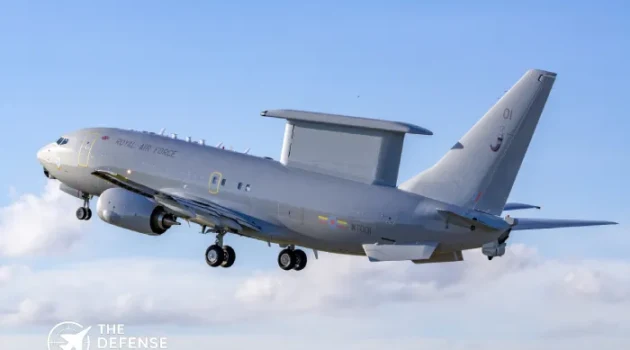
The work will support development of the U.S. Air Force’s future airborne battle management aircraft based on the E-7A Wedgetail platform. The aircraft is expected to replace the aging E-3 Sentry fleet, which has served as the backbone of U.S. airborne early warning and command operations for decades.
According to the U.S. Department of Defense contract announcement, work will take place primarily in Seattle, Washington, with additional efforts in Oklahoma City, Oklahoma, Huntsville, Alabama, and Heath, Ohio. The program is scheduled for completion by August 10, 2032.
The Big Picture
The E-7A Rapid Prototype program forms a central part of the U.S. Air Force’s broader effort to modernize airborne command and control capabilities.
Airborne early warning and battle management aircraft serve as critical nodes in modern military operations. They provide long range radar coverage, track airborne and maritime threats, coordinate fighter aircraft, and manage complex air campaigns across large theaters.
The current U.S. Air Force E-3 Sentry fleet entered service during the Cold War. While the aircraft has undergone several upgrades, age related maintenance challenges and evolving operational demands have increasingly strained the platform.
The E-7A Wedgetail, already operated by several U.S. allies, offers a modern replacement that integrates advanced radar, improved networking, and enhanced mission systems designed for modern multi domain warfare.
What’s Happening
The contract modification awarded to Boeing exercises an option within the existing E-7A Rapid Prototype program contract.
The $2,335,411,756 modification supports the development of the airborne mission segment that will enable the aircraft’s command and control capabilities.
The Air Force Life Cycle Management Center at Hanscom Air Force Base in Massachusetts manages the contract. The center oversees development of mission systems, sensors, and integration for several advanced U.S. Air Force programs.
Fiscal year 2026 research, development, test and evaluation funds totaling $31 million were obligated at the time of the award.
Boeing will lead development work from its facilities in Tukwila and Seattle, Washington. Additional program activity will occur in several other aerospace centers supporting systems engineering, software integration, and mission system testing.
The effort continues through 2032, reflecting the complexity of integrating advanced battle management technologies into a new operational aircraft.
Why It Matters
Modern air warfare increasingly relies on networked operations rather than standalone platforms.
Airborne early warning aircraft serve as command hubs that connect fighter aircraft, ground forces, naval assets, and intelligence systems. They allow commanders to coordinate operations across large areas while maintaining situational awareness.
The Boeing E-7A Wedgetail aircraft introduces a digitally advanced radar system capable of tracking multiple airborne targets simultaneously. The platform uses the Multi role Electronically Scanned Array radar integrated into a distinctive dorsal structure known as the “top hat.”
Compared with legacy systems, the E-7A offers improved reliability, lower maintenance demands, and enhanced sensor performance.
The aircraft also supports modern data links and distributed command networks that align with the U.S. military’s emerging Joint All Domain Command and Control architecture.
Strategic Implications
The E-7A Rapid Prototype program carries significant implications for U.S. military readiness.
Air superiority operations depend heavily on real time situational awareness and coordination. Without airborne battle management platforms, fighter aircraft would struggle to operate efficiently across large theaters.
The Indo Pacific region presents particular challenges due to its vast geographic scale. Aircraft like the E-7A enable long range surveillance and command capabilities that support distributed operations across the Pacific.
NATO operations also rely heavily on airborne warning aircraft for air policing and coalition air operations. The E-7A could eventually support alliance operations if integrated into broader NATO command networks.
Replacing aging E-3 aircraft ensures the United States retains a reliable airborne command capability as operational demands increase.
Competitor View
Strategic competitors closely track U.S. airborne command and control modernization.
China continues to expand its own airborne early warning fleet, including platforms such as the KJ-2000 and KJ-500, which support long range air operations across the Western Pacific.
Russia operates several A-50 airborne early warning aircraft, though modernization efforts have faced delays.
From a competitor perspective, the Boeing E-7A Wedgetail aircraft strengthens U.S. ability to coordinate large scale air operations and maintain situational awareness in contested airspace.
Airborne battle management systems can significantly influence the effectiveness of fighter aircraft, long range missiles, and integrated air defense networks.
What To Watch Next
Several milestones will shape the future of the E-7A Rapid Prototype program.
Upcoming phases will include mission system development, integration testing, and operational evaluation. These stages determine how effectively the aircraft integrates sensors, communications systems, and command networks.
The U.S. Air Force also plans to procure multiple E-7A aircraft in the coming years to replace its E-3 fleet.
Initial operational capability could emerge later this decade if testing proceeds on schedule.
Capability Gap
The E-7A Rapid Prototype program addresses a growing capability gap created by the aging E-3 Sentry fleet.
The E-3 aircraft face increasing maintenance costs and reduced mission availability due to their age and complex legacy systems.
Modern warfare also requires more advanced data sharing and sensor integration than earlier airborne warning aircraft were designed to support.
The E-7A offers improved mission system architecture that supports software upgrades and integration with future digital command networks.
However, the platform still faces challenges common to complex defense programs. Integration of mission systems, cybersecurity requirements, and testing timelines will determine the final operational performance.
The Bottom Line
The U.S. Air Force’s expanded E-7A Rapid Prototype program represents a major step toward replacing the aging E-3 fleet and strengthening the nation’s airborne command and control capabilities.
¦ KEY FACTS AT A GLANCE- The U.S. Air Force will not approve a follow-on contract for 75 KC-46 tankers until Boeing resolves existing deficiencies.
- Key issues include problems with the aircraft’s refueling boom and remote vision system used by boom operators.
- More than 100 KC-46 aircraft have already been delivered under the current procurement program.
- A decision on the next tanker procurement contract is expected in roughly two years.
- The tanker program is central to replacing aging KC-135 aircraft built in the 1950s and 1960s.
USAF Delays New KC-46 Tanker Orders Until Boeing Fixes Ongoing Problems
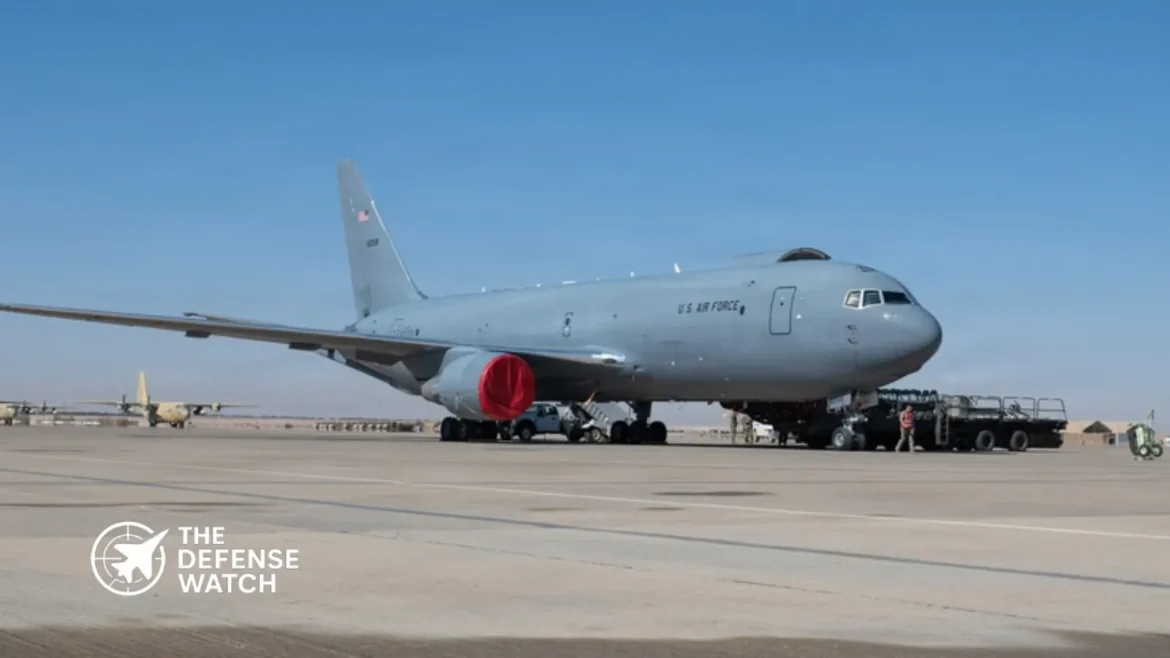
The KC-46 tanker program faces renewed scrutiny after U.S. Air Force leadership said Boeing must resolve persistent aircraft deficiencies before the service approves another major procurement order. Air Force officials told lawmakers that technical issues with the KC-46 Pegasus, particularly involving the refueling boom and remote vision system, must be fixed before the Pentagon moves forward with a potential purchase of 75 additional tankers. The warning highlights ongoing challenges in one of the Air Force’s most important modernization programs, which aims to replace aging KC-135 aircraft that have supported U.S. global air operations for decades.
The Big Picture
The KC-46 tanker program sits at the center of the U.S. Air Force’s long-term aerial refueling modernization effort.
Aerial refueling aircraft extend the operational range of fighters, bombers, and surveillance aircraft. They allow U.S. forces to project power across global theaters without relying heavily on forward bases. That capability has become increasingly critical as the Pentagon prepares for potential high-end conflicts, particularly in the Indo-Pacific.
The Air Force plans to replace large portions of its aging tanker fleet, including the KC-135 Stratotanker, many of which entered service more than six decades ago. The KC-46 Pegasus, built by Boeing and derived from the commercial 767 platform, represents the first step in that replacement strategy.
However, persistent technical issues have complicated the program and slowed the transition.
What’s Happening
A senior U.S. Air Force official recently told lawmakers that Boeing must resolve ongoing KC-46 tanker problems before the service approves a new order of 75 aircraft.
Speaking during a Senate Armed Services Committee hearing, Air Force Vice Chief of Staff Gen. John Lamontagne said the service is still working through several deficiencies with the contractor.
The Air Force has already ordered 183 KC-46 tankers, and more than 100 aircraft have been delivered so far.
Despite that progress, unresolved issues continue to affect the aircraft’s performance and operational reliability. The most notable problems involve:
- The refueling boom, which transfers fuel to receiving aircraft
- The remote vision system, a camera-based system used by the boom operator to guide refueling
Last year, the Air Force also temporarily paused tanker deliveries after cracks were discovered in several newly built aircraft awaiting delivery.
According to Lamontagne, a decision on a new procurement contract could come within the next two years, assuming the problems are successfully addressed.
Why It Matters
The KC-46 tanker program is one of the most important aviation modernization efforts within the U.S. Air Force.
Aerial refueling capability underpins nearly every U.S. military air operation. Fighters rely on tankers to conduct long-range strike missions. Strategic bombers require refueling to reach targets across continents. Surveillance aircraft depend on tankers to maintain persistent intelligence coverage.
Without reliable tanker aircraft, the operational reach of U.S. airpower would shrink dramatically.
That is why delays in the KC-46 program carry strategic consequences. Every year the new tanker remains constrained by technical issues, the Air Force must rely more heavily on its KC-135 fleet, many of which were built during the Cold War.
The Air Force originally expected the KC-46 to become the backbone of its tanker fleet by the mid-2020s. Continued technical fixes have pushed that timeline further out.
Strategic Implications
The KC-46 program affects the United States’ ability to sustain global air operations across multiple theaters simultaneously.
In the Indo-Pacific, aerial refueling aircraft are essential for operating fighters over vast ocean distances. U.S. bases in the region are limited and vulnerable, which means aircraft often need tanker support to operate effectively.
The same logic applies to NATO operations in Europe and U.S. missions in the Middle East.
Flight records show that KC-46 tankers have already supported U.S. strike operations against Iran, demonstrating the aircraft’s growing operational role despite its development challenges.
However, the Air Force remains cautious about expanding procurement until the platform achieves full reliability.
A delay in the next KC-46 order could slow the retirement of older tanker aircraft and complicate long-term force planning.
Competitor View
Strategic competitors closely watch U.S. tanker modernization programs because aerial refueling directly affects power projection.
China has invested heavily in developing its own tanker fleet, including variants of the Y-20 aerial refueling aircraft, to support long-range fighter operations in the Pacific.
Russia also relies heavily on tanker aircraft to support strategic bomber patrols and long-distance aviation missions.
If the United States experiences prolonged delays in replacing its Cold War-era tankers, competitors may view it as a temporary constraint on U.S. global air operations.
However, the broader scale and experience of the U.S. tanker fleet still far exceeds those of its rivals.
What To Watch Next
Several developments will determine how quickly the KC-46 program stabilizes.
Key milestones include:
- Completion of upgrades to the aircraft’s remote vision system, which improves visibility for boom operators
- Resolution of mechanical issues affecting the refueling boom
- Continued aircraft deliveries planned for 2026
Boeing delivered 14 tankers in 2025 and plans to deliver 19 in 2026 as the company works to stabilize production.
The contractor has also absorbed significant financial losses on the program due to its fixed-price contract structure. Boeing has reported more than $7 billion in losses tied to the KC-46 effort.
Future bids for additional tankers are likely to reflect revised pricing structures.
Capability Gap
The KC-46 program aims to address a major structural gap in U.S. air mobility.
The Air Force still operates hundreds of KC-135 Stratotankers, many built between the late 1950s and early 1960s. While these aircraft have undergone multiple upgrades, their age increases maintenance demands and limits long-term viability.
The Pegasus tanker introduces several modern capabilities:
- Advanced defensive systems
- Greater cargo and medical evacuation capacity
- Digital refueling systems and improved avionics
However, unresolved technical issues have slowed the full realization of those capabilities.
Until the KC-46 reaches full operational maturity, the Air Force must continue balancing modernization goals with the realities of sustaining older aircraft.
The Bottom Line
The U.S. Air Force will move forward with additional KC-46 tankers only after Boeing demonstrates that the aircraft’s long-standing technical issues are fully resolved.
¦ KEY FACTS AT A GLANCE- A US Air Force KC-135 Stratotanker crashed in western Iraq on March 12, 2026 while supporting Operation Epic Fury.
- US Central Command confirmed two aircraft were involved in the incident, with one tanker lost and another landing safely.
- Officials stated the crash occurred in friendly airspace and was not caused by hostile or friendly fire.
- Search and rescue operations were launched for the crew as the Pentagon investigates the cause of the incident.
- The loss highlights the operational risks facing aerial refueling forces supporting high tempo combat operations.
KC-135 Tanker Crash In Iraq
The KC-135 tanker crash in Iraq occurred on March 12, 2026 when a US Air Force aerial refueling aircraft supporting Operation Epic Fury went down in western Iraq during a mission linked to ongoing military operations against Iran.
US Central Command confirmed that two aircraft were involved in the incident and that one KC-135 Stratotanker was lost while the second aircraft landed safely. Officials emphasized the crash took place in friendly airspace and was not caused by hostile or friendly fire. Rescue efforts were launched to locate the crew while investigators began assessing what led to the accident.
The Big Picture
The KC-135 tanker crash in Iraq comes during an intense phase of US air operations in the Middle East tied to the broader campaign against Iran. Operation Epic Fury has involved large scale deployments of US aircraft, naval assets, and personnel across the region.
Aerial refueling aircraft are a central component of these operations. Tankers allow strike fighters, bombers, surveillance aircraft, and electronic warfare platforms to remain airborne for extended periods, enabling long range missions and sustained combat sorties.
The US Air Force relies heavily on the KC-135 fleet for this mission. First introduced in the late 1950s, the aircraft remains one of the backbone platforms of US aerial refueling operations, supporting combat missions across multiple theaters worldwide.
High sortie rates during large scale operations place significant demands on tanker units. Aircraft must often fly multiple missions per day while coordinating with numerous receivers such as fighters and bombers operating across wide geographic areas.
What’s Happening
US Central Command confirmed that the tanker crash occurred during a sortie connected to Operation Epic Fury.
Officials stated that:
Two aircraft were involved in the incident.
One KC-135 tanker went down in western Iraq.
The second aircraft landed safely after the event.Initial statements from CENTCOM stressed that the accident did not result from hostile action or friendly fire.
Authorities have not publicly disclosed the precise cause of the incident. Search and rescue operations were initiated shortly after the crash as military officials worked to locate and recover the crew.
The KC-135 typically carries multiple crew members depending on mission configuration, including pilots and a boom operator responsible for controlling the refueling system.
Why It Matters
The KC-135 tanker crash in Iraq highlights the operational importance and inherent risk associated with aerial refueling missions.
Mid air refueling remains one of the most complex and demanding tasks in military aviation. Tankers must maintain extremely precise flight paths while receiver aircraft maneuver within close proximity to connect to the refueling boom.
These operations frequently occur at night, over long distances, and in congested operational environments involving multiple aircraft.
During high intensity campaigns such as Operation Epic Fury, the number of refueling sorties increases dramatically. Tankers become essential enablers for combat aircraft conducting strike missions, intelligence flights, and air defense patrols.
A loss of a tanker aircraft therefore represents more than an aviation accident. It directly affects operational capacity and sortie generation across the entire air campaign.
Strategic Implications
Aerial refueling assets represent one of the most critical enablers of US global airpower. Tankers extend the reach of combat aircraft and allow the United States to project force far beyond the range of forward bases.
Operations connected to the conflict with Iran rely heavily on this capability. Fighters and bombers often operate from distant bases or aircraft carriers, requiring multiple refueling cycles to complete long range strike missions.
The KC-135 tanker crash in Iraq therefore underscores the central role these aircraft play in sustaining US air operations in the Middle East.
Even a single aircraft loss can temporarily reduce available refueling capacity, particularly during periods of sustained combat operations.
The incident also highlights the logistical complexity of modern air campaigns. Tanker scheduling, airspace management, and mission coordination must function seamlessly to support dozens of aircraft operating simultaneously across large regions.
Competitor View
Strategic competitors will closely monitor operational incidents such as the KC-135 tanker crash in Iraq.
Iran and allied regional militias are likely to examine the event for indications of operational strain within the US air campaign. Even accidents unrelated to hostile action can influence perceptions of operational sustainability.
Russia and China also track US tanker operations closely. Both countries have invested heavily in long range strike capabilities and aerial refueling fleets to replicate similar expeditionary airpower capabilities.
Operational mishaps therefore provide insight into the complexity and demands associated with sustaining global air operations.
What To Watch Next
Investigators from the US Air Force and US Central Command will conduct a detailed accident investigation to determine the cause of the crash.
Key factors that investigators typically examine include:
Aircraft mechanical performance
Crew actions and procedures
Flight data and communications
Environmental conditions
Interaction between aircraft involved in the incidentAdditional details about the aircraft, crew status, and operational context are expected to emerge as recovery operations continue.
The Pentagon may also review tanker mission procedures or operational tempo if the investigation identifies contributing factors related to operational stress or coordination.
Capability Gap
The loss of a KC-135 tanker also highlights the long term transition underway within the US aerial refueling fleet.
The Air Force is gradually replacing aging KC-135 aircraft with the newer KC-46 Pegasus tanker. However, the legacy fleet continues to carry a large portion of the operational workload.
Many KC-135 aircraft remain in service despite decades of use. Although they have undergone extensive upgrades, the aircraft’s age increases maintenance demands and operational complexity.
Until the KC-46 fleet reaches full operational capacity, the KC-135 will remain a critical component of US global airpower.
The Bottom Line
The KC-135 tanker crash in Iraq underscores both the central importance and operational risk of aerial refueling aircraft that sustain US combat operations across the Middle East.
¦ KEY FACTS AT A GLANCE- The United States currently has about 15 strategic bombers deployed at RAF Fairford in the United Kingdom.
- Video footage shows B 1B bombers being loaded with bunker penetrating JDAM guided bombs.
- The shift suggests improved air superiority over parts of Iran, enabling direct bomber strikes on hardened facilities.
- The deployed force reportedly includes 12 B 1B bombers and 3 B 52 strategic bombers operating from the UK.
- Analysts view the development as a possible expansion of US targeting against underground infrastructure.
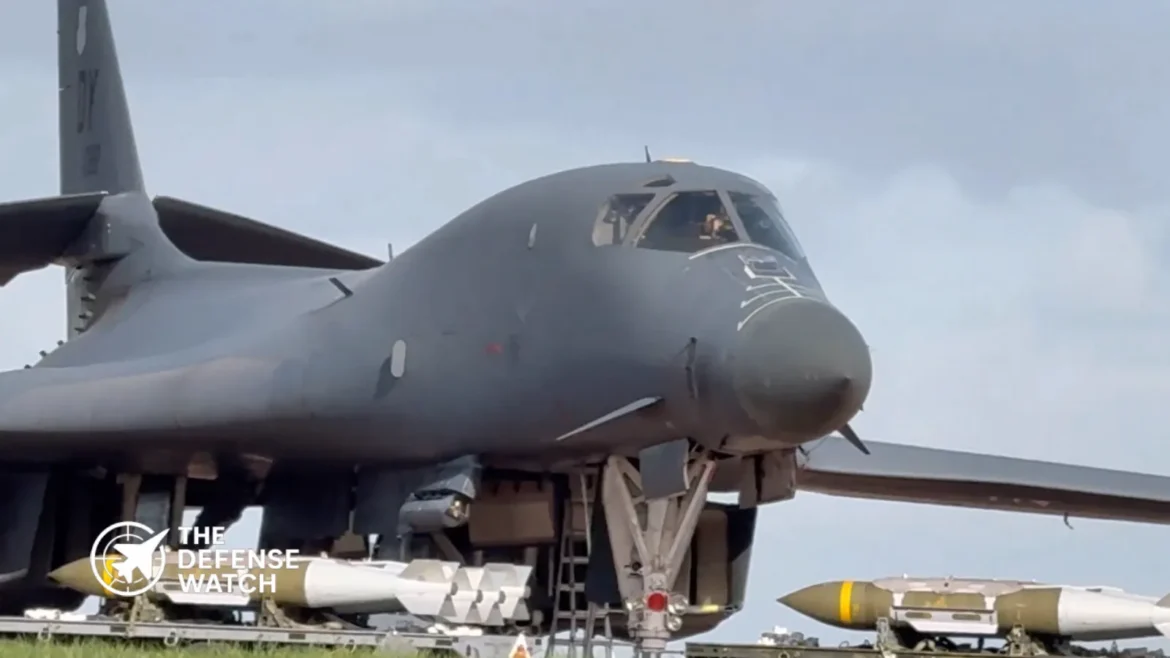
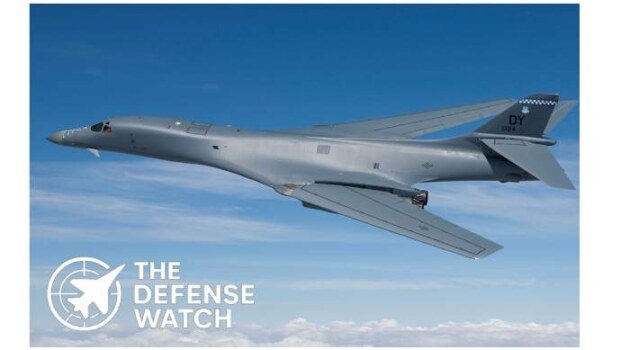
US B 1B Bombers At RAF Fairford Load Bunker Buster JDAMs For Iran Strike Missions
US B 1B bombers deployed at RAF Fairford are now being loaded with bunker buster JDAM guided bombs, according to newly released footage showing preparations for strike missions connected to operations against Iran. The images suggest that American forces may now be targeting hardened underground sites rather than relying only on stand off cruise missiles.
Video circulating from RAF Fairford shows US Air Force ground crews loading heavy precision guided bombs onto B 1B Lancer bombers. The activity signals a possible shift in operational conditions over Iran, where the ability to conduct direct bomber strikes would indicate improved control of contested airspace.
The Big Picture
The deployment of long range US bombers to the United Kingdom reflects a broader strategy of projecting global strike power while maintaining operational flexibility. RAF Fairford has long served as a key forward operating location for US bomber task forces supporting operations in Europe, the Middle East, and North Africa.
The current force presence is notable in scale. Reports indicate that around 15 strategic bombers are currently operating from the base. This includes 12 B 1B Lancer aircraft and three B 52 Stratofortress bombers.
Such deployments form part of the US Air Force bomber task force concept, which rotates strategic bombers through allied bases to demonstrate deterrence, maintain readiness, and provide rapid strike capability against emerging threats.
In the current context, the bomber presence also supports US military operations connected to escalating tensions and ongoing strikes involving Iran.
What Is Happening
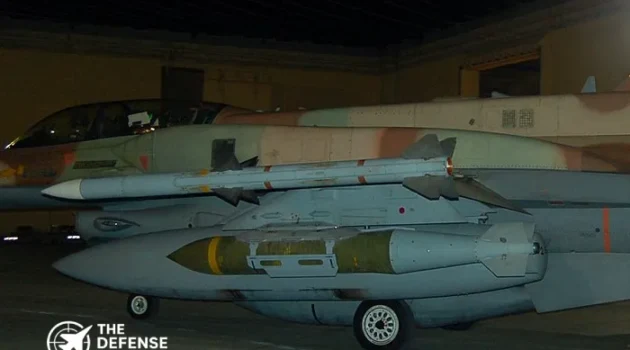
Recent footage from RAF Fairford shows US B 1B bombers being loaded with bunker penetrating Joint Direct Attack Munition bombs. These weapons convert conventional gravity bombs into precision guided munitions using satellite guidance.
The bombs seen in the footage appear configured for attacks on hardened targets such as underground bunkers, fortified command posts, or weapons storage sites.
The B 1B Lancer is capable of carrying large payloads of precision weapons and can deliver them at high speed over long distances. Although the aircraft no longer carries nuclear weapons, it remains one of the most capable conventional strike platforms in the US Air Force inventory.
The presence of bunker buster JDAMs indicates that American planners may be preparing to strike infrastructure protected by reinforced concrete or buried facilities.
Previous phases of the campaign reportedly relied heavily on long range cruise missiles launched from aircraft or naval platforms. Those weapons allow strikes without entering contested airspace.
Direct bomber delivered weapons require greater air superiority.
Why It Matters
The appearance of bunker penetrating JDAMs on B 1B bombers suggests that operational conditions may have shifted in favor of US forces.
Cruise missiles are often used in the early stages of a campaign to destroy air defenses and command nodes. Once those systems are degraded, aircraft can move closer to targets and deliver heavier payloads more efficiently.
Direct bomber strikes also allow larger volumes of ordnance to reach a target area in a single sortie. A B 1B can carry dozens of precision guided bombs in one mission.
That capability significantly increases strike density against hardened infrastructure such as underground missile facilities, storage bunkers, and military headquarters.
For Iran, which has invested heavily in buried facilities and hardened sites, bunker penetrating weapons pose a serious threat.
Strategic Implications
The concentration of US bombers at RAF Fairford highlights Washington strategic emphasis on long range strike capability. Forward basing allows bombers to reach targets across the Middle East without relying solely on regional bases that may be politically sensitive or vulnerable to retaliation.
The deployment also reinforces the role of bomber task forces in modern US deterrence strategy. By positioning strategic bombers closer to conflict zones, the Pentagon can rapidly scale up strike operations while maintaining global reach.
Operationally, the use of bunker buster JDAMs suggests the United States may be attempting to degrade Iran military infrastructure more deeply than earlier phases of the campaign.
Underground facilities often house missile stockpiles, command centers, and nuclear related infrastructure.
Destroying those sites requires precision weapons capable of penetrating reinforced structures.
Competitor View
Iran has long built key military facilities underground specifically to survive air strikes. The use of bunker penetrating bombs signals that US planners are targeting these hardened assets.
From Tehran perspective, bomber operations launched from Europe expand the geographic scope of the conflict. The ability of US bombers to operate from distant bases complicates Iranian efforts to deter or disrupt the campaign.
Russia and China are also likely monitoring the operation closely. Both countries track US bomber deployments as indicators of American power projection capabilities and operational doctrine.
Large scale bomber deployments to forward bases demonstrate the flexibility of the US strategic strike network.
What To Watch Next
Several indicators will reveal whether the campaign is expanding further.
Additional bomber deployments to RAF Fairford or other allied bases could signal a prolonged air campaign. Satellite imagery may also reveal increased sortie rates or changes in aircraft weapons configurations.
Another key indicator will be whether other strike platforms join the effort. Carrier aviation, stealth aircraft, or long range strike drones could complement bomber operations.
Military analysts will also watch for signs of intensified targeting against hardened infrastructure inside Iran.
Capability Gap
Bunker penetrating weapons address a specific operational challenge. Many high value military assets today are located underground to protect them from air attack.
Traditional bombs often fail to destroy these facilities unless they achieve precise penetration before detonation.
JDAM equipped penetrator bombs provide greater accuracy and destructive effect against reinforced structures.
However, these weapons still require aircraft to operate close enough to the target area. That creates exposure to air defense systems if those defenses remain active.
Even with air superiority, hardened underground complexes can remain difficult to fully neutralize.
The Bottom Line
The loading of bunker buster JDAMs onto US B 1B bombers at RAF Fairford signals a possible shift toward deeper strikes against hardened Iranian military infrastructure.
KEY FACTS AT A GLANCE- The U.S. Air Force confirmed that the future F-47 sixth-generation fighter will be capable of deploying the SiAW stand-in attack weapon.
- SiAW is designed to strike high-value targets such as mobile missile launchers, electronic warfare systems, and integrated air defenses.
- The weapon supports U.S. strategy to defeat Anti-Access/Area Denial (A2/AD) networks used by peer adversaries.
- Northrop Grumman received a $705 million contract in 2023 to develop and test the SiAW missile system.
- Initial production of SiAW missiles could begin around 2030 following rapid prototyping and testing phases.
F-47 Sixth-Generation Fighter Will Deploy SiAW Stand-In Attack Weapon
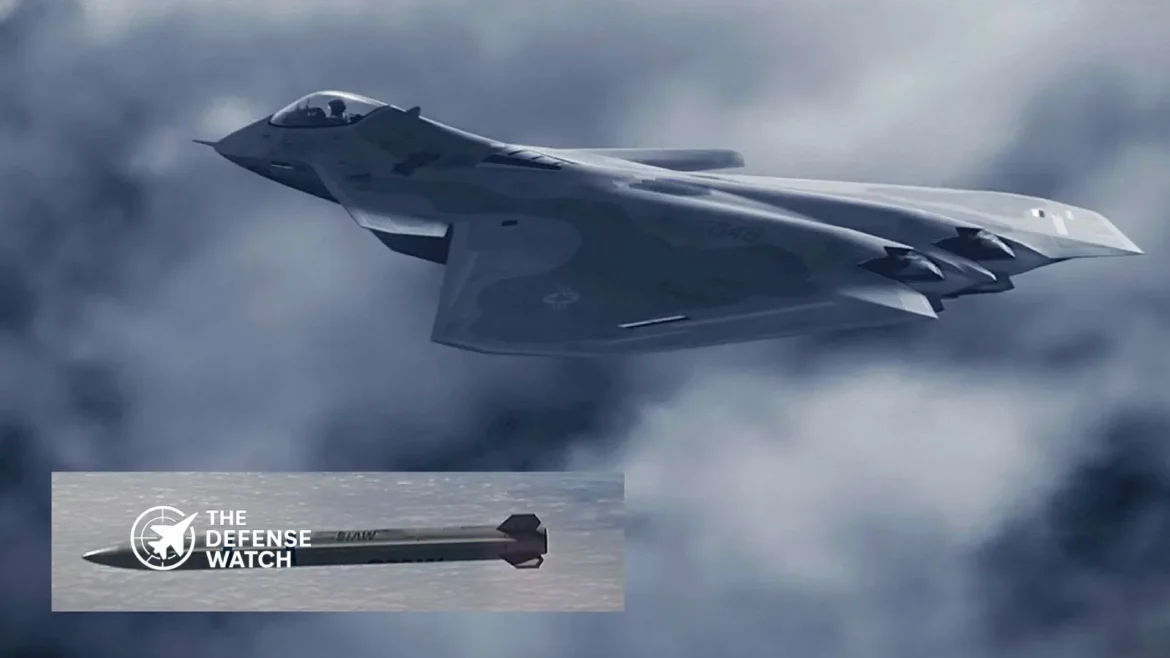
The F-47 sixth-generation fighter will deploy the SiAW stand-in attack weapon, marking one of the first confirmed weapon integrations for the U.S. Air Force’s future Next Generation Air Dominance (NGAD) aircraft.
(adsbygoogle = window.adsbygoogle || []).push({});A recently released U.S. Air Force acquisition notice identified the F-47 among platforms planned to carry the Stand-in Attack Weapon (SiAW), alongside aircraft such as the F-35, F-16, and the B-21 stealth bomber.
The development highlights how the U.S. Air Force intends to pair advanced stealth aircraft with new precision strike weapons designed to penetrate heavily defended airspace.
The Big Picture
The Next Generation Air Dominance (NGAD) program represents the centerpiece of U.S. air superiority strategy for the coming decades. The F-47 fighter, the crewed element of the NGAD system-of-systems, will operate alongside autonomous drones, advanced sensors, and networked weapons.
Modern adversaries such as China and Russia have invested heavily in layered air defense systems, long-range radar networks, and mobile missile launchers. These systems form what military planners describe as Anti-Access/Area Denial (A2/AD) environments.
Traditional stand-off weapons launched from long distances can be detected or intercepted by such defenses. The U.S. Air Force is therefore developing weapons that can be launched by stealth aircraft operating closer to hostile targets.
The SiAW stand-in attack weapon fits directly into this concept.
What’s Happening
The Stand-in Attack Weapon (SiAW) is a next-generation air-to-surface missile currently under development by Northrop Grumman for the U.S. Air Force.
The Air Force awarded Northrop Grumman a $705 million contract in September 2023 to develop and test the system under a rapid prototyping program.
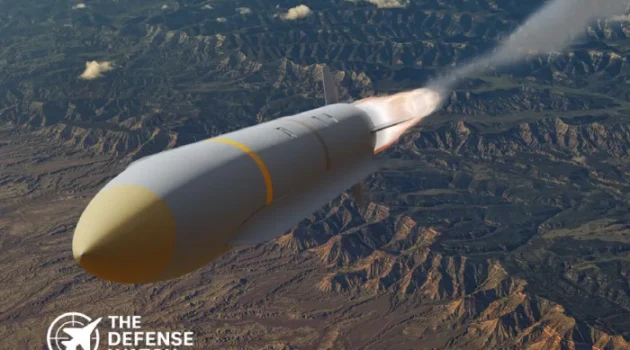
(adsbygoogle = window.adsbygoogle || []).push({});SiAW builds on technologies developed for the AGM-88G AARGM-ER anti-radiation missile but expands its mission set beyond radar suppression. The weapon is designed to strike:
- Theater ballistic missile launchers
- Land-attack and anti-ship cruise missile launchers
- Integrated air defense nodes
- Electronic warfare systems
- GPS jamming platforms
- Anti-satellite systems
These targets are often mobile and difficult to destroy using traditional strike weapons.
Early testing of the missile has already begun. In December 2025, an F-16 Fighting Falcon conducted a separation test at Eglin Air Force Base, validating the missile’s safe release from an aircraft during flight.
Initial operational capability is expected around 2026, while the first production lot may arrive around 2030 depending on program progress.
Why It Matters
The integration of the SiAW stand-in attack weapon with the F-47 sixth-generation fighter reveals how the Air Force intends to fight inside heavily defended battlespaces.
Unlike long-range cruise missiles launched from outside enemy air defenses, stand-in weapons are deployed by stealth aircraft after they penetrate hostile territory. This approach provides several operational advantages.
First, it reduces warning time for enemy defenses. A stealth aircraft operating inside contested airspace can release weapons at closer distances, making interception more difficult.
Second, the weapon’s advanced sensors and guidance allow it to target mobile threats that may relocate after launch. These targets include road-mobile missile launchers or electronic warfare systems that shift positions to avoid detection.
(adsbygoogle = window.adsbygoogle || []).push({});Finally, the missile supports multi-domain warfare by allowing aircraft to attack targets that support space and cyber operations, such as anti-satellite systems or GPS jammers.
Together, these capabilities strengthen the U.S. Air Force’s ability to disrupt an adversary’s integrated defense network early in a conflict.
Strategic Implications
The F-47 SiAW stand-in attack weapon combination represents a significant step toward maintaining U.S. air superiority against peer competitors.
China’s People’s Liberation Army has invested heavily in long-range surface-to-air missile systems, over-the-horizon radar, and mobile missile units designed to threaten U.S. forces operating in the Indo-Pacific.
Russia maintains similar layered air defense systems built around platforms such as the S-400 and S-500, combined with electronic warfare capabilities.
In both cases, mobile missile launchers and electronic warfare nodes form the backbone of their defensive networks.
Weapons such as SiAW are designed to dismantle those networks by targeting critical nodes quickly and precisely. By enabling stealth aircraft like the F-47 to attack these systems directly, the United States can create corridors for follow-on strikes by other aircraft and long-range weapons.
This strategy mirrors earlier suppression of enemy air defense (SEAD) concepts but adapts them for highly contested environments.
Competitor View
Adversaries will likely view the F-47 and SiAW combination as part of a broader U.S. strategy to neutralize advanced air defense systems.
China, in particular, has prioritized the development of anti-access strategies aimed at limiting U.S. operations in the Western Pacific. Mobile missile systems and electronic warfare platforms play a major role in that strategy.
A weapon capable of rapidly locating and destroying those systems threatens the survivability of such networks.
Russia may interpret the program similarly. Its doctrine relies heavily on layered air defense and mobile missile units to protect strategic assets and operational forces.
(adsbygoogle = window.adsbygoogle || []).push({});As a result, both countries are likely to invest further in countermeasures such as electronic warfare, decoys, and dispersed missile operations to complicate targeting.
What To Watch Next
Several key milestones will determine the future trajectory of the SiAW stand-in attack weapon program.
The next major step will be additional flight tests involving powered missiles and guidance systems. These tests will validate the missile’s navigation, seeker performance, and electronic resilience.
Integration with stealth platforms such as the F-35 and future aircraft like the F-47 will also require extensive testing to ensure safe internal carriage and release.
Production planning will follow once the rapid prototyping phase concludes. The Air Force has signaled a requirement for up to 600 missiles per year, with a planned service life of around 15 years.
These milestones will determine how quickly the weapon becomes part of the operational arsenal.
Capability Gap
The SiAW stand-in attack weapon addresses a growing operational challenge for modern air forces.
Many high-value military systems today are mobile, networked, and protected by advanced electronic warfare capabilities. Traditional guided bombs and older anti-radiation missiles often struggle to track these targets once they relocate or shut down their radar emissions.
SiAW aims to close that gap through multi-mode targeting, anti-jam navigation, and the ability to strike rapidly relocating systems.
However, the weapon also faces practical limitations. Penetrating contested airspace still requires stealth aircraft capable of surviving advanced air defense systems. Without platforms such as the F-35 or F-47, the missile’s operational value would be reduced.
(adsbygoogle = window.adsbygoogle || []).push({});This dependency highlights the importance of integrating new weapons with next-generation aircraft.
The Bottom Line
The F-47 sixth-generation fighter armed with the SiAW stand-in attack weapon reflects the U.S. Air Force’s strategy to defeat advanced air defenses and maintain air dominance in future high-end conflicts.
¦ KEY FACTS AT A GLANCE- U.S. Central Command says B-2 Spirit stealth bombers struck roughly 200 targets in Iran during a 72 hour air campaign.
- The strikes targeted Iranian military infrastructure linked to missile, drone, and operational command networks.
- The operation demonstrated the U.S. Air Force’s ability to conduct deep precision strikes inside contested airspace.
- B-2 bombers flew long range missions supported by aerial refueling and intelligence surveillance assets.
- The operation highlights the continued strategic relevance of stealth bombers in modern high intensity warfare.
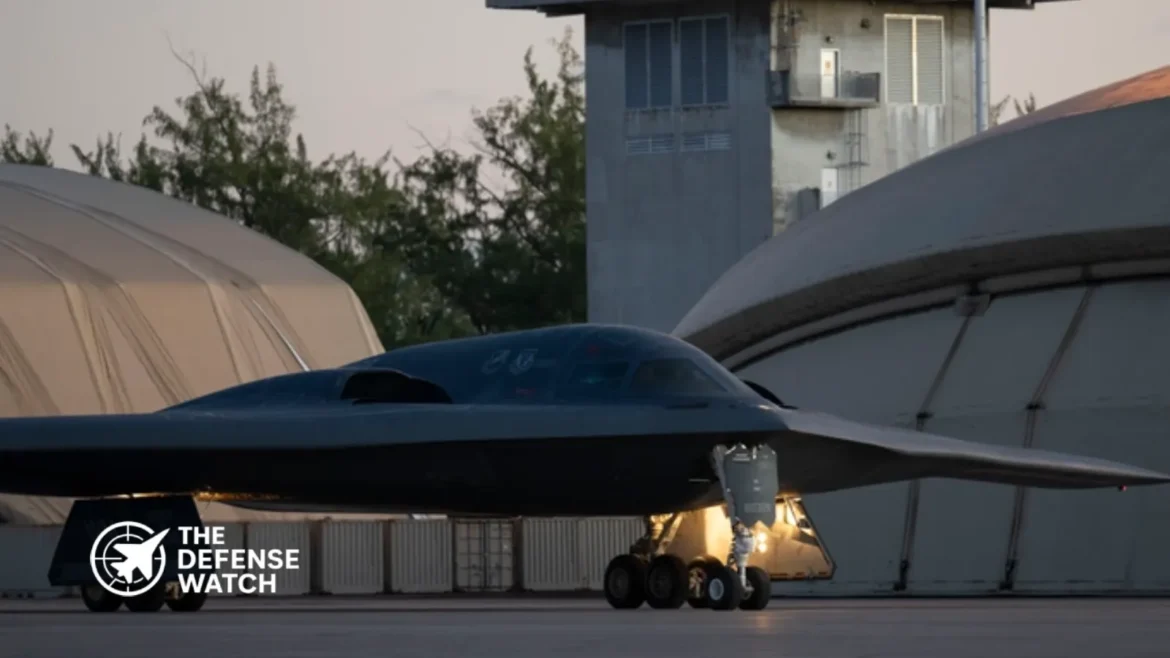
B-2 Spirit Stealth Bombers Conduct Major Strike Operation In Iran
B-2 Spirit stealth bombers carried out strikes on roughly 200 targets in Iran during a 72 hour operation, according to U.S. Central Command. The long range bombing campaign targeted Iranian military infrastructure and operational facilities connected to missile and drone activity.
(adsbygoogle = window.adsbygoogle || []).push({});Officials said the operation relied heavily on the stealth capabilities and precision strike capacity of the U.S. Air Force’s B-2 bomber fleet. The aircraft conducted deep strike missions designed to degrade Iranian military capabilities while avoiding heavily defended airspace.
The operation represents one of the largest stealth bomber strike campaigns conducted in the region in recent years.
The Big Picture
The use of B-2 Spirit stealth bombers highlights the United States’ continued reliance on long range stealth strike platforms to conduct high value missions in heavily defended environments.
The B-2 remains one of the few aircraft capable of penetrating advanced air defense networks while delivering precision guided munitions against strategic targets. Although the aircraft entered service in the 1990s, its stealth design and long range endurance still give the U.S. Air Force a unique deep strike capability.
Operations like this also reflect a broader shift in modern warfare. Precision air campaigns increasingly focus on disabling command networks, missile infrastructure, and unmanned systems rather than mass bombing of large facilities.
By striking hundreds of smaller operational nodes, the United States aims to disrupt military coordination and reduce the ability of adversaries to launch sustained attacks.
What’s Happening
U.S. Central Command reported that B-2 Spirit stealth bombers struck approximately 200 targets across Iran during a 72 hour period.
The strikes focused on military infrastructure linked to missile systems, drone launch operations, and command and control networks.
The B-2 Spirit is designed for long range precision strike missions. The aircraft can fly intercontinental distances and deliver conventional or nuclear payloads. Its stealth design reduces radar detection, allowing it to operate inside contested airspace protected by modern air defense systems.
(adsbygoogle = window.adsbygoogle || []).push({});The bombers typically operate from Whiteman Air Force Base in Missouri, though they can deploy forward when required. Long duration strike missions often rely on extensive aerial refueling and intelligence support from surveillance aircraft and satellites.
CENTCOM did not release detailed information about the specific locations targeted or the munitions used in the operation.
Why It Matters
The B-2 bomber strikes in Iran demonstrate the continued operational value of stealth aircraft in modern military campaigns.
Stealth platforms allow commanders to strike high value targets early in a conflict without exposing large numbers of aircraft to enemy air defenses. This approach reduces operational risk while maximizing the impact of precision weapons.
The ability to hit 200 targets in a short time frame also shows the scale at which modern precision strike operations can be conducted. Advances in intelligence, targeting systems, and networked warfare allow militaries to coordinate complex air campaigns across multiple locations simultaneously.
For the United States, maintaining the ability to conduct these deep strike missions is a core component of global power projection.
Strategic Implications
The operation sends a clear signal about U.S. military reach and readiness.
Stealth bombers remain a central component of American deterrence strategy. Their ability to strike strategic targets anywhere in the world gives U.S. leaders flexible options during crises.
The strikes also highlight the importance of integrated air campaigns. Missions involving B-2 bombers typically rely on a large supporting network that includes intelligence satellites, airborne early warning aircraft, aerial refueling tankers, and electronic warfare platforms.
This layered approach allows U.S. forces to maintain situational awareness while conducting high precision operations in contested environments.
The campaign may also shape how future air operations are planned in regions with advanced air defense systems.
Competitor View
Regional and global competitors closely monitor the use of stealth bombers in real combat operations.
Iran has invested heavily in air defense systems, including domestically produced radar networks and surface to air missile platforms. Operations involving B-2 Spirit stealth bombers test the effectiveness of those defenses against advanced low observable aircraft.
China and Russia also study these operations carefully. Both countries continue developing advanced radar systems and stealth detection technologies designed to counter aircraft like the B-2.
Real world combat operations provide valuable insight into how stealth aircraft operate in contested environments, including mission profiles, strike patterns, and operational tempo.
Capability Gap
The B-2 bomber fleet helps fill a critical capability gap in the U.S. military’s strike architecture.
Short range tactical aircraft can conduct many missions, but penetrating heavily defended territory often requires stealth platforms with long endurance and large payload capacity.
The B-2 was specifically designed for this role. Its large internal weapons bays allow it to carry precision guided bombs while maintaining a low radar signature.
(adsbygoogle = window.adsbygoogle || []).push({});However, the fleet is relatively small. The U.S. Air Force operates only about 20 B-2 aircraft, which limits the number of simultaneous missions that can be conducted.
To address this limitation, the Pentagon is developing the next generation B-21 Raider stealth bomber, which will eventually replace both the B-2 and the B-1 bomber fleets.
What To Watch Next
Future developments will likely focus on follow up military operations and potential escalation dynamics in the region.
Analysts will also watch for signs of damage to Iranian missile infrastructure and drone launch capabilities following the strikes.
Another key factor will be how Iran adjusts its air defense posture and military strategy after the operation.
The strikes may also accelerate discussions around next generation long range strike capabilities as the U.S. Air Force prepares to field the B-21 Raider.
(adsbygoogle = window.adsbygoogle || []).push({});The Bottom Line
The B-2 Spirit stealth bomber strikes in Iran highlight the United States’ ability to conduct large scale precision air operations deep inside contested territory.
KEY FACTS AT A GLANCE- Rolls-Royce completed altitude and operability testing for the F130 engine designed for the U.S. Air Force B-52J bomber.
- Testing took place at the Arnold Engineering Development Complex in Tennessee to validate engine performance in high altitude mission conditions.
- The engines will replace aging TF33 powerplants under the B-52 Commercial Engine Replacement Program.
- Rolls-Royce could deliver more than 600 engines as part of a contract worth up to 2.6 billion dollars.
- The B-52J upgrade is expected to extend the bomber’s operational life into the 2050s.
B-52J Engine Upgrade Advances With Successful Altitude Testing
The B-52J engine upgrade program reached a major milestone after Rolls-Royce completed altitude and operability testing for the new F130 engine designed for the U.S. Air Force B-52 strategic bomber fleet. The tests confirmed that the engine can sustain reliable performance during long duration high altitude missions, a critical requirement for the future B-52J configuration.
(adsbygoogle = window.adsbygoogle || []).push({});Engine testing took place at the U.S. Air Force Arnold Engineering Development Complex in Tullahoma, Tennessee. Engineers conducted multiple evaluation phases including high altitude performance testing, airflow distortion simulations, and electrical power generation checks in coordination with Boeing and Air Force program officials.
The results represent another step forward in the B-52 Commercial Engine Replacement Program, a core modernization effort designed to keep the bomber fleet operational for decades.
The Big Picture
The B-52 modernization effort reflects a broader U.S. strategy to sustain long range strike capabilities while new platforms such as the B-21 Raider enter service.
Originally introduced in the early 1950s, the B-52 remains a central component of the United States strategic bomber force. Instead of replacing the aircraft entirely, the Air Force has chosen a cost effective modernization path that upgrades propulsion, radar, and digital systems.
The new engine program sits alongside other upgrades including the Radar Modernization Program, which will install an active electronically scanned array radar derived from the APG-79 family used on modern combat aircraft.
Together these upgrades will transform the current B-52H fleet into the B-52J configuration.
What Is Happening
Rolls-Royce engineers conducted altitude testing to verify the performance envelope of the F130 engine under realistic operational conditions.
The testing program evaluated several mission critical parameters:
• sustained thrust during high altitude flight
• engine stability under turbulent airflow using distortion screens
• integrated power generation using the aircraft’s electrical systemsThe tests also included Integrated Drive Generator evaluations to ensure the engine can provide stable electrical power for avionics and mission systems across all flight profiles.
Program officials said the testing generated critical performance data needed to validate system modeling and prepare the engine for integration with test aircraft.
Lt. Col. Timothy Cleaver, the Air Force program manager for the engine replacement effort, said the results provide confidence as the program transitions to aircraft modification and flight testing phases.
Why It Matters
The B-52J engine upgrade addresses one of the oldest components in the U.S. bomber inventory.
Current B-52H aircraft still rely on Pratt and Whitney TF33 engines, a design that dates back to the Cold War. Maintaining those engines has become increasingly costly due to aging parts, maintenance requirements, and supply chain limitations.
The F130 engine introduces several improvements:
Higher fuel efficiency
Lower maintenance requirements
Improved reliability
Reduced sustainment costsThe engine is derived from the BR725 commercial turbofan used on Gulfstream G650 aircraft and has accumulated more than 30 million flight hours across the broader engine family.
This commercial heritage allows the Air Force to benefit from an established global supply chain and mature engineering base.
Strategic Implications
The B-52J modernization ensures the aircraft remains a viable long range strike platform well into the mid twenty first century.
With the new engines and upgraded radar, the bomber will support missions including:
Nuclear deterrence
Long range conventional strike
Stand off missile operations
Maritime strike rolesStrategic bombers provide unique operational flexibility because they can remain airborne for extended periods and carry large payloads of cruise missiles or precision guided munitions.
Upgraded propulsion will also improve sortie generation rates by reducing maintenance downtime.
(adsbygoogle = window.adsbygoogle || []).push({});For U.S. military planners, this ensures the bomber fleet can maintain persistent global strike coverage even as new systems gradually enter service.
Competitor View
Strategic competitors such as China and Russia closely monitor U.S. bomber modernization programs.
China has expanded its long range bomber capabilities through the H-6K and is developing the next generation H-20 stealth bomber. Russia continues to operate the Tu-95 and Tu-160 fleets while pursuing the future PAK DA bomber program.
Modernizing the B-52 signals that the United States intends to maintain a layered bomber force composed of legacy aircraft, modernized platforms, and next generation stealth systems.
From a deterrence perspective, extending the life of the B-52 increases the survivability and operational availability of the U.S. strategic strike portfolio.
What To Watch Next
The B-52J engine program will now move into the next development stages.
Upcoming milestones include:
Test aircraft modifications
Flight testing of the F130 powered B-52
Further system integration testingOnce testing is complete, the Air Force will move toward production and fleet wide installation of the new engines.
The service expects the upgraded bombers to remain operational into the 2050s.Capability Gap
The engine replacement program directly addresses a sustainment challenge within the bomber fleet.
The TF33 engines currently powering the B-52 require intensive maintenance and have become increasingly difficult to support due to aging components and declining supplier networks.
Replacing them with modern turbofan engines improves reliability and reduces logistical burdens across the fleet.
However, the upgrade does not fundamentally change the B-52’s non stealth airframe. The aircraft will still rely on stand off weapons and electronic warfare support when operating near advanced air defense systems.
The Bottom Line
Successful F130 altitude testing marks a key milestone that keeps the B-52J modernization program on track to extend the operational life of America’s most enduring strategic bomber.
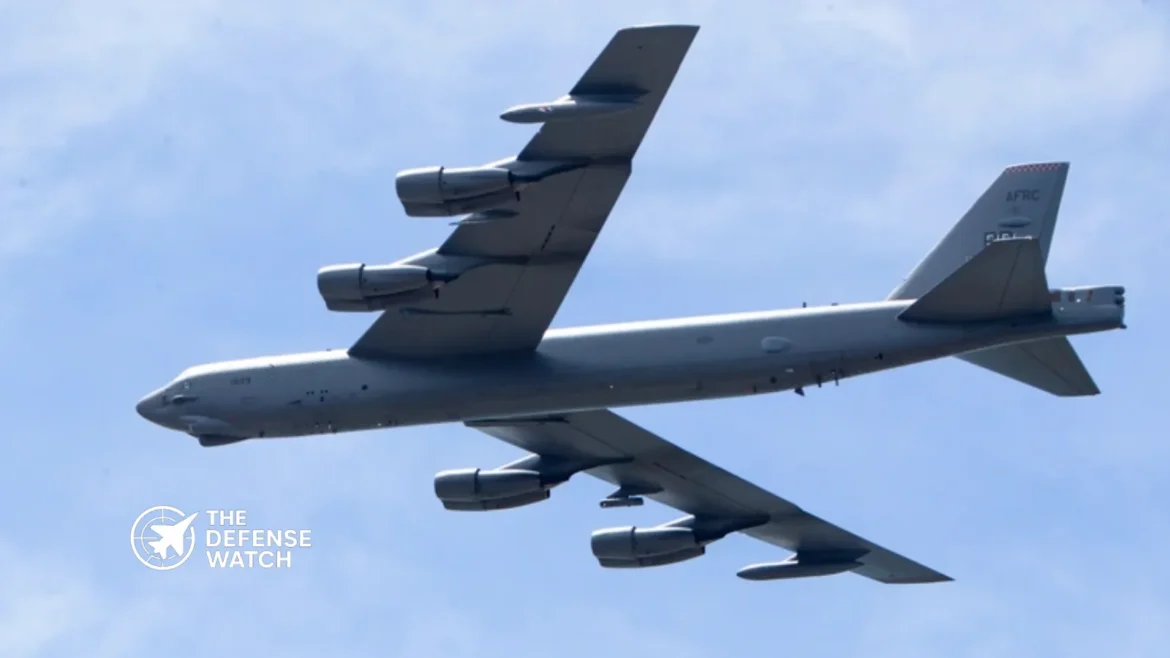
KEY FACTS AT A GLANCE- U.S. Air Force B-52 strategic bombers launched long-range strikes on Iranian missile infrastructure during Operation Epic Fury.
- Aircraft employed AGM-158 JASSM precision cruise missiles to strike targets from outside heavily defended airspace.
- Strikes targeted Iranian ballistic missile facilities and command and control nodes.
- The operation forms part of a broader U.S. and Israeli campaign against Iranian military infrastructure.
- Long-range bomber operations demonstrate the U.S. ability to conduct stand-off precision strikes across the Middle East.
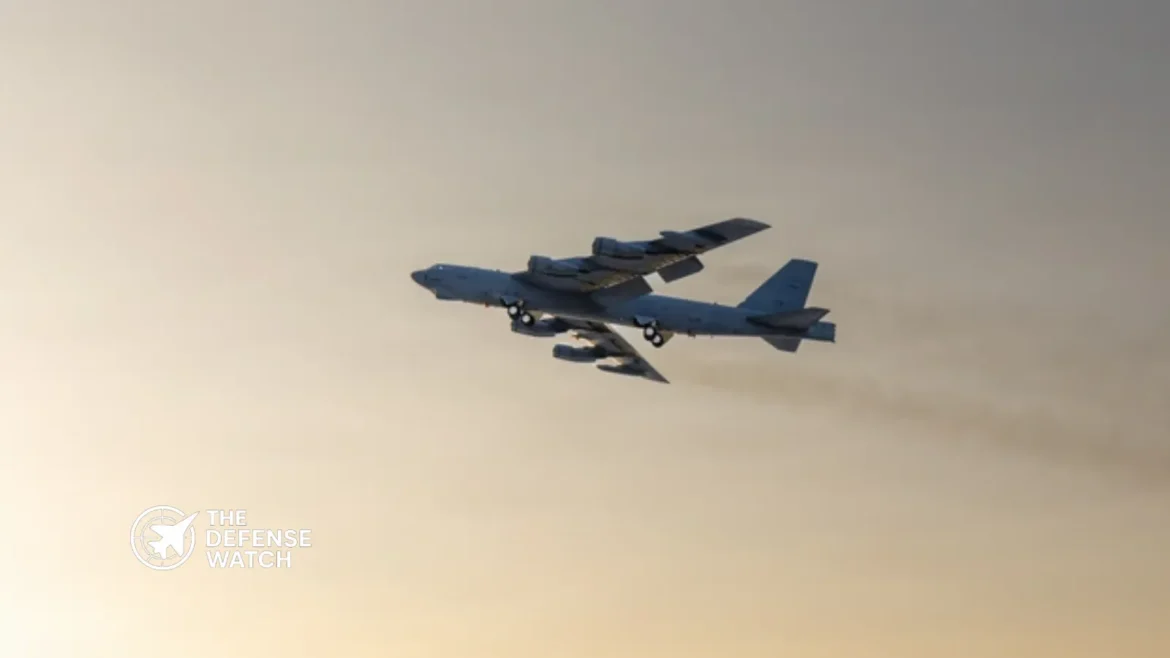
US Deploys B-52 Bombers With JASSM Cruise Missiles Against Iranian Missile Sites
The United States deployed B-52 bombers with JASSM cruise missiles to strike Iranian missile sites as part of the expanding air campaign known as Operation Epic Fury. U.S. Central Command confirmed that the long-range bombers targeted ballistic missile infrastructure and command and control facilities linked to Iran’s military operations.
(adsbygoogle = window.adsbygoogle || []).push({});The strikes form part of a broader U.S. and allied effort aimed at degrading Tehran’s ability to coordinate and launch missile attacks across the region. American forces have carried out hundreds of precision strikes during the campaign, targeting missile storage sites, radar installations, air defenses, and drone facilities.
The Big Picture
Operation Epic Fury represents one of the most significant U.S. military operations in the Middle East in years. The campaign combines airpower, long-range missiles, electronic warfare, and allied coordination to dismantle Iranian military capabilities tied to ballistic missile operations.
U.S. planners appear to be pursuing a layered strike strategy. Stealth platforms such as B-2 bombers conduct deep penetration attacks on hardened facilities, while older but highly capable bombers like the B-52 deliver stand-off weapons from outside contested airspace.
This approach reflects the U.S. military’s modern doctrine for high-intensity operations against advanced air defense networks. Rather than relying on a single platform, commanders combine stealth aircraft, cruise missiles, and electronic warfare to gradually dismantle enemy defenses before striking key infrastructure.
What Is Happening
U.S. Air Force B-52 Stratofortress bombers carried out long-range strike missions against Iranian missile facilities during the opening phases of the campaign.
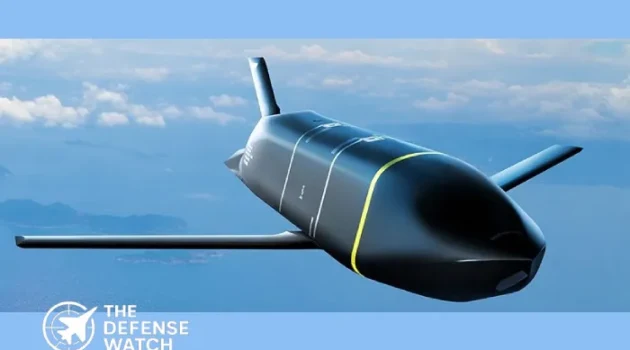
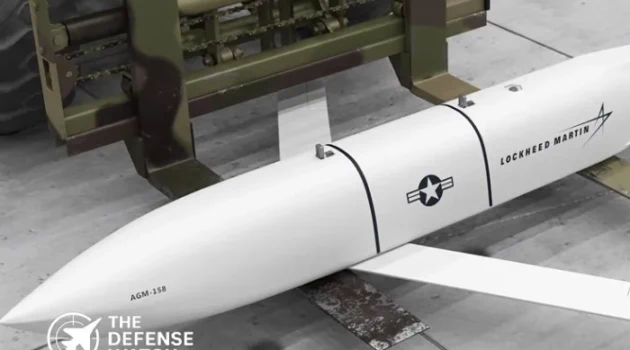
The aircraft launched AGM-158 Joint Air-to-Surface Standoff Missiles, commonly known as JASSM. These stealthy cruise missiles allow bombers to attack targets hundreds of kilometers away while remaining outside the reach of many air defense systems.
Military officials said the targets included ballistic missile launch infrastructure, weapons storage locations, and command networks used by Iranian forces to coordinate missile operations.
The B-52 remains one of the most enduring platforms in the U.S. bomber fleet. First flown in the early 1950s, the aircraft continues to perform conventional strike missions worldwide and may remain in service for decades due to continuous modernization.
Why It Matters
Iran’s ballistic missile arsenal is one of the largest and most capable in the Middle East. Tehran relies heavily on missile forces as a key element of its deterrence strategy against regional rivals and U.S. forces deployed in the region.
Targeting missile infrastructure therefore serves a clear operational purpose. By degrading launch facilities and command networks, U.S. planners aim to reduce Iran’s ability to conduct large scale missile strikes against regional bases, shipping lanes, and allied countries.
The use of stand-off cruise missiles also reflects a practical military consideration. B-52 bombers are large aircraft with a significant radar signature. Rather than entering heavily defended airspace, they employ long-range precision weapons that allow them to strike from safer distances.
Strategic Implications
The deployment of B-52 bombers with JASSM cruise missiles highlights how the United States integrates legacy aircraft into modern networked warfare.
Despite its age, the B-52 remains highly effective when paired with modern weapons. The aircraft can carry large numbers of precision cruise missiles, effectively functioning as a long-range missile truck capable of striking multiple targets in a single mission.
For U.S. Central Command, this capability provides a powerful option for suppressing enemy infrastructure early in a conflict. Large bomber formations can launch dozens of cruise missiles simultaneously, overwhelming air defense systems and destroying dispersed targets.
The strikes also reinforce Washington’s broader message of military reach. Strategic bombers can deploy from bases thousands of kilometers away and still conduct precision attacks across the Middle East.
Competitor View
Iranian military planners view long-range bomber strikes as a major threat to their strategic missile infrastructure.
Iran has invested heavily in layered air defenses, underground facilities, and mobile launch systems to complicate enemy targeting. However, stand-off weapons such as JASSM reduce the effectiveness of these defenses because the launch platform does not need to penetrate the air defense network.
Russia and China will likely analyze these operations closely. Both countries maintain extensive air defense systems and rely on hardened infrastructure to protect critical military assets. Observing how the United States combines stealth bombers, cruise missiles, and electronic warfare offers insight into American strike doctrine against heavily defended targets.
Capability Gap
Iran’s missile forces rely on fixed infrastructure for storage, coordination, and logistics. Even though mobile launchers exist, command centers and supply networks remain vulnerable to precision strikes.
(adsbygoogle = window.adsbygoogle || []).push({});The use of long-range cruise missiles directly targets this vulnerability. Destroying command and control nodes can disrupt launch coordination, slow operational tempo, and reduce the effectiveness of missile forces.
However, such strikes rarely eliminate an entire missile program. Mobile launchers, underground facilities, and dispersed infrastructure can allow Iran to continue operations even after significant damage to its network.
What To Watch Next
Military analysts will closely watch several developments as the campaign continues.
First, additional bomber deployments could expand the scale of stand-off missile strikes against Iranian infrastructure.
Second, the U.S. may shift toward more direct strikes once air defenses are sufficiently degraded. Stealth aircraft, tactical fighters, and drones could then operate more freely over Iranian territory.
Third, Iranian responses will shape the next phase of the conflict. Tehran may attempt retaliatory missile launches or asymmetric attacks through regional proxy forces.
The Bottom Line
The use of B-52 bombers armed with JASSM cruise missiles highlights the U.S. strategy of combining long-range stand-off weapons with strategic bombers to dismantle Iran’s missile infrastructure while minimizing risk to aircraft and crews.