Boeing Wins $2 Billion Contract to Modernize B-52 Bombers
Boeing has secured a $2 billion contract from the US Air Force to continue work on re-engining the B-52H bomber, part of the long-running B-52 Commercial Engine Replacement Program (CERP).
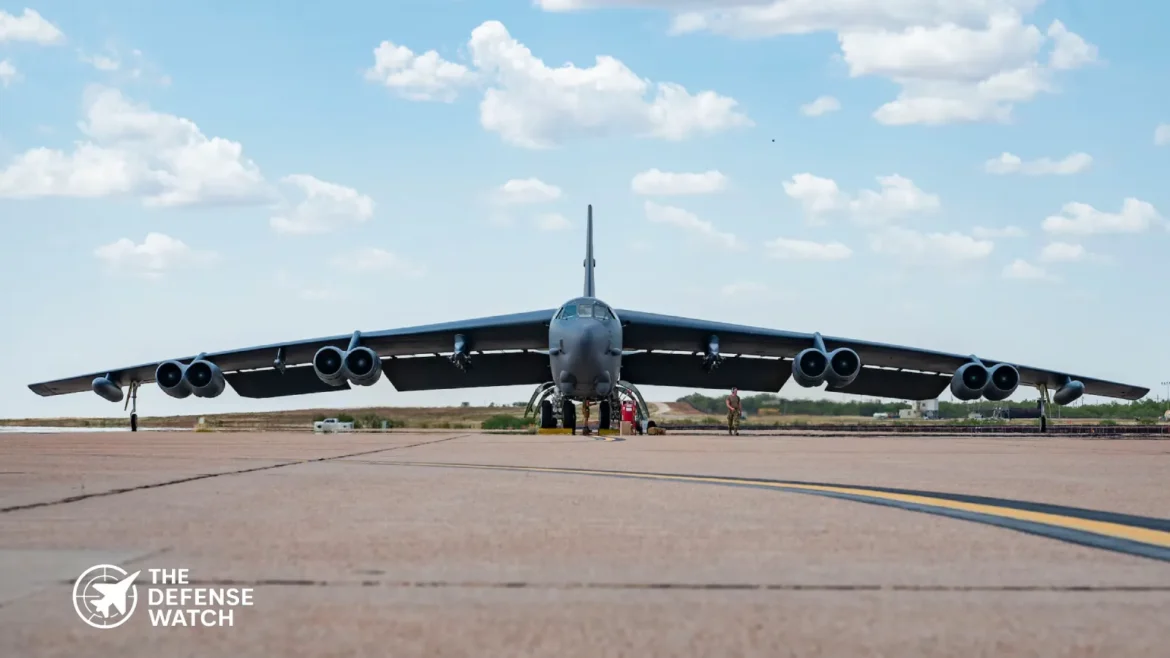
The contract, approved on 23 December 2025, funds integration of new turbofan engines on two B-52H aircraft, replacing the current eight Pratt & Whitney TF33 engines mounted in the bomber’s dual-pod underwing configuration.
CERP, launched in 2018, aims to extend the B-52 fleet’s service life while improving fuel efficiency and reliability. Rolls-Royce serves as the propulsion supplier and recently cleared the USAF critical design review for the new engines.
According to Boeing, the program will modernize the bomber with engines that provide higher thrust, improved durability, and reduced maintenance requirements. The upgrades support the Air Force’s long-term bomber strategy, ensuring the B-52 remains operational well into the 2050s.
The contract milestone represents both a significant investment in US strategic bomber capability and a major step in ongoing fleet modernization.
The B-52H, a cornerstone of America’s heavy bomber fleet, will benefit from these new engines by achieving greater operational flexibility, lower lifecycle costs, and enhanced performance. Boeing will continue engineering, testing, and integration work over the next several years under this award.


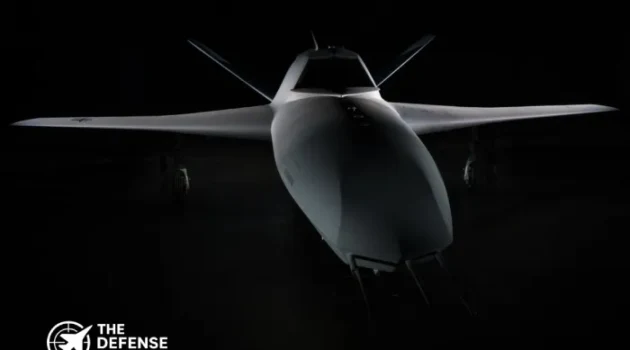
The US Air Force on December 22, 2025 officially designated Northrop Grumman’s experimental drone Project Talon as the YFQ‑48A. This designation marks the aircraft as a prototype in the service’s Collaborative Combat Aircraft (CCA) effort, which aims to field unmanned systems that fly with and extend the reach of manned fighters.1
What It Is
The official US Air Force designation YFQ‑48A reflects Pentagon naming practice where Y indicates a prototype, F signals a fighter role, and Q denotes unmanned aircraft. This is the first time Talon receives such a label, putting it alongside other prototype drone fighters like the YFQ‑42A from General Atomics and the YFQ‑44A from Anduril.3
How It Works
Details about the aircraft’s systems and performance remain limited. Available reports note Talon has a long slender body, unique wing planform, and single small turbofan engine. The focus is on rapid, affordable production and the ability to integrate sensors, communications and autonomy software to work in contested spaces.4
The broader CCA concept envisions networks of crewed and uncrewed systems. A manned fighter could lead a group of drones, handing off tasks such as surveillance, jamming, or targeting while preserving pilot decision authority. This shared workload aims to make air forces more flexible and resilient in high‑threat environments.
Why It Matters
The designation signals that the Air Force sees Project Talon as a serious contender in its effort to field collaborative drones quickly and at scale. The CCA program emphasizes industry competition and aims to speed up development cycles for new technologies.1
Unmanned wingmen are part of a broader shift in military aviation. They aim to reduce risk to pilots, extend operational reach, and counter advanced air defenses. Concepts like manned‑unmanned teaming are seen as key to future air combat in contested spaces, especially against near‑peer competitors with layered air defenses.
Strategic Context
Other nations are also pursuing similar systems. Australia’s MQ‑28 Ghost Bat, for example, is an autonomous wingman designed for interoperability with allied jets. These developments reflect a global trend toward combining human judgment with unmanned platforms that can face greater danger or carry additional sensors and payloads. (This comparison is based on publicly reported programs; specifics vary by operator and mission.)
Information on Project Talon’s exact capabilities remains partly speculative. Northrop’s focus on simplicity, fewer parts, and rapid build suggests a lean approach to innovation compared with legacy large‑platform programs. Some analysis suggests Talon is meant to be lighter and quicker to build than earlier designs Northrop offered for CCA.5
Strategic Impact
The official YFQ‑48A designation indicates that the USAF and its industry partners are advancing beyond concept toward tangible prototype systems that could reshape air combat. As Collaborative Combat Aircraft prototypes mature, the strategic balance in airpower competition may shift. For the United States, fielding effective manned‑unmanned teams could give an edge over potential rivals. Allies watching these developments may seek similar capabilities, influencing global air force modernization plans. Continued testing and eventual selection decisions in the CCA program will clarify how these systems perform and how widely they might be adopted.
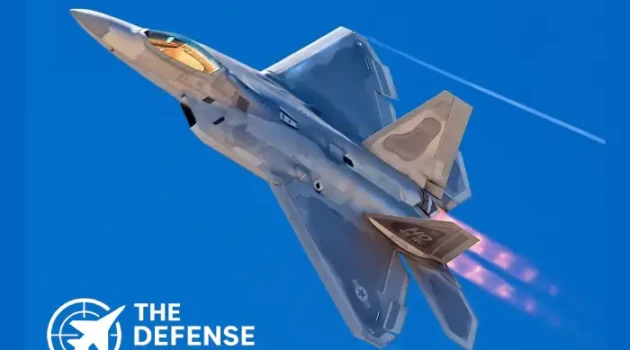
US Air Force Begins In-Flight Testing of New AESA Radar on B-52 Bomber
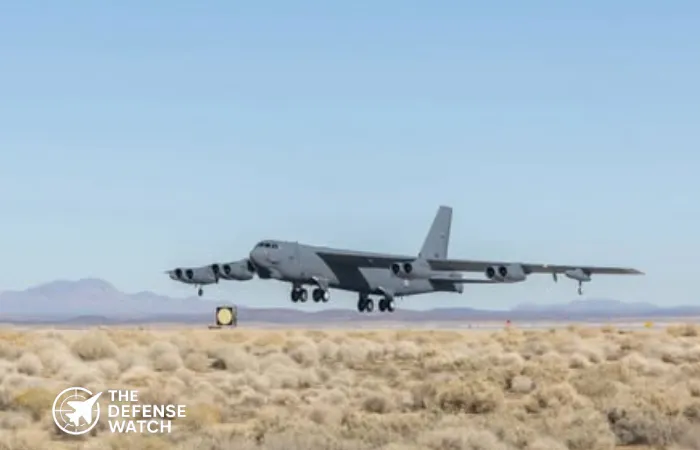
The US Air Force has begun formal testing of a new active electronically scanned array radar on its B-52 Stratofortress bomber. The first B-52 fitted with the advanced radar system arrived at Edwards Air Force Base, California on December 8, 2025, marking the start of a comprehensive ground and flight test program that will run through 2026.
New Radar Replaces Aging System
The new radar, designated the AN/APQ-188, replaces the long-serving AN/APQ-166 mechanically scanned sensor currently on B-52H aircraft. The legacy radar, originally fielded decades ago, has been called outdated and prone to failure.
Built by Raytheon Technologies and integrated onto the B-52 by Boeing, the AN/APQ-188 AESA leverages proven technology from fighter radars such as the AN/APG-79 and aspects of the AN/APG-82, which equip the F/A-18E/F Super Hornet, EA-18G Growler and F-15EX aircraft.
Air Force officials describe the upgrade as essential to give the B-52 the ability to maintain situational awareness, precise targeting, and reliable all-weather navigation in modern combat environments.
What Testing Involves
After being delivered by Boeing from its San Antonio, Texas facility, the radar-equipped B-52 was ferried to Edwards AFB where crews from the 49th Test Evaluation Squadron and the 419th Flight Test Squadron will lead the evaluation.
The test campaign will include both ground and flight operations. Data collected will support a planned production decision later in 2026 on retrofitting the radar across the B-52 fleet of 76 aircraft.
The modified aircraft will undergo detailed checks of radar performance, integration with the bomber’s mission computers, and interface with new display systems installed in the cockpit to support imagery and control functions.
Why the Upgrade Matters
The B-52’s original radar dates back to mid-20th century designs and has become increasingly unreliable. Older mechanical scanning limits detection range, tracking, and mapping performance when compared with modern AESA systems.
AESA radars, unlike traditional mechanical units, use a stationary set of transmitters and receivers that steer beams electronically. This design offers faster target updates, better resistance to interference, and improved multi-mode performance for ground mapping and air surveillance.
The new radar also ties into broader efforts to modernize the B-52 for the decades ahead. The bomber already carries advanced weapons such as the AGM-158 Joint Air-to-Surface Standoff Missile and the emerging AGM-181 nuclear cruise missile. Modern radar performance helps support targeting and navigation for these long-range systems.
Broader B-52 Modernization Program
The radar update is one key part of the B-52 Radar Modernization Program. Alongside radar replacement, the Air Force is also working on extensive upgrades that will eventually be part of the full B-52J configuration. These efforts include re-engining with Rolls-Royce F130 engines, updated avionics and communications for both conventional and nuclear missions, and new crew station designs.
The Air Force plans to keep the B-52 in service through at least 2050 and possibly beyond, making these upgrades vital to maintaining the bomber’s relevance in future joint force operations.
Secretary of the Air Force Troy Meink said the radar modernization ensures the B-52 will continue to serve as a central element of US airpower for years. General Ken Wilsbach, Air Force Chief of Staff, emphasized the upgrades support readiness, deterrence, and the bomber fleet’s ability to “fight and win” in contested environments.
What Comes Next
With the first radar-equipped B-52 now in testing, the Air Force will conduct rigorous evaluations of the system’s performance. The results will inform decisions about fleet-wide installation and future sustainment needs.
If testing proceeds as planned, production decisions and broader deliveries could begin later in 2026, setting the stage for a phased rollout across the bomber fleet. Continued development of other modernization elements, such as communications and weapons integration, will proceed in parallel.
The radar program links to larger strategic goals of keeping the B-52 viable alongside next-generation fighter and bomber aircraft, contributing to long-range strike, deterrence and global response options well into the mid-21st century.
Top 5 American Fighter Jets
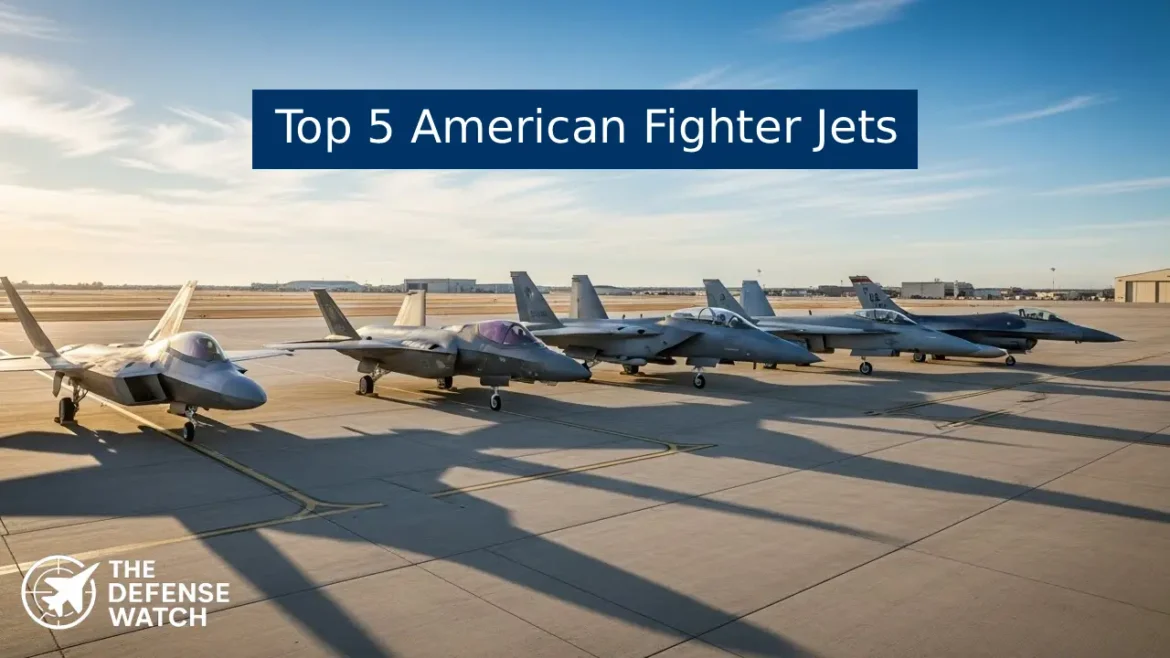
The top 5 American fighter jets define the core of United States airpower, and each American fighter jet in this group supports a different mission set across global operations. These aircraft cover air dominance, strike, electronic attack, and multirole missions. They also form the backbone of joint and allied air campaigns.
This report outlines the current inventory, the roles of each platform, and the factors that continue to shape U.S. air combat planning.
The Top 5 American Fighter Jets
1. F 22 Raptor
The F 22 serves as the primary air superiority fighter in U.S. service. It uses low observable shaping, advanced avionics, and high thrust to weight performance. The aircraft excels in beyond visual range engagement, but it can also operate in dense threat environments for air to air work. The fleet remains limited in size, and production ended in 2012. The platform still holds a unique position due to its supercruise speed and sensor fusion.
2. F 35 Lightning II
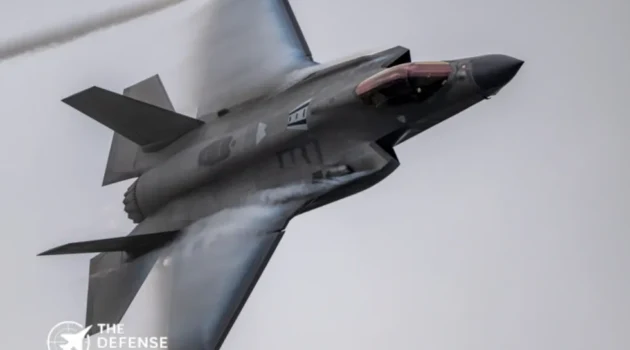
The F 35 is the widest fielded fifth generation fighter in U.S. service. It comes in three variants for the Air Force, Navy, and Marine Corps. The aircraft integrates strike, electronic attack, and intelligence functions. Its ability to pass targeting data to other platforms is a core feature of joint operations. The large procurement program makes it central to long term planning, both for the United States and allied fleets.
3. F 15EX Eagle II
The F 15EX is the newest evolution of the F 15 line. It keeps the well known range and payload of earlier Eagles but adds an open systems backbone, upgraded mission computers, and the latest radar set. The aircraft provides capacity for large weapon loads during stand off strike operations. It also offers rapid integration of new air to air and air to ground weapons due to its digital architecture.
4. F 18E and F 18F Super Hornet
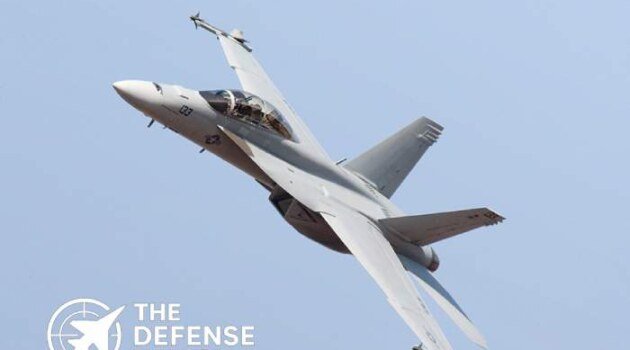
The Super Hornet remains the core carrier based fighter for the Navy. It covers strike, air defense, and maritime missions. It also serves as a key node in naval air wings due to its reliability and broad mission loadout. Modernization programs continue to support radar upgrades and new weapons integration.
5. F 16 Fighting Falcon
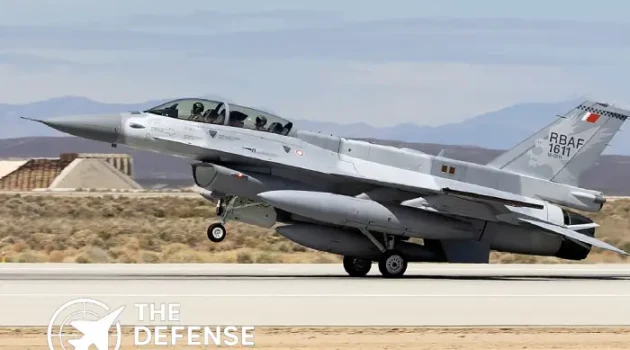
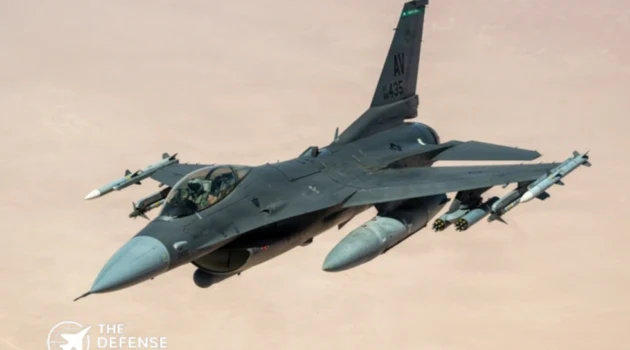
The F 16 remains a large portion of the Air Force fleet. It is used for homeland defense, forward deployments, and precision strike. Even as fifth generation jets expand, the F 16 continues to receive avionics upgrades and radar improvements. Its smaller size and lower operating cost make it suited for steady state operations in multiple theaters.

Mission Roles Across the Fleet
Air Superiority
The F 22 and F 15EX carry the largest air to air loadouts and operate at long ranges. These platforms protect airspace, support joint forces, and counter advanced threats.
Multirole Strike
The F 35, F 18, and F 16 each handle both air to air work and ground attack missions. Their flexibility allows the Air Force and Navy to assign them to rapid deployments or integrated exercises.
Carrier Operations
Only the F 18 and the short takeoff version of the F 35 operate from ships. This gives the Navy and Marine Corps fixed wing strike capacity in distant regions without relying on land bases.
Modernization and Future Direction
The mix of fifth generation and advanced fourth generation fighters reflects the current transition in U.S. planning. The Air Force continues service life extensions for the F 16, while the F 35 fleet grows each year. The F 15EX fills a high payload role that fifth generation aircraft cannot match. The Navy uses the Super Hornet as a bridge while the carrier based F 35C expands.
A future sixth generation platform is in development, but until it enters production the top 5 American fighter jets listed here will remain the primary tools for combat aviation.
Analysis
The combination of stealth aircraft, high capacity fighters, and long serving multirole platforms reflects a layered approach to air combat. Each aircraft supports a specific mission while contributing to shared sensor networks and distributed operations. This model seeks to counter advanced air defense systems, extend engagement ranges, and support joint strike missions across maritime and land theaters.
As global competitors increase investment in long range missiles and modern fighters, the United States continues to focus on survivability, electronic attack, and shared targeting. The F 35 plays a central role in this networked model. The F 22 still shapes air dominance doctrine, but its limited numbers highlight the need for a future air superiority platform. The large fleets of F 16 and Super Hornet remain important because they provide operational volume during long deployments.
The final structure of the future U.S. force will depend on budgets, production rates, and technology timelines, but current plans suggest the top 5 American fighter jets will stay in service well into the 2030s.
FAQs
What is the most advanced American fighter jet?The F 22 holds the highest air to air performance in U.S. service.
Which American fighter jet is the most widely used?The F 16 has the largest fleet, while the F 35 is the largest ongoing procurement program.
What fighter jet does the U.S. Navy rely on?The Navy operates the F 18E and F 18F, alongside the carrier variant of the F 35.
Are all American fighter jets stealth platforms?No. Only the F 22 and F 35 are low observable. The F 15EX, F 18, and F 16 are advanced fourth generation designs.
How long will these jets remain in service?Most platforms are planned to remain through the 2030s, with upgrades extending service life where required.

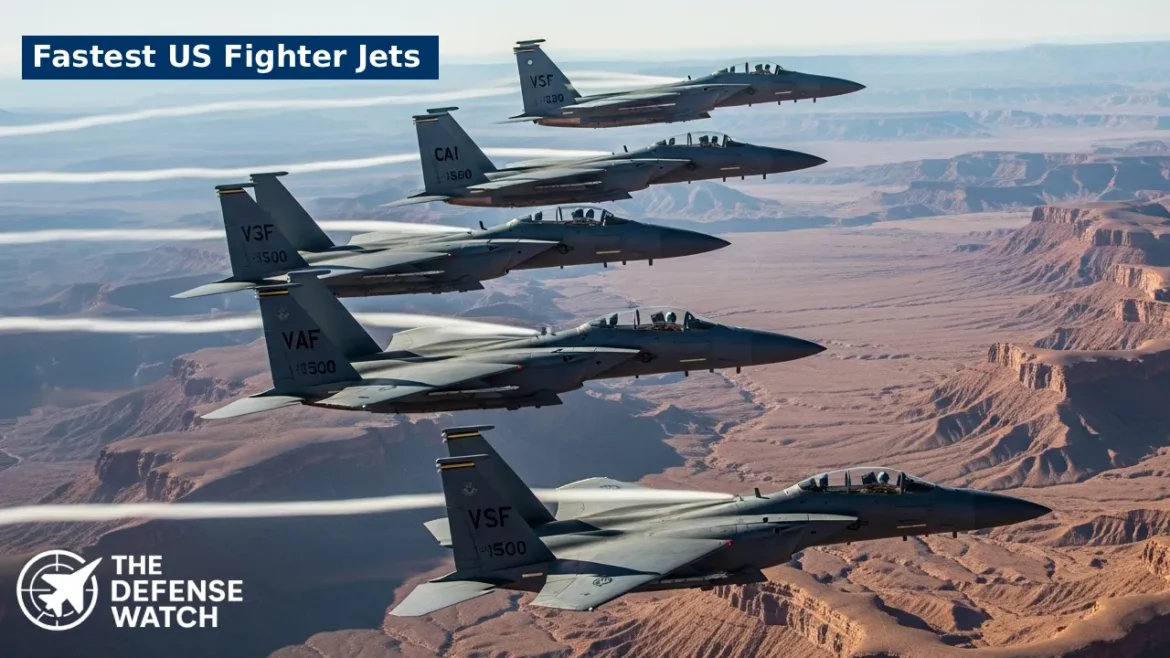
In an era where stealth and sensor fusion often steal the spotlight, the fastest fighter jets in the US military continue to underscore the enduring value of raw velocity. As of November 2025, these high-speed platforms form the backbone of America’s airpower, enabling rapid response, interception, and deep-strike operations amid escalating global tensions. From the Indo-Pacific to the Middle East, where adversaries field increasingly sophisticated defenses, the ability to outpace threats remains a cornerstone of strategic deterrence. This ranking draws on the latest operational data, highlighting the top five fastest fighter jets in the US military—platforms that blend blistering acceleration with cutting-edge avionics to maintain superiority.
The US Air Force and Navy’s fleet prioritizes not just top-end speeds but sustained performance under combat loads, a nod to real-world scenarios where pilots must evade missiles or surge to contested airspace. With ongoing upgrades and integration into networked battle management systems, these jets are evolving to counter peer competitors like China’s J-20 or Russia’s Su-57. Below, we break down the rankings based on maximum dash speeds at optimal altitudes, factoring in current deployments and enhancements through late 2025.
1. F-15EX Eagle II: The Pinnacle of Speed and Payload
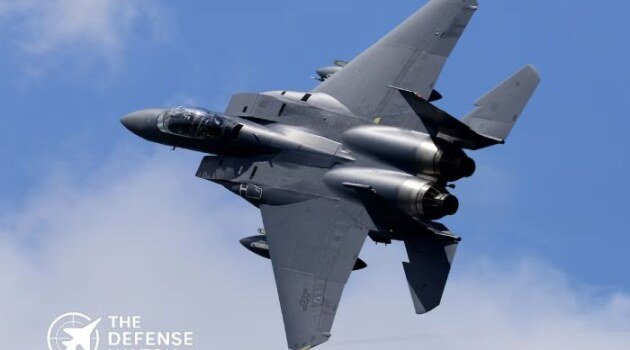
At the apex of this list sits the Boeing F-15EX Eagle II, clocking a top speed of Mach 2.5—roughly 1,900 miles per hour at high altitude—making it the fastest fighter jet in the US military’s active inventory. Introduced to bridge the gap left by aging F-15C models, the Eagle II entered full-rate production in early 2025, with the first squadrons achieving initial operational capability at Eglin Air Force Base by summer. Its twin General Electric F110-GE-129 engines deliver over 29,000 pounds of thrust each, allowing for rapid climbs to 65,000 feet and seamless transitions from subsonic loiter to supersonic sprints.
What sets the F-15EX apart in 2025 is its unmatched weapons carriage: up to 22 air-to-air missiles or a mix of precision-guided munitions totaling 29,500 pounds. Fly-by-wire controls and a digital cockpit with large-area displays enhance pilot situational awareness, while the Eagle Passive Active Warning Survivability System (EPAWSS) provides robust electronic warfare protection against radar-guided threats. In exercises like Northern Edge 2025, F-15EX units demonstrated 20% faster response times compared to legacy Eagles, underscoring their role in high-threat environments. As the Air Force accelerates procurement to 144 units, this platform is poised to serve as a “missile truck” for fifth-generation fighters like the F-35, extending the reach of joint operations.
2. F-15E Strike Eagle: Versatile Velocity for All-Weather Strikes
Matching the F-15EX’s Mach 2.5 benchmark is the battle-tested F-15E Strike Eagle, a dual-role workhorse that has logged over 500,000 flight hours since its 1988 debut. Upgraded through the 2025 fiscal year with enhanced Pratt & Whitney F100-PW-229 engines—boasting 58,000 pounds of thrust—the Strike Eagle accelerates from idle to full afterburner in under four seconds, a critical edge in dynamic combat zones. Its conformal fuel tanks extend range to 2,400 nautical miles, enabling long-duration missions without mid-air refueling.
The jet’s conformal radar and LANTIRN targeting pods allow for precision strikes in adverse weather, from low-level terrain-following runs to high-altitude intercepts. In recent deployments supporting Operation Inherent Resolve, Strike Eagles have neutralized high-value targets with Joint Direct Attack Munitions, all while maintaining air-to-air viability via AIM-120D missiles. Ongoing Service Life Extension Programs (SLEP) through 2025 incorporate open-mission systems architecture, facilitating rapid software updates for emerging threats like hypersonic glide vehicles. This adaptability ensures the F-15E remains a staple in the US military’s fastest fighter jets lineup, balancing speed with multirole flexibility.
3. F-22 Raptor: Supercruise King of Stealthy Speed
Slightly trailing at approximately Mach 2.0 (around 1,500 mph), the Lockheed Martin F-22 Raptor redefined air dominance when it achieved operational status in 2005. Its Pratt & Whitney F119-PW-100 engines enable supercruise—sustained Mach 1.5+ flight without afterburners—reducing infrared signatures and fuel burn during patrols. Thrust vectoring nozzles provide unparalleled maneuverability, with post-stall recovery capabilities that excel in close-quarters dogfights.
By late 2025, the Raptor’s fleet of 183 aircraft has undergone Digital Airplane upgrades, integrating advanced data links for collaborative tactics with unmanned systems under the Collaborative Combat Aircraft (CCA) initiative. In Pacific theater simulations, F-22s have quarterbacked drone swarms to penetrate denied airspace, leveraging their Mach 2 dash for quick ingress and egress. Though production ended years ago, incremental enhancements like infrared search-and-track sensors keep it relevant against stealthy foes. The Raptor’s speed, combined with all-aspect stealth, positions it as a high-end asset in the US military’s fastest fighter jets arsenal, though its numbers highlight the urgency for successors like the Next Generation Air Dominance (NGAD) program.
4. F-15C/D Eagle: Legacy Speed with Unbroken Records
Another Mach 2.5 contender, the McDonnell Douglas F-15C/D Eagle, entered service in 1979 but continues to anchor air superiority missions in 2025. Its robust airframe and twin F100 engines yield a thrust-to-weight ratio exceeding 1:1, facilitating vertical climbs and sustained turns at supersonic speeds. The single-seat C variant and two-seat D trainer have amassed an impeccable combat record: 104 kills without a single loss in aerial engagements.
Modernized via the Eagle Passive/Active Warning and Survivability System (EPAWSS) retrofit—completed on most units by mid-2025—these jets now feature digital radars capable of tracking 20+ targets simultaneously. In homeland defense roles with the Air National Guard, F-15Cs routinely intercept Russian bombers off Alaska, leveraging their speed for rapid scrambles. While some squadrons transitioned to F-15EX platforms this year, the Eagle’s low operating cost (about $30,000 per flight hour) ensures its longevity. As one of the fastest fighter jets in the US military, it exemplifies how legacy designs can evolve to meet contemporary demands.
5. F/A-18E/F Super Hornet: Carrier-Launched Speed for Naval Power
Rounding out the top five is the Boeing F/A-18E/F Super Hornet, achieving Mach 1.8 (over 1,190 mph) from the deck of nuclear carriers like the USS Gerald R. Ford. First flown in 1995, the Super Hornet’s two F414-GE-400 engines provide 44,000 pounds of thrust, with growth potential for future Block III upgrades incorporating gallium nitride radars for better detection ranges.
Optimized for naval operations, it carries a 20mm Vulcan cannon and up to 17,750 pounds of ordnance, including Harpoon anti-ship missiles and JSOW glide bombs. In 2025 Red Sea patrols, Super Hornets from Carrier Air Wing 1 executed over 1,000 sorties, using their speed to evade surface-to-air threats while delivering standoff strikes. The electronic attack variant, EA-18G Growler, further amplifies its utility with Next Generation Jammer pods. Though not the outright fastest, the Super Hornet’s carrier compatibility makes it indispensable for projecting US power projection across maritime domains.
Analysis: The Evolving Role of Speed in Networked Warfare
Speed alone no longer guarantees victory in 2025’s contested airspace, where integrated air defense systems and hypersonic threats demand a holistic approach. The fastest fighter jets in the US military, like the F-15EX and F-22, now operate within “kill webs”—data-sharing ecosystems that fuse off-board sensors for beyond-visual-range engagements. This shift reduces reliance on individual dash speeds, emphasizing instead endurance and survivability. For instance, the Air Force’s Advanced Battle Management System (ABMS) trials in October 2025 linked F-15Es with MQ-9 drones, allowing pilots to maintain subsonic efficiency while delegating high-speed intercepts to autonomous assets.
Yet, velocity retains tactical primacy in scenarios like Taiwan Strait contingencies, where closing speeds can outrun incoming missiles. Budget constraints—$849 million allocated for F-15EX in FY2025—signal a pivot toward affordable high-speed complements to stealth platforms, mitigating the F-22’s numerical shortfall. As adversaries accelerate hypersonic programs, US investments in adaptive engines could push these jets toward Mach 3 thresholds by decade’s end, ensuring speed evolves from a legacy metric to a networked multiplier.
Future Horizons: Toward Hypersonic Horizons
Looking beyond 2025, the US military’s fastest fighter jets will integrate with NGAD prototypes, expected to demonstrate Mach 2+ stealth supercruise by 2027. Programs like the Hypersonic Attack Cruise Missile, tested successfully in September 2025, will arm existing platforms, blurring lines between fighters and strategic bombers. This trajectory promises a more lethal, distributed force, where speed amplifies precision in an era of great-power competition.
FAQs
What is the fastest fighter jet in the US military in 2025?The F-15EX Eagle II leads with a top speed of Mach 2.5, followed closely by the F-15E Strike Eagle and F-15C/D Eagle.
How does the F-22 Raptor’s speed compare to other US fighters?The F-22 achieves about Mach 2.0 with supercruise capability at Mach 1.5+, prioritizing stealth and maneuverability over raw top-end velocity.
Why include the F/A-18 Super Hornet despite its lower speed?Its Mach 1.8 performance is optimized for carrier operations, making it vital for naval strike roles where versatility trumps absolute speed.
Are there plans for faster US jets beyond 2025?Yes, the NGAD program aims for sixth-generation fighters with enhanced speeds, while engine upgrades could boost current fleets toward Mach 3.
How has speed influenced recent US military operations?In 2025 Middle East deployments, high-speed intercepts by F-15 variants have neutralized drone swarms, highlighting velocity’s role in defensive layers.
Older Posts