- ► Operation Epic Fury has struck nearly 2,000 targets in Iran within 100 hours.
- ► Over 200 fighter jets and B-2, B-1B, and B-52 bombers conducted deep strike missions.
- ► U.S. forces used more than 2,000 munitions, degrading Iranian air defenses and missile forces.
- ► Naval strikes destroyed 17 Iranian ships, including a submarine.
- ► PrSM missiles and LUCAS loitering munitions were used in combat for the first time.
Operation Epic Fury Expands As US Strikes 2,000 Targets Across Iran
Operation Epic Fury has struck nearly 2,000 targets across Iran in just over 100 hours, according to the commander of U.S. Central Command.
Gen. Brad Cooper said U.S. forces have employed more than 2,000 munitions, targeting air defense systems, ballistic missile stockpiles, launchers, drones, naval vessels, and command centers.
The scale of the opening phase was described as nearly double the intensity of the 2003 shock and awe air campaign during the Iraq War.
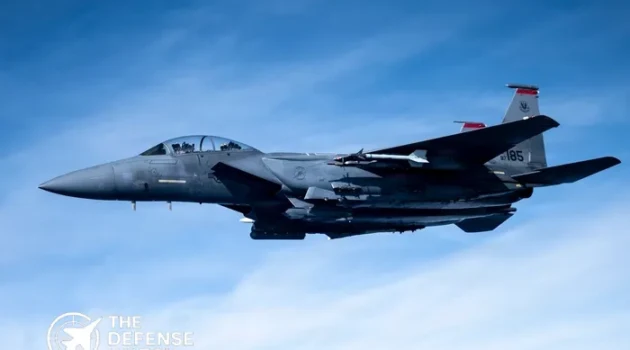
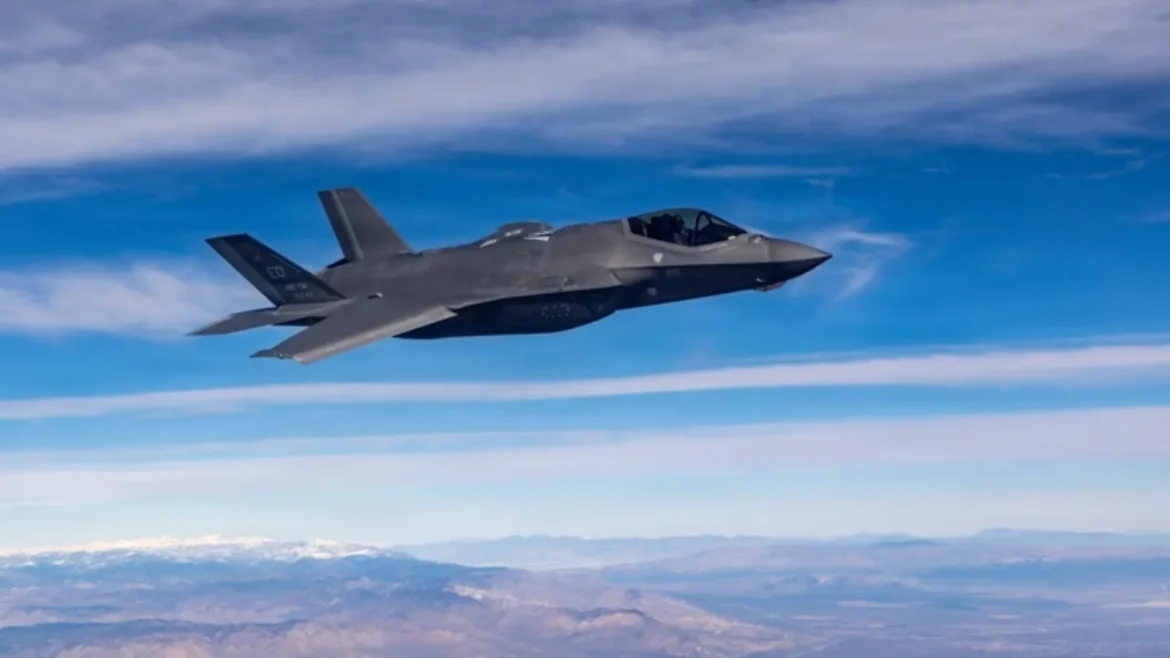
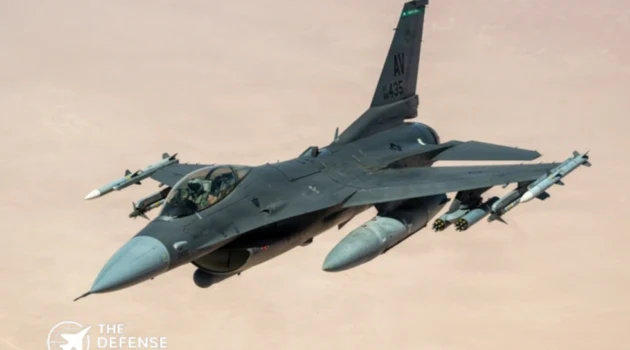
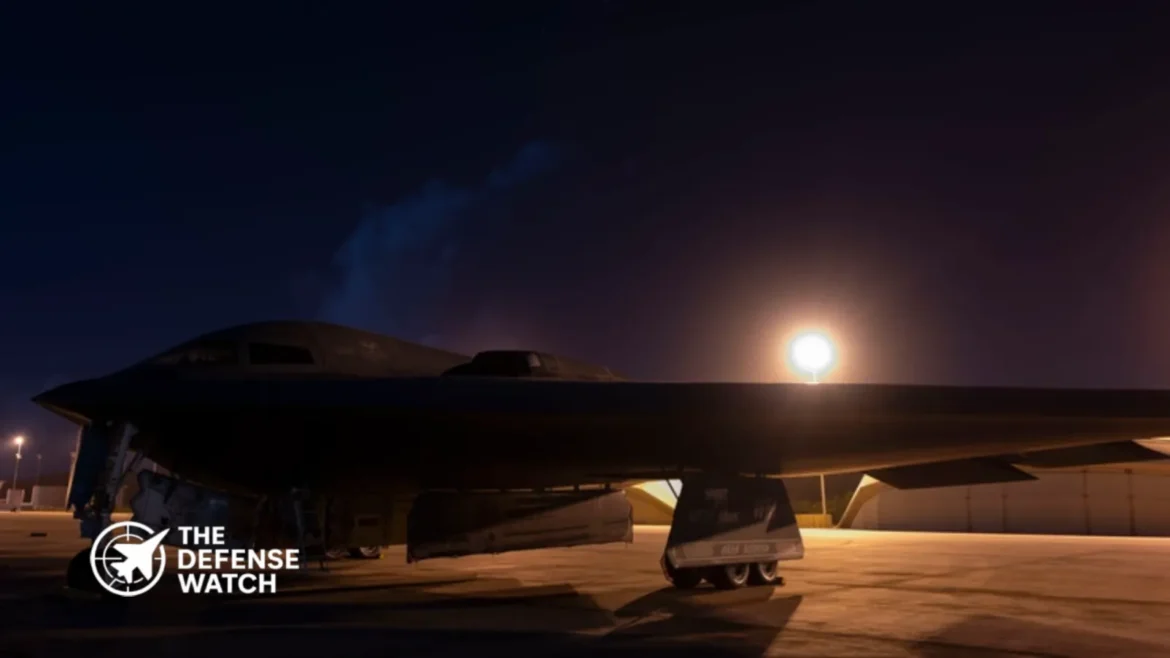
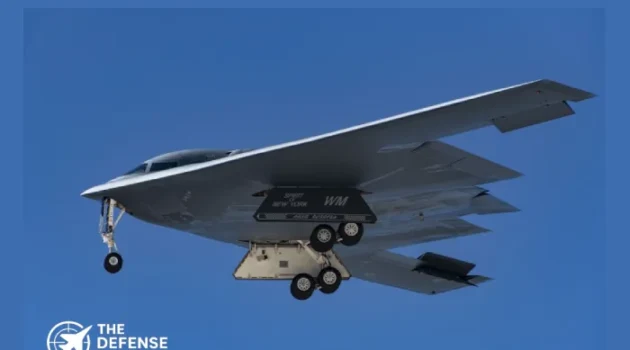
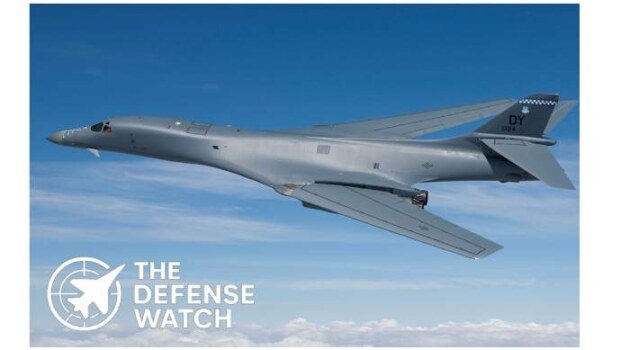
More than 200 fighter aircraft participated in the initial wave. Strategic bombers including the B-2 Spirit, B-1B Lancer, and B-52 Stratofortress struck hardened missile sites and command nodes deep inside Iranian territory.
At sea, U.S. naval forces reportedly destroyed 17 Iranian vessels, including at least one submarine. Two carrier strike groups are now operating in surrounding waters, reinforcing maritime dominance.
Air Defense Suppression And Missile Hunt Intensify
A central objective of Operation Epic Fury is the systematic degradation of Iran’s integrated air defense network.
According to CENTCOM, hundreds of ballistic missiles, mobile launchers, and drones have been destroyed. U.S. forces are now focused on hunting remaining transporter erector launchers that can relocate rapidly after firing.
Mobile missile launchers remain one of the most difficult targets in modern warfare. They can disperse across civilian infrastructure, complicating detection and increasing the intelligence burden.
The use of stealth bombers in the opening hours suggests a deliberate strategy to dismantle radar coverage and command nodes before expanding to broader target sets. This approach mirrors U.S. doctrine seen in previous large scale air campaigns, where air superiority is established before sustained strike operations.
First Combat Use Of PrSM And LUCAS Drones
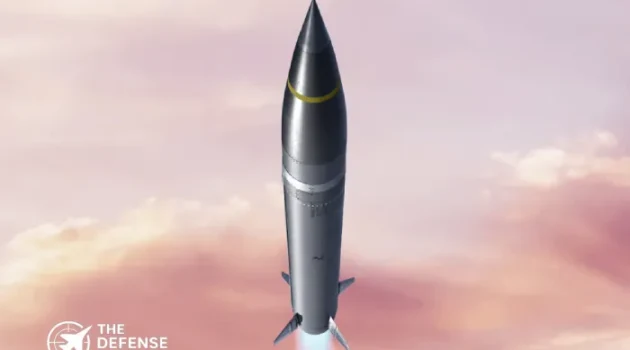
Operation Epic Fury also marks the first reported combat use of the Precision Strike Missile, known as PrSM. Developed to replace the Army Tactical Missile System, PrSM provides extended range and improved accuracy for ground launched deep strikes.
In addition, LUCAS loitering munitions were used in operational missions. These systems are designed to search, identify, and strike targets autonomously within a defined area, offering flexibility against time sensitive targets such as mobile missile units.
The introduction of both systems in a high intensity conflict signals an evolution in U.S. long range precision strike doctrine. It reflects the Pentagon’s ongoing push toward distributed, networked fires that combine air, land, and maritime assets.
Iranian Response And Escalation Risks
Iran has responded with more than 500 ballistic missiles and over 2,000 drones, according to U.S. military figures. The exchange underscores the scale of the confrontation and the resilience of Iran’s missile inventory despite sustained strikes.
The presence of two U.S. carrier strike groups around Iran signals readiness for prolonged operations. Carrier based aircraft extend sortie generation capacity and provide air defense for naval and regional assets.
More than 50,000 U.S. personnel are now involved in Operation Epic Fury. Officials have stated there is no fixed end date for the campaign.
From a strategic standpoint, the tempo suggests a phased operation rather than a short duration punitive strike. The initial air campaign appears aimed at dismantling Iran’s strategic deterrent systems before transitioning to sustained pressure on remaining launch capabilities.
The comparison to the 2003 Iraq campaign highlights scale, but there are key differences. Iran’s missile forces are more dispersed, hardened, and mobile than Iraq’s infrastructure two decades ago. That reality may prolong efforts to fully neutralize remaining capabilities.
Strategic Implications
Operation Epic Fury demonstrates the U.S. military’s capacity to integrate stealth aviation, long range missiles, naval power, and autonomous systems in a compressed timeframe.
The early use of PrSM and loitering munitions suggests confidence in next generation precision weapons. It also provides real world operational data that will likely inform future modernization programs.
However, the sustained missile exchanges indicate that Iran retains retaliatory capacity. The coming phase may depend less on air superiority, which appears established, and more on intelligence driven targeting against mobile assets.
For now, the campaign continues without a declared timeline, leaving regional stability closely tied to the pace and scope of further strikes.
- ► Reports claim a US Air Force F-15 crashed in northern Kuwait near the Iraqi border.
- ► The aircraft reportedly went down close to the Khor Abdullah waterway.
- ► Initial accounts suggest the pilot ejected safely before impact.
- ► Video circulating online appears to show an F-15 descending while trailing smoke.
- ► US officials have not confirmed the crash or identified the variant involved.
US Air Force F-15 Jet Reportedly Crashes In Kuwait
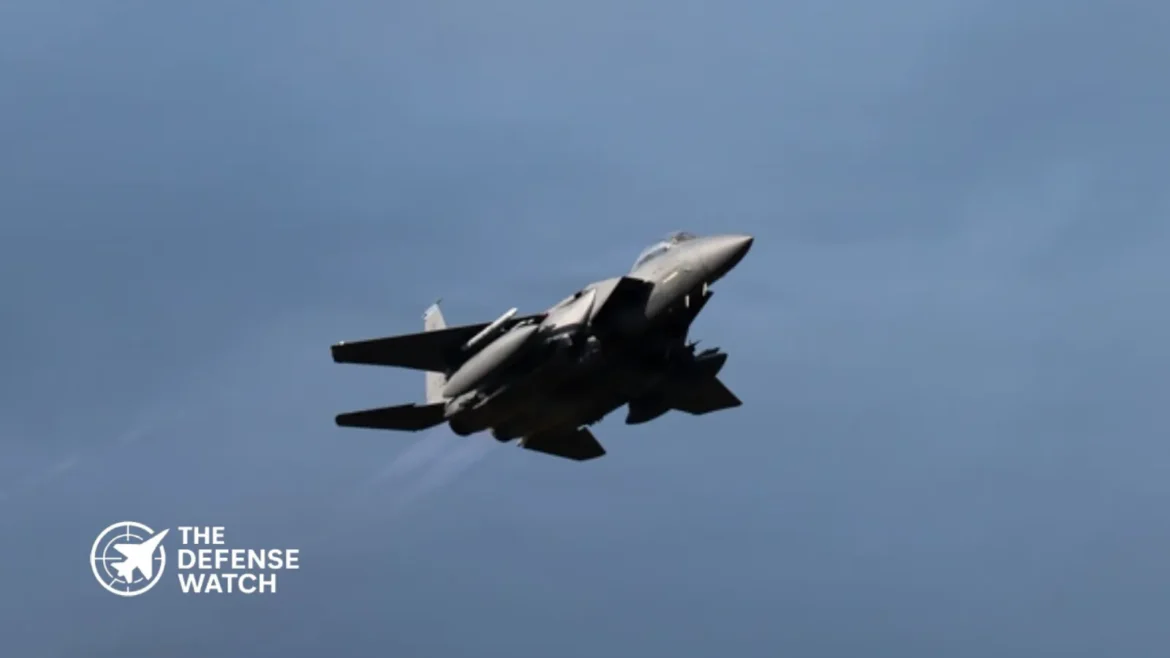
A US Air Force F-15 crash in Kuwait is being widely reported across regional media and social platforms, though American authorities have not yet confirmed the incident.
According to early accounts circulating online, a United States Air Force F-15 fighter jet went down in northern Kuwait near the Iraqi border, close to the Khor Abdullah waterway. The area is described as sparsely populated.
Initial reporting attributed to Iraqi and Kuwaiti sources claims the pilot ejected safely before impact. Some local accounts state residents assisted the pilot after landing. These reports remain unverified.
At the time of publication, neither the US Department of Defense nor the US Air Force has issued an official statement confirming the loss of an aircraft or detailing the circumstances.
Online Footage And Local Reports
Several short video clips circulating online appear to show what is described as an F-15E Strike Eagle descending rapidly while trailing smoke, with flames visible from one engine before the aircraft drops below the horizon.
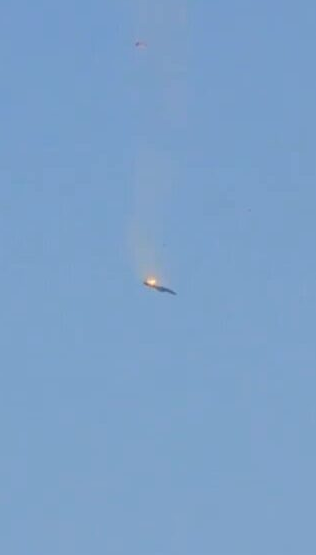
The authenticity, timing, and exact location of the footage have not been independently verified. No official imagery or confirmation has been released.
Residents in parts of Kuwait reportedly described hearing explosions and air raid sirens around the same timeframe. Increased military activity was also reported in areas including Jahra and the Tenth District. These claims remain unconfirmed by official sources.
Given the current regional tensions, unverified footage and claims can spread rapidly. Defense analysts caution against drawing conclusions before formal confirmation from US or Kuwaiti authorities.
What Variant Could Be Involved?
One widely cited report referred to an F-15 Eagle operated by the United States Air Force. Some social media posts specifically mentioned the F-15E Strike Eagle variant.
The F-15E Strike Eagle is a dual role platform capable of both air superiority and deep strike missions. According to the US Air Force, it is designed for long range interdiction missions and carries advanced targeting and avionics systems.
The broader F-15 Eagle family, first introduced in the 1970s, remains a key component of US tactical airpower. With a high thrust to weight ratio and twin engine configuration, the aircraft is known for strong performance and survivability.
However, without official confirmation, it remains unclear whether the reported US Air Force F-15 crash in Kuwait involved a single seat F-15C, a two seat F-15D, or the strike optimized F-15E.
Operational Context In Kuwait
Kuwait hosts US military forces and serves as a strategic logistics and operational hub in the Gulf region. The country has supported coalition operations for decades and provides basing access for US aircraft.
In periods of heightened regional tension, US fighter aircraft operate from forward deployed locations across the Gulf to support deterrence, air defense, and strike missions.
If confirmed, a US Air Force F-15 crash in Kuwait would likely trigger a formal safety investigation under established US Air Force procedures. Such investigations typically assess mechanical performance, flight data, maintenance history, weather conditions, and human factors.
Until official findings are released, attributing a cause would be premature.
No Official Confirmation Yet
As of this writing, there has been no public confirmation from the US Department of Defense, US Central Command, or the US Air Force regarding the reported F-15 crash in Kuwait.
In previous aviation incidents, official confirmation has sometimes followed several hours after initial reports, particularly when information is still being verified on the ground.
The absence of confirmation does not validate or dismiss the reports. It simply reflects the current information gap.
Why Verification Matters
In high tension environments, claims of aircraft losses can carry strategic implications. False or misinterpreted reports may influence public perception and regional narratives.
For that reason, professional military reporting relies on official statements, corroborated imagery, and multiple independent sources before confirming an aircraft loss.
At present, the reported US Air Force F-15 crash in Kuwait remains unverified.
TheDefenseWatch will update this story if and when US or Kuwaiti authorities release official information.
 ■ KEY FACTS AT A GLANCE
- ► Former US Air Force Major Gerald Brown arrested in Indiana for allegedly training Chinese military pilots without authorization.
- ► Brown, 65, was an F-35 instructor pilot with 24 years of service, including combat and nuclear responsibilities.
- ► Allegedly traveled to China in December 2023 to train pilots under a contract negotiated by convicted Chinese national Stephen Su Bin.
- ► Faces charges similar to former US Marine Corps pilot Daniel Duggan, who is contesting extradition from Australia.
- ► US Justice Department warns that unauthorized military training for foreign powers carries civil and criminal penalties.
Former US F-35 Fighter Pilot Arrested In Alleged China Training Scheme
A former US F-35 fighter pilot has been arrested and charged with illegally training Chinese military aviators, according to the United States Department of Justice.
(adsbygoogle = window.adsbygoogle || []).push({});Federal prosecutors allege that Gerald Brown, a retired US Air Force major and former instructor on the F-35 Lightning II, provided defense services to Chinese pilots without required US government authorization.
Brown, 65, was arrested in Indiana and charged under federal statutes governing the export of defense services. The Justice Department said he conspired to provide training to Chinese military personnel, conduct that requires prior approval under US law.
DOJ And FBI Outline Allegations
In a statement, officials said Brown had a 24 year Air Force career that included combat missions and leadership of sensitive units, including those tied to nuclear weapons delivery systems.
Roman Rozhavsky, assistant director of the Counterintelligence and Espionage Division at the Federal Bureau of Investigation, said the former pilot allegedly trained Chinese aviators to counter US and allied capabilities.
The Justice Department has not publicly detailed the scope, duration, or exact location of the alleged training activities. Court filings are expected to clarify those elements as the case proceeds.
US Attorney Jeanine Ferris Pirro for the District of Columbia stated that individuals who conspire to provide unauthorized defense services to foreign militaries will be prosecuted.
Background And Career
According to the Justice Department, Brown left active duty in 1996 after serving in operational and command roles. After retiring from the Air Force, he worked as a commercial cargo pilot and later as a defense contractor.
(adsbygoogle = window.adsbygoogle || []).push({});In that role, he trained US pilots to operate the F-35 and the Fairchild Republic A-10 Thunderbolt II, two frontline platforms central to US combat airpower.
The F-35 Lightning II remains the cornerstone of US and allied tactical aviation strategy. Any transfer of advanced tactical knowledge related to fifth generation operations raises significant counterintelligence concerns, especially given ongoing US China strategic competition.
Broader Pattern Of Recruitment Concerns
The case comes amid repeated warnings from US and allied governments that China is actively recruiting current and former Western military personnel.
In 2024, the United States, Australia, Canada, New Zealand, and the United Kingdom issued a joint advisory cautioning service members about recruitment efforts linked to the People’s Liberation Army. The notice warned that unauthorized training could expose participants to criminal liability and threaten allied security.
Officials have said the PLA seeks insight into Western tactics, training methods, and operational doctrine to accelerate modernization.
This arrest follows a similar high profile case involving former US Marine Corps aviator Daniel Duggan. Duggan was arrested in Australia in 2022 and faces US charges for allegedly violating the Arms Export Control Act by providing pilot training to Chinese forces.
(adsbygoogle = window.adsbygoogle || []).push({});In December 2024, Australia’s then Attorney General Mark Dreyfus approved Duggan’s extradition to the United States. Duggan has appealed that decision in Australian courts.
Legal And Strategic Implications
The former US F-35 fighter pilot case underscores how Washington is tightening enforcement of export control laws tied to military expertise. Under the Arms Export Control Act and related regulations, providing defense services to foreign military entities without authorization can trigger severe criminal penalties.
From a strategic perspective, the issue extends beyond one individual. Fifth generation fighter operations rely not only on hardware, but also on training, tactics, and integration with space and cyber assets. Even unclassified tactical instruction can help a competitor refine air combat doctrine.
China continues to field advanced aircraft such as the J-20 and is investing heavily in pilot training and force readiness. US officials argue that unauthorized access to Western operational knowledge could narrow qualitative gaps in certain areas.
(adsbygoogle = window.adsbygoogle || []).push({});At the same time, legal standards require prosecutors to prove that services provided met the definition of regulated defense assistance and that no authorization was granted. As with any criminal complaint, the allegations remain unproven unless and until established in court.
What Comes Next
Brown is expected to face initial court proceedings in federal court. The Justice Department has not indicated whether additional individuals or entities are under investigation in connection with the alleged activities.
The former US F-35 fighter pilot case will likely draw close attention from defense policymakers and counterintelligence officials. It also reinforces ongoing US efforts to protect sensitive military expertise amid intensifying competition with China.
For service members and defense contractors, the message from federal authorities is clear. Training or advising foreign military forces without explicit US government approval carries significant legal risk.
■ KEY FACTS AT A GLANCE- ► $27,737,627 firm fixed price contract awarded for programmed depot maintenance.
- ► Supports the Tactical Airborne Surveillance System program.
- ► Work to be performed in Greenville, Texas through Dec. 31, 2029.
- ► Sole source acquisition managed by the 645th Aeronautical Systems Group.
- ► Fully funded at award with $27,737,627 in Foreign Military Sales funds.
L3Harris Tactical Airborne Surveillance System Contract Secures Long Term Sustainment
The L3Harris Tactical Airborne Surveillance System contract has been awarded as a $27,737,627 firm fixed price agreement to support programmed depot maintenance for the U.S. Air Force.
(adsbygoogle = window.adsbygoogle || []).push({});The award was issued to L3Harris Technologies, Integrated Systems L.P., based in Greenville, Texas. Work will be carried out at the company’s Greenville facility and is scheduled for completion by Dec. 31, 2029.
According to the Department of Defense contract announcement, the award was executed as a sole source acquisition. The contracting authority is the 645th Aeronautical Systems Group at Wright-Patterson Air Force Base, Ohio.
Sustainment Focus For Tactical Airborne Surveillance System
The L3Harris Tactical Airborne Surveillance System contract centers on programmed depot maintenance, a critical element of lifecycle sustainment for airborne intelligence, surveillance, and reconnaissance platforms.
Programmed depot maintenance typically includes scheduled overhauls, structural inspections, avionics upgrades, system recalibration, and component replacement. These activities ensure aircraft and mission systems remain airworthy, compliant with evolving standards, and capable of meeting operational demands.
The Tactical Airborne Surveillance System, commonly referred to as TASS, is designed to provide real time ISR support. It is often integrated onto special mission aircraft to deliver full motion video, signals intelligence, and wide area surveillance capabilities.
Sustainment contracts like this one are less visible than platform acquisitions, but they are central to mission readiness. Without consistent depot level maintenance, ISR fleets can face reduced availability rates, delayed deployments, and higher long term costs.
(adsbygoogle = window.adsbygoogle || []).push({});By funding the full contract amount at the time of award, the Air Force ensures predictable sustainment planning through 2029.
Foreign Military Sales Funding Signals International Stakeholder
The contract is funded entirely through Foreign Military Sales, with $27,737,627 obligated at award. The FMS program, administered by the U.S. government, enables allied and partner nations to procure U.S. defense equipment, training, and support.
Under the FMS structure, the Department of Defense manages contracting and oversight, while the partner nation provides the funding. This approach strengthens interoperability and ensures U.S. standards are maintained across allied fleets.
Although the specific foreign customer was not identified in the contract announcement, FMS backed sustainment contracts often indicate continued international reliance on U.S. ISR systems and support infrastructure.
From a policy standpoint, sustainment through FMS can extend the operational life of systems already in service abroad. It also reinforces long term defense relationships built around shared technology and training pipelines.
Sole Source Acquisition Reflects Platform Specific Expertise
The award was executed as a sole source acquisition, a contracting method typically used when only one responsible source can meet the government’s requirements.
In this case, L3Harris is the original equipment manufacturer and integrator for the Tactical Airborne Surveillance System. That position provides unique technical knowledge, proprietary data rights, and certified maintenance capabilities that are not easily replicated.
(adsbygoogle = window.adsbygoogle || []).push({});Depot maintenance for ISR platforms often requires access to mission system software, secure architectures, and classified integration frameworks. These factors frequently justify sole source arrangements under federal acquisition regulations.
The 645th Aeronautical Systems Group, operating from Wright Patterson Air Force Base, oversees specialized aircraft programs, including ISR and special mission platforms. Its involvement underscores the technical and operational sensitivity associated with systems like TASS.
Strategic Context: ISR Sustainment In A Contested Environment
While the contract is focused on maintenance, its broader importance lies in maintaining ISR capacity in an increasingly contested global security environment.
Airborne surveillance systems support counterterrorism missions, border security operations, maritime domain awareness, and conventional military planning. As peer and near peer competitors invest in electronic warfare and anti access strategies, maintaining high availability ISR assets becomes more critical.
Depot maintenance cycles also provide opportunities to incorporate incremental upgrades. Even when not explicitly stated in contract summaries, sustainment periods often align with hardware refreshes, sensor improvements, and cybersecurity enhancements.
For allied operators under Foreign Military Sales, sustained ISR readiness supports coalition operations and intelligence sharing frameworks.
In practical terms, the L3Harris Tactical Airborne Surveillance System contract ensures that aircraft equipped with these capabilities remain mission ready through the end of the decade.
(adsbygoogle = window.adsbygoogle || []).push({});Industrial Base And Regional Impact
Work will be performed in Greenville, Texas, a long standing hub for L3Harris special mission aircraft modification and sustainment. The facility supports a range of ISR, maritime patrol, and airborne early warning programs.
Stable, multi year sustainment contracts contribute to workforce continuity, technical skill retention, and supply chain stability within the U.S. defense industrial base.
For the Air Force and its international partners, predictable depot scheduling reduces operational risk and supports long term budgeting.
■ KEY FACTS AT A GLANCE- ► Contractor: The Boeing Co., St. Louis, Missouri.
- ► Contract Value: Not to exceed $61,548,900.
- ► Purpose: Replenishment of GBU-57 Massive Ordnance Penetrator weapon system components.
- ► Period of Performance: September 2028 through May 2030.
- ► Contracting Activity: Armament Directorate, Attack Division, Eglin AFB, Florida.
USAF Funds GBU-57 Massive Ordnance Penetrator Replenishment
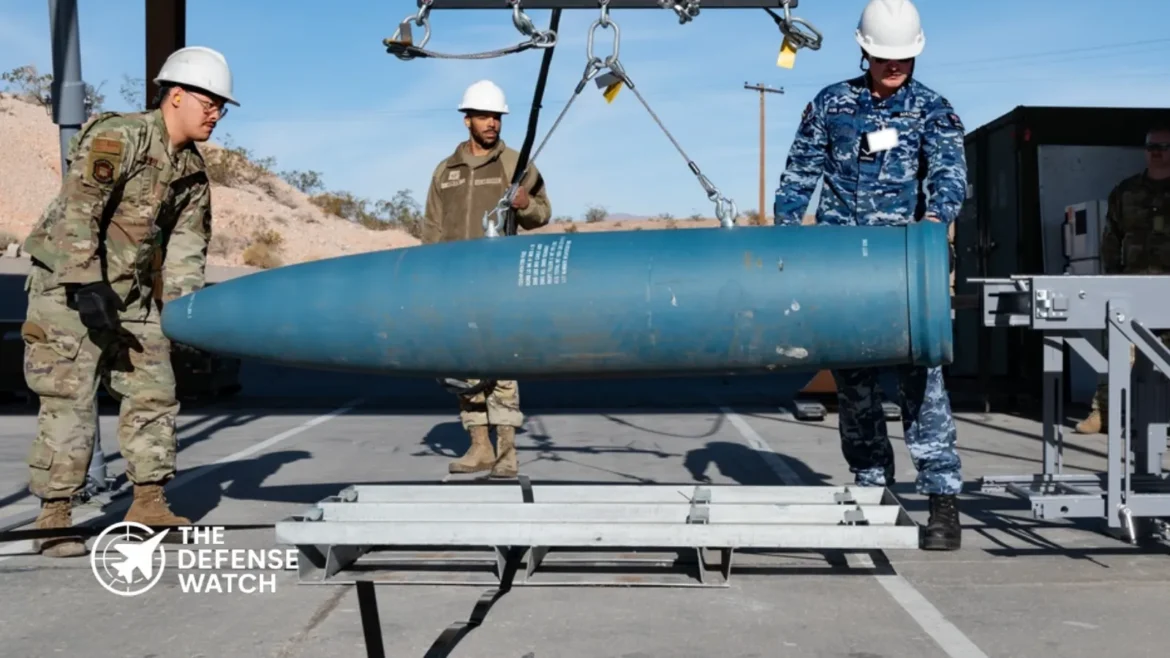
The US Air Force has awarded a $61.5 million contract for the GBU-57 Massive Ordnance Penetrator, reinforcing its long term sustainment of the deep penetration strike capability.
The award goes to The Boeing Company, St. Louis, Missouri, under a not to exceed $61,548,900 undefinitized contract. The procurement covers replenishment of critical components tied to the GBU-57 Massive Ordnance Penetrator weapon system.
According to the Department of Defense contract announcement, the scope includes Wing Drop Ship Kit sets, KMU-612 E/B tailkits, GBU-57 G/B fuze systems cable guides, separation nuts, and dedicated Massive Ordnance Penetrator containers. Fiscal 2025 procurement funds totaling $61,548,900 are being obligated at the time of award.
Work will take place in St. Louis and is scheduled for completion between September 2028 and May 2030. The contract was awarded on a sole source basis by the Armament Directorate’s Attack Division at Eglin Air Force Base under contract FA8681-26-C-B001.
Sustaining A Strategic Penetration Capability
The GBU-57 Massive Ordnance Penetrator is designed to defeat deeply buried and hardened targets. The weapon, often referred to as the MOP, forms part of the US Air Force’s inventory of specialized conventional munitions intended for high value, fortified objectives.
Unlike general purpose bombs, the GBU-57 Massive Ordnance Penetrator relies on precision guidance and a hardened casing to penetrate reinforced concrete or subterranean facilities before detonation. The KMU-612 E/B tailkit provides GPS guidance, converting the bomb into a precision guided munition.
While the Department of Defense did not disclose quantities under this replenishment contract, the inclusion of ship kits, fuze system components, and transport containers indicates a focus on lifecycle sustainment rather than new system development.
Undefinitized Contract And Sole Source Structure
The contract is structured as an undefinitized action. In Pentagon acquisition practice, this allows work to begin before final contract terms are fully negotiated, often used when urgency or production continuity is a factor.
The sole source nature of the award reflects Boeing’s role as the original manufacturer and integrator of the GBU-57 Massive Ordnance Penetrator. Given the technical complexity and certification requirements associated with such munitions, alternative suppliers are typically not available without extensive requalification.
This approach aligns with broader Air Force efforts to maintain readiness of niche, high impact capabilities that may have limited production lines but outsized strategic relevance.
Budget Context And Long Term Planning
Fiscal 2025 procurement funds were obligated at the time of award, signaling that the replenishment was planned within the regular budget cycle rather than through supplemental emergency appropriations.
The performance window stretching to 2030 suggests a measured production tempo. That timeline provides industrial stability for Boeing’s St. Louis operations while ensuring the Air Force retains operational depth in its hardened target strike portfolio.
In recent years, US defense planners have placed renewed emphasis on capabilities relevant to contested environments and hardened infrastructure scenarios. While no specific operational driver was cited in the contract notice, sustainment of the GBU-57 Massive Ordnance Penetrator fits within that broader modernization framework.
Industrial Base And Strategic Significance
For Boeing, the award reinforces its role in high end conventional munitions alongside its aircraft and missile portfolios. St. Louis remains a core hub for the company’s defense activities.
From a strategic standpoint, replenishment contracts such as this rarely generate headlines compared to major aircraft or missile procurements. However, they represent the steady funding streams that keep critical capabilities viable over decades.
Maintaining the GBU-57 Massive Ordnance Penetrator inventory ensures that the US Air Force retains a credible option against hardened and deeply buried targets. In deterrence terms, the existence of that capability can shape adversary calculations even if it is rarely discussed publicly.
As the Pentagon balances investments across airpower, space, cyber, and munitions stockpiles, targeted replenishment efforts highlight a key lesson from recent conflicts. High end platforms matter, but so do the specialized weapons they carry.
■ KEY FACTS AT A GLANCE- ► GE Aerospace and Kratos won a US Air Force award to design an expendable unmanned aircraft engine.
- ► The engine will support affordable, high volume unmanned combat air systems.
- ► Program focuses on low cost propulsion optimized for one way or limited life missions.
- ► The award aligns with the Air Force push for collaborative combat aircraft and attritable platforms.
- ► Development will leverage GE Aerospace propulsion expertise and Kratos unmanned systems experience.
GE Aerospace And Kratos Win US Air Force Award For Expendable Drone Engine Development
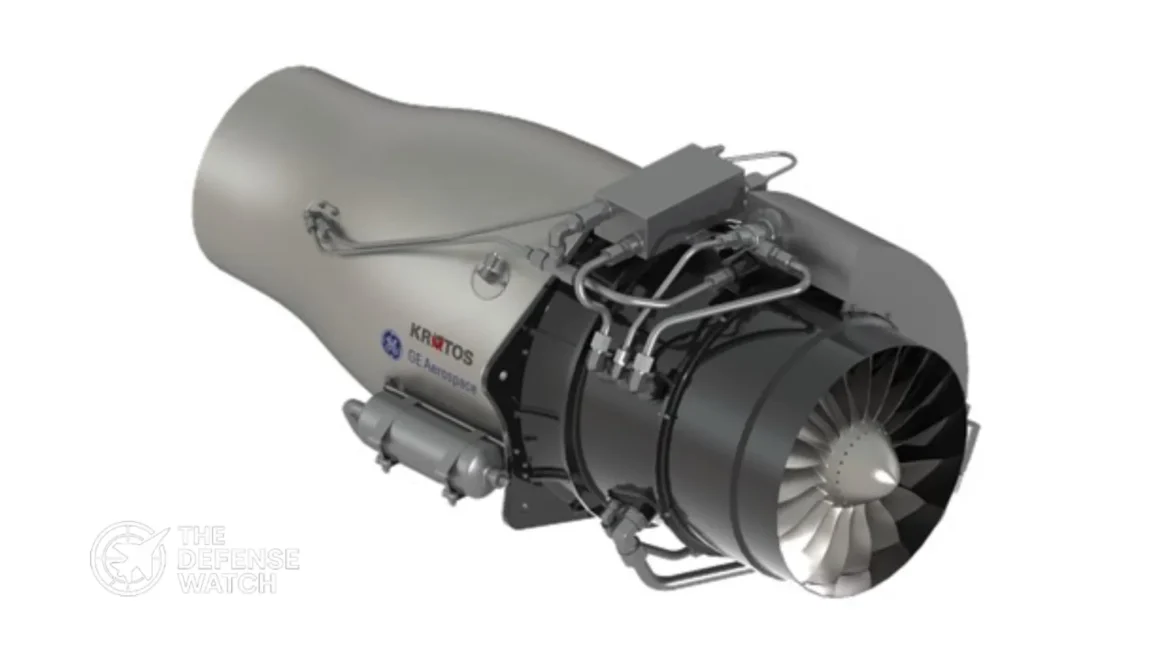
GE Aerospace and Kratos have secured a US Air Force award to design an expendable drone engine intended for affordable, next generation unmanned combat aircraft.
The contract brings together GE Aerospace and Kratos Defense & Security Solutions under a US Air Force initiative focused on low cost, high performance propulsion for attritable platforms.
(adsbygoogle = window.adsbygoogle || []).push({});According to a company statement, the engine will be purpose built for unmanned aircraft designed for one way missions or limited operational lifespans. The goal is to reduce cost per flight hour while maintaining sufficient performance for contested environments.
The award was issued by the United States Air Force as part of its broader push to field more affordable autonomous systems at scale.
Supporting The Collaborative Combat Aircraft Vision
The expendable drone engine program aligns with the Air Force’s collaborative combat aircraft strategy. That effort aims to pair manned fighters with autonomous unmanned aircraft capable of reconnaissance, electronic warfare, strike, or decoy missions.
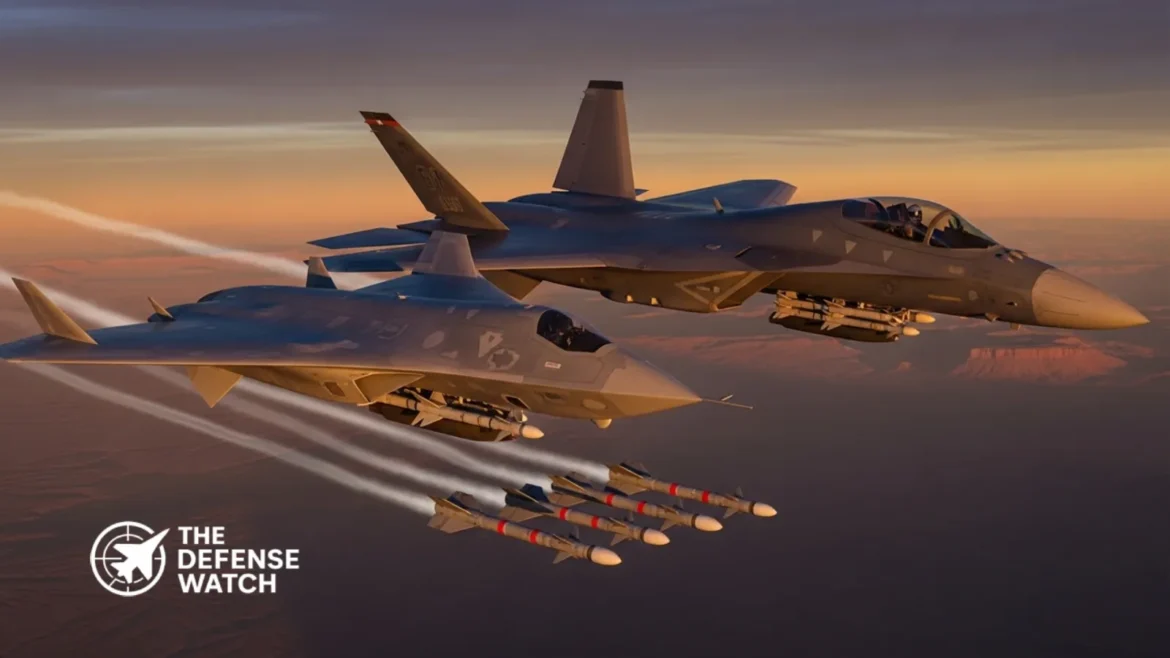
While the Air Force has not disclosed the specific airframe associated with this propulsion effort, industry observers note that attritable or expendable systems are central to future force design. By lowering unit cost, the service can deploy larger numbers of aircraft without assuming the financial risk tied to traditional fighter programs.
Kratos has extensive experience in this segment. The company produces several unmanned systems designed for target drones, tactical missions, and high risk operations. GE Aerospace, meanwhile, brings decades of propulsion development across military and commercial platforms.
(adsbygoogle = window.adsbygoogle || []).push({});By combining Kratos’ unmanned aircraft integration background with GE’s turbine expertise, the Air Force appears to be pursuing a modular, scalable propulsion solution tailored for mass production.
Why Expendable Engines Matter
An expendable drone engine differs from traditional fighter jet engines in both cost structure and lifecycle expectations. Instead of designing for thousands of flight hours, the emphasis shifts to affordability, simplified manufacturing, and rapid production.
This approach reflects lessons from recent conflicts where inexpensive drones have reshaped air defense and strike operations. Large volumes of low cost systems can saturate defenses, complicate targeting, and provide operational flexibility.
For the Air Force, building an industrial base capable of producing such engines at scale is as important as raw performance. Cost discipline, supply chain resilience, and rapid assembly are likely to be core metrics in the program.
(adsbygoogle = window.adsbygoogle || []).push({});The award also signals confidence in industry partnerships that can move quickly from concept to prototype. GE Aerospace has been advancing small engine architectures suited for unmanned applications, while Kratos continues to invest in high performance, affordable drone platforms.
Industrial And Strategic Implications
The GE Aerospace and Kratos partnership underscores a broader shift in US airpower planning. Rather than relying solely on exquisite, high cost aircraft, the Air Force is building a layered force structure.
Attritable and expendable systems offer several advantages:
- Reduced financial risk in high threat environments
- Greater operational mass
- Faster technology refresh cycles
- Flexibility in mission design
The engine program supports this shift by targeting propulsion as a key cost driver. Historically, advanced jet engines have been among the most expensive components of combat aircraft. Simplifying that architecture without sacrificing mission effectiveness could enable new operational concepts.
From an industrial perspective, the contract strengthens domestic propulsion development. It reinforces the role of established engine manufacturers while opening pathways for integration with emerging unmanned platforms.
What Comes Next
The initial award focuses on design and development. Testing, integration, and potential low rate production decisions will depend on performance milestones and Air Force budget priorities.
(adsbygoogle = window.adsbygoogle || []).push({});As the Air Force refines requirements for collaborative combat aircraft and related unmanned systems, propulsion choices will directly influence range, payload capacity, and survivability.
The GE Aerospace expendable drone engine effort therefore represents more than a single contract. It reflects a structural change in how the United States plans to generate airpower in contested theaters.
By investing in affordable propulsion, the Air Force is positioning itself to field larger numbers of autonomous aircraft capable of supporting manned fighters and operating independently when required.
■ KEY FACTS AT A GLANCE- ► HÜRJET test flights will run from February 23, 2026, through March 16, 2026, over Antalya Bay.
- ► Flights will originate from Antalya Air Base Command and extend toward Gazipaşa.
- ► The aircraft may reach supersonic speeds during certain test profiles.
- ► Sonic booms may be heard in coastal areas as a natural result of high speed testing.
- ► Authorities emphasized there is no cause for public concern during the scheduled activities.
HÜRJET Test Flights Over Antalya Bay Enter Supersonic Phase
HÜRJET test flights over Antalya Bay are scheduled to continue through March 16, with Turkish authorities confirming that some sorties may include supersonic runs.
(adsbygoogle = window.adsbygoogle || []).push({});In a public notice, the Antalya Governor’s Office stated that flight tests under the HÜRJET Project will take place between February 23, 2026, and March 16, 2026. Operations will be conducted over the maritime area stretching from Antalya Bay to Gazipaşa, with aircraft departing from Antalya Air Base Command.
Officials warned that explosion like high intensity sounds could be heard along parts of the coastline. These sounds would result from the aircraft exceeding the speed of sound during specific test profiles.
Authorities stressed that such noise is a routine outcome of supersonic flight testing and urged residents not to be alarmed.
Advancing The HÜRJET Program
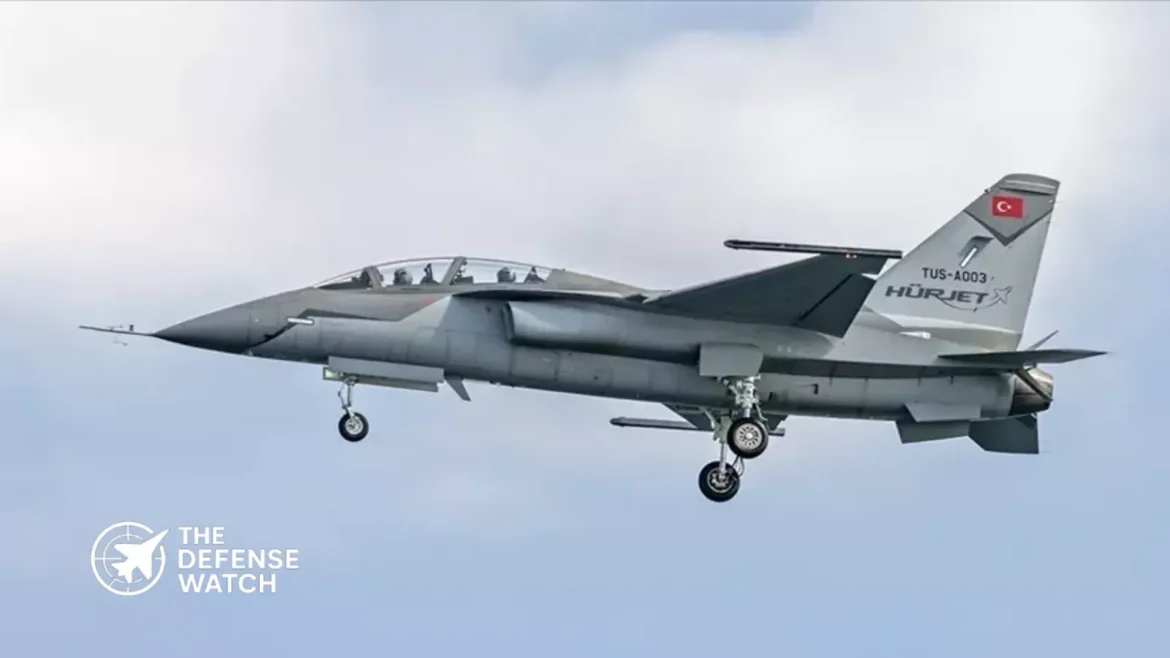
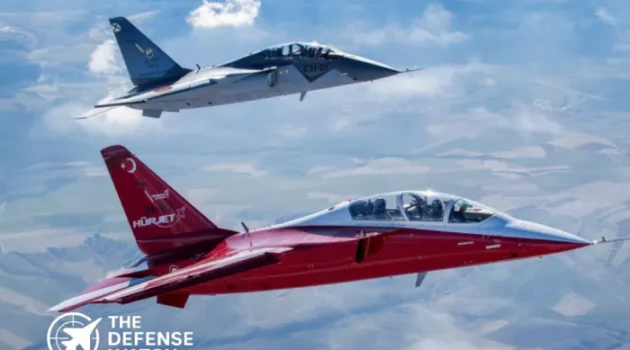
The HÜRJET advanced jet trainer is being developed by Turkish Aerospace Industries as part of Turkey’s broader effort to modernize pilot training and expand domestic aerospace capabilities.
Designed as a supersonic, single engine advanced trainer, HÜRJET is intended to replace aging jet trainers in Turkish service and support the transition of pilots to frontline platforms such as the F-16 Fighting Falcon and Turkey’s next generation combat aircraft programs.
According to Turkish defense officials and company disclosures in prior briefings, HÜRJET is expected to reach speeds above Mach 1, making controlled supersonic testing a key milestone in flight envelope expansion.
The Antalya maritime test zone offers a safer environment for high speed trials, minimizing risks to populated urban areas while allowing engineers to gather critical aerodynamic and structural data.
Why Supersonic Testing Matters
Supersonic trials are not symbolic. They are essential for validating airframe integrity, engine performance, flight control systems, and structural response under high stress conditions.
(adsbygoogle = window.adsbygoogle || []).push({});When an aircraft breaks the sound barrier, it generates a shock wave known as a sonic boom. Over water, these effects are easier to manage from both a safety and public relations standpoint.
For HÜRJET, expanding into supersonic regimes signals that the program is moving beyond basic flight validation toward full performance certification. This phase typically involves:
- Incremental speed increases
- Structural load assessments
- Avionics performance verification
- Stability and control evaluations
Defense aviation programs worldwide follow similar flight test methodologies before operational approval.
Strategic Implications For Turkey’s Aerospace Sector
The continued HÜRJET test flights over Antalya Bay highlight Ankara’s long term push for defense industrial autonomy.
Turkey has invested heavily in indigenous aerospace programs, seeking to reduce reliance on foreign suppliers. The HÜRJET program fits within a broader portfolio that includes unmanned systems, helicopters, and next generation fighter development.
From a policy perspective, a domestically produced supersonic trainer offers several advantages:
- Reduced foreign procurement exposure
- Export potential to allied and partner nations
- Greater control over training doctrine and upgrades
If successfully fielded, HÜRJET could position Turkey among a limited group of nations capable of designing and producing advanced jet trainers domestically.
(adsbygoogle = window.adsbygoogle || []).push({});However, sustained testing is critical. Flight envelope expansion, especially at supersonic speeds, often determines whether a program meets performance targets on schedule.
Public Communication And Transparency
The Antalya Governor’s Office decision to notify residents ahead of the HÜRJET test flights over Antalya Bay reflects standard aviation safety and civil coordination practices.
Sonic booms can cause concern among local communities unfamiliar with supersonic activity. Clear communication helps prevent misinformation and unnecessary alarm.
Similar public advisories are issued in the United States during military supersonic training over designated airspace corridors, particularly in coastal or desert regions.
(adsbygoogle = window.adsbygoogle || []).push({});By identifying the maritime corridor from Antalya Bay to Gazipaşa, authorities delineated a specific operational zone, reinforcing transparency in military flight activity.
What Comes Next
The March 16 end date does not necessarily mark the conclusion of the HÜRJET test campaign. Rather, it likely represents a defined test window for specific performance evaluations.
Future milestones may include:
- Expanded weapons integration trials
- Advanced avionics validation
- Export demonstration campaigns
For now, the focus remains on validating high speed performance and operational reliability.
The coming weeks will provide clearer insight into how rapidly the HÜRJET program progresses through its certification roadmap.
■ KEY FACTS AT A GLANCE- ► The U.S. Air Force is advancing the Collaborative Combat Aircraft program through a phased weapons integration strategy.
- ► CCA platforms are designed to operate alongside crewed fighters under the Next Generation Air Dominance framework.
- ► Initial integration focuses on existing U.S. munitions to reduce risk and accelerate operational capability.
- ► The effort supports broader Air Force modernization and distributed combat operations.
- ► Officials emphasize deliberate testing and integration to ensure safety, reliability, and combat effectiveness.
USAF Collaborative Combat Aircraft Program Moves Into Weapons Integration Phase
The Collaborative Combat Aircraft program is progressing through a deliberate weapons integration process as the U.S. Air Force refines how autonomous platforms will operate in future high-end conflicts.
(adsbygoogle = window.adsbygoogle || []).push({});According to the United States Air Force, the effort focuses on carefully integrating proven munitions onto emerging uncrewed aircraft designed to fly alongside crewed fighters. The goal is to reduce technical risk while accelerating operational capability.
The Collaborative Combat Aircraft program forms a central pillar of the Next Generation Air Dominance architecture. Under this concept, autonomous aircraft will support crewed platforms by carrying additional weapons, conducting sensing missions, and extending operational reach.
A Phased and Risk-Managed Approach
Air Force officials describe the weapons integration strategy as deliberate and incremental. Instead of developing entirely new weapons in parallel with new aircraft, the service is prioritizing compatibility with existing, combat-proven munitions already in the inventory.
This approach serves several purposes.
First, it reduces development timelines. Integrating established weapons avoids the long certification cycles associated with new munitions. Second, it supports logistical continuity across the force. Third, it strengthens interoperability within joint and allied operations.
From a force design perspective, the Collaborative Combat Aircraft program is intended to create mass at a lower cost than traditional fighters. By distributing weapons across multiple autonomous platforms, commanders can complicate enemy targeting and increase survivability in contested airspace.
Supporting NGAD and Future Air Dominance
The Collaborative Combat Aircraft program is closely aligned with NGAD objectives. While NGAD centers on a sixth-generation crewed fighter, CCA platforms provide scalable combat power around that core aircraft.
In practical terms, autonomous aircraft could carry additional air-to-air missiles, electronic warfare payloads, or intelligence, surveillance, and reconnaissance systems. This reduces the burden on crewed aircraft and enables greater tactical flexibility.
The Air Force has consistently emphasized that CCAs are not simply drones in the traditional sense. Instead, they are designed as collaborative systems that integrate into a broader combat network. That network includes advanced data links, distributed sensors, and secure communications that allow real-time coordination.
(adsbygoogle = window.adsbygoogle || []).push({});The deliberate weapons integration effort reflects lessons learned from past acquisition programs. Rushing integration can create cascading delays and cost overruns. A phased plan, by contrast, allows the service to validate software, hardware interfaces, and safety protocols step by step.
Operational Implications and Strategic Context
The Collaborative Combat Aircraft program arrives at a time when the United States faces pacing challenges in the Indo-Pacific and other theaters. Potential adversaries continue to expand integrated air defense systems, long-range missiles, and counter-air capabilities.
In that environment, survivability and distributed operations become critical.
Autonomous aircraft operating in coordination with crewed fighters can increase tactical options. They can absorb risk in high-threat areas, extend sensor coverage, and expand weapons capacity without placing additional pilots in harm’s way.
From an operational standpoint, integrating weapons early and methodically ensures these platforms are not limited to sensing roles alone. Arming CCAs provides credible combat utility from the outset.
(adsbygoogle = window.adsbygoogle || []).push({});The Air Force has underscored that testing remains central to the effort. Weapons separation trials, flight envelope validation, and software verification are essential before operational deployment. Safety, reliability, and predictable performance remain non-negotiable requirements.
Industrial and Modernization Impact
The Collaborative Combat Aircraft program also signals a shift in how the Air Force approaches acquisition. Modular architectures and open systems design are intended to allow faster upgrades over time.
By aligning weapons integration with existing inventories, the service reduces supply chain friction and enhances sustainment efficiency. This matters as the Air Force balances modernization priorities across fighters, bombers, tankers, and space-based assets.
As development continues, the deliberate weapons integration strategy positions the Collaborative Combat Aircraft program as a credible component of future U.S. airpower.
(adsbygoogle = window.adsbygoogle || []).push({});Rather than pursuing rapid but risky fielding, the Air Force is prioritizing structured integration, operational validation, and scalable growth. That methodical path may prove decisive as the service works to maintain air superiority in increasingly contested environments.
■ KEY FACTS AT A GLANCE- ► $32,901,795 contract modification awarded to Integrated Solutions for Systems.
- ► Total Common Modular Software Defined Radio contract value now $71,811,686.
- ► Work performed in Niceville, Florida, through May 31, 2028.
- ► $1 million in fiscal 2026 R and D funds obligated at award.
- ► Contract managed by Air Force Life Cycle Management Center at Eglin AFB.
US Air Force Expands Common Modular Software Defined Radio Program With $32.9M Contract Modification
The US Air Force has awarded a $32,901,795 modification to the Common Modular Software Defined Radio contract, increasing the total program value to $71,811,686.
The award was issued to Integrated Solutions for Systems, based in Huntsville, Alabama. The modification, identified as P00021 under contract FA2488 24 C B001, supports continued development of the Common Modular Software Defined Radio in alignment with the Government Reference Architecture.
The contracting authority is the Air Force Life Cycle Management Center at Eglin Air Force Base. The award was announced on February 20, 2026.
Contract Scope And Funding Details
Under the modification, work will be performed in Niceville, Florida, with completion expected by May 31, 2028. At the time of award, $1 million in fiscal 2026 research and development funds were obligated.
The prior cumulative contract value stood at $38,909,891. With this action, the total rises to more than $71.8 million. The increase signals continued Air Force investment in modular, software driven communications systems.
While the Department of Defense did not release detailed technical specifications in the award notice, software defined radio programs typically focus on enabling interoperability across platforms, waveforms, and operational environments.
Why The Common Modular Software Defined Radio Matters
The Common Modular Software Defined Radio is part of a broader push within the US Air Force to modernize communications architecture. As operations become more distributed and data driven, radios must handle secure voice, data, and networking functions across air, ground, and joint forces.
A modular architecture allows faster upgrades through software updates rather than full hardware replacement. This approach reduces lifecycle costs and shortens integration timelines for new waveforms and encryption standards.
The Government Reference Architecture framework is designed to standardize interfaces and promote open systems. In practical terms, that means vendors can develop components that plug into a common baseline, reducing vendor lock and increasing competition.
For the Air Force, this is critical as it aligns with ongoing digital engineering and open mission systems initiatives across multiple aircraft and weapons platforms.
Strategic Context
The Air Force has steadily increased funding for resilient communications as part of its broader modernization agenda. According to recent Department of Defense budget documents, investment in advanced networking, electronic warfare resilience, and secure tactical communications remains a priority through the Future Years Defense Program.
Software defined radios are central to enabling Joint All Domain Command and Control, often referred to as JADC2. Although this contract notice does not explicitly reference JADC2, the technical alignment with modular and interoperable systems suggests clear relevance to that effort.
By extending performance through 2028, the Common Modular Software Defined Radio contract ensures continuity in development during a period of rapid change in spectrum operations and contested communications environments.
Industry And Regional Impact
The work in Niceville, Florida, further reinforces the role of the Eglin region as a hub for Air Force acquisition and testing activity. The Air Force Life Cycle Management Center, headquartered at Eglin AFB, oversees a wide portfolio of armament, avionics, and communications programs.
For Integrated Solutions for Systems, the modification strengthens its position in defense communications engineering. Huntsville remains a major center for missile defense, space, and command and control programs, supported by a dense network of federal and contractor organizations.
Looking Ahead
The Common Modular Software Defined Radio contract reflects a steady, incremental approach to communications modernization rather than a one time procurement spike.
As the Air Force continues to refine its digital backbone, programs like this one provide the building blocks for secure, scalable, and upgradeable systems. The increase to $71.8 million underscores the service’s long term commitment to modular open architecture in tactical communications.
Further contract actions may follow as development milestones are met and integration expands across operational platforms.
■ KEY FACTS AT A GLANCE- ► BAE Systems awarded $98,871,411 IDIQ contract for F-16 commodities sustainment.
- ► Contract supports sustaining engineering for avionics intermediate shop automatic test equipment.
- ► Work performed in San Diego, California, through Feb. 28, 2037.
- ► Covers Foreign Military Sales customers across Europe, Middle East, and Asia.
- ► Sole-source award managed by Air Force Sustainment Center at Hill AFB, Utah.
USAF Awards $98.8M F-16 Sustainment Contract To BAE Systems
The US Air Force has awarded a $98.8 million F-16 sustainment contract to BAE Systems to support avionics testing and commodities sustainment for the global Fighting Falcon fleet.
The ceiling indefinite-delivery, indefinite-quantity contract, valued at $98,871,411, provides sustaining engineering services to maintain operational capability of fielded avionics intermediate shop automatic test equipment. The award was issued on Feb. 20, 2026.
Work will be performed in San Diego, California, and is scheduled to run through Feb. 28, 2037.
The contract was awarded on a sole-source basis. No funds were obligated at the time of award.
Supporting Global F-16 Operators
The F-16 sustainment contract includes support for US Air Force aircraft as well as a broad group of Foreign Military Sales partners. Participating countries include Jordan, Taiwan, Belgium, Denmark, Egypt, Iraq, Bahrain, Portugal, Thailand, Poland, Greece, Oman, Romania, Singapore, Türkiye, Korea, Chile, Morocco, the Netherlands, Norway, and Pakistan.
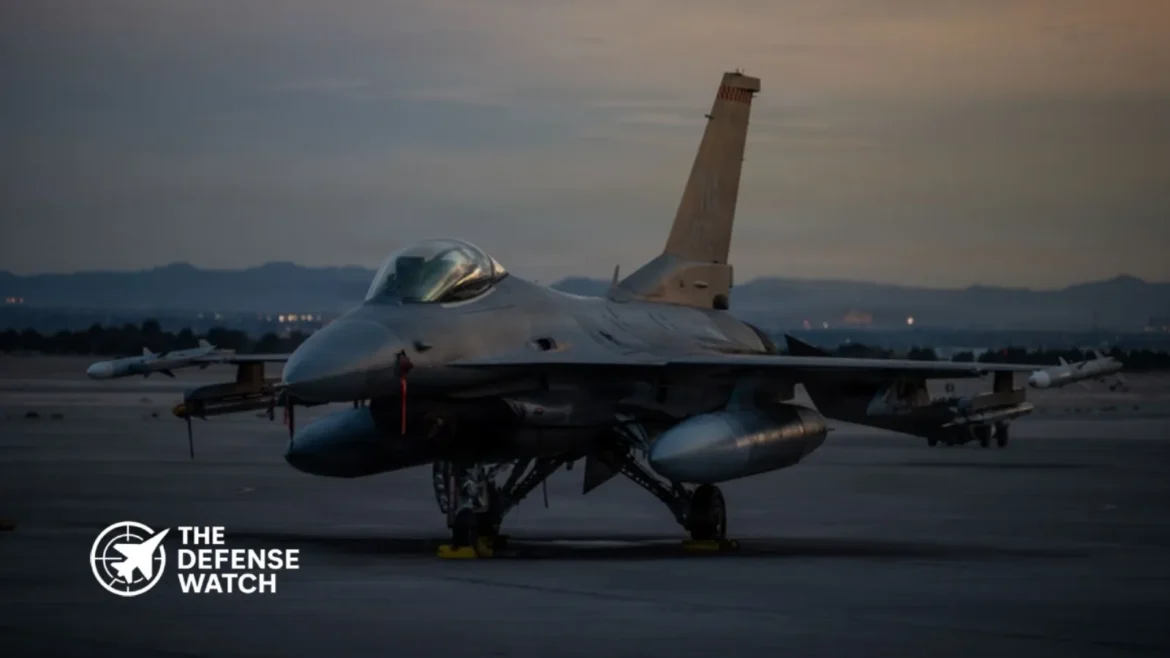
The F-16 remains one of the most widely operated multirole fighters in the world. According to the US Air Force, more than two dozen nations operate variants of the aircraft. Sustaining avionics test equipment is critical to maintaining readiness rates across such a diverse and aging fleet.
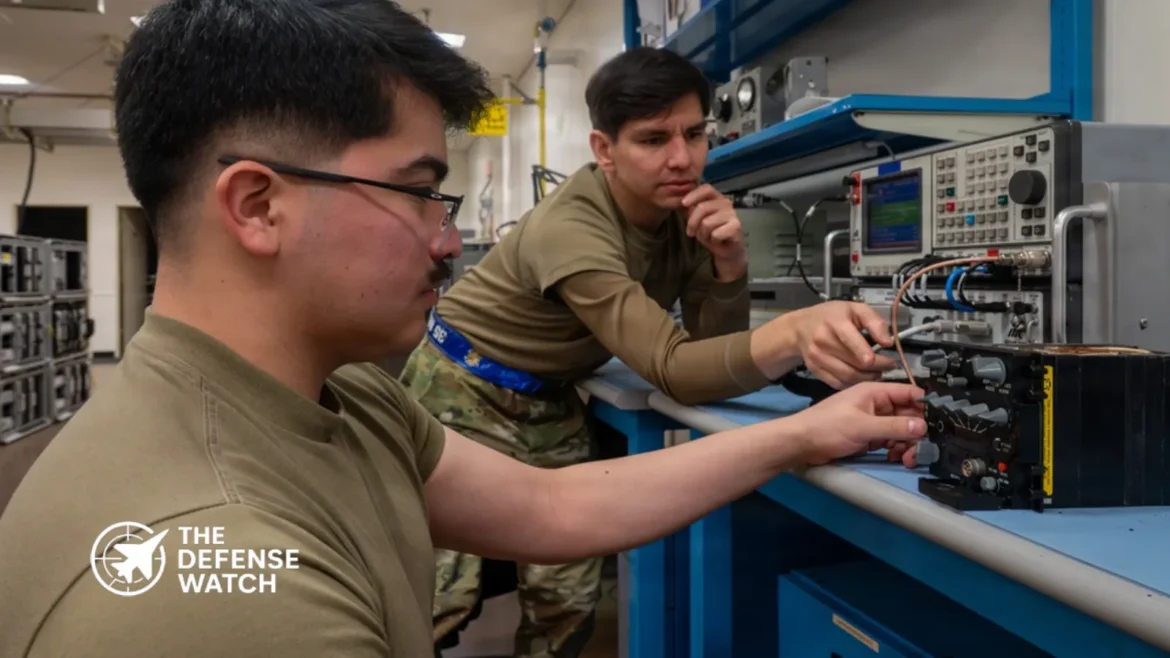
Intermediate shop automatic test equipment plays a central role in diagnosing, repairing, and verifying avionics components. Without reliable test infrastructure, even minor subsystem failures can lead to extended aircraft downtime.
Long-Term Sustainment Strategy
The award underscores the Air Force’s long-term sustainment strategy for legacy fighter platforms. While newer aircraft such as the F-35 Lightning II continue to enter service, the F-16 Fighting Falcon remains a backbone platform for both US and allied air forces.
Many partner nations are investing in F-16 service life extension programs, radar upgrades, and electronic warfare improvements. Sustaining the underlying avionics support ecosystem ensures those modernization efforts remain viable.
From an operational standpoint, avionics test equipment sustainment is less visible than aircraft upgrades or weapons procurement. However, it directly affects sortie generation, mission availability, and lifecycle cost control. Long-duration IDIQ contracts such as this provide predictable engineering support while allowing flexibility in task orders over time.
Contracting Authority
The Air Force Sustainment Center Supply Chain Management Division at Hill Air Force Base, Utah, serves as the contracting activity under contract FA8251-26-D-B002.
By extending support through 2037, the Air Force signals continued reliance on the F-16 platform across multiple theaters. For partner nations, the contract provides assurance that US-backed sustainment infrastructure will remain in place for more than a decade.
In a security environment defined by high operational tempo and expanding allied cooperation, steady sustainment funding is as critical as new aircraft procurement. This F-16 sustainment contract reinforces that reality.