

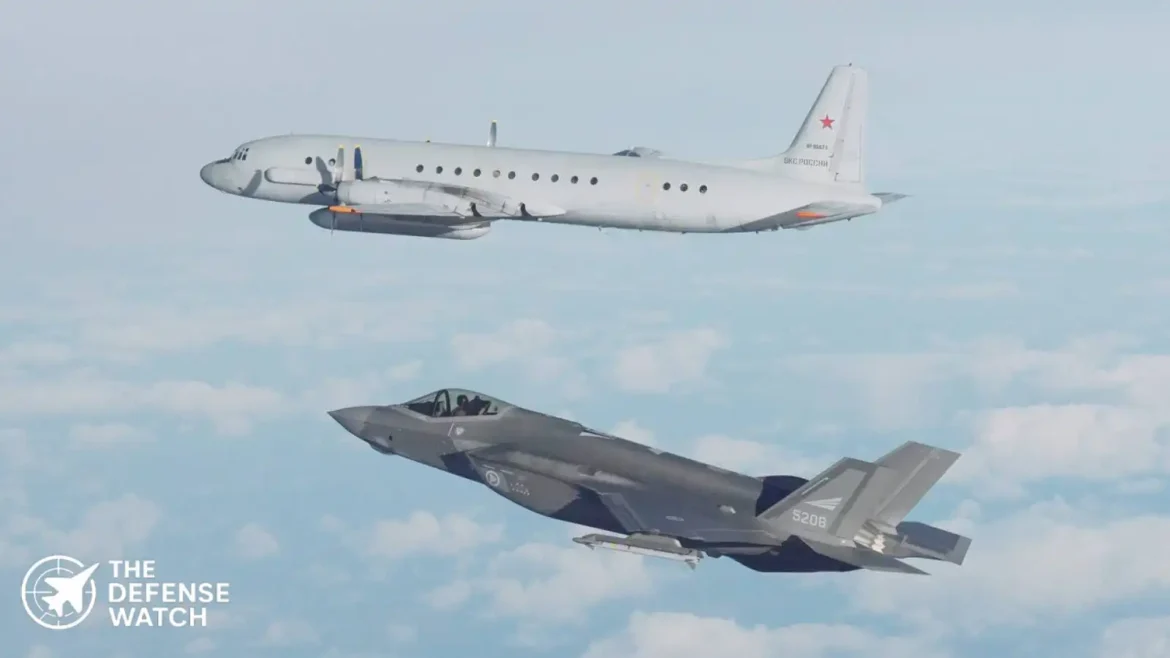
Norwegian F-35 Scramble Responds To Russian Arctic Surveillance Activity
Norwegian F-35 jets were scrambled after Russian maritime patrol aircraft were detected operating near NATO areas of interest in the High North, according to reporting by Army Recognition citing Norwegian defense information. The intercept involved Russian Il-38 and Tu-142 aircraft, both long-range surveillance platforms used to monitor naval activity and submarine movements.
- Norway scrambled F-35 fighter jets to identify Russian aircraft near its airspace.
- Russian aircraft involved were reported as Il-38 and Tu-142 maritime patrol platforms.
- Activity occurred amid heightened NATO naval presence in the High North.
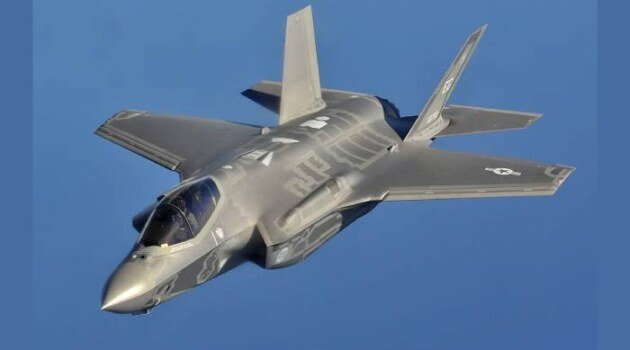
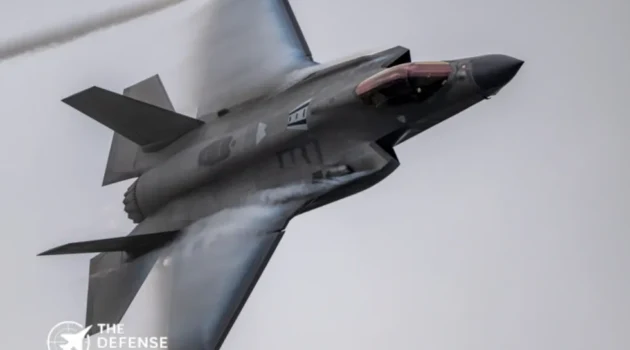
- Norway operates F-35A fighters as its primary quick reaction alert interceptor fleet.
- Incident highlights growing competition over Arctic sea lanes and military access.
The incident reflects a familiar but increasingly important pattern, Russia using long-range patrol aircraft to gather intelligence while NATO strengthens Arctic readiness.
The Big Picture
The High North has become one of NATO’s most strategically sensitive regions. Melting sea ice, growing maritime traffic, undersea cable vulnerability, and expanding military activity have pushed Arctic security higher on alliance planning agendas.
Norway occupies a front-line position in that environment. It borders Russia, controls access routes into the North Atlantic, and hosts key air and maritime infrastructure used by NATO forces. Any increase in Russian reconnaissance flights near Norwegian territory draws close attention because it may indicate wider monitoring of allied naval deployments.
Norwegian F-35 aircraft are central to that mission. Their sensors, range, and networked data-sharing abilities give Oslo stronger situational awareness across vast northern operating areas.
What’s Happening
Norwegian authorities launched a quick reaction alert mission after detecting Russian Il-38 and Tu-142 patrol aircraft approaching areas monitored by Norway’s air defense network.
The Il-38 is a maritime patrol and anti-submarine warfare aircraft derived from the Il-18 airliner. Russia uses it for surface surveillance, submarine hunting, and long-duration patrols.
The Tu-142 is a larger, longer-range platform developed from the Tu-95 bomber family. It is designed for anti-submarine warfare and ocean reconnaissance, making it especially relevant during periods of naval movement.
Norwegian F-35 fighters intercepted and visually identified the aircraft, a standard NATO air policing procedure intended to maintain awareness and sovereignty without escalation.
Why It Matters
Russian patrol flights often seek more than symbolic presence. They can collect electronic emissions, track fleet movements, map air defense responses, and observe alliance operating patterns.
That matters in the High North because NATO increasingly relies on northern sea lanes and Arctic staging areas. Allied submarines, carrier groups, maritime patrol aircraft, and reinforcement shipping routes all depend on secure access to the North Atlantic.
A Norwegian F-35 scramble therefore serves two purposes. It protects sovereign airspace, and it signals that NATO can rapidly detect and respond to intelligence-gathering activity.
Strategic Implications
Norway’s transition from F-16s to F-35As has significantly upgraded its deterrence posture. The aircraft combines stealth, advanced radar, passive sensors, and secure data links that are valuable in contested northern environments.
For NATO, Norway’s fleet acts as a forward sensing node. Information gathered by Norwegian F-35s can support wider alliance maritime and air operations.
Russia is also likely testing response times and operational patterns. Repeated patrols can reveal how quickly fighters launch, where they intercept, and which assets are active in theater. That makes routine intercept missions strategically relevant even when no violation of sovereign airspace occurs.
Competitor View
Moscow traditionally views NATO naval concentration in northern waters as a direct challenge to the security of the Kola Peninsula, home to major Russian naval and strategic submarine forces.
From that perspective, maritime patrol flights by Il-38 and Tu-142 aircraft help Russia monitor allied operations near critical bastions used by its Northern Fleet. NATO, however, views these patrols as intelligence collection activity requiring constant monitoring.
This dynamic helps explain why intercepts have become more frequent and more visible.
What To Watch Next
NATO will likely continue expanding Arctic exercises, maritime patrol rotations, and integrated air defense drills. Norway is expected to deepen F-35 integration with allied assets such as P-8 maritime patrol aircraft, naval task groups, and ground-based sensors.
Observers should also watch for:
- More Russian bomber and patrol flights in northern corridors
- Expanded NATO submarine and surface operations
- New Arctic basing investments
- Greater focus on undersea infrastructure security
Capability Gap
The Norwegian F-35 scramble addresses a longstanding Arctic challenge, covering vast distances with limited warning time.
Older aircraft could intercept effectively, but modern operations require more than speed. Commanders need fused sensor data, electronic awareness, and secure networking across sea, air, and land forces. The F-35 helps close that gap.
Limitations remain. Arctic weather, sparse infrastructure, and long logistics lines still complicate sustained operations for any military force.
The Bottom Line
Norway’s F-35 response shows that even routine interceptions in the Arctic now carry growing strategic weight for NATO and Russia.

Estonia Says NATO Remains Strong Despite Pressure
Estonia NATO defense policy moved into focus this week after Estonian Defense Minister Hanno Pevkur said the alliance remains intact and that the United States would honor its commitment to defend allies in the event of a Russian attack.
Speaking in Vilnius, Pevkur dismissed fears that NATO could fracture under political pressure, saying disagreements inside the alliance should be seen as part of a long-term partnership rather than evidence of collapse. Reuters reported the remarks on April 17.
- Estonian Defense Minister Hanno Pevkur said NATO will not collapse despite recent alliance tensions.
- Pevkur said he is confident the United States would defend Estonia if Russia attacked.
- Estonia plans to spend 5.1% of GDP on defense, among the highest levels in NATO.
- The minister said Europe still cannot fully defend itself without U.S. support.
- Comments come as NATO members debate spending targets before the next summit.
The comments come at a sensitive moment for transatlantic security. NATO members are balancing continued support for Ukraine, rising military budgets, and debate over burden-sharing between North America and Europe.
Why Estonia’s Message Matters
Estonia is one of NATO’s frontline states, bordering Russia and positioned on the alliance’s northeastern flank. Because of geography alone, statements from Tallinn carry more weight than similar comments from countries farther from the threat environment.
For Baltic governments, deterrence depends on two things:
- Forward-deployed NATO forces
- Clear U.S. political commitment
- Faster European rearmament
- Sustained support for Ukraine
When Estonia publicly states confidence in Washington, it sends a message to both allies and adversaries that alliance cohesion remains intact.
Defense Spending Pressure Builds Across NATO
Pevkur also argued that European states must increase military spending faster. He criticized many allies for failing to meet higher spending ambitions now being discussed inside NATO. Estonia plans to allocate 5.1% of GDP to defense, placing it among the top spenders in the alliance.
That matters because NATO’s future credibility will likely be measured less by speeches and more by ammunition stocks, air defense capacity, industrial output, and deployable brigades.
Several European governments have already launched procurement drives for:
- Air and missile defense systems
- Long-range fires
- Armored vehicles
- Drone and counter-drone systems
- Ammunition production lines
Europe Still Depends On U.S. Military Power
One of the most notable parts of Pevkur’s remarks was his acknowledgment that Europe cannot yet defend itself independently.
That assessment reflects a widely recognized capability gap in areas such as:
- Strategic airlift
- Intelligence, surveillance and reconnaissance
- Missile defense
- Precision strike networks
- Nuclear deterrence
- Large-scale logistics
While Europe is spending more, replacing decades of reliance on U.S. capabilities will take years, not months.
Strategic Outlook For NATO In 2026
The real issue facing NATO is not immediate collapse, but adaptation. The alliance must prove it can deter Russia, support Ukraine, and rebalance responsibilities among members without weakening unity.
Estonia’s position suggests smaller frontline states want two outcomes at once: stronger European militaries and continued U.S. leadership.
That dual-track approach is likely to dominate discussions at upcoming NATO meetings.
Bottom Line
Estonia’s latest message is clear: NATO remains credible, the U.S. security guarantee still matters, and Europe must move faster to strengthen its own defenses. For countries closest to Russia, those are not abstract political debates, they are core security requirements.
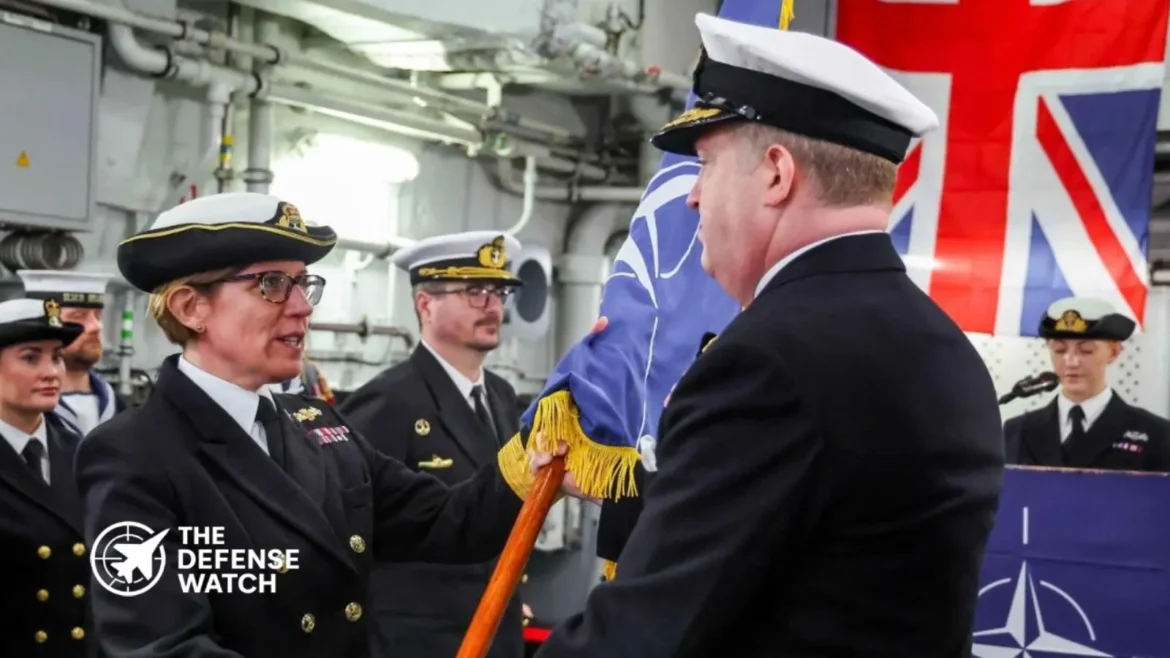
Royal Navy NATO Task Group Command Strengthens Alliance Maritime Posture
The Royal Navy NATO task group leadership has shifted to the United Kingdom, marking a significant step in reinforcing alliance naval coordination and readiness in the Atlantic and surrounding waters.
The Royal Navy has formally taken command of a NATO maritime task group, placing British naval leadership at the center of ongoing multinational operations. The deployment includes multiple allied vessels operating under NATO’s standing maritime framework, designed to ensure rapid response and sustained presence in key strategic areas.
This transition comes at a time when NATO is placing renewed emphasis on maritime security, particularly across the North Atlantic, where undersea infrastructure protection, sea lane security, and deterrence operations have become increasingly critical.
- The Royal Navy has assumed command of a NATO maritime task group, reinforcing alliance naval coordination.
- The deployment focuses on Atlantic and European waters, a key region for transatlantic security.
- The task group includes multiple allied warships operating under NATO’s integrated command structure.
- The mission supports deterrence, maritime security, and freedom of navigation operations.
- The move reflects NATO’s increased emphasis on naval readiness amid evolving geopolitical tensions.
Strategic Role Of NATO Maritime Task Groups
NATO’s standing maritime groups serve as one of the alliance’s most flexible and responsive military tools. These formations are multinational by design, allowing participating navies to integrate seamlessly under a unified command structure.
The Royal Navy NATO task group now under UK leadership is expected to conduct a range of operations, including:
- Maritime security patrols
- Joint training and interoperability exercises
- Presence missions in contested or sensitive regions
- Support for broader NATO deterrence objectives
Such task groups are typically composed of frigates, destroyers, and support vessels contributed by member states, ensuring both capability diversity and operational depth.
From an operational standpoint, rotating command among allied nations strengthens cohesion while allowing each navy to demonstrate leadership within NATO’s integrated force model.
Why The Atlantic Theater Matters Now
The decision to place the Royal Navy NATO task group under UK command carries broader strategic implications. The Atlantic remains a vital artery for transatlantic reinforcement, logistics, and trade. Any disruption in this region would have immediate consequences for NATO’s ability to mobilize forces between North America and Europe.
Recent years have seen increased attention to:
- Subsea cable security
- Monitoring of naval activity in the North Atlantic
- Protection of critical maritime infrastructure
The UK, with its geographic position and long-standing naval capabilities, plays a central role in this environment. By leading the task group, the Royal Navy reinforces its position as a key pillar of NATO’s maritime strategy.
Operational Impact And Capability Integration
The Royal Navy NATO task group command is not just symbolic. It directly affects how multinational naval forces are coordinated and deployed.
British command enables:
- Centralized operational planning aligned with NATO objectives
- Enhanced interoperability across allied fleets
- Faster decision-making in dynamic maritime environments
In practical terms, this means improved readiness for real-world contingencies, from crisis response to high-end naval warfare scenarios.
The Royal Navy’s experience in carrier strike operations, anti-submarine warfare, and expeditionary missions adds further depth to the task group’s capabilities.
Analysis: NATO’s Shift Toward Persistent Maritime Presence
This leadership transition reflects a broader shift within NATO toward maintaining a more persistent and visible maritime presence.
Unlike previous decades, where naval deployments were often episodic, the alliance is now emphasizing continuous operations. This approach aims to deter adversaries through presence rather than reaction.
The Royal Navy NATO task group plays a central role in this model. By maintaining a steady operational footprint, NATO can:
- Monitor emerging threats in real time
- Reassure member states along critical maritime corridors
- Demonstrate unity and readiness to potential adversaries
Additionally, the integration of multiple allied navies under a single command enhances collective defense credibility. It signals that any maritime challenge would be met with a coordinated multinational response.
Geopolitical Context And Alliance Signaling
The timing of the UK assuming command is notable. NATO continues to adapt to a complex security environment marked by increased competition in both the Atlantic and adjacent regions.
Maritime forces are often the first line of presence and deterrence. As such, leadership of a NATO task group carries both operational and political significance.
By taking command of the Royal Navy NATO task group, the UK reinforces its commitment to NATO’s collective defense mission, particularly in the maritime domain. It also underscores the alliance’s focus on unity and burden-sharing among member states.
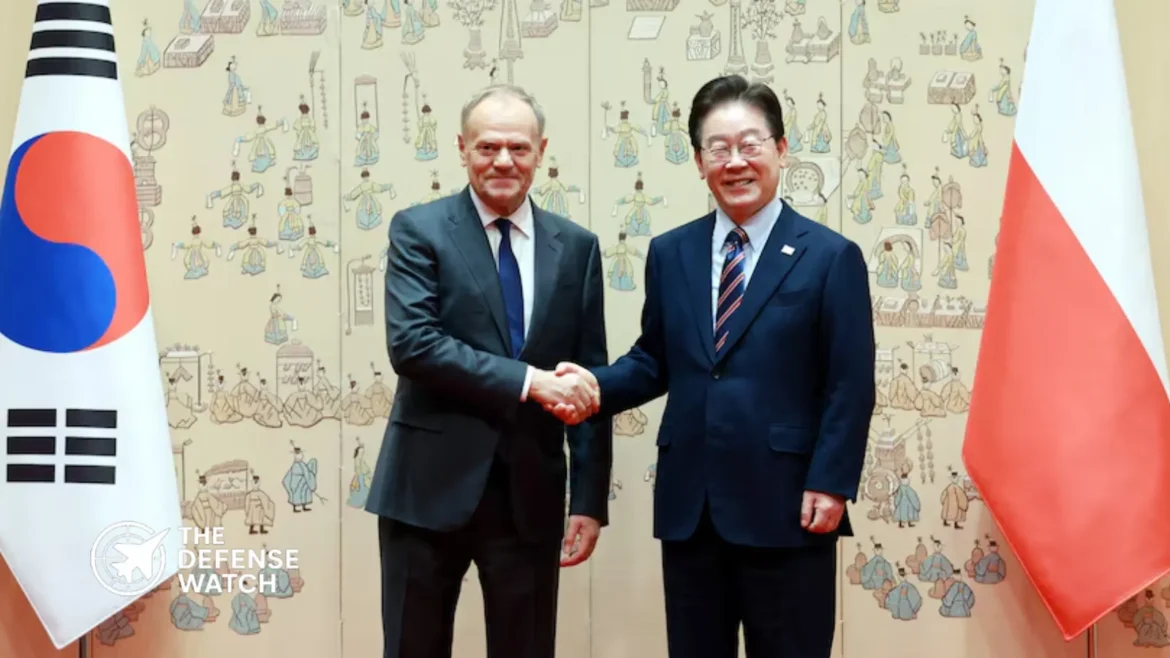
South Korea Poland Strategic Partnership Expands Defense Cooperation
The South Korea Poland strategic partnership marks a significant shift in European defense dynamics, as both nations move to formalize deeper military and industrial ties, according to reporting by Reuters.
South Korea and Poland have agreed to elevate their relationship to a comprehensive strategic partnership, a move that reflects years of rapidly expanding defense cooperation and large-scale arms deals. The upgrade comes as Warsaw accelerates military modernization in response to regional security pressures, particularly following Russia’s invasion of Ukraine.
This development positions South Korea as one of the most influential non-European defense suppliers supporting NATO’s eastern flank.
- South Korea and Poland agreed to upgrade bilateral ties to a comprehensive strategic partnership.
- The move reflects expanding defense cooperation and large-scale Korean arms exports to Poland.
- Poland has become a key European customer for South Korean tanks, howitzers, and fighter aircraft.
- The partnership aligns with NATO’s efforts to strengthen deterrence against Russia.
- The agreement signals Seoul’s growing role in global defense supply chains.
Defense Industry at the Core of Bilateral Ties
The South Korea Poland strategic partnership is anchored in defense procurement and industrial collaboration. Poland has emerged as a major buyer of South Korean military systems, including main battle tanks, self-propelled howitzers, and light combat aircraft.
These acquisitions are not limited to off-the-shelf purchases. A key feature of the relationship is technology transfer and localized production, allowing Poland to build and sustain military platforms domestically. This aligns with Warsaw’s long-term goal of strengthening its defense industrial base.
Reuters reports that the partnership upgrade reflects the scale and strategic importance of these agreements, which have already reshaped Europe’s defense procurement landscape.
From Seoul’s perspective, Poland serves as a gateway into the broader European defense market, offering both political alignment and industrial integration opportunities.
Strategic Context: NATO and Regional Security Pressures
The timing of the South Korea Poland strategic partnership is closely tied to evolving security dynamics in Europe. Poland has been one of NATO’s most proactive members in boosting defense spending and capabilities since 2022.
By partnering with South Korea, Warsaw gains access to rapidly deliverable, cost-effective military systems, addressing urgent capability gaps. Unlike some Western suppliers facing production bottlenecks, South Korean defense firms have demonstrated an ability to scale manufacturing quickly.
This has made South Korea an increasingly attractive partner for countries seeking to modernize their armed forces under tight timelines.
The partnership also reflects a broader NATO trend of diversifying supply chains and reducing reliance on traditional defense producers.
Expanding Scope Beyond Arms Deals
While defense remains central, the South Korea Poland strategic partnership is expected to extend into other areas, including:
- Joint training and military exercises
- Defense technology research and development
- Cybersecurity and emerging technologies
- Energy and infrastructure cooperation
This broader scope indicates a transition from transactional arms deals to a long-term strategic alignment.
Such partnerships are becoming more common as countries seek integrated approaches to security that combine military, technological, and economic elements.
Analysis: A Turning Point for Global Defense Supply Chains
The elevation of the South Korea Poland strategic partnership highlights a deeper transformation in global defense markets.
First, it underscores the rise of South Korea as a top-tier defense exporter, capable of competing with established Western suppliers. Its ability to deliver advanced systems بسرعة and at competitive costs has proven decisive for countries facing immediate security threats.
Second, it reflects Europe’s growing openness to non-traditional defense partners. As demand for military equipment surges, diversification has become both a strategic necessity and a practical solution.
Third, the partnership strengthens NATO’s overall deterrence posture. By accelerating Poland’s military modernization, it contributes directly to alliance readiness on its eastern flank.
However, this shift also introduces new dynamics. Increased reliance on external suppliers could raise questions about interoperability, long-term maintenance, and political alignment. Managing these factors will be critical as the partnership evolves.
Outlook
The South Korea Poland strategic partnership is likely to deepen further in the coming years, particularly as Poland continues to expand its armed forces and South Korea seeks to consolidate its presence in Europe.
If successfully implemented, the partnership could serve as a model for future defense cooperation between Asian and European powers, reshaping how military alliances and industrial partnerships are structured in a rapidly changing security environment.

NATO Pushes Industry To Become True Mission Partners As Alliance Rearmament Accelerates
NATO’s long-standing industry partnership model is under pressure to evolve. Writing for Defence Industry Europe, Brigadier-General (Ret’d) Michael Adamson — Director of Defence Strategy and Business Development at Telesat — argues that the traditional government-to-contractor procurement cycle is no longer adequate for the speed and scale of the alliance’s current defense requirements.
The argument carries weight. NATO member states are not simply increasing budgets. They are recalibrating the entire relationship between government and private industry, signaling that commercial entities willing to lead with innovation — rather than wait for formal requirement signals — will define the next generation of Western defense capability.
- NATO members are under growing pressure to raise defense spending from the established 2% of GDP guideline toward a new 5% target, a historically significant rearmament benchmark.
- Four years of war in Ukraine have accelerated European urgency around sovereign defense procurement and industrial self-reliance.
- NATO’s 2025 Rapid Adoption Action Plan formally calls on allies to accept acquisition risks in order to accelerate innovation, fast-fail cycles, and operational deployment speed.
- The commercial space sector — led by consortia including Airbus, Thales Alenia, and OHB SE — is cited as a model for cross-national public-private defense integration.
- Industry leaders who position themselves as mission partners rather than traditional contractors stand to capture a significant share of an unprecedented NATO rearmament cycle.
The Big Picture: A Rearmament Moment Unlike Any Since the Cold War
NATO’s collective defense posture has shifted more sharply in the past three years than at any point since the alliance’s founding period. The sustained conflict in Ukraine — now entering its fourth year — has exposed critical gaps in ammunition stockpiles, air defense depth, and the industrial base needed to sustain high-intensity warfare over time.
Simultaneously, pressure from Washington has intensified calls for European members to carry more of the alliance’s financial burden. The baseline 2% of GDP defense spending guideline, long treated as aspirational by many member states, is now considered a floor rather than a ceiling. Several senior NATO officials and heads of government have publicly discussed a 3% to 5% target range as the new benchmark for credible deterrence.
That shift is not merely rhetorical. According to NATO data, defense expenditure across the alliance has risen steadily since 2022, with European members posting the largest year-on-year increases in the alliance’s history. The political conditions for sustained, large-scale defense investment are now in place across most of the European continent.
What’s Happening: A New Procurement Paradigm Takes Shape
Brigadier-General Adamson, writing in his capacity at Telesat, outlines a fundamental shift in how NATO governments are approaching industrial procurement. Rather than issuing formal requirements and waiting for commercial responses, member states are now encouraging proactive ideation and collaborative innovation from the private sector.
Two primary drivers are pushing this change. First, four years of war in Ukraine have created urgency among European nations to strengthen preparedness against potential conflict escalation. Second, NATO members face mounting pressure to not only sustain the 2% of GDP defense spending guideline but to push toward 5% as they assume greater responsibility for their own national security.
The shift is also economically significant. As countries commit to greater defense investment, they want to direct as much spending as possible toward domestic industry — supporting sovereign capability, benefiting taxpayers, and creating local employment.
This is not a minor procedural adjustment. It represents a structural reordering of how Western governments fund, procure, and deploy defense capability. The implications extend well beyond Europe.
Why It Matters: The End of Wait-and-Respond Contracting
The traditional defense acquisition cycle follows a defined sequence: government identifies a need, publishes a requirement, industry competes, a contract is awarded, and development proceeds. That model works reasonably well in stable, low-tempo environments. It fails under the conditions NATO currently faces.
NATO’s 2025 Rapid Adoption Action Plan directly addresses this constraint. The plan states that allies recognize some acquisition and procedural risks must be accepted as inherent parts of innovation and rapid adoption processes — to iterate quickly, fail fast, and reward agility and flexibility.
That language is significant. It constitutes a formal policy endorsement for accepting commercial risk tolerance as a feature rather than a liability in defense procurement. For industry, it removes a long-standing barrier to early-stage investment in defense-relevant R&D.
The practical effect is that companies willing to develop capabilities ahead of formal government requirements — and absorb the associated commercial risk — now have a policy framework that validates that approach. The winners in the next procurement cycle are likely to be those who read the strategic environment accurately and invested early.
Strategic Implications: Sovereignty, Speed, and the Industrial Base
The emphasis on sovereign capability is one of the most consequential threads in this shift. Many NATO member countries are moving away from traditional procurement sources and toward capabilities available within their own borders or from nearby European nations that make up the majority of NATO membership.
This has direct implications for U.S. defense contractors. American firms have historically dominated European defense procurement in several key categories, including advanced fighter aircraft, missile defense systems, and strategic communications infrastructure. The new European preference for sovereign or allied-European sourcing could reduce the total addressable market for U.S. primes on the continent, even as overall spending rises.
At the same time, it creates an opening for European defense companies — particularly those capable of cross-national consortia — to scale rapidly and claim a larger share of an expanding pie. The strategic logic favors companies that can credibly offer sovereignty, operational integration, and speed to deployment over those relying primarily on cost or historical relationships.
Space as the Model: Commercial Integration Already Working
The space sector provides the clearest existing model for what the new NATO-industry partnership can look like. The high cost and complexity of space development has led a growing number of governments to leverage commercial space capabilities for military operations, with national governments increasingly choosing to buy commercial innovation and redirect budget toward mission operations rather than building their own systems from scratch.
Cross-national consortia — exemplified by companies including Airbus, Thales Alenia Space, and OHB SE — demonstrate that a collaborative model with close allies can successfully meet defense needs across multiple NATO member states.
The satellite communications sector offers a concrete illustration. Commercial operators now provide significant portions of the bandwidth used by NATO militaries for tactical and operational communications. In Ukraine, commercial satellite networks — most visibly Starlink — have shaped the battlefield in ways that no government-owned system could have delivered at the required speed or scale. That operational proof of concept has not been lost on NATO planners.
The broader lesson: commercial agility and scale can deliver defense effects that traditional acquisition timelines cannot. The question for other sectors — ground mobility, unmanned systems, electronic warfare, logistics — is whether the same model can be replicated at speed.
Competitor View: How Moscow and Beijing Are Reading the Signal
Russia will likely interpret accelerated NATO-industry integration as confirmation of what its military planners have long assessed: that the alliance’s industrial base, when fully activated, produces a qualitative and quantitative overmatch that Russia cannot sustain in a prolonged conflict. The urgency of the current rearmament cycle may reinforce existing Russian incentives to seek negotiated outcomes before that industrial gap widens further.
China’s strategic calculus is different. Beijing has observed the West’s commercial-military integration challenges closely — particularly the lag between identifying a capability gap and fielding a solution. The new NATO emphasis on faster adoption cycles and mission-focused industry partnerships directly addresses that vulnerability. Chinese defense planners, who have long exploited procurement speed asymmetries, will note that the gap is narrowing.
Iran and other regional actors that have studied Western acquisition timelines as an operational planning factor will similarly need to reassess assumptions about how quickly NATO members can field new capabilities in a crisis.
Capability Gap: What This Partnership Model Aims to Fix
The fundamental gap NATO is attempting to close is not technological — it is temporal. Western democracies have consistently demonstrated the ability to develop advanced defense systems. The persistent failure has been speed: from requirement identification to fielded capability, timelines routinely stretch a decade or more.
The ambiguity that currently exists around exactly what capabilities are needed or even possible is itself part of the new dynamic. NATO members are seeking collaborative partnership with the private sector, urging proactive ideation and innovation to maintain operational advantage — with the implicit understanding that need is real, money will be spent, and innovation investment will pay off.
That implicit assurance from governments carries real risk for industry. Unlike a firm contract, it represents a conditional commitment — dependent on political continuity, budget execution, and program survival through internal government review. Companies investing ahead of formal requirements are, in effect, placing a bet on NATO’s institutional resolve. Given the current threat environment, that bet appears well-supported — but it is not without exposure.
Realistic limitations remain. Procurement bureaucracies do not transform overnight. The same member states urging industry to lean forward continue to operate acquisition systems that impose lengthy validation, testing, and approval requirements. Bridging the gap between policy intent and procedural reality will require sustained institutional reform, not just a change in tone.
What To Watch Next
Several near-term indicators will reveal whether this partnership model is gaining real traction or remains aspirational. Watch for:
NATO’s June 2026 summit communiqué language on industry integration and spending targets — any formal endorsement of the 5% GDP figure will accelerate national budget decisions.
Announcements from major European defense companies regarding unsolicited capability proposals submitted directly to NATO commands or national ministries — a sign that industry has internalized the new proactive model.
Progress on the EU’s Defence Industrial Strategy and the European Defence Fund, which are providing the financial architecture for the sovereign capability push described by Adamson.
U.S. congressional and Pentagon responses to European sourcing preferences — particularly whether American firms move to establish European production partnerships to remain competitive under the new procurement logic.
The Bottom Line
NATO’s rearmament moment is real, the money is moving, and the alliance is explicitly inviting industry to lead — companies that act as mission partners now rather than waiting for formal contracts will define the next decade of Western defense capability.
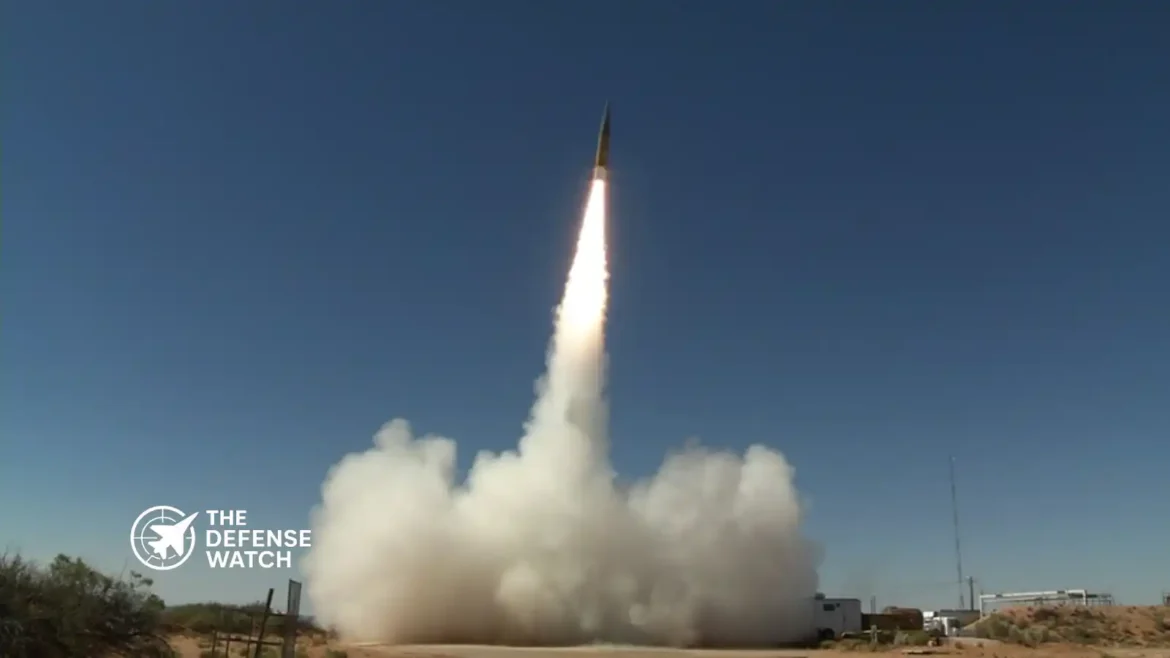
Spain Hypersonic Weapons Development Gains Strategic Priority
Spain hypersonic weapons development has emerged as a central pillar of Madrid’s new defense innovation strategy, signaling a shift toward advanced strike capabilities and greater technological autonomy. The initiative reflects growing urgency within Europe to address emerging threats from near-peer adversaries equipped with next-generation weapons systems.
- Spain has prioritized hypersonic weapons development in its new national defense innovation strategy.
- The effort focuses on high-speed, maneuverable strike systems capable of penetrating advanced air defenses.
- The move aligns with broader NATO concerns over Russian and Chinese hypersonic advancements.
- Development will be driven through national R&D programs and collaboration with European partners.
- Spain aims to reduce reliance on external suppliers and strengthen sovereign defense capabilities.
The Spanish government’s updated framework emphasizes investment in disruptive technologies, with hypersonic systems identified as a critical area for research, development, and eventual operational deployment.
The Big Picture
European defense planners are accelerating efforts to close capability gaps in high-end warfare domains. Hypersonic weapons, defined by speeds exceeding Mach 5 and the ability to maneuver unpredictably, are reshaping deterrence dynamics.
Russia has already fielded operational hypersonic systems such as the Kinzhal and Zircon, while China continues to expand its arsenal. NATO, by contrast, remains in earlier stages of development and integration.
Spain’s decision to prioritize hypersonic weapons development reflects a broader European push to keep pace with these advancements. It also aligns with NATO’s emphasis on high-speed strike, missile defense integration, and resilience against advanced threats.
What’s Happening
Spain has formally incorporated hypersonic weapons development into its national defense innovation strategy. The initiative focuses on advancing indigenous capabilities through research programs, industrial partnerships, and collaboration within the European defense ecosystem.
The strategy identifies hypersonic systems as a key technology area alongside artificial intelligence, cyber capabilities, and advanced sensors.
Spanish defense institutions and industry are expected to play a central role in developing these systems, with potential coordination through European Union defense initiatives such as the European Defence Fund.
The effort remains in the early stages, with no confirmed operational system or deployment timeline publicly disclosed.
Why It Matters
Hypersonic weapons introduce a new level of operational complexity for missile defense systems. Their speed and maneuverability reduce warning times and complicate interception, making them a high-value capability in both conventional and strategic scenarios.
Spain hypersonic weapons development supports several key objectives:
Strengthening NATO’s collective deterrence posture
Enhancing Spain’s ability to contribute to high-end coalition operations
Reducing dependence on non-European defense suppliers
Advancing domestic aerospace and defense industries
The move also reflects a recognition that future conflicts will likely involve contested air and missile environments where traditional systems may face limitations.
Strategic Implications
Spain’s investment in hypersonic technologies reinforces Europe’s gradual shift toward strategic autonomy in defense. By developing indigenous capabilities, Madrid reduces reliance on external partners while contributing to a more balanced transatlantic defense relationship.
The initiative could also support interoperability within NATO by enabling Spain to integrate advanced strike capabilities into alliance operations.
At a regional level, Spain’s move may encourage other European nations to accelerate similar programs, strengthening collective capabilities but also increasing competition within the defense industrial base.
Competitor View
Russia is likely to view European hypersonic development as a delayed but expected response to its own deployments. Moscow has emphasized hypersonic weapons as a key component of its deterrence strategy, particularly against NATO missile defenses.
China may interpret Spain’s move as part of a broader Western effort to close the technological gap in high-speed weapons systems. Beijing has invested heavily in hypersonic glide vehicles and testing infrastructure, positioning itself as a global leader in the field.
Regional actors in the Middle East and North Africa could also monitor these developments closely, particularly as European defense capabilities evolve.
What To Watch Next
Spain’s hypersonic weapons development will likely progress through several key phases:
Initial research and concept validation
Prototype development and testing
Integration with existing platforms and command systems
Potential participation in multinational European programs
Observers should watch for announcements related to funding allocations, industrial partnerships, and test milestones.
Collaboration with other European nations will be a critical factor in determining the pace and scale of progress.
Capability Gap
Spain’s initiative addresses a clear capability gap within NATO’s European members. While the alliance maintains advanced air and missile defense systems, it lacks a fully operational, widely deployed hypersonic strike capability.
However, significant challenges remain:
High development costs and technical complexity
Limited testing infrastructure within Europe
Integration challenges with existing military systems
Uncertain timelines for operational deployment
These factors may slow progress, particularly compared to more mature programs in Russia and China.
The Bottom Line
Spain hypersonic weapons development marks a strategic step toward closing Europe’s high-speed strike capability gap and strengthening NATO’s long-term deterrence posture.
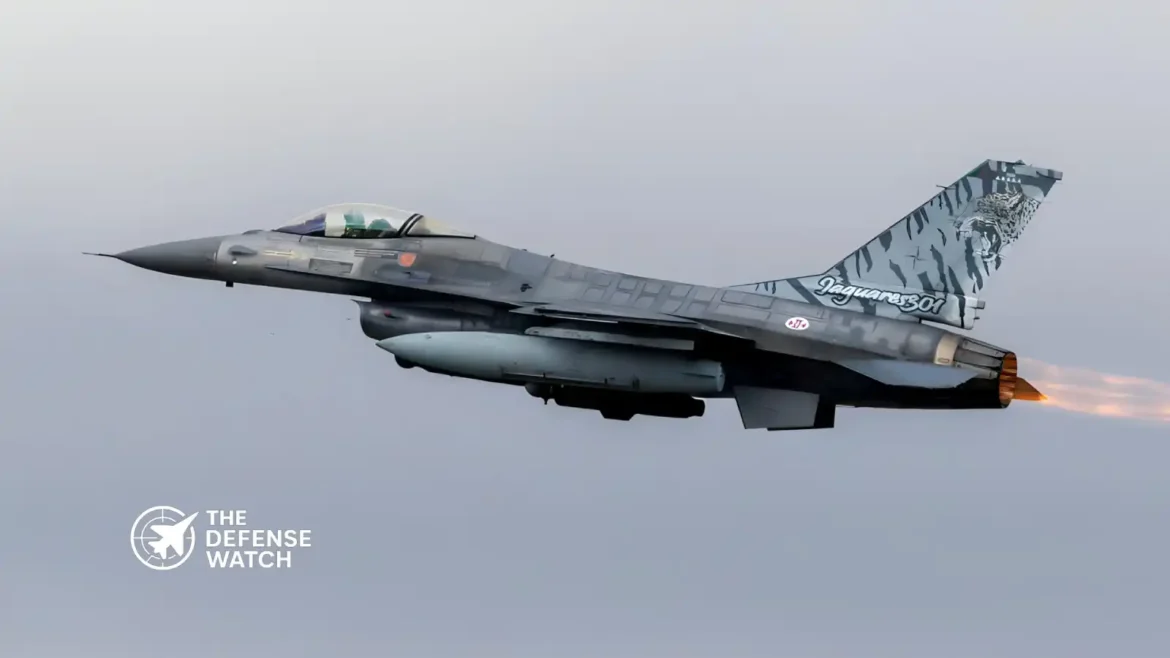
Portuguese F-16 Baltic Mission Expands NATO Air Defense Coverage
The Portuguese F-16 Baltic mission has officially begun, with Portugal deploying fighter aircraft to take over NATO’s Baltic Air Policing role, ensuring continuous protection of allied airspace along the alliance’s northeastern flank.
Portugal’s contribution reflects NATO’s ongoing rotational model, where member states provide air policing capabilities to Estonia, Latvia, and Lithuania, countries without their own fighter fleets.
- Portuguese Air Force F-16s assume NATO Baltic Air Policing duties.
- Deployment includes fighter aircraft, personnel, and support infrastructure.
- Mission reinforces NATO’s deterrence posture against Russian air activity.
- Rotation-based deployment ensures continuous airspace security over Baltic states.
- Highlights growing operational burden-sharing among NATO allies.
The Big Picture
NATO’s Baltic Air Policing mission remains a cornerstone of alliance deterrence in Eastern Europe. Since its launch in 2004, the mission has expanded in both scale and urgency, particularly after Russia’s actions in Ukraine and increased military activity near NATO borders.
The alliance relies on rotational deployments to maintain a persistent presence in the Baltic region. This approach distributes operational responsibilities across member states while signaling collective defense commitments under Article 5.
Portugal’s latest deployment underscores how smaller NATO members continue to play a meaningful role in high-priority missions traditionally dominated by larger air forces.
What’s Happening
Portugal has deployed a detachment of F-16 fighter jets, along with pilots, ground crews, and support personnel, to assume responsibility for Baltic Air Policing.
The aircraft are tasked with:
- Monitoring Baltic airspace
- Conducting quick reaction alert (QRA) missions
- Intercepting unidentified or non-compliant aircraft
The deployment follows a scheduled rotation, replacing another NATO contingent. These rotations typically last several months and operate from forward bases in the Baltic region.
The mission operates under NATO command and integrates seamlessly with allied air defense networks, including radar and command-and-control systems.
Why It Matters
The Portuguese F-16 Baltic mission directly contributes to NATO’s ability to maintain uninterrupted air sovereignty over vulnerable member states.
The Baltic region lacks indigenous fighter aircraft, making external support essential. Without these deployments, NATO would face a significant surveillance and interception gap along a sensitive frontier.
Portugal’s participation demonstrates several key trends:
- Increased operational tempo for NATO air forces
- Broader participation from smaller allies
- Sustained emphasis on air policing as a deterrence tool
F-16 platforms remain highly relevant in this role due to their reliability, interoperability, and proven air-to-air capabilities.
Strategic Implications
Portugal’s deployment strengthens NATO’s layered deterrence posture in Northern and Eastern Europe.
The mission provides:
- Immediate response capability against airspace violations
- Visible military presence near Russia’s western border
- Integration with broader NATO air and missile defense architecture
Persistent air policing also reduces escalation risks. By intercepting and identifying aircraft early, NATO minimizes ambiguity and avoids miscalculation.
This deployment reinforces alliance cohesion. It shows that collective defense responsibilities are shared, not concentrated among a few major powers.
Competitor View
Russia closely monitors NATO air policing operations in the Baltic region. Moscow has historically criticized these deployments, framing them as provocative.
However, NATO maintains that the mission is defensive and transparent. Aircraft involved in Baltic Air Policing operate under strict rules of engagement and do not conduct offensive operations.
From a strategic standpoint, Russia likely views Portugal’s participation as part of a broader pattern of NATO normalization of forward presence. The consistent rotation of allied aircraft signals long-term commitment rather than temporary surge activity.
What To Watch Next
Future rotations will continue to test NATO’s ability to sustain high readiness across multiple theaters.
Key developments to monitor include:
- Integration of newer platforms such as fifth-generation fighters
- Expansion of air policing into enhanced air defense roles
- Increased coordination with ground-based air defense systems
NATO may also adapt the mission as regional threats evolve, potentially incorporating more advanced surveillance and electronic warfare capabilities.
Capability Gap
The Portuguese F-16 Baltic mission addresses a critical gap in sovereign air defense for the Baltic states.
Without this mission:
- Estonia, Latvia, and Lithuania would lack interception capability
- NATO response times would increase significantly
- Airspace monitoring would rely heavily on distant assets
However, limitations remain. F-16s provide strong air policing capability but are not a substitute for a fully layered air defense system that includes long-range missile defense and integrated sensors.
The mission ensures immediate coverage but does not eliminate the region’s reliance on allied support.
The Bottom Line
Portugal’s F-16 deployment reinforces NATO’s ability to maintain continuous, credible air defense in the Baltic region while strengthening alliance burden-sharing and deterrence.


Swedish Ammunition Plant Estonia Signals Major Capacity Expansion
The Swedish ammunition plant Estonia initiative marks a significant step in expanding Europe’s defense industrial base, with a major new facility planned to boost production of critical munitions for NATO forces.
The project, led by Swedish defense manufacturer Saab, reflects sustained demand for ammunition across Europe and highlights a broader shift toward localized production within NATO’s eastern flank.
- Swedish defense firm plans a major ammunition plant in Estonia to expand production capacity.
- Facility will focus on large-caliber ammunition critical for NATO ground forces.
- Project supports Europe’s push to reduce reliance on external munitions supply chains.
- Construction timeline and investment scale align with long-term defense demand growth.
- Estonia strengthens its role as a frontline NATO logistics and defense hub.
The Big Picture
European defense planners are accelerating efforts to rebuild ammunition stockpiles after years of underinvestment and high consumption rates driven by the war in Ukraine.
NATO countries have faced persistent shortages of artillery shells and other munitions, exposing structural weaknesses in production capacity. Governments across Europe have since prioritized industrial expansion to ensure long-term readiness.
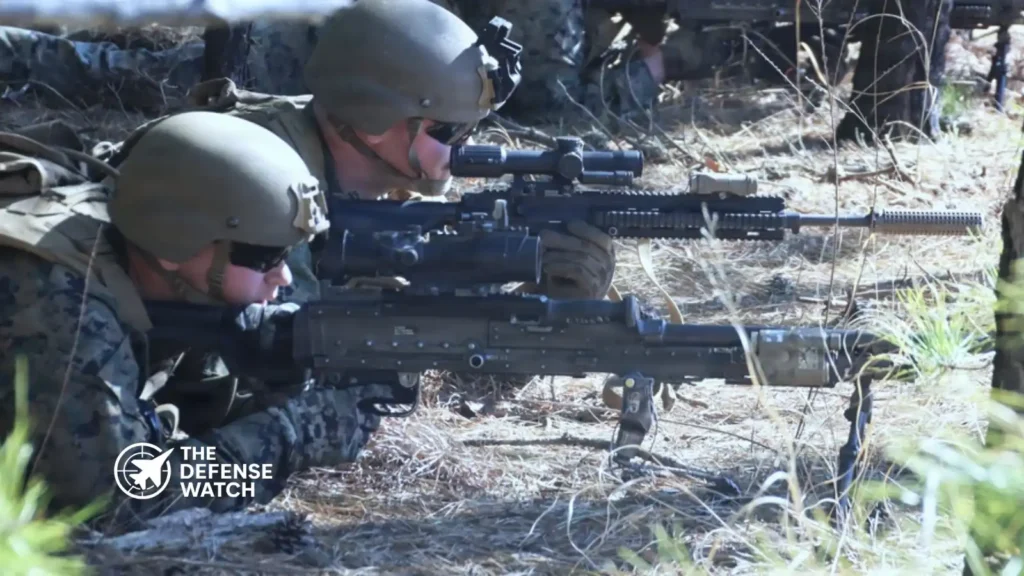
The Swedish ammunition plant Estonia project fits directly into this strategy. By positioning manufacturing closer to NATO’s eastern front, the alliance improves both supply resilience and operational responsiveness.
What’s Happening
Saab confirmed plans to establish a large-scale ammunition production facility in Estonia, focusing on producing munitions used by modern land forces.
The plant will manufacture large-caliber ammunition, a category that includes artillery shells widely used in high-intensity conflict scenarios.
Estonia’s government is supporting the project as part of its broader defense industrial strategy. The facility is expected to strengthen domestic capabilities while contributing to NATO-wide supply chains.
While exact production volumes and timelines have not been fully disclosed, the initiative reflects long-term planning aligned with sustained European demand.
Why It Matters
The Swedish ammunition plant Estonia project addresses a critical bottleneck in NATO’s defense posture: ammunition availability.
Modern warfare, particularly in Ukraine, has demonstrated that high-intensity conflicts consume vast quantities of artillery rounds. Western stockpiles have struggled to keep pace with this demand.
By expanding production capacity within Europe, Saab’s new facility helps reduce dependence on external suppliers and mitigates risks tied to global supply disruptions.
The move also supports interoperability across NATO forces by ensuring consistent access to standardized munitions.
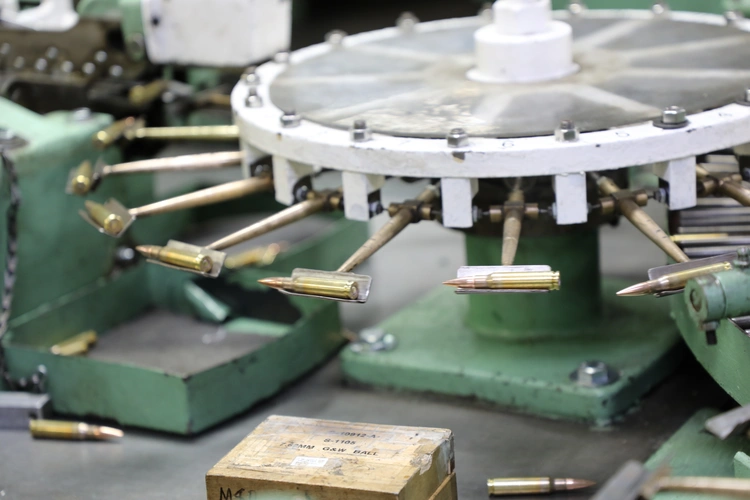
Strategic Implications
The decision to build the plant in Estonia carries clear strategic weight.
Estonia sits on NATO’s eastern flank, bordering Russia. Locating production there shortens supply lines to potential operational theaters and enhances logistical efficiency.
The facility also strengthens deterrence by signaling long-term industrial commitment to regional defense. It reinforces NATO’s ability to sustain prolonged operations if required.
From an industrial perspective, the project contributes to a more distributed manufacturing network, reducing the vulnerability of centralized production hubs.
Competitor View
Russia is likely to interpret the Swedish ammunition plant Estonia initiative as part of NATO’s broader effort to reinforce its eastern defenses.
Moscow has consistently criticized NATO’s military buildup near its borders. Increased ammunition production capacity in Estonia may be viewed as a step toward sustained operational readiness in the region.
At the same time, the move aligns with NATO’s defensive posture and reflects lessons learned from ongoing conflicts rather than signaling immediate escalation.
What To Watch Next
Construction timelines and production milestones will be key indicators of how quickly the Swedish ammunition plant Estonia becomes operational.
Observers should watch for:
New contracts tied to the facility’s output
Integration into NATO procurement frameworks
Expansion of similar projects across Europe
Government funding commitments for sustained production
Future announcements may also clarify production capacity and the range of munitions manufactured at the site.
Capability Gap
The Swedish ammunition plant Estonia aims to close a critical gap in artillery ammunition supply across NATO.
European forces have struggled to maintain adequate stockpiles for high-intensity operations. Existing production lines have proven insufficient for sustained conflict scenarios.
However, scaling up production takes time. Even with new facilities, workforce development, raw material sourcing, and industrial coordination remain limiting factors.
The plant improves long-term capacity but does not provide an immediate solution to short-term shortages.
The Bottom Line
The Swedish ammunition plant Estonia represents a strategic investment in NATO’s long-term readiness, strengthening Europe’s ability to sustain high-intensity warfare.
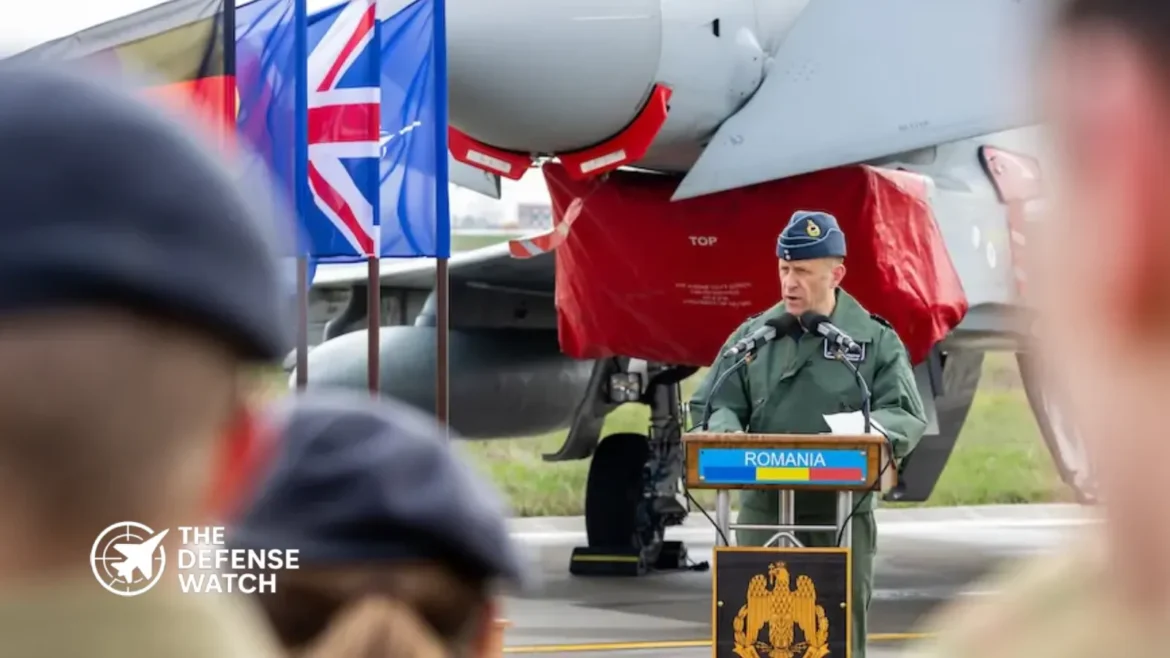
- The Royal Air Force has taken over NATO’s enhanced Air Policing mission in Romania.
- RAF Typhoon fighter jets are deployed to secure NATO airspace along the eastern flank.
- The mission operates from Mihail Kogălniceanu Air Base near the Black Sea.
- The deployment aims to deter potential airspace violations and reassure NATO allies.
- The rotation underscores NATO’s sustained focus on eastern Europe amid ongoing regional tensions.
RAF NATO Air Policing Romania Mission Strengthens Eastern Flank Defense
The RAF NATO air policing Romania mission has officially transitioned to the United Kingdom, reinforcing NATO’s eastern flank as alliance members continue to respond to heightened security pressures near the Black Sea.
The deployment, led by the Royal Air Force, involves advanced Eurofighter Typhoon jets operating under NATO command to secure Romanian airspace and deter potential incursions.
Operating from Mihail Kogălniceanu Air Base, the RAF contingent replaces previous allied rotations as part of NATO’s enhanced Air Policing framework. The mission ensures rapid response capability to unidentified or non-compliant aircraft approaching alliance airspace.
Strategic Context: NATO’s Eastern Flank Under Pressure
The RAF NATO air policing Romania mission reflects a broader strategic shift by NATO to maintain persistent air defense coverage along its eastern perimeter.
Since Russia’s invasion of Ukraine in 2022, NATO has significantly expanded its forward presence across Eastern Europe. Romania, located on the Black Sea and bordering Ukraine, has emerged as a critical node in the alliance’s defensive architecture.
Air policing missions, while not new, have taken on increased operational importance. These deployments now serve not only as deterrence but also as a visible signal of alliance unity and readiness.
From an operational standpoint, RAF Typhoons provide quick reaction alert capabilities, meaning aircraft can be scrambled within minutes to intercept potential threats. This includes unidentified aircraft, military probes, or civilian planes deviating from flight plans.
RAF Typhoon Capability and Mission Role
The RAF NATO air policing Romania mission leverages the Typhoon’s multirole capabilities, particularly its air superiority and interception strengths.
Equipped with advanced radar systems and beyond-visual-range missiles, the Typhoon is optimized for quick interception missions. Its ability to operate in contested environments makes it suitable for NATO’s current threat landscape.
In Romania, the aircraft operate under strict NATO rules of engagement. Missions typically include:
- Airspace surveillance and patrol
- Identification of unknown aircraft
- Interception and escort operations
- Coordination with Romanian and NATO air defense networks
This layered approach ensures that NATO maintains a continuous and credible air defense posture in the region.
Operational Impact on Regional Security
The RAF NATO air policing Romania mission contributes directly to regional stability, particularly in the Black Sea area, where air and naval activity has increased in recent years.
Romania’s geographic position places it at the intersection of several strategic concerns, including proximity to Crimea and key maritime routes. As a result, maintaining secure and monitored airspace is critical.
From a deterrence perspective, the presence of RAF fighters complicates any adversary’s operational planning. It raises the cost and risk of airspace violations while ensuring rapid NATO response.
At the same time, these missions provide reassurance to frontline NATO states. For countries like Romania, visible allied deployments reinforce collective defense commitments under Article 5.
Alliance Integration and Interoperability
Another key dimension of the RAF NATO air policing Romania mission is interoperability. RAF personnel work closely with Romanian forces and other NATO allies to ensure seamless coordination.
This includes joint training, shared command structures, and integrated air defense systems. Such cooperation enhances overall readiness and reduces response times during real-world incidents.
Rotational deployments also allow NATO members to distribute operational burden while maintaining a continuous presence. The UK’s participation highlights its ongoing commitment to European security despite evolving geopolitical dynamics.
Analysis: A Persistent Mission With Growing Importance
While air policing missions have long been part of NATO’s toolkit, their role has evolved significantly. The RAF NATO air policing Romania mission is no longer a routine rotation but a frontline deterrence measure.
Three key trends stand out:
First, frequency and scale have increased. NATO is sustaining more continuous deployments across multiple eastern locations, including the Baltic states and southeastern Europe.
Second, missions are becoming more integrated with broader defense strategies. Air policing is now linked with ground forces, missile defense systems, and intelligence networks.
Third, the geopolitical signaling value has grown. Deployments like this send a clear message to both allies and adversaries about NATO’s readiness to defend its airspace.
In this context, the RAF’s role in Romania is part of a larger pattern of sustained vigilance rather than a temporary response.
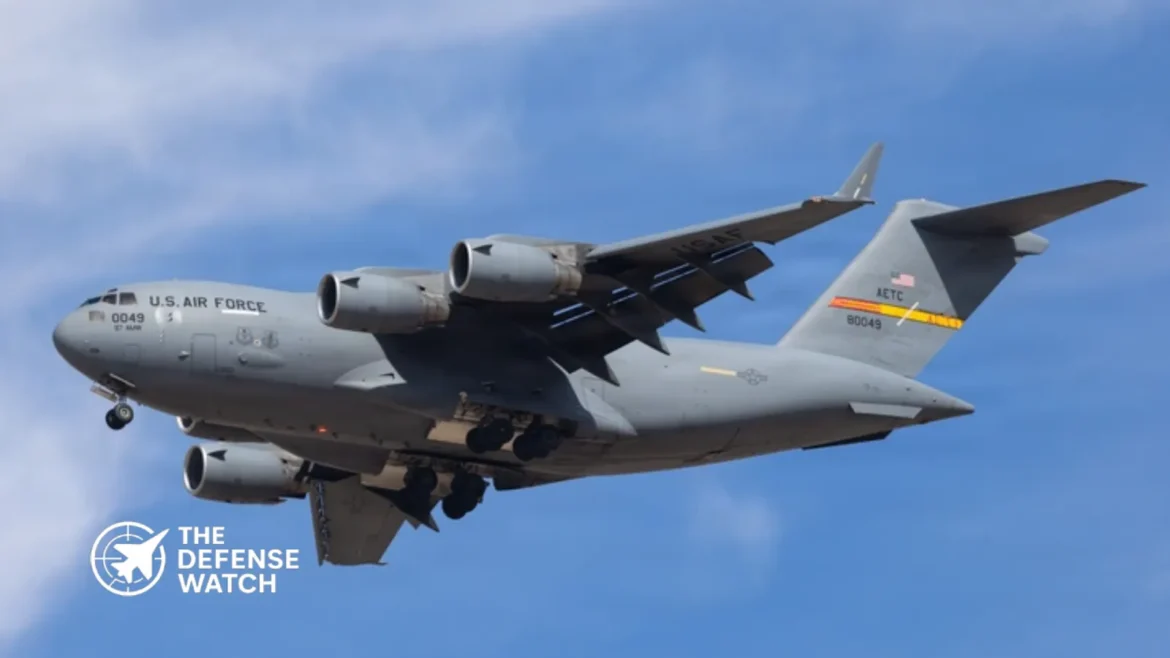
- Italy has denied stopovers for some US military aircraft transiting through Sicily toward the Middle East.
- The decision affects operations at Naval Air Station Sigonella, a key NATO logistics hub.
- The move reflects political sensitivity over escalating Middle East military activity.
- US airlift and refueling routes may require adjustments or alternative basing options.
- The development signals friction within allied coordination despite ongoing NATO commitments.
Italy US Military Aircraft Stopover Restrictions Highlight Operational Friction
Italy US military aircraft stopover restrictions are reshaping air mobility planning as Rome declines to support certain US flights transiting through Sicily en route to the Middle East. The decision affects operations at Naval Air Station Sigonella, a critical hub for US and NATO logistics in the Mediterranean.
The Big Picture
US military air mobility depends on a network of allied bases across Europe to sustain operations in the Middle East. Italy plays a central role in that network, particularly through Sigonella, which supports surveillance aircraft, tankers, and strategic airlift platforms.
Rising tensions and sustained US air operations in the Middle East have increased the tempo of flights passing through Southern Europe. This places political and operational pressure on host nations that must balance alliance commitments with domestic and regional concerns.
Italy’s decision reflects a broader trend where European allies exercise tighter control over how their territory supports expeditionary military operations.
What’s Happening
Italian authorities recently denied permission for certain US military aircraft to stop over in Sicily while en route to the Middle East. The restriction specifically impacts flights that would typically use Sigonella for refueling, crew rest, or logistical staging.
The move does not represent a full closure of the base to US forces. Instead, it introduces case by case limitations tied to mission type and political considerations.
US officials continue to operate from Sigonella, but the denial of select stopovers forces planners to reroute or adjust flight profiles.
Defense News first reported the development, citing officials familiar with the situation.
Why It Matters
Air mobility underpins US global military reach. Even limited restrictions at key nodes can disrupt efficiency, increase flight times, and strain tanker support.
Sigonella serves as a forward logistics platform for intelligence, surveillance, reconnaissance missions, as well as transport aircraft supporting operations across the Middle East and North Africa.
Restricting stopovers creates friction in an already complex air bridge. Aircraft may need to divert to alternative bases in Spain, Greece, or other NATO locations, adding operational cost and reducing responsiveness.
The decision also highlights how political considerations can directly affect military logistics, even among close allies.
Strategic Implications
Italy’s move introduces uncertainty into NATO’s southern logistics corridor. While the alliance remains cohesive, operational flexibility depends on predictable access to infrastructure.
Reduced access to Sigonella could slow surge operations or complicate sustained air campaigns. It also places greater reliance on fewer alternative bases, which may face capacity constraints.
From a deterrence perspective, any perceived friction in allied coordination could be noted by adversaries. However, the limited scope of the restriction suggests Italy aims to signal political caution without undermining NATO commitments.
The development underscores the importance of distributed basing strategies. The US has increasingly emphasized flexible basing and dispersed logistics to mitigate such risks.
Competitor View
Russia and Iran are likely to interpret the restrictions as evidence of political sensitivity within NATO regarding Middle East operations.
Moscow has long highlighted divisions within Western alliances. Even limited constraints on US operations can reinforce that narrative.
Tehran may view the decision as a sign that sustained US air campaigns carry political costs for regional partners. This could factor into its assessment of US operational endurance.
China, while less directly involved in the region, continues to study alliance cohesion as part of its broader strategic analysis.
What To Watch Next
US planners will likely adjust routing for aircraft supporting Middle East operations. Increased use of alternative bases in Southern Europe is expected.
Diplomatic engagement between Washington and Rome may clarify the scope of restrictions. Future decisions will indicate whether this is a temporary measure or part of a longer term policy shift.
Monitoring flight patterns and tanker deployments will provide insight into how the US adapts its air mobility network.
Any expansion of restrictions to other NATO bases would signal a broader shift in alliance dynamics.
Capability Gap
The Italy US military aircraft stopover issue highlights a vulnerability in reliance on fixed allied infrastructure.
US forces depend heavily on predictable access to overseas bases. When access becomes conditional, operational tempo and flexibility can suffer.
The situation reinforces the need for greater investment in long range airlift, aerial refueling capacity, and expeditionary basing concepts.
However, alternatives are not without limits. Longer routes increase fuel consumption and reduce payload efficiency. Dispersed basing requires additional logistical coordination and infrastructure investment.
The Bottom Line
Italy’s restriction on US military aircraft stopovers introduces operational friction in a critical logistics corridor, underscoring the strategic importance of allied access in sustaining global air operations.