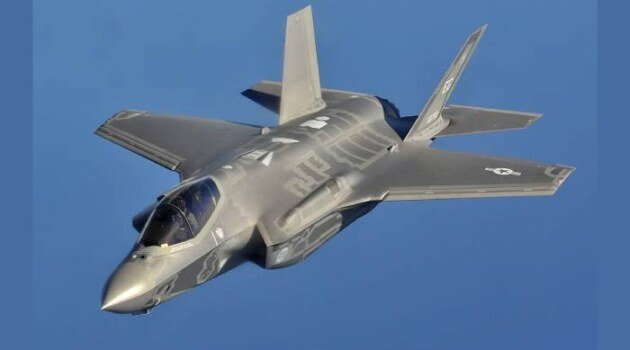
- Finland is preparing to receive its first F-35A fighters as part of a 64-aircraft procurement program.
- The Finnish Air Force is upgrading bases, training personnel, and integrating new logistics systems.
- The program strengthens NATO’s northern flank and enhances regional deterrence against Russia.
- Initial deliveries are expected later this decade, with full operational capability planned in the 2030s.
- The F-35 will replace Finland’s legacy F/A-18 Hornet fleet and redefine its air combat doctrine.
Finland F-35 Fighters Arrival Marks Critical Transition Phase
Finland F-35 fighters arrival is entering a decisive phase as the Finnish Air Force accelerates preparations to integrate its first fifth-generation aircraft, marking a major shift in Nordic airpower and NATO interoperability.
The Big Picture
Finland’s transition to the F-35A comes amid a broader transformation of NATO’s northern defenses following Helsinki’s accession to the alliance in 2023.
Northern Europe has become a focal point for deterrence planning. Russia’s military posture along its western borders and in the Arctic continues to drive modernization efforts among Nordic states. Finland’s decision to procure 64 F-35A fighters aligns it with other regional operators, including Norway and Denmark, creating a more integrated fifth-generation ecosystem.
The move also reflects a wider U.S.-led push to standardize allied airpower capabilities around the F-35 platform, enabling shared logistics, data fusion, and joint operations.
What’s Happening
The Finnish Air Force is preparing infrastructure, personnel, and operational concepts ahead of the Finland F-35 fighters arrival, according to official updates from the Finnish Defence Forces.
Finland selected the F-35A in 2021 under its HX Fighter Program to replace its aging F/A-18 Hornet fleet. The country plans to acquire 64 aircraft, with deliveries expected to begin in the coming years and continue into the early 2030s.
Preparations include:
- Upgrading air bases to support F-35 operations, including hardened shelters and secure data systems
- Training pilots and maintenance crews, both domestically and in the United States
- Establishing new logistics and sustainment frameworks tailored to the F-35’s requirements
- Integrating advanced mission planning and data-sharing systems
The Finnish Defence Forces emphasize that the transition involves not only new aircraft but also a complete overhaul of operational concepts.
Why It Matters
The Finland F-35 fighters arrival represents a generational leap in capability for the Finnish Air Force.
The F-35A provides stealth, advanced sensors, and data fusion capabilities that significantly enhance situational awareness and survivability. These features allow Finland to detect, track, and engage threats at longer ranges while operating in contested environments.

Replacing the F/A-18 Hornet with the F-35 also shifts Finland’s air doctrine from traditional air defense toward network-centric warfare. The aircraft acts as both a sensor and a shooter, enabling distributed operations across multiple domains.
From a policy perspective, the acquisition reinforces Finland’s integration into NATO’s command structure and strengthens interoperability with U.S. and allied forces.
Strategic Implications
Finland’s adoption of the F-35 strengthens NATO’s deterrence posture along its northeastern flank.
The aircraft’s ability to operate in highly contested environments improves NATO’s capacity to monitor and respond to activity in the Baltic Sea region and the Arctic. Finland’s geographic position gives it strategic depth, allowing F-35 operations to cover key approaches to Northern Europe.
The growing concentration of F-35 operators in the Nordic region creates a networked force capable of sharing real-time data across borders. This enhances collective situational awareness and reduces response times in crisis scenarios.
The Finland F-35 fighters arrival also signals a shift toward integrated air and missile defense architectures, where fifth-generation fighters play a central role.
Competitor View
Russia is likely to view Finland’s F-35 program as a significant enhancement of NATO’s capabilities near its borders.
Moscow has long expressed concern over NATO expansion and the deployment of advanced Western systems in neighboring countries. The introduction of stealth aircraft capable of penetrating air defenses adds complexity to Russia’s regional military planning.
The presence of multiple F-35 operators in Northern Europe could challenge Russia’s ability to maintain air superiority in the region, particularly in contested scenarios involving the Baltic Sea or Arctic approaches.
At the same time, Russia continues to invest in counter-stealth technologies and integrated air defense systems, which will shape how both sides adapt operationally.
What To Watch Next
The next phase of the Finland F-35 fighters arrival will focus on delivery milestones and operational integration.
Key developments to monitor include:
- First aircraft deliveries and initial operational testing
- Expansion of pilot training pipelines
- Certification of upgraded air bases
- Integration with NATO command and control systems
- Progress toward initial and full operational capability
These milestones will determine how quickly Finland can transition from legacy systems to a fully operational fifth-generation force.
Capability Gap
Finland’s F-35 acquisition addresses several critical gaps in its current airpower structure.
The F/A-18 Hornet, while upgraded over time, lacks the stealth and sensor fusion capabilities required for modern high-threat environments. This limits its effectiveness against advanced air defense systems and next-generation adversary aircraft.
The F-35 fills this gap by enabling:
- Penetration of contested airspace
- Advanced intelligence, surveillance, and reconnaissance missions
- Seamless integration with allied forces
However, the platform also introduces challenges. The F-35 requires complex maintenance, secure data infrastructure, and sustained funding for lifecycle support. These factors will shape long-term operational readiness.
The Bottom Line
Finland F-35 fighters arrival marks a decisive shift toward fifth-generation airpower that strengthens NATO’s northern defenses and reshapes regional deterrence dynamics.

- Volkswagen is in talks to produce components for the Iron Dome system at a German facility.
- The plan involves repurposing an underutilized auto plant to support missile defense production.
- The move reflects Europe’s effort to expand domestic defense manufacturing capacity.
- Discussions are ongoing, with no finalized contract or production timeline confirmed.
- The initiative highlights growing civil military industrial integration across NATO economies.
Volkswagen Iron Dome Production Talks Signal Industrial Shift
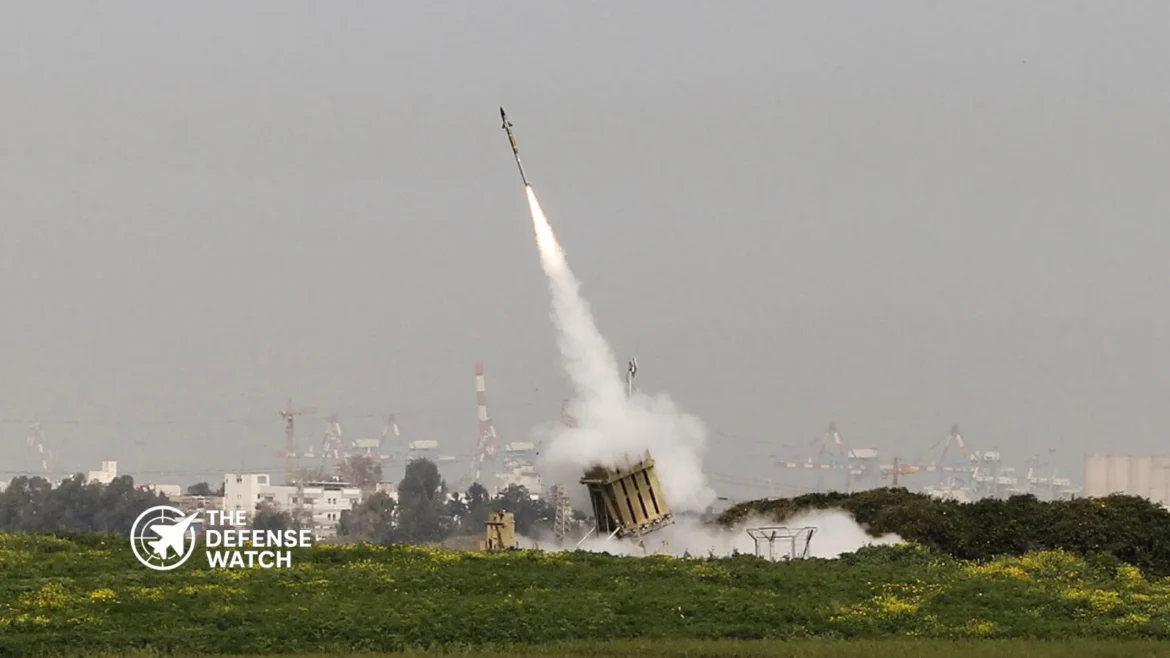
Volkswagen Iron Dome production discussions highlight a potential shift in Europe’s defense industrial base, as the German automaker explores manufacturing missile defense components at a struggling domestic plant.
According to reporting by Defense News, the talks involve repurposing existing automotive manufacturing capacity to support production linked to Israel’s Iron Dome air defense system, widely used for intercepting short range rockets and artillery threats.
The initiative reflects both economic and strategic pressures facing Europe, as governments seek to expand defense output while stabilizing key industrial sectors.
The Big Picture
European governments are accelerating efforts to strengthen defense production capacity amid rising security concerns following the Russia Ukraine War.
Germany in particular has committed to rebuilding its defense industrial base after decades of underinvestment. Berlin’s €100 billion special defense fund and NATO obligations have driven demand for faster procurement and localized manufacturing.
At the same time, Europe’s automotive sector faces declining demand, high energy costs, and increasing competition from electric vehicle producers, especially from China. This overlap has created a strategic opportunity to redirect industrial capacity toward defense production.
Volkswagen’s potential entry into missile defense manufacturing sits at the intersection of these trends.
What’s Happening
Volkswagen is reportedly in early stage discussions to produce components for the Iron Dome, originally developed by Rafael Advanced Defense Systems in partnership with Israel Aerospace Industries.
The plan would involve converting a German auto plant that is currently underutilized due to slowing vehicle demand. While specific locations and components have not been officially confirmed, the concept centers on leveraging Volkswagen’s advanced manufacturing capabilities for precision defense production.
No formal agreement has been signed, and discussions remain exploratory.
Why It Matters
Iron Dome has become one of the most combat proven short range air defense systems in the world. It has demonstrated high interception rates against rockets and drones, particularly in operational use by Israel.
European countries are increasingly interested in layered air and missile defense systems, especially as drone and rocket threats proliferate in modern conflict environments.
By participating in Iron Dome production, Germany could:
- Shorten supply chains for critical defense systems
- Reduce reliance on external suppliers
- Accelerate deployment timelines for European customers
For Volkswagen, the move offers a pathway to diversify revenue and stabilize production capacity during a challenging period for the automotive sector.
Strategic Implications
The integration of civilian industrial giants like Volkswagen into defense production signals a broader transformation across NATO economies.
This shift enhances surge capacity, allowing countries to scale production rapidly during crises. It also strengthens resilience against supply chain disruptions, which have proven critical in recent conflicts.
Germany’s potential role in Iron Dome manufacturing could position it as a key node in Europe’s air defense ecosystem, complementing existing systems such as Patriot and future initiatives like the European Sky Shield.
At a structural level, this reflects a return to dual use industrial strategies, where civilian manufacturing supports military readiness.
Competitor View
Russia is likely to interpret expanded European missile defense production as a direct challenge to its ability to project conventional power near NATO borders.
China may view the development as part of a broader Western effort to integrate industrial and defense capabilities, particularly in response to long term strategic competition.
Iran, which has invested heavily in missile and drone capabilities, could see wider Iron Dome adoption as reducing the effectiveness of its proxy warfare model in the Middle East and potentially beyond.
These reactions align with existing geopolitical dynamics rather than representing new escalatory steps.
What To Watch Next
Key developments to monitor include:
- Formal confirmation of any Volkswagen defense manufacturing agreements
- Identification of the specific German facility involved
- Clarification on which Iron Dome components would be produced
- Potential expansion of similar partnerships across Europe
Observers should also watch whether other automotive manufacturers follow a similar path into defense production.
Capability Gap
Europe faces a growing gap in short range air defense coverage, particularly against drones, rockets, and loitering munitions.
Iron Dome addresses this gap effectively, but scaling deployment requires increased production capacity. Current manufacturing remains concentrated outside Europe, limiting rapid availability.
However, integrating automotive production lines into defense manufacturing presents challenges:
- Certification and quality standards differ significantly
- Workforce retraining is required
- Supply chains must adapt to defense grade materials
These constraints mean any transition will take time before reaching full operational impact.
The Bottom Line
Volkswagen Iron Dome production talks reflect a deeper shift as Europe mobilizes its industrial base to meet rising air defense demands.

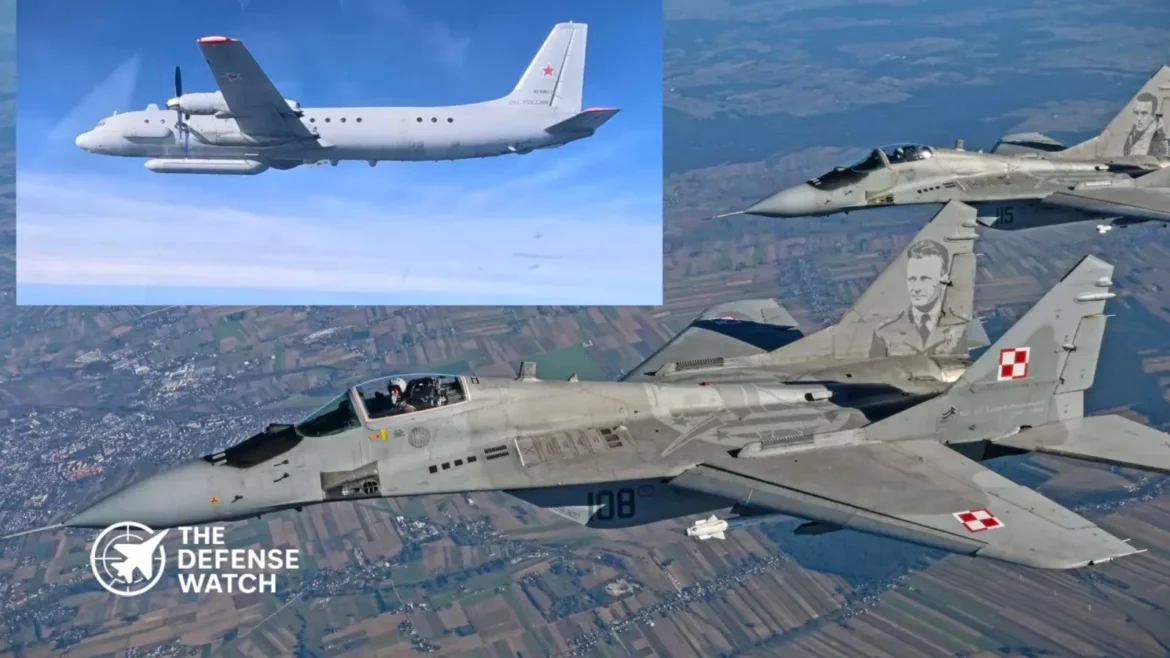
- Polish Air Force MiG-29 fighters intercepted a Russian Il-20 reconnaissance aircraft over the Baltic region.
- The Il-20 is a signals intelligence platform designed for electronic surveillance and battlefield awareness.
- The intercept reflects increasing NATO-Russia intelligence competition near allied airspace.
- Incident occurred amid ongoing NATO air policing missions and heightened regional alert levels in 2026.
- The encounter underscores persistent ISR activity shaping the Baltic security environment.
Polish MiG-29 Intercept Russian Il-20 Highlights Rising Baltic Tensions
The Polish MiG-29 intercept Russian Il-20 incident underscores growing intelligence competition over the Baltic Sea, as NATO air policing forces respond to increased Russian surveillance activity near allied airspace.
The Big Picture
NATO’s eastern flank has become a focal point for persistent air and electronic surveillance operations since the escalation of tensions with Russia following the Ukraine war.
Baltic airspace now serves as a contested intelligence environment. NATO allies routinely scramble fighters to monitor Russian aircraft operating near or along alliance boundaries. These missions are part of a broader deterrence posture designed to maintain situational awareness and signal readiness.
Poland plays a central role in this effort. Its air force supports NATO’s Baltic Air Policing mission while also defending national airspace. The continued use of legacy Soviet-era platforms such as the MiG-29 alongside newer Western systems reflects a transitional force structure adapting to evolving threats.
What’s Happening
Polish Air Force MiG-29 fighters intercepted a Russian Il-20 reconnaissance aircraft during a recent mission over the Baltic region.
The Russian Il-20, a modified electronic intelligence aircraft, conducted a flight pattern consistent with signals collection near NATO airspace. Polish authorities scrambled their aircraft in response, in line with standard NATO quick reaction alert procedures.
The intercept occurred in international airspace but close enough to NATO territory to trigger monitoring and escort actions. Such encounters remain routine but carry operational significance due to the sensitive nature of ISR activity.
The Il-20 platform is equipped with radar and electronic surveillance systems designed to collect communications and emissions data. These capabilities allow Russia to map NATO radar coverage, track aircraft movements, and assess response times.
Why It Matters
The Polish MiG-29 intercept Russian Il-20 event highlights the central role of intelligence gathering in modern military competition.
ISR missions like those conducted by the Il-20 provide critical data that can shape future operations. By probing NATO air defenses, Russia can identify vulnerabilities and refine electronic warfare tactics.
For NATO, intercepting these aircraft ensures transparency and control. It prevents unmonitored surveillance near sensitive areas and reinforces the credibility of allied air defense systems.
The encounter also reflects the normalization of close military interactions in contested airspace. While professional and controlled, these operations increase the risk of miscalculation if procedures are not strictly followed.
Strategic Implications
Persistent ISR activity over the Baltic region strengthens Russia’s situational awareness while testing NATO readiness.
NATO’s response, including rapid interception by Polish MiG-29 fighters, demonstrates operational discipline and alliance cohesion. It sends a clear signal that allied airspace remains actively defended.
The interaction also contributes to a broader pattern of strategic signaling. Russia uses reconnaissance flights to assert presence and gather intelligence. NATO uses intercepts to reinforce deterrence without escalation.
This dynamic creates a continuous cycle of observation and response, shaping the regional balance of power.
Competitor View
Russia likely views these missions as essential for maintaining visibility into NATO force posture and movements.
From Moscow’s perspective, the Il-20 provides a relatively low-risk method of collecting valuable intelligence without crossing into NATO airspace. The presence of intercepting fighters is expected and factored into mission planning.
At the same time, Russia may interpret frequent NATO intercepts as confirmation of heightened alert levels and defensive sensitivity along the alliance’s eastern flank.
Other actors, including China, observe these interactions as part of broader lessons on ISR competition and airspace management between major military blocs.
What To Watch Next
NATO will likely continue to increase the tempo of air policing missions across the Baltic region.
Poland is also advancing modernization efforts, including transitioning from MiG-29 fighters to more advanced platforms such as the F-35. This shift will enhance detection, tracking, and response capabilities against ISR aircraft.
Future encounters may involve more advanced aircraft and electronic warfare measures, reflecting the evolving nature of aerial surveillance competition.
Monitoring changes in flight frequency, routes, and escort behavior will provide insight into shifting operational patterns.
Capability Gap
The continued reliance on MiG-29 aircraft highlights a capability gap in legacy platform survivability and sensor integration.
While effective for interception, the MiG-29 lacks the advanced sensor fusion and networked warfare capabilities of fifth-generation fighters. This limits its ability to fully exploit or counter sophisticated ISR platforms like the Il-20.
Poland’s ongoing modernization aims to close this gap by integrating stealth aircraft and advanced command and control systems.
However, until the transition is complete, NATO operations will depend on a mix of legacy and modern assets.
The Bottom Line
The Polish MiG-29 intercept Russian Il-20 incident reflects a sustained and intensifying intelligence contest over the Baltic that is shaping NATO’s deterrence posture.

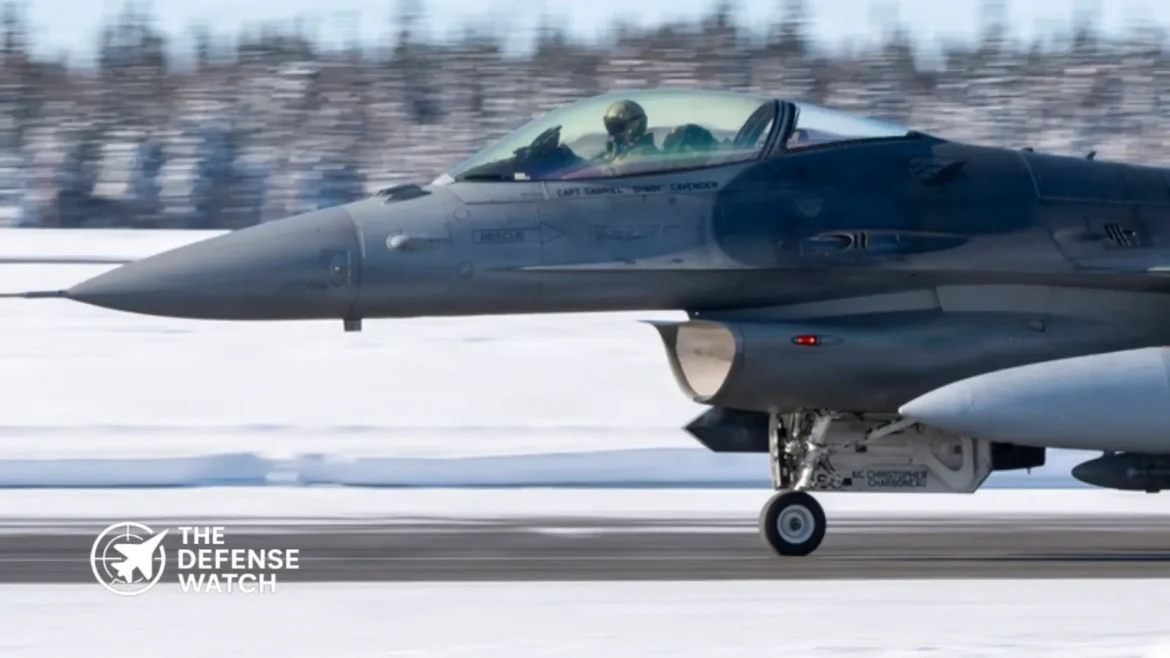
- Greece approved a new air defense system acquisition alongside F-16 upgrades.
- The F-16 fleet will be upgraded to advanced configurations with improved avionics and combat systems.
- The move strengthens NATO’s southeastern flank amid tensions in the Eastern Mediterranean.
- The program reflects long-term defense investment priorities and modernization timelines.
- Greece aims to build a layered, interoperable air defense network integrated with allied systems.
Greece Air Defense System Purchase And F-16 Upgrade
Greece air defense system purchase and F-16 upgrade plans have been formally approved, marking a significant step in Athens’ ongoing military modernization effort and reinforcing its role within NATO’s southern defense architecture.
The decision reflects a coordinated approach to upgrading both ground-based air defense and tactical airpower, addressing evolving regional threats and capability gaps.
The Big Picture
Greece continues to position itself as a key security provider in the Eastern Mediterranean, a region shaped by persistent geopolitical friction, contested airspace, and expanding missile threats.
NATO has emphasized integrated air and missile defense as a priority, particularly along its southeastern flank. Greece’s modernization aligns with broader alliance goals to enhance interoperability, early warning capabilities, and rapid response readiness.
The move also comes as European states increase defense spending following Russia’s actions in Ukraine and ongoing instability across the Middle East.
What’s Happening
Greek lawmakers approved the procurement of a new air defense system and the modernization of the country’s F-16 fighter fleet, according to reporting from Reuters.
The program includes upgrades to existing F-16 aircraft, bringing them closer to advanced configurations with improved radar systems, mission computers, and network-centric capabilities.
The air defense acquisition aims to enhance Greece’s ability to detect, track, and intercept aerial threats, including aircraft, drones, and potentially cruise missiles.
The approvals were finalized in March 2026, with implementation expected to unfold over multiple years.
Why It Matters
The Greece air defense system purchase directly addresses the growing complexity of modern aerial threats. Regional actors increasingly rely on unmanned systems, precision-guided munitions, and stand-off weapons, which challenge legacy air defense networks.
Upgrading the F-16 fleet ensures Greece maintains a credible air superiority and strike capability. Modernized fighters equipped with advanced sensors and data links can operate effectively in contested environments and integrate with allied forces.
The combination of air defense and fighter upgrades creates a layered defense structure, improving survivability and operational flexibility.
Strategic Implications
Greece’s modernization enhances deterrence in the Eastern Mediterranean by increasing both defensive depth and offensive reach.
A modernized F-16 fleet improves rapid response capability, allowing Greece to patrol contested airspace and respond to incursions more effectively. At the same time, advanced air defense systems strengthen homeland protection and critical infrastructure security.
The integration of these systems into NATO frameworks also boosts alliance cohesion. Greece can contribute more effectively to joint operations, including air policing and missile defense missions.
The move reinforces Greece’s strategic value as a frontline NATO member bordering volatile regions.
Competitor View
Regional rivals, particularly Turkey, are likely to view the Greece air defense system purchase and F-16 upgrade as part of a broader military balancing effort.
Turkey has pursued its own air defense capabilities and fighter modernization programs, including indigenous platforms and missile systems. Greece’s upgrades could influence procurement decisions and operational planning in Ankara.
Russia may interpret the move as further consolidation of NATO’s integrated defense network near its periphery, particularly given the alliance’s emphasis on missile defense and interoperability.
Iran and other regional actors will likely note the strengthening of Western-aligned defense capabilities in the Eastern Mediterranean, though the direct impact remains limited to the regional balance.
What To Watch Next
Implementation timelines will be critical. Observers should monitor contract awards, system selection details, and integration milestones for the air defense component.
F-16 upgrade schedules, including delivery timelines and operational readiness milestones, will indicate how quickly Greece can field enhanced capabilities.
Joint exercises with NATO partners will also serve as a key indicator of how effectively these systems integrate into alliance operations.
Capability Gap
Greece has faced limitations in both legacy air defense coverage and the aging capabilities of parts of its fighter fleet.
Older systems struggle to counter low-observable threats, drones, and high-speed precision weapons. The new air defense system aims to close these gaps by improving detection range, tracking accuracy, and interception capability.
However, challenges remain. Integration across different platforms and maintaining readiness levels will require sustained investment, training, and logistical support.
Upgrading F-16s extends their service life, but it does not fully replace the need for next-generation platforms in the long term.
The Bottom Line
Greece’s approval of a new air defense system and F-16 upgrades marks a decisive step toward a more integrated, resilient, and NATO-aligned defense posture in a contested region.

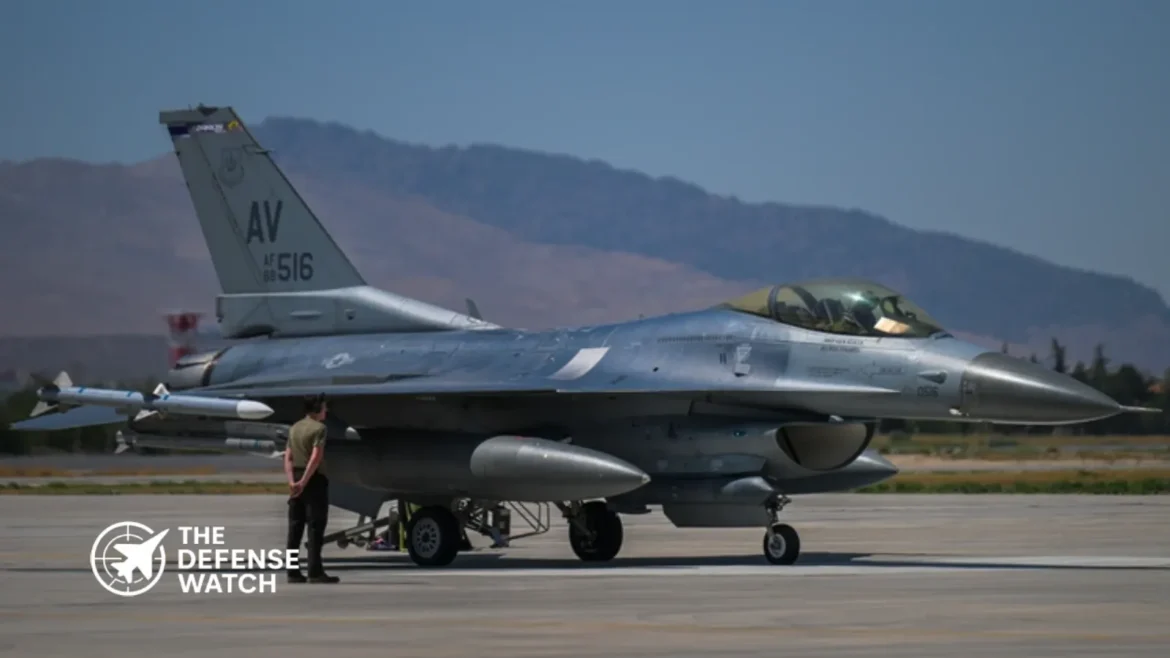
- Turkey has deployed six F-16 fighter jets to the Turkish Republic of Northern Cyprus to strengthen regional security.
- The deployment includes additional air defense systems to enhance protection of the island’s northern sector.
- The move follows a drone attack on Cyprus linked to escalating Middle East tensions.
- Greek forces previously deployed F-16 aircraft to the southern part of the island, raising military activity in the region.
- The deployment highlights growing strategic competition in the Eastern Mediterranean airspace.
Turkey F-16 Northern Cyprus Deployment Signals New Security Posture
The Turkey F-16 Northern Cyprus deployment marks a significant escalation in military activity around the divided Mediterranean island, as Ankara moves to strengthen the security of the Turkish Cypriot territory amid growing regional tensions.
According to officials cited by Reuters, Turkey has sent six F-16 fighter jets and supporting air defense systems to the Turkish Republic of Northern Cyprus (TRNC), a self-declared state recognized only by Ankara.
The deployment follows a series of regional security developments, including a drone strike on Cyprus linked to broader hostilities in the Middle East.
The Big Picture
Eastern Mediterranean security dynamics have shifted rapidly over the past decade as regional rivalries, energy competition, and military modernization reshape the balance of power.
Cyprus sits at the center of this evolving strategic landscape. The island hosts key military installations, including British sovereign bases used by NATO forces, and lies close to critical maritime routes connecting Europe, the Middle East, and North Africa.
The island has been divided since 1974 following a Turkish military intervention after a coup backed by Greece. Today, the internationally recognized Republic of Cyprus controls the south, while the Turkish-backed TRNC governs the north.
Military activity around the island has intensified as regional conflicts spill into the Eastern Mediterranean. Several countries, including Greece and European partners, have recently increased defense cooperation with the Republic of Cyprus.
Turkey’s decision to deploy fighter aircraft to Northern Cyprus reflects its intent to maintain a strong security presence in the region and protect the Turkish Cypriot community.
What’s Happening
Turkish authorities confirmed that six F-16 fighter jets have been deployed to Northern Cyprus as part of what officials described as a phased security response to recent developments in the region.
The aircraft are expected to operate from facilities near Ercan Airport, the main airfield in the northern part of the island.
Officials said the deployment will not disrupt civilian aviation operations and commercial flights will continue normally.
The move comes shortly after a drone attack struck a British military base in Cyprus, an incident linked to the broader escalation following military operations involving the United States, Israel, and Iran.
Greece had already deployed several of its own F-16 fighter jets to the southern part of Cyprus, further increasing military activity in the area.
Ankara has stated that the deployment forms part of a broader strategy to ensure the security of the TRNC and that additional measures could follow depending on how the regional situation evolves.
Why It Matters
The deployment of Turkish F-16 fighter jets to Northern Cyprus significantly improves Ankara’s ability to respond quickly to potential threats in the Eastern Mediterranean.
Operating fighter aircraft directly from the island dramatically reduces response times compared with aircraft flying from mainland Turkey. This allows faster interception of drones, missiles, or hostile aircraft approaching the area.
The move also reinforces Turkey’s air defense coverage around strategic maritime zones that are central to ongoing disputes over energy exploration and maritime boundaries.
Cyprus lies near several major offshore gas fields discovered in the Eastern Mediterranean, making control of surrounding airspace an increasingly important element of regional power projection.
By placing fighter jets on the island, Turkey strengthens both deterrence and surveillance capabilities in a region where military incidents have become more frequent.
Strategic Implications
Turkey’s deployment of F-16 aircraft introduces a new layer of military capability into an already complex security environment.
The Eastern Mediterranean has become a strategic crossroads where NATO allies, European Union members, and regional powers maintain overlapping military interests.
Ankara’s decision to forward deploy fighter aircraft may serve several operational objectives:
First, it creates a rapid reaction air defense capability near potential threat vectors originating from the Middle East.
Second, it increases Turkish air presence near maritime zones contested between Turkey, Greece, and Cyprus.
Third, it reinforces Turkey’s commitment to defending the Turkish Cypriot administration, which Ankara views as essential to its regional strategy.
From a military perspective, the deployment also enhances air patrol coverage over sea lanes connecting the Levant, Suez Canal routes, and Southern Europe.
Competitor View
Regional actors are likely to interpret the Turkish F-16 deployment through the lens of broader geopolitical competition in the Eastern Mediterranean.
Greece and Cyprus have strengthened defense cooperation with European partners and Israel in recent years, conducting joint exercises and expanding security agreements.
The presence of Turkish fighter aircraft in Northern Cyprus could therefore be viewed in Athens and Nicosia as an attempt by Ankara to consolidate military control over northern airspace.
Iran and other Middle Eastern actors may interpret the move differently, seeing it as a defensive step by Turkey to shield strategic territory from spillover effects of regional conflict.
For NATO planners, the situation highlights the complex dynamic of alliance members maintaining competing security positions in the same region.
What To Watch Next
Several developments will determine how this situation evolves in the coming months.
First, analysts will monitor whether Turkey rotates additional aircraft or expands air defense deployments on the island.
Second, regional partners may increase their own military presence in Cyprus, particularly through joint exercises or temporary deployments.
Third, NATO and European Union diplomacy could intensify to prevent further escalation between regional actors.
Another key indicator will be whether Ankara upgrades infrastructure at Northern Cyprus airbases to support longer-term fighter deployments.
Capability Gap
The deployment addresses a key operational gap in Turkey’s regional air defense posture.
Before the move, fighter aircraft responding to threats near Cyprus would typically launch from bases in southern Turkey, requiring longer flight times and reducing on-station endurance.
Forward basing F-16 aircraft on the island shortens response times significantly, especially against low-flying drones or cruise missiles.
However, the deployment also has limitations.
Six aircraft provide a modest defensive capability and would primarily support air policing and interception missions rather than sustained high-intensity air operations.
Maintaining a continuous air defense posture would require additional aircraft rotations, ground support infrastructure, and integrated radar coverage.
The Bottom Line
Turkey’s deployment of F-16 fighter jets to Northern Cyprus strengthens its regional deterrence posture and signals a more permanent Turkish airpower presence in the Eastern Mediterranean.
 ■ KEY FACTS AT A GLANCE
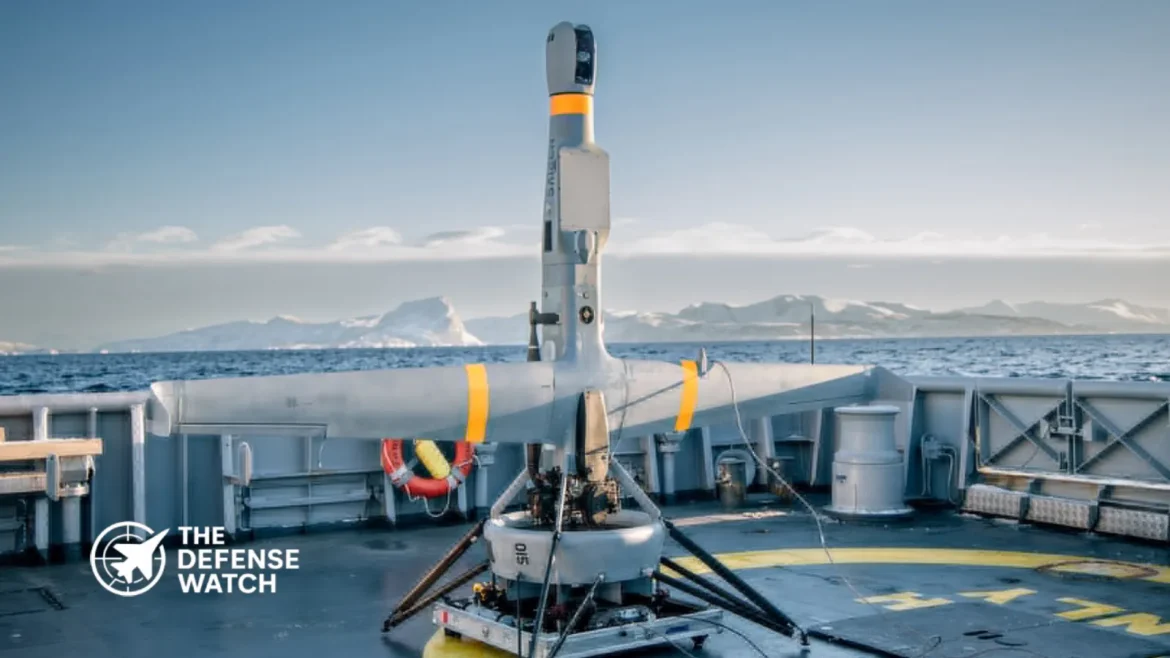
- ► Shield AI’s V-BAT operated during NATO’s HEIMDALL 26 exercise in northern Norway from February 17 to 26.
- ► The exercise was hosted by NATO’s Center of Excellence for Cold Weather Operations.
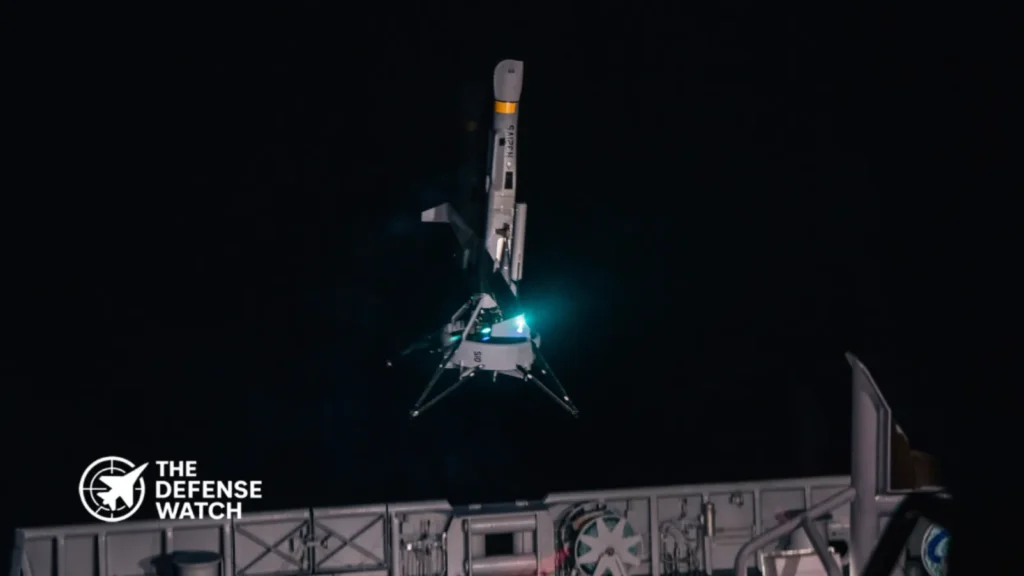
- ► V-BAT conducted ship-based VTOL operations from the Norwegian Coast Guard vessel KV Olav Tryggvason.
- ► Flights were performed in Arctic winter conditions without aircraft modifications.
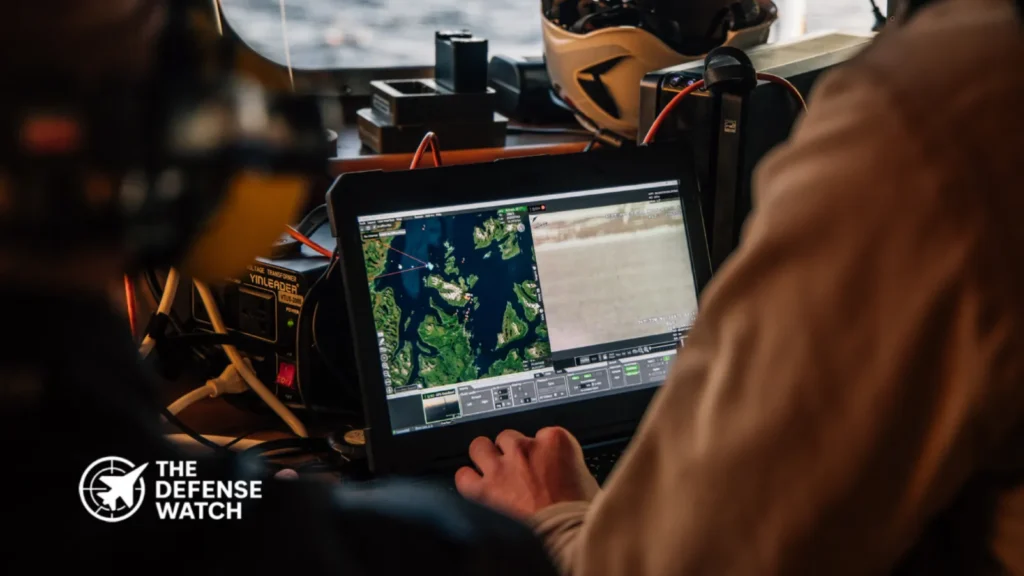
- ► ISR data from V-BAT was integrated into NATO-aligned command and control networks.
Shield AI V-BAT Arctic ISR operations during NATO’s HEIMDALL exercise mark a practical step forward in how the alliance approaches surveillance in the High North. The demonstration was not about unveiling new hardware. It was about showing that existing unmanned systems can function as reliable, ship-based ISR assets in one of the most demanding environments NATO forces face.
That distinction matters. Arctic security has shifted from a niche concern to a core planning issue for NATO navies and joint forces.
Why HEIMDALL Matters For NATO Now
HEIMDALL was designed to validate NATO’s Arctic experimentation arena, not to showcase single platforms. The focus was on manned-unmanned teaming, data sharing, and integration into the Federated Mission Network and multi-domain operations.
The High North is no longer permissive. Russian naval patrols, long-range sensors, and submarine activity have increased across the Barents and Norwegian Seas. At the same time, allied forces operate from dispersed bases with limited infrastructure.
An unmanned aircraft that can launch from small vessels, survive extreme cold, and feed ISR directly into alliance networks addresses a real operational gap. That is the context in which Shield AI brought V-BAT to Norway.
Operational Impact Of V-BAT In Arctic Maritime ISR
From an operational standpoint, the most important outcome was not endurance or sensor payload. It was reliability.
V-BAT flew from land and from a Norwegian Coast Guard ship without changes to configuration. Arctic operations often require heaters, modified fuels, or specialized maintenance cycles. The absence of those requirements lowers the barrier to deployment.

Image : Shield AI Ship-based VTOL operations from KV Olav Tryggvason demonstrated a key advantage over fixed-wing UAVs that need runways or launch systems. For patrol vessels, logistics ships, and amphibious platforms, deck space is limited. A small VTOL system extends surveillance without changing ship design.
Night and day ISR, electro-optic, infrared, and synthetic aperture radar use also point to flexibility. In Arctic winter, long periods of darkness reduce the usefulness of traditional visual surveillance. Persistent unmanned coverage becomes essential.
How V-BAT Compares To Other NATO ISR Options
Within NATO inventories, Arctic ISR usually relies on crewed maritime patrol aircraft, helicopters, and a limited number of larger UAVs. Systems like ScanEagle or Puma offer tactical coverage but are constrained in endurance and payload.
V-BAT sits in a middle ground. It is smaller and cheaper than Class II or III drones but offers far longer endurance than most ship-launched systems. Its ducted fan design improves safety on crowded decks, an issue that has limited wider UAV use aboard surface combatants.
Image : Shield AI European alternatives exist, but many still depend on catapult launch or recovery nets. That complicates use in high sea states. V-BAT’s vertical recovery is a practical advantage in the North Atlantic and Arctic waters.
Alliance And Industrial Implications
For NATO, the real takeaway is interoperability. During HEIMDALL, V-BAT functioned as an ISR node inside a multinational architecture. Data flowed to forces ashore and at sea.
That aligns with NATO’s push toward distributed sensing rather than a few high-value platforms. Smaller unmanned systems reduce risk and expand coverage.
From an industry angle, Shield AI positions itself not as a niche UAV maker but as a provider of deployable autonomy that fits alliance standards. The fact that the aircraft worked with Norwegian forces and NATO networks strengthens its case in European procurement discussions.
Image : Shield AI Statements from Shield AI leadership, including Brandon Tseng, emphasize expeditionary use. That message resonates with smaller navies that cannot afford large UAV fleets but still need persistent ISR.
Regional Security Context In The High North
The Arctic is becoming a zone of routine military presence rather than occasional patrols. Norway’s role is central, acting as NATO’s frontline state in the region.
Unmanned ISR launched from coast guard or naval vessels allows continuous monitoring of sea lines, choke points, and remote coastal areas. It also supports allied reinforcement planning by improving situational awareness during crises.
For Russia, the spread of low-cost, persistent ISR complicates concealment and movement. For NATO, it strengthens early warning without escalating force posture.
What Happens Next
HEIMDALL was an experiment, but it sets conditions for follow-on decisions. Expect more NATO exercises to include ship-based UAVs as standard assets rather than add-ons.
Procurement paths may follow. Smaller allies could prioritize systems that require minimal infrastructure and training. Larger navies may integrate them as supplements to crewed aviation.
For Shield AI, the next test will be sustained deployments, not exercises. Cold weather proof points matter most when systems stay forward for months, not weeks.
Strategic Assessment
V-BAT’s performance during HEIMDALL does not shift the military balance on its own. But it signals a broader change in how NATO approaches Arctic deterrence.
Distributed unmanned ISR reduces reliance on vulnerable high-end platforms. It improves resilience in contested environments and supports alliance cohesion through shared data.
Budget pressures across NATO favor systems that deliver coverage without heavy support tails. That reality benefits small VTOL UAVs with long endurance.
The escalation risk remains limited. ISR systems are defensive by nature. However, their presence tightens surveillance nets, reducing freedom of movement for potential adversaries.
In the High North, awareness is deterrence. HEIMDALL showed NATO is investing in both.
■ KEY FACTS AT A GLANCE- ► NATO political and military leaders met in the United Kingdom to discuss nuclear deterrence and Alliance policy.
- ► The UK outlined the role of its independent nuclear deterrent within NATO collective defense.
- ► Discussions focused on burden sharing, consultation procedures, and adapting nuclear posture to emerging threats.
- ► Workshops reviewed NATO nuclear decision-making and coordination mechanisms.
- ► The meeting reaffirmed Alliance commitment to credible nuclear deterrence.
NATO Nuclear Talks In UK Aim To Strengthen Alliance Deterrence
Senior political and military leaders from the North Atlantic Treaty Organization convened in the United Kingdom on March 2 for focused talks on nuclear deterrence and NATO’s broader defense posture. The meeting, hosted by the British government, brought senior NATO officials together to review how the Alliance’s nuclear capabilities and decision-making frameworks support collective defense and Euro-Atlantic security.
According to a joint statement from the UK Foreign, Commonwealth and Development Office and the Ministry of Defence, the discussions emphasized the enduring role of nuclear weapons in NATO’s strategy to prevent coercion and deter aggression. The event included representatives such as NATO ambassadors and top military commanders, including the Supreme Allied Commander Europe and the Supreme Allied Commander Transformation.
Focus On Burden Sharing And Nuclear Consultation
Officials described workshops and sessions during the event as designed to strengthen established processes for nuclear consultation and burden sharing among member states. These mechanisms help ensure allies remain aligned on policy and familiar with procedures should an unforeseen crisis arise.
NATO has consistently viewed nuclear deterrence as key to its overall defense strategy. A separate recent NATO High Level Group meeting in Brussels underscored similar themes, noting the need to reinforce the credibility, safety, and security of Alliance nuclear posture amid a changing global threat landscape.
UK’s Unique Role In NATO
The United Kingdom, as one of the few recognized nuclear-armed states within NATO, holds a distinct position in these discussions. UK officials reiterated that London remains committed to its role in shaping NATO’s approach to nuclear deterrence and to standing with allies in preserving peace and deterring aggression.
Under the UK’s Strategic Defence Review 2025, its independent nuclear deterrent continues to be described as a cornerstone of national and Allied security, operating under sovereign political control and assignment to NATO’s defense mission.
Broader Context
The talks come amid ongoing debates among NATO members over defense spending, burden sharing, and the role of nuclear forces in the alliance’s future strategy. Continued discussions at venues like the Munich Security Conference and NATO advisory groups reflect long-standing priorities around deterrence, cohesion, and adaptation to new security challenges.
What Comes Next
NATO allies are expected to build on the UK-hosted talks with further consultations through official NATO channels and bilateral engagements. Strengthening nuclear consultation and burden sharing frameworks remains central to NATO’s effort to maintain credible deterrence against emerging threats.
■ KEY FACTS AT A GLANCE- ► SWARM Biotactics says its cybernetic insect swarms completed field testing in Germany.
- ► The systems are reportedly in operational use with NATO customers, including the German Armed Forces.
- ► Development from concept to deployment took approximately one year.
- ► The platform integrates live insects with micro electronics for reconnaissance roles.
- ► The capability reflects growing NATO interest in micro scale intelligence and surveillance systems.
NATO Intelligence From Germany Signals Operational Shift In Micro Drone Warfare
NATO intelligence from Germany indicates that cybernetic insect swarms developed by German firm SWARM Biotactics have completed field testing and transitioned into operational use with NATO customers, including the German Armed Forces.
The Germany based company announced that its bio robotic reconnaissance platform progressed from concept design to fielded capability in roughly one year, an unusually rapid development cycle for a defense system involving both robotics and live biological components.
While technical details remain limited, the development marks a notable step in micro drone warfare and close range intelligence collection.
From Concept To Operational Capability In One Year
According to statements released by SWARM Biotactics, the company successfully transitioned its cybernetic insect swarms from early design to operational employment within approximately twelve months. For defense programs, particularly those integrating biological systems with embedded electronics, that timeline is compressed.
The firm has previously described its approach as combining live insects with lightweight control modules, sensors, and secure communications links. The insects function as highly mobile micro platforms capable of entering confined spaces that conventional drones cannot access.
If confirmed at scale, this would represent one of the first operational uses of bio robotic systems within a NATO military framework.
Defense ministries across Europe have accelerated investment in small unmanned systems since the war in Ukraine highlighted the tactical impact of low cost drones. According to open source reporting and NATO procurement trends, member states have prioritized reconnaissance platforms that are smaller, cheaper, and harder to detect.
NATO Intelligence And The Micro Drone Race
The emergence of cybernetic insect swarms fits within a broader shift in NATO intelligence collection doctrine. Traditional ISR platforms, including medium altitude UAVs and crewed aircraft, provide strategic and operational coverage. However, they are less suited for indoor reconnaissance, tunnel systems, or dense urban terrain.
Micro drones attempt to close that gap.
In recent years, the U.S. Defense Advanced Research Projects Agency and European defense labs have explored insect scale robotics. What differentiates the SWARM Biotactics announcement is the claim of operational use with the German Armed Forces.
Berlin has steadily expanded funding for unmanned and autonomous systems as part of its post 2022 defense modernization push. Following Russia invasion of Ukraine, Germany launched a 100 billion euro special defense fund to accelerate procurement across air, land, and cyber domains.
While the company did not disclose contract values or deployment locations, the reference to NATO customers suggests the technology may be integrated into intelligence, special operations, or force protection units.
Operational Use Raises Strategic And Ethical Questions
The operational deployment of cybernetic insect swarms introduces both tactical advantages and policy considerations.
From a military standpoint, micro scale reconnaissance offers several clear benefits:
• Reduced detectability compared to conventional quadcopters
• Ability to infiltrate enclosed spaces
• Lower acoustic and radar signatures
• Potential for distributed swarm intelligenceHowever, the fusion of biological organisms and electronic control systems raises regulatory and ethical questions. NATO members operate under strict legal frameworks governing new weapons technologies. Any operational use would likely undergo legal review to ensure compliance with international humanitarian law.
There are also technical vulnerabilities. Small platforms face power limitations, signal interference risks, and environmental constraints. Adversaries investing heavily in electronic warfare could target control links or attempt to disrupt swarm coordination.
Still, the pace of innovation suggests NATO nations view micro autonomous systems as an essential component of future battlefield awareness.
Germany Position In Emerging Defense Tech
Germany has historically been strong in robotics, engineering, and industrial manufacturing. Companies such as Rheinmetall and Airbus Defence and Space have expanded into autonomous systems, loitering munitions, and AI enabled platforms.
The reported operationalization of SWARM Biotactics cybernetic insect swarms reflects a broader ecosystem of defense innovation in Germany.
It also aligns with NATO emphasis on multi domain operations, where small, networked systems feed real time data into larger command architectures.
If the system proves reliable, it could influence procurement decisions across allied nations seeking discreet ISR capabilities in urban warfare, counterterrorism, and hybrid conflict environments.
What Comes Next
Key unknowns remain. The company has not detailed production scale, cost per unit, endurance, or sensor payload capacity. It is also unclear whether the insects operate fully autonomously or rely on remote human control.
For now, the announcement signals that NATO intelligence from Germany is moving beyond conventional drones toward biologically integrated micro platforms.
As modern battlefields become denser, more contested, and electronically saturated, the demand for hard to detect reconnaissance assets will likely grow.
The transition from concept to operational use in one year suggests defense customers are willing to experiment rapidly when battlefield requirements demand it.
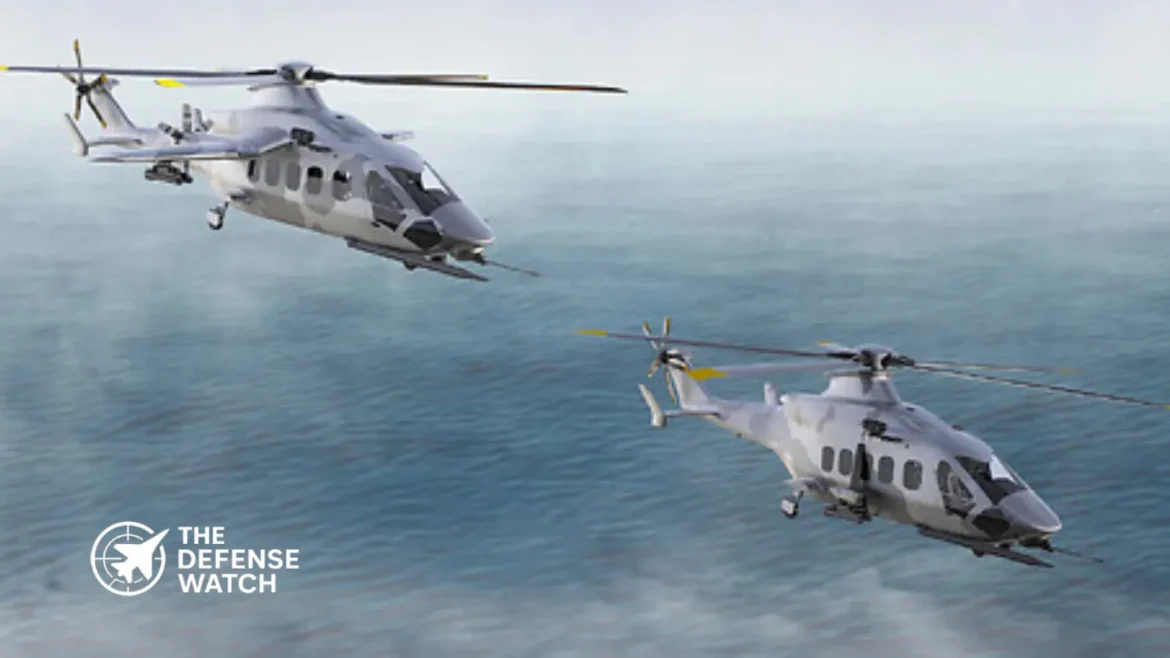
■ KEY FACTS AT A GLANCE- ► Airbus unveiled two advanced rotorcraft concepts focused on NATO future airpower requirements.
- ► Designs emphasize higher speed, survivability, and modular mission systems for contested environments.
- ► Concepts align with NATO modernization priorities and future vertical lift requirements.
- ► Airbus positions the designs as European options for next generation combat and transport missions.
- ► The announcement comes amid intensifying transatlantic competition in advanced rotorcraft development.
Airbus Dual Rotorcraft Concepts Target NATO Future Airpower Capabilities
Airbus dual rotorcraft concepts are designed to support NATO future airpower capabilities as the alliance prepares for high intensity operations against near peer threats.
The European aerospace firm introduced two next generation rotorcraft studies aimed at expanding speed, survivability, and mission flexibility beyond current helicopter fleets. The concepts are positioned as potential contributors to NATO’s evolving force structure, particularly in the context of rapid reinforcement and distributed operations across Europe.
According to Airbus, The designs reflect Airbus’ intent to align closely with NATO capability planning, including requirements for enhanced mobility, improved protection, and advanced digital integration.
Focus On Speed And Survivability
While detailed specifications remain limited, both rotorcraft concepts emphasize higher cruise speeds than conventional helicopters. This focus mirrors broader Western efforts to overcome one of rotary wing aviation’s longstanding limitations, namely limited dash speed and range compared to fixed wing aircraft.
Higher speed rotorcraft can reduce exposure time in contested airspace, a key consideration as NATO planners account for integrated air defense systems fielded by Russia and other potential adversaries. Recent conflicts in Ukraine have underscored the vulnerability of legacy helicopters operating within range of modern surface to air missiles and loitering munitions.
Airbus appears to be responding to that operational reality. By exploring new aerodynamic configurations and propulsion concepts, the company aims to bridge the gap between traditional helicopters and tiltrotor or compound aircraft designs.
This effort parallels U.S. Army modernization programs such as Future Vertical Lift, though Airbus’ approach is tailored to European and NATO requirements.
Modular Design For Multi Role Operations
Another core element of the Airbus dual rotorcraft concepts is modularity. The aircraft are expected to support a range of missions, including troop transport, special operations insertion, medical evacuation, and potentially armed escort roles.
NATO’s defense planning documents emphasize flexible, interoperable platforms capable of operating across allied forces. A modular rotorcraft architecture would allow rapid reconfiguration based on mission demand, reducing logistics burdens and lifecycle costs.
For European nations balancing rising defense budgets with industrial policy goals, domestically developed platforms also offer strategic advantages. Airbus, headquartered in Europe, positions itself as a key industrial partner capable of sustaining regional supply chains while contributing to alliance level capability targets.
Strategic Context: NATO Modernization Drive
The unveiling of Airbus dual rotorcraft concepts comes amid accelerated defense spending across NATO member states. Since Russia’s full scale invasion of Ukraine in 2022, European governments have committed to increasing readiness and replacing aging equipment.
Helicopter fleets across Europe include platforms such as the NH90 and Tiger, both produced by European consortia that include Airbus. Many of these aircraft entered service in the 2000s and will require upgrades or replacement in the coming decades.
NATO’s 2022 Strategic Concept calls for strengthened deterrence and defense posture along the alliance’s eastern flank. Rapid air mobility, vertical lift, and survivable logistics are central to that objective. In this context, advanced rotorcraft capable of operating in contested environments become more than a procurement issue. They become part of the alliance’s deterrence framework.
Airbus’ announcement signals an effort to shape that discussion early. By presenting conceptual designs now, the company can influence requirement setting and multinational cooperation frameworks.
Industrial Competition And Transatlantic Dynamics
The rotorcraft sector is increasingly competitive. In the United States, Bell and Sikorsky are advancing high speed designs under Army programs. European governments must decide whether to join U.S. initiatives, develop indigenous systems, or pursue hybrid approaches.
Airbus dual rotorcraft concepts therefore carry political weight beyond their technical characteristics. A European led program could reinforce strategic autonomy goals articulated by several EU member states, while still operating within NATO’s integrated command structure.
At the same time, interoperability with U.S. forces remains essential. Any future NATO rotorcraft platform must integrate with alliance communications networks, data links, and logistics systems.
Balancing autonomy with interoperability will shape the future of NATO air mobility planning.
What Comes Next
Airbus has not announced a formal development timeline or launch customer for the concepts. As with many early stage studies, progression to a funded program will depend on national defense budgets and alliance level coordination.
Still, the unveiling of Airbus dual rotorcraft concepts marks a clear signal. Europe’s largest aerospace company intends to compete in the next generation vertical lift space and anchor part of NATO future airpower capabilities within a European industrial framework.
For defense planners, the question is no longer whether rotary wing aviation must evolve. It is how quickly alliance members can translate concept designs into fielded capability in an increasingly contested security environment.
■ KEY FACTS AT A GLANCE- ► The United Kingdom has formally joined NATO ballistic missile defence, integrating national capabilities into the alliance framework.
- ► The move strengthens NATO integrated air and missile defence amid rising concerns over long range missile threats in Europe.
- ► NATO missile defence architecture includes Aegis Ashore sites, advanced radar systems, and US Navy Aegis destroyers.
- ► The decision enhances interoperability, data sharing, and collective deterrence under NATO Article 5 commitments.
- ► UK participation signals deeper alliance cohesion as Europe adapts to evolving ballistic missile and air defence challenges.
UK Joins NATO Ballistic Missile Defence Effort
The UK joins NATO ballistic missile defence effort in a significant move that formally integrates British capabilities into the alliance’s collective missile shield.
The decision positions the United Kingdom more deeply within NATO’s evolving missile defence architecture at a time of heightened concern over long range missile threats across Europe.
The step reinforces NATO’s integrated air and missile defence network, which is designed to detect, track, and intercept ballistic missile attacks against allied territory.
Strengthening NATO’s Missile Shield
NATO’s ballistic missile defence system, developed over more than a decade, is built to counter threats originating outside the Euro Atlantic area. The framework was formally agreed at the 2010 Lisbon Summit and has since expanded through a series of capability upgrades.
Key components of NATO’s missile defence architecture include:
- Aegis Ashore sites in Romania and Poland
- US Navy Aegis equipped destroyers forward deployed to Europe
- Advanced early warning radar systems
- NATO command and control networks
By joining NATO ballistic missile defence more directly, the UK aligns its national capabilities with this broader defensive structure. This integration enhances collective situational awareness and strengthens the alliance’s ability to respond to ballistic missile threats.
The move reflects NATO’s ongoing adaptation to an increasingly complex threat environment.
The Broader Strategic Context
NATO Secretary General Mark Rutte has repeatedly emphasized the need to strengthen integrated air and missile defence across the alliance. Following Russia’s full scale invasion of Ukraine in 2022, European allies accelerated investments in air defence, including systems such as Patriot and SAMP T.
The UK’s decision to join NATO ballistic missile defence should be viewed within this broader modernization trend.
The alliance is moving toward a layered defence model that combines:
- Short range air defence
- Medium and long range interceptors
- Ballistic missile tracking radars
- Space based surveillance
This layered approach reflects lessons learned from recent conflicts, particularly the scale and frequency of missile and drone attacks.
By embedding more fully within NATO’s missile defence network, the UK strengthens both national and allied resilience.
Implications For European Security
The integration of the UK into NATO ballistic missile defence carries both operational and political weight.
Operationally, it improves command and control integration, data sharing, and response coordination across allied forces. Missile defence requires near real time data fusion from multiple sensors. Expanding participation increases the reliability and coverage of that network.
Politically, the move underscores the UK’s continued central role in European security despite its departure from the European Union. London remains one of NATO’s leading military powers and a top defence spender within the alliance.
It also sends a clear signal of unity at a time when NATO is reinforcing deterrence along its eastern flank.
Analysis: A Measured But Significant Step
While this announcement does not represent the deployment of a new standalone British missile shield, it marks a structural shift in how the UK aligns its capabilities within NATO’s ballistic missile defence framework.
Missile defence is not a single system. It is an interconnected network of sensors, interceptors, command systems, and allied contributions.
By joining NATO ballistic missile defence more formally, the UK enhances alliance cohesion and reduces gaps in coverage. In practical terms, this contributes to deterrence by denial, making it harder for adversaries to calculate a successful missile strike against NATO territory.
Given the rapid evolution of missile technologies, including maneuverable reentry vehicles and hypersonic glide systems, NATO’s missile defence architecture will likely continue evolving.
The UK’s integration signals recognition that collective defence in the missile domain requires deeper coordination, not parallel national efforts.