Executive Summary:
Belgium has emerged as a leading candidate for the co-production of the AIM-120 AMRAAM missile in Europe, reflecting NATO’s push to strengthen regional defense manufacturing. The move aims to reduce reliance on U.S.-based production and improve supply chain resilience amid rising demand. This development underscores growing transatlantic cooperation in advanced air-to-air missile systems.
Belgium Emerges in AMRAAM Co-Production Talks
Belgium is increasingly viewed as a strong contender to host European co-production of the AIM-120 Advanced Medium-Range Air-to-Air Missile (AMRAAM), a cornerstone of NATO’s air combat capability. The initiative comes as alliance members seek to expand production capacity in response to sustained demand driven by geopolitical tensions and ongoing military modernization programs.
The proposed arrangement would involve collaboration with U.S. defense firms, most notably RTX (Raytheon Technologies), the primary manufacturer of the AMRAAM system. Belgium’s advanced industrial base and central geographic position within Europe are seen as key advantages.
Strategic Drivers Behind European Production Expansion
The push for localized missile production reflects several operational and strategic priorities:
- Supply chain resilience amid high operational consumption rates
- Reduced dependency on transatlantic logistics during crisis scenarios
- Faster replenishment cycles for NATO air forces
- Strengthened European defense industrial autonomy
The war in Ukraine and increased NATO readiness levels have accelerated the urgency to expand missile stockpiles, particularly beyond U.S. production lines.
Technical Overview of AIM-120 AMRAAM
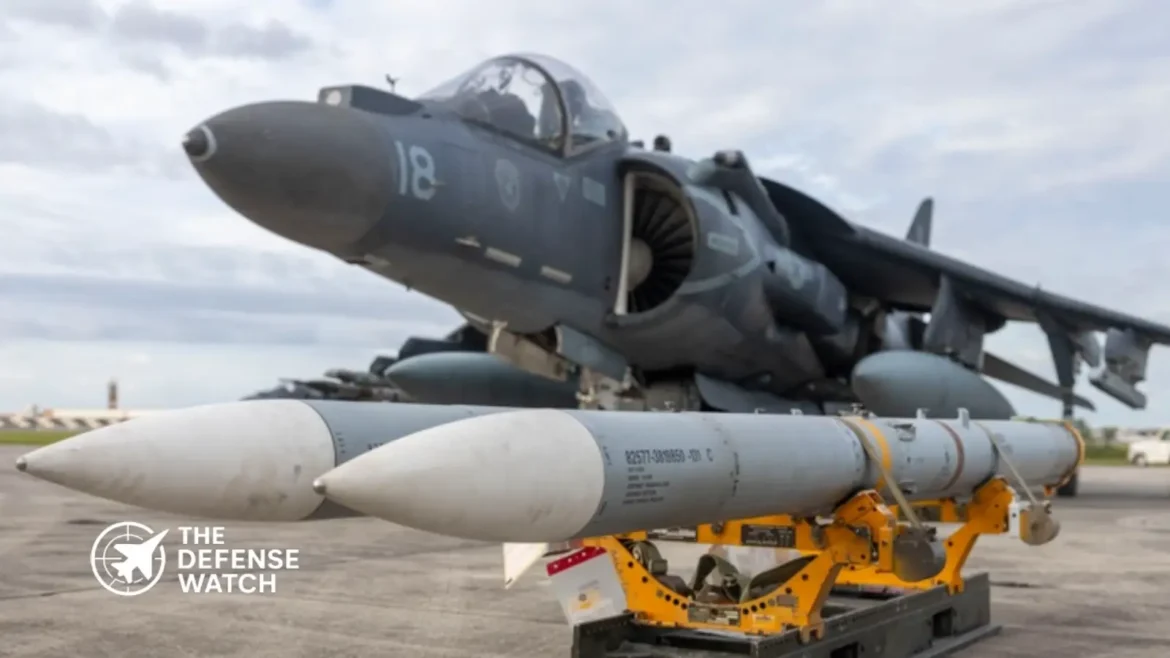
The AIM-120 AMRAAM remains one of the most widely deployed beyond-visual-range (BVR) air-to-air missiles globally. Its latest variants incorporate advanced guidance and electronic counter-countermeasure capabilities.
Key Capabilities
- Active radar homing guidance for autonomous terminal engagement
- Fire-and-forget capability, reducing pilot workload
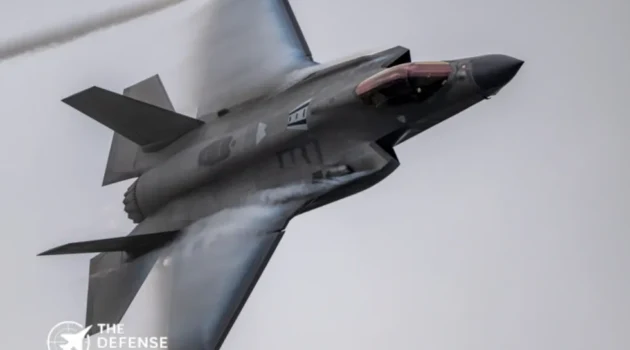
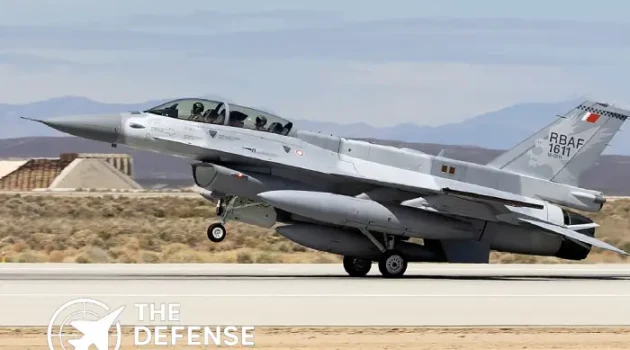
- Compatibility with a wide range of NATO aircraft, including F-16, F-35, and Eurofighter
- Continuous upgrades under the AMRAAM Extended Range (ER) and AIM-120D programs
Comparison: AMRAAM vs Legacy AIM-7 Sparrow
Feature AIM-120 AMRAAM AIM-7 Sparrow Range ~160 km (AIM-120D) ~70 km Payload High-explosive fragmentation High-explosive Status Active service Largely retired Key Technology Active radar homing Semi-active radar Industrial and Economic Implications
Belgium’s potential selection would bring significant economic and technological benefits:
- Integration into high-value NATO defense supply chains
- Job creation in advanced manufacturing and electronics sectors
- Increased defense exports and industrial partnerships
Belgian firms already participate in multinational defense programs, strengthening their candidacy for such a role.
Strategic Context: NATO Readiness and Deterrence
The expansion of AMRAAM production capacity in Europe aligns with NATO’s broader deterrence strategy. With increased air policing missions along the alliance’s eastern flank, maintaining sufficient stocks of advanced air-to-air munitions has become a priority.
The initiative also reflects a shift toward distributed production models, ensuring that critical defense capabilities remain operational even in contested logistics environments.
Outlook
If finalized, Belgium’s role in AMRAAM co-production would mark a significant step in NATO’s effort to balance industrial capacity between North America and Europe. It would also reinforce long-term interoperability and readiness across allied air forces, particularly as demand for precision-guided munitions continues to rise.


Executive Summary:
U.S. and U.K. forces conducted the Flytrap 5.0 counter-drone exercise to test and refine integrated air defense concepts against unmanned aerial threats. The drills aim to strengthen NATO’s eastern flank by improving detection, tracking, and neutralization of low-cost drones. The exercise reflects a growing need to counter massed UAV attacks observed in recent conflicts.
Overview of Flytrap 5.0 Counter-Drone Exercise
The Flytrap 5.0 exercise, held in 2026, brought together U.S. and U.K. military units to evaluate advanced counter-UAS (C-UAS) systems under realistic operational conditions. Conducted along NATO’s eastern flank, the exercise focused on defending forward-deployed forces against increasingly sophisticated and low-cost drone threats.
The drills emphasized integration across multiple domains, combining radar, electronic warfare, and kinetic interceptors into a unified defensive network. This layered approach reflects NATO’s shift toward adaptable, scalable air defense systems capable of addressing both high-end and asymmetric threats.
Key Objectives and Operational Focus
Enhancing Detection and Tracking Capabilities
Modern drones often operate at low altitude with small radar signatures. Flytrap 5.0 tested:
- Advanced short-range radar systems for low-observable UAV detection
- Passive sensors and RF detection tools for non-emitting targets
- AI-assisted tracking for improved target classification
Integrating Electronic Warfare Solutions
Electronic warfare (EW) played a central role in neutralizing drone swarms:
- Jamming of GPS and communication links
- Cyber intrusion techniques to disrupt UAV control systems
- Soft-kill options to reduce reliance on costly interceptors
Validating Kinetic Interception Systems
While EW is effective, kinetic solutions remain essential:
- Short-range air defense (SHORAD) missiles
- Rapid-fire gun systems with programmable ammunition
- Directed energy weapons under evaluation
Comparison: Modern C-UAS vs Legacy Air Defense Systems
| System Type | Range | Payload Capability | Status | Key Technology |
|---|---|---|---|---|
| Legacy SHORAD Systems | 5–15 km | Limited vs small UAVs | Operational | Radar-guided missiles |
| Modern C-UAS (Flytrap 5.0) | 0–10 km (layered) | Optimized for small drones | Active Testing | AI tracking, EW jamming, sensor fusion |
| Directed Energy Systems | <5 km | Effective vs swarms | Emerging | High-energy lasers |
Technical Advantages Demonstrated
Flytrap 5.0 highlighted several improvements over legacy systems:
- Layered defense architecture combining soft and hard kill options
- Reduced cost per engagement against low-value drone threats
- Faster response times through automated detection and tracking
- Greater interoperability between allied forces
- Scalability to counter swarm attacks
Strategic Context: NATO’s Eastern Flank and Drone Warfare
The exercise reflects lessons learned from recent conflicts where drones have played a decisive role. Low-cost UAVs have proven capable of:
- Overwhelming traditional air defenses
- Conducting reconnaissance and precision strikes
- Disrupting logistics and command networks
For NATO, the eastern flank represents a critical area where such threats could emerge rapidly. Flytrap 5.0 supports the alliance’s broader effort to modernize air defense doctrine, shifting from platform-centric systems to networked, adaptive defense ecosystems.
The integration of U.S. and U.K. capabilities also underscores the importance of interoperability in coalition operations. Standardized procedures and shared technologies are essential for rapid response in contested environments.
Implications for Future Air Defense Doctrine
Flytrap 5.0 is expected to influence NATO doctrine in several ways:
- Greater emphasis on counter-UAS specialization within air defense units
- Increased investment in electronic warfare and AI-enabled systems
- Development of cost-effective interception strategies
- Expansion of joint training exercises across allied nations
As drone technology continues to evolve, NATO’s ability to adapt its defensive posture will be critical to maintaining operational superiority.
European Defense Sector Challenges Intensify Amid Rising Demand
The European defense sector challenges are becoming increasingly visible as governments attempt to expand military capabilities in response to shifting security dynamics. While defense budgets across Europe have risen sharply since 2022, industrial capacity, coordination, and supply chains have struggled to keep pace.
- Europe faces major defense production bottlenecks despite rising military spending since 2022.
- Fragmented procurement across EU states limits economies of scale and slows modernization.
- Supply chain constraints, especially in munitions and electronics, remain a critical vulnerability.
- Workforce shortages and regulatory delays are hindering rapid industrial expansion.
- Strategic dependence on U.S. systems continues to shape Europe’s defense posture.
According to data from NATO and the European Defence Agency, many European nations are still working to translate financial commitments into deployable capability. The result is a widening gap between political intent and operational readiness.
Fragmentation Undermines Efficiency
One of the most persistent European defense sector challenges is fragmentation across national industries. Unlike the United States, where procurement is largely centralized, Europe operates through a patchwork of national programs and competing industrial champions.
This leads to duplication of platforms, inconsistent standards, and reduced economies of scale. For example, Europe fields multiple main battle tank designs, fighter aircraft programs, and naval platforms, often developed in parallel rather than jointly.
The European Commission has acknowledged this issue, noting that collaborative procurement accounts for a relatively small share of total defense spending. Efforts such as the European Defence Fund aim to address this, but progress remains gradual.
Analysis:
Fragmentation is not just an economic inefficiency. It directly affects interoperability within NATO. In high-intensity conflict scenarios, differences in equipment, logistics, and maintenance systems can complicate joint operations, slowing response times and increasing costs.
Production Bottlenecks Limit Output
A second major factor shaping European defense sector challenges is limited industrial production capacity. The war in Ukraine exposed critical shortages in artillery shells, air defense systems, and spare parts.
Despite increased orders, scaling production has proven difficult. Defense manufacturers face long lead times for expanding facilities, securing raw materials, and hiring skilled labor.
For instance, European ammunition production has struggled to meet demand targets set by the European Union. Reports from industry groups indicate that output increases are constrained by both infrastructure and supply chain limitations.
Analysis:
This bottleneck highlights a structural issue. European defense industries were optimized for peacetime efficiency, not sustained high-volume conflict. Reconfiguring production lines for wartime output requires long-term investment and policy consistency, which cannot be achieved quickly.
Supply Chain Vulnerabilities Persist
Supply chain disruptions remain a central element of European defense sector challenges. Critical components such as semiconductors, explosives, and specialized metals often depend on global suppliers.
The COVID-19 pandemic and subsequent geopolitical tensions exposed these vulnerabilities. Defense firms now face delays in sourcing key inputs, which slows production timelines across multiple programs.
In some cases, reliance on non-European suppliers raises strategic concerns. Governments are increasingly focused on reshoring or diversifying supply chains, but such transitions are complex and costly.
Analysis:
Supply chain resilience is becoming as important as platform capability. Without secure access to components, even advanced systems cannot be produced or maintained at scale. This shifts defense planning toward industrial security as a core priority.
Workforce and Skills Gap
Another pressing issue within European defense sector challenges is the shortage of skilled labor. Expanding production requires engineers, technicians, and specialized manufacturing personnel, many of whom are in short supply.
Industry reports indicate that aging workforces and limited recruitment pipelines are slowing expansion efforts. Training new workers takes time, further delaying production increases.
Governments and companies are investing in workforce development programs, but results will take years to materialize.
Analysis:
The skills gap reflects a broader trend across advanced manufacturing sectors. Defense industries compete with commercial technology firms for talent, often facing disadvantages in salary and flexibility. Addressing this imbalance is essential for long-term growth.
Regulatory and Procurement Delays
Complex regulatory frameworks and lengthy procurement processes also contribute to European defense sector challenges. Approval timelines for new programs can stretch over several years, delaying deployment.
While oversight is necessary, excessive bureaucracy can hinder responsiveness, particularly in rapidly evolving threat environments.
Recent initiatives aim to streamline procurement and accelerate decision-making, but implementation varies across member states.
Analysis:
Speed is increasingly a strategic factor. Adversaries capable of rapid innovation and deployment can exploit delays in Western procurement systems. Reforming these processes is critical to maintaining technological and operational parity.
Strategic Dependence on External Suppliers
Despite efforts to strengthen autonomy, Europe remains reliant on external partners, particularly the United States, for key defense capabilities. This includes advanced missile systems, intelligence assets, and certain aircraft platforms.
This dependence shapes procurement decisions and limits strategic flexibility. While transatlantic cooperation remains strong, European policymakers continue to debate the balance between autonomy and alliance integration.
Analysis:
Strategic dependence is not inherently negative, but it introduces risk in scenarios where priorities diverge. Building indigenous capabilities is therefore seen as both an economic and security imperative.
Outlook: Structural Reform Required
The European defense sector challenges are unlikely to be resolved in the short term. Addressing fragmentation, scaling production, securing supply chains, and closing skills gaps will require sustained political commitment and coordinated policy action.
Efforts at the EU and NATO levels are beginning to align priorities, but implementation remains uneven. The coming years will test whether Europe can translate increased spending into tangible military capability.
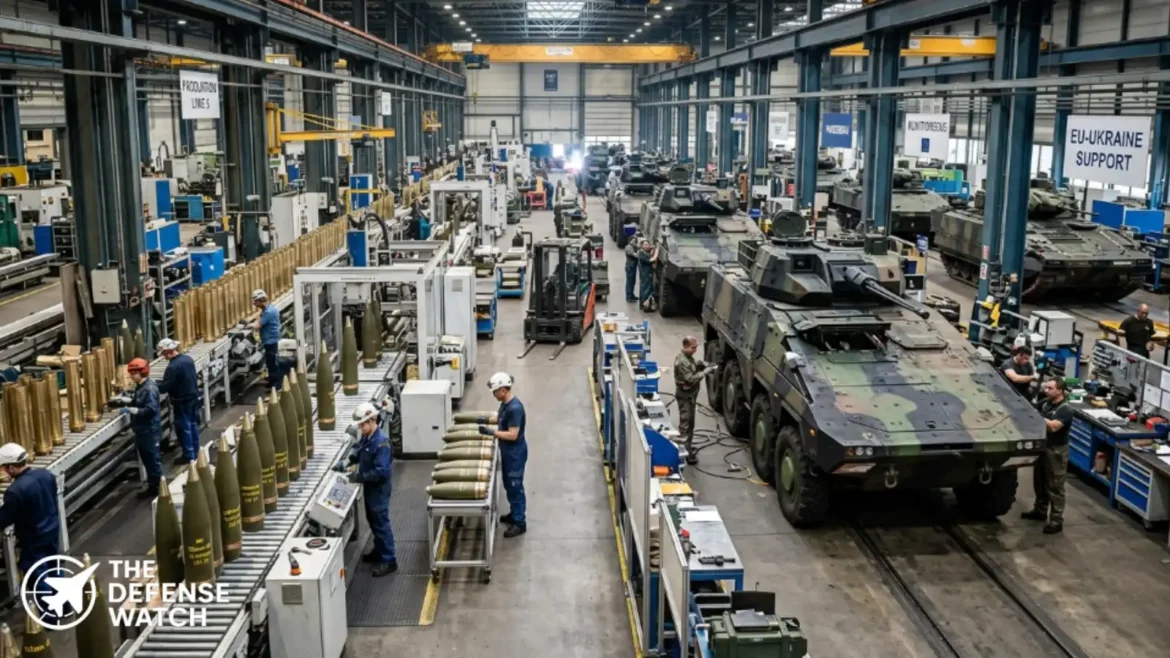
European Defense Industry Developments Accelerate Amid Strategic Pressure
European defense industry developments are entering a new phase of expansion, driven by sustained demand linked to the war in Ukraine and broader NATO readiness requirements. Governments across Europe are moving beyond short-term aid measures toward long-term industrial scaling, with a focus on ammunition, air defense, and next-generation platforms.
According to recent reporting from defense and industry sources including the European Commission and NATO, the shift reflects a structural change rather than a temporary surge. Production timelines are being extended, contracts are increasing in size, and cross-border cooperation is becoming more common.
- European nations are increasing defense spending and industrial output following Russia’s invasion of Ukraine.
- Joint procurement programs and EU-backed funding mechanisms are expanding across multiple domains.
- Ammunition production, air defense systems, and armored vehicle manufacturing are priority areas.
- Defense firms are scaling capacity to address long-term supply shortages identified since 2022.
- The shift reflects a structural transformation in Europe’s defense industrial base.
This transition marks one of the most significant reorganizations of Europe’s defense industrial base since the end of the Cold War.
Ammunition Production Becomes Top Priority
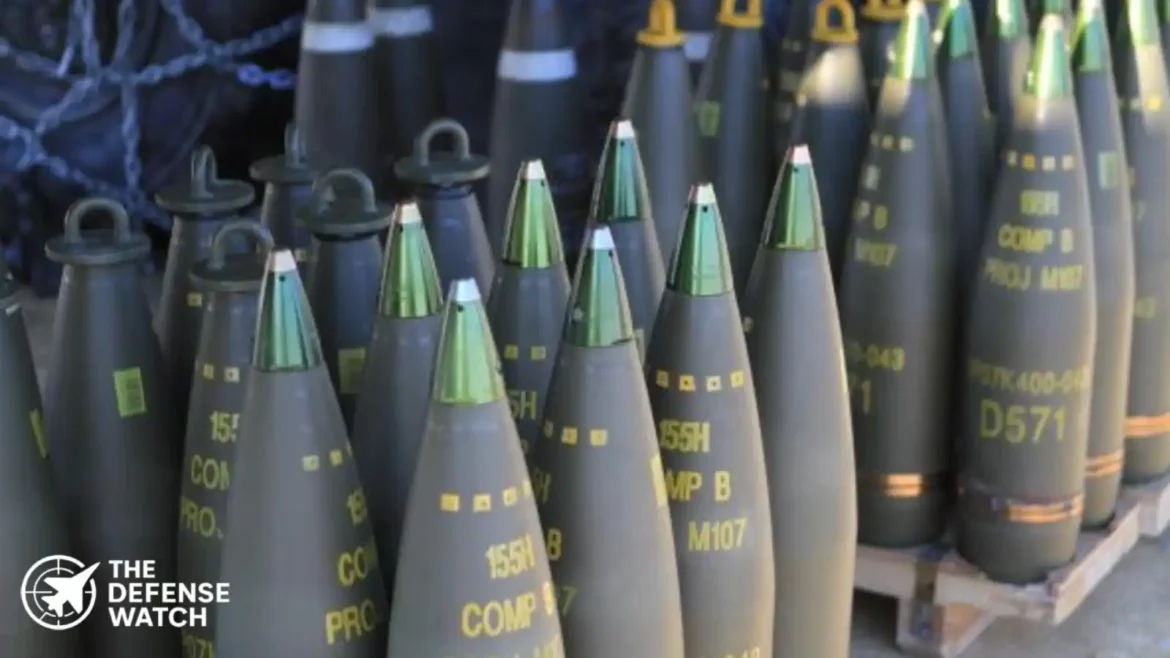
A central element of recent European defense industry developments is the rapid expansion of ammunition production capacity. European nations have faced persistent shortages, particularly in 155mm artillery shells, which are heavily used in Ukraine.
The European Union launched initiatives such as the Act in Support of Ammunition Production (ASAP) to boost output. The goal is to reach production levels of over one million rounds annually, although timelines have faced delays due to supply chain constraints and workforce limitations.
Major defense manufacturers are investing in new facilities and reopening dormant production lines. Industry analysts note that scaling production is not only about funding but also about securing raw materials, skilled labor, and long-term contracts to ensure sustainability.
Air Defense and Missile Systems Expand Rapidly
Air and missile defense systems are another key focus area. European countries are investing heavily in layered air defense networks to counter threats ranging from drones to ballistic missiles.
Germany’s European Sky Shield Initiative continues to gain traction, with multiple countries joining the program. The initiative aims to integrate systems such as IRIS-T, Patriot, and Arrow into a coordinated defensive architecture.
At the same time, countries like Poland and the Baltic states are accelerating national procurement programs. These efforts highlight a shift toward both collective and sovereign defense capabilities, reflecting differing threat perceptions across the region.
Armored Vehicles and Land Systems See Renewed Demand
The demand for armored vehicles has surged as European armies reassess their readiness for high-intensity conflict. Programs involving main battle tanks, infantry fighting vehicles, and artillery systems are expanding.
Countries including Norway, Germany, and the United Kingdom are modernizing their armored fleets. Recent contracts for upgraded main battle tanks and combat engineering vehicles underscore the scale of investment.
This trend also reflects lessons learned from Ukraine, where heavy armor remains critical despite the growing role of drones and precision weapons.
Defense Budgets Reach Historic Levels
European defense spending has increased significantly since 2022, with many NATO members meeting or exceeding the alliance’s 2 percent GDP target. According to NATO data, total European defense expenditure continues to rise year over year.
This funding supports both procurement and industrial expansion. Governments are placing multi-year orders to provide industry with predictable demand, reducing the risk of production slowdowns once immediate operational needs are met.
Analysts note that sustained funding will be essential to maintain momentum, particularly as inflation and rising costs impact defense programs.
Joint Procurement and EU-Level Coordination
Another defining feature of current European defense industry developments is the emphasis on joint procurement and coordination at the EU level.
Programs under the European Defence Fund (EDF) and Permanent Structured Cooperation (PESCO) are facilitating collaboration on research, development, and procurement. These initiatives aim to reduce fragmentation and improve interoperability among European forces.
However, challenges remain. Differences in national requirements, industrial interests, and procurement timelines continue to complicate joint efforts. Despite this, the overall trend points toward greater integration compared to previous decades.
Industrial Challenges and Supply Chain Constraints
While growth is evident, the European defense industry faces several constraints. Supply chain bottlenecks, particularly in electronics and specialized materials, continue to affect production timelines.
Workforce shortages are another issue, as the industry requires skilled labor in engineering, manufacturing, and maintenance. Companies are investing in training programs, but scaling the workforce takes time.
In addition, regulatory and export control frameworks can slow down cross-border cooperation. Efforts are underway to streamline these processes, but progress varies across countries.
Strategic Implications for NATO and Global Defense
The ongoing expansion of Europe’s defense industrial base has broader implications for NATO and global security. Increased European production capacity reduces reliance on external suppliers, particularly the United States, while strengthening the alliance’s overall readiness.
At the same time, the shift signals a more balanced transatlantic defense relationship. European nations are taking greater responsibility for regional security, which could influence future NATO planning and burden-sharing discussions.
From a geopolitical perspective, the developments reflect a long-term response to Russia’s actions in Ukraine and a recognition of evolving threat environments.
Outlook
Looking ahead, European defense industry developments are expected to continue along the current trajectory, with sustained investment and increasing coordination. The focus will likely remain on scaling production, improving interoperability, and integrating emerging technologies such as artificial intelligence and autonomous systems.
However, the pace of progress will depend on political commitment, industrial capacity, and the evolution of the security environment. For now, Europe’s defense sector is undergoing a transformation that is reshaping its role within NATO and the global defense landscape.
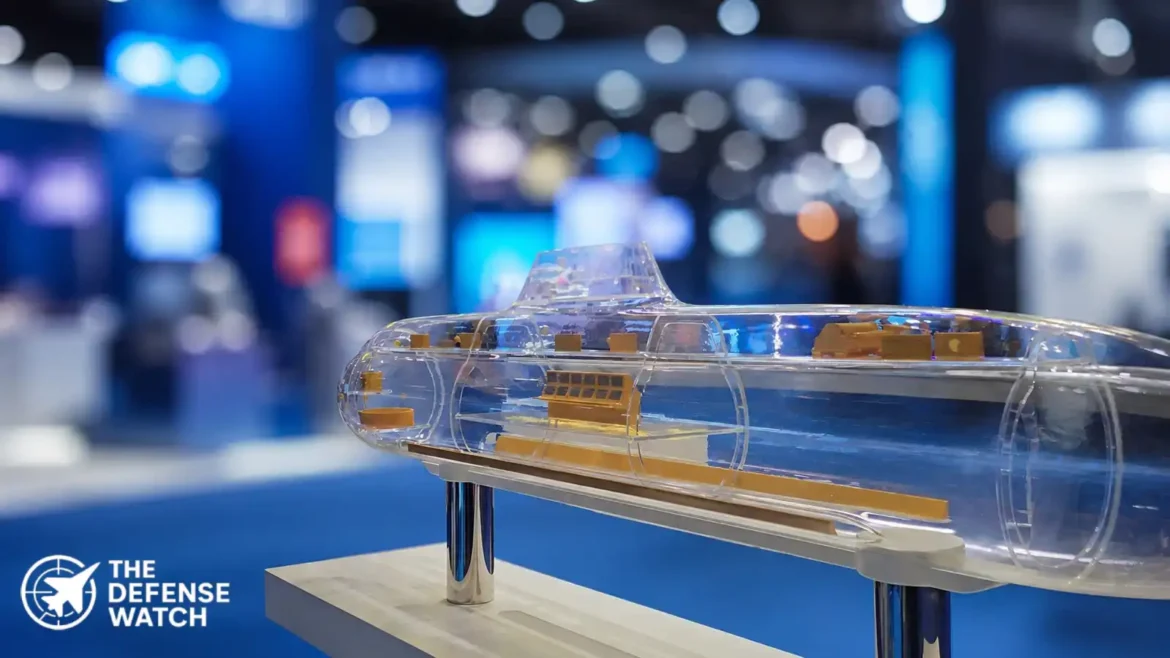
Europe’s Largest Naval Exercise Signals NATO’s Maritime Shift
Europe’s largest naval exercise is set to unfold in May 2026, bringing together a wide range of NATO forces in a coordinated display of maritime power and operational readiness. The масштаб drills, highlight how the alliance is adapting its naval strategy amid growing security pressures across European waters.
The exercise involves dozens of warships, submarines, and aircraft from multiple NATO member states, operating across key maritime regions. Participating forces are expected to conduct complex scenarios, including anti-submarine warfare, amphibious landings, air defense operations, and coordinated strike missions.
- Europe’s largest naval exercise is set to take place in May 2026, involving multiple NATO member states.
- The drills include surface ships, submarines, aircraft, and amphibious forces operating across key maritime zones.
- The exercise focuses on interoperability, maritime security, and high-intensity conflict scenarios.
- It reflects NATO’s response to rising tensions and increased military activity in European waters.
- The event underscores the alliance’s commitment to collective defense and naval readiness.
This large-scale event is not just a routine training cycle. It reflects a broader shift in NATO’s posture, emphasizing readiness for high-intensity conflict and rapid response across contested maritime environments.
Scale And Scope Of Multinational Operations
The scale of Europe’s largest naval exercise underscores NATO’s focus on interoperability. Forces from different nations will operate under a unified command structure, testing their ability to integrate systems, share intelligence, and execute joint missions in real time.
Naval exercises of this magnitude typically involve carrier strike groups, destroyers, frigates, and support vessels, along with maritime patrol aircraft and helicopters. Submarine operations play a critical role, especially in detecting and countering underwater threats, a domain that has gained renewed importance in recent years.
According to defense analysts, such exercises serve as a proving ground for combined operations. They allow allied forces to refine tactics, validate communication systems, and ensure compatibility across platforms built by different nations.
Strategic Context Driving The Exercise
The timing of Europe’s largest naval exercise is closely linked to evolving geopolitical dynamics. Increased naval activity in the North Atlantic, Baltic Sea, and Mediterranean has raised concerns among NATO members, prompting a stronger emphasis on maritime deterrence.
Recent years have seen a resurgence in great power competition at sea. This includes expanded submarine patrols, contested shipping lanes, and heightened surveillance activity. In response, NATO has prioritized maintaining freedom of navigation and securing critical sea lines of communication.
The exercise also reflects lessons learned from recent conflicts and military developments. Modern naval warfare increasingly involves integrated operations across domains, including cyber, space, and electronic warfare. Training scenarios now simulate these conditions, preparing forces for complex, multi-layered threats.
Operational Focus And Capabilities
Europe’s largest naval exercise will test a wide range of capabilities. Anti-submarine warfare remains a central focus, given the strategic importance of detecting and tracking adversary submarines in contested waters.
Air defense operations are another key element. Participating forces will simulate defending fleets against missile and drone threats, reflecting the growing role of unmanned systems in modern conflict.
Amphibious operations are also expected to feature prominently. These drills test the ability to deploy troops and equipment from sea to shore, a capability that remains vital for rapid response and expeditionary missions.
From an operational perspective, the exercise provides an opportunity to assess readiness at scale. It allows commanders to evaluate how quickly forces can mobilize, coordinate, and sustain operations over extended periods.
Analysis: Why This Exercise Matters Now
At least part of the significance of Europe’s largest naval exercise lies in what it signals rather than just what it does. The scale and visibility of the drills serve as a strategic message, reinforcing NATO’s commitment to collective defense and deterrence.
The exercise also highlights a shift toward more frequent and complex multinational training. As threats evolve, so does the need for integrated responses. No single nation can address these challenges alone, making joint exercises essential for maintaining a credible defense posture.
Another key factor is the increasing importance of maritime domains in global security. Sea routes remain critical for trade, energy supply, and military mobility. Ensuring their security is a top priority for NATO, particularly in regions where tensions are rising.
From a capability standpoint, the exercise helps identify gaps and areas for improvement. It provides real-world data on how systems perform under pressure, informing future investments and modernization efforts.
Broader Implications For NATO Strategy
Europe’s largest naval exercise aligns with NATO’s broader strategic objectives, including strengthening deterrence, enhancing readiness, and improving interoperability. It also supports the alliance’s focus on forward presence, ensuring that forces can operate effectively in key regions.
The drills are likely to influence future training cycles, shaping how NATO prepares for emerging threats. They may also inform policy decisions related to defense spending, force structure, and capability development.
For European nations, the exercise reinforces the importance of maintaining strong naval forces. It highlights the need for continued investment in ships, submarines, and supporting infrastructure, as well as advanced technologies such as unmanned systems and networked warfare capabilities.
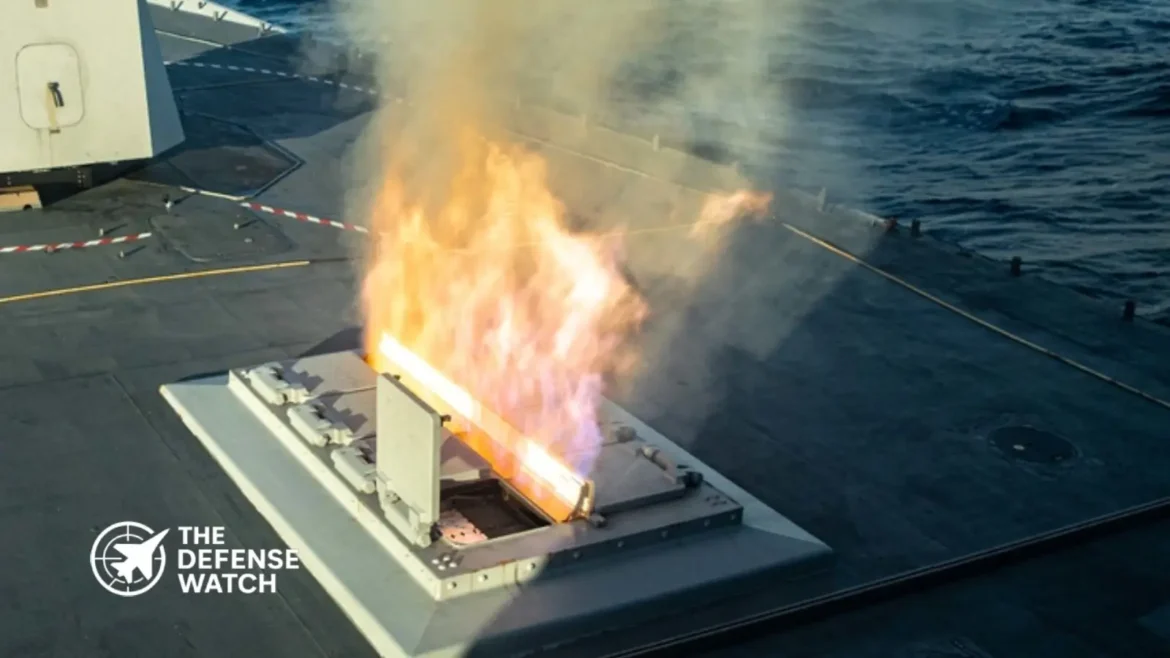
Raytheon ESSM Block 2 Contract Expands Allied Naval Defense Capacity
The Evolved SEASPARROW Missile Block 2 contract awarded to Raytheon marks a significant step in strengthening naval air defense capabilities across the United States and its allied partners. Valued at $832.9 million, the firm fixed price modification supports continued production of advanced shipborne missiles designed to counter evolving aerial threats.
Awarded by the Naval Sea Systems Command on April 24, 2026, the contract exercises options under a previously awarded agreement. It covers both missile assembly and associated container requirements for a wide coalition of nations, including Australia, Canada, Germany, and NATO allies across Europe.
- Raytheon secured an $832.9 million contract modification for ESSM Block 2 missile production.
- The contract supports the U.S. and 11 allied nations including NATO partners and Australia.
- Production spans over 20 global locations with completion expected by September 2030.
- Funding is split between U.S. Navy procurement and international partner contributions.
- ESSM Block 2 enhances naval defense against advanced anti-ship missiles and aerial threats.
This ESSM Block 2 production deal reflects growing demand for layered naval air defense systems amid increasing missile threats in contested maritime environments.
Multinational Production Reflects Broad Strategic Alignment
The scope of the program underscores its multinational nature. Manufacturing and integration activities are distributed across more than 20 locations worldwide, including the United States, Canada, Australia, and several European countries.
Key production hubs include Tucson, Arizona, which accounts for the largest share, alongside facilities in Norway, the Netherlands, and Germany. This distributed industrial base supports interoperability while reinforcing defense industrial cooperation among partner nations.
The Evolved SEASPARROW missile contract is funded through a mix of U.S. Navy procurement and international partner contributions. Roughly half of the funding comes from U.S. fiscal year 2026 weapons procurement, with the remainder largely financed by allied customers.
This funding model reflects the cooperative structure of the NATO SEASPARROW program, where participating nations jointly develop, procure, and sustain the system.
ESSM Block 2 Enhances Modern Naval Air Defense
The ESSM Block 2 represents a significant upgrade over earlier variants. Unlike the semi active radar homing guidance used in Block 1, the newer missile incorporates an active radar seeker, improving engagement capability against complex and maneuvering threats.
This upgrade is critical in addressing modern anti ship missile threats, including sea skimming cruise missiles and high speed maneuvering targets. It also enhances a ship’s ability to engage multiple threats simultaneously, a key requirement in high intensity naval combat scenarios.
From an operational perspective, the system integrates with widely deployed combat systems such as Aegis, making it a core component of layered ship defense architectures used by the U.S. Navy and allied fleets.
The ESSM Block 2 production deal therefore directly contributes to closing capability gaps in naval air defense, particularly as adversaries invest in more advanced missile technologies.
Strategic Context: Rising Maritime Threat Environment
The timing of this contract aligns with broader shifts in global naval strategy. Maritime forces are increasingly operating in contested regions where anti access and area denial systems are prevalent.
In regions such as the Indo Pacific and the North Atlantic, allied navies face growing challenges from advanced cruise missiles, drones, and integrated air defense systems. The ESSM Block 2 provides a cost effective medium range intercept capability that complements longer range systems like SM 2 and SM 6.
The Raytheon naval missile program also reflects a broader trend toward upgrading legacy systems rather than developing entirely new platforms. By enhancing an existing and widely deployed missile family, partner nations can rapidly improve capability without extensive platform modifications.
This approach reduces cost, shortens deployment timelines, and ensures compatibility across allied fleets.
Industrial and Operational Implications
Beyond its operational value, the contract highlights the importance of defense industrial resilience. The geographically distributed production model reduces supply chain risk and supports local industries across participating countries.
It also reinforces long term sustainment and upgrade pathways for the ESSM family, ensuring that partner nations can maintain readiness over decades.
Completion of the contract is scheduled for September 2030, indicating sustained production demand and continued reliance on the system within allied naval forces.
Conclusion
The Evolved SEASPARROW Missile Block 2 contract awarded to Raytheon represents more than a routine procurement action. It reflects a coordinated multinational effort to strengthen naval air defense in response to evolving threats.
With its advanced guidance system, broad international participation, and integration into existing naval platforms, the ESSM Block 2 remains a cornerstone of allied maritime defense strategy.
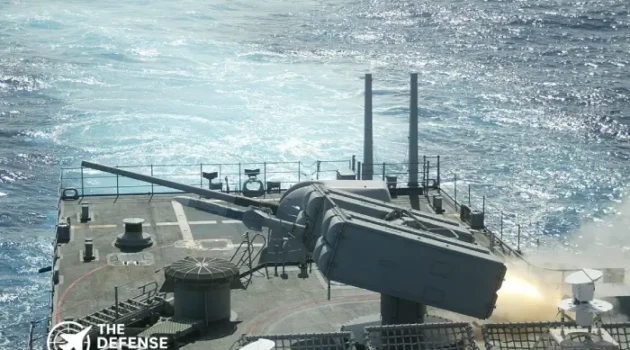

Subsea Attack Warning Highlights New Strategic Vulnerability
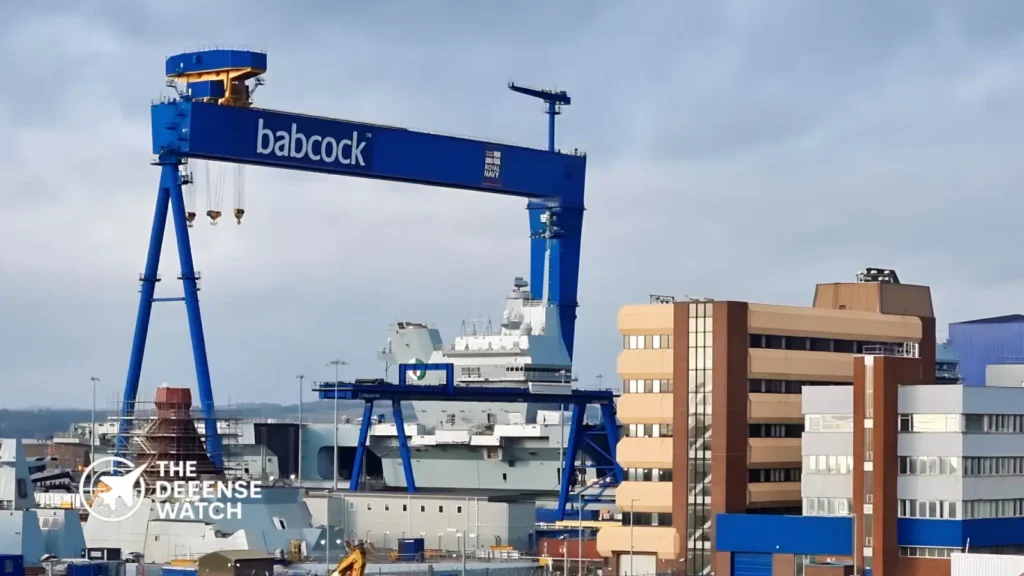
Subsea attack risks could inflict damage comparable to the Covid pandemic, according to warnings from defense contractor Babcock, underscoring growing concern over the vulnerability of undersea cables, pipelines, and offshore energy networks. The warning reflects a broader shift in Western defense planning, where seabed infrastructure is increasingly viewed as a frontline security challenge.
- Babcock says a major subsea attack could cause economic disruption comparable to the Covid pandemic.
- Undersea cables carry most global internet traffic and support finance, defense, and communications systems.
- NATO states are increasing patrols and surveillance around critical seabed infrastructure.
- Recent cable damage incidents in Europe have intensified calls for faster protection measures.
- Maritime resilience is becoming as important as traditional naval power.
The Big Picture
Critical underwater networks form the hidden backbone of the global economy. Submarine fiber optic cables reportedly carry the vast majority of international data traffic, while seabed pipelines and offshore power links support industrial output and household energy demand.
For decades, these systems were treated mainly as commercial assets. That is changing rapidly. Governments now recognize that sabotage, espionage, or disruption below the surface can create strategic effects without direct military confrontation.
The war in Ukraine, incidents in the Baltic Sea, and rising competition between NATO and Russia have accelerated this reassessment.
What’s Happening
According to the UK Defence Journal report, Babcock executives warned that a coordinated subsea attack could trigger widespread economic shock similar in scale to the disruption caused by Covid.
The company, a major British defense and engineering firm active in naval support, submarine sustainment, and maritime systems, has argued for stronger investment in monitoring and protecting underwater infrastructure.
The remarks come as European governments investigate multiple recent cable and pipeline incidents, some accidental and others considered suspicious.
Why It Matters
A successful subsea attack does not need to destroy many targets to have outsized effects.
Cutting a handful of high capacity communications cables can slow internet connectivity, disrupt banking transactions, degrade military command links, and delay cloud services. Damaging gas pipelines or electricity interconnectors can drive price spikes and stress national grids.
That makes undersea infrastructure an attractive target for states seeking leverage below the threshold of open conflict.
Unlike missile strikes, attribution can be slow and politically complex. Repair operations may also take days or weeks depending on location, weather, and spare vessel availability.
Strategic Implications
NATO members increasingly see maritime domain awareness as extending from the ocean surface to the seabed.
That means more patrol aircraft, unmanned underwater vehicles, seabed sensors, satellite tracking of suspicious vessels, and specialized repair capacity. Navies that once focused on carrier groups and submarines must now protect commercial networks spread across thousands of miles.
For the United States, this trend reinforces the importance of transatlantic cable resilience and North Atlantic sea lane security. Any disruption affecting Europe can also affect U.S. finance, military communications, and industrial supply chains.
Competitor View
Russia has long drawn scrutiny for specialized vessels and undersea capabilities that analysts say could be used for intelligence gathering or seabed operations. Moscow denies hostile intent, but NATO planners monitor such activity closely.
China is also expanding maritime reach, deep sea technology, and dual use oceanographic capabilities. Western officials increasingly assess undersea competition as a long term strategic arena rather than a temporary concern.
What To Watch Next
Several developments will shape the response:
- More NATO naval patrols near critical cable routes
- Faster multinational information sharing on suspicious vessel movements
- Growth in autonomous underwater surveillance systems
- Investment in cable redundancy and rapid repair fleets
- New legal frameworks for protecting seabed infrastructure
The UK and allies are also likely to deepen cooperation with private operators that own much of this infrastructure.
Capability Gap
Current defenses remain uneven. Many cable routes are remote, difficult to monitor continuously, and managed by commercial firms rather than militaries.
Even advanced navies cannot guard every mile of seabed infrastructure at all times. Detection, attribution, and repair timelines remain key weaknesses.
That gap explains why Babcock’s warning matters. It points to resilience, not just deterrence, as the next phase of maritime security planning.
The Bottom Line
Protecting underwater cables and pipelines is quickly becoming a core national defense mission because a major subsea attack could disrupt economies without a single missile being fired.

RAF C-17 Globemaster Demonstrates Arctic Reach
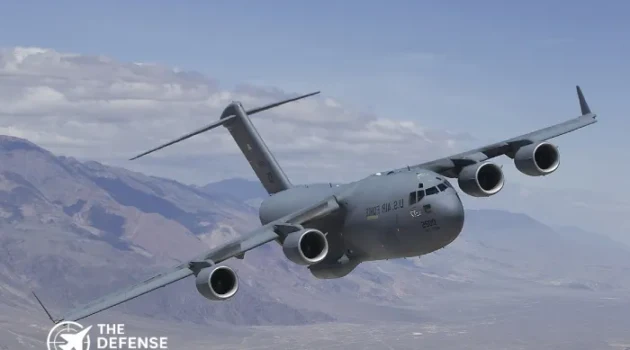
RAF C-17 Globemaster aircraft completed a landmark Arctic mission by landing at the world’s northernmost settlement as part of a joint resupply effort with Canada. The operation highlighted the United Kingdom’s ability to project airlift power into one of the harshest operating environments on earth while supporting allied presence in the High North.
The mission, first reported by Defence Industry Europe, underscores the growing importance of Arctic logistics as NATO nations adapt to changing security conditions and increasing activity across northern sea lanes.
- RAF C-17 Globemaster landed at the world’s northernmost permanent settlement during an Arctic support mission.
- Operation was conducted with Canada, highlighting allied logistics cooperation in extreme conditions.
- Mission demonstrated NATO interest in sustaining operations across the High North.
- C-17 provides heavy-lift transport for cargo, vehicles, personnel, and austere airfield access.
- Arctic mobility is becoming central to future deterrence and readiness planning.
The Big Picture
Arctic access has moved from a niche military concern to a mainstream strategic priority. Melting sea ice, longer seasonal navigation windows, and renewed great power competition have increased attention on the High North.
Russia maintains extensive Arctic military infrastructure, including air bases, radar stations, and northern fleet assets. NATO members, including the United Kingdom, Canada, Norway, Denmark, and the United States, are responding by improving surveillance, mobility, and sustainment networks.
Heavy airlift is central to that effort. Forces cannot maintain credible presence in remote polar regions without reliable cargo movement, fuel delivery, engineering support, and emergency response capacity.
What’s Happening
The Royal Air Force used a C-17 Globemaster III to conduct a resupply mission to the world’s northernmost settlement, widely understood to be Ny-Alesund in Norway’s Svalbard archipelago or a similarly remote High Arctic location depending on mission reporting.
The flight was carried out in cooperation with Canadian partners. Such missions typically transport scientific supplies, operational equipment, food stocks, fuel support items, or rotational personnel.
The RAF operates the Boeing-built C-17 from RAF Brize Norton. The aircraft can carry oversized cargo, armored vehicles, helicopters, palletized freight, or large troop loads over intercontinental ranges.
Why It Matters
Arctic operations expose weaknesses that do not appear in temperate climates. Engines, hydraulics, communications systems, tires, and ground equipment all face stress in extreme cold. Runways may be short, icy, or isolated from repair support.
A successful RAF C-17 Globemaster landing therefore demonstrates more than navigation skill. It shows trained crews, mission planning depth, cold-weather procedures, and confidence in operating a strategic transport aircraft far from normal support hubs.
That matters because military readiness increasingly depends on logistics rather than just combat platforms. Nations able to move supplies quickly can reinforce allies, respond to crises, and sustain forward deployments.
Strategic Implications
The mission supports three major strategic goals.
First, it improves allied interoperability. UK and Canadian coordination in Arctic conditions strengthens practical readiness for future humanitarian, military, or sovereignty tasks.
Second, it reinforces NATO’s northern posture. Visible and routine operations complicate any attempt by rivals to dominate remote access routes or create gray-zone pressure.
Third, it expands options for crisis response. A C-17 can rapidly deliver engineers, communications packages, medical teams, or disaster relief supplies to isolated communities.
Competitor View
Russia will likely view growing allied Arctic air mobility as part of a broader NATO normalization of northern operations. Moscow has long treated the Arctic as a core strategic bastion tied to missile warning systems, submarine access, and resource corridors.
China, while not an Arctic state, has declared itself a near-Arctic stakeholder and invested in polar research, shipping interests, and regional diplomacy. Western mobility demonstrations signal that established Arctic powers retain operational reach.
What To Watch Next
Future indicators worth monitoring include expanded RAF cold-weather exercises, more UK transport rotations to northern bases, and deeper integration with Canadian and Nordic partners.
Observers should also watch infrastructure investment. Arctic readiness depends not only on aircraft, but fuel storage, satellite communications, runway maintenance, and search-and-rescue networks.
Capability Gap
The RAF C-17 Globemaster helps close a critical gap between strategic intent and physical access. Many nations can announce Arctic priorities, but far fewer can sustain forces there.
Still, large transport aircraft depend on weather windows, runway condition, and support planning. Airlift alone cannot replace maritime sealift or permanent infrastructure.
The Bottom Line
The RAF C-17 Globemaster Arctic mission shows that credible High North strategy starts with the ability to land, deliver, and sustain forces where conditions are toughest.
NATO Underwater Internet Concept Moves Into Operations
The NATO underwater internet concept is moving from research into real operational planning, marking a significant step in how allied navies may fight, monitor, and communicate beneath the sea.
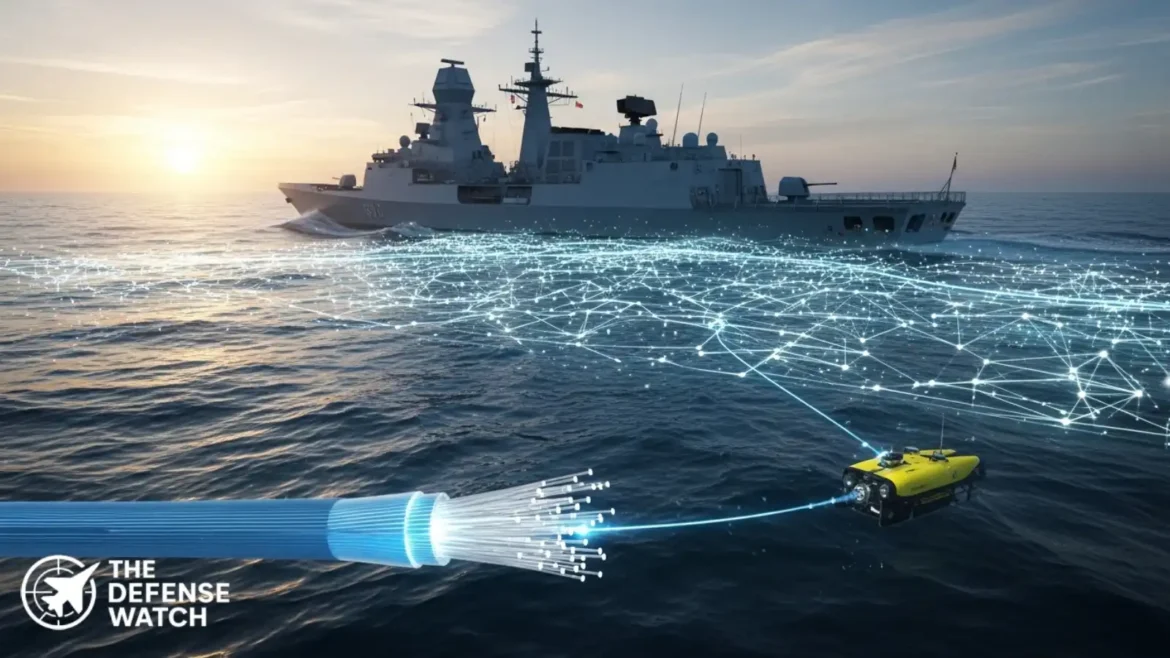
NATO has launched the Allied Underwater Battlespace Mission Network (AUWB-MN), a program intended to create a secure mission network linking military systems operating above, on, and below the waterline. The project is being led by Saab through its MANGROVE consortium.
- NATO has advanced its underwater internet concept into operational development through a new Allied Underwater Battlespace Mission Network (AUWB-MN) program.
- Swedish defense firm Saab (through its Kockums business area) is leading the multinational MANGROVE consortium selected for the effort.
- The system is designed to connect crewed and uncrewed platforms above, on, and below the sea surface.
- Twelve NATO nations are backing the project, led by the United Kingdom.
- The move comes as allied nations face growing concern over cable sabotage, seabed espionage, and maritime disruption.
The initiative reflects a broader shift in alliance planning. Underwater operations were once focused mainly on submarines and anti-submarine warfare. Today, the seabed has become a strategic battlespace that includes data cables, energy pipelines, sensors, drones, and autonomous vehicles.
Why NATO Is Prioritizing Undersea Networks
More than traditional naval competition is driving this effort. Western officials have increasingly warned about the vulnerability of critical undersea infrastructure, especially fiber optic cables that carry global internet traffic and financial data.
Recent incidents in the Baltic Sea and North Atlantic have sharpened concern that hostile states or proxy actors could damage cables, disrupt communications, or gather intelligence without triggering open conflict.
That makes the NATO underwater internet concept strategically important. If allied forces can maintain resilient underwater communications and connect autonomous systems in real time, they gain faster detection, better coordination, and stronger deterrence.
This is no longer only about ships and submarines. It is about controlling information flows in contested waters.
What The New Network Is Designed To Do
According to Saab, the AUWB-MN project will create a reference architecture and testing environment for a future NATO standard. It aims to support secure and rapid information exchange between conventional naval assets and maritime uncrewed systems.
That could include:
- Underwater drones sharing sonar contacts
- Surface vessels relaying data to command centers
- Autonomous sensors tracking suspicious seabed activity
- Multi-nation forces operating on one common network
- Faster responses to sabotage or submarine threats
The long term value is interoperability. NATO forces often operate with different national systems. A common underwater data standard could reduce delays and improve joint missions.
Why This Matters Beyond Europe
Although many recent cable incidents have centered on Europe, the implications are global. Undersea infrastructure links continents, supports military communications, and underpins global commerce.
If NATO successfully fields an underwater network architecture, similar models could shape future Indo-Pacific security planning, Arctic surveillance, and coalition maritime operations.
The United States, as a leading NATO military power, has a clear stake in the project. American naval doctrine increasingly emphasizes unmanned systems, distributed sensing, and resilient communications. Those priorities align directly with AUWB-MN goals.
Analysis: A Quiet But Important Military Shift
This program may not attract attention like a new fighter jet or missile system, but it could prove just as consequential.
Modern warfare increasingly targets networks rather than platforms. A damaged cable, blinded sensor grid, or disrupted data link can weaken combat power before the first missile is fired.
By pushing the NATO underwater internet concept into operations, the alliance is recognizing that future maritime competition will be fought across the seabed as much as on the surface.
That suggests NATO sees underwater connectivity not as a technical niche, but as core military infrastructure.
Greece F-16V Viper Marks Major Upgrade Milestone
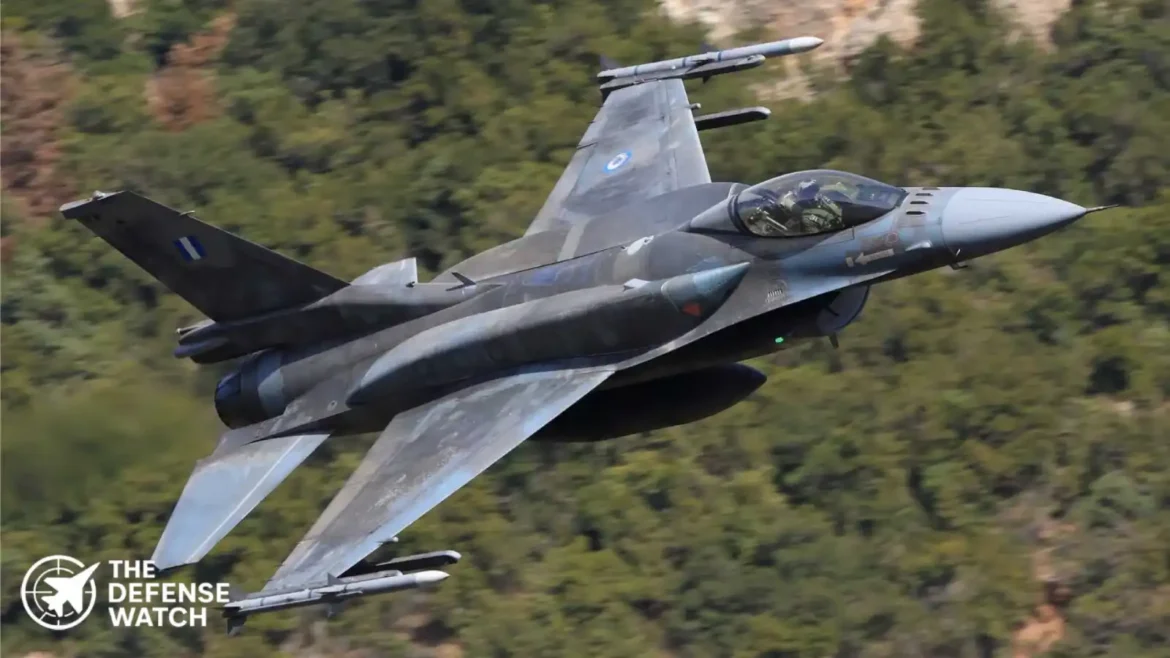
Greece F-16V Viper modernization reached a key milestone after the country received its 50th upgraded fighter jet. The delivery highlights Athens’ steady push to modernize frontline combat aviation and improve readiness across the Aegean.
The aircraft is part of a broader program to convert older Greek F-16s into the advanced Block 70/72 standard, commonly known as the Viper. The program is centered on extending fleet life while delivering next generation sensors, survivability improvements, and stronger strike capability.
- Greece has received its 50th upgraded F-16V Viper fighter aircraft.
- The F-16V adds AESA radar, modern avionics, improved targeting, and networked warfare capability.
- The milestone strengthens Greek deterrence and rapid response capacity in the Aegean region.
- Greece plans to modernize 83 aircraft under the national upgrade program.
- The upgraded fleet will operate alongside Rafale fighters and future F-35 acquisitions.
The Big Picture
Greece has spent the last several years accelerating military modernization amid persistent regional tensions, especially with neighboring Turkey over maritime boundaries, airspace management, and Eastern Mediterranean energy zones.
Air power remains central to that strategy. Fast reaction aircraft routinely intercept airspace violations, monitor maritime activity, and provide deterrence. For Greece, a modern tactical air fleet offers a relatively quick and scalable means of maintaining balance in a contested region.
Athens has therefore pursued a layered force structure built around upgraded F-16s, newly acquired French Rafale fighters, and a stated interest in acquiring the F-35 in the future.
What’s Happening
The latest delivery brings Greece to 50 completed F-16V aircraft under an upgrade effort expected to cover 83 jets. The work is led by the Hellenic Aerospace Industry in cooperation with Lockheed Martin.
The F-16V standard includes several major enhancements:
- AN/APG-83 AESA radar
- Modern mission computer
- Large center pedestal display
- Advanced datalink capability
- Improved electronic warfare systems
- Better precision strike integration
- Extended service life potential
These upgrades transform legacy fighters into platforms able to operate in dense electronic environments and engage targets faster at longer ranges.
Why It Matters
The Greece F-16V Viper program delivers capability faster than purchasing an entirely new fleet. By upgrading existing aircraft, Greece retains trained crews, support infrastructure, and proven logistics chains while gaining many features associated with newer generation fighters.
That matters operationally. In the Aegean, response times are short, distances are tight, and pilots may need to identify, track, and if required engage aircraft quickly. AESA radar and improved data fusion help crews make decisions faster.
The Viper configuration also improves survivability. Better sensors and electronic warfare systems can help aircraft detect threats sooner and operate more effectively in contested airspace.
Strategic Implications
A fleet of more than 80 upgraded fighters would significantly strengthen Greek readiness. Combined with Rafale aircraft carrying long range air to air and strike weapons, Greece gains a more credible layered deterrent posture.
For NATO, the modernization also supports alliance southern flank readiness. Greece occupies a strategically important location linking the Balkans, Eastern Mediterranean, Black Sea approaches, and Middle East transit routes.
A more capable Greek fighter force can contribute to alliance policing, maritime surveillance, and crisis response missions if required.
Competitor View
Regional military planners will likely view the Greece F-16V Viper milestone as part of a broader balance of power shift in the Eastern Mediterranean.
Turkey continues to pursue its own air modernization path through indigenous projects, drone expansion, and efforts tied to F-16 fleet upgrades. As a result, both sides are placing increasing emphasis on sensors, networking, standoff weapons, and pilot readiness rather than raw aircraft numbers alone.
That trend suggests future competition will depend as much on integration and training as on platforms themselves.
What To Watch Next
Several developments now matter most:
- Delivery pace toward the full 83 aircraft target
- Integration with Rafale fighter operations
- Weapons package expansion
- Potential Greek F-35 procurement timeline
- Sustainment funding and pilot training rates
If completed on schedule, Greece would field one of the most capable F-16 fleets in Europe.
Capability Gap
The upgrade directly addresses aging avionics and sensor limitations found in older fourth generation aircraft. Without modernization, legacy jets face declining relevance against modern radars, electronic attack systems, and long range missiles.
However, the F-16V is still not a stealth aircraft. In heavily defended environments, mission planning, electronic support, and standoff weapons remain essential.
The Bottom Line
Greece’s 50th F-16V delivery shows Athens is rapidly turning legacy fighters into a modern combat force built for deterrence and fast response in the Aegean.