- ► Iran and Russia reportedly signed a secret €500 million missile deal in December 2025, according to the Financial Times.
- â–º The pact covers delivery of 500 Verba man portable air defense launch units and 2,500 9M336 missiles through 2027 to 2029.
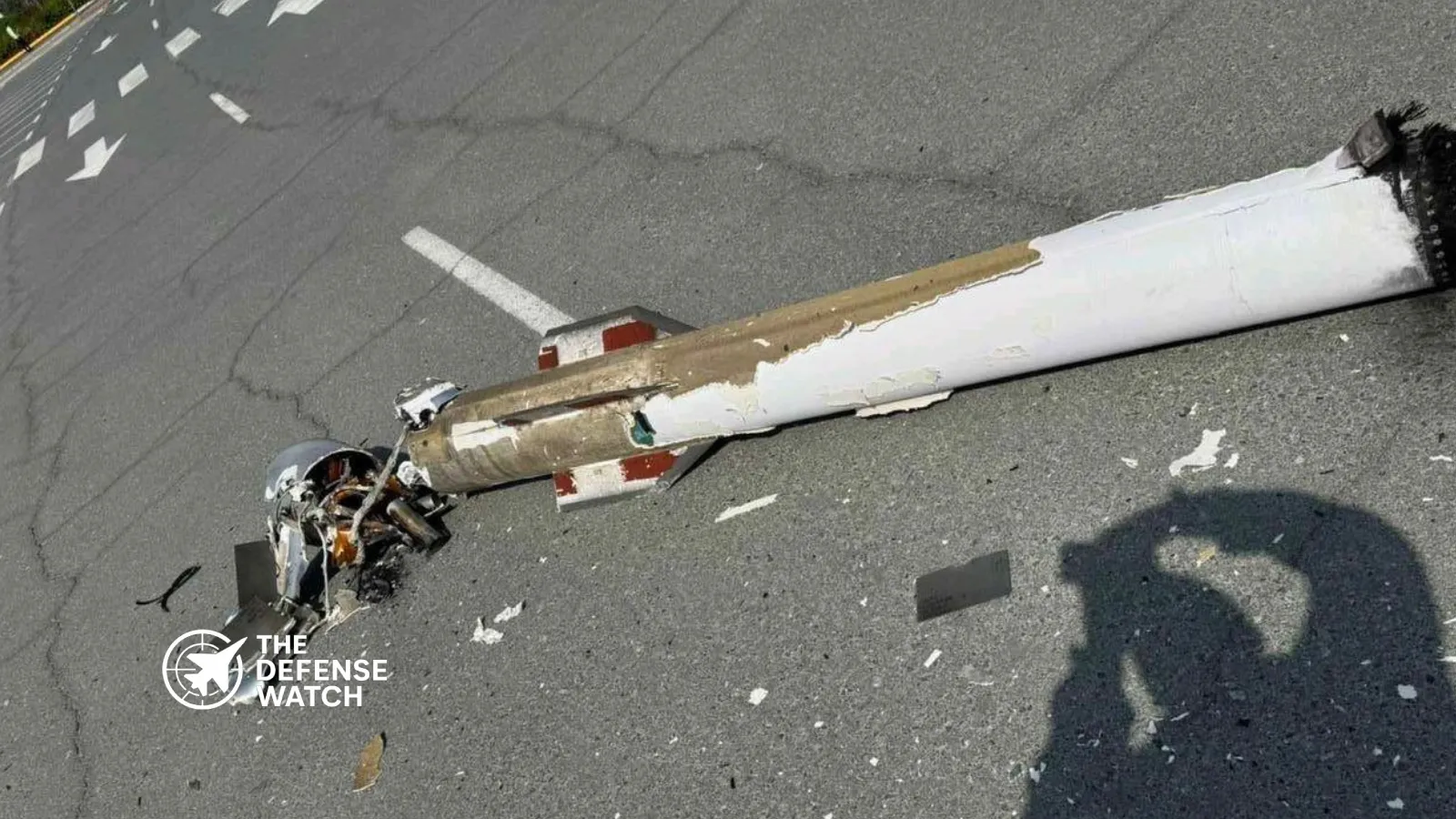
- â–º The Verba systems are infrared guided MANPADS designed to target low altitude threats including drones and cruise missiles.
- ► The deal follows damage to Iran’s air defense network during the 2025 conflict with Israel.
- â–º The agreement reflects deepening military cooperation between Tehran and Moscow.
HMS Duncan Deployment Under Review As Eastern Mediterranean Tensions Rise
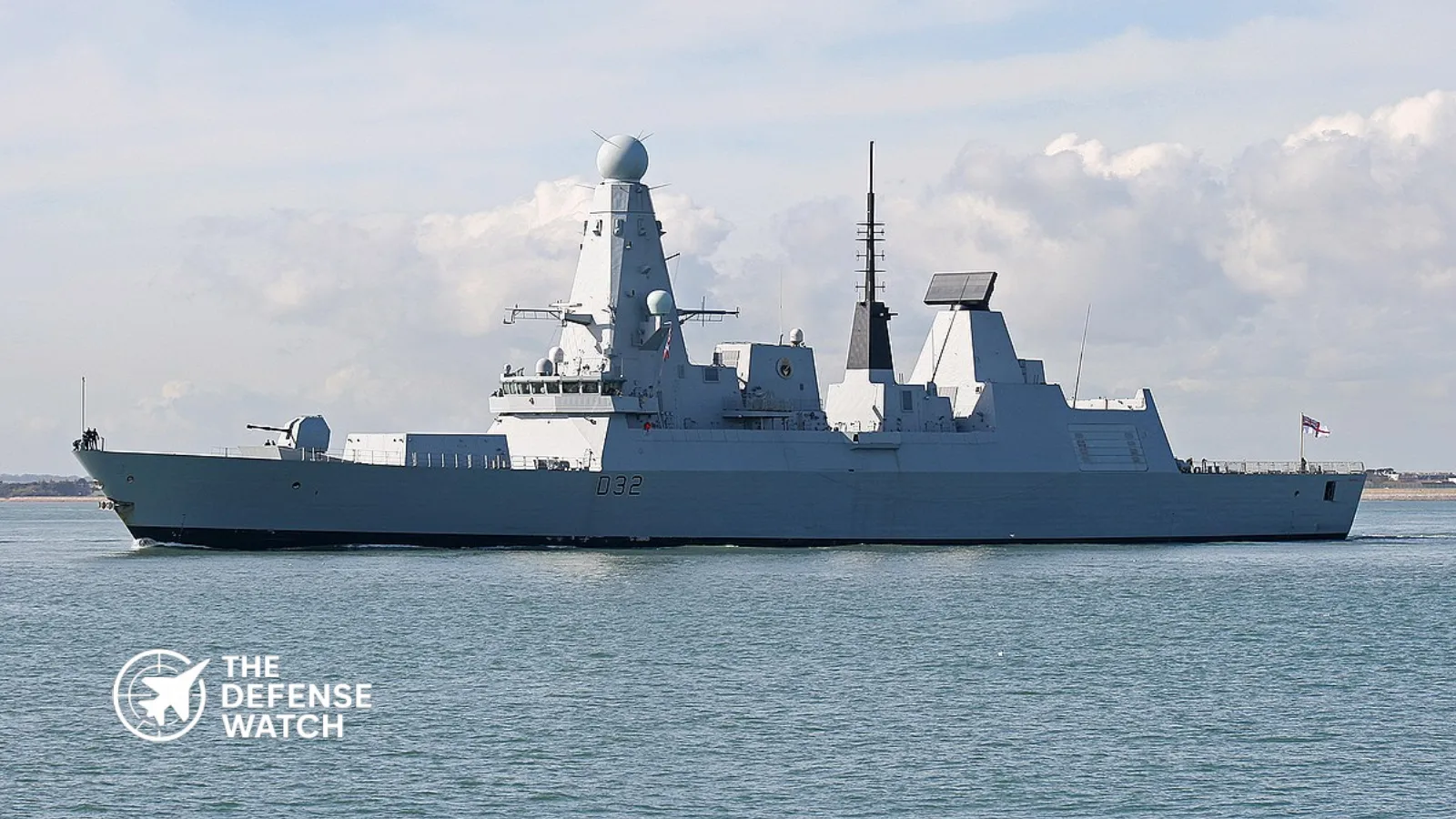
The possible HMS Duncan deployment to Cyprus reflects growing concern in London over Iranian drone and missile threats in the Eastern Mediterranean. The United Kingdom is weighing the dispatch of the Royal Navy’s Type 45 destroyer to help protect Cyprus amid escalating regional tensions.
Cyprus hosts two British Sovereign Base Areas, including RAF Akrotiri, which have long supported UK and allied operations across the Middle East. Any increase in Iranian long range drone or missile activity could put these facilities at risk, particularly during periods of heightened confrontation involving Israel or regional proxies.
Why HMS Duncan Matters
HMS Duncan is one of six Type 45 air defense destroyers operated by the Royal Navy. The class was designed specifically to counter advanced aerial threats, including supersonic anti ship missiles, ballistic missiles in limited scenarios, and increasingly, unmanned aerial systems.
Equipped with the Sea Viper air defense system, which integrates the SAMPSON multifunction radar and Aster interceptor missiles, HMS Duncan can track and engage multiple air targets simultaneously. In recent years, Type 45 destroyers have played a visible role in protecting shipping and allied forces from missile and drone attacks in the Red Sea and Gulf regions.
Deploying HMS Duncan to waters near Cyprus would provide a mobile, layered air defense capability. Unlike fixed land based systems, a destroyer can reposition rapidly based on threat intelligence and provide coverage across maritime and coastal approaches.
Iran’s Expanding Drone And Missile Footprint
Iran has invested heavily in drones, cruise missiles, and ballistic missile systems over the past decade. Systems such as the Shahed series loitering munitions have been widely used by Iranian aligned forces and exported to partners abroad. Tehran’s cruise missile inventory has also expanded, with improved guidance and extended ranges.
Western defense analysts, including assessments from the International Institute for Strategic Studies and the Center for Strategic and International Studies, have repeatedly highlighted the growing sophistication of Iran’s unmanned and missile arsenal. These systems are often used below the threshold of full scale conflict, allowing calibrated pressure without immediate escalation.
The Eastern Mediterranean has become strategically sensitive as regional actors increase military coordination and forward deployments. Cyprus, while not a frontline combatant, sits within operational range of various missile systems if tensions flare.
Strategic Signaling And Deterrence
A HMS Duncan deployment would serve both defensive and signaling purposes. Militarily, it enhances force protection for British personnel and assets on Cyprus. Politically, it signals commitment to regional stability and alliance obligations.
The UK has previously deployed naval assets to reinforce air and missile defense in response to emerging threats. In 2023 and 2024, Royal Navy ships operated alongside US and allied vessels to counter missile and drone attacks against commercial shipping.
While no final decision has been publicly confirmed, the review underscores how rapidly evolving drone and missile threats are reshaping maritime posture. Mobile air defense platforms such as Type 45 destroyers are increasingly central to deterrence in contested theaters.
Broader Implications For NATO And Regional Security
Cyprus is not a NATO member, yet the presence of UK sovereign bases links the island directly to broader alliance planning. Any Iranian strike risk against Western facilities would carry diplomatic and strategic consequences.
The potential HMS Duncan deployment also reflects a shift toward integrated air and missile defense across domains. Sea based interceptors, land based systems, and airborne early warning assets now operate as part of a layered architecture.
From a force planning perspective, this raises sustainability questions. The Royal Navy operates a limited number of Type 45 destroyers. Extended deployments to multiple theaters, from the North Atlantic to the Middle East, stretch availability. Balancing homeland defense, NATO commitments, and expeditionary roles will remain a key challenge for UK planners.
At the same time, the drone threat has lowered the cost barrier for adversaries. Cheap, expendable systems can compel advanced navies to expend high cost interceptors. That cost imbalance is driving investment in directed energy weapons and close in defenses, though those capabilities are still maturing.
Outlook
For now, the HMS Duncan deployment remains under consideration. However, the fact that it is being actively reviewed signals that UK defense planners assess the risk environment around Cyprus as credible and evolving.
As Iranian drone and missile capabilities continue to expand, maritime air defense assets will likely play a larger role in protecting forward based forces. The Eastern Mediterranean is emerging as another key arena in that evolving security landscape.
- â–º UAE air defenses intercepted a second wave of Iranian missiles targeting the country.
- â–º No casualties or structural damage were reported, according to the Ministry of Defense.
- â–º Missile debris fell in multiple Abu Dhabi districts including Saadiyat Island and Khalifa City.
- â–º Authorities remain on high alert and reaffirmed full readiness against further threats.
- â–º The UAE called the attack a violation of sovereignty and reserved the right to respond.
UAE Air Defenses Intercept Iranian Missiles In Second Wave Attack
UAE air defenses intercept Iranian missiles for the second time in what officials described as a new wave of attacks targeting the country, according to a statement released by the UAE Ministry of Defense.
The ministry said the incoming missiles were successfully destroyed before reaching their intended targets. Authorities confirmed there were no casualties and no reported structural damage.
Fragments from the intercepted missiles fell across several areas of Abu Dhabi, including Saadiyat Island, Khalifa City, Bani Yas, Mohammed bin Zayed City, and Al Falah. Officials stressed that no injuries were recorded in those districts.
Operational Readiness And Defensive Posture
The UAE Ministry of Defense stated that the armed forces remain on high alert and are fully prepared to counter any additional threats. The ministry emphasized that protecting citizens, residents, and visitors remains its top priority.

While the specific air defense systems used were not publicly identified, the UAE operates a layered missile defense architecture that includes systems such as Terminal High Altitude Area Defense and Patriot surface to air missile batteries, according to previous disclosures by the U.S. Department of Defense and regional security reporting.
The rapid interception of a second wave suggests sustained operational readiness and integrated command and control capabilities. In recent years, the UAE has invested heavily in advanced radar coverage, early warning networks, and interceptor systems designed to counter ballistic and cruise missile threats.
Strategic Context
This latest Iranian missile attack on the UAE underscores ongoing volatility in the Gulf security environment. The UAE described the targeting as a flagrant violation of national sovereignty and international law, adding that it reserves the right to take necessary measures to protect its territory.
Tehran has not immediately commented in official state media channels at the time of writing. Regional tensions have fluctuated amid broader disputes involving maritime security, proxy networks, and missile proliferation across the Middle East.
The effectiveness of UAE air defenses intercepting Iranian missiles in successive engagements may carry strategic weight beyond immediate force protection. Gulf states have increasingly prioritized missile defense interoperability with the United States and regional partners.

According to the U.S. Defense Security Cooperation Agency, the UAE remains one of Washington’s closest security partners in the region, with ongoing cooperation in integrated air and missile defense.
Information Control And Public Messaging
The ministry urged the public to rely only on official sources for updates and avoid spreading unverified information. This reflects standard crisis communication practices aimed at limiting misinformation during high tempo security incidents.
The confirmation of zero casualties is significant in maintaining domestic stability and investor confidence, particularly in Abu Dhabi, which hosts critical infrastructure, energy facilities, and financial centers.
Broader Implications For Regional Missile Defense
The repeated interception highlights the growing role of missile defense systems in modern regional conflict dynamics. Gulf Cooperation Council states have accelerated procurement of advanced interceptors in response to expanding ballistic missile inventories across the region.
The UAE air defenses intercept Iranian missiles capability demonstrates the operational value of layered defense networks designed to engage threats at multiple altitudes and ranges.
At the same time, sustained exchanges of this nature risk escalation if diplomatic channels fail to contain the crisis. Defense analysts note that missile defense success can deter immediate damage, but it does not eliminate the underlying strategic competition driving such attacks.
For now, Emirati authorities report that the security situation remains under control.