
Executive Summary
Russia launched a major overnight attack on Kyiv and other Ukrainian cities after Ukrainian officials warned that Moscow was preparing a large-scale strike. Air raid alerts, fires, damaged buildings, and a large smoke plume over the capital highlighted the continuing intensity of the conflict and the growing pressure on Ukraine’s air defenses.
Russia Strike On Kyiv Follows Warning Of Massive Attack
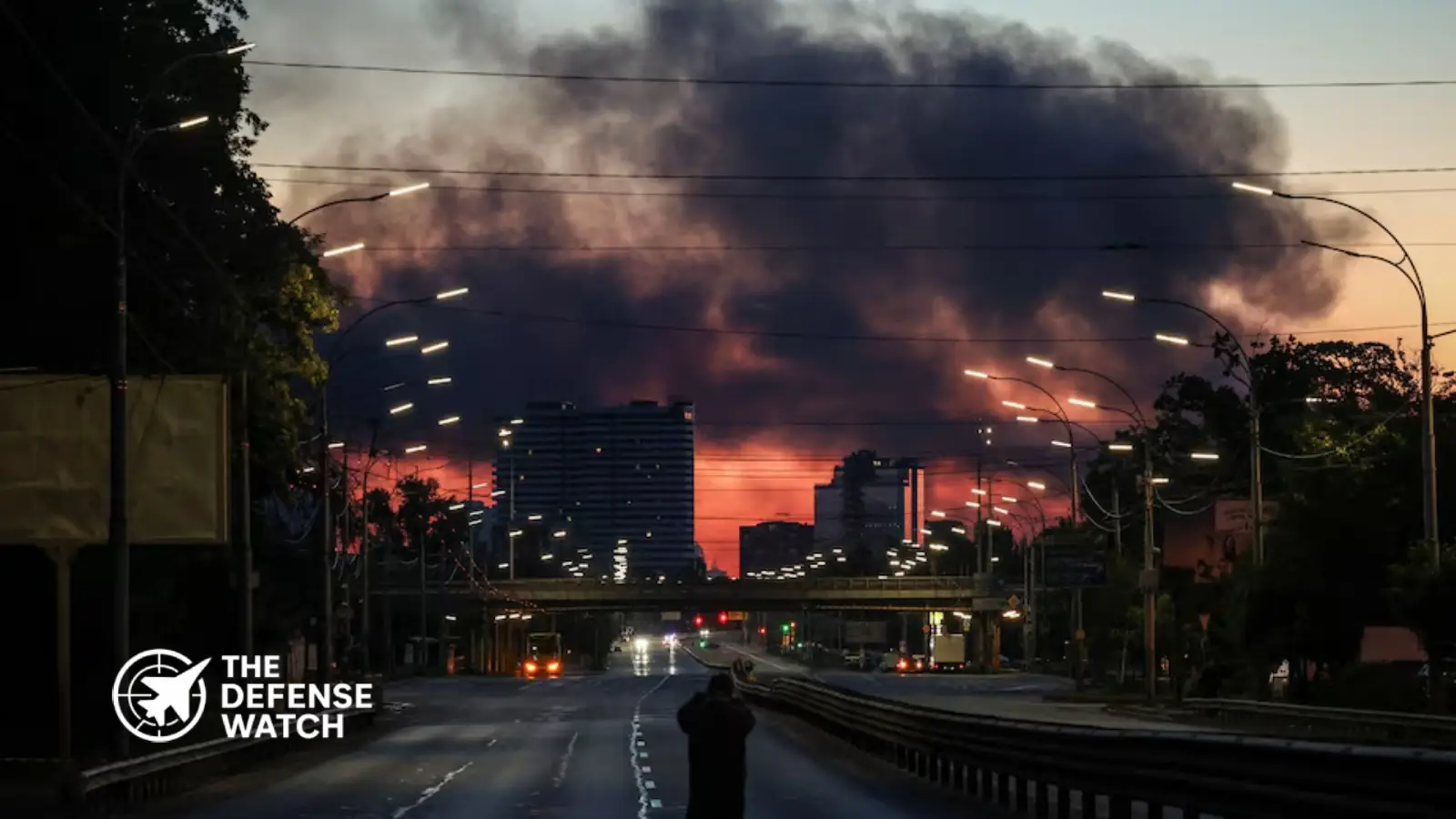
A major Russia strike on Kyiv unfolded during the early hours of June 2 after Ukrainian authorities issued air raid alerts across the capital and urged residents to seek shelter. Witnesses reported a large pillar of smoke rising above the city as explosions were heard during the attack.
The assault came less than a day after Ukrainian President Volodymyr Zelenskyy warned that intelligence assessments indicated Russia could be preparing a massive strike. Zelenskyy urged citizens to closely monitor air raid alerts and said Ukrainian defenders remained on high alert.
Kyiv authorities activated air raid warnings shortly before the smoke plume was observed over the city. Emergency services and local officials immediately began assessing damage and responding to incidents across several districts.
Fires Reported Across Kyiv
As the attack intensified, Kyiv Mayor Vitali Klitschko reported multiple fires linked to missile debris and strike impacts.
Officials said a fire broke out on the grounds of a non-residential property in the Podil district, while a nine-story residential building caught fire after debris reportedly struck its roof. Additional fires were reported in the Obolon district, where falling missile fragments ignited vehicles and open areas near civilian infrastructure.
The incidents highlight a recurring challenge for Ukraine’s air defense network. Even when incoming missiles or drones are intercepted, falling debris can still cause significant damage in densely populated urban areas.
Part Of A Broader Russian Air Campaign
The attack on Kyiv was not an isolated event. Reuters reported that Russian missile and drone strikes also targeted other regions of Ukraine, including Dnipro and Kharkiv, resulting in casualties and infrastructure damage. Ukrainian officials reported deaths and injuries across multiple cities as emergency responders worked through the aftermath.
Russia has recently stated that it intends to conduct what it describes as systematic strikes against Ukrainian military-related facilities and decision-making centers in Kyiv. Moscow has framed these operations as responses to Ukrainian attacks against Russian-controlled territory, allegations that Kyiv has rejected.
Strategic Analysis: Why This Attack Matters
Beyond the immediate damage, the latest Russia strike on Kyiv reflects several important battlefield and strategic trends.
First, Moscow continues to employ combined missile and drone attacks designed to saturate Ukrainian air defenses. By launching multiple weapon types simultaneously, Russian forces seek to complicate interception efforts and increase the likelihood of successful strikes.
Second, the attack demonstrates Russia’s continued emphasis on pressuring major urban centers, particularly Kyiv. Such operations force Ukraine to allocate significant air defense resources to protect population centers while also defending military and critical infrastructure targets.
Third, the strike reinforces concerns about the sustainability of Ukraine’s air defense inventory. Although Western-supplied systems have proven highly effective throughout the conflict, repeated large-scale attacks place considerable strain on interceptor stockpiles and maintenance requirements.
Finally, the timing is significant. The attack followed public warnings from Ukrainian leadership that intelligence services expected a major Russian operation. The subsequent strikes suggest Moscow remains committed to maintaining operational pressure despite ongoing diplomatic discussions and limited progress toward a negotiated settlement.
Outlook
The situation remains fluid as Ukrainian authorities continue assessing damage and responding to incidents across the capital. Additional information regarding casualties, infrastructure impacts, and the scale of the Russian strike is expected to emerge as emergency operations continue.
For now, the large smoke plume over Kyiv serves as another visible reminder that the air war over Ukraine remains one of the conflict’s most active and strategically significant fronts.