

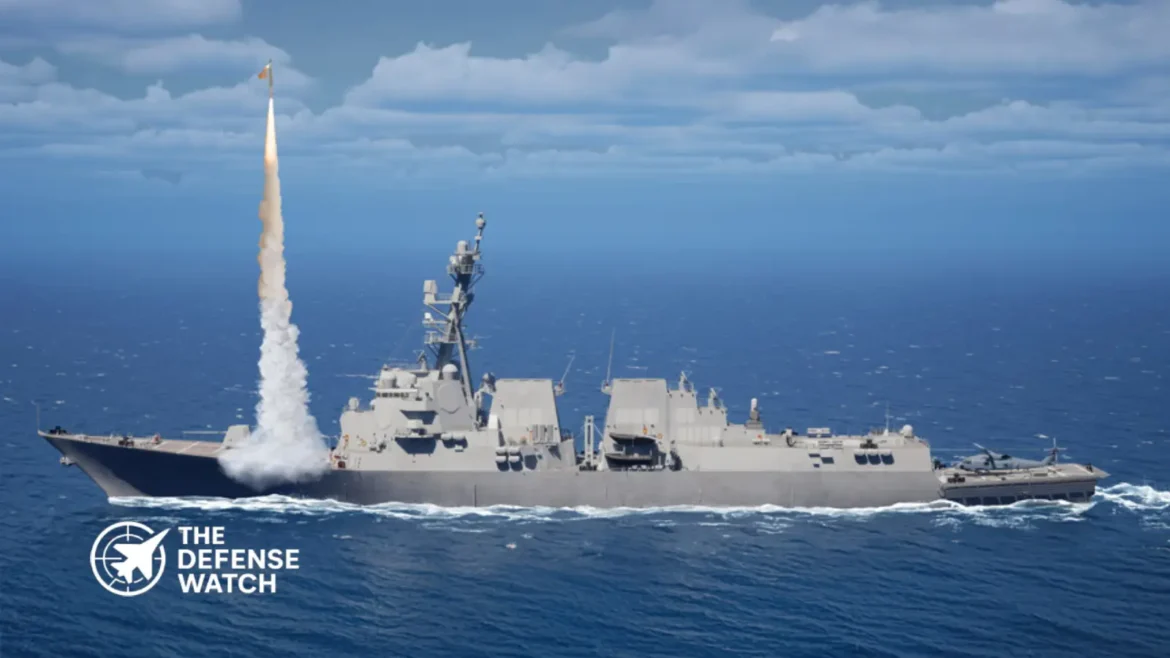
PAC-3 MSE Aegis Integration Signals New U.S. Navy Air Defense Option
PAC-3 MSE Aegis integration is moving forward after Lockheed Martin announced on April 21 that it received a U.S. Navy contract to connect the Patriot Advanced Capability-3 Missile Segment Enhancement interceptor with the Aegis Combat System. The award represents a notable shift in U.S. missile defense planning by linking a combat-proven land-based interceptor with one of the world’s most widely deployed naval battle management systems.
- Lockheed Martin received a U.S. Navy contract to integrate PAC-3 MSE with the Aegis Combat System.
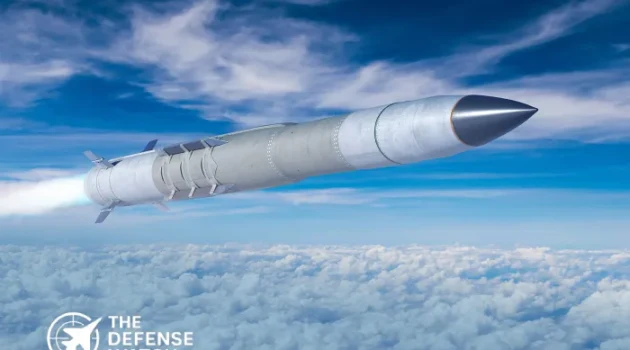
- PAC-3 MSE is a hit-to-kill interceptor designed to defeat cruise missiles, aircraft, and tactical ballistic missiles.
- The move could strengthen layered naval and expeditionary missile defense in contested regions.
- Integration marks the first known effort to pair PAC-3 MSE with Aegis.
- The program may open new options for future U.S. and allied force protection architectures.
The Big Picture
U.S. forces are adapting to a threat environment defined by larger missile salvos, lower-flying cruise missiles, maneuvering ballistic threats, and growing pressure in the Indo-Pacific, Europe, and the Middle East. Traditional single-layer defense models are becoming less effective against mixed attacks that combine drones, cruise missiles, and ballistic systems.
Aegis-equipped warships already provide long-range air and missile defense using SM-series interceptors. Patriot batteries protect land forces and fixed sites. Combining elements of both systems reflects a broader Pentagon push toward integrated air and missile defense, sensor sharing, and interceptor flexibility.
What’s Happening
Lockheed Martin said the U.S. Navy selected the company to integrate PAC-3 MSE into Aegis for the first time. The effort will allow Aegis to control and employ the interceptor through its existing command-and-control architecture.
PAC-3 MSE is the latest Patriot family interceptor. It uses hit-to-kill technology, upgraded propulsion, and aerodynamic controls to improve reach, maneuverability, and lethality against incoming threats.
Aegis is deployed aboard U.S. Navy cruisers and destroyers, as well as Aegis Ashore sites and several allied fleets. The combat system is already central to U.S. and partner missile defense operations.
Why It Matters
This contract matters because interceptors are expensive, inventories are finite, and different threats require different tools. PAC-3 MSE Aegis integration could give commanders another engagement option between short-range point defense missiles and larger SM-family interceptors.
That flexibility may help preserve high-end interceptors for more demanding targets while using PAC-3 MSE where it offers a better cost-to-threat match.
It also reflects a shift toward software-defined combat systems. Modern missile defense increasingly depends on whether launchers, radars, and interceptors can communicate across platforms, not just on raw missile performance.
Strategic Implications
A layered naval defense network improves readiness in several ways.
First, forward-deployed ships could gain more engagement depth against saturation attacks.
Second, expeditionary forces ashore could benefit if naval and land batteries share common engagement logic.
Third, allied navies operating Aegis systems may eventually seek similar options, especially nations already invested in Patriot programs.
For the United States, this supports distributed operations where forces are spread across wider areas but remain linked through shared sensors and weapons.
Competitor View
China and Russia closely monitor U.S. integrated air and missile defense progress. Both states have invested heavily in complex strike systems designed to overwhelm defenses through speed, numbers, and trajectory diversity.
A successful PAC-3 MSE Aegis integration would suggest Washington is expanding not just missile inventories, but also the number of ways interceptors can be employed. That complicates adversary attack planning and can strengthen deterrence without deploying entirely new missile families.
Iran and regional actors may also note the trend, particularly after recent combat operations highlighted the importance of defending bases, ports, and naval assets from missile and drone attacks.
What To Watch Next
Key milestones will likely include:
- Software integration and systems engineering work
- Fire control validation between Aegis and PAC-3 MSE
- Live-fire testing against representative targets
- Decisions on launcher compatibility and deployment concepts
- Potential follow-on procurement by U.S. or allied users
The most important indicator will be whether the Navy pursues operational fielding after testing.
Capability Gap
Current missile defense networks often separate naval and land interceptors into different ecosystems. That can limit flexibility during fast-moving operations.
PAC-3 MSE Aegis integration aims to close that gap by enabling one command system to access more interceptors. Still, limitations remain. PAC-3 MSE was originally designed for Patriot architecture, so launcher adaptation, magazine capacity, and cost per round will influence operational value.
The Bottom Line
The contract shows the U.S. military is prioritizing adaptable layered defense networks that connect proven weapons across services rather than relying only on new standalone systems.
Renishaw Lifts FY2026 Outlook As Defense Orders Drive Record Demand
LONDON — Renishaw plc, the UK-based precision metrology and manufacturing technology firm, issued a second consecutive upward revision to its full-year financial guidance on April 20, 2026, citing robust demand from aerospace and defense contractors alongside semiconductor and electronics manufacturing customers. The announcement sent shares surging more than 7 percent to their highest level since February, underlining how deeply Renishaw’s precision engineering capabilities are now aligned with global defense and chip production priorities.
- Renishaw raised FY2026 revenue guidance to £775M–£805M, up from the prior range of £740M–£780M issued in February 2026.
- Adjusted profit before tax is now forecast at £145M–£165M, compared to the previous outlook of £132M–£157M — a 7% upgrade at the midpoint.
- The upgrade marks the second profit guidance increase in three months, driven by aerospace, defense, and semiconductor customer demand.
- Renishaw shares surged more than 7% on the announcement, reaching 4,460p — the highest level since February 2026.
- The Gloucestershire-based firm acknowledged active management of supply chain pressures and geopolitical uncertainty affecting global trade.
The Gloucestershire-based company now expects FY2026 revenue of between £775 million and £805 million, up from prior guidance of £740 million to £780 million, and adjusted profit before tax of £145 million to £165 million, against a previous range of £132 million to £157 million. At the midpoint, that represents a roughly 4 percent increase in revenue expectations and a 7 percent rise in adjusted profit before tax.
A Defense-Driven Demand Signal
The scale of Renishaw’s upgrade is significant not just for investors — it is a leading indicator of accelerating capital investment flowing into defense manufacturing infrastructure across Western markets.
The FTSE 250-listed group stated that trading since its half-year results in February has been most robust in semiconductor and electronics manufacturing equipment, alongside aerospace and defence, driving a “substantial expansion” of the order book and supporting higher expectations for the year to June.
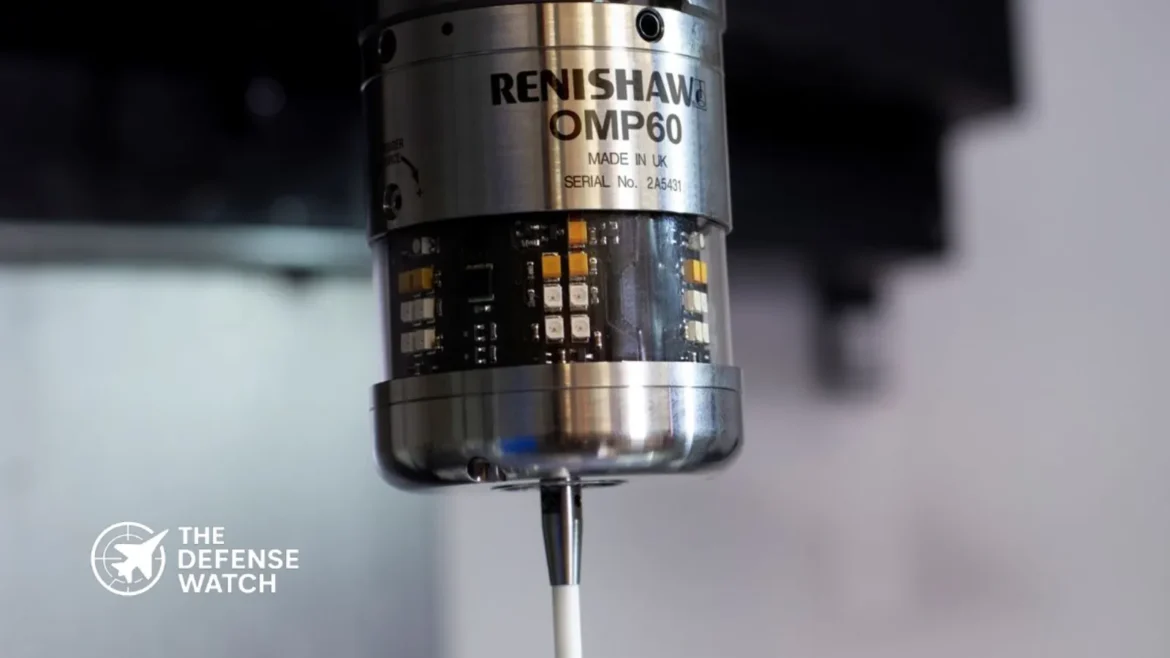
Renishaw’s equipment underpins some of the most demanding manufacturing processes in modern defense production. Major U.S. clients in aerospace such as Boeing and Lockheed Martin rely on Renishaw probes for F-35 and commercial jet programs, tying the firm’s performance directly to defense spending trends. The company’s coordinate measuring machines (CMMs), encoder systems, and in-process gauging tools are embedded in production lines manufacturing everything from aircraft structural components to precision-machined missile and avionics parts.
Precision Metrology: The Invisible Backbone of Modern Defense
Renishaw occupies a critical but often overlooked tier in the defense industrial base. Its technologies do not make weapons — they make weapons manufacturable to the tolerances that modern systems demand.
Metrology-led automated manufacturing is shaping the future of aerospace and defense, with increased competition, workforce challenges, and rising demands for precision, productivity, and traceability driving change across the industry. Technologies such as digital twins, adaptive machining, robotics, and in-process measurement are enabling defense manufacturers to integrate quality directly into their production processes rather than relying solely on end-of-line inspection.
Renishaw’s additive manufacturing division is also gaining traction in defense circles. The company’s RenAM 500Q metal additive manufacturing system — with build speeds of up to 254 cubic centimeters per hour and 64 lasers per square meter of powder bed density — is already in use across aerospace and defense sectors, where precision, repeatability, and material performance are vital to mission-critical systems.
At the Defense Manufacturing Conference in late 2025, Renishaw showcased how these capabilities directly address defense priorities of reducing costs, improving supply chain resilience, and ensuring quality in mission-critical parts — precisely the capability gaps that defense contractors and the Pentagon are urgently working to close.
Second Upgrade in Three Months: What the Data Signals
The cadence of Renishaw’s guidance upgrades reflects a structural, not cyclical, shift in defense procurement patterns. It was the second profit outlook upgrade from the £3 billion firm in three months, with customers in aerospace and defense as well as semiconductor and electronics manufacturing driving the trend.
For the six months ended December 31, 2025, Renishaw delivered 7.1% revenue growth at actual exchange rates — reaching £365.6 million — with momentum strengthening through the period, culminating in record Q2 revenue 14.1% higher than Q1, and further expansion of the order book.
Analysts are taking note. Jefferies analysts noted that the implied adjusted profit before tax margins for the second half of FY2026 now stand at 21.4%, placing Renishaw close to its stated target of greater than 20% EBITA margin, with strong operating leverage coming through.
City broker Peel Hunt characterized the update as representing “a step-up in momentum,” and pointed to broader industry data trending positively — including equipment spending forecasts and guidance from major players such as Dutch lithography equipment manufacturer ASML.
Geopolitical Pressures: A Headwind Being Actively Managed
Renishaw’s bullish guidance upgrade does not come without caveats. The company flagged ongoing exposure to macroeconomic and geopolitical uncertainty — factors that are reshaping global supply chains and trade flows at a scale not seen in decades.
Renishaw said it was “actively managing” the challenges and increasing costs imposed by current economic and political uncertainties and supply chain pressures. U.S. tariff policy remains a variable of concern for any British precision manufacturer with significant American defense industry exposure.
Approximately 1.4% of first-half revenue growth was attributed to pricing adjustments introduced to offset U.S. tariff duties, highlighting Renishaw’s approach to protecting margins while navigating geopolitical trade pressures. For a firm whose equipment feeds into F-35 production lines and other defense programs with strict domestic content requirements, trade policy remains a live risk.
Broader Context: Western Defense Rearmament Fueling Industrial Demand
Renishaw’s performance is best understood within the wider context of accelerating Western defense spending. NATO members are expanding defense budgets at a pace not seen since the Cold War, with a particular emphasis on rebuilding manufacturing capacity for precision-guided munitions, advanced aircraft, and next-generation ground systems.
Structural growth in the semiconductor and defense sectors was a key driver of Renishaw’s first-half performance, reflecting global investment in advanced electronics, national security technologies, and high-specification manufacturing.
The semiconductor dimension adds a second strategic layer. Chips are no longer purely commercial commodities — they are defense-critical components embedded in everything from fire control systems to communications networks. Governments on both sides of the Atlantic are spending heavily to secure domestic semiconductor supply chains under initiatives such as the U.S. CHIPS Act and the EU Chips Act, and that investment flows directly to precision equipment suppliers like Renishaw.
Renishaw’s technology is used to drive the extreme levels of precision needed to make chips, with accuracy down to the level of nanometres, and is also involved in the calibration required for semiconductor production equipment. City AM That dual-use positioning — serving both the defense manufacturing sector and the chipmaking ecosystem simultaneously — gives the company unusual resilience and upside leverage in the current geopolitical environment.
Analyst Outlook and Market Positioning
Despite the strong performance, some analysts maintain a cautious near-term stance on valuation. Jefferies, carrying a “hold” rating and a price target of 3,450 pence, noted that Renishaw’s valuation premium to fellow industrial instrumentation peer Oxford Instruments had “all but disappeared over the past six months,” pointing to scope for both consensus upgrades and re-rating.
The stock’s move to 4,460p represents a substantial recovery from a 52-week low of 2,100p, a trajectory that reflects both improving fundamentals and the broader re-rating of European defense and industrial technology equities.
For defense analysts and procurement observers, the more important signal is strategic: demand for the precision engineering infrastructure that enables modern defense manufacturing is accelerating. Renishaw’s order book expansion is a leading indicator that defense contractors across NATO are ramping capital investment in production capability — not merely maintaining it.
Key Takeaways for Defense Observers
Renishaw’s upgraded FY2026 forecast is not primarily a financial story — it is a defense industrial readiness story. As Western governments accelerate rearmament and semiconductor resilience programs simultaneously, the firms supplying the underlying precision manufacturing infrastructure are emerging as critical nodes in the defense supply chain.
For TheDefenseWatch readers, the Renishaw data point reinforces a broader pattern: the industrial foundations of Western defense production are being rebuilt, and that rebuild is generating measurable, accelerating demand for precision engineering technology across every major weapons platform category.
Full-year results for FY2026 are expected when Renishaw publishes its annual report for the fiscal year ending June 2026.
OMNI Fed LLC Contract Strengthens Space Force Software Backbone
The OMNI Fed LLC contract marks another step in the U.S. military’s push to modernize digital infrastructure for space operations. The Department of the Air Force awarded OMNI Fed LLC a $9,999,581 firm-fixed-price task order to establish a mission-aligned software development effort focused on secure software capabilities.
According to the award notice, work will be carried out in Colorado Springs and is expected to be completed by April 20, 2027. The contracting office was the Space Systems Center Directorate of Contracting at Peterson Space Force Base.
- OMNI Fed LLC received a $9,999,581 firm-fixed-price U.S. Space Force task order.
- The award supports development of secure software capabilities tied to mission needs.
- Work will be performed in Colorado Springs, Colorado.
- Performance is scheduled to run through April 20, 2027.
- The task order was issued under an SBIR Phase III agreement on a sole-source basis.
This contract used Fiscal Year 2026 research and development funding, with $9,672,822 obligated at the time of award.
Why Secure Software Matters For Space Operations
Modern military space systems depend as much on software as on satellites, sensors, and launch vehicles. Secure code now underpins:
- Satellite command and control networks
- Missile warning data processing
- Intelligence distribution systems
- Space domain awareness platforms
- Cyber resilience for mission systems
That means contracts like the OMNI Fed LLC contract can have outsized strategic value even when the dollar amount is smaller than major hardware procurements.
Unlike visible platforms such as rockets or satellites, software determines how quickly commanders receive data, how safely systems exchange information, and how resilient networks remain under cyber attack.
SBIR Phase III Route Signals Mature Technology
The award was issued under a Small Business Innovation Research (SBIR) Phase III Basic Ordering Agreement. In U.S. defense procurement, a Phase III award usually means a company is moving beyond early research into operational deployment, scaling, or production support.
That matters because it suggests OMNI Fed LLC may already have demonstrated useful technology in earlier phases.
For defense watchers, this often indicates the Pentagon is trying to move innovation faster by transitioning proven small-business technology into real programs rather than restarting development from scratch.
Why Colorado Springs Is Central To The Deal
Colorado Springs is one of the most important hubs for U.S. military space activity. The city hosts major Space Force and defense organizations responsible for command, missile warning, and operational planning.
Placing performance there suggests the software effort may require close integration with government teams and mission users rather than remote commercial development alone.
That proximity can shorten testing cycles, improve security oversight, and accelerate deployment into active operations.
Bigger Trend In Pentagon Contracting
The OMNI Fed LLC contract also reflects a broader Pentagon trend: buying software in smaller, focused increments instead of relying only on decade-long mega programs.
This model can provide:
- Faster updates
- Lower integration risk
- Better cyber patching cycles
- More competition from agile firms
- Easier adoption of new AI-enabled tools
For the Space Force, whose threats evolve rapidly, this approach is increasingly practical.
Bottom Line
While modest in size compared with satellite or launch contracts, the OMNI Fed LLC contract highlights how digital capability is becoming central to military readiness. Secure software can directly shape how quickly the Space Force detects threats, shares data, and protects mission networks.
As strategic competition extends into orbit, contracts like this may become just as important as hardware acquisitions.

Boeing P-8A Poseidon Upgrade Supports US Navy Undersea Warfare Mission
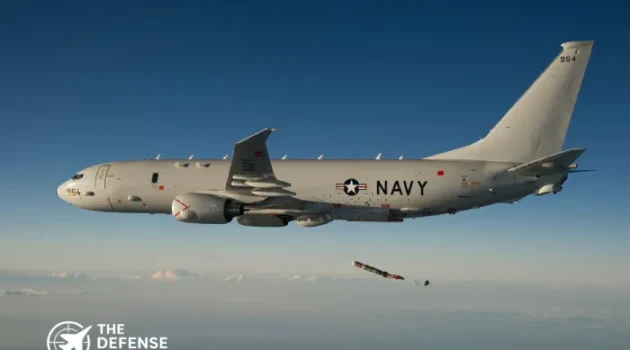
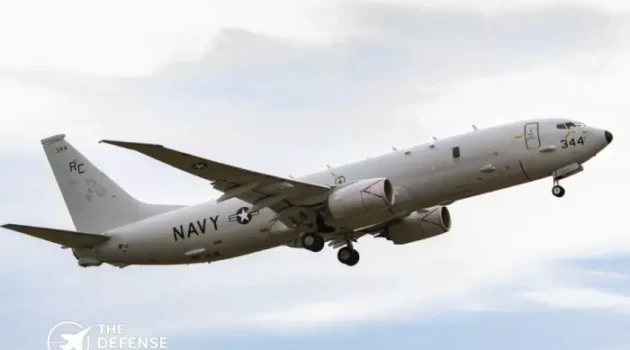
The P-8A Poseidon upgrade program moved forward after Boeing received an $11,952,154 contract modification from the United States Navy to retrofit one aircraft with Increment 3 capability improvements.
According to the Department of Defense contract announcement, the award modifies a previously issued ordering agreement and covers installation of one P-8A Increment 3 retrofit kit plus associated ancillary support. The work is specifically tied to improving anti-submarine warfare, one of the Poseidon fleet’s core missions.
- Boeing received an $11.95 million US Navy contract modification for one P-8A Increment 3 retrofit kit installation.
- The work supports upgraded anti-submarine warfare capabilities for the Navy’s P-8A Poseidon fleet.
- Work will be carried out in Jacksonville, Florida, St. Louis, Missouri, and Mesa, Arizona.
- Contract completion is scheduled for October 2026.
- Funding comes from Fiscal Year 2026 aircraft procurement accounts.
The contract was issued by Naval Air Systems Command.
Why The P-8A Poseidon Matters
The Boeing P-8A Poseidon is the US Navy’s primary long-range maritime patrol and reconnaissance aircraft. Derived from the commercial 737 platform, it replaces the aging P-3 Orion and is used for:
- Anti-submarine warfare
- Anti-surface warfare
- Maritime surveillance
- Intelligence gathering
- Search and rescue support
Its importance has grown as naval competition intensifies in the Indo-Pacific, North Atlantic, and other strategic waterways where submarine activity remains a key military concern.
What Increment 3 Upgrades Likely Mean
While the Pentagon notice did not list exact system changes, Increment 3 upgrades for the Poseidon fleet have generally focused on mission system improvements, software modernization, sensors, networking, and better processing of underwater threat data.
That matters because modern submarines are quieter, harder to track, and increasingly equipped with longer-range weapons. Aircraft like the P-8A must detect, classify, and coordinate responses faster than before.
In practical terms, modernization contracts of this size often support targeted capability insertion rather than a full fleet redesign. Even a single-aircraft retrofit can validate hardware and software configurations later used across additional airframes.
Where The Work Will Be Done
The Navy said contract performance will take place across three US locations:
- Jacksonville, Florida, 79.6%
- St. Louis, Missouri, 10.9%
- Mesa, Arizona, 9.5%
Most of the work being centered in Jacksonville suggests heavy aircraft modification and integration activity at an operational support hub tied to maritime patrol aviation.
Completion is expected by October 2026.
Why This Contract Matters Beyond Its Dollar Value
At just under $12 million, this is not one of the Pentagon’s largest aviation awards. But it reflects a broader pattern in US defense procurement, sustained incremental modernization instead of waiting for entirely new platforms.
That strategy allows the Navy to keep frontline aircraft relevant while controlling cost and reducing schedule risk. For mature fleets like the P-8A Poseidon, regular sensor, software, and mission-system upgrades can provide major operational returns at comparatively modest cost.
It also signals continued Navy confidence in the Poseidon as a long-term pillar of maritime patrol operations.
Growing Demand For Maritime Patrol Aircraft
The P-8A is not only used by the United States. Allies including United Kingdom, Australia, India, Norway, New Zealand, and others have selected the aircraft.
That international demand strengthens logistics support, upgrades, and long-term sustainment. Each new modernization effort can benefit a wider community of operators facing similar submarine detection challenges.
Bottom Line
This latest P-8A Poseidon upgrade contract may be modest in size, but it underscores a major US Navy priority, keeping its maritime patrol fleet ahead in anti-submarine warfare. As underwater competition increases globally, upgrades like Increment 3 will remain central to preserving the Poseidon’s combat edge.

Northrop Grumman E-2D Contract Strengthens Navy Airborne Early Warning Fleet
Northrop Grumman E-2D contract activity continues as the U.S. Navy awarded the company a $9,704,396 cost-plus-fixed-fee order to support testing of the E-2D Advanced Hawkeye airborne command and control aircraft.
The award was issued against a previously established basic ordering agreement and will fund personnel required for integrated test and evaluation. According to the Department of Defense contract announcement, work will continue through March 2027.
- Northrop Grumman received a $9.7 million Navy order for E-2D Advanced Hawkeye test support services.
- Work includes aircrew, engineering, maintenance, instrumentation, and test management personnel.
- Contract supports integrated test and evaluation activities for the E-2D Advanced Hawkeye.
- Most work will be performed at Patuxent River, Maryland, with additional work in Florida and New York.
- Performance is scheduled to continue through March 2027.
The contract was awarded by Naval Air Systems Command, headquartered in Patuxent River, Maryland.
What The New Contract Covers
The new order funds a wide range of specialist support functions required to keep the E-2D test program moving forward. These include:
- Aircrew support
- Flight test engineering
- Instrumentation services
- Aircraft maintenance
- Test management personnel
- Test planning and execution
- Reporting and deficiency resolution
This type of contract is often less visible than aircraft production awards, but it is critical. Testing programs validate software upgrades, radar improvements, mission systems integration, and operational readiness before systems move into broader fleet use.
For a platform as complex as the E-2D Advanced Hawkeye, sustained testing directly affects mission availability and modernization pace.
Why The E-2D Advanced Hawkeye Matters
The E-2D Advanced Hawkeye testing program supports one of the Navy’s most important airborne battle management platforms. Built by Northrop Grumman, the E-2D provides:
- Long-range airborne surveillance
- Command and control coordination
- Air and missile defense battle management
- Maritime domain awareness
- Networked targeting support for carrier strike groups
The aircraft’s AN/APY-9 radar gives the Navy the ability to detect and track aircraft, cruise missiles, and surface threats over large areas. It also serves as an airborne node linking ships, fighters, and joint force assets.
In practical terms, the Hawkeye helps carrier groups see farther, react faster, and coordinate combat power more effectively.
Why Test Support Contracts Matter More Than They Appear
While production contracts draw headlines, sustainment and testing awards often reveal where the Pentagon is focusing future capability upgrades.
This Northrop Grumman E-2D contract suggests the Navy remains committed to refining and expanding the Hawkeye’s mission systems. That can include software refreshes, sensor tuning, interoperability with newer fighters such as the F-35C Lightning II, and evolving missile defense roles.
As threats become more complex, especially in the Indo-Pacific and other contested maritime regions, airborne early warning aircraft remain essential force multipliers.
Where The Work Will Be Performed
The Navy said contract work will be split across three locations:
- Patuxent River, Maryland, 83%
- Melbourne, Florida, 14.2%
- Liverpool, New York, 2.8%
Patuxent River remains the center of U.S. naval aviation testing, making it a logical hub for E-2D program activity.
Funding Details
Fiscal Year 2026 Navy research, development, test, and evaluation funds totaling $9,704,396 were obligated at the time of award. The Pentagon noted that none of the funds will expire at the end of the current fiscal year.
That funding structure indicates planned continuity rather than emergency spending, another sign of steady long-term modernization planning.
Strategic Outlook
The E-2D Advanced Hawkeye testing pipeline is likely to remain active as the Navy pushes for more integrated carrier air wings and stronger distributed maritime operations.
In any future high-end conflict, the side that detects, tracks, and coordinates first gains a major advantage. The E-2D was designed for exactly that mission.


Raytheon LTAMDS Contract Expands Army Air Defense Modernization
The Raytheon LTAMDS contract marks another major step in the U.S. Army’s effort to modernize air and missile defense forces against increasingly advanced threats, including cruise missiles, ballistic missiles, drones, and saturation attacks.
The Department of Defense announced that Raytheon Missiles and Defense, based in Andover, Massachusetts, was awarded a $904.6 million modification to an existing production contract. The funding covers low-rate initial production of five Lower Tier Air and Missile Defense Sensor (LTAMDS) units, plus six spare systems, along with production hardware, software integration, documentation, and related support services.
Following the latest award, the total contract ceiling has grown to $5.36 billion, highlighting the scale and long-term importance of the program.
- Raytheon Missiles and Defense received a $904.6 million contract modification for LTAMDS production.
- The award supports five LTAMDS units and six spare systems for the U.S. Army.
- Total cumulative contract value now stands at $5.36 billion.
- $725.9 million in Fiscal Year 2026 Army missile procurement funds were obligated immediately.
- Work will be completed in Andover, Massachusetts, by Aug. 29, 2031.
What Is LTAMDS And Why It Matters
LTAMDS is the Army’s next-generation radar designed to replace or complement legacy Patriot radar systems. Unlike older radars with a narrower field of view, LTAMDS delivers 360-degree coverage, allowing forces to detect and track threats approaching from multiple directions.
That capability is increasingly important as adversaries field maneuvering missiles, low-flying drones, and swarm tactics intended to exploit radar blind spots.
Raytheon developed LTAMDS to integrate into the Army’s broader Integrated Air and Missile Defense (IAMD) architecture. In practical terms, that means the radar can feed targeting and tracking data to interceptors and command networks faster than older standalone systems.
Why This Contract Is Significant
This latest Raytheon LTAMDS contract is not just another procurement notice. It signals that the Army is moving deeper into fielding mode after years of development and testing.
Low-rate initial production typically means the military is transitioning from prototypes to operational systems while refining manufacturing processes. Ordering five additional units suggests confidence in the platform and growing urgency to deploy it.
That matters because the U.S. military has placed renewed emphasis on air defense after observing missile and drone warfare in Ukraine, the Middle East, and the Indo-Pacific.
Industrial Base And Production Outlook
Work will take place in Andover, Massachusetts, one of Raytheon’s core missile defense manufacturing hubs, with completion scheduled for Aug. 29, 2031.
The long timeline reflects the complexity of radar production, which includes advanced gallium nitride electronics, sensor arrays, software integration, and military qualification testing.
For the U.S. defense industrial base, multi-year radar production helps sustain skilled engineering and manufacturing jobs while preserving capacity for future missile defense programs.
Funding Details
The Army obligated $725.9 million in Fiscal Year 2026 Missile Procurement funds at the time of award. That immediate funding commitment suggests LTAMDS remains a protected modernization priority even amid broader Pentagon budget pressure.
With one bid received through an online solicitation, the contract also reflects the specialized nature of advanced radar production, where only a limited number of firms can meet requirements at scale.
Strategic Outlook
The LTAMDS missile defense system is expected to become a core element of U.S. Army layered defense networks over the next decade. As threats evolve, sensors often determine battlefield success before interceptors are launched.
That makes radar modernization one of the most critical, though less visible, parts of military readiness.
For Raytheon, the new award strengthens its position as a leading supplier of U.S. integrated air and missile defense systems. For the Army, it accelerates the shift toward faster, wider, and more survivable sensing capabilities.
U.S. Space Force GPS Ground Control Modernization Gains Momentum
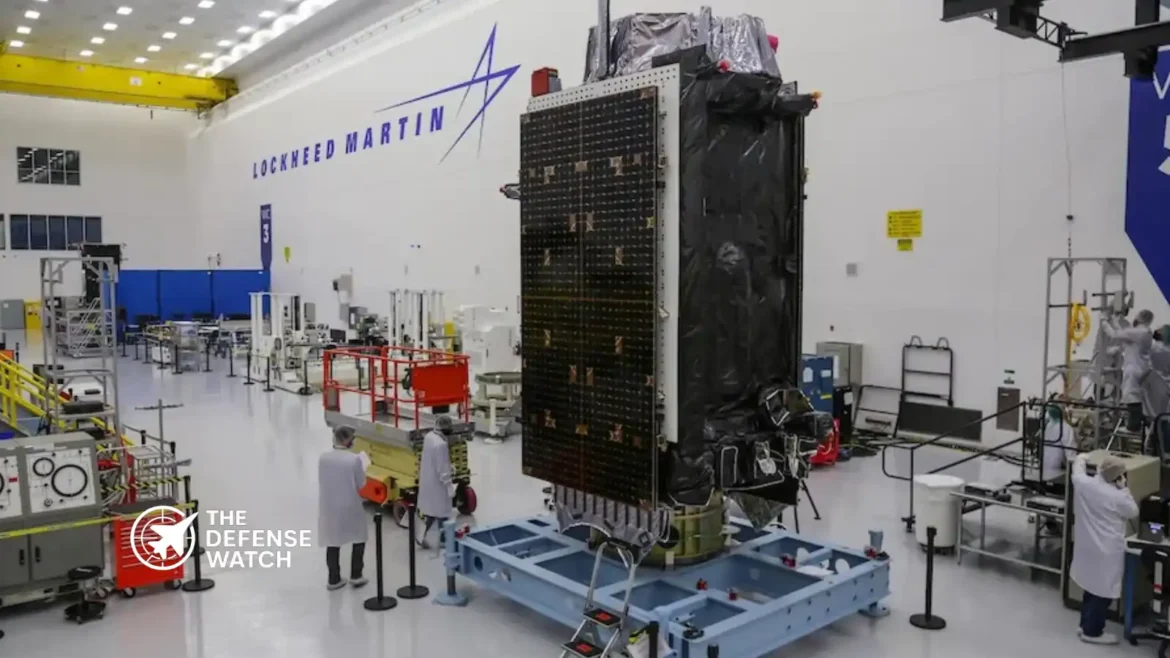
The U.S. Space Force GPS ground control modernization effort is advancing after U.S. Space Force awarded a $105 million contract to Lockheed Martin to upgrade critical infrastructure supporting next-generation satellites.
The contract focuses on enhancing the ground segment of the Global Positioning System, ensuring it can fully support the upcoming GPS III Follow-On (GPS IIIF) constellation. These satellites are expected to deliver stronger signals, improved anti-jamming capabilities, and expanded mission flexibility for military and civilian users.
- U.S. Space Force awarded Lockheed Martin a $105 million contract to modernize GPS ground control systems.
- The upgrade supports integration of next-generation GPS III Follow-On (IIIF) satellites.
- Work focuses on improving cybersecurity, resilience, and operational flexibility of GPS infrastructure.
- The program enhances positioning, navigation, and timing (PNT) capabilities for U.S. and allied forces.
- The contract reflects growing emphasis on space-based infrastructure amid rising global competition.
The award underscores a broader push by the Pentagon to modernize space-based positioning, navigation, and timing systems as reliance on GPS continues to grow across joint and allied operations.
Supporting GPS IIIF and Future Capabilities
At the core of the U.S. Space Force GPS ground control modernization effort is the need to integrate GPS IIIF satellites seamlessly into existing infrastructure. The upgraded control segment will enable operators to command, control, and monitor these advanced satellites more effectively.
GPS IIIF satellites are designed to introduce several enhancements over earlier blocks, including improved signal accuracy, increased resistance to electronic warfare threats, and the ability to host additional payloads. According to defense industry reporting, these upgrades are critical for maintaining U.S. leadership in satellite navigation.
Lockheed Martin, which has long been involved in GPS satellite production and ground systems, will focus on software updates, system integration, and cybersecurity improvements under the contract.
Strategic Importance of Ground Segment Upgrades
While satellites often receive the most attention, the ground control segment is equally vital. Without modernized ground infrastructure, even the most advanced satellites cannot operate at full capability.
The U.S. Space Force GPS ground control modernization program aims to address several key vulnerabilities:
- Legacy systems that limit flexibility and scalability
- Growing cyber threats targeting space infrastructure
- Increasing demand for real-time, high-precision navigation data
Defense analysts note that adversaries such as China and Russia have invested heavily in electronic warfare and anti-satellite capabilities. Strengthening the ground segment helps ensure continuity of operations even in contested environments.
This contract reflects a shift toward more resilient and modular architectures, allowing faster updates and reduced downtime during upgrades.
Enhancing Military and Allied Operations
The modernization effort will directly support U.S. military operations worldwide. GPS is a foundational capability for precision-guided munitions, intelligence systems, communications, and logistics.
By improving the reliability and accuracy of GPS services, the upgraded ground control system will enhance:
- Targeting precision in combat operations
- Navigation for air, land, and maritime forces
- Synchronization of communications networks
Allied nations that rely on U.S. GPS services are also expected to benefit. The system’s global reach makes it a cornerstone of coalition operations, particularly in NATO and Indo-Pacific theaters.
Industry Role and Program Continuity
Lockheed Martin’s role in the U.S. Space Force GPS ground control modernization effort builds on decades of involvement in the GPS enterprise. The company has contributed to both satellite manufacturing and ground system development, positioning it as a key partner in ongoing upgrades.
The contract also highlights continuity within the GPS modernization roadmap. The U.S. Department of Defense has steadily transitioned from legacy GPS systems to more advanced architectures, including GPS III and IIIF satellites.
According to publicly available program data, maintaining compatibility between new satellites and upgraded ground systems is essential to avoid operational gaps during the transition period.
Broader Space Competition Context
The U.S. Space Force GPS ground control modernization effort comes amid intensifying global competition in space. Nations are investing in alternative navigation systems, including China’s BeiDou and Europe’s Galileo.
This environment has elevated GPS from a supporting capability to a contested strategic asset. Ensuring its resilience is now a top priority for U.S. defense planners.
The $105 million contract represents a relatively modest investment compared to overall space budgets, but it targets a critical node in the GPS architecture. Experts emphasize that incremental upgrades to ground systems can deliver significant operational gains without the cost of launching new satellites.


GE Aerospace Tejas Engine Support Deal Strengthens India’s Fighter Sustainment
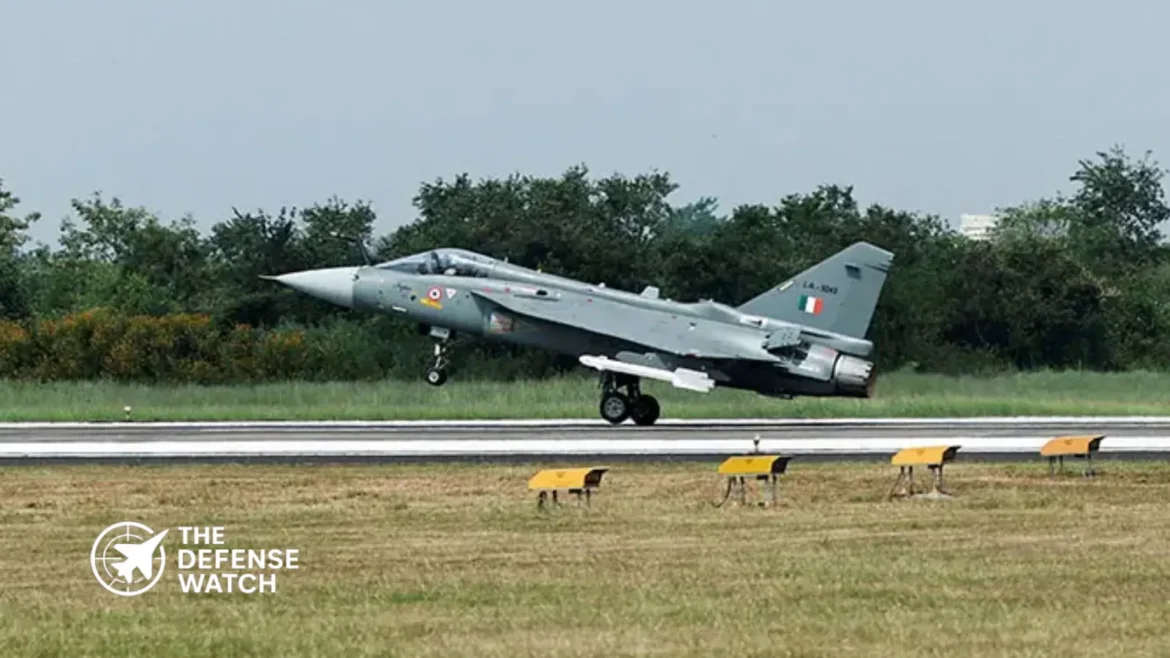
The GE Aerospace Tejas engine support deal marks a significant step in strengthening India’s indigenous fighter sustainment ecosystem, as GE Aerospace formalizes an agreement with the Indian Air Force to establish an in-country depot for F404-IN20 engine support.
The agreement focuses on maintenance, repair, and overhaul capabilities for the engines that power the HAL Tejas, a cornerstone of India’s domestic military aviation program.
The new depot will enable localized servicing of the F404-IN20 engine, reducing dependence on overseas maintenance pipelines and improving turnaround times.
- GE Aerospace signed a deal with the Indian Air Force to establish an in-country support depot for F404-IN20 engines.
- The engines power the Tejas Light Combat Aircraft fleet, India’s indigenous fighter program.
- The depot will enhance maintenance, repair, and overhaul capabilities within India.
- The agreement supports long-term sustainment and operational readiness of the Tejas fleet.
- The move aligns with India’s push for defense self-reliance and local industrial capability.
Enhancing Operational Readiness
The GE Aerospace Tejas engine support deal is designed to directly improve fleet availability. By positioning engine sustainment infrastructure within India, the Indian Air Force can reduce downtime associated with logistics, shipping, and external repair cycles.
For a growing Tejas fleet, this is operationally significant. Aircraft readiness rates often hinge on engine availability, and localized support helps mitigate bottlenecks that can arise from global supply chain constraints.
This move reflects a broader trend across air forces globally, where sustainment is increasingly viewed as a critical component of combat capability rather than a back-end function.
Strategic Push for Self-Reliance
The agreement aligns closely with India’s long-standing push for defense indigenization. Programs tied to domestic production, including the Tejas, are intended to reduce reliance on foreign suppliers while building a local industrial base.
While the F404-IN20 engine itself remains a U.S.-origin system, the GE Aerospace Tejas engine support deal introduces a hybrid model. It combines foreign technology with local sustainment capacity, offering a practical pathway toward greater autonomy without sacrificing proven performance.
This approach is consistent with India’s broader procurement strategy, which increasingly emphasizes technology transfer, local assembly, and in-country lifecycle support.
Industrial and Economic Impact
Establishing a local depot is not only a military decision but also an industrial one. The initiative is expected to generate technical expertise within India’s aerospace sector, including skills related to advanced engine diagnostics, repair, and overhaul.
Over time, such capabilities can contribute to a more resilient domestic supply chain. They also position India to potentially support other operators of similar engine platforms in the region, depending on policy and export frameworks.
From GE Aerospace’s perspective, the deal strengthens its long-term presence in a key defense market. India remains one of the world’s largest importers of military equipment, and partnerships tied to sustainment often lead to deeper industrial cooperation.
Broader Implications for Tejas Program
The Tejas program has faced scrutiny in the past over production pace and sustainment challenges. Improved engine support infrastructure addresses one of the critical variables affecting fleet performance.
As India continues to expand Tejas squadrons, ensuring consistent engine availability will be essential. The GE Aerospace Tejas engine support deal contributes directly to that objective by shortening maintenance cycles and improving predictability in fleet operations.
In a regional security environment marked by evolving airpower capabilities, incremental improvements in readiness can have outsized operational impact.



SBIRS Logistics Support Contract Extended Through 2027
The SBIRS logistics support contract continues to underpin the United States missile warning architecture as Lockheed Martin receives an $86.34 million contract modification from the Space Systems Command.
This modification increases the total cumulative value of the long running contract to more than $1.6 billion. The work focuses on contractor logistics support, product sustainment, integration, and long term contract evolution for the Space Based Infrared System, better known as SBIRS.
Operations will continue at Peterson Space Force Base, Buckley Space Force Base, Greeley Air National Guard Station, and in Boulder, Colorado. The period of performance runs through January 31, 2027.
- Contract modification worth $86.34 million for SBIRS contractor logistics and product support.
- Total SBIRS support contract value now exceeds $1.6 billion.
- Work spans Peterson SFB, Buckley SFB, Greeley ANGS, and Boulder, Colorado.
- Funding includes $44.4 million from Fiscal 2026 operations and maintenance accounts.
- Support continues through January 31, 2027 under Space Systems Command oversight.
Why SBIRS Sustainment Matters More Than Ever
SBIRS is the backbone of U.S. strategic and theater missile warning. The constellation detects infrared signatures from ballistic missile launches worldwide and feeds real time data to combatant commands, homeland defense networks, and allied partners.
While newer systems like the Next Generation Overhead Persistent Infrared are in development, SBIRS remains fully operational and mission critical. That reality makes logistics support and system sustainment just as important as new satellite production.
Missile threats have evolved. Hypersonic glide vehicles, maneuvering reentry vehicles, and advanced cruise missiles present new detection challenges. Maintaining SBIRS performance, calibration, ground integration, and data reliability is essential during this transition period toward Next Gen OPIR.
What The Contract Modification Covers
The SBIRS logistics support contract is not about launching new satellites. It is about keeping the existing architecture reliable every hour of every day.
This includes:
- Ground system integration and software sustainment
- Sensor performance monitoring and calibration
- Contractor logistics and parts support
- Engineering updates and configuration control
- System level integration across multiple Space Force installations
These tasks ensure missile warning data reaches the right operators without delay. In missile defense, seconds matter.
Colorado Remains The Nerve Center Of Missile Warning
All listed performance sites are key nodes in U.S. missile warning operations.
Peterson Space Force Base hosts major Space Force command elements and SBIRS mission control.
Buckley Space Force Base operates SBIRS ground stations and data processing units.
Greeley Air National Guard Station supports missile defense operations tied to homeland protection.
This geographic concentration highlights how Colorado functions as the operational heart of U.S. missile warning and space based surveillance.
Funding Signals Operational Priority
The obligation of $44.4 million from Fiscal 2026 operations and maintenance funds at the time of award is significant.
Operations and maintenance funding is used only for active, ongoing mission requirements. This signals that SBIRS sustainment is viewed as an immediate operational priority, not a long term modernization effort.
In practical terms, this means the Space Force is ensuring no capability gap emerges while Next Gen OPIR satellites are still years away from full deployment.
SBIRS And The Transition To Next Gen OPIR
The Space Force has been clear that SBIRS will remain in service well into the Next Gen OPIR era. The two systems will overlap for years.
That overlap requires careful integration, data continuity, and system reliability. Any degradation in SBIRS performance could create blind spots during a sensitive transition period.
This SBIRS logistics support contract directly supports that continuity.
From an operational perspective, sustainment contracts like this are often overlooked compared to satellite launch headlines. Yet they are what keep the architecture functional, calibrated, and trusted by commanders worldwide.
Strategic Context
Missile warning is one of the most sensitive and critical missions in U.S. national defense. It supports:
- U.S. Northern Command homeland defense
- Indo Pacific and European theater missile defense networks
- Early warning data sharing with allies
- Nuclear command and control decision timelines
Reliable infrared detection from space remains the first step in that chain.
Without consistent SBIRS performance, every downstream layer of missile defense and response is affected.
Role Of Space Systems Command
The Space Systems Command, located at Peterson SFB, manages the acquisition and sustainment of U.S. military space capabilities. This contract action reflects its role not only in future systems, but in keeping legacy systems fully mission capable.
Sustainment, integration, and contract evolution are now central parts of space acquisition strategy as constellations grow more complex.

Sikorsky Secures $65 Million UH-60M Black Hawk Contract For Army Production
The UH-60M Black Hawk contract awarded to Sikorsky Aircraft Corp. marks a $65 million investment in advanced procurement for the first 10 Army helicopters under the latest production effort.
According to a U.S. Department of Defense contract announcement, Sikorsky, based in Stratford, Connecticut, received a firm fixed price contract valued at $65,000,000. The award supports advance procurement activities tied to the first 10 UH-60M aircraft for the U.S. Army.
Work will be carried out in Stratford, with an estimated completion date of Dec. 31, 2026. Fiscal 2024 Aircraft Procurement, Army funding was fully obligated at the time of the award. The Army Contracting Command at Redstone Arsenal, Alabama, is managing the contract under number W58RGZ-26-C-0008.
- Sikorsky Aircraft Corp. awarded $65 million firm fixed price contract for UH-60M Black Hawk advanced procurement.
- Contract supports the first 10 Army UH-60M Black Hawk helicopters.
- Work to be performed in Stratford, Connecticut, with completion expected by Dec. 31, 2026.
- Fiscal 2024 Aircraft Procurement, Army funds obligated at time of award.
- Army Contracting Command at Redstone Arsenal, Alabama, is the contracting activity.
What Advanced Procurement Means
Advanced procurement funding allows manufacturers to secure long lead components and materials before full production funding is released. In rotary wing programs like the UH-60M Black Hawk, that often includes gearboxes, rotor systems, avionics components, and structural assemblies.
By issuing this UH-60M Black Hawk contract as a firm fixed price award, the Army locks in costs early, providing budget predictability while sustaining production tempo at Sikorsky’s Connecticut facility.
Only one bid was received after solicitation via the internet, according to the Pentagon notice.
The UH-60M Black Hawk’s Role In Army Aviation
The UH-60M Black Hawk is the latest production variant of the Army’s long serving utility helicopter platform. Built by Sikorsky, a Lockheed Martin company, the aircraft features upgraded digital avionics, improved flight controls, and enhanced lift performance compared to earlier models.
The platform supports air assault, medevac, command and control, and general support missions across active duty and National Guard formations. The M variant incorporates a glass cockpit, improved engines, and enhanced survivability systems.
Continued procurement signals the Army’s commitment to maintaining rotary wing readiness even as it develops next generation vertical lift capabilities under programs such as Future Vertical Lift.
Industrial Base And Production Stability
This Sikorsky Army helicopter deal reinforces production continuity at the Stratford facility. Stable production orders are critical to preserving the skilled workforce and supplier network that underpin the Army’s aviation industrial base.
Advance procurement contracts also help mitigate supply chain risk. By securing materials and components early, the Army reduces the likelihood of delays tied to long lead items.
The decision to obligate Fiscal 2024 Aircraft Procurement funds at the time of award ensures financial backing is already in place, limiting uncertainty for both the government and contractor.
Broader Budget Context
Army aviation modernization continues to balance legacy platform sustainment with emerging systems. While Future Long Range Assault Aircraft development progresses, the UH-60M remains central to current operational requirements.
Maintaining production through structured contracts like this $65 million award helps the Army avoid capability gaps during transition periods. It also ensures operational units continue receiving new aircraft to replace aging airframes.
Given ongoing global commitments and high operational tempo, sustained UH-60M procurement supports force readiness without relying solely on service life extensions.
Contracting Details
The Army Contracting Command at Redstone Arsenal, Alabama, is overseeing the award. The contract type is firm fixed price, meaning Sikorsky assumes cost risk beyond the agreed amount.
The estimated completion date is Dec. 31, 2026, aligning with production timelines for long lead components tied to the first 10 helicopters.
The UH-60M Black Hawk contract reflects incremental but steady investment in Army aviation capability.