Executive Summary:
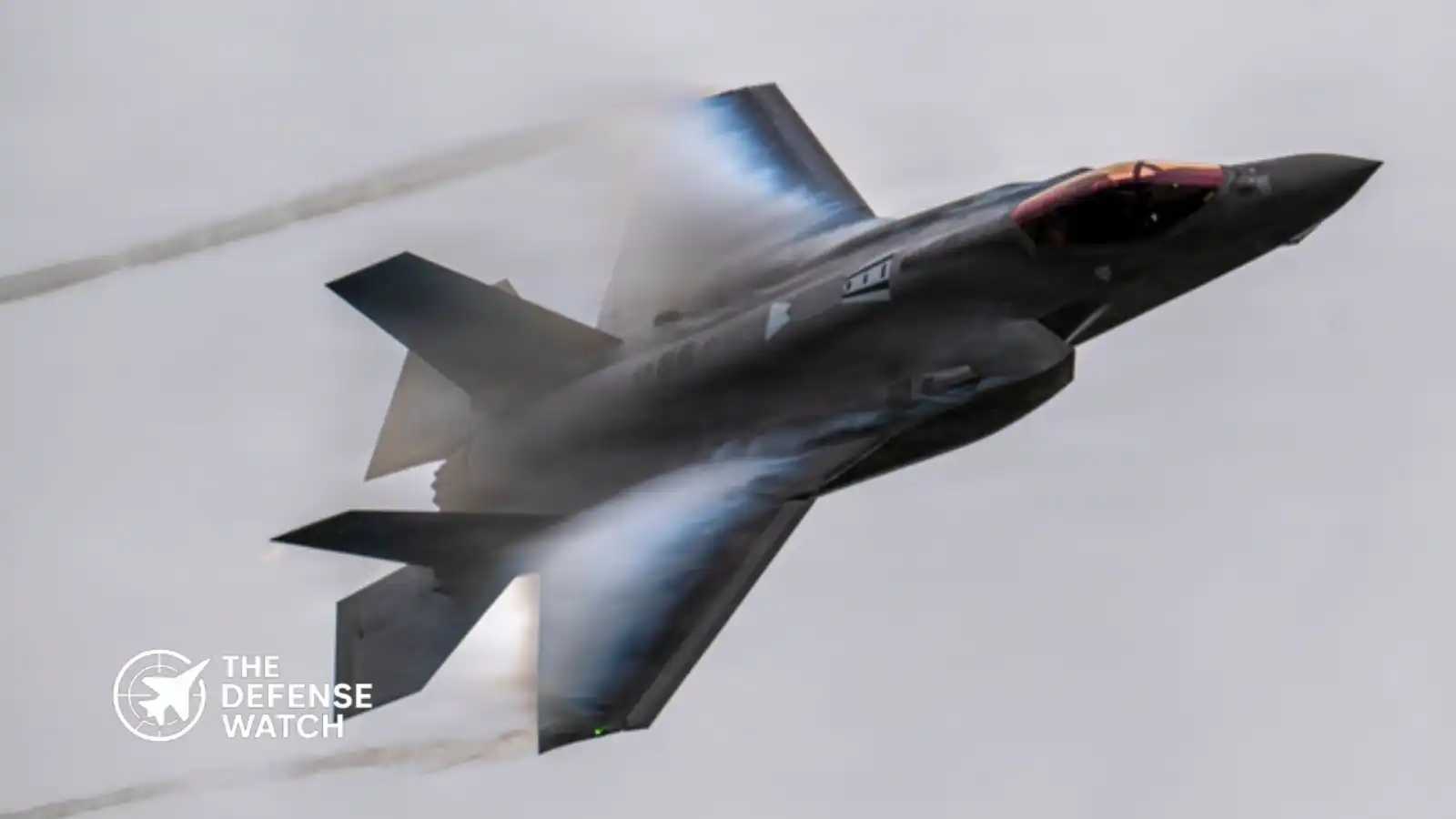
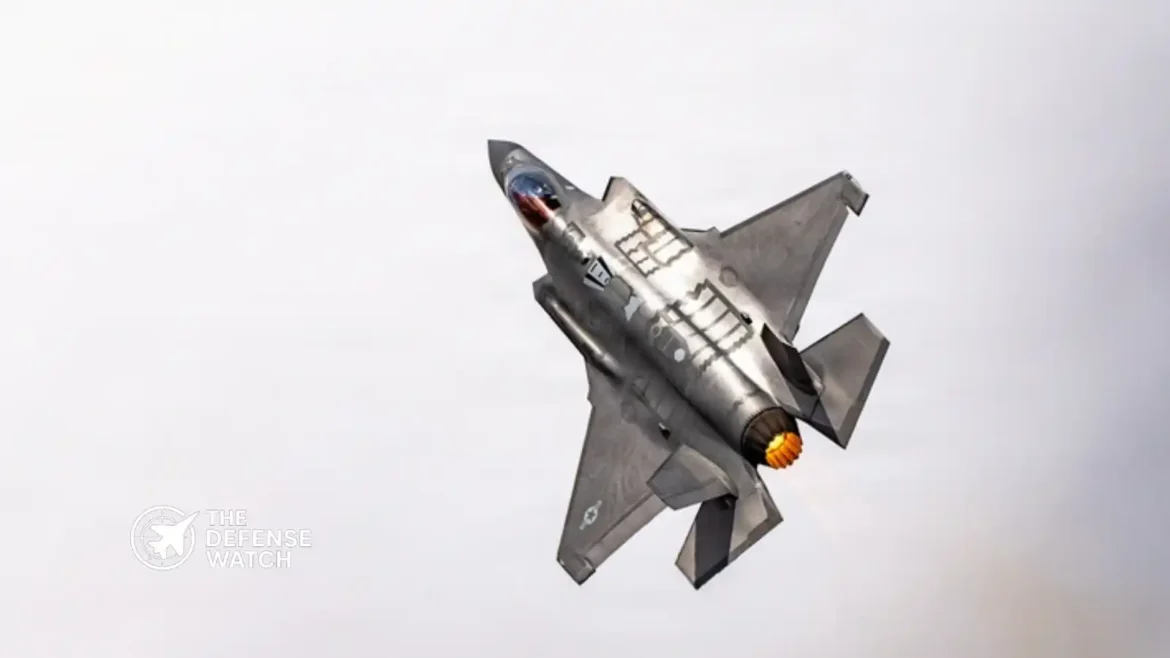
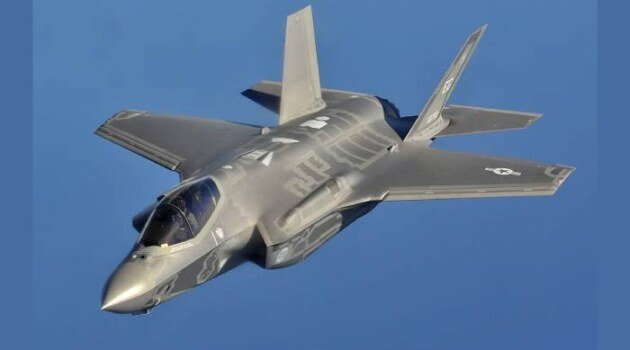
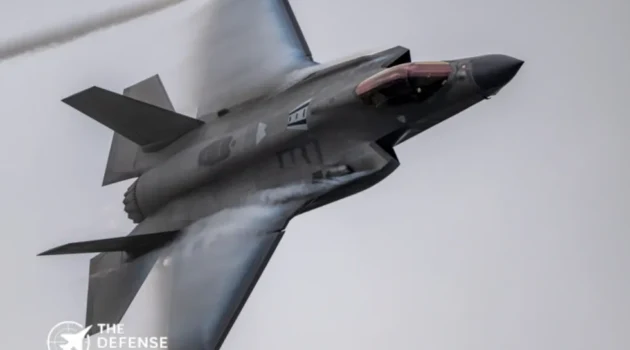
The UK Royal Air Force is conducting analysis to determine the total future fleet size of nuclear-capable F-35A Lightning II aircraft as it prepares to resume an air-launched nuclear role in support of NATO. An initial purchase of 12 F-35As, announced in 2025, will primarily equip an operational conversion unit, separate from the dual-capable mission requirements. This move marks the RAF’s return to NATO’s dual-capable aircraft framework after more than three decades without air-delivered nuclear weapons.
Initial Procurement and Training Focus
The UK Ministry of Defence confirmed the acquisition of 12 F-35A variants alongside 15 additional F-35Bs as part of tranche two procurement plans outlined in the 2025 Strategic Defence Review and subsequent Defence Investment Plan. These conventional take-off and landing (CTOL) aircraft are scheduled to begin arriving in the early 2030s.
Speaking at the Global Air & Space Chiefs’ Conference in London on 15 July 2026, Air Vice-Marshal Jim Beck, RAF Director Capability & Programmes, clarified that the initial dozen F-35As were procured specifically to support the Operational Conversion Unit (OCU) on 207 Squadron, not the nuclear mission. “We did not buy those [F-35As] for dual-capable aircraft [DCA] capability – we bought them for our [operational] conversion unit,” Beck stated.
The F-35A’s greater internal fuel capacity, longer combat radius, and reduced maintenance demands compared to the F-35B make it well-suited for training, enabling longer sorties and higher aircraft availability for pilot instruction.
Path to NATO Dual-Capable Aircraft Integration
The F-35A is the only variant in the Lightning II family certified to carry the U.S. B61-12 tactical nuclear gravity bomb. UK-operated aircraft would function as dual-capable assets under NATO nuclear burden-sharing arrangements, with warheads remaining under U.S. control until a decision to employ them in a crisis.
This represents a significant policy shift. The RAF last operated air-launched nuclear weapons—the WE177 free-fall bombs on Panavia Tornados—until their retirement in 1998. Reintegration into the DCA mission strengthens NATO’s collective deterrence posture amid heightened threats from Russia and expanding nuclear capabilities in China.
Beck emphasized the analysis underway: “We are doing the analysis to understand the size and posture of the force that we will need to undertake it.” Additional F-35As for the DCA role would require compatible boom-refueling support, currently unavailable in the UK inventory, and standardization with NATO partners.
Technical and Operational Advantages of the F-35A
The F-35A offers notable performance improvements over the STOVL F-35B already in UK service:
Specification F-35A Lightning II F-35B Lightning II Combat Radius (Internal Fuel) >590 n.mi / 1,093 km >450 n.mi / 833 km Range (Internal Fuel) >1,200 n.mi / 2,200 km >900 n.mi / 1,667 km Internal Fuel Capacity 18,250 lb / 8,278 kg 13,100 lb / 5,942 kg Max G-Rating 9.0 7.0 Weapons Payload 18,000 lb / 8,160 kg 15,000 lb / 6,800 kg These attributes provide greater persistence, payload flexibility, and agility for conventional strike and air superiority missions, while enabling nuclear certification. The aircraft will be based at RAF Marham and support a third frontline F-35 squadron.
Strategic Context and Implications for U.S. and NATO Defense
Analysis: This development carries direct relevance for U.S. defense strategy. As the primary provider of nuclear weapons for NATO’s DCA mission, the U.S. benefits from increased allied participation, distributing the burden of nuclear readiness across more platforms and enhancing overall alliance resilience. The UK’s F-35As add redundancy to existing European DCA fleets operated by Belgium, Germany, Italy, and the Netherlands, primarily using F-16s and Tornados (transitioning to newer platforms).
Operationally, integrating F-35A into the nuclear mission introduces complexities. Stealth optimization for nuclear delivery—ensuring external stores or modifications do not compromise low-observable characteristics—remains a noted challenge. Boom aerial refueling infrastructure will require investment or reliance on NATO allies, highlighting interoperability gaps in European air forces.
From a broader geopolitical perspective, the move signals resolve against Russian nuclear saber-rattling and China’s nuclear expansion, projected to reach approximately 1,000 warheads by 2030. It complements the UK’s independent sea-based deterrent while providing flexible, theater-level response options that submarines cannot replicate. For the U.S., this deepens the “special relationship” through shared F-35 logistics and sustainment, potentially influencing future export and upgrade pathways.
The UK’s long-term ambition of up to 138 F-35s total (across variants) suggests potential for fleet growth beyond the initial 12 F-35As, depending on the ongoing analysis. This could influence U.S. production lines and joint sustainment costs across the F-35 enterprise.
Challenges include pilot training pipelines, maintenance infrastructure upgrades for CTOL operations alongside STOVL, and ensuring nuclear certification timelines align with aircraft deliveries in the early 2030s. France’s extensive nuclear exercise regimen, including Operation Poker activities, offers a model for maintaining proficiency that the RAF will likely study.
Broader RAF Combat Air Evolution
The F-35A acquisition fits into a mixed fleet strategy alongside Typhoon, future GCAP (Global Combat Air Programme) sixth-generation fighters, and uncrewed collaborative combat aircraft. This layered approach enhances survivability and mission flexibility in contested environments. The F-35 family already supports UK carrier strike operations, with the A-variant adding land-based depth and range.
Executive Summary:
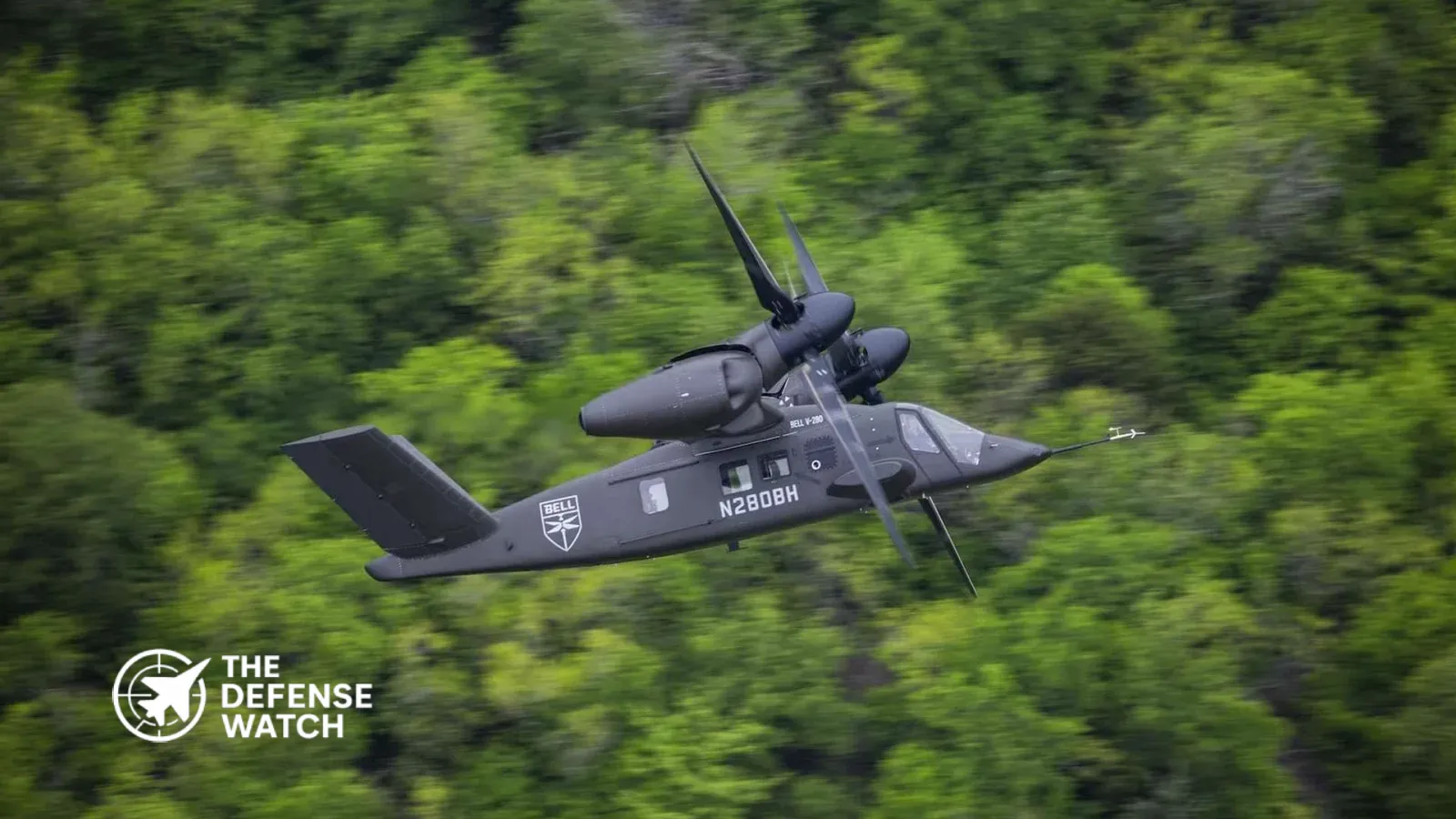
The U.S. Army has selected RTX to provide key mission systems for the new MV-75 Cheyenne Future Long Range Assault Aircraft, strengthening the platform’s ability to conduct long range air assault missions in contested environments. The integration supports the Army’s broader aviation modernization strategy by improving navigation, communications, survivability, and mission effectiveness for future operations.
U.S. Army MV-75 Cheyenne Gains RTX Mission Systems For Longer Range Assault Missions
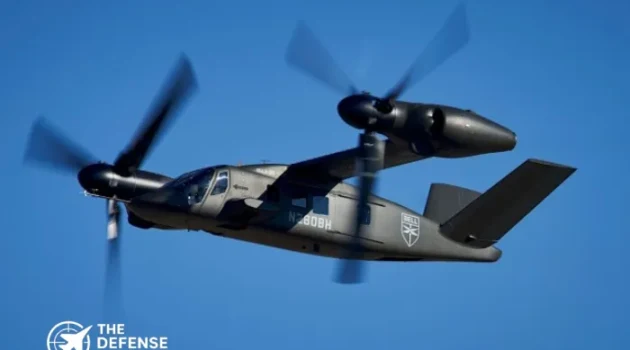
The MV-75 Cheyenne program has reached another important milestone as the U.S. Army moves forward with integrating advanced mission systems supplied by RTX for its next generation Future Long Range Assault Aircraft (FLRAA). The latest development reflects the Army’s continued investment in replacing the UH-60 Black Hawk with a faster, longer range platform capable of operating across increasingly contested battlefields.
According to information released by Army Recognition, RTX will provide a comprehensive suite of avionics and mission equipment designed to enhance navigation, communications, sensing, and aircraft survivability for the MV-75 Cheyenne. The capability upgrade aligns with the Army’s modernization priorities for multi domain operations.
RTX Will Supply Core Mission Systems
Rather than focusing solely on airframe performance, the Army is emphasizing integrated mission systems that allow aircraft crews to operate effectively in electronic warfare environments while maintaining connectivity with joint forces.
RTX is expected to deliver several critical technologies, including:
| Capability | Operational Benefit |
|---|---|
| Integrated avionics | Improved pilot workload management |
| Secure communications | Reliable connectivity across joint forces |
| Advanced navigation | Precision operations in GPS challenged environments |
| Survivability systems | Increased protection against modern threats |
| Mission computing | Faster sensor processing and battlefield awareness |
These systems are intended to provide pilots with greater situational awareness while enabling the aircraft to remain operational during complex expeditionary missions.
The MV-75 Cheyenne Is Central To Army Aviation Modernization
The MV-75 Cheyenne is Bell’s tiltrotor aircraft selected under the Future Long Range Assault Aircraft program, one of the U.S. Army’s highest priority aviation modernization efforts.
The aircraft is designed to replace thousands of UH-60 Black Hawk helicopters over the coming decades.
Compared with legacy helicopters, the MV-75 offers major improvements in:
- Higher cruise speed
- Greater combat radius
- Longer operational range
- Increased payload flexibility
- Improved survivability in contested environments
Its tiltrotor design enables helicopter style vertical takeoff and landing while achieving airplane like cruise performance during long distance missions.
This combination allows commanders to move troops farther, faster, and with fewer forward refueling requirements.
Why Advanced Mission Systems Matter
Modern conflicts increasingly feature sophisticated integrated air defense systems, electronic warfare capabilities, and long range precision weapons.
Aircraft performance alone is no longer sufficient.
Mission systems now determine whether crews can:
- Navigate through GPS denial
- Maintain secure communications
- Detect emerging threats
- Share targeting information
- Coordinate with unmanned systems
- Operate across multiple military services
RTX’s technologies are intended to address these operational challenges by integrating sensors, mission computers, communications, and defensive systems into a unified architecture.
Supporting Multi Domain Operations
The U.S. Army’s modernization strategy centers on Multi Domain Operations (MDO), where land, air, cyber, space, and maritime forces operate as an integrated network.
Within this framework, the MV-75 Cheyenne is expected to perform missions including:
- Long range air assault
- Rapid troop insertion
- Medical evacuation
- Logistics support
- Special operations
- Command and control
- Expeditionary resupply
Advanced mission systems enable these operations by connecting aircraft to wider battlefield networks while improving decision making during high tempo missions.
Technical Overview
Specification MV-75 Cheyenne Manufacturer Bell Textron Program Future Long Range Assault Aircraft (FLRAA) Primary Mission Long range assault transport Configuration Tiltrotor Replacement Aircraft UH-60 Black Hawk Mission Systems Provider RTX Expected Role Army aviation modernization Strategic Importance For The U.S. Army
The MV-75 represents more than a replacement for the Black Hawk.
It reflects a broader shift toward increasing operational reach across the Indo Pacific and other theaters where forces may need to cover much greater distances than in previous conflicts.
The Army has repeatedly identified long range maneuver as a critical requirement for future warfare. Large operational areas reduce reliance on vulnerable forward bases while giving commanders additional options during distributed operations.
The integration of RTX mission systems directly supports this concept by improving mission resilience even when adversaries attempt to disrupt communications or navigation.
As electronic warfare becomes a defining feature of modern combat, resilient avionics and secure communications may prove just as important as aircraft speed or payload capacity.
Industry Collaboration Continues
The FLRAA program also illustrates the growing collaboration between major U.S. defense companies.
Bell provides the aircraft platform while RTX contributes mission systems that leverage decades of experience in avionics, sensors, communications, and airborne survivability technologies.
This approach allows specialized companies to focus on their respective strengths while delivering an integrated capability for the U.S. Army.
As engineering and testing continue, additional subsystem integration and flight evaluations will help validate operational performance before full fielding.
Outlook
The addition of RTX mission systems marks another significant step toward operational deployment of the MV-75 Cheyenne. While the aircraft’s speed and range have attracted considerable attention, its effectiveness in future conflicts will depend equally on its ability to operate within highly contested electromagnetic environments.
For the U.S. Army, combining Bell’s next generation tiltrotor platform with RTX’s advanced mission technologies supports a broader transformation of Army aviation, one aimed at extending operational reach, improving survivability, and enabling faster decision making across increasingly complex battlefields.
Executive Summary:
Brazil’s F-39E Gripen fighters have completed their first multinational deployment outside national territory during Exercise SALITRE 2026 in Chile. The exercise brought together six nations, approximately 60 aircraft, and more than 1,500 personnel, providing the Brazilian Air Force with its first opportunity to employ the Gripen E in a coalition air combat environment while demonstrating the aircraft’s growing operational maturity.
Brazil’s Gripen E Fighters Make First Overseas Multinational Exercise Debut During SALITRE 2026
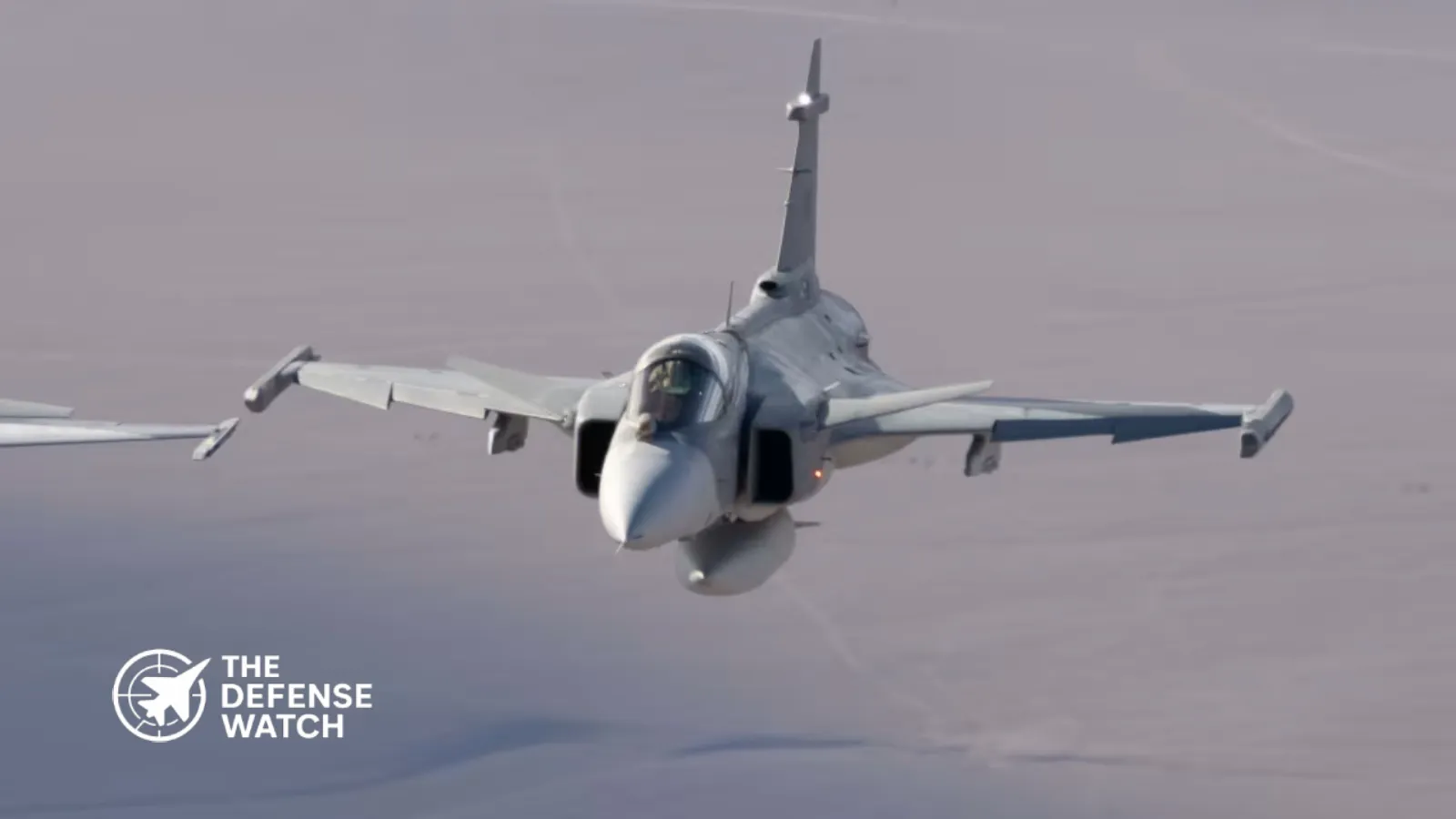
The Brazil Gripen E fighters have completed a significant milestone after participating in Exercise SALITRE 2026 in Chile, marking the aircraft’s first multinational deployment outside Brazil since entering operational service with the Brazilian Air Force (FAB). According to Saab and the Brazilian Air Force, six F-39E Gripen fighters joined coalition air operations alongside aircraft from Chile, Argentina, Colombia, Paraguay, and the United States.
Operating from Cerro Moreno Air Base in Antofagasta, the Brazilian detachment carried out a wide range of missions including combat air patrols, escort operations, offensive sweeps, and integrated air defense. The deployment represents another step in the Brazilian Gripen program as the aircraft transitions from national introduction into multinational operational employment.
Six Nations Conduct Coalition Air Operations
Exercise SALITRE 2026 assembled more than 1,500 military personnel and roughly 60 aircraft, generating over 250 flight hours across multiple mission profiles.
The multinational exercise focused on coalition warfare, with participating air forces operating under a unified command structure. Such scenarios are designed to improve interoperability between allied air forces while testing command and control procedures, tactical communications, and coordinated air operations.
For Brazil, this was the first opportunity to integrate the F-39E Gripen into a multinational command environment outside its own territory.
Gripen E Conducted Air Defense, Escort, And Combat Patrol Missions
Throughout the exercise, Brazilian pilots flew missions representative of modern conventional air warfare.
These included:
Mission Operational Purpose Combat Air Patrol (CAP) Protect friendly airspace Escort Missions Defend strike and support aircraft Fighter Sweep Eliminate opposing fighter threats Air Defense Counter hostile aircraft and maintain air superiority WVR Combat Short range visual engagements BVR Combat Long range missile engagements The aircraft employed several of its most advanced onboard systems during the exercise, including:
- Active Electronically Scanned Array (AESA) radar
- Infrared Search and Track (IRST) sensor
- Integrated electronic warfare suite
- Tactical data sharing capabilities
- Advanced sensor fusion architecture
These systems allowed pilots to detect, classify, and track multiple airborne threats while sharing tactical information across the formation.
Saab Highlights Long Term Brazil Partnership
Peter Dölling, Managing Director of Saab Brazil, described the deployment as another important milestone in Brazil’s Gripen implementation program.
According to Saab, participation in SALITRE 2026 strengthens interoperability among regional partner air forces while reinforcing Brazil’s long term investment in advanced combat aviation capabilities.
The company also emphasized that the program extends beyond aircraft deliveries, incorporating technology transfer, industrial cooperation, and domestic capability development under Brazil’s Gripen acquisition strategy.
Sensor Fusion Remains Gripen E’s Primary Operational Advantage
Lieutenant Colonel Vítor Bombonato, commander of Brazil’s 1st Air Defense Group (1º GDA), highlighted the aircraft’s sensor fusion capabilities as one of its principal strengths during multinational operations.
According to Bombonato, the Gripen E continuously combines data collected from multiple onboard sensors before presenting pilots with a simplified tactical picture. Information can then be shared among other Gripen aircraft, significantly improving situational awareness across the flight.
Rather than relying on individual radar contacts, pilots operate using a common tactical picture that enables faster threat identification and more coordinated engagement decisions.
This network centric approach reflects the broader evolution of modern fourth and fifth generation air combat, where information superiority increasingly determines mission effectiveness.
Extensive Mission Preparation Reduced Deployment Risk
Although Brazilian pilots had never previously operated in northern Chile, preparation for SALITRE began well before deployment.
Brazilian Air Force planners recreated the Antofagasta operating environment inside Gripen simulators located at Anápolis Air Base. Pilots also conducted integrated exercises with other FAB squadrons approximately one month before deployment.
According to Lieutenant Colonel Bombonato, these preparations meant that operational conditions were already familiar when crews arrived in Chile, reducing transition time and improving mission readiness.
Gripen E Demonstrated Operational Range
Another notable aspect of the deployment was the aircraft’s range.
Bombonato stated that the Gripen E possessed sufficient endurance to fly directly from Anápolis to Antofagasta without requiring aerial refueling, illustrating one of the platform’s logistical advantages during regional deployments.
For air forces operating across South America’s vast geography, extended range reduces dependence on tanker aircraft while increasing deployment flexibility.
By the conclusion of SALITRE 2026, the Brazilian Gripens had completed more than 50 sorties and accumulated over 100 flight hours, including ferry flights, while maintaining high aircraft availability.
Why SALITRE 2026 Matters Beyond Brazil
The significance of SALITRE extends beyond a routine multinational exercise.
For the Brazilian Air Force, this deployment demonstrates that the Gripen E is moving from initial operational capability toward mature coalition employment. Operating alongside U.S. and regional partner aircraft validates not only the fighter itself but also Brazil’s command, maintenance, logistics, and mission planning infrastructure.
From a regional security perspective, multinational exercises such as SALITRE enhance interoperability among South American and U.S. air forces without focusing on a specific adversary. Instead, they improve common operating procedures, communications, and tactical coordination that could prove valuable during humanitarian operations, disaster response, or coalition security missions.
Technically, SALITRE also provided an opportunity to evaluate the Gripen E’s advanced digital architecture in realistic coalition scenarios. Modern air combat increasingly depends on information sharing, electronic warfare resilience, and sensor integration rather than aircraft performance alone. Exercises of this type allow participating air forces to refine tactics while identifying procedural improvements before real world contingencies emerge.
As Brazil continues expanding its Gripen fleet, multinational deployments will likely become an increasingly important component of pilot training and operational certification.
Key SALITRE 2026 Figures
Category Details Host Nation Chile Main Operating Base Cerro Moreno Air Base, Antofagasta Brazilian Aircraft Six F-39E Gripen fighters Participating Countries Brazil, Chile, Argentina, Colombia, Paraguay, United States Personnel More than 1,500 Aircraft Approximately 60 Flight Hours More than 250 Brazilian Gripen Sorties Over 50 Brazilian Flight Hours More than 100
Executive Summary:
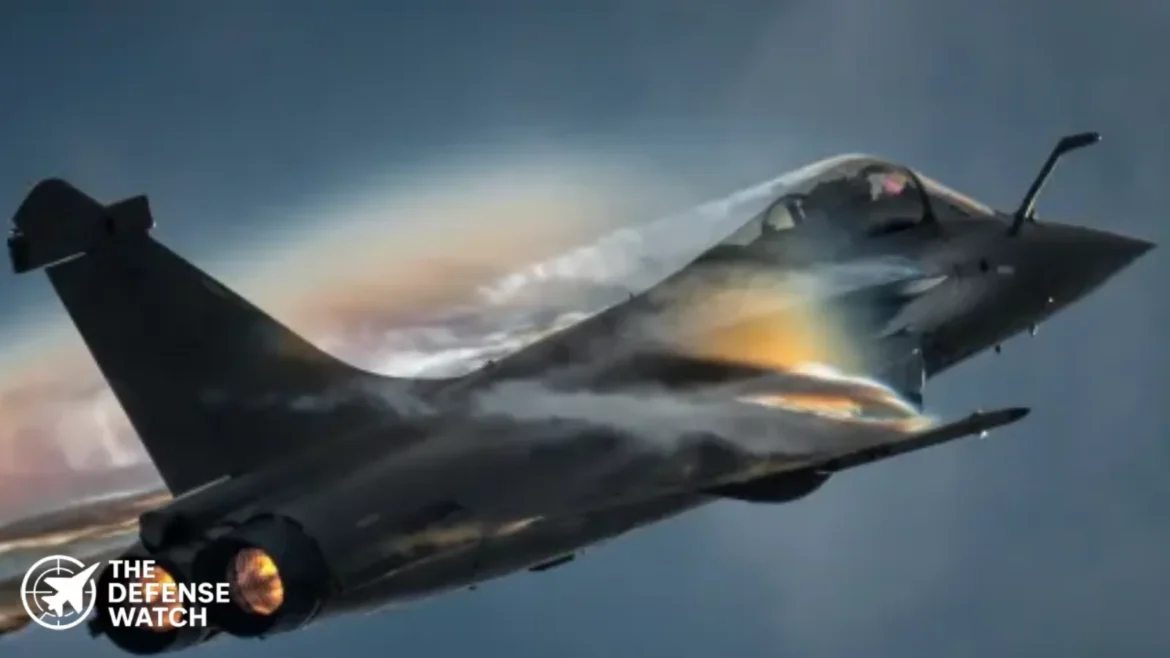
France’s Directorate General of Armament (DGA) announced the successful completion of laser-guided rocket integration on the Dassault Rafale for the counter-unmanned aircraft system (C-UAS) role. The capability, known as LADAC (Lutte antidrone sur avion de combat), equips the multirole fighter with Thales 68mm Aculeus LGRs fired from Telson rocket pods. Rollout to French Air and Space Force and Navy Rafales is underway this summer, addressing the unsustainable use of high-cost missiles against low-cost drones.
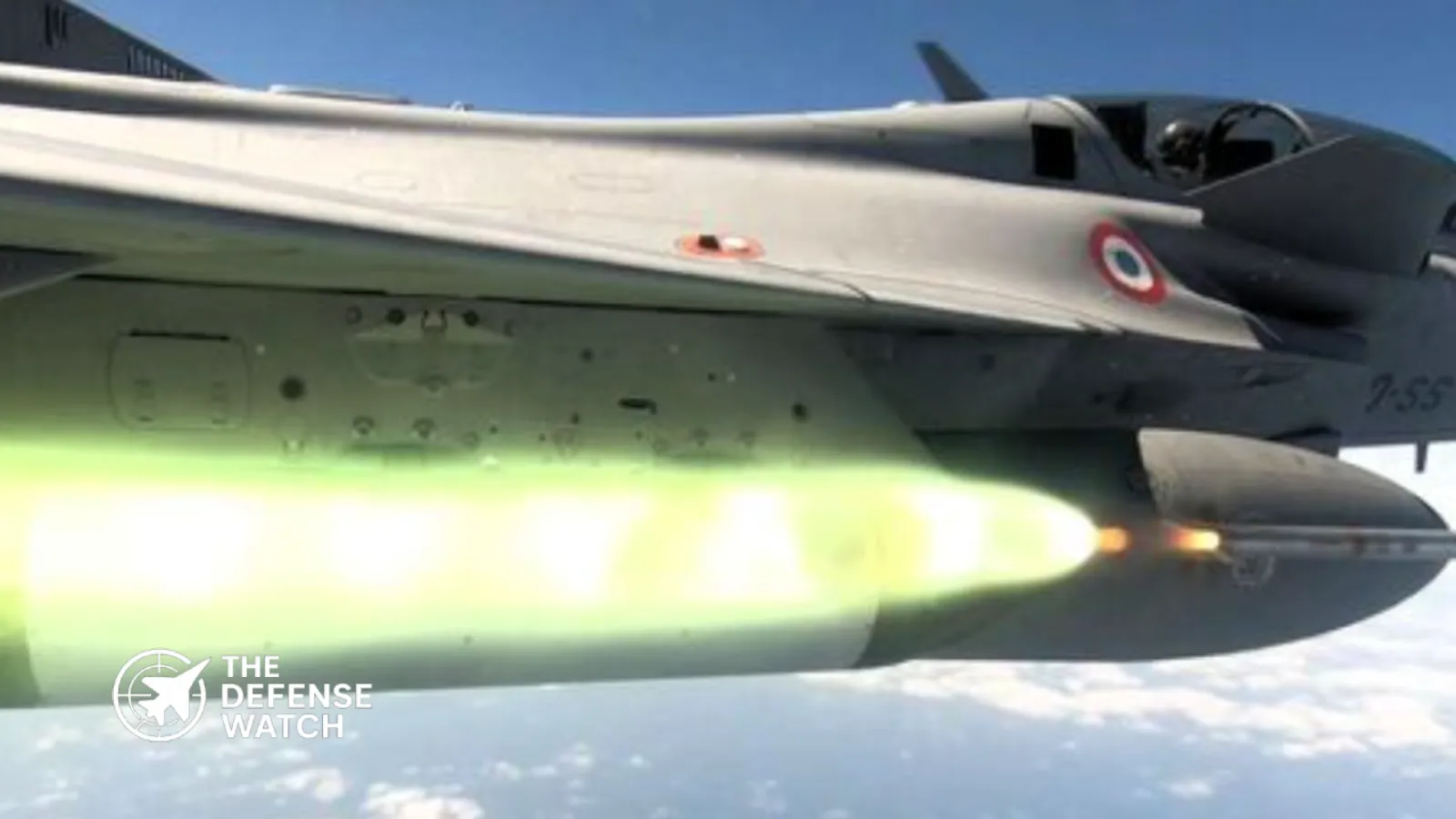
France has completed the integration of Thales 68 mm Aculeus laser-guided rockets (LGRs) aboard the Dassault Rafale combat aircraft, marking a significant enhancement to its counter-unmanned aircraft system capabilities.
The DGA confirmed the conclusion of live-fire trials at the Biscarrosse missile test facility on July 7, 2026, following 13 months of development first reported by Janes at the 2025 Paris Air Show.
Technical Details of the LADAC Capability
The system centers on the Thales Aculeus-LG 68mm laser-guided rocket, launched from 12-round Telson JF12 pods using the company’s Induction Rocket Solutions architecture. The rocket, weighing approximately 8.8 kg and measuring 1.4 meters in length, offers a range of around 3.7 to 5 km with semi-active laser guidance.
Integration leverages the Rafale’s RBE2 AESA radar (modified for the role) and the Talios targeting pod for laser designation and tracking. This setup allows precise engagement of small, slow-moving targets like one-way attack drones without relying solely on high-value air-to-air missiles such as the MBDA MICA.
Key Specifications (Aculeus-LG 68mm LGR):
- Caliber: 68 mm
- Guidance: Semi-active laser (compatible with standard designators)
- Range: ~3.7–5 km (air-to-air C-UAS profile)
- Warhead: High-explosive fragmentation suitable for drone targets
- Launcher: Thales Telson JF12 (12 rounds per pod)
- Platform: Dassault Rafale (Air Force and Navy variants)
This configuration provides substantial magazine depth compared to single-shot missiles, with each pylon supporting multiple engagements.
Operational Context and Drivers
The development responds directly to lessons from recent operations, including Rafale deployments protecting UAE airspace against Iranian drone threats in early 2026 under Operation Epic Fury, where dozens of MICA missiles were expended.
French Air and Space Force Chief of Staff Gen. Jérôme Bellanger highlighted the cost disparity: MICA missiles exceed €1 million each, while targets like Shahed-style drones cost far less. The LADAC program, initiated urgently in late 2025, prioritizes sustainable, layered defense.
DGA head Patrick Pailloux confirmed summer 2026 operational readiness to the French National Assembly. Trials involved collaboration between DGA, the Centre d’expertise aérienne militaire (CEAM), Dassault Aviation, and Thales.
Strategic and Technical Analysis
This upgrade represents a pragmatic adaptation to the proliferation of low-cost, attritable aerial threats in modern conflicts. By integrating affordable precision munitions, France addresses a critical vulnerability: the economic asymmetry of using million-dollar missiles against targets orders of magnitude cheaper.
Why it matters for U.S. and allied defense strategy: The U.S. pioneered this approach with the BAE Systems APKWS II 70mm laser-guided rockets on F-15E, F-16, and A-10 platforms, proving highly effective against Houthi and Iranian drones in the Middle East. The UK’s Eurofighter Typhoon followed suit. France’s move aligns European capabilities with this trend, enhancing interoperability in NATO and coalition operations.
Operationally, laser-guided rockets excel against non-maneuvering or predictably behaving targets like loitering munitions and cruise missiles. They reduce risk to high-value assets while preserving expensive missiles for peer threats. Technical hurdles—such as radar modifications for small-target detection and safe engagement geometries—appear resolved through targeted upgrades to the Rafale’s sensor suite.
For export Rafale operators in the Middle East (Qatar, UAE) and potential future users, this capability could be offered as an enhancement, strengthening regional air defense against asymmetric threats. It also positions the Rafale competitively against evolving drone swarms in high-intensity scenarios.
Potential limitations include shorter range compared to dedicated air-to-air missiles and the need for laser designation, which may constrain beyond-visual-range or all-weather use in some conditions. However, the system’s integration with the Rafale’s advanced avionics mitigates many of these through sensor fusion.
Broader Implications for French and Allied Modernization
The LADAC rollout coincides with France’s Military Programming Law (LPM 2024–2030), emphasizing resilience against proliferating UAS threats. It complements ground-based C-UAS systems and enhances the Rafale’s omnirole flexibility across air superiority, ground attack, and defensive counter-air missions.
As conflicts in Ukraine and the Middle East demonstrate the scale of drone employment, such low-cost kinetic solutions are becoming standard. France’s rapid development—from concept to operational rollout in under 18 months—highlights effective industry-government collaboration involving Dassault, Thales, and DGA.
This positions the Rafale fleet for sustained relevance in contested airspace while conserving high-end munitions for decisive engagements.
Executive Summary:
France and Ukraine have agreed on a long term defense cooperation roadmap that outlines the future acquisition of Rafale fighter aircraft, deployment of SAMP/T NG air defense systems, and expansion of licensed defense manufacturing inside Ukraine. The agreement marks another step in Kyiv’s transition toward NATO compatible capabilities while strengthening Europe’s long term defense industrial cooperation.
France And Ukraine Advance Rafale Procurement Roadmap
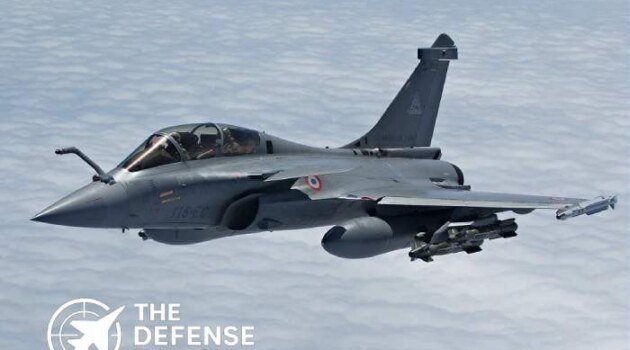
France and Ukraine have agreed on a strategic roadmap that lays the foundation for Ukraine’s future acquisition of Dassault Rafale multirole fighters, establishment of its first Rafale-equipped squadron, procurement of advanced SAMP/T NG air defense systems, and licensed production of selected defense equipment.
The agreement was announced following high level discussions between French and Ukrainian officials and represents one of the most comprehensive defense cooperation frameworks signed since Russia’s full scale invasion. Rather than an immediate procurement contract, the roadmap establishes the political, industrial, and military planning needed for future acquisitions and capability development.
The initiative reflects France’s continued support for rebuilding Ukraine’s long term military capabilities while accelerating Kyiv’s integration with Western defense standards.
Rafale Identified As A Long Term Fighter Capability
The roadmap identifies the Rafale as a future cornerstone of Ukraine’s tactical air power.
Although Ukraine currently operates Western supplied F-16s and is preparing to receive additional combat aircraft from European partners, the Rafale would significantly expand its multirole capabilities by providing advanced air superiority, precision strike, reconnaissance, and electronic warfare functions.
The roadmap reportedly covers preparations for establishing Ukraine’s first Rafale squadron, including:
- Pilot conversion and training
- Ground crew instruction
- Logistics and maintenance planning
- Infrastructure modernization
- Long term sustainment support
No delivery schedule or aircraft quantity has yet been announced.
SAMP/T NG To Strengthen Ukraine’s Integrated Air Defense
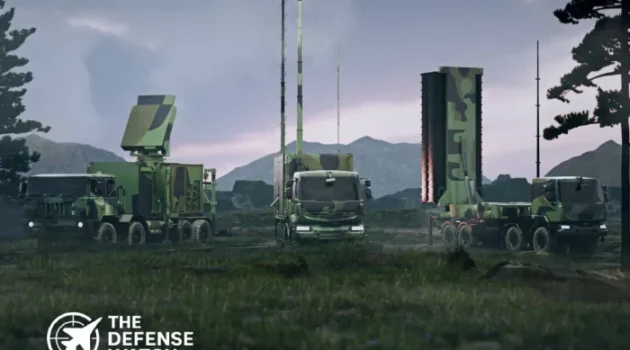
Alongside combat aircraft cooperation, France and Ukraine agreed to pursue the acquisition of the next generation SAMP/T NG air and missile defense system.
The upgraded system represents the latest evolution of the Franco Italian SAMP/T family and is designed to counter a broad spectrum of aerial threats, including:
Capability SAMP/T NG Aircraft interception Yes Cruise missile defense Yes Ballistic missile defense Yes Network-centric operations Yes NATO interoperability High Compared with earlier variants already supplied to Ukraine, the NG version incorporates modern radar technology, upgraded battle management software, and improved interceptor integration, increasing both engagement capacity and reaction speed.
The roadmap envisions eventual deployment of at least one SAMP/T NG battery as Ukraine continues expanding its layered air defense network.
Licensed Weapons Production Expands Industrial Cooperation
Another major element of the agreement focuses on expanding Ukraine’s domestic defense industrial base through licensed weapons production.
Rather than relying solely on imported equipment, Ukraine aims to manufacture selected systems locally in partnership with French industry.
Potential benefits include:
- Faster replacement of battlefield losses
- Reduced dependence on foreign production lines
- Improved supply chain resilience
- Growth of Ukraine’s defense manufacturing sector
- Better long term sustainment of Western equipment
Although specific weapons have not yet been publicly identified, licensed production has become an increasingly important objective for Ukraine as the conflict has demonstrated the importance of maintaining high production rates during prolonged operations.
Rafale Would Complement Ukraine’s Western Aircraft Fleet
The Rafale would not replace Ukraine’s incoming F-16 fleet but instead complement it.
The aircraft offers a broad range of capabilities including:
- Air superiority missions
- Deep precision strike
- Maritime strike
- Intelligence, surveillance, and reconnaissance
- Nuclear delivery capability for French forces (not applicable to Ukraine)
- Advanced electronic warfare through the SPECTRA self protection suite
Its ability to perform multiple mission types during a single sortie has made it one of Europe’s most successful combat aircraft, with operational experience across the Middle East, Africa, and NATO operations.
For Ukraine, operating multiple Western fighter platforms would increase operational flexibility but would also require significant investment in maintenance infrastructure, pilot training, spare parts inventories, and logistics.
Strategic Analysis: Building Ukraine’s Post War Air Force
The roadmap represents more than a future aircraft purchase. It signals a broader transformation of Ukraine’s defense architecture toward full interoperability with European and NATO forces.
Rather than focusing only on replacing wartime equipment losses, France appears to be supporting the development of an entirely modernized Ukrainian air force built around Western operational concepts.
Combining Rafale fighters with SAMP/T NG air defenses creates complementary offensive and defensive capabilities. While the Rafale enhances Ukraine’s ability to conduct precision strike and air superiority missions, SAMP/T NG strengthens protection against aircraft, cruise missiles, and ballistic missile threats.
Equally important is the industrial component. Licensed production reflects a growing European strategy of helping Ukraine rebuild its defense manufacturing capacity instead of depending indefinitely on external military assistance. Domestic production can shorten supply chains, improve maintenance availability, and increase resilience during prolonged conflicts.
For France, the roadmap also reinforces its position as a leading European defense supplier while deepening long term industrial cooperation with Kyiv. If implemented, the program could expand future opportunities for French defense companies across aviation, missile systems, maintenance, training, and technology transfer.
From a broader NATO perspective, the agreement supports allied efforts to standardize Ukraine’s military on Western equipment, reducing reliance on legacy Soviet systems while improving interoperability with partner nations.
What Comes Next
The roadmap establishes a framework rather than a finalized acquisition program.
Several major milestones remain before Rafale aircraft enter Ukrainian service, including:
- Formal procurement negotiations
- Financing arrangements
- Aircraft production scheduling
- Pilot and maintenance training
- Air base modernization
- Weapons integration
- Delivery planning
The timeline will depend on political decisions, industrial capacity, funding mechanisms, and Ukraine’s evolving operational requirements.
If implemented, the roadmap would represent one of the most significant long term defense modernization initiatives undertaken by Ukraine since the beginning of the war, combining advanced combat aviation, next generation missile defense, and domestic industrial production into a unified modernization strategy.
Executive Summary:
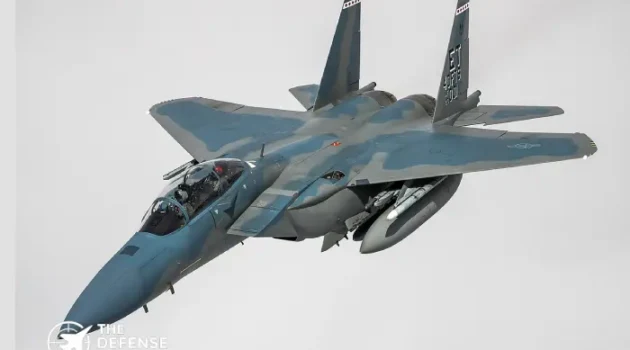
The U.S. Air Force has deployed the F-15EX Eagle II back to Kadena Air Base, Japan, as the service prepares the installation for its future permanent fighter force. The deployment also included operational training with the MQ-28 Ghost Bat during Exercise Valiant Shield, highlighting the Air Force’s growing emphasis on manned and unmanned teaming across the Indo-Pacific.
F-15EX Eagle II Returns To Strengthen Kadena’s Future Mission
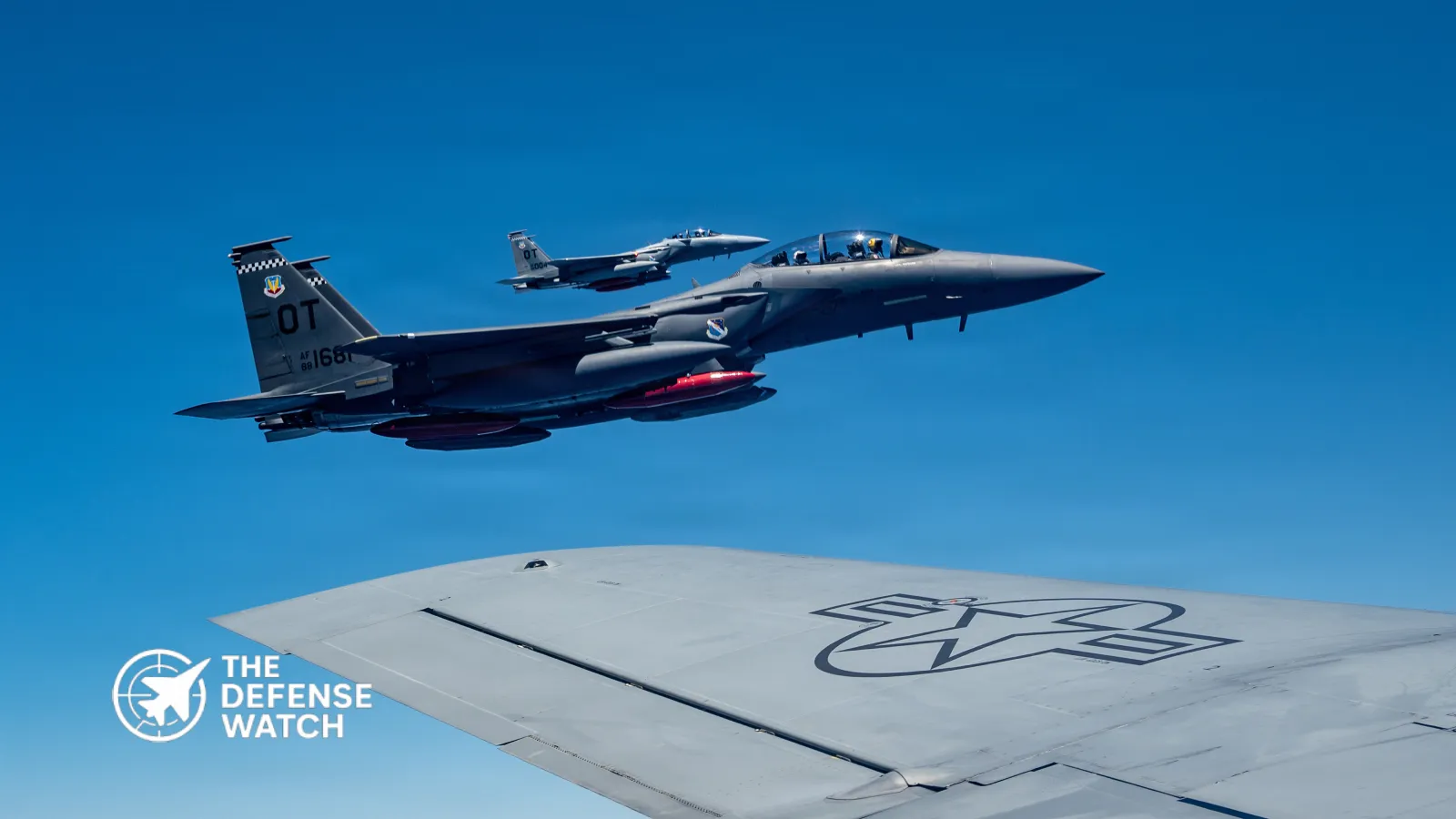
The F-15EX Eagle II has returned to Kadena Air Base in Japan, marking another major step in the U.S. Air Force’s long term modernization of its premier fighter base in the Indo-Pacific. According to the U.S. Air Force, aircraft from the 85th Test and Evaluation Squadron arrived on June 29 alongside two F-15E Strike Eagles to support integration and familiarization activities before the Eagle II enters permanent service at the base.
The deployment builds on the F-15EX’s first visit to Kadena in 2025 and allows pilots, maintainers, and support personnel to gain practical experience with the aircraft’s systems, maintenance requirements, and operational procedures before it officially replaces the aging F-15C/D Eagle fleet.
Lt. Col. Casey Watts, commander of the 85th Test and Evaluation Squadron, said early familiarity with the aircraft will help ensure a smooth transition while improving combat readiness across the Indo-Pacific.
Kadena’s Fighter Transition Continues
The F-15EX forms a central element of the Department of the Air Force’s modernization strategy for Kadena Air Base, one of America’s most strategically important forward operating locations in the Western Pacific.
The 67th Fighter Squadron, which will become Kadena’s first operational F-15EX unit, is using the deployment to build operational knowledge before receiving its own aircraft. Maintenance teams are also validating logistics procedures, combat generation capabilities, and sustainment requirements necessary for long term operations.
Brig. Gen. John Gallemore, commander of the 18th Wing, described the Eagle II as the next chapter of airpower at Kadena, emphasizing its role in supporting combat operations throughout the Indo-Pacific.
MQ-28 Ghost Bat Demonstrates Future Human Machine Teaming
One of the deployment’s most significant developments occurred during Exercise Valiant Shield, where an F-15EX aircrew operated alongside an MQ-28 Ghost Bat uncrewed aircraft over the Philippine Sea.
The mission represented another milestone in the development of Collaborative Combat Aircraft (CCA), an emerging operational concept that pairs crewed fighters with semi autonomous aircraft capable of conducting reconnaissance, electronic warfare, and strike support missions under human supervision.
Maj. Daniel Pesich, Experimental Operations Unit CCA detachment officer in charge, said future airpower will increasingly rely on partnerships between highly trained aircrews and autonomous technologies to improve survivability and combat effectiveness.
Why The F-15EX Remains Important
Although the F-15EX is not a stealth fighter, it has been designed to complement fifth generation platforms rather than replace them.
Key capabilities include:
Capability F-15EX Eagle II Maximum payload Nearly 30,000 pounds of weapons Crew One or two pilots Radar AN/APG-82 AESA radar Electronic warfare EPAWSS digital electronic warfare suite Network capability Advanced data links for joint operations Mission Air superiority, long range strike, homeland defense, missile carrier Its large payload capacity allows the aircraft to carry significantly more air to air missiles and stand off weapons than stealth fighters, making it particularly valuable in high intensity operations where magazine depth becomes critical.
Strategic Analysis: What This Means For Indo-Pacific Deterrence
The latest deployment reflects more than a routine training event.
Kadena Air Base sits at the center of the First Island Chain, placing U.S. fighters within operational reach of the East China Sea, Taiwan Strait, and much of the Western Pacific. As regional military competition continues to intensify, the Air Force is investing in aircraft capable of sustaining high sortie rates while integrating with advanced command and control networks.
The combination of the F-15EX and Collaborative Combat Aircraft points toward a future force structure that emphasizes distributed operations rather than relying solely on stealth. Instead of every aircraft penetrating contested airspace independently, future missions are expected to distribute sensing, electronic warfare, and weapons delivery across both crewed and autonomous platforms.
The MQ-28 Ghost Bat demonstration illustrates this concept in practice. Loyal wingman aircraft can extend sensor coverage, increase available weapons capacity, conduct high risk reconnaissance, or absorb threats that would otherwise endanger crewed fighters. When combined with the F-15EX’s substantial payload and advanced networking systems, the result is a more resilient and scalable combat force capable of operating across vast Indo-Pacific distances.
The deployment also demonstrates that modernization extends beyond acquiring new aircraft. Building maintenance expertise, validating logistics networks, and integrating operations personnel before permanent fielding reduces operational risk and accelerates readiness once the F-15EX enters frontline service at Kadena.

atOptions = { ‘key’ : ‘3d48d603f906e3fe9f205be3c4433835’, ‘format’ : ‘iframe’, ‘height’ : 250, ‘width’ : 300, ‘params’ : {} };Executive Summary:
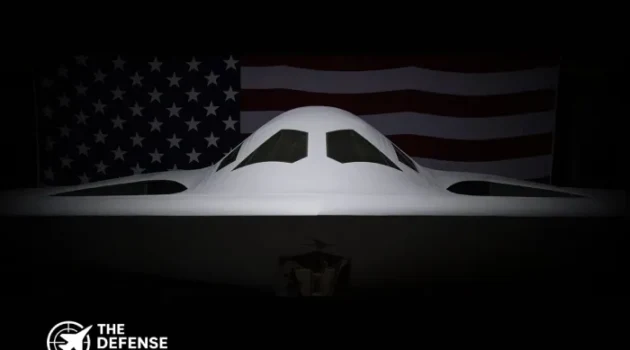
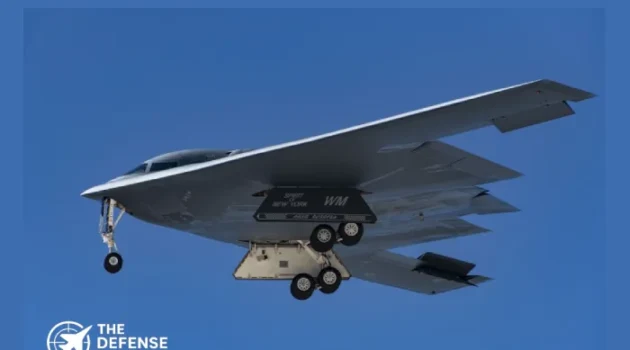
The U.S. Air Force is formalizing a two pilot crew concept for the B 21 Raider as the next generation stealth bomber progresses toward operational service. The decision reflects the aircraft’s central role in future conventional and nuclear long range strike missions while supporting a faster transition from testing to combat readiness.
U.S. Air Force Defines B 21 Raider Crew Concept Ahead Of Operational Service
The B 21 Raider program has reached another important milestone as the U.S. Air Force establishes a standard two pilot crew for its next generation stealth bomber. The move comes as the service continues developmental and operational testing while preparing the aircraft to become the backbone of America’s future long range strike capability.
According to Air Force officials, the B 21 will be operated by two qualified pilots rather than a larger crew. The approach mirrors the operational model used by the B 2 Spirit while taking advantage of the Raider’s highly automated mission systems, advanced avionics, and digital architecture.
The Air Force has emphasized that introducing operational personnel into flight testing earlier than previous aircraft programs will help accelerate the bomber’s transition into frontline service.
Early Operational Testing Changes The Development Process
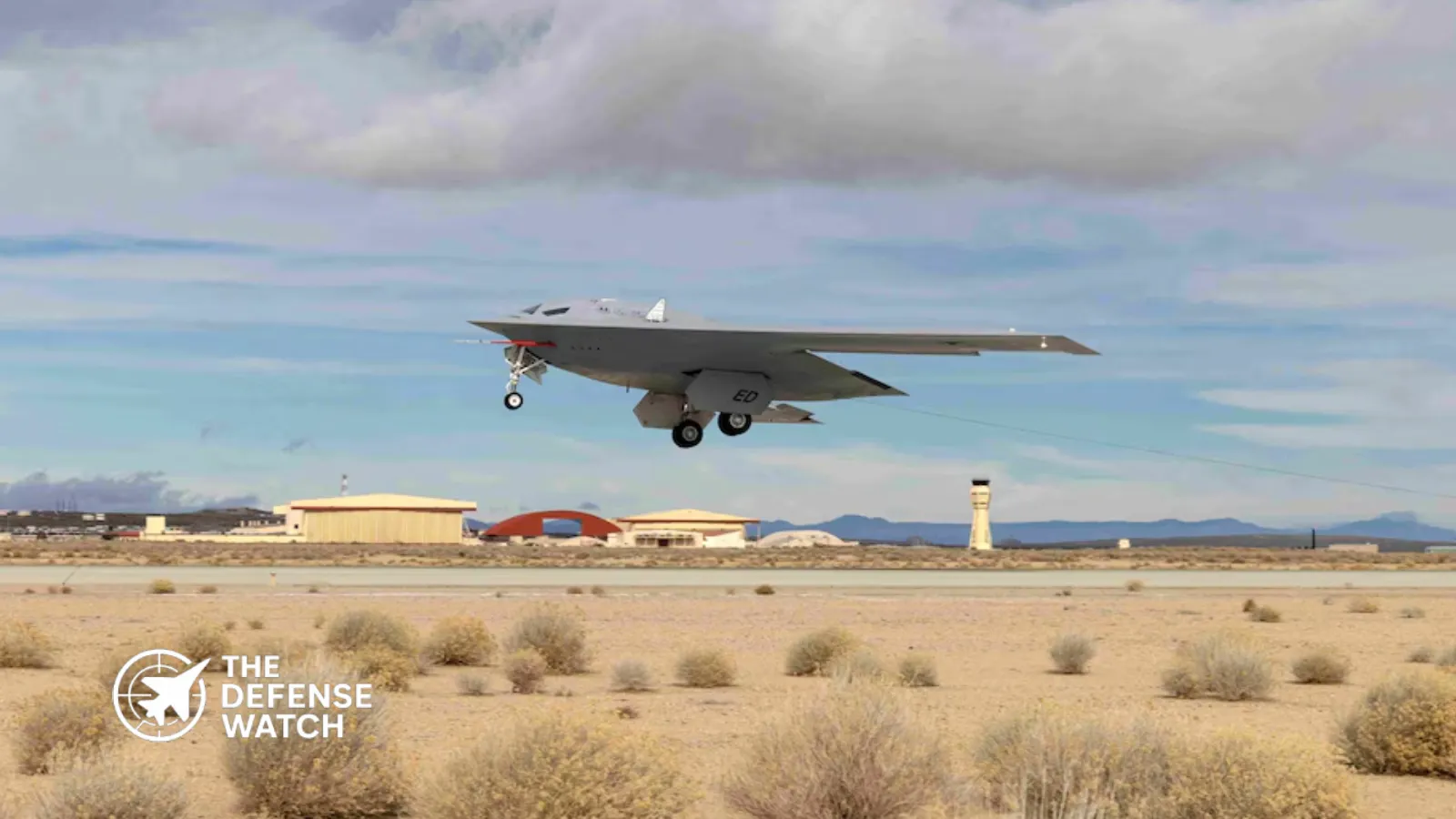
A significant milestone occurred when an operational test pilot flew alongside a developmental test pilot during a B 21 flight at Edwards Air Force Base.
Traditionally, developmental testing and operational testing occur sequentially. For the Raider, however, both communities are working together much earlier in the program, allowing operational feedback to influence testing before production expands. Air Force officials describe the approach as a major change in modern military aircraft acquisition.
The Raider Combined Test Force continues evaluating aircraft performance, mission systems, survivability, and combat suitability while additional test aircraft enter the program. Earlier this year, the program also completed aerial refueling milestones that demonstrated increasing maturity of the aircraft’s systems.
(adsbygoogle = window.adsbygoogle || []).push({});Why A Two Pilot Crew Matters
Although the B 21 incorporates advanced automation and digital mission management, the Air Force has retained two pilots for several operational reasons.
These include:
- Managing complex long duration global strike missions.
- Supporting conventional and nuclear mission requirements.
- Reducing pilot workload during contested operations.
- Improving mission resilience during extended flights.
- Providing redundancy during strategic deterrence missions.
Unlike legacy bombers that relied on larger crews, many navigation, communications, and systems management tasks are now handled through integrated software and highly automated onboard systems. This enables the aircraft to accomplish complex missions with fewer personnel while maintaining operational flexibility.
B 21 Raider Program Status
Program Element Current Status Manufacturer Northrop Grumman Crew Two pilots Role Nuclear and conventional stealth bomber Flight Testing Ongoing Planned Fleet At least 100 aircraft First Operational Base Ellsworth Air Force Base Primary Mission Long range penetrating strike Source: U.S. Air Force and Air & Space Forces Magazine.
(adsbygoogle = window.adsbygoogle || []).push({});Strategic Importance For U.S. Long Range Strike
The two pilot crew announcement is more than a personnel decision. It represents another step toward fielding the Air Force’s future strategic bomber force.
The Raider is expected to gradually replace both the B 1B Lancer and B 2 Spirit while operating alongside the modernized B 52J. Together, these aircraft will provide a layered bomber force capable of conducting conventional precision strike, nuclear deterrence, maritime strike, and long endurance global operations.
The Air Force also intends for the B 21 to operate within a broader family of systems that includes advanced weapons, intelligence networks, electronic warfare capabilities, and future collaborative platforms. Its open systems architecture is designed to allow software driven upgrades throughout the aircraft’s service life, reducing the time required to integrate new capabilities.
Analysis: Preparing The Human Element Of Future Air Warfare
While much attention surrounding the Raider focuses on stealth technology and advanced weapons, defining its crew structure is equally important.
A standardized two pilot concept simplifies training pipelines, operational planning, and long term sustainment. It also reflects confidence that digital automation has matured enough to reduce crew size without sacrificing mission effectiveness.
From an operational perspective, combining developmental and operational testing earlier than previous programs could shorten the timeline between testing and combat deployment. This approach also allows future crews to influence aircraft tactics, procedures, and mission planning before the bomber reaches full operational capability.
For the United States, where long range strike remains a cornerstone of both conventional military power and nuclear deterrence, the human component of the Raider program is becoming as important as its technical performance. As strategic competition with China and Russia continues, preparing qualified crews now ensures the Air Force can rapidly generate combat capable bomber units once production accelerates.
(adsbygoogle = window.adsbygoogle || []).push({});Executive Summary:
Switzerland has announced that the industrial offset program tied to its Lockheed Martin F 35A fighter acquisition is now expected to significantly exceed contractual requirements. New offset agreements are projected to raise industrial participation to approximately 73 percent of the contract value, strengthening Swiss defense manufacturing, technology transfer, and long term aerospace capabilities.
Swiss F 35A Offset Program Expected To Surpass Contract Targets
The Swiss government has announced that the industrial offset package supporting its F 35A Lightning II fighter procurement is expected to substantially exceed the participation targets established under the acquisition contract.
According to an official statement released by armasuisse on July 7, 2026, new offset projects agreed with Lockheed Martin are projected to increase total industrial participation to roughly 73 percent of the contract value, well above the required 60 percent established under Switzerland’s Air2030 modernization program.
The announcement represents an important milestone for the industrial side of Switzerland’s largest defense procurement program, which aims not only to field fifth generation fighters but also to expand domestic technological expertise and security related industrial capacity.
(adsbygoogle = window.adsbygoogle || []).push({});New Projects Focus On Critical Defense Capabilities
The latest offset package introduces several projects intended to build long term sovereign capabilities within Switzerland rather than simply generate commercial contracts.
Among the newly identified initiatives are:
Project Intended Benefit F135 engine training system Technical knowledge transfer using a train the trainer model F 35 canopy manufacturing and repair Domestic aerospace production and maintenance capability Cybersecurity training Protection of F 35 related information networks Training ammunition development Increased domestic defense industrial expertise Swiss officials said these projects strengthen security relevant technologies while improving industrial resilience and operational readiness over the long term.
(adsbygoogle = window.adsbygoogle || []).push({});Regional Participation Also Exceeds Expectations
The updated offset package is also expected to outperform regional participation targets established by the Swiss government.
Current projections indicate:
Region Contract Target Expected Share German speaking Switzerland 65% In line with allocation French speaking Switzerland 30% Approximately 43% Italian speaking Switzerland 5% Approximately 12% Officials estimate that French speaking regions will exceed their allocation by roughly 40 percent, while Italian speaking Switzerland could surpass its target by approximately 140 percent if all projects are completed successfully.
atOptions = { ‘key’ : ‘e7d18db8b7513fb2a224cf4c3f18bbf0’, ‘format’ : ‘iframe’, ‘height’ : 90, ‘width’ : 728, ‘params’ : {} };More Than One Billion Dollars Already Credited
As of June 30, 2026, offset transactions worth approximately US$1.03 billion have already been credited to Lockheed Martin under the Swiss offset register.
That represents roughly one third of the company’s total industrial participation obligation, which amounts to approximately US$3 billion.
Swiss authorities emphasized that newly announced projects will only count toward those obligations after they have been fully implemented and independently verified by armasuisse through contracts, invoices, performance documentation, and other supporting evidence.
Why Offset Agreements Matter
Offset agreements have become a central feature of many international fighter aircraft acquisitions.
Rather than serving solely as financial compensation, they allow purchasing nations to gain long term industrial, technological, and workforce benefits from major defense programs.
For Switzerland, the new projects focus on developing expertise in:
- Advanced aerospace manufacturing
- Engine support and maintenance
- Defense cybersecurity
- High technology production
- Aerospace workforce training
These investments are designed to ensure that knowledge generated through the F 35 program remains inside the country while supporting future maintenance and sustainment activities.
Strategic Significance Beyond Aircraft Procurement
The expanded offset package carries importance beyond Switzerland’s defense industry.
For Lockheed Martin, demonstrating successful industrial participation helps reinforce confidence among international F 35 customers at a time when governments increasingly expect defense procurements to generate domestic economic and technological returns.
For Switzerland, the announcement also helps address one of the longstanding political priorities surrounding the Air2030 program, ensuring that the acquisition delivers measurable industrial benefits alongside new military capability.
Although Switzerland has faced budgetary pressures surrounding its F 35 acquisition earlier this year, the government has continued to move forward with production activities. The first Swiss F 35A entered final assembly in the United States in May 2026, with pilot training scheduled to begin in Arkansas before aircraft deliveries to Switzerland from mid 2027.
Broader Defense Industry Implications
The Swiss approach reflects a broader trend in international defense procurement, where industrial participation has become nearly as important as platform performance.
Modern fighter programs increasingly include technology transfer, research partnerships, cybersecurity cooperation, maintenance capability, and advanced manufacturing initiatives that can strengthen national defense ecosystems for decades after aircraft delivery.
If the current offset package is implemented as planned, Switzerland would receive industrial participation well above its contractual requirement, potentially making the F 35 procurement one of the country’s most significant defense industrial development initiatives in recent years.
(adsbygoogle = window.adsbygoogle || []).push({});Executive Summary:
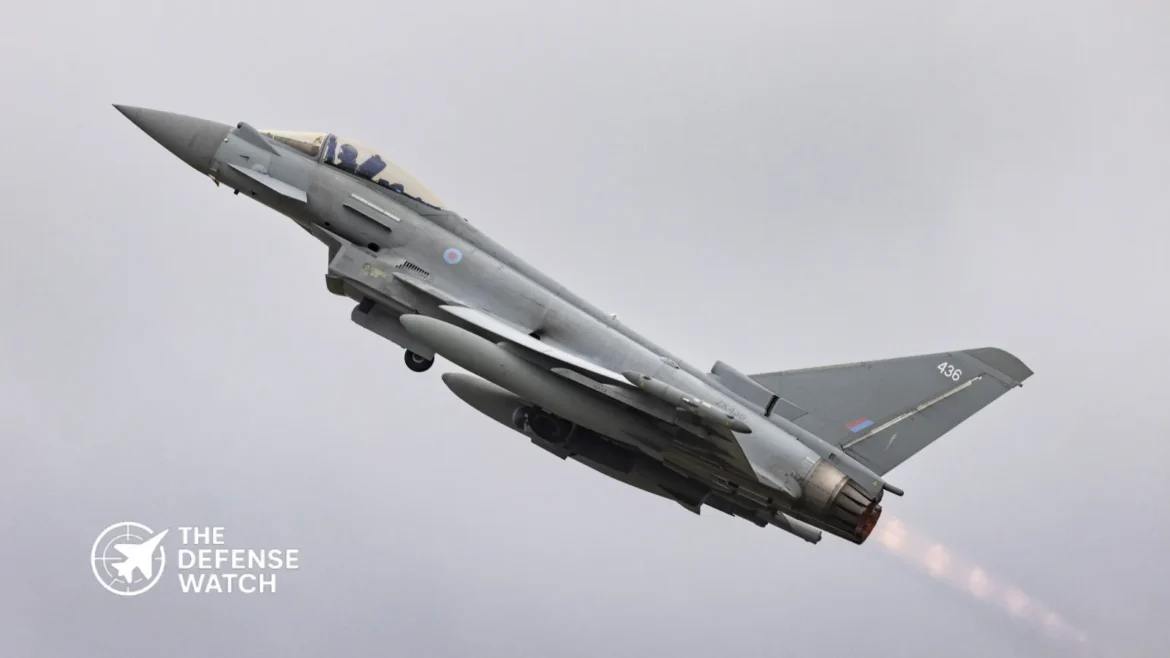
The United Kingdom has outlined a multi billion pound modernization program for its Eurofighter Typhoon fleet, reinforcing the aircraft’s role as the Royal Air Force’s primary combat platform into the 2040s. The investment focuses on advanced radar technology, expanded weapons integration, digital mission systems, and long term sustainment as Britain prepares for future high intensity operations while transitioning toward the Global Combat Air Programme (GCAP).
UK Details Billions In Typhoon Fighter Upgrades
The UK Typhoon fighter upgrades will see the Royal Air Force receive significant capability improvements through a series of modernization projects intended to keep the Eurofighter Typhoon operational for decades. The plans were outlined by the UK Ministry of Defence as part of wider defense investment aimed at maintaining combat readiness amid an increasingly challenging European security environment.
Rather than replacing the Typhoon in the near term, Britain intends to evolve the platform through incremental upgrades while simultaneously developing the sixth generation Global Combat Air Programme with Italy and Japan.
Multi Billion Pound Investment Targets Combat Capability
According to information released by the UK government, the modernization effort includes billions of pounds in planned spending covering aircraft upgrades, weapons integration, avionics modernization, logistics support, and industrial sustainment.
The investment supports both operational readiness and Britain’s domestic aerospace industry, with major work expected to involve BAE Systems, Leonardo UK, Rolls Royce, MBDA UK, and numerous suppliers throughout the national defense industrial base.
Officials emphasized that maintaining Typhoon capability remains essential while GCAP development continues over the coming decade.
atOptions = { ‘key’ : ‘3d48d603f906e3fe9f205be3c4433835’, ‘format’ : ‘iframe’, ‘height’ : 250, ‘width’ : 300, ‘params’ : {} };Key Upgrades Planned For The Typhoon Fleet
The modernization roadmap includes improvements across multiple mission systems designed to enhance survivability and effectiveness against increasingly capable air defense networks.
ECRS Mk2 Radar
One of the most significant enhancements is the introduction of the European Common Radar System Mark 2 (ECRS Mk2) active electronically scanned array radar.
The radar is expected to provide:
Capability Operational Benefit Electronic attack functions Ability to disrupt hostile radar systems Longer detection range Earlier target identification Improved target tracking Enhanced engagement against multiple threats Advanced air to air performance Better effectiveness against modern fighters High resolution mapping Improved strike mission support Unlike conventional fighter radars, the ECRS Mk2 has been designed with electronic warfare capabilities integrated directly into the sensor architecture.
Expanded Weapons Integration
The Typhoon modernization effort also supports continued integration of advanced precision weapons, including:
- Meteor beyond visual range air to air missile
- SPEAR 3 precision strike weapon
- Brimstone precision missile
- Storm Shadow cruise missile
- Paveway IV guided bomb
These weapons provide the aircraft with greater flexibility across air superiority, suppression of enemy air defenses, and deep strike missions.
Digital Mission Systems
The Royal Air Force is also investing in:
- Mission computer improvements
- Software upgrades
- Secure communications
- Enhanced cockpit displays
- Digital mission planning
- Improved electronic warfare capabilities
These upgrades enable faster software updates and improve interoperability with NATO forces.
Supporting NATO Air Power
The modernization comes as European NATO members continue increasing defense investment following Russia’s invasion of Ukraine and broader concerns regarding long term regional security.
The Royal Air Force regularly deploys Typhoon aircraft for:
- NATO Air Policing missions
- Baltic security operations
- Quick Reaction Alert duties
- Expeditionary deployments
- Coalition strike operations
Keeping the aircraft technologically relevant allows Britain to continue contributing advanced air combat capability to NATO without creating capability gaps before sixth generation aircraft become available.
Bridge To The Global Combat Air Programme
While the Typhoon remains Britain’s primary frontline fighter, it also serves as a technology bridge toward the Global Combat Air Programme (GCAP).
(adsbygoogle = window.adsbygoogle || []).push({});GCAP aims to field a sixth generation combat aircraft around 2035 through collaboration between the United Kingdom, Italy, and Japan.
Many technologies being introduced into Typhoon, including digital mission systems, advanced sensors, and network centric warfare capabilities, are expected to inform future GCAP development.
Maintaining an advanced Typhoon fleet also helps preserve critical engineering expertise within Britain’s aerospace industry during the transition.
Why The Investment Matters
From a strategic perspective, Britain’s decision reflects broader trends affecting Western air forces.
Modern fighter aircraft increasingly depend on software, sensors, electronic warfare, and networking rather than aerodynamic performance alone. Upgrading these systems can significantly improve combat effectiveness without requiring an entirely new aircraft.
For NATO, this approach offers several advantages:
- Faster capability improvements than developing new aircraft
- Lower acquisition costs compared with fleet replacement
- Continued interoperability among allied air forces
- Preservation of industrial production capacity
- Reduced operational risk during the transition to sixth generation platforms
For the United States, the UK’s Typhoon modernization complements allied investments in platforms such as the F-35 and future Next Generation Air Dominance initiatives. A more capable RAF fighter force strengthens NATO’s collective air combat capacity, particularly in the European theater, where integrated air and missile defense challenges continue to evolve.
The addition of the ECRS Mk2 radar is especially significant because it moves the Typhoon beyond traditional fighter roles by integrating electronic attack functions that can degrade enemy sensors while simultaneously supporting long range air combat. This capability aligns with modern concepts of multi domain operations, where electronic warfare is increasingly as important as kinetic effects.
Furthermore, continued investment ensures that the Typhoon remains relevant during the decade before GCAP enters service. Without sustained modernization, Britain could face declining operational capability precisely as peer competitors continue introducing advanced fighters, long range missiles, and integrated air defense systems.
Looking Ahead
The UK government has made clear that Typhoon will remain a cornerstone of Royal Air Force combat aviation into the 2040s. As modernization projects mature, upgraded aircraft are expected to deliver improved survivability, expanded mission flexibility, and greater integration with allied forces.
The investment also reinforces Britain’s commitment to sustaining a sovereign aerospace industry while preparing for the transition to sixth generation combat aviation through the Global Combat Air Programme.
Executive Summary:
Modern military helicopters remain indispensable despite the growth of drones and long range precision weapons. The aircraft on this list combine advanced sensors, precision strike capability, battlefield mobility, and survivability, making them essential assets for NATO, the United States, European forces, and militaries across the Indo-Pacific.
Top 10 Helicopter In The World
Modern battlefields demand aircraft capable of operating where fixed wing platforms cannot. Helicopters provide close air support, anti armor warfare, special operations insertion, combat search and rescue, and rapid logistical support in contested environments.
The Top 10 helicopter in the world are ranked based on combat effectiveness, operational flexibility, survivability, sensor technology, payload, modernization potential, and combat record rather than simply speed or size.
Ranking Criteria
Each helicopter was evaluated using the following factors:
- Combat capability
- Firepower
- Survivability
- Avionics and sensors
- Payload capacity
- Operational range
- Reliability
- Export success
- Modernization potential
- Proven combat performance
The Global Military Rotorcraft Baseline
Rank Helicopter Country Primary Role Max Speed 1 AH-64E Apache Guardian United States Attack 293 km/h 2 Ka-52M Alligator Russia Attack 315 km/h 3 AH-1Z Viper United States Attack 296 km/h 4 CH-47F Chinook United States Heavy Lift 315 km/h 5 NH90 NFH/TTH Europe Multi-role 300 km/h 6 Mi-28NM Havoc Russia Attack 300 km/h 7 AW101 Merlin United Kingdom/Italy Multi-role 309 km/h 8 UH-60M Black Hawk United States Utility 295 km/h 9 Mi-26 Halo Russia Heavy Lift 295 km/h 10 T129 ATAK Türkiye Attack 281 km/h 1.Deep-Dive Analysis: The World’s Top 10 Rotorcraft
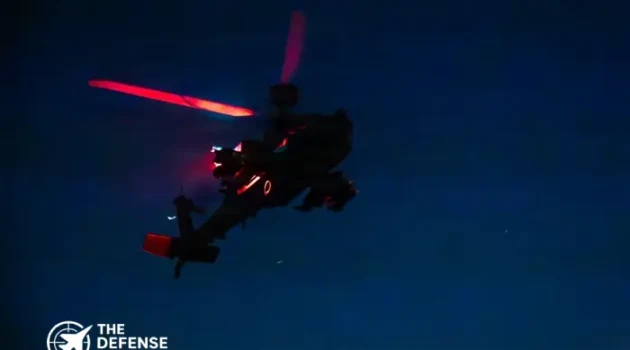
1. AH-64E Apache Guardian (United States)
The ah-64e apache attack helicopter remains the undisputed benchmark for modern rotary-wing lethality. Far outclassing the legacy ah-64d apache attack helicopter baseline, the Echo variant transitions the platform from a self-contained gunship into a collaborative battlefield network node.
Key Avionics & Armament Subsystems
- Sensors: Upgraded AN/APG-78 Longbow Fire Control Radar featuring advanced overwater and maritime targeting modes.
- Propulsion: Twin General Electric T700-GE-701D turboshaft engines linked to an enhanced torque transmission system.
- Network Integration: Level 4 Manned-Unmanned Teaming (MUM-T) and secure Link 16 data exchange.
- Ordnance: 30mm M230 Chain Gun, AGM-114R Hellfire, and the dual-mode AGM-179 Joint Air-to-Ground Missile (JAGM).
With Poland finalizing a historic 96-aircraft procurement program and major operators like the UK and the Netherlands consolidating their fleets around this architecture, this specific apache attack helicopter standard forms the backbone of NATO’s forward defense lines. Its ability to command uncrewed assets and route telemetry across the joint force establishes it as the world’s premier attack helicopter.
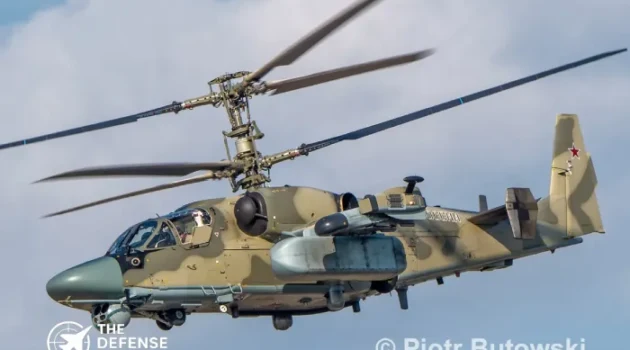
2. Ka-52M Alligator (Russia)
The heavily modified Ka-52M utilizes a distinctive coaxial counter-rotating rotor design, eliminating the need for a traditional tail rotor while providing exceptional agility, high climb rates, and superior hover stability in crosswinds.
Following intensive operational deployments, the “M” variant integrates an upgraded Active Electronically Scanned Array (AESA) radar system alongside a reinforced, combat-hardened hull. It relies on the long-range Izdeliye 305 (LMUR) laser-guided missile and Vikhr anti-tank systems, remaining one of the few combat rotorcraft outfitted with a functional crew ejection seat system.
3. AH-1Z Viper (United States)
Engineered primarily for the United States Marine Corps’ demanding amphibious assault and expeditionary requirements, the AH-1Z Viper excels in austere littoral corridors.
The Viper shares significant drivetrain and component commonality with its utility sibling, the UH-1Y Venom, significantly reducing forward logistical burdens. Featuring a fully integrated glass cockpit, optimized composite four-blade rotor systems, and standard loadouts consisting of AGM-114 Hellfires, APKWS laser-guided rockets, and AIM-9X Sidewinder air-to-air missiles, the platform provides precise, rapid close air support directly from forward-deployed naval decks.
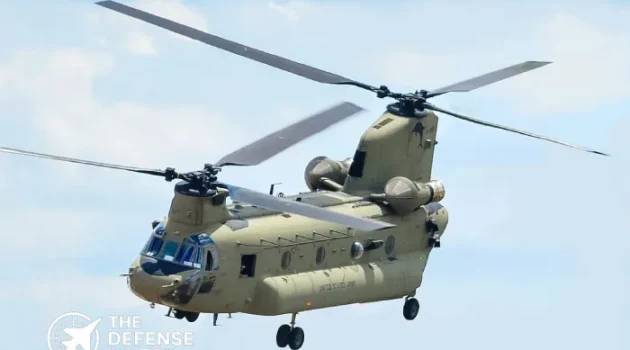
4. CH-47F Chinook (United States)
When evaluating raw tactical mobility and heavy-lift logistics, the tandem-rotor CH-47F Chinook remains unmatched across Western militaries.
Powered by dual Honeywell T55-GA-714A engines, the Chinook easily handles a massive external cargo capacity of up to 10,900 kg. It serves as the primary heavy tactical transport for the US Army, the British Royal Air Force, and various European NATO contingents, specializing in the rapid insertion of artillery batteries, light tactical vehicles, and combat-ready infantry units inside contested areas.
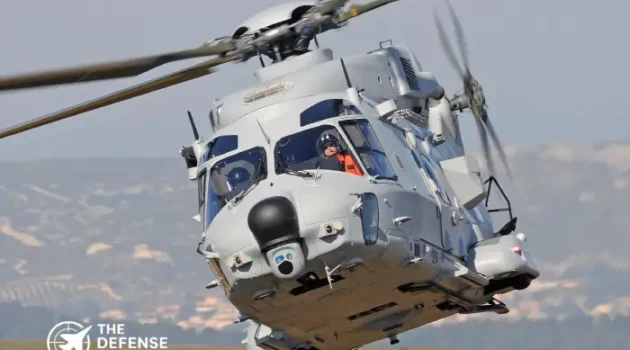
5. NH90 NFH/TTH (Europe)
The NH90 is a product of European industrial cooperation (designed by NHIndustries), serving as a core multi-role asset for multiple NATO forces.
Built with a corrosion-resistant, all-composite fuselage, it features an advanced fly-by-wire flight control architecture that minimizes pilot fatigue during long overwater missions. The platform is divided into two primary operational configurations: the Tactical Transport Helicopter (TTH) for air assault operations and the NATO Frigate Helicopter (NFH), which is equipped with specialized dipping sonar, surface-search radars, and anti-ship torpedoes for complex anti-submarine warfare (ASW).
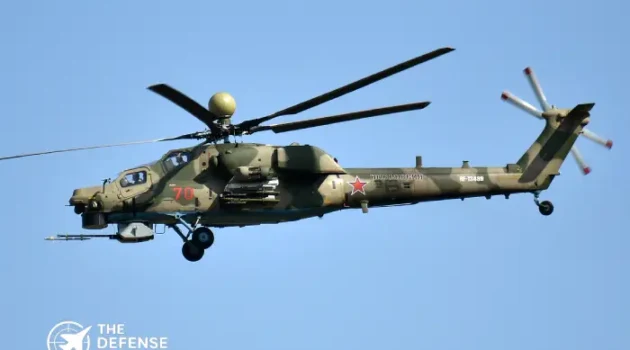
6. Mi-28NM Havoc (Russia)
The Mi-28NM represents Russia’s dedicated tandem-seat, heavy armored strike platform.
Nicknamed the “Havoc,” the modern “NM” iteration introduces an omnidirectional N025 mast-mounted radar dome and a dual-cockpit flight control system that allows either crew member to pilot the aircraft if the other is incapacitated. Designed around heavy titanium airframe shielding, the platform utilizes Khrizantema-V radio-guided anti-tank missiles and upgraded thermal imaging tracking channels to strike fortified armor formations at extended ranges, night or day.
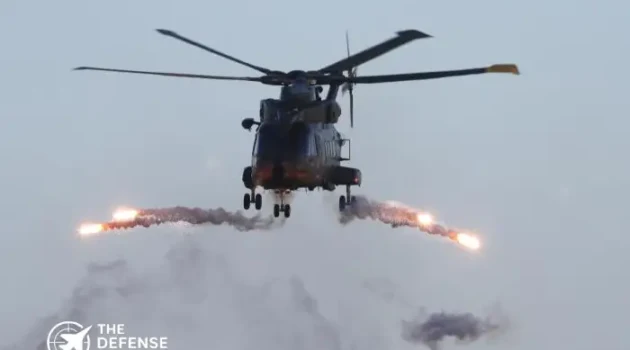
7. AW101 Merlin (United Kingdom / Italy)
The Leonardo AW101 Merlin stands out due to its unique three-engine propulsion configuration (utilizing Rolls-Royce Turbomeca RTM322 or GE CT7 powerplants), offering an unparalleled level of safety and range for long-range maritime operations.
Extensively deployed by the UK Royal Navy and Italian Navy, the Merlin acts as a premium airborne early warning (AEW) and deep-sea anti-submarine platform. Its spacious internal cabin permits the installation of advanced acoustic processing systems, long-range dipping sonars, and heavy anti-surface weapons.
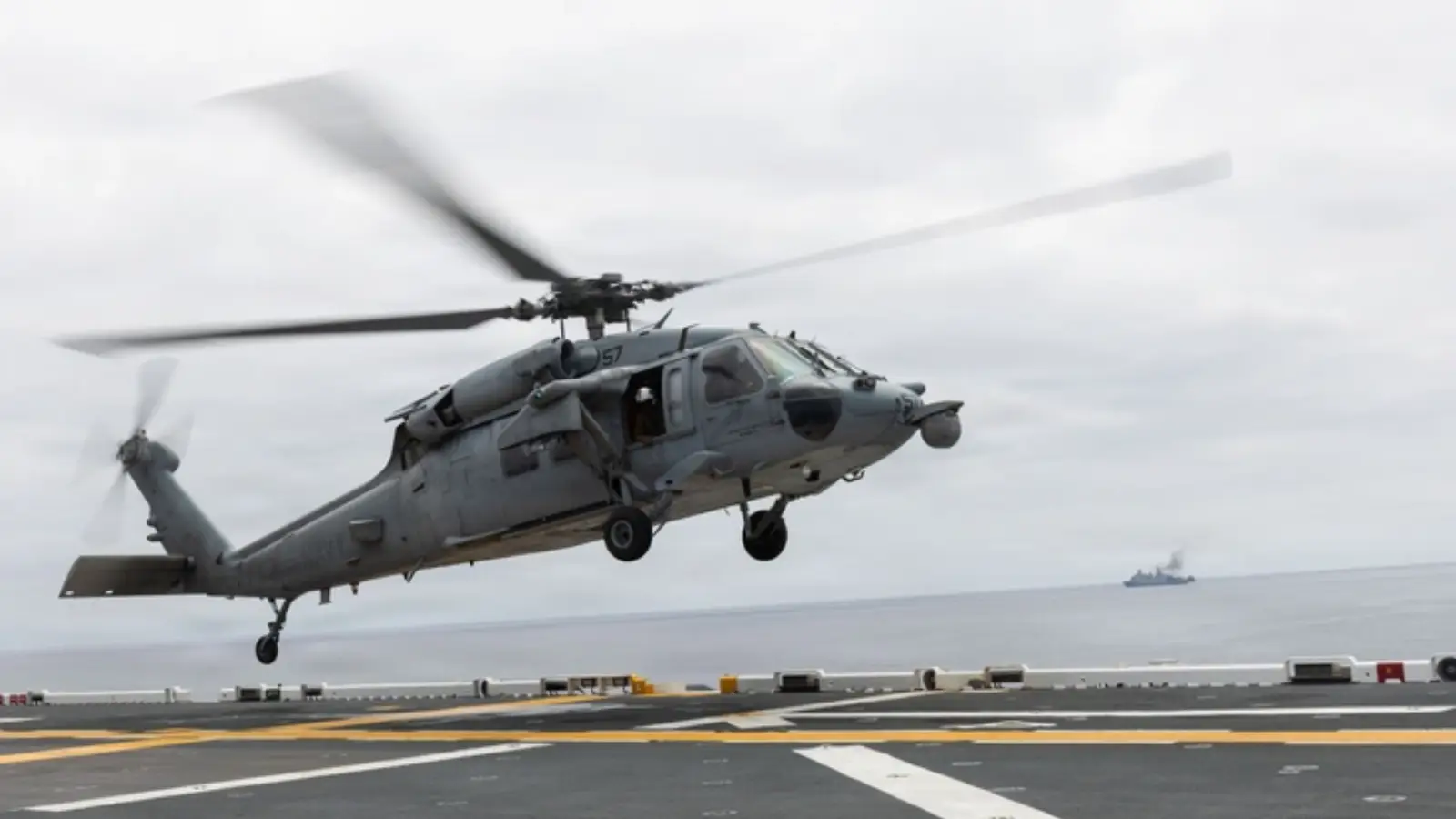
8. UH-60M Black Hawk (United States)
The UH-60M represents the modern pinnacle of the legendary Sikorsky utility family.
Serving as the primary air assault, medical evacuation (MEDEVAC), and command-and-control platform for the US military and over 35 international partners, the “Mike” variant features digital avionics, a digitized Common Avionics Architecture System (CAAS) cockpit, and wide-chord composite rotor blades that increase lift performance. Its robust airframe survivability and global supply chain make it one of the most successful utility aircraft ever built.
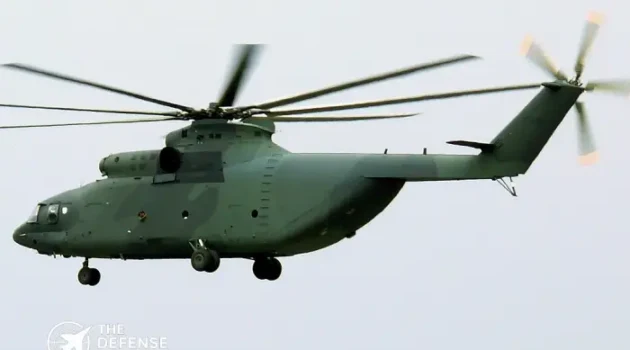
9. Mi-26 Halo (Russia)
The Mi-26 Halo holds the record as the largest and most powerful production helicopter in aviation history.
Driven by two massive Lotarev D-136 turboshaft engines powering an eight-blade main rotor system, the Halo can transport up to 20 metric tons of internal or external cargo. This unique capacity allows it to airlift fully armored personnel carriers, heavy engineering vehicles, or up to 90 combat troops simultaneously—a lifting capability unmatched by any other active vertical-lift platform on Earth.
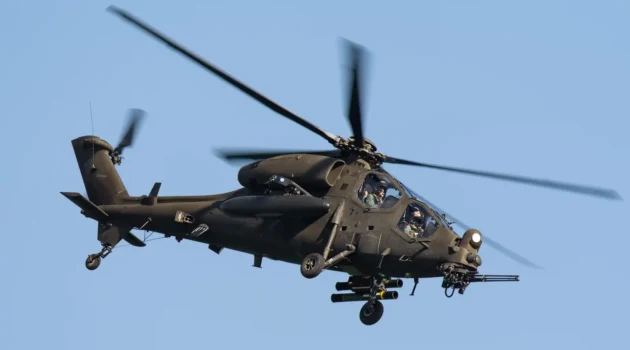
10. T129 ATAK (Türkiye)
Developed by Turkish Aerospace Industries (TAI) from the AgustaWestland A129 Mangusta baseline, the T129 ATAK has carved out a highly successful niche in the international export market.
Optimized specifically for high-altitude, high-temperature (“hot-and-high”) operating profiles, the T129 balances agile flight performance with low operating costs. It is armed with a nose-mounted 20mm three-barrel rotary cannon, indigenously developed UMTAS long-range anti-tank missiles, and CIRIT laser-guided rockets, drawing significant procurement interest across Africa and Asia.
Close Air Support vs. Strategic Logistics
Understanding the separation between specialized direct-action platforms and logistics platforms is key to analyzing modern fleet composition:
Functional Metric Attack Platforms (e.g., AH-64E, Ka-52M) Transport/Utility Platforms (e.g., CH-47F, UH-60M) Primary Mission Anti-armor, reconnaissance, deep precision strike Troop insertion, heavy equipment delivery, MEDEVAC Airframe Shielding Heavy titanium and Kevlar cockpit/drivetrain armor Selective localized ballistic plating Ordnance Capacity Integrated chin guns, precision guided missiles, rockets Defensive door-mounted machine guns (e.g., M134, M2) Avionics Suite Mast radars, laser designers, target acquisition sights Tactical navigation systems, cargo hooks, hoist electronics Why Helicopters Still Matter
Despite rapid advances in unmanned systems, modern combat helicopters continue to provide capabilities that drones cannot fully replace.
They can:
- React within minutes
- Support troops in close contact
- Operate from austere locations
- Conduct casualty evacuation under fire
- Transport special operations forces
- Deliver precision fires while maintaining direct communication with ground commanders
Recent conflicts have also accelerated investment in electronic warfare protection, infrared suppression systems, active defensive aids, and manned-unmanned teaming concepts that integrate helicopters with reconnaissance drones.
Future Outlook
The next generation of rotorcraft is already reshaping military aviation. The United States is advancing the Future Long Range Assault Aircraft (FLRAA) program, while European manufacturers are investing in high speed compound rotorcraft and next generation vertical lift technologies. At the same time, attack helicopters are evolving to operate alongside autonomous drones, enabling crews to detect, identify, and engage threats from greater distances while reducing exposure to modern air defense systems.
Although future battlefields will become increasingly networked and contested, the best military helicopters will continue to combine mobility, precision firepower, and battlefield flexibility in ways that remain difficult for any other platform to match.